Pikitup Johannesburg SOC Limited 2016/17 Business Plan
←
→
Page content transcription
If your browser does not render page correctly, please read the page content below
Pikitup Johannesburg SOC Limited
               2016/17 Business Plan
(As approved by Pikitup Board on )

Signed by:

Ms Amanda Nair                            Dr P Hanekom
Managing Director: Pikitup                Chair: Pikitup Board
Johannesburg SOC Ltd

MMC M Mfikoe
Environment and Infrastructure Services

Final Pikitup 2016/17 Business Plan                              Page 1
Contents
1.      EXECUTIVE SUMMARY .................................................................................................................... 4

2.      ABBREVIATIONS .............................................................................................................................. 7

3.      STRATEGY FRAMEWORK AND CONTEXT ......................................................................................... 9

      3.1.      Introduction ................................................................................................................................9

      3.2.      Strategic Context.........................................................................................................................9
      3.3.      Mayoral Strategic Priorities ..................................................................................................... 10

      3.4.      Alignment of City of Johannesburg Priorities and Pikitup Outcomes ...................................... 15

4.      Legislative Environment ................................................................................................................ 17

5.      STRATEGIC ANALYSIS AND FOCUS ................................................................................................ 20
      5.1.      Problem Statement .................................................................................................................. 20

      5.2.      The Changing Role of Pikitup ................................................................................................... 21

      5.3.      Vision, Mission and Objectives ................................................................................................ 22
      5.4.      Situational Analysis .................................................................................................................. 23

      5.5.      Strengths, Weaknesses, Opportunities and Threats Analysis (SWOT Analysis) ...................... 27

6.      STRATEGY DEVELOPMENT ............................................................................................................ 28

      6.1.      Pikitup Roadmap ...................................................................................................................... 29
      6.2.      Goals and Objectives................................................................................................................ 29
7.      PARTNERSHIPS AND STAKEHOLDER ENGAGEMENT ..................................................................... 31

8.      WASTE AVOIDANCE AND MINIMISATION ........................................ Error! Bookmark not defined.

      8.1.      Recyclables from Domestic Waste ........................................................................................... 43

      8.2.      Green Waste ............................................................................................................................ 44

      8.3.      Builder’s Rubble ....................................................................................................................... 44

      8.4.      Infrastructure Development .................................................................................................... 45
9.      FLAGSHIP PROJECT IMPLEMENTATION......................................................................................... 46

      9.1.      Separation at Source ................................................................................................................ 46
      9.2.      Food for Waste......................................................................................................................... 47

10.          JOZI@WORK .............................................................................................................................. 47

11.          SERVICE DELIVERY EXCELLENCE (Back-to-Basics) ..................................................................... 51

      11.1. Domestic RCR and Street Cleaning .......................................................................................... 51

Final Pikitup 2016/17 Business Plan                                                                                                             Page 2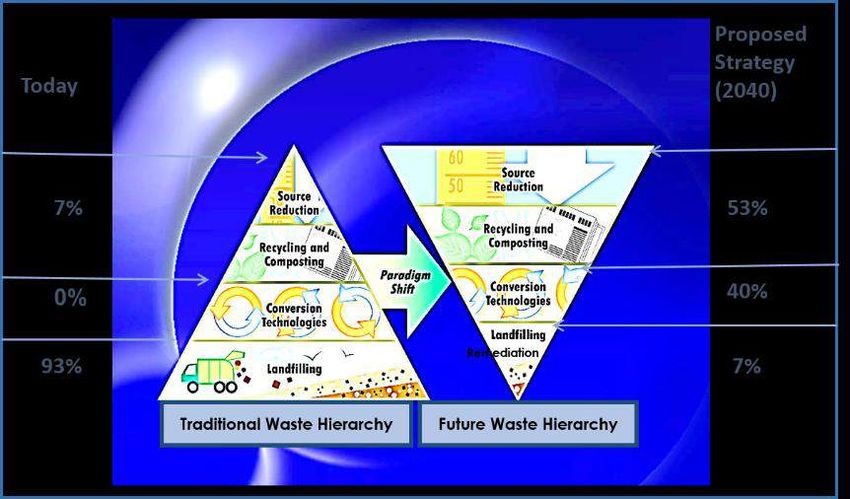
11.2. Illegal Dumping ........................................................................................................................ 51
      11.3. Informal Settlements ............................................................................................................... 53

      11.4. Inner City of Johannesburg ...................................................................................................... 53
      11.5. Fleet Management ................................................................................................................... 54

      11.6. Cleanliness Levels..................................................................................................................... 54

12.         RESEARCH, TECHNOLOGY AND SYSTEMS ................................................................................. 55

13.         2016/17 SERVICE DELIVERY BUDGET IMPLEMENTATION PLAN (SDBIP) .................................. 56

14.         PIKITUP COMMERCIAL SERVICES .............................................................................................. 69

      14.1. Action Plan to Achieve Objectives ........................................................................................... 70
15.         GOVERNANCE STRUCTURES ..................................................................................................... 72

      15.1. Board of Directors .................................................................................................................... 72

      15.2. Board Committees ................................................................................................................... 73

      15.3. Executive Management ........................................................................................................... 75

16.         HUMAN CAPITAL PLAN ............................................................................................................. 77

      16.1. Demographics and Equity Profile ............................................................................................. 77

      16.2. Employee Equity strategy ........................................................................................................ 77
      16.3. Jozi@Work – a case for transforming the Pikitup Business Model ......................................... 79

      16.4. Performance Management ...................................................................................................... 79

      16.5. Health and Wellbeing............................................................................................................... 80

      16.6. Skills Development ................................................................................................................... 80

      16.7. Sound Employee Relations ...................................................................................................... 80
17.         CAPITAL INVESTMENT PLAN ..................................................................................................... 80

18.         FINANCIAL PLAN........................................................................................................................ 82
      18.1. Financial sustainability ............................................................................................................. 83

      18.2. Budget for 2016/17 financial year ........................................................................................... 83

      18.3. Proposed Tariffs and Charges .................................................................................................. 89
19.         RISK ASSESSMENT ..................................................................................................................... 90

      19.1. Risk Management Process ....................................................................................................... 90
      19.2. Risk Identification..................................................................................................................... 90

      19.3. Strategic Risks Report .............................................................................................................. 90

20.         CONCLUSION ............................................................................................................................. 93

Final Pikitup 2016/17 Business Plan                                                                                                          Page 3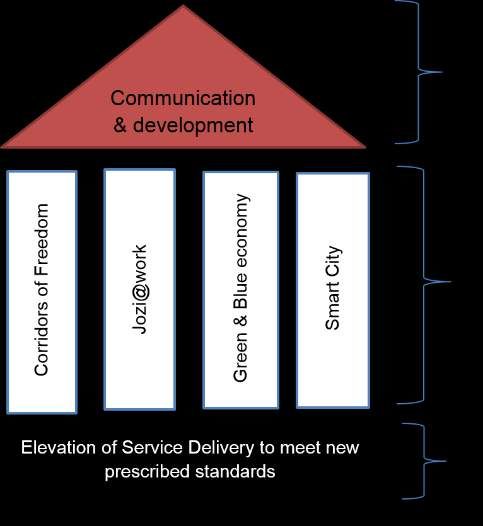
1. EXECUTIVE SUMMARY

Pikitup Johannesburg (SOC) Ltd (herein referred to as Pikitup), 100% owned by the City of
Johannesburg, and established in terms of the Companies Act, on 1 November 2001 is mandated to
provide waste management and refuse removal services to the residents of Johannesburg. A Board
of Directors, appointed by the City of Johannesburg, is authorised to manage and direct the business
and affairs of Pikitup, as set out in the Companies Act and the Memorandum of Incorporation, and
subject to accountability and effective oversight by the City of Johannesburg. The City of
Johannesburg utilises the Environment, Infrastructure and Services Department (EISD) led by
Councillor Matshidiso Mfikoe and the Group Governance Department to oversee the governance of
the company.

In order for Pikitup to make a meaningful impact, based on its core mandate, to contribute to resource
security, environmental sustainability and good governance in the City of Johannesburg, the
resources of the company must be directed towards the activities envisaged by the City of
Johannesburg’s Growth and Development Strategy (GDS 2040).

The business plan for Pikitup for 2016/17 responds to the GDS 2040 ideals of resilience, liveability
and sustainability. It reflects and attempts to strengthen the strategic framework based on the 10
Mayoral Priorities and the related Priority Implementation Plans. The business plan gives effect to
these strategic objectives and responds to the need “to develop a resilient, liveable, sustainable urban
environment, underpinned by infrastructure supportive of a low carbon economy.”1

The strategic focus of Pikitup is to ensure waste prevention and minimisation and a community driven
approach to waste management. This requires the implementation of projects and approaches,
innovative solutions, partnerships and stakeholder involvement to achieve this. Programmes are
designed to create opportunities for developmental service delivery and for communities to take
responsibility for the way services are delivered. This contributes towards the alleviation of poverty,
inequality and unemployment. There is a particular focus in the business plan to address
organisational transformation in order to build an effective and efficient company that delivers world
class services as required from a developmental state.

The focus for Pikitup is to ensure waste minimisation, whilst delivering efficient and effective services
to the residents of Johannesburg. The success to achieve this outcome will require the participation of
all residents and businesses and therefore there is a particular focus on stakeholder engagement and
partnership going forward, making sure that there is a collective effort from civil society, business and
labour.

Pikitup has identified five goals. Aligned to the objectives and the programmes of the City of
Johannesburg. The business plan includes projects for implementation to achieve these goals.

These are:

Goal 1: Integrated Waste Management, Waste Prevention and Waste Minimisation

These activities relate to ensuring that the necessary projects are implemented to ensure prevention
and minimisation of waste as well as to divert waste from landfills through tackling all waste streams
generated within the City of Johannesburg. Re-use, recycling and recovery activities are prioritised
and the necessary infrastructure to support these initiatives developed. The projects included are

1   Outcome 2 as articulated in Joburg GDS 2040

Final Pikitup 2016/17 Business Plan                                                               Page 4
separation at source rollout throughout the city, with a view to making this mandatory, building buy
back centres and upgrading garden refuse sites to integrated waste facilities, dealing with green
waste and composting as well as addressing the operations and viability of the incinerator. There is
an acknowledgement that some of the interventions require technological solutions, therefore
collaboration with the private sector is key. The programme also recognises the role of waste
reclaimers in the process and relevant interventions are included to build partnerships with reclaimers
and recyclers in the roll out of separation at source.
Goal 2: Realisation of Value throughout the Waste Value Chain
In order to address waste prevention as well as the minimisation of waste, there is a need to create
value from waste throughout the value chain. Incentives and disincentives should be used to ensure
that minimal waste is generated but also that there is an incentive to recycle and extract valuable
waste from the waste stream that may then be used as productive resources in other processes.
Pikitup will make a contribution by ensuring that a recycling economy is established in the City of
Johannesburg where communities and entrepreneurs will be able to manage and benefit from
recycling activities and waste may be used as a resource to produce various products. At the centre
of this intervention is the establishment and facilitation of various co-operatives to participate in
recycling activities, cleaning of areas as well as addressing illegal dumping in communities.
Goal 3: Effective Delivery of Waste Services
Whilst implementing projects to enhance waste prevention and minimisation, waste removal services
will be provided in an efficient manner and service levels improved. A clean City of Johannesburg
builds investor confidence and improves the health and quality of life of its citizens. Various initiatives
in the 2016/17 financial year are aimed at improved cleanliness levels in the inner city, outer city,
hostels and informal settlements. Specific attention is also paid to measures to address illegal
dumping.
The implementation of the Jozi@Work programme will be included in the service delivery approach.
The approach entails appointment of community based contractors and co-operatives to take
responsibility for collecting and managing waste, including in informal settlements, street cleaning and
illegal dumping.
Goal 4: Partnerships and Involving Stakeholders
Behavioural change in the home and in the workplace is key to the success of waste prevention and
minimisation and therefore significant resources will be allocated to developing partnership and
involving stakeholders in education and awareness programmes.
Education and awareness creation in communities is also critical to address matters of illegal
dumping, as well as more effective law enforcement. It is acknowledged that Pikitup cannot achieve
these goals by itself and therefore requires partnerships and participation from various stakeholders.
Goal 5: Building an Efficient, Effective and Viable Waste Management Company
Customer centric services and processes are required to drive a highly efficient and effective business
organisation operating in the logistics space. In order to achieve this goal various supporting
processes, systems and structures should be in place. These relate to:
Economic and financial analysis
Final Pikitup 2016/17 Business Plan Page 5 Evidence based planning
Operations management
Best practice financial and human resource management
Appropriate policies and internal controls
Effective management of risks
Building a skilled workforce aligned to the needs of the company
Productivity improvement measures
External and internal communication plans
The Service Delivery Implementation plan details the various indicators and targets that need to be
achieved to ensure that the goals are reached. The various sections in the business plan further
details the projects and interventions that will be implemented based on the resources that are
available in the company. Pikitup is committed to continually improving its performance and the
company is confident that it will, through partnerships and stakeholder involvement, attain the vision
“to be the leading integrated waste management company in Africa and be considered amongst the
best in the World.”
Final Pikitup 2016/17 Business Plan Page 62. ABBREVIATIONS
BCP Business Continuity Planning
BP Business Plan
CAE Chief Audit Executive
CCS Commercial and Customer Services Department of Pikitup
CFO Chief Financial Officer
CoJ City of Johannesburg
DIFR Disabling Injury Frequency Rate
EAP Employee Assistance Programme
EIA Environmental Impact Assessment
EISD Environment and Infrastructure Services Department
EPWP Extended Public Works Program
ERM Enterprise Risk Management
ESP Expanded Social Package
GDARD Gauteng Department of Agriculture and Rural Development
GDS City of Johannesburg Growth and Development Strategy
GHG Greenhouse Gas
GRAP Generally Recognized Accounting Practice
Integrated Development Plan of City of Johannesburg developed in terms of
IDP chapter 5 of Municipal Systems Act
JMPD Johannesburg Metropolitan Police Department
JPC Johannesburg Property Company
Final Pikitup 2016/17 Business Plan Page 7KPI Key Performance Indicator
MFMA Local Government: Municipal Finance Management Act, 56 of 2003
MMC Member of Mayoral Committee
MRF Material Recovery Facility
MTEF Medium Term Expenditure Framework
NGO Non-Government Organisation
NDP National Development Plan of South Africa
Revenue and Customer Relations Management Department of the City of
R&CRM Johannesburg of Johannesburg
RCR Refuse Collection Rounds
RRLP Resource Recovery and Logistics Plan
S@S Separation at Source
SDBIP Service Delivery Budget Implementation Plan
SDG Sustainable Development Goals 2015 (United Nations)
SLA Service Level Agreement
SOC State Owned Company
WtE Waste to Energy
Final Pikitup 2016/17 Business Plan Page 83. STRATEGY FRAMEWORK AND CONTEXT
3.1. Introduction
Pikitup is an entity of the City of Johannesburg and thus has to ensure that its initiatives and plans are
aligned with the priorities and targets of the City of Johannesburg. In addition there are various national
and provincial strategies and policies that inform the proposed targets
3.2. Strategic Context
The Polokwane Declaration signed in September 2001 committed South Africa to achieving 50%
reduction in the volume of waste generated and 25% reduction in volumes of land-filled waste by 2012
and a zero waste plan by 2022. The Polokwane Declaration was a call to action and since its adoption in
2001, the National Waste Management Act and the National Waste Management Strategy were adopted
in 2011. The National Waste Management Strategy provides the strategy and action plans to deliver on
the mandate to reduce waste to landfills.
The National Waste Management Strategy shifts the focus of waste management away from disposal of
waste to avoidance, reduction, re-use and recycling before handling and final disposal. The strategy
applies the principles of accountability, cradle to grave responsibility, equity, integration, waste avoidance
and minimisation in its action plans which aim to move away from fragmented and uncoordinated waste
management to integrated waste management.
The figure below, which is drawn from the National Waste Management Strategy requires a fundamental
change to the business model for Pikitup. Implementation of the waste hierarchy requires changes in the
way products are designed and
manufactured in order to promote their
re-use and recycling, giving effect to the
concept of ‘cradle-to-cradle’ waste
management. This is an important
advance on the previous “cradle to
grave” approach, which entails
producer responsibility for the entire
lifecycle of a product until its final
disposal. Cradle to cradle management
ensures that once a product reaches
the end of its life span, its component
parts are recovered, reused or
recycled, thereby becoming inputs for
new products and materials and this
cycle repeats itself until the least possible portion of the original product is eventually disposed of.
In 2011/12 the City of Johannesburg developed its long-term vision as outlined in the GDS 2040 strategic
document which was adopted by Council. From the GDS 2040 four outputs with outcomes were
identified and these programmes have associated IDP sub-programmes. Additionally a cluster approach
was adopted in order to achieve integrated planning throughout all the City of Johannesburg’s
departments and entities.
Final Pikitup 2016/17 Business Plan Page 9The City of Johannesburg GDS 2040 emphasises the following three key concepts: resilience,
sustainability and liveable urbanism. A resilient city is one that is able to continually change and adapt,
yet remain within sustainable thresholds of existence, even when confronted with complexity and
uncertainty.
With the national imperative to inverting the waste triangle, the City of Johannesburg committed to the
Polokwane Declaration and thus a major shift in paradigm. Integrated Waste Management was identified
as a sub programme within the GDS to deliver the outcome of a resilient, liveable and sustainable urban
environment – underpinned by infrastructure supportive of a low carbon economy.
In order for Pikitup to make a meaningful impact, based on its core mandate contributing to resource
security, environmental sustainability and good governance, the allocation and use of its resources must
be aligned to the goals of the GDS 2040.
3.3. Mayoral Strategic Priorities
The Back to Basics programme was launched nationally by the Minister of Co-operative Governance and
Traditional Affairs as a response to diminishing public confidence in municipal government as expressed
through service delivery protests and quality of life data showing 30% 2 confidence in local government.
Back to basic principles are:
Put people and their concerns first and ensure constant contact with communities
through effective public participation platforms. This is the essence of the ‘back to
basics’ approach.
Create conditions for decent living by consistently delivering municipal services to the
right quality and standard. This includes planning for and delivery of infrastructure
and amenities, maintenance and upkeep, including the budgeting to do this. Ensure
no failures in services and where there are, restore services with urgency.
Be well governed and demonstrate good governance and administration - cut
wastage, spend public funds prudently, hire competent staff, ensure transparency
and accountability.
Ensure sound financial management and accounting, and prudently manage
resources so as to sustainably deliver services and bring development to
communities.
Build and maintain sound institutional and administrative capabilities, administered
and managed by dedicated and skilled personnel at all levels.
The City of Johannesburg and Pikitup are well on their way to realizing these principles – which accord
deeply with the vision GDS 2040, and are given practical expression by the 10 priority implementation
plans. These principles are also detailed in the Business Plan and Service Delivery Budget
Implementation Plan (SDBIP) of Pikitup.
2 National Quality of Life Survey, 2014
Final Pikitup 2016/17 Business Plan Page 10The agenda setting Mayoral Lekgotla, attended
by mayoral committee, senior management and
Board representatives from companies, held in
November 2014 specifically endorsed the “house”
of flagships and the communications game
changer as the guiding priorities of the “final
push” for the City of Johannesburg.
The foundation of the “house” of mayoral priorities
directly addresses itself to the question of basic
service quality. Furthermore the “roof” of the
house, the game changer, is a focus on all the
initiatives required to re-profile the city and
increase citizen engagement, especially directly
enabling community partnership in producing
positive outcomes in communities, as is that case
with Jozi@Work.
These priorities are reflected in the SDBIP of
Pikitup which provides key indicators and targets
to measure performance to deliver on the “final
push”.
The City of Johannesburg is facing various challenges as outlined in the GDS 2040. The impact of many
of these challenges and implementation of responses will be noticeable in the long term and thus the
Mayoral Committee identified 11 priorities for the next 5 years, aligned to the NDP and SDG’s. These
priorities will guide prioritisation of projects and resource allocations.
Pikitup identified various projects that will contribute to the achievement of these priorities as outlined in
Table 3-1 below. The table indicates the priorities as well as the proposed contribution that Pikitup will
make to the achievement of these.
Table 3-1: Mayoral Priorities
CITY OF
JOHANNESBURG ALIGNMENT OF PIKITUP
OVERVIEW
PRIORITIES IN INTERVENTIONS AND SERVICES
2016/21
Promote investment in the area to 1. New technologies provide investment
ensure economic growth, innovation opportunities, such as Waste to
Economic Growth,
and technological advances. Make Energy, Landfill Gas Extraction and
job creation and
the city attractive as a destination Biodigestors.
poverty reduction
and facilitate local industries to 2. A clean environment also attracts
become globally competitive. tourists and investors.
Informal Economy The key objective is to address 1. Jozi@Work approach implemented
Final Pikitup 2016/17 Business Plan Page 11CITY OF
JOHANNESBURG ALIGNMENT OF PIKITUP
OVERVIEW
PRIORITIES IN INTERVENTIONS AND SERVICES
2016/21
and SMME support poverty and, in particular income in areas to use expertise and skills in
inequality through identifying key the community to assist in meeting
success areas and factors for service delivery challenges –
entrepreneurial support and SMME community based contractors to take
development, identifying both responsibility for waste management.
governance and facilitating 2. Separation at Source project is
interventions which will optimise the developed to establish and facilitate
development of the entrepreneurial Co-operatives to participate in
and middle class. recycling activities. This is part of the
changing paradigm to create value
from waste.
3. Proposals are also included with
regard to decentralised composting
where co-operatives will be critical to
divert green waste and use it for the
purposes of composting that can be
used commercially as well as food
gardens at schools and in
communities.
Local initiatives to address 1. Various technologies are
challenges using various investigated to use waste in other
Green and Blue
technologies. These are specifically productive processes. Feasibility
Economy
aimed at improving the environment study to use of building rubble in
and addressing poverty. applications currently underway.
The key objective is to address 1. A range of services are provided in
spatial inequality and create the areas to ensure a clean, living
material conditions for economic environment to residents and all
growth with an emphasis on users of the infrastructure. Various
strengthening the inclusive nature of levels of services are provided in
Transforming entrepreneurial, middle working class formal residential areas, hostels as
Sustainable and marginalised economic activity. well as informal settlements.
Human This is defined by: 2. Illegal dumping impacts on the
Settlements liveability and open spaces in an
Accessibility; area. A programme has been
Integrated Living Spaces; developed to clean illegal dumping
Economic Opportunities; spots.
Range of housing options; 2. Education and awareness
Social and open space campaigns to ensure all citizens are
amenities, and social aware of the impact of illegal
Final Pikitup 2016/17 Business Plan Page 12CITY OF
JOHANNESBURG ALIGNMENT OF PIKITUP
OVERVIEW
PRIORITIES IN INTERVENTIONS AND SERVICES
2016/21
cohesion dumping and littering on the
environment and is informed about
the responsible disposal of all waste.
Building a Smart City will result in: 1. Implementation of various
technologies that will assist with data
Economic development and collection, result in improved
creation of jobs; services, improved billing and
Promoting resource improved performance monitoring
efficiency and mitigating such as infrared, RFIDs, GPS etc.
climate change 2. Improved communication between
Providing a greater place to head office and depots through
live and work broadband
Smart City and Running the City of 3. SharePoint implementation to collate
Innovation Johannesburg more and manage business information
effectively required in decision making and to
Supporting communities ensure deficiencies are timeously
detected and addressed.
Usage of digital technologies for 3. Research to inform evidence based
better connectivity, user experience, planning and conversion to best
and improved service delivery. practice waste management
4. Implementation of new technologies
to use waste as source for energy
generation.
The intention is the prioritisation of 1. Pikitup achieved solvency in the
the City of Johannesburg’s financial 2014/15 financial year. There is a
position to ensure that finances are need to ensure ongoing financial
at all times sustained has the sustainability and reduce
resilience to recover easily and dependence on the shareholder to
immediately from unexpected, fund its activities. The plan
unfavourable occurrences that may addresses increased revenue
Financial
have a severe impact on operations. through improved customer
Sustainability
management and billing, additional
commercial services and clients, as
well as cost reduction measures
such as fleet optimisation and
reduction in overtime costs. A
revised tariff policy will also ensure
that goals are met.
2. Activities to ensure data integrity,
Final Pikitup 2016/17 Business Plan Page 13CITY OF
JOHANNESBURG ALIGNMENT OF PIKITUP
OVERVIEW
PRIORITIES IN INTERVENTIONS AND SERVICES
2016/21
accurate billing and revenue
collection
3. Pikitup strengthening relationship
with Revenue Department and
managing collection of revenue.
Economic growth is strongly
interrelated with the demand for
1. Waste Minimisation Strategy to divert
water, electricity, liquid fuel and
waste from landfills (reduce, reuse,
mining. Managed limited natural
recycle) in place and implementation
resources as well as the
ongoing
consequences of using these natural
2. Separation @ Source to use waste
resources and de-linking economic
Environmental as resource
growth from natural resource
Sustainability and 3. Green waste and composting
extraction is therefore important.
climate change 4. Landfill sites are used for Landfill
Gas Extraction projects and potential
Various declarations such as C40
Waste to Energy project (EISD)
accord was signed to ensure that
5. Proper management of landfill sites
cities use more sustainable practices
also reduce the risk of environmental
for development and reduce the
impact related to disposal of waste.
impact of urbanisation on climate
change.
The objective is the creation of a 1. Enforcement of waste by-laws with
safe, secure and resilient city that JMPD and environmental health.
Building Safer
protects and serves, builds and 2. Appointment of rangers in regions to
Communities
empowers communities. assist with monitoring and reporting
incidents
The strategic intent of the 1. Implementation of waste campaign
programme is to ensure that citizens aimed to mobilise all sectors of
of Johannesburg take an active role labour, business and civil society.
in their communities, are engaged as The intention of campaign is to
Social Cohesion,
members of a community and mobilise community to keep city
community Building
participate as involved members of clean and to recycle.
and Engaged
society. 2. Through Separation at Source
Citizenry
programme communities are
encouraged to participate in waste
minimisation.
3. Concentrated effort to be placed on
awareness creation and education to
Final Pikitup 2016/17 Business Plan Page 14CITY OF
JOHANNESBURG ALIGNMENT OF PIKITUP
OVERVIEW
PRIORITIES IN INTERVENTIONS AND SERVICES
2016/21
increase participation rates.
4. Other projects such as Eco Rangers
and Food for Waste are also aimed
at citizen involvement.
5. Using garden sites for waste
minimisation (provide facilities for
green waste, e-waste, oil and tyres)
in order to make waste minimisation
accessible to all residents
4. Pikitup to develop and implement an
application to be used for residents
to report incidents of illegal dumping.
Through participation in international
events, and ensuring a city attractive 1. World class practices and
for investment and economic growth, technologies to be implemented such
Repositioning
the City will remain major city in as Waste-to-Energy
Joburg in the
global arena. It is necessary to 2. Creating an industry for recyclables
Global Arena
address processes, systems and that can trade on international
infrastructure to ensure that the city market.
remains globally competitive.
To be a World Class African City 1. Maintain a clean audit
2. Sound financial practices
Good Governance
3. World Class policies and procedures
in place
3.4. Alignment of City of Johannesburg Priorities and Pikitup Outcomes
It is important to consider the outcomes envisioned in the City of Johannesburg strategic processes and
the outcomes that may be achieved by Pikitup in the short, medium and long term. Table 3-2 outlines the
alignment between the City of Johannesburg priorities and the outcomes to be achieved.
Final Pikitup 2016/17 Business Plan Page 15Table 3-2: Alignment of City of Johannesburg Priorities and Pikitup Outcomes
IDP related Linkage to Actual achievement in Desired Desired
programmes Pikitup Goals 2015/16 Outcomes: Outcomes:
Medium Term = Long Term = >5
2-4 years (2016- years
20)
Jozi@Work Realisation of 1000 jobs have been Increased roll Waste
Value throughout created and 37 out of management in
the Waste Value cooperatives Jozi@Work to City of
Chain established in waste entire city area. Johannesburg
management sector Reduction in delivered
poverty and through
unemployment community
through initiatives,
opportunities. reducing poverty
and
Sustainable unemployment.
waste
businesses
developed.
Separation at Integrated Waste Separation at source Increased Separation at
source Management, rolled out in 8 depot participation by source a norm
Waste Prevention areas. residents in across the City
and Waste separation at of Johannesburg
Minimisation 24 Co-operatives source with high
established and programme. participation
participating in the rates.
recycling economy. Waste used as a
productive
resource and
various Separation at
opportunities for Source activities
entrepreneur led by a number
development of SMMEs and
and job creation Co-operatives
provided. and thus a new
industry created.
Waste Integrated Waste Infrastructure was All green waste Green and dry
Diversion Management, implemented such as diverted away waste diverted to
Waste Prevention additional buy back from landfills. recycling
and Waste facilities and upgrade of facilities.
Minimisation garden sites to accept Maximum
recyclables. extraction of
recyclables at
Building rubble crusher household level. New
plants were procured technologies
and implemented. Feasibility implemented for
studies respective waste
Participate in feasibility completed for streams to
study for biodigestor to biodigestor to ensure airspace
Final Pikitup 2016/17 Business Plan Page 16IDP related Linkage to Actual achievement in Desired Desired
programmes Pikitup Goals 2015/16 Outcomes: Outcomes:
Medium Term = Long Term = >5
2-4 years (2016- years
20)
address food waste. address food is protected.
waste.
Partnerships concluded
and implemented to Recyclables
divert green waste. seen as a
commodity with
value
Sustainable Integrated Waste Investigation of Project scope Alternative
Waste Disposal Management, alternative waste and benefit technologies
Waste Prevention treatment technologies analysis for implemented.
and Waste to compliment impact alternative
Minimisation pathway underway. technologies Waste to Energy
completed. plant operational
Material Recovery for various waste
Facility (MRF) and bio Potential streams.
digester facility partners with
investigated. private sector
secured and
implemented.
4. Legislative Environment
There are various pieces of legislation that Pikitup has to comply with. Some of the legislation is general
and relates to the general management and operation of a public entity, labour relations and others.
There are, however, legislation that is specific to waste management that has to be complied with as well.
Compliance to legislation is monitored and included in the operations and risk management processes of
the company.
Table 4-1: Legislative Compliance Framework
Legislation Jurisdiction
Basic Conditions of Employment Act, No. 75 of 1997 National
Broad-based Black Economic Empowerment Act, No. 53 of 2003 National
The Constitution of the Republic of South Africa Act No. 108 of 1996 National
City of Johannesburg Waste Management By-Laws Provincial
Companies Act 71 0f 2008 National
Competition Act, No. 89 of 1998 National
Consumer Protection Act, No. 68 of 2008 National
Final Pikitup 2016/17 Business Plan Page 17Legislation Jurisdiction Copyright Act, No. 98 of 1987 National Department of Water Affairs and Forestry. 1998: Minimum requirements for waste disposal by landfill, (2nd Ed), Republic of South Africa National Electronic Communications and Transactions Act, No. 25 of 2000 National Employment Equity Act, No. 55 of 1998 National Income tax Act, No. 58 of 1962 National King III Code on Corporate Governance, 2009 National Labour Relations Act, No. 66 of 1995 National Municipal Finance Management Act, No. 56 of 2003 National Municipal Structures Act, No. 117 of 1998 National Municipal Systems Act, No. 32 of 2000 National National Archiving Act, No. 43 of 1996 National National Environmental Management: Air Quality Act No 39 of 2004 National National Environmental Management: Waste Act No 59 of 2008 National National Health Act, No. 61 of 2003 National National Road Traffic Act, No. 93 of 1996 National National Water Act, No 36 of 1998 National Occupational Health and Safety Act No. 85 of 1993 National Pension Funds Act, No., 24 of 1956 National Preferential Procurement Policy Framework Act, No. 5 of 2000 National Promotion of Access to Information Act, No. 2 of 2000 National Promotion of Administrative Justice Act, No. 3 of 2000 National Protected Disclosures Act, No. 26 of 2000 National Protocol on Governance in Public Sector National Public Audit Act, No. 25 of 2004 National Skills Development Act, No. 97 of 1998 National Skills Development Levy Act, No. 9 of 1999 National Tax on Retirement Funds Act, No. 38 of 1996 National The Compensation for Occupational Injuries and Diseases Act, No. 130 of 1993 National The Environmental Conservation Act No. 73 of 1989 National The National Environmental Management Act No. 107 of 1998 National Unemployment Insurance Act, No. 63 of 2001 National Unemployment Insurance Contributions Act, No. 4 of 2002 National Value Added Tax Act, No. 89 of 1991 National Final Pikitup 2016/17 Business Plan Page 18
Legislation                                Jurisdiction
Atmospheric Pollution Prevention Act, 45 of 1965                                   National
Basic Conditions of Employment Act, No. 75 of 1997                                 National
Broad-based Black Economic Empowerment Act, No. 53 of 2003                         National
The Constitution of the Republic of South Africa Act No. 108 of 1996               National
Civil Proceedings Evidence Act, No. 25 of 1965                                     National
City of Johannesburg Waste Management By-Laws                                     Provincial
Companies Act 71 0f 2008                                                           National
Competition Act, No. 89 of 1998                                                    National
Consumer Protection Act, No. 68 of 2008                                            National
Copyright Act, No. 98 of 1987                                                      National
Criminal Procedure Act, No. 51 of 1977                                             National
Department of Water Affairs and Forestry. 1998: Minimum requirements for waste
disposal by landfill, (2nd Ed), Republic of South Africa                           National
Designs Act, No. 195 of 1993                                                       National
Electronic Communications and Transactions Act, No. 25 of 2000                     National
Employment Equity Act, No. 55 of 1998                                              National
Income tax Act, No. 58 of 1962                                                     National
Information Act, No. 70 of 2002                                                    National
King III Code on Corporate Governance                                              National
Labour Relations Act, No. 66 of 1995                                               National
Legal Deposits Act, No. 54 of 1997                                                 National
Medical Schemes Act, No. 131 of 1998                                               National
Municipal Finance Management Act, No. 56 of 2003                                   National
Municipal Structures Act, No. 117 of 1998                                          National
Municipal Systems Act, No. 32 of 2000                                              National
National Archiving Act, No. 43 of 1996                                             National
National Environmental Management: Air Quality Act No 39 of 2004                   National
National Environmental Management Biodiversity Act, No. 10 of 2004                 National
National Environmental Management Waste Act No 59 of 2008                          National
National Health Act, No. 61 of 2003                                                National
National Road Traffic Act, No. 93 of 1996                                          National
National Water Act, No 36 of 1998                                                  National
Occupational Health and Safety Act No. 85 of 1993                                  National
Pension Funds Act, No., 24 of 1956                                                 National

Final Pikitup 2016/17 Business Plan                                                 Page 19
Legislation Jurisdiction
Preferential Procurement Policy Framework Act, No. 5 of 2000 National
Prescription Act, No. 68 of 1969 National
Promotion of Access to Information Act, No. 2 of 2000 National
Promotion of Administrative Justice Act, No. 3 of 2000 National
Protected Disclosures Act, No. 26 of 2000 National
Protocol on Governance in Public Sector National
Public Audit Act, No. 25 of 2004 National
Road Traffic Act, No. 29 of 1989 National
Road Accident Fund Act, No. 56 of 1996 National
Skills Development Act, No. 97 of 1998 National
Skills Development Levy Act, No. 9 of 1999 National
Stamp Duties Act, No. 77 of 1968 National
Tax on Retirement Funds Act, No. 38 of 1996 National
The Compensation for occupational Injuries and Diseases Act, No. 130 of 1993 National
The Environment Conservation Act No. 73 of 1989 National
The National Environmental Management Act No. 107 of 1998 National
Unemployment Insurance Act, No. 63 of 2001 National
Unemployment Insurance Contributions Act, No. 4 of 2002 National
Value Added Tax Act, No. 89 of 1991 National
5. STRATEGIC ANALYSIS AND FOCUS
From the national and City of Johannesburg strategic plans and direction, Pikitup developed a clear
strategic focus for the entity. The operations and focus of the company is informed by the core mandate
of the company and mitigation plans are developed and implemented to address the challenges faced in
execution of the mandate.
5.1. Problem Statement
The main challenges identified in waste management are:
A growing population and economy, which means increased volumes of waste generated.
This puts pressure on waste management facilities, which are already in short supply.
Costly services due to no principle where the polluter pays. There is need for law reform to
enable avoidance and promote minimisation of waste.
Final Pikitup 2016/17 Business Plan Page 20 Increased complexity of the waste stream because of urbanisation and industrialisation.
The complexity of the waste stream directly affects the complexity of its management, which
is compounded when hazardous waste mixes with general waste.
A policy and regulatory environment that does not actively promote the waste management
hierarchy. This has limited the economic potential of the waste management sector, which
has an estimated turnover of approximately R10 billion per annum. Both waste collection
and the recycling industry make meaningful contributions to job creation and GDP, and
they can expand further.
Absence of a recycling infrastructure which will enable separation of waste at source and
diversion of waste streams to material recovery and buy back facilities.
Growing pressure on outdated and ageing waste management infrastructure, with declining
levels of capital investment and maintenance.
Waste management suffers from a pervasive under-pricing, which means that the costs
of waste management are not fully appreciated by consumers and industry, and waste
disposal is preferred over other options.
Too few adequate, compliant landfills and hazardous waste management facilities, which
hinders the safe disposal of all waste streams. There is limited landfill airspace available at
the remaining 4 operating landfills and it will not be able to cope with the continued waste
disposal in city.
Ineffective and inefficient services lead to increased occurrence of littering and illegal
dumping.
Citizen behaviour needs to be transformed through active education and awareness
campaigns. Perception still prevails that waste may be discarded anywhere and that Pikitup
will collect and dispose of waste
5.2. The Changing Role of Pikitup
Pikitup was established to provide waste management and refuse removal services in the City of
Johannesburg area. Pikitup wholly owned by and operates in terms of a Shareholder Compact with the
City of Johannesburg.
Pikitup provides two categories of services, Council services and commercial services. The Council
services, comprise of the collection and disposal of domestic waste, street cleaning, lane flushing, area
cleaning, the management of litter bins, the collection of illegally dumped waste, the collection and
disposal of animal carcasses found in a public place and the operation of garden sites. Services also
include the collection of putrescible waste from various customers.
Pikitup operates 11 depots, 44 garden sites and 4 operational landfill sites, 6 buy-back centres and 5
community food gardens, in addition to 2 closed landfill sites.
Final Pikitup 2016/17 Business Plan Page 21The commercial services, which Pikitup provides alongside private waste management companies and
non-government organisations (NGO), comprise of the collection and treatment of bulk collection
services, composting, recycling activities, providing services for special events and the operation of
landfill sites.
Pikitup also facilitates the development of infrastructure to be operated by various business entities and
non-governmental organisations, in accordance with the Waste Minimisation Plan. These include Material
Recovery Facilities, sorting facilities as well as other potential disposal sites.
The role and focus of Pikitup is changing to ensure that the Jozi@Work model is implemented and that
co-operatives are used in providing services in communities such as collection of recyclable waste,
transport of waste to sorting / buy back facilities, operation of these facilities as well as education and
awareness programmes. The implication of this is that Pikitup will require new contract management,
facilitation and monitoring skills. The fleet composition will change over time as the new approach is
implemented and requirements may change. This change is not immediate and will take time.
Pikitup is committed to a holistic approach to waste management rather than that of waste collection. This
requires collaboration with various stakeholders, finding alternative uses for waste and creating value
from waste, investigation and implementation of alternative technologies as well as oversight and
monitoring of the delivery of services by the respective co-operatives.
5.3. Vision, Mission and Objectives
5.3.1.Vision
Pikitup’s vision is “to be the leading integrated waste management company in Africa and be considered
amongst the best in the World.” This is in line with the vision of the City of Johannesburg, which is to be
“a World Class African City”.
5.3.2.Mission
Pikitup’s mission is “To provide sustainable and innovative waste management solutions that exceed
stakeholder expectations”.
5.3.3.Values
A strong set of values lie at the core of any vision as these determine and shape how the company and
its people see themselves and how they behave, thereby contributing to the execution of the mission.
The organisational values that guide and direct all Pikitup’s interactions with external and internal
stakeholders are:
Exceptional Service Ethic - Putting the customer first thereby achieving the highest customer
satisfaction index
Environmental Consciousness - Being environmental activists and a sought-after group of people
Respect for Human Dignity - Trust, integrity and respect for each other’s culture, religion and
beliefs
Good Corporate Citizenship - Loyalty towards Pikitup, colleagues, community and the country at
large
Final Pikitup 2016/17 Business Plan Page 22 Unity of Purpose - Teamwork, perseverance, embracing change, determination, exceptional
commitment and relationship building
Result driven - Understanding Pikitup’s strategy and its objectives and relating it to areas where
efforts should be focussed
Innovative - Providing innovative waste solutions by providing systems and technologies that
require the innovative thinking of specialists in the field of waste management.
Continuous Improvement - Maintaining a competitive edge over our competitors by continuously
improving business processes in waste management solutions and in the company
5.3.4.Mandate
Pikitup’s mandate is informed by the following points, derived from the Executive Mayor’s 2014 State of
the City Address:
• The City of Johannesburg remains committed to the Polokwane Declaration of zero waste to
landfill sites;
• The City of Johannesburg will provide leadership, but the public needs to be part of the solution;
• Implementation of Separation @ Source city-wide at large scale to increase tonnages of waste
diverted from landfills;
• Motivation of Communities to sort waste at household level;
• Employing community to collect, transport and sort all waste streams including education and
awareness;
• A clean city
Pikitup will continue to deliver on its mandate to provide sustainable integrated waste management and
refuse removal services. This will be done in the context of the GDS 2040 which responds to the global,
national and regional challenges of climate change, resource constraints, the triple challenge of poverty,
unemployment, and inequality, as well as improving the overall governance and compliance environment
in the company.
5.4. Situational Analysis
Rapid population growth within the City of Johannesburg and associated economic development, which
ultimately results in increased waste generation, is the key pressure resulting in the current waste
management challenges. Increased population further places pressure on the level of service Pikitup can
deliver.
A high level situational analysis of the political, economic, social, technological, legal and environmental
factors (PESTLE) that influence Pikitup as well as the potential impact these may have can be
summarized as follows:
Final Pikitup 2016/17 Business Plan Page 23Table 5-1: PESTLE Analysis
Factors Notes
Funding Tariffs are not cost reflective and service fee from City required as well as City
of Johannesburg being sole provider of capital funding. Furthermore, ad hoc
instructions to clean areas without provision of funding for “special cleaning”
places burden on Pikitup resources. In order to achieve the targets as set out
in the Waste Minimisation Plan, funding for projects to be secured.
POLITICAL
GDS 2040 Paradigm shift will have an influence on the way it does business – targets to
be agreed as various strategies indicate different targets and place pressure
on the delivery of services. Realistic and achievable targets need to be
developed based on resource availability as well as time frame for
implementation of various initiatives.
IDP Imperatives Un-sustainability of an ever growing need for free basic services, growing city
and population also puts pressure on the level of service to be provided with
limited resources.
National Interest rates, borrowing, credit rating, fuel costs inflation, e-tolls and others
economic impact on cost of living and cost of service delivery.
situation
Economic down
turn/ Recession
Specific industry Illegal dumping resulting from commercial customers not willing to pay for
factors landfill services. Due to inability of Pikitup to adjust tariffs and negotiate
ECONOMIC
individual commercial contracts, Pikitup tariffs are not competitive.
High Increased unemployment and resultant increased competition for available
Unemployment work – new models to be implemented to create jobs through service delivery
Tariffs Cost of service leads to increase in tariff which leads to higher inflation.
Current tariff structure does not incentivise recycling activities.
Funding Budget cuts and cash flow constraints from City of Johannesburg – current
service is not properly costed and thus the service fee not commensurate with
the level of service required. There is a dependency on the shareholder to
provide funding for the operation of the company.
Final Pikitup 2016/17 Business Plan Page 24Factors Notes
Labour Labour action influences the cost of doing business, mitigations to keep the
City of Johannesburg clean and avoid health risks impacts on Pikitup’s
finances. Recent labour actions affected service delivery negatively, impacted
on cleanliness of city and health standards. In addition, labour action had
financial impact as contingency plans had to put in place during the strike.
Consumer Pikitup’s core value lies in service delivery. Our customer’s attitudes impact
attitudes and heavily on projects such as the reduction of illegal dumping and separation at
opinions source. Customer’s opinions influence customer satisfaction levels.
Government Job EPWP, Indigent lists and citizen’s expectations of job creation. New
creation approaches to be implemented that focus on community driven service
programme delivery.
Media views, Media view’s, advertising and publicity have an influence on customer’s
advertising and perceptions of Pikitup’s service delivery levels.
publicity
Company brand We have a well-known brand, but lack marketing and communication. There
is a need to build the reputation of the company and shift discourse to
partnerships rather than complaint resolution.
SOCIAL
Population shifts Population migration to Johannesburg not only from within SA’s borders but
from the African continent has a mushroom effect on the City of
Johannesburg; this in turn increases pressure on the infrastructure and
service delivery requirements.
Education Lack of education and understanding of environmental and financial impact of
littering creates a mediocre attitude towards littering and illegal dumping.
Health Ineffective service delivery can have a major impact on the health of the
citizens of Johannesburg
Housing trends Increase in popularity of town house complexes and cluster housing led to the
increase in service points. Increase in population as well as formalisation of
informal areas will increase number of residents where services will be
required. In addition the development of the city is changing to transit
corridors and high density nodes – these changes will require a different
approach to waste management in these areas. However, the possibility of
designing appropriate waste receptacle technologies exists.
Final Pikitup 2016/17 Business Plan Page 25Factors Notes
Crime rate Hijacking of buildings and subsequent impact on service delivery especially in
the Inner City. In addition, disregard for waste management by-laws result in
high levels of illegal dumping.
Research Adequacy of research funding and capacity is limited.
funding
Associated/ Many technological advances have been made in terms of refuse removal
dependent and street cleaning, the effectiveness and compatibility in the South African
technologies context needs to be confirmed but at the same time our social responsibility
TECHNOLOGICAL
towards job creation should not be lost in the quest for advanced and less
costly technology.
Energy Landfill gas and waste to energy projects will address alternative energy
uses/sources resources. Additional technology solution should be investigated to use
/fuels residual waste for energy or fuel generation.
Technological Lack of funding to acquire technological advances in terms of systems to
advances allow for faster and more economic, innovative and efficient ways of doing
business (IT Business Solution, Risk Audit and Compliance Software)
Alternative waste treatment solutions can’t be implemented.
Employment law Labour legislation as well as National Bargaining Forum decisions influence
the company
Local By-laws Pikitup’s actions are governed by the by laws. Enforcement of By-laws is a
priority as well as providing inputs for By-law promulgation
Lack of By-Law enforcement
LEGAL
Government Government policies impact on local government which in turn impact on
policies Pikitup. Various targets are proposed that may be unrealistic and is
dependent on the budget availability.
Legislation and Legislation influences Risk Management, Auditing, Safety and Environment.
Standards
Standards such as ISO (9000, 11 000, 18 000) and King lll to be adhered to.
Final Pikitup 2016/17 Business Plan Page 26You can also read


