WAVERLEY LOCAL STRATEGIC PLANNING STATEMENT 2020-2036 - MARCH 2020 - AWS
←
→
Page content transcription
If your browser does not render page correctly, please read the page content below
WAVERLEY LOCAL
STRATEGIC PLANNING
STATEMENT
2020-2036

                     MARCH 2020
2

    Document Information

    To ensure consistency across State and Local Government forecasting and
    planning, the figures in this document are drawn from the 2016 Census, unless
    otherwise stated. The 20 year vision in this document therefore provides a
    strategic plan for the time period 2016-2036.
    This Local Strategic Planning Statement will be reviewed and updated regularly.

    Draft Waverley Local Strategic Planning Statement 2036
CONTENTS
                                                                                                                      3
About the Plan 				                                      6    Productivity 				48
Acknowledgement of Country			                            5    Direction: A well connected city
Common Terms and Acronyms			                             4    9.  Support and grow Waverley’s local economy      50
List of Figures					                                     4        with a focus on wellbeing, knowledge
                                                                  and innovation
About this Plan					                                     6
                                                              10. Manage visitation sustainably to protect       52
How to Read This Plan 				                               7
                                                                  local amenity and enhance Waverley’s
                                                                  natural and built environment

Vision and Context 			                                   8    Direction: Jobs and skills for the city
Strategic Context at a Glance			                         8
                                                              11. Facilitate Bondi Junction as a lively and		   48
The Eastern City District				                            10       engaging strategic centre with a mix of
Vision and Structure Plan				                            12       employment, entertainment and housing options
Key Issues and Challenges 				                           14
Themes and Planning Priorities 			                       15
Principles for Change				                                16   Sustainability 				58
                                                              Direction: A city in its landscape
                                                              12. Conserve our water resources and 		            60
                                                                  protect our coasts and beaches
Infrastructure and Collaboration                         18
                                                              13. Protect and grow our areas of biodiversity     62
Direction: A collaborative city			                       20
                                                                  and connect people to nature

Direction: A city supported by infrastructure                 Direction: An efficient city
1.   Deliver public and active transport projects        21   14. Achieve net zero carbon emissions in the       64
     to achieve the 30 minute city                                built environment
2.   Facilitate urban design that optimises transport,   28   15. Achieve zero waste in the built environment    70
     freight and parking
3.   Digitally manage infrastructure to ensure it is     30   Direction: A resilient city
     efficient, fit for purpose, and well maintained
                                                              16. Plan for and manage our assets and urban       74
4.   Ensure the community is well serviced by            32       environment, and support our community to
     crucial social and cultural infrastructure                   adapt and be resilient to a changing climate

Liveability 					34                                           Implementation Plan 			                            76
Direction: A city for people                                  Relevant Strategies, Plans and Studies		           77
5.   Increase the sense of wellbeing in our 		           36   Alignment to Other Plans 				                      78
     urban environment
                                                              Implementation
Direction: Housing the city                                   17. Provide transparency in the Planning Process   80
6.   Facilitate a range of housing opportunities in      38
     the right places to support and retain a diverse
     community

Direction: A city of great places
7.   Recognise and celebrate Waverley's unique       44
     place in the Australian contemporary
     cultural landscape
8.   Connect people to inspiring and vibrant places, 46
     and provide easy access to shops, services,
     and public transport
LIST OF FIGURES
4
    Figure 1 - Indigenous Cultural Ceremony                                Figure 36 - Productivity Structure Plan
    Figure 2 - Policy Line of Sight                                        Figure 37 - Bondi Junction
    Figure 3 - Current Strategic Policy Framework                          Figure 38 - Hall Street, Bondi Beach
    Figure 4 - Eastern City District Vision                                Figure 39 - Coastal Walk, Bondi
    Figure 5 - Vision on a Page                                            Figure 40 - Bondi Feast
    Figure 6 - Principles for Change                                       Figure 41 - Festival of the Winds
    Figure 7 - Infrastructure and Collaboration Structure Plan             Figure 42 - Bronte Road, Bondi Junction
    Figure 8 - Seating at Bondi Beach                                      Figure 43- Oxford Street Mall, Bondi Junction
    Figure 9 - Waverley Library                                            Figure 44 - Bondi Junction Strategic Centre Structure Plan
    Figure 10 - The Boot Factory                                           Figure 45 - Bondi Junction Strategic Centre Employment Breakdown
    Figure 11 - Macpherson Street Neighbourhood Centre                     Figure 46 - Sustainability Structure Plan
    Figure 12 - Movement and Place Framework, TfNSW                        Figure 47 - Bondi Beach
    Figure 13 - Artist impression of improved access to Bondi Junction     Figure 48 - Mature Canopy
                bus/rail Interchange.                                      Figure 49 - Raingarden
    Figure 14 - Bondi Road City-Serving Corridor                           Figure 50 - Energy Use by Sector 2016-17
    Figure 15 - People, Movement and Places Hierarchy                      Figure 51 - Community Emissions Reduction Target
    Figure 16 - Potential Principal Bicycle Network                        Figure 52 - Bondi Junction Sustainable Precinct
    Figure 17 - Public Transport Routes                                    Figure 53 - Bondi Junction
    Figure 18 - Electric Vehicles                                          Figure 54 - Solar my School
    Figure 19 - Freight Loading Zone                                       Figure 55 - Building Futures
    Figure 20 - Smart Waverley 2023                                        Figure 56 - Waste Collection in Bondi Junction
    Figure 21 - Icebergs Swimming Pool                                     Figure 57 - Current Emissions Profile
    Figure 22 - Liveability Structure Plan                                 Figure 58 - The Circular Economy
    Figure 23 - Bronte Beach                                               Figure 59 - Mature Canopy
    Figure 24 - Waverley Community Garden                                  Figure 60 - Bondi Junction After Dark
    Figure 25 - Tamarama Beach                                             Figure 61 - Relevant Strategies, Plans and Studies
    Figure 26 - Waverley Community Garden                                  Figure 62 - Alignment to Other Plans
    Figure 27 - Waverley Green Walks                                       Figure 63 - Framework for implementation in Waverley
    Figure 28 - Bondi Junction Village Markets                             Figure 64 - Performance Indicator Alignment with Ten Directions
    Figure 29 - Terrace Housing in Waverley                                Figure 65 - Performance Indicator Findings for the Eastern City District
    Figure 30 - Housing continuum, initiatives and programs                Figure 66 - Implementation Plan Vaucluse, Dover Heights, Rose Bay
    Figure 31 - The Missing Middle                                         Figure 67 - Implementation Plan North Bondi and Bondi Beach
    Figure 32 - Dwelling Typology Mix                                      Figure 68 - Implementation Plan Bondi, Tamarama and Bronte
    Figure 33 - The Boot Factory                                           Figure 69 - Implementation Plan Bondi Junction, Queens Park and
    Figure 34 - The Bondi Pavilion                                                      Waverley
    Figure 35 - Bronte Road, Charing Cross

    COMMON TERMS AND ACRONYMS
     EVs                    Electric Vehicles                            DCP                   Development Control Plan
     FSR                    Floor space ratio                            District Plan         Eastern City District Plan, Greater Sydney
     GHG                    Greenhouse gasses                                                  Commission, 2018
     LGA                    Local Government Area                        LEP                   Local Environmental Plan
     SCCG                   Sydney Coastal Councils Group                LHS                   Local Housing Strategy
     TfNSW                  Transport for NSW                            LSPS                  Local Strategic Planning Statement (this
                                                                                               document)
     CSP                    Community Strategic Plan
                                                                         Region Plan           A Metropolis of Three Cities, Greater
                                                                                               Sydney Commission, 2018
    Waverley Local Strategic Planning Statement 2036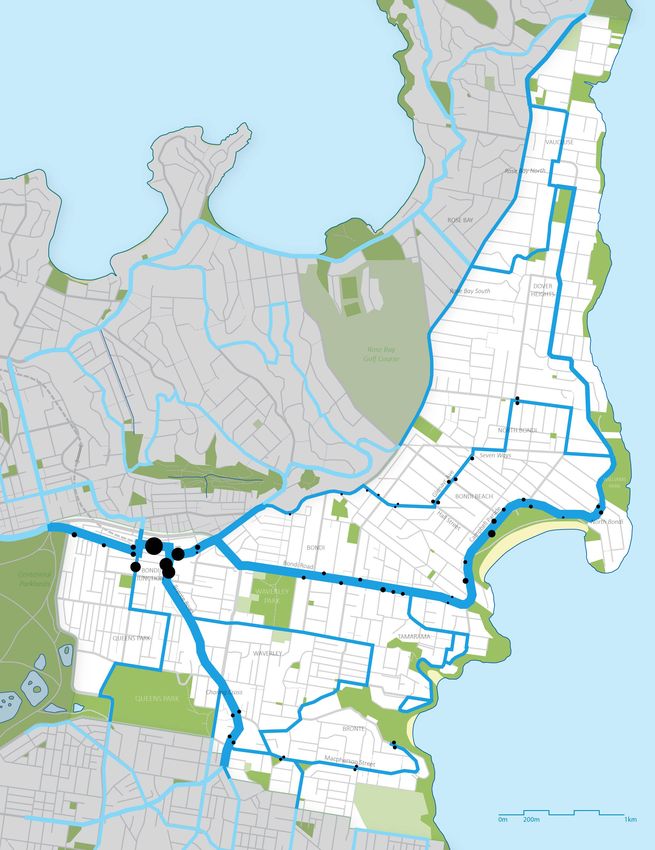
We acknowledge the Bidjigal and Gadigal people,
         who traditionally occupied the Sydney coast
                                                                                                                                                     5
                                                                                                                                                     5
         We also acknowledge Aboriginal Elders
         past, present and emerging.

         Waverley Council acknowledges that Aboriginal and Torres            Today, Waverley is home to almost 300 Aboriginal and Torres
         Strait Islander Peoples are the first people of this land and       Strait Islander people from all parts of this land. Our vision for
         were dispossessed by the European occupation more than              reconciliation is for Waverley to be a vibrant, resilient, caring,
         two centuries ago. This invasion brought massive disruption         and inclusive community where Aboriginal and Torres Strait
         to the land and to the First Peoples. Waverley Council              Islander peoples;
         acknowledges and grieves for the loss by Aboriginal and Torres        - Practice and celebrate their culture and heritage proudly
         Strait Islander Peoples of their lands, their children, their         - Are honoured for their survival and resilience, and
         health and their lives.                                                 supported to continue to overcome adversity
                                                                               - Are respected and acknowledged as First Nations peoples
         We also celebrate their survival and the survival of their
                                                                                 with the right to determine their own futures.
         cultures and recognise their inherent resilience in being one
                                                                             Waverley Council seeks to value and protect our environment
         of the world’s oldest living cultures. We support the right of
                                                                             with respect to Aboriginal and Torres Strait Islander peoples’
         Aboriginal and Torres Strait Islander Peoples to determine
                                                                             intrinsic relationship with the land and waters, to continue to
         their own future and recognise their right to live according
                                                                             learn and improve our management of the environment, and
         to their own values and customs. We commit ourselves to
                                                                             to increase the resilience of the Waverley community.
         respecting Aboriginal and Torres Strait Islander People’s
         sacred sites and special places.                                    Waverley is located near two large Aboriginal communities
                                                                             in Redfern and La Perouse, and the local government area
         We commit to ongoing custodianship to protect and preserve
                                                                             is within the statutory boundary of the La Perouse Local
         our environment, with thousands of years of Aboriginal
                                                                             Aboriginal Land Council. Waverley Council recognises the
         cultures and history evident throughout Waverley. This
                                                                             valuable contribution of Aboriginal and Torres Strait Islander
         includes physical evidence of Aboriginal rock engravings,
                                                                             Peoples and looks forward to a future of mutual respect and
         sandstone rock shelters or overhangs, open middens, open
                                                                             harmony. Council supports the entire community in working
         campsites, axe grinding grooves, burial sites, quarries and
                                                                             together for reconciliation. Waverley Council has worked in
         Aboriginal pathways. Waverley also has other features which
                                                                             partnership with the Local Aboriginal Land Council and other
         are significant to Aboriginal people, including fishing spots and
                                                                             Aboriginal and Torres Strait Islander stakeholders to prepare
         the availability of bush tucker. Waverley plays host to a range
                                                                             the Waverley Council INNOVATE - Reconciliation Action Plan
         of different activities and programs which celebrate Aboriginal
                                                                             2019 – 2021 (RAP), in line with the Statement of Commitment
         and Torres Strait Islander cultures and heritage including art,
                                                                             to Reconciliation made in 2000. For more information about
         culture and music programs throughout the area. We work
                                                                             Aboriginal and Torres Strait Islanders in Waverley, refer to
         with our partners at the La Perouse Local Aboriginal Land                                   Waverley Council Reconcilliaton Action Plan 7
                                                                             Council’s Website to find the Waverley Aboriginal Cultural
         Council to ensure protocols are followed and cultural heritage
                                                                             Heritage Study 2009 and the RAP.
         is protected.

Figure 1 - Indigenous Cultural Ceremony
ABOUT THE PLAN
 6
      This Local Strategic Planning Statement (LSPS) plans for                   The LSPS gives effect to a number of strategic plans prepared
      Waverley’s economic, social and environmental needs over                   by the NSW Government. This includes implementing the
      the next 20 years (to 2036). This is the first LSPS developed by           directions and actions of A Metropolis of Three Cities 2016-
      Council. This LSPS identifies planning priorities to protect and           2036 (Region Plan) and the Eastern City District Plan 2016-
      support our infrastructure, environment, and how we live and               2036 (District Plan). These Plans and the LSPS are subject to
      work so that we can thrive. It identifies short, medium and                the NSW Government's State Environmental Planning Policies
      long term actions that Council will take to help achieve our               (SEPPs) as well as Ministerial Directions.
      vision for a sustainable well connected community, living in a
                                                                                 The LSPS is also informed by, and will inform, other state-wide
      stunning natural environment.
                                                                                 and regional policies including the Future Transport Plan 2056
      This LSPS has been prepared in accordance with clause 3.9                  and the State Infrastructure Strategy. The LSPS outlines how
      of the Environmental Planning and Assessment Act 1979                      these plans will result in changes at the local level, such as new
      (the EP&A Act). The LSPS brings together and builds on                     or improved transport connections. The LSPS is intended to be
      planning work found in Council’s other plans, studies and                  a land use plan that aligns with and implements the broader
      strategies including Council’s Local Environmental Plan                    Waverley Community Strategic Plan 2018-2029 (CSP) prepared
      (LEP), Development Control Plan (DCP) and Development                      by Council in consultation with the community. The Planning
      Contributions Plan. The LSPS will be used to guide any updates             Priorities and Actions outlined in this document provide the
      to these plans, and identifies additional strategies and policies          rationale for decisions about how Council will use land-use
      to be developed, so that our vision is clear throughout our                planning to achieve the community’s broader goals. The
      planning framework. A clear vision that guides how we                      alignment and implementation of this plan against the other
      make planning decisions is important to both delivering on                 plans is presented at the end of the document.
      the vision, as well as growing accountability and trust in the
      planning system.

                                                                        Community
                                                                       Strategic Plan

                          Figure 2 - Policy Line of Sight

                                                                       Local Strategic        Local        Development
                                  Region                    District
                                                                          Planning       Environmental       Control
                                   Plan                      Plan
                                                                         Statement            Plan             Plan

                                                                                                               Figure 3 - Current Policy Framework
Policy ‘Line of Sight’

Region Plan                          District Plan                          Local Strategic Planning          Community Strategic Plan
                                                                            Statement
NSW Government                       NSW Government                         Waverley Council                  Waverley Council
2016-2036                            2016-2036                              2020-2036                         2018-2029
20 year plan, 40 year vision         20 year plan, 40 year vision           10 year plan, 20 year vision      10 year plan, 20 year vision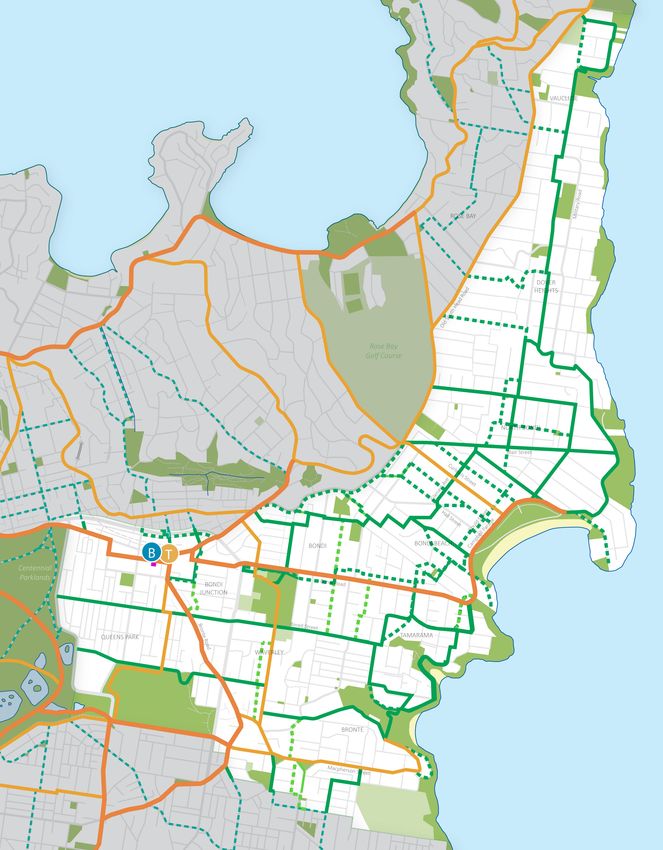
HOW TO READ THIS PLAN
                                                                                                                                                                                 7
DISTRICT VISION
           A response to the Eastern
           City District Plan, which
           outlines Waverley LGA’s role
           in the Eastern City District.

LOCAL VISION
           Our local vision that sets the
           strategic planning context
           for our area.

FOUR THEMES
           Waverley Council has chosen
           to continue the four themes
           from the Region and District
           Plan of:                              INFRASTRUCTURE AND                        LIVEABILITY                     PRODUCTIVITY                   SUSTAINABILITY
                                                    COLLABORATION

PLANNING PRIORITIES                         PLANNING PRIORITY 5
           Each theme is colour coded       Increase the sense of wellbeing in our urban environment
           through the document, and
           has Planning Priorities to
           help achieve the Local and
           District Vision.

ACTIONS                                     Planning Principles
                                            •     Increase the sense of wellbeing in high density environments
          Each Planning Priority            •     Increase access to high-quality open space and recreation facilities to serve the needs of our local and visiting population

          has Planning Principles           Actions                                                                                             Timing    Action        Agency

                                            1     Review planning controls to increase plantings, canopy and the provision of public art
          and Actions. The Planning                                                                                                                S        Plan          W
                                                  through new developments
          Principles will guide decision    2     Review Council’s Policies and Plans to increase plantings, trees and public art in public        S        Ops.          W

          making processes, and the               places
                                            3     Identify and implement opportunities to connect people to nature in the Open Space                     Plan/Project
          Actions specify how we will             and Recreation Plan
                                                                                                                                                   S                      W

          implement each Planning           4     Identify Green Grid links and create implementation plan                                         S       Project        W

          Priority.

IMPLEMENTATION                              Key to Actions
          The implementation of                  S
                                                                 Short Term (within 5 Years)
                                                                                                                    W
                                                                                                                                     Waverley Council
          the Waverley LSPS will be
                                                                 Medium Term (5-10 Years)                                            NSW Government
          monitored and reported. Each           M                                                                  S
          action has a ‘Timing,’ ‘Action’                        Long Term (10-20 Years)                                             Private Landowners and/or
          and ‘Agency’ assigned to it            L                                                                   P               Community
          for implementation. Council            O               Ongoing                                                             Other Councils
                                                                                                                    C
          will be reporting annually
                                                Plan             Plan or Policy
          on the progress of this Plan
          in conjunction with the               Ops.             Operation
          Community Strategic Plan              Project          Council Project
          using the Integrated Planning &
                                                Advocacy         Advocate for outcome
          Reporting Framework (IP&R).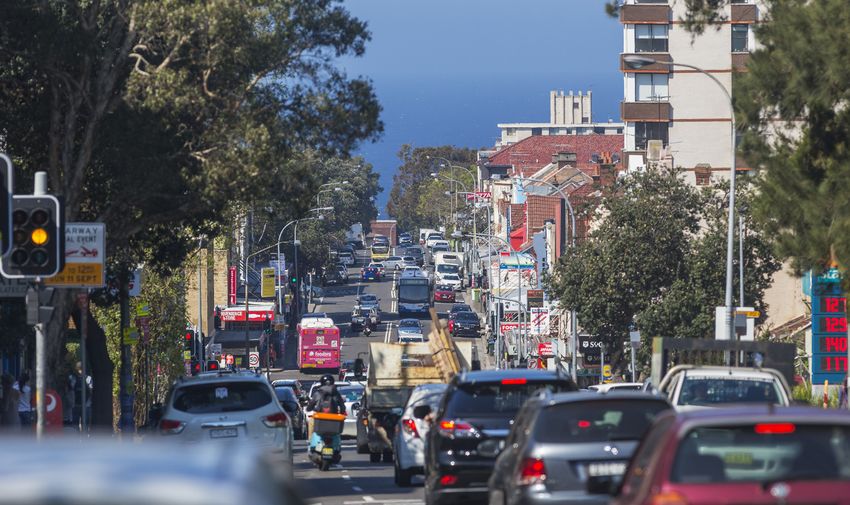
VISION AND CONTEXT
8

    STRATEGIC CONTEXT AT A GLANCE

                                      OUR LOCAL
                                      GOVERNMENT                  OUR SUBURBS
                                      AREA                        Bondi Beach, Bondi Junction, North Bondi,
                                                                  Bronte, Dover Heights, Queens Park,

                                      9.2km2                      Rose Bay, Tamarama, Vaucluse and Waverley

                                                                  OVERSEAS BORN RESIDENTS
                                                                  TOP COUNTRIES
      OUR DWELLINGS AND BUSINESSES                                United Kingdom, South Africa, New Zealand,
                                                                  Brazil and Ireland

                                                                  POPULATION
        30,496                            34,000
        dwellings                         registered businesses
                                                                                           TOTAL POPULATION
     MEDIAN AGE
                                                                                           72,250
     35 years
      • 16% of our residents are 0 –14 years old
                                                                  PROJECTED
                                                                  POPULATION                 DENSELY
                                                                  2036                       POPULATED
      • 8.9% are 15–24 years old
                                                                                             AREA
      • 33.4% are 25–39 years old                                 77,300
      • 28.7% are 40–64 years old
      • 12.7% are more than 65 years old                          ABORIGINAL AND TORRES
                                                                  STRAIT ISLANDER PEOPLE
     OVERSEAS BORN
     RESIDENTS                        38.4% 274
    Waverley Local Strategic Planning Statement 2036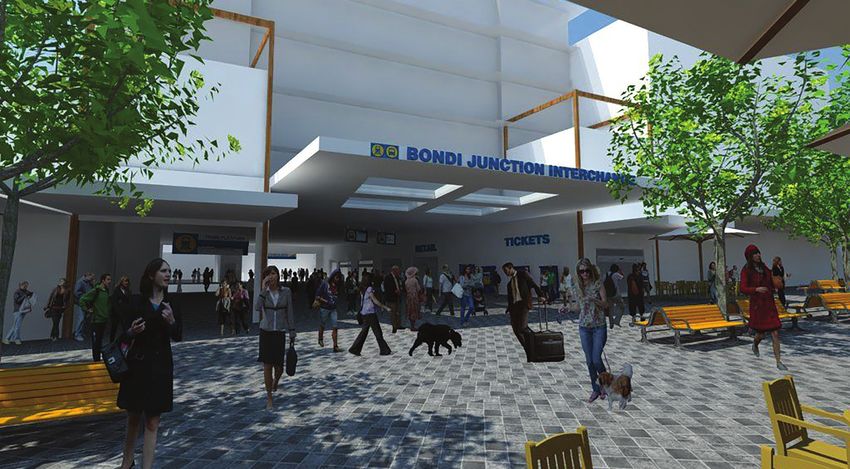
9
LANGUAGES
68.8% of us speak English at home while
                                                   EDUCATION
25.7% speak a language other than English
Russian is spoken by 2.2% of our residents, 2.1%
speak Spanish, 1.9% Portuguese, 1.8% French and
                                                   17              NUMBER OF SCHOOLS
                                                                   (including both primary
                                                                   and secondary)
1.7% Italian
                                                   39.5% of our residents aged over 15 years have a
                                                   Bachelor or higher degree compared to 24.1% for
                                                   Greater Sydney
                                                   20% of young people aged 15–24 years attended an
                                                   educational institution including high school and/or a
                 JEWISH COMMUNITY                  higher education facility, such as TAFE or university

                 Waverley’s Jewish community of

                 10,076                            DISABILITY

                                                   3%
                 residents makes up 15.1% of our                        of the population reported needing
                                                                        help in their day-to day lives due to
                 total population
                                                                        health and disability

HOUSING                                            ECONOMY
AVERAGE HOUSEHOLD SIZE                                                                  $4.36           billion
                                                                                        gross regional product
                                                                                        More than

                         2.3
                         people
                                                                                        27,546
                                                                                        jobs in Waverley

                                                   MEDIAN TOTAL INCOME/WEEK
                                                   for Waverley households in 2016 was
RENTING
HOUSEHOLDS
                            MEDIAN
                            WEEKLY RENT            $2,300                                      compared to $1,683
                                                                                               for Greater Sydney

43%                         $620                   KEY EMPLOYMENT SECTORS
                                                   Retail Trade, Health Care and Social Assistance,
                                                   Accommodation and Food Services, Education and
SINGLE PERSON                COUPLES WITH          Training, and Professional, Scientific and Technical Services
HOUSEHOLDS                   CHILDREN

27.7% 23.8% 79.9%                                                                          of Waverley properties are
                                                                                           connected to the internet

                                                     Sources: ABS Census 2016, Economy.Id, Australian Business Registry Data
THE EASTERN CITY DISTRICT
10
                           Our vision from the Waverley Community Strategic Plan 2018-2029 is:

                              “Waverley: connecting the city and the sea.
                                 A welcoming and cohesive community that
                                 celebrates and enhances our spectacular
                                 coastline, vibrant places, and rich cultural
                                 heritage.”
                           Based on our community vision developed through the Community Strategic Plan,
                           this Local Strategic Planning Statement responds to the current Eastern City District
                           Plan as follows:
                           Waverley forms an important scenic and cultural element of the Eastern Harbour City,
                           being the most direct connection from the CBD to Sydney’s spectacular coastline.
                           Waverley supports the vision in the Region Plan as it applies to Waverley, as this vision                       Haber
                           involves mainly improvements to infrastructure to support an already very densely
                           populated area of Sydney. Ageing infrastructure, demands on public transport, and
                           housing affordability are key issues that Waverley faces. Climatic challenges such as
                           increased storm events and hot days will place additional strain on infrastructure and
                           services. Similar to many other areas of Sydney, Waverley has an ageing population
                           and will need to ensure adequate housing options and services are provided through
                           the LGA to support our communities to age in place.
                           The Eastern City District is an established area rich with cultural heritage, world
                           class educational institutions, and easy access to the global marketplace with the
                           CBD and airport within 30 minutes. Residents and visitors have a range of lifestyle,
                           entertainment and employment choices available to them. Waverley Council is
                           generally supportive of the Region Plan vision for the Eastern Harbour City, which
                           is to improve connectivity and accessibility to the assets and opportunities within
                           the District, and to enhance and celebrate our diverse and colourful City. Waverley
                           Council has a collaborative working relationship with our neighbouring councils,
                           and through shared strategies we are leading the way in sustainability initiatives and
                           environmental management programs.
                           Waverley supports healthy lifestyles by an iconic and spectacular coastline, and is
                           easily connected to the extensive range of employment, education and entertainment
                           opportunities that the Eastern City District has to offer. A constellation of lively villages
                           is surrounded by world class open-spaces and recreation facilities, leafy vibrant
                           neighbourhoods with character-filled streets, and access to stunning scenic views.
                           Active transport (walking and cycling) is encouraged and supported with quality
                           separated bike lanes and footpaths, and efficient public transport options to connect
                           the community further afield.

                           KEY
                                   Economic Corridor                 T    Train Line                        Green Grid Priority Corridor
                                   Metropolitan Centre               F    Ferry                             Coastal Walk
                                   Bondi Junction Strategic Centre   M    Future Metro                      Key Regional Open Space
                                   Health & Education Precinct       L    Light Rail                        Sydney Trade Gateways
                                   Strategic Centre                       Road Visionary                    Placemaking Initiatives
                                   Centre                                 Motorway                          Improve Local Connections
                                   Urban Renewal Area                     Committed Motorway

     Waverley Local Strategic Planning Statement 2036
Watsons Bay
Drummoyne
Balmain East
Sydney CBD
Balmain
Rose Bay North
Rose Bay
Rose Bay South
Double Bay
Edgecliff
Paddington
Bondi Junction
Leichardt Strategic Centre
rfield Bondi Beach
Bondi Road
Moore Park
Centennial
Newtown
Parklands
Charing Cross
Macpherson Street
St Peters
Green Square /
Marrickville Mascot Strategic
Randwick Health &
Centre
Education Precinct
Coogee
Wolli Creek
Sydney Airport Maroubra /
Eastgardens
Strategic Centre
Botany Hillsdale
Brighton-Le-Sands Matraville
Sydney Ports Area
Figure 4 - Eastern City District VisionVISION AND STRUCTURE PLAN
12
Waverley will contribute to the Eastern City District with vibrant and sustainable
places that provide opportunities for a prosperous and diverse local economy, a
protected and celebrated stunning natural environment and rich cultural heritage,
and a range of housing to accommodate our whole community. Waverley will
continue to offer an attractive lifestyle by world-class beaches and recreation
facilities, and a convenient trip to all that the Eastern Harbour City has to offer.
Council will:
Key Moves
• Maintain Bondi Junction’s role as the key Strategic Centre in the eastern
suburbs. We will: 1.
1 Improve connections from Bondi Beach to
• protect and grow the provision of floor space for employment Bondi Junction, and onward to the CBD
• support opportunities for entertainment and culture 2.
2 Encourage increased travel via ferry and
• work with stakeholders to transform the strategic centre into a low- improve connections along Curlewis
carbon high-performance precinct Street and O'Sullivan Road to reduce load
• support knowledge-intensive jobs and health-related industries on buses between Bondi Beach and Bondi
• upgrade the Bondi Junction Transport Interchange Junction
• improve transport accessibility to and from key destinations 3.
3 Improve connections to Randwick Health
• Work with State Agencies and private operators to deliver improved & Education Precinct
public transport to and from the Waverley area, as well as within the LGA 4. Ensure beaches and coastline are pristine
4
• Preserve our water resources and ensure our coasts and beaches are and visitation is sustainable by working
clean with community and key stakeholders
• Recognise and celebrate Waverley’s unique place in the contemporary
Australian cultural landscape 5.
5 Upgrade Bondi Pavilion and Boot Factory
to provide fit-for-purpose cultural
• Increase access to high-quality open space and recreation facilities
infrastructure
• Maintain and grow high-quality social infrastructure such as schools,
hospitals, aged care facilities and community spaces 6.
6 Prioritise and deliver urban greening
• Ensure a range of adaptable and well-designed housing types are in key centres to increase amenity and
provided reduce the Urban Heat Island effect, and
• Manage visitation sustainably to protect our natural and built grow the urban canopy across the LGA
environment and amenity 7.
7 Deliver the Sydney Coastal Walk by
• Improve the environmental performance of the built environment to working with neighbouring councils
achieve Council’s ambitious environmental targets
8.
8 Protect and grow employment floorspace
• Protect and grow our areas of biodiversity and natural habitat
in Bondi Junction Strategic Centre, and
• Ensure our assets and urban environment are fit for purpose and well support connections with neighbouring
adapted to a changing climate now and into the future
centres
• Optimise the consumption of energy, water and building materials
through improved urban design and development outcomes, both in 9.
9 Implement the Bondi Junction Sustainable
Council's buildings and private property Precinct Plan by working with key
• Support Waverley’s contribution to the knowledge and innovation stakeholders
economy 10. Deliver precinct-based waste, energy and
10
• Grow our tree canopy and reduce the impact of the urban heat island water outcomes in key centres by working
effect with key stakeholders
• Work with a range of stakeholders to ensure our city infrastructure will
meet future demands 11. Roll out placemaking initiatives to
11
improve key corridors of Bondi Road,
• Protect and encourage shops and services in village centres that satisfy
demand Bronte Road/Macpherson Street, and Old
South Head Road
• Maintain and upgrade key cultural infrastructure
• Sustainably manage Council’s assets and public domain infrastructure 12. Deliver a principal bicycle network
12
• Form a strong working relationship with the local Aboriginal community 13. Work with neighbouring councils and
13
• Ensure that developments are well designed and contribute to local NSW Government to investigate a SEPP
needs and expectations to protect the heritage qualities of
Centennial Parklands.
Waverley Local Strategic Planning Statement 2036KEY
Economic Corridor
Bondi Junction Strategic Centre
Village Centre 13
Knowledge and Innovation Hub
Bondi Pavillion Cultural Hub
7
Pristine Beaches and Coastline
Bondi Sewage Treatment Plan
Coastal Walk
Placemaking initiatives along key corridors
10
Improve Links between key centres
Principal bicycle network
Priority Green Grid Link
Proposed Green Grid Link 11
Improve Public Transport Links
Public Open Space
Private Open Space
10
Encourage Increased Travel
Urban Greening Priority Area 7
Investigate Centennial Park SEPP
2
8
10 4
8
6 10
5
12
1 10 11
5 6 8 9
13
6
10
11
10
8
3
7
Figure 5 - Vision on a PageKEY ISSUES AND CHALLENGES
14
Significant community engagement was undertaken in the preparation of the Waverley Community Strategic Plan 2018-2029,
which has been used to inform the preparation of this document. Community feedback illuminates a number of key issues and
challenges outlined below.
KEY ISSUES CHALLENGES
Key issues raised include the desire for: Challenges that our area faces include:
• Increased public transport and improved infrastructure • Perceived overdevelopment, particularly high-rise
for cycling. development. This relates primarily to traffic congestion,
impacts on heritage properties, loss of open space, poor
• Beaches, parks and public spaces to be protected from quality urban spaces, and the pressure of increasing
development encroachment, to be well maintained, and population density.
the litter generated by the very high visitation rates to be
effectively managed. • Housing affordability, specifically a desire for young people
who have grown up in the area to be able to afford to
• A holistic approach to the management of biodiversity, continue to live in Waverley.
green space, and adaptation and resilience to climate
change. • The loss of existing low cost housing being lost to
development pressures.
• Improved management and minimisation of recycling
and waste. • The impact of short term rental accommodation, and the
impact of tourists and visitors, on the availability of rental
• Increased urban tree canopy and vegetation. housing.
• Increased open space, or to better preserve and manage • Tension between the provision of more off-street car
existing open spaces. parking and the impact of this on congestion.
• Council to be progressive in its application of • Concern for the heritage value of buildings and
communication technologies. infrastructure to be preserved and managed.
• Additional public schools in the Eastern Suburbs, • Impacts of noise from hotels, backpacker accommodation
particularly a secondary school. and boarding houses on surrounding residential amenity.
• A diverse and thriving local economy that is less reliant • Concern about safety and antisocial behaviour in public
on tourism. areas at night, particularly in summer.
• A diversified evening economy, including a range of • The lack of available land, and the prohibitive cost of land,
evening dining options. to be able to provide additional open space or recreation
facilities.
• More social and affordable housing.
• Concern about the role that Council is expected to play in
• Continuing the library’s important role in supporting the
accommodating projected Sydney-wide population growth
community and business by offering a range of services,
and employment targets, and potential benefits that might
and remaining relevant to the information economy.
accrue to constituents from development.
• Increased clarity around the planning framework and
• Competing market pressures for residential development
development approval system.
have led to loss of commercial floor space in centres,
• Provide more space for community uses and events. particularly Bondi Junction Strategic Centre.
• Increased night time dining options in centres. • There are community concerns about how tourism is
managed.
• Upgrade of recreation facilities, and increased availability
of venues for events. • Maintaining diversity of retail offerings to serve local needs.THEMES AND PLANNING PRIORITIES
15
INFRASTRUCTURE AND COLLABORATION LIVEABILITY
A COLLABORATIVE CITY A CITY FOR PEOPLE
• This Direction is supported through each of the 5. Increase the sense of wellbeing in our urban
Planning Priorities outlined on this page environment
A CITY SUPPORTED BY INFRASTRUCTURE HOUSING THE CITY
A CITY SUPPORTED BY INFRASTRUCTURE
6. Facilitate a range of housing opportunities in
1. Deliver public and active transport projects to
the right places to support and retain a diverse
achieve the 30 minute city
community
2. Facilitate urban design that optimises transport,
freight and parking A CITY OF GREAT PLACES
3. Digitally manage infrastructure to ensure it is 7. Recognise and celebrate Waverley’s unique place
efficient, fit for purpose, and well maintained in the Australian contemporary cultural landscape
4. Ensure the community is well serviced by crucial 8. Connect people to inspiring and vibrant places,
social and cultural infrastructure and provide easy access to shops, services, and
public transport
PRODUCTIVITY SUSTAINABILITY
A WELL CONNECTED CITY A CITY IN ITS LANDSCAPE
9. Support and grow Waverley’s local economy with 12. Conserve our water resources and protect our
a focus on wellbeing, knowledge and innovation coasts and beaches
10. Manage visitation sustainably to protect local 13. Protect and grow our areas of biodiversity and
amenity and enhance Waverley’s natural and connect people to nature
built environment
AN EFFICIENT CITY
JOBS AND SKILLS FOR THE CITY
14. Achieve net zero carbon emissions in the built
11. Facilitate Bondi Junction as a lively and engaging environment
strategic centre with a mix of employment,
entertainment and housing options 15. Achieve zero waste in the built environment
A RESILIENT CITY
16. Plan for and manage our assets and urban
environment, and grow our community to adapt
and be resilient to a changing climate
IMPLEMENTATION
IMPLEMENTATION
17. Provide transparency in the Planning ProcessPRINCIPLES FOR CHANGE
16
Managing Change Planning Proposals
Very little change is required to Waverley’s current Waverley is required by planning legislation to
planning controls to accommodate our future accept and assess Planning Proposals from land
housing needs, as additional housing can be largely owners and proponents seeking changes to the
accomodated through infill development. Waverley planning controls. The LEP has been developed
has prepared the draft Waverley Local Housing with the community and it represents their view
Strategy that outlines this position in greater on how the area should develop. Therefore
detail.1 Waverley's draft Village Centres Strategy Planning Proposals are more likely to be supported
demonstrates that our centres are vibrant and have in circumstances where there is a demonstrable
a strong existing character that should be maintained public benefit that wouldn’t have been delivered
and enhanced. under the existing controls. In some cases, these
Planning Proposals may have merit and contribute
Our key focus areas moving forwards are to increase to targets by increasing capacity through a change in
the sustainability of our centres and residential building height or permissible floor space on the site,
areas, to improve puclic and active transport options particularly where the proposal is for a strategically
within our area, to improve the amenity in these valuable use and there is a desirable public and
areas for people and our wildlife, and to ensure that urban design outcome. Any changes to the planning
people have opportunities to access employment controls should enable an acceptable built form that
within 30 minutes from their home. responds to its surrounding context and achieves a
strategic aim.
Waverley has a job target for Bondi Junction, which
will require changes to the planning controls to Planning Proposals can create public benefits such
achieve. Increased job capacity throughout the LGA as publicly accessible open space, social and cultural
can be achieved through: spaces, significant tree canopy, affordable rental
• a minimum non-residential FSR throughout housing and other identified infrastructure needs.
Bondi Junction Planning proposals that simply seek additional
• increased employment floorspace ratios across residential density above the current controls will
all village centres. have challenges in demonstrating their strategic
merit, as they are not necessary to achieve the
Council has already submitted the Bondi Junction housing targets and the planning priorities of this
Strategic Centre Protecting and Promoting Local Strategic Planning Statement.
Commercial Floorspace Planning Proposal which
seeks to implement a minimum non-residential FSR However to encourage the provision of employment
throughout Bondi Junction Strategic Centre. floorspace, Planning Proposals that are for
commercial uses only will be exempt from these
Waverley is an area that has easy access to great principles.
places, a range of employment opportunities, and
goods and services, and is close to spectacular Planning Proposals for additional development
beaches, open space and recreation facilities. As capacity through ‘spot rezoning’ must have
Waverley is such an attractive place to live and strategic merit and site-specific merit. The following
work, there will always be pressure to redevelop ‘principles for change’ (Figure 6) provide a local
areas, which will continue to come to Council for merits test to guide the Council and Local Planning
assessment in the form of Planning Proposals Panel in the consideration of, and consistent
that seek to change the development controls decision-making about, planning proposals in the
or provisions for potential sites. To provide local area. Planning Proposals will need to address
transparency in how Council will assess these the principles for change in accordance with section
Proposals, these pages document the local principles 3.33 of the Environmental Planning & Assessment
that will be applied in all assessments. Act 1979.
The principles do not aim to replace the merits
test included in the NSW Department of Planning,
Industry and Environment’s Guide to Preparing
1. The Waverley Local Housing Strategy is required to be
submitted and approved by the Department of Planning,
Industry and Environment.
Waverley Local Strategic Planning Statement 203617
Figure 6 - Principles for Change
Principles for change
The local strategic principles for change are: The local site-specific principles for change are:
• Proposals should be consistent with the Greater Sydney • Proposals should locate development within reasonable
Region Plan and Eastern City District Plan. walking distance of public transport that has capacity
(assuming development capacity will be delivered) and is
• Proposals for sites in Bondi Junction Strategic Centre frequent and reliable.
should be consistent with the objectives for the centre
in the Eastern City District Plan and in this Local Strategic • Proposals should meet high sustainability
Planning Statement. standards, improve urban resilience, and mitigate
negative externalities. Proposals can satisfy these high
• Proposals should be consistent with the relevant standards by committing all development on the subject
directions, objectives and actions of the Waverley site to achieve a 5+ Green Star rating with the Green
Community Strategic Plan. Building Council of Australia, or a Core Green Building
Certification or Zero Carbon Certification with the Living
• Aims of the Waverley Local Environmental Plan. Futures Institute of Australia, or equivalent.
• Proposals should be consistent with the relevant • Proposals should include an amount and type of non-
liveability, productivity, infrastructure and sustainability residential floor space appropriate to the site’s strategic
priorities, objectives and actions in this Local Strategic location and proximity to, or location within, a centre or
Planning Statement. activity street.
• Proposals should be consistent with the relevant • Proposals should create demonstrable public benefit.
priorities, objectives and actions of any relevant
strategies. A list of strategies is available at the end of • Proposals should be supported by an infrastructure
this document. assessment and demonstrate any demand for
infrastructure generated can be satisfied, assuming
• Proposals should support the strategic objectives in existing development capacity in the area will be
Council’s adopted strategies and action plans. delivered.
• Proposals should not compromise non-residential • Proposals should make a positive contribution to the
development to meet employment targets for Bondi built environment and result in an overall better urban
Junction Strategic Centre. design outcome than existing planning controls.
• Proposals which seek to respond to a significant • Proposals should result in high amenity for occupants or
investment in infrastructure should be considered in users.
a wider strategic context with other sites. This may
include, but is not limited to, consideration of other • Proposals should optimise the provision and
infrastructure demand and provision, appropriate improvement of public space and public connections.
distribution of development potential across an area,
value capture for public benefit and infrastructure
delivery, and the orderly sequencing of development.
• Proposals should give consideration to strategically
valuable land uses that are under-provided by the
market, such as but not limited to hotels, cultural space
(including performance and production space), medical
and health-related uses, education uses and childcare
centres, and urban services such as mechanics and bulky
goods retailers, and have regard to the appropriateness
of the use for the context.INFRASTRUCTURE AND
COLLABORATION
KEY
Knowledge & Innovation Hub
Bondi Pavillion
Bondi Sewage Treatment Plant
Coastal Walk
Open Space
40 40km/h zone throughout LGA
School
Community Facility
Sporting Facility
Child Care/After School Care
Fire Station
Police Station
Ambulance Stations
Medical Centres
1 Key Moves (see p12) 40
4 Council and Sydney
Water to work together to
increase service of Bondi
Sewage Treatment Plant
and improve water quality
2 Improve connections
along Curlewis Street and
O'Sullivan Road to reduce
pressure on Bondi Road 5 Upgrade Bondi
Pavilion and Boot Factory
to provide fit-for-purpose
cultural infrastructure
1 Improve
connections from Bondi
Beach to Bondi Junction,
and onward to the CBD
40
3 Improve connections to
Randwick Health & Education Precinct
Figure 7 - Infrastructure and Collaboration Structure PlanWaverley has state-of-the-art infrastructure that is fit for 19 purpose, well connected, sustainably managed, locally responsive, and supports our vibrant community, and visitors. Our Infrastructure Vision for 2036 Waverley is well supported by world-class social and cultural infrastructure and is well serviced by user-focused integrated transport options. Waverley Council is a leader in sustainable asset management and procurement, and our local infrastructure is designed to be connected, adaptive and resilient in a changing climate. The community has access to renewable energy sources via solar or community microgrids, and works together to minimise the collective impact of waste and resource consumption. The Context Now Waverley has the highest population densities in Australia, after the City of Sydney. This is, and should continue to be, supported by high frequency Figure 8 - Seating at Bondi Beach public transport, and quality walking and cycling infrastructure. In addition to key transport infrastructure, our area has important social and cultural infrastructure that supports our community, as well as visitors. This includes facilities for events, health and community services, and childcare facilities. As Waverely’s population is increasing, it is crucial that these key services, facilities and transport connections are maintained and continue to keep up with changing demands. Waverley has a much higher mode share of walking, cycling and public transport than Greater Sydney. Only half of all trips in Waverley are made by car, compared to two-thirds in the rest of Sydney. A third of all our trips are on foot. Waverley’s streetscapes are finegrained with a variety of local villages and neighbourhoods, making it appealing and convenient to walk. Figure 9 - Waverley Library Public transport is also well utilised with bus routes crossing throughout the Waverley area and beyond. The Bondi Junction bus and rail interchange accommodates 86,500 passengers a day, totalling 30 million passengers a year. Nine out of ten residents have said they would consider switching car travel to other transport if more options were available. To help improve safety in the Waverley area, and to encourage increased active transport, Council is gradually changing the speed limit across the LGA to 40km/h. Figure 10 - The Boot Factory
DIRECTION: A COLLABORATIVE CITY
20
                           This direction is supported through each of the Planning Priorities

                           A city that functions effectively and efficiently       For many issues which have regional impact,
                           relies heavily on collaboration across a number of      Council is collaborating with both Woollahra and
                           different agencies. Waverley Council has a number       Randwick Councils. These projects include working
                           of working relationships which serve the community      collaboratively with:
                           including working collaboratively with neighbouring
                                                                                   •   Woollahra and Randwick Councils, and TfNSW to
                           councils on urban planning policy, environmental
                                                                                       deliver a co-designed principal bicycle network.
                           management and sustainability.
                                                                                   •   Woollahra Council in preparing the Village
                           A number of our key initiatives involve collaboration
                                                                                       Centres Strategy (VCS) for the shared centres
                           between Council, State agencies, community
                                                                                       along Old South Head Road.
                           groups, private landowners, and other stakeholders.
                           An example is the Building Futures program that         •   Woollahra and Randwick Councils to prepare a
                           involves improving the environmental performance            regional approach and solutions to Affordable
                           of strata residential buildings across the LGA. Other       Housing.
                           initiatives that are led by Council’s Sustainability
                                                                                   •   Woollahra and Randwick Councils to prepare a
                           team often involve the team working with a range of
                                                                                       joint Open Ocean Coastal Management Program
                           stakeholders to achieve improved outcomes for our
                                                                                       under the Coastal Management Act 2016.
                           community and environment.
                                                                                   •   Neighbouring councils to investigate potential
                           Council is also looking for ways to better engage
                                                                                       locations for a new public high school to service
                           with the community, and has prepared a
                                                                                       the Eastern Suburbs.
                           Community Engagement Strategy to inform the
                           community about ways to engage with Council on          Throughout the LSPS, there are a number of
                           various projects. In addition, to help improve the      Planning Priorities and Actions which require
                           transparency of the planning system, Council has        significant input from and collaboration with state
                           prepare a Community Participation Plan to outline       agencies to achieve. These include working with:
                           ways to engage with Council specifically around         •   TfNSW to deliver the City-Serving Transit
                           planning issues.                                            Corridors.
                           As collaboration is a requirement to achieving          •   TfNSW, Sydney Trains and private landowners to
                           many contemporary urban outcomes, the actions               deliver upgrades to the Bondi Junction Transport
                           associated with this Direction are allocated to the         Interchange.
                           relevant Planning Priority.
                                                                                   •   Department of Education to investigate
                                                                                       potential locations for a new public high school
                                                                                       to service the Eastern Suburbs.
                                                                                   •   Department of Planning, Industry and
                                                                                       Environment to deliver a mechanism to
                                                                                       implement increased environmental targets.

                            Figure 11 - Macpherson Street Neighbourhood Centre

     Waverley Local Strategic Planning Statement 2036
DIRECTION: A CITY SUPPORTED BY INFRASTRUCTURE
21
PLANNING PRIORITY 1
Deliver public and active transport projects to achieve the 30-minute city
pressures on key bus routes softened after an
This Planning Priority gives effect to
increase in services. Route 333 which connects the
Greater Sydney Region Plan Sydney CBD with Bondi Beach is scheduled to depart
every 3 minutes in peak times, every 6 minutes
D1: A city supported by infrastructure outside of peak or every 10 minutes through the
D2: A collaborative city night. Traffic constraints and overcrowding at peak
Eastern City District Plan travel periods continue to cause significant delays
and wait times for passengers.
E1: Planning for a city supported by
Our area is well serviced by a number of libraries,
infrastructure
community centres and hospitals including Prince
E2: Working through collaboration of Wales, St Vincent’s, Bondi Junction and the War
Other relevant Council Policies, Plans Memorial Hospitals, as well as a concentration of
and Studies health related businesses and services located in the
Bondi Junction Strategic Centre. In addition to this
Waverley’s People, Movement and Places social and cultural infrastructure, our area has access
Waverley Bike Plan to a number of world-class open spaces, or ‘green
infrastructure,’ that allow people to both connect
with nature, enjoy active and passive recreation
Waverley LGA is supported by its network of activities, and to support healthier lifestyles. Green
transport, social and cultural infrastructure ranging infrastructure is discussed further in Planning
in quality from ageing to state-of-the-art. With our Priority 5.
large population of residents, workers and visitors,
it is crucial that this key infrastructure is adequately With recent population growth across Sydney, and
resourced and managed to support the efficient more locally in Bondi Junction, it is important that
working of our area. Council continues to monitor and manage the
capacity and quality of our infrastructure to ensure
Bondi Junction Transport Interchange accommodates that our community is well serviced and supported.
86,500 passengers a day or 30 million a year. The
Interchange is poorly designed, difficult to access
and navigate and dangerous for pedestrians. In The 30 minute city
2018, on average 13,000 commuters in the morning The 30 minute city is a driving force behind the three
depart Bondi Junction Station to travel into the city, cities vision developed by the NSW Government
and 5,700 arrive to work in Bondi Junction or travel for Greater Sydney. It describes ‘three cities where
onward to the beaches or other destinations. The most residents live within 30 minutes of their jobs,
bus network moving through the Interchange sees education and health facilities, services and great
a patronage of 17,740 passengers in the 3 hour places’ (Region Plan). Waverley Council is supportive
morning peak. From the Bondi Junction Transport of this vision as it aligns with our own adopted
Interchange, bus routes connect to key destinations integrated transport plan, Waverley’s People,
across the Eastern District including Randwick Health Movement and Places (PMP). Both plans encompass
and Education Precinct, Sydney’s Eastern Beaches, a vision for how we travel that prioritises people, is
Sydney Airport, Eastgardens-Maroubra Strategic sustainable and encourages public transport, and
Centre, and Burwood. Recent changes saw some supports better places and local planning.
Figure 12 - Movement and Place Framework, TfNSW22
PMP puts people at the centre of how we plan for Road, Bondi Road, Bronte Road and Carrington Road.
transport and places by setting a clear hierarchy that Whilst these corridors are great transit connectors
puts people first as pedestrians and cyclists, then within our area, they can be at times unpleasant
public transport and places private vehicles last. places for people.
This hierarchy has already informed changes to our
Council is working with the NSW Government to
planning controls and policies informing Council's
improve the amenity and safety along these key
public domain works. The PMP outlines 12 signature
corridors. Each corridor is comprised of a mix of
projects for Council to focus funding, advocacy and
Movement Corridor and Vibrant Street as per the
delivery on, which will help Waverley to deliver the
Movement and Place Framework set out by the NSW
30 minute city for residents, workers and visitors
Government (see Figure 12).
alike. Council’s vision to support the 30 minute city
also includes collaborating with state agencies to To assist in reducing traffic loads, Council will
improve bus services and connectivity between also endeavour to work with key institutions to
centres including along Bondi Road, Old South Head encourage flexible work or study hours.
Road, Carrington Road, and between Bondi Beach
and Rose Bay. Bondi Junction Transport Interchange
Nearly half of the journeys to work in Bondi
Whilst Bondi Junction Strategic Centre is currently Junction are made by bus or train. If we are to
accessible from everywhere in Waverley within 30 encourage increased patronage of the Interchange,
minutes at peak times, routes 380 and 333 can often then improvements to the safety, wayfinding
take up to 30 minutes to travel from Bondi Beach to and accessibility are required. One of the
Bondi Junction along the congested Bondi Road. important signature projects from the PMP is the
For the vision of the 30 minute city to truly be major upgrade of the Bondi Junction Transport
achieved, Council needs to collaborate with state Interchange. This project involves collaboration
agencies to deliver structural and service changes with a number of state agencies and land owners to
and more residents to mode shift to public transport deliver an improved design that safely and clearly
to reduce congestion between major destinations links passengers directly to Oxford Street mall, and
and the Interchange, so that passengers can more improves safety for commuters on the roads around
efficiently travel onwards to the Sydney CBD. the Interchange.
Waverley residents already drive much less than
Increasing the accessibility and patronage of Bondi
average, with only half of our trips made by car
Junction Transport Interchange is crucial to reducing
compared to two-thirds for Greater Sydney.
the current congestion and minimising ongoing
Council has four key major roads that are frequently congestion within Bondi Junction and in surrounding
congested, and cause both air and noise pollution areas such as Queens Park.
to the surrounding areas. These are Old South Head
Figure 13 - Artist impression of improved access to Bondi Junction bus/rail Interchange. Impression is indicative only.
Waverley Local Strategic Planning Statement 203623
Figure 14 - Bondi Road City-Serving Corridor
City-Serving Corridors Carrington Road more directly connects Bondi
Waverley Council has identified two key City-Serving Junction to Randwick, and circumnavigates the two
Corridors - Bondi Road and Randwick to Bondi village centres. This road is a ‘Movement Corridor’
Junction - that require urgent attention to address under the TfNSW Movement and Place Framework.
congestion, particularly for the purposes of being As a longer term vision, the investigation of shifting
able to facilitate the movement of buses along traffic onto Carrington Road and away from Bronte
these corridors. Council is working with the NSW Road would ideally improve conditions along Bronte
Government to address the congestion issues, and to Road for optimised public transport and active
find solutions which might involve changing the road transport movement. The 400 bus route which
conditions to improve the efficiency of bus travel currently services these areas is the busiest bus route
along these corridors. This will require a balance in Sydney. These changes would support Bronte Road
between ensuring the commercial viability of retail, to have better public transport capacity and remain a
improving pedestrian amenity, and the need to ‘Vibrant Street’.
increase public transport accessibility.
Bondi Road City-Serving Corridor
To impact change along these corridors will require Bondi Road corridor is a major destination in its own
mode shifts from private vehicle to public or active right and is investigated as part of the Village Centres
transport, which is continuously becoming a more Strategy. The current service level of 17 buses per
desireable choice with on-demand buses from home hour (every 3.5 minutes) is not considered high
to Bondi Junction or Rose Bay Ferry Terminal, and a frequency by international standards. Changes to
planned network of separated cycleways. the traffic signals could potentially increase service
levels to 40 buses an hour. Bus prioritisation along
Randwick to Bondi Junction City-serving this route is key to improving accesibility to Bondi
Beach. In the immediate future a move towards
Corridor managed traffic lanes (part time bus lanes) would
There are two main routes between Bondi Junction be beneficial. A longer term solution such as a Bus
and Randwick: Bronte Road and Carrington Road. Rapid Transit system implemented by the NSW
The winding Bronte Road is currently the main route Government would serve a greater number of
along which most bus services travel, and has a passengers. For this to be a successful solution 50%
number of stops in key centres such as Bronte Road of car based commuters would also need to mode
(in Bondi Junction) and Charing Cross before arriving shift to public transport. This road is a 'Vibrant Place'
in Randwick. The current situation of car parking, bus under the Movement and Place Framework.
stops, and congestion along Bronte Road significantly
impacts upon the amenity of both of these centres.24
Cycle Ways Council is working with neighbouring councils and
To encourage sustainability and healthy living Council state agencies to deliver an improved cycle network
will support active transport (walking and cycling) which will better connect our area to the Sydney
through providing increased end-of-trip facilities, CBD and other key destinations via safe routes. This
safe cycle routes, and improved wayfinding between includes a number of separated cycleways:
key public transport nodes and a passenger’s final • Throughout Bondi Junction
destination otherwise known as the ‘last-mile’. • Darley Road
The PMP also outlines a demand for an increase • Curlewis Street to Rose Bay
in bicycle parking bays at the Interchange, which • Old South Head Road to Bondi Junction
would help to increase the catchment area of • Henrietta Street
the Interchange. TfNSW have also begun to trial • Bondi Junction to Centennial Parklands along
on-demand bus services to help link areas of the Moore Park Road
LGA that are less well serviced by public transport
to either the Rose Bay Ferry Terminal or to the
Interchange.
The NSW Government has prepared the Principal
Bicycle Network, to coordinate the delivery of bike
lanes across Greater Sydney, to ensure that routes
across Council boundaries align and create the most
direct path of travel.
Policy Spotlight Figure 15 - People, Movement and Places Hierarchy
Waverley’s People, Movement and Places
PEOPLE FIRST
1
Pedestrians are our top priority A third
of all trips
Waverley’s People, Movement and Places
(PMP) is Council’s strategic transport
are on
foot 2
strategy that outlines 12 Priority Projects THEN BICYCLES
to improve transport around the Waverley
area. These Priority Projects are outlined in Bikes are
good for
more detail in the PMP document available transport,
on Council's website. environment
and health
The basis of the strategy is that Council 333
has identified a transport hierarchy, which
puts people first, and private vehicles last,
3 There are
to improve street and place design, as well PUBLIC TRANSPORT
as encourage people to use active (walking
86,500
passengers/
and cylcing) or public transport for trips day at Bondi
around the LGA. SERVICE VEHICLES Junction
The PMP has already influenced our
development controls with a zero minimum 4 i
BondERY
DELIV
car parking rate, and a reduced maximum
car parking rate. If a development is
providing car parking, we also require
that electric vehicle charging facilities be Each
Only half
5
share car
included in the car parking area, to support of all trips in
replaces
SHARED
the transition to electric vehicles. our LGA are MOBILITY
PRIVATE by car 12 private
Other actions and a number of the Priority VEHICLES
Projects are already underway.
6
Waverley Local Strategic Planning Statement 2036You can also read


