Ospital ngagement ction and eadership - Illinois Hospital Association
←
→
Page content transcription
If your browser does not render page correctly, please read the page content below

CHICAGO HEAL INITIATIVE

Hospital                                                               MAY 2020

E ngagement
Action and
L eadership
2020 Report to Stakeholders

   A one-year report from Illinois health systems and U.S. Senator
   Richard J. Durbin on strengthening neighborhood engagement
   to reduce violence and improve health.

                     18 vulnerable neighborhoods. One powerful goal.
Ten
Leading
Health
Systems
One
Powerful
Goal

Chicago HEAL Initiative

We launched the Chicago HEAL Initiative in October
2018 with the premise that Chicago’s leading centers
of healing—our world-class hospitals—can play a
more direct role in helping to alleviate our staggering
toll of gun violence by using their economic and
community footprint to address the root causes of
violence in their surrounding neighborhoods.

What we have seen in just the first year of this effort is a real commitment from these leading
hospitals to making structural changes within their internal operations, which have paved the
way for progress outside of their walls. The results outlined in this report speak for themselves.
They are a testament to the dedication that these 10 hospitals have to their neighborhoods
and the people they serve.

   I’ve worked to support the hospitals in meeting their 16 commitments under the
   Chicago HEAL Initiative by passing sweeping federal legislation to provide new
   funding to address childhood trauma.

Advocate Christ Medical Center—October, 2019           Ann & Robert H. Lurie Children’s Hospital of Chicago—May, 2019

   Chicago HEAL Initiative | 2020 Achievement Report                                                            1
IGROW—July, 2019                                                   Deborah’s Place—October, 2019

During the first year, I have visited programs run by all 10 hospitals to understand how they are
collaborating with stakeholders and community members to tackle health disparities, address
trauma and prevent violence. I toured hospital-led programs that are placing social workers in
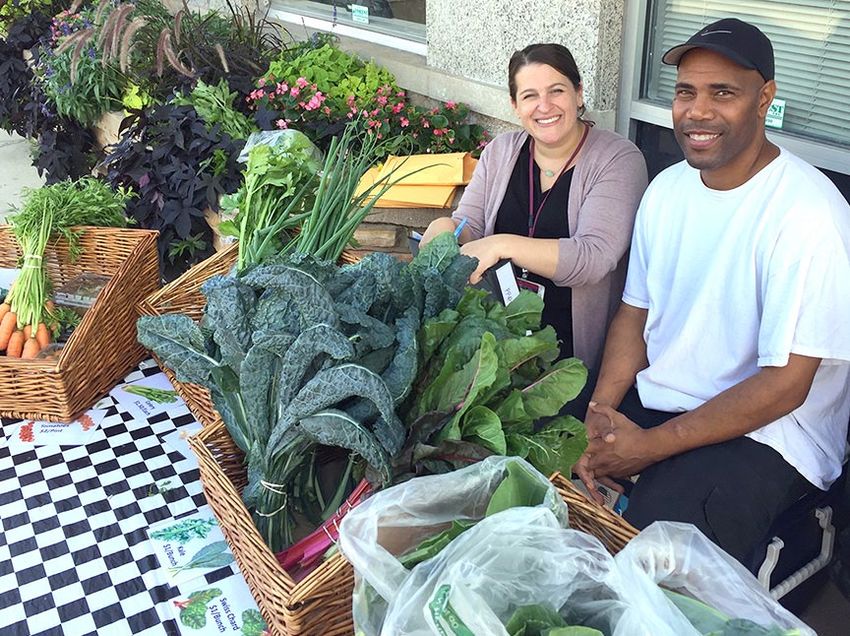
libraries, providing housing for the chronically homeless and addressing hunger needs through
community gardens. We’ve also seen new initiatives emerge from our agenda, which have helped
to grow the impact these hospitals are having. These efforts are putting the Chicago HEAL
Initiative into action, with real results.

   This notion of hospitals as anchors of their communities has only taken greater
   significance during the unprecedented challenge posed by the novel coronavirus
   (COVID-19) pandemic.

I’ve worked to support the hospitals in meeting their 16 commitments under the Chicago HEAL
Initiative by passing sweeping federal legislation to provide new funding to address childhood
trauma. As a member of the Senate Appropriations Committee, I am also working to bring new
funding to Chicago to support community mental health, housing, job training and violence
prevention programs. And I am fighting to support hospitals and protect access to healthcare
by defending the Affordable Care Act, Medicare and Medicaid. A few of my achievements:

Brought U.S. Surgeon                              Hosted a Chicago student            Held more than two dozen
General Jerome Adams to                           who was engaging in a               community events, speeches
Chicago to showcase this                          HEAL-led program as my              and town hall meetings to
incredible partnership                            guest for the State of the          enlist support
                                                  Union Address

   Chicago HEAL Initiative | 2020 Achievement Report                                                              2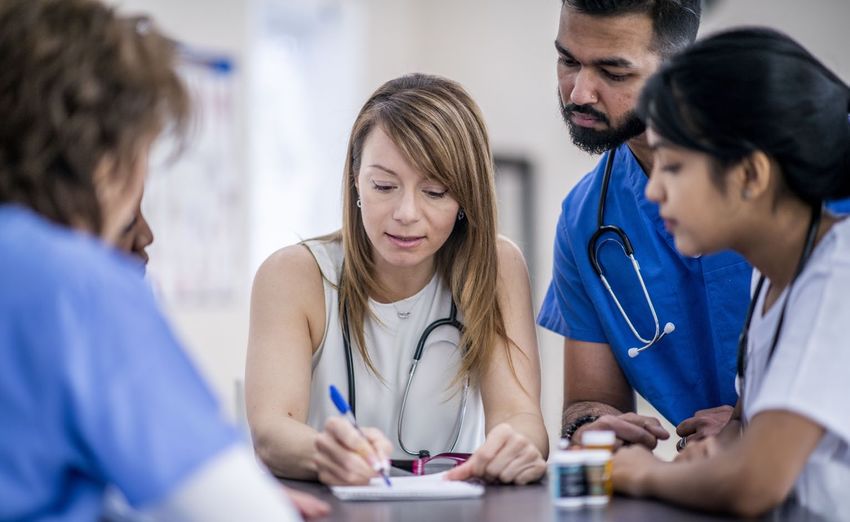
These hospitals and their heroic frontline workers—from physicians and nurses,
   to janitors and lab techs—are facing incredible strains and hardship.

The racial and ethnic health disparities that we have strived to address through the Chicago
HEAL Initiative have only been magnified by this new health crisis. And the role of our leading
hospitals to reach these vulnerable populations and address health inequity through an
understanding of trauma, stigma, historical bias and cultural competency has never been
clearer. At the same time, these hospitals and their heroic frontline workers—from physicians
and nurses, to janitors and lab techs—are facing incredible strains and hardship.

Our efforts under the Chicago HEAL Initiative are only beginning, but the economic impacts
and community programs reflected in this report demonstrate meaningful progress toward
addressing health disparities and reducing the epidemic of gun violence.

I am thankful for all community leaders and stakeholders who have joined these dedicated
hospitals in improving their service to their neighborhoods, and I encourage more partners
to join us in the coming years.

Richard J. Durbin
United States Senator

West Side United—April, 2019

   Chicago HEAL Initiative | 2020 Achievement Report                                              3

18 Vulnerable Neighborhoods
Kindred
AMITA Resurrection Chicago
Lakeshore
Swedish
Covenant Methodist
Chicago Lakeshore
Kindred Weiss
Chicago Read Chicago
Mental Health North Thorek
Community
First Advocate
Kindred Chicago IL Masonic
AMITA St Joseph
Central
Shriners
AMITA
St Elizabeth
Chicago
Austin Humboldt AMITA
Park St Mary Lurie Children's
West Suburban Norwegian AbilityLab
Garfield Pk
West Garfield Park
Northwestern
Rush Oak Park RML East Garfield Park
Loretto Chicago Stroger
Rush
Riveredge Jesse
Hartgrove Brown VA UI Health
North Schwab Mt Sinai
Loyola Lawndale
Saint Anthony
South Lawndale/ Mercy
MacNeal Little Village
Brighton Fuller Park
Grand
Park Boulevard
New City/
Back of Yards Provident
Gage Washington
Park Park
Engle- UChicago
West wood
Engle- La Rabida
wood St Bernard
Holy Cross South
Greater
Grand Shore
Crossing Jackson Park
Auburn South
Gresham Shore
South
Chicago
Advocate Christ Advocate
Little Company Trinity
Roseland
Palos Altgeld
Gardens/
MetroSouth Riverdale
Hospital location
HEAL Neighborhood Zip Codes
Auburn Gresham . . . . . 60620 Gage Park . . . . . . . . . . . . . 60609, 60629, 60632, 60636 Riverdale . . . . . . . . . . . . . . . . . . . 60827
Austin. . . . . . . . . . . . . . 60644, 60639, 60651, 60707 Grand Boulevard . . . . . . . . 60609, 60615, 60653 South Chicago . . . . . . . . . . . . . . . 60617
Brighton Park . . . . . . . . 60632 Greater Grand Crossing . . . 60619, 60620, 60621, 60637 South Lawndale/Little Village . . . 60623, 60608
East Garfield Park . . . . 60624, 60612 Humboldt Park . . . . . . . . . . 60622, 60624, 60647, 60651 South Shore . . . . . . . . . . . . . . . . . 60649, 60637, 60619
Greater Englewood. . . . 60621, 60636 New City. . . . . . . . . . . . . . . 60609 Washington Park . . . . . . . . . . . . . 60637, 60621, 60615, 60609
Fuller Park . . . . . . . . . . 60609 North Lawndale . . . . . . . . . 60608, 60623, 60624 West Garfield Park . . . . . . . . . . . . 60624
Chicago HEAL Initiative | 2020 Achievement Report 4
Ten Leading Health Systems
One Powerful Goal

In October 2018, U.S. Senator Richard J. Durbin (D-IL) challenged
10 leading Illinois health systems to join forces and use their organizations’
economic and community footprint to redouble their efforts to curb
violence and improve health in 18 vulnerable Chicago neighborhoods.
Nineteen months have now passed since Senator Durbin’s call to action, and
the Chicago HEAL hospitals have some initial impressive results to share.

Chicago HEAL— Hospital Engagement, Action and Leadership—is a bold, three-year initiative to
reduce violence and improve health through neighborhood engagement.

      When I convened the CEOs of Chicago’s major hospitals and health systems to
      embark on this initiative in 2018, I knew they were already engaged in community
      efforts to address social determinants of health. I also knew that the hospitals
      wanted to collaborate further and engage deeper with their communities. But what
      I did not know was just how committed these 10 health systems were to making
      profound, structural changes within their own internal operations, paving the way
      for years of progress externally in their communities.
                                                                                  —Senator Richard J. Durbin

Driven by the leadership of Senator Durbin, Chicago HEAL hospitals have come together to
share best practices and identify ways to collaborate to address the social determinants of health
impacting vulnerable communities in Chicago.

   CHICAGO HEAL IS ORGANIZED AROUND THREE PILLARS

            INCREASE LOCAL                                 SUPPORT                      PRIORITIZE KEY
    1       WORKFORCE
            COMMITMENT
                                                       2   COMMUNITY
                                                           PARTNERSHIPS
                                                                                   3    IN-HOSPITAL
                                                                                        CLINICAL
            to reduce economic                             to improve health            PRACTICES
            hardship                                       and safety of public         to address unmet
                                                           environments                 needs

   Chicago HEAL Initiative | 2020 Achievement Report                                                           5
All of the health systems are working on each pillar, with a focus on achieving tangible results on
16 metrics developed in partnership with Senator Durbin’s staff and compiled into a dashboard
with the assistance of the Illinois Health and Hospital Association (IHA). Following are year
one highlights:

  1       Increase local workforce commitment to reduce economic hardship

One facet of reducing violence and improving health is ensuring that residents in vulnerable
communities have economic opportunities, including access to good-paying jobs, increased local
spending in supplies and services, and more youth employment.

In just one year:
  • 3,742 individuals from the HEAL neighborhoods were newly hired by the HEAL institutions in
      2019, compared to 3,197 new hires from the HEAL neighborhoods in 2018.

  • Increased local spending in supplies and services by 41.4%—$134.3 million in 2019 compared
      to $95 million in 2018.

  • Increased summer and apprenticeship programs for high school and college students by
      150%. In 2019, 11,688 students from targeted neighborhoods participated in workforce
      development programs to promote careers in healthcare fields and paraprofessional roles
      compared to 4,674 in 2018.

   PILLAR 1 METRICS

                           INCREASE                                  INCREASE
                           hiring from the 18                        procurement from local
                           HEAL neighborhoods                        suppliers in the HEAL
                           by 15% by 2021                            neighborhoods by 20%
                                                                     by 2021

                           DEVELOP                                   CREATE
                           career advancement and                    more youth summer
                           growth opportunities to                   employment, workforce
                           foster local workforce                    development and
                           development                               apprenticeship programs

   Chicago HEAL Initiative | 2020 Achievement Report                                            6
INVESTMENT IN HEAL COMMUNITIES: PROCUREMENT

The procurement of supplies and services from businesses located in the HEAL neighborhoods
provides both a direct economic benefit, in addition to an indirect economic benefit as these
dollars cycle through the local economy.

                                             41.4%  from 2018 to 2019

                                           2018                          2019

                           $225.7m        Total
                                                                  $319.1mTotal

                                 $95m    Direct
                                                                  $134.3m
                                                                        Direct

                            $130.7m     Indirect
                                                                  $184.8m
                                                                        Indirect

Chicago HEAL Initiative | 2020 Achievement Report                                               7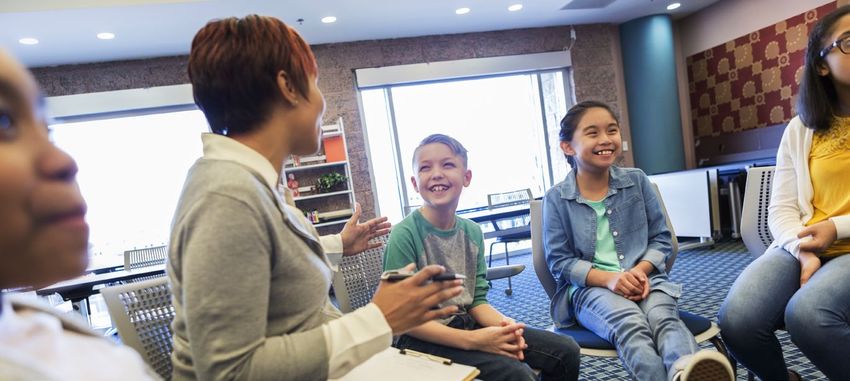
Support community partnerships to improve health and safety of
 2        public environments

Improving health gets at the heart of what hospitals do every day. Physical health, though, no
longer stands alone. Mental health, including the emotional scars of trauma and a feeling of
safety, is a key factor in overall well-being.

In just one year, HEAL hospitals:
  • Paired 5,177 patients with trauma-informed, post-injury counseling services in 2019,
    compared to 1,828 patients linked to such services in 2018.

  • Improved physical neighborhood vitality by supporting affordable housing pilot programs
    for the homeless, housing renovations, restoration of vacant lots and community garden
    development with ALL 10 HEAL hospitals offering neighborhood vitality programs in 2019.

  • Held 481 health fairs and summer and night events to increase access to wraparound services
    and reduce violence.

   PILLAR 2 METRICS

                           DELIVER                                 COLOCATE
                           trauma-informed,                        behavioral health services,
                           community-based                         e.g., open clinics with
                           counseling/peer                         Federally Qualified Health
                           support services                        Centers and schools

                           SUPPORT                                 ESTABLISH
                           affordable housing                      safe havens, safe
                           pilot programs for                      passage routes and
                           the homeless and                        gun-free zones
                           community gardens

                           HOLD
                           health fairs and events
                           to increase access to
                           wraparound services and
                           reduce violence

   Chicago HEAL Initiative | 2020 Achievement Report                                             8
RUSH REACH INTERNSHIP LEADS TO CAREER: IN LEOSHAY’S WORDS
As a first-generation college student pursuing a human
services degree, I wasn’t aware of how important and
effective an internship during college could be. I was told
that internships were a waste of time. In reality, an internship
can help an individual get their foot in the door and guide
them on the right path. That being said, I took the internship
route, and I recognize that having an internship is what
brought me to where I am today.
In the summer of 2019, I started interning in Human
Name Leoshay
Resources (HR) at Rush University Medical Center (RUMC) Dobbs
through the Rush Education and Career Hub – College Neighborhood Garfield Park
Position Park-time
Career Pathways program . I was nervous; I didn’t know Support
what to expect given that I was an upcoming third-year Associate
Hospital Rush
college student without much experience. As time passed, I University
was excited to attend my internship every day. Medical Center
Program Rush REACH
The Rush HR recruitment
‘‘ I was told that
internships were
team was like a family—very
helpful and full of knowledge
and wisdom. They have helped me grow personally and
a waste of time.
professionally. I know by the time I graduate, I will be fully
In reality, an
capable because of the experiences I’ve had. I am confident
internship can
in using the skills I have learned in my career.
help an individual
get their foot I went back to school in the fall of 2019 and was wondering
how I could use the skills from my internship to find more
in the door and
opportunities like this. In the winter of 2019-2020, I was
guide them on
’’
accepted back to RUMC’s HR recruitment department. I
the right path. was extremely excited because it showed my hard work and
dedication had paid off.
I learned more in this field and I networked with many community-based organizations.
Two days before my winter internship ended, I got a call from my direct manager
stating they would like to offer me a part-time position that would work around my
school schedule.
This was the best news I had heard in a while. I was shocked, but most of all grateful. The
part that stood out to me was: ‘We will work around your school schedule.’ This shows
that Rush’s values align with their employees’ growth and development. This internship
that led to a job is just the beginning of my own pursuit of excellence.
Thank you, Rush University Medical Center.
Chicago HEAL Initiative | 2020 Achievement Report 93 Prioritize key in-hospital clinical practices to address unmet needs
Underserved communities require a holistic approach in order to understand what’s missing
in the fabric of their healthcare needs. A critical first step in implementing effective clinical
strategies to combat health inequities and improve health outcomes is conducting social
determinant of health screenings that look at the environment where patients live, work and play.
In 2019, HEAL hospitals:
• Provided 75,625 social determinant of health screenings, an increase over the prior year.
In addition 1,099 intake staff and primary care practitioners were trained in behavioral health
and trauma screenings and communicating with patients on firearm safety—a 40% increase
from 2018.
• Established 25% more trauma-informed, post-injury counseling programs to support the
long-term healing for all victims of violence and paired 5,177 patients with these services
as compared to 1,828 in 2018—a 183% increase.
PILLAR 3 METRICS
TRAIN ESTABLISH
hospital intake staff and trauma-informed,
primary care physicians post-injury counseling
in behavioral health/ and community case
trauma screenings management programs
REDUCE INCREASE
opioid prescribing lead poisoning
rates by 2021 screening rates for
low-income children
DEVELOP PARTICIPATE
data sharing infrastructure in the Chicago Gun
and platforms across Violence Collaborative
hospitals and others
PARTICIPATE
in the Perinatal Quality
Collaborative and provide
implicit bias/cultural
competency training
Chicago HEAL Initiative | 2020 Achievement Report 10OPIOID STEWARDSHIP IN COOK COUNTY
Opioid stewardship has been a focus of Cook County
healthcare organizations for many years. According to the
37%
latest opioid prescribing data from the Centers for Disease
and Prevention (CDC), Cook County prescriptions per
100 population are 37% lower than the national average.
From 2014 to 2017 (last four years of available CDC data),
lower than national average Cook County has seen prescribing drop by 18%. This drop
can largely be attributed to the clinical efforts of HEAL
hospitals. HEAL hospitals have made significant progress in
decreasing prescribing of opioids.
Reduction ranges of:
HEAL hospitals have devoted significant resources to
25%–60% opioid stewardship and appropriate opioid prescribing. For
for prescriptions written most HEAL hospitals, opioid-focused quality improvements
began in 2015, with baseline measurements to track
21%–70% progress obtained in 2016, 2017 or 2018—and compared to
2019 metrics. Each hospital has a unique way of addressing
for pills prescribed
Chicago’s opioid epidemic. Internal measurements
30%–36% developed in each HEAL hospital depend on the patient
population, specialty expertise and departments targeted
for MME prescribed
for intervention (e.g., emergency department, outpatient,
inpatient and perioperative services). Opioid stewardship
measurements among the hospitals include prescriptions
written and filled, pill counts and morphine milligram
equivalents (MME) per day.
Chicago HEAL Initiative | 2020 Achievement Report 11HEAL Initiative Progress Dashboard
Target Status:
l
5 On target
l
11 In progress
l1 To be addressed
1 Increase local workforce commitment to reduce economic hardship
Description 2018 & 2019 Highlights Status
1.1 Hiring: Compared to 2018 levels, target a 15% increase in Hires from the HEAL neighborhoods
hiring out of the 18 communities by 2021 CY 2018: 3,197 | CY 2019: 3,742
*
1.2 Procurement: Compared to 2018 levels, target a Dollars spent on supplies & services from
20% increase in purchasing relevant supplies and HEAL neighborhoods
services from local suppliers by 2021 CY 2018: $95 million | CY 2019: $134.3 million
Overall, 41.4% increase in local spending in *
supplies and services.
1.3 Workforce Retention: Develop career advancement and CY 2018: 116 students hired
growth opportunities to foster local workforce retention CY 2019: 580 students promoted or advanced
*
1.4 Workforce Development: Create additional youth summer Number of high school and/or college
employment, workforce development and apprenticeship
programs to promote careers in healthcare fields and
student participants
CY 2018: 4,674 | CY 2019: 11,688 *
paraprofessional roles to students in target neighborhoods
2 Support community partnerships to improve health and safety of public environments
Description 2018 & 2019 Highlights Status
2.1 Trauma-Informed Counseling and Support: Deliver Number of programs
trauma-informed, community-based counseling and peer CY 2018: 86 | CY 2019: 96
support services across all target neighborhoods, including
through home visiting programs, case management,
youth mentorship programs and violence interruption
programming
2.2 Behavioral Health Partnerships: Promote colocation of % of hospitals engaged in partnerships
behavioral health services, including by partnering with CY 2018: 80% | CY 2019: 80%
Federally Qualified Health Centers and schools to open new
clinics in target neighborhoods
2.3 Neighborhood Vitality: Improve physical neighborhood % of hospitals engaged with programs
vitality by supporting affordable housing pilot programs for CY 2018: 90% | CY 2019: 100%
the homeless, housing renovations, restoration of vacant lots
and community garden development
2.4 Safe Zones: Establish Safe Haven, Safe Passage routes and Number of partnerships
gun-free zones surrounding hospital-owned buildings CY 2018: 25 | CY 2019: 27
and facilities
2.5 Health Fairs: Hold community health fairs and other summer Number of health fairs
and nighttime events at city parks and community centers to CY 2018: 544 | CY 2019: 481
increase access to wraparound services and reduce violence
* Less than 10 hospitals reporting.
Chicago HEAL Initiative | 2020 Achievement Report 12HEAL Initiative Progress Dashboard continued
3 Prioritize key in-hospital clinical practices to address unmet needs
Description 2018 & 2019 Highlights Status
3.1 Screenings & Firearm Safety: Train all hospital intake staff CY 2018: 75,542 patients screened
and primary care practitioners in behavioral health and & 786 employees trained
trauma screenings and communicating with patients on
firearm safety
CY 2019: 75,625 patients screened
& 1,099 employees trained
*
3.2 Counseling & Case Management: Establish trauma- CY 2018: 1,828 patients paired with services
informed, post-injury counseling and community case & 12 programs
management programs to support long-term healing for
all appropriate victims of violence
CY 2019: 5,177 patients paired with services
& 15 programs
*
3.3 Opioid Prescribing: Compared to 2018 levels, reduce HEAL hospitals report a 25–60% reduction in
inappropriate opioid prescribing rates by 20%—to help prescriptions between 2016– 2018. In addition,
prevent potential drug misuse and addiction—by 2021 Cook County’s prescribing rate is 37% lower
than the national average, according to latest
CDC data available.
3.4 Lead Poisoning Screening: Compared to 2018 levels, To be addressed – establishing potential
increase lead poisoning screening rates for Medicaid/ partnership with Chicago Department of
CHIP-eligible children by 15% by 2021. Public Health to increase screenings in
appropriate settings
3.5 Data Sharing: Develop common data sharing infrastructure Number of data platforms
and platforms across hospitals and with relevant CY 2018: 17 | CY 2019: 17
stakeholders to coordinate services, identify trends and
improve patient care
3.6 Chicago Gun Violence Research Collaborative: Participate % of hospitals participating in the collaborative
in the Chicago Gun Violence Research Collaborative to CY 2018: 70% | CY 2019: 60%
expand violence prevention research network and agenda
to additional sites with at least five new projects citywide
3.7 Illinois Perinatal Quality Collaborative: Participate in the % of hospitals participating in ILPQC
Illinois Perinatal Quality Collaborative (ILPQC) CY 2018: 60% | CY 2019: 60%
3.8 Bias and Cultural Competency Training: Provide implicit % of hospitals providing bias and
bias and cultural competency training to providers—to help competency training
reduce racial disparities in health outcomes CY 2018: 80% | CY 2019: 70%
* Less than 10 hospitals reporting.
IHA is proud to support the work of the Illinois hospital community as they work together
individually and collaboratively with Senator Durbin to advance healthcare for all Illinois
residents and enhance community well-being.
— A.J. Wilhelmi, IHA President & CEO
The Illinois Health and Hospital Association supports the work of the 10 health systems
as the hospital community continues, individually and collaboratively, to advance
healthcare for all Illinois residents and enhance communities’ well-being.
Chicago HEAL Initiative | 2020 Achievement Report 13Touching
Individual
Lives
Some are starting out in life. Others have
fallen on tough times. Still others are
plagued by the violence surrounding them.
These are the individual lives touched by
HEAL, whose health systems launch career
paths, get people back on their feet and
provide safe transportation.
One powerful goal.
So many lives changed.
14NAVIGATE Program
Advocate hospitals help build skills to increase
local workforce and reduce economic hardship
As a food services retail associate, Alicia Appleton enjoyed
meeting new people on the job at Advocate Trinity Hospital in
Chicago. She liked her Food and Nutrition team members, yet she
still felt stuck. Alicia wanted something more for herself.
She found it through the hospital’s NAVIGATE program, offered to
employees to grow their current skills—and earning potential—in
new healthcare career paths. Alicia is one of over 300 employees
‘‘ NAVIGATE
gave me the
who’ve participated in the program so far. confidence to
“NAVIGATE gave me the confidence to do something different and do something
give me the social skills to go out and do it,” said Alicia, who joined different and give
NAVIGATE in 2017 and participated in its first class. me the social
skills to go out
As part of the program, Alicia
attended weekly seminars over
and do it.
’’
a four-month period and went
Name Alicia Appleton
on to earn a certificate in sterile
Position Central Services
processing. Today, Alicia is a central Technician
services technician at Advocate Hospital Advocate South
Suburban
South Suburban Hospital in Hospital
Hazel Crest, where she sterilizes Program NAVIGATE
equipment, replenishes crash
carts, delivers IV pumps and poles to units, and rounds to ensure
‘‘ I can’t express the
gratitude I have
providers have the equipment they need to care for patients.
Like Alicia, NAVIGATE graduate Ron Reaver, Jr. expanded his
for this program. career trajectory and earnings. Ron, a Navy veteran, was hired as
I’d recommend an engineer at Advocate Illinois Masonic Medical Center in Chicago
it to anyone in 2016. He couldn’t afford college so he completed an operating
who’s looking engineer apprenticeship before he landed the job.
to advance their
The NAVIGATE program, which he completed in 2018, gave Ron
career to the
’’
the skills needed to earn a promotion to lead engineer and become
next level.
the first African American chosen for the position.
Name Ron Reaver, Jr.
“It taught me areas of critical thinking, conflict resolution
Position Lead Engineer and effective communication that I have been able use in
Hospital Advocate Illinois my professional life, as well as my personal life,” Ron said of
Masonic Medical
Center NAVIGATE. “I can’t express the gratitude I have for this program. I’d
Program NAVIGATE recommend it to anyone who’s looking to advance their career to
the next level.”
Chicago HEAL Initiative | 2020 Achievement Report 15Internships and Mentorships
Ann & Robert H. Lurie Children’s Hospital of Chicago increases local
workforce commitment
Janet Tapia is a first-generation American who attended Benito Juarez Community Academy and
participated in one of Lurie Children’s internship and mentoring programs in 2001. She went on to
Robert Morris College and worked in a pediatrician’s office. As of 2019, she is now back at Lurie
Children’s as a full-time employee, working as a medical assistant in the Division of Nephrology.
Janet is interested in continuing her growth and development by taking business classes with a
focus on health management.
For more than 20 years, Lurie Children’s has partnered with Chicago Public Schools (CPS) and
other community organizations to ensure that youth from under-resourced communities, such
as Janet, have access to opportunities in healthcare careers. Our long-standing commitment to
this work has evolved into the development of several internship programs to meet unique needs,
including summer intensive internships, participation in One Summer Chicago, a program for
former patients with chronic health conditions, and programs during the school year for youth
attending medically specialized CPS high schools. All of these internships include mentoring,
skills training and job readiness activities. In 2019, 185 students participated in internships. To
date, more than 75 former interns, including Janet, have become employees of Lurie Children’s.
Name Janet Tapia
Position Medical Assistant
Hospital Ann & Robert H. Lurie
Children’s Hospital
Program Internship &
Mentoring
Lurie Children’s is helping ensure that youth from under-resourced
communities have access to opportunities in healthcare careers.
Chicago HEAL Initiative | 2020 Achievement Report 16Sojourner House
Loyola Medicine’s MacNeal Hospital and partners provide bridge
housing and medical respite for individuals experiencing homelessness
in the western suburbs
Sojourner House, a partnership between Housing Forward,
MacNeal Hospital and numerous other community partners,
is the first medical respite program of its kind in suburban
Cook County. Since 2019, Sojourner House provides bridge
housing and medical respite for individuals experiencing
homelessness in the western suburbs.
Andrew had been homeless for more than three years before
he became Sojourner House’s first resident in September
2019. A former business owner, Andrew ran antique shows
and accumulated enough wealth to own a plane and a
vacation home. However, later in life, he experienced a
financial decline and became homeless. As Andrew waited
for a housing placement, his health deteriorated and he
‘‘ This is the first
time in a long
underwent one major heart procedure—and then another. time I’ve felt like
Discharge from the hospital to the streets or a shelter would
have been detrimental to Andrew’s recovery. He needed a
a real person.
’’
safe place to heal.
Name Andrew
The coordinated care transition between Loyola Medicine’s Hospital MacNeal Hospital
Program Sojourner House
MacNeal Hospital and Housing Forward allowed Andrew to
move into a housing unit upon discharge. The unit included
a newly renovated space with a bed, kitchen and bathroom.
Andrew said upon arrival to Sojourner House: “This is the first
time in a long time I’ve felt like a real person.”
Approximately two months after moving into Sojourner
House, Andrew signed a lease on his own apartment in
the area. Andrew’s life story once again has more “ups”
than “downs.”
Sojourner House provides bridge
This is what ending homelessness looks like. housing and medical respite for
individuals experiencing homelessness
in the western suburbs.
Chicago HEAL Initiative | 2020 Achievement Report 17Northwestern Medicine Scholars Program
A partnership with Chicago Public Schools, Westinghouse College Prep
and Northwestern Medicine reduces economic hardship
De’Andre Wilborn is a 17-year-old student from the Austin
neighborhood on the West Side of Chicago. He is a senior at
George Westinghouse College Prep, where he is a member of
the Northwestern Medicine (NM) Scholars Program, captain
of the Westinghouse football and wrestling teams, a Chicago
Cubs Scholar, and a member of the National Honors Society.
Following his graduation from high school this spring,
De’Andre plans to continue his education at Georgetown
University on a full football scholarship. He received offers
from more than 24 colleges, including Yale, Harvard and West
Point. He has ambitions to study sports medicine and give
back to his community. Name De’Andre Wilborn
Age 17
Reflecting on being part of the program throughout his high Neighborhood Austin
Hospital Northwestern
school career, De’Andre stated, “The NM Scholars Program
Medicine
has taught me what it means to be a professional and all Program Scholars
that medicine has in store for me as a career. Being a young
black man in a neighborhood filled with disparities, the NM
Scholars has opened my eyes and introduced me to important black leaders such as Dr. Clyde
Yancy and Dr. James Hill. They give me hope that I can make it in the field of medicine. I have also
learned valuable lessons about professionalism and carrying myself in a place like Northwestern
Memorial Hospital. Getting the direct opportunity to work with the NM staff has been amazing for
me, especially being a child from the West Side of Chicago where there aren’t the same positive
influences available. The NM Scholars program allows me time away from where I am now, but
also the chance to change the depiction and culture of the Austin community and hopefully
come back someday to do that in medicine.”
Now in its 10th year, the NM Scholars Program
recruits freshmen from Westinghouse each
year for a rigorous four-year program, which
includes year-round opportunities to learn
from hospital leaders and staff, individual
faculty mentors, a four-week summer intensive
each year for three years, and college visits
and preparation courses. This is just one part
of NM’s commitment to its future workforce
pipeline throughout the region.
De’Andre Wilborn and Sen. Durbin
Chicago HEAL Initiative | 2020 Achievement Report 18CHAMPIONS NETWork
UI Health enables high school students to help at-risk populations
The CHAMPIONS NETWork is an innovative, community-
based program spearheaded by the University of Illinois of
Illinois Hospital & Health Sciences System (UI Health).
‘‘ CHAMPIONS
has given me
“CHAMPIONS has taught me the importance of becoming the opportunity
a health advocate in our underrepresented communities,” to not only
said Hooriya, age 16. “It has given me the opportunity to make a change,
not only make a change, but become a change. I have really but become
enjoyed working with the CHAMPIONS because I get to not
only experience the clinical side, but the people around me
a change.
’’— Hooriya
are great influences in relation to being goal-oriented.”
Guadalupe, age 17, enjoyed learning about nutrition,
pathology and prevention. “Being part of this program
made me feel even more motivated to become a neonatal
‘‘ I learned how
important it is to
nurse,” she said. maintain a healthy
Another student, Jesus, age 17, is interested in studying lifestyle and how
chemistry in college before continuing on to medical that could greatly
school. He said he “learned how important it was to impact both the
maintain a healthy lifestyle and how that could greatly quality and length
impact both your quality and length of life.”
Learn more about the Champions NETwork on page 66.
of my life.
’’ — Jesus
Empowering Chicago youth to become community leaders.
Chicago HEAL Initiative | 2020 Achievement Report 19Violence Recovery Specialists
University of Chicago Medicine
Robert, a 30-year-old Chicago man, suffered a gunshot
wound while on the CTA, Chicago’s public transportation
system. Fearing that his assailant was still at large, he did
not feel safe using the CTA to travel to UChicago Medicine’s
free follow-up trauma clinic. He also did not have access
to a car and was unable to afford taxi fare. Having built a
trusting relationship with violence recovery program staff,
Robert called to ask for help. In response, staff coordinated
rides for Robert, transporting him safely to and from his
follow‑up appointment.
The program has even helped patients relocate to other cities
Name Brenda Battle, MBA,
to avoid ongoing threats of violence. BSN
Position Vice President,
“Working with the Chicago Police Department, we’ve been Urban Health
Initiative and Chief
able to move patients directly from the hospital to other
Diversity, Inclusion
areas,” said Brenda Battle, who oversees the medical center’s and Equity Officer
Hospital UChicago Medicine
community health programs. “By connecting with family
members and friends, we’ve gotten patients out of danger
and kept them safe going forward.”
Violence recovery specialists also help connect patients
‘‘ We’ve been able
to collaborate
to workforce development programs and ensure they
stay in school.
with workforce “We’ve been able to collaborate with workforce
programs in programs in and around Chicagoland and on the South
and around Side to get people connected to jobs,” Battle said. “In
Chicagoland and another situation, we worked with a student who was
shot at school. She was enrolled in a training program
on the South Side
with rigid participation requirements, and her main
to get people
concern was being able to return to school to finish the
connected program. Violence recovery specialists communicated
to jobs.
’’
—Brenda Battle
directly with school administrators to explain the
situation and ensure that she could complete the
program without missing a beat.”
Chicago HEAL Initiative | 2020 Achievement Report 20Better Health Through Housing
UI Health supports community partnerships to improve health and safety
80k+
For most of her life, Jeraldine, a petite, 60-year-old-woman, was
among the over 80,000 Chicagoans experiencing homelessness.
Although there were several contributing factors, she believes her
CHICAGOANS EXPERIENCE
challenges with housing instability stem from when she started HOMELESSNESS
drinking alcohol.
Jeraldine was able to hold down a steady job working for
‘‘
the Department of Housing and Urban Development for
I see now how
a few years and was making a good living for herself. Her
insane it was. It got
growing dependence on alcohol and other drugs led to
to the point where Jeraldine losing her job and her home.
I thought that I was
’’
Jeraldine thought she would spend the rest of her life
losing my mind.
jumping between shelters. With nowhere else to turn, she
—Jeraldine
decided to start using hospital emergency rooms as a place
of refuge.
“Thinking back it’s like, ‘Jerry, what were you doing?!’ It got to the point where I thought that I
was losing my mind. I thought that I was really going nuts,” Jeraldine recalled.
Although Jeraldine has chronic obstructive pulmonary disease, she would often exaggerate or
fake an injury or illness just so she could get a hospital bed to sleep in at night. Otherwise, her
last resort was to find a secluded area at a park to sleep. This went on until December 2017.
Jeraldine did not know it at the time, but a contact at UI Health was connecting her to the
BHH program. Since its inception, BHH has helped lower healthcare system costs by reducing
emergency department usage among BHH clients and providing housing interventions for over
90 people throughout Chicago. BHH provides stability for chronically homeless individuals
by moving them directly from hospital emergency rooms into stable, supportive housing with
intensive case management. Case managers help clients schedule medical appointments and
manage money, and refer them to other services.
Jeraldine now has a primary care doctor and is vigilant about making sure she
stays on top of all her doctor’s visits. She is determined to move out of her
current apartment and become even more independent.
Chicago HEAL Initiative | 2020 Achievement Report 21Collective Commitment The far-reaching efforts of the 10 HEAL health systems demonstrate their collective commitment, energy and focus on making the 18 HEAL neighborhoods stronger, healthier and more vibrant. Read their stories.
PILLAR 1             Increase local workforce commitment to reduce economic hardship

Advocate Workforce Initiative
Advocate Aurora Health (Advocate Aurora) knows that employment is critical to ending the
plague of violence in our city. In 2019, Advocate Aurora continued the Advocate Workforce
Initiative—a healthcare-focused, skills-based training initiative that connects Chicagoland’s
underemployed and unemployed residents with high-quality, in-demand jobs in the rapidly
growing healthcare industry, such as certified medical assistant, radiographer or surgical
technologist. These jobs are a pathway to the middle class. The program has hosted over 991
participants and 776 graduates in the last few years. Training is provided in partnership with
the City Colleges of Chicago and other non-profits across the region. We also established the
NAVIGATE program for current Advocate Aurora team members to grow their existing skills and
earning potential. Over 300 employees have participated so far.

Advocate Pathways to Health Careers Youth Workforce
Development Program
The Pathways to Health Careers program engages and supports adolescents and young adults
(11 to 25 years old) from marginalized communities in south Chicago neighborhoods and south/
southwest suburban Cook County. The communities involved are identified as among the
most socially vulnerable that Advocate Aurora serves. Students attend Chicago Public Schools
in neighborhoods characterized by poverty, unemployment and violent crime. As a major
employer and critical infrastructure for the South Side, Advocate Aurora leaders are committed

   Chicago HEAL Initiative | 2020 Achievement Report                                             23
Advocate Aurora Health

to community partnerships that foster diversity and inclusion and to community workforce
development as investments in the future. Furthermore, health systems are among the few
growth industries that will need a skilled labor force in the short term. Advocate Aurora seeks to
provide opportunities for youth to understand the range of attainable health careers and to build
skills and leadership so they can follow a self-directed career path.

Imani Green Health Advocates Partnership
The Imani Green Health Advocates (IGHA) apprenticeship program promotes nature and
health in Chicago’s South Side neighborhoods. IGHA is part of Imani Works!, a career
development program. Now in its second year, IGHA—which targets young adults ages 18 to
25—operationalizes the belief that a healthy, whole community is one where both nature and
people thrive. To achieve this goal, a team of collaborators, collectively referred to as the IGHA
Leadership Team, established IGHA to provide health-based careers to young adults, especially
those with barriers to employment.

The team is composed of representatives from:
  • Trinity United Church of Christ;
  • Advocate Trinity Hospital (of Advocate Aurora);
  • The Nature Conservancy;
  • University of Illinois at Chicago;
  • The Morton Arboretum; and
  • United States Forest Service.

IGHA prioritized community-based tree-planting in high-need areas within
Advocate Trinity Hospital’s PSAs.

In the 2019 apprenticeship year, IGHA program participants and trainees conducted a
comprehensive evaluation of both the social determinants of health and ecological determinants
of health of Advocate Trinity Hospital’s primary service area (PSA). The foundation for this
evaluation was Advocate Trinity Hospital’s community health needs assessment, which included
an urban tree health assessment of a representative sample of trees across Advocate Trinity
Hospital’s PSAs. Based upon the findings of tree health, IGHA prioritized community-based tree-
planting in high-need areas within Advocate Trinity Hospital’s PSAs. In addition to training in urban
forestry, the program also trained the “Advocates” as community health workers who assist in
community health projects and are members of the Project Health and the Food Farmacy teams.

   Chicago HEAL Initiative | 2020 Achievement Report                                            24
Advocate Aurora Health

                       Support community partnerships to improve health and safety of
  PILLAR 2
                       public environments

Advocate Trauma Recovery Center

                                                                                489
In 2019, Advocate Aurora opened the Advocate Trauma Recovery
Center—a healthcare-based violence intervention program that
provides quality services and resources to survivors of intentional
                                                                                 PATIENT TOUCHES
trauma, treating them with compassion, respect and care. Our goal is
to aid individuals who have experienced trauma in rebuilding, restoring
and strengthening their sense of safety by ending the cycle of violence. We provide access to
trauma-informed care by acknowledging how past and present traumatic experiences and stress
may impact the individuals and families we serve—responding to the unique needs of each
survivor and their family. Since the clinic opened its doors in 2019, we have had more than 489
patient touches in the community.

Aiding individuals who have experienced trauma in rebuilding, restoring and
strengthening their sense of safety by ending the cycle of violence.

Southland RISE
Advocate Christ Medical Center in Oak Lawn has partnered with University of Chicago Medicine
to form Southland RISE—a new collaborative designed to better care for individuals, families and
communities on the South Side and in south suburban communities. In 2020, we will:

  • Align services provided through our respective violence recovery programs to better serve
    the Southland population impacted by violence.

  • Coordinate wraparound services to support the holistic emotional, behavioral and social
    needs of the Southland population impacted by violence.

  • Provide rapid-cycle grant funding for grassroots violence prevention and recovery programs
    in the Southland population to support community organizations over the summer.

  • Develop trauma-informed care training and a toolkit that can be utilized by community
    partners throughout the Southland population and beyond.

  • Host a joint community summit on violence prevention, involving healthcare providers,
    community-based organizations, policymakers, and civic, community and academic leaders
    to mobilize toward solutions for violence recovery.

   Chicago HEAL Initiative | 2020 Achievement Report                                          25
Advocate Aurora Health
Healthy Living Food Farmacy
1,380
Access to fresh, affordable food is a key ingredient in the recipe
for addressing social determinants of health—and in keeping the
community healthy. Advocate Aurora launched an innovative
PATIENT VISITS
pilot program—Healthy Living Food Farmacy—at Advocate
Trinity Hospital to make a positive impact on patients facing
socioeconomic barriers to better health. Patients are invited to attend bi-weekly events for a
free dose of healthy food, making their selections from tables of assorted fresh produce and
low-sodium, shelf-stable proteins. The program aims to impact the health of the community by
providing food-insecure patients with access to healthy food options. The Healthy Living Food
Farmacy is supported by a partnership with the Greater Chicago Food Depository, Advocate
Trinity Hospital’s leadership, volunteers and community health department. In 2019, we engaged
over 300 patients who completed 1,380 visits to the Food Farmacy.
PILLAR 3 Prioritize key in-hospital clinical practices to address unmet needs
Opioid Crisis
In addition to helping end the violence plaguing the communities we serve, Advocate Aurora
is committed to doing our part to end the opioid crisis and reduce overdoses. To meet the
chronic need, Advocate Christ Medical Center began distributing free naloxone kits for patients
and families to take home. Patients treated for opioid overdoses are now leaving our facilities
with medication that could save them the next time they overdose. We are the first hospital in
Chicagoland to provide these life-saving kits. As of May 1, 2019, the program has given out several
hundred doses of naloxone in our emergency department and inpatient psychiatric unit. We are
also changing our opioid prescribing guidelines to limit our patients’ exposure to prescription
opioids, while understanding our duty to treat patients who suffer from chronic pain.
Chicago HEAL Initiative | 2020 Achievement Report 26Advocate Aurora Health Primary Care Connection/Project H.E.A.L.T.H.— Community Health Workers In 2016, Advocate Aurora embarked on a quality improvement project to engage and educate patients seen in Advocate Christ Medical Center’s emergency department on appropriate level of care options available to patients. The Primary Care Connections intervention deploys Community Health Workers (CHWs) to educate and navigate patients and families and address specific social determinants of health, including barriers to medical care, housing insecurity, utility needs, food insecurity and interpersonal violence. Advocate Trinity Hospital’s Project H.E.A.L.T.H. (Healing Effectively After Leaving the Hospital) uses CHWs to support effective healing and self- care, including: • Wellness calls post-discharge; • Assistance with scheduling follow-up appointments with physicians; • Educating patients regarding available community resources; and • Coaching patients on self-management of chronic diseases. Project H.E.A.L.T.H. deploys Community Health Workers to educate and navigate patients and families and address specific social determinants of health. CHWs also work to connect residents to resources, including but not limited to housing, transportation, disability application approval, medication refill and mental health counseling services. Chicago HEAL Initiative | 2020 Achievement Report 27
PILLAR 1             Increase local workforce commitment to reduce economic hardship

Safer Foundation
In partnership with the Safer Foundation, AMITA Health has hired approximately 20 individuals
within the last two years in clinical and non-clinical positions, including environmental services,
food services and certified nursing assistants.

The Safer Foundation creates programs for clients re-entering the workforce after incarceration.
It also provides evidence-based programs geared toward addressing barriers to employment
and providing services that support client re-entry efforts, specifically for youth and adults with
criminal records.

Creating programs for clients re-entering the workforce after incarceration.

Utilizing a pre-screening methodology, the Safer Foundations determines clients’ program
eligibility, interests, credentials, employment history, criminal background and barriers to
employment, such as childcare, transportation, clothing, and drug testing. The Safer Foundation
ensures its clients complete an intake process and create an Individual Career Plan to inform staff
and clients of participants’ desired pathway and career interests.

                       Support community partnerships to improve health and safety of
  PILLAR 2
                       public environments

Social Worker in the Library Initiative
The Chicago Public Library                  has partnered with AMITA Health to provide a social worker, who
splits time between two Uptown library branches, paid for by AMITA Health. The social worker is
funded through donations from employees and money set aside for community programs. The
goal of the social work intervention is to help connect people with housing, mental and physical
healthcare, and food.

   Chicago HEAL Initiative | 2020 Achievement Report                                                     28
AMITA Health Farmers Markets AMITA Health Saints Mary and Elizabeth Medical Center Chicago has launched a series of farmers markets that feature locally grown and community-sensitive fruits and vegetables. We provide vouchers and offer point-of-sale discounts to SNAP participants in West Town/Wicker Park. Expanding access to healthy foods supports a healthy lifestyle and helps combat childhood obesity by ensuring the availability of affordable, nutritious food with nutritional guidance. October 2019 Letter from Farmer Vendor to AMITA Community Health Program Leader Last Thursday, October 31, you turned Halloween into a harvest party and one of the most beautiful market experiences since I’ve been a vendor. Thank you! When I’m asking people to try something new to them, they have to trust me to tell them the truth about whatever it is they’re going to give up their dollars for. Trusting in relationships and food go together. The most fundamental thing in families is done through food, from nursing a baby to planning a menu for a wedding to Thanksgiving meals. Families and cultures are brought together through food. I’ve been doing farmers markets since 1988 and creating relationships with the people at a market has been very important to me—food for the soul, not just the body. What we are doing through this market is creating family and bridging cultures. I really felt that had been accomplished at this last market. It’s why I came through that really horrible and dangerous weather last week to get to the market—my family was waiting. That’s why people showed up last Thursday—you were creating a family event with that harvest party for all of us. It was easy to pick-up on your energy and help with your intention. I gave a little girl a pumpkin as a gift the week before. She brought a gift back, a drawing she did for me. Her name is Annabelle and she wants to be a ballerina when she grows up. She showed me her ballerina moves. She’s four. Food for my soul—it works both ways. Thanks again for one of the best market experiences I’ve ever had. Chicago HEAL Initiative | 2020 Achievement Report 29
AMITA Health

  PILLAR 3             Prioritize key in-hospital clinical practices to address unmet needs

Cultural Competency/Humility Training

                                                                             150
We are expanding a program to train our emergency department
associates and other key clinical and non-clinical stakeholders
in cultural competency, humility and unconscious bias. In 2019,
                                                                              ASSOCIATES TRAINED
training sessions included over 100 resident physicians at AMITA

                                                                             100
Health Saint Francis Hospital Evanston, approximately 50 care
management leaders from AMITA Health and over 150 associates
at AMITA Health Resurrection Medical Center Chicago.
                                                                              PHYSICIANS TRAINED

Program expansion to train stakeholders in cultural competency, humility
and unconscious bias.

   Chicago HEAL Initiative | 2020 Achievement Report                                          30
PILLAR 1 Increase local workforce commitment to reduce economic hardship
Workforce Education, Internships and Mentorship
185
For more than 20 years, Lurie Children’s has partnered with
Chicago Public Schools (CPS) and other community organizations
to ensure that youth from under-resourced communities, such
2019 INTERNSHIPS
as Janet, have access to opportunities in healthcare careers.
75
Our longstanding commitment to this work has evolved into
the development of several internship programs to meet unique
needs, including summer intensive internships, participation in
HAVE BECOME
One Summer Chicago, a program for former patients with chronic EMPLOYEES
health conditions, and programs during the school year for youth
attending medically specialized CPS high schools. All of these
internships include mentoring, skills training and job readiness
activities. In 2019, 185 students participated in internships. To
date, more than 75 former interns, including Janet, have become
employees of Lurie Children’s.
Lurie Children’s increased its commitment to career pipeline programs with
CPS, set and achieved new goals related to hiring from under-resourced Chicago
communities, and joined several collaborative initiatives to advance efforts to
become an anchor institution in 2019.
Targeted Hiring from Under-Resourced Communities
291
Approximately 16% of Lurie Children’s employees live in Chicago
HEAL communities. We are proud to share that in FY 2019, 22% of
new Lurie Children’s employees—a total of 291 individuals—live in
NEW EMPLOYEES
these neighborhoods. This number reflects our commitment to hiring (2019) LIVE IN HEAL
NEIGHBORHOODS
employees who better reflect the population of children we serve.
Chicago HEAL Initiative | 2020 Achievement Report 31Ann & Robert H. Lurie Children’s Hospital of Chicago
Economic Development Initiatives to Address Social
Determinants of Health
$1.7m
Given the strong connection between economic vitality and
health, together with other hospitals engaged in West Side
United, Lurie Children’s engaged in impact investing and small
INVESTED IN COMMUNITY
business grant support initiatives in 10 under-resourced DEVELOPMENT PROJECTS
communities on Chicago’s West Side. Collectively, Lurie Children’s
invested $1.7 million in community development projects through
loans and $85,000 in one-time capital grants to seven small businesses. Additionally,
Lurie Children’s is working to add more of these small businesses into our supply chain. For
example, Amazing Edibles , a wonderful minority- and woman-owned catering business, is
one of West Side United’s small business grantees providing service to Lurie Children’s.
Support community partnerships to improve health and safety of
PILLAR 2
public environments
Trauma and Mental Health Trainings Coalitions
180+
Experts from Lurie Children’s Center for Childhood Resilience
(CCR) partner with schools and community organizations
to share social-emotional learning (SEL) strategies and
SCHOOLS SUPPORTED
practices, including training school personnel and providing
implementation support and technical assistance. CCR has
supported CPS’ expansion of Behavioral Health Teams district-wide to over 180 schools and
has implemented a train-the-trainer model with CPS network-level champions, including the
development of a curriculum toolkit and ongoing coaching support. CCR also houses and
staffs the Illinois Childhood Trauma Coalition (ICTC), composed of over 120 public, private,
clinical, research, advocacy and educational institutions, and the Illinois Children’s Mental Health
Partnership (ICMHP), created by the Children’s Mental Health Act in 2003 to convene the child-
serving state agencies, parents, youth, policymakers, providers and advocates to identify needs
and gaps and to recommend innovative solutions to improve children’s mental health in Illinois.
Lurie Children’s partners with communities across Chicago to develop and
implement evidence-based initiatives to improve the health and safety of children
and families.
Chicago HEAL Initiative | 2020 Achievement Report 32You can also read


