VETERINARY TECHNOLOGY PROGRAM STUDENT HANDBOOK 2020-2021 - PALO ALTO COLLEGE VETERINARY TECHNOLOGY PROGRAM 1400 WEST VILLARET BLVD. SAN ANTONIO ...
←
→
Page content transcription
If your browser does not render page correctly, please read the page content below
VETERINARY TECHNOLOGY PROGRAM
      STUDENT HANDBOOK
              2020-2021

             PALO ALTO COLLEGE
      VETERINARY TECHNOLOGY PROGRAM
          1400 WEST VILLARET BLVD.
        SAN ANTONIO, TEXAS 78224-2499

                                                     Originated 2000
                                        Reviewed & Revised 6/15/2020
2
INTRODUCTION
Welcome to Palo Alto College Veterinary Technology Program (PACVTP). The Veterinary Technology Program is a
comprehensive, technical training program for veterinary technicians. The purpose of this handbook is to provide to student’s
essential information about the educational and behavioral performance requirements expected of individuals entering the
animal health profession. In order to ensure safe practice, the veterinary technology program has developed specific policies
and procedures, in addition to those already established by the College. It is the responsibility of the student to be familiar
with and abide by the policies contained in this handbook, the College Catalog and Student Handbook and District Board
Policies, which are referenced throughout this document. The veterinary technology program prohibits discrimination. Access
to its program or activities shall not be limited on the basis of race, color, religion, national origin, age, gender, sexual
orientation, political affiliation, or disability. This handbook is reviewed annually for updates in academic and industry
standards.

The program offers an Associate of Applied Science (AAS) degree in Veterinary Technology and a Veterinary Assistant Level II
Certificate. The Veterinary Technology AAS degree is designed to prepare students to work as a Licensed Veterinary
Technician (LVT). Students completing the program will have technical skills and competencies to assist veterinarians in
industrial, commercial, and research settings as well as in pharmaceutical companies and animal handling retail businesses.

Veterinary Assistants are a valuable part of the veterinary health care team who assist both veterinarians and veterinary
technicians. Although the certificate program does not qualify the student to be eligible to sit for the LVT examinations, it can
be used as a stepping-stone for the Veterinary Technology AAS degree. Students are awarded a certificate after the first two
semesters and all courses are directly applicable to the associate degree.

Students completing their AAS degree are eligible to take the Texas Licensed Veterinary Technology Exam (LVTE) and the
Veterinary Technician National Exam (VTNE) to become a credentialed LVT. Veterinary technicians are educated and trained
to support veterinarians in surgical assisting, laboratory procedures, radiography, anesthesiology, prescribed treatment and
nursing, and client education.

The Veterinary Technology Program is fully accredited by the Committee on Veterinary Technician Education and Activities
(CVTEA) of the American Veterinary Medical Association (AVMA). Our initial accreditation was awarded in 1998. This
accreditation allows graduates to be eligible to take the Texas LVTE and VTNE to become a Licensed Veterinary Technician.

                                                                3
Table of Contents
I.    Program Staff & Faculty Directory                5           •   Student Email                               21
II.   GENERAL INFORMATION                                          •   Program Communications                      21
      •   Alamo Colleges Vision                        6           •   Visitors                                    21
      •   Palo Alto College Mission Statement          6           •   Firearms                                    22
      •   PACVTP Mission Statement                     6           •   Campus Parking                              22
      •   Program Development                          6           •   Smoking/Tobacco Policy                      22
      •   Veterinary Technician Code of Ethics         6           •   Student Animal Policy                       22
      •   Accreditation                                6    VI. COURSE RESPONSIBILITIES
      •   Professional Conduct                         6           •   Classroom Expectations                      23
III. PROGRAM GUIDELINES & POLICIES                                 •   Classroom Environment                       23
      •   Program Length                               8           •   Classroom Conduct                           23
      •   Program Degree Plan                          8           •   Extraneous Conversations                    23
      •   Admission Requirements for New Students      8           •   Consequences of Unprofessional Behaviors    23
      •   Transfer of College Credits                  8           •   Cell Phones                                 23
      •   Student Withdrawal Policy                    9           •   Computer Use in Class                       23
      •   Failure of a Veterinary Technology Course    9           •   Recording in Class                          24
      •   Program Re-admission Policy                  9           •   Food & Drink in the Classroom               24
      •   Credentialing Eligibility                    9           •   Lecture Failure                             24
IV. ACADEMIC STANDARDS & POLICIES                                  •   Laboratory Requirements                     24
      •   Disability Access Statement                  10          •   Erratic behavior                            24
      •   Reasonable Disability Accommodations         10          •   Other Lab Requirements                      24
      •   Essential Functions/Technical Standards      11          •   Examination Rules                           25
      •   Attendance Policy                            12          •   Practicum/Off-Campus Rotation               25
      •   Extraordinary Circumstances for Attendance   13          •   Clinical Management Rotation                25
      •   Missed Instruction/Exams                     14   VII. STUDENT HEALTH & SAFETY REQUIREMENTS
      •   Excessive Absence Policy                     14          •   Pregnancy Policy                            27
      •   Smart Start                                  14          •   Health/Immunization Requirements            27
      •   Early Alert & Intervention                   14          •   Rabies Prophylaxis Policy                   28
      •   Scholastic Dishonesty                        15          •   Types of Hazards                            28
      •   Six Drop Rule                                15          •   General Safety Rules                        28
      •   Tutoring                                     15          •   Evacuation/Safety Plan                      29
      •   Grading and Academic Requirements            16          •   Animal Bite/Scratch or Accident Reporting   29
      •   Graduation Requirements                      16   VIII. STUDENT SUPPORT SERVICES & RESOURCES
   •      Eligibility/Scores for Credentialing Exams   17          •   Aquatic Center                              30
V. STUDENTS RESPONSIBILITIES                                       •   Bookstore                                   30
      •   Commitment & Respect                         18          •   Business (Bursar) Office                    30
      •   Independent Work                             18          •   Campus Police Department/Courtesy Patrol    30
      •   Employment/Time Management                   18          •   Computer Lab Use                            30
      •   Noncompliance with Program Policies          18          •   Copier/Printer Use                          30
      •   Policy and Procedures Changes                18          •   Job Placement Services                      30
      •   Health Insurance                             18          •   Library                                     31
      •   Mandatory Textbooks and Supplies             19          •   Personal Counseling Services                31
      •   Student Workload                             19   IX. AVMA VETERINARY TECHNOLOGY ESSENTIAL
      •   Uniform/Dress Code Policy                    19       SKILLS LIST                          32
      •   Student Lockers                              21
      •   Program Phonebook                            21       APPENDIX A – GoPrint                               44
      •   Transportation                               21

                                                            4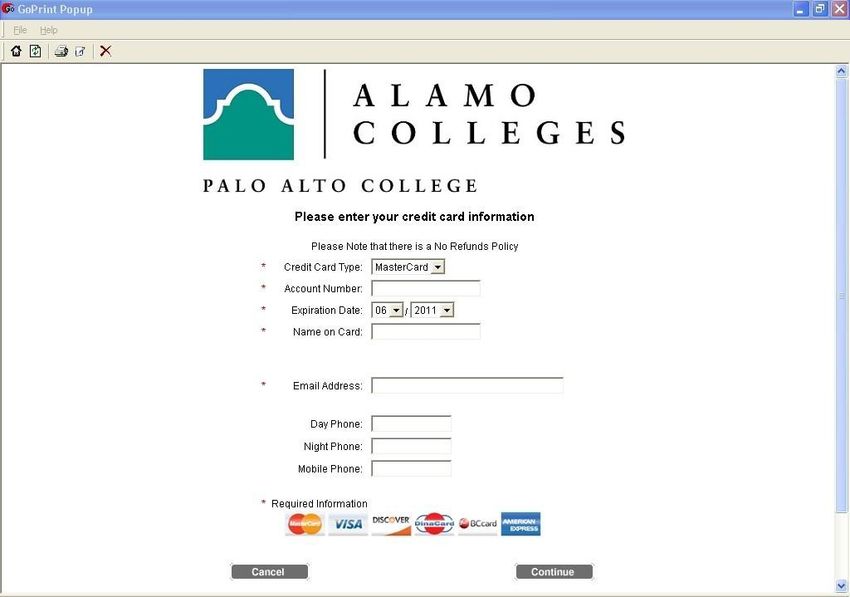
I. Program Staff & Faculty Directory

Name/Title                               Office #   Office Phone     Email
Staff
Laurie Pawelek, L.V.T.                     126      (210) 486-3369   lpawelek@alamo.edu
    Director

Elena Garza                                100      (210) 486-3355   egarza133@alamo.edu
    Administrative Services Specialist

Leanna Ruiz, L.V.T.                   109           (210) 486-3360   lgarcia539@alamo.edu
   Academic Lab Technician/Program Recruiter

Tamra Schroeder, B.A.A.S., L.V.T., R.L.A.T. 103     (210) 486-3359   tschroeder1@alamo.edu
   Academic Program Specialist/Program Tutor

Skye Starbuck, L.V.T.                   111         (210) 486-3362   sstarbuck@alamo.edu
    Academic Lab Technician/Clinical Management Supervisor

Faculty
Dr. Fonzie Quance-Fitch                    105      (210) 486-3358   fquance-fitch@alamo.edu
    Associate Professor

Kathryn Rope, B.A., L.V.T.                 107      (210) 486-3357   krope@alamo.edu
    Instructor

Adjunct Faculty
Sandra Cardenas Lopez, B.A.                100      (210) 486-3356   scardenas-lara@alamo.edu

Jennalea Hill, L.V.T.                      100      (210) 486-3356   jhill102@alamo.edu

Kim Hoskins, B.S., L.V.T.                  100      (210) 486-3356   khoskins@alamo.edu

                                                    5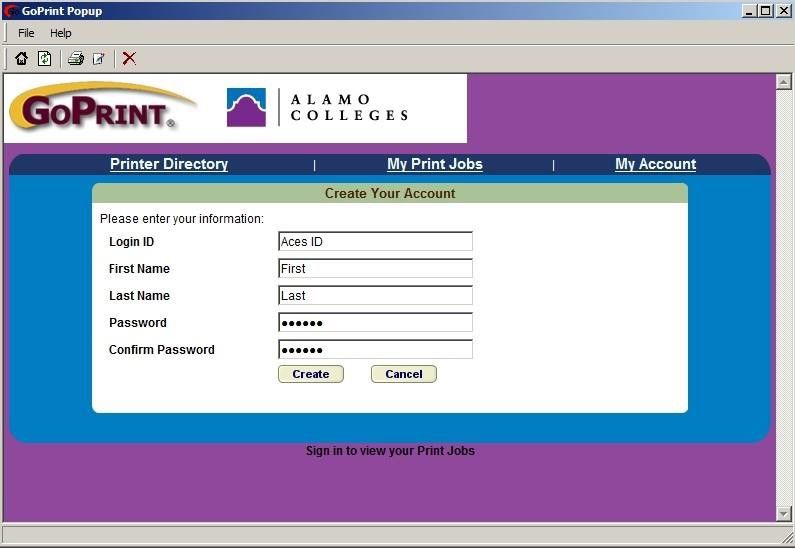
II. GENERAL INFORMATION

Alamo Colleges Vision
The Alamo colleges will be the best in the nation in Student Success and Performance Excellence.

Palo Alto College Mission Statement
To inspire, empower and educate our community for leadership and success

PACVTP Mission Statement
The mission of the Palo Alto College Veterinary Technology Program is to teach students to work as veterinary health care
professionals; to interact with other health care professionals and patients in a professional and ethical manner; to develop
the highest possible technical skills required in the veterinary field; to always demonstrate the utmost respect and concern
for the well-being of the patients they serve; to demonstrate creative thinking and problem solving; and to provide assistance
to graduates and facilitate continuing educational opportunities for fellow technicians.

Program Development
PACVTP is dedicated to the ongoing review and improvement of its program in the education of students for careers in
veterinary technology. Implementation of new information, techniques, and technologies is critically important to this
process. PACVTP reserves the right to make changes in the curriculum as needed in order to maintain the integrity and
quality of its program.

Veterinary Technician Code of Ethics
Every veterinary technician has the obligation to uphold the trust invested in the profession by adhering to the professions
Code of Ethics. A code of ethics is an essential characteristic of a profession and serves three main functions.
    1. A code of commination to the public and to the members of the profession the ideas of the profession
    2. A code is general guide for professional ethical conduct.
    3. A code of ethics provides standards of acceptable conduct that allow the profession to implement disciplinary
         procedures against those who fall below the standards.

Accreditation
Palo Alto College, one of the Alamo Colleges District, is accredited by the Southern Association of Colleges and Commission
on Colleges (SACSCOC) to award associate level degrees.

Palo Alto College’s Veterinary Technology Program is accreditation by the AVMA Committee on Veterinary Technician
Education and Activities™ (CVTEA) which represents the highest standard of achievement for veterinary medical education in
the United States. Institutions that earn accreditation confirm their commitment to quality and continuous improvement
through a rigorous and comprehensive peer review. The program’s initial accreditation was granted in 1998, and has
continued to achieve full accreditation classification status.

Professional Conduct
Veterinary technology students should be responsible for maintaining an individual professional demeanor and a manner of
ethical conduct. Students found engaging in professional misconduct may be subject to disciplinary review at the discretion
of the college and program policies and VTHT program administration. This policy manual outlines the rules and standards of
the Palo Alto College’s Veterinary Technology Program you are expected to follow.

All PACVTP students will abide by the PAC Student Code of Conduct as outlined in the PAC Academic Catalog. Adverse
conduct will negatively impact grades and/or may result in dismissal from the program. To meet the ever-changing demands
of veterinary care, PACVTP may establish additional standards.

All students are expected to conduct themselves in a professional manner both on and off campus. The academic and
professional conduct standards of PACVTP have been established to reflect the standards of performance demanded by the
various veterinary occupations. Student’s progress and development toward the standards of professional performance are
part of the PACVTP mission. Students are expected to assume responsibility for their actions and will be held accountable for

                                                               6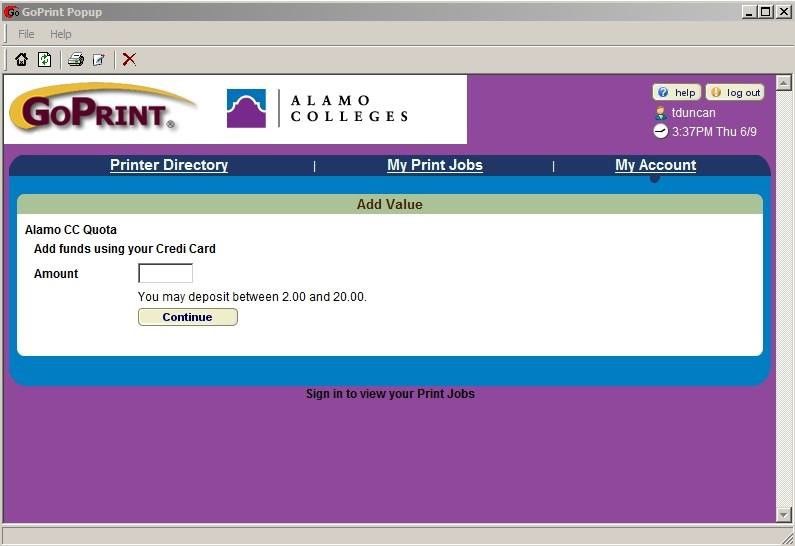
them. Any student that engages in a professional misconduct will have proper paperwork submitted to the student code of
conduct officer at Palo Alto College for further investigation.

Examples of professional misconduct include, but are not limited to:
   • Retaining copies of exams or quizzes without permission of the instructor. This includes saving web-based
       assignments on an individual computer for sharing purposes, taking pictures of or recording test, exams, or
       assignments.
   • Failing to report persons in violation of academic dishonesty or situations that may lead to academic dishonesty.
   • Discussing patient care and client records with persons other than VTHT faculty or other students assigned to the
       case.
   • Using profanity or vulgar language.
   • Acting in a disrespectful manner towards VTHT faculty, staff, or fellow students.
   • Posting malicious or degrading comments about the VTHT program faculty, staff, or students on social media sites
       and online bulletin boards. The intent of this policy is to foster an atmosphere of mutual respect and
       professionalism.
   • Sending mass emails or other communications such as social media to faculty, staff, or students, which state
       grievances with classmates, faculty, staff, or administration. Students should follow appropriate avenues for pursuit
       of grievances and should avoid involving those not directly associated with the complaint. Furthermore, students
       should not discuss issues surrounding interpersonal conflicts or professional/academic misconduct with other
       students, faculty, or staff unless directly involved in the issue.
   • Taking photographs, videos, or recordings of patients, laboratory animals, clients, VTHT faculty, staff, or other
       students without permission from program administration.
   • Arriving to VTHT facilities, classes, laboratories, other universities, or program sponsored activities under the
       influence of alcohol or any drug, which impairs judgment.
   • Failure to attend scheduled events, including but not limited to classes and laboratories.
   • Abuse or neglect of animals will not be tolerated and will result in immediate disciplinary action and possible
       removal from the program.

                                                             7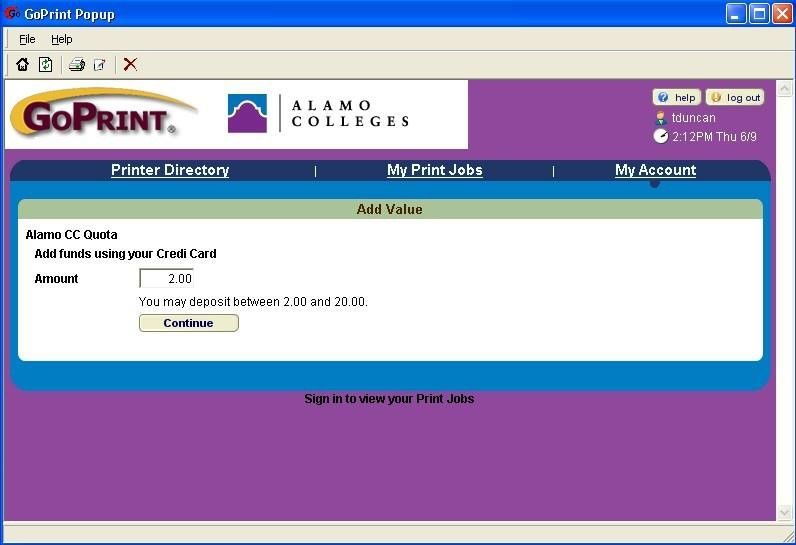
III. PROGRAM GUIDELINES & POLICIES

Program Length
The Palo Alto College Veterinary Technology Program is a full-time two-year, six-semester degree program that culminates in
an Associate of Applied Science (AAS) degree in Veterinary Technology. Prerequisite courses must be taken and successfully
completed with a “C” or better prior to entry in the program.

Each student’s level of preparedness will determine the amount of time required to complete the Program.

Program Degree Plan
A degree plan with course descriptions for A.A.S. degree is sited in the Palo Alto College Catalog for the 2020-2021 academic
year.
  Course #                 Course Title                Credit         Course #                 Course Title             Credit
                 Semester I (Prerequisites)                                                 Semester IV
 ENGL 1301 Composition I                                  3         VTHT 1249 Veterinary Pharmacology                     2
 MATH 1314 College Algebra                                3         VTHT 2266 Practicum (or Field Experience)             2
 PSYC 2301 General Psychology                             3                                       Semester Credit Total   4
 BIOL 1406 Biology for Science Majors I                   4                                  Semester V
                              Semester Credit Total 13              VTHT 1341 Anesthesia and Surgical Assistance          3
                         Semester II                                VTHT 2205 Equine Clinical Management                  2
 VTHT 1125 Pharmacological Calculations                   1         VTHT 2217 Exotic Animal Clinical Management           2
 VTHT 1205 Veterinary Medical Terminology                 2         VTHT 2331 Veterinary Clinical Pathology II            3
 VTHT 1301 Introduction to Veterinary Technology          3                                       Semester Credit Total 10
 VTHT 1313 Veterinary Anatomy and Physiology              3                                 Semester VI
   Elective   40 or 50 Core Curriculum Sections           3         VTHT 1109 Veterinary Nutrition                        1
                              Semester Credit Total 12              VTHT 1217 Veterinary Office Management*               2
                        Semester III                                VTHT 1345 Veterinary Radiology                        3
 VTHT 1203 Canine and Feline Care and                     2         VTHT 2209 Food Animal Clinical Management             2
              Husbandry
 VTHT 2301 Canine and Feline Clinical                     3         VTHT 2213 Lab Animal Clinical Management              2
              Management
 VTHT 2321 Veterinary Parasitology                        3                                      Semester Credit Hours 10
 VTHT 2323 Veterinary Clinical Pathology I                3                                     Total Credits for Degree 60
                              Semester Credit Total 11                         * Capstone Course

Admission Requirements for New Students
Admission to Palo Alto Community College does not automatically qualify a student for admission to the Veterinary
Technology program.

Please see the Veterinary Technology Homepage for complete information.

Transfer of College Credits
All courses transferred into the degree plan from another institution must be evaluated and approved by the Admissions and
Records office, as part of the Veterinary Technology application process.

Students may transfer credit from other AVMA-accredited veterinary technology programs. The criteria used to assess a
transfer student's work shall be:
    1. The student must provide course(s) syllabus with objectives, course description(s), and transcript of all Veterinary
         Technology educational background. Only course grades of “C” or better will be considered.
    2. Program-specific course(s) must meet CVTEA standards and have been completed no more than 1 year prior to
         acceptance to the Veterinary Technology Program. The course(s) will need to align with PACVTP courses. Including
         equivalent credit hours and completion of required essential skills associated with the PACVTP course(s).
    3. The student must obtain a letter of recommendation from the previous Program Director that states that the
         student is in good standing and would be accepted back into the previous program.
    4. The student must meet with the Program Director for individual consideration.
                                                             8
5.   The applicant must complete all first time application requirements and will be ranked according using the selection
         process. All college transfer requirements must also be fulfilled.

The Veterinary Technology Program Director will authorize approval of credit after reviewing transcripts, syllabus, credit
hours, and course descriptions. However, additional assessment(s) may be required in the form of the PACVTP final lecture
and laboratory practical exam in that particular VTHT course(s) or the student may be required to audit all courses
transferred.

Please note: Palo Alto College policy states for any degree or certificate awarded, a student must earn at least 25% of the
college-level credit hours required for graduation through instruction by the college in the Alamo Colleges District granting
the award. The degree must be awarded by the college that offers the program. Please see the Degree/Certificate
Requirements of the Graduation section for additional requirements

Student Withdrawal Policy
If a student wishes to withdrawal from a course(s) or from the program, the following guidelines must be followed:
      1. Students must meet with the Program Director to withdraw.
      2. Students are required to complete an exit interview that will then be taken to Malorie Vallejo, STEM academic
          advisor for veterinary technology.
      3. If a student wish to re-renter after withdrawing from the program, the student must reapply and follow the
          “Program Re-admission Policy” for reentry to program.

Failure of a Veterinary Technology Course
Failure of any VTHT course(s) will result in withdrawal from all sequential VTHT courses the student maybe enrolled in
following the semester the failure occurs. The student will not be allowed to continue and must follow the “Program Re-
admission Policy” for reentry to program.

Program Re-admission Policy
If a student wishes to return to the program as a part-time or full-time returner, the following actions must be followed:
      1. Student must have met with the Program Director prior to dropping, to be eligible for consideration for re-admission.
      2. If you institutionally withdrew, supporting documentation must be provided which will aid in the decision for your
          eligibility for re-entry.
      3. There is no automatic remittance back into the program; the program interview panel will have the final decision.
      4. Students are only allowed a ONE TIME re-admission to the program.
      5. Please see the PACVTP Homepage Admissions Requirements for Returning Students for complete information.

Credentialing Eligibility
Upon completion of Program and College requirements for the Associate of Applied Science Degree in Veterinary Technology
from an AVMA-accredited program, the graduate is eligible to apply for the Veterinary Technician National Exam (VTNE) and
Texas State Board of Veterinary Medical Examiners Licensed Veterinary Technician Examination (LVTE). Passing of a national
certification exam is not required for awarding the AAS degree in Veterinary Technology and completion of the AAS degree
does not guarantee passage of these exams. A graduate is not an LVT until they meets the requirements of the state
credentialing agency. Graduates are eligible to be credentialed upon successful completion of the VTNE and, in Texas, the
LVTE.

Applicants with a criminal history are strongly recommended to contact the Texas Board of Veterinary Medical Examiners to
request a Criminal History Evaluation Letter. This will allow the student to pursue credentialing with greater confidence of
being able to be licensed upon completion of program.
Notes:
    1. A Social Security Number (SSN) is required to complete the licensing process in Texas. If the applicant does not have
         a SSN they still may be able to take the state exam, but the license will not be issued until a SSN is obtained.
    2. If a prospective student has a felony conviction this could result in denial of licensure. These students would not be
         eligible for admissions into the program until a declaratory order process is completed with the licensure board and
         proof of eligibility for licensure or certification is provided. Applicants with a criminal record should contact the
         Texas Board of Veterinary Medical Examiners.

For additional information, please contact the Texas Board of Veterinary Medical Examiners.
                                                               9
IV. ACADEMIC STANDARDS & POLICIES

Disability Access Statement
In accordance with the Americans with Disabilities Act (ADA) of 1990 and Section 504 of the Rehabilitation Act of 1973, it is
the responsibility of the student to self-identify that he/she has a disability and request accommodations through the campus
Disability Support Services (DSS) Office. Only those students with appropriate documentation will receive a letter of
accommodation from the DSS office. Instructors are required to follow only those accommodation and/or services outlined in
the letter of accommodation. For further information, please contact Cindy Morgan, Sr. Coordinator, at the DSS office at
(210) 486-3027 or visit the DSS office located in the Palomino Center room 116.
PACVTP students are required to meet all physical and intellectual requirements as outlined above. Once documented with
DSS, it is the student’s responsibility to notify each instructor of their disability so that the appropriate accommodations
can be made. Documentation must be on file at PACVTP before any special accommodations can be made.
Note: Due to industry standards, nature of the profession being a fast-paced environment, animal lives are on the line, and
program expectations, students will be expected to complete all laboratory skills in a set timely manner. If
accommodations for extra exam time are noted, this accommodation will not be admissible for all the laboratory skills
while in the program.

Reasonable Disability Accommodations
Request for reasonable accommodations must be initiated by the student. Reasonable accommodations may be provided for
students with documented disabilities upon submission of appropriate documentation to the campus Disability Support
Services (DSS) Office. Documentation must include the names, titles, professional credentials, license number, addresses,
and phone numbers of the medical professionals that evaluated the student as well as the date of the evaluation. The
evaluation report must include a summary of the assessment procedures and evaluation instruments used to make the
diagnosis and a narrative summary of evaluation results. The evaluation must list specific accommodations requested and the
rationale for those accommodations. Documentation for eligibility must be current, preferably within the last three years.
The age of acceptable documentation is dependent upon the disabling condition, the current status of the student and the
student's specific request for accommodations. Students may be required to re-submit this documentation each semester to
allow for review of continuing eligibility for accommodations.
The Americans with Disabilities Act (ADA) defines a disability as a substantial limitation of a major life function. A temporary
medical condition does not qualify as a disability and is not covered under the ADA of 1990 or under Section 504 of the
Rehabilitation Act because the extent, duration, and impact of the condition is not permanent. Accommodations may not
provide an unfair advantage to the students, fundamentally alter the nature and substance of the curriculum, present an
undue hardship for the institution, pose a direct threat to the safety of patients, or compromise the academic integrity of the
program. Students may be required to cover the cost of such accommodations and should be aware that a potential
employer may not be amenable to use of accommodations that result in undue hardship to the employer. Students receiving
accommodations must be aware that these may not be available from a prospective employer. Veterinary practices with
small numbers of employees may be exempt from the requirements of the ADA.

Examples of reasonable accommodations that may be available to students that qualify under the ADA for performance of
required skills could include the following:
        o Amplified stethoscope
        o Portable speech amplifier
        o Hearing aids
        o Clear surgical masks
        o Magnifying headsets
        o Non-allergenic gloves
        o Magnifying microscope monitor

                                                               10
Essential Functions/Technical Standards
The field of Veterinary Technology is both intellectually and physically challenging. A candidate for the profession of
veterinary technology must have abilities and skills in many different areas. The list below is illustrative and may not be
inclusive of all of the essential abilities that the veterinary technician must demonstrate.
The Americans with Disabilities Act (ADA) and Section 504 of the Rehabilitation Act of 1973 ensure that qualified applicants
have the ability to pursue admission to this program. In order to be qualified for the Veterinary Technician Program, an
applicant must be able to perform certain essential functions as set forth below. Every student in the Veterinary Technician
program will be held to the same standards, with or without reasonable accommodation.
General Physical Requirements - Students must:
• Possess the physical ability to
o Tolerate walking and standing for at least ten minutes at a time, multiple times per hour.
o Lift and/or carry up to 50 pounds from floor to waist level or higher, several times per day.
o Lift objects/animals weighing up to 50 pounds to a height of one meter or higher and carry the
object/animal for a distance of two meters without assistance.
o Use hands and arms to handle, install, position, and move materials, equipment, and supplies without
assistance.
o Handle, position, and restrain live animals of small and large animal species.
• Be able to have sustained contact with multiple species of animals and be amenable to learning the safe handling,
restraining, and working with these animals. An individual should not be allergic to any species of animals to the
extent that would prohibit working in a facility that has them.
Cognitive Ability - Students must:
• Be able to function in a structured environment within significant time constraints and capable of making rapid
decisions in urgent situations and meeting deadlines.
• Possess a willingness to assist with and perform a wide variety of routine medical, surgical, and diagnostic
procedures common to the veterinary setting; including humane euthanasia and handling of sick, injured, fractious,
or aggressive animals without fear.
• Be able to complete required tasks/functions under stressful and/or unpredictable conditions, including emergency
situations.
• Be able to access information from books, reference manuals, computers, and paper and electronic medical
documents to perform duties and safely use equipment without assistance.
• Be able to prioritize, organize, and utilize time-management skills to perform tasks.
• Evaluate, synthesize, and communicate diagnostic information to the attending veterinarian and/or staff.
• Be able to progress toward minimal supervision as they advance through the program.
Communication Skills - Students must:
• Read, write, speak, and report accurately and effectively in English.
• Comprehend and carry out complex written and oral instructions given in English.
• When communicating verbally with other individuals, either in person or by telephone, be able to make legible and
coherent written notes, in English, within the margins and space provided on the appropriate forms.
Professionalism and Interpersonal Skills - Students must:
• Demonstrate professional and socially appropriate behavior; maintain cleanliness and personal grooming consistent
with close human and animal contact.
• Be able to interact appropriately with clients and all members of the veterinary healthcare team.
• Have the ability to exercise good judgment and make appropriate professional and procedural judgment decisions
under stressful and/or emergency conditions (i.e. unstable patient condition), emergent demands (i.e. stat test
orders), and a distracting environment (i.e., high noise levels, complex visual stimuli, aggressive animals).
Manual Dexterity and Mobility - Students must:
• Be able to move his/her entire body a distance of no less than three meters within two seconds of a signal to do so,
to move rapidly from danger while handling animals in confined spaces.
• Possess fine motor movements in order to perform the essential functions of the profession. This includes the
dexterity to manipulate small equipment, adjust resistance on equipment, hold hooves while cleaning and
evaluating, manage syringes, catheters, and common surgical instruments.
11• Possess tactile ability necessary for physical assessment and to perform nursing duties in a timely manner. This
includes performing palpation during physical exams, administering oral, intramuscular, subcutaneous, and
intravenous medication, insert and remove tubes, collect organic samples from live animals and perform wound care.
• Possess the ability to palpate and interpret findings, i.e. palpation of pulses, lymph nodes or trachea to determine
proper endotracheal tube size.
• Be able to hold surgical instruments in one hand and perform fine movements with such instruments. This includes
ability to assist in holding of hemostats or other instruments while assisting in surgery; induce and monitor general
anesthesia in an animal patient; place intravenous and urinary catheters without assistance.
• Be able to hold, manipulate, or tie materials ranging from a cloth patch to a very fine string. This includes the ability
to hold and manipulate a surgical sponge; tie a 00 silk suture; endotracheal intubation; intravenous injection;
catheterize animals to obtain sample of urine and/or other body fluids; apply bandages without assistance.
Auditory, Olfactory, and Visual Skills - Students must:
• Have functional use of senses to safely and correctly assess patients, interpret, and record data.
• Possess adequate visual ability, with or without correction, that allows the determination of minute areas of detail,
very small variations in color and adequate depth perception (size, shape and texture), including differentiation of
details as viewed through a microscope. This includes ability to characterize and interpret the color, odor, clarity, and
viscosity of body structures and fluids, observe variations in skin and mucus membrane color, integrity, pulsations,
tissue swelling, etc.
• Possess visual ability to allow for observation and assessment as necessary in nursing care both from a distance and
close by in order to recognize physical status and non-verbal responses including behaviors.
• Possess auditory ability necessary to monitor and assess health status, including auscultation of heart and lungs, and
hear equipment alarms and warning sounds from animals, humans, and/or equipment of impending danger or
injury.
• Recognize and respond appropriately to distress sounds from animal and alarms/warning signals on animal-
monitoring equipment directly and through intercommunication systems to ensure patient safety.
• Detect and respond appropriately to odors in order to maintain environmental safety and patient needs.
• Be able to use a compound microscope to identify cells and organisms and be able to differentiate colors of stained
objects.
• Be able to observe movement at a distance ranging from 30-45 centimeters to 15-20 meters at a discrimination level
that permits detection of subtle differences in movement of the limbs in animals. This includes ability to detect and
describe a change in color of hair coat caused by licking or trauma; detect abnormal head posture in a parakeet;
monitoring respiratory rate during anesthesia; ability to read anesthesia-monitoring equipment.
• Be able to discriminate shades of black and white patterns in which the band is not more than 0.5 mm in width. This
includes ability to characterize bacterial hemolysis on a blood agar plate; density patterns on a radiograph; and
ability to see ECG tracing.
• Possess adequate depth perception to allow detection of a 0.5 cm elevation, which is no more than 1cm in diameter
on a slightly curved surface having a slightly irregular surface. This includes detection of tissue swelling on the hip on
a smooth-haired dog; determining presence of reaction to skin testing for allergies.
• Be able to perceive the natural or amplified human voice without lip reading to permit oral communication in a
surgery room with all occupants wearing surgical masks.
• Be able to perceive the origin of sound as needed to detect movement of large animals in a pen or corral; monitoring
multiple patients in an ICU.
Attendance Policy
This is a rigorous and complex program so it is strongly recommended that students attend all scheduled lecture and lab
sessions, and should be treated as full-time job. To meet the 350 essentials skill requirements that must be completed in this
program, it is important to come to class and remain engaged in learning the entire time in order to meet the skills.
Students who are punctual and attend classes regularly do themselves a service and show instructors and other classmates
respect. Note: Repeated, consecutive absences may result in being dropped from the program.
Classroom attendance and active participation by each student is expected for optimal learning to occur. It is expected that
students remain alert, awake, and focused on course related/specific material during class. Students are expected to arrive
on time and remain for the entire class. Students arriving late and/or leaving are a major distraction to other students and
the faculty. Faculty reserve the right to prohibit students from entering the classroom late.
12As a professional courtesy, you should contact your instructor directly if you anticipate being late or absent. Contacting
classmates to relay this information is not appropriate.
Consistent absenteeism, tardiness, delays in returning from breaks and early departures from the classroom are considered
unprofessional behaviors. Students will be counseled by faculty if these behaviors occur.
Punctual attendance is expected for scheduled lecture, laboratory, and any outside rotations for each VTHT course. Routine
medical, dental, well child check-up appointments, etc. should be planned outside of scheduled course times.
While there may be an occasional need for a student to be absent, there are no excused absences at PACVTP, except as
defined by the PAC catalog Academic Standards. This means there will be no distinction made between excused or un-
excused absence. All absences are the same.
Lecture Rules
All instructors will give a 5-minute window in the lecture only, then the doors to classroom will be closed and you will be
counted absent for that lecture. The only exception to this rule is granted to students representing the school in an official
capacity and with prior approval from the program director.
• Lecture attendance - 3 absences will result in a loss of 10 points from your final lecture grade
• Tardiness - 3 tardies in either lecture or lab are equal to 1 absence
Laboratory Rules
Absences from student laboratory sessions are particularly problematic. Laboratory schedules require a “building block”
approach in which skills learned in one lab are utilized as the “building block” of another. Missed laboratory sessions are next
to impossible to make up, critical lab skills must be demonstrated to the satisfaction of the course instructor and per AVMA
essential skills check-offs.
• Laboratory attendance - 1 absence will result in a loss of 5 points from your final lab grade
• A student must remain in lab the entire class period in order to receive full credit, if student leaves early this will
result in an absence and the 5 points will be deducted from your final lab grade.
• There is no 5-minute window for laboratory session as these are usually live animal labs and time is of the essence.
• If you are not on time to your lab session you will not be granted access and will be given an absence for the day and
5 points will be deducted from your final lab grade
**Due to COVID-19 some of the attendance polices may change once a District policy written. After the change is written,
you will receive an addendum stating the changes along will a signoff sheet to return to the veterinary technology program
to be placed in you file**
Extraordinary Circumstances for Attendance
Under extraordinary circumstances only the PACVTP Director has the discretion to make an exception to the point deduction
for absences. The student must submit a letter of appeal in writing (to include signature and date) to the Director, within one
week of the absence with supporting documentation (see below). The Director will evaluate the circumstances and if
justified, will assign appropriate substitution work for the missed class. Only one extraordinary exemption, per class, each
semester will be permitted. Absences will only be excused in the following circumstances:
• Medical leave for self or family
o Must provide written documentation from a licensed medical professional, including the provider's
information, name of the patient, and dates/times as applicable to show correlation with the absence.
• Jury service
o Must provide jury summons with dates correlating to the absence.
• Court summons
o Must provide documentation with dates correlating to absence.
• Military service
o Any work other than required military service does not constitute an excused absence.
• Death of a family member
o Documentation via obituary, death certificate, etc. will be accepted.
• Emergency
o Such as automobile accident or breakdown, evacuation or housing displacement, etc.
o Student must provide documentation from a competent authority with dates/times correlating to absence.
13o Scheduled veterinary care for your pet will not be excused, though documentation of a medical emergency
will be accepted.
• Observance of a religious holiday
o Student must notify the administrative office prior to the start of the quarter in which the holiday occurs.
Missed Instruction/Exam
Students are responsible for missed instruction and are expected to contact their instructors when absent in order to obtain
missed material.
If a student is absent on a lecture examination day, the student must request and provide supporting documentation,
following the extraordinary circumstances guideline for that make-up exam within one week of absence. It is at the
discretion of the Director to permit the student be provided the missed lecture exam. Due to the nature of laboratory
exams, laboratory make-up exams will not be authorized.
Excessive Absence Policy
Student absences will be recorded from the first day the class meets. Regular and punctual attendance in all classes and
laboratories is required. Students who are absent for any reason should always consult with their instructors. Course syllabi
provide specific information regarding attendance. Also, both tardiness and early departure from class are considered forms
of absenteeism. In all cases, students will be held responsible for completion of course requirements covered in their
absence.
Additionally, it is the student’s responsibility to drop a course for nonattendance. Course instructors establish policy with
regard to attendance in their respective syllabi and may drop a student for excessive absences. Absences are considered
excessive when more than 12.5 percent of the total contact hours of instruction in a semester, including lecture and lab, are
missed. For example, in a three-credit-hour lecture class, students may be dropped after more than six contact hours of
absences. Absences are counted regardless of whether they occur consecutively. In special programs with additional
accreditation or certification standards, additional attendance requirements may be enforced but faculty must clearly explain
these policies in the syllabi.
Students who stop attending class for any reason should contact the instructor to officially withdraw from the class. Students
dropping must consult with the instructor for one course or if all courses should meet with an advisor before dropping.
Failure to officially withdraw may result in a failing grade for the course. For further information on this subject, see PAC
Student Handbook Making the grade.
Smart Start
The colleges in the Alamo Colleges District support and promote active student engagement and commitment to learning.
Students are expected to attend class on the first day and throughout the semester. Students may be dropped who do not
attend the first class meeting or make contact with the instructor regarding the absence. See F.6.1.1 (Procedure) Student
Success: The Student Experience - MyMAP (Monitoring Academic Progress).
For fully online courses, an attendance verification activity is assigned and must be completed by the 3rd class day.
Always check your ACES account to ensure you were dropped from the course.
Early Alert & Intervention
Your academic success is important to your instructors. If instructors notice that you are experiencing academic difficulties
early in the term, they will send an email to your ACES account that will advise you about ways to address those difficulties. It
is very important that you promptly respond to any Early Intervention communication. Your success depends on it.
You will also be contacted if you are below academic standards via your ACES email account at 3 and 8 weeks. If you receive
this email it is your responsibility to go and talk with the instructor about your academic progress.
At midterm, the Program Director will require you to come and talk about your grades, it is MANDATORY that you come and
meet with Program Director at this time.
14Scholastic Dishonesty
It is in the best interest of our students that scholastic dishonesty will not be tolerated and that college policies and
procedures be followed to provide consistent college-wide enforcement. Scholastic dishonesty includes, but is not limited to:
Academic Misconduct, Plagiarism and Cheating. See the PAC catalog Academic Integrity Violations for further information.
Any student accused of plagiarizing or cheating has the right to file an appeal with the program director. Any student that
engages in a professional misconduct will have proper paperwork submitted to the student code of conduct officer at Palo
Alto College for further investigation.
Academic Misconduct: includes misconduct associated with the classroom, laboratory or clinical learning process. Examples
of academic misconduct include, but are not limited to, cheating, plagiarism, excessive absences, use of abusive or profane
language, and disruptive and/or threatening behavior.
Plagiarism: includes, but is not limited to, the use of paraphrase or direct quotation of the published or unpublished work of
another person without full and clear acknowledgment. It also includes the unacknowledged use of materials prepared by
another person or agency engaged in the selling of term papers or other academic materials. To include information gathered
from the Internet and not properly identified.
Cheating: includes, but is not limited to: (a) use of any unauthorized assistance in taking quizzes, tests, assessment tests or
examinations; (b) dependence upon the aid of sources beyond those authorized by the faculty member in writing papers,
preparing reports, solving problems, or carrying out other assignments; or (c) the acquisition without permission of tests or
other academic material belonging to a member of the college faculty or staff.
Six Drop Rule
Effective as of Fall 2007, students are limited to a total of six (6) course drops during their undergraduate career, including a
course(s) dropped at another institution as defined in Section 51.907 of the Texas Education Code. A dropped course is
defined as a course in which an undergraduate student at an institution of higher education has enrolled for credit but did
not complete.
Carefully consider the number of courses to take and the time commitment required to be successful. Students with a
cumulative total of six (6) drops may not drop a course and will be awarded the grade earned at the end of the semester. A
waiver may be available through the Admissions/Enrollment Services office. For further information on this subject, see PAC
Student Handbook ADD/DROP/WITHDRAW.
Tutoring
Tutoring materials are available upon request. Individual tutoring sessions will be offered on an as needed basis and should
be arranged through the tutor and course instructor. The tutor and instructors will provide group tutoring session as well as
Exam reviews on Fridays.
PACVTP has a departmental tutor for students who either feel that they need extra help or have been identified as failing a
course by the instructor. Each tutor has been assigned different courses and may have different tutoring days and times.
Each will require an appointment to be setup and will have specific guidelines that must be followed. The goal of this
tutoring is to increase PACVTP student retention and success.
Faculty or staff may recommend you to attend tutoring if you are struggling or show signs of needing extra help in either a
laboratory setting or for academic reasons. You and the tutor will be given a tutor referral form, once the form has been
received by the tutor, the student will be contacted by email in regards to setting-up an appointment. Students will be given
5 days to respond regarding appointment times. Please note that students have the choice to decline the assistance provided
by the Tutors in which the tutors will document and then will be placed in your file. Confirmation of appointment information
will be sent to you via email. Once student has met the requirements, the form must be returned to instructor/staff member
for verification purposes.
15Grading and Academic Requirements
This is a competency-based program. Each student is expected to successfully demonstrate competency in classroom work
and in clinical skills. The syllabus for each course contains course objectives, guidelines, and the specific criteria for grade
calculations.
All VTHT courses require a minimum grade point average of 75. However, there are courses in the PACVTP that require a
minimum of 75 in both the lecture and laboratory components. If there is not a 75 in both lecture and laboratory, the
student will not progress through the curriculum. If both portions of the course are a passing grade, the final grade will
reflect the average of the two portions. If one part of the course is not a passing grade, the final grade will reflect the non-
passing grade portion.
Students need to take responsibility for knowing their own academic status. If you are not achieving satisfactory grades, it is
your responsibility to contact the instructor for assistance.
PACVTP uses the following grading scale in all veterinary technology courses:
90 – 100 = A
80 – 89 = B
75 – 79 = C
60 – 74 = D (not Acceptable for VTHT)
< 60 = F (not Acceptable for VTHT)
Students must earn a grade of “C” or better in all VTHT courses to proceed to the next semester. The course may be retaken
the following academic year if space is available.
All prerequisite course work must be completed prior to registering for the designated course. Program officials reserve the
right to make exceptions.
Graduation Requirements
The PAC general requirements for both the Associate in Applied Science degree in Veterinary Technology and Veterinary
Assistance Level 2 Certificate are:
• Complete all required courses* and semester credit hours for the specific degree or certificate
• Achieve a minimum cumulative GPA of 2.0 in the coursework that applies to the student’s degree certificate
program completed at the college in the Alamo Colleges District awarding the Associate Degree or Certificate.
• Submit official transcripts of all coursework attempted at other colleges and universities.
• Earn a grade of “C” or better in all technical courses directly relating to the technical program, i.e., Associate of
Applied Science Degree or Certificate programs as well as all prerequisite courses.
• Earn at least 25% of degree hours required for graduation in residency at the college of the Alamo Colleges District
granting the degree or certificate.
• Fulfill all Texas Success Initiative (TSI) requirements.
• Be in Good Academic Standing at the end of the term the student is receiving the award
* The Director of PACVTP and PAC Dean of Professional and Technical Education must approve courses that are substituted. It
is the student’s responsibility to confirm that they have completed degree requirements for all classes in the PACVTP
curriculum.
16Eligibility & Passing Scores for Credentialing Exams
Licensing Process
A law passed by the 83rd Legislature authorized the Texas Board of Veterinary Medical Examiners to license and regulate
veterinary technicians. This law became effective on September 1, 2014. After this date, an individual may not use the term
'LVT' or refer to themselves as a 'Licensed Veterinary Technician' without a license.
Applicants must have graduated from an AVMA accredited Veterinary Technician Program. An applicant must take and pass
the Veterinary Technician National Exam (VTNE) prior to being eligible to take the Texas State Board of Veterinary Medical
Examiners Licensed Veterinary Technician Examination (LVTE). Once you have passed the VTNE you are then eligible to sit for
the State LVTE. More information will be given to you at the end of the program.
More information can be found on the Texas Board of Veterinary Medical Examiners and American Association of Veterinary
State Boards websites.
Veterinary Technician National Exam (VTNE)
1. Be a graduate of an AVMA accredited Veterinary Technology Program
a. AAS degree in Veterinary Technology awarded
i. Completion of all 60 hours of program requirements
ii. A cumulative grade point average of 2.0 (C or better)
2. Required minimum pass grade of 75%
Texas State Board of Veterinary Examiners Licensed Veterinary Technician Exam (LVTE)
1. Be a graduate of an AVMA accredited Veterinary Technology Program
a. AAS degree in Veterinary Technology awarded
i. Completion of all 60 hours of program requirements
ii. A cumulative grade point average of 2.0 (C or better)
2. Have passed the VTNE with a minimum grade of 75%
3. Required minimum pass grade of 85%
17V. STUDENT RESPONSIBILITIES
Commitment & Respect
We recognize you have made a significant commitment to our program and hope that you will accomplish all of your goals
while you are in the PACVTP. The faculty and staff of the Veterinary Technology Program are dedicated to helping you
succeed. You are expected to treat all faculty and staff with appropriate professional respect.
If you have questions or concerns, please talk to your course instructor first and try to find a solution. If your issues are not
resolved, bring your concerns to the program director’s attention. Academic and Non-Academic grievance procedures can be
found in the PAC catalog Student Code of Conduct.
Independent Work
Students are expected to do their own work unless an individual course instructor has indicated that group activity is
acceptable. In the class and labs students are expected to participate by sharing observations and impressions. Just because
you can access something on the internet, it does not mean that you should use it in place of independent work as this may
be considered plagiarism.
Students may share notes and resources to facilitate one another’s learning: however, it is considered unethical for one
student to ask another for copies of papers, projects, old exams, or to show or exchange answers before, during, or after
exams, clinical validations or demonstrations.
Students are expected to do their own work on all graded material submitted for course requirements. Since dishonesty
harms the individual, fellow students, and the integrity of the university, policies on academic dishonesty will be strictly
enforced.
It is considered unethical for a student to secure and/or make copies of any exam that is to be and/or has been administered.
Employment/Time Management
Students are advised against full-time employment while enrolled in the Veterinary Technology Program. If employment is
necessary, students must determine how many hours they can work and continue to meet the requirements of the
Veterinary Technology Program. No special consideration will be consented for students concerning their employment. On
occasion, laboratories or field trips will be scheduled on non-class days. There will also be clinical management
assignments that will be scheduled outside of classroom time during the week as well as weekends.
Noncompliance with Program Policies
Noncompliance with the policies and procedures of the Veterinary Technology Program or clinical affiliates may be grounds
for dismissal from the program.
Policy and Procedures Changes
All policies are subject to change by the Veterinary Technology Program faculty as deemed necessary. Students will be
notified of changes in writing and will sign the notification, which will be kept in the student file.
Health Insurance
Palo Alto College does not provide a health insurance policy for you as a student. You are required to have your own health
insurance while in the program. If you are injured, an Alamo College accident report will be submitted to the PACVTP
Director and will be sent and filed with the Alamo Colleges District. As a student, you are solely responsible for medical
expenses occurred at the time of injury and treatment.
18Mandatory Textbooks and Supplies
Veterinary Technology textbooks are available for purchase or rental at Campus Bookstores or online. Please visit the
bookstore site for hours of operation: https://www.bkstr.com/paloaltostore/home. The purchase or rental of the required
textbooks for each course is mandatory. The course syllabus will list the required textbooks.
Students are responsible for providing the following:
• Complete set of required books for each Veterinary Technology course.
• Scrubs - A complete set of scrubs of the designated color are required for all VTHT classes, with a program
embroidered logo and student name on scrub top(s) and scrub jacket.
• A good pair of walking/athletic shoes (with closed toes) are required to fulfill OSHA guidelines.
• Dress for Equine and Large Animal Clinical Management will be a scrub top of the designated color, a pair of jeans
that are clean and with no holes, and pair of work boots.
• Simple function, non-programmable, calculator – Cell phones CANNOT be used as a calculator
• Writing utensils:
o Black pen for keeping the medical record
o No. 2 pencils for scoring scantrons
o Black permanent markers
o Highlighters
• Three ring binders for each class
• Wristwatch with the ability to count seconds for taking heart and respiratory rates, no smartwatches.
• A good quality stethoscope, bandage scissors, and a quick read thermometer are required.
• More details for uniform can be found below under dress code.
Student Workload
The average workload for students in the program is 10-13 credits per semester and 320 clock hours for internships over the
course of the two years. Due to animal care responsibilities and the very nature of our profession, the Veterinary Technology
Program does not always follow standardized class times and schedules. For example, second year students in anesthesia lab
must wait for their patients to recover from surgery before they are free to leave; not every animal recovers from sedation
the same. There are many diverse duties involved in operating the program and students should anticipate additional hours
outside of normally scheduled class times and make allowances. At times, these responsibilities may have to be taken care of
on a weekend, holidays, before 8:00 am or after 5:00 pm.
For every 1 hour of face-to-face instruction, the student is expected to spend at least 2 hours outside of class per week in
study time and completion of reading materials.
Uniform/Dress Code Policy
Veterinary Technicians are the paraprofessionals of veterinary medicine, and as such are seen by the public as being
representatives not only of the practice or facility for which they work, but also of the veterinary profession in general. In
order to prepare the student to enter the professional work environment and for the safety of our program animals, the
following Program Uniform Policy has been adopted. Students in the Veterinary Technology program shall adhere to the
following standards of appearance and dress when attending all lecture sessions and all laboratory sessions of any program
course, and during all activities at Internship sites or any school related functions. Please note that Clinical Management
activities are considered to be laboratory sessions.
Students are representing the program and the veterinary profession. As such, they are expected to maintain an appropriate
level of professionalism at all times.
Failure to adhere to the following uniform requirements will result in the student not being allowed into the lecture or
laboratory session and will be given an absence for that day for lecture and will result in 5 points off your final laboratory
grade as well as missed instruction.
19You can also read


