Annual Review 2017-2018 - State of Michigan
←
→
Page content transcription
If your browser does not render page correctly, please read the page content below

Annual Review 2017-2018

Table of Contents
          01    Executive Summary

          03
           Implementing the Top 10 in 10
          		 Focus Area: Learner-Centered Supports . . . . . . . . . . . . . . .3
          		 Focus Area: Effective Education Workforce . . . . . . . . . . . 22
          		 Focus Area: Strategic Partnerships . . . . . . . . . . . . . . . . . . .25
          		 Focus Area: Systemic Infrastructure. . . . . . . . . . . . . . . . . . 35

          39
           Top 10 in 10 Metrics
          		 How will we know we are a “Top 10” Education State? . .39

          45    Michigan Education Facts - By the Numbers

          46    Michigan Teacher of the Year 2017-18

          47    Major Education Legislation Enacted in 2017-18

          49    Meet the Michigan State Board of Education

          49    Michigan State Board of Education Actions in 2017-18

          50    MDE Leadership

          51    In Remembrance

          53    Michigan's Vision, Mission, Values/Guiding Principles and
                Top 10 in 10 Goals
STATE OF MICHIGAN
                                    DEPARTMENT OF EDUCATION
 RICK SNYDER                                                                                   SHEILA A. ALLES
                                             LANSING                                     INTERIM STATE SUPERINTENDENT
   GOVERNOR

Dear Michigan Education Stakeholder,

It is my pleasure to present to you the 2017-18 Annual Review for the Michigan Department of Education (MDE).
This report is intended to highlight the continuing work our dedicated team at MDE is doing, in collaboration
with all of you, to keep Michigan moving toward its goal to become a Top 10 education state in 10 years.

Despite all the progress and dedicated work accomplished at MDE this year, it was a somber one. The passing of
State Superintendent Brian Whiston in May 2018 made us appreciate his vision and passion for education even
more. When the State Board of Education named me the Interim State Superintendent, I promised to provide
continuity and stay true to Superintendent Whiston’s initiatives and commitment to collaboration, customer
service, and stakeholder input.

Those commitments and collaborations took many large steps over the past year, beginning with the Parent
Dashboard for School Transparency. Parents now have their own online dashboard that shows the performance
of all K-12 public schools in Michigan and represents a new, improved level of transparency.

The State Board of Education called for creation of the dashboard, and thousands of stakeholders provided
input through work groups, parent focus and advisory groups, and parent surveys, which were used in the
dashboard’s development.

The development and enactment of the Michigan Pathways Alliance and Marshall Plan for Talent to build a
world-class workforce pool in Michigan was another accomplishment this past year, to meet the job demands
for this century’s economic transformations. These programs embrace the goals and initiatives of our Top
10 in 10 work, the Governor’s 21st Century Education Commission recommendations, Michigan Science,
Technology, Engineering and Math (MiSTEM), and other related talent and education efforts built on stakeholder
collaboration.

This report contains details on how over the past year, MDE has applied collaboration and public input to begin
implementing the four Focus Areas in Michigan’s Top 10 in in 10 strategic plan--Learner-Centered Supports;
Effective Education Workforce; Strategic Partnerships; and System Infrastructure.

Working together on our collective goals, staying the course that has been set, supporting the vision, and giving
these efforts a chance to work and show success will bring greater outcomes and a brighter future for Michigan’s
students.

Sincerely,

Sheila A. Alles
Interim State Superintendent

                                           STATE BOARD OF EDUCATION

                       CASANDRA E. ULBRICH – CO-PRESIDENT • RICHARD ZEILE – CO-PRESIDENT
                          MICHELLE FECTEAU – SECRETARY • TOM MCMILLIN – TREASURER
                            LUPE RAMOS-MONTIGNY – NASBE DELEGATE • PAMELA PUGH
                                      NIKKI SYNDER • EILEEN LAPPIN WEISER

                       608 WEST ALLEGAN STREET • P.O. BOX 30008 • LANSING, MICHIGAN 48909
                                       www.michigan.gov/mde • 833-633-5788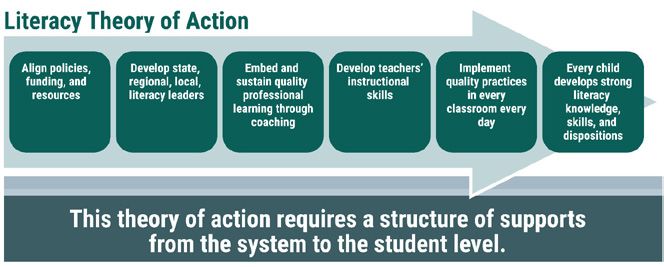
1
    EXECUTIVE SUMMARY
    Michigan’s initiative to become a Top 10 education state in 10 years embedded itself in culture and policy
    of the Michigan Department of Education (MDE), its partners and stakeholders, and in schools throughout
    Michigan during the 2017-18 school year.

    The seven goals and 44 strategies of the Top 10 in 10 strategic plan are taking shape and beginning to be
    implemented across the state. The overarching goal of Top 10 in 10 has been the foundation of a number of
    other efforts to move Michigan forward. The Governor’s 21st Century Education Commission report, the state’s
    approved plan to implement the federal Every Student Succeeds Act (ESSA), the Career Pathways Alliance, the
    Marshall Plan for Talent, and the Launch Michigan campaign all were designed with the purpose of making
    Michigan a Top 10 education state in 10 years.

    This Annual Review details the work MDE has undertaken in the four Focus Areas of the Top 10 in 10 strategic
    plan: Learner-Centered Supports, Effective Educator Workforce, Strategic Partnerships, and Systemic
    Infrastructure.

    Implementing the Top 10 in 10
    Learner-Centered Supports
                   During the past year multiple efforts have taken place in support of Michigan learners. Work
                   initially described in previous reports has matured and expanded or refocused to meet the
                    development and learning needs of all children in Michigan.

                     Coordinated strategies to improve early literacy has been primary to help support Michigan
                     families, children, educators, and schools. Meeting the needs and supporting the Whole
                      Child addresses obstacles to learning and promotes greater opportunity for every child to
                       succeed. Providing students with a host of strategies, tools, and resources helps build their
                        knowledge, awareness, and confidence to succeed.

                         This Annual Review contains details on: statewide efforts with early literacy supports;
                        supporting students and schools; supporting young learners; supporting Students with
                        Disabilities; supporting the Whole Child; updating learning standards; and implementing
                         the federal Every Student Succeeds Act.

                             Effective Educator Workforce
                               Michigan’s vision for the highest quality educator workforce in Michigan covers
                                multiple aspects of the “educator pipeline,” including: recruitment to the
                                profession; preparation; certification; placement for employment; mentoring for
                                 induction; evaluation; professional learning and growth; and recognition.

                                   As education strategies are adjusted to meet the goals of the Top 10 in 10 – to
                                    answer the needs of the Whole Child and provide a broad range of supports,
                                       interventions, and learning methods – the need to update the skills and
                                         methods of educating also must be met.

                                         Included in those efforts detailed in this Annual Review are: the work
                                         being done to improve teacher certification, educator preparation,
                                        educator evaluation, and teacher leadership; and supporting educators of
                                       young learners and establishing residency-based pilot programs.
Strategic Partnerships
Building strong partnerships within the education spectrum and with external stakeholders who share our
collective mission to continue moving Michigan forward is an equally important component to becoming a Top
10 education state in 10 years.

MDE has worked devotedly over the past year to continue to coalesce with partners to help implement the
goals and strategies for success. An array of partners work in a variety of ways to help our schools and children
succeed – beginning with our youngest learners.

Working with Partnership Districts; the Marshall Plan for Talent; Career Pathways; Early Head Start and Child
Care; Early/Middle Colleges; Early On; libraries; and partnering with the 12 federally-recognized sovereign
tribes in Michigan are among the details included in this Annual Review.

Systemic Infrastructure
A strong infrastructure is essential to successful implementation of a strategic plan. As in past years, MDE has
worked to align its systems to best support the goals and strategies in the Top 10 in 10 strategic plan. This year,
MDE has realigned its internal structure to coordinate its resources to: accomplish the goals of the Top 10 in 10
plan; continue its partnership to scale up effective practices; create common definitions around key terms; and
identify and develop resources to support MDE’s work, and that of local school districts, intermediate school
districts, and early learners.

Top 10 in 10 Metrics
The Top 10 in 10 vision is built upon identifying measures that will show Michigan has reached its goal of
becoming a Top 10 education state. Last year these measures were defined, through both state-by-state
comparisons and within-state metrics aligned to the Top 10 in 10 Goals and Strategies.

Baseline data sets were established for six key indicator areas: Exit Ready, Early Learning, Engagement,
Effective Educators, Equity, and Efficacy.

This Annual Review includes current data on these indicators, recognizing progress that has been made, as well
as signifying the work that continues to be done in this long-term effort to make Michigan a Top 10 education
state in 10 years.

The State Board of Education, Interim State Superintendent Sheila Alles, and the entire team at the Michigan
Department of Education encourage all Michigan citizens to become informed and engaged in this lofty and
attainable goal. The Annual Review is presented to inform, direct, and motivate forward action to do what is
best for Michigan’s children and Michigan’s future.

    The electronic version of this report includes links (indicated by blue, italicized text) to related
    online content. Key points in various sections are bolded for emphasis. Please visit MDE’s Website
    (http://www.michigan.gov/mde) to access the electronic version and related links.

                                                                                                                      2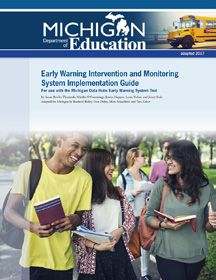
Learner-Centered

    IMPLEMENTING THE TOP 10 IN 10                                                                                Supports
                                                                                                        Deeper Learning + Personalized Learning +

                                                                                                 Differentiated Supports + Aligned Curriculum + Feedback

    As in previous years, this Annual Report showcases        Focus Area:
    the work of MDE and its partners in the state
                                                              Learner-
    education system over the past year. The initiatives
    and accomplishments described in the following            Centered                                           SYS
                                                                                                                   STEMIC
                                                                                                                                                       Efffective

    pages highlight just a few examples of the work           Supports             Strattegic
                                                                                  Partnerships
                                                                                       erships
                                                                                                              INFRAS
                                                                                                                   STR
                                                                                                                     RUCTUR
                                                                                                                          RE                          Edu
                                                                                                                                                      Wo
                                                                                                                                                          ucation
                                                                                                                                                      Workforce
    underway to make Michigan a Top 10 state for              This year
                                                                                    Parent, Family, &
                                                                                   Community Services
                                                                                                                                                    Development of New
                                                                                                                                                    Educators & Leaders

    education within 10 years.                                saw multiple
                                                                                     District Partnerships

                                                                                         Post-secondary/Higher
                                                                                                                                              Support for Practicing
                                                                                                                                               Educators & Leaders
                                                                                           Education Accesss

                                                              efforts taking
    Implementing the Strategic Plan
                                                                                                                                           Equity Across the
                                                                                                Workforce Preparation                           System

                                                              place in support of
                                                              Michigan’s learners, with
                                                              a focus on the whole child. Work
                                                              initially described in previous reports has matured
                                                              and expanded, or may have been refocused based
                                                              on input received after initial implementation.
                                                              Several new initiatives were launched, there was a
                                                              renewed emphasis on early literacy, and much of the
                                                              work reflected the vision outlined in the state’s Top
    In 2017-18, MDE continued its work to implement           10 in 10 and ESSA plans.
    the Top 10 in 10 strategic plan (www.michigan.
    gov/top10in10). After attending the Governor’s            Support for Early Literacy Efforts
    Education and Talent Summit in 2017, MDE                  MDE continues to collaborate with professional
    leadership was inspired by the keynote speaker,           organizations, intermediate school districts (ISDs),
    Michael Fullan, who recommended prioritizing the          and local education agencies (LEAs) in support
    Top 10 in 10 goals and strategies and identifying         of literacy. The department has worked diligently
    within them the “fast boats” – those efforts that could   to connect the literacy essential practices defined
    be implemented immediately to show quick success          by literacy stakeholders with literacy funding from
    vs. those that required a longer-term effort. The State   the State Aid Act and components of Michigan’s
    Superintendent and each deputy superintendent             comprehensive reading law, to support school
    reviewed the strategies of the Top 10 in 10 plan and      districts in making decisions that help students
    created a 2017-18 Action Plan containing specific         to be successful in literacy. MDE recognizes the
    actions that could be accomplished within the year.       importance of early literacy to student success, and
    MDE’s focus in the past years has been on many            MDE’s early literacy efforts became more urgent
    of those actions, in order to build momentum to           during the 2017-18 school year in response to the
    accomplish the longer-term goals. Specific activities     legislature’s passage of Michigan’s “Read by Grade
    undertaken this year are described in the following       Three” law that requires schools to identify learners
    pages. While this information is generally grouped        who are struggling with reading and writing and
    by the four focus areas that comprise the Top 10 in       to provide additional help. The law states that third
    10 strategic plan, many initiatives span across more      graders who are more than one grade level behind
    than one area and are presented below in context          may be required to repeat third grade, beginning
    with related work.                                        with the 2019-2020 school year.

                                                              Funds allocated through the State School Aid Act
                                                              this year supported: Early Literacy coaches in ISDs;
                                                              additional instructional time for students needing
                                                              support with literacy skills; and reimbursement to
                                                              districts for local early literacy assessment systems

3
4

and an opportunity for the districts to access
a tutoring program provided by Michigan
Education Reading Corps.

The implementation of these efforts at the state
level is led by the MDE Early Literacy Team,
which includes staff from multiple areas of the       The LiteracyEssentials.org website provides
department. This year, the team worked with           support for Michigan’s early literacy efforts,
Michigan literacy experts and practitioners           including access to professional learning
across the state to revise and update the 2010        resources for literacy coaches and other
Michigan Literacy Plan, by drafting Michigan’s        educators on the topic of literacy.
Action Plan for Literacy Excellence, which
clearly defines Michigan’s efforts to improve
literacy achievement across the P-20 system.
The objective of the plan is to ensure that every
child develops strong literacy knowledge,
skills, and dispositions. Three goals to achieve
this objective are: aligning policies, funding,
and resources toward greater literacy achievement; developing a statewide literacy leadership and learning
network for families, coaches, educators, and administrators; and supporting instructional skills of educators.

Michigan’s Action Plan for Literacy Excellence utilizes the Early Literacy Task Force Theory of Action to
support collective impact of literacy partners working together towards a common end. The plan centers on
the Literacy Instructional Practices, as does the ISD coach training and Literacy Essentials training provided
by the Early Literacy Task Force.

Library of Michigan Supports Literacy and Learning in Michigan
The Library of Michigan (www.michigan.gov/libraryofmichigan) is housed within the Michigan Department
of Education and provides valuable services to public and school libraries across the state, through grants,
collaborations, and professional learning. The library’s programs also provide support and services for
educators, schools, students, state employees, members of the state legislature, and all citizens of Michigan
through a number of valuable programs.

5

    Ready to Read Michigan                                     MeL.org
    The Library of Michigan’s                                  The Michigan eLibrary (MeL) (www.mel.org)
    Ready to Read Michigan                                     continues to be the premier digital resource for
    program encourages reading                                 Michigan's K-12 schools
    aloud regularly to children during the early stages of     and all Michigan residents.
    life (birth up to age 5), as it ensures the development    With nearly 40 subscription
    of early literacy skills and instills a love of reading.   databases, MeL's content
    The program is designed for public librarians to           covers all curricular content
    model early literacy skill development directly to         with quality, vetted eResources that are available
    families and engage in outreach to early childhood         in schools and to all Michigan residents. The site
    centers, classrooms, and daycares throughout their         features separate sections focusing on resources to
    community.                                                 support students, parents, and teachers.

    This program is supported by the Institute of              Michigan’s MeL K12 Education Specialist is tasked
    Museum and Library Services, with additional               with helping Michigan’s K12 community understand
    support from Bloomsbury Publishing, Consumers              that there are no-cost, vetted digital resources for
    Energy Foundation, and the Library of Michigan             teachers and students from the Michigan eLibrary
    Foundation. Every year, each public library location       and how they can incorporate those resources into
    in Michigan receives a copy of a chosen book for           the classroom curriculum. For the 2017-18 school
    use in the library, as well as additional copies for use   year, the MeL Education Specialist supported more
    in local school libraries, classrooms, and child care      than 3,500 educators through school district visits,
    facilities. The public library also receives promotional   workshops, webinars, or conference presentations,
    materials, early literacy tips, and an online              all provided at no charge.
    programming guide highlighting themes from the
                                                               Michigan Notable Books Program
    book along with activities
    and aligned downloadable                                   The Library of Michigan again sponsored the
    materials.                                                 Michigan Notable Books program. Every year,
                                                               the Library of Michigan selects up
    The 2018 Ready to Read                                     to twenty of the most notable
    Michigan book selection                                    books, either written by a
    was I Got the Rhythm by                                    Michigan resident or about
    Connie Schofield-Morrison,                                 Michigan or the Great Lakes.
    illustrated by Frank                                       Each selected title speaks to our
    Morrison.                                                  state's rich cultural, historical, and
    Summer Reading Programs                                    literary heritage and proves, without a
                                                               doubt, that some of the greatest stories are found in
    The Summer Reading Program at public libraries             the Great Lakes State. As part of the program, 2017
    encourages children, youth, and families to read,          Michigan Notable Books authors visited 50 libraries
    and helps children maintain reading skills. To             across the state promoting Michigan books and
    support Summer Reading, the Library of Michigan            literacy. Selected authors are honored at an annual
    is a member of the Collaborative Summer Library            event held at the Library of Michigan. This year’s
    Program (CSLP).                                            keynote speaker was Pulitzer Prize-winning author
    The 2018 “Libraries Rock!” booklist compiled by            and Michigan State University alumnus Richard Ford.
    the Library of Michigan's Youth Services Advisory
    Council is now available to download, print, and            Sign up to receive
    share with local library communities.                       the Library of Michigan newsletter,
                                                                the LM Dispatch, or view archived
                                                                newsletters on our website.
Supporting Students, Schools, and Districts opportunity to learn about successful CTE
programs across the state; gain new and
MDE continued its overall supports for schools and
innovative strategies to improve student
districts this year by providing technical support and preparation for careers and college; discover
resources to schools and districts across all programs. critical partnerships between education,
business, and industry that lead to strong CTE
Information for Schools and Districts
programs; and more
To ensure awareness of important policy decisions
• Regional Spring Workshops across the state;
that impact schools and districts, each week the MDE designed to assist district staff in planning
sends the Official Weekly Communication email, programs funded by state and federal grants;
which includes policy memos, information about grant topics are selected based on participant input
opportunities, details of upcoming MDE-sponsored and feature presentations such as common
training and events, and other important information. fiscal issues, coordination of funds, working
The Weekly Communication is sent to all local and ISD with private schools, program planning for at-
superintendents, public school academy directors and risk learners, and much more
authorizers, state educational leaders, and others who • MDE’s Migrant Education Program (MEP)
have signed up to receive the updates. annual Data Entry and Recruiter training;
provided detailed training regarding eligibility
and data entry requirements, as well as an
Sign up to receive opportunity for the more than 100 participants
the MDE Weekly Communication
and join other MDE email lists or from local districts to network and share
view archived memos on our website. best practices to support eligible migratory
children and youth
• training for trainers who support educators of
This year, MDE staff provided technical support and English Learners; MDE’s Office of Educational
assistance to schools and educators through multiple Supports provides this training through its
meetings, conferences and “road shows,” including: Sheltered Instruction Observation protocol,
through which 53 participants were trained to
• the third annual Surveys of Enacted serve as Master Trainers and will now support
Curriculum Conference, held in April 2018; educators in neighboring districts
provided information about use of the Surveys
of Enacted Curriculum, a web-based tool that • the Early On® Conference, Fill Your Bucket:
provides K-12 mathematics, science, English Connect, Strengthen and Reflect, held in
language arts, and social studies teachers with Kalamazoo in November 2017; Early On is
consistent data, both on current instructional the Michigan system that serves infants and
practices and the content actually being toddlers with disabilities and delays, governed
taught in their classrooms (the “how” and by Part C of the Individuals with Disabilities
the “what”), helping identify any disconnects Education Act; over 600 early intervention
between standards and practice; participation personnel attended and had an opportunity
in this conference is free and encouraged to consider quality practices in many areas of
for teams from those schools identified for early intervention
comprehensive support and improvement • the Top 10 in 10 Innovation Road Show, held
under the new accountability index this year at nine locations across the state;
• MDE’s School Improvement Conference, each regional event featured demonstrations,
convened each fall; featured speakers and conversations, and networking around
breakout sessions to support schools and innovative programs or practices, such
districts in their school improvement efforts as flexibility in using the Michigan Merit
Curriculum, the Career Pathway Alliance,
• the annual Career Education Conference, held and connecting students to career and
each spring; provided Career and Technical postsecondary options
Education (CTE) educators and others an
6“(Our district) awarded the Seal of
Competency-Based Education Grant Pilots Biliteracy for the first time this year at the
This year’s state budget includes funding for Senior Awards Assembly in May. We were
Competency-Based Education grants to excited to have a total of 15 students
school districts (section 21j of the State School apply to receive it in such a short amount
Aid Act). Seven districts applied for and of time since it was introduced in January.
received funding to implement or continue Our World Language department is
competency-based education pilot programs, utilizing the seal as a source of motivation
in which students advance based on their to heavily guide our vision for instruction
demonstrated mastery of content. The Office and curriculum in the upcoming years.”
of Educational Supports (OES) has convened Middle School Spanish Teacher
the 21j Competency-Based Education Network
(21j Pilot Network) for districts receiving funding
under this grant. The networking group is designed
to facilitate, support, and assist the grant recipient
and districts in building, reporting, and supporting
competency-based education programs. Use of the
state’s “#GoOpen” program (described in further recognizes high school graduates who
detail on page 37 of this report) will be encouraged exhibit language proficiency in English
for all grant recipients. The 21j Pilot Network will and at least one additional world language. The
meet regularly to discuss, develop, and support seal honors proficiency, regardless of where or how
initiatives related to competency-based education it is acquired. Inclusion of the seal on a diploma
over the next year. demonstrates the graduate possesses knowledge
shown to be helpful to future academic and career
Seal of Biliteracy success.
Another strategy in this
To develop guidelines for awarding the Michigan
year’s Action Plan was
seal, MDE convened a workgroup comprised of
to adopt a Michigan
representatives of: colleges, universities, school
Seal of Biliteracy.
districts; cultural and linguistic language centers
The seal, which is
and schools; national and state affiliates of language
based on a national
groups (for the major languages in Michigan);
model customized
teachers of foreign languages; language immersion
for Michigan,
“With the limited ‘window of opportunity’ that we had this year, I was not originally
planning on having any students test for the Michigan Seal of Biliteracy. However,
because our school's opportune candidate has set a high goal for himself of being
a bilingual physician, I decided to push for it. My student couldn't have been more
excited for this opportunity, and I couldn't be more thrilled for his success. He has an
‘all in’ passion for Spanish, as demonstrated by the fact that he studies Spanish at home
on his own every day, and the Michigan Seal of Biliteracy ended up providing a great
deal of recognition for a student who so deserved it, but one who would have otherwise
been ‘overlooked’ without this special designation. Well done, Michigan Department of
Education-- and THANK YOU!”
Secondary Spanish Teacher/World Language Department Head
78
programs; American Sign Language educators; This year, the
Advanced Placement (AP) and International FIRST World
Baccalaureate (IB) programs; and Native American Championships “We work to
tribal language experts. The workgroup researched were held in inspire others,
national practices and similar initiatives in other Detroit, because FIRST inspires
states and provided its recommendations for the hosting us. [Through FIRST],
awarding of Michigan’s seal, which were adopted in more STEM is accessible.”
January 2018. Michigan is the 29th state to adopt a than High School Senior/
seal of biliteracy. 15,000 FIRST Robotics
students participant
In its first year, more than 350 seals, reflecting fluency and 40,000
in English and over 20 different languages, have spectators from
been issued. The workgroup members will become around the world,
the Michigan Seal of Biliteracy Council and will including 111 teams
continue to meet and function as an advisory body to from Michigan. Two Michigan teams—StrykeForce
MDE regarding use and promotion of the program. (Kalamazoo) and Team RUSH (Clarkston)—were part
FIRST Robotics Grants of the winning alliance for this year's game, FIRST
POWER UPSM.
The Educational Technology Unit of MDE's Office
of Systems, Evaluation, and Technology has
administered the “For Inspiration and Recognition
of Science and Technology (FIRST)” robotics grant
for the past five years. The purpose of this grant
FAST Michigan has more FIRST
Robotics teams than any other
is to improve students' mathematics, science, and FACTS state in the nation!
technology skills through participation in events
hosted by FIRST in Michigan and US FIRST.
Support for Gifted & Talented/Accelerated Learning
Over the past five years, the number of FIRST Activities
Robotics competition teams has more than doubled.
To align the Top 10 in 10 strategy to provide
Michigan now has more teams than any
differentiated education and personalized
other state in the nation, and boasts
learning for students with the ESSA
the fact that the state has 25
requirement to implement
percent of the nation’s “FIRST in Michigan
was thrilled to have an strategies to address the
school districts offering
amazing partner in the MDE to needs of gifted and talented
the full K-12 FIRST
Robotics programming help us work squarely within the students, this year a team
(FIRST Robotics legislative grant parameters to of people—including
Competition,
accomplish our mission. We were representatives from
able to make FIRST accessible to all local school districts, the
FIRST Tech
schools, including those in the most Michigan Association
Challenge,
remote areas of Michigan. for Gifted Children
FIRST Lego Without their dedication, willingness, (MAGC), postsecondary
League, and JR and thoughtful approach, our institutions, MDE staff,
FIRST Lego League). exponential growth would never and parents of “gifted”
The number of teams have been possible.”
students interested in the
in the state qualifies
Gail Alpert, President of education of accelerated
Michigan as its own region
FIRST in Michigan learners—met to develop a
in the FIRST network.
model policy and guidance for9
local school districts. The focus of this work is on the In the fall of 2018, the practice profile will be put into
identification and proper support for gifted students. action in the Transformation Zone. Partnering with
According to MAGC, approximately 20 percent of the Lenawee and Saginaw ISDs, the school districts
accelerated learners go unrecognized and therefore of Birch Run, Chesaning, Clinton, Freeland, and
do not get the supports that they need. Onsted will begin implementing MTSS as defined
by the practice profile. Their feedback, and the
In addition to the development of a model policy, outcomes for learners in the areas of literacy and
the team is working closely with Michigan Virtual behavior, will be used to continuously improve the
to provide a series of three modules available framework and ensure that quality MTSS professional
to schools and districts. The modules will assist learning, technical assistance, and resources are
educators in identifying and appropriately serving being provided to the field. Lessons learned through
the needs of accelerated learners. Once completed, this work will strengthen the effectiveness of the
the modules will be available on the Gifted and MTSS framework to meet the needs of learners
Talented page of the MDE website, which features across the state of Michigan.
resources for parents and schools. It is anticipated
that the model policy will be shared with the State Early Warning Intervention and Monitoring System
Board of Education when it is completed later this In an effort to support dropout prevention and
year, with the documents and tools then made increase attendance, MDE has engaged in a
available to schools. cross-office collaboration with strategic partners
Multi-Tiered System of Supports to promote the use of an evidence-based Early
Warning Intervention and Monitoring System
In its efforts to support schools and districts in (EWIMS) to aid
meeting the needs of the whole child, MDE is local districts
establishing a Multi-Tiered System of Supports in meeting the
(MTSS), a comprehensive framework comprised needs of the
of a collection of research-based strategies. MTSS whole child.
intentionally interconnects the state’s education,
health, and human service systems in support of EWIMS is a
successful learners, schools, centers, and community data-driven
outcomes. The MTSS framework provides schools decision
and districts with an efficient way to organize making process
local resources to support educators in the that helps
implementation of effective practices with fidelity, so educators
that all learners succeed. use local data
to: identify
In May of 2018, the MDE released the MDE students who
MTSS practice profile. The MTSS practice profile are showing
creates shared understanding and clearly defines signs that they
expectations for what MTSS looks like in practice. are at risk of dropping out of school; examine the
The tool identifies the five essential components of underlying causes of risk; match students’ needs
MTSS as well as its underlying philosophy, expected to interventions; and monitor students’ progress
outcomes, and research base. MDE’s five essential and the success of those interventions. The EWIMS
components of MTSS are: team-based leadership; process aligns with the MDE Multi-Tiered System of
tiered delivery system; selection and implementation Supports (MTSS) and can provide secondary schools
of instruction, interventions and supports; with a proven model for addressing attendance,
comprehensive screening and assessment system; behavior, and course performance issues.
and continuous data-based decision-making.In partnership with the Great Lakes Comprehensive Great Start to Quality
Center, the Michigan Data Hub, and Michigan’s Great Start to Quality (GSQ) is Michigan's quality
Integrated Behavior and Learning Support Initiative, rating and improvement system that evaluates the
MDE developed differentiated opportunities for quality of
those interested in learning how to implement licensed
the EWIMS process. These include: videos, programs
PowerPoint presentations, and an implementation for children
guide available on MDE’s EWIMS website (www. from birth to
michigan.gov/mde-ewims); online training modules 12 years. Its
developed by MDE, available on the EduPaths site goal is to make sure every young child in Michigan
(www.edupaths.org); and an Early Warning Tool, has a high-quality learning experience. It provides
which districts can access by participation in the information and resources to families, and gives
Michigan Data Hub (www.midatahub.org). opportunities for individuals who work in early
Supporting Young Learners childhood programs and for childcare providers to
be involved in the process through access to high-
Great Start Readiness Program quality, state-approved professional development
Michigan’s Great Start Readiness Program (GSRP) opportunities across the state.
provides preschool
education for at- The Great Start to Quality website (www.
risk four-year-olds. greatstarttoquality.org) helps families find the best
Over the years, this early learning settings for their children and helps
program has evolved educators improve the care they give to children.
from primarily part-day programs to now serving Michigan families can use GSQ as a tool to look up
the majority of children in school-day programs, to and compare early childhood programs to find the
better suit the needs of Michigan families. best child care. Michigan child care, preschool
With a pre-K enrollment of 38,371 and afterschool programs are scored
and $243.9 million in state in different areas, and those scores
funding in 2017, Michigan are combined to determine a
“Michigan deserves program’s Star rating on a 0-5-
was one of only three states
credit for enhancing state star scale. A search feature,
meeting all 10 of the quality
pre-K policy to become available “24/7,” allows parents
benchmarks set by the
a leader in encouraging to look up and identify
National Institute
high-quality learning these programs at their
of Early Education
opportunities for young convenience.
Research (NIEER),
children.”
which measure Early On
factors such as class size, Steven Barnett, NIEER
Senior Co-Director Part C of the federal Individuals
staff-child ratios, training
with Disability Education Act
requirements for educators,
(IDEA), known in Michigan as
and more. More information
Early On® (www.michigan.gov/
about the GSRP program can be
earlyon), assists in the foundation of
found on MDE’s GSRP webpage
support for optimal learning for children with
(www.michigan.gov/gsrp).
delays or pre-existing conditions. Enrollment occurs
after evaluation, and the Individualized Family
This year, Michigan was one
FAST of only three states to meet all
10 quality benchmarks set by
Service Plan (IFSP) is designed to support families
in their understanding of their child’s individual
FACTS the National Institute of Early
Education Research (NIEER). 10development and the practices that they can embed placed are of high quality. The team embarked on
in the family’s daily routine to support optimal identifying tools to assist in determining placement
growth. Michigan’s 56 intermediate school districts and explored options for observation assessments
are responsible for the outreach, identification, of the classrooms. The Inclusive Classroom Profile
development, and implementation of IFSPs. In (ICP™) is a structured observation rating scale,
February of 2018, the count of currently enrolled designed to assess the quality of provisions and daily
infants and toddlers was 10,919, with a total of practices that support the developmental needs of
22,017 having been served in the 12-month period children with disabilities in early childhood settings.
of February 2017 – February 2018.
MDE’s Preschool Special Education team will
Preschool Special Education become trainers in the ICP and will offer training
A mandate in IDEA requires students with disabilities around the state to schools, to ensure children have
to be educated in the “least restrictive environment” access to and are placed in high-quality classrooms;
(LRE). This requirement applies to both K-12 and training will be offered to local schools and districts
preschool classrooms and calls for states to increase beginning October 2018.
the percentage of children educated in the LRE over Birth-Age 8 Suspension & Expulsion Policy
time. MDE continues to work with local districts to
Following the issuance of the State Board of
support the LRE options for children aged 3-5 years
Education Statement and Guidance on Developing
who are identified with disabilities. Over the past
a Policy for Prevention of Suspension and/or
three years, Michigan’s Preschool Special Education
Expulsion of Children Birth through Age 8 in
team has worked to develop and facilitate training
Early Education and Care Programs, MDE has
and targeted technical assistance on the federal
been working on its broader strategy to develop
requirements to school districts, and to form an
a more detailed implementation plan, working in
Inclusion Stakeholders group to work on inclusive
partnership with the Michigan Department of Health
opportunities throughout the state.
and Human Services to share information about the
As part of the Inclusion Stakeholder work, the team policy and model practices in early childhood and
determined that ensuring children are placed in a child care settings.
high-quality setting is crucial. The goal is to ensure
the classrooms where children with disabilities are
“I am very excited about the upcoming training being offered by the MDE on the use
of the Inclusive Classroom Profile (ICP) assessment. As a strong advocate for inclusive
education opportunities for our preschool students, I know the value of being able
to measure implementation of effective inclusion practices in order to maximize the
benefits. I am looking forward to a being a part of a continued partnership between
the MDE, ISDs, and LEAs to utilize this tool as a means of continued improvement and
expansion of inclusive preschool opportunities in my county and in our state.”
ISD Special Populations Early Childhood Compliance Consultant
1112
Supporting Students with Disabilities This year, the Michigan Special Education Mediation
Program team added a new Intake Specialist, to
This year’s MDE Action Plan called for MDE and its
better communicate with and follow up with families
Office of Special Education (OSE) to support and
and districts as they make decisions and pursue
implement recommendations of the Governor’s
various problem-solving options identified in IDEA.
Special Education Task Force – a stakeholder group
These options include free parent advocacy services,
charged with reviewing the state’s special education
Individualized Education Program (IEP) facilitation,
system and making policy recommendations to help
mediation, state compliance investigations, and due
ensure all Michigan children have opportunity to
process hearing requests.
reach their full potential.
Supporting the Whole Child
For questions or information about special With the increased emphasis on support for the
education laws or services in Michigan, contact
Whole Child in both the state's plan for the federal
the MDE OSE:
Every Student Succeeds Act and the Top 10 in 10
Phone: 888-320-8384
strategic plan, MDE’s efforts in this area continued
Email: mde-ose@michigan.gov
this year through a number of initiatives, including
approving a common definition of “whole child” to
be used by all MDE programs.
Support for Families
Seclusion and Restraint Policies
In support of this work, MDE has developed several
resources for families, including the launch of the With the passage of state legislation regarding
Family Matters website (www.michigan.gov/ seclusion and restraint policies, MDE OSE
specialeducation-familymatters), which contains a collaborated with a diverse group of stakeholders
collection of parent-friendly resources, created in to develop the Policy on the Emergency Use
partnership with the Michigan Alliance for Families, of Seclusion and Restraint, adopted by the
to provide families with information about the State Board of Education in March 2017. To aid
Individuals with Disabilities Education Act (IDEA). in awareness of new requirements, MDE staff
Most of the Fact Sheets and other resources on the provided a Fact Sheet for families and created
site are available in English, Spanish, and Arabic, training modules as well as a list of Frequently
and are easily downloadable by parents or school Asked Questions for school staff regarding statutory
personnel to share with the parents they serve. requirements. State funding was appropriated for the
use of Positive Behavior Intervention and Supports
(PBIS) to be implemented at the ISD level
Sign up to receive in support of effective implementation
email updates when new information at the local district level. This work has
is added to the Family Matters
been provided by Michigan’s Integrated Behavior
website.
and Learning Supports Initiative (MIBLSI) to fulfill
the state requirement for the Emergency Use of
Seclusion and Restraint legislation, as a proactive
approach for support staff at the district level in the
education of students around the issue of behavior.13
MDE’s School Climate Transformation Grant Support for Marginalized Children
These federal funds supported schools within In collaboration with the Michigan Organization
40 school districts to adopt positive behavior on Adolescent Sexual Health, Washtenaw ISD, and
interventions and supports (PBIS) within a Multi- Kent ISD, MDE designed and implemented a unique
Tiered System of Supports (MTSS) framework. training that brought together school administrators
Promoting positive school culture through respect and the parents of transgender children, to explore
and responsibility impacts students’ ability to learn. challenges and opportunities as well as build a
common understanding to ensure these often
Project AWARE marginalized children can thrive at school. With goals
In partnership with the Michigan Department of of building empathy and a shared understanding,
Health and Human Services (MDHHS), MDE has and of identifying concrete steps schools and
provided training on Youth Mental Health First parents can take together to support transgender
Aid (YMHFA) to schools within three ISDs. YMHFA students, these highly regarded trainings have been
teaches school staff, administrators, and local law attended by more than 30 parents and 50 school
enforcement how to identify, understand, and administrators from across the state. Michigan has
respond to signs of mental illnesses and substance been a leader in innovative training design and is
use disorders. Project AWARE also assists the ISDs the only state in the country offering a training of this
in creating ways to break down barriers to getting kind.
mental health services.
School Safety
Promoting Physical Activity MDE has partnered
MDE’s School Health and Safety unit has developed with the Michigan
and implemented a full-day, evidence-informed State Police and the
workshop, Increasing Student Performance state Attorney General’s Office to provide guidance
Through Physical Activity, to help educators on school safety guidance documents, as well as
understand where physical education and physical to promote the OK2SAY program (www.michigan.
activity fit into the big picture of school health and gov/OK2SAY), a confidential reporting system for
academic achievement. This experience included anything that threatens the safety of others.
understanding the immense role physical activity
plays in student behavior and mental health, 21st Century Community Learning Centers
examining the science and research behind Supported through a federal grant to the state,
adolescent brain development, and developing Michigan’s 21st Century Community Learning
lessons for immediate implementation in classrooms. Centers provide comprehensive community learning
Over the past two years, 20 of these workshops center services, offering students after-school and
have been presented to over 300 educators in at summer programming. In 2017-18, $33.5 million
least 20 districts. was awarded through 66 grants to 32 grantees
operating 249 sites. This program has served more
Social and Emotional Learning than 320,000 students in 20 Michigan counties since
The Michigan Social and Emotional Competencies its inception in 2001.
and guidance have been completed and are
available on the MDE website. A Social and
Emotional Learning competency crosswalk to
Michigan content standards has been completed
as well.Family Engagement • The Family Engagement Specialist with the
Race to the Top Early Learning Challenge
Family engagement was an intentional theme across
worked with the Michigan Department
MDE during 2017-2018, as all offices focused on the of Health and Human Services (MDHHS)
programs and initiatives being implemented and to provide Pathways to Potential Success
considered in Goal 5 of the Top 10 in 10 strategic Coaches with specific training in topics that
plan. During the year, a group of stakeholders from focus on engaging families in the school-
multiple MDE offices as well as external stakeholders based supports offered through MDHHS.
began work and made significant progress on • The Family Engagement Specialist with the
creating a Family Engagement Framework that can Race to the Top Early Learning Challenge
be universally applied across the educational system. coordinated a training of trainers in the
The Framework is inclusive of stakeholder voices and Strengthening Families Protective Factors
includes a shared definition of family engagement, Framework. In Spring 2017, Michigan
as well as shared family engagement principles, engaged a trainer from the National Alliance
strategies, and tools for the department, ISDs/ of Children’s Trust and Prevention Funds,
LEAs, school buildings, communities, and families to develop 49 new trainers across the state
to support families as partners in their children’s of Michigan. This training, “Bringing the
Protective Factors Framework to Life in
education.
Your Work,” is a series of seven courses that
The work was informed by ten focus groups, explores five protective factors, training
comprised of family members, community participants on how to work with parents and
representatives, school staff, and program personnel, providers to implement the protective factors
in daily practice. Individuals successfully
to seek and provide input on how to best support
completing the training are certified as
families. Through deep dialogue with diverse
trainers and are authorized to use the
families and stakeholders, the Family Engagement
copyrighted curriculum and related materials
Framework is being shaped to have meaningful to train others.
impact on all families, to understand, support, and
promote quality outcomes for Michigan’s learners. It Additionally, MDE has partnered with Parent Action
is anticipated that the final draft of the Framework will for Healthy Kids to create the Family Engagement
be completed in December 2018. Perception Instrument for schools, used to gauge
the parent’s perception of the level of engagement
Development of the Framework was not the only at their school. A training component has been
intentional effort to ensure family engagement across developed to assist schools in creating more
the programs within MDE in 2017-2018. authentic parent engagement opportunities and
partnerships.
• The MDE team responsible for Part C of the
Individuals with Disabilities Education Act,
known in Michigan as Early On®, informed
the request for an additional $5 million
appropriated in the FY19 State School Aid
Act to support Early On programming.
Early On provides services and supports for
families with infants and toddlers who have
developmental delay or disabilities. The
additional state funding will supplement
existing federal funding and allow local
systems the opportunity to increase the
quality and intensity of their services to best
meet the children’s needs.
14SUMMER FOOD SERVICE PROGRAM
Children 18 years old and younger have access to free, nutritious meals when school is not in session
during the summer months at over 1,300 sites statewide. Parents can text FOOD to 877-877 to find the
nearest site or use the MDE Meet Up and Eat Up site locator tool on the MDE website to find a
participating location. Wherever kids see a Meet Up and Eat Up sign, they know
they can eat during the summer absolutely free and regardless of their
household income.
In the summer of 2017, over 3.5 million meals were served at
Michigan’s Meet Up and Eat Up sites. Look for Michigan
districts to beat this number in 2018, with 39 added sites
since last year. That’s including the awesome Park
Parties by Maranda at WOOD TV8. Go, summer team!
COMMUNITY TEN CENTS A MEAL
ELIGIBILITY PROVISION GRANT PROGRAM
Community Eligibility
Provision (CEP) is an
The Ten Cents a Meal
for School Kids & Feeding the
WHOLE
Farms pilot program
alternative way to serve
gives schools
universal free breakfast and
incentive match
lunch to all students in high
funding to purchase
CHILD
poverty districts and schools. and serve fruits,
This program requires schools vegetables, and
to offer free breakfast and dry beans grown in
lunch, but will allow individual Michigan.
schools to count and claim
meals without the normal $375,000 was
provided through
free and reduced application
competitive grants
process, eliminating stigma
in 2017-2018
and streamlining access to
to 32 districts in
quality food. three prosperity
regions, serving
In 2017-2018, over 210 School
95,000 students.
Food Authorities (SFAs)
This pilot has been
provided meals to nearly
so successful that two
700 CEP schools. That’s over new regions have been
300,000 students served daily! added for 2018-2019!
The MDE team is working hard
to expand the CEP program
for the 2018-2019 school year, WEEKEND BACKPACKS
with infographics and financial MDE partners with Feeding
impact profiles aimed at America and local food banks to
showing building and district provide backpacks of food for families in
leaders how CEP can work at need. This way, Michigan’s kids have access
their schools—and feed more to food at times when school is not in session. Both
of Michigan’s kids. USDA and donated foods go home with students. In
addition, every student at Flint Community Schools
For more information about school had access to weekend backpacks through
nutrition programs, visit the supplemental state funding for Flint.
15 MDE School Nutrition Programs
website.FOCUS ON BREAKFAST 16
Eating breakfast at school improves academic performance, attendance,
and behaviors. In 2017-2018, over 65 million school breakfasts were
served to Michigan’s kids. Of that number, 83%, or over 54 million, were
served at free or reduced-price (FRP). That accounted for an average daily
participation (ADP) in school breakfast of 383,989 across the state. That’s
almost 400,000 kids eating breakfast each day.
For the 2018-2019 year, MDE aims to raise that ADP number by 1% among
FRP-eligible students, or 15,000 kids per day. In April 2018, Michigan was
awarded a $60,000 School Breakfast Leadership grant through No Kid
Hungry. Now, we need to build a network of partners intent upon reducing
the “breakfast gap” and ensuring that Michigan kids start each day ready
to learn.
AFTER-SCHOOL SUPPERS
We all know kids are hungry after school. Michigan’s Child and Adult
Care Food Program (CACFP) provides reimbursements to eligible
public and private organizations for serving nutritious snacks
and suppers to children through age eighteen who participate in
afterschool care programs in low-income areas.
In 2017-2018, over 3.1 million suppers and 1 million snacks were
served after the last school bell rang. With growth and expansion
of the after school at-risk supper (ARAS) program in 2018-2019,
the MDE projects that over 3.5 million meals will be served!
the Knowing kids are fed well balanced meals after the bell means
Michigan kids have even more opportunities to do well in
WHOLE
school and school activities.
FED KIDS are
SMART KIDS!
YEAR
NUTRITION EDUCATION
Team Nutrition is a USDA
Food and Nutrition Service
initiative supporting Child Nutrition Programs through training
and technical assistance for food service, nutrition education
for children and their caregivers, and school and community
support for healthy eating and physical activity. Michigan
Team Nutrition’s initiatives focus on increasing school meal
participation and creating healthier school and child care
environments. In 2017-2018, Michigan’s grant capped two
decades of awards, with nearly $500,000 supporting school
nutrition education.
NUTRITION FOR YOUNG CHILDREN
Each year, more than 5,000 family and group day care homes and 575 independent
centers and sponsors of centers participate in the Child and Adult Care Program (CACFP)
in Michigan. In 2017-2018, these sites served more than 9.7 million breakfasts, 11.4
million lunches, 16 million snacks, and 3.1 million suppers to children and adults in day-
care centers, afterschool at-risk programs, and family day-care homes.
CACFP plays a vital role in improving the quality of day care by making it affordable for many families. The
program reimburses the cost of these meals and snacks in order to improve and maintain the health and
nutritional status of participants in care, all while promoting the development of good eating habits.17
Updating Standards K-12 Computer Science Standards Development
and Adoption
Michigan’s Social Studies Standards
With the launch of the Michigan Educational
For the past several years, the MDE has been working
Technology Competencies for Students (MITECS),
with stakeholders to update Michigan’s K-12 social
MDE’s Ed Tech Unit is now planning the development
studies standards. In Winter 2016, a focus group
and adoption of Michigan K-12 Computer
was convened to revisit the proposed standards
Science (CS) Standards. This work is critical to the
originally presented to the State Board of Education
establishment of a more highly skilled technology
(SBE) in the previous year. The group included
workforce in Michigan. The K-12 CS Standards will
representatives of the Michigan Department of
set the foundation for successful implementation of
Civil Rights, various groups representing specific
programs detailed in the recently released Marshall
populations across the state, teachers, academicians,
Plan for Talent. A committee to draft the standards
and others who expressed interest in the revision
has convened several times, first to ground the
process. This group met regularly over the next year
group in the K-12 CS Framework, and secondly to
and produced draft standards that were presented
examine the Computer Science Teachers Association
to the SBE in April 2018 and released for a period of
CS Standards. The committee will continue to meet
public comment.
throughout the remainder of 2018 and is currently on
As part of the public comment process and at the target to recommend CS standards to the State Board
request of the SBE, a series of Listen and Learn of Education in Spring 2019.
sessions were held across the state. Based on initial
MITECS
public response to the draft standards, additional
sessions were scheduled, and the online public The Michigan Integrated Technology Competencies
comment survey period was extended by several for Students (MITECS), released December 2017,
months to assure broad public input was received. replaced the 2009 Michigan Educational Technology
Standards for Students (METS-S). These updated
When the public comment period ends in Fall 2018, competencies focus on learning enhanced by
the feedback from the online survey and the Listen technology, rather than on technology tools. The
and Learn sessions will be reviewed by a committee MITECS are aligned to the Top 10 in 10 focus area
of academicians, educators, and some of the initial of Learner-Centered Supports, reflecting a learner-
authors and focus group members, and all comments driven approach that empowers students to be active
will be shared with the State Board of Education. The participants in determining their educational pursuits.
standards will be revised based on this feedback and
then returned to the SBE, for either additional periods The MITECS support learning in all content areas.
of public comment or for approval. More information Due to the elimination of federal Title II Part D,
on the current status of the social studies standards Enhancing Education Through Technology, districts
is available on the Social Studies Standards page of are no longer required to assess 8th grade students
the MDE website. on technology literacy. MDE encourages districts to
take an integrated approach to teaching technology
across the content areas to enhance and amplify
learning. Many schools already are taking this
approach to teaching technology. Leveraging
strategic partnerships, MDE is working with the REMC
Regional Instructional Technology Specialists (RITS)
on MITECS implementation supports and resources.You can also read


