Wambana Parent Information Booklet 2019 - IIS Windows Server
←
→
Page content transcription
If your browser does not render page correctly, please read the page content below
Wambana Parent Information Booklet 2019
welcome
A Message from the Director

                      Dear Parents,
                      The introduction of the Wambana Experience as part of the Year 9 curriculum promises to be a
                      significant experience in the life of Year 9 boys. Living away from home will provide many challenges
                      and opportunities for your son. There will be personal challenges with which he must come to terms
                      with. It may be the first time he has been separated from his family for an extended period. He will
                      learn to live in harmony with his housemates and develop techniques to deal with other people’s
                      differences. This rich learning environment will help him come to a better understanding of adult life
                      and enable him to gain an insight into his own place in this world.

An extended stay program away from your son’s normal support structures will allow him to achieve a different understanding
of family, friends, time, environment, team work, beauty, responsibility, accountability, resourcefulness and knowledge of
his own physical limits. We hope, to a certain extent that your son will take control and therefore responsibility for what he
wishes to learn.

This program will offer an integrated curriculum that will develop personal and social skills beyond what is possible in the
traditional mainstream school environment. Key themes will form the framework of the curriculum. These include research,
community engagement, outdoor adventure, health and well-being, leadership and independent living. The details to all
these themes and other important information can be found in this booklet.

I believe the program is an exciting learning experience that will be enjoyed by all. The program is a great opportunity for
your son to strengthen existing friendships and establish new friends. Cooperation, consideration and respect for others
and our environment are central to the success of this program.

Please contact me personally on 0408 710 400 or email dhobbs@pac.edu.au if you require any further information.

Kind regards
Dale Hobbs
Director - Wambana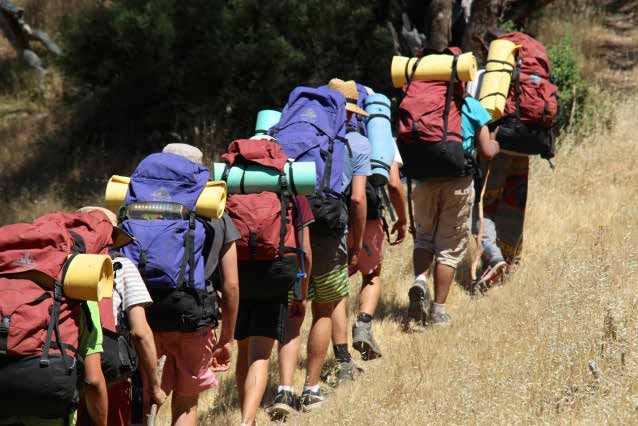
contents
1		   philosophy of Wambana         17   student wellbeing             31   faq living in a wardli cont.
2		   philosophy of Wambana cont.   18   student wellbeing cont.       32   faq surfing/aquatics
3		   three distinct phases         19   student wellbeing cont.       33   faq fitness
4		   three distinct phases cont.   20   student free time             34   faq melrose expedition
5		   dates for 2019                21   accommodation                 35   faq melrose expedition cont.
6		   important information         22   accommodation cont.           36   feedback from parents
7		   important information cont.   23   clothing and equipment        37   staff profiles
                                    		   supplies
8		   important information cont.                                      38   staff profiles cont.
                                    24   clothing and equipment list
9		   program overview                                                 39   staff profiles cont.
                                    25   clothing and equipment list
10    program overview cont.                                           40   staff profiles cont.
                                    		   cont.
11    program overview cont.                                           41   staff profiles cont.
                                    26   clothing and equipment list
12    program overview cont.        		   cont.                         42   staff profiles cont.
13    activity descriptions         27   faq sailing: the One&All      43   staff profiles cont.
14    activity descriptions cont.   28   faq cycle tour                44   staff profiles cont.
15    activity descriptions cont.   29   faq cycle tour cont.          45   staff profiles cont.
16    activity descriptions cont.   30   faq living in a wardli        46   staff profiles cont.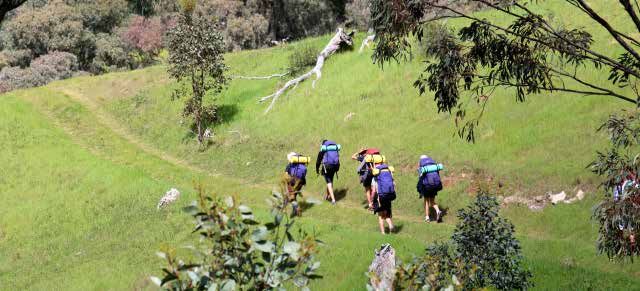
philosophy of Wambana
    Today, as part of a boy’s education at PAC, each Year 9 student undertakes a 35 day extended stay program known as
    ‘Wambana’ (meaning knowledge and wisdom in the local Narungga language). The key purpose of Wambana is to foster
    character development by helping adolescent boys better manage the transition to adulthood. This program, based at
    Point Turton on the Southern Yorke Peninsula, represents a journey quest, involves confronting challenges and provides an
    opportunity for service to others. Much of the Wambana philosophy has its origins in the thinking of German philosopher and
    educator Kurt Hahn who was the founder of residential schools such as Salem in Germany. His pedagogical philosophy and
    educational ideals encouraged students to establish personal goals, develop a code of responsibility, separate themselves
    from apathy and self-indulgence, cultivate a passion for life, work in small groups, and dedicate themselves to community
    service. Wambana builds on this philosophy and aims to broaden a boy’s social skills, empathy, and positive engagement
    with those around him. Wambana focuses on the qualities of a good man and encourages each boy to think hard about the
    man they wish to become. Boys undertake a health and fitness program to enhance their physical and mental conditioning,
    as well as learn healthy life skills to set them on a path of general wellbeing. Boys are given the opportunity to learn the
    importance of being responsible for their behaviour and the effect it has on others. They will also discover the outdoors and
    the opportunity it holds for adventure and challenge to enhance their life.
    Purpose of Wambana
    To foster growth by helping adolescent boys better manage the transition to adulthood
    through immersion in community, academic, spiritual and outdoor adventures.
    Aims of the program
          •   Allow students to make a connection between classroom based learning
              and the ‘real world’
          •   Use experiential education to develop knowledge and attain a sense of
              place
          •   Immerse students in community service programs to develop a sense of
              ‘others before self’
          •   Develop social skills and appropriate behaviours
          •   Improve the health and fitness levels of students to demonstrate the impor-
              tance of a well-balanced lifestyle
          •   Provide for the self-fulfillment of individuals with all their differences
          •   Increase students awareness of the love and care that family, friends and
              others have for them
          •   Enable students to reflect on their experiences at Wambana and how it can
              bring about change.
          •   Allow the boys to realise their potential through leadership opportunities,
              physical challenges and independent living
          •   Use the outdoor environment to develop a sense of adventure and chal-
              lenge.

    Outcomes
    We are confident that when a boy completes the Wambana program he will:
         • Be more confident
         • Show an awareness of others and self
         • Have a greater appreciation of family and community
         • Be capable of a greater level of maturity
         • Display empathy towards others
         • Have developed a growth mindset
         • Be capable of a greater level of independence
         • Show initiative
         • Be more physically fit.
1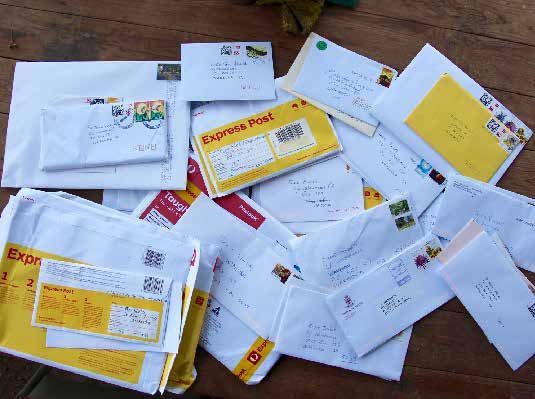
philosophy of Wambana cont.
The Wambana program uses experiential and interactive teaching strategies to promote learning, well-being and skill
development. This practical approach to learning encourages young people to work together and communicate successfully.

During the Wambana program, students will learn how to plan their time, evaluate what they are doing, identify real and
significant issues within their community, develop their ethical and moral framework, clearly articulate their learning,
display leadership abilities, and develop solutions and recommendations.

This is a distinctly different approach to learning, which enhances outcomes and educational approaches otherwise difficult
to achieve within a mainstream setting. The uniqueness of the Wambana program is defined by the following five
characteristics:

      •   Place-based education
          This approach to education emerges from the particular attributes of a place. The content is specific to the
          geography, ecology, sociology, history, politics and other dynamics of the location. Place-based education allows
          the Wambana program to demonstrate its distinctiveness.

      •   Learning structure
          A characteristic of mainstream schooling is the plethora of subjects and the rigid structure of timetable. At school,
          students generally begin their school day at 8.30am and finish at 3.30pm. Throughout this time students move
          between classrooms and subject areas. The Wambana program allows for flexibility and spontaneity due to the
          extended nature of the program.

      •   Community immersion
          The length of the Wambana program has the ability to build a deeper sense of community. Students are able to
          immerse themselves in activities that separate themselves from self-indulgence and dedicate their time and
          energy towards community service.

      •   Applied learning
          Many aspects of a school curriculum will possibly be more effectively learned in an environment other than the
          conventional school. The process of experiential education allows a student to construct knowledge, skill and
          value directly from experience.

      •   Transition
          The Wambana program requires a student to make a transition to a life situation that takes them away from the
          normal support structures of home and school. The length of time away means that students become familiar
          with their new environment allowing direct experiences to become more ingrained.

                                                                                                                                  2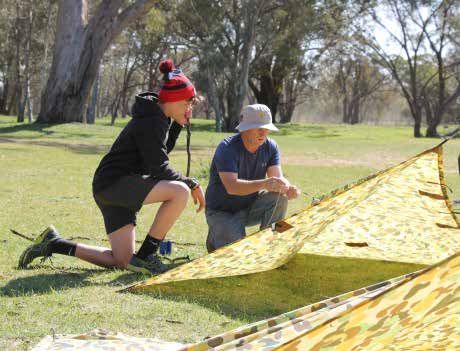
three distinct phases
    The Wambana program consists of three distinct phases linked to the pastoral and wellbeing program at Kent Town:

          •   Transition ‘In’ phase at Kent Town
          •   The 'Experience' phase on the Southern Yorke Peninsula and Southern Flinders Ranges
          •   Transition ‘Out’ phase at Kent Town

    1. Transition In (Kent Town)
    Student wellbeing is central to the ethos of Prince Alfred College and is fundamental to the development of the Princes Man.
    Given this, our Transition In program is a partnership between your son's class tutor and Wambana staff. We understand that
    your son is unique with individual needs, limitations, feelings, opportunities and expectations. Our focus, is to develop and
    prepare your son to achieve his potential, and to provide an experience that gives your son every opportunity to achieve
    success at Wambana. A clear, pastoral care focus, will guide your son during the lead in weeks before undertaking the
    Wambana journey. Tutorial classes, led by Wambana staff, focus upon:
    Exploring the benefits of Wambana: Students from a previous Wambana program are invited to speak with your son’s tutor
    group and share their thoughts, give advice and answer questions about their experiences at Wambana.
    Preparing your son's mind-set for Wambana: It is important for your son to realise that his Wambana journey starts in the
    preparation stage. If he is well prepared and approaches Wambana in a positive way, he will experience success and get the
    most out of the program. Preparing a positive mind-set is directed towards the areas of physical inability, living away from
    home, living with others he may not know or like, coping with missing sport, the One & All sail and the Melrose Solo.
    Recognising and coping with:
          • Anxiety
          • Homesickness
          • Challenges (physical and mental)
          • Transition (new attitudes and habits)
    No one can give your son self-confidence, resilience or independence.
    These are skills he can develop by pushing towards his limits. It is when
    he overcomes obstacles that he will develop these character traits.
    Adequately arming him with coping strategies for these challenges will
    give him the best chance to succeed.
    The art of letter writing: Your son will be given suggestions on how to
    write an interesting letter that is both descriptive and reflective.
    Students will develop the idea of writing with a sense of reader and use a multi-sensory approach. Letter writing is a daily
    requirement and one of the main ways to keep you informed about his experiences. Other requirements whilst at Wambana
    include, blog writing, journal writing and a variety of activities in your son’s personal portfolio.
    Leadership: At Wambana, your son is given the opportunity to lead his peers through daily activites. To initiate discussion
    on leadership in the Transition In program, we consider what leaders do, how to lead, what traits or qualities good leaders
    possess, and what effective leadership looks like.
    Characterising the ‘Wambana Man’: The Wambana Man is often described as; confident in his own abilities, selfless, kind,
    hard working, diligent and focused, aware of others, compassionate, a listener, able to openly communicate, thoughtful and
    competent.
    Personal health and safety: Discussions on topics including nutrition, personal hygiene, personal safety and keeping the
    Wardli clean are held to ensure you son is prepared to take more responsibility for his own health and safety at Wambana.
3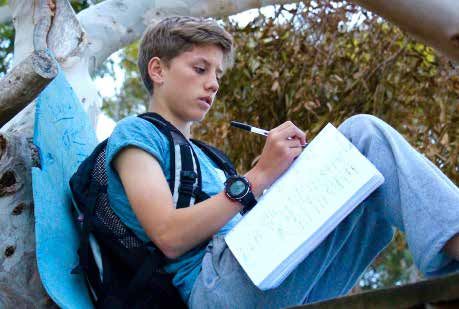
three distinct phases cont.
Additional to the Transition In program, on the Tuesday prior to departure staff from Wambana facilitate a four-lesson
training session with the tutor groups. The focus is primarily on the requirements for the cycle tour and includes menu
planning, and equipment lists.
As most students are taken out of their comfort zones when undertaking outdoor adventure activities they may find it a
challenge to manage themselves whilst, at the same time, assisting their peers. With this in mind, students are also given
support in the planning and logistics of the outdoor adventure activities. As these activities involve significant problem
solving and decision making, with real and natural consequences, students need to work together as a team, and develop
leadership skills.

2. The Experience (Wambana)
The curriculum will consist of the following elements:
      •   Research
      •   Community Engagement
      •   Outdoor Adventure Activities
      •   Health and Fitness
      •   Independent Living
      •   Leadership

3. Transition Out (Kent Town)
Similar to the Transition In phase, the weeks following your son's Wambana experience will have a clear pastoral care focus
which will help consolidate the unique learning he attained during his time at Wambana. The pastoral care lessons will focus
on:
      1. Where to from here? Goals beyond Wambana.
      2. Invitation to undertake the Duke of Edinburgh's Award
      3. Research - How has Wambana helped you define,
         change and/or begin to become the man you want to
         be?
Student Led Conference
As part of the transition out program, the first Thursday upon
return is dedicated to the Student Led Conference. As parents,
you are invited to attend a review conference led by your son and
a Wambana staff member. This is an important time for you to hear your son's story through the lens of his developmental
portfolio. His portfolio, along with his letters, are an important record of his progress over the five weeks. The conference will
also provide you with the opportunity to ask your son questions about his learning and growth and receive feedback from
Wambana staff.

The sharing of your son’s portfolio is a significant milestone and acts as a final report of his extended stay experience. We
aim for this to act as a new beginning in his learning journey with a renewed focus and energy; one we hope to sustain over
his remaining secondary years.
The conference will take place during the day and follow our timetable structure. Each Wambana staff member will be
assigned a family. Information regarding the Student Led Conference will be communicated with you in the week leading
up to the end of the Wambana program. All enquiries regarding the Student Led Conference can be made through Megan
McLaughlin in the Middle School on 8334 1219.
                                                                                                                                     4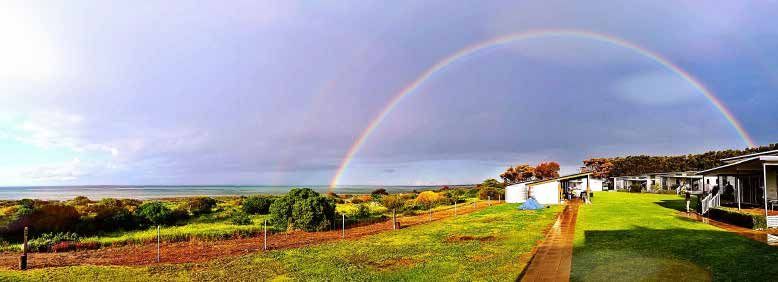
dates for 2019
    Wambana Program Dates 2019

    Term 1                       Day        Date             Time              Location                Week
    PARENT INFORMATION NIGHT     Monday     18th February    6.00pm - 7.30pm   PAC - Chapel            4
    Student Transition Day       Tuesday    19th February    8.30am - 3.30pm   PAC - McBride Room      4
    Program Begins               Sunday     24th February    7.00am            Dock 2, Port Adelaide   End of week 4
    Program Conclusion           Saturday   30th March       10.00am           Wambana                 End of week 9
    Presentation Lunch           Saturday   30th March       12pm - 1.00pm     Wambana                 End of week 9
    Student Led Conference       Thursday   4th April        8.00am - 4.00pm   PAC - McBride Room      10
    Term 2                       Day        Date             Time              Location                Week
    PARENT INFORMATION NIGHT     Monday     8th April        6.00pm - 7.30pm   PAC - Chapel            11 (Term 1)
    Student Transition Day       Tuesday    9th April        8.30am - 3.30pm   PAC - McBride Room      11 (Term 1)
    Program Begins               Sunday     28th April       7.00am            Dock 2, Port Adelaide   Start of week 1
    Program Conclusion           Saturday   1st June         10.00am           Wambana                 End of week 5
    Presentation Lunch           Saturday   1st June         12.00pm - 1.00pm Wambana                  End of week 5
    Student Led Conference       Thursday   6th June         8.00am - 4.00pm   PAC - McBride Room      6
    Term 3                       Day        Date             Time              Location                Week
    PARENT INFORMATION NIGHT     Monday     5th August       6.00pm - 7.30pm   PAC - Chapel            3
    Student Transition Day       Tuesday    6th August       8.30am - 3.30pm   PAC - McBride Room      3
    Program Begins               Sunday     11th August      7.00am            Dock 2, Port Adelaide   End of week 3
    Program Conclusion           Saturday   14th September   10.00am           Wambana                 End of week 8
    Presentation Lunch           Saturday   14th September   12.00pm - 1.00pm Wambana                  End of week 8
    Student Led Conference       Thursday   19th September   8.00am - 4.00pm   PAC - McBride Room      9
    Term 4                       Day        Date             Time              Location                Week
    PARENT INFORMATION NIGHT     Monday     23rd September   6.00pm - 7.30pm   PAC - Chapel            10 (Term 3)
    Student Transition Day       Tuesday    24th September   8.30am - 3.30pm   PAC - McBride Room      10 (Term 3)
    Program Begins               Sunday     13th October     7.00am            Dock 2, Port Adelaide   Start of week 1
    Program Conclusion           Saturday   16th November    10.00am           Wambana                 End of week 5
    Presentation Lunch           Saturday   16th November    12.00pm - 1.00pm Wambana                  End of week 5
    Student Led Conference       Thursday   21st November    8.00am - 4.00pm   PAC - McBride Room      6

5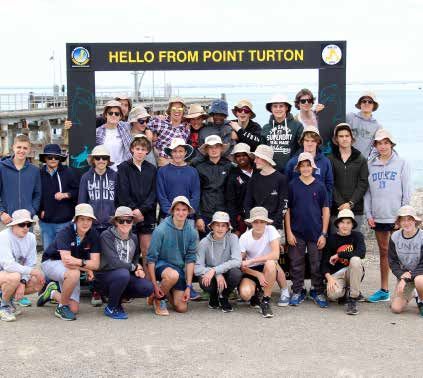
important information
Program Start
To begin the Wambana Experience, your son and his classmates will sail to the Yorke Peninsula aboard the tall ship the
One&All. This sailing program involves departing from Port Adelaide (Dock 2) and sailing across the gulf to Port Vincent on
the Yorke Peninsula. On board, students learn how to set the sails, steer the ship at the helm, climb the masts or bow nets
and develop knot-tying skills.
Parents are asked to deliver their son to Dock 2 at 7.00am on the Sunday morning of the program beginning. Dock 2 is
located in Port Adelaide on Honey St., via Ocean Steamers Road. Below is a detailed map to help you navigate your way to
Dock 2. The ship will sail at 8.00am.

Clothing and Equipment
Please see the attached sheets for a list of the clothing and equipment required.

Medical Details
Staff will take a copy of the health information you provided to the school. Please inform the Health Centre if your son’s
medical details have changed. All medical details including your son's Medicare number and Private Health details will need
to be provided prior to your son departing on the program. Please also inform the Director of Wambana of any current
medication or special concerns. Medication required at Wambana must be clearly named and instructions stated specifically.

Transport
Transport throughout the program will be on a 19
seat mini bus, dual cab and 18 seat mini bus.
Companies contracted to assist with aspects of                               Dock 2
the Wambana program may be required to
transport students in their mini buses and support
vehicles.

Participation and Medical Consent Form
A consent and medical form will be sent to you by
email four weeks prior to the beginning of your
sons program. When received, please complete
the consent and medical forms and either post or
email (scan) to:
 Dale Hobbs c/- Wambana, PO Box 187, Warooka
      SA 5577 or email dhobbs@pac.edu.au

                                                                                                                              6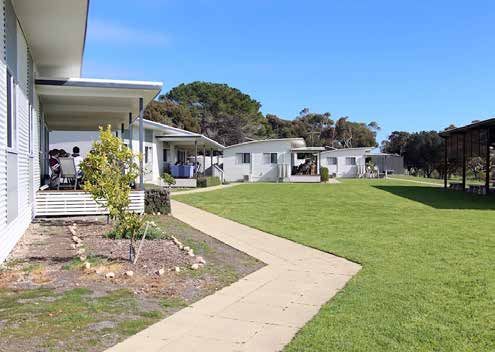
important information cont.
    Program Conclusion - Wambana

    The program conclusion will be held at the Wambana Campus at Point Turton
    on the Yorke Peninsula. Families are asked to arrive at Wambana between 9
    -10.00am. Drive time from Adelaide is approximately 2 ¾ hours. A detailed
    map and directions can be found on page 8 of this booklet.
    Upon arrival, your family will be welcomed with an ocean view from the front
    lawn of the campus and morning tea provided by the local Progress
    Association.
    The boys will have just completed their final debrief on the shores of Hardwicke
    Bay, and they will hike in to meet families at the Wambana site. After your
    reunion, your son will lead you and your family on a personalised tour of
    Wambana. This will include taking you into the Wardli where he lived and
    pointing out his chill out spot where he read letters from home and reflected
    upon the day in his journal.
    The boys will then do a presentation to families where they talk about a
    particular element of the program, share their greatest achievement at
    Wambana, and tell us about their greatest lesson learnt. This presentation will
    be followed by a half hour video showcasing the students’ journey throughout
    the entire Wambana program. Each student will receive a copy of this video as
    a take home to share with other family and friends.
    To finalise this celebration and reunion, your son will demonstrate his
    newfound culinary skills by making gourmet pizzas in the wood oven for all to
    enjoy. We encourage you and your family to take part in this celebration and enjoy the beautiful Wambana campus, while
    your son shares his stories and experiences, before making the journey home.
    Because of the celebratory nature of this conclusion, we encourage all family members, grandparents, aunts, cousins, dogs
    etc. to join us for this significant event.
    To help with the catering of this event, your son would appreciate the confirmation of your attendance (and number of
    family members who will also be in attendance). An email will be sent out for this booking prior to the event.
    If you son is a Boarder and you are unable to attend the finish to the program, alternative arrangements will be made to
    transport your son back to Adelaide. Please let Dale know if you are unable to attend the final day of the program.

    Timetable
    9.00am      -   Parents begin arriving at Wambana
    9.30am      -   Morning tea
    10.00am -       Boys arrive at Wambana and reunite with their families
    10.30am -       Tour of Wambana
    11.00pm -       Presentation and DVD
    12.00pm -       Lunch
    1.00pm      -   Day concludes, families travel home
7
important information cont.
Map and Directions to Point Turton
8program overview
Wambana Program Days 1 -10
*Note: this is a guide only. Times and activities may change.
Day 1 Day 2 Day 3 Day 4 Day 5 Day 6 Day 7 Day 8 Day 9 Day 10
Sunday Monday Tuesday Wednesday Thursday Friday Saturday Sunday Monday Tuesday
6.00am-
Sleeping Wake up
6.30am
6.30am- Arrive at
Dock 2 Wake up Fitness preparation - Stretching, Warm ups
7.00am
7.00am- Load gear Fitness Fitness Fitness Fitness Fitness
in trailers Breakfast
7.45am 3.4km run 5.0km run 3.8km run 5.0km run Soccer
7.45am- 8.00am NOD NOD NOD NOD
Breakfast
8.50am Sail away BOM BOM BOM BOM
8.50am- Fitness News of the day (NOD) - Excuse me Gentlemen (EMG) -
9.15am Testing Innes Bureau of Meteorology (BOM)
National
9.15am- Cycle Park
Wardli
Minlaton Minlaton
10.15am Tour Brief Expedition "Living in meetings
to Entrance of to Weavers Harmony"
10.15am- pack up
West Minlacowie National Lagoon Skills in
10.30am Bus to Wardli 5
Cowie Park to Communal
10.30am- Dolphin Bay Yorketown Living Sea
Ride
12.00pm Kayaking
Sailing
12.00pm- Wardli 3
Lunch Food Lunch Surfing Surfing
1.00pm Bike Mania
shopping
1.00pm- Yorketown Wardli 4
2.00pm Leisure
Dolphin Bay Weavers Roast prep Options
2.00pm-
West Minlacowie to Lagoon to Lunch & dessert
3.00pm Wardli 2
Cowie to Entrance of Edithburgh cooking
3.00pm- Bus to Farm Visit
Ride Minlaton National
4.00pm Park Wambana
4.00pm- Port Emergency
Swim Free time
5.00pm Vincent brief
5.00pm- Bus to Bus to Bus to Bus to Move into
Chill out time - letter and journal writing
5.45pm Wambana Wambana Wambana Wambana Wardli's
Free time
5.45pm- Arrive Dinner
Free time Letters posted and Journals checked
6.00pm Wambana prep
6.00pm- Dinner
Dinner on Trangia Dinner
7.30pm and tents
7.30pm- Lead'ship Wardli
Oranges and Lemons Classroom
9.00pm brief Allocation
9.00pm- Preparation for bed - Supper, brush teeth, quiet reading,
Journals
9.30pm journal writing
9.30pm-
Torches out! Lights out - Quiet talking
9.45pm
9.45pm-
Sleep ZZZzzz
6.00am
9program overview cont.
Wambana Program Days 11 -20
*Note: this is a guide only. Times and activities may change.
Day 11 Day 12 Day 13 Day 14 Day 15 Day 16 Day 17 Day 18 Day 19 Day 20
Wednesday Thursday Friday Saturday Sunday Monday Tuesday Wednesday Thursday Friday
6.00am-
Wake up
6.30am
6.30am-
Fitness preparation - Stretching, Warm ups
7.00am
7.00am- Fitness Golden Fitness Capture Fitness Beach Fitness Fitness
Fitness Fun Soccer
7.45am 9.4km run Nuggets 7.0km run da Flag 5.0km run Fitness 7.0km run 3.4km run
7.45am-
Breakfast
8.50am
8.50am-
News of the Day (NOD) - Excuse me Gentlemen (EMG) - Bureau of Meteorology (BOM)
9.15am
9.15am- Living in a Wardli Wardli Wardli
Classroom
10.15am Wardli II meetings meetings meetings
10.15am- Food
Wardli Wardli 2 Wardli 2 & 4
10.30am Shopping
3&5
Wardli 4
Sea Bublicowie Wardli 3
10.30am- Sea Military Sea
Bublicowie Kayaking
12.00pm Community Military Kayaking Gum Flat Museum Kayaking
Wardli 4
12.00pm- Service Museum Wardli 2 Community Wardli 3 & 5 Wardli 5
Lunch Surfing Surfing Bike
1.00pm learning
Wardli
Bike Mania
Mania project at Hooded Bike Mania
1.00pm- Point Turton 2&4 Wardli 3 Minlaton Plover and Wardli 2
Wardli 2 & 3 Wardli 5
2.00pm Progress Hooded Leisure Marine Leisure
Gym Leisure
Association Plover and Options Debris Options
2.00pm- Options
Marine Research
3.00pm Wardli 5 Wardli 4
Debris Wardli 4 & 5 Wardli 3
3.00pm- Farm Visit Farm Visit
Research Aquatics Farm Visit
4.00pm
4.00pm-
Free time
5.00pm
5.00pm-
Chill out time - letters and journal writing
5.45pm
5.45pm-
Letters posted and journals checked
6.00pm
6.00pm-
Dinner
7.30pm
7.30pm-
Classroom
9.00pm
9.00pm-
Preparation for bed - supper, brush teeth, quiet reading, journal writing
9.30pm
9.30pm-
Lights out - quiet talking
9.45pm
9.45pm-
Sleep ZZZzzz
6.00am
10program overview cont.
Wambana Program Days 21 -30
*Note: this is a guide only. Times and activities may change.
Day 21 Day 22 Day 23 Day 24 Day 25 Day 26 Day 27 Day 28 Day 29 Day 30
Saturday Sunday Monday Tuesday Wednesday Thursday Friday Saturday Sunday Monday
6.00am-
Wake up
6.30am
6.30am-
Fitness preparation -stretching, warm ups Breakfast
7.00am
7.00am- Fitness Fitness Fitness Fitness Fitness Fitness Fitness Morning
Flag Footy
7.45am 9.4km run Mystery 7.0km run 3.8km run Yoga 11km run Yoga Walk Wambana
Site Clean
7.45am-
Breakfast
8.50am
8.50am-
NOD & EMG & BOM NOD, EMG & BOM
9.15am
Breakfast
9.15am- Wardli
Navigation
10.15am meetings
Training
10.15am- Food Fitness
10.30am Shopping 11km Run Testing Travel to
10.30am- Debrief Personal Melrose
Intro. to Packing
12.00pm Gym Beach Wambana
Navigation Day
Day Hike
12.00pm-
Lunch Surfing Surfing Innes General Lunch
1.00pm
National tasks on
1.00pm- W 2&3 Park Melrose
Campus
2.00pm How to Expedition
Aquatics Melrose
2.00pm- Pack a Food Wambana Unpack
Rucksack Expedition
3.00pm Planning Pack Up trailers
W 4&5 brief and
3.00pm-
4.00pm Gym Shopping
4.00pm-
Free time History
5.00pm
Tour of
5.00pm- Melrose
Chill out time - letters and journal writing
5.45pm
5.45pm-
Letters posted and journals checked
6.00pm
6.00pm- Communal Dinner on
Dinner
7.30pm dinner Trangia
7.30pm- History
Classroom
9.00pm Quiz
9.00pm- Prep for
Preparation for bed - Supper, brush teeth, quiet reading, journal writing
9.30pm Bed
9.30pm- Torches
Lights out - quiet talking
9.45pm Out!
9.45pm- Sleep
Sleep ZZZzzz
6.00am ZZzz
11program overview cont.
Wambana Program Days 31 - program conclusion
*Note: this is a guide only. Times and activities may change.
Day 31 Day 32 Day 33 Day 34 Day 35 Day 36 Day 37 Day 38 Day 39 Day 40
Tuesday Wednesday Thursday Friday Saturday Sunday Monday Tuesday Wednesday Thursday
6.00am-
Sleep Zzzzz Wake Up
6.30am
6.30am- Solo
Wake Up Breakfast
7.00am Campout
7.00am- Paired
Breakfast Solo Pack Up
7.45am
Campout
7.45am- Solo Flaherty's
8.50am Hutchie Debrief Beach Hike
8.50am- Scenario's and Final
9.15am Debrief
9.15am- Camp Craft 10.00am
Solo Brief Hike back
10.15am Meet Parents Student
to Show-
10.15am- Tour of Led
grounds
10.30am First Aid Wambana Conference
Training at Kent
10.30am- Hike to 11.00am
Town
12.00pm Rankins Presentation
12.00pm-
Lunch Pack Up Lunch
1.00pm
8:00am to
1.00pm- Attend Attend Attend 4.00pm
Navigation
2.00pm classes at classes at classes at
Course
Weekend Kent Kent Kent
2.00pm- Town as Town as Town as
3.00pm normal normal normal
Packing
3.00pm- Rucksacks Travel back
4.00pm
to
4.00pm-
Hike Brief Wambana
5.00pm Solo
Campout
5.00pm-
5.45pm
Chill Out
5.45pm- Home
6.00pm
6.00pm- Dinner on Communal
7.30pm Trangia Dinner
Paired
7.30pm- Paired Solo Gear Pack
9.00pm Solo Brief Campout Up
9.00pm- Prep for Prep for
9.30pm Bed Bed
9.30pm- Torches Torches
9.45pm Out! Out!
9.45pm- Sleep Sleep
6.00am ZZzz ZZZzzz
12activity descriptions Wambana Activity Descriptions One & All: On the first day of the Wambana Experience, the boys sail aboard the tall ship the One&All from Port Adelaide to Port Vincent (on the East coast of the Yorke Peninsula). On board, students learn knot-tying skills, how to set the sails, steer the ship at the helm and climb the masts or bow nets Cycle Tour: The first week at Wambana entails a four day cycle tour Monday to Thursday. Each day we ride approximately 45km to various locations around the Yorke Peninsula. Riding conditions vary from off road to gravel and sealed roads. Morning Fitness: From day 6 - day 27 we run a fitness program each morning before breakfast comprising of two components: distance running with strength training and fitness games. On the running days, students and staff run alternate distances, starting with a 3.4km run. Other distances are 3.8km, 5km, 7km, 9km, and then one 11km run on day 27. The morning runs are an individual activity to improve personal fitness; not a race. Students set goals for themselves and are expected to run the distance to the best of their ability. Upon returning, students get into the routine of starting their strength training of push ups and sit ups. Students set goals for themselves and work on improving their push up/sit up count each morning. For additional strength training, there are chin up and dip bars, a slack line and a climbing wall for students to challenge themselves further. Fitness Testing: Once at the beginning of Wambana and again near the end of the program, students participate in a fitness test. Fitness testing gives the students a quantitative measurement of their physical abilities before starting the fitness program. Students can use this as a benchmark to set goals for themselves and can see their personal improvement. This gives them a sense of achievement at their accomplishments, and to help motivate them to keep working hard. Fitness testing includes beep test, flexed arm hang, push ups, planks, sit ups and wall sits optional. Gym Day: With half of the group (16 students) at a time, we visit to the local Warooka primary school gymnasium to play games for about 2 hours. Often based on student choice, this activity includes games such as dodgeball, basketball, soccer, “all sports”, tag games etc. This gymnasium offers a wide range of equipment and is a beautiful facility to have fun and get creative with team games. Fitness Games: Alternate mornings, students engage in fitness games, rather than running and strength training. This is a fun way for students to give their bodies a break, while still being active and maintaining a morning routine. Fitness games include soccer, capture the flag, golden nuggets (strategy and team-work), beach games, yoga, team relay races, obstacle courses and a “Wardli Olympics” (strength, balance, agility, aim, and reach competitions). Chill Out: Chill-out provides students an opportunity to relax, reflect, write and have some alone time. From 5pm-6pm daily, students go out to a designated chill- out spot near a log or tree to sit back and read their letters, write home or in their journals, take a nap, day-dream, etc. Sharing a house with 6 or 7 others, this time of day is often a welcomed time of reflection and peace and quiet. 13
activity descriptions cont.
Wambana Activity Descriptions
Wood Oven & Bike Mania: The boys get to embrace their inner Italian and learn the
art of pizza and bread making! Starting with creating hand-made dough, students
work their way through prepping the toppings, and the intricacies of cooking in a
wood fired oven. The day then moves to another Italian passion; bicycles, where
the boys will learn skills and tips on how to service and maintain a bike, along with
valuable bike-handling skills.
Wambana Projects: During the program the boys will be involved in some hands-
on projects around the Wambana campus e.g. working in the Wambana orchard,
creating new breeding sheds for the “chooks”, stone masonry work, or helping to
build an obstacle course for future students to benefit from. These projects may
include helping on a community project at the local park, e.g.; building a bike track.
Together in small groups accompanied by staff and the grounds keeper, students
get the experience of working with basic gardening or hand tools, learn building
skills and get to “leave their mark” as they admire a finished project at the end of
the day.
Baking: Students are provided with a "baking goods" shopping list for their Wardli,
which allows them to have ingredients on hand for making baked goods and treats
throughout their time at Wambana. This is beneficial as it promotes healthier
eating and budget management, and students often spend free-time baking so
that they have daily snacks and dessert. During the first week at Wambana, staff
assist students in the kitchen to make a baked dessert of some sort. Popular
desserts in the past have included ANZAC biscuits, brownies, cakes and cookies.
The boys are not limited to these items however, and are encouraged to try new
things or bring favourite recipes from home.
Roast Preparations: At Wambana, there is a large emphasis on domestic skills and
the work required to successfully live in a Wardli. Part of this is learning how to
cook, so one of the first skills taught in the kitchen is how to prepare a roast. On the
day of the roast preparation, the boys will learn what ingredients are needed, the
cooking utensils and equipment needed, how to season and prepare the meat,
different basting techniques, and how to safely and properly cook the roast. This is
an activity that promotes teamwork and creative thinking. Part of an excellent
roast dinner is what has been prepared to accompany the meat, boys are
encouraged to think outside the box and work with their housemates for this roast
dinner.
Sea Kayaking: The boys participate in one sea kayaking session throughout the
program, which consists of a basic introduction and small expedition. The session
includes a brief about proper use of equipment, conditions and safety followed by
some on-water learning and activities. If weather permits student will then go on a
small paddle along the coast where they will find a nice spot for lunch before
returning a few hours later.

                                                                                           14
activity descriptions cont.
Hooded Plover Research: The aim of this project is to establish a systematic long-
term monitoring program which will regularly assess Hooded Plover distribution,
breeding activity and threats at priority sites on Yorke Peninsula (within Innes
National Park). Results will guide plans for on-ground management to increase
Hooded Plover numbers by enhancing nesting success. The key objective of the
project is for your son and his research team to survey beach sites of appropriate
Hooded Plover habitat on the Yorke Peninsula (Innes National Park).
Marine Debris Project: Students will also be involved in the Marine Debris Project,
which is aimed to understand the sources of marine debris (litter) entering our
local ocean environments and the potential impacts on marine ecosystems and
wildlife. The information from this project contributes to a nation-wide investigation
of marine debris. Litter is collected from a length of beach at each site then
categorised, counted and weighed. Monitoring results are provided to DEWNR an
entered into an online database that provides details on what is found across 38
different monitoring sites.
Bublacowie Military Museum: Bublacowie is the second largest military museum
after Canberra. The boys will be involved in helping with some of the outdoor
grounds maintenance tasks required and will then be rewarded with a barbecue
lunch, followed by an informative talk and tour of this amazing museum.
Gum Flat: Gum Flat is an open space community project at Minlaton, where the
boys will be involved in a number of tasks, from designing and marking out walking
or mountain bike trails, building those trails, removal of pest plants, or building a
wooden fence at one of the historical sites. Other school and community groups
are also involved in this project, which includes a community BBQ lunch. Gum Flat
is a great day for the students to learn about the history of the area (use of horse
troughs and land, etc.) and do some community work where they see the direct
results and impact of their work at the end of the day.
NOD - News of the Day: The leaders of the day walk to the local 'Mall' to buy the
daily newspaper. They read through and share the news of the day with the class.
BOM - Bureau of Meteorology: This time focuses on the weather and how it will
impact the day. The boys learn how to interpret information from the Bureau of
Meteorology and apply it to their activities for the day.
EMG - Excuse Me Gentlemen: The leaders for the day take turns to introduce their
partners to the rest of the group. This activity allows the boys get a deeper
understanding about the members of their class.
Leisure Options: Leisure Options is a community program based in Minlaton and
Yorketown which runs a volunteer-based range of leisure opportunities for people
with disabilities. Students work in small groups to assist disadvantaged people to
have fun, create new friends, and assist participants to gain an increased sense of
wellbeing and self-worth. Activities may include crafts, baking, woodworking,
board games, beach walks, and general social interaction over a BBQ.
15activity descriptions cont.
Wambana Activity Descriptions
Snorkelling: As part of the aquatics program students will have a snorkelling
session during their stay at Wambana. Students will be given an introduction to
equipment, skills and safety, then boys will then dive into the underwater world
and experience marine wildlife including many different species of fish, grass and
coral. If they are lucky, they may even see some of the dolphins or seals that call
Hardwicke Bay home.
Surfing: The program consists of several days of Surfing around the Peninsula and
a couple of theory sessions in the classroom. There is a particular focus on individual
development and progression as well as gaining greater water confidence and
resilience. All equipment is provided, staff are qualified to instruct, and local
instructors are also utilised to ensure students get the most out of the activity.
Farm Visit: Students will get an insight to what it is like to live and work on a farm
by visiting the Orriecowie property located about 5 minutes from the Wambana
campus. The owner of the property, Heather, will give the students some hands-on
experiences which may include working with the sheep in the yards, collecting
sheep manure and straw, or feeding sheep and cleaning out water troughs. There
may also be a shearing demonstration followed by an insightful talk about wool
and its benefits and uses.
Melrose History Tour: Upon arriving at Melrose, students head out in pairs to do a
self-guided history tour of the “oldest town in the Flinders”. The boys follow a tourist
brochure of all the local historical attractions, learning about and exploring the
town. Students get the opportunity to work with a map to navigate, as well as an
opportunity to carry their hiking packs to get used to its weight and feel. Staff can
assist with fitting the pack and make any adjustments necessary before the hike.
Navigation & Orienteering: Prior to the Melrose expedition, students are trained in
navigation and orienteering skills both at Wambana and at Melrose the day before
the hike. Students are taught map-reading, compass skills and survival skills about
being lost or injured while hiking. While at the Melrose showgrounds, students
participate in an orienteering course where they use grid reference coordinates to
find marked flags and try to be the first group back with all the successful answers;
this activity is a great way to develop and practice navigation skills with a partner.
Melrose Expedition: Wambana’s major bushwalking expedition involves an 11km
hike through Bartagunyah area in the southern Flinders Ranges. Students are split
into hiking groups of 6-8 boys, and then navigate their way to an area where we
camp near Rankins Hut. Staff do not hike with the group, but rather follow close by
to allow the students independence, a chance to focus on navigation skills and use
their leadership and team work. Once at the destination, a staff member places
students out together for their paired solo, where they set up camp for the night.
Students wil be brought in by a staff member the next morning. Following a group
brief, students then head out on their solo, where they can choose to be placed in
zone 1, 2 or 3 (depending on how far away from base camp they would like to be).
16student wellbeing
The primary focus of the Wambana Wellbeing Program is to develop the
confidence and independence of every student, while at the same time ensuring
that the boys experience happy and healthy relationships with their peers, within
a nurturing and mutually supportive school community.
The Wambana Wellbeing Program is a direct continuation of the pastoral care and
wellbeing program at the Kent Town Campus. Each student’s first point of contact
will be one of the Wambana staff members. The role of the Wambana Teacher
encompasses the following:
• Being available as a source of support, encouragement and guidance
to the students in his or her care
• Monitoring individual student progress across the entire program
• Monitoring group dynamics closely, and facilitating a successful and rewarding journey through the various
stages of group development
• Assisting boys in understanding and managing the daily tasks essential to cooperative independent living
• Keeping boys informed of all programs and preparations required
• Close liaison with the Director of Wambana, and communicating and consulting with parents as needed.
The wellbeing of your son is central to the success of the Wambana program. Given this, a strong partnership exists between
the Wambana staff and the Student Success Team based at the Kent Town Campus. The collaboration between the staff
ensure that your son gets the very best care in relation to his social and emotional management.
The following qualities relating to personal development, community living and group activities are addressed and reflected
upon throughout the program:
Leadership Social Skills Self Management Self Management
(Organisational) (Affective)
Communication Collaboration Time management Mindfulness
Interaction Empathy Goal Setting Positive mindset
Feedback Others before self Planning Emotional Management
Integrity Responsibility Self-belief Stress & Anxiety
Courage Conflict management Perserverance Self-motivation
Empowerment Decision-making Motivation Resilience
Wambana Behavioural Expectations
The residential program will be a less structured experience for students than they may be used to at the Kent Town Campus.
None the less, appropriate behaviour will be expected always. The program will follow the guidelines and expectations
already in existence at our College.
There are clear policies regarding behaviour that is detrimental to any individual and the greater community. Upon arrival,
students will be informed of the consequences if breaches of rules take place. The behaviour management policy clearly
outlines a process of management. Depending on the nature of behaviour that occurs, responses may include discussions
with students and their Wardli group and telephone calls to parents.
Students may be placed on behavioural contracts that clearly outline parameters of expected behaviour. As a final procedure,
or in the event of behaviour that compromises the safety and welfare of others, the student may be asked to leave.
17student wellbeing cont.
Health and Wellbeing
Our ‘Health and Wellbeing Program’ will incorporate aspects of fitness, food and
nutrition required for the program. In particular, students will plan shopping lists
within their small teams. We will provide a menu guide that outlines meals that
are healthy, plentiful, nutritious and enjoyable. Due to the nature of the curriculum,
students will be more active throughout the day than in comparison to their
normal lives. Opportunities to monitor fitness levels will take place in the pre and
post phase of the program.
Food Allergies and Alternative Eating Plans
Food allergies and alternative eating plans are incorporated into the Wambana program with staff highly aware of any
special dietry requirements. Wambana staff work with the PAC Health Centre to ensure they are fully prepared for your son's
requirements. All parents will be contacted via email four weeks prior to your son's departure for Wambana. At this point
parents of a child with special dietary requirements are required to contact the Director of Wambana to discuss your child's
needs. You will be asked to provide a detailed outline of your child's requirements. Parents are also encouraged to meet with
a staff member to discuss their son's needs during the 'transition in' week. Please contact the Director to request a meeting
and organise a suitable time. Parents will be expected to provide staff with any required medication and action plans
relevant to their sons needs on Day 1 at the One and All departure.
At Wambana, any student with special dietary requirements will sit with a Wambana staff member and complete an
alternative eating plan prior to moving into his Wardli. Any requirements will be incorporated into the menu plan of the
Wardli in which your son resides. He will then meet with his Wardli group and a staff member to discuss the implementation
of this plan in a way which suits the group and is respectful and safe for your child's dietary needs.
Dealing with Homesickness
For most boys, this experience is likely to be the greatest challenge of their short life so far. When your son begins the
Wambana program, there will be significant adjustments that he will need to make. These adjustments are necessary ones,
but may seem difficult at first. Living with friends under the same roof, having responsibilities for the day-to-day functioning
of the residence and trying to cope with new routines and a new environment may bring out feelings of homesickness. We
understand that homesickness is not unusual and we make this a focus of the program to assist all boys in making the
transition from the ‘familiar and known' to the ‘new and unknown'. To manage his homesickness, the Wambana staff will
support and encourage your son to:
• Make an effort to talk to someone in his Wardli group
• Get into free time activities which build up a storehouse of good new
memories
• Talk to someone else about how you feel – all other students will prob-
ably feel much the same as he does
• Respond to the invitations of others to participate in games or activities
• Recognise this is a grief experience. Have a good cry; it's nothing to be
ashamed of when you're feeling down
• Jot down thoughts, experiences and dreams in a journal, and try to make
some sense out of the experience
• Write a letter home so he feels connected.
• Be kind to himself – it is okay to miss home as it is perfecly normal. After all, he has spent most of his life there until now,
so tears can be cleansing
18student wellbeing cont.
Communication Between Parent and Son
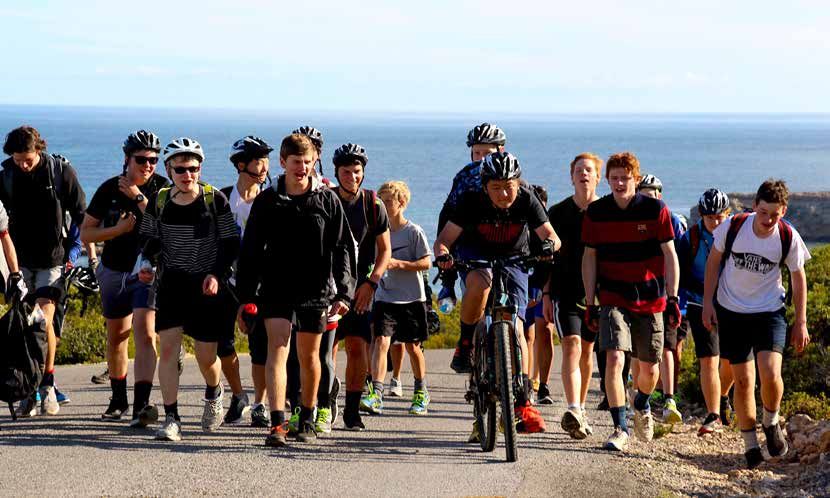
The program on the Southern Yorke Peninsula will give your son a
unique opportunity to learn about and develop an appreciation for the
natural environment, free of the sensory barrage that accompanies a
reliance on email, mobile phones and other contemporary technology.
Your son will discover the art of letter writing, and the more measured
and reflective level of communication that it encourages. We believe
that correspondence via letter writing will have two significant benefits.
Firstly, the ‘art of letter writing’ is a skill that your son is encouraged to
develop, and secondly, writing and receiving a personally written letter
will become a special keepsake for you and your son.
The boys will recieve their first mail at the end of the cycle tour (Day 6 of program), after that they recieve their mail as it
arrives at Wambana. We strongly encourage parents to have a letter in the mail by Day 3 (Tuesday, Week 1) of the program
to allow for delivery to Wambana by Day 6 (Friday, Week 1). Recieving a letter in the first post is important to help your son
deal with seperation from his family and feelings of homesickness that may occur at the beginning of the program.
Parents and family members are encouraged to write regularly, as receiving cards and letters from home is something your
son will look forward to. The boys do not have access to email. The postal address for all correspondence is:
C/- Wambana
PO Box 187
Warooka 5577
Birthdays
We encourage families to send their son a birthday gift if his birthday
occurs during the program. We ask that this be limited to the size of a
shoebox, and contain gifts that are appropriate for the environment
and program. Some food treats sent in a birthday package are
acceptable. Roommates will also be encouraged to bake a cake to
celebrate birthday’s during the program.
Parcels and letters containing food/treats
Please do not send food items through the post unless it is part of a birthday package. The College is committed to ensuring
that every student on program receives optimal nutrition through a sound and balanced daily diet, and for this reason does
not permit boys to receive food items by mail or by delivery to the site. This includes small treats posted with letters.
Student Leave During the Program
Students will not normally be permitted to leave or go home during the program, however, special circumstances do arise
from time to time. Parents and students are encouraged to discuss any special needs with the Director of Wambana.
Mobile Phones
Parents should be aware that there are no facilities within the Wambana Campus whereby the boys can receive phone calls
directly. Mobile phones are not permitted, and any mobile phone found in the possession of a student will be confiscated.
Pocket Money
Students should bring no more than $120.00 with them to the program. EFTPOS and credit cards should be left at home.
19student free time
Indirect Student Supervision
At times during the Wambana program your son will have the opportunity to participate in activities that are indirectly
supervised. These include:
1. Shopping
After each food shopping sessions, the boys are given up to 45
minutes of free time to shop at local businesses in the towns of
Minlaton and Yorketown. Students are briefed in expectations and
the Wambana staff are located at a central point during this time.
2. Life in the Wardli's
When students share a Wardli (house), staff do not reside in the
Wardli. Staff are present within close proximity to the house but
your son is given trust and freedom to manage his home with his
housemates.
3. Student free time at Wambana
Students staying at Wambana have the opportunity to leave the
site during ‘Free Time’ (4.00pm to 5.00pm) without the direct
supervision of a staff member. The following destinations and
activities are permitted:
• Wambana Beach – Fishing (wade out to middle thigh
height only). At no time are students permitted to swim
• Flaherty’s Beach (end of the sand track)- Jogging/
beachcombing
• Apex Park – Tennis/fitness training
• Point Turton Mall (only on selected days as agreed by
all staff at the beginning of the program).
No student can leave independently:
As a minimum, students must be in pairs.
Central Record Location (Shed Whiteboard):
• All students must sign the ‘Leave Book’ on departure and sign the ‘Leave Book’ upon return. Students must indi-
cate the time of departure and return
• At no time are students allowed to sign in or out for another student
• The Staff member on duty will check the Leave Book at 5.00pm
• Students must specify the details of their leave e.g. Wambana Beach/Mall/Apex Park/Flaherty’s Beach
• If a student returns from a location e.g. Mall, and they wish to explore a new location e.g. Wambana Beach, the
student must sign in from the first location and then complete new leave details for the second location.
Limit of Leave:
Maximum one (1) hour and students cannot leave Wambana before 4.00pm.
Visitor Policy:
Students are not permitted to invite any person or persons onto the Wambana Campus.
20accommodation
The Wambana Campus will be home for the students during
their extended stay experience. Located on the foreshore at
Point Turton, the Campus provides accommodation in
Wardli’s (meaning dwelling in the Narrunga language) for
up to eight boys.
In assigning students their Wardli, the College employs well-
established processes that takes into account the specific
needs of each boy and involves extensive consultation with
the Deputy Head of Middle School, Year 9 Coordinator and
Pastoral Care teacher.
Wambana Code of Conduct
Living at Wambana will be an entirely different living experience for your son. The success of each student's period of
residence will be determined by the way they respond and interact with each other. Staff and students will refer to each
other by first names. We expect all students to behave the same way within this community and remind students that they
are representing themselves, their family, Wambana and P.A.C. while on program and in the public eye.
Students will maintain their living space in exactly the same manner we do in our own family situations including washing
clothes and linen. Students will need to look after their Wardli's for the duration of their stay.
Safety
The natural environment brings numerous challenges. These challenges are intended to extend your son physically,
mentally, emotionally and spiritually.
The program, at times, will raise feelings of uncertainty, fear, and discomfort for your son.
A key role for staff at Wambana will be to guide your son through these challenges to ensure feelings of success, exhilaration,
confidence and happiness.
The program is designed to provide your son with experiences beyond those common to normal routine living. Ultimately,
our philosophy is about fostering growth, and to achieve this, a program with elements of perceived risk will help your son
effectively navigate the transition to adulthood.
All activities undertaken during the Wambana experience adhere to standard professional operating procedures. Qualified
and experienced staff will plan and deliver a program that is appropriate for your son and tailored to the ability of the
participating groups.
Student safety is of critical importance to the College and its staff. An effective communications system will be in place to
enable staff in the field to quickly respond to any emergency.
In the event of an emergency, 000 is the immediate contact number. If an emergency occurs within the National Park,
Warooka has a ‘first responder unit’ (Ambulance) that will deal with such emergencies. For activities that will take place
outside of the National Park, the townships of Minlaton, Marion Bay and Yorketown all have an Ambulance response unit.
21accommodation cont.
Dealing with Illness
The expectation is that for minor illnesses the students will take some responsibility for caring for each other under
supervision and guidance from program staff. If staff feel it is advisable to take a student to seek medical attention the
parents will be informed.
The Yorketown and Minlaton Medical Centre’s are open from Monday to Friday 8.30am to 5.00pm and with Yorketown also
open on Saturdays between 9.00am to 11.30am.
The billing procedure by the medical clinic does not involve bulk billing. The clinic will complete a Medicare claim form and
forward it to Medicare.
All medical details including your son's Medicare number and Private Health details will need to be provided prior to
students departing on the program.
In the event of needing medical assistance outside of the Medical Centre opening hours, the Yorketown hospital and
Minlaton Accident and Emergency Department has a doctor on call 24hrs/day.
Please note that if your son is sick for an extended period of time, or medical advice recommends a return home, we will ask
that you take your son home until he is well enough to return.
Prescribed and Non Prescribed Medication
An assigned staff member on the program will coordinate all matters regarding the administering of medications. Upon
arrival, we require all students to inform staff of their medication.
22clothing and equipment supplies
Please note that this list will be modified with your son in the Transition ‘In’ Program prior to his departure. Some items will
be added and others removed. It is important that parents take the time to discuss with their son any changes to the list.
Please note the following items are not permitted at the extended stay program:
O Mobile phones
O iPods and iPads
O Electronic games
O Matches and flints
O Any item of an illicit or illegal nature, specifically, tobacco, alcohol and drugs.
There are four main bags that your son is allowed to bring to Wambana. The following pages detail everything he needs to
bring.
1. Cycle Tour Bag (duffle bag or similar, 2. Food Tub (Esky or plastic tub about
about 50L) 50-80L)
3. Day Pack (school bag size) 4. Residential Bag (suitcase size)
23You can also read


