The Great Eastern Ranges - 2020 Impact Report
←
→
Page content transcription
If your browser does not render page correctly, please read the page content below
The Great
Eastern Ranges
2020 Impact Report
Message from our CEO and Chair
The unprecedented challenges which 2020 forms of collaboration to overcome the closure of state
have brought have been heart-breaking borders and lockdowns in major centres – like much
of the world, replacing meetings in the field with online
and difficult, but they have also created
discussions, symposiums and planning sessions. The
new opportunities. The impact of the
challenging targets we set for our post-fire response all
devastating bushfire crisis on our wildlife remained either on track or were completed.
served to amplify awareness and care for
nature, while the COVID-19 pandemic has With the support of a grant awarded by The Ian
led to people starting to reconnect with Potter Foundation, GER has formed new partnerships
their environment and to becoming more with other eNGOs and networks to expand our role
in supporting wildlife movement and adaptation;
aware of their place in it.
incorporate human health outcomes into restoration
projects; map and assess the ongoing regeneration
This year has also seen the Great Eastern Ranges
of fire-affected forests; and integrate regenerative
Initiative continue to build and consolidate our place
agriculture with landscape connectivity.
as one of Australia’s most ambitious yet essential
endeavours.
We have tackled tremendous adversity this year, but
with the energy and enthusiasm of a steadily growing
The year kicked off with our immediate response
team working with our board and the support of our
to the bushfires which at that stage were still raging
members, the Great Eastern Ranges Initiative continues
through our landscapes, from the iconic forests of East
to bring people together to achieve its bold vision.
Gippsland to our precious World Heritage reserves in
the Border Ranges. Significant swathes of the Great
Eastern Ranges were impacted. Meeting this major
challenge required a coordinated and complementary
effort that responded at scale whilst meeting local Gary Howling Bob Debus
needs. To ensure this, GER released a phased bushfire Executive Director & CEO Chair
recovery plan in mid-January 2020. The three-stage
approach to restoring and reconnecting nature post-fire
took advantage of GER’s unique ability to react quickly
to the immediate threat, whilst ensuring the long-term
restoration, resilience and connectivity of our land,
wildlife and communities post-fire.
The onset of COVID-19 barely slowed the efforts of
our regional partners. The GER network adapted new
University of Wollongong students celebrate the planting of 421 native trees in the grounds of the Berry Sport & Recreation Centre. The trees were
planted by the students to contribute towards the Berry Bush Links project as a way of offsetting their carbon emissions.
What we do
                                                                  The Great Eastern Ranges Initiative brings
                                                                  people and organisations together to protect,
                                                                  link and restore healthy habitats over 3,600km,
                          Cairns                                  from western Victoria to far north Queensland.

                                                                            Support wildlife
                                                                            By reconnecting and protecting vital habitat across the
                                                                            ranges, GER supports wildlife movements across seasons
                                                                            and landscapes, restoring natural migration routes and
Queensland                                                                  creating stepping stones between protected areas to
                                                                            enable wildlife to move, adapt and thrive.

                                                                            Provide Natural Solutions
                                                                            Through protecting, restoring and reconnecting the ranges’
     THE GREAT                                                              carbon-rich forests and wetlands, GER provides a natural
     EASTERN RANGES                                    Brisbane             solution to the climate and biodiversity crisis. By preserving
                                                                            important carbon stores and improving the health of vital
                                                                            ecosystems, more resilient landscapes are created,
                                                                            carbon emissions reduced and the loss of native animals
                                                                            and plants curbed.

               New South Wales
                                                                            Build Resilient Landscapes
                                                                            By supporting improved land management practices
                                              Sydney
                                                                            and natural processes like pollination, whilst strategically
                                                                            managing threats to ecosystems and rural livelihoods,
                                   Canberra                                 GER creates healthier, more productive landscapes for
    Victoria
                                                                            wildlife, farmers and industry.

                      Melbourne

                                                                            Ensure Healthy Communities
                                                                            Human health and wellbeing are inextricably linked with
                                                                            the health of our environment. By creating and supporting
                                                                            healthier habitat, soils, rivers and ecosystem services and
                                                                            reducing disease spread, GER’s work creates healthier,
                                                                            happier, more connected communities.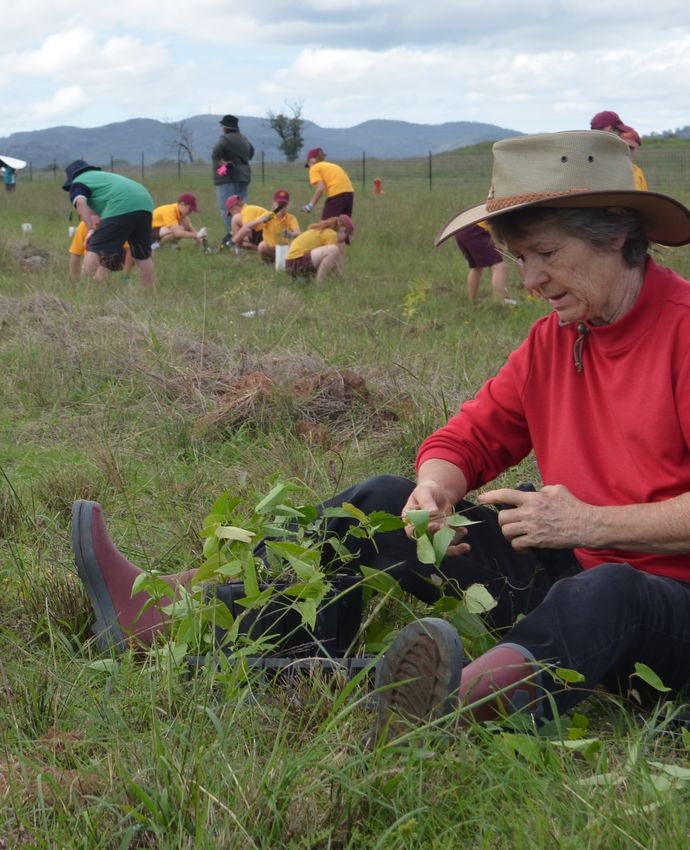
Support wildlife
By reconnecting and protecting
vital habitat across the ranges,
GER supports wildlife movements
across seasons and landscapes,
restoring natural migration routes
and creating stepping stones
between protected areas to enable
wildlife to move, adapt and thrive.   I2S Bush Connect project                                    through a comprehensive awareness-raising and
                                                                                                  education campaign.
                                      Our Illawarra to Shoalhaven partnership continues to
                                      support the delivery of two NSW Government Bush
                                      Connect projects in the region – Berry Bush Links and       K2W Glideways
                                      Thickening the Thin Green Line. Berry Bush Links,           GER’s Kanangra-Boyd to Wyangala partner network
                                      led by I2S partner, Berry Landcare, is a consortium         was one of the first to roll out a series of Glideways
                                      of private landholders, community and government            projects when the flagship program launched in 2015.
                                      organisations which is working to reconnect the region’s    Through the NSW Government’s Bush Connect grants,
                                      isolated forests to create a vital corridor for wildlife    K2W is continuing to restore connectivity for the region’s
                                      moving between the coast and escarpment. At the             gliding possums which include populations of yellow-
                                      same time, ‘Thickening the thin green line’ led by GER      bellied glider, greater glider and squirrel glider. On-
                                      partner, the National Parks Association of NSW, is          ground work in the region includes planting of preferred
                                      aimed at enhancing the ‘pinch point’ in connectivity that   glider feed species, installation of nest boxes, strategic
                                      occurs between the Macquarie Pass and Budderoo              threat management, habitat protection and ecologist-led
                                      National parks.                                             surveys. Additional funding provided through GER’s
                                                                                                  partnership with WWF-Australia is building on these
                                      Wall to Wollondilly                                         existing Glideways efforts with an emphasis on post-fire
                                                                                                  recovery.
                                      Identified as a priority corridor by GER’s Southern
                                      Highlands partner network, the Wingecarribee River
                                      forms a major link between the coastal escarpment and       National wildlife connectivity plans
In response to the                    the Central Tablelands. To reverse the damage done          To help drive action to secure the future of Australia’s
                                      to the river catchment through decades of grazing and       gliding possums, GER supported a Greater and
devastating 2019-2020                 clearing, Wall to Wollondilly is working with the local     Squirrel Glider symposium run by the Biolinks Alliance,

bushfires, GER released a             community, farmers and government, to restore critical
                                      habitat for animals, such as the Platypus; reduce the
                                                                                                  on 27-28 October 2020. The virtual event brought
                                                                                                  together over 150 researchers, academics and
phased bushfire recovery              impact of weeds; improve water quality; and return the      on-ground practitioners from across the country to
                                      health of the Wingecarribee River. Greening Australia is    share their practical and scientific knowledge for glider
plan which reacted quickly            leading this NSW Government funded project.                 conservation. The key takeaways from the symposium
                                                                                                  will help to inform the development of a national GER
to the immediate threat,              GER Crossings campaign                                      Glideways connectivity plan, which will highlight priority
                                                                                                  areas and actions to secure the future of gliding
whilst ensuring the long-             To reduce the impact of linear infrastructure on tree-      possums across eastern Australia. The new plan will be
                                      dwelling mammals, GER is engaging Australia’s top road
term restoration, resilience          ecologists, researchers and major environmental NGOs
                                                                                                  the first of a series of national conservation plans that
                                                                                                  GER will be working to develop alongside key experts
and connectivity of our land,         in the development of a new multi-faceted campaign.
                                      The GER Crossings Campaign aims to identify priority
                                                                                                  for the organisation’s flagship wildlife support programs.

wildlife and communities’             locations across the ranges for habitat restoration,
                                                                                                      Volunteers planting native trees and shrubs on a property near
                                      augmented by the establishment of crossing structures           Broughton Creek on the NSW South Coast as part of Berry
post-fire.                            as well as engage local communities and landholders             Bushlinks. Photo copyright, Bill Pigot, Berry Landcare.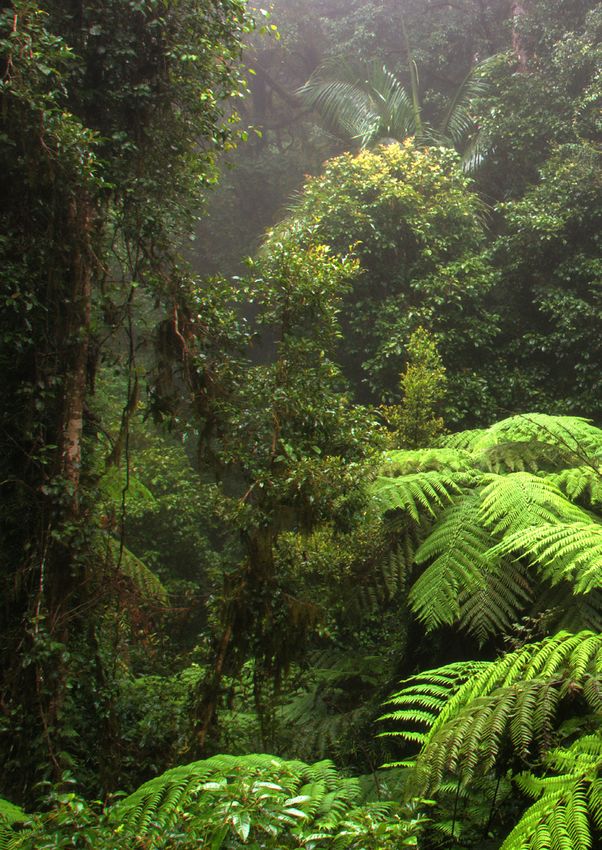
Natural Solutions                     Plains to Pacific: Connecting
                                      Western Sydney to the Central
                                      Coast
Through protecting and restoring      The Hawkesbury-Nepean River system from the Cox’s
the ranges’ carbon-rich forests       catchment near Lithgow to the Central Coast has long
                                      been recognised as a critical gap in the Great Eastern
and wetlands, GER provides a          Ranges partner network. Significant areas through
natural solution to the climate and   which the iconic river system run are protected as
                                      national parks and reserves, however, other critical
biodiversity crisis. By preserving    areas in Western Sydney and the Central Coast have
important carbon stores and           been heavily cleared and fragmented due to agriculture,
                                      development, business and infrastructure.
improving the health of our
                                      Working closely with the Community Environment
ecosystems, we reduce emissions,      Network, GER is helping to lay the foundations for a
encourage natural regeneration,       Plains to Pacific alliance to restore and reconnect the
                                      Hawkesbury-Nepean system. This region is home to
and curb the loss of native animals   a diverse array of wildlife and plants including many
and plants.                           threatened species such as the koala, spotted-tailed
                                      quoll, powerful owl and green and golden bell frog.

                                      The initiative seeks to restore and enhance the
                                      connectivity of riparian areas, link protected areas
                                      and council reserves on the Central coast, link the
                                      endangered Cumberland Plains Woodland and improve
                                      the health of the river system for people and nature.

                                      Consolidating climate corridors in
                                      the Border Ranges
                                      GER partner, the Border Ranges Alliance, is working
                                      with landholders and Traditional Owners to recover
                                      landscape connectivity and health on private land
                                      between the Border Ranges and Toonumber National
                                      Parks. A key focus of the project is to relink and buffer a
                                      central pinch point in the Tweed–Border Ranges–Mount
                                      Clunie climate-change corridor as well as improve
                                      connections with the Iluka–Richmond Range climate-
                                      change corridor to the south. On-ground efforts are
                                      helping to ensure the long-term functioning of significant
                                      continental pathways for native migratory species whilst
                                      restoring and reconnecting a variety of habitats for the
                                      region’s diverse and unique local wildlife.
The diverse forests of the
Great Eastern Ranges are
some of the most carbon
rich on the planet, storing an
estimated 2.5Gt of carbon.
Resilient                                                                                         the fire foot print and post-fire condition of eastern and
                                                                                                  south-western Australia’s native forests using satellite

landscapes                                                                                        data in combination with citizen science surveys. To
                                                                                                  aid collection of data on forest regeneration, habitat
                                                                                                  variables and wildlife, a custom built app is being
                                                                                                  developed. This information will provide the basis for
By supporting improved land                                                                       informing forest habitat recovery plans and actions
management practices and natural                                                                  to improve conservation management, encourage
                                                                                                  natural regeneration and restoration, inform forest
processes like pollination, whilst                                                                management, and support the natural adaptive capacity
strategically managing threats to                                                                 of our forest ecosystems in the face of a rapidly
                                                                                                  changing climate. Another major aim of the project is
ecosystems and rural livelihoods,                                                                 to produce a series of reports synthesising the current
GER creates healthier, more                                                                       scientific understanding on forests, fire, climate and
                                                                                                  management. The outputs from the research effort will
resilient and more productive                                                                     help inform the development of specific wildlife recovery
landscapes for wildlife, farmers                                                                  plans with separate funding already being sought by
                                                                                                  GER to assist koalas and grey-headed flying foxes.
and industry.

                                                                                                  Reconnecting fragmented
                                                                                                  landscapes in Holbrook
                                                                                                  Through the NSW Government’s Bush Connect grants,
                                     Cores, Corridors and Koalas                                  GER’s Slopes to Summit partnership, which is managed
                                     In response to the devastating Black Summer bushfires,       by the Holbrook Landcare Network, is leading a project
                                     GER partnered with WWF-Australia to restore the health       to restore and reconnect three high-priority fragmented
                                     and resilience of habitat for koalas, greater gliders and    landscapes in the Holbrook region. The project is
                                     other forest-dependent native animals. Through ‘Cores,       working to strengthen existing roadways, creeklines and
                                     Corridors and Koalas’, GER’s partners are rolling out a      glideways for the threatened squirrel glider; plant trees;
                                     series of coordinated, complementary projects in ten         install fencing to protect delicate areas and increase
                                     priority locations across the ranges. On-ground work         community awareness. This includes a pilot program
                                     being supported through the partnership includes the         to engage locals in managing isolated travelling stock
                                     planting of koala feed trees; arboreal mammal surveys        reserves for their biodiversity values.
                                     employing remote cameras, audio monitoring and the
                                     use of wildlife scent detection dogs; installation of nest
                                     boxes and water stations; community engagement; and          Jaliigirr landscape connections in
                                     strategic management of feral animals and weeds. The         the Great Eastern Ranges
                                     partnership is also supporting fieldwork and mapping         GER partner network, the Jaliigirr Biodiversity Alliance,
                                     in the Eurobodalla Shire, Greater Blue Mountains, and        continues to work to restore and protect ten high-value
                                     Illawarra to Shoalhaven as part of a wider post-fire
Through Cores, Corridors             mapping research effort co-led by Griffith University and
                                                                                                  conservation sites within identified priority areas of the
                                                                                                  Coffs–Bellinger–Dorrigo region. The focus of Jaliigirr’s
and Koalas, WWF-Australia            Australian National University (see below). This is the
                                     first phase of what we hope will become a long-term,
                                                                                                  on-ground work is on bush regeneration to restore
                                                                                                  essential and viable habitats for forest-dependent
is providing support for             strategic collaboration with WWF-Australia.                  animals complemented with capacity-building activities.
                                                                                                  These efforts include working with the Coffs Harbour
projects to restore the health                                                                    Local Aboriginal Land Council’s Repair to Country team
                                     Providing a science informed                                 to restore priority sites on Gumbaynggirr land. All sites
and resilience of habitat for        bushfire response                                            are connected to the iconic Dorrigo World Heritage
forest-dependant wildlife in         To provide a science-informed response to the 2019-
                                     2020 bushfires that optimises wildlife and landscape
                                                                                                  Area.

ten priority areas across the        recovery and builds capacity for citizen science, GER is
                                                                                                      Wildlife scent detection dog Max with handler Jack from
                                     supporting a large-scale, cross-tenure research effort.
Great Eastern Ranges.                Led by Griffith University and The Australian National
                                                                                                      Canines for Wildlife demonstrating their skills at a Jaliigirr
                                                                                                      Biodiversity Alliance field day on Gumbaynggirr land on 2
                                     University, this project is working to map and assess            November 2020.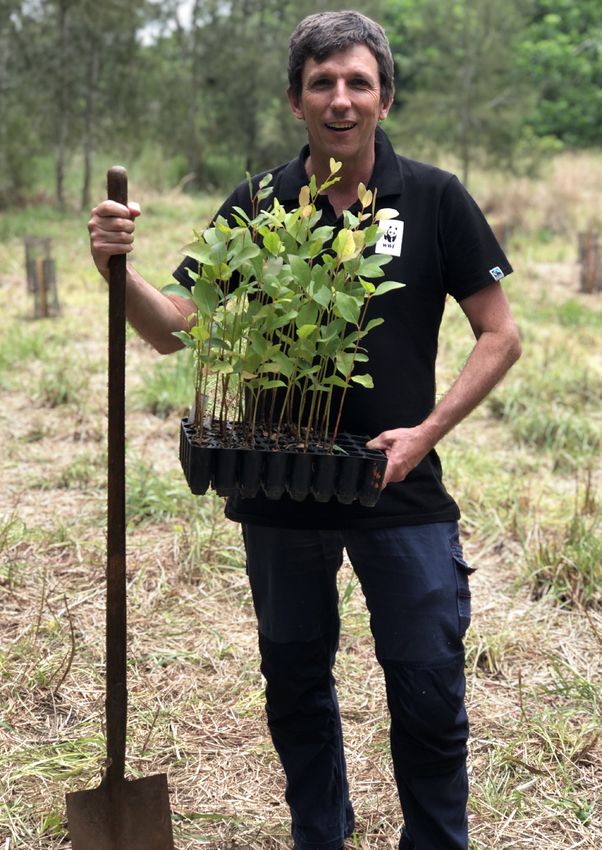
Healthy
communities
Human health and wellbeing are
inextricably linked with the health
of our environment. By creating
and supporting healthier habitat,
soils, rivers and ecosystem                                          Improving animal and human
services and reducing disease                                        health by Planting for Pollinators
                                                                     Like pollinating insects, native animal pollinators are
spread, GER’s work creates                                           intimately connected with the health of Australia’s
healthier, happier, more connected                                   forests. Ongoing loss and fragmentation of bird and
                                                                     bat habitat across eastern Australia, however, are
communities.                                                         leading to significant food shortages occurring for these
                                                                     nectar-dependent animals, particularly during winter
                                                                     and spring. This is resulting in the alarming decline of
                                                                     animal pollinators and is forcing bats like flying foxes
                                                                     to concentrate in new places with more reliable food
                                                                     sources, bringing them into conflict with people and
                                                                     increasing the risk of disease spillover. To help secure
                                                                     the future of the ranges’ unique animal pollinators and
                                                                     reduce the risk of disease spread, GER is working with
                                                                     Dr Peggy Eby and Planting for Pollinators to restore and
                                                                     relink pollen- and nectar-rich trees to boost sources of
                                                                     food for native bats and birds.

                                                                     Four Islands Ecohealth Network
                                      The Great Eastern Ranges       To raise awareness of the fundamental links between
                                      forms the watershed            human and ecosystem health, and to increase the
                                                                     effectiveness of ecological restoration globally, GER
                                      and headwaters for the         joined the Four Islands EcoHealth network established
                                                                     in 2019. The EcoHealth Network (EHN) is a global
                                      major river catchments of      action initiative that works at the nexus of soil health,
                                                                     human health and ecological restoration. EHN connects
                                      eastern Australia, providing   practitioners of long-term restoration projects with public

                                      clean water for over two-      health professionals and scientists so that they can
                                                                     learn from each other, share efforts, identify knowledge
                                      thirds of the continent’s      gaps, and accelerate understanding and awareness
                                                                     of the benefits of restoration for human health. As part
                                      population, whilst their       of GER’s involvement with the global network, the
                                                                     organisation will be establishing long-term Ecohealth
                                      dense forests soak up vast     network sites across the ranges to help advance the
                                                                     science, education and practice of restoration.
                                      amounts of carbon from
                                      the atmosphere and filter           A Grey-headed Flying Fox. One of the threatened animal
                                                                          pollinators which is benefiting from Pollinating for Pollinators.
                                      the air we breathe.                 Photo copyright Viviene Jones.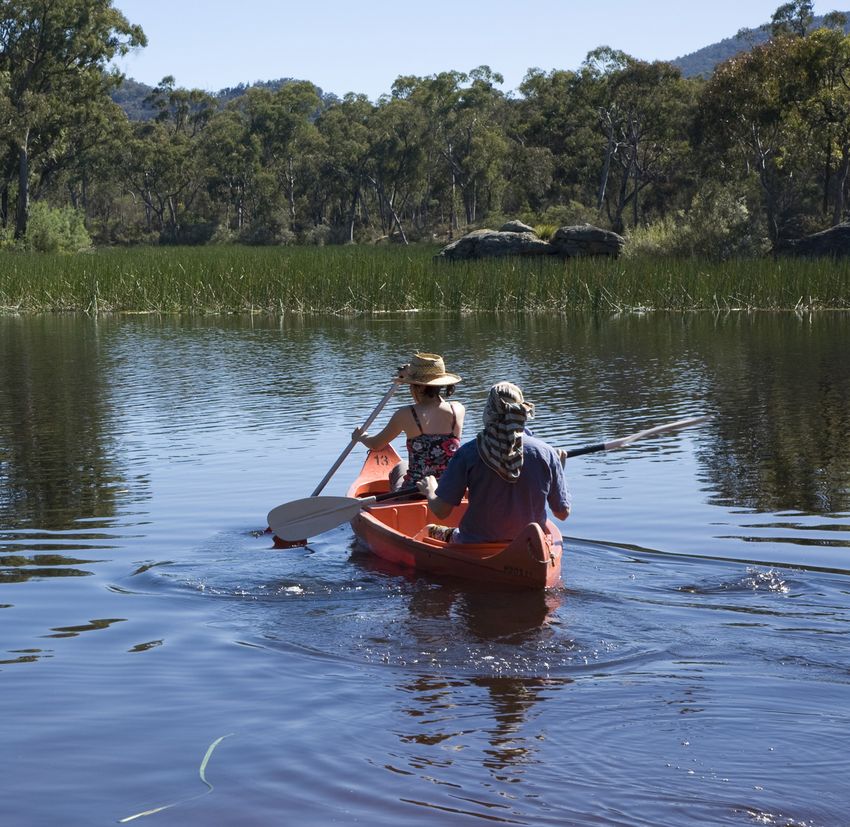
2019-2020 Financials
                                                           Where our funds came from

Impact at a glance

    3600 kilometres
    Of land covered by the Great Eastern Ranges

    2.5 gigatonnes
    Of carbon stock stored in the Great Eastern Ranges
                                                          Grants 78%
                                                          Project support 17%

    250 organisations                                     Donations 4.5%
                                                          Bank interest 0.3%
    Are working to achieve the GER vision

    11 priority landscapes                                         Expenditure
                                                              How we spent the funds
    Covered by GER’s regional partner networks

    28 threatened species
    Directly targeted through projects

    7 Sustainable Development Goals
    Are being advanced through GER

                                                                         1 251%3
                                                          Conservation activities          4
                                                          Communications and engagement 22%
                                                          Building future resilience 11%
                                                          Organisational support 16%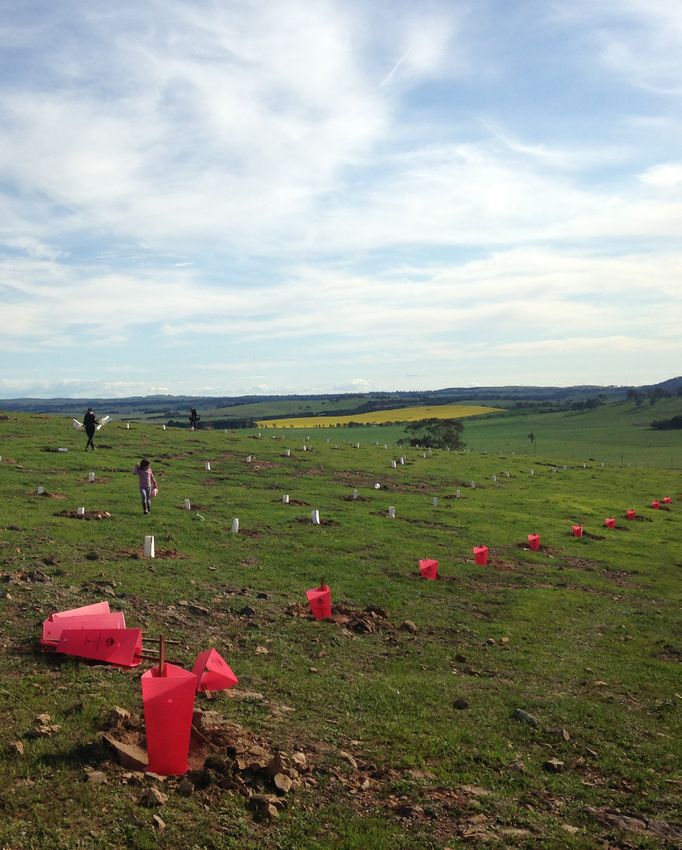
Our valued partners
Our work would not be possible without the support of our valued network of regional,
national and international partners who all contribute towards achieving the GER vision.
Together we are bigger than the sum of our parts.

New partners                                                 Existing partners
                                                             Regional partner networks
                                                             •   Biolinks Alliance
GER is partnering with Birdlife Australia to restore vital   •   Border Ranges Alliance
habitat for common and declining species of forest and
                                                             •   Hinterland Bush Links
woodland birds and engage communities and locals
                                                             •   Hunter GER
landholders in their care.
                                                             •   Illawarra to Shoalhaven
                                                             •   Jalliigirr Biodiversity Alliance
                                                             •   Kanangra-Boyd to Wyangala

To raise awareness of the fundamental links between          •   Kosciusko to Coast
human and ecosystem health, and increase the                 •   Slopes to Summit
effectiveness of ecological restoration globally, GER        •   Southern Highlands Link
has joined the global EcoHealth Network.

                                                             Partner Organisations
                                                             •   Community Environment Network

GER is working with the International Fund for Animal        •   Gondwana Link Ltd.
Welfare to restore vital forest habitat, activate new        •   National Parks Association of NSW
partner alliances in priority gap areas, share knowledge     •   The Ian Potter Foundation
and resources, and engage local communities.
                                                             Global Partners
Lockyer Uplands Catchments Inc.                              •   Centre for Large Landscape Conservation
GER was proud to welcome Lockyer Uplands                     •   Network for Landscape Conservation
Catchments Inc (LUCI), as its eleventh regional partner      •   Reconnecting Northland
network in 2020. LUCI is a not-for-profit community
                                                             •   University of Montana
organisation dedicated to the conservation of the native
habitats and wildlife in Queensland’s Lockyer Valley.

GER is working with Planting for Pollinators to plan                                                       “WWF-Australia is committed to large landscape-scale
and coordinate large-scale restoration of feed trees to
                                                                                                           reforestation and seeks to partner with organisations and
support native animal pollinators and reduce the risk of
disease spill-over.                                                                                        communities in Australia that share that vision. That is why
                                                                                                           we love working with the Great Eastern Ranges and their
                                                                                                           partners to regenerate our landscapes for the benefit of local
                                                                                                           communities, nature and climate.”
In response to the devastating 2019-2020 bushfires, we
joined forces with WWF-Australia to restore the health                                                     Stuart Blanch, WWF-Australia’s Senior Manager, Land Clearing and Restoration
and resilience of habitat for forest-dependent native
animals in ten locations across the ranges.
Looking to the future

Scaling up GER’s bushfire                                       critical for achieving the GER vision. By building long-   that our landscapes, wildlife and communities can          connections with existing and emerging connectivity
                                                                term, inclusive partnerships across a broad spectrum       better withstand and rapidly recover from future events.   conservation initiatives in the Asia Pacific region and
recovery efforts
                                                                of sectors and interest groups, GER enables greater        Climate Change driven events, such as prolonged            globally for the purpose of sharing knowledge and
With many sections of the Great Eastern Ranges
                                                                coordination at the local and regional level, whilst       drought and more frequent, intense fires, requires         lessons learnt to maximise impact on the ground.
significantly impacted by the Black Summer bushfires,
                                                                creating corridors of effort across multiple landscapes.   that we actively address the challenges ahead by
GER will be working closely with our partners to scale
                                                                In 2021 and beyond, we will continue to nurture and        employing innovative natural solutions to tackle the       Towards Reconciliation
up our post-fire habitat restoration and wildlife support
                                                                support our valued partners whilst seeking to explore      climate and biodiversity crisis. Maintaining diverse,      GER recognises and acknowledges the Traditional
efforts in 2021. Our next tranche of targeted bushfire
                                                                and consolidate new partnership opportunities in key       healthy and intact native forests remain one of the        Custodians of the Great Eastern Ranges and their
recovery projects is already under development,
                                                                gap areas such as the NSW South Coast and East             most valuable nature based solutions to the challenges     continued connection to, and care for, country. To
whilst the first phase of our post-fire response effort,
                                                                Gippsland, Hawkesbury-Nepean catchment and far             that lie ahead. GER will therefore be redoubling its       ensure that we continue to operate in a manner that is
which is supported by WWF-Australia, continues to
                                                                north Queensland. We are also working to expand            efforts in the future to restore, buffer and reconnect     consistent with our understanding, respect and value
mature. A central component of the work will be GER’s
                                                                GER’s footprint into north-east Tasmania, which serves     what remains of Australia’s irreplaceable old-growth       for the histories, cultures and contributions of First
flagship Glideways, Flyways, Swimways and Stepping
                                                                as a vital step in the migratory pathway for a profusion   forest, whilst working with landholders to integrate       Australians, GER is working to develop a Reconciliation
Stones programs. Each program comprises a suite of
                                                                of bird and bat species travelling between the island      regenerative agriculture with connectivity.                Action Plan (RAP). The RAP will be developed in close
collaborative projects in priority areas to improve and
                                                                and the mainland.                                                                                                     consultation with our staff, board and partners.
maintain the health and connectivity of the ranges for
the host of wildlife that live there, including tree-dwelling                                                              Developing a national approach to
mammals, migratory birds and bats, and platypus.                Redoubling our efforts to build                            connectivity conservation
                                                                resilience                                                 Through the support of the Ian Potter Foundation,
Forging new partnerships                                        A vital consideration of all of our efforts is the need    GER will continue to work in close collaboration with
                                                                to work with nature to minimise the risk of future         Gondwana Link to progress a national approach
From our earliest days, partnerships have sat at the
                                                                catastrophic events and rebuild natural resilience, so     to connectivity conservation. This includes forging
core of the Great Eastern Ranges Initiative and are
Great Eastern Ranges Initiative PO Box 528 Pyrmont NSW 2009 info@ger.org.au www.ger.org.au
You can also read


