The Horological Collection at the British Museum
←
→
Page content transcription
If your browser does not render page correctly, please read the page content below
The Horological Collection
      at the British Museum
      Part 2 – Accessing the Collection
                                                                                                      Laura Turner

This is the second in a two-part series about the horological collection at the British Museum. The first part can
be read in the March 2016 Horological Journal, pages 116–121.

                                                                     Horological Gallery
                                                                     Throughout the Museum’s history there have been various
                                                                     horological displays, but it was not until 1976 that the
                                                                     Museum had a dedicated horological gallery. Some may
                                                                     remember Gallery 44 which, with its innovative presentation
                                                                     style of displaying movements working alongside their cases,
                                                                     was hailed as one of the best in the world. Nonetheless, after
                                                                     30 years the exhibition was in need of updating, and thanks
                                                                     to the support of Sir Harry and Lady Djanogly, the current
                                                                     horological gallery was opened in 2008, in rooms 38 and 39
                                                                     on the first floor at the front of the Museum.
                                                                        The entrance to the horological gallery is guarded by
                                                                     Habrecht’s impressive Carillon clock.1 Made in 1589 and still
                                                                     working, it never fails to attract a crowd of visitors on the hour
                                                                     when the automata move and the music plays.
                                                                        On entering the gallery, the first object the visitor sees is
                                                                     the large Cassiobury Park turret clock.2 This clock is running
                                                                     and provides a good introduction to the world of clocks and
                                                                     watches; the large, easily seen mechanism is accompanied by
                                                                     a short animation explaining how a clock works, breaking
                                                                     it down into five elements: Energy, Wheels, Escapement,
                                                                     Controller and Indicator.
                                                                        The gallery houses 89 watches and 105 clocks, and tells
                                                                     the story of horology from the beginning of mechanical
                                                                     timekeeping in the 13th century up to modern times.
                                                                     In addition to the objects belonging to the museum, we have
                                                                     some important pieces on loan from other institutions and
                                                                     private owners, among them the earliest object in the gallery,
                                                                     a chamber clock from Burgundy dating from c.1450. It is
                                                                     weight driven, but believed to have been an early example of a
                                                                     spring driven clock, which was later converted to weight drive.
                                                                     It is displayed alongside a model (made by former curator
                                                                     Beresford Hutchinson) showing how it may once have been.
                                                                     The clock is on loan from the Victoria & Albert Museum.
                                                                     The British Museum also has an extensive lending programme,
                                                                     and objects from the horological collection are often sent for
                                                                     special exhibitions at other museums.
                                                                        The gallery takes the visitor on a journey from the early
                                                                     iron wall clocks, through the highly decorative Renaissance
                                                                     period to the introduction of the pendulum, the development
                                                                     of domestic clocks and the quest for greater accuracy,
                                                                     the development of timekeeping at sea, and the advent of mass
                                                                     production, right up to developments of the modern age, with
Figure 1. The Strasbourg carillon clock made by Isaac Habrecht, BM   electric and radio controlled clocks.
Reg. No. 1888,1201.100. © The Trustees of the British Museum.           The watches are displayed together in one case which

154                                                                                             HOROLOGICAL JOURNAL          April 2016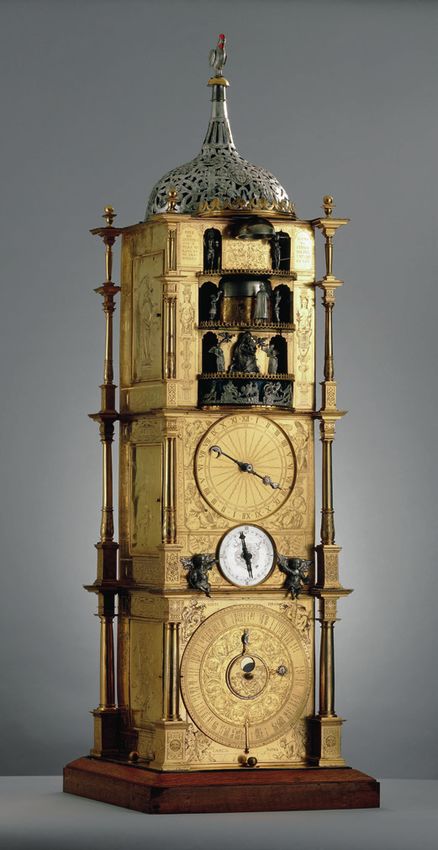
Figure 3. A wooden-wheeled clock from Davos
                                                                                                      in Switzerland. Currently on display in gallery 39
                                                                                                      as part of the temporary exhibit ‘Wooden Clocks
                                                                                                      of the World’. BM Reg. No. 1972,0404.1.
Figure 2. The watch display in Gallery 39. © The Trustees of the British Museum.                      © The Trustees of the British Museum.

clearly charts their development in both style and technology
from very early drum shaped watches hung round the
neck through to modern wristwatches. Nearby, is a second
animation explaining how a watch works, situated above
a working example of a similar pocket watch made by the
Lancashire Watch Company.3 Both the clocks and watch
animations can also be found on the museum website.4
   Some of the clocks and watches in the gallery have their
movements displayed separately alongside their cases so that
the mechanisms can be examined and understood, and many
of the clocks are running. The display cases are dustproof,
but also soundproof, so they have been fitted with speakers to
allow the clocks to be heard. The gentle ticking and occasional
chiming and striking of bells and a cuckoo, add to the unique
atmosphere of the horological galleries.
   The gallery has been curated to best illustrate the story
of horology, so the display generally remains constant.
However, one case is set aside for short-term special
exhibitions relating to specific aspects of horology and gives
the opportunity to introduce the public to various sections of
the reserve collection. Themes explored so far have included
the story of alarm clocks through the ages, a live experiment
testing the potential use of bonded solid film lubricants as
a way to prevent wear to clock pinions, and currently a display
of wooden wheeled clocks from around the world.
   In addition to the dedicated galleries, there are horological
pieces on display within many other galleries in the museum,                 Figures 4a and 4b. Still shots from the animation showing how
including astrolabes and marine chronometers in Gallery 1                    mechanical clocks work. The full animation can be seen in gallery 38.
‘Enlightenment’, and a corner devoted to the Ilbert Collection,              © The Trustees of the British Museum.
with a few key pieces and some information about Ilbert’s life
in Gallery 2 ‘Collecting the world’.                                            Although we are unable to have the entire horological
   There will soon be a new horological exhibition within the                collection on display in the galleries, objects held in the
members’ room entitled ‘Telling the Time in Light and Dark’                  reserve collection are available for study by appointment in
which will explore the relationship between horology and the                 our horological study room, alongside the horological library.
Sun, Moon and stars. A selection of objects will demonstrate
how sound, touch and illumination are used to read the time.                 Horological Study Room
The members’ room is open to British Museum members                          After the Museum acquired the Ilbert Collection in 1958
only. By becoming a member you can help to support the                       there was a need for a new space to store and study the
museum, whilst enjoying exclusive benefits including special                 now much larger collection. Thanks to the generosity of Sir
events and unlimited free entry to exhibitions. Further details              Gilbert Edgar, a dedicated horological study room was set up
can be found on the website.5                                                and opened by Sir Edgar on Tuesday 9 July 1963.

April 2016    HOROLOGICAL JOURNAL                                                                                                                  155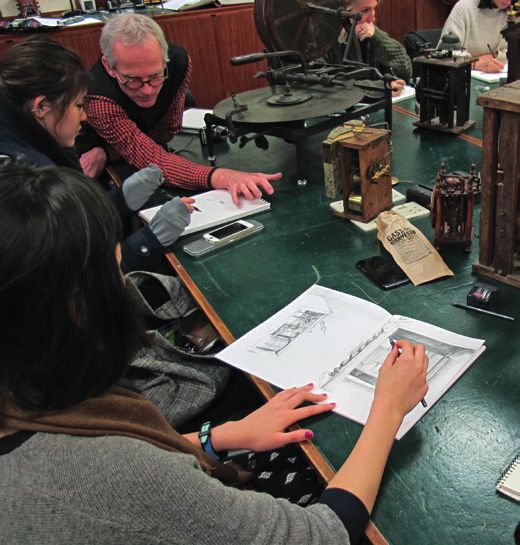
Figure 6. A group of Architectural Association students drawing clocks
                                                                      in the study room. © The Trustees of the British Museum.

                                                                         Situated in the east wing of the Museum, the study room
                                                                      has large tables providing plenty of space for studying objects
                                                                      or books. The walls are lined with longcase clocks and display
                                                                      cabinets full of watches, clocks and scientific instruments,
                                                                      providing an inspiring and impressive environment for study
                                                                      and talks.
                                                                         The room is open Tuesday to Friday by appointment
                                                                      to interested members of the public. Individual visitors
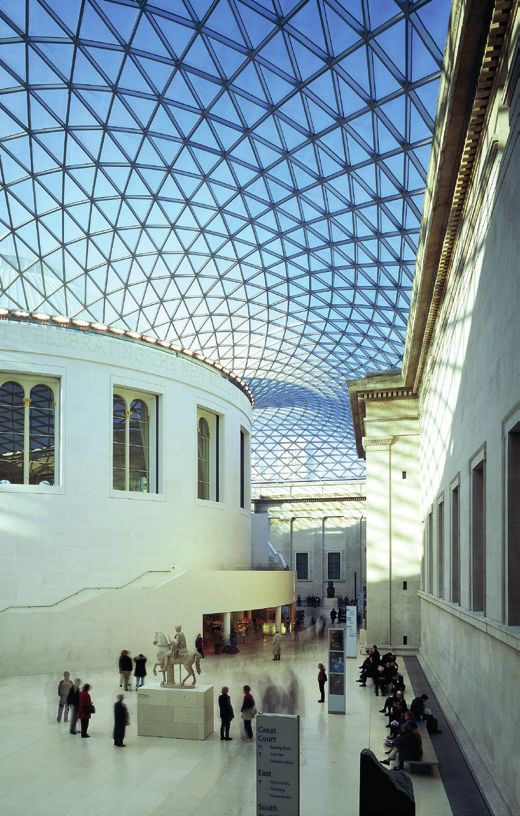
Figure 5. The Great Court inside the British Museum. © The Trustees   can make an appointment to examine Museum objects
of the British Museum.                                                more closely, either from the gallery displays or the reserve
                                                                      collection, or to research the background of their own clock
                                                                      or watch.
                                                                         The room also serves as a venue for talks by the curators.
                                                                      Regular topics include introductions to clocks and watches
                                                                      or scientific instruments and recently we have, on request,
                                                                      had talks on more specialised topics such as Abraham Louis
                                                                      Breguet and wooden wheeled clocks.
                                                                         A wide range of visitors are welcomed, from complete
                                                                      novices to experts. Indeed, you do not need to have any
                                                                      knowledge of horology to enjoy a visit. We have a group
                                                                      of architectural association students come each year to spend
                                                                      a day drawing the clocks, and we have had groups of literary
                                                                      students visit to gain inspiration for their writing. This year
                                                                      we have also had a production team visit researching clocks
                                                                      for an opera.6
                                                                         The horological study room also houses the Museum’s
                                                                      horological library. The library was opened alongside
                                                                      the study room in 1963 after Michael Inchbald (nephew
                                                                      of Courtenay Adrian Ilbert) funded the purchase of a small
                                                                      library of books. We now have an ever growing collection
                                                                      of monographs, exhibition and auction catalogues,
                                                                      journals and other publications, which have recently been
                                                                      re-catalogued and reorganised to enable this resource to be
                                                                      digitally searched. There is also the John Leopold Bequest
Figure 7. Horological Curators, Oliver Cooke, Laura Turner and Paul   library, which has yet to be added to the online catalogue, and
Buck in gallery 39. © The Trustees of the British Museum.             contains many significant books.

156                                                                                                HOROLOGICAL JOURNAL             April 2016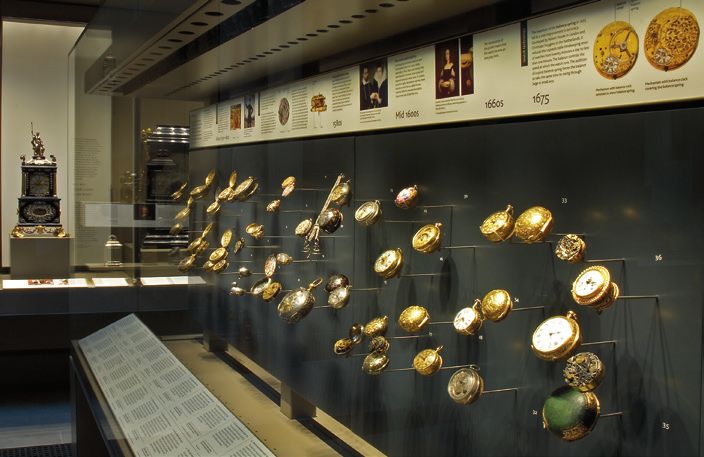
Sams Note: Possibly try putting a background in // images need enhancing.

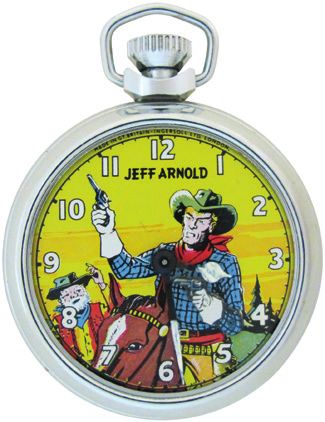
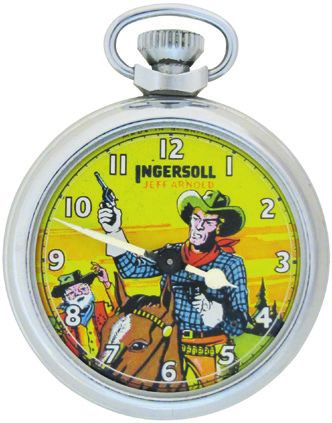
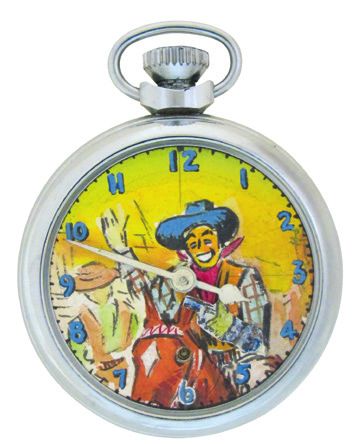
Figure 8. Three prototype ‘Jeff Arnold’ pocket watches made by Ingersoll showing different stages in design development.
BM Reg. Nos. 1983,1012.132-134. © The Trustees of the British Museum.

Accessing the Collection
The Galleries
The Museum is open every day except for 1 January and                       makers also has a biographical entry on the database. These
24–26 December. The horological galleries are open from                     entries are currently being expanded and upgraded by our
10:00am until 5:30pm daily and from 10:00am until 8:30pm                    volunteers. The only objects not listed on the database are
on Fridays. Entry is free. For more information about                       those that are on loan to the Museum.
visiting the Museum see the ‘visiting’ section of the website                   The online collection search is a convenient way to see
or telephone the museum information desk.7                                  which objects the museum holds. It can be used as a research
   If you are planning a visit to the museum to see a specific              tool in its own right, or prior to making an appointment
item in the gallery we recommend you to contact us first                    to visit the study room in order to pinpoint items you wish
to check it is on display. Items are occasionally removed for               to examine more closely on your visit.
conservation, study or photography, and sometimes objects                       The Museum’s library is also searchable online through the
are on loan to other museums.                                               ‘libraries and archive’ section of the website or via Copac.10
   Lunchtime gallery talks are held occasionally, focusing on               A list of the horological periodicals held at the Museum is also
different areas of the collection. These are free and it is not             included at the end of this article. In addition, the Museum
necessary to book in advance. To find out about upcoming                    holds many non-horological journals which on occasion
talks, visit the events section of the museum website.8                     have horological articles, so if you are trying to track down
                                                                            a particular article from another journal we may be able
Study Room and Library Access                                               to assist.
Should you wish to visit the horological study room to see                      In November 2015 the Museum launched a new partnership
part of the collection, or to access the horological library,               with Google cultural institute.11 Over 5,000 objects can now
you can email us at: horological@britishmuseum.org.                         be viewed online through the Cultural Institute platform
The study room is open Tuesday to Friday throughout the year                from around the world. Indoor streetview filming has made
by appointment (closed August); photographic identification                 it possible to take a virtual walk through the Museum, making
is required. ‘Introduction to horology’ talks are arranged as               the horological gallery accessible worldwide. Highlight items
part of the Museum’s programme of events and can be booked                  can be selected for more information. In addition, there
by interested individuals via the website.                                  are specially curated virtual exhibits, initially focusing on
                                                                            the Museum’s current special exhibitions. Hopefully this
Online Access                                                               will inspire people to visit the Museum in person, as well
All the objects in the museum collection are listed on our                  as providing an opportunity for those who are unable to travel
database, which is accessible via a search engine in the                    to the Museum to experience more of the collection. Also
‘research area’ of our website.9 Each object has a description              recently developed is the ‘Museum of the World’ microsite,
along with information such as maker, production date,                      which maps objects on to a timeline and makes links between
dimensions, materials etc. and many records also have                       different cultures and places.
additional technical details and photographs. Each of the

April 2016    HOROLOGICAL JOURNAL                                                                                                       157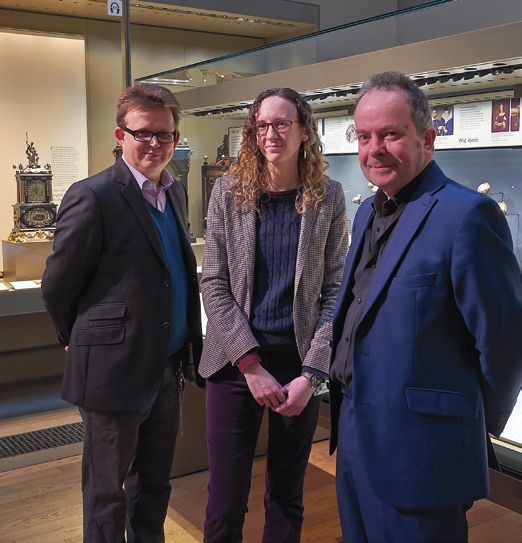
Conclusion
The British Museum is first and foremost a public collection,
                                                                              Appendix – Journals
and as such its goal is to ensure the collection is accessible
and enjoyable to all, both in this country and across the
                                                                              List of Horological Periodicals held at the
world. The horological collection is a vast and varied resource
                                                                              British Museum
and whether it be browsing the collection online, visiting
the galleries, or coming to use the study room, the museum
                                                                              Antiquarian Horolog y
provides a unique facility for exploring the world of horology.
                                                                              Bulletin de l'Association nationale des collectionneurs et
Contact Details                                                               amateurs d'horlogerie ancienne et d'art
Mailing address:                                                              Clocks (including Antique Clocks and Clocks Magazine).
The British Museum,
Great Russell Street,                                                         Chronométrophilia
London,                                                                       Chronos – 2004 onwards.
WC1B 3DG.                                                                     Cog Counter's Journal – 2008 onwards
Website: www.britishmuseum.org
Museum Information desk: +44 (0)20 7323 8299 or                               Horlogerie Ancienne: revue de l'Association française des
information@britishmuseum.org                                                 amateurs d'horlogerie ancienne
Horological Enquiries (and to book an appointment in the                      Journal Suisse d'Horlogerie – 1977 onwards.
horological students room): horological@britishmuseum.org
                                                                              Klassik Uhren (including Alte Uhren: Zeitmessgerate,
                                                                              wissenschaftliche Instrumente und Automaten/Alte Uhren und
                                                                              moderne Zeitmessung/Urhen).
                                                                              La Voce di Hora: pubblicazione dell'Associazione
                                                                              Italiana Cultori di Orologeria Antica.
                                                                              Radio Time
                                                                              The Horological Journal
                                                                              The Practical Watch and Clockmaker/The Watch and
                                                                              Clockmaker
                                                                              Timecraft: Clocks and Watches
                                                                              Watch and Clock Bulletin: Journal of the National
                                                                              Association of Watch and Clock Collectors (including
                                                                              NAWCC bulletin). Vol.26 onwards.

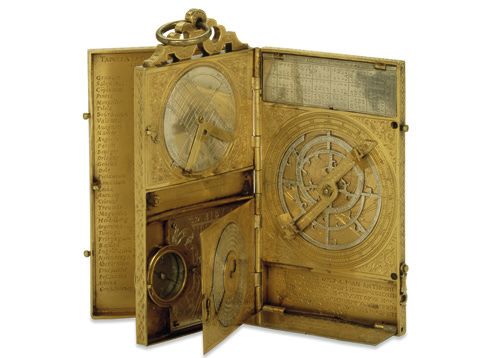
Figure 9. Astronomical Compendium made by Johann Anton Lindon in              * If you are interested in a particular volume or issue, please
1596. BM Reg. No. 1857, 1116.1. © The Trustees of the British Museum.         contact us before visiting to ensure we hold that copy.

                                                                        ENDNOTES

                                                                        1.    Habrecht’s Carillon clock, British Museum Registration
                                                                              Number: 1888,1201.100
                                                                        2.    Cassiobury Park turret clock, British Museum Registration
                                                                              Number: 1964,0203.1
                                                                        3.    Lancashire Watch Company pocket watch, British Museum
                                                                              Registration Number: 2009,8047.1
                                                                        4.    http://www.britishmuseum.org/visiting/galleries/europe/
                                                                              room_38-39_clocks_and_watches.aspx accessed 17/12/15.
                                                                        5.    http://www.britishmuseum.org/membership.aspx
                                                                              accessed 5/12/15.
                                                                        6.    ‘Clocks 1888: The Greener’ http://www.brollyproductions.
                                                                              com/#!home/c22j5 accessed 10/12/15.
                                                                        7.    http://www.britishmuseum.org/visiting.aspx accessed
                                                                              5/12/15.
                                                                        8.    http://www.britishmuseum.org/whats_on/events_calendar/
                                                                              gallery_talks.aspx accessed 5/12/15.
                                                                        9.    http://www.britishmuseum.org/research/collection_online/
                                                                              search.aspx accessed 5/12/15.
                                                                        10.   http://www.britishmuseum.org/research/libraries_and_
                                                                              archives.aspx accessed 5/12/15.
Figure 10. An eighteenth century clockmaker's wheel cutting engine      11.   https://www.google.com/culturalinstitute/collection/the-
made by Knight. BM Reg. No. 1976, 0202.70. © The Trustees of the              british-museum accessed 5/12/15.
British Museum.

158                                                                                                       HOROLOGICAL JOURNAL                   April 2016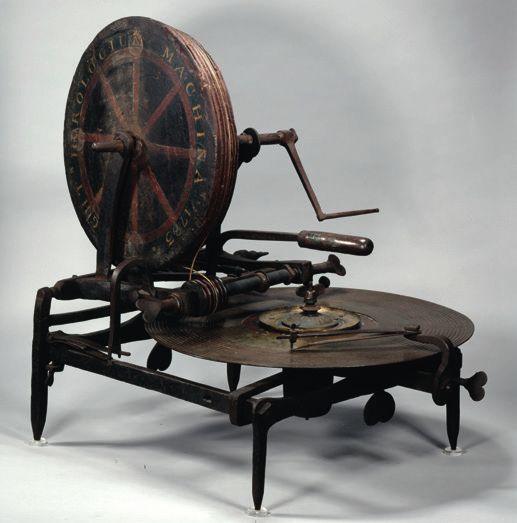
You can also read


