The LEMON project, using EPC in Social Housing - Brussels, 21st February 2018 - Claudia Carani - AESS Modena - European ...
←
→
Page content transcription
If your browser does not render page correctly, please read the page content below
The LEMON project, using EPC in Social Housing – Brussels,
21st February 2018
Claudia Carani – AESS Modena

    This project has received funding from the European Union’s Horizon 2020 research and innovation programme under grant agreement No 695863
LEMON target
Background: The social housing sector in EU manages over 26 million homes (11 %
of existing dwellings in Europe).
In Emilia-Romagna the Social Housing companies (ACERs) manage 78.703
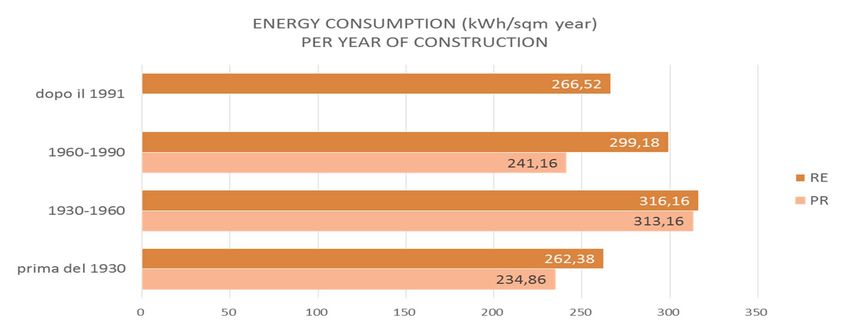
dwellings in 6.404 buildings with energy demand ranging from 80 to 450 kWh m2
per year and average energy costs from € 600 to € 2,500 per year.
Social housing company in Italy manage, maintain and retrofit the properties and
manage the contracts with the tenants. They receive a yearly fee from the LA for
the service.

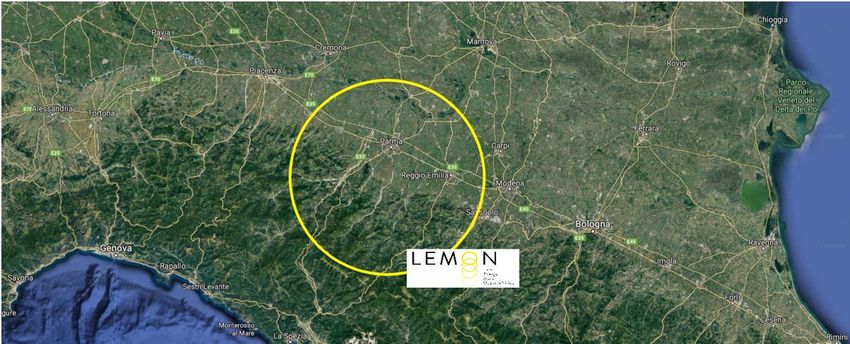
                                             Beneficiaries: 622 private and public
                                             dwellings managed by the social
                                             housing of Reggio Emilia and Parma
LEMON partnership
• 4 organizations are partners of the LEMON project:
   – Agenzia per l’Energia e lo Sviluppo Sostenibile di Modena (AESS), the
      project coordinator
   – ACER Reggio Emilia
   – ACER Parma
   – ASTER, the Consortium for the innovation and the technology transfer
      of the Emilia-Romagna Region.
• The Emilia-Romagna region is supervising the projects
LEMON objectives To experiment innovative financing models for social housing retrofit through EPC model contracts, mobilising 15,290 million Euros of investments in energy retrofitting, in order to reduce the buildings energy demand; To develop and implement energy efficiency projects in 622 private and public dwellings involved in the energy retrofit programme; To identify the buildings were retrofit intervention can maximise the energy saved, reaching at least an average 40% energy reduction. Lead to 5,74 GWh primary energy saved and 1.159 t CO2 emissions avoided for the social housing sector within the end of the project; To develop a new lease based on the energy performance of the housing unit, called EPTA - Energy Performance Tenancy Agreement.
LEMON financing scheme Beneficiaries: Buildings/dwellings owners (Cities an private owners) and tenants Role of the beneficiaries: approve Lemon investment and energy performance objective (city deliberation for the Cities and investment agreement for the private) and co-fund the investment (increased management fee from the Cities, co-funding from the private, EPTA from the tenants) Energy performance guarantee: is provided by ACER ‘public ESCo’ that share the risk with a private ESCo engaged with a EPC tender Financing: 70% covered by ACER with a loan and 30% by the ESCo. ACER will recover the investment with the co-fund of the beneficiaries in 15 years, fiscal incentives and grants. The ESCO will recover the investment with the energy saving.
LEMON activities
                              1. Preliminary phase to define
                             the investment programme and
                                  cities/ private approval

    5. Communication,                                     2. Identification of the financing
dissemination and capacity                                product to support ACERs in the
         buildings                                             investment programme

                                                   3. Identification of the
                                               ESCO/companies to retrofit the
            4. Definition of the EPTA             dwellings and co-fund the
                                               investment programme though
                                                         EPC tender
1. Preliminary
                                                                                  phase to define
                                                                                  the investment
                                                                                  programme and
                                                                                   cities approval
                                                                                                       2. Identification
                                                                       5.                              of the financing
                                                               Communication,                              product to

                     LEMON activities
                                                                dissemination                           support ACERs
                                                                 and capacity                                in the
                                                                   buildings                              investment
                                                                                                         programme
                                                                                              3. Identification
                                                                                                    of the
                                                                                              ESCO/companie
                                                                                              s to retrofit the
                                                                      4. Definition of         dwellings and
                                                                         the EPTA                co-fund the
                                                                                                 investment
                                                                                               programme tr
                                                                                                though EPC

PHASE 1: Preliminary activities Energy audits and feasibility studies set up in                   tender

622 dwellings involved by the retrofit interventions.

         -   70% with autonomous boilers
         -   30% with centralized heating system
1. Preliminary
                                                                                  phase to define
                                                                                  the investment
                                                                                  programme and
                                                                                   cities approval
                                                                                                       2. Identification
                                                                       5.                              of the financing
                                                               Communication,                              product to

                      LEMON activities
                                                                dissemination                           support ACERs
                                                                 and capacity                                in the
                                                                   buildings                              investment
                                                                                                         programme
                                                                                              3. Identification
                                                                                                    of the
                                                                                              ESCO/companie
                                                                                              s to retrofit the

                                 INVESTMENT SCHEME                    4. Definition of
                                                                         the EPTA
                                                                                               dwellings and
                                                                                                 co-fund the
                                                                                                 investment
                                                                                               programme tr

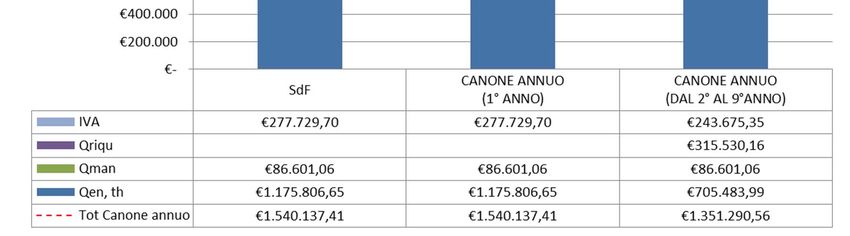
Yearly energy costs methan                                                                      though EPC
                                                                                                  tender

                                          €   1.175.806,65 €                       705.483,99
 - Total investments                                       €                    15.290.000,00
 - Grants and national incentive ‘conto
termico’                                                  €                         7.906.918,00
Net investment                                            €                         7.383.082,00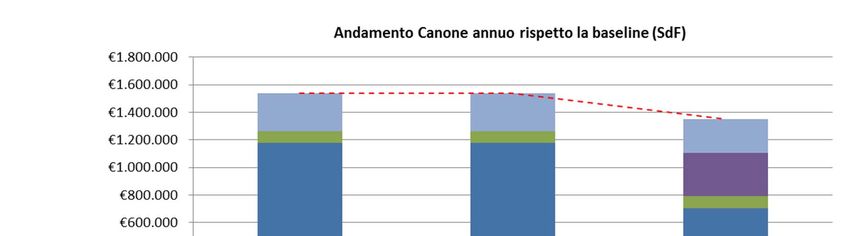
1. Preliminary
                                                                               phase to define
                                                                               the investment
                                                                               programme and
                                                                                cities approval
                                                                                                    2. Identification
                                                                    5.                              of the financing
                                                            Communication,                              product to

                     LEMON activities
                                                             dissemination                           support ACERs
                                                              and capacity                                in the
                                                                buildings                              investment
                                                                                                      programme
                                                                                           3. Identification
                                                                                                 of the
                                                                                           ESCO/companie
                                                                                           s to retrofit the
                                                                   4. Definition of         dwellings and
                                                                      the EPTA                co-fund the
                                                                                              investment
                                                                                            programme tr
                                                                                             though EPC

PHASE 2: identification of the financial instruments to cover about 70% of the
                                                                                               tender

investment covered by ACER
1) Initial scouting and discussion with the banks once the investment programme
   was available
2) Competitive dialogue tender published in the end of August (banks didn’t
   apply)
3) Direct negotiation with the banks comparing different financing institutions
   (EEEF, Cassa Depositi e Prestiti, Local Banks, PF4EE) .
1. Preliminary
                                                                                 phase to define
                                                                                 the investment
                                                                                 programme and
                                                                                  cities approval
                                                                                                      2. Identification
                                                                      5.                              of the financing
                                                              Communication,                              product to
                                                               dissemination                           support ACERs

                     LEMON activities
                                                                and capacity                                in the
                                                                  buildings                              investment
                                                                                                        programme
                                                                                             3. Identification
                                                                                                   of the
                                                                                             ESCO/companie
                                                                                             s to retrofit the
                                                                     4. Definition of         dwellings and
                                                                        the EPTA                co-fund the
                                                                                                investment
                                                                                              programme tr
                                                                                               though EPC
                                                                                                 tender

Many findings, in general:
• Local banks prefers investments fragmentation (reduce the risk of the local
  banks);
• Large banks prefers large investments (maximum 2 lots);
• The evaluation of the investment bankability requires between 2-4 months.
• Most of financing available have variable interest rate that is not accepted in
  the Municipalities balance
• Sime banks are interested in the fiscal credit for EE investment transfer of
  ACER fiscal incentives for energy retrofit (65% of the investment) to the bank.
  ACER is no profit and not interested in the tax deduction.
1. Preliminary
phase to define
the investment
programme and
cities approval
2. Identification
5. of the financing
Communication, product to
LEMON activities
dissemination support ACERs
and capacity in the
buildings investment
programme
3. Identification
of the
ESCO/companie
s to retrofit the
4. Definition of dwellings and
the EPTA co-fund the
investment
programme tr
though EPC
tender
Loan duration % of Interest rate % interest Assessment
investment rate requests
supported
EEEF 18 years 80% Variable (fixed medium EE feasibility
rate with studies
derivates
security)
PF4EE-BPER 5 years 70% Variable (fixed Medium up to EE feasibility
rate with 5 years – high studies
national up to 15 years approved
guarantee) individually
Cassa Depositi 18 years 100% Fixed rate Low with Intervention
e Prestiti guarantee project design
from the cities1. Preliminary
phase to define
the investment
programme and
cities approval
2. Identification
5. of the financing
Communication, product to
LEMON activities
dissemination support ACERs
and capacity in the
buildings investment
programme
3. Identification
of the
ESCO/companie
s to retrofit the
4. Definition of dwellings and
the EPTA co-fund the
PHASE 3 and 4: EPC tender development
investment
programme tr
though EPC
tender
• EPC tender for investment, maintenance and monitoring of the energy
performance. The ACERs agree on an a EPC tender with energy supply based
on D.LGS.102/2014 for the centralized heating system buildings.
• Call for tender of works in buildings with autonomous boilers
• Monitoring, maintenance and guarantee of the performance in centralized
heating system and autonomous boilers
• The hypothesis expects 70% of the investment covered by the ACERs and 30%
on investments covered by the ESCO.
• The ACERs will have a payback period of 15 years, while the ESCO with the will
have a payback period of 7 years.
• EPTA -Energy Performance Tenancy Agreement1. Preliminary
phase to define
the investment
programme and
cities approval
2. Identification
5. of the financing
Communication, product to
dissemination support ACERs
and capacity in the
Exploitation of the Results buildings investment
programme
3. Identification
of the
ESCO/companie
s to retrofit the
Decision makers in social Energy Service 4. Definition of dwellings and
the EPTA co-fund the
Target housing companies and Companies (ESCos), Building tenants investment
programme tr
public authorities (region, Innovation Companies, though EPC
Groups provinces and municipalities tender
PHASE 4: Capacity Financing institutions
building, communication
and dissemination • Capacity building and • Provide innovation
solutions in EPC
• Informing on the new
Information on EPC contract
Aims contract
contract energy saving • Capacity building and
potential • Informing on the
information on the
• Information on energy project objectives
measure implemented
saving, RES and ICT • Provide feedback on
in the buildings
measures financing products
• Disseminate the EPTA viability
• Project website • Project website • Energy
Measures• Presentation at regional • Focus group Performance
and stakeholders events events Tenancy
and training courses • Presentation at Agreement
channels • EU short course stakeholders • Dwelling Energy
• National and European events Management
brochure • National and Manual for tenants
• Article in specific media European • Training courses
• Network of social brochure on dwellings
housing companies • Network of energy
(Housing Europe, Innovation management
Federcasa, CISPEL) Community • Other actions
• Meetings with key (Climate KIC) expected in the
decision makers • Report on dissemination and
• Energy Performance financing products exploitation plan
Tenancy Agreement available
• Other actions expected • Other actions
in the dissemination expected in the
and exploitation plan dissemination and
exploitation planhttp://www.lemon-project.eu
Any dissemination of results must indicate that it reflects only the author’s view and that the Commission is not responsible for any
use that may be made of the information it contains
You can also read


