The United Kingdom Values Survey - Increasing Happiness by Understanding What People Value
←
→
Page content transcription
If your browser does not render page correctly, please read the page content below
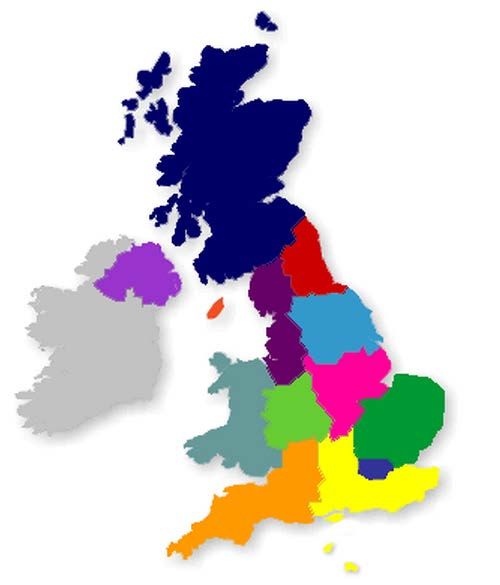
The United Kingdom Values Survey
        Increasing Happiness
 by Understanding What People Value

                           Scotland

   Northern
   Ireland
                                      England

              Wales

                Authors:
     Richard Barrett and Phil Clothier

              www.valuescentre.com
Who Are We? The Barrett Values Centre is a global values assessment company dedicated to the evolution of human well-being. We believe that shared values connect human beings beyond race, religion, politics and gender. We believe that human societies grow and develop to the extent that they are able to reduce fear, build trust and increase love by reaching a common understanding of their shared values. Values-Driven Cultures We believe that organisations, communities and nations prosper and thrive when their leaders are focused on building values-driven cultures that respond to employees and citizen’s needs: when there is an alignment between what people value and what they experience in their lives. We believe that when you measure the culture of your organisation, community or nation by uncovering people’s personal values, the values they are currently experiencing in their culture, and the values they would like to experience in their culture, you can develop a values-driven road map of actions and policy interventions directed towards improving their happiness and well- being. We know this is true, because we have helped thousands of leaders all over the world to improve the performance of their organisations by increasing the level of engagement and well-being of their employees. Why Values? We believe that the values we hold represent what is important to us: they reflect our needs— what we want to get, have or experience in our lives—and they motivate our actions and determine our behaviours. Our level of happiness and contentment is determined to the extent we are able to get what we want (what we value) to meet our needs. When we are able to get, have or experience what we value, our level of happiness and contentment increases. When we are unable to get, have or experience what we value, our level of happiness and contentment decreases: we become anxious, fearful or even depressed, especially when we are unable to meet our basic human needs. Disclaimer: The opinions expressed in this report are solely those of the authors and should not be attributed to any of the organisations mentioned in the report.
Contents

                                                                         Page
Abstract                                                                 1
Executive Summary                                                        2

1. Background                                                            4

2. Understanding Values                                                  8

3. The Survey                                                            12

4. Who We Are: What the People of the UK Value                           14

5. Community Life: The Values We See in Our Communities                  17

6. National Life: The Values We See in Our Nation                        21

7. Gender Perceptions of Value Priorities                                24

8. Age-related Value Priorities                                          27

9. International Comparisons                                             32

10. Conclusions                                                          34

Annex 1: What we value at each stage of our psychological development.   35

Annex 2: Comparison of ONS and UK NVS well-being results (2012).         37

Annex 3: UK National Values Survey: Description of Participants.         38

Annex 4: Lists of Values Used in the Survey                              40

                                                                                V48
Abstract
This paper presents the results of the Barrett Values Centre’s 2012 survey of the national and
community values of the people of the UK, with separate breakdowns for the four nations—
England, Northern Ireland, Scotland and Wales, and the nine regions of England—The North East,
North West, Yorkshire and The Humber, East Midlands, West Midlands, East, London, South East
and the South West. The data presented shows what the people of the UK value; the extent to
which they feel aligned with the values they see in their communities/nations, and the extent to
which they feel their communities/nations are on the right track. Priorities for action are identified
for each nation, each region and for seven age groupings.
Acknowledgements
• Action for Happiness is a movement of people committed to building a happier society. “We
want to see a fundamentally different way of life where people care less about what they
can get for themselves and more about the happiness of others.” We would like to thank
Mark Williamson (CEO) and his team at Action for Happiness for their support and
willingness to partner with us in the project and dissemination of the results of this study.
• The vision of the UK Values Alliance is: To build a values-driven UK society where all people
are consciously aware of and live their values. We would like to thank Martin Palethorpe
and Maureen Watson and the Alliance members for their selfless service to this work.
• We would like to thank Glenn Everett (Programme Director – Measuring National Well-
being) and his Team at the Office of National Statistics (ONS) for their support and guidance
in the design of the survey and the evaluation of the data.
1|PageExecutive Summary
Who We Are
Citizens of England, Northern Ireland, Scotland and Wales share seven values in common—caring,
family, honesty, humour/fun, friendship, fairness and compassion. Their personal values show that:
• Meaningful close relationships with others are important to them and are central to the
decisions they make.
• Kindness, empathy and consideration are crucial to their interactions with others.
• They seek to ensure that people are treated justly and fairly.
• They have a fun-loving approach to life and enjoy sharing good times.
• They appreciate freedom and autonomy and prefer not to be reliant on others.
Community Life
The people of the UK are relatively content with their lives at the community level. The citizens of
England, Northern Ireland, Scotland and Wales have five positive values in common in their
community life—quality of life, family, buy local, helpfulness and friendship.
People from all four nations identified four common issues at the community level—uncertainty
about the future, drugs/alcohol abuse, crime/violence and wasted resources. They also identified
four common priorities: they want to see more focus on employment opportunities, caring for the
elderly, caring for the disadvantaged and economic development.
National Life
Compared to their community life, citizens of the UK have a very different perspective on the values
they see in the nation. Citizens of England, Northern Ireland, Scotland and Wales share six values in
common at the national level, all potentially limiting to progress: bureaucracy, crime/violence,
uncertainty about the future, corruption and blame, as well as being concerned about
drugs/alcohol abuse. Other top scoring potentially limiting values include: media influence, apathy,
poverty, discrimination, elitism and short-term focus.
People from all four nations identified three common issues—bureaucracy, crime/violence and
wasted resources. They also identified three common priorities: they want to see more focus on
caring for the elderly, affordable housing and caring for the disadvantaged. Caring for the elderly
and caring for the disadvantaged are top priorities shared at both the community and national
level. In addition, the people of the UK want to live in a nation which shows more accountability
and less focus on blame.
2|PageInternational Comparisons Compared to other nations in Europe, the degree of dysfunction that people perceive in the nation is the second highest out of nine European countries where National Values Assessments have been undertaken. The level of dysfunction that citizens perceive in the UK is also higher than Australia, Canada and the US. 3|Page
1. Background
Over the past decade, there has been an increasing awareness that focusing exclusively on
economic growth does not necessarily increase human happiness. If you live in a poor country or a
rich country which is experiencing an economic downturn, then economic growth will be important,
especially for those who find themselves without employment. However, beyond recession, once
people have sufficient income to satisfy their basic needs and are able to provide and care for their
families: multiple other factors come into play in determining their sense of well-being and
happiness. Many of these are social factors that lie outside market structures and beyond our
calculations of economic growth.
What makes you happy, content and feel good (experience a sense of well-being) is being able to
get, have or experience what you value, want or need, and feeling that your life has meaning.
There are three factors that determine what you value at any given moment in time: a) the level of
psychological development you have reached; b) the context in which you are living; and c) the
level of fear/trust you are experiencing.

Psychological Development
As you grow older and mature, what you value changes. As a baby, you are subconsciously
programmed by your DNA to do whatever you can to get your survival needs met. As a young child,
you value safety and love: you conform, cultivate friendships and build relationships in order to feel
safe and loved. As a teenager, you value recognition: you try to excel or be the best at something so
that people respect or recognize you for your achievements. As a young adult, you value adventure
and opportunities to get on in the world: you want freedom, autonomy and equality. As a mature
adult, you want your life to have meaning; you want to find work that aligns with what you are
passionate about. Once you have found your vocation, you will want to make a difference. You seek
out others you can collaborate with to increase the impact you can have on the world. Once you
have experienced the joy that making a difference brings you, you will want to lead a life of self-less
service. You will want to leave a legacy which people will remember you by. 1
Generally speaking, we spend the first half of our lives focussing on what makes us happy, and the
second half of our lives focussing what gives our lives meaning.
As you enter each new stage of your life, you will find some of your values changing because you
will have new, additional needs that you did not have before. You will also find your value priorities
changing in line with your needs. For example, Figures 1.1 and 1.2 show the proportion of people in
the UK in different age groups who hold the values of friendship and honesty. Friendship becomes
less important in our lives as we get older and honesty becomes more important.2

1
    Annex 1 provides an overview of what we value at each stage of our psychological development.
2
    Based on results of the UK National Values Survey.
4|Page
If you are not able to satisfy your needs at a particular stage of your development, your values will not change, you will stay arrested at that stage of development until your situation changes or you are able to overcome the fears that are preventing you from satisfying those needs. Figure 1.1: Proportion of people by age group for whom friendship is one of their top ten values Figure 1.2: Proportion of people by age group for whom honesty is one of their top ten values Context The context within which you live your life significantly determines your value priorities. For example, no matter what stage you have reached in your psychological development, if you are poor and don’t have enough money to nourish yourself or your family and provide a home for 5|Page
them, you will value employment opportunities (a steady income or job) that enable you to meet
your survival needs.
If you have satisfied your survival needs but live in a high-crime neighbourhood, you will value
safety. If you are young and want to get on in the world, you will value education. If you live in an
oppressive authoritarian regime, you will value freedom. If you live in a fledgling democracy, where
you have freedom, you will value equality and fairness. If you live in a liberal democracy, where
you have freedom, equality and fairness, you will value openness and transparency.

Fear/Trust
Fear is a major determinant of happiness. The more fears you have or fearful you are, the
unhappier you will be. Conversely, the more you are able to trust others and have an optimistic
outlook on life, the happier you will be.
Fear, trust and love are on the same energetic spectrum. If you have fear, you will not be able to
trust, and if you can’t trust then you will not be able to love.
Fear prevents us from feeling happy because it keeps us suspicious and vigilant: when you are
fearful you are constantly on the lookout for threats. Like every other animal, humans are
programmed to process fear before other emotions—it is a matter of evolutionary survival. So if
you are constantly fearful, you will find it almost impossible to sustain a sense of happiness for any
significant period of time. 3
The areas of our greatest fears in order of importance are: first, anything that affects our health and
life expectancy; second, anything that affects the health and life expectancy of those whom we care
about in our family or cultural group; third, anything that affects our personal sense of safety and
the safety of the group we identify with; and fourth, anything that affects our personal sense of
pride or the collective sense of pride of the group with which we identify.

Happiness
What this means, is that your level of psychological development determines what you get happy
about (what you value), and the context you live in and the level of fear/trust you have about being
able to get, have or experience what you value, conditions your level of happiness.
For this reason, we believe that a values-based approach can complement and enrich the subjective
well-being questions that are typically used in the UK and other countries: questions such as how
satisfied you are, how happy you are, how anxious you are, and to what extent you feel your life is
worthwhile. What is missing is from these questions is what you value; what are the values you
experience around you in your organisation, community or nation; and what are the values you
would like to experience in your organisation, community or nation.

3
 Richard Barrett, Love, Fear and the Destiny of Nations: The Impact of the Evolution of Human Consciousness on World
Affairs (Fulfilling Books), 2012.
6|Page
This is what this report is about: It identifies what people value and the extent to which they are
able to get, have or experience what they value in their community and nation—it measures their
level of cultural entropy (the level of anxiety/fear/unhappiness they are feeling about being able to
satisfy their needs) and their cultural alignment.
Cultural alignment is made up of two factors:
       •   Values Alignment (VA): The degree to which people’s personal values/needs are being met
           in the current culture of the community or nation where they live—the number of top ten
           personal and current culture values that match.
       •   Mission Alignment (MA): The degree to which people think the community or nation where
           they live is on the right track—the number of top ten current culture and desired culture
           values that match.
The four well-being questions used in the ONS survey 4 were also included in the UK National Values
Survey. The results from the UK Values Survey and the ONS Well-being survey show a high degree
of alignment (See Annex 2).
The results of the UK National Values Survey complement the findings of the Office of National
Statistic’s well-being measures, and together they provide a fuller and more comprehensive picture
of citizen’s value priorities.

4                                                                                     th
    Measuring National Well-being: Life in the UK, 2012, Office of National Statistics, 20 November 2012.
7|Page
2. Understanding Values
Values are a shorthand method of describing what is important to us individually or collectively at
any given moment in time. They are a reflection of our needs.
They are “shorthand” because the concepts that values represent can usually be captured in one
word or a short phrase. For example, honesty, openness, compassion, long-term perspective,
concern for future generations and human rights, can all be considered values.
Because our values represent what is important to us at any given moment in time, they are not
fixed. What we value depends on the stage we have reached in our psychological development.
The level of happiness/unhappiness we feel depends on our ability to have or experience what we
value at the stage of development we have reached and the previous stages of development we
have passed through. We pay little attention to the things that are valued at the stages of
development we have not yet attained, because they reflect needs that we are not yet aware of.
Even though some of our values may change or shift in priority as we pass through the different
stages of development, other values remain fixed: these are our core values. They are often
established early in our lives and may always remain important to us. 5
Potentially Limiting Values
Values can be positive or potentially limiting. Potentially limiting values usually have a negative
physical or emotional effect on our lives. Examples of potentially limiting values include: blame,
crime/violence, hierarchy, inequality and unemployment.
The source of our potentially limiting values, and the potentially limiting values we see in the world
around us, is fear—the fear of not being able to satisfy one of our positive values (something we
need and consider important). For example, the reason you blame others is not only because you
want to avoid punishment and shame, but because you fear that if you are found out you will not
be respected. Violence is potentially limiting because it is sourced from the fear of not being able to
get what you need to survive, to be loved, to be respected or to be considered equal.
Unemployment is potentially limiting because it is associated with the fear of not being able to
survive. Anything that brings up a fear of not being able to get, have or experience what you value
can be a potentially limiting value.
Potentially limiting values are called potentially limiting because to some people they may be very
limiting; to others they may only be moderately limiting; and for some people they may not be
limiting at all. How limiting they are, depends on the stage you have reached in your psychological
development and the context you live in, as well as how strong and capable you are, how confident
you are, and the level of fear you are experiencing about being able to get, have or experience what
you value/need.
5
You can find out your core personal values by taking the free survey found on www.valuescentre.com/pva
8|PageCultural Entropy
Cultural entropy is an indirect measure of the level of anxiety or fear that people have about being
able to meet their needs in the cultural context in which they live. It is measured by determining
the amount of potentially limiting values that are experienced by a group of people. When people
are asked to pick ten values that represent their perception of the culture they are living in, the
proportion of potentially limiting values they pick represents the level of cultural entropy they are
experiencing. Consequently, cultural entropy is a direct measure of the level of
anxiety/fear/unhappiness they are feeling about being able to satisfy their needs.
Figure 2.1 shows the level of cultural entropy perceived by citizens of the UK at the national level
for different age groups measured by the National Values Survey (NVS). Cultural entropy gradually
increases up to the age of 50 to 60 and then decreases.
This follows the same pattern as the level of anxiety 6 measured by the ONS Well-being survey
carried out in 2011-2012 (See Figure 2.2), and the inverse pattern of the level of happiness7 they
feel (See Figure 2.3). This data indicates that people’s level of anxiety/fear increases up to late
middle age and then begins to decrease. Conversely, people’s level of happiness decreases up to
middle age, and then rises again significantly in their mid-fifties and sixties.
Figure 2.1: Cultural Entropy by Age (NVS)
6
Based on answers to the question, “Overall, how anxious did you feel yesterday?” from the First ONS Annual
Experimental Subjective Well-being Results 24 July, 2012
7
Based on answers to the question, “Overall, how happy did you feel yesterday? from the First ONS Annual
Experimental Subjective Well-being Results 24 July, 2012
9|PageFigure 2.2: Anxiety by Age (ONS)
Figure 2.3: Happiness by Age (ONS)
Based on these comparisons, we believe that cultural entropy can be used as proxy measure for
unhappiness/happiness—high entropy indicates unhappiness with the way that things are (our
needs are not being met), and low entropy indicates contentment or happiness with the way things
are (our needs are being met).
Cultural entropy is therefore a measure of the things we don’t want in our lives—the things that
make us feel anxious and fearful.
10 | P a g eIn the business world, we have found that cultural entropy is highly inversely correlated with employee engagement. Happy and contented employees report low levels of cultural entropy and high levels of employee engagement (enthusiasm and commitment for their work). When leaders focus on reducing the level of cultural entropy in their organisations they see an immediate improvement in staff engagement, happiness and performance. Conversely, high entropy leads to low engagement, unhappiness and poor performance. 11 | P a g e
3. The Survey
The UK National Values Survey was carried out in October 2012. A representative sample of four
thousand people participated in the survey. 8 In summary:
        •   50% of respondents were male and 50% were female
        •   84.4% live in England, 8.0% live in Scotland, 5.1% live in Wales and 2.5% live in Northern
            Ireland
        •   54.9% were employed, 6.3% unemployed and 38.8% were either not working or seeking
            work

The Questions
Participants were asked to select, from a list of eighty-six words and phrases, ten values/behaviours
that most reflect who they are, not who they desire to become.
They were then asked to select, from a list of ninety-two words and phrases, ten values/behaviours
that best reflect their experience of living in their local community. They were also asked to select
ten values/behaviours that they would most like to see reflected in how their local community
operates.
They were then asked to select, from a list of ninety-three words or phrases, ten values/behaviours
that reflect their perception of how the UK currently operates. They were also asked to select ten
values/behaviours that they would most like to see reflected in how the UK operates.
The lists of words and phrases that participants were asked to select from were based on standard
lists of personal, community and national values which were specifically customized for the UK.9
We are grateful to the Office of National Statistics for their advice in helping us to select the values
used in this survey and other matters, such as deciding on the right sampling size.
The words and phrases that participants were asked to select from included both positive and
potentially limiting values.
Participants were then asked the questions included in the ONS Well-Being Survey:
        • Overall, how satisfied are you with your life nowadays?
        • Overall, how happy did you feel yesterday?
        • Overall, how anxious did you feel yesterday?
        • Overall, to what extent do you feel the things you do in your life are worthwhile?
Participants were asked to score their answers to these questions on a scale of 0 to10, where 10 is
the maximum and 0 is the minimum.
The overview of results of the UK National Values Survey is presented in six parts.

8
  Annex 3 provides details of the number of participants by country, region, employment status and gender, and the
age ranges of the participants.
9
  Annex 4 provides lists of the Personal Values, Community Values and National Values used in the survey.
12 | P a g e
The first part of this report (Chapter 4) describes, who we are (what we value). It looks at the overall personal values of the people of the UK, and identifies the differences in the way the people of England, Northern Ireland, Scotland and Wales view themselves. The results for England are then broken down into nine regions—The North East, North West, Yorkshire and The Humber, East Midlands, West Midlands, East, London, South East and the South West. The second part of this report (Chapter 5) compares the level of cultural entropy, values alignment and mission alignment that citizens of the UK experience at the community level, for the UK as a whole, for each nation and the nine regions of England. The third part of this report (Chapter 6) compares the level of cultural entropy, values alignment and mission alignment that citizens of the UK perceive at the national level, for the UK as a whole, for each nation and the nine regions of England. The fourth part (Chapter 7) describes male and female gender perceptions of values in the UK at the community and national level. The fifth part (Chapter 8) sets out the age-related value priorities of the people of the UK—what people in different age groups want to see more focus given to at the community and national levels. The sixth part (Chapter 9) provides some European and International comparisons of cultural entropy. The seventh part (Chapter 10) discusses some of the key issues arising from the results of the UK National Values Survey. Annex 1 provides an overview of what people value at each stage of the different stages of psychological development. Annex 2 compares the ONS and UK National Values Survey Well-being results (2012). Annex 3 describes the demographic profiles of the participants of the UK National Values Survey. Annex 4 provides lists of values used in the UK National Values Survey. 13 | P a g e
4. Who We Are: What the People of the UK Value
National Differences
Table 4.1 shows the overall top ten personal value priorities (values they hold or aspire to) of the
people of the UK and the people of England, Northern Ireland, Scotland and Wales. Common values
are shown in italics; differences are shown in non-italic bold. The percentages in the first column
represent the proportion of people who picked this value as one of the ten values that describe
who they are.

         UK                           England         N. Ireland         Scotland             Wales
         Personal Values       Personal Values   Personal Values   Personal Values   Personal Values

         Caring (49%)                   Caring            Caring           Family            Caring

         Family (46%)                  Family            Family             Caring           Family

         Honesty (40%)                Honesty       Humour/fun        Humour/fun            Honesty

         Humour/fun (39%)          Humour/fun           Honesty           Honesty       Humour/fun

         Friendship (30%)           Friendship        Friendship        Friendship        Friendship

         Fairness (27%)               Fairness      Compassion            Respect           Fairness

         Compassion (26%)          Compassion           Fairness             Trust    Independence

         Independence (25%)      Independence     Independence        Compassion               Trust

         Respect (24%)                Respect      Commitment            Patience       Compassion

         Trust (24%)                 Patience     Responsibility          Fairness    Responsibility

                              Table 4.1: Top Ten Personal Values by Country
People from all four nations share seven values in common—caring, family, honesty, humour/fun,
friendship, fairness, compassion. The five top values are shared by people from all nations—caring,
family, honesty, humour/fun and friendship.
Independence shows up as one of the top ten personal values in three countries--England,
Northern Ireland and Wales. Respect, patience, responsibility and trust show up in the top ten
values of two countries, and commitment shows up in the top ten values of one country (Northern
Ireland).
Based on these results we could describe the personality of a citizen of the UK in the following
manner:
   Citizens of the UK have a strong set of relationship values that influence how they treat others
   and how they wish to be treated. Having close relationships and connections with others is
   extremely important to them. They need to feel a sense of love and belonging. If these needs are

14 | P a g e
threatened or not met they will experience anxiety about not being accepted or not being loved.
Finding a sense of meaning in their lives is also important to them. Their values show:
• Meaningful close relationships with others are important to them and are central to the
decisions they make.
• Kindness, empathy and consideration are crucial to their interactions with others.
• They seek to ensure that people are treated justly and fairly.
• They have a fun-loving approach to life and enjoy sharing good times.
• They appreciate freedom and autonomy and prefer not to be reliant on others.
Regional Differences
Table 4.2 shows the overall top ten personal value priorities of the people of England broken down
by region. Common values are shown in italics; differences are shown in non-italic bold.
North North West Yorkshire and The East Midlands West Midlands
East Humber
Caring Caring Caring Caring Caring
Family Family Family Family Family
Humour/fun Honesty Honesty Honesty Honesty
Honesty Humour/ fun Humour/ fun Humour/ fun Humour/ fun
Compassion Friendship Fairness Compassion Friendship
Respect Fairness Friendship Friendship Independence
Fairness Compassion Respect Trust Respect
Friendship Trust Trust Fairness Being liked
Patience Independence Responsibility Respect Trust
Independence Patience Compassion Independence Compassion
East London South East South West
Caring Caring Caring Caring
Humour/ fun Family Family Family
Family Honesty Humour/ fun Honesty
Honesty Humour/ fun Honesty Humour/ fun
Friendship Friendship Friendship Independence
Fairness Creativity Fairness Friendship
Compassion Compassion Independence Fairness
Patience Independence Compassion Compassion
Respect Respect Respect Patience
Independence Ambition Responsibility Responsibility
15 | P a g eTable 4.2: Top Ten Personal Values by Region of England People from all nine regions share six values in common—caring, family, honesty, humour/fun, friendship and compassion. The top four values are the same in every region—caring, family, honesty and humour/fun. Independence shows up in the top ten values in eight out of the nine regions. Independence does not show up in Yorkshire and The Humber. Respect and fairness show up in the top ten values of seven regions. Respect does not show up in the top ten values in the North West and the South West. Fairness does not show up in London and West Midlands. Trust shows up in the top ten values of four regions—the North West, Yorkshire and The Humber, East Midlands and West Midlands. Trust does not show up in the North East, East, London, South East and South West. Responsibility shows up in the top ten values of three regions—Yorkshire and The Humber, the South East and the South West. Patience shows up in the top ten values of two regions—the North East and South West. There are three values that only show up in the top ten values of one region: creativity and ambition (London), and being liked (West Midlands). The most significant difference is between London and the rest of the regions. The people in London value creativity and ambition and give less focus to fairness and trust. 16 | P a g e
5. Community Life: The Values We See in Our Communities
Table 5.1 shows the top ten values that people in the UK experience living in their local
communities. The percentage of people voting for a particular value is shown in parenthesis.
Common values are shown in italics; differences are shown in non-italic bold. At the bottom of the
table are the cultural entropy scores (CE), the level of values alignment (VA) and the level of mission
alignment (MA). Potentially limiting values are shown in red.

          UK                            England          N. Ireland           Scotland              Wales
          Community                  Community          Community           Community           Community
          Values                         Values              Values             Values             Values

          Quality of life           Quality of life          Family         Helpfulness               Family
          (32%)

          Family (32%)                     Family          Buy local             Family        Quality of life

          Buy local (28%)                Buy local            Peace       Quality of life          Buy local

          Helpfulness (27%)           Helpfulness         Tradition      Drugs/alcohol           Helpfulness

          Friendship (26%)             Friendship     Quality of life        Friendship          Affordable
                                                                                                    housing

          Community                  Community           Friendship         Community           Community
          services (25%)                services                               services            services

          Safety (21%)                     Safety     Drugs/alcohol            Buy local          Friendship

          Drugs/alcohol              Uncertainty        Helpfulness        Dependable           Uncertainty
          (21%)                  about the future                        public services    about the future

          Uncertainty                   Sense of           Respect      Effective health      Caring for the
          about the future            community                                     care             elderly
          (21%)

          Sense of                 Drugs/alcohol          Sense of       Caring for the       Drugs/alcohol
          community (21%)                               community               elderly

  VA      2                                      2                 2                   2                    2

  MA      4                                      4                 2                   6                    6

  CE      22%                                 22%               21%                 22%                  23%

                            Table 5.1: Top Ten Community Values in UK Countries
People from all four nations have five positive values in common at the community level—quality of
life, family, buy local, helpfulness and friendship. They also have one potentially limiting value in
common—drugs/alcohol abuse. People from three countries have community services in their top

17 | P a g e
ten current community values—England, Scotland and Wales. A sense of community shows up in
the top ten values community values of two countries—England and Northern Ireland. Caring for
the elderly shows up in the top ten community values of two countries—Scotland and Wales.
Uncertainty about the future shows up in the top ten community values of two countries—England
and Wales. Peace, tradition and respect only show up in the top ten community values in Northern
Ireland. Dependable public services and effective health care only show up in the top ten
community values in Scotland. Affordable housing only shows up in the top ten community values
in Wales.
Cultural Alignment
All nations have two matching personal and current culture values at the community level—family
and friendship. This indicates a reasonable level of values alignment—people feel relatively
comfortable in their communities because their basic relationship needs are being met. The level of
mission alignment (the feeling that their communities are on the right track) is highest in Scotland
and Wales with six matching current and desired community values. The level of mission alignment
is lowest in Northern Ireland with two matching current and desired community values.
Cultural Entropy
The level of cultural entropy in all countries at the community level is roughly the same, with an
overall average of 22 percent. The top five issues (potentially limiting values) which contribute to
the cultural entropy at the community level in each nation are shown in Table 5.2. Common
potentially limiting values are shown in italics; differences are shown in non-italic bold. The
percentages in the first column represent the proportion of people who picked this value to
describe the current culture in their community.
UK England N. Ireland Scotland Wales
Potentially Limiting Potentially Potentially Potentially Potentially
Values Limiting Values Limiting Values Limiting Values Limiting Values
Drugs/alcohol (21%) Uncertainty Drugs/alcohol Drugs/alcohol Uncertainty
about the future about the future
Uncertainty about the Drugs/alcohol Crime/violence Uncertainty Drugs/alcohol
future (21%) about the future
Crime/violence (19%) Crime/violence Apathy Crime/violence Crime/violence
Apathy (18%) Apathy Wasted Wasted Wasted
resources resources resources
Wasted resources (17%) Wasted Uncertainty Loneliness/ Apathy
resources about the future isolation
Table 5.2: The Top Five Potentially Limiting Values in UK Communities
People from all four nations identified four common issues at the community level—uncertainty
about the future, drugs/alcohol abuse, crime/violence and wasted resources. Three nations had
18 | P a g eapathy as one of their top five issues—England, Northern Ireland and Wales. Apathy was the sixth
most important issue in Scotland. Loneliness/isolation was among the top five issues in Scotland. It
was the sixth most important issue in Wales.
Value Priorities
The most important value jumps 10—the priorities for action at the community level—are shown in
Table 5.3. Common values are shown in italics; differences are shown in non-italic bold. The
percentages in the first column represent the increase in the number of people voting for a specific
value from the current to the desired culture.
UK Community England N. Ireland Scotland Wales
Value Priorities Community Value Community Value Community Value Community Value
Priorities Priorities Priorities Priorities
Employment Employment Employment Employment Caring for the
opportunities opportunities opportunities opportunities disadvantaged
(282%)
Caring for the Caring for the Caring for the Affordable Employment
elderly (100%) elderly disadvantaged housing opportunities
Caring for the Caring for the Caring for the Caring for the Accountability
disadvantaged disadvantaged elderly disadvantaged
(220%)
Accountability Accountability Affordable Caring for the Caring for the
(493%) Housing elderly elderly
Affordable Affordable Fairness Accountability Economic
Housing (100%) Housing development
Economic Community Economic Economic Dependable
development services development development public services
(212%)
Community Economic Concern for Community Social
Services (46%) Development future services responsibility
generations
Table 5.3: The Top Value Jumps in Community Values
People from all four nations have four common priorities at the community level—employment
opportunities, caring for the elderly, caring for the disadvantaged and economic development.
Three nations have accountability as a priority—England, Scotland and Wales. Three nations have
affordable housing as a priority—England, Northern Ireland and Scotland. Two nations have
10
A values jump occurs when the number of votes for a value in the desired culture exceeds the number of votes for
the same value in the current culture. This is a sign that people want to see more focus given to this value.
19 | P a g ecommunity services as a priority—England and Scotland. In Northern Ireland future generations and fairness are priorities. In Wales social responsibility and dependable public services are priorities. 20 | P a g e
6. National Life: The Values We See in Our Nation
Table 6.1 shows the top ten values that people in the UK perceive in their nations. They are
presented in order of priority. The percentage of people voting for a particular value is shown in
parenthesis. Common values are shown in italics; differences are shown in non-italic bold.
Potentially limiting values are shown in red. At the bottom of the table are the cultural entropy
scores (CE), the level of values alignment (VA) and the level of mission alignment (MA).

       UK                                 England          N. Ireland          Scotland              Wales
       National Values             National Values    National Values    National Values    National Values

       Bureaucracy (51%)              Bureaucracy      Crime/violence       Bureaucracy         Uncertainty
                                                                                            about the future

       Crime/violence (44%)            Uncertainty       Bureaucracy      Crime/violence     Crime/violence
                                   about the future

       Uncertainty about the        Crime/violence        Uncertainty         Corruption       Bureaucracy
       future (43%)                                   about the future

       Corruption (39%)                 Corruption      Drugs/alcohol        Uncertainty      Drugs/alcohol
                                                                         about the future

       Blame (38%)                          Blame              Blame              Blame             Wasted
                                                                                                  resources

       Wasted resources (37%)              Wasted          Corruption            Wasted              Blame
                                         resources                             resources

       Media influence (32%)       Media influence            Wasted       Drugs/alcohol         Corruption
                                                            resources

       Conflict/aggression                Conflict/          Conflict/        Centralized   Media influence
       (31%)                            aggression         aggression        government

       Drugs/alcohol (30%)                  Apathy    Media influence            Poverty           Conflict/
                                                                                                 aggression

       Apathy (30%)                  Drugs/alcohol             Apathy             Apathy             Elitism

 CE    59%                                    58%                58%                61%                62%

 VA    0                                         0                  0                  0                  0

MA     0                                         0                  0                  0                  0

                             Table 6.1: Top Ten National Values in UK Countries
People from all four nations share six values in common at the national level, all potentially limiting
values—bureaucracy, crime/violence, uncertainty about the future, corruption, blame and
drugs/alcohol abuse. People from three countries have apathy in their top ten national values—
England, Northern Ireland and Scotland. People from three countries have media influence in their

21 | P a g e
top ten national values—England, Northern Ireland and Wales. Conflict/aggression shows up in the
top ten national values of three countries—England, Northern Ireland and Wales. Poverty shows up
in the top ten national values in Scotland. Elitism shows up in the top ten national values in Wales.
Cultural Alignment
None of the nations have any matching personal and current culture values at the national level,
indicating that the people of the UK do not feel aligned with the values they perceive at the
national level.
None of the nations have any matching current and desired culture values. We can conclude from
this that the people of the UK do not feel their nations are focusing enough on the right issues and
are not on the right track.
Cultural Entropy
The level of cultural entropy in all four countries is roughly the same, with an overall average of 59
percent.
The top five issues (potentially limiting values) which contribute to the cultural entropy at the
national level in each nation are shown in Table 6.2. Common values are shown in italics;
differences are shown in non-italic bold. The percentages in the first column represent the
proportion of people who picked this value to describe the current culture in their nation.
UK England N. Ireland Scotland Wales
Potentially Limiting Potentially Potentially Potentially Potentially
Values Limiting Values Limiting Values Limiting Values Limiting Values
Bureaucracy (51%) Bureaucracy Crime/violence Bureaucracy Uncertainty
about the future
Crime/violence (44%) Uncertainty Bureaucracy Crime/violence Crime/violence
about the future
Uncertainty about the Crime/violence Blame Corruption Bureaucracy
future (43%)
Corruption (39%) Blame Corruption Uncertainty Wasted
about the future resources
Blame (38%) Wasted Wasted Wasted Drugs/alcohol
resources resources resources
Table 6.2: The Top Five Potentially Limiting Values in UK Countries
People from all four nations identified three common issues—bureaucracy, crime/violence and
wasted resources. Three nations had uncertainty about the future as one of their top five issues—
England, Scotland and Wales. Two nations identified blame as an issue—England and Northern
Ireland. Two nations identified corruption as an issue—Northern Ireland and Scotland. One
nation—Wales—identified drugs/alcohol as an issue.
22 | P a g eValue Priorities
The most important value jumps11—the priorities for action at the national level—are shown in
Table 6.3. Common values are shown in italics; differences are shown in non-italic bold. The
percentages in the first column represent the increase in the number of people voting for a specific
value from the current to the desired culture.
UK National England N. Ireland Scotland Wales
Value Priorities National Value National Value National Value National Value
Priorities Priorities Priorities Priorities
Caring for the Caring for the Caring for the Caring for the Accountability
elderly (467%) elderly elderly elderly
Accountability Accountability Employment Affordable Caring for the
(522%) opportunities Housing elderly
Affordable Affordable Honesty Caring for the Caring for the
Housing (568%) Housing disadvantaged disadvantaged
Caring for the Caring for the Accountability Accountability Affordable
disadvantaged disadvantaged Housing
(578%)
Employment Employment Affordable Employment Honesty
opportunities opportunities Housing opportunities
(560%)
Honesty (673%) Honesty Caring for the Dependable Dependable
disadvantaged public services public services
Dependable Dependable Economic Financial Governmental
public services public services development stability effectiveness
(293%)
Table 6.3: The Top Priorities at National Level
People from all four nations have four common priorities at the national level—caring for the
elderly, accountability, affordable housing and caring for the disadvantaged.
Three nations have employment opportunities as a priority—England, Northern Ireland, and
Scotland. Three nations have honesty as a priority—England, Northern Ireland and Wales. Three
nations have dependable public services as a priority—England, Scotland and Wales. In Northern
Ireland economic development is a priority. In Wales governmental effectiveness is a priority. In
Scotland financial stability is a priority.
11
A values jump occurs when the number of votes for a value in the desired culture exceeds the number of votes for
the same value in the current culture. This is a sign that people want to see more focus given to this value.
23 | P a g e7. Gender Perceptions of Value Priorities
Table 7.1 compares the all and female perspectives of the current community values and the
current national values. common values are shown in italics; differences are shown in non-italic
bold. Potentially limiting values are shown in red. At the bottom of the table are the cultural
entropy scores (CE), the level of values alignment (VA) and the level of mission alignment (MA).
Community Values National Values
Male Female Male Female
Quality of life Family Bureaucracy Bureaucracy
Buy local Quality of life Crime/violence Uncertainty about
the future
Family Helpfulness Corruption Crime/violence
Helpfulness Friendship Uncertainty about Wasted resources
the future
Community Buy local Blame Corruption
services
Apathy Community Wasted resources Blame
services
Friendship Sense of Apathy Media influence
community
Drugs/alcohol Safety Conflict aggression Conflict aggression
Uncertainty Educational Drugs/alcohol Drugs/alcohol
about the future opportunities
Crime/violence Caring for the Centralised Apathy
elderly government
CE 24% 20% 59% 59%
VA 2 2 0 0
MA 2 5 0 0
Table 7.1: Male and Females Perspectives on Current Community and National Values
Males and females are in significant agreement on how they see the current culture at the national
level. There is only one difference in the top ten values: women list media influence, whereas men
list centralised government. The levels of cultural entropy and cultural alignment are the same.
There is less agreement between males and females on how they view the current culture at the
community level. Women do not list any potentially limiting values in their top ten community
24 | P a g evalues and the level of cultural entropy they observe is 20 percent. Men, on the other hand, list
three potentially limiting values—drugs/alcohol abuse, uncertainty about the future and
crime/violence—and the level of cultural entropy they observe is 24 percent.
Gender Value Issues
Table 7.2 compares male and female experiences of potentially limiting values at the community
level, and their perceptions of potentially limiting values at the national level.
Community Values National Values
Male Female Male Female
Apathy Uncertainty about Bureaucracy Bureaucracy
the future
Drugs/alcohol Drugs/alcohol Crime/violence Uncertainty about
the future
Uncertainty Crime/violence Corruption Crime/violence
about the future
Crime/violence Wasted resources Uncertainty about Wasted resources
the future
Bureaucracy Loneliness/isolation Blame Corruption
Table 7.2: Male and Female Top Potentially Limiting Values
At the national level, males and females share four out of their top five potentially limiting values—
bureaucracy, uncertainty about the future, crime/violence and corruption. Women identify wasted
resources as an issue, whereas men identify blame.
At the community level, males and females share three out of their top five potentially limiting
values—uncertainty about the future, drugs/alcohol abuse and crime/violence. Women identify
wasted resources and loneliness/isolation as issues at the community level, whereas men identify
apathy and bureaucracy as issues.
Gender Value Priorities
The most important value jumps—the male and female priorities for action at the community and
national level—are shown in Table 7.3. Common values are shown in italics; differences are shown
in non-italic bold.
Community Values National Values
Male Female Male Female
Accountability Employment Accountability Caring for the
opportunities elderly
25 | P a g eEmployment Caring for the Caring for the Affordable housing
opportunities disadvantaged elderly
Caring for the Caring for the Caring for the Caring for the
elderly elderly disadvantaged disadvantaged
Caring for the Affordable housing Affordable housing Employment
disadvantaged opportunities
Affordable Accountability Honesty Accountability
housing
Economic Community Employment Dependable public
development services opportunities services
Community Economic Dependable public Financial stability
services development services
Table 7.3: Male and Female Top Priorities at the Community and National Levels
Males and females have exactly the same priorities at the community level. At the national level
there is only one difference in their priorities. Men would like to see more honesty and women
would like to see more financial stability.
26 | P a g e8. Age-related Value Priorities
National Level
The most important value jumps—the priorities for action at the national level—identified by the
different age groups are shown in Table 8.1 (See also Table 6.3). Common values are shown in
italics; differences are shown in non-italic bold. The level of cultural entropy is shown at the foot of
each column (See also Figure 2.1).
16-19 years 20-24 years 25-34 years 35-44 years 45-54 years
Affordable Affordable Affordable Affordable Caring for the
housing housing housing housing elderly
Caring for the Employment Employment Accountability Accountability
disadvantaged opportunities opportunities
Financial Financial Financial Caring for the Caring for the
stability stability stability elderly disadvantaged
Peace Governmental Caring for the Caring for the Affordable
effectiveness disadvantaged disadvantaged housing
Employment Accountability Honesty Employment Employment
opportunities opportunities opportunities
44% 46% 51% 60% 66%
55-64 years 65-74 years 75+ years
Caring for the Accountability Caring for the
elderly elderly
Accountability Caring for the Accountability
elderly
Caring for the Caring for the Dependable
disadvantaged disadvantaged public services
Affordable Affordable Caring for the
housing housing disadvantaged
Dependable Dependable Affordable
public services public services housing
67% 61% 49%
Table 8.1: Age-related National Priorities
27 | P a g eThe following Figures show the proportion of people from each age group who indicated that the specified value was important to them—they chose it as one of their top ten desired culture values at the national level. Every age group listed affordable housing as one of their top five national priorities. However, it is only the top priority for people aged between 16 and 44 years: from 45 years upwards affordable housing becomes increasingly less of a priority but still remains one of their top five desired needs. Caring for the disadvantaged is an important issue for young people (16-19); less important for the 20-35 age group (it is the sixth most important issue for them); and then takes on increasing importance for the age groups 35- to 65. It is slightly less important for 75+ age group. This may be affected by a drop in sample size (See Annex 3). 28 | P a g e
Caring for the elderly becomes important as we get older—as we have aging parents and as we
grow old ourselves. Consequently, it is a top priority for age groups 45-54, 55-64, 65-74 and 75+. It
is not among the top five priorities for the younger age groups.

Accountability is an important issue for the 35-44, 45-54, 55-64 and 75+ age groups. It is extremely
important to the 65-74 age group. It is less important for the younger age groups.

29 | P a g e
Employment opportunities are important for all age groups particularly the 20-24, 25-34, 35-44, 45-
54 and the 55-64 age groups. It is slightly less important for the very young (16-19 years) and the
older age groups (65-74 and 75+ years)
We can summarize the priorities for action at the national level in the following way:
       •   Everyone wants to see a focus on affordable housing and caring for the disadvantaged.
       •   Older people want to see a focus on dependable pubic services.
       •   Middle-aged and older people want to see a focus on accountability and caring for the
           elderly.
       •   Everyone between the ages of 20 and 64 wants to see a focus on employment
           opportunities.
       •   Young people want to see a focus on financial stability.
       •   Young adults want to see a focus on governmental effectiveness.
       •   Teenagers want to see a focus on peace.

Community Level
The most important value jumps—the priorities for action at the community level—identified by
the different age groups are shown in Table 8.2. Common values are shown in italics; differences
are shown in non-italic bold.
In most age groups the community priorities are the same or very similar to the national priorities.
The most important difference is that employment opportunities is the top priority for teenagers at
the community level, whereas at the national level it was the fifth most important priority. Other
differences include, trust which is identified as a top community priority for teenagers, and fairness
and innovation which are identified as important priorities for the 20-24 age group.

30 | P a g e
16-19 years 20-24 years 25-34 years 35-44 years 45-54 years
Employment Affordable Employment Employment Employment
opportunities housing opportunities opportunities opportunities
Affordable Employment Affordable Caring for the Caring for the
housing opportunities housing elderly elderly
Caring for the Fairness Caring for the Caring for the Accountability
disadvantaged disadvantaged disadvantaged
Financial Innovation Caring for the Accountability Caring for the
stability elderly disadvantaged
Trust Caring for the Compassion Community Affordable
disadvantaged services housing
20% 22% 23% 23% 25%
55-64 years 65-74 years 75+ years
Employment Accountability Caring for the
opportunities elderly
Caring for the Caring for the Accountability
elderly elderly
Caring for the Caring for the Dependable
disadvantaged disadvantaged public services
Accountability Employment Caring for the
opportunities disadvantaged
Affordable Community Affordable
housing services housing
22% 18% 12%
Table 8.2: Age Related Community Priorities
31 | P a g e9. International Comparisons
Table 9.1 compares the level of national cultural entropy in the UK with the European nations
where national values surveys have been carried out in the past 5 years. The UK, along with Italy,
has one of the highest levels of cultural entropy that has been measured in Europe.
Table 9.1: Comparison of Cultural Entropy in European Nations
Table 9.2: International Comparison of Cultural Entropy
32 | P a g eTable 9.2 compares the national level of cultural entropy in the UK with non-European nations where national values surveys have been carried out in the past 5 years. The level of cultural entropy in the UK is higher than in the USA, Australia and Canada. 33 | P a g e
10. Conclusions
The results of the UK National Values Assessment reveal some fundamental issues about what is
happening in our nation, in particular the high level of cultural entropy at the national level.
Although the citizens of the UK are relatively happy and aligned with most of the values they see
operating in their communities, their perception of what is happening at the national level gives
rise to some concerns.
When you regard the top ten personal values of the people of the nation (Column 1 of Table 10.1)
and the top ten desired culture values (Column 3), you wonder how it is possible that we have
collectively created the current culture (Column 2). The strong relationship and caring values of the
people of the UK (Column 1) are showing up in the desired culture (Column 3), but they are not
being reflected in the current culture. 12

      Personal Values of Citizens        Citizen’s Perception of the Current              Citizen’s Desired
              in the UK                            Culture in the UK                     Culture for the UK

Caring (49%)                             Bureaucracy (51%)                     Caring for the elderly (43%)

Family (46%)                             Crime/violence (44%)                  Accountability (38%)

Honesty (40%)                            Uncertainty about the future (43%)    Affordable housing (37%)

Humour/fun (39%)                         Corruption (39%)                      Caring for the disadvantaged (36%)

Friendship (30%)                         Blame (38%)                           Employment opportunities (30%)

Fairness (27%)                           Wasted resources (37%)                Dependable public services (30%)

Compassion (26%)                         Media influence (32%)                 Concern for future generations (29%)

Independence (25%)                       Conflict/aggression (31%)             Effective health care (26%)

Respect (24%)                            Drugs/alcohol (30%)                   Honesty (26%)

Trust (24%)                              Apathy (30%)                          Governmental effectiveness (26%)

      Table 10.1: Top Ten Personal, Current Culture and Desired Culture Values of Citizens of the UK
The answer to this question, for various reasons, is we are not allowing our collective values to
guide our decision-making as individuals, institutions, organisations and in our society as a whole.
The results of this survey show the people of the UK earnestly want to live in an honest, caring and
compassionate society.
We believe that the value priorities of the people, as shown by the results of this values survey,
should be of significant interest to policy makers and politicians at a both the local and national
levels.

12
     The percentage of people voting for a particular value is shown in parenthesis.
34 | P a g e
You can also read


