Top 50 global antibody industry influencers of today - of The ...
←
→
Page content transcription
If your browser does not render page correctly, please read the page content below

Top 50 global antibody industry influencers of today
terrapinn.com/antibody
TOP 50 most influential people
in the antibody field today
  Who are the most influential people in the global antibody field?

  This is the question we asked our blog subscribers, LinkedIn group members and
  anyone in our contact network to compile a comprehensive list of the Top 50 as
  named by you.

  The following 50 personalities were picked based on their career achievements
  whether this was groundbreaking discovery and research or innovation, funding,
  lifetime dedication or simply because they might have inspired others to do well. It is
  great to see that we have representatives from a variety of continents and sectors.

  Thank you to everyone who has helped us compile the list and please feel free to
  share it with your colleagues.
blogs.terrapinn.com/totalbiopharma
               50                                                  49                                                    48
Gregg Silverman, Professor of Medicine
and Pathology, Co-Director,                          Jeffrey Ravetch, Theresa and Eugene                   David Chiswell, Executive Chairman,
Musculoskeletal Center of Excellence,                M. Lang Professor, Leonard Wagner                     Albireo
Immunology / Antibody Engineering,                   Laboratory of Molecular Genetics and
                                                     Immunology, The Rockerfeller                          After a career as a research scientist in both the
Lupus and Autoimmune disease, NYU
                                                                                                           UK and the US and nine years working in
School of Medicine                                   University                                            scientific management at Amersham
                                                                                                           International, David co-founded Cambridge
Dr. Silverman has been involved in studies of
                                                     Dr. Ravetch dissects the cellular and molecular       Antibody Technology (CAT) in 1990. David was
autoantibodies since 1986. These studies began
                                                     mechanisms that govern the generation of              responsible for operational management from
with clinical samples and the analysis of antibody
                                                     antibody specificity and the translation of that      1990 to 2002 and was CEO from 1996 to 2002.
gene usage in human rheumatoid factors from
                                                     specificity into cellular responses. By identifying   CAT listed on the London Stock exchange in April
patients with essential mixed cryoglobulinemia,
                                                     the genetic components that cause immune              1997 and Nasdaq in June 2001 raising over
Hepatitis C, Rheumatoid Arthritis, and Sjogrens
                                                     system cells to respond to specific antibodies, Dr.   £120m on the public markets. Since leaving CAT
syndrome, and later evolved into investigations
                                                     Ravetch hopes to gain a better understanding of       in March 2002 David has been focusing on the
for the human B-cell repertoire and the response
                                                     how a functioning immune system protects              development of early stage biotechnology
to B-cell superantigens. We have subsequently
                                                     organisms from invaders, and how a                    companies including positions as non-executive
developed new insights into the
                                                     dysfunctional immune system attacks the body’s        chairman of Sosei Ltd, Arrow Therapeutics Ltd
immunomodulatory properties of B-cells as
                                                     own tissues. Work by Dr. Ravetch led to the           and Daniolabs Ltd, and director of Arakis Ltd.
producers of protective autoantibodies to
                                                     cloning and mapping of the first malarial parasite    David is currently executive chairman of Nabriva
apoptotic cell membrane determinants that may
                                                     chromosome and more recently to the cloning of        Therapeutics and an advisor to Nomura Phase4
oppose the development of inflammatory and
                                                     the first Fc receptor genes.                          ventures. David was previously chairman of the
autoimmune diseases. Recent work has led to
                                                                                                           UK’s BioIndustry association (BIA) and remains
the development of the Dual inhibitor receptor
                                                                                                           on their board. In 2006 he was awarded the OBE
hypothesis, which provides a theoretical model
                                                                                                           by HM Queen for services to the biotechnology
to explain the molecular mechanisms of natural
                                                                                                           industry.
antibody mediated clearance of apoptotic cells
and immune modulation.
terrapinn.com/antibody
                 47                                                46                                                    45
                                                     Eugene Zhukovsky, Chief Scientific
                                                     Officer, Research, Affimed                            Ton Logtenberg, CEO, Merus
Andrew Griffiths, Director of the
                                                     Therapeutics
Laboratory of Biological Chemistry at                                                                      Ton Logtenberg holds a Ph.D. in Medical Biology
the Institut de Science et d'Ingénierie              Dr. Zhukovsky joined Affimed in 2011 as Chief         and is the founder of Merus B.V. Ton was a
Supramoléculaires (ISIS), Université                 Scientific Officer. He has 20 years professional      professor at the Department of Immunology in
                                                     experience in the field of biotherapeutics research   Utrecht, The Netherlands and a co-founder of the
Louis Pasteur
                                                     and development. Prior to Affimed, Dr. Zhukovsky      Dutch biotechnology company Crucell NV, serving
Andrew joined Greg Winter at the MRC                 was a Senior Research Fellow in Biotherapeutics at    the company as Executive Vice President and Chief
Laboratory of Molecular Biology (LMB), where he      Boehringer Ingelheim Pharmaceuticals where he         Scientific Officer. Ton is an expert in the field of
developed phage-display for the selection of         led antibody discovery efforts. From 2002 to 2009     antibody engineering with more than 80 scientific
human antibodies for therapy, first as a Post Doc.   Dr. Zhukovsky was at Xencor Inc. where he led         publications and 20 patents to his name.
(1989-1990) and later as a Cancer Research           translational research efforts resulting in several
Campaign Fellow (1991-1995). This work has lead      therapeutic candidates targeting malignant and
to 23 granted US Patents, on which Andrew            normal B cells. Dr. Zhukovsky perfomed a
Griffiths is an inventor. More recently he has       postdoctoral fellowship at Genentech; he received
been developing droplet-based microfluidic           the PhD in biochemistry from Brandeis University
systems for directed evolution of enzymes, high-     and an MS degree in bioorganic chemistry from St.
throuhgput screening for drug discovery, and         Petersburg's State University.
diagnostic applications.
blogs.terrapinn.com/totalbiopharma
                44                                                    43                                                     42
Peter Sondermann, Chief Scientific                       Richard Begent, Emeritus Professor of                Ulrich Brinkmann, Scientific Director,
Officer and co-founder, SuppreMol                        Oncology, UCL Cancer Institute                       Biologics Engineering, Roche Pharma
                                                                                                              Research and Early Development
Peter is a co-founder of SuppreMol and has been          Richard directs the Cancer Research UK Targeting
involved in laying the scientific foundations of the     and Imaging Group and has researched antibody-       Dr. Ulrich Brinkmann heads a Biologics Engineering
company while working at the Max Planck Institute        targeted imaging and therapy of cancer since 1977.   unit within Roche Pharma Research in Penzberg,
of Biochemistry together with Nobelist Robert            Encouraged by Greg Winter, he started work on        FRG. His Ph.D thesis covered development of
Huber. Peter Sondermann was a Group Leader,              phage-derived antibodies in 1992 with Kerry          expression systems to produce recombinant
Structural Immunology at the Max Planck Institute        Chester and administered them to patients in 1994    reteplase. Subsequently, he held positions as
of Biochemistry, Martinsried. Before joining             for imaging of colorectal cancer. Since then the     Postoc and Associate Scientist at the NIH/NCI (Ira
SuppreMol as a CSO, Peter was Head of Process            research group have also developed phage-derived     Pastan Lab) focusing on antibody
Biochemistry at Glycart biotechnology AG, based in       antibodies for therapy as components of multi-       stabilization/engineering and recombinant
Schlieren, Switzerland which was sold to Roche           functional fusion proteins. He is a medical          immunotoxins for cancer therapy. Prior to joining
group in 2005, where he was amongst others               oncologist with research activity in antibody        Roche, he served as CSO in Functional Genetics
responsible for technical development and the            targeted and anti-vascular cancer therapy and        and Pharmacogenetics companies, Xantos and
post-clinical lead selected stages of the third          biomedical informatics. Imaging is crucial to the    Epidauros (now Beckmann Coulter) respectively.
generation anti-CD20 mAb Obinutuzumab                    development of these therapies in order to obtain    Ulrich Brinkmann is author and inventor of
currently being in Phase III clinical trials. Peter is   quantitative information about the distribution      numerous publications and patents in the field of
the inventor of more than 10 patents or patent           and function of imaging and therapeutic agents.      antibody engineering.
applications and has authored 25 peer reviewed           He is also a member of the Board of Directors of
scientific articles.                                     The Antibody Society.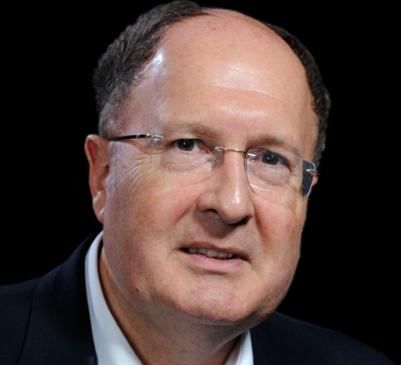
terrapinn.com/antibody
              41                                                     40                                                     39
Louis Weiner, Professor and Director of                Kerry Chester, Professor of Molecular                  Nils Lonberg, Senior Vice President,
Lombardi Comprehensive Cancer Center,                  Medicine, Research Department of                       Biologics Discovery, Bristol-Myers
Francis L. and Charlotte G. Gragnani                   Oncology, UCL Cancer Institute                         Squibb
Chair, Department of Oncology                          Kerry leads the Recombinant Antibody                   Dr. Lonberg received his PhD in Biochemistry &
Lombardi Comprehensive Cancer Center                   Therapeutics Group at the UCL Cancer Institute.        Molecular Biology from Harvard University in 1985.
                                                       Her main research interests are design and             After post-doctoral training at Memorial Sloan-
Dr. Weiner is recognized for his laboratory and        construction of antibody-based therapeutics and        Kettering Cancer Center, he joined GenPharm
clinical research focusing on new therapeutic          the interaction of these molecules with cancer         International, where Dr. Lonberg’s research group
approaches that mobilize the patient’s immune          targets. The basic antibody fragment used is the       developed genetically engineered strains of mice
system to fight cancer using monoclonal                single chain Fv (scFv) and constructs such as scFv     comprising germline-configuration human
antibodies. His laboratory designs and produces        fusion proteins with enzymes or albumin are            immunoglobulin genes. These transgenic animals
new antibody-based proteins with the aim of            explored. There is a focus on Bench-to-Bedside         have been used to discover over two dozen
improving their tumor-targeting and immune-            and the Group has a licensed Production Facility       clinical-stage human sequence antibodies,
stimulating properties. This research has led to the   to make antibody-based therapeutics in                 including five FDA approved products. In 1997,
surprising and clinically important observation        compliance with Good Manufacturing Practice            GenPharm was acquired by Medarex, which was in
that tumor targeting is impaired if the antibodies     (GMP). The Cancer Institute offers a unique            turn acquired by Bristol-Myers Squibb in 2009. Dr.
attach too tightly to their tumor targets. Dr.         opportunity for translational work as facilities are   Lonberg is now Sr. VP at the Bristol-Myers Squibb
Weiner has also developed, and has clinically          available for basic research, pre-clinical testing     Biologics Discovery site in California, where cancer
tested, “bispecific” antibodies and related            and Phase I clinical trials. She is also a member of   immunotherapy is a major research focus.
antibody-based proteins designed not only to           the Board of Directors of The Antibody Society.        Dr. Lonberg has published in the areas of
recognize and bind to cancer cells but also to                                                                molecular biology, developmental biology,
stimulate immune-system cells to attack the                                                                   immunology, and biotechnology. He is an inventor
targeted cancer cells. He is also a member of the                                                             on numerous issued patents, including the third US
Board of Directors of The Antibody Society.                                                                   patent covering a genetically engineered animal,
                                                                                                              and on patents covering seven marketed
                                                                                                              therapeutic drugs.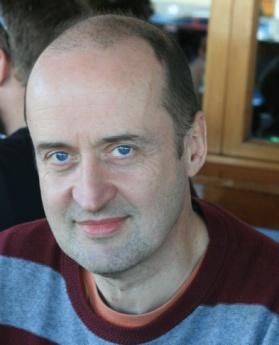
blogs.terrapinn.com/totalbiopharma
              38                                                   37                                                   36
Andrew Bradbury, Research Scientist,                  Christian Schneider, Chair, CAT,                    Mark Dennis, Principal Scientist,
Los Alamos National Laboratory                        European Medicines Agency                           Antibody Engineering, Genentech

Andrew Bradbury was trained in medicine at the        Dr. med. Christian K Schneider is Senior Medical    Mark has helped to pioneer phage display
universities of Oxford and London, and                Officer at the Danish Health and Medicines          technology as a means to enhance and modify
subsequently practiced medicine for five years in     Authority (formerly the Danish Medicines Agency)    protein-protein interactions, utilized peptide
the UK. He has been a technical staff member at       since 2011. At the European Medicines Agency, he    phage display to generate novel peptide
Los Alamos National Lab since July 1999. He has       is the Chairman of the Committee for Advanced       ligands, and developed a technology for
worked in the field of phage display and antibody     Therapies (CAT) since 2009, and also the Chairman   enhancing the pharmacokinetics of proteins.
engineering for fifteen years, and has helped         of the CHMP Working Party on Similar Biological     His focus is on the delivery of antibodies across
organize over thirty international congresses and     (Biosimilar) Medicinal Products. Between            the blood-brain barrier, which presents a
practical courses in this field, both in Europe and   September 2007 and July 2011, he was a member       formidable challenge. In collaboration with
the US. He has published over eighty peer             of the Committee for Medicinal Products for         Neurobiology and PK/PD Sciences, we are
reviewed articles, including a number of reviews      Human Use (CHMP), co-opted for the area of          generating reagents to examine how the BBB
and commentaries on phage display and antibody        Advanced Therapies – Gene, Cell and Tissue          forms and functions, with a particular focus on
engineering, and has 12 filed patents/invention       Therapies.                                          antibody dynamics at the BBB. Our efforts have
disclosures. He is one of the founder members of                                                          focused on generating antibodies that target
“The Antibody Society”, and is on the editorial                                                           specific brain endothelial targets to enable
board of three journals.                                                                                  receptor-mediated transport as a means to
                                                                                                          deliver antibodies across the BBB.
                                                                                                          Our lab also focuses on the humanization of
                                                                                                          antibodies for clinical development with an eye
                                                                                                          towards enhancing humanization methods.
terrapinn.com/antibody
              35                                                   34                                                     33
Brent Iverson, Chairman, Department                  Mike Taussig, Founder and CEO of                       Thierry Wurch, Global Director
of Chemistry and Biochemistry,                       Cambridge Protein Arrays Ltd, Head                     Antibody Projects, Oncology R&D
University of Texas at Austin                        of the Technology Research Group,                      Unit, Institut de Recherches
                                                     Babraham Institute                                     SERVIER
Dr. Iverson’s research program lies at the
interface of chemistry and biology with a focus      As Head of the Technology Development Group at         Dr. Wurch completed a Ph.D in Molecular and
on the design, synthesis and study of large          Babraham Institute, he collaborated on the             Cellular Biology at the University Louis Pasteur
molecules that mimic or interact with biological     production of human antibodies from transgenic         (Strasbourg, FR, 1992), followed by a post-
systems. Milestone achievements include -            mice and codeveloped ribosome display                  doctoral training at the University of Ghent (BE).
development of the first synthetic folding           technology, for selection of antibodies, and in situ   Back to France in 1994, he raised a molecular
molecules and the first artificial duplexes formed   protein arraying. He is a named co-inventor on         biology laboratory at the Pierre FABRE Research
in water as mimics of proteins and DNA, and in       patents for eukaryotic ribosome display and in situ    Center in Castres (FR). In 2003, he moved to the
collaboration with Chemical and Biomedical           protein arrays. Mike has wide experience of            Centre d’Immunologie Pierre FABRE where he
Engineer Dr. George Georgiou, several patented       managing large EU and ESF networking and               established a Molecular and Cellular Biology
and commercially used technologies have been         research projects, including three EU consortia        Department dedicated to molecular
developed to engineer proteins such as               aiming to establish European resources of affinity     pharmacology and protein and antibody
antibodies for enhanced therapeutic activity. The    binding reagents for analysis of the human             engineering. Since September 2011, he acts as
lab is perhaps best known for developing a cure      proteome. He is a board member of the European         global director for the therapeutic antibody
for anthrax called Anthim® based on an               Federation of Biotechnology and Editor in Chief of     programs at the Institut de Recherches Servier,
engineered anti-toxin antibody that has been         the EFB journal New Biotechnology (Elsevier). Mike     the largest independent French Parma group.
commercialized by Elusys, Inc. and is nearing        is a Fellow of Selwyn College, Cambridge, where he     He is currently member of the Editorial board of
approval/acquisition as a strategic national         teaches pathology.                                     mAbs (Landes Bioscience) and Distinguished
biodefense countermeasure.                                                                                  Advisor of The Antibody Society. He is co-author
                                                                                                            of about 90 publications.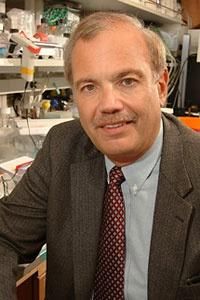
blogs.terrapinn.com/totalbiopharma
               32                                                      31                                                    30
                                                                                                             James Marks, Professor of Anesthesia
                                                                                                             and Pharmaceutical Chemist, University
Anna Wu, Chief Scientist (Co-Founder),                  Germaine Fuh, Senior Scientist, Antibody             of California
ImaginAb                                                Engineering, Genentech
                                                                                                             Dr. Marks is a world recognized pioneer in the field
Dr. Anna Wu is a Professor in the Department of         Germaine is a a senior scientist of the Antibody     of antibody engineering, especially the use of
Molecular and Medical Pharmacology and a                Engineering Department at Genentech focusing on      antibody gene diversity libraries and display
Professor in Pathology and Laboratory Medicine at       the technology of combinatorial antibody libraries   technologies to generate human therapeutic
the David Geffen School of Medicine at UCLA. She is     for novel antibody discovery for human disease       antibodies.He was a graduate student at the Medical
also an Adjunct Professor of Molecular Biology at the   intervention. She recently developed a strategy to   Research Council Laboratory of Molecular Biology
Beckman Research Institute of the City of Hope in       engineer antibodies to target two different          under the supervision of Dr. Greg Winter and
Duarte, CA. Dr. Wu is a respected leader in             molecules at the antigen-binding site, which has     received his Ph.D. in 1992 for a thesis titled “Making
molecular imaging who currently serves as the           been useful as an option for generating              human antibody fragments in bacteria and
Director of the Cancer Molecular Imaging Program in     therapeutic antibody.                                bacteriophage.” He currently directs a research
the Jonsson Comprehensive Cancer Center at UCLA.                                                             group working on the production of medically
As an acknowledged expert in engineered antibodies                                                           relevant human antibodies using antibody gene
for cancer targeting, Dr. Wu’s research is the                                                               diversity libraries and display technologies. He has
foundation of ImaginAb’s technology. Dr. Wu                                                                  more than 180 relevant publications in the field and
received her A.B. in Biochemical Sciences from                                                               is an inventor on more than 100 issued or pending
Harvard University and a PhD in Molecular                                                                    patents.
Biophysics and Biochemistry from Yale University.                                                            Dr. Marks serves on several biopharmaceutical
                                                                                                             scientific advisory boards, has more than 180
                                                                                                             relevant publications in the field and is an inventor
                                                                                                             on more than 100 issued or pending patents. He is a
                                                                                                             member of the Board of Directors of The Antibody
                                                                                                             Society.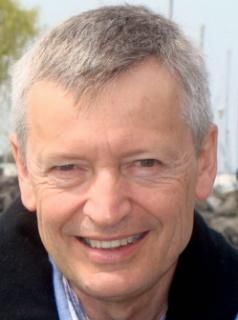
terrapinn.com/antibody
               29                                                   28                                                    27
                                                      David King, Chief Scientific Officer,                  Tillman Gerngross, Professor of
Roy Jefferis, Professor Emeritus Molecular            Anaptsys Bio                                           Bioengineering, Dartmouth College,
Immunology, School of Immunity &                                                                             CEO, Adimab
Infection, College of Medical & Dental                Dr. King joined AnaptysBio in November 2008.
                                                      Prior to AnaptysBio, Dr. King was at Medarex,          Tillman Gerngross, Ph.D., is a Professor of
Sciences, University of Birmingham                    where he was involved in the design and selection      Bioengineering at Dartmouth College and active
                                                      of therapeutic antibodies, and led the                 innovator and entrepreneur who has founded
After attaining BSc and PhD in Chemistry Roy
                                                      development of a new class of antibody-drug            several successful venture backed companies. At
moved to the Medical School (Birmingham) to
                                                      conjugates. Dr. King is an established expert in       GlycoFi, he developed a novel method for
undertake research into the structure and function
                                                      antibody engineering and antibody therapeutics         humanizing the glycosylation machinery in yeast to
of antibody molecules, in health and disease. His
                                                      and has been involved in the design and                produce therapeutic proteins, including
studies revealed the profound influence that
                                                      development of three FDA-approved antibody             antibodies, with fully human carbohydrate
glycosylation of the IgG class of antibody can have
                                                      products and several other clinical stage              structures. In 2006 Merck acquired the company
on the activation of effector mechanisms, in vitro
                                                      antibodies. At Celltech in the UK, where he worked     for a record-setting $400 million. The same year
and in vivo. Extension to the engineering and
                                                      for 14 years, he was the lead inventor of Cimzia®, a   Nature Biotechnology named Gerngross one of the
design of recombinant antibody therapeutics has
                                                      PEGylated antibody fragment for therapy of             most notable people in Biotechnology in the past
resulted in consultancy contracts with the
                                                      autoimmune diseases and was involved in the            ten years. In the fall of 2006 Gerngross joined SV
biopharmaceutical industry. His current focus is
                                                      design and development of Mylotarg®, an                Life Science as a Venture Partner to advise on
the potential for immunogenicity when there is a
                                                      antibody-drug conjugate for therapy of acute           investment opportunities in the bio-therapeutics
allotype mismatch between an IgG therapeutic and
                                                      myeloid leukemia. Prior to joining Medarex, Dr.        area. In 2007 Gerngross co-founded Adimab,
a patient’s IgG haplotype. In consideration of
                                                      King was at Coulter Pharmaceuticals, later             which over the past four years has developed a
published research he has been elected Member
                                                      acquired by Corixa, where he was part of the team      premier antibody discovery technology and in the
of the Royal College of Physicians (MRCP) and
                                                      which successfully refiled the BLA for Bexxar®, a      last two years has signed partnerships with many
Fellow of the Royal College of Pathologists
                                                      radiolabelled antibody for therapy of non-             of the world’s leading pharmaceutical companies.
(FRCPath).
                                                      Hodgkin’s lymphoma.                                    In 2010 Gerngross founded Arsanis Inc. to develop
                                                                                                             antibody based strategies for the treatment of
                                                                                                             infectious diseases.
blogs.terrapinn.com/totalbiopharma
26 25 24
William Strohl, Vice President
Dennis Slamon, director of Biologics Research, Janssen Christian Klein, Head Oncology
Clinical/Translational Research, director of Pharmaceuticals Programs, Roche Glycart AG
the Revlon/UCLA Women's Cancer Dr. William R Strohl studied Biology and Chemistry
Research Program, JCCC at Central Michigan University (Mount Pleasant, Christian Klein joined Roche Pharma Research,
MI, USA), and received his PhD. in Microbiology Roche Diagnostics GmbH in Penzberg, Germany in
Dennis J. Slamon, M.D., Ph.D., serves as director of and Biochemistry from Louisiana State University 2002. From 2007-2009 he headed a department in
Clinical/Translational Research, and as director of (Baton Rouge, LA USA) in 1980. Dr Strohl then Discovery Oncology. In this function he was
the Revlon/UCLA Women's Cancer Research joined Ohio State University (Columbus, OH USA) responsible for the identification, validation and
Program at JCCC. He is a professor of medicine, as Assistant, later Associate and Full Professor for preclinical development of novel antibody
chief of the Division of Hematology/Oncology and Microbiology and Biochemistry. In 1997 Dr. Strohl therapies. Since 2006, he acts as the preclinical
executive vice chair for research for UCLA's moved to Merck Research Laboratories as Senior science leader in the global life cycle team for the
Department of Medicine. Slamon also serves as Director, later Executive Director with novel Type II CD20 antibody GA101 that is
director of the medical advisory board for the responsibility for various functions including currently in PhII/III clinical trials. During that time,
National Colorectal Cancer Research Alliance, a Natural Products Microbiology, Biologics Research he initiated and lead several research projects on
fund-raising organization that promotes advances and Vaccines. In 2008 Dr. Strohl joined Centocor bispecific antibodies and their application
in colorectal cancer. Research & Development (now Janssen R&D), as including the Ang-2-VEGF CrossMAb. In 2010 he
For 12 years, Slamon and his colleagues conducted Senior Director and Head, Antibody Drug joined Roche Glycart AG, Schlieren, Switzerland as
the laboratory and clinical research that led to the Discovery; since 2009, he has been Vice President Head of Oncology Programs, overseesing projects
development of the new breast cancer drug and Head, Biologics Research, at Janssen. Dr. and project leaders in the field of antibody-based
Herceptin. Slamon has won nearly two dozen Strohl’s research has resulted in more than 120 cancer immunotherapy.
national research awards honoring his scientific publications in peer-reviewed scientific journals
endeavors. and several patents in the field of pharmaceutical
drug discovery and development of therapeutic
mAbs.terrapinn.com/antibody
23 22 21
Henry Lowman, Chief Scientific
Officer, CytomX Florian Wurm, Full Professor, Jochen Salfeld, Divisional Vice
Cellular Biotechnology Laboratory, President, Biologics Research, Abbott
Henry Lowman joined CytomX in September École polytechnique fédérale de Bioresearch Center
2010 as vice president of research and has since
been promoted to chief scientific officer. He Lausanne
Jochen is the Divisional Vice President of Biologics
began his career as a National Institutes of F.M. Wurm has published more than 200 scientific
Research at the Abbott Bioresearch Center in
Health Postdoctoral Fellow at Genentech, and papers and holds 20 patents. He is member of the
Worcester, Massachusetts, and us responsible for
then moved on to roles as scientist and senior Executive Board of the European Society of Animal
the oversight and strategic development of
scientist in the protein engineering department, Cell Technology and he is or was a member of the
Abbott’s human therapeutic antibody generation
before leading Genentech's antibody Scientific Advisory Boards of a number of
efforts. He had an instrumental role in the
engineering department as associate director companies as well as of the International Aids
development of HUMIRA, the first fully human
and then director where he focused on the Vaccine Initiative, an institution of the Rockefeller
mAb for the treatment of rheumatoid arthritis,
research and development of protein and Foundation. Prof. Wurm serves as a consultant to
leading his team from concept and discovery to
antibody therapeutics. His career interests the pharmaceutical biotechnology industry,
the marketing stage. In addition, he has extensive
include structure-based protein design, mainly in the fields of animal cell technology for
expertise in the areas of biotechnology, antibody
structure-function analysis and molecular recombinant protein production and in regulatory
engineering, cytokine biology, virology, formal
diversity techniques, which he has applied in affairs. He works in an editorial role and as
preclinical and clinical development of biological
therapeutic development projects such as scientific reviewer for a number of international
therapeutics and project management. His work
human growth hormone and IGF-1, as well as to journals, such as Nature Biotechnology, Journal of
has been published in numerous books and
therapeutic antibodies directed against IgE, Biotechnology, Biotechnology and Bioengineering,
journals.
VEGF, and CD20. Dr. Lowman is an author on Biotechnology Progress and Cytotechnology. He is
more than 60 scientific publications, inventor on founder and Chief Scientific Officer of ExcellGene
more than 60 issued patents and an editorial SA, a company established in 2001 in Monthey,
board member for the antibody journal mAbs. Switzerland.blogs.terrapinn.com/totalbiopharma
20 19 18
Roland Kontermann, Mildred-Scheel- Paul Perren, Senior Vice President & Janice Reichert, Managing Director,
Professor, University of Stuttgart Scientific Director, GenMab Reichert Biotechnology Consulting,
Editor in Chief, mAbs Journal
PhD in Molecular Biology from the University of Dr Paul Parren has been working in the field of
Heidelberg. After working as a postdoc in the recombinant antibodies for 25 years. In 2002, Dr. Reichert is an internationally-recognized expert
laboratory of Sir Gregory Winter at the MRC Centre he joined Genmab where he is a member of the in the development of peptide and antibody-based
for Protein Engineering, Cambridge, UK, group senior management team. He has a strong therapeutics. She is Founder and Managing
leader at the Institute of Molecular Biology and expertise in antibody biology and Director of Reichert Biotechnology Consulting LLC,
Tumor Biology of the University of Marburg, and immunotherapy and is particularly interested in a pharmaceutical business intelligence research
subsequently Head of Research at vectron unravelling the mechanisms by which firm, and Founder and Editor-in-Chief of mAbs, a
therapeutics AG. Since 2004 Professor of antibodies act in vivo, and to apply this peer-reviewed, PubMed-indexed biomedical
Biomedical Engineering at the Institute of Cell knowledge to the development of novel journal that focuses on topics relevant to antibody
Biology and Immunology of the University of antibody therapeutics. He has published research and development. She previously held a
Stuttgart, Germany. Current research focuses on extensively both in the scientific as well as the position as Senior Research Fellow at Tufts Center
the development of recombinant bispecific and patent literature, with over 100 original for the Study of Drug Development (CSDD). Dr.
bifunctional antibody molecules, including half-life publications, 28 issued patents in the major Reichert has published extensively on
extension strategies, and targeted nanoparticulate economies (US, EU, JP) and 42 PCT applications. development trends for peptide and antibody-
carrier systems for tumor therapy. Currently, his studies focus on antibody based therapeutics and she has presented her
structure-function relationships, bispecific research results as an invited speaker at
antibodies and antibody-drug conjugates. He is conferences held worldwide. She is President of
an inventor of the CD38 antibody The Antibody Society and serves on the editorial
daratumumab which is currently in Phase I/II boards of several journals (Drug Discovery Today,
clinical trials and the CD20 antibody Generics and Biosimilars Initiative Journal).
ofatumumab (Arzerra).terrapinn.com/antibody
17 16 15
Dane Wittrup, Carbon P. Dubbs Professor John Lambert, Executive Vice Mark Sliwkowski, Distinguished Staff
of Chemical Engineering and Biological President and Chief Scientific Scientist, Research Oncology,
Engineering, Massachusetts Institute of Officer, ImmunoGen Genentech
Technology
Dr Lambert received a BA in Natural Sciences in 1972 Mark joined Genentech in 1991 as a senior
Wittrup’s research program is focused on protein and received a PhD degree in Biochemistry in 1976 scientist and has worked on a number of programs
engineering of biopharmaceutical proteins by from Cambridge University, for his research on the involving drugs directed against the human
directed evolution. Areas of interest include: structure of multimeric glycolytic enzymes under the epidermal growth factor receptor family (also
pretargeted radioimmunotherapy; biological supervision of Professor Richard N. Perham. He did known as the HER or ErbB family). Gratifyingly, two
response modification of EGFR; and his postdoctoral training at the University of of these drugs, Herceptin (Trastuzumab) and
immunotherapy of cancer via engineered California at Davis, where he worked on the Tarceva (erlotinib) have received U.S. Food and
cytokines and vaccines. He is also the Co-Founder, structure if ribosomes (1976-1980), and with at the Drug Administration approval.
Office of the CSO, Chairman of the SAB Adimab, University of Glasgow (1980-1982), where he worked
and Co-founder, BioDisplay Technologies (acquired on the arom multienzyme complex. In 1982, Dr
by Abbott Laboratories 2001). Lambert joined the research program supported by
ImmunoGen., at the Dana-Farber Cancer Institute,
Harvard Medical School, where he was Assistant
Professor of Pathology (1982-1987). Dr Lambert was
appointed Director of Biochemistry in 1990, and
Senior Director of Research in 1992. He joined the
Senior Management team of the Company as Vice
President in 1994, and served in a variety of roles
until becoming EVP and Chief Scientific Officer in
2009.blogs.terrapinn.com/totalbiopharma
14 13 12
Michael Neuberger, Joint Head of
Ira Pastan, Head, Molecular Biology
Division of Protein and Nucleic Acid Mark McCamish, Global Head of
Section, Laboratory Chief, Center for
Chemistry, Member of Executive Biopharmaceutical Development,
Cancer Research, National Cancer
Committee, Medical Research Sandoz International
Institute
Council Cambridge
Dr. Pastan is chief of the Laboratory of Dr. McCamish leads research and development of
Molecular Biology, Center for Cancer Research. Dr. Neuberger’s major research interests are all biologics at Sandoz Biopharmaceuticals, which
He obtained his M.D. from Tufts University, directed towards understanding the is the world leader in development and
received his medical training at Yale University biochemical processes and the physiological commercialization of follow-on biologics or
and research training at the NIH. He pathways by which antibody diversity is biosimilars. His responsibilities include leadership
established the Laboratory of Molecular created. He has been awarded numerous involving selection of the target, cloning, technical
Biology in 1970. Pastan is currently working at awards in recognition of his scientific development, scale-up, pre-clinical and clinical
the NIH investigating recombinant contributions in the antibody field. He is also a development and interfaces with regulatory
immunotoxins for use in cancer therapy. This past or present member of a number of authorities worldwide. Previously he was Senior VP
technique employs a hybrid protein molecule - academic and editorial boards and has and Chief Medical Officer at three biotechnology
an antibody attached to a potent bacterial consulted for various companies interested in companies and held senior positions at Amgen and
toxin - to selectively target tumorous cells. antibody engineering including Cambridge Abbott Laboratories. He has held professorships
Pastan's lab focuses on variations of the Antibody Technology (CAT), Xenova-Cantab, and maintained academic practices at the
exotoxin derived from Pseudomonas and Therapeutic Human Polyclonals. He is the University of California, Davis and The Ohio State
aeruginosa. He is a member of the National lead inventor on various granted patents and University. He has published broadly in several
Academy of Sciences, a Fellow of the AAAS and applications in the field of antibody therapeutic areas in multiple journals including
the American Society of Microbiology. In 2009, engineering. He is also a member of the The New England Journal of Medicine, Journal of
he was awarded the prestigious International AnaptysBio Scientific Advisory Board. the American Medical Association, and Lancet.
Antonio Feltrinelli Prize for Medicine.terrapinn.com/antibody
11 10 9
Carlos Barbas, Founder and CSO,
Peter Senter, Vice President,
Zyngenia John McCafferty, Director of Research,
Chemistry and Distinguished Fellow,
University of Cambridge
Dr. Barbas is as well as the Professor of The Scripps Seattle Genetics
Research Institute, Departments of Molecular In 1990 John McCafferty was one of the founders
Biology and Chemistry and The Skaggs Institute for of Cambridge Antibody Technology (now Peter Senter joined Seattle Genetics in August
Chemical Biology. Dr. Barbas is the author of more Medimmune) where he demonstrated for the first 1998 and has served as Vice President,
than 280 scientific articles and is a named inventor time the display of antibodies and enzymes on the Chemistry since September 2002. In February
on more than 47 issued U.S. patents. Dr. Barbas surface of filamentous phage. 2009, Dr. Senter was recognized as the
and his colleagues have contributed to the first company's first Distinguished Fellow. He leads
human and synthetic antibody phage libraries, the After 12 years at CAT John formed a group at the Seattle Genetics' chemistry department, which
development of the first artificial transcription Sanger Institute developing and utilising methods carries out research in antibody-drug conjugate
factors capable of regulating endogenous genes for protein generation and recombinant antibody technologies, including the development of
(zinc finger technology), and development of isolation in high throughput. He currently leads a potent drug payloads, novel linker systems,
chemically programmed antibodies (the CovX core laboratory at the Biochemistry Dept at University conjugation methodology and mechanism of
technology. His research interests have focused on of Cambridge utilizing phage display technology to action studies. He is the Senior Editor of
the development of new therapeutic approaches develop functionally blocking antibodies for Bioconjugate Chemistry and serves on the
to human diseases through studies at the interface research and therapeutic applications. Editorial Board of four scientific journals.. His
of synthetic organic chemistry, molecular biology, research interests include targeted drug
and medicine. Dr. Barbas was a co-founder of delivery, protein chemistry and biochemistry,
Prolifaron LLC, an antibody company acquired by and anti-cancer drug design. Dr. Senter has
Alexion Pharmaceuticals in 2000. He was also the authored more than 100 scientific publications
founder of CovX Inc. and inventor of the and holds more than 20 patents.
company’s innovative chemically programmed
antibody technology.blogs.terrapinn.com/totalbiopharma
8 7 6
Dennis Burton, Professor, Sachdev Sidhu, Professor, Banting and Alain Beck, Head of Physico-Chemistry
Department of Immunology and Best Department of Medical Research, Department, Centre d’Immunologie
Microbial Science, The Scripps University of Toronto Pierre Fabre; Associate Editor, mAbs
Research Institute Journal
The Sidhu Lab studies the relationships
between protein structure and function, using Dr. Beck has contributed to the R&D of
Dennis Burton is widely considered a leader in anticancer mAbs, vaccines and peptides. He is
the HIV vaccine field and one of the world's phage display in conjunction with high-
throughput screening and sequencing. Dr. inventor on 16 patents and author of more than
primary masters in antibodies. 90 publications (editorials, features, research
In 1989, he arrived at Scripps Research to work Sidhu and his lab have applied these advances
to the development of synthetic antibody papers, invited reviews and meeting reports). He
in Dr. Lerner's lab. At the time, Burton and acts as associate editor of mAbs and as invited
several others in the Lerner lab were trying to libraries, which we and others are currently
using for the development of therapeutic guest editor or contributor for special issues on
make recombinant antibodies using a new mAbs (Nature Rev Immunol, Curr Pharm Biotech,
technology. During this time, Burton made his antibodies for unmet medical needs. Dr. Sidhu,
PhD is a Co-Founder and serves as Director of Medecine/ Sciences, Analytical Chemistry, Exp
largest breakthrough and a much-praised paper Op Drug Discov and Meth Mol Biol). He has
in Science. One morning that October, he says, Reflexion Pharmaceuticals, Inc. and on many
scientific advisory boards. He returns to contributed to more than 140 scientific meetings
he came in and saw a series of spots on as chairman, invited keynote speaker, panelist,
radioactive plates. "What that meant is we'd academia after a distinguished career at
Genentech where he led the development of moderator, advisor, and/or organizer. He is
made recombinant antibodies outside of regularly interviewed on biosimilars, biobetters,
animals and here they were for the first time," its phage display technology. He has published
more than 50 scientific papers and is a co- next generation antibodies, antibody drug
Burton says. That afternoon, the lab rejoiced conjugates, bispecifics, Fc-fusion proteins and
with champagne and Burton wrote the date on inventor on 12 patents filed with the US patent
office. He is a member of the Board of Directors peptides and alternative protein scaffolds. He is
the bottle. He still keeps the bottle in his also frequently invited to boards of experts by
kitchen cupboard. of The Antibody Society.
WHO, EMA, European Commission, funding
agencies, French valorization agencies and bio-
clusters.terrapinn.com/antibody
5 James Huston
Managing Member
Huston BioConsulting LLC
Jim earned his Ph.D. with Professor Charles Tanford at Duke University,
pursuing the physical biochemistry of immunoglobulin fragments and
domains. He did postdoctoral work at Stanford and Harvard Medical Schools.
In 1983 he shifted from his academic lab to the new realm of biotechnology,
at Creative BioMolecules, beginning research to access the Fv region of
antibodies. NCI SBIR Grants (Phase I & II) from 1985 through 1988 led to the
first publication on successful engineering of a single-chain Fv and to the
invention of single-chain Fv fusion proteins.
Further NCI funding (1990-1995) then allowed a multi-group effort (Lou
Houston, Jim Huston, Jim Marks, Walt Stafford, Lou Weiner) to explore the
limits of scFv targeting, therapy, and imaging studies in HER-2 overexpressing
breast cancer. Jim continued to exploit the scFv as intrabodies (IntraImmune
Therapies, 1997-2000) and in the pharma setting (Lexigen & EMD Serono,
2000-2010) where he continued to publish on intrabodies for the treatment
of Huntington’s Disease, half life extension of novel fusion proteins
(SEEDbodies), and imaging with positron emission tomography. He is
currently returning to a biotech-like environment for his antibody
engineering research. Jim is also a member of the Board of Directors of the
Antibody Society.blogs.terrapinn.com/totalbiopharma
4
Sir Gregory Paul Winter
Master of Trinity College
Cambridge University
Sir Gregory Paul Winter, CBE, FRS is a British biochemist, a pioneer of
therapeutic monoclonal antibodies. He invented techniques to both humanise
(1986) and, later, to fully humanise using phage display, antibodies for
therapeutic uses. In 1989 Winter was a founder of Cambridge Antibody
Technology, which was one of the early commercial biotech companies
involved in antibody engineering. One of the most successful antibody drugs
developed was HUMIRA (adalimumab), which was discovered by Cambridge
Antibody Technology as D2E7 and developed and marketed by Abbott
Laboratories. HUMIRA, an antibody to TNF alpha, was the world's first fully
human antibody, which achieved annual sales exceeding $1bn therefore
achieving blockbuster status. In 2000, Winter founded a company called
Domantis to pioneer the use of domain antibodies, which use only the active
portion of a full-sized antibody. Recently he founded another company, Bicycle
Therapeutics which is trying to develop very small protein mimics based on a
covalently bonded hydrophobic core.
He was elected a Fellow of the Royal Society in 1990 and awarded the Royal
Medal by the society in 2011 "for his pioneering work in protein engineering
and therapeutic monoclonal antibodies, and his contributions as an inventor
and entrepreneur". He is a member of the Advisory Council for the Campaign
for Science and Engineering. Winter was appointed CBE in 1997, and further
honoured as Knight Bachelor in 2004. Already a Fellow of Trinity College,
University of Cambridge, Sir Gregory was appointed to succeed Lord Rees of
Ludlow OM, from July 2012, as Master of Trinity.terrapinn.com/antibody
3 Simon Moroney
CEO
MorphoSys
Dr. Moroney is one of the MorphoSys co-founders. Prior to that, Dr. Moroney
held positions in the Department of Pharmacology, University of Cambridge,
UK, as Assistant Professor in the Chemistry Department of the University of
British Columbia, Vancouver, Canada, and as Associate in the Chemistry
Department of the ETH in Zurich, Switzerland, where he also held a position
as Lecturer. He was an Associate in the Harvard Medical School, Boston, USA,
and an employee of ImmunoGen Inc., where he worked on the first
generation of anti-cancer antibody conjugates.
Dr. Moroney studied chemistry in his native New Zealand, where he
completed an MSc with 1st class honors and was a Commonwealth Scholar
to the University of Oxford, where he was awarded a D.Phil. in Chemistry.
In 2002, Dr. Moroney received the German Cross of the Order of Merit by Dr.
Johannes Rau, President of the Federal Republic of Germany, for his services
to the biotechnology industry.
Dr. Moroney acts as member of the Supervisory Board of ProtAffin AG, Graz,
Austria.blogs.terrapinn.com/totalbiopharma
2
Paul Carter
Senior Director and Staff Scientist,
Antibody Engineering Department
Genentech
Dr. Carter has over 25 years of experience in biotechnology: Genentech (1986-
2000 and 2010-present), Immunex/Amgen (2000-2003), Seattle Genetics (2003-
2008) and VLST (2008-2009).
Dr. Carter’s accomplishments in drug development include initiating the antibody
humanization program at Genentech and co-inventing Herceptin®, a humanized
antibody approved by the FDA for the treatment of HER2-overexpressing breast
and gastric cancers. He is also a co-inventor of 3 other antibodies that reached
clinical development. Beyond antibody therapeutics, Dr. Carter’s inventions
include technologies for high-level antibody fragment expression and protein
hetero-multimerization using “knobs-into-holes”. He is an inventor or co-inventor
on at least 30 US patents.
Dr. Carter has authored or co-authored 95 scientific publications together cited
>9,000 times. Dr. Carter has co-organized 11 international meetings on antibody
engineering and therapeutics. He has delivered over 95 conference presentations
and invited lectures including keynotes. He led the postdoctoral programs at
Genentech (1998-2000), Immunex (2001-2002) and Amgen (2002-2003).
Dr. Carter received a B.A. in Natural Sciences from Cambridge University in 1982.
He obtained a Ph.D. in 1986 under Sir Gregory Winter, Ph.D., F.R.S. at the MRC
Laboratory of Molecular Biology in Cambridge. From 1986-1989 Dr. Carter was a
Postdoctoral Fellow with Dr. James A. Wells at Genentech.terrapinn.com/antibody
1 Andreas Plückthun
Director, Department of Biochemistry
University of Zurich
Andreas Plückthun (born 7. May 1956) studied chemistry at the University of
Heidelberg and received his graduate education at the University of California at
San Diego, where he obtained a Ph.D. in 1982. He was a postdoctoral fellow at
the Chemistry Department of Harvard University (1982-85). From 1985 until
1993, he was group leader at the Genzentrum and Max-Planck-Institut for
Biochemistry in Martinsried, Germany. He was appointed to the faculty of the
University of Zurich as a Full Professor of Biochemistry in 1993.
In 1992, he co-founded the Munich biotech company MorphoSys AG (listed on
the Frankfurt TecDAX) and he served as a member of the supervisory board and
as Chief Scientific Advisor until 2007. In 2004 he co-founded the Biotech
Company Molecular Partners AG which is located in Zurich-Schlieren, where he
serves on the Supervisory board. He is a member of the Board of Directors of The
Antibody Society.
His research achievements include fundamental contributions enabling the
emergence of antibody engineering, notably by the use of E. coli as an
engineering platform, studies on synthetic antibodies which lead to the first fully
synthetic antibody library, the development of ribosome display — a true in vitro
protein evolution technology—, and the development of the Designed Ankyrin
Repeat Protein (DARPin) technology. More recently his laboratory developed
technologies for evolving stable G-protein coupled receptors for advancing their
detailed study. His current research is centered on protein engineering,
combining protein design, directed evolution and applications. While protein
engineering is always in the center, his research is very interdisciplinary.terrapinn.com/antibody
We’d love to hear your views
on all of this…
Join the conversation
Click here
Click hereto leave a comment on this page on the Total BioPharma blog
Click hereto contribute to our LinkedIn discussion
Click here
Click here
Click hereto follow us on Twitter @totalbiopharma
Click here
Click hereto sign up for the Total BioPharma blog e-newsletter for more
on Pharmaceutical, biopharmaceutical and biotechnology specialist tips
and industry updates.terrapinn.com/antibody We’d love to meet you too… We’re hosting the 9th annual European Antibody Congress from 11-13 November 2013 in Geneva and would love to see you there. The European Antibody Congress is the region’s largest event dedicated to science, technology and business development: an exhibition, a strategic keynote conference, real life case studies and interactive roundtables. This 3 track congress covers science and strategy for the development and production of mAbs, ADC’s, bispecifics and alternative scaffolds. European Antibody Congress has a proven track record of introducing sellers to buyers. The event its where solution and service providers grow their business and stand out from the crowd.. PLUS, a number of the above individuals will also be speaking at this event.
You can also read


