October 22 - 23, 2018 - Natcher Conference Center National Heart, Lung, and Blood Institute (NHLBI) National Institutes of Health (NIH) Bethesda ...
←
→
Page content transcription
If your browser does not render page correctly, please read the page content below
The 12th

October 22 - 23, 2018
Natcher Conference Center
National Heart, Lung, and Blood Institute (NHLBI)
National Institutes of Health (NIH)
Bethesda, Maryland, USA

                      sponsored by:
Welcome
Hello and a very warm welcome to the 12th
annual Sickle Cell in Focus (SCiF) conference!                                      Program Directors
The National Heart, Lung, and Blood Institute (NHLBI) is excited to host
the conference on the NIH Campus after a very successful conference in
Kingston, Jamaica last year. Historically, investigators and physicians from
Asia, Europe, Brazil, Africa, and the Caribbean have participated heavily in
SCiF. We hope to continue expanding our capacity to provide consultants,
trainee doctors, healthcare professionals, and academics interested in
hemoglobin disorders with an opportunity for a comprehensive exploration
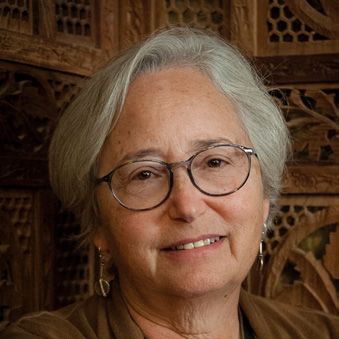
                                                                                    Swee Lay Thein, M.B., B.S.,
of current medical trends and research results in SCD globally.
                                                                                    F.R.C.P., F.R.C.Path., D.Sc.
                                                                                    Senior Investigator and Chief
As always, the conference will have a mix of updates on management
                                                                                    Laboratory of Sickle Cell Genetics
and therapies, and exploring what’s new in technology for translational             and Pathophysiology
diagnostics. With improved survival for affected newborns, physicians are
faced with an increasing number of adults with SCD. We have focused on a            Sickle Cell Branch
few of the complications in older adults, including pain, VTE’s, hepatopathy,       NHLBI, National Institutes of Health

red blood cell allo-immunization and iron overload. There will also be
an update on the curative therapies, the in’s and out’s of gene therapy
- gene correction and gene addition. We will revisit the cerebrovascular
complications, and not just overt disease, in a whole session by 3 eminent
speakers. Can systems medicine and big data contribute to care of SCD??
We wait to hear from 3 speakers who will address this issue. However, medical
advances become meaningful only if they reach the majority of patients. An
inequity of treatment in SCD exists not just between high- and low-income
countries, but even within well-resourced settings. Here, 2 experts share their     John F. Tisdale, M.D.
thoughts on how to implement coverage of patients taking hydroxyurea and            Senior Investigator and Chief
how to translate clinical care to developing countries in Africa.                   Cellular and Molecular
                                                                                    Therapeutics Branch
Each of the 2 days will be ended by Debates that are highly popular with
our participants as they are interactive and very educational. As always, we        NHLBI, National Institutes of
                                                                                    Health
chose topics for which there are no clear answers, but no doubt our speakers
will engage you in their riveting one-on-one discourse to win your vote. We
have a very exciting line-up of speakers who are experts in their fields and will
highlight the latest in high-quality research in sickle cell disease. We
thank them in advance for giving us their precious time.

Thank you, to all our attendees, both near and from far, for their participation
in this year’s conference. We sincerely hope that you will enjoy SCiF 2018 at
the NIH Campus. Please take a moment to complete the evaluation form at
the end of the conference. Your feedback is highly appreciated. Lastly, we          Jennifer Knight-Madden,
would also like to thank NHLBI for supporting this endeavor to continue the         MB, BS, PhD
progress and impact of SCiF.                                                        Professor, Pediatric Pulmonology &
                                                                                    Clinical Research
Thank you for joining us and we hope to see you again in Kingston,                  Director, Sickle Cell Unit
Jamaica for Sickle Cell in Focus 2019.
                                                                                    Caribbean Institute for Health
Best Wishes,                                                                        Research
Swee Lay Thein, John Tisdale, and Jennifer Knight-Madden                            University of the West Indies

                                                                                                                3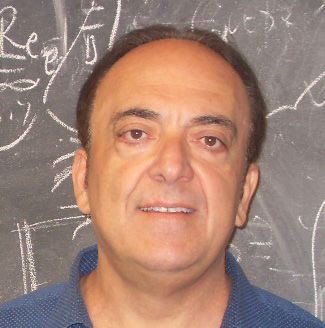
Agenda
Day One: Monday October 22nd

8:00am       Registration

9:00am       Opening Remarks
		Richard Childs
		 Clinical Director, National Heart, Lung, and Blood Institute

SESSION ONE

9:05am       Sickle Cell Disease in 2018

		           From birth to adults, has survival improved?
		Kathryn Hassell
		 University of Colorado School of Medicine, Aurora, CO, USA

		Optimizing current approved therapies

9:35am       Implementation research: Improving coverage of patients taking HU
		Keith Hoots
		 National Institutes of Health, Bethesda, MD, USA

10:05am      Translating Clinical Care to Developing Countries
		Russell Ware
		 Cincinnati Children’s Hospital Medicine Center, Cincinnati, OH, USA

10:35am      BREAK

SESSION TWO: SCD in Adults

10:45pm      Optimal disease management & health monitoring in older adults
		Sophie Lanzkron
		 John Hopkins Medicine, Baltimore, MD, USA

11:15pm      How we manage VTE’s in adults
		Theodore Wun
		 UC Davis Comprehensive Cancer Center, Sacramento, CA, USA

4
11:45pm     Understanding pain and its mechanisms
		Catherine Bushnell
		 National Institutes of Health, Bethesda, MD, USA

12:15pm     LUNCH

SESSION TWO: SCD in Adults (cont.)

1:15pm      The many facets of sickle pain and its management
		Samir Ballas
		 Thomas Jefferson University, Philadelphia, PA

1:45pm      Management of liver complications in SCD
		Abid Suddle
		 King’s College Hospital NHS Foundation Trust, London, UK

SESSION THREE: Blood transfusion and iron overload

2:15pm      Presentation of the untransfusable patient
		Arun Shet
		 National Institutes of Health, Bethesda, MD

2:45pm      Genotyping vs extended phenotyping
		Connie Westhoff
		 New York Blood Center, New York, NY, USA

3:15pm      Iron overload in SCD, are we making progress?
		John Porter
		 University College Hospital, London, UK

3:45pm      BREAK

DEBATE 1: Biomarkers in SCD: Just a lot of noise and handwaving

4:00pm      Pro: David Rees
		          King’s College London, London, UK

4:20pm      Con: Marilyn Telen
		          Duke School of Medicine, Durham, NC, USA

4:40pm      Debate

5:00pm      DAY ONE CLOSE

                                                                  5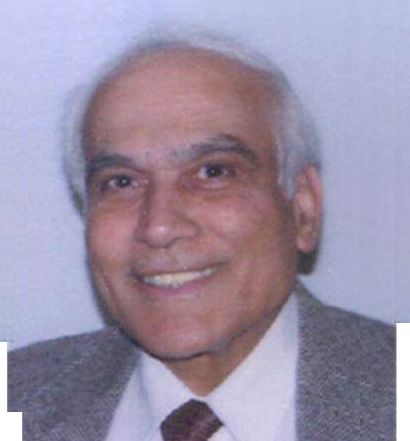
Agenda
Day Two: Tuesday, October 23rd

7:30am       Registration

8:30am       Opening Remarks
		Gary H. Gibbons
		 Director, National Heart, Lung, and Blood Institute, Bethesda, MD, USA

SESSION FOUR: Unanswered questions and new frontiers in curative therapies

8:35am       Allo-HSCT: match related, match unrelated, cord blood, and haplo
  		         Mark Walters
		           Children’s Hospital Oakland Research Institute, Oakland, CA

9:05am       Collecting HSCs, not a trivial business
		John Tisdale
		 National Institutes of Health, Bethesda, MD, USA

9:35am       Gene therapy-addition, correction
             Dan Bauer
		           Boston Children’s Hospital, Boston, MA, USA

10:05am      Update on gene addition therapy in SCD
		Alexis Thompson
		 Northwestern University, Chicago, IL, USA

10:35am      BREAK

SESSION FIVE: Cerebrovascular disease in SCD

10:45am      Cerebrovascular disease in SCD: In Children
		Lori Jordan
		 Vanderbilt University Medical Center, Nashville, TN, USA

11:15am      Neurocognitive outcomes in SCD
		Allison King
		 Washington University in St. Louis, St. Louis, MO, USA

6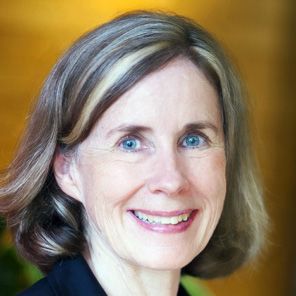
11:45am      Cerebral Hemodynamics in sickle cell disease and sickle cell carriers
		Monica Hulbert
		 St. Louis Children’s Hospital, St. Louis, MO, USA

12:15pm      LUNCH

SESSION SIX: Inflammation and vascular injury in SCD

1:15pm       The common ground between SCD and Malaria
		Tom Williams
		 KEMRI/Wellcome Trust Research Programme, Kilifi, Kenya

1:45pm Elevated inflammatory markers - Do they mean anything in sickle
		patho physiology?
		Nicola Conran
		 University of Campinas, Sao Paulo, Brazil

SESSION SEVEN: System medicine and Big Data: Transforming care of SCD
		             to the 21st century

2:15pm       Complex genetics for a simple mutation-getting to the heart of the matter
		           Swee Lay Thein
		           National Institutes of Health, Bethesda, MD, USA

2:45pm       A short cut to modeling SCD
		George Karniadakis
		 Brown University, Providence, RI, USA

3:15pm       Cardiovascular phenotypes of SCD
             Vandana Sachdev
		           National Institutes of Health, Bethesda, MD, USA

3:45pm       BREAK

DEBATE 2: Developing therapies for SCD-Makes more sense to target the root cause
          than all the downstream events

4:00pm       Pro: Yogen Saunthararajah
		           Cleveland Clinic, Cleveland, OH, USA

4:20pm       Con: Jane Little
		           UH Cleveland Medical Center, Cleveland, OH, USA

4:40pm       Debate

5:00pm       CLOSE OF CONFERENCE

                                                                                     7
Speaker
Biographies
Biographies are
alphabetical

                  Samir K. Ballas MD, FACP, HonDSc, FASCP, DABPM, FAAPM
                  Emeritus Professor of Medicine and Pediatrics
                  Former Director of Comprehensive Sickle Cell Center
                  Former Director Thomas Jefferson University Hospital Blood Bank
                  Cardeza Foundation for Hematologic Research
                  Thomas Jefferson University, Philadelphia PA USA

Samir K. Ballas, MD received his medical degree with     cell pain; 3) molecular and cellular factors that affect
distinction from the American University of Beirut-      the phenotypic expression of sickle cell disease; and
Lebanon. He completed his medical residency              4) preventative and curative therapy of sickle cell
including being chief resident at the American           disease.
University hospital of the American University of
Beirut. He completed his fellowship training in          Dr. Ballas is an elected member of the Alpha Omega
Hematology at the Cardeza Foundation of Thomas           Alpha Honor Medical Society. He is member
Jefferson University in Philadelphia, Pennsylvania. He   of the Editorial Board of the American Journal
is board certified in Internal Medicine, Hematology,     of Hematology, Hemoglobin and Advances in
Transfusion Medicine/Blood Banking, Pain Medicine        Hematology. He is also a Hemoglobinopathies Editor
and Pain Management.                                     of The Cochrane Review Database. He is Recipient of
                                                         Life Time Achievement Award for Service, Research
Dr. Ballas is currently Emeritus Professor of medicine   and Education for Sickle Cell Disease from Howard
and Pediatrics at Thomas Jefferson University and        University, Recipient of Testimonial as an International
Honorary staff member of HEMORIO, the Hematology         Health Professional of the Year 2005 with
Institute in Rio de Janeiro, Brazil. He is Former        Outstanding Contributions to Sickle Cell Disease,
Director of the adult Sickle Cell Program of the         Recipient of Distinguished Service Award From Sickle
Commonwealth of Pennsylvania for the Philadelphia        Cell Thalassemia Patients Network, Brooklyn, NY
Region. He is Former Director of Jefferson’s Sickle      and Recipient of Patient Advocacy Award from the
Cell Center, and Former Director of the Thomas           American Academy of Pain Medicine. In addition, he
Jefferson University Hospital Blood Bank. His major      has authored or co-authored over 800 articles and
research interests include 1) Red cell disorders in      abstracts in a diverse number of publications.
general and the hemoglobinopathies in particular;        He has authored four books two of which are on
2) the pathophysiology and management of sickle          Sickle Cell Pain.

8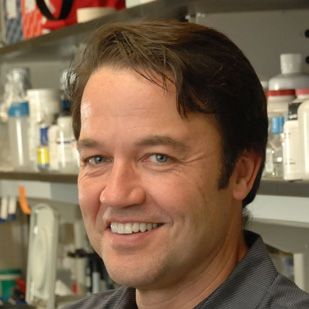
Daniel E. Bauer, MD, PhD
                   Boston Children’s Hospital
                   Dana-Farber Cancer Institute
                   Harvard Medical School

Daniel Bauer is a physician-scientist whose research       Principal Investigator and Staff Physician at Dana-Far-
utilizes genome editing to understand the causes of        ber/Boston Children’s Cancer and Blood Disorders
blood disorders and to develop innovative therapeu-        Center, Assistant Professor of Pediatrics at Harvard
tic strategies. His clinical work in pediatric hematolo-   Medical School, Principal Faculty at the Harvard Stem
gy focuses on the care of patients with hemoglobin         Cell Institute, and Associate Member of the Broad
disorders. He received his ScB in Biology from Brown       Institute of MIT and Harvard. His honors have in-
University and MD-PhD from the University of Pennsyl-      cluded the American Society of Clinical Investigation
vania. He completed clinical training in Pediatrics and    Young Physician-Scientist Award (2014), NIH Director’s
Pediatric Hematology/Oncology at Boston Children’s         New Innovator Award (2016), and Society for Pediatric
Hospital and Dana-Farber Cancer Institute. He is a         Research’s Young Investigator Award (2017).

                   M. Catherine Bushnell, PhD
                   Scientific Director
                   National Center for Complementary and Integrative Health
                   National Institutes of Health

Dr. Bushnell is the Scientific Director of the National    her honors are the Lifetime Achievement Award from
Center for Complementary and Integrative Health at         the Canadian Pain Society and the Frederick Kerr
the NIH. She holds a Ph.D. in Experimental Psychology      Basic Science Research Award from the American
from the American University and received postdoctoral     Pain Society. Her research interests include forebrain
training in neurophysiology at the NIH. She was the        mechanisms of pain processing, psychological
Harold Griffith Professor of Anesthesia at McGill          modulation of pain, and neural alterations in chronic
University before returning to NIH in 2012. Among          pain patients.

                   Nicola Conran, PhD
                   University of Campinas, Brazil

Nicola Conran is a Biochemist (University of               University of Campinas where she has been involved in
Birmingham, UK, and Ph.D., University of Nottingham,       investigating aspects of mechanisms of vaso-occlusion,
UK). She leads the Vascular Inflammation Laboratory        inflammation and cell adhesion in sickle cell disease, in
at the Haematology and Haemotherapy Centre,                collaboration with Fernando Costa.

                                                                                                               9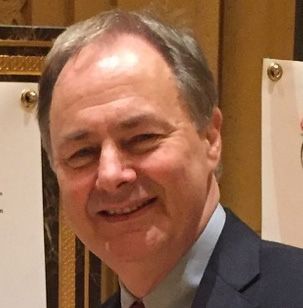
Kathryn Hassell, MDProfessor of Medicine, Division of Hematology
                   Director, Colorado Sickle Cell Treatment and Research Center
                   University of Colorado Denver

Dr. Kathryn Hassell is a Professor of Medicine             and Hemostasis, and the American Pain Society. She
and Director of the Colorado Sickle Cell Center            co-chairs and serves on a number of national steering
and inpatient and outpatient pharmacy-directed             committees for multicenter clinical trials and federal
anticoagulation services at the University of Colorado     projects sponsored by NIH, HRSA and CDC, and is
Denver. She completed her Bachelor’s of Art in             the founder of the Sickle Cell Adult Provider Network,
Medical Technology at the College of St. Scholastica       an organization which seeks to enhance research
and her medical education at University School             collaboration and communication across the adult
Minnesota School of Medicine, internal medicine            sickle cell provider community. She has published
residency at University of North Carolina-Chapel           numerous articles and other work in her field and
Hill and fellowship in Hematology/Oncology at the          participated in guideline and registry development.
University of Colorado Denver. Her interest and            Dr. Hassell lectures nationally and internationally
expertise includes academic specialty practice,            on sickle cell disease, thrombotic disorders and
clinical and translational research in hemoglobinopa-      anticoagulation. In her spare time, she enjoys the
thies, thrombotic disorders and anticoagulation. Dr.       mountains of Colorado and medical missionary work
Hassell is an active member of the American Society        in Central America and Africa.
of Hematology, International Society of Thrombosis

                   W. Keith Hoots, MD
                   Director, Division of Blood Diseases and Resources
                   National Institutes of Health

W. Keith Hoots, M.D., is director of NHLBI’s Division      HIV and hepatitis, gene therapy trials for hemophilia
of Blood Diseases and Resources. Dr. Hoots received        A and B, clinical trials of new clotting concentrates for
his A.B. in English and chemistry and his M.D. from        hemophilia A and B, and the impact of care and clotting
the University of North Carolina (UNC) at Chapel Hill,     factor product on hemophilia patient outcome. He also
North Carolina. While a senior at UNC, he worked in the    has a 20-year interest in the diagnosis and treatment
hemostasis laboratory of Kenneth Brinkhous, M.D. He        of diffuse intravascular coagulation (DIC), particularly
then completed his pediatric internship and residency at   DIC in head trauma. He has been intimately involved in
Children’s Medical Center, Parkland Memorial Hospital,     the development of safe coagulation factor products,
in Dallas, Texas. He returned to UNC for his fellowship    having completed his training as the HIV epidemic
in pediatric hematology oncology and worked in the         was evolving in hemophilia patients. By the late 1980s,
laboratory of Harold Roberts, M.D. Dr. Hoots then          he was able to return to the hemostasis focus that
joined the faculty at MD Anderson Cancer Center.           initially attracted him to the field, and he has continued
                                                           to be a productive investigator and collaborator. He
Dr. Hoots’ major interests involve the management and      has a strong interest in global collaborations and in
diagnosis of congenital and acquired bleeding disorders    developing public–private partnerships, and he recently
and clotting disorders. His work includes the creation     completed his sabbatical in Belgium.
of longitudinal follow-up of hemophilia cohorts with

10
Dr. Hoots is a past member of the U.S. Department He has also been an associate editor for Seminars in
of Health and Human Services Blood Safety and Thrombosis and Hemostasis and served on the editorial
Availability Advisory Committee to the secretary of boards of Haemophilia, Haemophilia Forum, and the
health, past chair of the Medical and Scientific Advisory International Monitor on Hemophilia. Dr. Hoots is a past
Committee for the National Hemophilia Foundation, president of the Hemophilia Research Society of North
and subcommittee co-chair of the DIC Subcommittee America.
of International Society on Thrombosis and Hemostasis.
Monica L. Hulbert, MD
Associate Professor of Pediatrics, Washington University School of Medicine
Director, Sickle Cell Disease Program, St. Louis Children’s Hospital
Dr. Hulbert is the director of the Pediatric Sickle Cell prevention of sickle cell disease complications.
Disease Program at St. Louis Children’s Hospital and Working with a collaborative group of neurologists and
an Associate Professor of Pediatrics at Washington neuroimaging specialists at Washington University, her
University School of Medicine. As program director, she research interests are focused on strokes and cerebral
developed and implemented a primary hematologist vasculopathy related to sickle cell disease, and the
care model to improve continuity of care and oversaw impact of hematopoietic stem cell transplant on these
the program’s expanded hydroxyurea use for primary complications.
Lori Jordan, MD, PhD
Associate Professor of Pediatrics and Neurology
Director, Pediatric Stroke Program
Vanderbilt University Medical Center
Lori Jordan, MD, PhD is an Associate Professor of Dr. Jordan’s research is focused on understanding
Pediatrics and Neurology at Vanderbilt University predictors of recovery after stroke in children and on
Medical Center in Nashville, TN. She completed primary and secondary stroke prevention in children
medical school at the University of Oklahoma and and adults with sickle cell anemia. She leads imaging
residency in Pediatrics and Child Neurology at the research on altered cerebral hemodynamics in sickle
Johns Hopkins Hospital in Baltimore. Dr. Jordan cell anemia that may predispose to stroke and works as
became interested in stroke in children and young part of multidisciplinary teams on a number of studies
adults during her child neurology residency. She focused on stroke prevention in children and adults with
completed a fellowship in Vascular Neurology (Stroke) at sickle cell disease. She has research funding from the
Johns Hopkins as well as a PhD in Clinical Investigation National Institutes of Health and recently completed a
at the Johns Hopkins Bloomberg School of Public Collaborative Science Award from the American Heart
Health. At Vanderbilt, Dr. Jordan directs the pediatric Association.
stroke program. She developed an acute stroke team
for children at Monroe Carell Jr. Children’s Hospital.
11George Karniadakis, PhD
The Charles Pitts Robinson and John Palmer Barstow Professor of Applied
Mathematics, Brown University
George Karniadakis received his S.M. (1984) Professor and Senior Lecturer of Ocean/Mechanical
and Ph.D. (1987) from Massachusetts Institute of Engineering at MIT since September 1, 2000. He was
Technology. He was appointed Lecturer in the Visiting Professor at Peking University (Fall 2007 &
Department of Mechanical Engineering at MIT in 2013). He is a Fellow of the Society for Industrial and
1987 and subsequently he joined the Center for Applied Mathematics (SIAM, 2010-), Fellow of the
Turbulence Research at Stanford / Nasa Ames. He American Physical Society (APS, 2004-), Fellow of the
joined Princeton University as Assistant Professor American Society of Mechanical Engineers (ASME,
in the Department of Mechanical and Aerospace 2003-) and Associate Fellow of the American Institute
Engineering and as Associate Faculty in the Program of Aeronautics and Astronautics (AIAA, 2006-). He
of Applied and Computational Mathematics. He was a received the Ralf E Kleinman award from SIAM (2015),
Visiting Professor at Caltech (1993) in the Aeronautics the J. Tinsley Oden Medal (2013), and the CFD
Department. He joined Brown University as Associate award (2007) by the US Association in Computational
Professor of Applied Mathematics in the Center for Mechanics. His h-index is 73 and he has been cited
Fluid Mechanics on January 1, 1994. He became a over 26,000 times.
full professor on July 1, 1996. He has been a Visiting
Allison King, MD, MPH, PhD
Associate Professor of Occupational Therapy
Pediatrics and Medicine, Washington University School of Medicine
Dr. King is a pediatric and young adult hematologist Dr. King conducts dissemination and implementation
investigating cognitive function and educational research to facilitate dissemination of NHLBI and ASH
attainment of children and adults with sickle cell clinical guidelines and improve the care of people with
disease. Her team is focused on conducting sickle cell disease.
interventions to prevent cognitive decline.
12Sophie Lanzkron, MD, MHS
Director, Sickle Cell Center for Adults
Associate Professor of Medicine and Oncology
Johns Hopkins School of Medicine
Dr. Lanzkron is an Associate Professor of Medicine services research in sickle cell disease. The Johns
and Oncology in the Division of Hematology at the Hopkins Sickle Cell Infusion Center, which opened
Johns Hopkins University School of Medicine and in 2008, provides urgent care to patients in crisis so
is the Director of the Sickle Cell Center for Adults that they can bypass the emergency department.
at Johns Hopkins which delivers state-of-the art, This remarkable innovation has led to numerous
multidisciplinary care to over 500 patients. She is improvements in outcomes including decreases in
internationally recognized for her pioneering research admissions, 30 day readmissions and most importantly
on the optimal care and management of patients with rapid relief of pain in a patient centered environment.
sickle cell disease. She has served on the National This innovative model of care is currently being
Institutes of Health, Expert Panel in the Management emulated throughout the country and she has a $4
of Sickle Cell Disease and serves on the American million grant from PCORI to systematically compare
Society of Hematology’s Sickle Cell Guideline Panel. outcomes from infusion models in four states to usual
Her research focus is on improving the quality emergency department care for the treatment of
of care provided to this historically underserved vaso-occlusive crisis.
population and she is considered an expert in health
Jane Little, MD
Director, Adult Sickle Cell Disease Program
University Hospitals Cleveland Medical Center.
Professor, Case Western Reserve School of Medicine
Jane Little MD is director of the Adult Sickle Cell Montefiore (Einstein College of Medicine), Dr. Little
program at University Hospitals/Seidman Cancer Center has an RO1 entitled, “Standardized Monitoring of
in Cleveland, Ohio. She is a Professor of Medicine at Cellular Adhesion to Improve Clinical Care in Sickle Cell
Case Western Reserve University School of Medicine. Disease”. Dr. Little/CRWU are also founding members
She has participated in a number of NIH- or PCORI- (with Johns Hopkins, Oakland-UCSF Benihoff, and
funded natural history, treatment, and observational Medical College of Wisconsin) of The Globin Research
studies in SCD, including Walk-PHaSST and ESCAPED. Network of Data and Discovery or GRNDaD, a
With Umut Gurkan PhD at Case School of Engineering multi-centered prospective database.
and Deepa Manwani MBBS at Children’s Hospital at
13John Porter, MA, MD, FRCP, FRCPath
Professor and Consultant Hematologist
University College London Hospitals
Dr. Porter is a Professor of Haematology and Gene therapy for Thalassaemia (Bluebird Bio). He
Consultant Haematologist at the University College has published more than 350 peer-reviewed articles
London Hospitals in London, UK and head of the joint with over 10,000 citations and an H index of over 54,
Red Cell Unit for UCLH and Whittington Hospitals. and also made numerous contributions to books, as
His clinical and research focus has been treatments of well as clinical guidelines and other medical articles.
thalassaemia and sickle cell disorders, with particular Dr. Porter has served as scientific adviser to the
reference to iron overload, his particular focus has British Society of Haematology, the UK Thalassaemia
been the interface of clinical and basic laboratory Society, the Thalassaemia International Federation
research on the mechanisms of iron chelation, the (TIF), and to grant review and advisory panels at the
speciation and uptake of non-transferrin-bound NIH. In 1999, he was awarded the Lionel Whitby
iron (NTBI) species, the molecular basis of iron Medal for MD of exceptional merit by Cambridge
homeostasis in health and disease, and the actions University. In 2008 he received the Prix Gallien at
and toxicities of mixed-ligand chelation therapies. the houses of parliament on behalf of Novartis for
Dr. Porter has received funding from many sources ‘Deferasirox as outstanding orphan drug’. In 2015 he
including the Medical Research Council (MRC), the received the SITA international award for outstanding
Welcome Foundation and National Institutes of international clinical thalassaemia centre at UCLH.
Health (NIH) for this work. He has been the principal In 2017 I received the International Bioiron society
UK investigator in numerous multicentre clinical trials (IBIS) Marcel Simon award for excellence in research
on iron chelation and am currently the principal UK on Non-transferrin bound iron (NTBI). I am the recent
investigator on ongoing trials with Luspatercept for recipient of the British Society of Haematology Gold
correcting anaemia in Thalssaemias (Celgene) and Medal award 2018.
David C. Rees, MA, MBBS
Pediatric Hematologist
King’s College Hospital, London
David Rees is a paediatric haematologist at King’s
College Hospital, London. He trained in various places
around the UK, including Bath and the Channel Island
of Jersey. He is a medical adviser to the Sickle Cell
Society in the UK.
14Vandana Sachdev, MD
Senior Research Clinician and Director of the Echocardiography Laboratory
Division of Intramural Research
Heart, Lung, and Blood Institute, National Institutes of Health
Vandana Sachdev is a cardiologist and Staff Clinician Society of Echocardiography and is active in various
in the Cardiology Branch of the NHLBI Division of committees and task forces. Dr. Sachdev’s lab served
Intramural Research. She received her M.D. from as the core lab for the Walk-Phasst study and for
the University of Michigan and trained in cardiology other studies supported by NHLBI. Her research area
at the University of Maryland. She joined NHLBI in of interest is cardiac imaging and she has worked
1998 and is now the Director of the Echocardiogra- on phenotyping the sickle cell cohort here as well as
phy Laboratory. She is a member of the American numerous other rare disease groups.
Yogen Saunthararajah, MD
Professor of Medicine, Staff, Co-Leader Developmental Therapeutics Program
Taussig Cancer Institute of Cleveland Clinic and
Case Comprehensive Cancer Center
Yogen Saunthararajah is a Professor of Medicine, of sickle cell disease and beta-thalassemia around
Staff Physician and Co-Leader of the Developmental the world. A co-focus is the use of such non-cytotoxic
Therapeutics Program at the Taussig Cancer Institute epigenetic drugs to exploit a fundamental and
of Cleveland Clinic and Case Comprehensive Cancer common distinction between normal and malignant
Center, and founding-scientist of EpiDestiny. His self-replication, for selective termination of malignant
research and drug development efforts focus on but not normal self-replication even if p53 is mutated.
development of non-cytotoxic drugs to inhibit The same treatments can moreover trigger immune-
specific corepressor enzymes implicated in epigenetic recognition of cancers (convert tumors from ‘cold’ to
repression of the fetal hemoglobin gene, to thereby ‘hot’) while sparing immune-effectors, and are therefore
activate fetal hemoglobin expression in an accessible, a rational platform for increasing the spectrum of
sustainable way that is feasible for life-long modification cancers that respond to immune checkpoint blockade.
15Arun Shet, MD
Staff Clinician/Senior Research Physician
Sickle Cell Branch, Division of Intramural Research
National Heart, Lung, and Blood Institute, National Institutes of Health
Dr. Shet is a Staff Clinician/Senior Research Physician patient oriented research in understanding the
in the Sickle Cell Branch/NHLBI, a position involving vascular pathobiology of sickle cell disease. Some of
patient care and translational research centering his work has evaluated novel drug therapeutics and
on adults with sickle cell disease. He serves as the tested their role in the pre-clinic setting using murine
Principal Investigator on two active protocols and as models of sickle cell disease. His current interests
Associate Investigator on four other active research include a more fundamental understanding of the
protocols. His clinical interest applies a fundamental hypercoagulable state in sickle cell disease. More
understanding of the regulation of erythropoiesis and recently, his research group, along with international
basic biochemistry to the diagnosis and management collaborators, developed an educational intervention
of patients with inherited and acquired anemia, seeking better public health control of childhood
and reflects his translational research interest in anemia that we evaluated in a randomized trial.
hematology. He has extensive experience conducting
Abid Suddle
Consultant Hepatologist and Liver Transplant Physician at the Institute of Liver Studies
King’s College Hospital, London, United Kingdom
Research and clinical interests include liver cancer,
liver transplantation, and liver disease in patients with
Sickle cell anaemia. I run a joint Liver-Sickle clinic with
Haematology colleagues.
Marilyn Telen, MD
Wellcome Professor of Medicine, Division of Hematology
Director, Duke Comprehensive Sickle Cell Center
Duke University School of Medicine
Dr. Telen is the Wellcome Professor of Medicine at Duke sickle cell disease (SCD), as well as on the conduct of
University, where she has been since 1980. Dr. Telen genetic and clinical translational research in SCD and
has focused both her research and clinical efforts on red transfusion medicine. Her genetic work has focused on
cell membrane proteins, the antigens carried by them, the role of genetic polymorphisms in the variability of
and the disorders associated with abnormalities of red SCD and in identification of the genetic mechanisms
blood cells. Her research identified the biochemical leading to sequelae of SCD. In addition, she served
and genetic bases of a number of blood group antigen as Chief of Hematology at Duke for >17 years and has
systems, as well as the physiologic role of several of been Director of the Duke Comprehensive Sickle Cell
the proteins bearing those antigens. Her current work Center for 20 years.
focuses on the role of red cell adhesion molecules in
16Swee Lay Thein, MB, BS, FRCP, FRCPath, DSc
Chief, Sickle Cell Branch
Division of Intramural Research
National Heart, Lung, and Blood Institute, National Institutes of Health
Swee Lay Thein is a hematologist and clinical Dr. Thein runs a program on Sickle cell genetics and
investigator with more than 30 years of clinical and pathophysiology with an objective of identifying
translational hematology research and extensive plasma and genetic markers to allow early detection
personal experience in laboratory research – and monitoring of severe complications. Using the
molecular biology, genetics and genomics. Dr Thein hemoglobinopathies as genetic models, her research
joined the National Heart, Lung and Blood Institute / has contributed significantly to the understanding
NIH in spring 2015 as Senior Investigator and Chief of of genetic modifiers and complex traits and DNA
the Institute’s Sickle Cell Branch. Prior to this, she was diagnostics in hemoglobinopathies, and unravelling
Professor of Molecular Hematology and consultant the loci contributing to the control of fetal
hematologist at King’s College London (KCL), where hemoglobin, a major ameliorating factor in these
she served as clinical director of the Red Cell Centre disorders.
in King’s College Hospital. At the hospital, she was
involved in the care of 800 adult patients with sickle Developing evidence base for management of
cell disease and other red blood cell disorders, and sickle-related complications and education is another
also provided a comprehensive diagnostic service for focus of her work. Since 2006, she has directed and
red blood disorders including antenatal and newborn hosted an annual 2-day international conference in
screening, and prenatal diagnosis of the hemoglobin sickle cell disease, in KCL (London) and the NHLBI/
disorders. NIH. She has also been previously involved in
planning and organising various educational meetings
Swee Lay Thein completed her specialist training in (national and international), and working with the
general medicine and hematology at the U.K. Royal European School of Hematology and European
Postgraduate Medical School, Hammersmith, and the Hematology Association. She is the feature editor
Royal Free Hospital, London. She has also worked of Blood Hub on sickle cell anemia in BLOOD, and
in Oxford at the Weatherall Institute of Molecular Associate Editor of Haematologica. She was elected
Medicine (Medical Research Council Molecular to the Fellowship of the UKs Academy of Medical
Hematology Unit) where she held various positions, Sciences in 2003.
including MRC clinical training fellow, Wellcome
Senior Fellow in Clinical Science, senior MRC clinical
scientist, and the John Radcliffe Hospital as honorary
consultant hematologist before she moved to KCL,
London, in 2000.
17Alexis Thompson, MD, MPH
Sarah and A. Watson Armour Chair in Childhood Cancer and Blood Disorders,
Hematology Section Head; Professor of Pediatrics,
Feinberg School of Medicine at Northwestern University
Alexis A. Thompson, MD, MPH, is the head of the Dr. Thompson has served on the Board of Directors of
hematology section of the Division of Hematology the National Marrow Donor Program and on the U.S.
Oncology Transplantation at the Ann and Robert H. Department of Health and Human Services Secretary’s
Lurie Children’s Hospital of Chicago, where she also Advisory Committee on Heritable Disorders in
serves as the A. Watson and Sarah Armour Endowed Newborns and Children.
Chair for Childhood Cancer and Blood Disorders. Dr.
Thompson is also Associate Director of Equity and Dr. Thompson’s major fields of interest include sickle
Minority Health at the Robert H. Lurie Comprehensive cell disease, thalassemia, transfusional iron overload,
Cancer Center of Northwestern University. She earned and stem cell transplantation for pediatric patients.
her medical degree from Tulane University School Her research has focused on developmentally
of Medicine. After completing her residency at the regulated genes in early hematopoiesis, and she
Children’s Hospital of Los Angeles, Dr. Thompson is an investigator on NIH-funded multi-center
earned her Master of Public Health at the University clinical trials as well as her own institutional clinical
of California – Los Angeles School of Public Health, studies. In addition to her academic endeavors, Dr.
followed by additional postgraduate training at Thompson is interested in enhancing the trainee
the Children’s Hospital of Philadelphia. She is pipeline in hematology, particularly in non-malignant
board-certified in Pediatric Hematology-Oncology. hematology, and fostering international collaborations
in hematology in regions with unmet medical need.
Immediately prior to her election as ASH Vice
President, Dr. Thompson served as an ASH councilor Dr. Thompson has received several prestigious
from 2010-2014. She is currently a member of the awards, including the Robert Wood Johnson
ASH Sickle Cell Task Force and a reviewer for ASH’s Foundation Minority Medical Faculty Development
journal, Blood. Dr. Thompson has also served on Award as well as the Minority Scholar Award in
the ASH Committee on Government Affairs, as a Cancer Research from the American Association for
mentor for the Society’s Minority Medical Student Cancer Research. She recently received the Frank A.
Award Program for more than 10 years, and she Oski Memorial Award from the American Society of
has co-chaired the ASH Annual Meeting Education Pediatric Hematology Oncology in recognition of her
Program. In addition to her service to ASH, contributions to the field.
18John Tisdale, MD
Chief, Cellular and Molecular Therapeutics Branch
Division of Intramural Research
National Heart, Lung, and Blood Institute, National Institutes of Health
John Tisdale received his M.D. degree from the In 2011 the College of Charleston recognized Dr.
Medical University of South Carolina in Charleston, Tisdale with the Alumni of the Year Award and the
where he also received his B.A. in Chemistry. He Pre-Medical Society’s Outstanding Service Award in
completed an internal medicine and chief residency Medicine. He was recently elected to the American
at Vanderbilt University Medical Center in Nashville Society for Clinical Investigation and is a member of
and then trained in hematology in the Hematology the American Society of Hematology. Dr. Tisdale’s
Branch, National Heart, Lung and Blood Institute research and clinical work center on sickle cell disease.
(NHLBI), where he served as a postdoctoral fellow. His group focuses on developing curative strategies
He joined the Molecular and Clinical Hematology for sickle cell disease through transplantation of
Branch of NHLBI in 1998 and is now the Chief of allogeneic or genetically modified autologous bone
the Cellular and Molecular Therapeutics Branch. marrow stem cells.
Mark C. Walters, MD
Jordan Family Director, Blood and Marrow Transplant Program
Professor of Pediatrics
University of California, San Francisco
Mark C. Walters, MD, is the Jordan Family Director clinical transplantation trials and has led several
of the Blood and Marrow Transplantation Program NIH-supported investigations of hematopoietic cell
at UCSF Benioff Children’s Hospital, Oakland and transplantation for sickle cell anemia and thalassemia.
Professor of Pediatrics at UCSF. He is Program He has authored or co-authored many publications
Director of the CIRM alpha stem cell clinic at UCSF. with a focus on hematopoietic cell transplantation
Dr. Walters received his A.B. with honors in Genetics for hemoglobin disorders, and he has a research
from the University of California, Berkeley and his interest in extending transplantation to young adults
MD from the University of California, San Diego. He with hemoglobin disorders and other novel cellular
completed pediatric residency training at the University therapies for hemoglobin disorders. Currently, research
of Washington and hematology/oncology fellowship interests are focused on genomic editing and gene
training at the University of Washington and the Fred addition therapies as a strategy to extend curative
Hutchinson Cancer Research Center in Seattle. He was therapy in all patients who inherit a clinically significant
a junior faculty member in Seattle before matriculating hemoglobinopathy.
to Oakland in 1999. He has been active in cooperative
19Russell E. Ware, MD, PhD
Director, Division of Hematology
Institute Co-Director, Cancer and Blood Diseases Institute
Director, Global Health Center
Marjory J. Johnson Chair of Hematology Translational Research
Professor, University of Cincinnati Department of Pediatrics
Russell Ware, MD, PhD, has been involved with a principal investigator for several NIH-funded
wide variety of clinical and translational hematology multicenter sickle cell clinical trials, including the
research projects for over 25 years, but his primary recently completed Stroke With Transfusions
interests have focused on sickle cell disease. Dr. Ware Changing to Hydroxyurea (SWiTCH), and the current
has substantial personal experience with directing TCD With Transfusions Changing to Hydroxyurea
patient-oriented research, and he currently runs an (TWiTCH) and Sparing Conversion to Abnormal TCD
NIH-funded laboratory effort that investigates genetic Elevations (SCATE) studies that include non-US clinical
modifiers of sickle cell disease. The main focus of sites. Most recently, Dr. Ware has moved his research
his lab research is to understand the phenotypic efforts into the international arena, starting SCD pilot
variability that occurs with hydroxyurea treatment, screening programs in Angola, and now conducting
through the study of hydroxyurea pharmacokinetics, clinical trials to determine the safety and efficacy of
pharmacodynamics, pharmacogenetics, and hydroxyurea in developing countries.
pharmacogenomics. Dr. Ware is also the national
Connie Westhoff, SBB, PhD
Executive Scientific Director
Immunohematology and Genomics, New York Blood Center
Dr. Westhoff is executive scientific director of the She is an associate editor for the Genomics section
Laboratory for Immunohematology and Genomics at of the journal Transfusion, an editor of the AABB
the New York Blood Center and the National Center technical manual, and has served on numerous AABB
for Blood Group Genomics. The primary focus of her committees including the board of directors, and has
research is to improve patient care and transfusion received numerous awards. Also active in ASH and
safety through the use of genomics with an emphasis ISBT, she has lectured nationally and internationally
on patients with Sickle Cell Disease. She is considered and is a reviewer for numerous journals and abstracts
an expert on the Rh system, and has published more for U.S. and international meetings in hematology and
than 100 scientific papers and authored numerous book transfusion medicine.
chapters. Her current funded research projects include
RH genotype matching and expanding cultured red
cells in the laboratory for use as laboratory reagents.
20Tom Williams, MD, PhD
Chair of Hemoglobinopathy Research, Imperial College, London
Pediatrician and Clinical Investigator, KEMRI/Wellcome Trust Research programme
Tom Williams is a pediatrician and clinical investigator function. He runs a program of research on the
with more than 25 years of scientific experience. He epidemiology and basic science of hemoglobin
has worked at the KEMRI/Wellcome Trust Research disorders in Kenya, and a specialist research clinic
Programme (KWTRP) in Kilifi, Kenya (http://www. serving >700 children with SCD. Dr. Williams has
kemri-wellcome.org) since 2000, while holding published extensively on the burden and natural
parallel appointments at UK Universities. Professor history of SCD on local and global scales, and is
Williams is the Chair of Hemoglobinopathy Research active in the national dialogue for the development of
at Imperial College, London. His main focus is on treatment guidelines in Kenya.
genetic conditions that affect red cell structure and
Ted Wun, MD, FACP
Professor of Medicine
Associate Dean, Research PI and Director
UC Davis Clinical and Translational Science Center
Chief, Division of Hematology Oncology
University of California, Davis School of Medicine
Ted Wun, M.D., is Associate Dean for Research, PI/ discharge and emergency department utilization data
Director of the UC Davis Clinical and Translations to describe the epidemiology of cancer-associated
Science Center, and Chief, Division of Hematology thrombosis and complications of other hematological
Oncology at the UC Davis School of Medicine. He has and oncologic conditions. More recently, using OSHPD
been involved in sickle cell disease clinical research his alone and linked to the CCR, the UC Davis team
entire career and served as Chair of the NHLBI Sickle has derived a sickle cell disease cohort to describe
Cell Disease Advisory Committee. Over the last 12 the epidemiology of complications such as venous
years his team at UC Davis has been using California thromboembolism, osteonecrosis of the femoral head,
Cancer Registry (CCR), and California Office of and malignancies in the California sickle cell disease
Statewide Health Planning and Development (OSHPD) population.
2122
23
24
You can also read


