TRANSFORMING PARTICIPATION IN HEALTH AND CARE
←
→
Page content transcription
If your browser does not render page correctly, please read the page content below

www.england.nhs.uk              @NHSEngland                   0113 825 0861   england.nhs.participation@nhs.net

TRANSFORMING PARTICIPATION
IN HEALTH AND CARE
‘The NHS belongs to us all’
SEPTEMBER 2013
Patients and Information Directorate, NHS England
Publications Gateway Reference No. 00381

              This is an interactive PDF. To navigate, use the arrow buttons
              on either side of each page or locate a specific section using
              the tool bars within the document.
TRANSFORMING PARTICIPATION IN HEALTH AND CARE

FOREWORD     EXECUTIVE SUMMARY        INDIVIDUAL PARTICIPATION     PUBLIC PARTICIPATION      INSIGHT & FEEDBACK        RESOURCES   CONTACT

     What’s in this guide?

     Who is this guide for?              01                Individual participation:    12    Resources and further                53
                                                           people in control of their         information
     Foreword: viewpoints                02                own care
                                                                                                   References and further          54
                                                           Public participation:        26         reading
     Executive summary
                                                           communities with influence              Legal duties                    55
           The NHS and our               03                and control
           vision for participation                                                                Policy context                  56
                                                           Insight and feedback:        41
           What this means for           04                                                        Measuring individual
                                                           understanding people’s                  participation                   57
           commissioners                                   experiences
                                                                                                   Measuring patient               58
           Transforming                  05                                                        experience
           participation in health
           and care: overview                                                                      Communication                   59
                                                                                                   ‘top tips’
           Purpose of this guide         06
                                                                                                   Case studies                    60
           Paticipation to address       08
           inequalities                                                                            Glossary                        61

                                                                                              Contact us                           62
TRANSFORMING PARTICIPATION IN HEALTH AND CARE

FOREWORD    EXECUTIVE SUMMARY       INDIVIDUAL PARTICIPATION   PUBLIC PARTICIPATION     INSIGHT & FEEDBACK   RESOURCES   CONTACT

     Who is this guide for?

     This guide will help clinical commissioning               It will also be of interest to:
     groups (CCGs) and other commissioners of
     health and care services to involve:                      -   People providing health and care services;

                                                               -   People providing support to commissioners;
                           Patients and carers in
                           decisions relating to               -   NHS England nationally, regionally and at area
                           care and treatment.                     team level;

                                                               -   Patients and carers;

     The public in commissioning                               -   Voluntary sector groups and organisations with
                                                                   an interest in patient and public participation;
     processes and decisions.
                                                               -   Health and wellbeing boards.

                                                                                                                              01
TRANSFORMING PARTICIPATION IN HEALTH AND CARE

FOREWORD    EXECUTIVE SUMMARY        INDIVIDUAL PARTICIPATION       PUBLIC PARTICIPATION    INSIGHT & FEEDBACK       RESOURCES     CONTACT

                     TIM KELSEY’S POINT OF VIEW       DAVID NICHOLSON’S POINT OF VIEW      LYNNE CRAVEN’S POINT OF VIEW

     Foreword: Viewpoints

                                      PLAY                                        PLAY                                      PLAY

     Tim Kelsey                                   Sir David Nicholson                        Lynne Craven
     National Director of Patients                Chief Executive, NHS England               Expert Patient
     and Information, NHS England

                                                                                                                                        02
TRANSFORMING PARTICIPATION IN HEALTH AND CARE

FOREWORD     EXECUTIVE SUMMARY           INDIVIDUAL PARTICIPATION      PUBLIC PARTICIPATION      INSIGHT & FEEDBACK       RESOURCES         CONTACT

 VISION     WHAT THIS MEANS FOR COMMISSIONERS        PARTICIPATION OVERVIEW        PURPOSE OF THIS GUIDE     PARTICIPATION TO ADDRESS INEQUALITIES

          Executive summary                                                                                 Download the glossary here

      The NHS and our vision for participation

      ‘The NHS belongs to the people.              The NHS is a cherished national               Our approach will focus on the assets in
                                                   institution. Its founding principle is to     communities working in co-production
      It is there to improve our health            provide healthcare which is free at the       with patients, families and carers and
      and wellbeing, supporting us to              point of delivery, to anyone who needs        collaborating to improve outcomes.
      keep mentally and physically well,           it, regardless of their circumstances. The
                                                   NHS must be more responsive to the
      to get better when we are ill, and           needs and wishes of the public, all of
      when we cannot fully recover, to             whom will use its services at some
                                                   point in their lives.
      stay as well as we can to the end
      of our lives.’                               NHS England will ensure that public,
                                                   patient and carer voices are at the centre
                       The NHS Constitution        of our healthcare services, from planning
                                                   to delivery. Every level of our commission-
                                                   ing system will be informed by insightful
                                                   methods of listening to those who use
                                                   and care about our services.

                                                                                                                                                 03
TRANSFORMING PARTICIPATION IN HEALTH AND CARE

FOREWORD     EXECUTIVE SUMMARY         INDIVIDUAL PARTICIPATION       PUBLIC PARTICIPATION       INSIGHT & FEEDBACK       RESOURCES      CONTACT

 VISION     WHAT THIS MEANS FOR COMMISSIONERS        PARTICIPATION OVERVIEW       PURPOSE OF THIS GUIDE     PARTICIPATION TO ADDRESS INEQUALITIES

          Executive summary

      What this means for commissioners
      The Act sets out two duties for NHS commissioners with respect to patient and public participation. These and related reporting
      requirements are summarised here.

                                                        NHS commissioners should:

            Make arrangements for and                    Listen and act upon patient and               Engage with patients, carers and
            promote individual participation             carer feedback at all stages of               the public when redesigning or
            in care and treatment through                the commissioning cycle – from                reconfiguring healthcare services,
            commissioning activity.                      needs assessment to contract                  demonstrating how this has
                                                         management.                                   informed decisions.

            Make arrangements for the public             Publish evidence of what ‘patient             CCGs will publish the feedback
            to be engaged in governance                  and public voice’ activity has been           they receive from local Healthwatch
            arrangements by ensuring that the            conducted, its impact and the                 about health and care services in
            CCG governing body includes at               difference it has made.                       their locality.
            least two lay people.

      An overview of the legal duties for NHS commissioners can be found here.
      An overview of related policy frameworks can be found here.
                                                                                                                                                504
TRANSFORMING PARTICIPATION IN HEALTH AND CARE

FOREWORD       EXECUTIVE SUMMARY        INDIVIDUAL PARTICIPATION       PUBLIC PARTICIPATION      INSIGHT & FEEDBACK        RESOURCES         CONTACT

 VISION      WHAT THIS MEANS FOR COMMISSIONERS        PARTICIPATION OVERVIEW      PURPOSE OF THIS GUIDE      PARTICIPATION TO ADDRESS INEQUALITIES

          Executive summary                                                     Download a printable Executive Summary Overview here

      Transforming participation in health and care: overview
      To help NHS England and clinical commissioning group commissioners fulfil their statutory duties and involve patients and the public
      effectively and systematically, NHS England will work with partners to:

           Chapter 1: Individual Participation

              1|     Ensure that every person with a long-term
                     condition or disability has a personalised
                     care plan supporting them to develop
                                                                         2|
                                                                                 Launch a new certification process for
                                                                                 entrepreneurs to easily offer on-line tools
                                                                                 and services that support personalisation,
                     the knowledge, skills and confidence                        to help commissioners to identify high
                     to manage their own health. NHS                             quality suppliers.
                     England will develop and implement a
                     best practice standard that defines what
                     good, personalised, digital care plans
                     and planning processes look like, in order
                     to support GPs and health professionals
                     during 2014.

                                                                                                                                                  505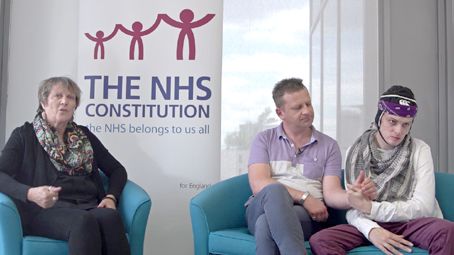
TRANSFORMING PARTICIPATION IN HEALTH AND CARE

FOREWORD       EXECUTIVE SUMMARY        INDIVIDUAL PARTICIPATION       PUBLIC PARTICIPATION      INSIGHT & FEEDBACK        RESOURCES         CONTACT

 VISION      WHAT THIS MEANS FOR COMMISSIONERS        PARTICIPATION OVERVIEW      PURPOSE OF THIS GUIDE      PARTICIPATION TO ADDRESS INEQUALITIES

          Executive summary                                                     Download a printable Executive Summary Overview here

      Transforming participation in health and care: overview
      To help NHS England and clinical commissioning group commissioners fulfil their statutory duties and involve patients and the public
      effectively and systematically, NHS England will work with partners to:

           Chapter 1: Individual Participation

               3|     Build a field force of practical support and
                      help for commissioners, through the Patient
                      and Public Voice Commissioning Support
                                                                           4|     Launch an online health literacy progra-
                                                                                  mme with The Tinder Foundation to
                                                                                  train 100,000 people from disadvant-
                      Programme, to introduce and roll out                        aged communities by April 2014.
                      personal health budgets and approaches

                                                                           5|
                      to personalisation so that anyone who                       Launch ‘Patients in control’, a
                      can benefit will be able to have a personal                 comprehensive programme including
                      health budget and care plan by April 2015.                  practical training, support and tools to
                                                                                  support local communities to deliver
                                                                                  Shared Decision Making, Personalised
                                                                                  Care Planning and better self-
                                                                                  management of their health.

                                                                                                                                                  505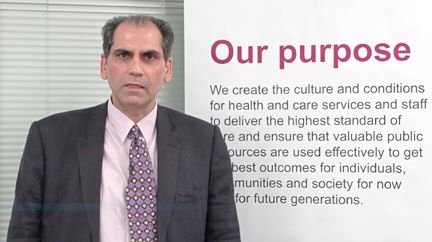
TRANSFORMING PARTICIPATION IN HEALTH AND CARE

FOREWORD       EXECUTIVE SUMMARY        INDIVIDUAL PARTICIPATION       PUBLIC PARTICIPATION      INSIGHT & FEEDBACK        RESOURCES         CONTACT

 VISION      WHAT THIS MEANS FOR COMMISSIONERS        PARTICIPATION OVERVIEW      PURPOSE OF THIS GUIDE      PARTICIPATION TO ADDRESS INEQUALITIES

          Executive summary                                                      Download a printable Executive Summary Overview here

      Transforming participation in health and care: overview
      To help NHS England and clinical commissioning group commissioners fulfil their statutory duties and involve patients and the public
      effectively and systematically, NHS England will work with partners to:

           Chapter 2: Public Participation

             1|                                                       2|
                   Establish a national Citizens Assembly                      Launch a national ‘Excellence in Participation
                   that will put a citizen voice at the heart                  Awards’ scheme that gives status and profile
                   of decision-making and hold the board                       to patient and public participation, promoting
                   of NHS England to account. We will also                     best practice. NHS England is working with
                   work with the British Youth Council and                     patients and carers to develop this.
                   other children and young people’s groups
                   to establish a Children and Young People’s
                   Forum for NHS England.

                                                                                                                                                  05
TRANSFORMING PARTICIPATION IN HEALTH AND CARE

FOREWORD       EXECUTIVE SUMMARY        INDIVIDUAL PARTICIPATION       PUBLIC PARTICIPATION      INSIGHT & FEEDBACK        RESOURCES         CONTACT

 VISION      WHAT THIS MEANS FOR COMMISSIONERS        PARTICIPATION OVERVIEW      PURPOSE OF THIS GUIDE      PARTICIPATION TO ADDRESS INEQUALITIES

          Executive summary                                                     Download a printable Executive Summary Overview here

      Transforming participation in health and care: overview
      To help NHS England and clinical commissioning group commissioners fulfil their statutory duties and involve patients and the public
      effectively and systematically, NHS England will work with partners to:

           Chapter 2: Public Participation

             3|
                   Set up a Participation Academy, a programme
                   of learning and development for people
                   who want to explore roles as patient and
                                                                           4|      Create a ‘People Bank’ where citizens
                                                                                   and organisations can register their
                                                                                   interest in participation opportunities
                   community leaders in health and care.                           across NHS England’s activities and/or
                   Working with partners, including local                          commissioners can identify interested
                   Healthwatch and health and wellbeing                            people to engage with.
                   boards, we will work with local communities
                   to identify routes to reach a diverse range
                   of people who can champion the health
                   needs and interests of local communities
                   and citizens.

                                                                                                                                                  05
TRANSFORMING PARTICIPATION IN HEALTH AND CARE
FOREWORD EXECUTIVE SUMMARY INDIVIDUAL PARTICIPATION PUBLIC PARTICIPATION INSIGHT & FEEDBACK RESOURCES CONTACT
VISION WHAT THIS MEANS FOR COMMISSIONERS PARTICIPATION OVERVIEW PURPOSE OF THIS GUIDE PARTICIPATION TO ADDRESS INEQUALITIES
Executive summary Download a printable Executive Summary Overview here
Transforming participation in health and care: overview
To help NHS England and clinical commissioning group commissioners fulfil their statutory duties and involve patients and the public
effectively and systematically, NHS England will work with partners to:
Chapter 3: Insight & Feedback
1| Roll out the Friends
and Family Test to
cover all NHS services
2| Publish the most useful
data and insight through
the Patient Insight
3| Develop Patient Centred
Outcome Measures to
gather genuine insight from
by the end of Dashboard in a format patients about the outcomes
2014/2015. that can be understood that matter most to them
by patients, the public and across a range of specialised
local Healthwatch, by conditions.
Autumn 2013.
05TRANSFORMING PARTICIPATION IN HEALTH AND CARE
FOREWORD EXECUTIVE SUMMARY INDIVIDUAL PARTICIPATION PUBLIC PARTICIPATION INSIGHT & FEEDBACK RESOURCES CONTACT
VISION WHAT THIS MEANS FOR COMMISSIONERS PARTICIPATION OVERVIEW PURPOSE OF THIS GUIDE PARTICIPATION TO ADDRESS INEQUALITIES
Executive summary Download the glossary here
Purpose of this guide
The Health and Social Care Act 2012 The purpose of this document is to Participation is not only about legal
introduced significant amendments to support commissioners to improve requirements. It underpins everything
the NHS Act 2006. This guidance supports individual and public participation and that the NHS in England does. The first
two legal duties, requiring Clinical to better understand and respond to the annual planning document of the NHS
Commissioning Groups (CCGs) and needs of the communities they serve. The Commissioning Board (now NHS England),
commissioners in NHS England to enable: guidance aims to help commissioners and Everyone counts: planning for patients
others understand what individual and 2013/14, outlines the incentives and levers
- patients and carers to participate in public participation mean in practice and that will be used to improve services and
to support them in developing the culture, is accompanied by other documents to
planning, managing and making
systems and processes which will make help local clinicians deliver more responsive
decisions about their care and
participation a reality. health services, focused on improving
treatment, through the services outcomes for patients, addressing local
they commission; The guidance highlights a range of ways priorities and meeting the rights people
in which NHS commissioners can fulfil have under the NHS Constitution.
- the effective participation of the their statutory responsibilities and seize
public in the commissioning process the opportunity to deliver personalised ‘Everyone counts’ sets out clear
itself, so that services provided reflect and responsive care to all. It applies expectations of how participation is
the needs of local people. equally to clinical commissioning groups central to achieving these improvements.
and to NHS England’s own directly
commissioned services.
06TRANSFORMING PARTICIPATION IN HEALTH AND CARE
FOREWORD EXECUTIVE SUMMARY INDIVIDUAL PARTICIPATION PUBLIC PARTICIPATION INSIGHT & FEEDBACK RESOURCES CONTACT
VISION WHAT THIS MEANS FOR COMMISSIONERS PARTICIPATION OVERVIEW PURPOSE OF THIS GUIDE PARTICIPATION TO ADDRESS INEQUALITIES
Executive summary
Participation is not only about legal Children and young people have a right to have their views taken
requirements. It underpins everything into account on all issues that affect them yet often services are
that the NHS in England does. The first comissioned without effectively engaging with children, young
annual planning document of the NHS people and their families. The same applies for other groups
Commissioning Board (now NHS England), in the population, and the participation activities must take
Everyone counts: planning for patients into account barriers associated with language, age, access to
2013/14, outlines the incentives and levers information, disability etc. Great participation reaches people
that will be used to improve services and who find it more difficult to get their views heard.
is accompanied by other documents to
help local clinicians deliver more responsive The statutory duties and a downloadable summary of the relevant
health services, focused on improving legal obligations for CCGs and NHS England can be found here.
outcomes for patients, addressing local
priorities and meeting the rights people
have under the NHS Constitution.
‘Everyone counts’ sets out clear
expectations of how participation is
central to achieving these improvements.
07TRANSFORMING PARTICIPATION IN HEALTH AND CARE
FOREWORD EXECUTIVE SUMMARY INDIVIDUAL PARTICIPATION PUBLIC PARTICIPATION INSIGHT & FEEDBACK RESOURCES CONTACT
VISION WHAT THIS MEANS FOR COMMISSIONERS PARTICIPATION OVERVIEW PURPOSE OF THIS GUIDE PARTICIPATION TO ADDRESS INEQUALITIES
Executive summary
‘A quality service is one that The Equality Delivery System
recognises the needs and
circumstances of each patient, The Equality Delivery System (EDS) was developed in 2011 to help the NHS understand
how equality can drive improvements and strengthen the accountability of services to
carer, community and staff patients and the public. Equality must lie at the heart of the NHS – its values, processes
member and ensures that and behaviours – if we are to create a service that meets the needs of every patient and
services are accessible, benefit from the contribution of all staff. It has been designed as an optional tool to
support NHS commissioners and providers to deliver better outcomes for patients and
appropriate and effective for communities and better working environments, which are personalised, fair and diverse.
all, and that workplaces are
free from discrimination where
staff can thrive and deliver.’
Good engagement practice for the NHS
An Equality Delivery System for the NHS, 2011
08TRANSFORMING PARTICIPATION IN HEALTH AND CARE
FOREWORD EXECUTIVE SUMMARY INDIVIDUAL PARTICIPATION PUBLIC PARTICIPATION INSIGHT & FEEDBACK RESOURCES CONTACT
VISION WHAT THIS MEANS FOR COMMISSIONERS PARTICIPATION OVERVIEW PURPOSE OF THIS GUIDE PARTICIPATION TO ADDRESS INEQUALITIES
Executive summary
Participation to address inequalities
‘The NHS provides a comprehensive service, Health inequalities
available to all irrespective of gender, race,
The Marmot Review, Fair Society, Healthy Lives (2010) clearly demonstrated the difference
disability, age, sexual orientation, religion, in life expectancy between socio-economic groups. At a local level, Joint Strategic Needs
belief, gender reassignment, pregnancy and Assessments (JSNAs) tell a similar story. If we are to truly address these inequalities, all our
maternity or marital or civil partnership activity should start from the stance of those who experience the greatest inequality, whether
in the individual’s own care, or as part of wider public participation in health and care. We
status. The service is designed to diagnose,
should take an asset based approach to working with and empowering communities.
treat and improve both physical and mental
health. It has a duty to each and every To understand what is and is not working for patients and communities, we need to ensure that:
individual that it serves and must respect - all participation activity reaches - we consider how to reach people that
their human rights. At the same time it has communities and groups with distinct experience difficulties accessing health
health needs and those who experience services or have health problems that
a wider social duty to promote equality
poor health outcomes. are caused or affected by their socio-
through the services it provides and to pay
economic circumstances.
particular attention to groups or sections of - people who have characteristics that are
protected under the Equality Act 2010 - people who lack capacity are protected
society where improvements in health and
are integral to all participation and and empowered and that the provisions
life expectancy are not keeping pace with the measures taken to enable patients to of the Mental Capacity Act (2005) are
rest of the population.’ participate in their own health are met.
designed in a way which meets
The NHS Constitution 2010 individual needs.
09TRANSFORMING PARTICIPATION IN HEALTH AND CARE
FOREWORD EXECUTIVE SUMMARY INDIVIDUAL PARTICIPATION PUBLIC PARTICIPATION INSIGHT & FEEDBACK RESOURCES CONTACT
VISION WHAT THIS MEANS FOR COMMISSIONERS PARTICIPATION OVERVIEW PURPOSE OF THIS GUIDE PARTICIPATION TO ADDRESS INEQUALITIES
Executive summary
Participation to address inequalities
Source: Working with the voluntary sector
‘Working with the voluntary and
community sector: a guide for Voluntary and Community Sector (VCS) In each of the nine English regions, there
health and wellbeing boards’, organisations often work with the most is a regional infrastructure organisation
disadvantaged communities - both which works closely with health and care
geographic localities and communities of organisations and networks as well as
by kind permission of interest - and are therefore an excellent those operating in areas which are wider
Regional Voices. route to engagement. determinants of health, such as housing or
employment. Working with the VCS at a
Locally, the best source of support regional level promotes networking, sharing
for linking with the voluntary sector and learning between localities. The regional
is frequently the council for voluntary networks are a good point of contact for
services (CVS), sometimes called a local an alternative view on engaging with the
development and support agency. These VCS in each area.
organisations can help commissioners
reach large numbers of VCS organisations A database of local support and development
in their area. CVSs often facilitate a organisations is available from NAVCA the
network of organisations working in health national voice of local support and
and social care, which can be useful for development organisations.
commissioners and policy-makers to
work with and are a good starting point
in developing engagement mechanisms.
10TRANSFORMING PARTICIPATION IN HEALTH AND CARE
FOREWORD EXECUTIVE SUMMARY INDIVIDUAL PARTICIPATION PUBLIC PARTICIPATION INSIGHT & FEEDBACK RESOURCES CONTACT
VISION REQUIREMENTS OF CCGS WHY? HOW? HELP & SUPPORT CASE STUDIES & VIEWPOINTS
Individual Participation
Patients in control of their own careTRANSFORMING PARTICIPATION IN HEALTH AND CARE
FOREWORD EXECUTIVE SUMMARY INDIVIDUAL PARTICIPATION PUBLIC PARTICIPATION INSIGHT & FEEDBACK RESOURCES CONTACT
VISION REQUIREMENTS OF CCGS WHY? HOW? HELP & SUPPORT CASE STUDIES & VIEWPOINTS
PLAY
George Fielding Chair of Whizz Kidz, Kidz Board
12TRANSFORMING PARTICIPATION IN HEALTH AND CARE
FOREWORD EXECUTIVE SUMMARY INDIVIDUAL PARTICIPATION PUBLIC PARTICIPATION INSIGHT & FEEDBACK RESOURCES CONTACT
VISION REQUIREMENTS OF CCGS WHY? HOW? HELP & SUPPORT CASE STUDIES & VIEWPOINTS
What is our vision of individual participation? Download the glossary here
‘I want to feel heard and Patients and carers are involved in Someone with complex needs requiring
managing their own health, care and 24 hour care may want to take full control
understood. I want to know treatment. This means being involved and employ their own carers using a
about my options, and I in decisions about their care and having personal health budget. People who
choice and control over the NHS services need to make episodic decisions about
want to be supported to they receive. From booking an treatment or care (for example, whether
make a decision based on appointment, or choosing which they should have an operation) will be
hospital to attend, to receiving 24 hour supported to make shared decisions with
what matters to me.’ nursing care, the NHS will offer patients their health professionals.
A personal view of shared decision making as much control over the services they
receive as they want.
The amount of control an individual
‘I can plan my care with wishes or is able to take may vary
people who work together to according to their background and
experience as well as their current
understand me and my carer(s), circumstances.
allow me control, and bring
For example, someone with a long
together services to achieve term condition may work collaboratively
the outcomes important to me.’ with health professionals to develop a
care plan which helps them achieve their
A narrative for person- own goals and self manage their health.
centred co-ordinated care
13TRANSFORMING PARTICIPATION IN HEALTH AND CARE
FOREWORD EXECUTIVE SUMMARY INDIVIDUAL PARTICIPATION PUBLIC PARTICIPATION INSIGHT & FEEDBACK RESOURCES CONTACT
VISION REQUIREMENTS OF CCGS WHY? HOW? HELP & SUPPORT CASE STUDIES & VIEWPOINTS
Requirements of clinical commissioning groups
The NHS Mandate sets an objective that As stated in the NHS England Business In addition there is a commitment that, by
‘everyone with a long-term condition, Plan ‘Putting Patients First’, ‘by 2015 April 2014, people with NHS continuing
including people with mental health 80% of CCGs will be commissioning care will have the right to ask for a personal
problems, will be offered a personalised to support patients’ participation and health budget, including a direct payment.
care plan that reflects their preferences decisions over their own care. The Business Meanwhile, people who could benefit
and agreed decisions’. Care plans should Plan states that they will have a plan in will have the option of a personal health
be digitally accessible as well as in place to do so by December 2013. This budget by April 2015.
printed form. includes information and support for self-
management, personalised care planning
and shared decision making within normal
service planning and commissioning.
14TRANSFORMING PARTICIPATION IN HEALTH AND CARE
FOREWORD EXECUTIVE SUMMARY INDIVIDUAL PARTICIPATION PUBLIC PARTICIPATION INSIGHT & FEEDBACK RESOURCES CONTACT
VISION REQUIREMENTS OF CCGS WHY? HOW? HELP & SUPPORT CASE STUDIES & VIEWPOINTS
Why?
People’s lives can be transformed when they have knowledge, skills and confidence to manage their own health, when they are able to
shape their care and treatment to fit with what is important to them. When health outcomes and goals are agreed, needs are better
met and people are supported to manage their own care. There is now a growing body of literature to show that patient participation:
Improves outcomes Provides value for money Improves quality of life
We know that when patients are involved Around 15 million patients with long term An extensive trial of Personal Health Budgets
in decisions about their own care and conditions (LTCs) provide 4,800 hours of self- has shown improved quality of life and cost
treatment and have more knowledge and care for every four hours of NHS care. At the -effectiveness of treatment, particularly
confidence, they have better outcomes, moment, our energies go into making the for people with higher levels of physical or
follow appropriate drug treatments1, avoid four hours of NHS care more efficient, rather mental health needs. Carers also reported
over-treatment2, and are less likely to be than seeing the value that patients and carers improved quality of life and perceived health.
hospitalised3. can bring. A recent study by Nesta estimated
Shared decision making allows individuals
£4.4bn could be saved in the NHS through
Reviews of evidence around self- to discuss their options with the health care
greater participation and self-management of
management4 have shown it to be highly professional and come to a decision that
long term conditions.
effective with the right support, including fits in with their needs, preferences and
health coaching, structured education, tele- One US study found that a patient’s skills circumstances, also leading to an improved
monitoring5 and supported patient networks. and confidence to engage in their own health quality of life and better outcomes.
and care could amount to a 21% reduction
For major users of NHS services, the evidence Research has shown that treatment decisions
in costs6.
suggests that personalised care planning is change when patients are well informed and
highly effective. that there are substantial gaps between the
outcomes patients prefer and the outcomes
doctors think patients prefer.
15TRANSFORMING PARTICIPATION IN HEALTH AND CARE
FOREWORD EXECUTIVE SUMMARY INDIVIDUAL PARTICIPATION PUBLIC PARTICIPATION INSIGHT & FEEDBACK RESOURCES CONTACT
VISION REQUIREMENTS OF CCGS WHY? HOW? HELP & SUPPORT CASE STUDIES & VIEWPOINTS
How?
Professionals need to work towards holding a new type of conversation (a more inclusive discussion) to identify each individual’s needs
and goals and the ways in which these can be achieved, developing and supporting:
Self management Shared decision-making Personal care planning
Self-management to help individuals Shared decision-making, discussing Collaborative, personal care planning for
better manage their health and options and the risks and benefits of people with long-term conditions and
healthcare, such as: each with the patient, such as: personal health budgets, such as:
- Group education, The Expert - Patient Decision Aids (PDAs); - Peronalised outcome focused
Patients Programme; goal setting;
- Training professionals in shared
- Patient Activation; decision-making (SDM); - Electronic care plans;
- Peer support; - Information on options; - Collaborative GP consultations;
- Patient leaders; - Patient-held records; - Information, support and advocacy
- Patient online: the road map; e.g. Age UK;
- Prompts for professionals.
- Health literacy; - Social prescribing;
- Health Champions. - Personal Health Budgets.
16TRANSFORMING PARTICIPATION IN HEALTH AND CARE
FOREWORD EXECUTIVE SUMMARY INDIVIDUAL PARTICIPATION PUBLIC PARTICIPATION INSIGHT & FEEDBACK RESOURCES CONTACT
VISION REQUIREMENTS OF CCGS WHY? HOW? HELP & SUPPORT CASE STUDIES & VIEWPOINTS
How?
‘The House of Care’
IT: clinical record of care planning Know your population
The ‘House of Care’ is one example of how a proactive,
Test results/ agenda Contact numbers
person-centred approach can be achieved. It is made up of setting prompts; and safety netting
beforehand
four inter-dependent components: Organisational
process
Consultation
Commissioning – driving quality improvement. ‘Prepared’ for skills/
attitudes
partnership working
Consultation
HCP committed to
Engaged
informed
information
Engaged, informed individuals and carers – enabling Collaborative Integrated
Engaged,
Information/ care planning multi -
individuals to be involved in all decisions about their care, to self- disiplinary team
patient
Structured
patient
manage and truly say ‘No decision about me without me’. consultation & expertise
education
Senior buy-in
Organisational and clinical processes – structured around the Emotional & & local
needs of patients and carers using the best evidence available. psychological Commissioning - champions
support The foundation to support &
role model
Health and care professionals working in partnership –
listening, supporting, and collaborating for continuity of care. Develop market Identify needs, Procure time Quality assure Establish and
Professionals starting with patients not services. to meet current map resources for consultation and monitor publicise menu
and future needs training & IT of care
www.selfmanagmentsupport.health.org.uk
17TRANSFORMING PARTICIPATION IN HEALTH AND CARE
FOREWORD EXECUTIVE SUMMARY INDIVIDUAL PARTICIPATION PUBLIC PARTICIPATION INSIGHT & FEEDBACK RESOURCES CONTACT
VISION REQUIREMENTS OF CCGS WHY? HOW? HELP & SUPPORT CASE STUDIES & VIEWPOINTS
How?
Personalised care plans
Every person with a long-term condition or disability should have a personalised care plan supporting them to develop the
knowledge, skills and confidence to manage their own health.
There is no single standard process or methodology for developing a care plan. However, there are some common principles which
are being developed by National Voices. The principles below are based on these:
- Plans should be developed in - Plans should be holistic and consider - Plans should be focused on agreed
partnership between patients, carers health, wellbeing and life more widely goals and outcomes which are
and health professionals. Planning than the symptoms or condition the relevant to the person, with an agreed
processes should pay due regard to person has. action plan for achieving these and,
the Mental Capacity Act (2005). where relevant, contingency planning
for crisis episodes.
- People should have the right - Plans should be agreed by both - Plans should be reviewed regularly
information and support to be able parties and owned by the patient. at intervals which make sense to the
to manage their conditions in ways individual.
that work for them, including access
to community and wider services.
18TRANSFORMING PARTICIPATION IN HEALTH AND CARE
FOREWORD EXECUTIVE SUMMARY INDIVIDUAL PARTICIPATION PUBLIC PARTICIPATION INSIGHT & FEEDBACK RESOURCES CONTACT
VISION REQUIREMENTS OF CCGS WHY? HOW? HELP & SUPPORT CASE STUDIES & VIEWPOINTS
How?
Levers and incentives 4| 1|
There are levers and incentives available - NHS Standard Contract (National - NHS Standard Contract (particulars
sanctions) and general clauses)
to commissioners in order to promote
individual participation. These include: - NHS Standard Contract - Primary care contracts
(Local sanctions) - Tariff business rules
- the service condition clauses - Primary care
Maintain Establish - NICE Quality
on care planning in the NHS contracts
improvement the national Standards
Standard Contract; - National and set the standard
and local new norm but allow
- local CQUINs; sanctions innovation
- enhanced service schemes.
NHS England will continue to support
commissioners to use these levers,
including signposting and developing
3| Implement Measure,
robust metrics. - CQUIN
- NHS Standard
well designed
incentives
baseline and
publish data 2|
Commissioners should consider the Contract - Quality Accounts
full range of contractual options (Local incentives) - Care.Data
available to them when designing - Enhanced Services - Quality Standard Indicators
services to ensure patients receive
seamless and personalised care.
19TRANSFORMING PARTICIPATION IN HEALTH AND CARE
FOREWORD EXECUTIVE SUMMARY INDIVIDUAL PARTICIPATION PUBLIC PARTICIPATION INSIGHT & FEEDBACK RESOURCES CONTACT
VISION REQUIREMENTS OF CCGS WHY? HOW? HELP & SUPPORT CASE STUDIES & VIEWPOINTS
How?
Measuring Progress Map of patient involvement -
% of patients reporting good
patient involvement by GPs in
All services should be seeking to improve all of the time. Information on their care by CCG area.
the quality of services, including patient feedback, should be used to help:
- services understand where they can 78.1% - 82.7%
improve (insight data);
75.8% - 78%
- services understand how they can
73.5% - 75.8%
improve (improvement data);
66.1% - 73.4%
- commissioners understand whether
services are delivering their
overarching aims (outcome data).
Details of a range of existing measures and tools available to help monitor
and evaluate progress in individual participation can be found here.
20TRANSFORMING PARTICIPATION IN HEALTH AND CARE
FOREWORD EXECUTIVE SUMMARY INDIVIDUAL PARTICIPATION PUBLIC PARTICIPATION INSIGHT & FEEDBACK RESOURCES CONTACT
VISION REQUIREMENTS OF CCGS WHY? HOW? HELP & SUPPORT CASE STUDIES & VIEWPOINTS
How?
Suggested action plan for commissioners
1| 2| 3|
Understand what individual patient Identify the gap. What more is needed Identify local champions and
participation is and what is already locally to ensure that patients and resources, linking in with local
happening locally. What are patients carers are involved in decisions about patient groups, other CCGs,
saying about how they are involved their healthcare. For example, access Commissioning Support Units
in their care? How can individual to relevant information and informed (CSUs), voluntary organisations
participation better meet their discussions with clinicians; integrated and other partners.
needs and improve outcomes? personal care planning for patients
with long term conditions, and, where
appropriate, the option of a personal
health budget. Consider how information
and support can be targeted to ensure
it reaches appropriate audiences, for
example support for those who lack
capacity.
4| 5| 6| 7|
Use the tools and support Monitor implementation, Seek feedback about Share learning though
guides available, many of and measure the impact what is working well and local, regional or national
which are highlighted in of patient participation, areas for improvement, networks.
this guidance, to develop for example on service through commissioner
local implementation improvement and health assurance and wider
plans. outcomes. patient engagement.
21TRANSFORMING PARTICIPATION IN HEALTH AND CARE
FOREWORD EXECUTIVE SUMMARY INDIVIDUAL PARTICIPATION PUBLIC PARTICIPATION INSIGHT & FEEDBACK RESOURCES CONTACT
VISION REQUIREMENTS OF CCGS WHY? HOW? HELP & SUPPORT CASE STUDIES & VIEWPOINTS
Help & support Click to read a full list of participation resources here
Practical support from NHS England
NHS England will work with partners to:
1| 2| 3|
Ensure that every Launch a new certification Build a field force of
person with a long-term process for entrepreneurs practical support and help
condition or disability has to easily offer online tools for commissioners, through
a personalised care plan and services that support the Patient and Public Voice
supporting them to develop personalisation to help Commissioning Support
the knowledge, skills and commissioners to identify Programme, to introduce
confidence to manage their high quality suppliers. and roll out personal health
own health. NHS England budgets and approaches
will develop and implement to personalisation so that
a best practice standard anyone who can benefit will
that defines what good, be able to have a personal
personalised, digital care health budget and care plan
plans and planning processes by April 2015.
look like, in order to support
GPs and health professionals
during 2014.
22TRANSFORMING PARTICIPATION IN HEALTH AND CARE
FOREWORD EXECUTIVE SUMMARY INDIVIDUAL PARTICIPATION PUBLIC PARTICIPATION INSIGHT & FEEDBACK RESOURCES CONTACT
VISION REQUIREMENTS OF CCGS WHY? HOW? HELP & SUPPORT CASE STUDIES & VIEWPOINTS
Help & support Click to read a full list of participation resources here
Practical support from NHS England
NHS England will work with partners to:
4| 5| 6|
Develop agreed approaches Develop further tools and Launch an online health
to including personalisation resources that will support literacy programme with
and person-centred NHS commissioners to make The Tinder Foundation
approaches in all aspects patient participation a reality. to train 100,000 people
of health professionals from disadvantaged
training, development communities by April 2014.
and accreditation.
23TRANSFORMING PARTICIPATION IN HEALTH AND CARE
FOREWORD EXECUTIVE SUMMARY INDIVIDUAL PARTICIPATION PUBLIC PARTICIPATION INSIGHT & FEEDBACK RESOURCES CONTACT
VISION REQUIREMENTS OF CCGS WHY? HOW? HELP & SUPPORT CASE STUDIES & VIEWPOINTS
Case studies & viewpoints View all case studies for download here
Personal Health Budgets Download Christian Raphael,
Vicky Raphael,
(Christian’s mum
Shared Decision Making Download and carer) and
Matthew Clark
(Christian’s Personal
VitrucareTM Phoenix Download Assistant)
Newcastle FT MAGIC PLAY
Download
Birmingham - Living Well Sir David Nicholson
Download
Chief Executive, NHS
England
View all case studies for download here.
PLAY
24TRANSFORMING PARTICIPATION IN HEALTH AND CARE
FOREWORD EXECUTIVE SUMMARY INDIVIDUAL PARTICIPATION PUBLIC PARTICIPATION INSIGHT & FEEDBACK RESOURCES CONTACT
VISION WHY? HOW? HELP & SUPPORT CASE STUDIES & VIEWPOINTS
Public Participation
Communities with influence & controlTRANSFORMING PARTICIPATION IN HEALTH AND CARE
FOREWORD EXECUTIVE SUMMARY INDIVIDUAL PARTICIPATION PUBLIC PARTICIPATION INSIGHT & FEEDBACK RESOURCES CONTACT
VISION WHY? HOW? HELP & SUPPORT CASE STUDIES & VIEWPOINTS
PLAY
Faiza Khan
Deputy Chief Executive and Director of Policy and Communications, National Council for Voluntary Youth Services
26TRANSFORMING PARTICIPATION IN HEALTH AND CARE
FOREWORD EXECUTIVE SUMMARY INDIVIDUAL PARTICIPATION PUBLIC PARTICIPATION INSIGHT & FEEDBACK RESOURCES CONTACT
VISION WHY? HOW? HELP & SUPPORT CASE STUDIES & VIEWPOINTS
What is our vision of public participation? Download the glossary here
‘We must put citizen and Every part of our health and care system is People have a voice at different levels
shaped and improved by involving those throughout our structures, from board
patient voice absolutely at who use and care about our services. level to front-line services.
the heart of every decision Everyone contributes their distinctive
we take in purchasing, perspective, especially those who face Our approach recognises, works with and
the greatest health disadvantage and the strengthens the assets in our communities;
commissioning and poorest health outcomes. and takes a collaborative approach to
providing services.’ working with partners. Skills, resources
Progressing from listening and and connections across the system are
Tim Kelsey harnessed through effective partnerships
understanding to collaboration and
National Director of Patients including local HealthWatch, health and
and Information, NHS England responsiveness, we all benefit from a
rich understanding of what is needed wellbeing boards, CCGs, local authorities
and how to co-design and deliver patient groups, patient leaders and the
services that meet these needs. voluntary and community sector.
27TRANSFORMING PARTICIPATION IN HEALTH AND CARE
FOREWORD EXECUTIVE SUMMARY INDIVIDUAL PARTICIPATION PUBLIC PARTICIPATION INSIGHT & FEEDBACK RESOURCES CONTACT
VISION WHY? HOW? HELP & SUPPORT CASE STUDIES & VIEWPOINTS
Why?
Evidence suggests that engaging and involving communities in the planning, design and delivery of health and care services can lead
to a more joined-up, co-ordinated and efficient services that are more responsive to local community needs. Public participation can
also help to build partnerships with communities and identify areas for service improvement. NHS England will work with partners to
identify any further evidence and disseminate it widely.
Improving outcomes Building partnerships Participation for improvement
Services are better designed around Continual and open dialogue between Insight gathered from the public helps to
the needs of patients, service users and commissioners, local leaders, community improve services and outcomes as well
carers when they are involved in the members and other stakeholders fosters as potentially helping to spot failures.
commissioning process. a culture of transparency and trust. Listening to and using the voice of patients
Commissioning decisions are better and the public were never more forcefully
Enabling public participation also provides
supported when people are involved presented than in the Francis report.
other specific benefits for those who
in identifying problems and designing
contribute including:
solutions that work. The use of patient and staff focus groups
- improved self confidence; in the Keogh review into the quality of
- better understanding by the public The recent report, Changing care, care and treatment provided by 14 hospital
of how the NHS operates; improving quality (June 2013) developed trusts in England was probably the single
by the Academy of Medical Royal Colleges, most powerful aspect of the review process
- more appropriate use of health
services; NHS Confederation and National Voices, and ensured that a cultural assessment, not
calls for meaningful engagement of key just a technical assessment, could be made.
- shared responsibilities for health care
stakeholders, including the public, patients
between NHS services and the public.
and health professionals in proactive well
See case studies here. planned service changes.
28TRANSFORMING PARTICIPATION IN HEALTH AND CARE
FOREWORD EXECUTIVE SUMMARY INDIVIDUAL PARTICIPATION PUBLIC PARTICIPATION INSIGHT & FEEDBACK RESOURCES CONTACT
VISION WHY? HOW? HELP & SUPPORT CASE STUDIES & VIEWPOINTS
How?
The principles of participation
NHS England has developed some principles of participation based on a review of research, best practice reports and the views of stakeholders.
Working with each other Working well together
1/ Our relationships will be conducted with equality and respect. 1/ We will understand what’s worked in the past, and consider how
to apply it to the present and future.
2/ We will listen and truly hear what is being said, proactively
seeking participation from communities who experience the 2/ We will have a shared goal and take joint responsibility for
greatest health inequalities and poorest health outcomes. our work.
3/ We will use all the strengths and talents that people bring 3/ We will take time to plan well.
to the table.
4/ We will start involving people as early as possible.
4/ We will respect and encourage different beliefs and opinions.
5/ We will give feedback on the results of involvement.
5/ We will recognise, record and reward people’s contributions.
6/ We will provide support, training and the right kind of leadership
6/ We will use plain language, and will openly share information. so that we can work, learn and improve together.
29TRANSFORMING PARTICIPATION IN HEALTH AND CARE
FOREWORD EXECUTIVE SUMMARY INDIVIDUAL PARTICIPATION PUBLIC PARTICIPATION INSIGHT & FEEDBACK RESOURCES CONTACT
VISION WHY? HOW? HELP & SUPPORT CASE STUDIES & VIEWPOINTS
How?
The ‘Ladder of Engagement and Participation’
There are many different ways in which people might participate in health depending upon their personal circumstances and interest.
The ‘Ladder of Engagement and Participation’ is a widely recognised model for understanding different forms and degrees of patient
and public involvement, (based on the work of Sherry Arnstein7). Patient and public voice activity on every step of the ladder is
valuable, although participation becomes more meaningful at the top of the ladder.
Devolving Placing decision-making in the hands of the community and individuals. For example, Personal
Health Budgets or a community development approach. Devolving
Collaborating Working in partnership with communities and patients in each aspect of the decision, including
the development of alternatives and the identification of the preferred solution. Collaborating
Involving Working directly with communities and patients to ensure that concerns and aspirations are
consistently understood and considered. For example, partnership boards, reference groups
Involving
and service users participating in policy groups.
Consulting Obtaining community and individual feedback on analysis, alternatives and / or decisions. For
example, surveys, door knocking, citizens’ panels and focus groups.
Consulting
Informing Providing communities and individuals with balanced and objective information to assist them
in understanding problems, alternatives, opportunities, solutions. For example, websites, Informing
newsletters and press releases.
30TRANSFORMING PARTICIPATION IN HEALTH AND CARE
FOREWORD EXECUTIVE SUMMARY INDIVIDUAL PARTICIPATION PUBLIC PARTICIPATION INSIGHT & FEEDBACK RESOURCES CONTACT
VISION WHY? HOW? HELP & SUPPORT CASE STUDIES & VIEWPOINTS
How?
The ‘Engagement Cycle’
Analyse & plan
The ‘Engagement Cycle’ represented here identifies key points in ity en Pu
un nt
the commissioning cycle for public participation. m m e to gageblic
Co agem tify p de me
n
engo ide and str rioritvelop nt
More information can be found here including resources to help t ds ns an ate ies,
nee iratio d p gie
lan s
develop public and patient engagement strategies and plans, asp s
e
Deliver & improv
which have been developed with the support of the Department
Design pathways
of Health, the NHS institute for Innovation and Improvement and Patient Patient
patient groups. and carer
engagement Making it and carer
engagement
to monitor
services happen to improve
services
Patient, carer
and public
engagement
to procure
services
Specif
y & procure
By kind permission.
31TRANSFORMING PARTICIPATION IN HEALTH AND CARE
FOREWORD EXECUTIVE SUMMARY INDIVIDUAL PARTICIPATION PUBLIC PARTICIPATION INSIGHT & FEEDBACK RESOURCES CONTACT
VISION WHY? HOW? HELP & SUPPORT CASE STUDIES & VIEWPOINTS
How?
Engaging the public in the planning and delivery of service change
Engage early: Consult:
If you identify the need for a major service change Build on the insight and early engagement work with
programme through working with all local partners to develop and implement detailed engage-
partners including local Healthwatch and ment and consultation plans. Commissioners should
other members of the health and wellbeing ensure they use an appropriate and proportionate
board. Discuss the need for change with spectrum of engagement activity that reaches
communities and work together to design their communities. There are no additional
options. It is good practice that proposals specific duties for commissioners with respect
for major service change build upon to consultation with the public around
engagement that has already been major service change proposals.
undertaken locally on commissioning
plans and priorities.
Consult the Local Authority Health
Scrutiny Committee:
Where commissioners are considering any
Implementing the outcome: proposal for a substantial development of the
health service in the local authority area, or for a
Finalise the proposal and move to
substantial variation in the provision of a service. This
implementation or retest revised proposals,
is underpinned by S244 of the NHS Act 2006 (as
taking into account the early engagement, views
amended), and explained further by the Local Authority
gained through any consultation, input from the Local
(Public Health, Health and Wellbeing Boards and Health
Authority Health Scrutiny Committee, and views gained
Scrutiny) Regulations 2013.
from the communities affected.
32TRANSFORMING PARTICIPATION IN HEALTH AND CARE
FOREWORD EXECUTIVE SUMMARY INDIVIDUAL PARTICIPATION PUBLIC PARTICIPATION INSIGHT & FEEDBACK RESOURCES CONTACT
VISION WHY? HOW? HELP & SUPPORT CASE STUDIES & VIEWPOINTS
How?
Features of public participation
Providing good quality information Providing a range of opportunities for participation
Ensuring that your local community Not everyone will want to participate in the same way or at the same times and
understands and knows about all therefore it is essential that a range of options is provided. This could include:
commissioning plans and opportunities
available for participation. Options - Online survey tools;
could include:
- Dedicated events to enable discussion about proposals;
- Regular e-bulletins; - Seeking views from the community at local events or venues e.g. attending
festivals, markets, schools, leisure centres, libraries etc.;
- Information posted locally on notice
boards in GP practices, pharmacies, - Understanding the assets within your local community and collaborating to
dental practices etc.; identify and solve problems together;
- Information disseminated - Pro-active work through local voluntary and community sector organisations,
through local voluntary and including small grass roots organisations in order to collaborate and solve
community organisations; problems together, particularly with communities of interest e.g. mental
health charities, homeless organisations.
- Local authority newsletters
and circulations.
33TRANSFORMING PARTICIPATION IN HEALTH AND CARE
FOREWORD EXECUTIVE SUMMARY INDIVIDUAL PARTICIPATION PUBLIC PARTICIPATION INSIGHT & FEEDBACK RESOURCES CONTACT
VISION WHY? HOW? HELP & SUPPORT CASE STUDIES & VIEWPOINTS
How?
Features of public participation
Working with patients and the public from the Pro-actively reaching out to diverse communities
initial planning stages
Good public participation reaches all the local community, not
Working with the public right from the initial stages of service just those who are already informed and engaged. Options to
redesign or strategy planning will enable a richer level of reach more diverse communities could include working with and
participation and the opportunity to truly influence plans. through groups and their wider networks such as:
This could include:
- Patient leaders and local grass roots organisations that
- Providing the facility for patients and the public to understand and can reach communities that do not
proactively suggest improvements at any time e.g. currently participate;
a suggestion box or online feedback page;
- Local Healthwatch;
- Ensuring all plans are communicated to patients and the
- The Patient Participation Group (PPG) at GP practices.
public as soon as they begin to be considered;
- Providing regular opportunities for patients and the public to - Local voluntary and community networks.
meet commissioners.
34TRANSFORMING PARTICIPATION IN HEALTH AND CARE
FOREWORD EXECUTIVE SUMMARY INDIVIDUAL PARTICIPATION PUBLIC PARTICIPATION INSIGHT & FEEDBACK RESOURCES CONTACT
VISION WHY? HOW? HELP & SUPPORT CASE STUDIES & VIEWPOINTS
How?
Suggested action plan for commissioners
1| 5|
Use the tools and support in this guidance. Develop joint approaches with local authorities,
local Healthwatch, voluntary groups and other
organisations, especially those who have existing
relationships with local communities and have
2|
Identify experts within your own organisation and successfully worked together with local people
networks, for example Lay Members and Practice in the past.
Managers with thriving Patient Participation Groups.
6|
Through your CCG assurance process, ensure you seek
feedback from your partners and communities about
3|
Build upon existing structures and relationships, use
what is working well and areas for improvement.
tried and tested methods to involve patients, carers
and the public - especially those who represent
7|
excluded or marginalised groups. Work with Make sure your participation plans reach those who
community development workers to identify assets in experience the greatest health inequalities.
your community and develop collective approaches.
4| 8|
Work with health and well-being boards and Feed back to communities about the impact of their
local Healthwatch to plan shared approaches with involvement, and the difference they have made.
communities. Invest collectively in building assets
and growing patient leaders.
35TRANSFORMING PARTICIPATION IN HEALTH AND CARE
FOREWORD EXECUTIVE SUMMARY INDIVIDUAL PARTICIPATION PUBLIC PARTICIPATION INSIGHT & FEEDBACK RESOURCES CONTACT
VISION WHY? HOW? HELP & SUPPORT CASE STUDIES & VIEWPOINTS
Help & support Click to read a full list of participation resources here
Practical support from NHS England
NHS England will work with partners to develop:
1| 2| 3|
An online CCG resource library The Patient and Public Voice A national ‘Excellence
including a library of tools, Commissioning Support in Participation Awards’
‘how to guides’, best practice Programme. This will build scheme that gives status
examples, and case studies networks of specific expertise and profile to patient and
highlighting the evidence for to offer practical support to public participation,
change as well as support develop greater participation, promoting best practice.
with building networks for lay provide support to CCGs NHS England is working
members on CCG governing and area teams and engage with patients and carers
bodies who have a lead role effectively with the voluntary to develop this.
in championing patient and sector to provide high quality
public involvement. We will commissioning support.
work together to develop tools
and resources that support NHS
commissioners to have great
participation from children
and young people.
36TRANSFORMING PARTICIPATION IN HEALTH AND CARE
FOREWORD EXECUTIVE SUMMARY INDIVIDUAL PARTICIPATION PUBLIC PARTICIPATION INSIGHT & FEEDBACK RESOURCES CONTACT
VISION WHY? HOW? HELP & SUPPORT CASE STUDIES & VIEWPOINTS
Help & support Click to read a full list of participation resources here
Practical support from NHS England
NHS England will work with partners to develop:
4| 5| 6|
A national Citizens Assembly A digital participation space A ‘People Bank’ where
that will aim to put a citizen where anyone will be able citizens and organisations
voice at the heart of decision- to join, contribute or start a can register their interest in
making and hold the board conversation about health and participation opportunities
of NHS England to account. care. This will be supported across NHS England’s activities,
We will also work with the by work with organisations and for commissioners to
British Youth Council and such as Healthwatch England, identify interested people
other children and young the voluntary sector strategic to engage with.
people’s groups to establish a partner programme, and
Children and Young People’s the NHS Equality and
Forum for NHS England. Diversity Council, to ensure
conversations from the online
forum reach communities
including those who do not
participate digitally.
37You can also read


