2018 2021 Community Health Improvement Plan - Auglaize County - Auglaize ...
←
→
Page content transcription
If your browser does not render page correctly, please read the page content below
2018            2021

  Auglaize County
Community Health
Improvement Plan

  Adopted on 05.01.2018
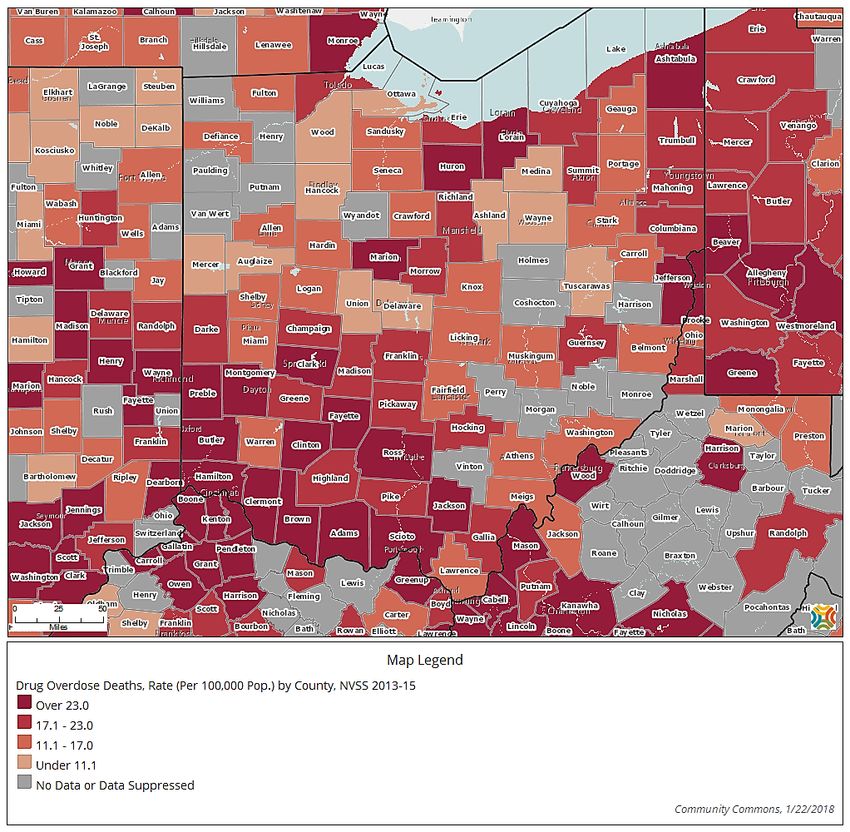
Table of Contents | Page 2
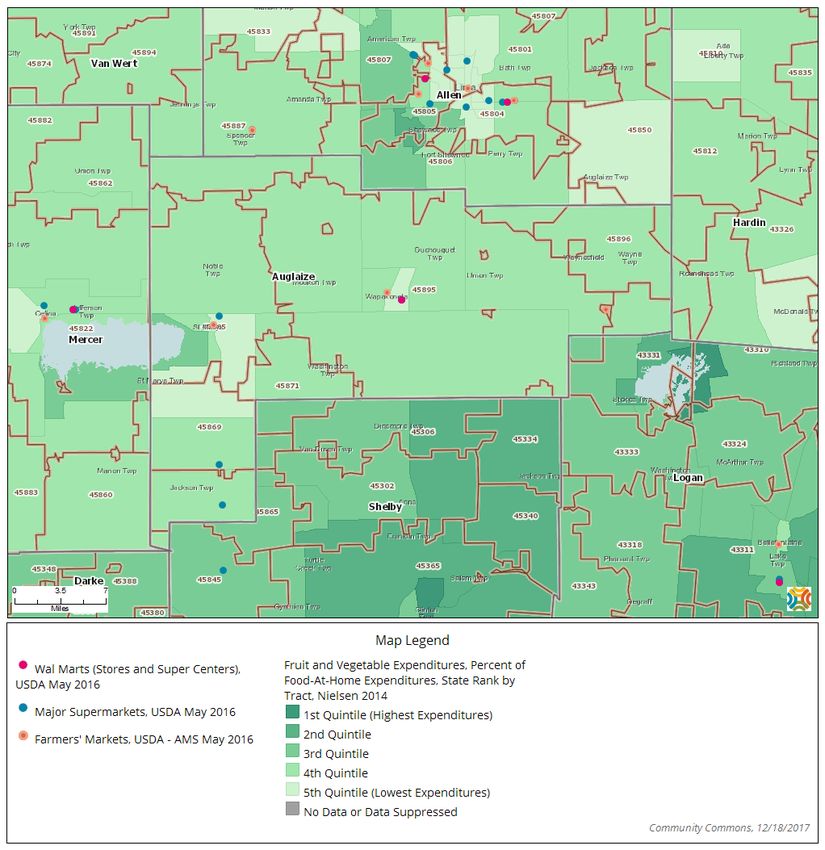
Table of Contents
Table of Contents ............................................................................................................................................................................ 3
Executive Summary ........................................................................................................................................................................ 4
   Partners............................................................................................................................................................................................ 6
   Vision ................................................................................................................................................................................................ 7
   Alignment with National and State Standards ............................................................................................................. 7
   Action Steps ............................................................................................................................................................................... 11
Needs Assessment....................................................................................................................................................................... 12
Priorities Chosen .......................................................................................................................................................................... 15
Forces of Change Assessment ............................................................................................................................................... 16
Local Public Health System Assessment ........................................................................................................................... 17
Community Themes and Strengths Assessment........................................................................................................... 19
Quality of Life Survey ................................................................................................................................................................. 21
Resource Assessment ................................................................................................................................................................. 22
Priority 1: Chronic Disease ....................................................................................................................................................... 23
Priority 2: Mental Health and Addiction ............................................................................................................................ 31
Cross-cutting Strategies ........................................................................................................................................................... 37
Progress and Measuring Outcomes .................................................................................................................................... 41
Appendix I: Links to Websites ................................................................................................................................................ 42

Note: Throughout the report, hyperlinks will be highlighted in bold, gold text. If using a hard
copy of this report, please see Appendix I for links to websites.

                                                                                                                                                                               Table of Contents | Page 3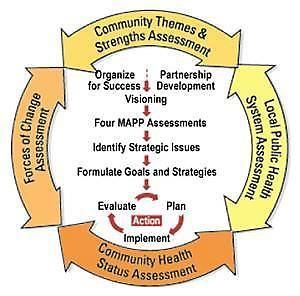
Executive Summary
In 2008, the Auglaize County Community Health Engagement Committee (CHEC) began conducting
community health assessments (CHA) for the purpose of measuring and addressing health status. The
most recent Auglaize County Community Health Assessment was cross-sectional in nature and included
a written survey of adults and adolescents within Auglaize County. The questions were modeled after the
survey instruments used by the Centers for Disease Control and Prevention for their national and state
Behavioral Risk Factor Surveillance System (BRFSS) and Youth Risk Behavior Surveillance System (YRBSS).
This has allowed Auglaize County to compare the data collected in their CHA to national, state and local
health trends.

The Auglaize County CHA also fulfills national mandated requirements for the hospitals in our county.
H.R. 3590 Patient Protection and Affordable Care Act states that in order to maintain tax-exempt status,
not-for-profit hospitals are required to conduct a community health needs assessment at least once
every three years, and adopt an implementation strategy to meet the needs identified through the
assessment.

From the beginning phases of the CHA, community leaders were actively engaged in the planning
process and helped define the content, scope, and sequence of the project. Active engagement of
community members throughout the planning process is regarded as an important step in completing a
valid needs assessment.

The Auglaize County CHA has been utilized as a vital tool for creating the Auglaize County Community
Health Improvement Plan (CHIP). The Public Health Accreditation Board (PHAB) defines a CHIP as a
long-term, systematic effort to address health problems on the basis of the results of assessment
activities and the community health improvement process. This plan is used by health and other
governmental education and human service agencies, in collaboration with community partners, to set
priorities and coordinate and target resources. A CHIP is critical for developing policies and defining
actions to target efforts that promote health. It should define the vision for the health of the community
inclusively and should be done in a timely way.

The Auglaize County Health Department contracted with the Hospital Council of Northwest Ohio, a
neutral regional non-profit hospital association, to facilitate the process. The health department then
invited key community leaders to participate in an organized process of strategic planning to improve
the health of residents of the county. The National Association of City County Health Officer’s (NACCHO)
strategic planning tool, Mobilizing for Action through Planning and Partnerships (MAPP), was used
throughout this process.

The MAPP Framework includes six phases which are listed below:

   •   Organizing for success and partnership development
   •   Visioning
   •   Conducting the MAPP assessments
   •   Identifying strategic issues
   •   Formulating goals and strategies
   •   Taking action: planning, implementing, and evaluation

                                                                                      Executive Summary | Page 4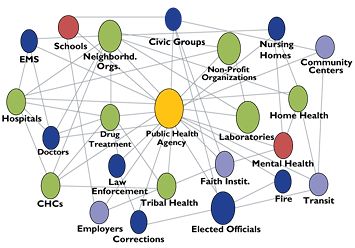
The MAPP process includes four assessments: Community Themes & Strengths, Forces of Change, the
Local Public Health System Assessment and the Community Health Status Assessment. These four
assessments were used by CHEC to prioritize specific health issues and population groups which are the
foundation of this plan. The diagram below illustrates how each of the four assessments contributes to
the MAPP process.
Figure 1.1 2017-2020 Auglaize County CHIP Overview
Overall Health Outcomes
Increase Health Status Decrease Premature Death
Priority Topics
Mental Health and Addiction Chronic Disease
Priority Outcomes
Decrease adult and youth depression Decrease adult and youth obesity
Decrease adult and youth suicide Decrease adult cardiovascular disease
Decrease unintentional drug overdose deaths Decrease adult diabetes
Executive Summary | Page 5
Partners
The 2018-2021 Community Health Improvement Plan was drafted by agencies and service providers
within Auglaize County. From November 2017 to March 2018, the committee reviewed many sources of
information concerning the health and social challenges Auglaize County adults and youth may be
facing. They determined priority issues which if addressed, could improve future outcomes, determined
gaps in current programming and policies and examined best practices and solutions. The committee
has recommended specific action steps they hope many agencies and organizations will embrace to
address the priority issues in the coming months and years. We would like to recognize these individuals
and thank them for their devotion to this process and this body of work:

Auglaize County Community Health Engagement Committee (CHEC✓)

Curt Anderson, Auglaize County Health Department/ Environmental Health Director
Cindy Berning, Joint Township District Memorial Hospital/Grand Lake Health System
Abby Dellinger, Waynesfield Goshen School System
Donna Dickman, Partnership for Violence Free Families
Brenda Eiting, Auglaize County Health Department/ Director of Nursing
Cheryl Feathers, Auglaize County Head Start
Oliver Fisher, Auglaize County Health Department/ Health Commissioner
Jennifer Free, Auglaize County Family & Children First
Robin Johnson, West Central Ohio Regional Healthcare Alliance
Jodi Knouff, Family Resource Center of Auglaize County
Amy Marcum, Mercy Health – St. Rita’s
Jenni Miller, Joint Township District Memorial Hospital/Grand Lake Health System
Kelly Monroe, Mental Health Recovery Service Board
Chris Pfister, Waynesfield Goshen Schools Superintendent
Renee Place, Auglaize County DD
Don Regula, Auglaize County Commissioner
Mike Schoenhofer, Mental Health Recovery Service Board
Katie Siefker, Auglaize County Health Department
Dorothy Silver, Joint Township District Memorial Hospital/Grand Lake Health System
Jo Tanhoven, Auglaize County Sheriff’s Office
Bob Warren, Auglaize County Council on Aging
Leslie West, Auglaize County DD

The community health improvement process was facilitated by Emily Golias, Community Health
Improvement Coordinator, and Emily Soles, Graduate Assistant, from the Hospital Council of Northwest
Ohio.

                                                                                     Executive Summary | Page 6
Vision
Vision statements define a mental picture of what a community wants to achieve over time while the
mission statement identifies why an organization/coalition exists and outlines what it does, who it does it
for, and how it does what it does.
The Vision of Auglaize County
By working together, guide Auglaize County towards a healthier future.
The Mission of Auglaize County
Bring people and organizations together to empower residents of Auglaize County and promote overall
wellness.
Alignment with National and State Standards
The 2018-2021 Auglaize County CHIP priorities align perfectly with state and national priorities. Auglaize
County will be addressing the following priorities: mental health and addiction and chronic disease.
Ohio State Health Improvement Plan (SHIP)
Note: This symbol will be used throughout the report when a priority, indicator, or strategy
directly aligns with the 2017-2019 SHIP.
The 2017-2019 State Health Improvement Plan (SHIP) serves as a strategic menu of priorities, objectives,
and evidence based strategies to be implemented by state agencies, local health departments, hospitals
and other community partners and sectors beyond health including education, housing, employers, and
regional planning.
The SHIP includes a strategic set of measurable outcomes that the state will monitor on an annual basis.
Given that the overall goal of the SHIP is to improve health and wellbeing, the state will track the
following health indicators:
• Self-reported health status (reduce the percent of Ohio adults who report fair or poor health)
• Premature death (reduce the rate of deaths before age 75)
In addition to tracking progress on overall health outcomes, the SHIP will focus on three priority topics:
1. Mental health and addiction (includes emotional wellbeing, mental illness conditions and
substance abuse disorders)
2. Chronic Disease (includes conditions such as heart disease, diabetes and asthma, and related
clinical risk factors-obesity, hypertension and high cholesterol, as well as behaviors closely
associated with these conditions and risk factors- nutrition, physical activity and tobacco use)
3. Maternal and Infant Health (includes infant and maternal mortality, birth outcomes and related
risk and protective factors impacting preconception, pregnancy and infancy, including family and
community contexts)
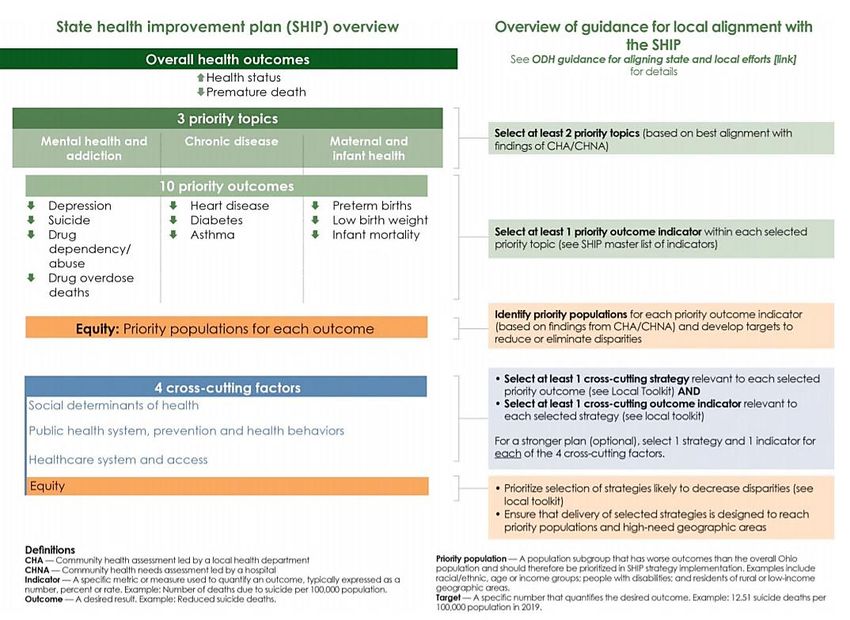
The SHIP also takes a comprehensive approach to improving Ohio’s greatest health priorities by
identifying cross-cutting factors that impact multiple outcomes: health equity, social determinants of
health, public health system, prevention and health behaviors, and healthcare system and access.
Executive Summary | Page 7The 2018-2021 Auglaize County CHIP is required to select at least 2 priority topics, 1 priority outcome
indicator, 1 cross cutting strategy and 1 cross-cutting outcome indicator to align with the 2017-2019
SHIP. The following Auglaize County CHIP priority topics, outcomes and cross cutting factors very closely
align with the 2017-2019 SHIP priorities:
2018-2021 Auglaize CHIP Alignment with the 2017-2019 SHIP
Cross-Cutting
Priority Topics Priority Outcomes Cross-Cutting Factors
Indicators
• Decrease depression • Social determinants of
Mental and • Decrease suicide • Reduce suicide ideation
health
addiction • Decrease unintentional of adults and youth
• Public health system,
drug overdose deaths • Reduce adult and
prevention and health
youth obesity
• Decrease adult behaviors
• Reduce youth alcohol
Chronic Disease cardiovascular disease • Healthcare system and
use
• Decrease adult diabetes access
To align with and support mental health and addiction, Auglaize County will work to increase
awareness of suicide and drug use, and will utilize their mental health and recovery services board to
support the implementation of evidence-based strategies as a cross cutting factor.
To align with and support chronic disease, Auglaize County will work to adopt shared use agreements
and evidence-based youth programming as a cross cutting factor.
U.S. Department of Health and Human Services National Prevention Strategies
The Auglaize County Community Health Improvement Plan also aligns with three of the National
Prevention Strategies for the U.S. population: healthy eating, active living, mental and emotional well-
being and preventing drug abuse.
Healthy People 2020
Auglaize County’s priorities also fit specific Healthy People 2020 goals. For example:
• Mental Health and Mental Disorders (MHMD)-1: Reduce the suicide rate
• Heart Disease and Stroke (HDS)-5: Reduce the proportion of persons in the population with
hypertension
Executive Summary | Page 8Alignment with National and State Standards, continued
Figure 1.2 2017-2019 State Health Improvement Plan (SHIP) Overview
Executive Summary | Page 9Strategic Planning Model
Beginning in November 2017, CHEC met four (4) times and completed the following planning steps:
1. Initial Meeting: Review of process and timeline, finalize committee members, create or
review vision
2. Choosing Priorities: Use of quantitative and qualitative data to prioritize target impact areas
3. Ranking Priorities: Ranking the health problems based on magnitude, seriousness of
consequences, and feasibility of correcting
4. Resource Assessment: Determine existing programs, services, and activities in the
community that address the priority target impact areas and look at the number of programs
that address each outcome, geographic area served, prevention programs, and interventions
5. Forces of Change and Community Themes and Strengths: Open-ended questions for
committee on community themes and strengths
6. Gap Analysis: Determine existing discrepancies between community needs and viable
community resources to address local priorities; identify strengths, weaknesses, and
evaluation strategies; and strategic action identification
7. Local Public Health Assessment: Review the Local Public Health System Assessment with
committee
8. Quality of Life Survey: Review results of the Quality of Life Survey with committee
9. Best Practices: Review of best practices and proven strategies, evidence continuum, and
feasibility continuum
10. Draft Plan: Review of all steps taken; action step recommendations based on one or more of
the following: enhancing existing efforts, implementing new programs or services, building
infrastructure, implementing evidence based practices, and feasibility of implementation
Executive Summary | Page 10Action Steps
To work toward improving chronic disease outcomes, the following strategies are recommended:
1. Shared use (joint use agreements)
2. Healthy food initiatives
3. Distribute wellness community calendar
To work toward improving mental health and addiction outcomes, the following strategies are
recommended:
1. Campaign to increase awareness of suicide warning signs
2. Increase the number of incarcerated adults receiving substance abuse treatment prior to and
after release
To address all priority areas, the following cross-cutting strategies are recommended:
1. Implement school-based parent education program
2. School-based alcohol/other drug prevention programs
3. School-based physical activity programs and policies
Executive Summary | Page 11Needs Assessment
CHEC reviewed the 2017 Auglaize County Health Assessment. The detailed primary data for each
individual priority area can be found in the section it corresponds to. Each member completed an
“Identifying Key Issues and Concerns” worksheet. The following tables were the group results.
What are the most significant ADULT health issues or concerns identified in the 2017 assessment
report?
Percent of Age Group Gender
Key Issue or Concern Population (or Income Level) Most
At risk Most at Risk at Risk
Weight Status (20 votes)
Age: 30-64 (44%), Income:
Obese 39% Female (46%)
$25K Plus (41%)
Age:Percent of Age Group Gender
Key Issue or Concern Population (or Income Level) Most
At risk Most at Risk at Risk
Cancer (12 votes)
Ever diagnosed with cancer 14% Age: 65+ (28%) N/A
Quality of life (9 votes)
Limited in some way because of Age: 65 and Over (46%), Female
27%
physical, mental, or emotional problems Income:What are the most significant YOUTH health issues or concerns identified in the 2017 assessment
report?
Percent of Age Group
Gender Most
Key Issue or Concern Population (or Grade Level)
at Risk
At risk Most at Risk
Mental Health and Suicide (20 Votes)
Felt sad or hopeless every day for two or
24% Grade Level: 9-12 (27%) Female (41%)
more weeks in a row
Seriously considered attempting suicide 13% Age: 17+ (23%) Female (17%)
Made a plan to attempt suicide 10% Grade Level: 9-12 (12%) N/A
Attempted suicide 4% Age: 17+ (5%) Female (5%)
Weight Status (20 votes)
Obese 18% Age: 17+ (24%) Male (22%)
Overweight 14% Age:Priorities Chosen
Based on the 2017 Auglaize County Health Assessment, key issues were identified for adults and youth.
Committee members then completed a ranking exercise, giving a score for magnitude, seriousness of the
consequence and feasibility of correcting, resulting in an average score for each issue identified.
Committee members’ rankings were then combined to give an average score for the issue.
The rankings were as follows:
Health Issue Average Score
Adult obesity 24.4
Adult mental health and addiction 23.7
Youth suicide contemplation 23.2
Youth obesity 23.1
Youth depression 22.8
Youth bullying 22.0
Adult alcohol consumption 21.9
Youth alcohol use 21.4
Adult suicide 21.0
Adult preventive screenings 20.6
Adult cancer rates 19.7
Auglaize County will focus on the following two priority area over the next three years:
1. Chronic disease (includes adult and youth obesity, adult diabetes, and adult heart disease)
2. Mental health and addiction (includes adult and youth depression, suicide, adult overdose
deaths, and youth alcohol use)
Priorities Chosen | Page 15Forces of Change Assessment
CHEC was asked to identify positive and negative forces which could impact community health
improvement and overall health of this community over the next three years. This group discussion
covered many local, state, and national issues and change agents which could be factors in Auglaize
County in the near future. The table below summarizes the forces of change agent and its potential
impacts.
Force of Change Potential Impact
1. Lack of transportation • Lack of access to services
2. Migration into Auglaize County • Language barriers
3. Opiate epidemic • Increase in addiction
4. Workforce having difficulty finding • Potential of shutting down, can’t increase
qualified employees business
5. Aging workforce • Not enough people to fill jobs
• If schools are too busy, may not participate in
6. School buy-in
initiatives
• May be some changes due to new federal
7. Access to/cost of health care
administration
8. Employees stop coming to work • Cultural cycle of living off government benefits
• Funding is reactive rather than proactive
9. Funding/Never knowing how long certain
• Seems to be an increase in funding towards
funds are going to be around
opiates
• Changes how much we interact socially
10. Technology
• Impacts physical activity
11. Cynicism and lack of trust/reliability • People question new outlets honesty
• Various challenges regarding employment,
12. Millennials
communication, etc.
13. Migration away from community • Not enough people to fill jobs
14. Healthy living seems too aggressive and
• People don’t want to participate
strict
• Concern for water quality and environmental
15. Environment
chemicals
• Dynamics have changed
• Less parent-child interaction
• Family is too busy or parents are working too
16. Dysfunctional family system
many jobs
• Parents are afraid to discipline the child
• Common values are lacking or diminishing
Forces of Change Assessment | Page 16Local Public Health System Assessment
The Local Public Health System
Public health systems are commonly defined as “all
public, private, and voluntary entities that contribute to
the delivery of essential public health services within a
jurisdiction.” This concept ensures that all entities’
contributions to the health and well-being of the
community or state are recognized in assessing the
provision of public health services.
The public health system includes:
• Public health agencies at state and local levels
• Healthcare providers
• Public safety agencies
• Human service and charity organizations
• Education and youth development organizations
• Recreation and arts-related organizations
• Economic and philanthropic organizations
• Environmental agencies and organizations
The 10 Essential Public Health Services
The 10 Essential Public Health Services describe the public health activities that all communities should
undertake and serve as the framework for the NPHPS instruments.
Public health systems should:
1. Monitor health status to identify and solve community health problems.
2. Diagnose and investigate health problems and health hazards in the community.
3. Inform, educate, and empower people about health issues.
4. Mobilize community partnerships and action to identify and solve health problems.
5. Develop policies and plans that support individual and community health efforts.
6. Enforce laws and regulations that protect health and ensure safety.
7. Link people to needed personal health services and assure the provision of health care when
otherwise unavailable.
8. Assure competent public and personal health care workforce.
9. Evaluate effectiveness, accessibility, and quality of personal and population-based health services.
10. Research for new insights and innovative solutions to health problems.
(Source: Centers for Disease Control; National Public Health Performance Standards; The Public
Health System and the 10 Essential Public Health Services)
Local Public Health System Assessment | Page 17The Local Public Health System Assessment (LPHSA) answers the questions, "What are the components,
activities, competencies, and capacities of our local public health system?" and "How are the Essential
Services being provided to our community?"
This assessment involves the use of a nationally recognized tool called the National Public Health
Performance Standards Local Instrument.
Members of the Auglaize Department of Health completed the performance measures instrument. The
LPHSA results were then presented to the full CHIP committee for discussion. The 10 Essential Public
Health Services and how they are being provided within the community as well as each model standard
was discussed and the group came to a consensus on responses for all questions. The challenges and
opportunities that were discussed were used in the action planning process.
The CHIP committee identified 10 indicators that had a status of “minimal” and 10 indicators that had a
status of “no activity.” The remaining indicators were all moderate, significant or optimal.
As part of minimum standards, local health departments are required to complete this assessment at
least once every five years.
To view the full results of the LPHSA, please contact Oliver Fisher from the Auglaize County Health
Department at ofisher@auglaizehealth.org.
Auglaize County Local Public Health System Assessment 2017 Summary
Summary of Average ES Performance Score
0.0 20.0 40.0 60.0 80.0 100.0
Average Overall Score 49.7
ES 1: Monitor Health Status 50.0
ES 2: Diagnose and Investigate 77.1
ES 3: Educate/Empower 38.9
ES 4: Mobilize Partnerships 38.5
ES 5: Develop Policies/Plans 62.5
ES 6: Enforce Laws 48.9
ES 7: Link to Health Services 56.3
ES 8: Assure Workforce 51.1
ES 9: Evaluate Services 46.7
ES 10: Research/Innovations 27.1
Local Public Health System Assessment | Page 18Community Themes and Strengths Assessment
CHEC participated in an exercise to discuss community themes and strengths. The results were as follows:
1. What do you believe are the 2-3 most important characteristics of a healthy community?
• Available programming for residents
• Safety
• Self-purpose, meaningful lives
• Employment
• Access to health services
• Easy access to healthy food
• Easy access to physical activity
• Collaboration between agencies
• Excellent educational infrastructure
2. What makes you most proud of our community?
• The people, good place to live
• Communities help each other in times of need, such as city governments
• Work ethic of citizens
• Family values
• Faith-based community
• Safe community/low crime
• School districts
• Education outcomes and college readiness
• Criminal justice, jail has won awards in terms of low reentry and other programming
3. What are some specific examples of people or groups working together to improve the
health and quality of life in our community?
• CHIP committee
• Family and Children First Council
• Suicide coalition
• Child Net coalition
• Criminal justice system
• Job and Family Services
• Excellent referral system
4. What do you believe are the 2-3 most important issues that must be addressed to improve the
health and quality of life in our community?
• Mental health and addiction
• Chronic disease
• Awareness and engagement of available resources
Community Themes and Strengths | Page 195. What do you believe is keeping our community from doing what needs to be done to improve
health and quality of life?
• Lack of community engagement
• Lack of awareness of resources
• Pride/Wanting to take care of own issues
• Stigma/Shame/Not wanting to be perceived as weak
• Fear of employment termination due to addiction or medical issues
• Family/generational dysfunction
6. What actions, policy, or funding priorities would you support to build a healthier
community?
• Engage employers and faith-based community in priorities we’ve identified and garner their support
• Community “soft challenges” by offering incentives
• Complete Streets
• Opiate funding
• Health education funding
• Local fund-raising
• Healthy Kids Day health services promotion
7. What would excite you enough to become involved (or more involved) in improving our
community?
• Funding
• An easy idea that would be simple to implement
• Something you know the community wants and will participate in
• Something that would have an impact and would make a difference
• Increased collaboration
Community Themes and Strengths | Page 20Quality of Life Survey
CHEC urged community members to fill out a short quality of life survey via Survey Monkey. There were
51 Auglaize County community members who completed the survey. The anchored Likert scale
responses were converted to numeric values ranging from 1 to 5, with 1 being lowest and 5 being
highest. For example, an anchored Likert scale of “Very Satisfied” = 5, “Satisfied” = 4, “Neither Satisfied or
Dissatisfied” = 3, “Dissatisfied” = 2, and “Very Dissatisfied” = 1. For all responses of “Don’t Know,” or
when a respondent left a response blank, the choice was a non-response, was assigned a value of 0
(zero) and the response was not used in averaging response or calculating descriptive statistics.
Likert Scale
Quality of Life Questions Average
Response
1. Are you satisfied with the quality of life in our community? (Consider your
sense of safety, well-being, participation in community life and associations, etc.) 4.29
[IOM, 1997]
2. Are you satisfied with the health care system in the community? (Consider
3.59
access, cost, availability, quality, options in health care, etc.)
3. Is this community a good place to raise children? (Consider school quality,
4.20
day care, after school programs, recreation, etc.)
4. Is this community a good place to grow old? (Consider elder-friendly
housing, transportation to medical services, churches, shopping; elder day care, 4.12
social support for the elderly living alone, meals on wheels, etc.)
5. Is there economic opportunity in the community? (Consider locally owned
and operated businesses, jobs with career growth, job training/higher education 4.02
opportunities, affordable housing, reasonable commute, etc.)
6. Is the community a safe place to live? (Consider residents’ perceptions of
safety in the home, the workplace, schools, playgrounds, parks, and the mall. Do 4.32
neighbors know and trust one another? Do they look out for one another?)
7. Are there networks of support for individuals and families (neighbors,
support groups, faith community outreach, agencies, or organizations) during 4.2
times of stress and need?
8. Do all individuals and groups have the opportunity to contribute to and
3.84
participate in the community’s quality of life?
9. Do all residents perceive that they — individually and collectively — can
3.54
make the community a better place to live?
10. Are community assets broad-based and multi-sectoral? (There are a variety
3.55
of resources and activities available county-wide)
11. Are levels of mutual trust and respect increasing among community partners
3.79
as they participate in collaborative activities to achieve shared community goals?
12. Is there an active sense of civic responsibility and engagement, and of civic
pride in shared accomplishments? (Are citizens working towards the betterment 3.69
of their community to improve life for all citizens?)
Quality of Life Survey | Page 21Resource Assessment
Based on the chosen priorities, CHEC was asked to complete a resource inventory for each priority. The
resource inventory allowed the committee to identify existing community resources, such as programs,
exercise opportunities, free or reduced cost health screenings, and more. The committee was then asked
to determine whether a program or service was evidence-based, a best practice, or had no evidence
indicated based on the following parameters:
An evidence-based practice has compelling evidence of effectiveness. Participant success can be
attributed to the program itself and have evidence that the approach will work for others in a different
environment. A best practice is a program that has been implemented and evaluation has been
conducted. While the data supporting the program is promising, its scientific rigor is insufficient. A
non-evidence based practice has neither no documentation that it has ever been used (regardless of
the principals it is based upon) nor has been implemented successfully with no evaluation.
Each resource assessment can be found at the following websites:
Auglaize County Health Department
http://www.auglaizehealth.org
Resource Assessment | Page 22Priority 1: Chronic Disease
Chronic Disease Indicators
Adult Obesity
In 2017, 39% of adults were classified as obese by Body Mass Index (BMI) calculations (BRFSS reported
30% for Ohio and 30% for the U.S. in 2016). 39% of adults were classified as overweight (BRFSS reported
37% for Ohio and 36% for the U.S. in 2016).
Youth Obesity
In 2017, 18% of youth were classified as obese by Body Mass Index (BMI) calculations (YRBS reported
13% for Ohio in 2013 and 14% for the U.S. in 2015). 14% of youth were classified as overweight (YRBS
reported 16% for Ohio in 2013 and 16% for the U.S. in 2015).
Adult Heart Disease
In 2017, 5% of adults reported they had angina or coronary heart disease, compared to 5% of Ohio and
4% of U.S. adults in 2016.
Six percent (6%) of Auglaize County adults reported they had survived a heart attack or myocardial
infarction, increasing to 14% of those over the age of 65. Five percent (5%) of Ohio and 4% of U.S. adults
reported they had a heart attack or myocardial infarction in 2016.
More than one-third (37%) of adults had been diagnosed with high blood pressure in 2017. The 2015
BRFSS reports hypertension prevalence rates of 34% for Ohio and 31% for the U.S.
Adult Diabetes
In 2017, 11% of adults reported they had been diagnosed with diabetes, compared to 11% of Ohio and
11% of U.S. adults in 2016.
Auglaize County Adults with Cardiovascular Disease Risk Factors
50%
39%
37%
34%
29%
25%
17%
11%
0%
Obesity High Blood High Blood Sedentary Smoking Diabetes
Pressure Cholesterol
Priority 1: Chronic Disease | Page 23Map: Access to Exercise Opportunities
Access to Exercise Opportunities, Rank by County, CHR 2017
(Sources: University of Wisconsin Population Health Institute, County Health Rankings: 2017 as compiled by Community Commons)
Priority 1: Chronic Disease | Page 24Map: Fruit and Vegetable Expenditures
Fruit and Vegetable Expenditures, Percent of Food-At-Home Expenditures, State Rank by Tract,
Nielsen 2014
Sources: Nielsen, Nielsen SiteReports: 2014; US Department of Agriculture, USDA - Agriculture Marketing Service: May 2016; US Department of
Agriculture, Food and Nutrition Service, USDA - SNAP Retailer Locator: May 2016. Additional data analysis by CARES; US Department of
Agriculture, Food and Nutrition Service, USDA - SNAP Retailer Locator: May 2016. Additional data analysis by CARES as compiled by Community
Commons)
Priority 1: Chronic Disease | Page 25Gaps and Potential Strategies
Gaps Potential Strategies
• Nutrition classes
• Implement Go Noodle in middle and high schools
1. Youth education and prevention in
• Food prep classes
schools
• Financial benefit
• Balance screen time and activity
• Company discounts
• Walking groups for parks
2. Fitness affordability • Walking groups in schools
• Shared use agreements
• High school weight room memberships
• Resource guide
• Promotional marketing
3. Knowledge of resources for health and • Canal walks
wellness • Social media
• Wellness newsletter
• Community calendar
• Find A Ride
4. Transportation
• Shriner’s transportation for children
• Grocery store tours
5. Nutritional education
• Label reading
6. Tobacco cessation groups • Make referrals to Quit line and other resources
Best Practices
The following programs and policies have been reviewed and have proven strategies to reduce chronic
disease:
1. Shared use agreements: Shared use, joint use, open use, or community use agreements allow public
access to existing facilities by defining terms and conditions for sharing the costs and risks associated
with expanding a property’s use. School districts, government entities, faith-based organizations, and
private or nonprofit organizations may create shared use agreements to allow community access to their
property before or after hours. Shared use agreements can be formal (i.e., based on a written, legal
document) or informal (i.e., based on historical practice), and can be tailored to meet community needs.
2. Community gardens: A community garden is any piece of land that is gardened or cultivated by a
group of people, usually for home consumption. Community gardens are typically owned by local
governments, not-for-profit groups, or faith-based organizations; gardens are also often initiated by
groups of individuals who clean and cultivate vacant lots. Local governments, non-profits, and
communities may support gardens through community land trusts, gardening education, distribution of
seedlings and other materials, zoning regulation changes, or service provision such as water supply or
waste disposal.
Priority 1: Chronic Disease | Page 263. Healthy food initiatives in food banks: Food bank and food pantry healthy food initiatives combine
hunger relief efforts with nutrition information and healthy eating opportunities for low income
individuals and families. Such initiatives offer clients healthy foods such as fruits, vegetables, whole
grains, low-fat dairy products, and lean proteins. Initiatives can include fruit and vegetable gleaning
programs, farm Plant-a-Row efforts, and garden donations. Healthy food initiatives can also modify the
food environment via efforts such as on-site cooking demonstrations and recipe tastings, produce
display stands, or point-of-decision prompts. Some food banks and food pantries establish partnerships
with health and nutrition professionals to offer screening for food insecurity and medical conditions (e.g.,
diabetes), provide nutrition and health education, and health care support services as part of their
healthy food initiatives
Priority 1: Chronic Disease | Page 27Action Step Recommendations & Plan
To work toward improving chronic disease outcomes, the following strategies are recommended:
1. Shared use (joint use agreements)
2. Healthy food initiatives
3. Distribute wellness community calendar
Action Plan
Priority Topic: Chronic Disease
Strategy 1: Shared use (joint use agreements)
Priority Person/
Action Step Priority Outcome & Indicator Timeline
Population Agency Responsible
Year 1: Assess how many Auglaize County schools,
churches, businesses and other organizations Priority Outcome:
currently offer shared use of their facilities (gym, 1. Reduce adult obesity
track, etc). 2. Reduce adult hypertension
May 1, 2018
3. Reduce adult diabetes
Create an inventory of known organizations that 4. Reduce youth obesity
possess physical activity equipment, space, and
other resources. Priority Indicator:
Year 2: Collaborate with local organizations to 1. Percent of adults that report body Adult and Auglaize County
create a proposal for a shared-use agreement. mass index (BMI) greater than or youth Health Department
Initiate contact with potential organizations from equal to 30
May 1, 2019
the inventory. Implement at least one shared-use 2. Percent of adults ever diagnosed
agreement for community use. Publicize the with hypertension
agreement and its parameters. 3. Percent of adults who have been
Year 3: Continue efforts from years 1 and 2. told by a health professional that
they have diabetes
Implement 2-3 shared-use agreements for May 1, 2020
4. Percent of youth who were obese
community use in Auglaize County.
Priority 1: Chronic Disease | Page 28Priority Topic: Chronic Disease
Strategy 2: Healthy food initiatives
Priority Outcome & Priority Person/
Action Step Timeline
Indicator Population Agency Responsible
Year 1: Obtain baseline data regarding which cities,
towns, school districts, churches, and organizations
currently have community gardens and/or farmers’
markets. Priority Outcomes:
1. Reduce adult obesity
Obtain baseline data regarding which local food 2. Reduce adult May 1, 2018
pantries have fresh produce available. hypertension
Research grants and other funding opportunities to 3. Reduce adult
increase the number of community gardens and/or diabetes
farmer’s markets in Auglaize County.
Year 2: Assist churches, libraries, and other organizations
in applying for grants to obtain funding for a community Priority Indicators:
garden or farmers’ market. 1. Percent of adults that Auglaize County Health
Adult
Work with food pantries to offer fresh produce and assist report body mass index Department May 1, 2019
pantries in seeking donations from local grocers. (BMI)
2. Percent of adults ever
Encourage the use of SNAP/EBT (Electronic Benefit
diagnosed with
Transfer) at farmers’ markets.
hypertension
Year 3: Implement community gardens in various 3. Percent of adults who
locations and increase the number of organizations with have been told by a
community gardens and/or farmer’s markets by 25% health professional that
from baseline. they have diabetes
May 1, 2020
Increase the number of food pantries offering fresh
produce by 25% from baseline.
Implement the use of WIC and SNAP/EBT benefits in all
farmer’s markets.
Priority 1: Chronic Disease | Page 29Priority Topic: Chronic Disease
Strategy 3: Distribute wellness community calendar
Priority Outcome & Priority Person/
Action Step Timeline
Indicator Population Agency Responsible
Year 1: Collaborate with Auglaize County organizations
to create a community wellness calendar. Include the Priority Outcome:
most up-to-date information regarding nutrition, 1. Reduce adult obesity
physical activity, diabetes and other chronic disease 2. Reduce adult
management opportunities in Auglaize County. Include hypertension
information regarding community gardens, farmer’s 3. Reduce adult
markets, physical activity opportunities, and nutrition diabetes
education, as well as meal programs for seniors. 4. Reduce youth obesity May 1, 2018
Highlight programs that are free or available at a Auglaize County Health
reduced cost. Priority Indicator:
Department
1. Percent of adults that
Make sure the calendar is available on Facebook and report body mass index Adult and
other social network sites, as well as online. Update key Mental Health and
(BMI) greater than or youth
words on search engines for easy access. Provide Recovery Services Board
equal to 30
updated information to local radio stations and other 2. Percent of adults ever
news outlets. Grand Lake Health System
diagnosed with
Year 2: Keep the community calendar updated on a hypertension
quarterly basis. 3. Percent of adults who
have been told by a May 1, 2019
Work with community partners to tie the programs and
activities into employee incentive programs. health professional that
they have diabetes
Year 3: Continue efforts from years 1 and 2.
4. Percent of youth who
Determine on an annual basis who will update the were obese May 1, 2020
calendar for the next 3 years.
Priority 1: Chronic Disease | Page 30Priority 2: Mental Health and Addiction
Mental Health and Addiction Indicators
Adult Mental Health and Addiction
In 2017, 17% of adults reported they felt sad, blue, or depressed almost every day for two weeks or more
in a row.
The 2017 Community Health Assessment reported that 2% of Auglaize County adults considered
attempting suicide in the past year.
According to the Ohio Department of Health, there were nine (9)* adult suicide deaths in Auglaize
County in 2017.
According to the Ohio Department of Health, there were five (5)* adult drug overdose deaths in Auglaize
County in 2017.
*Years are considered partial and may be incomplete per Ohio Department of Health
Youth Mental Health
In 2017, about one-quarter (24%) of youth reported they felt so sad or hopeless almost every day for two
weeks or more in a row that they stopped doing some usual activities, increasing to 27% of high school
students (YRBS reported 26% for Ohio in 2013 and 30% for the U.S. in 2015).
Thirteen percent (13%) of youth reported they had seriously considered attempting suicide in the past 12
months, increasing to 17% of high school students. (2015 U.S. YRBS rate is 18% and the 2013 Ohio YRBS
is 14%).
The 2017 Community Health Assessment reported that 4% of Auglaize County youth had attempted
suicide. The 2015 YRBS reported a suicide attempt prevalence rate of 9% for U.S. youth and a 2013 YRBS
rate of 6% for Ohio youth.
According to the Ohio Department of Health, there were zero (0)* youth suicide deaths in Auglaize
County in 2017.
In 2017, nearly half (46%) of youth reported being bullied in the past year.
In 2017, 12% of youth were cyber bullied, or bullied by electronic means.
*Years are considered partial and may be incomplete per Ohio Department of Health
Adult Alcohol Use
In 2017, more than one-quarter (28%) of Auglaize County adults reported they had five or more alcoholic
drinks (for males) or 4 or more drinks (for females) on an occasion in the last month and would be
considered binge drinkers.
Youth Alcohol Use
Almost one-fifth (19%) of youth had at least one drink in the past 30 days, increasing to 41% of those
ages 17 and older
Priority 2: Mental Health and Addiction | Page 31Map: Access to Mental Health Care Providers
Access to Mental Health Care Providers, Rank by County, CHR 2017
Source: University of Wisconsin Population Health Institute, as compiled by County Health Rankings
Priority 2: Mental Health and Addiction | Page 32Map: Drug Overdose Deaths
Drug Overdose Deaths, Rate (Per 100,000 Population) by County, NVSS 2013-2015
Source: Centers for Disease Control and Prevention, National Vital Statistics System: 2013-15. Accessed via County Health Rankings.
Priority 2: Mental Health and Addiction | Page 33Gaps and Potential Strategies
Gaps Potential Strategies
1. Redundancy of programs and services
• Consolidate programs and services
for mental health and addiction
2. Parental interventions with youth • Promote the Let’s Talk program
• Increase education throughout lifespan
• No transferring of addiction
• Increase support groups for alcohol and drug use
3. Alcohol use awareness in teenagers
• Offer RRR in middle/high schools
• Pax in New Bremen and New Knoxville
• Youth crisis stabilization
4. Transitional youth • Increase coordination to adult services
Best Practices
The following programs and policies have been reviewed and have proven strategies to improve mental
health and addiction:
1. Campaign to increase awareness of suicide warning signs: The Ohio State Health Improvement
Plan designates campaigns to increase awareness of suicide warning signs as a means to prevent suicide
ideation and deaths, as well as increase suicide help-seeking. Such campaigns raise awareness
surrounding mental health and suicide as a means to decrease stigma and increase awareness of
available resources and services.
Priority 1: Mental Health and Addiction Page | 34Action Step Recommendations & Plan
To work toward improving mental health and addiction outcomes, the following strategies are recommended:
1. Campaign to increase awareness of suicide warning signs
2. Increase the number of incarcerated adults receiving substance abuse treatment prior to and after release
Action Plan
Priority Topic: Mental Health and Addiction
Strategy 1: Campaign to increase awareness of suicide warning signs
Priority Outcome & Priority Person/
Action Step Timeline
Indicator Population Agency Responsible
Year 1: Work with the suicide coalition to plan and implement an
annual community event to increase education and awareness of
recognizing signs of depression and suicide. Promote the event
accordingly.
Priority Outcome: May 1, 2018
Partnership for
Reduce the number
Offer at least one annual training for local police departments, first Violence Free Families
of suicide deaths
responders, school personnel, clergy, and other community
representatives on recognizing signs of depression and suicide. Adult and Mental Health and
Priority Indicator:
Year 2: Continue efforts from year 1. Disseminate an informational youth Recovery Services
Number of deaths
brochure or guide that highlights organizations in Auglaize County Board
due to suicide per
that provide mental health services. Include information on which 100,000 populations May 1, 2019
organizations offer free services, offer a sliding fee scale, and which (age adjusted)
insurance plans are accepted.
Year 3: Continue efforts from years 1 and 2. Expand awareness and
May 1, 2020
outreach.
Priority 2: Mental Health and Addiction | Page 35Priority Topic: Mental Health and Addiction
Strategy 2: Increase the number of incarcerated adults receiving substance abuse treatment prior to and after release
Priority Person/
Action Step Priority Outcome & Indicator Timeline
Population Agency Responsible
Year 1: Implement a program which identifies
offenders with substance abuse disorders prior to their
release.
Priority Outcome: May 1, 2018
Expand the capacity of service providers to allow for Reduce adult unintentional drug
needed treatment to be delivered to offenders prior to overdose deaths
and following their release.
Auglaize County
Year 2: Increase the number of offenders identified Priority Indicator: Adult
Sherriff’s Office
with substance abuse disorders and increase the Number of deaths due to
number of offenders receiving treatment prior to and unintentional drug overdoses per May 1, 2019
after release by 10% from baseline. 100,000 population (age adjusted)
Year 3: Continue efforts from years 1 and 2. Increase
the number of offenders receiving treatment prior to May 1, 2020
and after release by 25% from baseline.
Priority 2: Mental Health and Addiction | Page 36Cross-cutting Strategies
Cross-cutting Outcomes
In addition to tracking progress on the CHIP priority outcome objectives, the county will evaluate the
impact of strategies implemented by also measuring progress on a set of cross-cutting outcome
objectives. Examples of cross-cutting outcomes are listed below. See the master list of SHIP indicators
for the complete list of the SHIP cross-cutting outcome indicators and the community toolkits for a
recommended set of aligned community indicators to track progress related to each CHIP strategy.
Social determinants of health: Examples of crosscutting outcomes that address all
priorities
• Improve third grade reading proficiency
• Reduce chronic absenteeism in school
• Reduce high housing cost burden
• Reduce secondhand smoke exposure for children
Prevention, public health system and health behaviors: Examples of cross-cutting
outcomes that address all priorities
• Increase adult vegetable consumption
• Reduce adult physical inactivity
• Reduce adult smoking
• Reduce youth all-tobacco use
Healthcare system and access: Examples of cross-cutting outcomes that address all
priorities
• Reduce percent of adults who are uninsured
• Reduce percent of adults unable to see a doctor due to cost
• Reduce primary care health professional shortage areas
Specific, measurable objectives for selected cross-cutting outcomes will be included in the
following action plans.
Cross-cutting Strategies | Page 37Best Practices
The following programs and policies have been reviewed and have proven strategies to improve
chronic disease and mental health, and addiction:
1. School-Based Obesity Prevention Interventions: School-based obesity prevention programs seek to
increase physical activity and improve nutrition before, during, and after school.
Programs combine educational, behavioral, environmental, and other components such as health and
nutrition education classes, enhanced physical education and activities, promotion of healthy food
options, and family education and involvement. Specific components vary by program.
Expected Beneficial Outcomes
• Increased physical activity
• Increased physical fitness
• Improved weight status
• Increased consumption of fruit & vegetables
2. Refuse, Remove, Reasons, compelling evidence-based video and print resources developed by the
New York Archdiocese Drug and Alcohol Prevention Program (ADAPP) in partnership with Connect with
Kids. The objective: To help students build resiliency and make the positive decisions to assure a healthy
future – especially when it comes to drugs, alcohol, tobacco and marijuana.
This multimedia high school curriculum provides new information, encourages self-reflection, and helps
students to learn from and support each other while exploring options for responding when it comes to
drugs, alcohol and peer pressure. What role does digital learning play? Research proves that video-based
instruction is more memorable than the traditional text-based instruction. In context-based video
learning, students can form an emotional connection as they see themselves in the real stories shared.
The Refuse, Remove, Reasons platform reaches educators, students and parents. The Facilitator Guide
provides step-by-step implementation strategies for teachers. Activities, discussion questions and
assignments engage students in the classroom and at home. Fact sheets and conversation starters
empower parents with information to talk with their children about often hard-to-discuss topics.
While each generation has faced its dilemmas, today’s are especially challenging. We thank you for
joining ADAPP and Connect with Kids efforts to assure the best possible future for our children.
Cross-cutting Strategies | Page 38Action Step Recommendations & Plan
To work toward improving all outcomes, the following cross-cutting strategies are recommended:
1. Implement school-based parent education program
2. School-based alcohol/other drug prevention programs
3. School-based physical activity programs and policies
Action Plan
Cross-Cutting Factors: Social determinants of health
Strategy 1: Implement school-based parent education program
Priority Outcome & Priority Person/
Action Step Timeline
Indicator Population Agency Responsible
Priority Outcomes:
Year 1: Introduce the Let’s Talk program to superintendents
1. Reduce youth suicide
in Auglaize County. Pilot the program in at least one Partnership for May 1, 2018
ideation
Auglaize County school district. Violence Free Families
Year 2: Continue efforts from year 1. Implement the Let’s Priority Indicators:
Youth Mental Health and
Talk program in two additional Auglaize County school 1. Percent of youth who May 1, 2019
Recovery Services
districts. report that they ever seriously
Board
considered attempting
Year 3: Continue efforts from years 1 and 2. Implement the
suicide within the past 12 May 1, 2020
Let’s Talk program in all Auglaize County school districts.
months
Cross-cutting Strategies | Page 39Cross-Cutting Factors: Public health system, prevention and health behaviors
Strategy 2: School-based alcohol/other drug prevention programs
Priority Outcome & Priority Person/
Action Step Timeline
Indicator Population Agency Responsible
Year 1: Continue to implement the Refuse Remove
Priority Outcome:
Reasons (RRR) program in Auglaize County schools (grades
1. Reduce youth alcohol use
6-12). Introduce the program to one additional school Partnership for
May 1, 2018
district administration (superintendent, principals, and Violence Free Families
Priority Indicator:
guidance counselors). Implement the program in one
1. Percent of youth who drank Youth
additional Auglaize County school district. Mental Health and
one or more drinks of an
Year 2: Introduce and implement the RRR program in two Recovery Services
alcoholic beverage in the past May 1, 2019
additional school districts. Board
30 days
Year 3: Introduce and implement the RRR program in all
May 1, 2020
Auglaize County school districts.
Strategy 3: School-based physical activity programs and policies
Priority Outcome & Priority Person/
Action Step Timeline
Indicator Population Agency Responsible
Year 1: Assess Auglaize County schools to determine which
schools are currently utilizing the Go Noodle program, and
at what capacity (grade level, frequency, etc.).
May 1, 2018
Priority Outcomes:
Introduce the Go Noodle program to one additional school 1. Reduce youth obesity
and or/grade level. Mercy Health St. Rita’s
Youth
Year 2: Continue efforts from year 1. Priority Indicators: Medical Center
1. Percent of youth who were
May 1, 2019
Introduce the Go Noodle program to 2-3 additional schools obese
and or/grade levels.
Year 3: Implement the Go Noodle program in all schools in
May 1, 2020
all appropriate grade levels.
Cross-cutting Strategies | Page 40You can also read


