Understanding Genetics and Complete Genetic Disease and Trait Definition - (Expanded Edition) - ICAR
←
→
Page content transcription
If your browser does not render page correctly, please read the page content below
Understanding Genetics
                     and
Complete Genetic Disease and Trait Definition
               (Expanded Edition)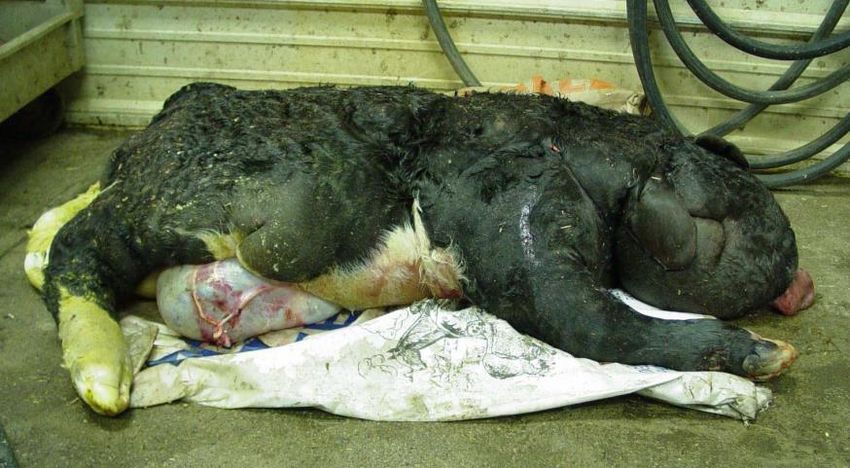
_________________Genetic Disease and Trait Information for IDB Genotyped Animals in Ireland________________

Written by Matthew McClure, PhD and Jennifer McClure, PhD

Published by the Irish Cattle Breeding Federation (ICBF). December 1st, 2016

© ICBF, Highfield House, Shinagh, Bandon, Co. Cork
Phone: 023 8820 229 - Email: query@icbf.com - Website: www.icbf.com

Disclaimer: This Booklet has been prepared by ICBF in good faith on the basis of information provided to it.
No representation or warranty expressed or implied is made or given by ICBF as to the accuracy, reliability,
   completeness or correctness of the Booklet. ICBF shall not be liable for any losses (whether direct or
 indirect), damages, costs or expenses whatsoever, incurred or arising from any use of or reliance on this
                         Booklet or the information contained in it by any person.

                                                                                                           1
_________________Genetic Disease and Trait Information for IDB Genotyped Animals in Ireland________________

                                               INDEX

Understanding genetics                                                                                  3

Disease mating risks                                                                                    5

Trait definition layout explained                                                                       8

List of IDB reported diseases and traits                                                               10

      Lethal Disease Definitions                                                                       11

      Unwanted Diseases Definitions                                                                    36

      Beneficial Traits Definitions                                                                    60

      Meat Traits Definitions                                                                          62

      Milk Traits Definitions                                                                          69

      Colour Traits Definitions                                                                        83

                                                                                                          2
_________________Genetic Disease and Trait Information for IDB Genotyped Animals in Ireland________________
Understanding Genetics:
       DNA is essential to building all parts of all living things. Most people are familiar with the double helix
structure discovered in 1953, but don’t fully understand what it is or why we care about it. In the most basic terms,
DNA is the building blocks of life. It is composed of 4 nucleotides, also called bases, adenine (A), cytosine (C), guanine
(G), and thymine (T). These nucleotides are arranged on a sugar and phosphate backbone and when they are
matched up, make up the double helix we have all become familiar with (Figure 1 A-C).

Figure 1:
A- If you were to zoom in, untwist the double helix, and flatten it out, it would look like this. Notice that the
nucleotides in the centre are paired up, and the sugar and phosphate backbone, highlighted in purple, are on either
side. This is what makes up every part of all living things.
B- Reassembling it into its double-helix structure and showing one twist of the helix.
C- Zooming out further to see multiple twists of the DNA helix.

       The cattle genome has approximate 3 billion DNA bases, the same number as found in the human genome. To
help store all this information DNA are packaged in chromosomes. These chromosomes can be broken down into 3
categories: autosomes, sex determining chromosomes- X and Y, and mitochondria. While most animals will share
the same DNA code throughout the genome there are differences in the code which cause each animal to look and
perform differently. Some of these differences in the DNA code (called alleles or mutations) can cause genetic
diseases or a difference in phenotype (physical traits of the animal). Figure 2 is a pictorial depiction of alleles.

       Over 100 of these differences that are known to cause a disease or trait are on the IDB chip. When the alleles
are described below you’ll see A>T (or T>G, G>C, …) what this means is that most animals have the first base and the
allele we test for is the second base given. So for the G>T mutation in the SLC35A3 gene that causes Complex
Vertebral Malformation (CVM) disease the ‘G’ is the allele most animals have, and ‘T’ is the allele that causes the
disease. Animals that have CVM will be homozygous (have 2 copies) for the ‘T’ allele.

                                                                                                                        3
_________________Genetic Disease and Trait Information for IDB Genotyped Animals in Ireland________________

Figure 2: This image shows what happens in an animal produced from a sire and dam with different allele types for
one gene. The dam has contributed a normal (red) allele while the male contributed a diseased (blue) allele to the
offspring. This results in the offspring being a carrier of the diseased gene.

An animal’s genetic disease status is described as Normal, Carrier, or Homozygous for X, where X is the disease
name. These are defined below:

      Normal= animal has 0 copies of the trait allele

      Carrier = animal has 1 copy of the trait allele

      Homozygous = animal has 2 copies of the trait allele

A trait can be recessive, dominant, additive, or have interactions with other genes.

        A Recessive trait means that an animal has to have 2 copies of the trait allele for the animal to be affected
        with the disease. Those with 1 or 0 copies have the normal phenotype. An example of this is the Complex
        Vertebral Malformation (CVM) disease allele. Animals with 2 copies of the CVM allele are aborted or born
        dead while those with 1 or 0 copies are normal.

        A Dominant trait means that an animal with 1 or 2 copies of the allele will show the trait, while those with 0
        copies have the normal phenotype. An example of this is the Polled allele. Animals with 1 or 2 copies of the
        Polled allele are polled while those with 0 copies of the allele have horns.

        An Additive trait means each copy of the trait allele increased the trait effect, and animal with 1 allele will
        have a phenotype that is between what is seen in an animal with 2 or 0 copies of the allele. An example of
        this is the Silver Dilutor 1 allele. Animals with 0 copies will be the breed’s base colour such as Black, animals
        with 1 copy will be light grey, and animals with 2 copies will be white.
                                                                                                                            4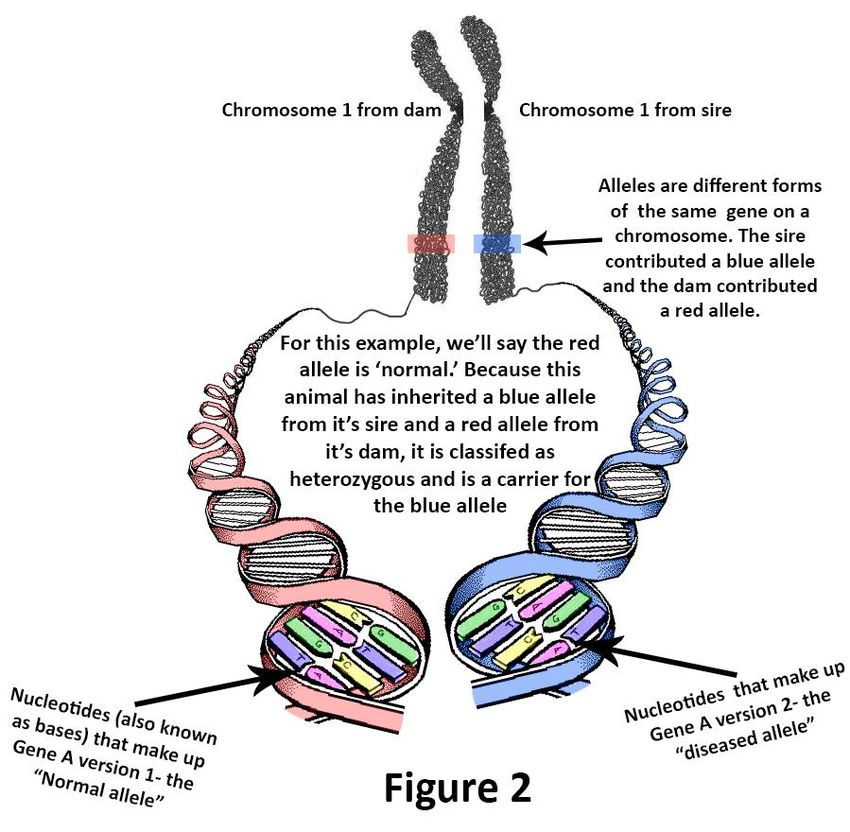
_________________Genetic Disease and Trait Information for IDB Genotyped Animals in Ireland________________
      Sometimes an allele has Incomplete Penetrance. When this occurs, even if an animal is homozygous for a
      disease it may not express the phenotype. This is usually because there are multiple genes that influence the
      trait and one of those other genes masks the effect of the mutation.

Examples of the mating risk of having a genetic disease affected calf born when the dam and sire are normal, carrier,
or homozygous for recessive or dominant disease alleles are shown below.

Recessive Disease Mating Risk
Animals with 2 copies of the trait allele have the trait phenotype (affected), those with 1 or 0 copies have the normal
phenotype. A common way to write these different allele types is by using a capital letter (i.e. A) to designate the
normal gene and a lower case letter to designate the affected gene (i.e. a). For these examples, we’ll call an animal
that is homozygous for the desirable trait, normal. This animal would have a gene designation as ‘AA.’ Animals that
are carriers would get the designation ‘Aa,’ and we’ll call the animals that have 2 copies of the diseased allele
homozygous because they are homozygous for the diseased allele. These animals would have the designation ‘aa.’

        1. Mating a normal to normal results in a 0% chance of having an affected calf born

        2. Mating a normal to a carrier results in a 0% chance of having an affected calf born

        3. Mating a normal to homozygous results in a 0% chance of having an affected calf born

        4. Mating a carrier to carrier results in a 25% chance of having an affected calf, a 50% chance of having a
        carrier calf, and a 25% chance of having a normal calf born

        5. Mating a carrier to homozygous results in a 50% chance of having a carrier calf and a 50% chance of
        having an affected calf born

        6. Mating a homozygous to homozygous results in a 100% chance of having an affected calf born

A Punnett Square is a great way to graphically to express these matings. When making up a Punnett’s square you
make a 3X3 grid. The allele for the sire goes into the top middle and top right of the square, and the dam’s allele type
goes into the left bottom and left middle square (see below). Once set up, you carry the sire’s alleles down and the
dam’s allele’s across giving you the possible allele combinations if you mated those two animals. Punnett’s square
examples of mating 2 animals that are Normal (AA), Carrier (Aa), or Homozygous(aa) for a RECESSIVE trait are below:

Carrier sire X Carrier dam. How do we know they are both carriers? When looking at the gene designations at the top
of the squares, they have one copy of the normal allele (A) and one copy of the affected allele (a).

                                                                                                                      5
_________________Genetic Disease and Trait Information for IDB Genotyped Animals in Ireland________________
Carrier sire (Aa) X Normal dam (AA)

Carrier sire (Aa) X Homozygous dam (aa)

Dominant Disease Mating Risk
Animals with 1 or 2 copies of the trait allele have the phenotype (affected), those with 0 copies have the normal
phenotype. This is just like above, but this time if a calf gets ANY copies of the affected allele (a), it will be affected.

        1. Mating a normal to normal results in a 0% chance of having an affected calf born

        2. Mating a normal to carrier results in 50% chance of having a normal calf and a 50% chance of having a
        affected calf born

        3. Mating a normal to homozygous results in a 100% chance of having a carrier calf born that is affected with
        the trait

        4. Mating a carrier to carrier results in a 75% chance that the calf born will be affected and a 25% chance
        that it will be normal

        5. Mating a carrier to homozygous results in a 100% chance of having an affected calf born

        6. Mating a homozygous to homozygous results in a 100% chance of having an affected homozygous calf
        born

                                                                                                                               6
_________________Genetic Disease and Trait Information for IDB Genotyped Animals in Ireland________________
Punnett Square examples of mating 2 animals that are Normal, Carrier, or Homozygous for a DOMINANT trait are
below:

Carrier sire (Aa) X Carrier dam (Aa)

Carrier sire (Aa) X Normal dam (AA)

Carrier sire (Aa) X Homozygous dam (aa)

                                                                                                           7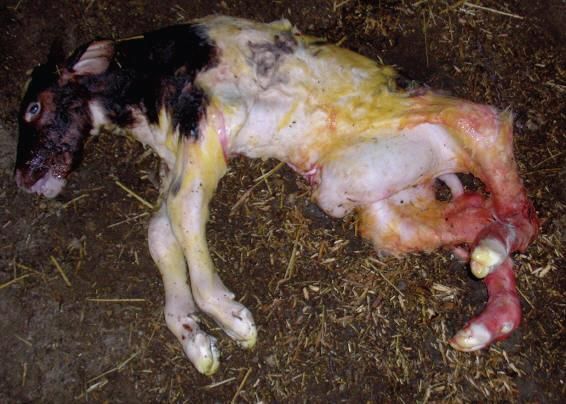
_________________Genetic Disease and Trait Information for IDB Genotyped Animals in Ireland________________

The pages below list information about the validated trait probes on the IDB chip in the following format.

Trait definition layout:
Full Trait Name
        Abbreviations: Abbreviations and alternative names for the trait
        Royalty Fee: If this trait is free in Ireland or if a Royalty fee is required
              For traits that require a Royalty fee please contact Weatherbys Ireland for cost and reporting
        Genetic Mode: If the trait is recessive, dominant, or additive
        Trait Type: If the trait is Lethal, Unwanted, Beneficial, Milk, Muscle, or Coat Colour related
        Breeds found in: Breed lineages this trait is known to occur in
        General: A general description of the trait
        Common Ancestor: If carriers of the trait can be traced back to a common ancestor(s)
        Clinical: A more clinical description of the trait, geared for veterinary and research
        Image: If available an image of an animal with the trait will be provided
        OMIA: This is the disease/trait ID on the Online Mendelian Inheritance in Animals website
        Gene: The gene symbol and name where the mutation lies
        Genetic: Genetic description of the mutation and it affect. If an allele is breed specific it will be noted here
              The gene symbol and full name will be provided. The mutation’s location and effect is shown as:
              Genome: X:g.Y R>A where ‘X’ is the chromosome, ‘g’ denotes genome, ‘Y ‘is the position, ‘R’ is the
              reference DNA allele, ‘A’ is the alternative DNA allele. Position is based on the Bos taurus genome
              assemble (UMD3.1 build)
              Gene: c. Z R>A where ‘c’ denotes gene, ‘Z’ is the gene position, ‘R’ is the reference DNA allele, ‘A’ is the
              alternative DNA allele
              Protein: p.Qaa x Saa where ‘p’ denotes protein, ‘Qaa’ is the reference amino acid, ‘x’ is the codon
              position, ‘Saa’ is the alternative amino acid
        Note: ones like this “p.Glu275ArgfsX14” read that at the 275th amino acid Glutamic acid (Glu) is replaced by
              Arginine (Arg). The “fs” notes a frame shift. The “X14” notes that a termination codon is introduced 14
              codons after the mutation
              dbSNP ID: rs# or ss#, Scientific reference to the mutation
        Flanking Seq: Flanking DNA sequence around the alleles in brackets and bold. The reference allele is listed
              first then the alternative allele
        References: Scientific publications that the information about the trait and mutation came from
NOTE: For mutations/traits covered by Royalty fees, Patents, or Intellectual Property rights the Genetic, Flanking
        Sequence, and Reference information might not be provided or be minimal

                                                                                                                           8
_________________Genetic Disease and Trait Information for IDB Genotyped Animals in Ireland________________
Traits are grouped by the following:
      1) Lethal: Alleles that result in mortality before the animal can provide an economic return

      2) Unwanted: Alleles that have a negative economic effect, but are non-lethal

      3) Beneficial: Alleles that are economically beneficial

      4) Meat: Alleles that affect meat or muscle quality or quantity

      5) Milk: Alleles that affect the quantity of milk produced or the milk components

      6) Colour: Alleles that affect an animal’s coat colour

DNA Allele and Amino Acid abbreviations

                                                        Amino acid      Three letter code
                                                          Alanine             Ala
                                                         Arginine             Arg
                                                        Asparagine            Asn
                                                       Aspartic acid          Asp
                                                        Asparagine            Asx
                                                         Cysteine             Cys
              DNA        One letter code              Glutamic acid           Glu
            Alanine             A                       Glutamine             Gln
            Cytosine            C                       Glutamine             Glx
            Guanine             G                         Glycine             Gly
            Thymine             T                        Histidine             His
            Insertion      “ -/“ or ins                 Isoleucine             Ile
            Deletion       “/-” or del                    Leucine             Leu
           Duplication         dup                        Lysine              Lys
                                                       Methionine             Met
                                                      Phenylalanine           Phe
                                                          Proline             Pro
                                                          Serine              Ser
                                                        Threonine             Thr
                                                        Tryptophan            Trp
                                                         Tyrosine             Tyr
                                                          Valine              Val
                                                           STOP                X

                                                                                                          9
_________________Genetic Disease and Trait Information for IDB Genotyped Animals in Ireland________________
List of IDB reported diseases and traits
LETHAL
1. Alpha Mannosidosis 12. Holstein Haplotype 1
2. Arachnomelia Syndrome 13. Holstein Haplotype 3
3. Beta Mannosidosis 14. Holstein Haplotype 4
4. Brachyspina 15. Idiopathic Epilepsy
5. Bulldog Dwarfism 16. Jersey Haplotype 1
6. Cardiomyopathy and Woolly Haircoat 17. Maple Syrup Urine
Syndrome 18. Montbeliarde Haplotype 2
7. Citrullinaemia 19. Neuropathic Hydrocephalus
8. Congenital Muscular Dystonia 1 20. Osteopetrosis
9. Congenital Muscular Dystonia 2 21. Paunch Calf Syndrome
10.Complex Vertebral Malformation 22. Pulmonary Hypoplasia with Anasarca 1
11.Deficiency of Uridine Monophosphate 23. Spinal Muscular Atrophy
Synthase 24. Tibial Hemimelia
UNWANTED
1. Axonopathy 11. Mulefoot
2. Bovine Leukocyte Adhesion Deficiency 12. Neuronal Ceroid Lipofuscinosis
3. Bovine Progressive Degenerative 13. Protoporphyria
Myeloencephalopathy (Weaver) 14. Pseudomyotonia
4. Chediak Higashi Syndrome 15. RNF11 Growth Retardation
5. Congenital Myoclonus 16. STAT1
6. Crooked Tail Syndrome 17. STAT3
7. Developmental Duplication 18. STAT5A
8. Dystrophic Epidermolysis Bullosa 19. Thrombopathia
9. Factor XI Deficiency
10. Hypotrichosis
BENEFICIAL
1. Infectious Bovine Keratoconjunctivitis 2. Poll
(Pinkeye)
MEAT
1. Calpain1 3. Myostatin
2. Calpastatin
MILK
1. ABCG2 5. Casein Beta
2. AcylCoA:Diacylglycerol Acyltransferase 6. Casein Kappa
3. Growth Hormone 7. Lactoglobulin Beta
4. Growth Hormone Receptor
COLOUR
1. Dun 3. PMEL17
2. MC1R
10_________________Genetic Disease and Trait Information for IDB Genotyped Animals in Ireland________________
LETHAL
Alpha Mannosidosis
Abbreviations: AM_662, AM _961 Genetic Mode: Recessive
Royalty Fee: No Trait Type: Lethal
Breeds found in: Angus, Galloway, Murray Grey
General: Affected calves are either aborted, born dead, die soon after birth, or die within the first year. Those
born alive can show signs of ataxia, head tremor, aggression, and paralysis before death.
Common Ancestor: None identified
Clinical: This lysosomal storage disease is caused by a build-up of mannose-rich compounds caused by deficiency
of the alpha-mannosidase enzyme.
OMIA: 000625-9913
Gene: MAN2B1 (Mannosidase Alpha Class 2b Member 1)
Genetic: There are 2 mutations in MAN2B1 that cause this disease:
AM_662 (Found in Galloway lineages)
Genetic: 7:g.13956640G>A, c.662G>A, p.Arg221His
Flanking Sequence:
CCGGTCCCTTATGCATCCTGCCCTCTCTTGTTCTCCCATCCCACTCGTCATCCCTCCCCATCTCCAGATGGGTTTTGA
CGGCTTCTTCTTTGGAC[G/A]CCTGGATTATCAAGACAAGAAGGTGCGGAAAAAGACGCTGCAGATGGAGCAGG
TGTGGCGGGCCAGCACCAGCCTGAAACCTCCCACTGCCGACC
AM_961 (Found in Angus and Murray Grey lineages)
Genetic: 7:g.13957949, c.961T>C, p.Phe321Leu
Flanking Sequence:
ACAGGGGTGGGCCAGGACACCCTAGCCTTAGGATACCCCCATCTTGCCTGCAGGGTAAGCTCTACCGCACCAAAC
ACACTGTGATGACCATGGGCTCAGAC[T/C]TCCAGTACGAGAATGCCAACACGTGGTTCAAAAATCTTGACAAGCT
CATCCAGTTGGTCAATGCCCAGGTGAGTGTGCCTGCCCCGTGGGCACTT
TOLLERSRUD, O. K., BERG, T., HEALY, P., EVJEN, G., RAMACHANDRAN, U. & NILSSEN, O. 1997. Purification of bovine
lysosomal alpha-mannosidase, characterization of its gene and determination of two mutations that cause
alpha-mannosidosis. Eur J Biochem, 246, 410-9.
11_________________Genetic Disease and Trait Information for IDB Genotyped Animals in Ireland________________
Arachnomelia Syndrome
Abbreviations: SAA_SUOX Genetic Mode: Recessive
Royalty Fee: No Trait Type: Lethal
Breeds found in: Brown Swiss
General: Affected calves are usually stillborn with a spidery appearance and an abnormally shaped skull. Leg
bones can be thin, fragile, and easily broken.
Common Ancestor: Liason, Beautician, Leon, Amaranto, Prealba Pete Rose
Clinical: Primary pathological changes are skeletal malformations of the skull, legs and spinal column. Facial
deformation leads to brachygnathia inferior and concave rounding of the maxilla forming a dent
('pointer-head'). The legs show abnormally thin diaphyses of the long bones and stiffened,
hyperextended fetlocks ('spider-legs', dolichostenomelia), leading to frequent fractures of the
metacarpus and metatarsus in the course of forced birth assistance. Vertebral formation failure results
in kyphosis and scoliosis. In some cases, there is a cardiac element to the deformities. The mutation is
believed to have appeared de novo in the bull Liason who was born in 1957.
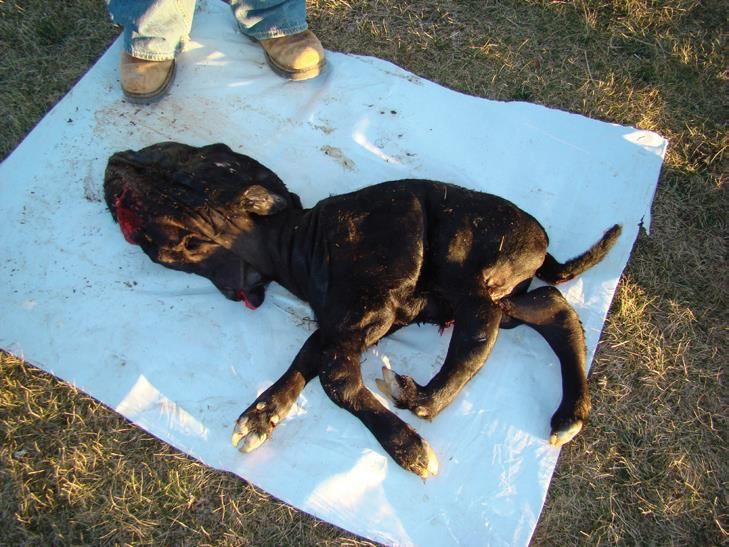
Arachnomelia calf from Gentile & Testoni 2006, Slov Vet Res 43:17-29
OMIA: 000059-9913
Gene: SUOX (Sulfite oxidase)
Genetic: 5:g.57641332-57641333insC, c.363–364insG, p.Ala124GlyfsX42
OMIA: 000059-9913
Flanking Sequence:
TACTGAGCTAGTATCTCTCGCACGTGGGGCTGGTTGTGAACAGCATAGAGGGCCCAGAAGGGCTCTAAAGGACC
CCCGGCTGCTAGCATCAGCTTTGATG[-C]CCCCCCCTGGGTGTATGTCCACAAATTCTGTGATATCAAAAACCTCAC
AGCCCAAAGTTACCCAGACCCCAGTCTCAGGGCTGCTGTGGGATTTCACTTC
DROGEMULLER, C., TETENS, J., SIGURDSSON, S., GENTILE, A., TESTONI, S., LINDBLAD-TOH, K., LEEB, T., Identification
of the bovine Arachnomelia mutation by massively parallel sequencing implicates sulfite oxidase (SUOX) in
bone development. PLoS Genet 2010, 6(8).
12_________________Genetic Disease and Trait Information for IDB Genotyped Animals in Ireland________________
Beta Mannosidosis
Abbreviations: BM Genetic Mode: Recessive
Royalty Fee: No Trait Type: Lethal
Breeds found in: Salers
General: Affected calves have symptoms of hypothyroidism (coarse, dry hair, cold intolerance, fatigue, weakness,
etc.), are unable to rise with intention tremors, hidebound skin, slightly domed skull, slight underbite or
overbite, and narrow eye slits. Calves born with this disorder do not get up after birth and soon die.
Common Ancestor: None identified
Clinical: Post-mortem calves usually have variable opening in a portion of the brain, observable paleness and
smaller than normal white matter of the cerebrum and cerebellum, and mild to severe enlargement of the
kidneys. The thyroid in affected calves show marked extensive vacuolation, with an associated reduction in
the serum concentrations of thyroxine and tri-iodothyronine.
OMIA: 000626-9913
Gene: MANBA (Mannosidase Beta A)
Genetic: 6:g.2354228G>A, c.2574G>A, p.TRP858X
Flanking Sequence:
CCATCCCCATGGAAAAGAAATGCAAAAAAGCAAAATGGCTGTCTGAGGAGGACTTACAAATAGCTGTGAAAAGAAG
AGAAGTGAAAAGCAAAGGAGAAAA[G/A]GAAAGATATAAGCATCTGAATACAGAGTTCCAAAGAATAGCAAGGAG
AGATAAGAAAGCCTTCCTCAGCAATCGATGCAAAGAAATAAAGGAAAACAACA
LEIPPRANDT, J. R., CHEN, H., HORVATH, J. E., QIAO, X. T., JONES, M. Z. & FRIDERICI, K. H. 1999. Identification of a
bovine beta-mannosidosis mutation and detection of two beta-mannosidase pseudogenes. Mamm Genome,
10, 1137-41.
LOVELL, K., JONES, M., PATTERSON, J., ABBITT, B. & CASTENSON, P. 1991. Thyroid structure and function in bovine β-
mannosidosis. Journal of inherited metabolic disease, 14, 228-230.
13_________________Genetic Disease and Trait Information for IDB Genotyped Animals in Ireland________________
Brachyspina
Abbreviations: BY Genetic Mode: Recessive
Royalty Fee: Yes Trait Type: Lethal
Breeds found in: Friesian, Holstein
General: Affected calves are either aborted in the first 40 days of gestation or stillborn. Stillborn calves are born
after a prolonged gestation with reduced body weight, a short neck and body, a hump between the
shoulder blades and a deformed lower jaw.
Common Ancestor: Sweet Haven Tradition, Bis-May Tradition Cleitus, Rothrock Tradition Leadman
Clinical: Stillborn calves are characterized by a severely reduced body weight, shortening of the spine, long and
slender limbs, malformed internal organs including, liver, kidneys, reproductive organs, and heart.
Intervertebral disks can have incomplete development or be fused. Limbs appear disproportionately long in
relation to the body.
Brachyspina affected calf from Agerholm et al., 2006
OMIA: 000151-9913
Gene: FANCI (Fanconi anemia complementation group I)
Genetic: 21:g.21184870_21188198del, c.526-64495_526-67824del , p.Val876Leufs26X
Flanking Sequence:
TGTCACATACATAAATGTAAAATGGTGCAGCCACTTTGGAAAATAATTTGTCAGTTTCTTAAAAAGTTAAGCACACACC
TATCTTACGGTACACCCATTC[CACTCTTAGGTATTTAC…3,329bp….AAATTTGCAGGAAATGGT/-]CACCTTTCTAT
CCGTGTCCTCCATCTGTTCAGTTCTTCTCCCCCAGTAGCTAAATATCTTTTAGTGTCTTGTGTAAAGAATTCTTTTATTCC
TGTACAGC
AGERHOLM, J. S., MCEVOY, F. & ARNBJERG, J. 2006. Brachyspina syndrome in a Holstein calf. J Vet Diagn Invest, 18,
418-22.
CHARLIER, C., AGERHOLM, J. S., COPPIETERS, W., KARLSKOV-MORTENSEN, P., LI, W., DE JONG, G., FASQUELLE, C.,
KARIM, L., CIRERA, S. & CAMBISANO, N. 2012. A deletion in the bovine FANCI gene compromises fertility by
causing fetal death and brachyspina. PLoS one, 7, e43085.
14_________________Genetic Disease and Trait Information for IDB Genotyped Animals in Ireland________________
Bulldog Dwarfism
Abbreviations: BD1, BD2, Dexter Genetic Mode: Recessive
Chondrodysplasia
Trait Type: Lethal
Royalty Fee: No
Breeds found in: Dexter
General: This disease is caused by one of two mutations (BD1 and BD2) in the ACAN gene. Affected animals
display extreme dwarfism, die around the seventh month of gestation and are aborted. Heterozygous
animals are born alive and live but have a mild form of dwarfism.
Being homozygous for either mutation or heterozygous for both will cause bulldog dwarfism.
Common Ancestor: None identified
Clinical: Affected foetuses display extreme dwarfism, a short vertebral column, abnormal cartilage development,
marked micromelia, large abdominal hernia, large head, retruded muzzle, and cleft palate. The mutations
cause aggrecan protein to be absent from the cartilage extra cellular matrix causing it to be structurally
compromised. Thus the cartilage fails to expand which compromises the growth of long bones.
The BD1 allele results in a premature stop codon in exon 11. The BD2 allele introduces a start codon 199
base pairs upstream and in a different frame, the resulting protein does not resemble the normal aggrecan
protein.
A) BD affected embryo, B) Heterozygous animal exhibiting dwarfism from Cavangh et al., 2007
OMIA: 001271-9913
Gene: ACAN (Aggrecan)
Genetic: Two mutations in ACAN that being homozygous for either mutation or heterozygous for both will cause
the bulldog dwarfism.
15_________________Genetic Disease and Trait Information for IDB Genotyped Animals in Ireland________________
BD1
Genetic: 21:g.20844570insGGCA, c.2266insGGCA
Flanking Sequence:
ATCGGGGAGGAGACGACTGCAATCCCAGGCTTCACCGTTGAGCCAGAAAACAAGACGGAATGGGAACTTGCCTACA
CCCCAGCGGGCACTTTGCCACTAC[-/GGCA]CAGGTCCGTCCGGGCTCTCCTGCATGTCCTGCTGCCTCCCTGGGCCAG
GGTGTGGCCTGGAAGGGGGGAGGAGGAAGTGTTCTCTCCCTGGGACCCGTGA
BD2
Genetic: 21:g.20800319C>T, c.-198C>T
Flanking Sequence:
CTCAGCACCCTCGCCGGCCGGCATCTGACACGGGTGTCAGGGGGCTCCGGGCGCCTTTCAGCATCCCTTCCCCAGGCC
GGCCGGGACTCCGCTACCCAGA[C/T]GCCGCCACTGCGGCCACCGCCCGAGGGGACCTGCGGACAGGACGCCGGCA
GGAGGAGGGGTGCGCAGCGCCCGCCCAGAGCGTCTCCCCCGCGGCGCGGC
CAVANAGH, J. A., TAMMEN, I., WINDSOR, P. A., BATEMAN, J. F., SAVARIRAYAN, R., NICHOLAS, F. W. & RAADSMA, H.
W. 2007. Bulldog dwarfism in Dexter cattle is caused by mutations in ACAN. Mamm Genome, 18, 808-14.
16_________________Genetic Disease and Trait Information for IDB Genotyped Animals in Ireland________________
Cardiomyopathy and Woolly Haircoat Syndrome
Abbreviations: CWH Genetic Mode: Recessive
Royalty Fee: No Trait Type: Lethal
Breeds found in: Hereford
General: Animals have heart problems and a woolly hair coat. Some have protruding eyeballs and a prominent
forehead. Death usually occurs within the first 12 weeks of life.
Common Ancestor: None identified
Clinical: Affected calves have signs so cardiac dysfunction, including arrhythmias. A number will develop a
severe, ulcerative ocular keratitis. A spectrum of myocardial changes are observed in both ventricles,
including multifocal to locally extensive myolysis or myocyte necrosis, and replacement fibrosis, with
calcification in some cases; subepicardial fibrosis of the right ventricular free wall is often the predominant
change.
CWH affected calf (left) versus unaffected calf (right) from Simpson et. al., 2009
OMIA: 000161-9913
Gene: PPP1R13L (Protein Phosphatase 1 Regulatory Subunit 13 Like)
Genetic: 18:g.53440861-53440867dupACAGGCG, c.956_962dupACAGGCG, p.Gly335GlufsX36
Flanking Sequence:
TTTCTATCTTCCTTCCTTCCCTCTTTCTCCCCCAGGACAACTTCACCAGCGCCACTCTGCCCCGCAATTACAAGGTCTCCC
CTCTGGCCAACGACAGGCG[-/ACAGGCG]TTCTGATGTGGGCAGCTACCGCCGATCACTGGGCTCCACGGGGC
CGTCAGGCACTTTGCCCCGAAGCTGGCAGCCTGTCAGTCGCATCCCCATGCCTCCT
SIMPSON, M. A., COOK, R. W., SOLANKI, P., PATTON, M. A., DENNIS, J. A. & CROSBY, A. H. 2009. A mutation in
NFkappaB interacting protein 1 causes cardiomyopathy and woolly haircoat syndrome of Poll Hereford cattle.
Anim Genet, 40, 42-6.
17_________________Genetic Disease and Trait Information for IDB Genotyped Animals in Ireland________________
Citrullinaemia
Abbreviations: CT Genetic Mode: Recessive
Royalty Fee: No Trait Type: Lethal
Breeds found in: Friesian, Holstein
General: Affected calves are born normal and become depressed within 24 hours. In 3-5 days they develop
tongue protrusion, unsteady gait, wander aimlessly, froth at the mouth, will press their head against
something solid, develop convulsions, and die.
Common Ancestor: None identified
Clinical: Upon dissection they will have a histological lesion in the brain. The clinical signs are the same as
ammonia poisoning as the defective ASS1 gene causes a fault in the urea cycle which leads to a build-up of
ammonia in the body.
OMIA: 000194-9913
Gene: ASS1 (Argininosuccinate Synthase 1)
Genetic: 11:g.100802781C>T, c.256C>T, p.A86X
Flanking Sequence:
ATGGGCTGCTCTCCCACAGGTGTTCATTGAGGACATCAGCAAGGAGTTTGTGGAGGAGTTCATCTGGCCGGCCATCC
AGTCCAGCGCACTGTACGAGGAC[C/T]GATACCTCCTGGGCACCTCTCTCGCCAGGCCCTGCATCGCCCGCAAGCAGG
TGGAGATCGCCCAGCGAGAAGGAGCCAAGTATGTGTCTCACGG
DENNIS, J. A., HEALY, P. J., BEAUDET, A. L. & O'BRIEN, W. E. 1989. Molecular definition of bovine argininosuccinate
synthetase deficiency. Proceedings of the National Academy of Sciences of the United States of America, 86,
7947-51.
18_________________Genetic Disease and Trait Information for IDB Genotyped Animals in Ireland________________
Congenital Muscular Dystonia 1
Abbreviations: CMD1 Genetic Mode: Recessive
Royalty Fee: No Trait Type: Lethal
Breeds found in: Belgian Blue, Dutch Improved Red and White
General: Affected calves have episodes of generalized muscle contractures, impaired swallowing, and falling.
CMD1 calves usually die within a few weeks as a result of respiratory complications.
Common Ancestor: None identified
Clinical: Animals have muscle myotonia which results in an inability to flex limbs and injurious falling. They also
experience fatigue upon stimulation. The mutation causes a disorder in muscle function due to a defect in
the Ca2 pump.
OMIA: 001450-9913
Gene: ATP2A1 (ATPase, Ca++ Transporting, Cardiac Muscle, Fast Twitch 1)
Genetic: 25:g.26191380C>T, c.1675C>T, p.Arg559Cys
Flanking Sequence:
GCGAGTGGGCACCACCCGGGTGCCCATGACAGGGCCGGTGAAGGAGAAGATTCTGTCGGTGATCAAAGAGTGGGG
TACTGGCCGGGACACCCTG[C/T]GCTGCCTGGCGCTGGCCACTCGGGACACCCCCCCCAAGCGAGAGGAGATGGTCC
TGGATGACTCTACCAAGTTCATGGAGTACGAG
CHARLIER, C., COPPIETERS, W., ROLLIN, F., DESMECHT, D., AGERHOLM, J. S., CAMBISANO, N., CARTA, E., DARDANO,
S., DIVE, M., FASQUELLE, C., FRENNET, J. C., HANSET, R., HUBIN, X., JORGENSEN, C., KARIM, L., KENT, M.,
HARVEY, K., PEARCE, B. R., SIMON, P., TAMA, N., NIE, H., VANDEPUTTE, S., LIEN, S., LONGERI, M., FREDHOLM,
M., HARVEY, R. J. & GEORGES, M. 2008. Highly effective SNP-based association mapping and management of
recessive defects in livestock. Nature Genetics, 40, 449-54.
GRUNBERG, W., SACCHETTO, R., WIJNBERG, I., NEIJENHUIS, K., MASCARELLO, F., DAMIANI, E. & DROGEMULLER, C.
2010. Pseudomyotonia, a muscle function disorder associated with an inherited ATP2A1 (SERCA1) defect in a
Dutch Improved Red and White cross-breed calf. Neuromuscul Disord, 20, 467-70.
19_________________Genetic Disease and Trait Information for IDB Genotyped Animals in Ireland________________
Congenital Muscular Dystonia 2
Abbreviations: CMD2, Startle Disease Genetic Mode: Recessive
Royalty Fee: No Trait Type: Lethal
Breeds found in: Belgian Blue
General: Affected calves show episodes of generalized muscle contractures and sever muscle twitching. Affected
calves typically die within a few hours to days after birth.
Common Ancestor: None identified
Clinical: Affected calves present with lateral recumbency. They have a low head carriage when made to walk.
Stimulation often triggers transient muscle spasms which regress when left alone. Calves are typically alert
and able to suckle between spasms.
CMD2 affected calf from Harvey et al., 2008.
OMIA: 001451-9913
Gene: SLC6A5 (Solute Carrier Family 6 (Neurotransmitter Transporter), Member 5)
Genetic: 29:g.24610495T>C, c.809T>C, p.Leu270Pro
Flanking Sequence:
ATGCTGGCTCTGGCAGGGTTGCCCATCTTCTTCCTAGAGGTGTCCCTGGGCCAGTTTGCCAGCCAGGGGCCGGTGTCT
GTGTGGAAGGCCATCCCAGCCC[T/C]GCAAGGTGAGTGCTTCCTGCTTCCCAGCTGCCTCAGCCCTTCCCTGCCCTCTC
TGGCACCAAAGGGCCCCAGGGAGTGAGACCTGCTTCTGTGATTGGGA
CHARLIER, C., COPPIETERS, W., ROLLIN, F., DESMECHT, D., AGERHOLM, J. S., CAMBISANO, N., CARTA, E., DARDANO,
S., DIVE, M., FASQUELLE, C., FRENNET, J. C., HANSET, R., HUBIN, X., JORGENSEN, C., KARIM, L., KENT, M.,
HARVEY, K., PEARCE, B. R., SIMON, P., TAMA, N., NIE, H., VANDEPUTTE, S., LIEN, S., LONGERI, M., FREDHOLM,
M., HARVEY, R. J. & GEORGES, M. 2008. Highly effective SNP-based association mapping and management of
recessive defects in livestock. Nature Genetics, 40, 449-54.
HARVEY, R. J., TOPF, M., HARVEY, K. & REES, M. I. 2008. The genetics of hyperekplexia: more than startle! Trends in
genetics, 24, 439-447.
20_________________Genetic Disease and Trait Information for IDB Genotyped Animals in Ireland________________
Complex Vertebral Malformation
Abbreviations: CVM Genetic Mode: Recessive
Royalty Fee: Yes Trait Type: Lethal
Breeds found in: Friesian, Holstein
General: Affected calves are usually aborted during gestation; some are born alive but die soon after. Animals
have a shortened neck and curved spine, they can have abnormal ribs, contracted joints, and contracted
and rotated fetlocks.
Common Ancestor: Carlin-M Ivanhoe Bell and Pennstate Ivanhoe
Clinical: CVM diagnosis is often difficult due to significant clinical heterogeneity in affected calves. Affected
animals are characterized by anomalies of the spinal column and limbs, a shortening of the cervical and
thoracic parts of the vertebral column and symmetrical arthrogryphosis in the front and occasionally in the
hind legs. Animals can have axial skeletal deformities, misshaped vertebrae, scoliosis, joint contractures of
the lower limb joints, and cardiac anomalies. Pedigree plus necropsy can provide a presumptive diagnosis
with DNA testing providing the definitive diagnosis.
CVM affected calf from Thomsen et al., 2006
OMIA: 001340-9913
Gene: SLC35A3 [SOLUTE CARRIER FAMILY 35 (UDP-N-ACETYLGLUCOSAMINE TRANSPORTER), MEMBER 3]
Genetic: 3:g.43412427, c.559G>T, p.Val180Phe, rs438228855
Flanking Sequence:
TAAACTTGTGTTGTTTCTTTTTGTTCAGTGGCCCTCAGATTCTCAAGAGCTTAATTCTAAGGAACTTTCAGCTGGCTCAC
AATTTGTAGGTCTCATGGCA[G/T]TTCTCACAGCATGTTTTTCCAGTGGCTTTGCTGGGGTTTACTTTGAGAAAATCTT
AAAAGAAACCAAACAATCAGTGTGGATAAGAAACATTCAACTTGG
THOMSEN, B., HORN, P., PANITZ, F., BENDIXEN, E., PETERSEN, A. H., HOLM, L. E., NIELSEN, V. H., AGERHOLM, J. S.,
ARNBJERG, J. & BENDIXEN, C. 2006. A missense mutation in the bovine SLC35A3 gene, encoding a UDP-N-
acetylglucosamine transporter, causes complex vertebral malformation. Genome Res, 16, 97-105.
21_________________Genetic Disease and Trait Information for IDB Genotyped Animals in Ireland________________
Deficiency of Uridine Monophosphate Synthase
Abbreviations: DUMPS Genetic Mode: Recessive
Royalty Fee: No Trait Type: Lethal
Breeds found in: Friesian, Holstein, Wagyu
General: Affected calves are aborted around day 40 of pregnancy. The affected embryos often are resorbed
during the first two-month of gestation, leading to more services per calving and longer than normal
calving intervals.
Common Ancestor: None identified
Clinical: The DUMPS mutation is lethal as it results in pyrimidine deficiencies. Heterozygous animals appear
phenotypically normal they do have reduced Uridine Monophosphate Synthetase levels that cause an
increase of orotic acid in the milk and urine.
OMIA: 000262-9913
Gene: UMPS (Uridine Monophosphate Synthetase)
Genetic: 1:g.69756880C>T, c.1213C>T, p.Arg405X
Flanking Sequence:
TGTGGTTAACTGCTGTCTTGTCATCTGTTGATTACATTCCATTCAGGTGCAAATGGCTGAAGAACATTCTGAATTTGTG
ATTGGTTTTATTTCTGGCTCC[C/T]GAGTAAGCATGAAACCAGAATTTCTTCACTTGACTCCAGGAGTTCAGTTAGAAG
CAGGAGGTAAGCCTATTGATTGGTAATGATTCCTCTAAAATGCTGC
KUMAR, V., SINGH, R. K. & SHARMA, A. 2010. Deficiency of Uridine Monophosphate Synthase: A Recessive Disorder
in Holstein Friesian Cattle. Veterinary World, 3, 523-525.
SCHWENGER, B., SCHOBER, S. & SIMON, D. 1993. DUMPS cattle carry a point mutation in the uridine
monophosphate synthase gene. Genomics, 16, 241-4.
SCHWENGER, B., TAMMEN, I. & AURICH, C. 1994. Detection of the homozygous recessive genotype for deficiency of
uridine monophosphate synthase by DNA typing among bovine embryos produced in vitro. J Reprod Fertil,
100, 511-4.
22_________________Genetic Disease and Trait Information for IDB Genotyped Animals in Ireland________________
Holstein Haplotype 1
Abbreviations: HH1 Genetic Mode: Recessive
Royalty Fee: No Trait Type: Lethal
Breeds found in: Friesian, Holstein
General: Affected calves are aborted after the first trimester.
Common Ancestor: Pawnee Farm Arlinda Chief
Clinical: APAF1 is necessary for normal neural tube development. In mice, knockout of the APAF1 gene leads to
embryonic lethality, and APAF1 mutations result in malformed embryos.
OMIA: 000001-9913
Gene: APAF1 (Apoptotic Peptidase Activating Factor 1)
Genetic: 5:g.6315040C>T, c.1741C>T, p.Gln579X, rs448942533
Flanking Sequence:
GGAGTTTTTATCTTTAAATGGACATCTTCTTGGACGACAGCCATTTCCTAATATTGTGCAACTGGGCCTCTGTGAACTG
GAAACTTCAGAGGTTTATCGG[C/T]AAGCTAAGCTGCAGGCCAAGCAGGAGGTCGATAACGGAATGCTTTACCTGGA
GTGGGTGTAAGTAGGTTAGGAGAGAAACCAGAGGGAGCAGAGCGCTGA
ADAMS, H. A., SONSTEGARD, T., VANRADEN, P. M., NULL, D. J., VAN TASSELL, C. P. & LEWIN, H. 2012. Identification
of a nonsense mutation in APAF1 that is causal for a decrease in reproductive efficiency in dairy cattle. Plant
Anim. Genome XX Conf. San Diego, CA: Abstr. P0555.
ADAMS, H. A., SONSTEGARD, T. S., VANRADEN, P. M., NULL, D. J., VAN TASSELL, C. P., LARKIN, D. M. & LEWIN, H. A.
2016. Identification of a nonsense mutation in APAF1 that is likely causal for a decrease in reproductive
efficiency in Holstein dairy cattle. Journal of Dairy Science, 99, 6693-701.
FRITZ, S., CAPITAN, A., DJARI, A., RODRIGUEZ, S. C., BARBAT, A., BAUR, A., GROHS, C., WEISS, B., BOUSSAHA, M.,
ESQUERRE, D., KLOPP, C., ROCHA, D. & BOICHARD, D. 2013. Detection of Haplotypes Associated with Prenatal
Death in Dairy Cattle and Identification of Deleterious Mutations in GART, SHBG and SLC37A2. PLoS one, 8,
e65550.
23_________________Genetic Disease and Trait Information for IDB Genotyped Animals in Ireland________________
Holstein Haplotype 3
Abbreviations: HH3 Genetic Mode: Recessive
Royalty Fee: No Trait Type: Lethal
Breeds found in: Friesian, Holstein
General: Affected calves are aborted before day 60 of gestation.
Common Ancestor: Glendell Arlinda Chief, Gray View Skyliner, Oman
Clinical: SMC2 is required for the structural maintenance of chromosomes and DNA repair in mammals and for
the formation of condensing complexes to convert interphase chromatin into mitotic-like condensed
chromosomes. It’s hypothesized that the mutation causes reduced ability to hydrolyse ATP which results in
compromised condensin activity.
OMIA: 001824-9913
Gene: SMC2 (Structural Maintenance of Chromosomes 2)
Genetic: 8:g.95410507, c.3404T>C, p.Phe1135Ser, rs456206907
Flanking Sequence:
CTCCTTTTCAAACCTGCCCCAATCTACATCCTGGATGAGGTCGATGCAGCCCTGGATCTTTCTCATACTCAGAATATTG
GACATATGCTACGTACTCATT[T/C]CACACATTCTCAGGTAAGAACCAAAAAGAGCCTCAGAATAGTTCTAGGATTTGT
TTTTCTAAAACTATTCTTTAGTAATGGTCAGTATATATAAGGAATT
MCCLURE, M. C., BICKHART, D., NULL, D., VANRADEN, P., XU, L., WIGGANS, G., LIU, G., SCHROEDER, S., GLASSCOCK,
J., ARMSTRONG, J., COLE, J. B., VAN TASSELL, C. P. & SONSTEGARD, T. S. 2014. Bovine Exome Sequence
Analysis and Targeted SNP Genotyping of Recessive Fertility Defects BH1, HH2, and HH3 Reveal a Putative
Causative Mutation in SMC2 for HH3. PLoS one, 9, e92769.
24_________________Genetic Disease and Trait Information for IDB Genotyped Animals in Ireland________________
Holstein Haplotype 4
Abbreviations: HH4 Genetic Mode: Recessive
Royalty Fee: No Trait Type: Lethal
Breeds found in: Friesian, Holstein
General: Affected calves are aborted very early in pregnancy, often in the first month.
Common Ancestor: Besne Buck
Clinical: GART is required for de novo biosynthesis of purines, which are key components of DNA, RNA, and ATP.
Therefore the loss of GART function is predicted to cause the death of the embryo soon after fertilization.
OMIA: 001826-9913
Gene: GART (Phosphoribosylglycinamide Formyltransferase)
Genetic: 1:g.1277227, c.869A>C, p.Asn290Thr
Flanking Sequence:
TACAATGTCTGCATTAACGATTTTTTTTTCTTTTTTAATGAAGGTGTCCTCTATGCTGGTATAATGCTGACCAAGAACGG
CCCCAAAGTTCTGGAATTTA[A/C]TTGCCGTTTCGGTGATCCAGAGTGCCAAGTGAGTAAAAAAAGATGCGTGCTATT
TTAATCTTAGGATTTTTCAGCCTTGAAATAATTATTACCTTTGAGA
FRITZ, S., CAPITAN, A., DJARI, A., RODRIGUEZ, S. C., BARBAT, A., BAUR, A., GROHS, C., WEISS, B., BOUSSAHA, M.,
ESQUERRE, D., KLOPP, C., ROCHA, D. & BOICHARD, D. 2013. Detection of Haplotypes Associated with Prenatal
Death in Dairy Cattle and Identification of Deleterious Mutations in GART, SHBG and SLC37A2. PLoS one, 8,
e65550.
25_________________Genetic Disease and Trait Information for IDB Genotyped Animals in Ireland________________
Idiopathic Epilepsy
Abbreviations: IE Genetic Mode: Recessive
Royalty Fee: Yes Trait Type: Lethal
Breeds found in: Hereford
General: Affected calves are born normal and have no outward appearance of the disorder until they start having
seizures. The initial seizure can occur from birth up to several months of age. When seizing the animal will
lay on its side with legs straight out, episodes may last from several minutes to over an hour.
Common Ancestor: None identified
Clinical: This disease causes a generalized seizure disorder and Parkinson’s like locking up syndrome.
Environmental stresses such as temperature or increased physical handling can bring out the
seizures. During seizures manual flexing of the limbs is possible, but upon release they return to the
extended position. Animals will not have anatomic abnormalities or histologic lesions upon post mortem
examination.
Idiopathic Epilepsy affected cows appear normal unless having a seizure from Kaiser, 2010
OMIA: 000344-9913
Gene: Confidential genomic defect
Genetic: Confidential genomic defect
Flanking Sequence: Confidential genomic defect
JOHNANTHAN BEEVER, UNIVERSITY OF ILLINOIS, 2012. PERSONAL COMMUNCIATION. CONFIDENTIAL GENOMIC
DEFECT.
KAISER, L. 2010. Dead Cows Don't Lie!! Moo News Tells you Why! [Online]. Kaisercattle.com. Available:
http://kaisercattle.com/pdf/MCA%20Defects%20combined.pdf [Accessed 28/08/2015].
26_________________Genetic Disease and Trait Information for IDB Genotyped Animals in Ireland________________
Jersey Haplotype 1
Abbreviations: JH1 Genetic Mode: Recessive
Royalty Fee: No Trait Type: Lethal
Breeds found in: Jersey
General: Calves homozygous for the mutation are aborted before day 60.
Common Ancestor: Observer Chocolate Soldier
Clinical: CWC15 is expressed during early embryo development and is an essential gene for cell function.
OMIA: 001697-9913
Gene: CWC15 (Spliceosome-Associated Protein CWC15 Homolog)
Genetic: 15:g.15707169C>T, c.163C>T, p.Arg55X
Flanking Sequence:
AATTGTCTTCCATTACTACAGCTGTGTGTTTTTTAGAAGTGACTTTGCCTTGTCTTGTTTCTACTTTAGACAGACCACTCA
GGATGCCCCTGAAGAGGTT[C/T]GAAACCGTGACTTCAGGAGAGAGTTGGAGGAGAGAGAGAGAGCTGCTGCAAG
AGAAAAAAACAGAGATCGGCCAACCCGAGGTACCAATACTATCTTAGA
SONSTEGARD, T. S., COLE, J. B., VANRADEN, P. M., VAN TASSELL, C. P., NULL, D. J., SCHROEDER, S. G., BICKHART, D. &
MCCLURE, M. C. 2013. Identification of a nonsense mutation in CWC15 associated with decreased
reproductive efficiency in Jersey cattle. PLoS One, 8, e54872.
27_________________Genetic Disease and Trait Information for IDB Genotyped Animals in Ireland________________
Maple Syrup Urine
Abbreviations: MSU_HER, MSU_SH Genetic Mode: Recessive
Royalty Fee: No Trait Type: Lethal
Breeds found in: Hereford, Shorthorn
General: Some affected calves are stillborn, those born alive look normal but exhibit neurological symptoms
within 24 hours. Their condition will rapidly deteriorate with ataxia, an inability to walk, and death within
96 hours after birth. The most telling symptom and how the disorder got its name is that the animals will
have sweet-smelling urine.
Common Ancestor: None identified
Clinical: The disease is caused by a deficiency of activity of the mitochondrial BCKDHA enzyme. This deficiency
causes neurological disease due to elevated concentrations of branched chain α-keto acids and their
precursors: valine, leucine and isoleucine.
OMIA: 000627-9913
Gene: BCKDHA (Branched Chain Keto Acid Dehydrogenase E1, Alpha Polypeptide)
MSU_HER:
Genetic: 18:g.50828853C>T, c.148C>T, p.Gln50X
Flanking Sequence:
CTGCATCACCAGCAATGCTGCCTGTCAGCACAGGGAACCTCTGCTGCTCCTGACCTGGGTGTTCCCCTCCACCCTCCCT
CCCCAGCACCCCCACAGGTGG[C/T]AGCAACAGCAGCACTTCTCGTCCCTGGATGACAAGCCGCAGTTCCCAGGGGC
CTCAGCGGAGTTCATAGACAAGCTCGAATTCATCCAGCCCAATGTCAT
MSU_SH:
Genetic: 18:g.50837932C>T, c.1380C>T, p.Pro372Leu
Flanking Sequence:
GTAATGGAGGCCTTTGAGCAGGCTGAGCGGAAGCTGAAGCCCAACCCCAGCTTGATCTTCTCGGACGTGTATCAGGA
GATGC[T/C]TGCCCAGCTCCGCAAGCAGCAGGAGTCTCTGGCACGTCACCTCCAGACCTATGGTGAACACTACCCGCT
GGACCACTTCGAGAAG
DENNIS, J. A. & HEALY, P. J. 1999. Definition of the mutation responsible for maple syrup urine disease in Poll
Shorthorns and genotyping Poll Shorthorns and Poll Herefords for maple syrup urine disease alleles. Res Vet
Sci, 67, 1-6.
ZHANG, B., HEALY, P. J., ZHAO, Y., CRABB, D. W. & HARRIS, R. A. 1990. Premature translation termination of the pre-
E1 alpha subunit of the branched chain alpha-ketoacid dehydrogenase as a cause of maple syrup urine disease
in Polled Hereford calves. J Biol Chem, 265, 2425-7.
28_________________Genetic Disease and Trait Information for IDB Genotyped Animals in Ireland________________
Montbeliarde Haplotype 2
Abbreviations: MH2 Genetic Mode: Recessive
Royalty Fee: No Trait Type: Lethal
Breeds found in: Montbeliarde
General: Affected animals are aborted early in gestation.
Common Ancestor: None identified
Clinical: The SLC37A2 protein is a cell membrane transporter protein for glucose-6-phosphate, a key molecule in
cellular energy metabolism.
OMIA: 001828-9913
Gene: SLC37A2 (Solute Carrier Family 37 (Glucose-6-Phosphate Transporter), Member 2)
Genetic: 29:g.28879810, c.34C>T, p.Arg12X
Flanking Sequence:
GCTGCCAGAACGAGCACAGGTGGACTGCTTCCTGGACACAGTGGAGACGGTAGGCCTGGACTCTCTGCTAACCCAGA
TGCCCACCTTCCCCTGCAGGTAC[C/T]GAGCCTTCATCCTGCTCATCACCTTCTTAATCTACACCTGCTATCACATGTCCC
GGAAGCCCATCAGTGTCGTCAAGGTGAGTCTGGCCCGGGGGTAAGG
FRITZ, S., CAPITAN, A., DJARI, A., RODRIGUEZ, S. C., BARBAT, A., BAUR, A., GROHS, C., WEISS, B., BOUSSAHA, M.,
ESQUERRE, D., KLOPP, C., ROCHA, D. & BOICHARD, D. 2013. Detection of Haplotypes Associated with Prenatal
Death in Dairy Cattle and Identification of Deleterious Mutations in GART, SHBG and SLC37A2. PLoS one, 8,
e65550.
29_________________Genetic Disease and Trait Information for IDB Genotyped Animals in Ireland________________
Neuropathic Hydrocephalus
Abbreviations: NH, Water Head Genetic Mode: Recessive
Royalty Fee: Yes Trait Type: Lethal
Breeds found in: Angus
General: Affected calves are stillborn or aborted between 90 and 150 days of gestation. Those stillborn typically
weigh between 11 - 16 kg and have an enlarged head that is fluid filled.
Common Ancestor: GAR Precision 1680
Clinical: The bones of the skull are malformed and loosely organized. The cranial cavity and spinal canal is fluid
filled with no recognizable brain or spinal tissue. The mutation changes abnormal function in a gene that is
involved in the development and maintenance of the central nervous system tissue.
.
Neuropathic hydrocephalus affected calf from Kaiser 2010
OMIA: 000487-9913
Gene: Confidential genomic defect
Genetic: Confidential genomic defect
Flanking Sequence: Confidential genomic defect
JOHNANTHAN BEEVER, UNIVERSITY OF ILLINOIS, 2012. PERSONAL COMMUNCIATION. CONFIDENTIAL GENOMIC
DEFECT.
KAISER, L. 2010. Dead Cows Don't Lie!! Moo News Tells you Why! [Online]. Kaisercattle.com. Available:
http://kaisercattle.com/pdf/MCA%20Defects%20combined.pdf [Accessed 28/08/2015].
30_________________Genetic Disease and Trait Information for IDB Genotyped Animals in Ireland________________
Osteopetrosis
Abbreviations: OS, Marble Bone Disease Genetic Mode: Recessive
Royalty Fee: No Trait Type: Lethal
Breeds found in: Multiple including Angus, Friesian, Hereford, Holstein, Simmental
General: Affected calves are typically stillborn prematurely (250-275 days of gestation). They often have a small
body size, flat skull, impacted molars, shortened lower jaw, protruding tongue; the leg bones are easily
broken.
Common Ancestor: None identified
Clinical: The long bones contain no marrow cavity, are very dense, very fragile, and can be easily broken. They
have lesions and mineralization in the brain.
Head of Osteopetrisis affected calf from Meyers et al., 2010
OMIA: 000755-9913
Gene: SLC4A2 (Solute Carrier Family 4 (Anion Exchanger), Member 2)
Genetic: 4:g.114437192_114439942del
Flanking Sequence:
CGTCAGCCCGGCCGCTCAGATTTTCCTGGCCGCGGGTTTGGGGAAGGGAAGCACTAAGACTGCCCCCAGGGCAGAA
CCTCGGGGTTTCTGTGCCCCCTCCT[CCCCGGGCGTCACGTGCCCCTCCCCCAG…2784bp….GGAGGATGAACTCCAC
CGCA/-]CCCTGGGCGTGGAGCGGTTTGAGGAGATCCTTCAGGAGGCGGGGTCCCGAGGAGGGGAGGAGC
TCGGCCGCAGCTACGGGGAGGAAGACTTTGAATGTGA
MEYERS, S. N., MCDANELD, T. G., SWIST, S. L., MARRON, B. M., STEFFEN, D. J., O'TOOLE, D., O'CONNELL, J. R.,
BEEVER, J. E., SONSTEGARD, T. S. & SMITH, T. P. 2010. A deletion mutation in bovine SLC4A2 is associated with
osteopetrosis in Red Angus cattle. BMC Genomics, 11, 337.
31_________________Genetic Disease and Trait Information for IDB Genotyped Animals in Ireland________________
Paunch Calf Syndrome
Abbreviations: PCS Genetic Mode: Recessive
Royalty Fee: No Trait Type: Lethal
Breeds found in: Romagnola
General: Affected calves are usually stillborn, have abnormal development of multiple organs; facial deformities;
and an enlarged distended fluid-filled stomach (hence the name ‘Paunch Calf’). Some affected calves also
have a protruding tongue and cleft palate.
Common Ancestor: Dritto, Treno
Clinical: Affected calves have severe abdominal distension, subcutaneous oedema, ascites, a lobulated firm liver
with two small (5 mm and 10 mm) blood-filled cysts, a small (1 cm) atrial septal defect, slight shortening of
the face and bilateral exopthalmos. Some case have cleft palate and missing medial dewclaws.
Affected Paunch Calf Syndrome calf from Toolan et al., 2014
OMIA: 001722-9913
Gene: KDM2B (Lysine (K)-Specific Demethylase 2B)
Genetic: 17:g.56010031, c.2503G>A, p.Asp835Asn
Flanking Sequence:
TTCTTGGTGGGGCTGGGTGTGGAGGGGACCAAATCCCGCGACCCCTGGGAGCAAGCTTTGCATCTTTTCTTTCCCATG
ACAGCTAAAACCTGGCAAAGAA[G/A]ATAAGCTTTTCAGGAAAAAGGTACCATCTCCCACCCACCCCCTGCCCCTGTC
CCAGAACCTCTCTTGGGGCAGTAGTCTTAGGCTGGAGGGTAGGAGGCC
TESTONI, S., BARTOLONE, E., ROSSI, M., PATRIGNANI, A., BRUGGMANN, R., LICHTNER, P., TETENS, J., GENTILE, A. &
DROGEMULLER, C. 2012. KDM2B is implicated in bovine lethal multi-organic developmental dysplasia. PLoS
one, 7, e45634.
TOOLAN, D. P., MCELROY, M. C., FLYNN, P., WELD, R., MCCLURE, M. & SHEEHAN, M. 2014. Congenital Paunch Calf
Syndrome in Ireland. Cattle Association of Veterinary Ireland Douglas, Co Cork, Ireland.
32_________________Genetic Disease and Trait Information for IDB Genotyped Animals in Ireland________________
Pulmonary Hypoplasia with Anasarca 1
Abbreviations: PHA1, Waterbaby Genetic Mode: Recessive
Royalty Fee: Yes Trait Type: Lethal
Breeds found in: Chianina, Maine Anjou, Shorthorn
General: Some affected calves are aborted at 90 to 180 days; others are born dead with underdeveloped lungs
and swelling caused by excessive fluid retention. PHA1 calves have a swollen appearance and this can
make delivery very difficult for the cow, often a caesarean section is required.
Common Ancestor: Maine Anjou: Paramount, Draft Pick, Stinger
Chianina: Payback
Clinical: A dam carrying a PHA1 calf might have a swollen belly prior to calving due to an excess of amniotic fluid,
and may need a caesarean section to remove the calf because it has swollen too large for vaginal delivery.
Post-mortem results from affected calves will reveal small lungs and virtually no lymphatic system. The
PHA1 foetuses are similar in appearance to the aborted "bulldog" calves of chondrodysplasia but can be
identified by the longer legs and hooves.
Pulmonary Hypoplasia with Anasarca 1 affected calf from Kaiser 2010
OMIA: Not available
Gene: Confidential genomic defect
Genetic: Confidential genomic defect
Probes: Confidential genomic defect
Flanking Sequence: Confidential genomic defect
JOHNANTHAN BEEVER, UNIVERSITY OF ILLINOIS, 2012. PERSONAL COMMUNCIATION. CONFIDENTIAL GENOMIC
DEFECT.
KAISER, L. 2010. Dead Cows Don't Lie!! Moo News Tells you Why! [Online]. Kaisercattle.com. Available:
http://kaisercattle.com/pdf/MCA%20Defects%20combined.pdf [Accessed 28/08/2015].
33_________________Genetic Disease and Trait Information for IDB Genotyped Animals in Ireland________________
Spinal Muscular Atrophy
Abbreviations: SMA Genetic Mode: Recessive
Royalty Fee: No Trait Type: Lethal
Breeds found in: Brown Swiss
General: Calves often die of pneumonia by six to eight weeks of age. While born normal SMA affected calves start
to show symptoms between three and six weeks of age when they show loss of strength and balance in the
rear legs. As the disease progresses they will become weaker, lose flesh, and lose balance in the front legs.
Once they show signs of laboured breathing death usually occurs within a couple of days. Usually the cause
of death is pneumonia by six to eight weeks of age.
Common Ancestor: None identified
Clinical: This neurodegenerative disease causes loss of motor neurons, progressive weakness, decreased spinal
reflexes, and loss of balance in the legs Terminal stages were characterized by severe muscular atrophy,
quadriparesis, and sternal recumbence. Bronchopneumonia was a frequent complicating disease.
Microscopic changes consisted mainly of degeneration, loss of motor neurons in the ventral horns of the
spinal cord, and neurogenic atrophy of muscles.
SMA affected calves from Brown Swiss Association 2001
OMIA: 000939-9913
Gene: KDSR (3-Ketodihydrosphingosine Reductase)
Genetic: 24:g.62138835C>T, g.490C>T, p.Ala164Thr
Flanking Sequence:
GAAGACGCTCTTACCTCCATCTGCAAAGCCTCCGCAAGTCCCCTGAGGGCGAACTTGGATGAAGAGTATGCTGTGTAA
CCAAACAGGCCCAGCTGCCCGG[T/C]CTGGGAAGACACGAAGACGACCCTGCCCATGCGGCGTTCCTTCATGGTGGC
GATCACCGCCCGGCTGGGGTACACGCTGCCCAGGTAGTTGATGCTCATC
BROWN SWISS ASSOCIATION. 2011. Genetic Abnormalities in the Brown Swiss Breed [Online]. Available:
http://www.brownswissusa.com/Portals/0/Documents/Abnormality%20Pamphlet.pdf [Accessed 6/12/2011
2011].
KREBS, S., MEDUGORAC, I., ROTHER, S., STRASSER, K. & FORSTER, M. 2007. A missense mutation in the 3-
ketodihydrosphingosine reductase FVT1 as candidate causal mutation for bovine spinal muscular atrophy.
Proceedings of the National Academy of Sciences of the United States of America, 104, 6746-51.
34_________________Genetic Disease and Trait Information for IDB Genotyped Animals in Ireland________________
Tibial Hemimelia
Abbreviations: TH-Improver Genetic Mode: Recessive
Royalty Fee: Yes Trait Type: Lethal
Breeds found in: Galloway, Shorthorn
General: Affected animals are born with severe deformities including twisted rear legs with fused joints, large
abdominal hernias and/or skull deformities. Affected calves are born dead or die (or are euthanized)
shortly after birth.
Common Ancestor: Deerpark Improver
Clinical: The disease presents a constellation of abnormalities: abnormally twisted legs, fused joints, abdominal
hernia, meningocele, and cryptorchidism.
Tibial Hemimelia affected calf from Kaiser 2010
OMIA: 001009-9913
Gene: ALX4 (Aristaless-Like Homeobox 4)
Genetic: Mutation is a deletion that removes approximate 1/3 of the gene
Flanking Sequence: Confidential genomic defect
JOHNANTHAN BEEVER, UNIVERSITY OF ILLINOIS, 2012. PERSONAL COMMUNCIATION. CONFIDENTIAL GENOMIC
DEFECT.
KAISER, L. 2010. Dead Cows Don't Lie!! Moo News Tells you Why! [Online]. Kaisercattle.com. Available:
http://kaisercattle.com/pdf/MCA%20Defects%20combined.pdf [Accessed 28/08/2015].
35_________________Genetic Disease and Trait Information for IDB Genotyped Animals in Ireland________________
UNWANTED
Axonopathy
Abbreviations: AX, Demetz syndrome Genetic Mode: Recessive
Royalty Fee: No Trait Type: Unwanted
Breeds found in: Tyrolean Grey
General: Calves often have a wide stance and start losing control of hind legs at 1 month of age that progresses
to them being unable to stand. While not lethal, affected calves are usually humanly euthanized by 10
months of age.
Common Ancestor: Gusti
Clinical: The C>T mutation in exon 20 causes a splicing defect that leads to partial retention of intron 19 and
introduces a premature stop codon. Animals have spinal ataxia, mild ambulatory paraparesis with pelvic
limb ataxia. They have prominent bilateral-symmetrical axonal degeneration/loss and astrogliosis targeting
primarily the dorsal spinocerebellar tract and the gracile fascicle of the spinal cord. Scattered degenerating
axons were observed in the remaining white matter tracts of the spinal cord, in the white matter of the
brain and in the femoral nerve.
AX affected Tyrolean Grey from Drogemuller, et al., 2011
OMIA: 001106-9913
Gene: MFN2 (Mitofusin 2)
Genetic: 16:g.42562057C>T, c.2229C>T
Flanking Sequence:
CCGGTAGAACGCTTGGCAGGTTACGCCACGGCTAGTTATCAGCTCTTGCCACTACAAGGTAACCTTTTCTCTGCAGGA
ATAAAGCCGGCTGGTTGGACAG[C/T]GAACTCAACATGTTCACCCACCAGTACCTGCAGCCCAGCAGATAGTGGGCA
CCCGGAGCCGGACCCCCTGTGGGGAGGACAGTGCTGCGAGCGCGGGGGG
DROGEMULLER, C., REICHART, U., SEUBERLICH, T., OEVERMANN, A., BAUMGARTNER, M., KUHNI BOGHENBOR, K.,
STOFFEL, M.H., SYRING, C., MEYLAN, M., MULLER, S., et al: An unusual splice defect in the mitofusin 2 gene
(MFN2) is associated with degenerative axonopathy in Tyrolean Grey cattle. PLoS One 2011, 6(4):e18931.
36You can also read


