Unlocking Access STATE LEGISLATURES MAGAZINE - Free tuition programs are opening doors for some students-National Conference of State Legislatures
←
→
Page content transcription
If your browser does not render page correctly, please read the page content below

STATE LEGISLATURES MAGAZINE
             MAY/JUNE 2019

      Unlocking Access
Free tuition programs are opening doors for some students—
               but are they making the grade? 6
©2019 America’s Biopharmaceutical Companies.

       Every day I live with Lupus                                      is another day I fight to cure it.

     Mitra / Lupus Patient                                                               Ryan / Lupus Researcher

     Researchers at America’s Biopharmaceutical Companies are closer than ever to
      getting an upper hand on lupus. Now, with 39 new treatments in development,
                                 we’re hoping to see the end of lupus in our lifetime.
     Innovation.org
STATE LEGISLATURES MAGAZINE
May/June 2019 Volume 45 | No. 3
FEATURES DEPARTMENTS
Trends | 2
6 | Unlocking Access Complete count committees,
Medicaid work requirements,
Free tuition programs are opening doors
immunizations and more
for some students—but are they making
the grade? StateStats | 17
Banking on Marijuana
12 | Diagnosis: Alzheimer’s
Stateline | 18
States are taking bipartisan action to The brighter side of legislative
combat the nation’s costliest disease. news
28 | Jackpot in Jeopardy Legislative Staff Week:
Special Section | 21
Federal opinion threatens states’ rights • Welcome, by Jon Heining
over online gambling. • My Life Before the Legislature,
by Jane Carroll Andrade
30 | Death Penalty on Trial • Toolbox: A Primer on
Executions are down, but state attention Peacemaking, by Megan McClure
B:11.125"
S:10.625"
T:10.875"
to capital punishment is up. • Why I Love the Legislature,
by Adrienne Fischer and Kae
Warnock
28 Newsmakers | 34
What’s happening under the
domes
Yes, No, Maybe So | 36
What does “due process” mean?
The Final Word | 37
New York Senate Majority Leader
Andrea Stewart-Cousins
STAY IN TOUCH
30 Agree with something in the
magazine? Disagree? We’d love
to hear your thoughts. Drop us a
line at magazine@ncsl.org.
Executive Director Online Magazine Denver State Legislatures (ISSN 0147-0641) is published 6 times a year by the National Conference
William T. Pound Ed Smith 7700 East First Place of State Legislatures. ©2019, All rights reserved. Reproduction in whole or in part without
Editor Mark Wolf Denver, Colorado 80230 permission is prohibited. Requests for permission to reprint may be emailed to Julie Lays
Julie Lays NCSL President (303) 364-7700 at: julie.lays@ncsl.org. Opinions expressed in this magazine do not necessarily reflect NCSL
Senator Toi Hutchinson, Washington, D.C. policy. State Legislatures is indexed in the PAIS Bulletin and Expanded Academic Index.
Assistant Editor
Kevin Frazzini Illinois 444 N. Capitol St. N.W.,
Annual subscription rates: U.S.—$49; foreign—$55; teachers—$25 (promo code SLMTEA).
NCSL Staff Chair Suite 515
Contributing Editor Washington, D.C. 20001 Single copy: $6.50. Periodically, NCSL rents mailing labels to other organizations. If you
Jane Carroll Andrade Jon Heining, prefer your name not be included please send a written request.
General Counsel (202) 624-5400
Legislative Council, Postmaster: Send address changes to: State Legislatures magazine, 7700 East First Place,
Texas Denver, CO 80230.
MAY/JUNE 2019 | STATE LEGISLATURES | 1
Trends
2020 CENSUS

With Much on the Line, States Want Complete Counts
                                                                                                House Seats in Play
                                                                                                In a decennial version of musical
                                                                                                chairs, data collected in the 2020
                                                                                                census will be used to allocate the
                                                                                                U.S. House of Representative’s 435
                                                                                                seats to the 50 states.
                                                                                                Census watchers already are using
                                                                                                projections of data released last year
                                                                                                to predict which states will gain seats
                                                                                                and which will lose them.
                                                                                                Biggest projected seat gainers:
                                                                                                Texas (+3 seats to 39) and Florida (+2
                                                                                                seats to 29)
                                                                                                Other gainers (all +1 seat): Arizona
                                                                                                to 10 total; Colorado to 8; Montana
                                                                                                to 2; North Carolina to 14; and Ore-
                                                                                                gon to 6
                                                                                                Projected seat losers (all -1 seat):
                                                                                                Alabama to 6; California to 52; Illinois
                                                                                                to 17; Michigan to 13; Minnesota to
                                                                                                7; New York to 26; Ohio to 15; Penn-
                                                                                                sylvania to 17; Rhode Island to 1; and
                                                                                                West Virginia to 2
   Complete count committees—set up          many other state and local bodies to               Source: POLIDATA
to make sure the census counts everyone,     which members are elected from districts.
just once and in the right place—are more    (Indirectly, the census also determines
popular than ever. At least 29 states have   how many presidential electors a state          committee. Alabama expects to allocate
a state-level committee in place and more    has.) With congressional seats on the line,     $480,000, or about 10 cents per person.
are in the works.                            states on the cusp of gaining or losing one        Complete count committees can per-
   “Nearly every state is in the process     are particularly motivated to ensure their      form an outreach role by using the govern-
of forming a statewide complete count        residents are counted.                          ment’s bully pulpit to encourage participa-
committee, something that did not occur         The federal government will distrib-         tion. But they can have a subtler impact as
during the 2010 census,” says Tim Olson,     ute more than $880 billion annually for         well. If funding is available, a committee
the Census Bureau’s associate director       a decade using funding formulas based           can encourage participation through mi-
for field operations. “The energy and in-    on census population counts. The num-           crogrants to local organizations, which, in
vestment by all levels of government is      ber of people counted in 2020 will affect       some communities, may be perceived as
remarkable, ensuring everyone is counted     states’ share of those funds through 2030.      more “trusted messengers” than the gov-
during the 2020 census.”                     That can be well over $1,500 per person         ernment itself.
   An accurate count is important be-        annually.                                          Whether it’s encouraged overtly or sub-
cause census numbers form the basis for         No surprise, then, that states are willing   tly, getting everyone counted can pay off.
electoral representation in the U.S. House   to invest in census outreach. California
of Representatives, state legislatures and   has $154 million set aside for its count        —Wendy Underhill and Christi Zamarripa

2 | STATE LEGISLATURES | MAY/JUNE 2019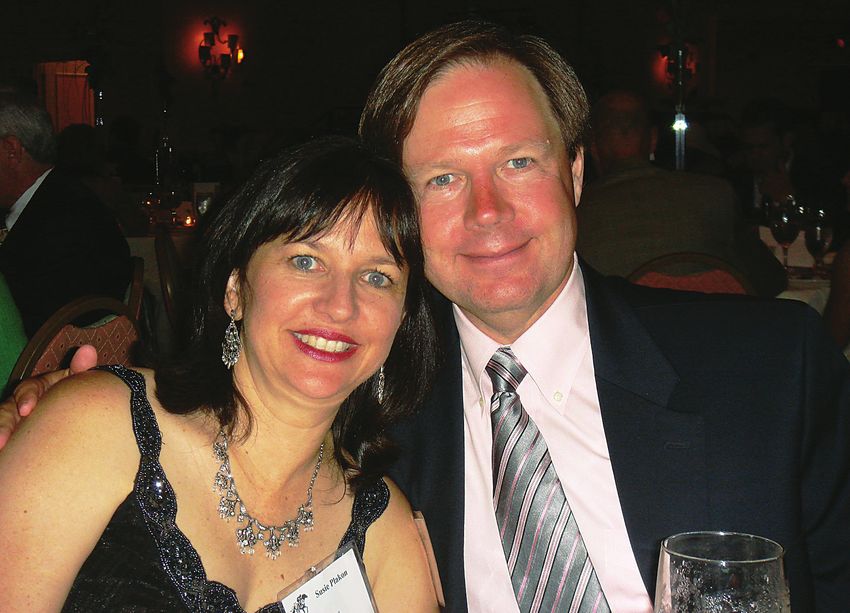
CRIMINAL JUSTICE

Lawmakers Respond to Native Deaths, Disappearances
  Recent news reports have drawn                  will admit, only estimates. No one knows       requires the state to employ a missing per-
heart-wrenching, overdue attention to             how big the problem really is because of       sons specialist to maintain a database and
cases of missing and murdered Indige-             underreporting of disappearances and           assist law enforcement and families after a
nous women and girls.                             poor data collection.                          native person is reported missing.
  The FBI’s National Crime Information               This year, 28 measures in 11 states were       North Dakota now mandates investiga-
Center database lists more than 5,700             introduced to address those issues. Most       tive training for law enforcement. A similar
Native American women as missing as of            (18 measures) were introduced by native        measure was pending in South Dakota.
2016. And the Urban Indian Health Insti-          legislators; six were enacted. Broadly, the       And a new law requires the Washington
tute identified 506 cases of missing and          bills addressed: creating task forces/in-      State Patrol to provide an estimate by June
murdered American Indian and Alaska               creasing awareness; training/working with      of how many native women are missing in
Native women and girls across 71 cities in        law enforcement; reporting and data col-       the state. The legislation provided a model
2018—280 were murder cases, 128 were              lection; and congressional action.             for similar measures in other states.
missing persons cases and 98 had an un-              In Montana, “Hanna’s Act”—named                “We have to put this on the front
known status.                                     for a 21-year-old found murdered on the        burner,” said Washington Representative
  But those numbers are, as researchers           Northern Cheyenne Reservation in 2013—         Gina Mosbrucker (R), the bill’s sponsor.

HEALTH CARE

Preparing for Possible High Court Action on Roe
   With several state abortion cases having the potential to reach       strengthening laws protecting access to abortion.
the U.S. Supreme Court, state lawmakers have considered a fair              New York now permits abortion after the 24th week when the
amount of legislation to fortify their views on the issue.               pregnancy is nonviable or the woman’s life or health is in danger.
   Legislatures have passed 423 abortion restrictions since 2010,        New Mexico, Vermont and Virginia have considered similar bills.
according to the Guttmacher Institute, a Washington, D.C.-based          Illinois and Massachusetts have repealed their pre-Roe bans. Mas-
research group that supports abortion rights.                            sachusetts ended its requirement that abortions after 13 weeks be
   Most recently, the Alabama House passed a bill criminalizing          done in a hospital. Washington now requires private insurance
abortion to force the challenge. If it passes the Senate and is en-      coverage of abortion in plans that also cover maternity care. And,
acted, it will be the strictest abortion law in the country.             taking a little different approach, Louisiana made it a crime to co-
   Arkansas recently joined Louisiana, Mississippi, North Da-            erce someone into having an abortion.
kota and South Dakota in enacting a law that would ban abor-                Other measures lawmakers have considered or passed recently:
tions if the high court overturns Roe v. Wade, the 1973 ruling that         • Restricting abortions after a fetal heartbeat can be detected,
legalized abortions nationwide. The Arkansas law, approved by            usually around six weeks into a pregnancy. So-called heartbeat
78% of lawmakers, bans all abortions, except during medical              bills have been proposed in a dozen states this year and enacted in
emergencies, and does not exempt cases of rape, incest or fetal          Georgia, Kentucky, Mississippi and Ohio, though a federal judge
abnormalities.                                                           temporarily blocked Kentucky’s hours after it was signed. Courts
   Altogether, as of March 1, 18 states have laws to restrict abortion   have struck them down in Iowa and North Dakota.
if Roe is overturned, according to Guttmacher. Several of those             • Requiring facilities to inform women that a two-dose, drug-in-
states, including Arizona, Michigan and Oklahoma, had passed             duced abortion potentially can be reversed after the first dose.
abortion bans before Roe was decided, some forbidding the pro-              • Prohibiting abortions because of fetal disability.
cedure unless the mother’s life is at risk.                                 • Requiring a married woman to certify in writing that she has
   Other states are preparing for a possible reversal on Roe by          informed her husband about her plans.

                                                                                                 MAY/JUNE 2019 | STATE LEGISLATURES | 3
4 | STATE LEGISLATURES | MAY/JUNE 2019
MEDICAID

Courts Weigh
In on Medicaid
Work Rules                                 HEALTH

                                           Who’s Calling the Shots on Vaccines?
   A federal judge recently struck
down Arkansas’ and Kentucky’s plans
to require Medicaid beneficiaries to
work, causing uncertainity for the            The measles outbreak continues to
seven other states with similar plans      spread. From Jan. 1 to May 3, 764 cases             MEASLES OUTBREAK
currently approved by the Centers for      were confirmed in 23 states. That’s the
Medicare and Medicaid Services. The
judge ruled the requirements would
                                           highest annual total since 1994 and since
                                           the virus was declared eliminated in the            764
undermine the purpose of Medicaid:         U.S. in 2000, according to the Centers for          Confirmed cases, as of May 3
                                           Disease Control and Prevention.
                                                                                               23
to provide medical coverage to the
needy. Both states have appealed the          Increases in cases can occur when in-
ruling.                                    fected travelers abroad bring it into the
                                           U.S., or when there’s a spread in communi-          States with confirmed cases
   This is just “another obstacle in our

                                                                                               90%
path to try to do the best we can in Ar-   ties with pockets of unvaccinated people.
kansas with the chips the federal gov-        Early outbreaks occurred in and around
ernment and judiciary gives us,” Ar-       New York City, where Mayor Bill de Blasio
                                                                                               Portion of unvaccinated people likely
kansas Senate President Jim Hendren        declared a public health emergency for
                                                                                               to get measles if exposed to the virus
                                           parts of Brooklyn in April. State and local
(R) told The Associated Press.
                                           health departments investigate measles
   Other states remain undeterred by                                                                      Source: Centers for Disease Control
                                           cases and outbreaks when they occur, and                                            and Prevention
the ruling. Indiana and New Hamp-
                                           that can be costly. In and around Seattle,
shire continue to run their programs.
                                           for example, schools and public health of-
Arizona, Michigan, Ohio, Utah and
                                           ficials spent more than a $1 million in the       recent was released in March. Research-
Wisconsin have received approval.
                                           first two months of the year to contain the       ers in Denmark studied more than 650,000
And Alabama, Mississippi, Oklahoma,
                                           illness, according to the Washington State        children born between 1999 and 2010. The
South Dakota, Tennessee and Virginia
                                           Department of Health.                             results showed no correlation between the
all are awaiting approval, according to                                                      measles, mumps and rubella vaccine and
                                              Measles is highly contagious—up to 90%
the Kaiser Family Foundation.                                                                an increased risk of autism.
                                           of people exposed to an infected person
   States are using Section 1115 waiv-                                                          In fact, kids given the vaccine were 7%
                                           will likely get it if they have not been vacci-
ers offered by the Social Security Act     nated. The disease spreads through cough-         less likely to develop autism than those
to design Medicaid expansions that         ing and sneezing and starts with a high           who did not get it.
meet their specific needs. One option      fever. Then comes a runny nose, red eyes             Lawmakers have considered several
is to require “community engage-           and, finally, a rash of tiny red spots breaks     bills this year to limit exemptions. At press
ment” from able-bodied recipients,         out over the body. It can lead to pneumo-         time, a bill to remove personal belief ex-
which may include paid and volun-          nia, encephalitis (swelling of the brain) and     emptions had been passed by Washington
tary work, care-giving, seeking work       death.                                            lawmakers and was awaiting the governor’s
or attending school or job training.          Most of those who get infected have not        signature. And in Maine and Oregon, bills
   “We believe ... states are the lab-     been fully vaccinated. (It takes two doses.)      to remove personal exemptions were work-
oratories of democracy,” CMS chief            Some people are suspicious of man-             ing their way through the process. If those
Seema Verma tweeted after the ruling,      datory government-run vaccination                 three are enacted, it would leave 14 states
“and we will vigorously support their      programs, contending they infringe on             with exemptions for personal or philosoph-
innovative, state-driven efforts to de-    their right to make medical decisions for         ical reasons. Every state allows vaccine ex-
velop and test reforms.”                   themselves and their families. Others             emptions for medical reasons, and 47 grant
   Many believe this issue will end up     fear vaccines increase the risk of autism         them for religious reasons. Only California,
before the U.S. Supreme Court, but no      and other problems, though several large          Mississippi and West Virginia don’t allow
one is sure how soon.                      studies have shown otherwise. The most            religious exemptions.

                                                                                             MAY/JUNE 2019 | STATE LEGISLATURES | 5
EDUCATION

          Unlocking Access
                    Free tuition programs are opening doors for some students—
                                    but are they making the grade?

BY BENNETT G. BOGGS AND LESLEY KENNEDY       was at that moment I decided that, with       High and Higher
                                             God, nothing is impossible, and I have to        Skyrocketing college tuition rates have
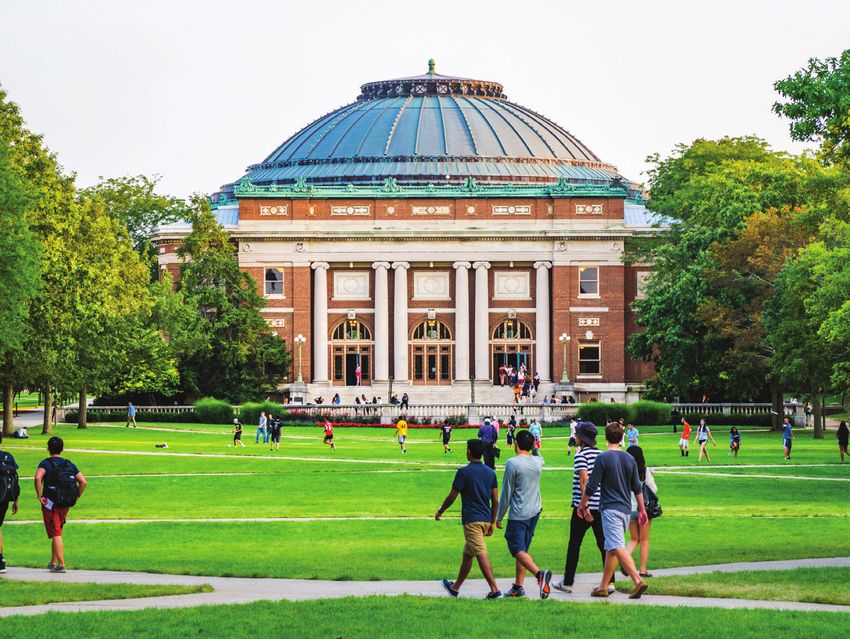
   Sandra Timberlake’s life hadn’t quite     break this generational cycle.”               made the affordability of higher educa-
turned out as she’d imagined.                   Timberlake, now 55, graduated in           tion a priority for states. College tuition
   With the crumbling of her first mar-      2016 from Tennessee College of Applied
                                                                                           increased by nearly 260% from 1980 to
riage, the newly single mother of four had   Technology with two honor degrees in
                                                                                           2014, while the consumer price index
been forced to move to the projects in her   accounting and medical coding and just
                                                                                           grew by only 120%. The annual aver-
hometown of Nashville, Tenn. Then one        recently received a bachelor’s degree in
                                                                                           age cost of tuition and fees is currently
night, while lying in bed listening to mu-   organizational leadership from the Lip-
sic from a family gathering outside, she     scomb University College of Professional      $48,510 for private institutions, $37,430 for
thought about what she heard one of her      Studies. It took her a while, but Tennes-     out-of-state residents at four-year public
new neighbors tell her 17-year-old preg-     see Reconnect, an initiative to help adults   colleges, $21,370 for in-state students at
nant daughter. “Baby, when you turn 18,      return to higher education—along with         state schools, and $12,310 at community
you can have your own project.”              a grant and some smart savings—helped         colleges, according to the College Board,
   “I got up, walked into my children’s      her not only earn her degree but also fin-    the nonprofit private organization that
room and kissed each one,” she says. “It     ish with no student debt.                     administers the SATs and a scholarship

6 | STATE LEGISLATURES | MAY/JUNE 2019
“NEARLY ALL OF THE NEW JOBS

CREATED AFTER THE RECESSION

     REQUIRE SOME SORT OF

   POSTSECONDARY DEGREE.”

  Tiffany Jones, director of higher education,
                Education Trust

service. Those numbers are beyond many
parents’ reach.
  Tiffany Jones, director of higher ed-
ucation at Education Trust, a national
nonprofit that works to close opportunity
gaps, says this dilemma has led leaders
across the political spectrum to search for      Some promise programs cover tuition only; others include living expenses. And several
new ways to deal with the high costs. Ideas      states require students to live and work in the state for as long as they attended college.
include forgiving loans, freezing tuition
rates, giving credits for certain high school                                                         “THE SUCCESS OF THESE
courses or for life and work experiences,
and offering free tuition.                                                                        STUDENTS SPEAKS FOR ITSELF

Popular, Though Not ‘Free’                                                                         AND ALLOWS THE PROGRAM
   “Free college” has caught the attention                                                           TO CONTINUE GROWING.”
of many. Seventeen states and more than
350 localities in 44 states have enacted free                                                        Representative Bob Behning, Indiana
college policies, and 23 states considered       Jones                   Shirkey
or are still debating legislation this year.
                                                 tle with how to increase access to post-
Widely known as promise programs, they
                                                 secondary education in a fair, financially
are popular, diverse and, generally, seek
                                                 responsible way.
to:
                                                    Critics question the value of spending
   • Address concerns about spiraling col-                                                       munity college in the state beginning in
lege costs and student debt.                     taxpayers’ money this way. They cite data
                                                                                                 2021, according to Pew’s Stateline. Whit-
   • Invest in workforce development             from the National Center for Education
                                                                                                 mer’s goal of increasing the number of res-
to support a vital and sustainable eco-          Statistics showing that only 35% of stu-
                                                                                                 idents with college credentials is “pretty
nomic climate attractive to new business         dents who enroll in community college go        much meaningless,” Shirkey said. “What if
ventures.                                        on to earn a degree or certificate. Some say    all those achievements were in underwa-
   • Send a straightforward message that         these are really entitlement programs and       ter basket weaving?”
pursuing a postsecondary degree, creden-         question whether more college degrees              Others point out that many jobs don’t
tial or license is affordable, especially to     will benefit the economy.                       need four-year degrees. And some prom-
those who might not think such a possibil-          “We don’t do a good enough job mea-          inent business executives, like Apple
ity is within reach.                             suring value,” Michigan’s Senate Major-         CEO Tim Cook, are publicly questioning
   The simple fact, however, is that nothing     ity Leader Mike Shirkey (R) told report-        whether college prepares workers with
is free—expenses must be paid somehow,           ers in response to a plan from Governor         the skills businesses need for today’s jobs.
by someone—and legislatures must wres-           Gretchen Whitmer (D) to offer free com-         Free community college doesn’t have to

                                                                                                 MAY/JUNE 2019 | STATE LEGISLATURES | 7
lead to a four-year degree, of course; it       the same time, it’s increasingly hard to        uates of Kalamazoo’s public high schools
offers opportunities to build the mid-          access.”                                        will have their college tuition and fees paid
dle-skills workforce through postsecond-          And it’s not just low-income students         for four years. Attracted by the program,
ary credentials, some of which can be           feeling the burden, Jones says, noting that     new families and businesses moved into
earned in two years or less.                    middle- and upper-income students are           the community and development grew. As
   Earning a degree, however, clearly ben-      also having trouble affording college “be-      enrollments increased, so did the num-
efits the person. Current statistics from       cause the prices are so astronomical.”          ber of teachers applying to work in the
the U.S. Bureau of Labor Statistics show                                                        schools. Even the overall school climate
that the more education a worker has, the       The Kalamazoo Experiment                        improved. And, with greater community
more he or she earns.                              Although most promise programs are           support, new schools were built for the
   “Nearly all of the new jobs created after    statewide efforts, they originated at the       first time in nearly 30 years.
the recession require some sort of post-        local level. One of the first was Kalamazoo        By almost all accounts, this early prom-
secondary degree or credential, so it’s         Promise, created in Kalamazoo, Mich., in        ise program benefited the community.
increasingly the ticket to participate in our   2005 by anonymous benefactors con-                 But did the number of Kalamazoo stu-
economy,” Jones says. “For students and         cerned about declining economic devel-          dents going to college increase? Yes. A
families, a lot is at stake in terms of their   opment in the community.                        2017 study by the Upjohn Institute for
ability to access higher education. But at         The program’s simple premise: Grad-          Employment Research showed the chance

Earning Credit for Work, Life Experience
   To promote attending and completing
college, lawmakers are granting students
credit for previous learning experiences.
   Since 2016, at least 19 states have
expanded and simplified the process,
sometimes called a “prior-learning
assessment,” of giving college credits
to students who can demonstrate the
skills and knowledge they’ve gained in
corporate or military training programs or
through professional certifications.
   At least 13 states help veterans earn
credit for learning acquired in the
military. And so far this year, 12 states
have considered bills to expand prior-
learning programs. The programs have
been shown to increase the number of
students, especially adult learners, who
earn degrees or certificates, according to
the American Council on Education.              Many states grant students credit for prior learning experiences. At least 13 states allow
                                                veterans to earn credit for knowledge gained in the military.
   The bills have taken various
approaches. Illinois lawmakers required
the state’s public universities to submit       institutions. Indiana allowed students to        track student progress and participation.
their policies on prior-learning credits        use scholarships and grants to pay for the       The commission used the reports to
to the Board of Higher Education for            assessments they must take to earn credit.       identify challenges and guide revisions of
approval. Bills in Idaho and Washington         And, to monitor the effectiveness of its         state standards in 2017.
addressed the transfer of academic              programs, Oregon directed its Higher
credits between postsecondary                   Education Coordinating Commission to             —Andrew Smalley

8 | STATE LEGISLATURES | MAY/JUNE 2019
6 Ways to Help National Landscape
Twenty-four states have enacted legislation to offer some form of
Programs Keep statewide promise program. ME
Promises AK VT NH
A combination of analyses by Edu- WA MT ND MN WI MI NY MA RI
cation Trust, the Institute for Higher
Education Policy and the Century ID WY SD IA IL IN OH PA NJ CT
Foundation offers six criteria suc-
cessful promise programs should OR NV CO NE MO KY WV VA DC DE
pursue:
HI CA UT NM KS AR TN NC SC MD
1 Target low-income students.
Cover tuition and living expenses,
even if they have other grants. Stu-
AZ OK LA MS AL GA
dents can use need-based aid such TX FL
as federal Pell Grants for books,
transportation, child care and other Program enacted and active
expenses. Programs enacted but not yet active
AS GU MP PR VI
2 Cover fees and tuition. Fees Program expanded
often are hidden costs that form Source: College Promise Campaign, April 2019
real barriers to participation.
3 Provide enough aid to help of students enrolling in a four-year col- n Indiana. For 30-plus years, Indiana
students seeking bachelor’s lege within six months of completing high has offered the 21st Century Scholars
degrees. Community colleges are school increased by 23%, and in any kind program to students who qualify for free
a great place for students to begin, of college by 14%. or reduced-price lunch. Students ap-
but they should not be the last stop. ply in seventh or eighth grade for awards
State systems might consider easing Promises Vary that cover four years of tuition and some
transfer requirements so that com- Unlike Kalamazoo’s, most programs fees at participating two- and four-year
munity colleges are the beginning of help high school graduates from low- or institutions, public or private. The pro-
the pipeline. middle-income families attend commu- gram offers critical
nity college. States and localities, however,
4 Keep eligibility requirements support at nearly
tailor their approaches to meet their indi-
to a minimum. This lets those every step of the
vidual needs and priorities. Some cover
who stand to benefit the most— process. While in
tuition only; others include textbooks,
adult, part-time and working stu- high school, these
transportation costs and living expenses
dents—participate. Keep the focus students must meet
such as food and housing.
on need-based, not merit-based, aid. 12 requirements,
Program requirements vary as well. Ar-
such as maintain-
5 Maintain and release data on kansas, for example, requires recipients to
remain in the state for at least three years ing a B average,
participation, experiences Behning
after completing their studies. Students in visiting a college
and results. This information, when
New York’s Excelsior Scholarship program campus, taking a career interest inventory
shared within and among the states,
must live and work in the state for as many and completing the Free Application for
can lead to stronger, more effective
years as they received the scholarship. Federal Student Aid.
programs for all.
To receive a Nevada Promise Scholar- Participants must be recent high school
6 Invest in student support sys-
tems and completion pro-
grams. These help students enter
ship, students must meet with a mentor
and complete 20 hours of community
graduates enrolled full time in college. In
2018, the income cap was $45,510 for a
service, but the program covers tuition, family of four. The annual cost to the state
and successfully complete their registration and other fees. Here’s a look at is approximately $160 million.
programs. three programs in greater depth. “Some are often unaware of the finan-
MAY/JUNE 2019 | STATE LEGISLATURES | 9cial aid opportunities and resources avail- dential or license at recommendations from Governor Kate able to help with applications or to adjust a state community Brown (D) contain cuts for community to college,” says Indiana Representative college. Awards are colleges, including the elimination of Ore- Bob Behning (R). The 21st Century Schol- calculated based gon Promise. ars, however, are “more prepared to enter on several factors n Tennessee. A recent development college and hit the ground running, and and cover two ac- worth noting is Tennessee Reconnect. typically perform better than their peers,” ademic years or Established in 2018, the program focuses he says. He believes “education is a good a maximum of 90 on nontraditional adult students who equalizer, and with more educated indi- Roblan academic credit previously began but did not complete a viduals choosing to remain in the state, hours. The student degree or credential. This is what helped Indiana will have a talent pool to attract must maintain satisfactory progress and Sandra Timberlake, the single mom, go businesses and provide services to our lo- may enroll part time. The total annual cost on and finish her degree. Building on cal communities.” to the state is between $20 million and $25 Tennessee Promise, the Reconnect ini- “The success of these students,” Beh- million, substantially less than Indiana’s. tiative offers an online network to enter ning says, “speaks for itself and allows the With college more affordable, Oregon transcript information and explore op- program to continue growing.” Promise students “fulfilled program re- tions and institutions for obtaining a cre- n Oregon. The Oregon Promise pro- quirements at a high rate, and continued dential or degree. gram took a different path. Established into the second year of college at a high Kenyatta Lovett, executive director of in 2015, it is available to all recent high rate,” says Oregon Senator Arnie Roblan Complete Tennessee, an independent school graduates regardless of family in- (D). The program is too new to know its nonprofit advocacy organization created come. Students must have at least a 2.5 effect on completion rates; nevertheless, to improve college completion rates, says GPA and intend to pursue a degree, cre- it already faces hurdles. Current budget the state has benefited from the support 10 | STATE LEGISLATURES | MAY/JUNE 2019
of two governors—      much cheaper than four-year institutions.          the state’s free college policy. Middle- or
                          one Democrat, one      “That being said, community college stu-           upper-income students, however, whose
                          Republican—and         dents still really struggle to afford college      families make too much to qualify for the
                          lawmakers who          because of all the other costs,” says Jones,       full Pell Grant may still qualify for the free
                          have passed legis-     with the Education Trust. “And some have           college policy.
                          lation that has in-    estimated that those—housing, books,                   “States like Missouri found that over
                          spired other states.   food, transportation, child care, etc.—add         a third of their recipients of that partic-
                             In addition to      up to about 80% of the total cost of atten-        ular program were from families who
Lovett                    covering tuition,      dance.” These additional costs can be met          were earning over $100,000 a year,” Jones
                          Lovett says, Ten-      by other grants, but often require loans.          says. (Missouri’s median family income is
nessee’s Promise and Reconnect pro-                 Further, Education Trust research from          around $67,000.) “We’re not opposed to
grams raise awareness for families and           2018 found free college programs, in many          middle- and upper-income students get-
students who may feel like college is out        states, ended up offering more aid to up-          ting support with the cost of college since
of reach. “With the term ‘free’ and with         per-middle-class students than to low-in-          it’s gotten so out of control. We just want
                                                                                                    to be thoughtful about how we prioritize
the supports that are provided,” he says,        come students. “A lot of the design of ex-
                                                                                                    low-income students and their abilities to
“I think it’s given a lot more families and      isting free college policies at the state level
                                                                                                    cover the full cost of attendance.”
students that belief, that confidence, that      is about helping students pay for tuition at
college is for them.”                            community colleges after all of their other
                                                                                                    A Bipartisan Issue
                                                 financial aid has been applied,” Jones
                                                                                                       The student debt crisis and the increas-
‘The Other Costs’                                says. This is because low-income students
                                                                                                    ing expectation that workers have a post-
  Most state-level promise programs fo-          who qualify for the maximum Pell Grant
                                                                                                    secondary degree to succeed long term in
cus on community colleges, which are             do not then qualify for more money from
                                                                                                    the job market will keep lawmakers focused
                                                                                                    on ways to make college more affordable.
                                                                                                       One thing Republicans and Democrats
                                                                                                    can agree on, Lovett says, is that the cost of
                                                                                                    higher education today is “outrageous.”
                                                             JUNE 20-23                                “On both sides of the aisle, the fact that

                                                           PROVIDENCE, R.I.
                                                                                                    student debt is growing and the fact that
                                                                                                    so many households now can’t participate
                                                                 OCT. 24-27                         in higher education because of cost, links
                                                                                                    both parties to do something about it,” he
                                                              COLUMBUS, OHIO
                                                                                                    says. Whether officials look at it from an
                                                                MAY 6-10, 2020                      economic perspective or a social justice or
                                                                 LAS VEGAS                          moral view, he says, they’re coming to the
                                                                                                    same conclusion: Costs are too high and
                                                               SEPT. 24-27, 2020
         MAKING
                                                                                                    we need solutions that make sense.
                                                               PORTLAND, ORE.                          For Sandra Timberlake, Tennessee

        THE MAPS                                              JANUARY 2021
                                                             WASHINGTON, D.C.
                                                                                                    Reconnect changed the trajectory of her
                                                                                                    family’s future—inspiring her to help oth-
                                                                                                    ers do what she did. “The program has
         THE NCSL SEMINARS
                                                             REGISTER
                                                                                                    impacted my personal mission in life to
          ON REDISTRICTING                                                                          help underexposed people break genera-

     When it comes to redistricting,                          TODAY!                                tional cycles,” she says. “One thing I always
                                                                                                    said about going back to school is that I
                                                                                                    can be that role model for that mom out
       the learning curve is steep.                         WWW.NCSL.ORG/
                                                                                                    there with four children. She sees me and
     Let us help you and your team                            REDISTRICT
                                                                                                    thinks, If she can make it, so can I.”
        prepare for this complex,
          once-a-decade task.                                                                       Ben Boggs is a program principal in
                                                                                                    education and Lesley Kennedy is manager
                                                                                                    of digital communications at NCSL.

                                                                                                   MAY/JUNE 2019 | STATE LEGISLATURES | 11
HEALTH CARE
DIAGNOSIS:
ALZHEIMER’S
States are taking bipartisan action to combat
one of the nation’s costliest diseases.
BY SAMANTHA SCOTTI funding in his state’s budget. taking some sort of aggressive action to-
“It’s just become a life’s calling,” he says. ward your wife because you’re trying to
It wasn’t long ago that Scott Plakon “Before Susie’s diagnosis I didn’t know get her in the car,” he says. “So, I’ve tried to
thought of Alzheimer’s as that disease that about myoclonic or grand mal seizures, use the platform I’ve been given as a state
causes you to forget things then eventu- the agitation, sundown syndrome, hospi- legislator to bring greater awareness, and
ally die. tal stays from injuries from the seizure falls it seems to be working.”
But in 2014, the Florida Republican re- or wandering—I once found her in our
ceived the devastating news that his wife neighborhood doing one of our neighbor’s Widespread and Increasing
of 29 years, Susie, who was then 53 years dishes, and the sheriff was called.” Alzheimer’s disease, the most common
old, had been diagnosed with Alzheimer’s. There were so many things, Plakon form of dementia, is a progressive neu-
Between then and her death in July 2018, says, that “go along with Alzheimer’s and I rological illness that impairs the thinking
Plakon not only learned to recognize the didn’t know anything about it.” and independence of millions of people
disease for what it truly is, but also became “I didn’t know about being in the mid- worldwide. It’s usually diagnosed in peo-
a champion of the Alzheimer’s aware- dle of a parking lot while she’s extremely ple 65 and older, but it starts earlier with
ness movement: speaking at rallies, filing agitated and wondering if people are call- subtle neurological changes occurring
legislation and protecting and enhancing ing the police because they think you’re years or even decades before symptoms
12 | STATE LEGISLATURES | MAY/JUNE 2019THE COSTS
$350,174
Lifetime cost of care for a person
living with dementia, in 2018
disease and to assist unpaid caregivers.
Other areas of overlap among the plans
include improving home and communi-
ty-based services, public awareness and
data collection.
Caregivers’ Burden
It’s not just those diagnosed who strug-
gle with the disease. Most caregivers (66%)
live with the person in their care, while
one-quarter are members of the “sand-
wich generation”—caring for both an ag-
ing parent and children younger than 18—
according to the nonprofit Alzheimer’s
Association. Caregivers of people with
dementia are twice as likely to report sub-
stantial emotional, physical and financial
troubles as those caring for people without
dementia.
Plakon, who has six children, says he
was fortunate to have a large family to
help with his wife’s round-the-clock care,
which, he says, can be “absolutely brutal.”
“I think of an elderly couple, where their
kids live out of state and they don’t have fi-
appear. An estimated 5.7 million Ameri- nancial resources—that can be a real hell-
THE CAREGIVERS cans currently live with Alzheimer’s, and on-earth scenario,” he says. “Alzheimer’s
83%
reports anticipate this number will more requires 24-7 care, because sleep patterns
than double to 11.6 million by 2040. are disrupted, they wake up in the mid-
To prepare for the increase, 49 states dle of the night and may try to wander
Portion of care given by family and territories have published a state Alz-
members, friends or other unpaid off. It requires a team of people to care for
caregivers heimer’s plan. The reports examine the someone with Alzheimer’s.”
current effect of Alzheimer’s in each state And the cost of care is sky-high. The
16 million and outline steps that could be taken over
the next three to five years to support peo-
approximate lifetime cost of caring for a
person living with dementia in 2018 was
People providing unpaid care for ple with the disease and their families. $350,174, according to the Alzheimer’s As-
people with the disease Included in nearly every state plan: sociation. The national cost of Alzheimer’s
recommendations for dementia training and other dementias in 2019 is projected
Source, all figures: “2018 Alzheimer’s Disease
for health care and support workers. Most to reach $290 billion, including $195 bil-
Facts and Figures,” Alzheimer’s Association, 2018.
state plans also have provisions to im- lion in Medicare and Medicaid payments.
prove the care received by those with the If no treatment is discovered to slow, stop
MAY/JUNE 2019 | STATE LEGISLATURES | 13or prevent the disease, estimates suggest
that the price tag will grow to $1.1 trillion
in 2050.
What States Are Doing
In response, state lawmakers are con-
sidering a variety of policy solutions. Some
are broad in approach, such as strength-
ening payment and delivery systems for
all long-term care or connecting unpaid
family caregivers with the resources they
need. Other policies are more narrowly
targeted to individuals with the disease,
and most of the work is bipartisan.
“Alzheimer’s doesn’t care what politi-
cal party you are,” Plakon says, “if you’re
male or female or, increasingly, even what
age you are.” He notes a slogan he and
Florida Representative Matt Willhite (D),
with whom he has partnered on the issue,
came up with a few years ago: “When you
COURTESY SCOTT PLAKON
take red, the color of Republicans, and
Florida Representative Scott Plakon began advocating for Alzheimer’s awareness during
blue, the color of Democrats, and you mix
his wife Susie’s four-year battle with the disease.
them together, you get purple, the color of
Alzheimer’s awareness.”
people will have better access to resources the preparedness of long-term support
Early Detection and Diagnosis. A 2018
and care to treat Alzheimer’s across the services for aging adults with dementia.
Virginia law directs the department of
commonwealth.” Oklahoma directed the state board of
health to educate health care providers
A 2018 Massachusetts law requires phy- health in 2017 to create rules requiring
about the importance of early detection
sicians to complete a onetime continu- dementia training. And, with its 2016 Alz-
and timely diagnosis of cognitive impair-
ing education course on the diagnosis heimer’s Disease and Related Dementia
ment, and to increase awareness of the
and treatment of patients with cognitive Services Act, Illinois established mini-
early warning signs of Alzheimer’s and
impairments. It also requires hospitals to mum training requirements for employ-
dementia.
develop and carry out a plan for recogniz- ees of organizations that advertise or
Virginia Sena-
tor Rosalyn Dance ing and managing patients with demen- verbally offer to provide Alzheimer’s and
(D) hopes the bill tia. The law allows doctors to share an dementia related services.
will not only better Alzheimer’s diagnosis and treatment plan Dementia Training for First Respond-
inform health care with a family member or legal representa- ers. Dementia training is also needed
providers about the tive according to existing federal and state for adult protective services officials,
disease, but also privacy laws. first responders and law enforcement.
raise awareness Building a Dementia-Trained Work- They frequently interact with people
of warning signs force. Recognizing that people with Alz- with Alzheimer’s and other dementias
Dance among communi- heimer’s or other dementias have unique and are generally among the first to be
ties of color, which health care needs, states are consider- contacted regarding emergencies, abuse
are at greater risk of developing Alzhei- ing policies to support care providers or exploitation. In 2014, Connecticut es-
mer’s and dementia, she says. and facilities, along with family caregiv- tablished mandatory dementia training
“During the 2018 General Assembly ers. Oregon requires all direct care staff for a wide range of personnel, including
session, I was honored to work with many employed by a residential care facility emergency medical technicians, probate
stakeholders in the Alzheimer’s awareness to complete training in dementia care judges, paid conservators and protec-
community to sponsor legislation aimed before caring for residents. New Hamp- tive services employees. The legislation
at early detection awareness,” she says. shire established a commission in 2017 requires that the refresher training EMTs
“As a result of this legislation, I hope more to evaluate the direct care workforce and take every three years for recertification
14 | STATE LEGISLATURES | MAY/JUNE 2019WHO’S AFFECTED BY ALZHEIMER’S
5.7 million
Americans living with Alzheimer’s
2/3
Portion of patients who are
women
2x
The rate at which older African
Americans will get dementias
compared with older whites
1.5x
The rate at which older Hispanics
will get dementias compared with
older whites
In Florida, Plakon serves on the state’s
Alzheimer’s Disease Advisory Commit-
tee. He has worked to fund memory dis-
order centers and has sponsored bills to
require more regular reporting about the
disease to the governor and to educate
first responders who may be called to deal
with situations such as when his wife was
found in a neighbor’s home. Plakon says
includes instruction in Alzheimer’s and he’s also constantly trying to increase re-
DISEASE DATA dementia symptoms and care. spite care funding.
Alzheimer’s and Dementia Task
6th Forces. Various states have created task
forces to coordinate statewide efforts to
“Here in Florida, we have 560,000 fam-
ilies affected by this,” he says. “And, with
an aging baby boomer population, I’ve
Place Alzheimer’s holds in causes ensure quality care for those living with
of death described it as a tsunami about to hit our
Alzheimer’s or other dementias. state. We need to stay at the forefront on
1 in 3 Wisconsin’s Task Force on Alzheimer’s
and Dementia, formed by Assembly
Speaker Robin Vos (R), developed the Wis-
this in every different area, from policy to
budget, so I’m trying to encourage my col-
leagues to get ahead of the tsunami before
Portion of those 75 or older who
die of Alzheimer’s consin Cares Legislative Package. The Leg- it hits the shore.”
islature enacted three of the bills the task
4-8 years force introduced in the 2015-16 session,
including funding for caregiver respite,
mobile crisis unit training and developing
Samantha Scotti is a policy specialist
in NCSL’s Health Program. Lesley
Kennedy, NCSL’s manager of digital
Average lifespan of a person after
a diagnosis of Alzheimer’s a pilot program to ensure that people with communications, contributed to this
dementia who are experiencing a crisis are article.
placed in an appropriate setting.
MAY/JUNE 2019 | STATE LEGISLATURES | 15ALZHEIMER’S IS A GROWING
PUBLIC HEALTH CRISIS
Over 5 MILLION Americans are
living with Alzheimer’s. 16 MILLION
more are serving as unpaid caregivers.
The Alzheimer’s crisis requires bold action
by state governments.
HERE’S HOW STATE OFFICIALS CAN HELP:
Increase public Increase access
awareness, early to home and
detection, and community-based
diagnosis services
Enhance the
Build a dementia- quality of care in
capable workforce residential setting
alzimpact.org/stateStateStats
Banking
on Cannabis
Until the federal government lifts its ban on marijuana,
most growers, processors and retailers in the rapidly
expanding industry will continue to operate on a cash-only
basis. Marijuana is legal, either medically or recreationally,
in 34 states and the District of Columbia, but not under
federal law. So most banks and credit unions are hesitant
to work with cannabis businesses, whether legal and
state-licensed or not. Without access to a financial institu-
tion, these businesses are targets for robberies.
That’s why California is debating legislation to create and
license charter banks and credit unions to provide limited
financial services to cannabis businesses until the federal
government establishes protections for all banks. Sixteen
other states have passed legislation this year to help canna-
bis and hemp businesses access financial services.
Congress is now debating the Secure and Fair Enforce-
ment Banking Act of 2019, or SAFE Banking Act, which
would protect banks against federal punishment for
working with state-approved cannabis businesses. Other
federal efforts include the STATES Act, which would allow
states to craft their own policies on cannabis even if it isn’t
legal nationally.
Opponents are against the legal trade of marijuana in gen-
eral, believing it’s a threat to public health that outweighs
any tax benefits a state might gain from it.
At press time, the House Financial Services Committee had
advanced the SAFE Banking Act with bipartisan support.
MAY/JUNE 2019 | STATE LEGISLATURES | 17Stateline
WASHINGTON
Compostable You
Burials and cremations could soon be laid to rest. Washington lawmakers
have sent a bipartisan bill that would legalize an alternative—human
composting—to the governor. The process involves placing the deceased’s
body in a reusable vessel for 30 days with a mixture of alfalfa, straw and
wood chips. The result is a rich soil, according to the Seattle company
that hopes to offer the service. When the process is complete, families
can take the soil home for use in the garden or donate it to a conservation
site. Composting is cheaper than burial, which averages $8,000, uses one-
eighth the energy of cremation and reduces the funeral industry’s resource
consumption—30 million board feet of wood, 104,000 tons of steel and 1.6
million tons of concrete annually. For a culture that values productivity,
here’s a sure way to a fertile afterlife.
18 | STATE LEGISLATURES | MAY/JUNE 2019COLORADO law. Violators could face jail
time or a fine up to $5,000, or
Sweet Justice both. Many Florida counties
When life gives you lemons and towns prohibit tethering
… pass a law that lets you sell animals in extreme weather
lemonade! A Colorado mom situations, but the bill, if
and her three sons were run- passed, would be the first
ning a lemonade stand last statewide law to address the
summer in a public park near problem. During Hurricane
their home when the police Irma alone, Florida animal
shut them down. They didn’t PLASTIC POLLUTION control officers rescued 49
have the necessary permits, Bans on Single-Use Containers Grow dogs and two cats. “We want
they were told. “We were to give dogs a fighting chance,”
devastated,” the mom told Maine has enacted the first state ban on single-use
said Senator Joe Gruters (R),
Colorado Public Radio. “We plastic food and drink containers made from polystyrene
who introduced the bill.
had no idea lemonade stands foam. The law applies to “covered establishments,” such as
were illegal.” They aren’t any restaurants and grocery stores. Hospitals, seafood shippers NEW HAMPSHIRE
and certain other businesses are exempt. At press time,
more, thanks to a new law
similar legislation had passed both chambers in the Mary- Marking 200 Years
she and her family fought to
pass. The law prohibits local land General Assembly with more than enough votes to With 13 Toasts
governments from requiring override a veto should Governor Larry Hogan (R) issue one.
New Hampshire has been
people 18 and younger to get a Connecticut and Vermont were also considering plastic
preparing since 2015 for the
permit or license to run small foam bans, and California lawmakers were pressing for the
200th anniversary of its State
operations—lemonade or craft first statewide ban on single-use plastic shampoo and con-
House in July. Notably, the
stands, lawn-mowing busi- ditioner bottles in hotels and lodging businesses.
building’s dome has been re-
nesses—fewer than 84 days gilded with $2 million in gold
a year. New Jersey, Utah and leaf. Inside, workers have pol-
Wisconsin have similar laws to ished brass, restored sconces
EMPLOYMENT recently became the 26th state
protect young entrepreneurs. and refurbished visitors’
to eliminate licenses for braid-
Work Licensing ing hair and threading eye- galleries. When New Hamp-
NORTH DAKOTA Reforms Roll On brows. It’s welcome news to shirites gathered in 1818 to
Collared: Service Lawmakers continue to un- the state’s hair braiders, who place the carved eagle atop
the dome, they celebrated
Animal Scammers ravel the red tape associated once were required to com-
with the “Toast to the Eagle,”
with work licensing. Arizona plete 1,800 hours of classes but
North Dakota joins some now are free to work without a a recitation of 13 toasts. “So,
now automatically grants oc-
two dozen states in making it government permission slip. we’re going to recreate that,”
cupational licenses to anyone
illegal to pass a pet off as a ser- said Clerk of the House Paul C.
who moves there with a clean
vice animal. Falsely claiming a FLORIDA Smith. “We’re actually work-
credential from another state.
pet as a service animal to “gain ing in partnership with Hen-
admission to a public place”
It’s the first state to knock No Tether in niker Brewing Co. for a special
or to obtain housing now can
down a common barrier for
Stormy Weather 200-year-old recipe of a cream
doctors, manicurists, home
result in a fine of up to $1,000. ale that is going to be used for
inspectors and many other Leaving a dog tied up out-
The bill’s supporters say their the toast.” Henniker’s founder,
workers who face new licens- side during a hurricane or
efforts were aimed at protect- Dave Currier, served in both
ing requirements, paperwork other dangerous storm would
ing disabled people who truly the state House and Senate.
and fees when they move to a be a misdemeanor if proposed
rely on service animals.
different state. North Dakota Florida legislation becomes
MAY/JUNE 2019 | STATE LEGISLATURES | 19NCSL Recognizes Legislative Staff and Their
Contributions to Our State Legislatures
A MESSAGE FROM STAFF CHAIR JON HEINING legislature does. Behind it all are the infor-
Congratulations to all my colleagues Legislative Staff Week mation technology staff, whose primary goal
across the country whose sessions have at this time of session is to go unnoticed—
completed or are about to wrap up.
May 6-10 because if you see them, then something has
Some of us are still at it. We hope you enjoy the staff-oriented gone very, very wrong.
As you read this, we in Texas will have stories in this special section. Look for Regardless of your role, the work is often
about another month to go before we finish, more at ncsl.org, on the NCSL blog hard, sometimes tedious and usually thank-
assuming, of course, that we get our work and social media pages and on the less. But, most of all, it’s important. Thank
done. Now, as my legislature enters its busi- “Our American States” podcast. you for doing it.
est and most dramatic period, the true value During Legislative Staff Week, NCSL spot-
of legislative staff be- lights you. We celebrate your contributions,
comes apparent. appreciate your hard work and encourage you to get involved in
Calendars are simply too long for leg- NCSL. This is your organization.
islators to be familiar with every piece of And remember, these NCSL resources are available year-round
legislation they are asked to consider, so to all staff:
staff stay late into the night working to un- • A network of policy experts and databases full of research—
derstand those bills and the issues behind available 24/7.
them. • Enriching annual seminars for each of NCSL’s professional
When legislators have questions, we pol- staff associations where you can connect with colleagues from
Heining icy specialists, auditors, finance experts, around the country.
lawyers and program analysts are often the • Engaging webinars filled with innovative ideas and best prac-
only ones who can ensure they have the tools needed to represent tices designed specifically for staff.
their constituents effectively. • State Legislatures magazine, which showcases legislative staff
Clerks and secretaries are crucial, as they ensure that the ap- to a national audience like no other publication out there.
propriate processes are followed. The communications staff and We have a lot more in the works for the rest of the year. Get in-
librarians are vital in informing the public about the work of the volved and make NCSL work for you!
legislature. And, when emotions run high, our sergeants-at-arms
ensure that the public doesn’t have too much say about what the Jon Heining is general counsel with the Texas Legislative Council.
MAY/JUNE 2019 | STATE LEGISLATURES | 21My Life Before the Legislature
Communications staffers rely on lessons
learned in fascinating former jobs.
BY JANE CARROLL ANDRADE
There’s nothing like a legislative session
to keep a communications staffer in the
present moment. The days whoosh by as
they write, record, interact, strategize, post
and photograph. They are quick, responsive
Guy Bergstrom
Senior communications specialist,
and responsible, using skills honed in prior Washington House Democratic Caucus
positions. In current job since: 1996
Former job: Newspaper reporter
What I did: “I covered politics, mayhem
Like a lot of legislative staffers, and political mayhem. It was never bor-
communications staff bring a wealth of ing.” One particularly memorable day, he
got a call from a small-town police chief
experiences to their jobs. We persuaded a telling him there was a shooter on the
few of them to pause for a moment to revisit loose. “When I got out of my beater car, he
shot at me. Not that I was special. He was
their pasts. We found a world traveler, a shooting at everybody.”
What I brought to the legislature: First,
filmmaker, a public relations pro and a “speed is fundamental.” Writing three sto-
bullet-dodging journalist. ries before 10 a.m. was great training. Sec-
ond, persuasion and structure, which are
the most difficult and interesting parts of
Come along as we explore their diverse the job. “What they teach us in journalism
experiences and lessons learned as they school—the inverted pyramid—is fine for
press releases and radio briefs, but what
recall their lives before the legislature. lawmakers are really doing 90 percent of
the time is persuasion.”
Advice for newbies: In a world where
communications is “changing by the
week,” he recommends learning how to
Jane Carroll Andrade is a program director in NCSL’s tell stories. “It’s still about informing the
Communications Division and liaison to the Legislative Information press and public. Using storytelling or
and Communications Staff Association. These interviews have been rhetorical tools instead of the inverted pyr-
edited for length. To read more about our featured staffers, please amid gives people the same information,
visit ncsl.org/magazine. just in a package that’s far easier to digest.
And that helps do an important job: mak-
ing sure people are informed and know
how to get involved in their democracy.”
22 | STATE LEGISLATURES | MAY/JUNE 2019You can also read


