UNLOCKING POTENTIAL:
   A MANIFESTO FOR
 PE AND SCHOOL SPORT
←
→
Page content transcription
If your browser does not render page correctly, please read the page content below
UNLOCKING POTENTIAL: A MANIFESTO FOR PE AND SCHOOL SPORT
WE ARE THE                                                                         MANIFESTO AT A GLANCE
             YOUTH SPORT TRUST                                                                           OUR ASKS

Established in 1995, the Youth Sport Trust is an independent                                  High quality PE and sport can be used as a powerful tool to
charity devoted to changing young people’s lives through sport.                               improve our nations’ health, education and sporting prospects.
We know the powerful impact PE and sport can have on young people’s development:              In this manifesto we are asking the next Government for a joined-up, cross-
boosting achievement, building vital communication and leadership skills and teaching         departmental approach to deliver:
the importance of healthy active lifestyles. For talented young people, PE and school sport
is often the springboard to success in elite competition.

We believe every child has a right to access high quality physical education and school
sport and work to develop and deliver innovative programmes and interventions in                               EDUCATION
schools across the country and internationally.                                                                More time for higher quality PE:
                                                                                                               to ensure all children are physically literate
  YOUTH SPORT TRUST ACHIEVEMENTS                                                                               and can move competently and confidently.
                                                                                                               HEALTH
  Working alongside schools and other partners we have:
                                                                                                               Physical activity opportunities embedded
  • Developed world-leading PE programmes to increase confidence and
    competence of practitioners.
                                                                                                               into every school day:
  • Conceptualised and supported an infrastructure for PE and sport —                                          to ensure every child has the opportunity to
    creating world renowned families of schools.
  • Forged links between schools and community settings.
                                                                                                               live a healthy, active lifestyle.
  • Transformed the way schools use PE and sport to develop leadership
    skills and citizenship in young people.                                                                    SPORT
                                                                                                               Sustained competitive sport in schools:
                                                                                                               to ensure sport remains at the heart of a
                                                                                                               young person’s life.

YOUTHSPORTTRUST.ORG                                                                                                                                    UNLOCKING POTENTIAL | 3
THE CURRENT PICTURE:
      INACTIVITY IS DAMAGING
         CHILDREN’S LIVES

THE PROBLEM                                                                      Limiting children’s ability to succeed at school and in life
Too many young people have inactive lifestyles:
                                                                                   LESS                  DECLINE IN

                                                             35%
 21% of boys and                      Children born        LESS ACTIVE BY
 16% of girls meet                    today are on                                                                ABILITIES

                                                            2035
                                                                                                                 STRUCTURE
 the minimum
 recommended           21% 16%
                                      course to be
                                      35% less active by
                                                                                                 ACHIEVEMENT     FUNCTION
                                                                                                                                        11                   16
 guidelines for                       2030 (compared to
 physical activity 1                  1961 levels) 2
                                                                                 Low levels of physical activity and aerobic    Research shows association between
                                                                                    fitness are associated with declines in    obesity at 11 years of age and poorer
THE CONSEQUENCES                                                                 academic achievement, cognitive abilities,    academic achievement in GCSE exams
                                                                                     brain structure, and brain function 5       five years later, particularly in girls 6
Current levels of inactivity are:

Damaging children’s physical and emotional wellbeing                             Putting a huge strain on our
                                                                                 economy, the NHS and health
                                                                                 and social care services and
                                                                                 leaving millions with a poor
                                                           INCREASED             quality of life
                                                           RISK
                                                                                                                                                         £IL5LIO3N
  One in three children         Increased risk       Increased risk of chronic   In England alone, the cost of
   who leave primary        of developing mental    conditions such as cancer,   inactivity among today’s
  school are obese or     health problems such as   type 2 diabetes and heart    children is estimated to exceed                                         B
     overweight 3          depression and anxiety           disease 4            £53billion over their lifetimes 7

YOUTHSPORTTRUST.ORG                                                                                                                         UNLOCKING POTENTIAL | 5
THE CASE FOR PE, SCHOOL
SPORT AND PHYSICAL ACTIVITY:
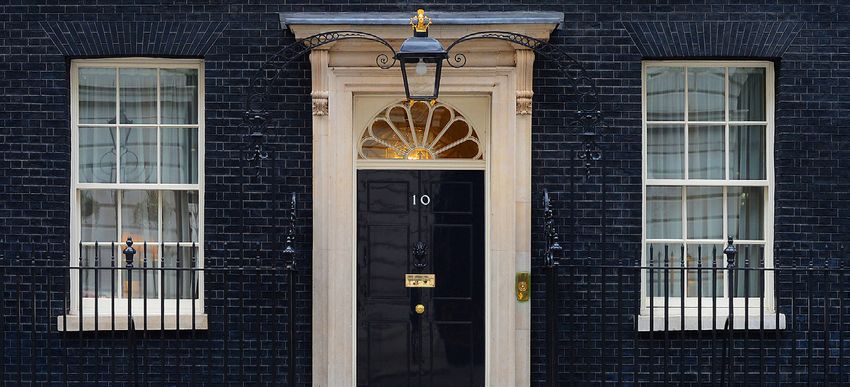
 TEN REASONS FOR NUMBER 10

          Improves physical health:                                                      Enhances employability:
          Physical activity develops strong bones, muscles and joints, refines motor     36% of employers say that school leavers lack teamwork skills, while 52%
          skills, strengthens the cardiovascular system and helps to maintain a          state young people lack communication skills 14. PE and sport develops
          healthy weight 8.                                                              these vital skills while building resilience and giving young people their
                                                                                         first taste of responsibility.

          Boosts mental health and builds resilience:
          Regular physical activity boosts self-esteem, mood and reduces stress, as      Raises aspirations:
          well as promotes a sense of achievement and motivation. It can also cut the    Sport has a unique ability to engage even the most disaffected young
          risk of depression by up to 30% 9.                                             people. Through either playing, coaching or volunteering, sport provides
                                                                                         a context for young people to learn vital skills and meet positive role
                                                                                         models, providing a ‘hook’ for further positive intervention 15.
          Creates active habits for life:
          Primary PE teaches children the essential building blocks of movement:
          agility, balance and co-ordination, developing what is termed ‘physical        Discovers elite talent:
          literacy’. Eight in ten active children will continue being active in          More than 150 of the Commonwealth Games 2014 athletes had previously
          adulthood 10 so it is vital young people learn these skills at an early age.   competed at the Sainsbury’s School Games, an Olympic and Paralympic-
                                                                                         style school sport competition that gives young people the chance to take
                                                                                         part in competitive sport.
          Boosts academic achievement:
          Young people who are aerobically fit achieve higher academic scores 11.
          This is shown in research which demonstrates, between 2007 and 2010,           Promotes diversity and inclusivity:
          the proportion of students achieving 5 A*-Cs at Specialist Sports Colleges     The London 2012 Paralympic Games transformed attitudes towards
          improved by 7.8%, compared to the national average of just 4% 12.              disability. High quality inclusive sport in school has exactly the same effect;
                                                                                         breaking down barriers and allowing all young people to interact in a
                                                                                         positive context.
          Saves the Government money:
          If just 10% more children and young people meet physical activity
          recommendations, this could save the taxpayer £7.8 billion over the            Tackles health inequalities:
          lifetime of today’s 11-25 year olds 13.                                        Households with the lowest income are the least active, and have the highest
                                                                                         obesity rates 16. High quality PE and sport at school helps to ’close the gap’
                                                                                         by giving every young person the skills and experience they need to live a
                                                                                         healthy active lifestyle.

YOUTHSPORTTRUST.ORG                                                                                                                     UNLOCKING POTENTIAL | 7
EDUCATION ASK
PROVIDE MORE TIME FOR
HIGHER QUALITY PE
CASE STUDY:
IMPROVING TEACHER
TRAINING
Providing high quality PE is To ensure every child has access to the ten hours on PE during their training, and Bupa Start to Move: is an innovative
benefits of high quality PE, the next even less on how to provide lessons for free training programme delivered
the starting point for getting Government must: pupils with disabilities18. This isn’t enough. by the Youth Sport Trust to transform
more children active. The Government must reform primary level the way PE is taught to 4–7 year olds.
1 Make sure every child Initial Teacher Training to include greater It equips teachers with the skills and
At primary level, PE teaches children basic quality and quantity of specialist PE training. confidence to ensure they are able to
receives five hours of high
movement skills such as agility, balance help children develop the fundamental
quality PE, sport and broader
3
and coordination, all of which are vital for Ensure every school has a movement skills needed for lifelong
moving competently and confidently in physical activity at school every participation in physical activity.
Head of PE or equivalent
the future. Secondary PE puts these skills week – including at least two hours Since September 2010, the scheme has
into action, while helping young people
of high quality PE per week To deliver the best results, PE teachers reached over 5,100 schools, ensuring
develop the resilience, self-confidence
need to operate within a supportive over 310,000 young people have the
and leadership needed to achieve both at
Youth Sport Trust research suggests that, framework. Every primary school should basic movement skills they need for an
school and in life.
since 2010, there has been a reduction in the have a Curriculum leader for PE and active, healthy lifestyle.
number of minutes of PE children receive sport to plan and manage the PE and
However, the benefits of PE can only
each week17. Ensuring all children, including school sport programme, and champion
be unlocked if it is taught by specialist
those in free schools and academies, get at health and wellbeing. At secondary level,
teachers in a supportive school
least two hours of high quality PE a week, every school should have a Director of
environment. With schools currently free
will give teachers sufficient time to ensure Sport who is responsible for implementing
to choose how much PE they deliver,
children develop fundamental movement an inclusive and vibrant PE and school
and teachers not receiving adequate PE
skills, or physical literacy. The extra time will sport programme. The Director of Sport
training, particularly in inclusive PE, current
also provide an opportunity for children to should also organise and promote
provision is simply not good enough for
experience a range of sport and physical participation in sport outside of curriculum
too many children.
activity opportunities outside of PE. time, and build links with local community
sports organisations.
2 Provide better initial
training in PE for teachers At both primary and secondary, the PE
leads should work together to develop
appropriate local networks and pathways
Teachers, especially at primary level,
into further sporting opportunities for
need better initial training to be able to
talented young people.
maximise the benefits of PE. Youth Sport
Trust research shows that around half of Key
Stage 1 primary teachers have only spent
YOUTHSPORTTRUST.ORG UNLOCKING POTENTIAL | 9HEALTH ASK
PHYSICAL ACTIVITY
OPPORTUNITIES EMBEDDED
INTO EVERY SCHOOL DAY CASE STUDY:
ENGAGING THE
LEAST ACTIVE
Ensuring all children have the To ensure every child has access to for inspectors to measure explicitly the Youth Sport Trust’s Girls Active pilot
appropriate physical activity opportunities all-round physical and emotional wellbeing Winner of 2014 Body Confidence Award
opportunity to be active every the next Government must: of pupils. This should be included in
day is essential to improving school league tables alongside other Engaging and retaining girls in
1 Ensure every school has accountability measures. physical activity is a challenge. By
the future physical and age 14, just 10% of girls achieve
programmes to engage
emotional health of our nation.
3 Include children’s physical the recommended 60 minutes of
the least active physical activity per day20. With many
activity indications in
While curriculum time PE is essential girls reporting low levels of body
for developing children’s fundamental While increasing the activity levels of all the Public Health Outcomes confidence, girls struggle to see the
movement skills, children must have access children is important, evidence shows Framework (PHOF) relevance of PE and sport to their lives.
to a wide range of sport and physical that increasing the physical activity
activity opportunities outside of formal levels of the least active produces the The PHOF, produced by the Department Our Girls Active programme makes
PE — before, during and after school. greatest reduction in chronic disease19. of Health, sets out a vision for public health PE and sport more attractive to
The Government should continue to with desired outcomes and indicators. more girls and gives them greater
Currently less than one in five children meet fund targeted interventions, such as The current framework measures and confidence to take part.
the minimum activity guidelines. To combat Change4Life Sports Clubs, in addition provides targets for adult levels of physical
this, schools must ensure they engage the to providing tailored interventions for activity, but not children’s. The Government Results show that by empowering
least active through specialist provision. other less active groups – including girls, should introduce a physical activity girls to be role models to their peers
To ensure our children are healthier and ethnic minorities, young people from outcome measuring the percentage of and giving them a say in how the
happier, increased emphasis must be placed disadvantaged backgrounds, and those children (by gender, socio-economic subject should be delivered, girls’
on supporting both physical and emotional with disabilities. status, disability and ethnicity) that are attitudes towards PE and sport
health at school, while the Government must achieving the Chief Medical Officers’ significantly changed.
2
also commit to measuring children’s physical Advocate the role of physical activity guidelines, as well as
activity levels, as they do with adults. introduce a national target. • The number of girls who look
schools in supporting the forward to their PE lessons nearly
physical health and emotional doubled – from 38% to 71%
wellbeing of pupils • Girls who feel confident when
taking part in PE lessons rose from
The Government should advocate a 35.2% to 64%
stronger role for OfSTED in ensuring • Almost two thirds of girls say they
health and wellbeing provision in schools. have an improved view of how
Current guidance should be strengthened physical activity is an important
and additional measures added, in order part of their lives.
YOUTHSPORTTRUST.ORG UNLOCKING POTENTIAL | 11SPORT ASK
SUSTAINED COMPETITIVE
SPORT IN SCHOOLS
CASE STUDY:
THE SAINSBURY’S
SCHOOL GAMES
Sport provides a huge range
2
To ensure every child has the opportunity Introduce a mandatory This year over 18,000 schools took
to develop their skills through PE and part in the Sainsbury’s School Games,
of opportunities for young school sport the next Government must:
children’s coaching a national programme that aims to
people to get active and qualification motivate and inspire young people
1 Ensure all young people across the country to take part in more
learn new skills. Coaches are often employed by schools to competitive school sport.
have the opportunity to help talented young people develop their
Whether it is through taking part in participate in competitive sport as knowledge and skill in a particular sport. The Sainsbury’s School Games are
competitive sport, volunteering at an event
a participant, volunteer or leader. Currently many sport coaches are qualified made up of a number of levels of
or coaching younger players, sport offers
to coach adults, but have little or no formal activity: competition in schools,
a unique context for young people to
The Sainsbury’s School Games has given training in working with children and young between schools, and county/area
not only develop their athletic talent, but
millions of young people the opportunity to people. The Government should introduce level. The most talented athletes take
employability and life-skills too.
take part in competitive sport, unearthing a comprehensive coach education part in the School Games Finals, a four
Olympic and Paralympic gold medallists in programme that provides those delivering day multi-sport event, designed to
Despite this, too many young people are
the process. It is the first mass talent system sports coaching to school-age children with replicate the experience of competing
being denied the chance to get involved
this country has had for school sport and is a recognised qualification in working with at the Olympic and Paralympic Games.
through poorly organised networks and
remarkably successful. young people.
a lack of clear pathways. Fragmentation
The Sainsbury’s School Games have
of the youth sport system means young
3
Whether it’s training in the pouring rain, Develop a clear pathway for proven to be a successful vehicle
people have to negotiate a maze of
leading a team of volunteers or officiating for discovering our sporting talent.
organisations to achieve their goals, while
a match, sport builds character, resilience
talented young people 150 of the competitors at the 2014
appropriate development opportunities
and a host of personal and social skills that Commonwealth Games in Glasgow
are not always available. Talented young athletes are our future
are valuable beyond the school gates. All had taken part in the Sainsbury’s
Olympic and Paralympic heroes, but
children, including those with disabilities, School Games previously, with past
too many are getting lost in the system.
must continue to have the opportunity to school games participants including:
Development pathways for talented young
participate in competitive sport, Jonnie Peacock, Hannah Cockroft,
people are too complex, underfunded and
regardless of ability. Ellie Simmonds and Katarina
involve too many different agencies. The
Johnson-Thompson.
Government must commit to ensuring the
next generation of athletes are properly
funded and supported.
YOUTHSPORTTRUST.ORG UNLOCKING POTENTIAL | 13UNLOCKING POTENTIAL: APPENDIX
FIVE THINGS MPs CAN DO TO
SUPPORT SCHOOL SPORT
1
Health Survey for England (2012) Health and Social 10
The Inactivity Time Bomb: The economic cost
Care Information Centre of physical inactivity in young people (2014)
Become a Youth Sport Trust School Sport 2
Designed to Move, (2013), Designed to Move: A physical
StreetGames and Cebr
Champion to demonstrate your support for high activity agenda, http://www.designedtomove.org 11
The link between pupil health and wellbeing and
attainment: A briefing for headteachers, governors and
quality physical education, physical activity and National Child Measurement Programme: England,
3
staff in education settings (2014) Public Health England
2012/13 [Online] Available: http://www.hscic.gov.uk/
school sport. catalogue/PUB13115/nati-chil-meas-prog-eng-2012- 12
Mongon, D., Champman, C, & Armstrong, P. (2011)
2013-rep.pdf Specialism and Student Outcomes – Analyses of
GCSE attainment and Ofsted judgements. A Report
4
Start Active Stay Active: A Report on Physical Activity
Ensure policy makers within your party understand from the Four Home Countries’ Chief Medical Officers
prepared for the Youth Sport Trust
the importance of PE and school sport ahead of (2011) Department of Health The Inactivity Time Bomb: The economic cost
13
of physical inactivity in young people (2014)
5
Chaddock, L,. Pontifex, MB,. Hillman, CH,et al. (2011)
the 2015 General Election. A review of the relation of aerobic fitness and physical
StreetGames and Cebr
activity to brain structure and function in children, 14
Education and Skills Survey (2014) CBI
Journal of the International Neuropsychological
Raise the issue of high quality PE and school sport Game of Life: How sport and recreation can make
15
Society, 17(6), pp.975–85
us healthier, happier and richer (2012) Sport and
in Parliamentary questions and debates. 6
Booth JN., Tomporowski PD., et al. (2014) Obesity Recreation Alliance
impairs academic attainment in adolescence: findings 16
Data Factsheet: Determinants of Obesity: Child
from ALSPAC, a UK cohort, International Journal of
Physical Activity (2014) and Data Factsheet: Child
Obesity, 38, pp.1335–1342
Weight (2014)Public Health England
Ask headteachers in your constituency about the 7
The Inactivity Time Bomb: The economic cost of 17
Youth Sport Trust National PE and School Sport
physical inactivity in young people (2014) StreetGames
quantity and quality of PE and sport on offer at and Cebr. NB. Two elements of the benefits of
Survey (2014) Youth Sport Trust
their school and let us know the results. participation in sport are considered: reductions in
healthcare costs and the increase in quality-adjusted
18
University Start to Move Final Report (2012) Youth
Sport Trust & Roehampton University
life years. Costs based on an increased burden of
diseases linked to inactivity, reduced quality of life, and
19
Start Active Stay Active: A Report on Physical
Get in touch! lower life expectancy. Measured in 2013 prices Activity from the Four Home Countries’ Chief Medical
Officers (2011) Department of Health
Email us at parliament@youthsporttrust.org 8
Global Recommendations on Physical Activity for
Health Survey for England (2012) Health and Social
20
to find out about Youth Sport Trust Partner schools Health: 5-17 year olds (2011) World Health Organization
Care Information Centre
in your constituency and arrange a visit to see Let’s Get Physical Report (2013)
9
Mental Health Foundation Photograph of Number 10 Downing Street (page 7),
some sporting action first hand! source http://www.defenceimagery.mod.uk used
under Open Government Licence
YOUTHSPORTTRUST.ORG UNLOCKING POTENTIAL | 15Youth Sport Trust SportPark Loughborough University 3 Oakwood Drive Loughborough Leicestershire LE11 3QF T: 01509 226600 E: parliament@youthsportturst.org W: www.youthsporttrust.org @youthsporttrust
You can also read


