Vaccine Storage and Handling Guidelines - Ministry Of Health And ...
←
→
Page content transcription
If your browser does not render page correctly, please read the page content below
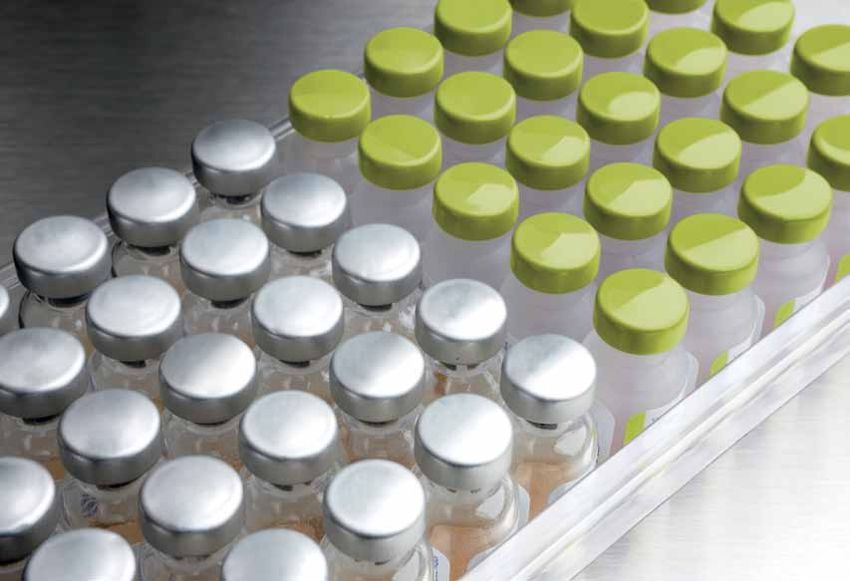
Vaccine Storage and Handling Guidelines

Introduction
                                                                                     Immunizations help save lives, prevent serious illnesses,
                                                                                     and are recognized as one of the most effective public
                                                                                     health interventions available today. Immunization
                                                                                     programs are among the most cost-effective ways
                                                                                     to prevent disease. The success of these programs
                                                                                     depends heavily upon the high immunization coverage
                                                                                     of the target group and vaccine inventory management,
                                                                                     including proper storage and handling of vaccines.

                                                                                     By understanding and implementing proper vaccine
                                                                                     storage and handling practices, staff in health
                                                                                     care provider premises can play a critical role in
                                                                                     improving the health of Ontarians by ensuring that
                                                                                     the administered vaccines retain their potency and
                                                                                     that vaccine wastage is reduced.

                                                                                     This document is intended to assist all health care
                                                                                     providers with how to properly store and handle
                                                                                     provincially funded vaccines. Prior to storing vaccine,
                                                                                     health care providers are required to understand
                                                                                     and meet with the vaccine storage and handling
                                                                                     requirements indicated in this document.

Glossary ........................................................................3

Public Health Units......................................................4

Importance of the Cold Chain ....................................5

Staff Designated to Monitor Vaccine Storage
and Handling Practices in the Premises ...................6

Refrigerators Used for Vaccine Storage....................7

Temperature Monitoring Devices .............................8

Digital Maximum-Minimum Thermometers .............9

Data Loggers.................................................................9

Vaccine Storage and Handling Practices ................10

Insulated Containers ................................................14

Contingency Planning ..............................................18

Electricity disruptions (localized or general) ........18

What to do when the temperature is below
+2 °C and/or above +8 °C .........................................20

Inadvertent Administration of Exposed
and/or Expired Vaccine ............................................21

Public Health Units in Ontario. ................................22
Glossary                                             chain requirements. Routine inspections enable
                                                     public health unit staff to provide information
                                                     and resources regarding the proper storage and
Cold chain
                                                     handling of vaccines and the proper temperature
The “cold chain” includes all of the materials,      monitoring device that should be in place to
equipment and procedures used to maintain            optimize vaccine potency.
vaccines in the required temperature range of
+2 °C to +8 °C from the time of manufacture until    Spoiled vaccine
the vaccines are administered to individuals.
                                                     “Spoiled” vaccine is vaccine that cannot be used
                                                     because of exposure to temperatures below +2 °C
Cold chain incident
                                                     and/or above +8 °C for a specific period of time.
Occurs when vaccine is exposed to a temperature      This will depend on the specific vaccine. The
outside the required temperature range of +2 °C      public health unit assesses all provincially funded
to +8 °C for any period of time and the potency of   vaccines that have been exposed to determine
the vaccine is potentially compromised.              whether they can be used.

Cold chain incident inspection                       Temperature monitoring device
Cold chain incident inspections investigate the      An electronic device that measures temperatures.
cause of the cold chain incident, determine          This can include devices such as a digital
whether vaccine can be used by the health care       maximum-minimum thermometer, data logger
provider or returned to the public health unit,      or a chart recorder.
provide follow-up education in order to prevent
the occurrence of future incidents and ensure that   Vaccine Cold Chain Incident Exposure/
adequate cold chain conditions can be maintained     Wastage Report form
prior to continuing the vaccine supply to the
                                                     This report form is used by public health units
health care provider.
                                                     to document when provincially funded vaccines
Exposed vaccine                                      are exposed to a cold chain incident. This report
                                                     provides details of the incident and the vaccines
Vaccine that is stored or handled at temperatures
                                                     that were wasted and/or exposed during the cold
below +2 °C and/or above +8 °C for any period
                                                     chain incident. This form (#4574-64) is available
of time, or that is not stored according to the
                                                     on the Ontario Central Forms Repository at
manufacturer’s recommendations is considered
                                                     www.forms.ssb.gov.on.ca
to be “exposed.” Depending on the length and
type of exposure some vaccines may still be          Vaccine Cold Chain Maintenance Inspection
viable. Contacting your public health unit will
                                                     Report form
assist you in determining what vaccine is still
considered usable.                                   This report form is used by public health units
                                                     when conducting routine (annual) inspections.
Insulated container                                  This form assesses a health care provider’s
                                                     compliance with all vaccine storage and handling
An insulated container is a solid walled container
                                                     requirements. This form (#4575-64) is available
with a tight lid. The container must be able to
                                                     on the Ontario Central Forms Repository at
store and transport vaccines at the required
                                                     www.forms.ssb.gov.on.ca
temperatures for the necessary duration of time.

Routine (annual) inspection                          Wasted vaccine
                                                     Any vaccine that cannot be used is considered
Routine inspections assess the health care
                                                     to be “wasted.” This includes vaccines that are
providers’ level of compliance with vaccine
                                                     spoiled and those that have expired.
storage and handling requirements, including cold

                                                                                                           3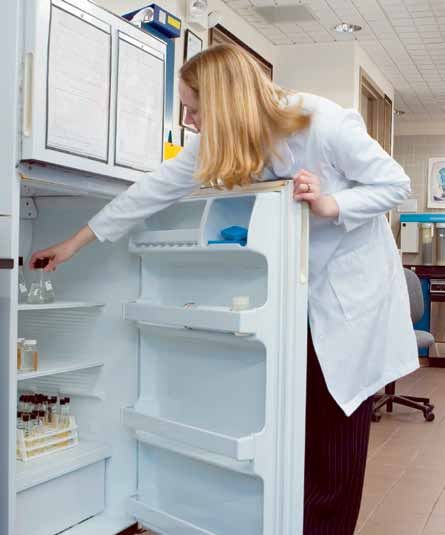
Public Health Units
                                                  • Recent inspections of refrigerators in health care provider premises
                                                    have shown that improper storage and handling of vaccines is still
                                                    a significant problem in Ontario.
                                                  • Public health units are required by the Vaccine Storage and Handling
                                                    Protocol under the Ontario Public Health Standards, issued under the
                                                    authority of the Health Protection and Promotion Act to respond to
                                                    reports of all cold chain incidents and to inspect premises, at least
                                                    once annually, where provincially funded vaccines are stored.
                                                  • The purpose of cold chain incident and routine (annual) inspections
                                                    is to:
                                                    – Ensure the proper management of vaccine inventories;
                                                    – Provide education strategies to minimize vaccine wastage;
                                                    – Reduce provincially funded vaccine wastage; and
                                                    – Promote vaccine safety and effectiveness.

    Public health units must conduct cold chain
    incident and annual routine inspections.
    Contact your public health unit for
    assistance with vaccine storage and
    handling practices.

4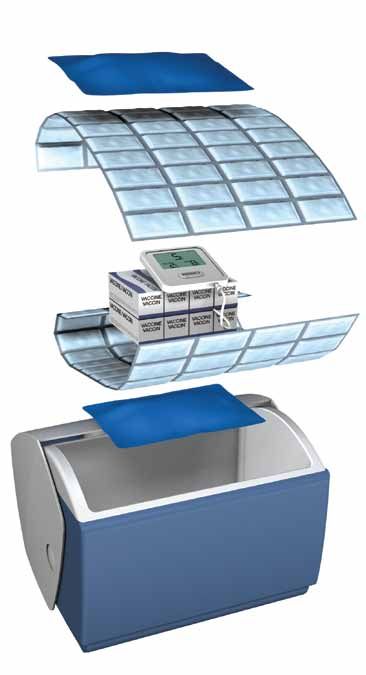
Importance of the Cold Chain
• Vaccines are sensitive biological substances                   • Individuals who are immunized with exposed
  that can lose their potency and effectiveness if                 vaccines often need to be recalled by their
  they are exposed to temperatures (heat and/or                    health care provider and reimmunized to
  cold) outside the required temperature range                     ensure that they are protected against the
  of +2 °C to +8 °C or when exposed to light.                      specific vaccine preventable disease(s).
• Freezing refers to a situation where vaccines                  • Vaccines may be wasted if they have been
  experience temperatures at or below 0 °C.                        exposed to temperatures below +2 °C and/or
  Vaccines may not appear frozen but may have                      above +8 °C or if they are not used prior to the
  been damaged at these temperatures. Most                         expiry date.
  vaccines are considered to be damaged at 0 °C.                 • Vaccine wastage results in increased costs
• Failure to adhere to cold chain requirements                     (to replace the wasted vaccines, human
  may reduce vaccine potency, resulting in lack                    services and specialized transportation).
  of protection against vaccine preventable                      • With the globalization of the vaccine
  diseases and/or increased local reactions after                  manufacturing industry, and intermittent global
  administration of vaccine.                                       vaccine shortages, it is not always possible for
• The loss of vaccine effectiveness due to cold                    Ontario to quickly obtain additional quantities
  chain exposures to adverse conditions is                         of vaccines to replace vaccine that is wasted.
  cumulative, permanent and irreversible.

Diphtheria, tetanus and acellular pertussis vaccine affected by
freezing showing large conglomerates of massed precipitates                            Vaccines must be stored and
with crystalline structure                                                             transported within the required
                                                                                       temperature range of +2 ºC to +8 ºC
        Vaccine stored                            Vaccine stored                       at all times.
     between +2 °C to +8 °C                          at -18 °C
                                                                                       Most vaccines are considered to be
                                                                                       damaged at 0 °C. Frozen or damaged
                                                                                       vaccine may not visually appear solid
                                                                                       or change in appearance.
                                                                                       Failure to adhere to cold chain requirements
                                                                                       may reduce vaccine potency, resulting in lack
                                                                                       of protection against vaccine preventable
World Health Organization, Department of Immunization, Vaccines,
                                                                                       diseases and/or increased local reactions
Biologicals. Temperature sensitivity of vaccines. Geneva, Switzerland:                 after administration of vaccine.
World Health Organization; 2006.
                                                                                       The loss of vaccine effectiveness due
                                                                                       to exposures to adverse conditions is
                                                                                       cumulative, permanent and irreversible.

                                                                                                                                       5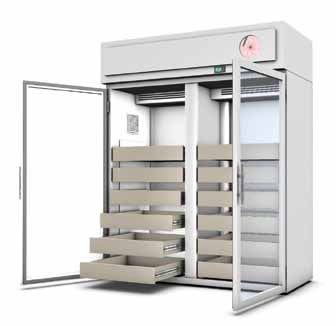
Staff Designated to Monitor Vaccine Storage and
                                                   Handling Practices in the Premises
                                                   • Staff handling provincially funded vaccines require knowledge of:
                                                      – The importance of the cold chain;
                                                      – Vaccine storage and handling practices;
                                                      – Equipment maintenance and repair procedures;
                                                      – The appropriate action to be taken in the event of a vaccine
                                                        exposure; and
                                                      – Contingency plans and ensure that they are in place in the event
                                                        of premises closure during staff vacation, equipment failure and/or
                                                        electrical disruptions.
                                                   • One person in each premises should be designated as the lead
    It is important that staff handling vaccines
                                                     and one person assigned as back-up (when the lead person is not
    understand the reason behind what they
                                                     available) to monitor vaccine storage and handling practices and
    are doing and why they are doing it.             ensure that vaccines are kept at the required temperatures.
    One person in each premises should be          • All staff members should also be trained in reading the vaccine
    designated as the lead and one person            temperature monitoring device(s), and documenting and monitoring
    assigned as back-up to monitor vaccine           the vaccine storage temperatures to provide backup in the event of
    storage and handling practices.                  staff vacations or other absences.
                                                   • Your public health unit can assist you with vaccine storage and
    Talk to your public health unit for training     handling training.
    opportunities.

6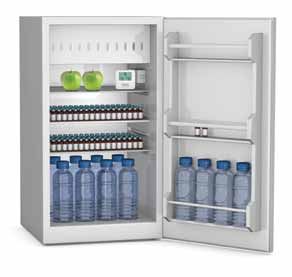
Refrigerators Used for Vaccine Storage
Purpose-built refrigerators

                                                                            Recorder

                                                                            Microprocessor electronic control
                                                                            and alarm

                                                                            Forced air evaporator coils

                                                                            Interior lighting

                                                                            Easy access to vaccines

                                                                            View through glass doors

• Purpose-built refrigerators are the preferred refrigerators for
  vaccine storage for health care providers and are required for                     Management of a purpose-built
  vaccine storage at public health units.                                            refrigerator is less demanding than
• It is recommended that purpose-built refrigerators are used                        a domestic or bar refrigerator.
  when storing large inventories of vaccines.
                                                                                     In a purpose-built refrigerator nearly all of the
• Although purpose-built refrigerators are considerably more
                                                                                     internal space can be used for storing vaccines.
  expensive than domestic (kitchen) and bar refrigerators, they
  have the advantage where modifications are not required for
  vaccine storage.
• The main features of a purpose-built refrigerator include:
   – The temperature regulation mechanism ensures narrow tolerances with internal temperatures.
     This provides appropriate temperature regulation;
   – Ongoing air circulation ensures that the temperature is distributed evenly;
   – An internal temperature between +2 °C to +8 °C is maintained;
   – An evaporator operates at +2 °C, preventing the vaccine from freezing;
   – The temperature recovery system is very quick; and
   – The forced air circulation helps to keep internal temperatures between +2 °C to +8 °C even
     when the ambient temperature changes.

Note: Domestic (kitchen) and bar refrigerators do not have any of these features.

                                                                                                                                         7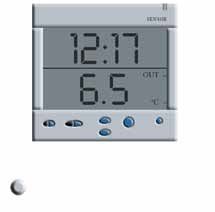
Domestic (kitchen) and bar refrigerators
                                                      • Domestic and bar refrigerators are designed and built for food
    Domestic or bar refrigerators are not               and drink storage – not for the special temperature requirements
                                                        of vaccines.
    recommended for vaccine storage.
                                                      • Although it is not recommended, it is possible (although very
    It is complicated to manage domestic and bar        complex) to manage kitchen and bar refrigerators to reduce the
    refrigerators for vaccine storage.                  risk of heating and/or freezing the vaccines.

    Domestic and bar refrigerators are unsuitable     • Health care providers using domestic and/or bar refrigerators to
                                                        store vaccine should contact their public health unit regarding
    for vaccine storage if appropriate vaccine
                                                        the modifications that will be required in order to safely store
    storage and handling practices are not
                                                        provincially funded vaccines.
    diligently undertaken.
                                                      Store only vaccine
    Contact your public health unit for
                                                      in refrigerator
    assistance on domestic and bar refrigerator                                                                      Keep vaccine
    modifications that are required prior to                                                                         between
                                                                                                                     +2 °C to +8 °C
    vaccine storage in order to ensure that           Stock vaccine on
    vaccines will be safely stored.                   a first-in is the
                                                      first used basis                                               Don’t store vaccine
                                                                                                                     on the door shelves

                                                      Store full bottles
                                                      of water on empty
                                                      shelves and on
                                                      the door

                                                      •   Check and log temperature twice a day.
                                                      •   Stock only a one month supply.
                                                      •   Never leave vaccine outside the refrigerator.
                                                      •   Open the door only when necessary.

                                                      Temperature Monitoring Devices
                                                      • A temperature monitoring device is an essential requirement for
        A temperature monitoring device is              temperature monitoring of vaccines.
        an essential requirement for vaccine          • Always use a temperature monitoring device that is calibrated to
        temperature monitoring.                         within ±1 °C accuracy. Your public health unit can assist you in
                                                        selecting an appropriate temperature monitoring device.
        Each vaccine refrigerator and insulated
        container used for vaccine storage and        • Temperature monitoring devices should be checked for accuracy
                                                        on an annual basis, as they lose their accuracy over time. Your
        transport must have a temperature
                                                        public health unit can assist you with checking the accuracy of
        monitoring device.
                                                        your temperature monitoring device during your routine (annual)
        Temperature monitoring devices need to be       inspection.
        accurate. Check the accuracy of the devices   • The temperature monitoring device may also become less accurate
        once annually and change the battery every      (which may result in wastage of potent vaccine) if the batteries
        6 months.                                       are low. To ensure optimum function of the device, the batteries
                                                        should be changed every 6 months.

8
Digital Maximum-Minimum Data Loggers
Thermometers
Built-in sensor
Current time
Indicates
temperature
inside the fridge
Current
temperature
In-out Minute Min-max Clear
switch button button button
Hour
button
Cable Time
• Data loggers are continuous temperature
sensor set switch recording devices, which offer a historical
record of refrigerator temperatures.
• Digital maximum-minimum thermometers
measure the current temperature and the • These devices store temperature readings
minimum and maximum temperatures that which can be downloaded onto a computer.
have been reached over a period of time. • Print the temperature readings out on a weekly
• Maximum-minimum thermometers provide basis (or more often if required) and retain
three readings: the current temperature, the them for 1 year, or until the next inspection by
maximum temperature reached since it was your public health unit.
last reset and the minimum temperature since • Data loggers do not replace the need for a
it was last reset. twice daily observation and documentation
• Digital maximum-minimum thermometers of the current, maximum and minimum
should have a display screen so the temperature refrigerator temperatures in the Temperature
can be visually checked whenever going into the Log Book.
refrigerator and will allow for troubleshooting • The data logger display should be equipped
if temperatures are at +3 °C or +7 °C. with a digital display screen so the temperature
• Maximum-minimum thermometer should can be visually checked whenever going
record temperature increments by 0.1 °C. into the refrigerator. This will also allow for
troubleshooting if temperatures are at +3 °C
• The maximum-minimum thermometer sensor or +7 °C.
should be placed on the middle refrigerator
shelf inside an empty vaccine box to help • The data loggers should record temperature
stabilize the temperature readings and to increments by 0.1 °C.
protect the sensor from exposure to sudden
breezes of cold or warm air.
Data loggers are continuous temperature recording
devices, which offer a historical account of refrigerator
Always reset your maximum-minimum thermometer temperatures.
after recording the temperature readings. When using a data logger, the minimum, maximum and
Place the maximum-minimum thermometer probe current temperatures still need to be recorded manually as
on the middle refrigerator shelf inside an empty a timely alert to any breach in the cold chain.
vaccine box.
9Vaccine Storage and Handling Practices
• To retain their potency and to be effective,
provincially funded vaccines must be kept Strive to maintain vaccine refrigerator temperature
refrigerated between +2 °C and +8 °C at all times. at +5 °C, as this gives a greater leeway for
• Strive to maintain vaccine refrigerator temperature protection from temperature fluctuation.
at +5 °C, as this gives a greater leeway for protection
from temperature fluctuation. For detailed vaccine Stabilize the temperature of the vaccine refrigerator
storage and handling information, please refer to before stocking vaccine.
the specific vaccine product monograph.
• The internal refrigerator temperatures must be
stabilized between +2 °C to +8 °C for a recommended period of 7 consecutive days prior to stocking vaccine.
• To ensure appropriate vaccine storage and handling practices are in place, potent vaccine is administered
and wastage is minimized, it is important that the following practices are in place:
1. Vaccine refrigerator temperatures chain exposures (determining the temperature
and readings variation and duration of exposure) should
these occur.
• Maintaining accurate and up-to-date
documentation of refrigerator temperatures • Your public health unit will be able to determine
is necessary to maintain vaccine potency. whether any vaccine which has been exposed
to a cold chain incident can still be used.
• Maximum, minimum and current temperatures
must be checked twice daily and documented • Temperature monitoring and recording
(at the beginning and end of each day) in the devices (e.g., data loggers) and equipment
Temperature Log Book (see page 20 for an (e.g., temperature alarm systems) do not
example). This will ensure that vaccines have eliminate the need for staff intervention
been stored at the right temperature, and have and monitoring of the cold chain.
not been exposed to temperatures below +2 °C Note: A refrigerator that feels cold may range in
and/or above +8 °C. temperature from -5 °C to +15 °C, a definite risk to
• Check and record the maximum, minimum vaccine potency. Accurate thermometer readings
and current temperatures twice daily in the are necessary to determine whether the vaccines
are being kept at the required temperature to maintain
Temperature Log Book at the beginning and
their potency.
the end of each day.
• The Temperature Log Book is the written
record that enables you and your staff to
Check and record the maximum, minimum and
monitor and take action if temperatures go
current temperatures twice daily in the Temperature
outside the required range. Temperature log
books are available from your vaccine supply
Log Book at the beginning and end of each day.
source (i.e., public health unit or Ontario Contact your public health unit immediately if
Government Pharmaceutical and Medical
vaccines have been exposed to temperatures
Supply Service (OGPMSS)).
below +2 °C or above +8 °C.
• The temperature should be viewed every time
the refrigerator is opened. This will allow for Temperature monitoring and recording devices
troubleshooting if required. (e.g., data loggers) and equipment (e.g., temperature
• Temperature readings documented in the alarm systems) do not guarantee safety of vaccines
Temperature Log Book will also assist your and are not to be considered a substitute for the
public health unit in the assessment of cold manual recording of minimum, maximum and
current temperatures twice daily.
102. Ministry of Health and Long-Term Care cold chain material
• In addition to this document, additional ministry cold chain material
is available from your public health unit to assist you with vaccine Speak to your public health unit
storage and handling requirements. regarding vaccine storage and
• Materials include: temperature log books, equipment log books, handling resources.
posters, stickers and insulated containers (including packaging
material).
• These materials should be accessible at all times and staff should
be knowledgeable regarding the material contained in all vaccine
storage and handling documents provided by the ministry and your
public health unit.
3. Refrigerator organization
• Vaccines should be away from the refrigerator walls, floors and
cold-air vents; storage of vaccine against refrigerator walls, floors Do not store food, beverages or
and cold air vents increases the risk of exposing vaccines to medical/laboratory specimens in
temperatures below +2 ºC.
the vaccine refrigerator.
• When storing vaccine in domestic or bar style refrigerators, always
store vaccines on the middle internal shelves. Never store vaccines Fill the lower drawers and the door with
in refrigerator door shelves or drawers as they may be exposed to water bottles.
warmer temperatures.
Vaccines should be stored in the refrigerator
• Organize vaccine by product. Place vaccines of the same type
in their original packaging.
together.
• Leave space between the vaccine packages in the refrigerator to Vaccines must never be stored in the door of
allow air to circulate. the refrigerator.
• Protect vaccines from light. Storage of vaccines in their original
packaging will protect vaccines from light.
• Check vaccine expiry dates regularly and after every vaccine order.
Always move vaccines with shorter expiry dates to the front of the
refrigerator so that they can be used first. Always check expiry
dates before you use vaccines. Remove expired vaccines and return
them to your vaccine supply source (i.e., public health unit or
OGPMSS).
• Vaccine refrigerator must be dedicated for storage of vaccines
only. Food, beverages or medical/laboratory specimens should not
be stored in a vaccine storage unit because this practice results in
frequent door openings and destabilization of the temperature.
• Storing filled water bottles on the lower shelf and the door of a
kitchen or bar refrigerator used to store vaccines will help maintain
an even, stable temperature inside the refrigerator.
• Diluents should be stored with vaccines and be kept within +2 °C
to +8 °C.
114. Inventory management
• Ensure that your refrigerator capacity is large enough to store your
Do not overstock your refrigerator with vaccine supply. There must also be enough room to allow air to
vaccines. Ordering excess vaccine can circulate around the vaccine packages.
increase the risk of wastage. • Maintain no more than a one-month supply of vaccine at a time.
However, depending on the size of your vaccine refrigerator,
Rotate stock so vaccines with the shortest inventory may need to be reduced to a 1-2 week supply to prevent
expiry date are used first. overcrowding.
• Once vaccines leave the vaccine supply source (i.e., public health
unit or OGPMSS), they cannot be returned for re-stocking. Ordering
excess vaccine can increase the risk of wastage.
• To know how much vaccine you will need, look at the average
amount of each vaccine you use each month.
• Rotate stock with every vaccine order and check vaccine expiry dates
regularly.
5. Vaccine handling
• All vaccines: Take vaccines out of the refrigerator only when ready
to administer and protect vaccines from light.
• Multi-dose format vaccines: Return unused vaccine to the
refrigerator immediately after the required dose has been drawn
up. Mark the date on all multi-dose vials when the first dose is
withdrawn. Once opened, multi-dose vials must be used within
the time indicated on the product monograph. Aseptic technique
for the withdrawal of vaccines must be followed at all times.
126. General tips
• Refrigerator should be optimally placed in an area that is well
ventilated, out of direct sunlight and away from external walls. Place the refrigerator out of
• Vaccines must be secured away from public access. Vaccine direct sunlight.
refrigerators should be equipped with a lockable door or the
vaccine refrigerator should be stored in a room with a lockable Mark the plug clearly so the refrigerator is not
door. Designated staff must lock the refrigerator and/or the room unplugged or turned off accidentally.
that vaccine is housed in after office hours.
Keep icepacks/gel packs in your freezer.
• Ensure that the electrical outlet and refrigerator plug are secured
to prevent the refrigerator from accidentally being unplugged or Keep your refrigerator door openings
turned off. Place a highly visible sticker by the electrical outlet to a minimum.
to make sure that the refrigerator is not unplugged (e.g., to plug
in a vacuum) or cover outlet with a cage to prevent accidental Ensure your refrigerator is in good
disconnection (plug sticker is available from your public health working order.
unit).
• For kitchen and bar refrigerators defrost the refrigerator when
there is more than 1 cm (¼ inch) of ice in the freezer compartment.
While defrosting the refrigerator, transfer vaccines to an insulated
vaccine container (for no longer than 3 hours) with icepacks and
temperature monitoring device or transfer vaccines to another
monitored refrigerator, and check the temperature regularly.
• Always ensure that the refrigerator door is closed tightly. Installing
an inexpensive Velcro latch from a hardware store can help ensure
that the door is not accidentally left ajar during the day, or by
cleaning staff after hours.
• Perform refrigerator maintenance as required, including cleaning
and dusting the back (including coils, top and sides) and ensuring
the door is sealed tightly and properly (has adequate door seals and
tight door hinges).
• Never leave vaccines out on the counter or the floor.
• Minimize the number of times the refrigerator door is opened.
• Keep icepacks in the freezer compartment to use for transporting
vaccines. In the case of a refrigerator malfunction or electricity
disruption, icepacks can be put inside the refrigerator to keep the
temperature from increasing.
• Keep equipment log books for each piece of vaccine storage and
handling storage equipment. This log book should be a record of
the serial numbers of each piece of equipment, the date each piece
of equipment was installed, the dates of routine maintenance tasks
and the dates of any repairs or servicing. Equipment log books are
available from your vaccine supply source (e.g., public health unit
or OGPMSS).
13Insulated Containers
• An insulated container is a solid-walled container with a tight lid. The
Vaccines should be maintained within +2 °C required temperatures inside the insulated container are maintained
to +8 °C inside properly packaged insulated by icepack(s) and/or gel pack(s).
containers during storage and transport. • Vaccines should be stored and transported in insulated containers
with the appropriate packaging material and packing configuration
Insulated containers can maintain the to ensure that vaccines are maintained within the +2 °C to +8 °C
required temperature for 3-4 hours; temperature range for the maximum length of time that might be
however, this is subject to environmental required for transport and/or storage.
and physical conditions. • Insulated containers are not adequate for the transport and/or storage
of vaccines for prolonged periods as their cold life (the container’s
Do not place insulated containers with
ability to maintain the required temperature range) is limited.
vaccines in the trunk of a car.
• Most insulated containers can maintain the required temperatures
for a maximum of 3-4 hours. However, the external temperature, the
number of times the insulated container is opened and closed, the
amount of vaccine that is being stored and the type of packaging
material used may reduce the amount of time vaccines can be stored
in the insulated container.
• If vaccines will be stored and/or transported for more than 3-4 hours
in the insulated container, the icepack(s) and/or gel pack(s) should
be removed and replaced with a new set of conditioned frozen and/or
refrigerated icepack(s) and/or gel/pack(s).
• When transporting vaccines in an insulated container, the
temperatures must be continued to be monitored during vaccine
transport. The frequency of the checking and the recording of
temperatures are dependent on the amount of time the vaccine
is stored and transported in the insulated container.
• The number of insulated containers and packing material that the
premises should maintain must accommodate the entire vaccine
inventory.
• Insulated containers storing vaccines should not be transported
in the trunk of a vehicle due to the extreme temperatures that can
occur.
• Speak with your public health unit if you require an insulated
container.
When to use an Insulated Container
• An insulated container, temperature monitoring device and
Use insulated containers for: appropriate packaging material is used for:
• Transporting vaccine; – Transporting vaccine;
• Temporary storage of vaccine – Storing vaccine during immunization sessions/clinics;
(e.g., during clinics or cleaning – Temporary storage of vaccine during equipment maintenance
the refrigerator); and periods (e.g., when cleaning or defrosting refrigerator); and
• Emergency storage (e.g., power outage). – Emergency storage of vaccine (e.g., refrigerator malfunction
or an electricity disruption).
141. Transporting vaccine from the public health 2. Storing vaccines during immunization
unit to the office sessions/clinics
• Monitor and record temperature readings in • Monitor and record temperature readings in
the insulated container: the insulated container:
a. Before leaving the public health unit with a. Before leaving the office/facility with the
the insulated container; insulated container;
b. After 1 hour of travel; and b. Upon arrival at the session/clinic, but prior
c. Upon arrival at the office/facility but to the immunization session/clinic;
before the vaccines are placed back into c. At 1 hour intervals during the immunization
the refrigerator: session/clinic;
i. Place vaccine into inventory for use if d. Upon completion of the session/clinic,
the temperature monitoring device(s) but before transport back to the office/
indicates that the cold chain was facility; and
maintained between +2 °C to +8 °C. e. Upon arrival to the office/facility:
ii. If the temperature monitoring device(s) i. Place vaccine into inventory for use if
indicates an out-of-range reading, place the temperature monitoring device(s)
the vaccine under quarantine in the indicates that the cold chain was
refrigerator and immediately report the maintained between +2 °C to +8 °C.
incident to your public health unit. The ii. If the temperature monitoring device(s)
vaccines must be kept refrigerated and indicates an out-of-range reading, your
should not be used until your public public health unit should be contacted
health unit provides further direction. and vaccines should place the vaccine
under quarantine in the refrigerator until
your public health unit has assessed the
cold chain incident.
Record temperature in the insulated container:
• Before leaving the public health unit; • In addition, to the above required temperature
• After 1 hour of travel; and monitoring and recordings in the insulated
• Upon arrival at office. container, the temperature monitoring device
should be visually inspected each time the
insulated container is opened.
• Only pack the amount of vaccine you expect to
use during the immunization session/clinic.
• Minimize the number of times that the cooler is
opened during the immunization session/clinic.
• Remove vaccines from the insulated container
only as they are required.
Record temperature in the insulated container:
• Before leaving the office;
• Upon arrival at clinic;
• Every hour during the session;
• Upon completion of the session at the clinic; and
• Upon arrival back to office.
Visually inspect the temperature every time the
insulated container is opened.
15Steps to prepare an insulated container Steps to packing an insulated container
(and related material) prior to transportation (and related material) prior to transportation
or storage or storage
1. Pre-chill the insulated container by placing Freezing episodes happen very easily in all
icepacks inside the insulated container for at insulated containers, usually in the first 2 hours
least 1 hour. After the hour, remove all icepacks. after packing.
2. Precondition icepacks. Vaccines are vulnerable To ensure vaccines arrive at the destination safely:
to freezing when transported in an insulated
container if icepacks have not been correctly 1. Place 1 or 2 icepacks at the bottom of the
conditioned. Icepacks come out of the freezer insulated container.
at a temperature of approximately -20 °C. 2. Place a pre-conditioned (+2 °C to +8 °C)
Keeping the icepacks at room temperature for ice blanket(s) on top of the icepacks.
a period of time allows the ice at the core of 3. Place the vaccine package on top of the
the icepack to rise to 0 °C. This process is called ice blanket(s).
“conditioning.” An icepack is adequately 4. Position the temperature monitoring device or
conditioned as soon as beads of water cover its the sensor in the centre of the vaccine package.
surface. The conditioning process usually takes 5. Insulation material (e.g., bubble wrap,
approximately 20 to 30 minutes. newspaper) may be loosely wrapped around
3. Prepare your temperature monitoring device. the vaccine packages. This allows for cool air
(See details on page 8.) circulation around the vaccines and minimizes
the risk of “hot” or “cold” spots.
4. Ensure that all other items necessary to pack 6. Place another pre-conditioned ice blanket(s)
the insulated container are ready and easily over the vaccine.
accessible. 7. Place 1 or 2 pre-conditioned icepacks on top of
the ice blanket(s).
8. Add newspaper or bubble wrap as necessary to
Ice and/or gel packs must be correctly conditioned
fill vertical void.
before use. The risk of freezing vaccines increases if 9. Clearly mark all insulated containers storing
the icepacks/gel packs are not correctly conditioned. vaccine with the following label: “VACCINES –
STORE BETWEEN +2 °C to +8 °C.”
Incorrect use of gel packs is even riskier than icepacks
because the gel packs remain colder than 0ºC for longer
than icepacks. Correctly packing a cooler reduces the risk of freezing.
Freezing episodes happen very easily in all coolers,
usually in the first 2 hours after packing. Experiment to find the correct combination
of icepack(s) and/or gel pack(s) to ensure the
Pre-chill the cooler before use. insulated container is able to maintain the required
temperatures for:
1. The maximum length of time the vaccine might
have to be in the insulated container;
2. The amount of vaccines to be transported; and
3. The external temperatures (e.g., winter climate
vs. summer climate).
Experiment to find the correct combination of
icepack(s) and/or gel pack(s) to ensure the insulated
container is able to maintain the required temperatures.
16Detailed instructions on how to pack an insulated container:
Gel pack(s)
• Winter transport may require gel pack(s) to be
conditioned from the refrigerator at +2 °C to +8 °C.
• Summer transport may require gel pack(s) to be
conditioned from the freezer at -10 °C to -20 °C.
• Place gel packs on top of outer flexible ice blanket.
Outer flexible ice blanket
• Condition in refrigerator at +2 °C to +8 °C.
• Wrap outer flexible ice blanket around vaccines and
inner flexible ice blanket.
Vaccine and temperature monitoring device
• Vaccines in refrigerator between +2 °C to +8 °C.
• Position maximum-minimum thermometer sensor
inside a vaccine box.
Inner flexible ice blanket
• Conditioned in refrigerator between +2 °C to +8 °C.
• Wrap inner flexible ice blanket around vaccines.
Gel pack(s)
• Winter transport may require gel pack(s) to be
conditioned from the refrigerator at +2 °C to +8 °C.
• Summer transport may require gel pack(s) to be
conditioned from the freezer at -10 °C to -20 °C.
• Place gel packs on top of outer flexible ice blanket.
Insulated hard sided container
• Pre-chill insulated container with gel packs from the
freezer for a few hours or by placing the container
in a refrigerator until a temperature between +2 °C
to +8 °C is reached prior to placing vaccines into the
container.
Note: Additional icepacks may be required depending on cold-life needed for the length of transport. Additional
insulating material (e.g., bubble wrap, Styrofoam chips, crumpled or shredded newspaper) should be placed inside
(bottom, top and sides) the insulated container to allow for cool air circulation.
17Contingency Planning
Each health care provider’s premises should have a contingency plan
for vaccine storage in the event of a refrigerator malfunction and During an electricity
electricity disruptions. If there is no access to a backup power supply disruption, take action
(i.e., generator) at the premises, arrangements should be made in
to protect your vaccines.
advance with an alternate storage site (e.g., hospital, long-term care
home) that has an emergency backup power supply and appropriate Always have an alternative means of
vaccine storage capacity. However, if this cannot be arranged, insulated vaccine storage available.
containers and packaging materials should be made available to
temporarily and safely store the vaccines at the premises. Please
discuss this with your public health unit.
Electricity disruptions (localized or general)
During an electricity disruption
• When an electricity disruption occurs, document the time and When an electricity disruption
the maximum, minimum and current temperature inside of the occurs, document the time and
non-functioning refrigerator in the Temperature Log Book and the maximum, minimum and
reset the maximum-minimum thermometer (if applicable). current temperature inside of the
• Contact your public health unit for information concerning the non-functioning refrigerator in the
estimated time before electricity should be restored. Temperature Log Book.
• Factors including the amount of vaccine being stored in the Factors including the amount of
refrigerator, the external temperatures (e.g., summer vs. winter) and vaccine being stored in the refrigerator,
the type, model and age of the refrigerator will affect the duration the external temperatures and the
of time vaccines within the refrigerator will be kept within +2 °C to
refrigerator will affect the duration of
+8 °C. It is therefore important to “know your vaccine refrigerator”
time vaccines within the refrigerator
to facilitate a timely response and minimize potential vaccine loss.
will be kept within +2 °C to +8 °C.
• Do not allow the vaccine to remain in a non-functioning unit for
an extended period of time. If it is unsure that the problem can be Do not allow the vaccine to remain in
corrected in time to maintain the required temperatures, initiate a non-functioning unit for an extended
your contingency plan, which should include: period of time.
1. Transferring vaccines to alternative storage facility. See the
instructions on how to use an insulated container to transport
vaccines on page 17.
2. If an alternative storage facility cannot be identified within a
reasonable distance, place the vaccine in insulated containers
with appropriate packaging material and temperature monitoring
devices and record the temperature. See the instructions on how
to use an insulated container to on page 17.
18• If it is a scheduled or a time-limited power Recurring electricity disruptions
outage and you are certain the power should
• Determine if the vaccines can be maintained
be restored before the vaccine refrigerator
in the refrigerator, transferred to insulated
temperature rises above +8 °C, take the
containers or transferred to an alternative
following steps:
storage facility.
1. Keep the vaccines in the non-functioning
• If possible, record each time when the
refrigerator and place icepacks (if required
electricity supply is restored and document the
and/or available) into the refrigerator to
maximum, minimum and current temperatures
help maintain the required temperatures
inside the non-functioning refrigerator, without
for as long as possible.
opening the refrigerator door.
2. Keep the refrigerator doors closed
(opening the doors will let cool air out
of the refrigerator and let warm air in). How to proceed when the electricity supply to
3. It is not necessary to open the refrigerator the refrigerator is restored
door to take the temperature readings. • Record the time and refrigerator
4. Keep the ambient temperature in the temperature when the electricity supply is
office low (i.e., close window blinds) in the restored, and again when the thermometer
summer. In the winter, protect the ambient reading is within +2 °C to +8 °C.
temperature from extreme cold or freezing.
• Continue to read and record the temperature
5. Continue to monitor and record
twice daily (a.m. and p.m.).
(maximum, minimum and current)
vaccine temperatures twice daily. Transfer • Call your public health unit immediately to
the vaccines to a functioning, monitored report any exposures to temperatures below
refrigerator as soon as possible. +2 °C and/or above +8 °C.
6. Call your public health unit for further • All vaccines need to be assessed to determine
advice. if the vaccine potency has been affected by
storage temperatures below +2 °C and/or above
+8 °C during the electricity disruption.
• Do not use or discard the vaccine until your
public health unit has assessed the situation.
Record the time and refrigerator temperature when
the electricity supply is restored, and again when the
thermometer reading is within +2 °C to +8 °C.
Call your public health unit immediately to report any
exposures to temperatures below +2 °C and/or above
+8 °C.
19What to do when the temperature is below
+2 °C and/or above +8 °C
• Vaccines may lose potency if the maximum, minimum or current
Call your public health unit for advice if you temperature readings are below +2 °C and/or above +8 °C.
suspect that vaccine has been exposed to • In this case you should:
temperatures below +2 °C or above +8 °C.
1. Segregate the exposed vaccines in the refrigerator by placing
Segregate the exposed vaccines in the these vaccines in a labelled container (or bag), marked with the
refrigerator by placing these vaccines in a date and time and “DO NOT USE.”
2. Call your public health unit immediately to report the vaccine
labelled container (or bag), marked with
exposure. Do not use or discard any of the exposed vaccines until
the date and time and “DO NOT USE.”
your public health unit has assessed whether any of the vaccines
Never use or discard the vaccine until can still be used.
your public health unit has assessed the 3. Check to ensure your temperature monitoring device is working
correctly (e.g., check the probe placement, check the battery).
situation.
If in doubt, replace the battery.
4. After checking the temperature monitoring device and the
refrigerator (to make sure it is plugged in), record the date,
time and temperature in your Temperature Log Book.
– Always remember to reset your maximum-minimum
thermometer (if applicable) after each recorded temperature.
5. If the current temperature is too low or too high, move these
vaccines to a properly functioning, monitored refrigerator,
or place the vaccines in a monitored insulated container with
icepacks and a temperature monitoring device inside the vaccine
package. This will limit the number of temperature excursions
outside of the +2 °C to +8 °C, and help to avoid vaccine wastage.
– Insulated containers will only keep vaccines at the appropriate
temperatures for a short period of time.
– Vaccines will need to be moved to a functioning, monitored
refrigerator if the refrigerator does not stabilize between
+2 °C to +8 °C within a couple of hours.
• If you are experiencing any difficulties maintaining the required
temperatures, your public health unit can assist you with
troubleshooting.
Vaccine Temperature Log Book
Month: January,
MM/YY 2011 Office/Facility:
ABC Family Practice
Week 1 Mon 3 Tue 4 Wed 5 Thur 6 Fri 7 Sat 8 Sun 9
Time AM PM AM PM AM PM AM PM AM PM AM PM AM PM
Current Temp 5.8 7.0 3.4 5.6 5.7 6.8 3.2 5.3 5.3 5.2 7.0 6.5 6.0 6.7
Max Temp 6.8 6.5 6.0 6.8 6.7 7.1 10.4 6.9 6.3 6.4 5.6 5.2 4.5 5.5
Min Temp 3.4 3.5 2.9 3.3 3.4 4.0 2.5 3.0 -0.2 3.6 7.0 7.5 6.5 7.8
Initials AB AB AA AA AA AA AA AA AA AA AB AB AB AB
Week 2 Mon Tue W ed Thur Fri Sat Sun
Out-of-Range
Time Temperatures
AM PM AM PM AM PM AM PM AM PM AM PM AM PM
Any temperature
Current readings below +2 °C and/or above +8 °C must be reported
to
Maxyour
Temp public health unit immediately.
Min Temp
Initials
20 Week 3 Mon Tue Wed Thur Fri Sat SunInadvertent Administration of Exposed and/or Expired Vaccine
• If exposed vaccine deemed non-usable and/or expired vaccine has been inadvertently administered,
please contact your public health unit immediately. Public health unit staff will assist you to determine
whether reimmunization is recommended.
Ordering routine vaccines
• Outside Toronto, order all routine vaccines from your public health unit.
• In Toronto, order all routine vaccines from the OGPMSS by faxing the Toronto Clients Requisition for
Biological Supplies form to 416-327-0818. This form (#2203-64E) is available on the Ontario Central Forms
Repository at www.forms.ssb.gov.on.ca
Ordering non-routine vaccines
• To order hepatitis A vaccine, hepatitis B vaccine and meningococcal C-ACWY-135 vaccine for high-risk
persons, post-exposure rabies vaccine and/or immune globulin, call your public health unit.
Receiving vaccine deliveries
• When you receive your order, check that you received
your full order and ensure that the order matches the Place vaccines in the refrigerator immediately.
packing slip.
• Place vaccines in the refrigerator immediately.
• If you did not receive everything you ordered, or your order does not match the packing slip, notify your
vaccine supply source (i.e., public health units or OGPMSS) immediately.
Returning vaccines
• Always return expired or spoiled vaccine to your
vaccine supply source for disposal. The ministry may Always return expired or spoiled vaccine to your
be reimbursed by manufacturers for returned vaccines. vaccine supply source for disposal.
• Outside Toronto, return expired or spoiled vaccine
to your public health unit.
• In Toronto, ensure the following steps are followed:
1. Obtain a return authorization number for wasted vaccines from the OGPMSS at 416-327-0837.
2. Complete the vaccine return form – Non-Reusable Vaccine (spoiled or expired) Return Record –
Toronto Clients. This form (#3296-64) is available on the Ontario Central Forms Repository at
www.forms.ssb.gov.on.ca
3. Affix a “returned vaccines – wasted” label (pink label) to the outside of the package. You may also
obtain this label from the OGPMSS driver.
Note: OGPMSS drivers will not accept returned vaccines that are not packaged and/or labelled properly or do not have
the proper documentation (i.e., completed vaccine return form).
21For more information or assistance regarding vaccine storage
and handling, please contact your public health unit.
Public Health Units in Ontario
Algoma 705 -942-4646 1-866-892-0172
Brant County 519-753-4937
Chatham-Kent 519-352-7270
Durham Region 905-668-7711 1-800-841-2729
Eastern Ontario 613-933-1375 1-800-267-7120
Elgin-St. Thomas 519-631-9900 1-800-922-0096
Grey-Bruce 519-376-9420 1-800-263-3456
Haldimand-Norfolk 519-426-6170 905-318-6623
Haliburton, Kawartha, Pine Ridge District 905-885-9100 1-866-888-4577
Halton Region 905-825-6000 1-866-442-5866
Hamilton 905-546-2424
Hastings and Prince Edward Counties 613-966-5500
Huron County 519-482-3416 1-877-837-6143
Kingston, Frontenac, and Lennox & Addington 613-549-1232 1-800-267-7875
Lambton (County of) 519-383-8331
Leeds, Grenville and Lanark District 613-345-5685 1-800-660-5853
Middlesex-London 519-663-5317
Niagara Region 905-688-3762 1-800-263-7248
North Bay Parry Sound District 705-474-1400 1-800-563-2808
Northwestern 807-468-3147 1-800-830-5978
Ottawa 613-580-6744 1-866-426-8885
Oxford County 519-539-9800 1-800-755-0394
Peel (Region of) 905-791-7800 1-888-919-7800
Perth District 519-271-7600 1-877-271-7348
Peterborough County-City 705-743-1000 1-877-743-0101
Porcupine 705-267-1181 1-800-461-1818
Renfrew County and District 613-735-8666 1-800-267-1097
Simcoe Muskoka District 705-721-7520 1-877-721-7520
Sudbury and District 705-522-9200
Thunder Bay District 807-625-5900 1-888-294-6630
Timiskaming 705-647-4305 1-866-747-4305
Toronto 416-338-2030
Waterloo (Region of) 519-883-2000
Wellington-Dufferin-Guelph 519-846-2715 1-800-265-7293
Windsor-Essex County 519-258-2146 1-800-265-5822
York Region 905-895-6212 1-877-794-1880
22Public Health Unit Contact Information Public Health Unit: _________________________________ Website: __________________________________________ Telephone: ________________________________________ Fax: ______________________________________________
GSIN: 7540-19600E May 2013 © Queen’s Printer for Ontario, 2012
You can also read


