Venus Technology Plan - May 2014
←
→
Page content transcription
If your browser does not render page correctly, please read the page content below
Venus Technology Plan
       May 2014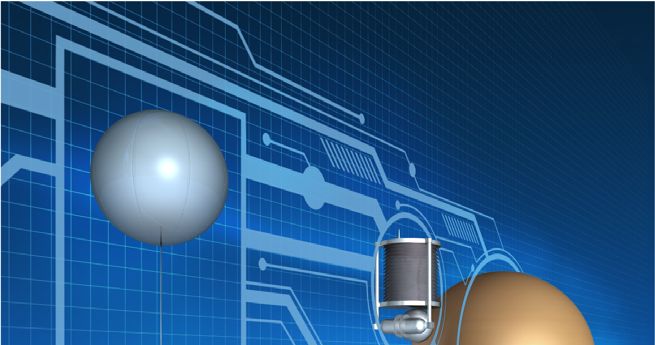
Venus Technology Plan

At the Venus Exploration Analysis Group (VEXAG) meeting in November 2012 it was resolved to
update the scientific priorities and strategies for Venus exploration. To achieve this goal, three
major tasks were defined: (1) update the document prioritizing Goals, Objectives and
Investigations for Venus Exploration: (GOI), (2) develop a Roadmap for Venus Exploration (RVE)
that is consistent with VEXAG priorities as well as Planetary Decadal Survey priorities, and
(3) develop a Technology Plan for future Venus missions (after a Technology Forum at VEXAG
Meeting 11 in November 2013). Here, we present the 2014 Venus Technology Plan.

Prepared by the VEXAG Focus Group on Technology and Laboratory Instrumentation: Pat
Beauchamp (Chair), Jim Cutts (Lead Author), Mike Amato, Tibor Kremic, Rob Gold, Jeff Hall,
Gary Hunter, Elizabeth Kolawa, Geoff Landis, Mohammad Mojarradi, Subbarao Surampudi,
Steve Townes, and Raj Venkatapathy

                                                 TABLE OF CONTENTS
1.0    Executive Summary ......................................................................................................... 1
2.0    Overview ........................................................................................................................... 3
3.0    Venus Exploration Challenges ....................................................................................... 3
4.0    Technology Plan Overview ............................................................................................. 5
5.0    System-Level Capabilities ............................................................................................... 8
6.0    Subsystem Technologies .............................................................................................. 15
7.0    Instruments ..................................................................................................................... 20
8.0    Findings .......................................................................................................................... 22
9.0    Acronyms and Abbreviations ....................................................................................... 24
10.0   References ...................................................................................................................... 25

VEXAG Charter. The Venus Exploration Analysis Group is NASA's community‐based forum
designed to provide scientific input and technology development plans for planning and
prioritizing the exploration of Venus over the next several decades. VEXAG is chartered by
NASA's Planetary Science Division and reports its findings to NASA. Open to all interested
scientists, VEXAG regularly evaluates Venus exploration goals, scientific objectives,
investigations, and critical measurement requirements, including especially recommendations
in the NRC Decadal Survey and the Solar System Exploration Strategic Roadmap.

                                                                    ii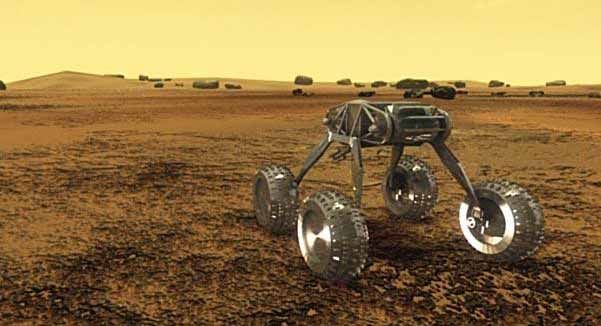
Venus Technology Plan

                               VENUS TECHNOLOGY PLAN

1.0     Executive Summary
    The planet Venus, with its unique environment, presents unusual challenges for planetary exploration.
A number of scientifically important missions could be implemented with existing technology although
some may involve engineering development. More ambitious missions involving operations for extended
periods in the atmosphere at or near the surface of Venus would require significant investments in new
technologies; however, in some cases, these new technologies could leverage recent commercial
developments. A potential Venus exploration technology program includes a balance of investments in
missions for the short term and technology investments enabling these more ambitious missions that
could be conducted in the medium and long term.
   The following findings are based on the work discussed within this document, feedback from the
Venus Technology Forum of November 19, 2013 and additional responses from members of the VEXAG
community. The findings are grouped into two categories: Technology Development and Infrastructure
Development. Each category is in priority order.

Technology Development
   1. Entry Technology for Venus: The thermal protection system (TPS) technology developed for
      missions involving entry into the Venus atmosphere has not been used for many decades, and the
      ability to easily replicate it has been lost. Two attractive options for replacing the prior
      technology, 3D Woven TPS and Adaptable Deployable Entry and Placement Technology
      (ADEPT) technology, are currently under development under the sponsorship of the Space
      Technology Missions Directorate (STMD). These developments would not only enable the next
      generation of Venus entry missions but also promise to be a stable and enduring solution and one
      that is not prone to premature obsolescence. This development needs the continued endorsement
      of the Planetary Science Division (PSD).
    2. High-Temperature Subsystems and Components for Long-Duration (months) Surface
       Operations: Advances in high-temperature electronics and thermo-electric power generators
       would enable long-duration missions on the surface of Venus operating for periods as long as a
       year, where the sensors and all other components operate at Venus surface ambient temperature.
       These advances are needed for both the long-duration lander and the lander network.
       Development of high-temperature electronics, sensors and the thermo-electric power sources
       designed for operating in the Venus ambient would be enabling for future missions.
    3. Aerial Platforms for Missions to Measure Atmospheric Chemical and Physical Properties:
       Aerial platforms have a broad impact on exploration of Venus. After more than a decade of
       development, the technology for deploying balloon payloads approaching 100 kg with floating
       lifetimes in excess of 30 days near 55 km altitude is approaching maturity. Vehicles for operation
       at higher and lower elevations in the middle atmosphere and with the ability to change and
       maintain specific altitudes are much less mature and need development. A buoyant vehicle,
       operating close to the Venus surface requires major development. Aerial platforms would be an
       essential part of any atmospheric or surface sample mission. Development of aerial platform
       technologies is enabling for mid-term and far-term missions.
    4. In Situ Instruments for Landed Missions: Since the Planetary Science Decadal Survey in 2011,
       there has been significant progress in instruments for surface geology and geochemistry (e.g.,
       laser induced breakdown spectroscopy [LIBS] in conjunction with remote Raman spectroscopy
       has been demonstrated). Advances in other instruments for “rapid petrology” also appear possible
       spurred in part by developments underway for investigating the surface of Mars. A workshop

                                                    1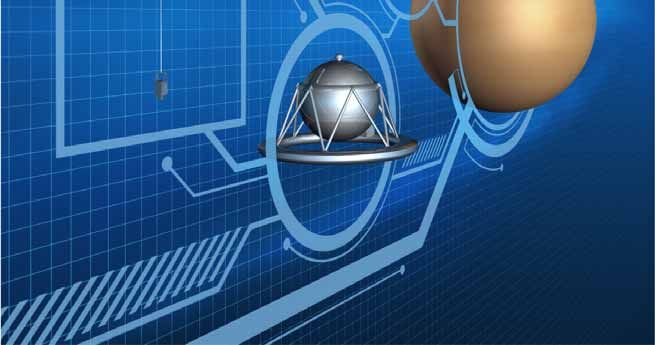
Venus Technology Plan

        focused on instruments for Venus surface operations would be helpful for defining future
        directions, and such a workshop is planned for January 2015.
    5. Deep Space Optical Communications: Development of deep space optical communications
       technology would enhance the performance of missions involving high resolutions radar imaging
       of the surface of Venus enabling mapping to be completed much more rapidly than with radio
       frequency (RF) communications systems. NASA STMD is currently developing the key
       component technologies for deep space communications and NASA’s Space Communications
       and Navigations Directorate (SCaN) is planning on a 10-m optical ground station by 2015.
       Implementation of a flight experiment of optical communications would represent a major step
       forward in the adoption of the technology, and if implemented on a Venus orbiter mission, it
       could significantly enhance the science return.
    6. Advanced Power and Cooling Technology for Long-Duration Surface Operations: Most
       scientific objectives at the Venus surface required sensors that operate at temperatures well below
       100oC. Current passively-cooled systems are limited to a lifetime of 3 to 5 hours. Advanced
       liquid-vapor phase change cooling could extend lifetimes to 24 hours and could benefit the
       Tessera lander conceived as a mid-term mission. Highly efficient mechanical thermal conversion
       and cooling devices typified by the Stirling cycle-engines and capable of operating in a 460oC
       environment are required for this purpose. With lifetimes of months, these are enabling the Venus
       mobile surface and near-surface laboratory mission concepts. Investments in advanced power
       and cooling technology are needed to enable both mid-term and far-term missions.
    7. Advanced Descent and Landing: Lander missions for the mid-term would target the Tessarae
       regions of Venus which radar imaging indicates to be extremely rough and irregular topography.
       Following the Mars model, achieving safe landings in regions of complex topography will require
       the development of improved targeting accuracy and precision landing techniques potentially
       accompanied by hazard avoidance during the terminal-descent phase. New concepts are needed
       for adapting methods of terrain relative navigation and guidance to operation in the dense
       Venus atmosphere.

Infrastructure Development
    1. Ames Research Center (ARC) Arc Jet Interaction Heating Facility (IHF) Facility
        Enhancement: A new 3-inch nozzle funded by the NASA Science Mission Directorate (SMD)
        has been installed at the NASA ARC IHF arc jet facility enabling testing of thermal protection
        materials under Venus relevant testing conditions. This enhanced IHF facility will play a vital
        role in maturing the High Energy Entry Technology (HEEET) for use in a Discovery or New
        Frontiers mission to Venus.
    2. NASA Glenn Research Center (GRC) Extreme Environment Rig (GEER): The NASA GRC
       GEER (currently under development) is an important step forward. PSD now needs a plan for
       effective use of this facility.
    3. Instrument Chamber Enhancements: The Venus facilities at Goddard Space Flight Center
       and Jet Propulsion Laboratory (GSFC and JPL) should be maintained and enhanced
       according to community needs and requirements.
    4. Environmental Modelling and Simulation: Test chambers are a vital element of advancing both
       science and technology modelling capabilities for Venus, but they require modelling of
       environments to ensure that the results of the tests can be applied effectively to operations in the
       natural environments. Considerable expertise has been developed at NASA Ames Research
       Center and NASA Langley Research Center in modelling of entry environments. It is necessary

                                                    2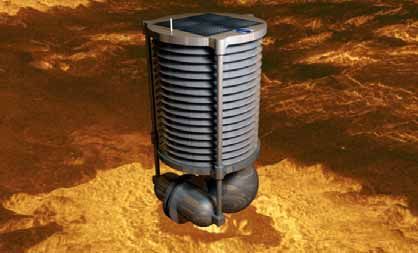
Venus Technology Plan

          to sustain the entry work but also to develop modelling capabilities incorporating the physics
          and chemistry of gases at the conditions of the Venus surface.

2.0       Overview
    This is the third in a series of three documents prepared by the Venus Exploration Analysis Group
(VEXAG) to provide NASA’s Planetary Science Division with the a basis for formulating a strategic
direction for future Venus exploration. The Venus Goals, Objectives, and Investigation document [1]
establishes the scientific goals for Venus exploration, and it prioritizes the objectives and investigations
needed to address those goals. The Roadmap for Venus Exploration (RVE) [2] translates these objectives
into mission modes that can most effectively address the objectives and implement the investigations. The
RVE also re-examines the recommendations in the Planetary Science Decadal Survey [3] to provide an
assessment of the state of technical readiness for implementing missions using these different mission
modes. The present document, the Venus Technology Plan, draws information from both of the prior
documents (but primarily the RVE) and performs a more detailed assessment of the technologies that
require NASA investment and how those investments should be directed.

3.0       Venus Exploration Challenges
    While there is a long history of Venus exploration, there has been no dedicated United States mission
to Venus since Magellan ceased operations in September 1994.

3.1      Venus Environment
      The Venus environment poses varied challenges for robotic exploration missions:
      1) The orbital thermal environment is stressing as a result of the high solar reflection from the Venus
         clouds, but it is a much less challenging environment than Mercury orbits.
      2) During planetary atmospheric entry, the velocity and thermal conditions are more severe than for
         entry at Earth or Mars with conventional aeroshells (but less than Jupiter entry).
      3) Once in the atmosphere, missions operating high in the atmosphere can experience a benign
         environment in terms of temperature and pressure but are exposed to the harsh, chemically
         reactive environment that is maintained in the sulphuric acid clouds.
      4) Descent and landing on Venus is helped by the dense atmosphere, which simplifies both the
         initial parachute phase and the terminal descent relative to comparable phases at Mars.
      5) Surface operations using conventional electronics and passive thermal control systems are limited
         to a few hours. Long-duration missions require components and packaging that will function at
         Venus ambient pressure and temperature and/or have active thermal-control systems.

3.2      Spaceflight Heritage and Mission Modes for the future
     More than 30 spacecraft have flown to Venus since Mariner 2 flew by the planet 50 years ago
(Fig. 3-1). These missions have included flybys, orbiters, probes, short-lived landers, and balloons. All of
the in situ missions occurred in the first 25 years. The Magellan orbital radar mission, which was
completed in 1994, and the European Space Agency’s (ESA’s) Venus Express which is still operating at
Venus after 7 years in orbit, have ensured that Venus observational science from spacecraft have
continued. The absence of recent in-situ missions has resulted in loss of some of the technical capabilities
important in Venus exploration. Some capabilities are not easily reproduced. However, the early
successes provided a proof of principle that orbiters, probes, short-lived landers, and balloons can be
successfully deployed at Venus.

                                                      3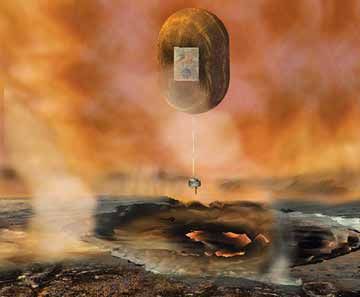
Venus Technology Plan

    Several assessments of Venus technology have been conducted in recent years. In 2006, NASA’s
Solar System Exploration Roadmap [4] included a Venus Mobile Explorer mission and an extensive
discussion of the required technology for this mission. In 2007, an assessment of extreme environments
technologies for planetary exploration was conducted under the leadership of Jet Propulsion Laboratory
(JPL) [5]. This was followed by a monograph focused specifically on Venus technologies [6]. In April
2009, the Science and Technology Definition Team (STDT) for the Venus Flagship Mission [7]
conducted an assessment of not only the new technology requirements for the Design Reference Mission
but also the mission and payload enhancements for a mission with greatly enhanced science return.
Finally, in September 2009, members of VEXAG submitted a white paper [8] to the Planetary Science
Decadal Survey on technologies for future Venus exploration. These are all important sources for this
document. However, the present Venus Technology Plan is guided by the specific recommendations of
the 2013 Venus Exploration Roadmap Topical Analysis Group and the Venus Goals, Objectives, and
Investigations document.
    VEXAG’s Venus Exploration Roadmap Topical Analysis Group has identified a number of mission
modes generally involving different types of instrument-carrying platforms that will be needed to conduct
the comprehensive investigation of Venus described in the Roadmap for Venus Exploration. These
mission modes require different degrees, and types of, technology. Later in this document we describe the
technologies that are needed to enable each of the mission modes.

      Fig. 3-1. Historical set of Venus missions: Mariner 2 (NASA), Pioneer Venus probe (NASA),
                Venera X (USSR), VeGA (USSR), Magellan (NASA) and Venus Express (ESA).

                                                    4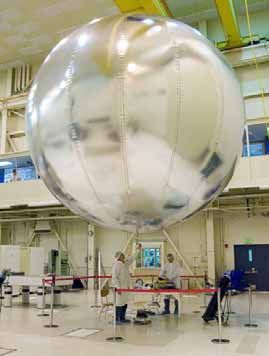
Venus Technology Plan

4.0                         Technology Plan Overview
    A summary assessment of the technologies needed for the Roadmap mission modes appears in
Table 4-1 (also see Figs. 4-1 and 4-2). The time frame in which each of these technologies is needed is
indicated in the second column: N is Near Term (this decade), M is Mid-Term (next decade) and F is Far-
Term (beyond the next decade).
    A more detailed description of the technologies needed for individual mission modes appears in
Sections 5, 6, and 7 and is summarized in Table 4-2A and 4-2B. The technologies are organized into three
categories: systems technologies (Section 5) apply at the scale of the spacecraft; subsystems technologies
(Section 6) include particularly important components of these systems; science instruments (Section 7)
must generally be tailored to the unique conditions at Venus.
    In Tables 4-2A and 4-2B, we have characterized the maturity of each technology with respect to the
mission mode with a color code, which is explained in the legend. For near-term missions (this decade),
technology maturity is very high (green) or high (yellow); for mid-term missions maturity (early in the
next decade) it is typically moderate (orange), and for far-term missions (later than next decade) it is
typically low (red). For those technologies in the yellow category we have indicated with an up arrow
where a funded program exists to bring the technology to full readiness within 1 to 4 years.
                                     Table 4-1. Framework for assessing technologies for Venus exploration.
                                                           Time
                                    Technology Area                                                               Assessment
                                                          Frame
                                                                  Aerobraking is a mature technology. Aerocapture requires development but is only needed for far‐term
                            Aerobraking and Aerocapture   N, F
                                                                  missions.
                                                                  Woven TPS or deployable technologies are needed for entry at Venus since the entry technology used on
                                                                  the Pioneer Venus missions can no longer be replicated. Descent and landing is easier than for Mars.
                            Entry, Descent, and Landing   N,M,F
   System Technologies

                                                                  Landing on the plains is an engineering issue. Landing on the tessarae requires new technology because
                                                                  of the complex topography.
                                                                  Technology for near‐term missions is mature. Near surface aerial capabiity would be one option for the
                            Aerial Platforms               N,F    "regional mobility platform" and does require substantial investment.
                                                                  Three classes of landed platform will be needed of increasing technical challenge: short duration
                                                                  containing analytical instruments (near term, current technology), long duration with geophysical sensors
                            Landed Platforms              N,M,F
                                                                  (mId term) and long durations with a complex instrument suite and surface mobility (far term).

                                                                  Ascent vehicles are only needed for Venus sample return. This is a very immature technology and much
                            Ascent Vehicles                 F     more demanding than for Mars surface sample return. Some concepts for Venus Surface sample return
                                                                  require the Venus Ascent Vehicle to descend to the surface.

                                                                  Thermoelectric generators capable of operating in a 460o C environment are needed for mid‐term
                            Power                          M,F    missions. For some far‐term missions, the efficiency of a mechanical converter (e.g., Stirling cycle is
                                                                  essential.
   Subsystem Technologies

                                                                  Extending life by a factor of 10 (to 25 hours) is feasible in the mid‐term with with passive cooling. Active
                            Thermal Control                M,F    cooling using mechanical coolers is essential for vehicles that must operate for periods of weeks to
                                                                  months with their payloads at Earth ambient.
                                                                  Advances in high‐temperature mechanisms would be enhancing for a first‐generation lander. High‐
                            Extreme Environments          N,M,F
                                                                  temperature electronics would be needed for the geophysical platform.
                                                                  Optical communications would be enhancing for an orbital radar mission. Proximity communications are
                            Communications                N,M,F
                                                                  needed to enhance data return from all in situ missions
                            Guidance, Navigation, and             Miniaturized low power systems are needed for localization and attitude knowledge on probes, aerial
                                                           M,F
                            Control                               platforms, dropsondes and for pinpoint landing in the Venus tessarae.
                                                                  Technology for implementing these missions is here today. Advances in radar and infrared techniques
                            Orbital Remote Sensing         N
                                                                  would be enhancing.
   Instruments

                                                                  Instruments for middle atmosphere exist but should be miniaturized. Sensors for chemistry in the lower
                            Probe and Balloon             N,M,F
                                                                  atmosphere need improvement.
                                                                  Need technologies in near term for "rapid petrology". In mid term, need geophysical sensors that
                            Surface in situ               N,M,F
                                                                  operate at Venus ambient. In far term, need totally new approaches for mobile laboratory.

                                                                                          5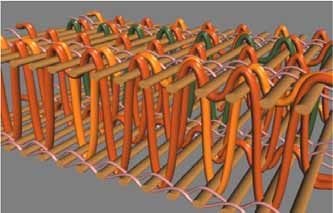
Venus Technology Plan

                      Table 4‐2A: Mission modes and applicable technologies for near‐term missions.

                                                                                        Near‐Term Missions
                                    Mission Mode                      Radar
                                                                                 Remote    Aerial
                                                                                                     Deep
                                                                                                             Multiple   Multiple   Lander ‐
                                                                                 Sensing Platform            Shallow    Shallow    Smooth
                                                                      Orbiter                        Probe
                                                                                 Orbiter Sustained           Probes     Sondes      Terrain
                      Aerobraking
                      Entry
                      Descent and Deployment
                      Landing
                      Aerial Platforms
                      Landers ‐ Short Durations
                      Energy Storage‐ Batteries
                      Energy Generation ‐ Solar
       Subsysystem

                      Thermal Control ‐ Passive
     Technologies

                      High temperature mechanisms
                      High temperature electronics
                      Communications
                      Guidance, Navigation and Control
                      Remote Sensing ‐ Active                           MM        MM
        Insutrument

                      Remote Sensing ‐ Passive                          MM        MM
                      Probe ‐ Aerial Platform                                               MM       MM        MM         MM
                      In Situ Surface ‐ Short Duration

                               Very High. Ready for flight. Same as                                    High. Limited development and
                               TRL 6                                                                   testing still needed

     MM                        Mix of Maturity. Some ready for flight                                  High. Funding is in place to advance
                               but others at various maturity levels                                   to Very High in one to four years

                      Fig. 4-1. Artist’s concepts of the near-term Venera-D and Venus Climate Mission.

                                                                             6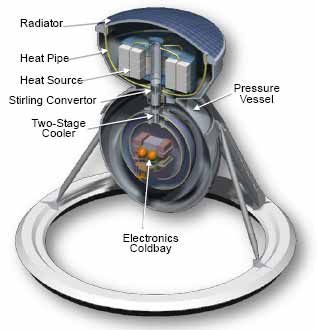
Venus Technology Plan

                      Table 4-2B. Mission Modes and applicable technologies for Mid-Term and Far-Term Missions
                                                                                                                  Mid‐Term Missions                       Far‐Term Missions
                                                                     Mission Mode                       Lander        Lander Multiple Mutli
                                                                                                                                               Lander   Mobile
                                                                                                                                                                  Mobile    Sample   Sample
                                                                                                        Rough          Long   Deep Deep                            Near     Return   Return
                                                                                                                                              Network   Surface
                                                                                                        Terrain      Duration Probe Sondes                        Surface   Clouds   Surface
                                                      Aerocapture
                                                      Entry
                                                      Descent and Deployment
                           System Technologies

                                                      Landing
                                                      Aerial Platforms
                                                      Landers ‐ Short Durations
                                                      Landers Long Duration ‐ Geophysica
 Applicable Technologies

                                                      Mobile Platform ‐ Surface or near surface
                                                      Ascent Vehicle
                                                      Energy Storage‐ Batteries
                           Subsysystem Technologies

                                                      Energy Generation ‐ Radioisotope Power
                                                      Energy Generation‐Alternative Sources
                                                      Thermal Control ‐ Passive
                                                      Thermal Control ‐ Active
                                                      High temperature mechanisms
                                                      High temperature electronics
                                                      Communications
                                                      Guidance, Navigation, and Control
                                                      Remote Sensing ‐ Active
                           Insutrument

                                                      Remote Sensing ‐ Passive
                                                      Probe ‐ Aerial Platform
                                                      In Situ Surface ‐ Short Duration
                                                      IN Situ Surface ‐ Long Duration ‐ Geophysical
                                                      In Situ Surface ‐ Long Duration ‐ Mobile Lab

                                                                           Very High. Ready for flight. Same as                               Moderate. Major R&D effort
                                                                           TRL 6                                                              needed.
                                                                           High. Funding is in place to advance to                            Low. Major R&D effort needed with
                                                                           Very High in 1‐4 years                                             notable technical challenges.

                                                                           High. Limited development and testing
                                                                           still needed

                                                                Fig 4-2: Artist concepts of future mid-term and far-term Venus missions.

                                                                                                                        7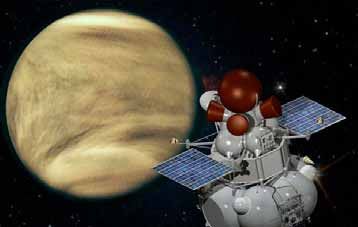
Venus Technology Plan

5.0       System-Level Capabilities
    System-level capabilities are typically at the level of the mission modes described in the RVE. It is
important to recognize that these capabilities cannot be considered in isolation. These system-level
capabilities will generally flow down to one or more subsystem technologies described in Section 6.0.

5.1     Aerobraking
    Aerobraking technology uses atmospheric drag to modify the orbit of a spacecraft incrementally as
the spacecraft dips into the tenuous reaches of the upper atmosphere of the planet. Aerobraking was
employed on the Magellan mission to lower the spacecraft orbit to a configuration more suitable for radar
mapping, and it was used later in the mission to circularize the orbit for gravity observations. Aerobraking
has been used for obtaining circular orbits on Mars missions.
    ESA’s Venus Express will perform a number of aerobraking maneuvers largely motivated by the
need to characterize variability in the upper atmosphere. The RVE identifies mission modes – two near-
term orbital missions that might benefit from aerobraking. The technology is mature, but the spacecraft
design (and particularly that of the solar panels) must be compatible with the Venusian heat and stresses
generated. Measurements from Venus Express during aerobraking maneuvers will be relevant to future
use of aerobraking at Venus and specifically to how aggressively the maneuvers can be executed to
reduce the time needed to achieve the desired orbit.

5.2      Aerocapture
     Aerocapture technology is similar, in some ways, to aerobraking technology. The key difference is
that the objective is to achieve orbital capture, and this requires a larger velocity change than aerobraking.
Specialized drag and lifting structures, essentially identical in nature to those discussed in the Subsection
5.3 on entry technology, are employed. Aerocapture has not yet been employed on a planetary mission,
and none of the near-term or mid-term Mission Modes in the RVE require aerocapture. However, for
Venus Surface Sample Return, the spacecraft that brings the sample back to Earth needs to be in a low
near-circular orbit to minimize demands on the sample ascent stage from Venus, and aerocapture could be
highly beneficial in achieving this orbit.

5.3     Entry
    Entry technologies are needed for implementation of all mission modes designated in Table 4-1
except for remote sensing missions. Although successful entry at Venus has been accomplished many
times by Soviet, and later Russian landers, and by both a large probe and three smaller NASA probes,
some of the thermal protection technologies used in those NASA missions are no longer available.
Several alternative approaches have been identified with the following has been or is under development:
      1. Heritage Carbon Phenolic: This solution requires a descent into Venus at high entry angles to
          mitigate the cumulative heat load imposing high-g loads on payloads [9]. Attempting to replicate
          the material used in previous Venus missions is one approach. Its advantage is that it has been
          proven to work. The shortcoming is that it would be extremely challenging to reproduce a similar
          family of materials as the manufacturing processes have atrophied. Consequently, raw material is
          no longer available, and it would be expensive to qualify replacement materials. Moreover, this
          solution is prone to premature obsolescence.
      2. 3-D Woven Thermal Protection System (Fig. 5-1): The use of 3-D woven materials infused with
          resin to withstand a broad range of entry environment to result in mass-efficient ablative thermal
          protection system (TPS) is currently under development by NASA’s Space Technology Mission
          Directorate (STMD) and has the potential for infusion into missions in the next few years. The
          properties of this manufacturing technique permit the ablative TPS to be tailored to a preferred
          trajectory dictated by Venus missions and thereby reducing the entry environment (heat-flux,

                                                      8
Venus Technology Plan
pressure, and g-load). A currently funded development will result in demonstrating a small 1.5-m
aeroshell scalable to much larger aeroshell diameters. This development is considered to bring the
state of development of the larger aeroshell needed for a Venus lander to a technology readiness
level (TRL) 5/6 by the end of fiscal year 2016 (FY’16). Thus, while the current state of readiness
is yellow, the up arrow indicates the projected progress in the next few years (given adequate
funding) will raise it to mission infusion readiness. A key part of the plan is to use the new testing
capabilities funded by the NASA Science Mission Directorate (SMD), which make it possible to
test material samples under the severe conditions of Venus entry.
Fig. 5-1. High Energy Entry Environment Technology (HEEET) employs a woven thermal
protection system material (left) with the flexibility to be fashioned into the curved protective
surface of an aeroshell (right).
3. Adaptable Deployable Entry and Placement Technology (ADEPT) (Fig. 5-2): This approach
involves reducing the ballistic coefficient of the payload by an umbrella-like deployment of a
large-area heat shield. The ADEPT Full Scale Demonstrator Project, which is an STMD Game-
Changing Development (GCD) Program-funded new start project in FY’14. This is focused on
the design, development, and integrated ground test of a 6-m mechanically deployed decelerator
capable of delivery of payloads as massive as 1000 kg (while keeping peak deceleration loads
below 30 g’s). The ADEPT system decelerates much higher in the atmosphere and results in
much lower peak heating. As such, no advanced thermal protection material development is
needed, and testing is well within the range of existing facilities [10]. There are also inflatable
versions of the ADEPT approach – the Hypersonic Inflatable Aerodynamic Decelerator (HIAD),
which have been tested in Earth re-entry tests. A concept for a Venus Atmospheric Maneuverable
Platform (VAMP) envisages using an inflatable structure for entry and flotation [11]..
Fig 5-2. The ADEPT heat
shield deploys in umbrella-
fashion from the folded
condition on the right to the
fully deployed state
at left.
9Venus Technology Plan
5.4 Descent and Deployment
Descent/deployment capabilities are relevant to the same mission modes as for entry. For probes and
landers, it is necessary to control the rate of descent and stabilize vehicle attitude during its passage to the
surface through a progressively denser atmosphere.
For a probe mission, velocity and probe attitude must be controlled during descent to provide
adequate time to sample the different regions of the atmosphere, while limiting the dwell time at altitudes
where the environment is harsh (e.g., hot and corrosive). This may require different sizes of parachutes or
other aerodynamic structures. Special materials must be used to accommodate the high temperature and
acidity of the atmosphere, but these materials are available. For a landed mission, the objective is usually
to bring the vehicle to the surface as quickly as possible to minimize the thermal input to the landing
module. Maintaining attitude stability and minimizing jitter during descent is important to acquire images
during descent with minimal motion blur. These are engineering challenges with no new technology
required.
For aerial platforms it is necessary to establish the conditions required for successful deployment of
these vehicles. A successful balloon deployment and inflation test was conducted in the Earth’s
atmosphere during parachute descent at a velocity of 6.5 m/s [12]. This descent velocity is readily
achievable for deployment in the mid-cloud level of the Venus atmosphere (57–65 km). The needed
descent velocity for airplane deployment is dependent of the specific design of the aircraft, but again the
dense atmosphere is favorable.
Drop-sondes deployed from an aerial platform could be used to sample the atmosphere in multiple
locations. Deep drop-sondes, which are able to descend close to the surface, could be used in conjunction
with the platforms that deploy them to relay large amounts of high-resolution imaging data on potential
landing sites but would require technology development in order to generate images near the surface.
5.5 Landing
Landing on Venus is much more benign than landing on Mars. The RVE calls for the near term
(current decade) capability of landing on the smooth terrains, similar to where the previous Venera
landers were successfully deployed. Landed missions to much rougher terrain, the tesserae, which have
not yet been explored, are deferred to the mid-term.
There are two general approaches to the challenge of landing on the rough terrain. One is to make the
lander system robust to all possible eventualities. This is not just about surviving but also being
positioned on the surface to carry out the science mission; a vehicle that tips over and prevents its
sampling arm from reaching the surface may result in mission failure. The other approach is to find a safe
area within the general area of challenging terrain and target that safe area. This second approach is the
generally preferred approach—as it is for landing on Mars and Europa, as recent analyses have shown. It
would also enable improved science through precision targeting.
For a mid-term mission, it would be feasible to draw on the pin-point landing and hazard avoidance
technologies that have been developed by the Mars program and also by the Space Technology Mission
Directorate (STMD) under the Autonomous Landing and Hazard Avoidance Technology (ALHAT)
program [13].
1) Pin-Point Landing involves guiding the vehicle to a designated point on the surface by
correlating images obtained from the lander as it descends with a map of the Venus surface. For
Venus, the descent images would probably be acquired in the infrared. The reference map would
be based on radar—either from Magellan or a new mission. Using heterogeneous data sets like
this has been studied and appears feasible. The control function would be quite different from
landing on Mars and would use a steerable parachute and not propulsion. This approach is not
new and has been used in precision drops from aircraft for several decades. However, for Venus it
10Venus Technology Plan
would be necessary to study how large an initial landing error could be compensated for and how
precise the ultimate landing could be. The state of readiness is characterized as yellow.
2) Hazard Avoidance, which could be used independently or in combination with pin-point landing,
is a different concept. It uses would use surface information (imaging, LIDAR, and radar) during
the final stages of descent to identify areas of hazard and to avoid them. For an unknown surface
like Venus, knowledge of what the hazardous areas on the surface look like and what dangers
exist would be valuable. Once that knowledge exists, it also makes it possible to design robust
and resilient landing systems.
5.6 Aerial Platforms
The Roadmap finds that aerial platforms (Fig. 5-3) are “generally at an advanced state of readiness”
although they may require improvements in instruments, power, communications, and support
capabilities for specific mission architectures. Some of those needed improvements are identified here and
elaborated upon in parts of Section 6 .0 Subsystems and Section 7.0 Instruments.
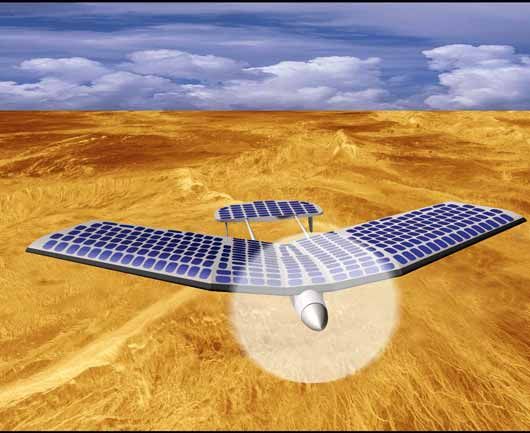
Fig 5-3: The most mature aerial platform concept is the super-pressure balloon concept (left).
Solar powered conceptual airplanes (right) have been proposed for controlled flight on the day-
side of Venus.
The most mature aerial platform designed for operation near 55 km is the super-pressure balloon.
Two 3.4-m diameter helium super-pressure balloons were successfully deployed and flown in June 1985
by the Soviet Union. Each balloon returned in situ measurements for about 48 hours. It was tracked by an
international consortium, led by the Soviet Union and France, and in which NASA participated. Over the
last decade, work at NASA and to a lesser extent at ESA, has focused on balloons with a larger payload
capability and a potential life time of several months [14]. The technology for a Venus balloon with a
payload capacity of 45 kg has been demonstrated and is ready [12] to fly. Development of a larger 7-m
balloon with a 100-kg capability is under way and should be complete by 2015.
Approaches for accessing higher parts of the atmosphere (~65km) focused on identifying the nature
of the ultraviolet absorber were discussed at a Science and Technology Interchange Meeting (STIM) on
11Venus Technology Plan
the Venus Upper atmosphere that was held in January 2013 at the Glenn Research Center [15] and
included advanced balloon concepts for higher altitude flight on Venus, solar powered airplanes, and
hybrid blimps [16]. Buoyant vehicles that could operate in the lower atmosphere are considered below
under Mobile Platform at or Near Surface.
Subsystem developments that could enhance the performance of a balloon include wind assisted
balloon navigation and autonomous on-board landmark-based navigation. They require advances in on-
board guidance and control.
5.7 Lander Platforms
5.7.1 Landers – Short Duration
During the 1970s and 1980s, the Soviet Union successfully landed seven probes (Venera 8, 9, 10, 13,
14, and VEGA 1 and 2) that operated on the surface of Venus for periods of 1 to 2 hours and returned
images as well as other scientific data. This was accomplished with thermally insulated vehicles that
maintained imaging sensors, communications systems, computers, and energy storage systems at
temperatures below 100°C. The vehicles consisted of insulated pressure vessels, which also contained
solid-liquid phase-change material (PCM) to extend surface lifetime. Deployment of similar short-
duration missions using passive thermal control, which can survive on the surface of Venus for a period
of hours, is viewed as an engineering development rather than a technology development.
Work in the last 5 years, has opened up the possibility of extending the lifetime of these landers by an
order of magnitude to 20 to 25 hours—making it possible to carry out missions in which scientists have
time to respond to the data and make decisions on limited follow-up observations rather than a totally
autonomous mission of 2 to 3 hours duration. These technologies include the use PCMs employing the
liquid-vapor transition in water and ammonia [17]. These technologies are unlikely to be demonstrated for
a mission in this decade but should certainly be considered, and developed if deemed feasible, for a mid-
term lander mission to the Venus tesserae.
5.7.2 Landers – Long Duration – Geophysical
The Venus Exploration Roadmap specifies the need for a platform in the mid-term that would
investigate the structure of Venus’s interior and the nature of current activity, and it would conduct the
following measurements:
a. Seismology over a large frequency range to constrain interior structure;
b. Heat flow to discriminate between models of current heat loss;
c. Geodesy to determine core size and state and
d. Electromagnetic (EM) sounding to constrain gross interior layering. The specified mission mode
is a geophysical lander with a life-time of ~1 Venusian year.
The technical feasibility of a mid-term mission mode that could conduct long-term precision
geophysical measurements in the high temperature Venus environment is highly uncertain. Two
approaches might be considered:
1) Active Cooling: This approach would involve active cooling of the lander with Stirling power
generation and refrigeration. The technical challenges are formidable and, in addition, would
require a large amount of radioisotope material. It is a more realistic target for the far-term.
2) High Temperature electronics: This approach has more promise for mid-term missions. The key
question is whether measurements of adequate sensitivity could be made. This topic is examined
in Section 7.4. If the scientific requirements were relaxed, this approach could be feasible
12Venus Technology Plan
Power for this mission mode could be provided by radioisotope power using a thermoelectric
transducer exploiting the Peltier effect. Although currently available Multi-Mission Radioisotope
Thermoelectric Generators (MMRTGs) are not designed to operate in this environment, there are
thermocouples that are capable of operating very efficiently under conditions where the cold junction of
the devices is at Venus surface ambient temperature.
5.7.3 Mobile Platform – Surface or near surface
The RVE calls for a mobile platform (Fig. 5-4) that would operate on the surface or in the lower
atmosphere with a mobility range of tens to hundreds of kilometers to analyze surface compositional
variations on a regional scale. Instruments on this platform would conduct geochemical and mineralogical
measurements at multiple sites, undertake remote sensing from low altitudes (Venus Technology Plan
The mobility range for such vehicles is a lesser challenge, although still formidable. Concepts for
floating platforms capable of traversing the altitude range of the Venus surface and hence accessing all
terrain types have been devised; however, the near surface conditions on Venus are not well known.
Wheeled or legged vehicles require many more mechanisms that would be vulnerable to the conditions
near the surface and issues of long-term exposure to the corrosive conditions of the near surface would
need to be explored. Attaining the designated 10- to 100-km range would be challenging.
5.8 Ascent Vehicle
The RVE has identified Venus Surface Sample Return (VSSR, Fig. 5-5) as a long-range objective.
Past studies of VSSR [18] have used architectures modeled on Mars Surface Sample Return in which a
sample canister would be brought from the surface to Venus orbit where it is captured by an orbiting
vehicle. Since the planet Venus is comparable in size with the Earth, injecting that sample from the
atmosphere to Venus orbit would be comparable to doing the same thing on Earth. The referenced VSSR
design concept includes a 2-kg sample canister and a three-stage launch system with a mass of
approximately 500 kg and providing a total delta V of almost 8.5 km/s. The concept is at a very low level
of maturity and is not likely to advance before there is progress in the development of ascent vehicles for
Mars Surface Sample Return, which is a much easier task. Note also that the ascent vehicle is one of
several technologies in the red category for the VSSR mission.
A more tractable sample return objective for Venus would be a cloud sample from the “habitable
zone” near 55-km altitude. This could be viewed as an initial step towards an ultimate surface sample
return. However, so formidable are the technical challenges of VSSR that other approaches to achieving
the scientific objectives should be considered.
Fig 5‐5: Artists concept of Venus surface sample.
14Venus Technology Plan
6.0 Subsystem Technologies
This section focuses on those subsystem elements that are critical to the implementation of the
systems solutions discussed above.
6.1 Power Subsystems
6.1.1 Energy Storage – Batteries
Of the mission modes described in Table 4-1, many could be implemented successfully with existing
technology from orbiter, balloon as well as probe and lander missions. Long-duration landers are one area
where technology development may be needed. If long-duration landers could be implemented with
sufficiently low-power consumption, then batteries may be a reasonable option; this trade needs to be
examined. Secondary batteries may also be required to handle peak loads in conjunction with a robust
radioisotope power system.
6.1.2 Energy Generation – Solar
Remote sensing from space with orbital or flyby missions could be implemented with existing
capabilities. Solar power is not needed for short duration probes or landers but may be a viable for long-
lived aerial platforms designed to float within the clouds. For landers deployed on the surface, the amount
of solar energy reaching the surface is limited, and the challenges of developing efficient energy
converters to operate at these temperatures are so formidable that solar energy is not a practical solution.
Solar cells that operate at higher temperatures generally do so at the expense of only sensing blue and
ultraviolet radiation, and very little radiation of these wavelengths penetrates to the surface of Venus.
Advances in solar power technology could be enabling for aerial platforms for operation within or
above the clouds. Airplanes require efficient, lightweight, and acid-resistant panels clad on both sides of
the deployable wings of an airplane. Long-duration balloons are less demanding since no power is needed
to maintain lift, but very lightweight, acid-resistant systems are needed to minimize the payload mass.
6.1.3 Energy Generation – Radioisotope Power
Radioisotope power could play an important part in the in situ exploration of Venus. Near the surface
there is very little solar power for a long-duration mission. Floating platforms could benefit from
radioisotope power on the night side of Venus (although trades with battery options are needed), and as
these platforms approach the polar vortex, radioisotope power could extend operations.
1) Advanced Stirling Radioisotope Generator (ASRG): A highly efficient Stirling engines coupled
with linear alternators to convert radioisotope heat to electrical energy. This technology could be
implemented on an aerial platform at Venus provided it uses a low ballistic coefficient entry
system, such as ADEPT, to mitigate the g loads on entry. The development of ASRG flight units
was cancelled in November 2013. Its future prospects are uncertain although the Sterling engines
remain in development.
2) ASRG for High G Conditions: For such entry systems, the ASRG would need to be ruggedized
so that it could tolerate and operate through the entry phase. The feasibility of this has not been
assessed. There is no current development work on such a device.
3) ASRG for High Temperature: For operation near the Venus surface, a version of the ASRG
capable of operating with its cold end near Venus surface temperatures of approaching 500oC is
needed. Research was performed on this very challenging development but is no longer being
conducted. Because this device will require high-temperature electronics, we have classified its
technology readiness as Low.
15Venus Technology Plan
4) High Temperature Thermoelectric Converter: This is an alternative to the ASRG for operation
near the Venus surface. It would be designed to operate with its cold end at Venus ambient. We
consider its readiness to be moderate because it does not require high temperature electronics.
6.1.4 Alternative Energy Sources
For long duration operation, deep within the Venus atmosphere, it is possible to exploit wind shear
and temperature gradients to harvest energy. One technological approach was described in the Venus
Geoscience Aerobot study19. In this concept, a reversible fluid balloon, cycling up and down used the
Venus atmospheric temperature gradient as a heat engine and also harvested power with a rotor beneath
the balloon. There are certainly other approaches that should be considered.
6.2 Thermal Control
6.2.1 Passive Thermal Control
Thermal control systems serve two functions in deep-atmosphere and surface probes. The first is to
minimize the heat transfer from the environment to the probe. The second is to accommodate the heat
generated by the internal components (e.g., power system, transmitter, and instruments). Passive thermal
control was used on each of the Venera landers that operated for up to 2 hours on the surface of Venus.
The elements are a) insulating materials to prevent heat leaking into the lander b) the thermal capacity of
the lander, and c) phase-change materials (PCMs) to absorb the heat entering the lander to mitigate the
temperature rise. Minimizing the heat leaks due to windows and cabling is an important part of the design
process.
1) Large Landers: The readiness of this technology is very high for lifetimes of 2 to 3 hours. As
noted in Section 5.3, liquid vapor PCMs may extend this by a factor of 10, but the technology is
immature. Techniques use either water or ammonia as the phase change material, and the PCM
may be coupled with a lithium getter to avoid the need to vent to the atmosphere.
2) Microprobes/Dropsondes: The major impact of technology advances could be in extending the
performance of these devices. At present, it is not clear how small a device could be built that
would survive and operate down to the surface using conventional silicon technology.
6.2.2 Active Thermal Control
Following an extensive assessment of the technology, the 2007 Extreme Environments Report
identified an approach to a scalable, efficient, powered refrigeration/cooling system for maintaining
temperatures at operational levels for the payload and the subsystems for extended periods of time (as
long as months) [5]. The current state of development of active thermal-control technologies (Fig. 6-1)
capable of operating in the Venus near-surface environment is low. At present, active coolers also require
very high power that needs the efficiency of a Stirling-type radioisotope generator to be feasible.
6.3 Extreme Environments Technologies
6.3.1 High-Temperature Electronics
There are several technical approaches to exploring the surface or near-surface of Venus:
1) Medium-Temperature Semiconductor-Based Electronics: Medium-temperature (200–300°C)
electronics are not only technically less difficult than electronics that operate at Venus surface
temperatures but also have terrestrial commercial applications. A broad set of component options,
including microprocessor and memory devices exist. For Venus surface missions, medium-
temperature electronics could be used along with a Stirling-based power system/cooler. The use
of medium-temperature electronics with cooling systems would significantly reduce the delta-T
required, and hence reduce the amount of power required to achieve long-duration surface
missions as compared to systems cooled to Earth-ambient temperatures. These electronics could
16Venus Technology Plan
be used for aerial platforms operating near or below the cloud base, where temperatures reach
values higher than can be tolerated by conventional silicon electronics. In this case, no cooling
systems would be needed.
Fig. 6-1. Concept for active thermal control of a long-lived Venus lander uses Stirling-cycle
technology for both generating electrical energy and cooling the electronics bay to enable
operation at Venus surface ambient temperature.
2) High Temperature – Semiconductor-based electronics (Fig. 6-2). Two material systems—silicon
carbide and gallium nitride—are being developed in research efforts spearheaded at NASA Glenn
Research Center. In silicon carbide electronics, basic electronic components have been
demonstrated with long-term operation of thousands of hours at 500°C. The level of complexity
that is possible is closer to that of the early 1960s development of silicon electronics. Memory is
very limited and has relatively high power consumption. In Gallium Nitride Electronics, high-
electron-mobility transistor devices with pinch-off values of less than 2 V have been
demonstrated at 500°C. More advanced circuits that are under development have increased
complexity. Substrates, passive components, and integration techniques (as well as packaging)
require development. This technology is still at a very low level of maturity.
Fig 6-2. High temperature semiconductor technologies with potential for operation
at the Venus surface.
3) High Temperature – Digital Vacuum Electronics: Recent efforts in this area have exploited the
properties of carbon nanotube electron sources which operate as field emitters without the need
17Venus Technology Plan
for a heated cathode. This field is immature but shows a great deal of potential for low-powered,
high-temperature memory and logic devices because, unlike semiconductors, there are no
temperature-dependent leakage currents to deal with [20].
6.3.2 High-Temperature Mechanisms
There are a broad range of mechanism requirements for Venus surface missions and lower
atmosphere missions, of which only some can be touched on here:
1) High-temperature mechanisms for surface missions: A substantial amount of development is
needed in this area. Motors exist today that have operated for long periods at Venus surface
temperatures. However, feedback systems require development of high-temperature encoder
systems. Many of the required mechanism components, materials, lubricants, etc. have been
developed for operation at Venus temperatures. Significant materials development, along with
and testing and qualification for the Venus environment is still required, especially at the system
level.
2) High-temperature mechanisms for sample acquisition and storage: Sample handling and caching
techniques need to be tested with the mechanisms and instruments for the Venus surface
environment. This includes the algorithms for control and various faults conditions.
6.4 Communications
As with Mars, we need to consider communications for the “Trunk Line” between Venus and Earth
and the proximity communications between assets that are deployed to accomplish specific science
activities and those assets (typically orbiters) that have the powerful trunk line communications
capabilities. These trunk line communications would be:
1) Communications for orbiters: Communications systems exist today for Venus orbiters with the
ability to communicate at rates up to 10 Mb/s. However, optical communications for Venus-to-
Earth communications would enhance the data rate for the missions by at least a factor of 10.
Development of three key enabling components of a deep space optical communications system
has been is being conducted by the Space Technology Missions Directorate (STMD) Game
Changing Development program: a low frequency vibration isolation platform; a ground-based
photon counting array; and a flight photon counting receiver for the uplink signal. First use on a
science mission now projected to be for a 2024 launch and mission that would still retain a radio
frequency communications capability. An important part of the overall plan is that ground
infrastructure plans must also move forward. An initial demonstration capability using an existing
optical telescope (Palomar Mountain in 2024) and a NASA 10-m optical ground station that is
planned for completion by 2025. The European and Japanese Space Agencies (ESA and JAXA,
respectively) optical ground stations are also under discussion. A technology demonstration
mission is planned that would demonstrate optical communications on a planetary mission. This
could greatly enhance the capabilities of any future Venus mission involving radar imaging and
interferometry.
2) Proximity Communications - probes, sondes and aerial platforms: Communications systems also
exist for atmospheric or short duration surface missions supported by relay orbiters. Application
of the Mars relay link communication protocols would enable asset leveraging. For in situ
atmospheric missions with direct-to-Earth communications, the development of phased-array
antennas and other more efficient antenna designs would greatly enhance data return.
3) Communications on the Surface: Surface-to-orbit or Earth communications systems for long-
duration surface missions require significant research and development. Close proximity (2-m,
wired or wireless) high-temperature communication systems have been demonstrated for 24 days,
however, lifetimes need to be extended for long-duration applications.
18Venus Technology Plan
6.5 Guidance, Navigation, and Control
Guidance, navigation, and control (GN&C) for the orbital spacecraft envisaged here present no
unusual requirement. For the in situ elements, GN&C is needed for a range of motion planning, sensing,
and vehicle control tasks to achieve desired maneuvers in order to accomplish specific goals. A recent
assessment of GN&C technologies covers in situ missions at Mars, Venus, and Titan [21]. Here, we focus
specifically on the state of technology for Venus missions.
1) Landed Missions—Pin-Point Landing: As described in the landing section (5.5) above, the
application of pin-point landing and hazard avoidance technologies would be important for safe
landing of a mid-term landed mission to the Venus tesserae. While much of this technology has
been developed for other applications, the Venus-unique needs include infrared sensors for
imaging the surface during much of the descent phase as well as techniques for matching
heterogeneous data sets, in this case infrared and radar imaging data to support pin-point landing.
2) Aerial Platforms—Velocity and Attitude: Knowledge of the velocity and attitude of the platform
is important for certain scientific objectives as well as for enabling high-gain communications.
Recently, developments of navigation systems for micro-aerial vehicles (MAVs), which use only
a downward-looking camera and an inertial measurement unit to achieve real-time and on-board
autonomous navigation, would be applicable here. These systems have comparatively modest
processing requirements [22]. Aerial missions with high-data return requirements, or precise
pointing, are needed to achieve science objectives. A specific requirement is low-power infrared
cameras for locating surface features. These features can be used not only to localize the platform
but also compute its attitude.
3) Aerial Platforms – Global Localization: Venus missions that need very precise knowledge must
couple the capabilities described above with referencing to a global map of Venus. Since the
global map is based on radar data and the platform will most probably use infrared imaging for
localization, it will be necessary to extract features from the images in order to correct for the
distinctive nature of the sensor signatures [23].
4) Mobile Platforms on The Venus Surface or in the Lower Atmosphere: Advanced GN&C
technologies would be useful for precision landing although there is no explicit requirement for
precision landing in the missions in the Roadmap. Attitude knowledge will be needed for high-
gain communications from the mobile vehicle.
19You can also read


