Video Sharing Platforms: Ofcom's Plan and Approach - Published 6 October 2021
←
→
Page content transcription
If your browser does not render page correctly, please read the page content below

Video Sharing Platforms:
Ofcom’s Plan and Approach

                Published 6 October 2021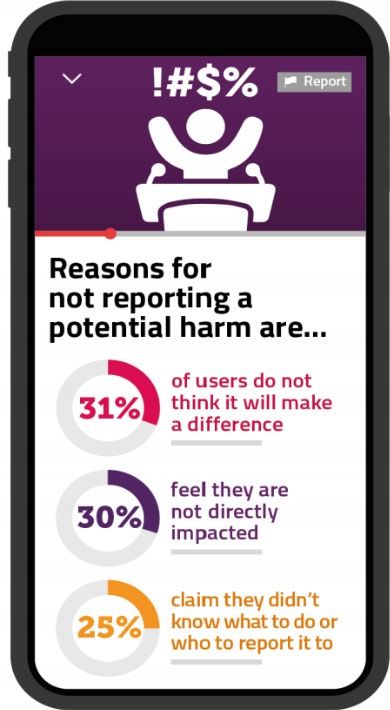
A message from Kevin Bakhurst
Ofcom’s Group Director of Broadcasting and Online Content
This paper sets out Ofcom’s approach and plan of work around video sharing platforms –
websites and apps, established in the UK, that allow users to share video, such as TikTok,
OnlyFans and Twitch.
‘VSPs’ are an important part of people’s lives.
But we know from our research that seven in
ten users have experienced something
potentially harmful while using them. To help
address this, Ofcom has been given new duties
to oversee certain aspects of how VSPs operate.
Unlike in our TV and radio work, that does not
mean assessing individual pieces of content.
Instead, the requirements focus on having                 annual VSP report, assessing progress against
systems and processes that protect users from             these aims and enabling users to see how their
harmful material.                                         services are working to tackle harm.
Specifically, VSPs need to use the measures set           This experience will help us prepare for
out in law, where appropriate, to protect                 additional responsibilities to regulate online
children from potentially harmful content – and           content in future. That will come in the form of
all users from certain types of illegal content and       the Online Safety Act, which would tackle a
incitement to violence or hatred. Ofcom’s job is          much wider range of harms – and provide a
to ensure VSPs take appropriate measures to               greater set of duties and powers for Ofcom –
protect their users – and, if not, to take action.        than the current VSP regime. Nonetheless, the
Ofcom has been developing and implementing                regimes are similar. Both are based on the
the regulatory framework to support the new               systems and processes that companies use to
VSP rules, concluding today with the publication          protect their users. And Ofcom’s role requires us
of our accompanying VSP guidance. Separately,             to take account of users’ rights, including
this document sets out what we’ll do over the             freedom of expression, which is the lifeblood of
course of this regime to raise standards in user          the internet.
protection and address areas of poor                      So our VSP work provides an early opportunity to
compliance. In the next twelve months we plan             improve user safety and assess the impact of our
to focus in particular on: reducing the risk of           online work. I hope this paper helps explain our
child sexual abuse material on adult sites; laying        approach to that important task.
the foundations for age verification on those
sites; tackling online hate and terror; ensuring an
age-appropriate experience on platforms
popular with under-18 ; and ensuring VSPs’
processes for reporting harmful content are
effective. In Autumn 2022 we’ll publish our first

                                                      1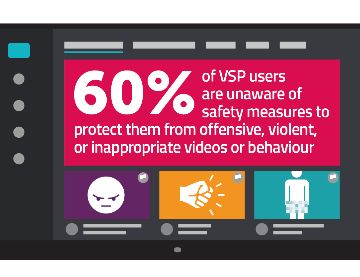
The VSP regime – in brief
Ofcom is the regulator for video-sharing                 •   Applying appropriate age assurance and/or
platforms (VSPs) established in the UK. The                  parental control measures to protect under-
regime is set out in Part 4B of the                          18s
Communications Act 2003 and stems from the               •   Establishing easy-to-use complaints processes
European Audiovisual Media Services Directive of         •   Providing media literacy tools and
2018. The requirements came into effect on                   information
1 November 2020 – and since then we have been
                                                         You can read more about the regulatory
developing and implementing the regulatory
                                                         requirements, the harmful material VSPs must
framework. This has involved consulting with a
                                                         protect users from, and the measures VSPs must
broad range of stakeholders to inform the
                                                         consider taking, in [Ofcom’s Harms and Measures
development of regulatory guidance.
                                                         Guidance].
VSP providers in UK jurisdiction are legally
                                                         Unlike in our broadcasting work, Ofcom’s role is
obliged to notify their service to Ofcom. Service
                                                         not focussed on determining whether particular
providers must make their own assessment of
                                                         items of content should or should not be made
whether their service meets the legal criteria. We
                                                         available or whether they comply with specific
have published guidance to assist providers,
                                                         content standards. Rather, our role is to ensure
Video-sharing platforms: who needs to notify?
                                                         platforms have safety systems and processes in
Currently, 18 services have notified Ofcom as
                                                         place that provide effective protection to their
meeting the relevant criteria. Many VSPs will not
                                                         users from the harms mentioned above. We will
be in scope because they do not meet the
                                                         draw on a wide range of evidence in assessing the
jurisdictional criteria but might be regulated by
                                                         measures platforms take and in considering the
EU Member States.
                                                         need for any safety improvements, including the
Under the new regime, VSPs must protect all              types of content available to users on platforms.
users from material likely to incite violence or
                                                         Ofcom has new information gathering powers
hatred against particular groups and content
                                                         under the VSP regime to collect and report on
which would be considered a criminal offence
                                                         information from in-scope VSPs about the
under laws relating to terrorism; child sexual
                                                         measures they are taking to keep users safe. The
abuse material; and racism and xenophobia. They
                                                         first of these Annual VSP Reports will be
must also protect under-18s from material which
                                                         published in the Autumn of 2022.
might impair their physical, mental or moral
development. Standards around advertising must           The Government has stated its intention for the
also be upheld.                                          VSP Regime in the UK to be superseded by the
                                                         online safety regime under the Online Safety Bill
In order to protect the general public and under-
                                                         currently going through pre-legislative scrutiny.
18s from harmful videos, VSPs must take
                                                         The earlier introduction of the VSP regime will
appropriate measures, which may include:
                                                         provide an important foundation to inform and
•   Having, and effectively implementing, terms          develop the future online safety regime.
    and conditions for harmful material
•   Having, and effectively implementing,
    flagging, reporting or rating mechanisms

                                                     2
What VSP regulation can achieve
Video-sharing platforms (VSPs) are a type of online video service that allow users to upload
and share videos. They are widely used by a broad range of UK internet users, with 97% of
the UK online population accessing at least one of them in the last year. 1
VSPs are popular across all age groups, socio- Companies have too often prioritised growth
economic backgrounds and ethnicities. While without giving sufficient consideration to user
there was an increase in watching online videos safety. We have seen harms increase rapidly,
by all age groups during the Spring 2020 driven by the same data and network effects that
lockdown, this was particularly pronounced turbocharged the adoption of online services
among young people. Nearly three-quarters across the world.
(74%) of 15-24 year olds in the UK reported
Ofcom’s research found that 70% of those who
watching short videos online every day during
use VSPs had seen or experienced something
that period.
potentially harmful in the past three months. A
VSPs offer huge benefits for users and the third of users (32%) witnessed or experienced
economy, providing platforms for hateful content, 2 and one in five (21%) had been
communication, creativity and self-expression. exposed to videos or content on a VSP that
Video content can be uploaded by individuals encouraged racism. Exposure to this type of
who have produced it, some of whom might content was higher among users from a minority
classify themselves as content creators or ethnic background (40%) compared to white
influencers. VSPs also serve as a popular means ethnicity users (19%).
of entertainment and education and provide
Younger internet users say they have had more
opportunities to develop and market businesses.
potentially harmful experiences online than
However the very rapid growth of new services, adults in the past year, with 12-15 year olds
reaching an unprecedented scale and breadth of particularly concerned about bullying, abusive
users, has created some serious challenges. The behaviour, hate speech and content promoting
unparalleled freedoms and communicative self-harm. 3
capability offered by video-sharing platforms
have also enabled harmful content and conduct
to proliferate.
Ofcom’s research found that 70% of those who use
VSPs had seen or experienced something
potentially harmful in the past three months.
1
Ofcom conducted consumer research in Autumn 2020, which looked at user experiences across the VSP sector. The
findings which are presented in this paper therefore relate to a wide range of VSPs, including the most popular global
services, not just those which fall in-scope of Ofcom’s regime. Ofcom, Video-sharing platform usage & experience of
harms survey 2021.
2
In this research hateful content is defined as videos or content encouraging; hate towards others, violence towards
others, and racism. Fieldwork for this research was conducted between September and October 2020. The ‘last three
months’ refers to the three months prior interview.
3
Ofcom/ICO, Internet users’ experience of potential online harms, June 2020.
3There have been significant advancements from The revisions to the AVMS Directive, and the
industry and the tech safety sector in recent Government’s transposition of it into UK law,
years to keep users safer from harmful come at an opportune time to begin improving
experiences online. These initiatives are safety standards, transparency and accountability
welcome, but there is still a long way to go – both for internet users, ahead of the implementation
in developing more robust measures and of wider online safety regulation in the UK.
increasing users’ engagement with them. From
In developing Ofcom’s approach to VSP
our research we know that many users of VSPs
regulation we have focused on the need to drive
(60%) remain unaware of existing tools available
meaningful change for users; this should include
to them to stay safe on these platforms, and only
noticeable improvements, over time, in
a quarter have ever flagged or reported harmful
platforms’ safety systems and processes; easier
content. Reasons for not taking any form of
access to and more confidence in platforms’
action included a perception that it will not make
reporting and complaint processes; and greater
a difference (31%), and not knowing what to do
visibility of the actions platforms take to deter
or where to report it (25%).
harmful conduct and keep users safe.
4Our approach to VSP regulation
This is Ofcom’s first step into online safety regulation. Ofcom’s new powers regulating UK-
established VSPs mean that, for the first time, UK-established platforms that allow users to
upload and share videos online are subject to independent statutory regulation.
Over the 12 months since the legislation was laid harms and measures in the statutory
in Parliament we have been engaging with the framework, and draft guidance on advertising
sector and developing and implementing the requirements.
regulatory framework to support the new regime. • Carried out extensive research into the harms
Specifically, we have: that VSP users experience. This included their
awareness of, and engagement with,
• Engaged with VSP providers to understand
platforms’ protection measures. 4
existing approaches to user protection,
• Worked with experts at the Alan Turing
beginning with a call for evidence in Summer
Institute and the Institute of Connected
2020.
Communities at the University of East London
• Developed guidance on who needs to notify
to produce reports respectively on online
Ofcom under the regime, guidance on the
hate and protection of minors. 5
A wide range of platforms are in scope
The VSP market is varied, with a wide range of • Platforms focussing on specific interests like
services, targeting different users with very sports or gaming, such as Recast Sports or
different content and functionalities. Ofcom is streaming platform Twitch.
not responsible for regulating all VSPs though, as • Services which allow adult material of a
our duties apply only to services which meet pornographic nature, including direct-to-fans
criteria for establishment in the UK. 6 subscription services which, such as OnlyFans
and PocketStars.
At the time of writing, 18 service providers have
notified Ofcom as meeting the relevant criteria. A full list of services that have notified to Ofcom
These services offer a range of different is on our website. We will update this list as
experiences and vary significantly in terms of size, additional services notify.
reach and resources. They include:
While some of these VSPs account for a
• Social media platforms especially popular significant share of online video experiences in
with younger users, such as TikTok and the UK, some of the biggest global platforms,
Snapchat. including YouTube and Facebook, are not
currently regulated services in the UK. 7
4
Ofcom, Video-sharing platform usage & experience 7
Under the AVMS Directive Country of Origin
of harms survey 2021. framework, all VSPs with a presence in Europe will fall
5
Ofcom, A Report by The Alan Turing Institute on to be regulated by an EU national regulatory authority.
Understanding online hate, 2021; Ofcom, A Report by Facebook and YouTube are likely to be regulated by
the University of East London – Research on the Irish regulator, until such time as the Online Safety
Protection of Minors: A literature Review and Bill is passed in the UK which will extend Ofcom’s
Interconnected Frameworks, 2021 regulation beyond services established in the UK.
6
You can read more about the scope and jurisdiction
criteria of the regime.
5Flexibility and proportionality will underpin our approach
The diversity of the VSPs in scope means that the Ofcom expects VSP providers to be proactive,
risks they might pose, and the protections they anticipating risks and taking proportionate
need to offer to keep users safe, both vary. The preventative steps. This does not mean general
legislation seeks to reflect this diversity and monitoring for harmful content. 8 It means
dynamism. It sets out a range of protective providers should regularly and systematically
measures but does not prescribe which ones a work to combat existing and emerging risks, by
platform should take, nor require a uniform having effective protection measures in place.
approach across platforms. The focus of the Providers should have regard to Ofcom’s
regulation is on making sure that the measures guidance on appropriate measures. In this
platforms do decide to take, are appropriate for guidance, we are not prescriptive about the
protecting their users from harmful material. specific approach or technical tools platforms
should adopt but outline good practice to
The onus is on VSP providers to determine how
consider when implementing the legislative
best to manage the risks their services pose and
measures. We also encourage providers to use
to take action that is proportionate to the risk of
relevant evidence to make decisions about their
harm and tailored to the circumstances they face.
measures and to collect data on their
Ofcom will take an evidence-based approach,
effectiveness. 9
targeting the greatest risks of harm and assessing
the effectiveness of platforms’ chosen protective
measures.
The onus is on VSP providers to determine how best to manage the
risks their services pose and to take action that is proportionate to
the risk of harm and tailored to the circumstances they face.
Ofcom’s role will focus on oversight, accountability, and transparency
While VSP providers must decide which Under Government’s proposals in the draft
legislative measures are appropriate to keep their Online Safety Bill, companies will be required to
users safe, it is Ofcom’s role to hold them to carry out risk assessments and put in place
account for their decisions. measures to address the risks identified.
Ofcom recommends that providers put in place Ofcom will publish annual reports on user
risk management processes as we believe they protections by in-scope VSPs, beginning in
will help platforms take a comprehensive Autumn 2022. To inform these reports we will
approach to protecting users. Ofcom will seek to gather information and expect companies to fully
understand the totality of provider’s safety and disclose to us the measures they are taking to
risk management systems. This will include the protect users from harmful material. We
measures taken by the platform, some of which anticipate this being one of the first cross cutting
might be in addition to those set out in reports of its kind, providing transparency for
legislation, and the reasons for these decisions. users and the public on the steps platforms are
taking towards user safety.
8
Ofcom cannot impose proactive monitoring 9
This aspect of the regime dovetails with our Making
obligations on companies under the VSP regime Sense of Media (MSOM) focus on evaluation of “what
works” to further media literacy.
6Regulation must not chill freedom of expression
Ofcom is used to delivering complex regimes in Freedom of expression is a fundamental human
which we balance multiple objectives such as right and we must ensure that the new regime
protecting citizens and consumers, supporting does not disproportionately chill free expression
dynamic, innovative, and competitive markets, online. 10 Companies themselves have no
and upholding users’ fundamental rights obligations in the VSP regime to uphold freedom
including freedom of expression and privacy. of expression, but Ofcom is legally bound to take
Sometimes these objectives can be in tension into account these fundamental rights. Our
with each other and we need to draw on guidance for VSP providers has been drafted in
evidence and expertise to find the right balance. accordance with these rights.
Our job is to promote effective systems and processes across VSPs to
ensure the safety of online users in relation to specific areas of harm
VSPs are required to protect their users from result in action taken by the providers’, where
specific areas of harm, including certain types of relevant and appropriate. Where users are not
criminal content and material likely to incite satisfied with the safety processes or complaints
violence or hated. They must also protect under- functions of a VSP, they can let us know via our
18s from material which might impair their online complaints portal.
physical, mental or moral development. We
Ofcom doesn’t have a role in responding to or
recognise that the range of content that can fall
adjudicating on individual user complaints. We
into these definitions is potentially quite broad.
will monitor trends in complaints made directly
Ofcom’s approach will prioritise the areas of
to us via our website as an important indicator to
greatest potential harm to users. VSPs and other
help us identify where there might be issues with
interested stakeholders can expect Ofcom to take
platforms’ processes or new harms arising. We
the strongest stance and set the highest
will also use this information to support our
expectations on the most serious and egregious
ongoing research into the harms experienced
areas of harm - such as child sexual abuse
online and the safety measures of platforms.
material, or terrorist content.
We will use a number of sources to identify
This regime is about platform’s safety systems
compliance concerns and areas for improvement.
and processes, not about regulating individual
As well as tracking complaints made to Ofcom,
pieces of content. Individuals should complain
we will harness information and insights from
about harmful videos to the VSP provider in the
regular engagement with tech safety groups, civil
first instance. We want users to be engaged with
society organisations, and charities with an
the reporting, flagging and complaints processes
interest in online safety. We will also actively
of VSPs. Users should feel empowered to use
track user experiences online and monitor trends
these mechanisms and feel confident they will
through our extensive programme of research.
Ofcom’s approach will prioritise the areas of
greatest potential harm to users.
10
The right to freedom of expression exists at incorporates of the European Convention on Human
common law and in the Human Rights Act 1998, which Rights, including Article 10, into domestic law.
7We will take robust enforcement where we see significant harm that is
not being addressed
Providers can expect a rigorous but fair approach considerations for such action relate to the
to our new duties. We expect platforms to seriousness of the material, the harm caused to
engage constructively and openly with Ofcom users and the actions of the provider (e.g. a lack
and be willing to make improvements. We have of engagement with Ofcom).
already engaged with almost all of the platforms
If Ofcom decides that formal enforcement action
who have notified us. We have discussed
is necessary, we will investigate the issue to
platforms’ processes and responses to specific
determine if there has been a breach and what
issues. This engagement has already resulted in
further action might be appropriate. If Ofcom
positive changes to safety measures, with one
does find that a breach has occurred, we have
platform improving the content and
the power to issue an enforcement notification
communication of its terms and conditions
requiring the VSP provider to take specified
around material likely to incite violence or
actions, and/or impose a financial penalty.
hatred.
Ultimately, we also have the power to suspend or
We will generally seek to resolve issues restrict a service in cases involving the most
informally with platforms as this can provide the serious non-compliance. We will use our
quickest and most efficient route to ensuring enforcement tools proportionately and where we
users are protected. However, there might be consider the evidence shows they are justified,
circumstances where we would consider taking having regard to the right to freedom of
immediate formal enforcement action in the expression while increasing user safety.
event of a suspected breach. Relevant
We will work closely with UK and international partners
We will continue to collaborate with a wide range As part of the jointly published DRCF workplan
of stakeholders and third sector organisations to for 2021/22, the ICO and Ofcom have committed
further our understanding of harms and best to build on our existing cooperation to ensure
practice and deliver good regulatory outcomes. clarity of roles and responsibilities, coherence in
The complexity of online regulation means that and operational effectiveness of our approaches
our partnerships with other bodies will be even to our respective areas of regulation.
more important than usual. For instance,
VSP regulation is complementary to, but distinct
research bodies, universities and third sector
from, the ICO’s Children’s Code (formally known
organisations like the Internet Watch Foundation
as the Age Appropriate Design Code). The ICO’s
(IWF), the NSPCC and Tech Against Terrorism
Code ensures online services likely-to-be-
who can bring specific expertise and help us to
accessed by children respect children’s rights
identify and understand emerging issues.
when using their data, and build safeguards and
We will also work closely with other digital privacy into the design of their services. Ofcom is
regulators in the UK. Ofcom, the Competition and working together with the ICO to help industry
Markets Authority (CMA), the Financial Conduct and consumers to understand our respective
Authority (FCA) and the Information roles and what this means for them, particularly
Commissioner’s Office (ICO) have together in relation to age assurance measures.
formed a Digital Regulation Cooperation Forum
(DRCF) to support coordination across the
regulation of online services.
8Advertising is a part of the VSP regime which statutory backstop. This builds on existing
particularly benefits from a collaborative arrangements Ofcom has with the ASA for the
regulatory approach. We are proposing to regulation of broadcast and on-demand
designate the Advertising Standards Authority advertising and recognises the self-regulatory
(ASA) as our co-regulator for VSP-controlled role the ASA already performs for online
advertising, empowering it with day to day advertising. We consider there is a benefit to
responsibility for administering regulation of VSP- consumers and industry in having a single point
controlled advertising, with Ofcom acting as the of contact for advertising issues across all media.
We will aim to align approaches with international regulators
where we consider that this will deliver the greatest protection
for UK users and promote compliance across industry
The UK’s VSP regime originates from an EU Collaborative working with international
Directive. We consider that strong relations with regulators will be particularly important in an
international partners are critical. We will enforcement context to ensure cross-border
continue our close working with international compliance with the harmonised rules of the
regulators to share learning and understand their Directive. For example, we might consider it
approaches to VSP, and wider online, regulation. appropriate to work with regulators in EEA states
We will aim to align approaches where we on jurisdictional matters or on co-ordinating
consider that this will deliver the greatest enforcement action. Effective cross border
protection for UK users and promote compliance engagement will also help ensure that UK users
across industry. As one of the ‘early movers’ in are also protected when using VSPs which are not
VSP regulation, we are already working in Ofcom’s jurisdiction.
constructively with counterparts in EU member
states, and globally, and remain ready to share
our experiences and thinking where helpful.
9Our aims for the VSP regime
Ofcom has now come to the end of the preparatory phase and the VSP regulatory regime
is in operation. This is a new regime in the UK so we will learn as we go, but we are clear
about what we want to achieve.
We have four broad aims for the VSP regime:
• Raise standards in user protections
• Rapidly identify and address areas of non-compliance
• Increase transparency across the industry
• Get industry and ourselves ready for the future, more
comprehensive Online Safety regime.
These aims will shape our work and underpin how we drive good user outcomes. They are the framework
through which we will set and achieve our priorities for each year that the regime is in force (the priorities
for the next twelve months are set out in the next section).
Raise standards in user protections
We know that many platforms are already in the legislation, and how they assess the results
making improvements as a result of online of their efforts. We will develop engagement
regulation. We will continue to engage with in- plans with relevant providers in line with our
scope providers to understand individual priority areas of focus. Where shortcomings are
services’ overall approach to risk and safety identified, we expect to see improvements to
management, how this plays into the decisions to user protection measures as an outcome of this
take and implement protection measures set out supervisory engagement.
Rapidly identify and address areas of non-compliance
Primarily, we want to work with platforms to If we consider that a platform’s measures do not
improve areas of protection for users and we appropriately protect users from significant
expect providers to engage constructively. But it harm, we will move quickly and take robust
might be that we identify areas of non- enforcement action where necessary.
compliance through our supervisory engagement
or broader monitoring activities in the coming
year.
If we consider that a platform’s measures do not appropriately
protect users from significant harm, we will move quickly and
take robust enforcement action where necessary.
10Increase transparency across the industry
One of the positive impacts of this new regime is Ofcom will publish its first Annual VSP Report in
the transparency it will bring to users of VSPs, the the autumn of 2022. This will report on progress
wider public (including parents and carers), and made on our aims and priority areas and provide
Parliament about the steps that platforms are a cross-sectoral look at the safety measures
taking to protect their users. We have an employed by UK VSPs and how they are
important role to play in promoting greater implemented to best protect users. We talk more
transparency from VSPs and ensuring information about our Annual Report in the last section of this
published by the regulator is meaningful for document.
consumers. Our new information gathering
powers are designed to enable us to do this for
the first time.
Prepare for Online Safety
The Government has confirmed its intention for We have already hired a range of talented
the VSP regime to be superseded by the Online individuals across different specialisms to build
Safety regime. The draft Online Safety Bill, which our capabilities and help us perform this new
will establish this new regime, is currently role.
undergoing pre-legislative scrutiny in the Houses
In preparing for VSP regulation we are already
of Parliament. Ofcom will ensure that there is
gaining valuable insight into good practice in user
support for services transitioning to the broader
safety, a greater understanding of the issues and
online safety regime once it is in place.
challenges across the sector and developing the
Ofcom’s work regulating VSPs provides a solid evidence base around harmful experiences
foundation to inform and develop the future online. We will also gain a greater understanding
online safety regime, to prepare operationally, of the impact of online regulation.
and to build the existing skills and expertise we
will need to deliver on our responsibilities under
the future online safety regime.
11Our priorities for the year ahead
Since the legislation took effect last November, we have already engaged extensively with
industry and other key stakeholders in the online sector to understand existing approaches
to user safety.
As we move beyond the preparatory phase, we Where we find that users are not being
will adopt a structured programme of supervisory adequately protected from significant harm
engagement, tailored to individual platforms. We under the requirements of the VSP regime, we
have identified five priority areas of focus for the will use robust enforcement if necessary.
first year of VSP regulation.
Along the way we will shed light on how industry
Across these priority areas, the overall goal is to and Ofcom are doing, reporting annually to
ensure that VSPs are taking appropriate better inform online users, parents/carers and
measures to protect their users from harmful the wider public. The work we do under these
material. In line with our stated aims for the areas will help shape the public policy debate
regime, we will do this by working with industry around the Online Safety Bill.
to raise overall safety standards, particularly for
children.
Our priorities:
1. Reducing the risk of child sexual abuse material (CSAM): we will focus on reducing the risk of
CSAM through improving the registration and moderation processes on adult VSPs
2. Tackling hate and terror: we will ensure that platforms’ terms and conditions effectively protect
users from terrorist content, racism and xenophobia, and material likely to incite violence or hatred
3. Protections for under-18s: we will work with VSPs popular with children to ensure that they are
providing an age-appropriate experience
4. Age verification on adult VSPs: we will continue laying important foundations for age verification
on adult services
5. Reporting and flagging: we will ensure that VSPs’ flagging and reporting processes are effective and
that VSPs increase user engagement with them.
These will be the areas we dedicate much of our In such circumstances we will make decisions
attention to. But we recognise that other issues about our priorities in line with the
might come to our attention during the next considerations set out elsewhere in this
twelve months which, due to the severity of harm document.
or risk to users, might need prioritising.
12Reducing the risk of CSAM
We will seek to reduce the risk of child sexual abuse material by strengthening the registration
and subsequent moderation processes on adult VSPs
Self-generated content is an increasingly In our VSP guidance we have set a clear
significant driver of child abuse images. The expectation that having, and effectively
Internet Watch Foundation (IWF) reported a 77% implementing, terms and conditions to prohibit
increase in the amount of “self-generated” abuse CSAM is critical for protecting users and
material in 2020. Of the 153,350 webpages complying with the regime. We want to ensure
actioned by the Internet Watch Foundation (IWF) the creator registration process and subsequent
during 2020, almost half (68,000 or 44%) were checks on the relevant platforms are robust
assessed as containing self-generated imagery. 11 enough to significantly reduce the risk of CSAM
being uploaded and shared.
Adult VSPs carry a heightened risk regarding the
uploading of child sexual abuse material. A new By the time Ofcom publishes the Annual VSP
era of direct-to-fans subscription apps and Report next year, we expect all adult VSPs to
websites which specialise in user-generated adult have robust registration and onboarding
content make this risk more pronounced, either processes for creators that make it very difficult
through under-age users successfully opening for users to post CSAM. We also expect
accounts despite a platform’s policy, or through significant progress made to ensure robust and
accounts held by users who are over 18 but are expedited processes are in place to swiftly act on
posting illegal content of others under 18. this content if it does get uploaded. We will want
platforms to demonstrate the steps they take to
assess the effectiveness of these processes.
11
Internet Watch Foundation (2021) ‘Grave threat’ to
children from predatory internet groomers as online
child sexual abuse material soars to record levels’.
13Tackling hate and terror
We will ensure platforms’ terms and conditions effectively protect users from
terrorist content, racism and xenophobia, and material likely to incite violence or
hatred
Our research found that 32% of VSP users We intend to work with relevant VSPs to
had witnessed or experienced hateful address areas requiring improvement.
content in the last three months. Most cases However, where necessary we will take
of hateful content were directed towards a robust enforcement action against providers
racial group (59%), followed by religious who have failed to implement a measure
groups (28%), transgender people (25%), and which we consider appropriate in relation to
those of a particular sexual orientation their service. We are more likely to consider
(23%). 12 enforcement action if providers fail to co-
operate with Ofcom.
In our VSP guidance, we have set a clear
expectation that having and effectively When VSP providers adopt measures listed in
implementing terms and conditions that legislation, they must be implemented in
prohibit the uploading of relevant harmful such a way as to achieve the desired
material is central to compliance. This protections. The content and communication
includes content which would be a criminal of terms and conditions are Ofcom’s priority
offence under laws relating to terrorism and for this coming year, but as part of the
racism and xenophobia, as well as material longer-term work on tackling hate and terror
likely to incite violence or hatred. online we will want to understand how the
terms and conditions on platforms are
We will ensure in-scope providers’ terms and
enforced.
conditions (including rules of the platform or
community guidelines) are aligned with the We will report on the steps we have taken to
legal requirements. We will also want to secure compliance in this area in our Annual
understand how these are communicated to VSP Report next year. Where we identify
users. We will continue to engage with good practice across industry, we will
expert NGOs and other relevant promote this.
stakeholders.
12
Ofcom, Video-sharing platform usage & experience
of harms survey 2021.
14Protections for under-18s
We will work with VSPs that are popular with children to ensure they have
appropriate protections for under-18s in place.
Our research found that in 2020, 99% of with relevant services to ensure they have
online 12-15 year olds watched content on effective solutions in place. Over the next 12
video-sharing platforms, with TikTok and months we will also continue to collaborate
Snapchat among the most used apps for with other key actors in this space, further
teens after YouTube and Instagram. 13 our technical understanding of the tools
Children are highly engaged with video available and emerging, and continue
content online, and VSPs provide a beneficial discussions with government policy makers
platform for entertainment, education, and to ensure the future online safety regime
self-expression. builds on the progress made under the VSP
regime.
However, our VSP research also found that
79% of 13 – 17 year olds who use VSPs said By the time Ofcom publishes the Annual VSP
that they had experienced a potential online Report next autumn we will be able to report
harm on a video-sharing platform in the last in detail on the measures VSPs have in place
three months. This age group was also to protect minors and ensure content is age
significantly more likely than adult VSP users appropriate. By providing this transparency,
to say they had been exposed to several parents and carers, parliamentarians and the
potential online harms including: negative public will be able to compare what
body image and eating disorders; content platforms are doing to protect young people.
glamorising unhealthy or abusive lifestyles;
The ICO is a key regulatory partner for Ofcom
and promotion of self-harm. 14
as it implements its Children’s Code. Ofcom
Some of the VSPs in scope are very popular and the ICO’s regimes both take a risk-based
among children and users under the age of approach to age assurance, acknowledging
18. Access to inappropriate content for the development of emerging technological
different age groups is a widespread concern solutions and signposting standards and
and there is a lot more to do to ensure that certification schemes as a means of helping
under-18s are suitably protected online. companies of different capability and
resource to move towards greater
Platforms need to tailor their safety efforts to
compliance. Ofcom and the ICO are
ensure an age-appropriate experience for all
committed to working together to promote
their users. This includes ensuring users of all
best practice in age assurance that is
ages can understand and engage with safety
compliant with both the privacy
measures and that media literacy is
requirements in data protection law and the
promoted.
requirement to protect children from
Age-assurance is an industry wide challenge harmful material in the VSP regime.
and we are committed to working closely
13
Ofcom, Online Nation report, 2021 14
Ofcom, Video-sharing platform usage & experience
of harms survey 2021.
15Age verification on adult VSPs
We will continue laying important foundations for age verification on adult
services
Ofcom research found that the there are challenges to work through, not
overwhelming majority of VSP users feel that least because the narrow range of UK-
rules to protect children from seeing sexual established VSPs in Ofcom’s scope means
content are needed (84%). 15 The BBFC also that many adult VSPs will not have to comply
found that 83% of parents agreed with the with Ofcom’s rules. We will work with
statement “there should be robust age- notified adult VSPs on the practical timelines
verification controls in place to stop children for implementing robust measures, ensuring
(under-18s) seeing commercial pornography a risk-based and proportionate approach is
online”. 16 adopted for each site.
The VSP regulations require that the material We will also work closely with other
with the most potential to harm under-18s regulators to co-ordinate efforts in this area
must be subject to the strictest access towards a level-playing field for adult VSP
control measures. We consider that this providers while maximising protections for
means that pornographic material should be under-18s. We aim to establish a
behind robust age verification systems that collaborative working group of domestic and
either operate as an age-gate to block users international regulators working towards
from the entire platform or to filter material similar goals and furthering our collective
in a way that can protect under-18s. technical understanding of the range of
options available. We will report on all
This year we will drive forward the adoption
progress in the Annual VSP Report next year.
of age verification for adult services. Ahead
of the online safety regime we recognise that
15
Ofcom, Video-sharing platform usage & experience 16
BBFC, Research into children and pornography, 2019
of harms survey 2021.
16Reporting and flagging
We will ensure that VSPs’ flagging and reporting processes are effective and that
VSPs increase user engagement with them.
The majority of VSP users are unaware of the what the user experience is when they are
safety measures available on the VSPs they used.
use. While flagging and reporting tools are We will continue to research user awareness
the most widely recognised safety tool (60%), and engagement with these important safety
they are only used by one in four users. tools, including through behavioural insights
When harmful content is made available on trials and our media literacy research, and
VSPs, the platform needs to be made aware working with others active in this space. We
of it in order for it to be removed or other will seek to identify recommendations for
appropriate action taken. It is therefore improvements where appropriate. Ofcom
crucial that users feel empowered to notify will conduct its own consumer awareness
platforms of their concerns via reporting and campaign later this year, and work with
flagging mechanisms. 17 platforms to promote user awareness of
these tools.
However, we know from our research that
over a third of VSP users (35%) did not take
any action after being exposed to a potential
harm. Reasons for not taking any form of
action included a perception that it will not
make a difference (31%); or that they were
not directly impacted (30%). A quarter said
they didn’t know what to do or who to report
it to. Among those who had taken action,
there was a lack of awareness regarding the
outcome with just over half (55%) aware of
the action taken.
Our VSP guidance explains that Ofcom
considers having and effectively
implementing a form of reporting and
flagging mechanism to be central to By the time Ofcom publishes its Annual VSP
protecting users and holding platforms to Report we expect to be able to report on
account. We therefore want to gain a increased user awareness and engagement
detailed understanding of existing reporting with reporting and flagging tools and share
and flagging processes on in-scope VSPs, good practice on what works to engage
looking in particular at how easy they are to users.
find and use, the action that is taken, and
17
Some platforms choose to adopt technologies that
identify such content, but this is not a requirement in
the VSP regime
17Looking ahead
The VSP regime presents Ofcom with some unique challenges as well as some important
opportunities. We have already achieved a lot and we know that the next twelve months
will be an important period in the protection of users online as we put our plans into
action.
Work has already begun on our five priority areas Ofcom has plans for continued engagement with
of focus. As a next step Ofcom will be writing to industry and other stakeholders to identify future
VSPs to set out our expectations relating to the areas of focus. We will be carrying out research
areas of focus for the year ahead. We will be into harms and measures, as well as conducting
engaging with all in-scope providers to ensure an awareness campaign with VSP users about the
platforms understand their statutory obligations. protections offered by platforms.
Ofcom’s VSP report is likely to be the first of its kind that will bring
much needed transparency across the sector to shine a light on
good practice and enable users to compare different VSPs
Ofcom’s first Annual VSP Report
We plan to publish our first Annual VSP Report in Ofcom’s VSP report is likely to be the first of its
the autumn of 2022. This will use a number of kind that will bring much needed transparency
sources of information to provide users with across the sector to shine a light on good practice
transparency about safety measures on platforms and enable users to compare different VSPs.
in scope.
New harms emerge online constantly and users’
We will use our information gathering powers to expectations of protection against those harms
collect information across the suite of measures will change over time. Adapting to these changes
in legislation, including, for example, information requires us, and service providers, to take an
relating to reporting, flagging and complaints iterative and flexible approach. In the future we
handling systems. We will engage with providers may seek to define measurable targets in raising
in advance to discuss the information we plan to user protections, but this year we are focused on
request. We will also publish evidence in our working collaboratively with industry, regulators,
reports from our VSP consumer research panel and other key stakeholders to make progress in
which will continue to monitor user experiences important areas and report publicly on what we
of harmful content and engagement with find out.
protection measures.
Over the coming years we will be striving towards
Some platforms already collect and publish full transparency of safety practices across
information about the prevalence of harmful industry. Our goal is for effective, quantifiable
material and the actions taken in response. user outcomes, but we recognise there is a
However, due to the diverse nature of VSPs there journey to get there. We will move closer to this
are differences in how harms and safety with each report, promoting the use of
measures are described, discussed, and reported consistent, measurable information which will in
on. turn raise industry standards.
18You can also read


