Viewpoint: Why the ethics of octopus farming are so troubling
←
→
Page content transcription
If your browser does not render page correctly, please read the page content below
Viewpoint: Why the ethics of octopus
farming are so troubling

March 22 2023, by Lindsay Hamilton

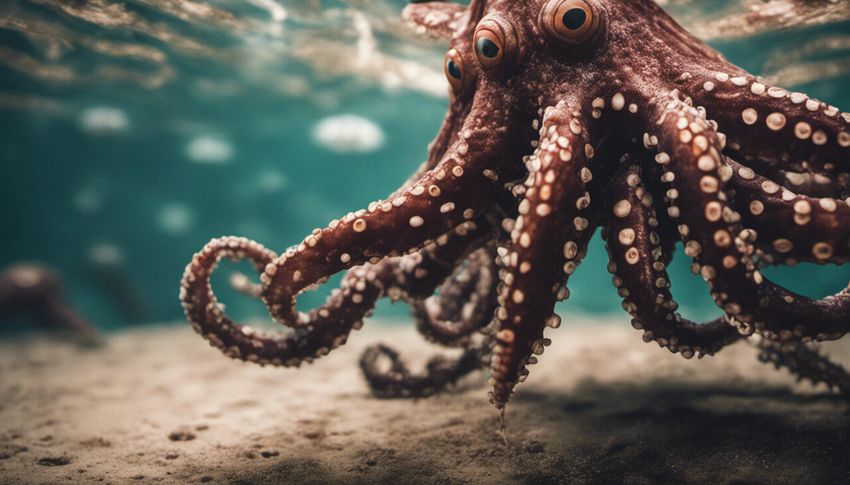
Credit: AI-generated image (disclaimer)

Octopus is a popular ingredient in many cuisines, with some 420,000
metric tons of this mollusc being caught worldwide each year. The rising
global popularity of octopus has been attributed to the increasingly
adventurous tastes of younger consumers, its nutritional benefits and the
decline of traditional fish stocks such as cod. This helps explain why the

1/5
food processing corporation, Nueva Pescanova, aims to build the world's
first indoor octopus farm in Gran Canaria: a thousand-tank facility for
producing 3,000 tons of octopus a year.

Octopuses can pile on a staggering 5% of their body weight in a day
which makes them an appealing prospect for aquaculture, though they
are notoriously difficult to breed in captivity. Nueva Pescanova claims to
have made an important scientific breakthrough, however, which will
allow them to raise successive generations of Octopus vulgaris, otherwise
known as the Atlantic common octopus. The firm argues that farming
octopus will reduce fishing methods such as sea-bed trawling, for
example, and ensure a supply of "marine-based food" while also
"relieving pressure on wild fishing grounds".

But it is no simple matter for consumers to weigh up the costs and
benefits of eating farmed fish and marine animals. It is tempting to
believe that organized systems reduce the risk of overfishing, but it is
also well established that fish farms and other forms of aquaculture
pollute coastal waters with pharmaceuticals and feces. Added to this is
the serious moral issue of confining sentient creatures to industrial food
systems.

Researchers have suggested that, as particularly intelligent and playful
creatures, octopuses are unsuited to a life in captivity and mass-
production. Animal rights activists argue that farming octopuses will,
based on this evidence, induce needless suffering on an unprecedented
scale.

2/5

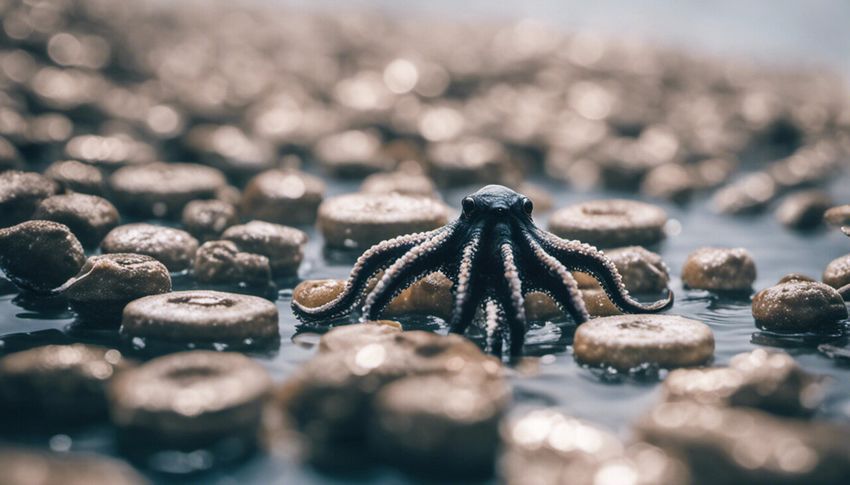
Credit: AI-generated image (disclaimer)

Sentient beings trapped on industrial farms

Scientists at Dartmouth College in the US have studied how octopuses
experience reality in a specialist lab. Their research raises concerns
about methods of slaughter proposed by Nueva Pescanova: placing
octopuses into an ice slurry to reduce their temperature to the point of
death. They question the appropriateness of this for a species that has
sophisticated capacity for processing information, rudimentary tool use,
complex visual pathways and, not least, the capacity for pain.

While land mammals are usually killed using gas chambers or electrical
stunning, there have been similar criticisms in relation to large-brained
and sentient species, including cows and pigs. This is a contentious area
that was debated in the UK parliament, resulting in formal recognition of

3/5
the sentience of many species including crabs, lobsters and octopuses
within the 2022 Animal Welfare (Sentience) Act.

Some research findings suggest that octopuses have an equivalent
intelligence to cats—a species few choose to consume and most treat as
lovable companions. Why, then, do we eat octopus but not cats? One
possibility is our difficulty in relating to octopuses: their personalities are
hard to read and their water-dwelling bodies resemble miniature sea
monsters with multiple tentacular limbs and bulging eyes. As with so
many sea animals, the charisma of the octopus lies in its other-
worldliness, with centuries of myth and legends about these mysterious
others in the songs and stories of fishermen.

We don't generally perceive molluscs as cute, and it is difficult to
consider them companionable or friendly, despite the overwhelming
scientific evidence of the richness of their behavioral repertoires. Does
this make octopus—and other aquatic creatures, like squid and
crustaceans—easier to eat? I think so. It is something that researchers
have called speciesism: the thinking that, somewhat arbitrarily, justifies
how some animals are perceived as pets or valued co-workers and others
simply as food-in-waiting. Our trouble in relating to these mysterious
others may well be the ethical justification required to make eating them
acceptable: something I have researched in the context of farmed
mammals.

As with other food and farming debates, there are no simple solutions or
compromises. The tensions between consumer demands and the market's
capacity to satisfy them rumble on. With so many sources of protein, it
is not assured that anyone needs to eat octopus at all. Yet food is also
bound up with cultural values, sociability and ideas of good taste. At
least science can better inform us about the implications of what and
how we eat.

4/5
Food production is one of the great moral challenges that humanity faces
                                   in the 21st century. While companies like Nueva Pescanova promise
                                   solutions to problems like overfishing, there will always be a price paid
                                   by the countless sentient beings ensnared in complicated industrial food
                                   systems.

                                   This article is republished from The Conversation under a Creative
                                   Commons license. Read the original article.

                                   Provided by The Conversation

                                   Citation: Viewpoint: Why the ethics of octopus farming are so troubling (2023, March 22)
                                   retrieved 21 July 2024 from https://phys.org/news/2023-03-viewpoint-ethics-octopus-
                                   farming.html

                                   This document is subject to copyright. Apart from any fair dealing for the purpose of private
                                   study or research, no part may be reproduced without the written permission. The content is
                                   provided for information purposes only.

                                   5/5

Powered by TCPDF (www.tcpdf.org)
You can also read


