Volume 44 | issue 2 news - in this issue: sharing the moringa journey Arusha city trainings - ECHO Global Farm
←
→
Page content transcription
If your browser does not render page correctly, please read the page content below

news
| volume 44 | issue 2
in this issue: sharing the moringa journey Arusha city trainings
seeds amidst civil unrest intern spotlight: Michelle Boutell
David Erickson, President/CEO

  “The one who plants and the one who waters work together with the same
              purpose. And both will be rewarded for their own hard work.
                 …But what’s important is that God makes the seed grow.”
                                                                   1 Corinthians 3:8,7 NLT

Dear Friends,

I’m so excited that you have this issue of ECHO News in your hands! It is a “picture window”
on how ECHO works. And, by God’s grace and goodness, it is a rich, extensive, and deeply
encouraging view.

We all know that the problem of global hunger and malnutrition is massive, with an estimated
850 million men, women, and children tragically impacted. So ECHO works very strategically
to tackle this massive challenge:
  1. We pursue approaches that are reliable, sustainable, and make a lasting difference;
  2. We directly equip women and men, who farm and garden, to do so much more effectively
      in order to increase both their food production and the nutritional benefits of what they
      produce; and,
  3. We provide knowledge and training resources to partners who are positioned to spread
      beneficial plants, practices, and appropriate technologies to additional communities and
      networks.

The results are astounding! Independent assessments of ECHO’s work have concluded that
over 1 million children, men, and women benefit from the spread of ECHO’s direct training
each year. In addition, ECHO partners share knowledge and resources gained from ECHO with
over 2 million women and men each year. And all around the world, this results in more people
coming to know the life-giving grace of God.

This issue of ECHO News introduces you to some of the very special people, from around the
world, with whom we are privileged to share Hope against Hunger. As you read their stories
of engagement and impact, please join us in giving thanks to the God who invites us to work
together to plant and water and is graciously faithful to “make the seed grow”!

By God’s grace,

David Erickson, President/CEO

P.S. I pray you see yourself pictured in this inspiring view into how ECHO works. Your prayers,
volunteer support, and financial partnership make the “planting and watering” possible.
                                 ECHO News   1   Spring 2021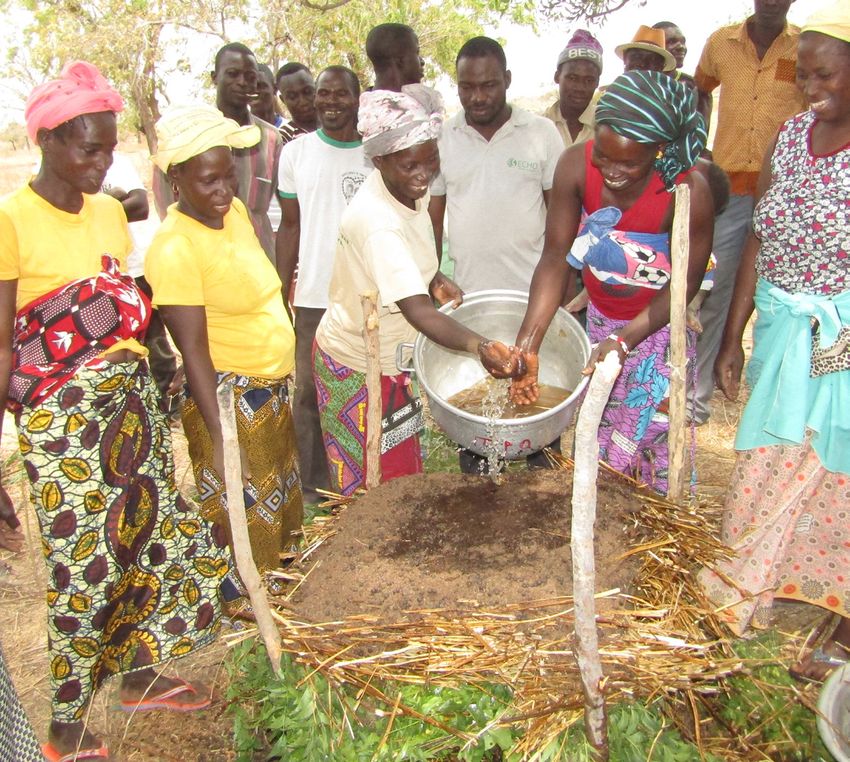
ECHO exists to follow
                                                       in this issue
Jesus by reducing
hunger and improving
lives worldwide
through partnerships
that equip people with
agricultural resources
and skills.

Cover photo: Two
participants of the seed
swap at Lisu Baptist
Theological Seminary in
                            moringa
                            journey     3     Arusha city
                                              trainings     6       seeds and
                                                                    civil unrest   9       intern
                                                                                                   13
                                                                                           spotlight

Myanmar are excited for
new seed varieties.

                              Tanzanian Innovator
                              		           Improves Biogas Stove
                               Recently, there has been scarcity     Amazingly, Lucy’s stove performed
                               of biogas stoves in Tanzania.         better than other stoves that have
                               Biogas stoves use organic matter      existed for many years. It is gas-
                               such as manure and kitchen scraps     efficient yet effective and farmers
ECHO News is published         to produce gas for cooking and        liked it. The burner of the stove
quarterly by ECHO, Inc.        lighting and fertilizer for crops.    is made of brass materials that
                                                                     provide durability so it will not
edited by Danielle Flood
                               Searching for solutions to this       be easily corroded by the biogas.
Please share your              problem,      Lucy,    Mechanical     Lucy is now thinking of ways she
comments about ECHO            Engineering Lecturer at Arusha        can expand her production so
News. Write: 17391             Technical College,     developed      that she can
Durrance Road, North Fort      a biogas stove using materials        make       these
Myers, Florida, 33917,         available in Tanzania.                stoves available
e-mail: info@echonet.org,                                            to others.
or call: 239-543-3246.         ECHO has been working with Lucy,
                               connecting her with biogas users
                               for testing and feedback so that       Celebrating Lucy’s
                               she can improve her technology.         accomplishment!
Founding CEO Dr. Martin Price with Founder
                                                       and Visionary Dick Dugger at an ECHO
                                                       celebration in 2001. From a few initial contacts
                                                       in a handful of countries, ECHO now extends
                                                       its helping hand into almost every country of
                                                       the world.

 Sharing the Moringa Journey
                                                                    By Noah Coleman, ECHO Intern

Rick and Jeri Kemmer’s journey with the moringa tree started in the year 2000 on an
ECHO tour. Since then — with ECHO’s resources and partnership — their passion has
equipped thousands across 23 countries to help the hungry. Noah Coleman shares
his recent zoom conversation with Rick Kemmer about how ECHO has encouraged
them along the way. Noah, a current ECHO Intern, previously studied moringa in East
Africa for his master’s degree.

There’s a lot of good reasons to get out of bed       During a season of pre-Tanzania cross-cultural
in the morning. For Rick Kemmer, its global           training in the fall of 2000, the Kemmers took
hunger and malnutrition. He gets out of bed           a tour of the ECHO Global Farm in North Fort
knowing that his daily efforts are actively           Myers, Florida, and encountered moringa. The
reducing nutritionally-preventable child-             far-reaching impact of this visit would only
mortality around the world.                           begin to take root in the coming months.

I grew up surrounded by hunger and                    It was in Cameroon, as a young teenager,
malnutrition in rural Cameroon, Africa.               that I came across moringa. The stories
Many of my childhood friends suffered from            I heard about it and other plants from
nutritionally-preventable diseases and were in        ECHO network members ignited a curiosity
desperate need of nutrients like iron, protein,       in me about what God is doing to meet
and vitamins.                                         peoples’ needs and how He uses unnoticed
                                                      plants and unlikely people to accomplish
Rick’s journey towards                                                   unbelievable things.
combatting global hunger        “The Moringa tree that
was circuitous. Raised in                                                   Upon arrival in Tanzania,
Allentown, PA, he spent         we’d just heard about                       Rick’s assignment was to
10 years in the restaurant       at ECHO would grow                         implement small-scale
industry, followed by a                                                     economic development
commercial/residential           here, and grow well.                       projects    that   would
painting     business,    a      And it would address                       specifically address the
photography        business,                                                challenges faced by bi-
and      a    life-changing    these things that they’re                    vocational pastors. These
missions trip to Haiti that        telling us are their                     local pastors were having
eventually led him and his                                                  to    choose     between
wife Jeri on a trajectory        biggest challenges.”                       ministry and feeding
towards Tanzania.                                                           and providing for their
                                     ECHO News    3   Spring 2021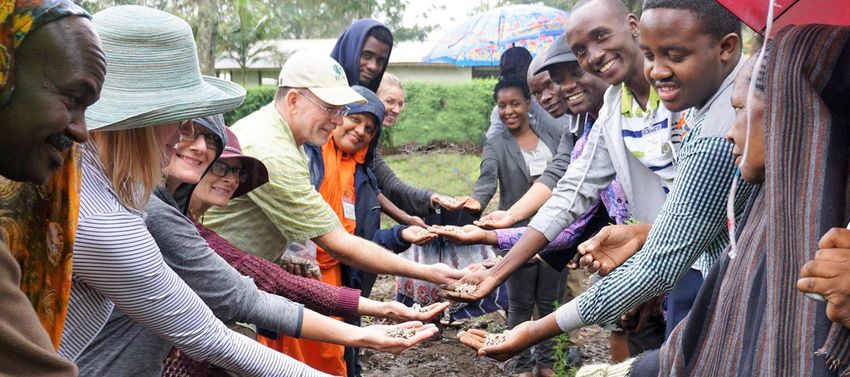
families. While he was conducting interviews
    with local leaders and pastors with several other
    projects in mind, he said that he was beginning
    to see that “the moringa tree that we’d just heard
    about at ECHO would grow here, and grow well.
    And it would address these things that they’re
    telling us are their biggest challenges.”

    Speaking of big challenges, not all of us are
    born with a green thumb. Rick shared, “You do
    understand that God invented humor? Right?
    ...Not only do we not have an agricultural
    background, between my wife and I, we can
    barely keep a houseplant alive… The only plants
    that live around us are the hardiest of plants…      A small group of moringa trees can grow enough leaves
    otherwise they die — but we can grow moringa!        for a family to use themselves and share with others.
    Which is a testimony that moringa is easy to grow.
    Even total amateurs can grow moringa.”             development initiatives and started promoting
                                                                               and distributing moringa
    In Tanzania, Rick saw that                                                 as      a      side-project,
    this often overlooked                                                      recognizing    that before
    moringa tree could help
                                     “Whenever     we taught   people          moringa could actually
    secure access to nutritious      about moringa, it just seemed             take off as a commodity in
                                                                               a given area, there would
    food, provide a reliable               to explode,” Rick said.
    source of clean drinking                                                   need to be a significant
    water, aid in environmental                                                amount of knowledge
    preservation,         retain                                               and experience growing
    groundwater, and provide a source of income        and using it.
    for smallholder farming        families and local
    entrepreneurs. Not only that, but people were      In 2007, upon returning to the United States,
    hungry for the training. “Whenever we taught       Rick and his wife Jeri refused to move-on from
    people about moringa, it just seemed to explode,”  addressing the needs of others around the
    Rick said. “It was like we were able to put in 5   world. They founded Strong Harvest International
    minutes worth of effort and got an hours’ worth    to empower developing-world families with
    of result!”                                        knowledge on growing and using moringa for
    Yet, he continued with his other economic          improved health, increased family income, and
                                                       environmental care.

The moringa seed pod can be eaten when young as a        Strong Harvest collaborates with local leaders
vegetable and the seeds can be used to purify water.     and organizations in Nicaragua, Togo, and
                                                         Tanzania to consider what role moringa could
                                                         play in their communities. Once local people
                                                         have decided that moringa is a good fit, Strong
                                                         Harvest teams up with schools, women’s
                                                         groups, churches, and local governments to
                                                         provide in-depth training, follow-up visits, and
                                                         long-term training.

                                                         As I continued to chat with Rick, I began to see
                                                         more vividly the effects of Strong Harvest’s focus
                                                         on relationships and collaboration.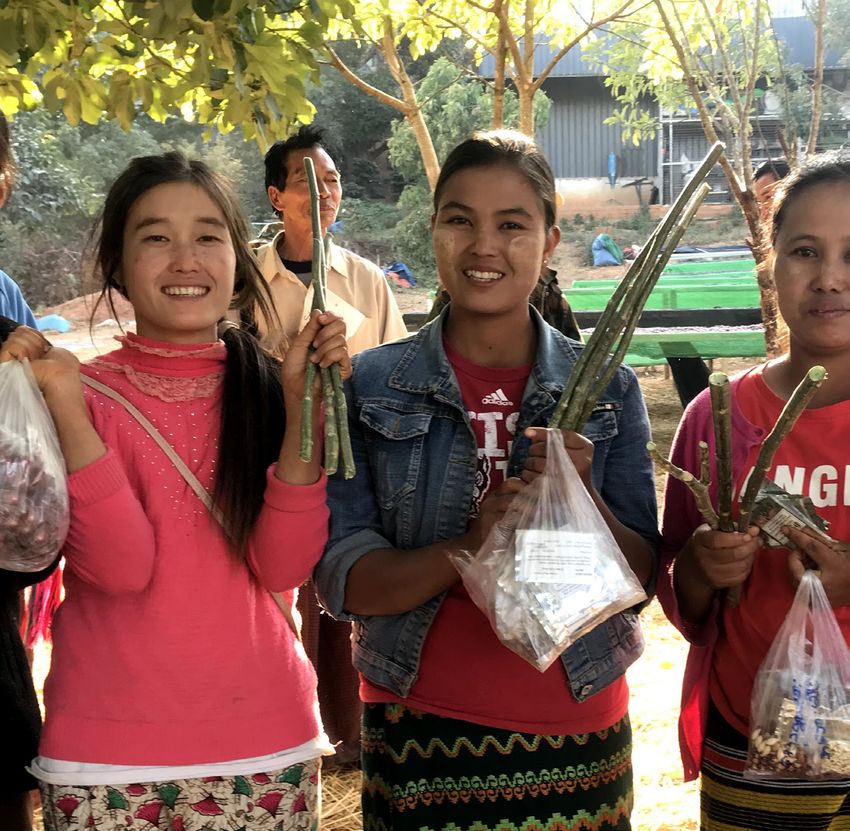
Moringa oleifera                                       In 2017, Strong Harvest hosted two seminars
                                                                  at ECHO’s Impact Center in Arusha. Rick
           Moringa is the most popular                            enthusiastically described how ECHO’s
                                                                  network connections broadened the reach of
           seed requested from ECHO’s
                                                                  the seminars, “Because of ECHO we were able
           Seed Bank, and has been studied                        to bring this knowledge to a much larger area
           and shared throughout ECHO’s                           of East Africa than was our circle of influence.”
           network since 1981!
                                                                  Throughout 2020 and into 2021, Strong
           Moringa belongs to the                                 Harvest Field Representatives are contacting
                                                                  the hundreds of Peer Educators that have been
           Moringaceae family which
                                                                  trained over the years and are encouraging
           contains 13 other known species.                       them to share about moringa — especially
           A drought-tolerant, fast-growing                       now while people are focusing on health —
           perennial tree, moringa may                            and to find out what effects the training has
           also be grown intensively like an                      had on their communities. The reports have
           annual leafy vegetable. Native                         been astounding: “improved eyesight”,
           to India, moringa for centuries                        “reduced diabetes issues”, “reduced high
                                                                  blood pressure” “general health”, “general
           has demonstrated remarkable
                                                                  wellbeing”, “energy”, “anemia disappearing”,
           nutritional and medicinal                              “kids not getting sick”, “we don’t go to the
           benefits such that it is now grown                     clinic any more”, “we don’t get sick anymore”.
           throughout the tropics and
           subtropics. In many developing                         I have heard people talk about “Zoom
           contexts, moringa is becoming                          fatigue” from being on extended conference
                                                                  calls, but seeing God provide for those we
           increasingly common particularly
                                                                  serve through partner organizations and
           because of its multiple uses as an                     the incredible moringa tree was inspiring. If
           incredibly nutritious food, a water-                   there’s an opposite of Zoom fatigue — that’s
           purifying agent, and as a source of                    what I had.
           additional family income.

Through Rick and Jeri Kemmer, knowledge of the moringa tree is spreading
and improving thousands of lives. They represent just one spark of an idea that
has grown into a roaring flame through the last 40 years of ECHO’s mission.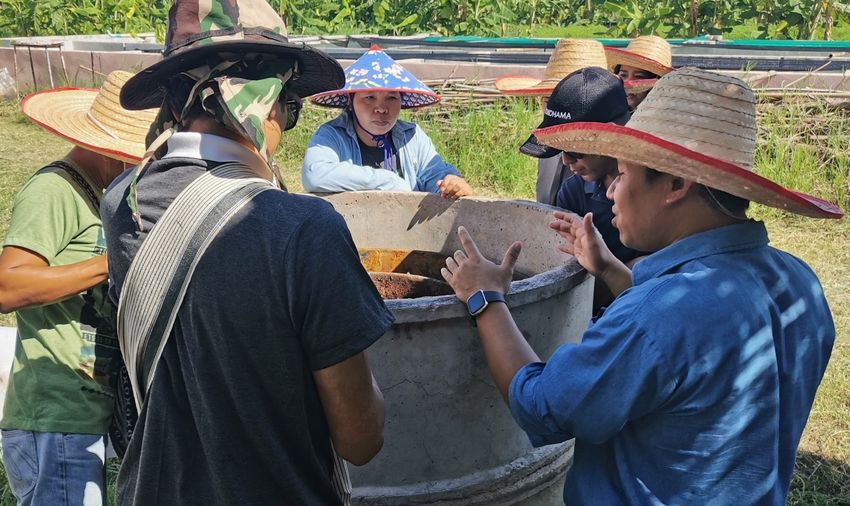
Assisting the COVID-19 Unemployed
Working to equip their local community to feed itself during this extended period
of unemployment for so many, ECHO’s East Africa Team has already trained more
than 1,000 women and youth.

The economy in Arusha, Tanzania, is based            of women and youth. Training women affects
heavily on tourism. Once a vibrant base camp         the entire household, while equipping young
for hikes of Mount Kilimanjaro or the starting       people engages this large population with
point for trips into the Serengeti National Park,    meaningful, productive work.
the town, like so many others around the world,
has been reeling with closures due to COVID-19.      Over the last eight months, the ECHO East
Mountain paths, safari trucks, lodges, and           Africa team has equipped over a thousand
preserves have now been almost completely            people with nutrition and vegetable trainings.
empty for a year — as a result, families who work
in these industries are unemployed.                  WHAT’S NEXT IN 2021
                                                     Continuing these trainings, we are now
As the COVID shutdowns occurred, ECHO’s              broadening the scope to include more staff
East Africa team began focusing training on          within the health professions. Rather than
the recently unemployed who were beginning           treating the symptoms, these community leaders
to experience great hardship. As time went on,       can share preventative skills that will build the
more and more people reached out for training        community’s health from the ground up.
and the demand grew.
                                                     There are still a large number of groups
THE CHALLENGE                                        which are requesting this training. ECHO will
Arusha city has over 450,000 citizens whose          continue these trainings on two levels — a more
average income is less than $2.25 dollars per        concentrated training for health and community
day and 60% of the population is under 25            development professionals, and continued
years of age. Urban Arushans have access             trainings for women and youth.
to carbohydrate-rich maize, rice, and sweet
potatoes but limited access to nutrient dense        After all, there IS hope against hunger!
foods rich in proteins and vitamins. More than
30% of children under 5 years old are stunted
and nearly 60% suffer from anemia. And yet,            The nutritious leafy green chaya grows as a bush
                                                       and is perfect for small urban spaces where these
food prices are increasing as
                                                       nutrients are desperately needed.
a result of the pandemic.

HOW ARE WE HELPING
The perennial vegetables
ECHO promotes are high
in protein, vitamins and
minerals — essential for
building strong immune
systems and avoiding
chronic illnesses.

Focusing on Arusha, ECHO
has been training groups

                                    ECHO News   6   Spring 2021
what’s happening
                                       Appropriate Seed Storage Metho

Faith Juma, ECHO East Africa
Seed Bank Manager, and an Intern
performed seed germination
testing at the ECHO East Africa
seed bank in Arusha, Tanzania.

#echofightshunger
                                      An recent interactive zoom discussion equipped the staff of a partner
                                      organization, DCA Cambodia, and seven farmer leaders about Seed
                                      Saving. This mentoring is the first of at least two Zoom meetings, a follow-
                                      up of the virtual training held December 2020 from ECHO Asia.

                                            Drying Fruits and Vegetables

Follow us on Instagram
for pictures of ECHO’s
work all around the world.         Mothers at a local pediatric surgery and recovery center recently learned
#echofightshunger                  about simple techniques to dry and preserve local fruit and vegetable
                                   products. Entire families will benefit from improved nutrition.
                                      ECHO News   7   Spring 2021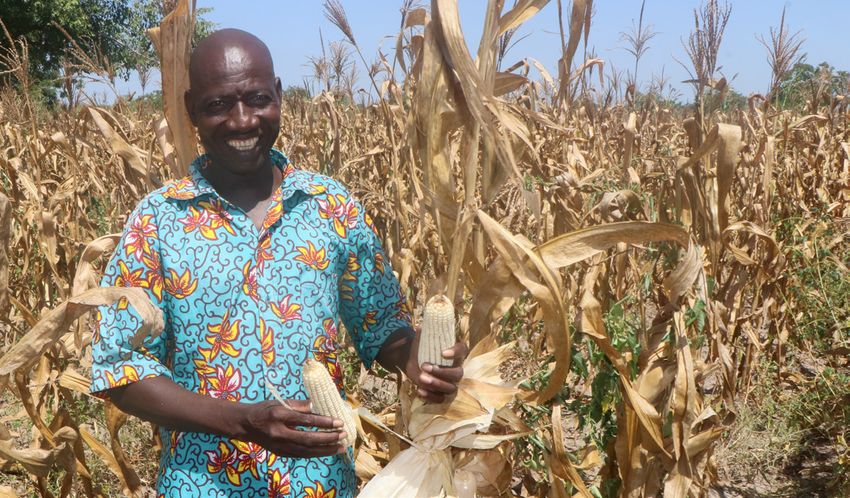
g at ECHO
ods                                                                           Training Neighbors
                                                            Kioho Luc from Kamiakoro shows the improvement in his
                                                            corn field after applying the techniques that he learned from
                                                            ECHO. Of the original 159 people trained in Kamiakoro,
                                                            they have shared what they learned with more than
                                                            1,500 others.

                                                                     On-Farm Biochar Production

                                                      Program Manager Toh talks visitors through biochar
                                                      production at the ECHO Asia Small Farm Resource Center.

                                                        Gardening and Entrepreneurship

ECHO equipped 500 young people in effective gardening and production for market in a partnership project within
Burkina Faso. Villagers can now produce value-added products for sale in their own communities.

                                                ECHO News   8   Spring 2021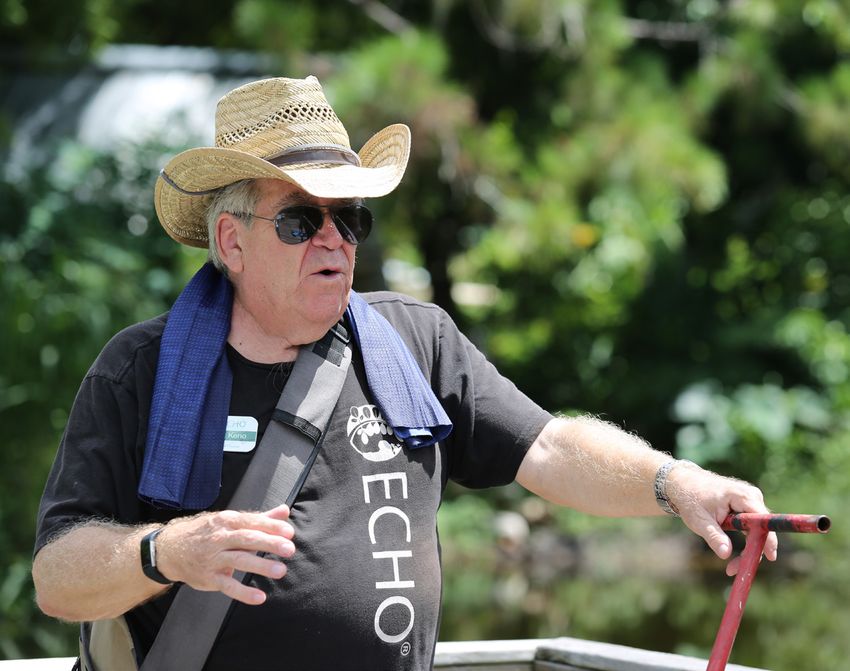
Seeds Amidst Civil Unrest
                           By Patrick Trail, Research & Extension Coordinator, ECHO Asia Impact Center

Thriving gardens in Myanmar are now bursting with seeds. Some seeds were
sourced from ECHO, others from local seed exchanges, but all are providing
much-needed sources of nutritious plants while borders are closed.
Imagine a scene of controlled chaos, whereby of underutilized crop varieties, improved cultivars,
a group of men and women, young and old, are and hard-to-find species. With the many seeds
huddled around a table jostling for position, eager exchanged, so too have been the techniques and
to grab what lies before them. Only no one is angry, practices passed on, typically through the training
everyone seems to be smiling, and                                         workshops preceding these
the valuable commodity before the       “Across Myanmar,                  seed swaps.
crowd is something so simple. No
one is handing out cash despite hundreds of packets                       In the past 5 years, ECHO has
what it may seem, nor food, nor            of seeds have                  been on the ground to train
donation; this is an exchange of                                          and pass on seed in Shan
seed! This is the scene of an ECHO      exchanged hands                   State, Sagaing State, Kachin
Seed Swap, one of many hosted              through these                  State, Mandalay, the Irrawaddy
across different sites in Myanmar in                                      Delta region, and the city of
recent years.                          events over the last               Yangon, places that are not
                                               5 years...”                easy to access, nor popular to
Across Myanmar, hundreds of                                               go. These on-site events are
packets of seeds have exchanged hands through in addition to the many partners that were able
these events over the last 5 years, some from the to travel and train with the team in Thailand at the
ECHO Asia Seed Bank, others from ECHO’s partner ECHO Asia Small Farm Resource Center.
seed banks across the country, and many more from
the hands of farmers themselves — a combination Now, in the midst of a military coup, with borders
                                                     closed and civil unrest unfolding, there is hope
                                                     in knowing that so many seeds were exchanged.
                                                     Seeds that will continue to produce in places where
                                                     trainings have ceased, seeds that will multiply in
                                                     locations where visiting our partners is no longer
                                                     possible. There is hope in knowing that we were
                                                     able to plant seeds, of many different types,
                                                     into the lives of people that now so desperately
                                                     need them.

                                                     Seed Banks Established and Staff Trained
                                                     Not only have seeds been swapped and
                                                     exchanged, and passed on from the ECHO Asia
                                                     Seed Bank, partners are building self-sustaining
                                                     seed banks. In recent years, several ‘Community
                                                     Seed Banks’ have been developed, through

                                                     Left: Bundles of seeds and chaya cuttings will be
                                                     multiplied to benefit surrounding communities.
                                                     Opposite: Seed swaps in Myanmar equip partners to
                                                     share seed diversity even when borders are closed.
                                         ECHO News   9   Winter 2021
technical support from ECHO Asia hosting seed saving training events
teams, and personnel training through for her local community. Now
a Seed Bank Manager Internship several surrounding communities
program in Thailand. can benefit from a supply of
locally propagated seed varieties,
a valuable resource in a country
living with so much uncertainty.
“Now several surrounding
communities can benefit from a It is hard to see the current
supply of locally propagated challenges that our partners are
facing daily in Myanmar, but we are
seed varieties...” grateful for the many opportunities
we had to go and support them
when we could. We pray now that
Thaung Maggie, a recent ECHO all of those seeds may be planted,
Asia Seed Bank Manager Intern, has watered, and multiplied for God’s
already returned to Myanmar to serve glory, and to the benefit of those
as Seed Bank Manager for the Lisu that need them.
Baptist Theological Seminary and is
“
Please join us in prayer for those facing civil unrest in Myanmar as we
continue to encourage, train, and equip vulnerable families.
In Their Own Words:
Patrick Iradukunda
My name is Patrick Iradukunda. vegetable gardening, different
I am from Rwanda, a student in kinds of manure preparation, and
university studying Agroforestry. organic pesticides ideas.
My motivation for life is to see a
transformed society, I want to be It is a life changing experience to
an agent of change that I want to work with the staff in East Africa.
see in my community.
Though I was an intern, they were
ECHO has impacted my life and all available for me and fellow
my attitude towards agriculture. interns to learn from them. It
Now I fully understand that there inspired me to go back and do the
is a great purpose of God to use same.
agriculture and people involved
in farming to change the world,
to conserve the environment, to
eradicate hunger, and to create
sustainable livelihoods.
In the time I spent at ECHO, I was
able to put my hands on work, in
Now I have managed to plant
“
trees around my father’s farm, and
construct a kitchen garden for my
former school. I have shared with
three farmers about vegetable
gardening, and we did the practice
together. I am forever grateful.
different areas like: tree nurseries,
ECHO News 10 Winter 2021Time on their hands, a mission on their hearts
By Zach Walker
More than 800 volunteers lend their time and effort in Florida every year
to help further ECHO’s mission, and half of them are retired. They could be
golfing, reading, or working in a woodshop, but instead they choose ECHO.
Silence engulfed the shop. No whirs of the band Roger Ruth, 82, and Mike Wright, 67, drilled holes
saw or whines of the drill press. No shuffling of into outside walls of the Price Center to hang metal
sneakers across the concrete floor thick with shutters in case of a hurricane. Armed with a power
sawdust. No shouts for a an extra screw or fine-grit drill, Ruth explained the necessity of his project.
sandpaper.
Without the shutters, 150-mile-per-hour winds
But from behind the white door marked “Office” could shatter the windows and destroy the inside
came a murmur. Inside sat two men, Mike and of the building. As he spoke, he made sure to watch
Roger, wearing neon green “VOLUNTEER” shirts for fire ants that crawled near the base of his ladder,
and talking about the next task. a task he’s mastered after seven years at ECHO.
Break time was almost over. Back at the retirement community where they live,
they could be walking waterfront trails, working
Volunteers provide essential support to ECHO’s out in the wellness center, or building tables and
mission by completing tasks around campus like sculptures of fish in the woodshop. But they choose
maintenance, office work, and leading tours. They to spend their time at ECHO.
graciously donate their time to support work that
changes lives and, in turn, improves their own. A part of every volunteer’s orientation experience,
tours provide an opportunity to learn about the
“Volunteering adds a lot of meaning to your life,” mission they are helping to further. When Wright
volunteer Mike Wright said. “Doing things for finished his first tour of ECHO, he drove home and
yourself doesn’t give the same intrinsic value.” convinced his wife to visit.
ECHO News 11 Spring 2021During COVID, our volunteer program in Florida was
temporarily suspended, leaving a great feeling of loss around
the ECHO Global Farm. As wisdom and guidelines were
followed, we slowly began hosting volunteers again in late
2020. Our Volunteer Appreciation Luncheon, held on March
25, 2021, was held to honor ALL of our volunteers that help
support ECHO’s mission worldwide!
Pictured left, Dr. Michael and Dalila Read pause for a photo op
at the luncheon.
Chances are that Wright’s tour guide was a “ECHO opened up my mind to what’s going on
volunteer as well. Someone like Doug Keno, a in different areas,” Lindsey said. “I appreciate that
docent who has been giving time to ECHO for we are teaching people to grow their own food.”
the past nine years.
Alongside her office work, she organizes books
Keno began at ECHO fixing farm equipment in the library and prepares salads for special
and changing light bulbs once per week before events. Sometimes she even gets to gather fresh
signing up for docent training. Once certified, he produce right from the gardens.
started leading three to five tours each week, a
frequency he still maintains. Volunteers keep ECHO functioning. They install
shutters and lead tours and fold brochures with
Keno makes sure that, like him, everybody learns. no monetary compensation. Their generosity
When he was recruited to ECHO by the late allows donor funds to be funneled directly into
docent, Dr. Vic, he learned more about agriculture ECHO’s research, agriculture, and mission.
than he thought he had room for, having grown
up on a farm in Wisconsin. While ECHO gives to the world, volunteers give
to ECHO.
He saw ECHO as a reality check, an experience
that made him aware of what he has and what “They are a vital part of our mission,” Volunteer
others don’t. And he wants everyone to feel the Coordinator Libby Arcia said. “They strengthen
same feeling. the ECHO effect and we are so grateful for their
service!”
After every tour, he asks his guests to do him a
favor. Tell someone about ECHO.
“I want to convince people to volunteer at ECHO,
donate to ECHO,” Keno said. “Because there are Opposite Left: Volunteers Roger Ruth and Mike
a lot of people struggling who need help.” Wright complete different tasks every week
like woodworking in the shop and providing
Before new volunteers even come on a tour, maintenance to campus buildings.
they are introduced to ECHO by brochures or
Opposite Right: Doug Keno explains a water
flyers or postcards. That’s thanks to advancement
pump near the duck pond during an Appropriate
volunteers like Lala Lindsey.
Technology tour. He had to complete additional
docent training in order to lead both the AT
Lindsey, 88, volunteers regularly in the public tour and farm tour, and often leads college
relations department. She folds brochures, cuts and professional groups. “I love to present this
postcards, and organizes materials that promote information to people and learn from them as
ECHO’s mission. well,” Keno said.
ECHO News 12 Spring 2021Intern Spotlight
Michelle Boutell
My name is Michelle Boutell, and I started my about honoring others and God through how I
Monsoon Internship at ECHO in March 2020. I’m work as about agriculture (and I’ve been learning
originally from the San Francisco Bay area, and had a lot about agriculture!).
just graduated from UC Davis a week prior with a
degree in International Agricultural Development These days, I’m excited about my projects related
when I started interning at ECHO. to the postharvest preservation of high-value
crops. I’ve loved being able
God used my studies and former to deeply study topics and
positions to confirm my interest “I’m excited to communicate them to other
in providing easily accessible see how God will interns and our network. Finding
agricultural information to small- out that reading and synthesizing
scale farming communities, and I use everything information is a crucial part of
was led to apply to the internship. I’ve learned agricultural development has been
a huge part of my ECHO internship.
I’ve been so grateful to work here, from the
outdoors with plants this past year
while our world was sheltering in
interpersonal to Later this year, I’ll be moving to
Japan to work with a mission
place. It was a strange time to start the botanical.” organization in Kyoto. I’m excited
a new position, but learning how to to see how God will use everything
grow food for local communities, I’ve learned here, from the
teach others about agriculture, and answer interpersonal to the botanical. To Him be all the
network questions has been a fun, growth-filled honor and glory forever.
experience. I feel as though I’m learning as much
Friendly goats Michelle Boutell, Monsoon Intern Picking sapodilla fruit
ECHO News 13 Spring 2021Tax Season 2021
What’s new for retirees?
Extraordinary Whew! There’s a lot to keep track of when it
Plants: Quinoa
comes to changing tax laws amid COVID stimulus
packages. This year we even have an extra month
for the last-minute dash to dig out the paperwork
for our taxes — the IRS extended the filing
deadline for 2020 taxes to May 15.
The quinoa grain was an important part of
the Incan Empire, which extended over much There are also important tax changes for 2021
of the Andes Mountains. impacting retirees — changes that could increase
your tax burden if you don’t take advantage of
Quinoa grain is toasted, ground into flour,
some smart tax-saving strategies.
or boiled and eaten like rice. Quinoa leaves
can be eaten as a green vegetable, fresh or
Last year, the CARES Act temporarily suspended
cooked, and all parts of the plant — leaves,
required minimum distributions (RMDs) for IRA
stalks, and grain — can be used as an
and retirement plans. However, the one-year
animal feed.
hiatus on required withdrawals is over.
Quinoa is known for its tolerance of poor
conditions such as high elevation, poorly The RMD is back for 2021. This means some
drained soils, cold regions, and drought. seniors may face higher tax payments to the IRS.
Once harvested, seedheads are winnowed Why? The money they’re required to take from
to remove the husk and dried. Quinoa is an their retirement accounts once they reach 72 (or
exceptionally nutritious and balanced food 70 ½ if you reached 70 ½ before January 1, 2020)
containing protein, fat, oil, and starch. counts as taxable income.
Try it yourself: Plan for your 2021 RMD – put it toward a good
cause while giving yourself the gift of a tax break!
1 part uncooked quinoa
2 parts water
Salt, to taste A qualified charitable distribution (QCD) can be
used to satisfy all or part of the required minimum
Rinse the quinoa: Pour the quinoa into a distribution from an IRA. What’s the tax benefit?
strainer and rinse well. Drain. The funds don’t count as income.
Combine the rinsed quinoa and water This is a smart way for seniors who are taking
in a pan. Bring the mixture to a boil over advantage of the standard deduction to still get a
medium-high heat, then decrease to a taxable benefit from their charitable giving.
gentle simmer.
Cook until the quinoa has absorbed all of “For those of us who qualify to make QCDs,
the water, about 10 to 20 minutes. they’re as close to a free tax lunch as you can get
these days,” wrote business journalist Allan Sloan
Remove the pot from heat, cover, and let the in a column for the Washington Post.
quinoa steam for 5 minutes.
If you are a retiree who is subject to RMDs, and
Remove the lid and fluff the quinoa with a have a passion for helping the hungry, don’t miss
fork. Season with salt. out on a great strategy to reduce your income
tax. Call Amy Wiggins at (239) 567-3341 or email
awiggins@echonet.org for more information.
ECHO News 14 Spring 202117391 Durrance Road
North Fort Myers, FL 33917
239-543-3246 | www.echonet.org
Boosting Incomes in West Africa
The population of Burkina Faso is growing, putting ECHO recently partnered with local NGO Job
increasing pressure on the country’s limited arable Booster to provide trainings for 564 people under
land. Agriculture, the backbone of Burkina Faso’s the age of 35 in market gardening techniques
economy, continues to show potential as a strong and entrepreneurship to improve their gardening
way to sustain a family’s livelihood. production. Each training lasted 10 days.
Abigaelle Kini was one of the women trained. She
and her husband have a small plot of land that they
were farming, but they never quite knew how to
make it successful.
Ms. Kini shared, “As a housewife I had never
learned about gardening. I managed to plant the
vegetables, but it didn’t work because worms would
attack my plants. After the training with ECHO, I
learned how to make good natural products to
eradicate the worms from my garden. My husband
and I work together in the garden and often our
young children help us. We are teaching them little
by little all that we have learned.”
Techniques such as 21-day compost provide
trainees with skills to increase their agricultural
production with low-cost inputs.You can also read


