WE CHANGE THE WORLD NGV AUSTRALIA
←
→
Page content transcription
If your browser does not render page correctly, please read the page content below
WE CHANGE THE WORLD
NGV AUSTRALIA
                      1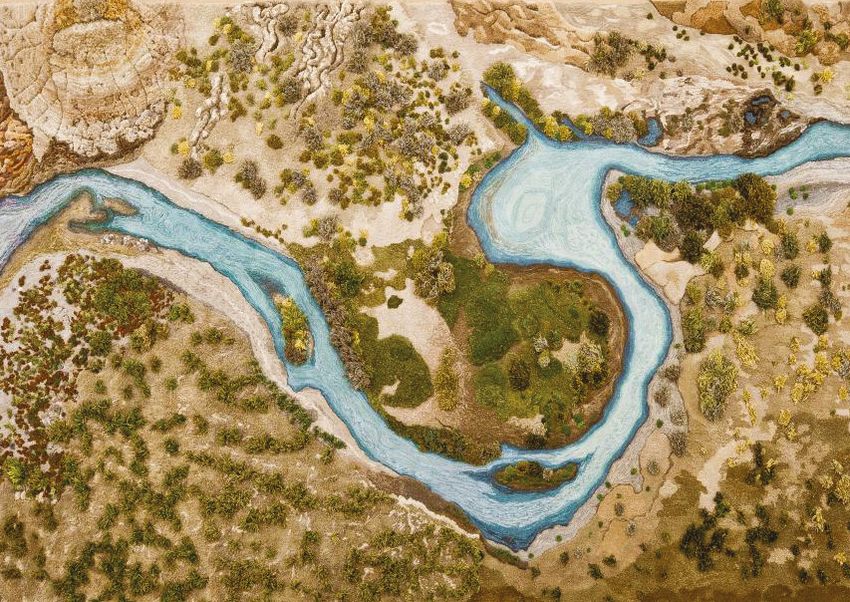
OVERVIEW                          3
                                                                                                        USING THIS RESOURCE               5
                                                                                                        THEME: ENVIRONMENT AND PLACE      7
                                                                                                          ALEXANDRA KEHAYOGLOU            8
                                                                                                          PAOLA PIVI                      9
                                                                                                          CLINTON NAINA                   10
                                                                                                        THEME: ACTIVISM AND PROTEST       11
                                                                                                          GUERRILLA GIRLS                 12
                                                                                                          AI WEIWEI                       13
                                                                                                          FLAGS                           14
                                                                                                          MARLENE GILSON                  15
                                                                                                        THEME: CELEBRATING THE EVERYDAY   16
                                                                                                          DAVID HOCKNEY                   17
                                                                                                          CLAUDIA MOODOONUTHI             18
                                                                                                          JULIAN OPIE                     19
                                                                                                          KU (CAMP DOGS)                  20
                                                                                                        THEME: SHAPING THE FUTURE         21
                                                                                                          IRIS VAN HERPEN                 22
                                                                                                          STUDIO FORMAFANTASMA            23
                                                                                                        NOTES                             24

                                              (cover)
                                              Alexandra Kehayoglou
Rivane Neuenschwander                         Santa Cruz River 2017
Watchword (2012)                              wool
wood, felt, elastic, high density foam        300.0 x 478.0 x 714.0 cm (installed)
board, decal lettering, fabric labels, pins   National Gallery of Victoria, Melbourne
198.0 x 381.0 x 5.0 cm                        Purchased NGV Foundation with the assistance of Michael
National Gallery of Victoria, Melbourne       and Andrew Buxton from MAB Corporation Pty Ltd, and the
Loti & Victor Smorgon Fund, 2014              Andrew and Geraldine Buxton Foundation, 2018
© Rivane Neuenschwander                       © Alexandra Kehayoglou

                                                                                                                                               2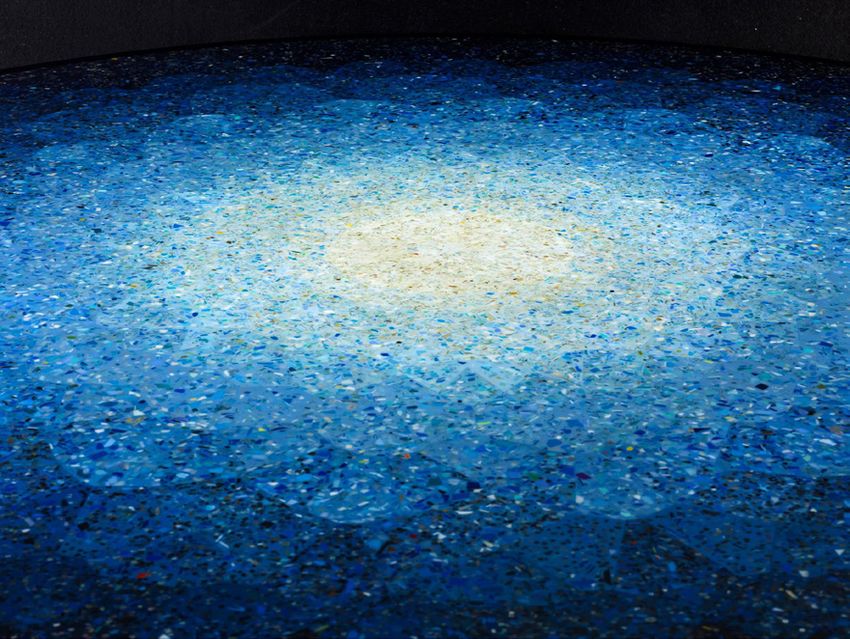
WE CHANGE THE WORLD
LEARNING RESOURCE
LEVELS 5–8

OVERVIEW
How can art and design influence change and contribute to a positive future? We Change
the World investigates the many different ways that artists and designers can provoke
change through their work. The exhibition positions the idea of change as a creative
gesture, large or small, that prompts us to question our current world and contribute to
an optimistic future.
This resource focuses on the three essential questions of the exhibition, designed to
support you and your students’ inquiry into the concept of change:
• What does change mean to me?
• How do art and design change the world?
• How can I be a changemaker for the change I would like to see?

LEARNING OBJECTIVES
• Use the process of inquiry to explore the concept of change on a personal, local and
  global scale
• Analyse, interpret and discuss how artists and designers create, influence or represent
  change through their work
• Apply the knowledge and experience gained from the exhibition We Change the World
  to reflect on ways to personally create or influence change

Ben Quilty
150 year, Rorschach (2019)
oil on canvas
(a-g) (222.0 x 888.0 cm) (overall)
National Gallery of Victoria, Melbourne
Felton Bequest, 2020
© Courtesy of the artist and Tolarno Galleries

                                                                                            3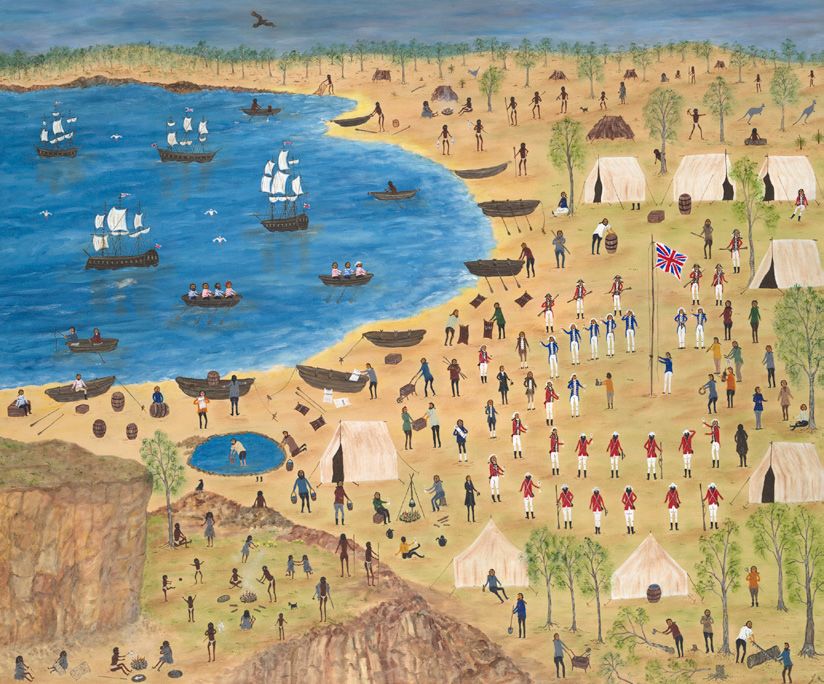
LINKS TO THE VICTORIAN CURRICULUM
VISUAL ARTS                                                                                        CIVICS AND CITIZENSHIP
• Explore visual arts practices as inspiration to explore and develop themes, concepts             • Investigate how people with shared beliefs and values work together to achieve their goals
  or ideas in artworks (VCAVAE033)                                                                   and plan for action (VCCCC016)
• Explore how artists use materials, techniques, technologies and processes to realise their       • Explain how groups express their identities, including religious and cultural identity, and
  intentions in artworks (VCAVAE034)                                                                 how this expression can influence their perceptions of others and others’ perception of
• Analyse how ideas and viewpoints are expressed in artworks and how they are viewed by              them (VCCCC026)
  audiences (VCAVAR038)
• Identify and describe how ideas are expressed in artworks by comparing artworks from             GEOGRAPHY
  different contemporary, historical and cultural contexts, including artworks by Aboriginal       • Environmental and human influences on the location and characteristics of places and the
  and Torres Strait Islander peoples (VCAVAR032)                                                     management of spaces within them (VCGGK096)
                                                                                                   • Factors that influence people’s awareness and opinion of places (VCGGK097)
CRITICAL AND CREATIVE THINKING                                                                     • Australia’s connections with other countries and how these change people and places
• Examine how different kinds of questions can be used to identify and clarify information,          (VCGGK098)
  ideas and possibilities (VCCCTQ021)
• Identify and form links and patterns from multiple information sources to generate non-          INTERCULTURAL CAPABILITY
  routine ideas and possibilities (VCCCTQ023)                                                      • Explain how intercultural experiences can influence beliefs and behaviours, including
• Synthesise information from multiple sources and use lateral thinking techniques to draw           developing a critical perspective on and respect for their own and others cultures
  parallels between known and new solutions and ideas when creating original proposals               (VCICCB010)
  and artefacts (VCCCTQ034)
                                                                                                   ETHICAL CAPABILITY
HISTORY                                                                                            • Discuss how ethical principles can be used as the basis for action, considering the
• Significant contributions of individuals and groups, including Aboriginal and Torres Strait        influence of cultural norms, religion, world views and philosophical thought on these
  Islander peoples and migrants, to changing Australian society (VCHHK096)                           principles (VCECU010)
• Identify and explain patterns of continuity and change in society to the way of life
                                                                                                   • Investigate why ethical principles may differ between people and groups, considering the
  (VCHHC102)
                                                                                                     influence of cultural norms, religion, world views and philosophical thought (VCECU015)
• Changes in society and the perspectives of key groups affected by change including the
  influence of law and religion (VCHHK110)
• The significant social, cultural, economic, environmental and political changes and
  continuities in the way of life and the roles and relationships of different groups in society
  (VCHHK116)

                                                                                                                                                                                              4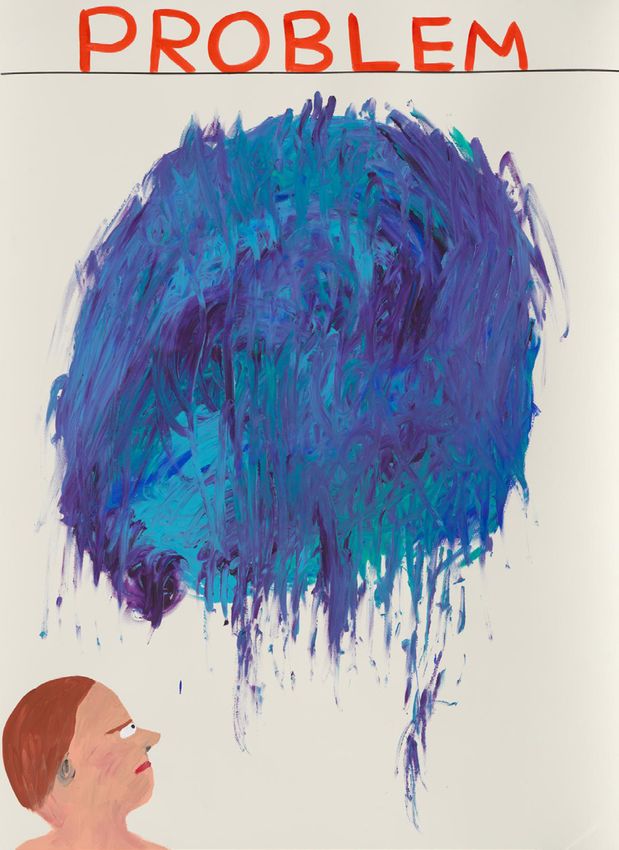
USING THIS RESOURCE
Each of the following inquiry stages includes discussion prompts and activities to use
before, during and after your visit or virtual excursion to We Change the World.
This resource can be adapted for use with one artwork from the exhibition, or several, or with
any of the exhibition themes: Environment and Place, Activism and Protest, Celebrating the
Everyday and Shaping the Future. Before you start, you might like to choose an artwork or
theme to explore.

ENGAGE
Support students in activating their prior knowledge, make connections with previous
experiences and guide the direction of inquiry into the concept of ‘change.’ Remember no
answer is too big or too small. This phase can be facilitated at school before your visit to the
NGV or upon entering the exhibition with your students.
      1. What does change mean to me? What changes have you experienced or created?
          • Brainstorm examples of change. Create a mind map.
          • Discuss whether these changes are considered positive or negative or both.
          • Record student responses using a Plus, Minus, Interesting (PMI) chart.
      2. Brainstorm examples of people who have an impact on our society. Consider
         personal, local and global issues and changemakers.
          • What jobs or roles do they have?
          • What impact do they have?
          • What do they do to create change?
          • Why do they do it?
      3. Did you consider any artists in your discussion? Why or why not? What role might an
         artist or designer have in responding to or advocating for change?

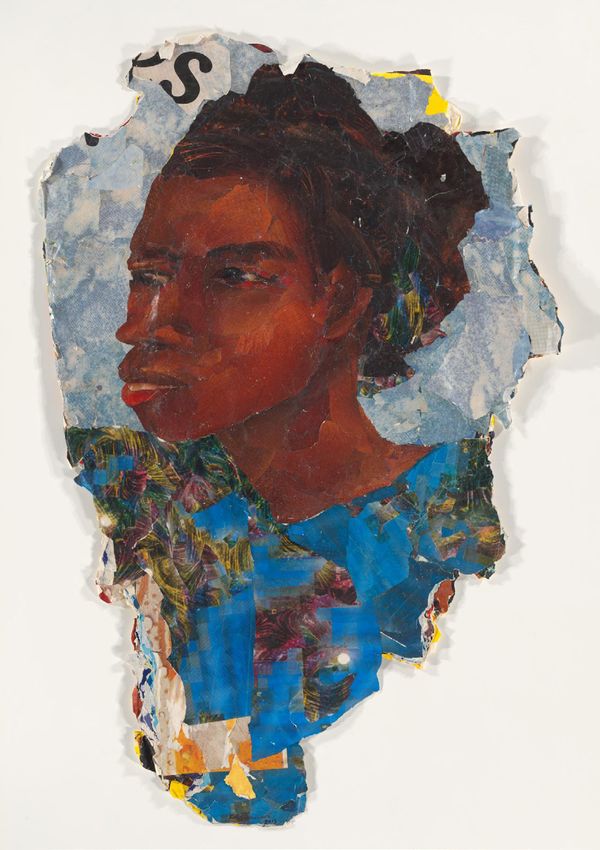
Kay Hassan
Untitled 2013
synthetic polymer paint on collage of torn printed paper
265.1 x 169.1 cm irreg.
National Gallery of Victoria, Melbourne
Purchased NGV Foundation 2015
© Kay Hassan. Courtesy of the artist and Jack Shainman
Gallery, New York

                                                                                              5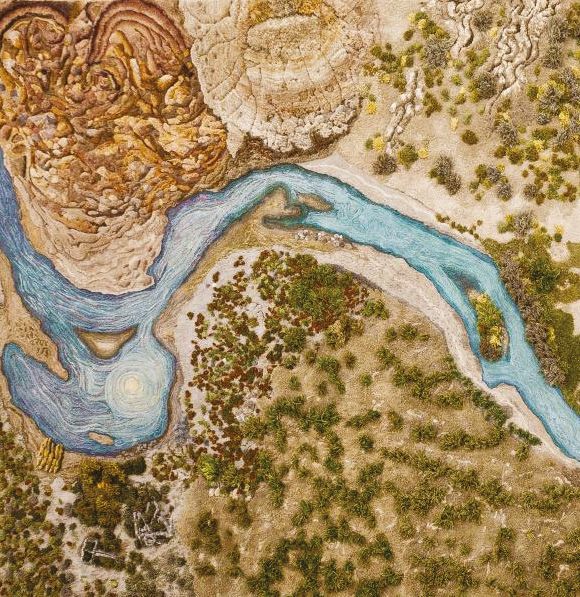
EXPLORE                                                                                          EVALUATE
Explore and research the artworks, the exhibition themes and their relationship to               I used to think...Now I think...2
the concept of change. Use the exhibition information and NGV resources to support               Support students to evaluate the learning and knowledge gained throughout their inquiry.
your investigations.                                                                             Use the thinking routine I used to think...Now I think...to make connections back to the
                                                                                                 central idea of Change and related exhibition themes and/or artworks.
1. What are your initial thoughts, reactions and responses to the work of art or design?
    Turn and talk with a partner.                                                                1. Review the essential questions introduced in the Engage phase of Inquiry:
2. Describe the work of art or design. Think about features such as the colour, size, subject      • What does change mean to me?
    matter, materials and techniques used.                                                          • How do art or design create or influence change?
3. What might the artist or designer wish to communicate through this work? What clues          2. For each question, have students complete the following sentence stems
    does the artist or designer give to convey this?                                                 and record their responses in a T-chart:
4. What do we know about the artist or designer? How has this influenced their work?                • I used to think...
                                                                                                    • Now I think...
EXTEND                                                                                           3. Reflect on your responses.
Use the thinking routine Connect, Extend, Challenge1 to review your thinking, express new           • What new learning or discoveries have you made?
understandings and ask more questions. The aim is to make sense of the new information              • How has your thinking changed throughout your inquiry?
gathered and further extend your thinking to new ideas or situations.
1. How is the artwork and the ideas and information presented connected to something            BE A CHANGEMAKER
    you know about?                                                                              Encourage students to reflect on how they can be changemakers. The aim is for students to
    Discuss how the work of art or design connects to the related exhibition theme and the       think about what they can do to create or make change, in any way. This could be a small
    concept of change.                                                                           change we can make in our own lives or expanded to change in our local community, or
                                                                                                 even the world! Use the final question of inquiry to support your discussion:
2. What new ideas or impressions do you have that extended or broadened your thinking in
    new directions?                                                                              How can I be a changemaker for the change I would like to see?
    Has the work of art or design changed or influenced your thinking about particular issues?
3. What is challenging or confusing? What further questions or wonderings might you have?     We would love to see what you and your students are saying. Follow the link to share your
   Can you explore these new wonderings further?                                                 responses on the NGV Padlet forum. See you there, changemakers!

                                                                                                 CREATE
                                                                                                 You might like to create your own artwork inspired by the exhibition, or to inspire a change
                                                                                                 you care about. Use the Great art ideas to get you started.

                                                                                                                                                                                                6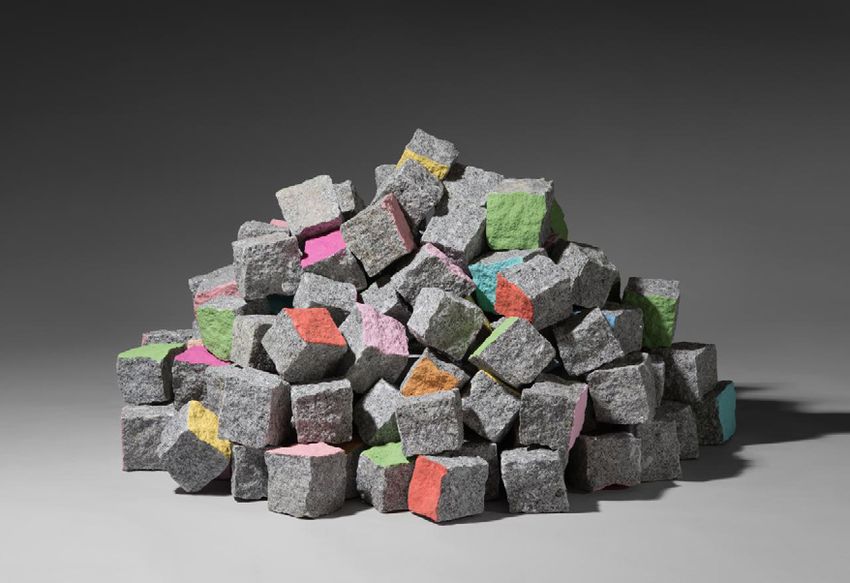
THEME: ENVIRONMENT
AND PLACE
How can art and design change the way we engage with the environment? The theme
‘Environment and Place’ explores changes to our environment, and the role we play in
creating, accepting or responding to these changes. Furthermore, how do these changes
affect our sense of place and belonging? The works of art and design in this theme highlight
the influence of place as part of the artist or designers’ identity, values and beliefs.

• Think about your home or school environment. What does it look like, sound like and feel
   like? How has it changed in recent years? What happened to create those changes?
• Now think of a different, more natural environment, like the bush or the sea or a national
   park. How is it different?
• Do you have any specific memories of visiting these places? How do they make you feel?
• How have these places changed over time? What role do humans play in changing or
   maintaining these areas?

Reflecting on your answers, what might the artists in the ‘Environment and Place’ theme be
trying to capture or express in their work? How does it relate to the concept of change?

                                                                                                Brodie Neill
                                                                                                Gyro, table 2016
                                                                                                Installation view, 2017
                                                                                                National Gallery of Victoria, Melbourne
                                                                                                Purchased, Victorian Foundation for
                                                                                                Living Australian Artists and supported by
                                                                                                Mercedes-Benz Australia/Pacific 2017
                                                                                                Photo: Shaughn and John

                                                                                                                                             7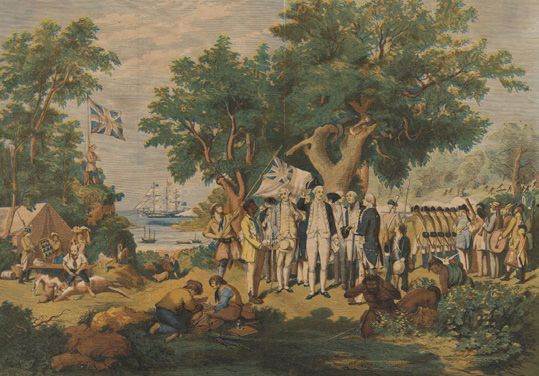
ALEXANDRA KEHAYOGLOU

Santa Cruz River, 2016–17 is a wool carpet, almost five meters long that maps the landscape
of the Santa Cruz River in Argentina. Artist Alexandra Kehayoglou created the work in
response to a proposal by Chinese and Argentinian companies, backed by the Argentinian
government, to build two mega-hydroelectric dams along the river. The dams will flood an
area of around 400 square kilometres, covering fossil records millions of years old, burying
the archaeological ruins of the indigenous Aónikenk or Tehuelche people and disrupting the
natural ecology of the region.
In 2017, Kehayoglou joined a group of biologists, engineers, artists and activists and spent
seven days canoeing down the river to research and document it. She created the carpet
using the knowledge she gained from her journey, and drawing on her own heritage as her
family has worked in the carpet-making industry for generations.
Kehayoglou uses her role as a designer as an opportunity to collaborate with others
to raise awareness of vulnerable landscapes and inspire the viewer to protect these
precious regions.

DISCUSSION QUESTIONS & ACTIVITIES
• Spend some time looking at the carpet. How do you think the artist feels about this place?
  Explain your answer.
• What does this work of art tell us about the artists’ values and beliefs?
• Kehayoglou raises awareness of endangered or vulnerable places through her work.
  Think of another example of an endangered place. What issue is currently affecting this
  landscape? How can you or your classmates raise awareness of this issue? Brainstorm a
  list of possible actions.

ADDITIONAL RESOURCES
• NGV Channel, Alexandra Kehayoglou
• Great art idea, Beautiful planet: Inspired by Alexandra Kehayoglous’ Santa Cruz River

                                                                                               Alexandra Kehayoglou
                                                                                               Santa Cruz River 2017 (detail)
                                                                                               wool
                                                                                               300.0 x 478.0 x 714.0 cm (installed)
                                                                                               National Gallery of Victoria, Melbourne
                                                                                               Purchased NGV Foundation with the assistance
                                                                                               of Michael and Andrew Buxton from MAB
                                                                                               Corporation Pty Ltd, and the Andrew and
                                                                                               Geraldine Buxton Foundation, 2018
                                                                                               © Alexandra Kehayoglou

                                                                                                                                              8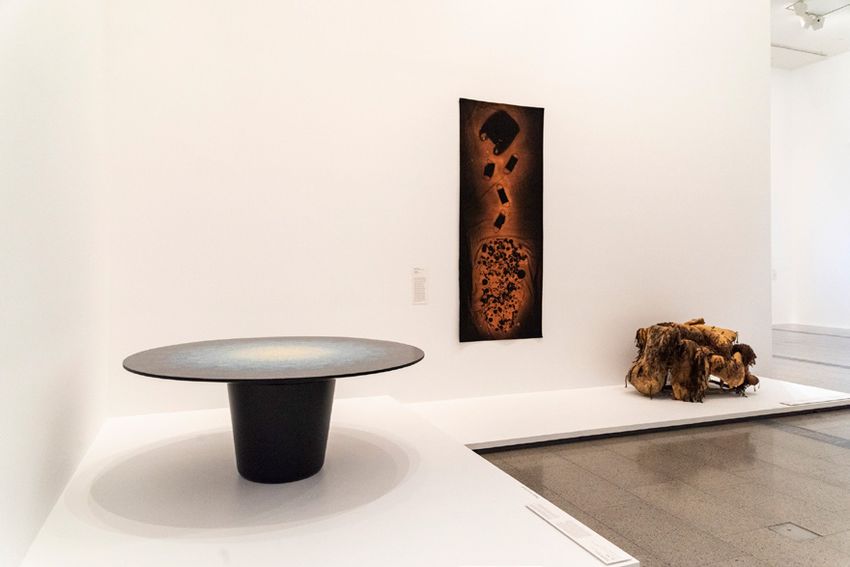
PAOLA PIVI

Paola Pivi lives in Anchorage in Alaska, where bears are a part of everyday life. She
considers them her neighbours. Mama no more diapers, please, 2013, is part of her series
of supernatural polar bears which challenges our perception of the animals. Each bear
has a unique personality, expressed through the vibrant colours, their body language
and playful poses.

Pivi wanted the polar bear to be as true to life as possible so she collaborated with a
Canadian taxidermist to make the sculptures. A taxidermist is a person who preserves
animals’ bodies by stuffing them so they can be displayed (but Pivi’s polar bear is made
from plastic).

Through the sculpture, Pivi expresses her concern about the vulnerability of the natural
world, ethical and ecological matters. In Alaska, wildlife is increasingly at risk due to melting
ice caps, ecological fragility and resource extraction. Through the representation of the polar
bear, Pivi questions what it means to be human and how we relate to nature.

DISCUSSION QUESTIONS & ACTIVITIES
•	Describe the polar bear in three words.
   Consider the polar bear’s characteristics, personality or demeanour. For example, pink,
   shabby and playful.
• Why do you think Paola Pivi chose to make her polar bear pink? How might you view it
  differently if it was white like a real polar bear?
• How does the artist create a sense of friendship or connection between the viewer and the
  polar bear? Think about features of the artwork, such as the title and materials and colours
  used. Why is this important when viewing the work?
• Pivi’s sculpture of a polar bear gives us an insight into the place she lives. Where do you
  think that might be? What significance does this have in the creation of her work?

ADDITIONAL RESOURCES
• NGV Essay, Paola Pivi: You Started it...I Finish it

                                                                                                    Paola Pivi
                                                                                                    Mama no more diapers, please 2013
                                                                                                    from OK, you are better than me, so what?
                                                                                                    urethane foam, plastic, feathers
                                                                                                    122.0 x 158.0 x 99.0 cm
                                                                                                    Photo: Guillaume Ziccarelli
                                                                                                    © Paola Pivi, courtesy Galerie Perrotin

                                                                                                                                                9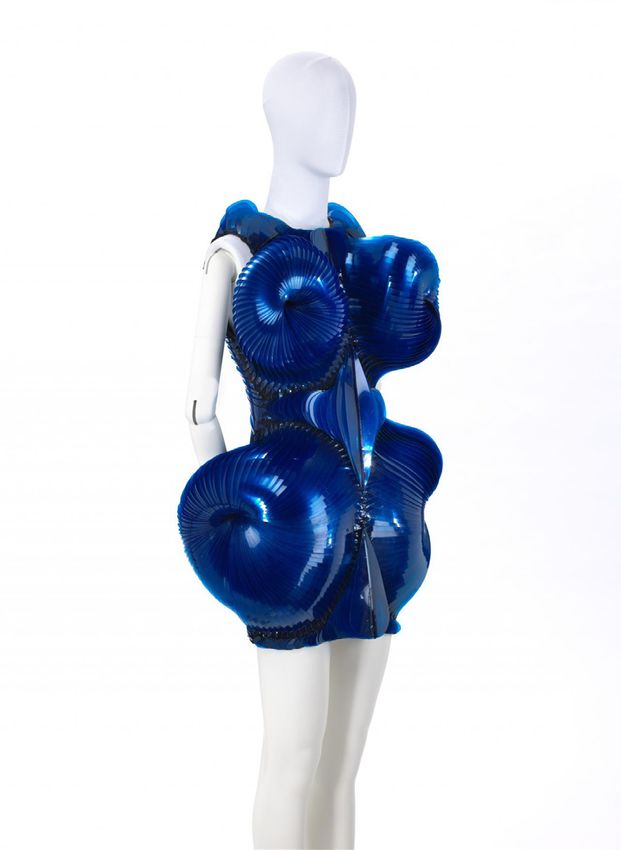
CLINTON NAINA

Clinton Naina is an artist who paints using domestic materials such as heritage coloured
house paint, bitumen paint and household bleach. During Victoria’s COVID-19 lockdown,
he often saw single-use materials, like face masks, discarded on the streets so he produced
Landfill, 2020, in response to this escalating problem of landfill. As he states:
   Remnants and evidence from the used only once popular commercial culture and
   disregarded throw away world.
   Bits and pieces on capitalism, imperialism and colonialism, all gathered together
   creating a consumers’ burial site, hidden deeply into our sacred earth.
   Colourful, shiny synthetic plastic objects, manufactured from toxic poisonous chemicals
   and gases forever there bleaching, polluting and looting our natural ecosystems.
   For the sake of the first world economy and someone’s so called wealth and greed.
   Safe, light blue surgical masks, worn to prevent the spread of airborne illness, death and
   disease.
   A white plastic shopping bag lies empty, full of nothingness, at a price that no one can
   really afford.
   Used only once more, that’s all.
   As Landfill.
   Clinton Naina, 20203

By creating Landfill, Naina hopes that we can remain positive, looking for change in the way
we live and exist by learning from one another. He says, ‘We haven’t looked through the
sovereign people’s lens to create a change. But once we do have a look through that lens,
for that change, it’s possible that could happen. We’re still here. The land is still here. It’s not
too late.’4

DISCUSSION QUESTIONS & ACTIVITIES
• Read the statement by Clinton Naina whilst viewing Landfill. What issues/concerns does
  Naina address in his work? What makes you say that?
• Naina uses domestic materials in his work; Landfill was made using bleach (White King)
  on cotton. Why do you think the artist chooses to work with these materials?
  What significance does this have in interpreting his work?
• Think about the Indigenous perspective of the landscape represented in Naina’s work.
  What can we learn from this? How does this address the issues discussed and help
  shape our future? You might also like to explore the artist’s work in the the exhibition             Clinton Naina
  Big Weather to support your answers to this question.                                                LANDFILL 2020
                                                                                                       Melbourne, Victoria

                                                                                                                             10
THEME: ACTIVISM
AND PROTEST
In what ways are art and design tools for activism? The ‘Activism and Protest’ section of the
exhibition explores art and design as a vehicle for highlighting the things that matter most
to us. The events or issues that provoke activism and protest can be global issues, such as
climate emergency, feminism, the #MeToo and Black Lives Matter movements or deeply
individual, personal issues that play out in the family home, in school or social environments.
• What does it mean to be an activist or to protest about something? What is the difference
between the two terms?
• Think about a time where you may have protested or expressed your opinion about an
issue or topic that mattered to you. It could be something small and personal, such as
tidying your room, or a global issue such as climate change.
• What was the issue?
• What was your opinion or point of view and how did you express it?
• What were the opposing perspectives on this issue?
• How did it make you feel?
• Why was it important to share your opinions or thoughts?
• What was the outcome?
• What other ways can people protest or express their opinions on particular issues or
topics? Brainstorm a list of examples.
• Did you consider art or design in your brainstorm? Why/why not?
• Can art or design be an effective tool in expressing opinions and influencing change?
Discuss
Pascale Marthine Tayou
Coloured stones (Pavés colorés) 2015 (detail)
National Gallery of Victoria, Melbourne
Suzanne Dawbarn Bequest, 2017
© Pascale Marthine Tayou and Galleria
Continua
11GUERRILLA GIRLS
Guerrilla Girls is a group of anonymous feminist artists and activists who call themselves
‘the conscience of the art world’.6 The collective formed in New York City in 1985 with the
mission of bringing gender and racial inequality into focus within the greater arts community.
They use posters, billboards, books, videos and live lectures featuring facts, humour and
bold visuals to expose sexism and racism in politics, the art world and popular culture.
The term ’guerrilla’ is most commonly used in war to describe a small group who use
unusual or sneaky tactics to fight larger more traditional military. When the Guerrilla Girls
were a new group, their name was accidentally spelled as ‘Gorilla’; they took inspiration
from this misspelling and wear gorilla masks during public appearances to protect their
individual identities. They also adopt the names of iconic (now deceased) female artists
such as Edmonia Lewis, Käthe Kollwitz and Frida Kahlo. The anonymity keeps the focus
on the issues and away from who they might be: ‘We could be anyone and we are
everywhere.’7
DISCUSSION QUESTIONS & ACTIVITIES
• Describe the Guerrilla Girls’ posters. What words or images stand out? What message or
issues do you think are conveyed?
• What type of advertisements do you generally see? Where and when might you see them?
• The Guerrilla Girls have used advertising materials such as posters and billboards. How is
this an effective way to address contemporary issues?
• We don’t even know who the Guerrilla Girls are! They choose to remain anonymous. Why
do you think they choose to do this? If you were an artist advocating for change, would
you like your identity to remain hidden? Discuss.
• Think of a time when something seemed unfair to you. It could be something in your
family like having less time on your iPad compared to your brother or sister, or something
you have heard about happening in the world. How could you make the situation fair for
everyone?
GUERRILLA GIRLS, New York
ADDITIONAL RESOURCES (art collective)
Do women have to be naked to get into the
• NGV essay, Are You Listening? The Poster as a site for resistance
Met. Museum? (1989)
• Great art idea, Poster design for change GUERRILLA GIRLS, New York from the Guerrilla Girls Portfolio Compleat
(art collective) 1985–2012 + Upgrade 2012–2016
(left to right) Advantages of owning your own art museum 1985–2016
GUERRILLA GIRLS, New York 2016 poster: colour offset lithograph
(art collective) sticker 27.9 x 71.1 cm (image and sheet)
Museums cave in to radical feminists 2008 10.1 x 17.7 cm ed. 32/50
poster National Gallery of Victoria, Melbourne National Gallery of Victoria, Melbourne
National Gallery of Victoria, Melbourne Purchased with funds donated by Susan Purchased with funds donated by Susan
Purchased with funds donated by Susan Jones and James McGrath, 2018 Jones and James McGrath, 2018
Jones and James McGrath, 2018 2018.159 2018.66
© Guerrilla Girls © Guerrilla Girls © Guerrilla Girls
12AI WEIWEI
Ai Weiwei is a Chinese contemporary artists and social activist. Through his art, Ai Weiwei
addresses global issues such as the relationship between tradition and modernity, the role
of the individual and the state, human rights and freedom of expression.
The Neolithic vases he used to create this work are thousands of years old. Ai Weiwei
dipped them into garish colours of industrial paint and left them to drip dry. While today,
the vases are regarded as rare and valuable artifacts, in their own day they were most likely
simple, functional pots and vessels. The artist believes ‘by changing the meaning of the
object, shaking its foundation, we are also changing our own condition. We can question
what we are.’8
DISCUSSION QUESTIONS & ACTIVITIES
• What are some items you or your family value? What makes them significant to you?
How might someone else view this item?
• Select an item of value.
This can be from your response to the previous question or something different; it could be
a mobile phone or a watch handed down from family generations.
Imagine that a famous artist splashed a layer of paint on this object. How would this make
you feel? Has it changed the way you look at this object? Has it increased or decreased
the value of this object? Discuss.
• What do you think Ai Weiwei means when he says ‘by changing the meaning of an
object...We can question what we are’?
• How do objects change or have an impact on us or the society in which we live?
• How might this work be related to the theme of ‘Activism and Protest’?
AI Weiwei
Coloured vases 2015
earthenware, synthetic polymer paint
National Gallery of Victoria, Melbourne
Loti & Victor Smorgon Fund, 2017
© Ai Weiwei Studio
13FLAGS
GILBERT BAKER
Rainbow flag is recognised as a symbol of pride and activism for the LGBTIQ2A+
community. Each of the six coloured stripes represents a different meaning: red for life,
orange for healing, yellow for sunlight, green for nature, blue for serenity, and violet for spirit.
The flag was created in 1978 by Gilbert Baker, an American activist and designer, for the San
Francisco Gay Freedom Day Parade. Baker refused to trademark his design so it’s available
for everyone; today it is used around the world.
YARA SAID
Syrian artist Yara Said designed Refugee flag for the first ever team of refugee athletes to
compete at the 2016 Summer Olympics in Rio de Janeiro, Brazil. The flag was designed
by Said to be a unifying, international symbol for the growing number of displaced athletes
around the world.
The bright orange flag with a bold black line references the life jackets worn by refugees
while crossing dangerous seas to escape from conflict or persecution in their home
countries. Said has a personal connection to the design of the flag, having sought refuge in
Amsterdam from war torn Syria in 2011; her journey took almost a year and included nine
countries and countless refugee camps along the way. As the designer states ‘black and
orange is a symbol of solidarity with all these brave souls that had to cross the sea to look
for safety in a new country. Since I had to wear one I also have a personal engagement with
the life vests, with these two colours.’9
Said’s Refugee flag is an example of social design. It focuses on the inclusion and
prioritisation of the needs of disadvantaged groups of people to effect social change for
their community. Said’s Refugee flag not only represents the refugee athletes who competed
in the 2016 Olympics but also the millions of displaced peoples across the world. (above)
Yara Said (designer)
The Refugee Nation (manufacturer)
DISCUSSION QUESTIONS & ACTIVITIES Refugee flag 2016 {designed}; 2018
{manufactured}
• What are flags for? nylon
• Choose a flag of a country you know and describe it to your peers. What do the colours 111.0 x 165.0 cm
National Gallery of Victoria, Melbourne
and symbols represent? Presented by The Refugee Nation,
2018
• What do you think the colours and symbols on each of these flags represent?
© Yara Said and The Refugee Nation
• How do you think these flags highlighted a need for change for the communities they
(below)
represent? Do you think they were effective tools as a form of activism and protest? Gilbert Baker
Discuss. Rainbow flag 1978 {designed}; 2018
{manufactured}
nylon
ADDITIONAL RESOURCES 91.4 x 152.4 cm
National Gallery of Victoria, Melbourne
• NGV text, Raising the Flag Purchased NGV Foundation, 2018
© The Gilbert Baker Estate
14MARLENE GILSON
Marlene Gilson’s art challenges colonial representations of historical events in Australia
and highlights the involvement of Indigenous people.10
The landing, 2018, depicts Lieutenant James Cook’s invasion of Botany Bay, and the
people of the Eora Nation who encountered it. The scene is populated with ships, figures,
trees and animals, and is imbued with a foreboding sense of drama as a turning point in
Australia’s history.
For this painting, Gilson reworked a print called Captain Cook taking possession of the
Australian continent on behalf of the British Crown, A.D. 1770, c. 1853-1864, by British painter
Samuel Calvert.11 Calvert’s print shows Cook and his officers raising the Union Jack flag
while soldiers perform a gun salute and a band plays in the background. An Indigenous man
wearing European clothing is offering a tray of drinks to the officers, while a small group of
First Nations people appear to cower in the bushes. Unlike Calvert’s European perspective,
Gilson’s The landing widens the landscape to show the First Nations people living on the land.
Gilson also drew inspiration from illustrations on biscuit tins, Indian miniatures and
small dolls’ houses to provide this Wathaurung perspective on the story of colonisation.
‘Colonisation was a process of denying who was already there, the First Nations families
and figures Gilson captures in lively habitation on land and water.’12
DISCUSSION QUESTIONS & ACTIVITIES
• Look closely at Gilson’s painting. What is happening?
• W
hat perspectives, or narratives, are conveyed in The landing? How might this be similar
above
or different to artworks created by European settlers of the time?13 Marlene Gilson
You may also wish to view Landing of Captain Cook at Botany Bay, 1770 by E. Phillips Fox The landing 2018
synthetic polymer paint on canvas
as a comparative work. 100.7 x 120.5 cm
• How does Gilson’s painting have an impact on the way we view Australia’s colonial past? National Gallery of Victoria, Melbourne
Purchased, Victorian Foundation for Living
• C
onsidering your response from the previous question, does this help the way we might Australian Artists, 2019
© Marlene Gilson
think about Australia now and in the future? What change/s do you hope for? How can we
be part of these changes? below
Samuel Calvert
Captain Cook taking possession of the
ADDITIONAL RESOURCES Australian continent on behalf of the British
Crown A.D. 1770 (c. 1853-1864)
• NGV essay, Are You Listening? The Poster as a site for resistance
colour process engraving
• Great art idea, Poster design for change 32.2 x 44.4 cm (image and sheet)
National Gallery of Victoria, Melbourne
Presented by the Melbourne Technical
College, 1957
15THEME: CELEBRATING
THE EVERYDAY
How can art and design change the way we see our everyday world?
‘Celebrating the Everyday’ considers how artists and designers engage with everyday
things: elevating moments, scenes or materials from daily life into something extraordinary.
It emphasises the importance of local traditions, stories, routines, rituals and cultures, from
remote and regional communities to urban and suburban life. Some artists and designers
have used found objects, such as feathers and shells, or referenced the things we might see
on a daily basis, like bicycles, in their work.
•What rituals, activities and objects do you do/ use every day? How do they form part of
who you are or what you like?
• What rituals and objects might other people, such as those from a different culture or
background, have? How might their experiences help us to think differently about our own
experiences of the world?
• Why might an artist want to represent their everyday experiences and/ or use everyday
objects and materials in their work? Why might it be important to document and share
them?
• How do artists or designers change the way we perceive ‘ordinary’ or ‘everyday’ subjects,
and why do you think they have done this?’
David Shrigley
Untitled (Problem) 2014
synthetic polymer paint on paper
153.0 x 111.0 cm (sheet)
National Gallery of Victoria, Melbourne
Purchased NGV Foundation with the
assistance of NGV Supporters of
Contemporary Art, 2015
© David Shrigley. Courtesy: Stephen
Friedman Gallery, London; Anton Kern,
New York; BQ, Berlin
16DAVID HOCKNEY
David Hockney is considered one of the most influential British artists of the twentieth century.
His work explores traditional subjects of portraits, still life and landscapes, reimagined in new,
contemporary ways.
From the late 1980s, Hockney started to incorporate technology in his art, including the use
of photocopiers and fax machines. As technology developed, he began using an iPad to
produce still life digital artworks, loving the range of colour, speed and mobility it offers. The
iPad records each mark he made while creating his work, so he can look back on his process
and challenge himself to draw more efficiently and faster.
David Hockney is a great advocate for looking closely; his desire to make art is connected
to his love for observing a subject in great detail and with more intensity. He believes that
traditional forms can always be reimagined: ‘there’s always another way of doing it.’14
DISCUSSION QUESTIONS & ACTIVITIES
• What objects can you see in Hockney’s pictures? Where are these objects usually found?
• Would you normally pay much attention to these objects? Conduct a quick ‘yes’ or ‘no’
vote. Explain your answer.
• Hockney encourages people to look closely, and with more intensity, at everyday objects.
Facilitate a mystery item activity in pairs:
• Select an object from around the room to describe to your partner. Imagine they have (clockwise, top left)
never seen this object before so be precise and elaborate with your description. Can David Hockney
Will it ever work 2011
your partner guess the item? ipad drawing printed on paper
94.0 x 71.0 cm (image and sheet)
• Did your description change the way your partner views this object? Discuss ed. 7/25
• How does the way Hockney depicts these objects change the way we see or look at them? National Gallery of Victoria, Melbourne
A gift from David Hockney, 2019
© David Hockney
ADDITIONAL RESOURCES
David Hockney
• Great art idea, Everyday moments: inspired by David Hockney’s digital still life paintings Self portrait IV, 25 March 2012 2012
ipad drawing printed on paper
• NGV Channel, Hockney Unlocked 94.0 x 71.0 cm (image and sheet)
ed. 7/25
National Gallery of Victoria, Melbourne
A gift from David Hockney, 2019
© David Hockney
David Hockney
Early morning 2010
ipad drawing printed on paper
94.0 x 71.0 cm (image and sheet)
ed. 7/25
National Gallery of Victoria, Melbourne
A gift from David Hockney, 2019
© David Hockney
17CLAUDIA MOODOONUTHI
Claudia Moodoonuthi (b. 1995) is a Kaiadilt artist from Bentick Island in the Gulf of
Carpenteria. She spent much of her childhood on Country with her family, fishing and
hunting, developing a deep connection to the land and to the traditional ways of the Lardil
and Kaiadilt peoples. These experiences are reflected through her bright and colourful
artworks. Many of Moodoonuthi’s paintings depict waterholes, grasses, sea life and the
many rocks off the coastline of Bentinck Island.
For her work 360 flip on country, 2014, Moodoonuthi collected discarded skateboards
that reminded her of her childhood growing up on Bentinck Island. She covered them in
traditional designs; the faces reference traditional Kaiadilt art and the bold striped and
dotted compositions beneath the wheels reflect Lardil iconography. By working on these
everyday objects she elevates their status – from everyday items to works of art that speak
of identity, culture and place.
DISCUSSION QUESTIONS & ACTIVITIES
• Look at the front and back of the skateboards. What do you see? What might they tell us
about the artist?
• Moodoonuthi collected once loved objects that remind her of the fun she had in her
childhood. What objects are special to you and what makes them so special?
• How does this work connect to the theme ‘Celebrating the Everyday’?
• Think about everything you know so far about the work and the artist. How does it
challenge or change your perceptions?
ADDITIONAL RESOURCES
• Great art idea, Celebrating the Everyday: inspired by Claudia Moodoonuthi’s
360 Flip on Country
Claudia Moodoonuthi
360 flip on country 2014
Brisbane, Queensland
synthetic polymer paint on skateboards
Purchased, Victorian Foundation for
Living Australian Artists, 2015
18JULIAN OPIE
Julian Opie is a British contemporary artist whose practice includes painting, sculpture and
digital art. He has been making portraits since the 1990s, using a bold style to record the
people he sees, reducing them to simple shapes and forms.
While planning City walkers, 2018, Opie asked a photographer to set up his camera in various
places around Melbourne and record passers-by. The rules were simple: the camera needed
to be at waist height, on level ground and as unnoticed as possible using a long lens. From
the hundreds of photographs taken, Opie selected the best ones and drew them in his
London studio. Each character is captured mid stride, providing a snapshot of their personality
through their personal style choices such as their tattoos, hairstyles, or accessories.
DISCUSSION QUESTIONS & ACTIVITIES
• Choose a figure from Opie’s City walkers. What personality or interests do you think they
have? What makes you say that? How has Opie captured their individuality?
• In City walkers, Opie uses the everyday ritual of walking in a creative and energetic way.
How has he achieved this? Consider the use of line and shapes, the scale of his work and
the techniques and materials used.
• Opie created this artwork for the NGV in 2018, showing people walking the streets of
Melbourne. What similarities and differences would you see in the figures if Opie had
created this artwork in 2020? Do you think the artwork would have the same meaning?
Discuss.
• How might this work change way people view the world around them?
ADDITIONAL RESOURCES
• Great art idea, Graphic Portraits: Inspired by Julian Opie’s Walking in the Rain Series
• NGV Channel, Julian Opie, An Influential British Artist
• NGV Essay, Julian Opie Time Frozen
Julian Opie
City walkers 2018
anodised aluminium
Purchased with funds donated
by Michael and Emily Tong, and NGV
Foundation, 2020
19KU (CAMP DOGS)
These Ku (or camp dogs) have been carved from soft timber by a group of artists from
Aurukun, an area in western Cape York Peninsula, North Queensland. Wood carvings like
these were traditionally used for ceremonies, created to represent members of the Aboriginal
community’s totems and the natural environment. Today, the artists continue the wood carving
traditional practice by creating the Ku as artworks.15
Each dog has its own personality and quirky expression. Artist Leigh Namponan based Brutus
on one of his own pet dogs, he said ‘I mostly carve camp dogs because they are my totem
and my grandmother’s totem.’16 In Aboriginal communities across the country, cheeky dogs
are seen wandering the streets, stealing scraps and resting in the shade, they are respected
creatures in their communities.
DISCUSSION QUESTIONS & ACTIVITIES
• What associations do we normally make with dogs? What reasons might you have for
wanting to celebrate them?
• Ku is the Wik-Mungkan language name for the ‘camp dogs’ of Aurukun. What clues does
it provide about the story behind these artworks? Why might it be important to use the
artists’ own language when displaying and referring to artworks instead of translating it to
English?
• What is the significance of a totem? Where might you see totems? How do they celebrate
culture or identity?
• In the exhibition, lots of Ku have been displayed together. What effect does this have?
How might you view them differently if only one was there?
• Now that you know a little more about the Ku, how do you think they relate to the concept
of change?
(top) (bottom)
Lex Namponan Lex Namponan
Smiley Blue Eye 2016 Brutus ku 2015
synthetic polymer paint on Milkwood synthetic polymer paint on milkwood
(Alstonia actinophylla) (Alstonia actinophylla)
51.0 x 27.2 x 70.3 cm 87.0 x 31.0 x 94.8 cm
National Gallery of Victoria, Melbourne National Gallery of Victoria, Melbourne
Purchased, Victorian Foundation for Purchased, Victorian Foundation for
Living Australian Artists, 2016 Living Australian Artists, 2016
© The artist, courtesy Wik and Kugu © The artist, courtesy Wik and Kugu
Art Centre Art Centre
20THEME: SHAPING
THE FUTURE
How can art and design help shape our future?
‘Shaping the Future’ presents ways that artists and designers design and conceptualise the
future, from personal stories of experience to new ways with traditional skills and processes.
The works in this exhibition space invite us to think about what we value and hope for,
exploring how social, cultural, environmental and technological factors can help us imagine
our future differently.
• Imagine your world in fifty years. How old will you be? What does your future look like?
• What are things that are important to you now? And the future? Are they the same or
different? Why?
• Think about a new invention or technology that shaped the world, such as the wheel,
sliced bread, the light bulb, plastic or the internet.
• How has this invention changed the world?
• Does this invention continue to evolve over time?
• What implications might this have for the future?
• Consider ideas or concerns artists or designers might convey in their work about the
future, such as waste and recycling. What materials, techniques and processes might the
artist or designer use? Will these be traditional, new, and/or reimagined?
Christine Holroyd
Mylene Holroyd
Sid Bruce Short Joe
Rhiannon Edwards
Christine Yantumba
Obalow (Mermaid) 2017
ghost net
51.0 x 281.0 x 94.0 cm (installed)
National Gallery of Victoria, Melbourne
Purchased with funds donated by Nicholas
Allen and Helen Nicolay, 2017
© Pormpuraaw Artists Christine Holroyd,
Mylene Holroyd, Sid Bruce Short Joe, Rhiannon
Bruce and Christine Yantumba/Courtesy
Pormpuraaw Arts & Cultural Centre Inc.
21IRIS VAN HERPEN
Dutch fashion designer Iris van Herpen creates garments for the future of fashion. Van
Herpen began using 3D-printing to create garments while the technology was still quite new.
She merges digital techniques with traditional couturier craftsmanship (luxurious tailoring) in
a style sometimes called ‘Craftolution.’ Van Herpen collaborates with architects, scientists
and engineers throughout her design process to continuously develop her knowledge and
experience working with unconventional materials.
Dress, 2011, was designed for Icelandic singer Björk to wear during her 2011 Biophilia tour.
It took several months to make and fuses machine and hand work to create the exaggerated
forms. The dress is made from circular semi-transparent acrylic sheets that have been hand
and laser cut and mounted to create a three-dimensional shell-like shape.
DISCUSSION QUESTIONS & ACTIVITIES
• Use similes to describe the colours, shapes and texture of Van Herpen’s Dress.
For example, The dress is as blue as lightning in the night sky.
• Iris Van Herpen is inspired by dance and movement; she practised classical ballet for
years and has designed garments for famous singers, including Beyonce, Lady Gaga
and Björk. How has Van Herpen created a sense of movement and rhythm in Dress?
• What materials are used to make Dress? How do you think it was made?
• Who might Van Herpen need to work together with to successfully incorporate the use of
new materials and technologies in her designs?
• How is Van Herpen shaping the future for fashion design? Can this be translated into other
forms of fashion design, such as streetwear?
ADDITIONAL RESOURCES
• NGV Channel, Live In-Studio Artist Visit- Iris Van Herpen
Iris van Herpen, Amsterdam
(fashion house)
Iris van Herpen (designer)
Dress 2011
acrylic, nylon (tulle), metal
78.0 cm (centre back) 35.0 cm (waist, flat)
National Gallery of Victoria, Melbourne
Purchased with funds donated by Norma
and Stuart Leslie, 2016
© Iris van Herpen
22STUDIO FORMAFANTASMA
Formafantasma is a design studio based in Amsterdam in the Netherlands. They rigorously
investigate materials to create objects that disrupt the historical, political and social status quo.
For Ore Streams, 2016-17, the designers wanted to find out how electronic devices are
produced and what happens once they are discarded. They conducted in depth research,
interviews and material experimentations, and decided to create this series of objects
from metals reclaimed from a range of electronic devices. The project aims to highlight
the environmental and social impacts of our appetite for new technology, such as the
consequences of the trade in rare earth minerals and electronic waste. The work encourages
us to question our patterns of consumption and examine where the materials that make our
consumer products come from, while offering an insight into how design could be put to work
as an agent for a more efficient use, recovery and re-use of resources.
DISCUSSION QUESTIONS & ACTIVITIES
• Look closely at Formafantasma’s cabinet and chair. Which parts look familiar? Where
might you have seen these parts before?
• What issue or concern do you think Formafantasma are trying to convey in their work?
What makes you say that?
• What happens to old phones and computers when they are no longer used? How can this
be harmful to the environment? What does Formafantasma want people to think about,
and do, after viewing their work?
• Find out more about ways we can reduce and reuse e-waste. What is one thing you can
do to make a difference? How can you encourage your family and friends to do the same?
ADDITIONAL RESOURCES
• NGV Channel, Formafantasma
(left) (right)
STUDIO FORMAFANTASMA, STUDIO FORMAFANTASMA,
Amsterdam (design studio) Amsterdam (design studio)
Andrea TRIMARCHI (designer) Andrea TRIMARCHI (designer)
Simone FARRESIN (designer) Simone FARRESIN (designer)
Ore streams – Cabinet (2016-2017) Ore streams – Low chair (2016-2017)
glass, anodised aluminium, steel, metallic paint on aluminium, gold-
synthetic rubber plated aluminium, mobile phone parts
(a-h) 172.2 x 49.5 x 51.6 cm (overall) 82.7 x 37.7 x 61.5 cm
National Gallery of Victoria, Melbourne National Gallery of Victoria, Melbourne
Purchased NGV Foundation with the Purchased NGV Foundation with the
assistance of Nicholas Allen and assistance of Nicholas Allen and
Helen Nicolay, 2018 Helen Nicolay, 2018
© Courtesy Studio Formafantasma © Courtesy Studio Formafantasma
23NOTES
1. Project Zero, Artful Thinking, pzartfulthinking.org, accessed 3rd March 2021. 11. T
he Conversation, ‘Terra nullius interruptus: Captain James Cook and absent presence in First
Nations art’, 2020, The Conversation, https://theconversation.com/terra-nullius-interruptus-captain-
2. ibid.
james-cook-and-absent-presence-in-first-nations-art-129688, accessed 24 Mar. 2021.
3. N
GV, ‘We Change the World Artwork labels’, 2021, NGV, Victorian Government, https://www.ngv.vic.
12. ibid.
gov.au/exhibition/we-change-the-world/ , accessed 7th March 2021.
13. T
o learn more visit: NGV, ‘Colony to Nation First Contact’, NGV, Victorian Government, 2020,
4. T
he Sydney Morning Herald, “These issues are global”: new NGV exhibit connects country and
https://www.ngv.vic.gov.au/school_resource/art-and-history-colony-to-nation-first-contact/,
climate’, 11th March 2021, The Sydney Morning Herald, https://www.smh.com.au/culture/art-and-
accessed 1st April 2021.
design/these-issues-are-global-new-ngv-exhibit-connects-country-and-climate-20210310-p579fd.
html, accessed 19th March 2021 14. N
ational Gallery of Victoria, ‘David Hockney’, NGV, Victorian Government, 2016,
https://www.ngv.vic.gov.au/exhibition/david-hockney/, accessed 11 Feb. 2021.
5. N
GV, ‘Big Weather learning resource’, 2021, NGV, Victorian Government, https://www.ngv.vic.gov.au/
school_resource/big-weather/, accessed 1st April 2021. 15. Q
AGOMA, ‘Meet our quirky Aurukun camp dogs’, 2020, QAGOMA, Queensland Government,
https://blog.qagoma.qld.gov.au/indigenous-australian-camp-dogs/, accessed 23 April 2021.
6. N
ational Gallery of Victoria, ‘Guerrilla Girls’, NGV, Victorian Government, https://www.ngv.vic.gov.au/
exhibition/guerrilla-girls/, accessed 10th February 2021. 16. A
urukun Shire Council, ‘Aurukun camp dog sculptures in demand’, 2016, Aurkun Shire Council,
http://www.aurukun.qld.gov.au/aurukun-camp-dog-sculptures-in-demand/, accessed 23 April 2021.
7. M
egan Patty, ‘Are You Listening? The poster as a site for resistance’, 9th April 2020, NGV, Victorian
Government, https://www.ngv.vic.gov.au/essay/are-you-listening-the-poster-as-a-site-for-resistance,
accessed 10 Feb. 2021.
8. Q
ueensland Art Gallery| Gallery of Modern Art, QAGOMA, Queensland Government, https://learning.
qagoma.qld.gov.au/artworks/dropping-a-han-dynasty-urn/, accessed 10th February 2021.
9. T
he Refugee Nation, The Refugee Nation, http://therefugeenation.com/#OurFlag, accessed 10th
February 2021.
10. 2
2nd Bienniale of Sydney NIRIN, ‘Marlen Gilson’, Bienniale of Sydney, 2020, https://www.
biennaleofsydney.art/artists/marlene-gilson/, accessed 1st April 2020.
NGV SCHOOLS PROGRAM PARTNERS
The NGV gratefully acknowledges the Packer Family and Crown Resorts Foundations for their support of the Your NGV Arts
Access Program for Students, Children and Families. The NGV warmly thanks Krystyna Campbell-Pretty AM and Family for
their support of the NGV School Support Program.
24You can also read


