2 60 Minutes from Catalogue to Classroom
←
→
Page content transcription
If your browser does not render page correctly, please read the page content below

2
60 Minutes from
 Catalogue to Classroom
      Using Journal Articles for Professional Development

      Module 2: Empathy and Cultural Competence Reflections
 		            from Teachers of Culturally Diverse Children1
This document was prepared under Grant #90HC0001 for the U.S. Department of Health
        and Human Services, Administration for Children and Families, Office of Head Start, by
        the National Center on Cultural and Linguistic Responsiveness.

        Contact Information:
        The Office of Head Start National Center on Cultural and Linguistic Responsiveness
                 https://eclkc.ohs.acf.hhs.gov/hslc/tta-system/cultural-linguistic
             • Bank Street College, NCCLR@bankstreet.edu, Toll free: 888.246.1975
             •		 Education Development Center, Inc., NCCLRinfo@edc.org, Toll free: 855.494.0331

        60 Minutes from Catalogue to Classroom, Module 2
2   x   A Facilitator’s Guide
catalogue to classroom

Table of Contents

         What is 60 Minutes from Catalogue to Classroom? . . . . . . . . . . . . . . . . . . . . . . 5

         Preparing for a 60 Minutes from Catalogue to Classroom Training . . . . . . . . .  7

         Catalogue to Classroom Module Summary. . . . . . . . . . . . . . . . . . . . . . . . . . . . . 8

         Facilitating a Training, Step by Step. . . . . . . . . . . . . . . . . . . . . . . . . . . . . . . . . . .  9

         Module 2: Empathy and Cultural Competence Reflections from
                    Teachers of Culturally Diverse Children
            Main Theme . . . . . . . . . . . . . . . . . . . . . . . . . . . . . . . . . . . . . . . . . . . . . . . . . 11
            Link to Article. . . . . . . . . . . . . . . . . . . . . . . . . . . . . . . . . . . . . . . . . . . . . . . . 11
            Learning Outcomes . . . . . . . . . . . . . . . . . . . . . . . . . . . . . . . . . . . . . . . . . . . 12
            Conversation Starters . . . . . . . . . . . . . . . . . . . . . . . . . . . . . . . . . . . . . . . . . 13
            Key Points . . . . . . . . . . . . . . . . . . . . . . . . . . . . . . . . . . . . . . . . . . . . . . . . . . . 14
            Activity . . . . . . . . . . . . . . . . . . . . . . . . . . . . . . . . . . . . . . . . . . . . . . . . . . . . . 15
            Learning Extension. . . . . . . . . . . . . . . . . . . . . . . . . . . . . . . . . . . . . . . . . . . .17
            Application to Head Start . . . . . . . . . . . . . . . . . . . . . . . . . . . . . . . . . . . . . . 18
            Making the Connection . . . . . . . . . . . . . . . . . . . . . . . . . . . . . . . . . . . . . . . .20
            References . . . . . . . . . . . . . . . . . . . . . . . . . . . . . . . . . . . . . . . . . . . . . . . . . . 23
            Appendix. . . . . . . . . . . . . . . . . . . . . . . . . . . . . . . . . . . . . . . . . . . . . . . . . . . . 24

         Participant Handouts
             Article Summary. . . . . . . . . . . . . . . . . . . . . . . . . . . . . . . . . . . . . . . . . . . . . . . iii
             Activity Instructions . . . . . . . . . . . . . . . . . . . . . . . . . . . . . . . . . . . . . . . . . . . iv
             Learning Extension Instructions. . . . . . . . . . . . . . . . . . . . . . . . . . . . . . . . . . iv
             Application to Head Start . . . . . . . . . . . . . . . . . . . . . . . . . . . . . . . . . . . . . . . vi
             Making the Connection . . . . . . . . . . . . . . . . . . . . . . . . . . . . . . . . . . . . . . . . ix
             Appendix. . . . . . . . . . . . . . . . . . . . . . . . . . . . . . . . . . . . . . . . . . . . . . . . . . . . . x

                                                                                   60 Minutes from Catalogue to Classroom, Module 2
                                                                                                                 A Facilitator’s Guide   x   3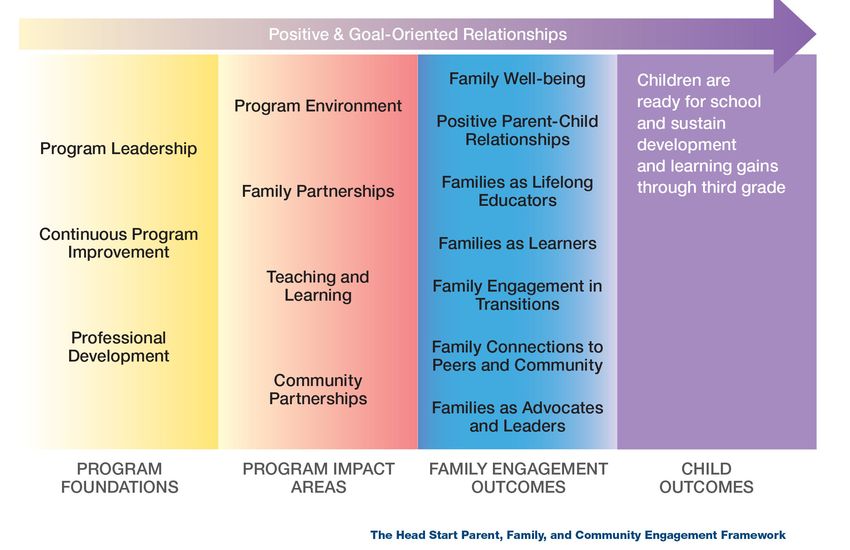
Empathy and Cult Embracing
Diversity
ural Competence
Reflections from Tea
chers of
Culturally Diverse
Children
Teachers cannot
hope to
begin to understan
d Michaela W. Colombo
who sits before
them unless
A
they can con-
nect with the
families and
communities
from which their
children come. pproximately
To 40 percent of
do that it is vital culturally diverse children in U.S.
that teachers backgrounds public schools
and teacher educators Start—w (NCES 2003). are from
plore their own ex- ethnic, and cultural here 52 percent of teachers Yet, other than
in Head
come from a
attitudes about
beliefs and percent of preschoo backgrounds different from variety of racial,
non-white and l teachers are the mainstre
non-middle-class 2002) and the culturally diverse am—only 22
people. percentage of (Saluja, Early,
10 (NCES 2003). non-White K–12 & Clifford
teachers actually
—Lisa Delpit A cultural mismatch may be closer
Other People’s between teachers to
Children in uncomfortable and the children
classroom experien they
Unlike many ces for some teach can result
children who children and
find familiar arrive at preschoo teachers.
environments l and elementa
and teachers
M (English), many who speak their ry classroom
culturally and s and
any culturally are moving “from linguistically same language
and 1993, 9). Their
one world to diverse students
another” as they may feel like
linguistically diverse teachers often go from home they
1 Module 2 features Michaela M.W. Colombo’s article, Empathy and
language. Classroo differ from their to school (Au
students may m expectations families in race,
differ from those and patterns culture, and
feel like at home. of communication
they are moving may also
“from
one world to anothe Cultural compat
r” ibility
as they go from
home Teachers who
share their students
to school. ences between
home and school. ’ culture can
minimize some
validating the Often these of the differ-
identities of
2002). Unfortun culturally diverse teachers serve as role models,
ately, while the children (Saluja,
Cultural Competence: Reflections from Teachers of Culturally Diverse
Michaela W. diversity of the need for teachers Early, & Clifford
Colombo, EdD, student populatio who reflect the
assistant professor is an diverse teachers n has grown, cultural
in Schooling in the Leadershi has declined the percenta
Program at the p Considerable (Saluja, Early, ge of culturally
sity of Massachu Univer- research (Delgado & Clifford 2002).
she teaches
setts, Lowell,
where
2001; Ogbu 2001) -Gaitan & Trueba
sociocultural indicates, however, 1991; Halcón
education, second contexts of cultures can that teachers 2001;
tion, and diversity language acquisi-
provide
children’s “cultural culturally compatible instructio who do not share Moll
issues for school children’s
leaders. different ways funds of knowledg n if they understa
of knowing, commun e,” which can be thought nd the
Children. (2005) Young children, pg. 1-8. This article is used for
Illustration © homes (Moll of as the
Nicole Tadgell. 1994, 2001). Teachers icating, and doing that
different strengths who understa exist within diverse
and funds of nd and apprecia
knowledge are te culturally
Beyond the more likely to
Journal • Young provide enriching
Children on the Web • November
2005
1
implementation of this professional development module.
Retrieved from the National Association for the Education of Young Children website:
http://www.naeyc.org/files/yc/file/200511/ColomboBTJ1105.pdf
60 Minutes from Catalogue to Classroom, Module 2
4 x A Facilitator’s Guide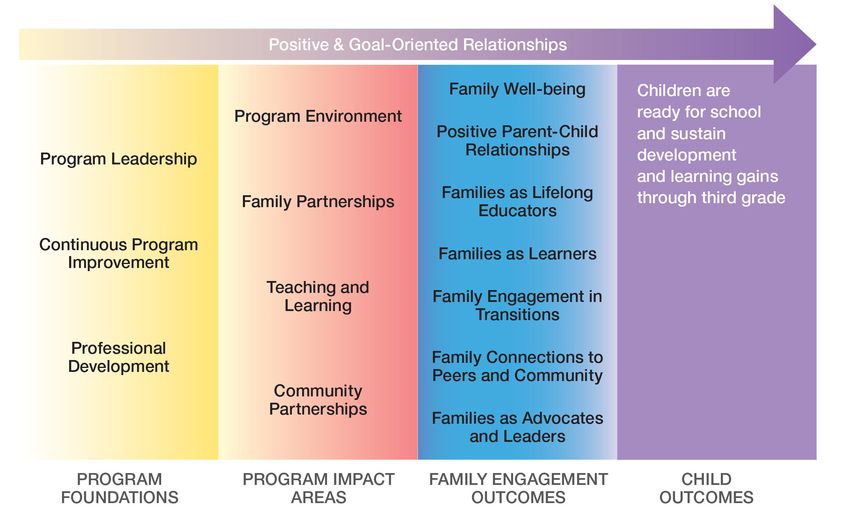
catalogue to classroom

                                                               1                                                                            2
   60 Minutes from Catalogue                                                60 Minutes from
      to Classroom                                                           Catalogue to Classroom
                                                                             Using Journal Articles for Professional Development
      Using Journal Articles for Professional Development
                                                                              Module 2: Empathy and Cultural Competence Reflections from
                                                                              Teachers of Culturally Diverse Children by Michaela Colombo

        Module 1			                                                                 Module 2

What is 60 Minutes from Catalogue to Classroom?

60 Minutes from Catalogue to Classroom (C2C) is a series of professional development training
modules that highlight individual journal articles focused on culture, dual language learning, and
best practices from the Head Start Cultural and Linguistic Responsiveness Resource Catalogues
(Volumes One through Three)*. Please note that the content in these modules is designed to
encourage discussion and is not considered an exhaustive review of these topics.

                                      •                     Articles have been selected to help participants explore issues of
                                                            culture and language and stimulate conversation around these
                                                            important ideas (i.e., whether participants agree or disagree with an
                                                            article’s point of view).

                                      •                     All articles complement aspects of the Office of Head Start’s
                                                            Revisiting and Updating the Multicultural Principles for Head
                                                            Start Programs Serving Children Ages Birth to Five (HS
                                                            Multicultural Principles) and support the Head Start Child
                                                            Development Early Learning Framework (HSCDELF).

                                      •                     The modules can be used by Managers and Trainers/
                                                            Technical Assistance (T/TA) providers for staff meetings or trainings.

                                      •                     The modules are designed to be customized to a 60- or 90-minute
                                                            training format.

* Head Start Cultural and Linguistic Responsiveness Resource Catalogues:
        Volume One: Dual Language Learning (First Edition)
        Volume Two: Native and Heritage Language Preservation, Revitalization, and Maintenance (Second Edition)
        Volume Three: Cultural Responsiveness (First Edition)

                                                                                                                                                60 Minutes from Catalogue to Classroom, Module 2
                                                                                                                                                                              A Facilitator’s Guide   x   5
60 Minutes from Catalogue to Classroom, Module 2
6   x   A Facilitator’s Guide

catalogue to classroom

Preparing for 60 Minutes from Catalogue to Classroom Training:

         •   Reserve a training space with tables and chairs to maximize discussion
             potential and allow for work in small groups.

         •   Download and read the featured article and the training module.

         •   Distribute featured article to participants to read before training.

         •   Select a 60- or 90-minute training option. Ninety-minute sessions
             include Learning Extensions or the Application to Head Start exercises.

         •   Select one or more Conversation Starters from the module.

         •   Copy the C2C Participant Handouts for each trainee and bring extra
             copies of the featured article.

         •   Have on hand a copy of the Head Start Multicultural Principles and other
             NCCLR or Head Start products listed under Application to Head Start.

         •   Bring paper and pens for each participant.

         •   Set up the training space.

         •   If required, collect additional materials that will be listed under the
             Activity section.

                                                       60 Minutes from Catalogue to Classroom, Module 2
                                                                                     A Facilitator’s Guide   x   7
Catalogue to Classroom Module Summary

                                     Each Module Contains                                    Estimated Time *

                          Learning Outcomes: A list of important learning objectives,           5 minutes
                          based on the highlights of the featured article.

                          Conversation Starters: Key questions to consider while                10 minutes
                          discussing the article.

                          Key Points: A list of the article’s important concepts.               15 minutes

                          Activity: A hands-on learning experience related to the               30 minutes
                          concepts in the article.

                          Making the Connection: Ways in which the module fits
                          with the Head Start Performance Standards, Head Start                    N/A
                          Monitoring Protocol, T/TA relevance, and NCCLR products
                          and collaborations.

                         Optional Extensions for 90-minute Training                          Estimated Time

                          Learning Extensions: Activities designed to help staff extend         30 minutes
                          and apply thinking based on the article.

                          Application to Head Start: Ways in which C2C connects to the          30 minutes
                          Multicultural Principles, the HSCDELF, and other NCCLR products.

        * Estimated time can be adjusted based on the needs and interests of group.

         60 Minutes from Catalogue to Classroom, Module 2
8   x    A Facilitator’s Guide
catalogue to classroom

Facilitating the Training, Step-by-Step

60-Minute Training

          1. Introduce the C2C training module to participants. Explain that it is designed to
             stimulate a discussion around a journal article from one of the NCCLR Resource
             Catalogue volumes. (1 minute)

          2. Introduce the featured article to participants. Select a participant to read the
             main theme of the featured article to the whole group. (2 minutes)

          3. Review the Learning Outcomes with participants. Explain that outcomes will
             be met through engaged discussion and participation in activities based on
             the featured article. (2 minutes)

          4. Have participants form small groups of 3 to 4 members. Select one of the
             Conversation Starters to begin discussion. Participants should consider ways in
             which they agree or disagree with the point of view of the author(s). (10 minutes)

          6. Bring participants back to the whole group. Ask each group to share an interest-
             ing point raised in their discussions. Make connections to participants’ ongoing
             work with children and families. Use the Key Points to add concepts not men-
             tioned during the participants’ conversation. (15 minutes)

          7. Have participants engage in the hands-on Activity to apply a strategy from the
             featured article and write down next steps on action planning form. (30 minutes)

          8. Refer participants to Making the Connection to learn how the module connects
             to Head Start resources.

90-Minute Training

           Follow training steps 1 – 8. For the remaining 30 minutes, choose one:

              •   Have participants engage in Learning Extensions activities that
                  encourage further discussion based on the featured article.

              •   Have participants engage in one Application to Head Start exercise.

                                                           60 Minutes from Catalogue to Classroom, Module 2
                                                                                         A Facilitator’s Guide   x   9
Facilitator Notes:

     .....................................................................................................................................................................
     .....................................................................................................................................................................
     .....................................................................................................................................................................
     .....................................................................................................................................................................
     .....................................................................................................................................................................
     .....................................................................................................................................................................
     .....................................................................................................................................................................
     .....................................................................................................................................................................
     .....................................................................................................................................................................
     .....................................................................................................................................................................
     .....................................................................................................................................................................
     .....................................................................................................................................................................
     .....................................................................................................................................................................
     .....................................................................................................................................................................
     .....................................................................................................................................................................
     .....................................................................................................................................................................
     .....................................................................................................................................................................
     .....................................................................................................................................................................
     .....................................................................................................................................................................
     .....................................................................................................................................................................
     .....................................................................................................................................................................
     .....................................................................................................................................................................
     .....................................................................................................................................................................
     .....................................................................................................................................................................
     .....................................................................................................................................................................
     .....................................................................................................................................................................
     .....................................................................................................................................................................
     .....................................................................................................................................................................
     .....................................................................................................................................................................
     .....................................................................................................................................................................
     .....................................................................................................................................................................
     .....................................................................................................................................................................
     .....................................................................................................................................................................

          60 Minutes from Catalogue to Classroom, Module 2
10   x    A Facilitator’s Guide
catalogue to classroom
..................................................................................................................................................................
..................................................................................................................................................................
Module 2 Empathy and Cultu
ral Competence
Embracing Diversity
Reflections from Teachers
Culturally Diverse Child of
ren
Article: Empathy and Cultural Competence Reflections
Teachers cannot
hope to
begin to understand Michaela W. Colombo
who sits before
A
them unless
they can con-
nect with the
families and
from Teachers of Culturally Diverse Children
communities
from which their
children come. To pproximately 40
percent of children
do that it is vital culturally diverse in U.S. public schools
that teachers backgrounds (NCES are from
and teacher educators Start—where 52 2003). Yet, other
ex- ethnic, and cultural percent of teachers than in Head
plore their own beliefs backgrounds different come from a variety
and percent of preschool from the mainstream— of racial,
attitudes about non-white teachers are culturally only 22
and 2002) and the percentage diverse (Saluja,
non-middle-class of non-White K–12 Early, & Clifford
people. 10 (NCES 2003). teachers actually
may be closer to
—Lisa Delpit A cultural mismatch
Other People’s Children between teachers
in uncomfortable and the children
classroom experiences they teach can result
Unlike many children for some children
and
Author(s): Colombo, Michaela W.
who
find familiar environments arrive at preschool and elementary teachers.
and teachers who classrooms and
(English), many
Many culturally and culturally and linguistically speak their same
are moving “from language
one world to another” diverse students may feel
1993, 9). Their teachers as they go from like they
linguistically diverse language. Classroom often differ from
their families in
home to school
(Au
expectations and race,
students may feel differ from those patterns of communicaticulture, and
like at home. on may also
they are moving “from
one world to another” Cultural compatibili
ty
as they go from home Teachers who share
their students’ culture
ences between home
to school. and can minimize some
Year: 2005
validating the identities school. Often these teachers of the differ-
of culturally diverse serve as role models,
2002). Unfortunately children (Saluja,
, while the need Early, & Clifford
Michaela W. Colombo, diversity of the for teachers who
student population reflect
assistant professor EdD, is an diverse teachers has grown, the percentagethe cultural
in has declined (Saluja, of culturally
in Schooling Program the Leadership Considerable research Early, & Clifford
sity of Massachusetts at the Univer- (Delgado-Gaitan 2002).
, Lowell, where 2001; Ogbu 2001) & Trueba 1991;
she teaches sociocultural indicates, however, Halcón 2001; Moll
contexts of cultures can provide that teachers who
education, second culturally compatible do not share children’s
language acquisi- children’s “cultural instruction if they
tion, and diversity funds of knowledge,” understand the
issues for school different ways of
leaders. knowing, communicati which can be thought of as the
Illustration © Nicole homes (Moll 1994, 2001). ng, and doing
Tadgell. different strengths Teachers who understand that exist within diverse
and funds of knowledge and appreciate culturally
Journal: Young Children on the Web (1)
are more likely to
Beyond the Journal provide enriching
• Young Children on
the Web• November 2005
1
Volume: November, 2005
Pages: 1 – 8
Volume: Selected from the Office of Head Start Cultural and Linguistic Responsiveness
Resource Catalogue, Volume Three, Cultural Responsiveness (First Edition)
Resource Catalogue Website: http://eclkc.ohs.acf.hhs.gov/hslc/tta-system/cultural-
linguistic/center/HeadStartCultur.htm
Journal Website: http://www.naeyc.org/files/yc/file/200511/ColomboBTJ1105.pdf
Main theme: This article describes a small study of 27 middle class White pre k through
third grade teachers who participated in a professional development initiative designed
to help teachers rethink their assumptions about the Latino students and families
60 Minutes from Catalogue to Classroom, Module 2
A Facilitator’s Guide x 11enrolled in their suburban Massachusetts public school. Professional development included
12 workshops that combined coursework with cultural immersion experiences and interac-
tions with culturally diverse Latino families and children, most of whom
qualified for the free or reduced lunch program. Although Spanish was the home
language of all of the families, several different Latino cultures were represented.
Learning Outcomes
Through engagement in this C2C training, participants will
• learn to critically examine journal articles and identify the “big ideas”
presented;
• discuss and explore personal beliefs and attitudes about diverse families;
• reflect on staff’s misconceptions of diverse families;
• consider culturally responsive practices and strategies for working with
diverse families;
• incorporate the funds of knowledge concept as a springboard toward un-
derstanding cultural responsiveness.
60 Minutes from Catalogue to Classroom, Module 2
12 x A Facilitator’s Guidecatalogue to classroom
Conversation Starters
Goal
The goal of these Conversation Starters is to increase participants’ self awareness and understanding
of cultural responsiveness in their work with children and families. (The Key Points, found on page 14,
should be integrated into the conversation.)
Choose one or more of the following questions to start and guide the participant conversation.
• What does the author mean by cultural “compatibility” and cultural
“mismatch?”
• The author mentions four misconceptions that teachers held prior to the
professional development initiative. What are your reactions? Are these
“misconceptions?” Why or why not?
• What has been your professional development experience related to culture
and diversity?
Have participants form small groups of 3 to 4 people. Have each group choose a recorder and
reporter, and discuss the Conversation Starter(s).
Have each “reporter” share some reactions and one highlight from their discussion.
60 Minutes from Catalogue to Classroom, Module 2
A Facilitator’s Guide x 13Key Points
Key Points are designed to add concepts to the participants’ discussion based on what is most
interesting about the featured article. Key Points can be added during or at the conclusion of
the discussion, if they are not brought up by participants during the conversation.
• Funds of knowledge are a family’s essential practices and bodies of
knowledge that can be cultural and cognitive resources for relationship
building and concept and skill development in programs and learning
environments.
• Incorporating the funds of knowledge of children and families from
all ethnic, cultural, and linguistic backgrounds into the learning
environment provides a more meaningful and enriching learning
experience for children, families, and staff.
• Self reflection and thinking about the families in the program will
increase cultural responsiveness by challenging possible biases and
misconceptions about differences among cultures.
• Children and families from the same cultural group are individually
unique with varying behaviors, values, and beliefs that extend beyond
cross-cultural differences.
• Individual family differences are viewed as strengths that are the
foundation of a culturally responsive classroom and/or program.
• The exchange of information between families and staff regarding their
roles, shared expectations, attitudes and values, and available supports
and resources at the program and in the community will build trusting,
positive, goal-oriented relationships.
• Staff can strongly encourage and support families to speak their home
language(s) with their children. Research shows that children who
develop two languages experience gains in cognitive development.
60 Minutes from Catalogue to Classroom, Module 2
14 x A Facilitator’s Guidecatalogue to classroom
Student Nam
e: _________
____________
___________
What are your Date: ______
Fund s of Knowled __________
ge?
Home Language E.g., Arabic; Spani
Funds of Knowledge
sh; Navajo; Italia
n
Luis C. Moll, Ph.D.
Keywords
Family Values E.g., holiday celeb
family engagement rations; religio
Funds of knowledge, and Tradition us beliefs; work
s ethic
ts
Some Research Highligh t knowledge that program
s
• Families have abundan ent efforts.
Caregiving E.g., swaddling
their family engagem baby; giving baby
can learn and use in pacifer; co-sle
eping
funds of knowledge from
• Students bring with them for
ities that can be used
their homes and commun Friends and Fam E.g., visiting grand
ment. ily
concept and skill develop ma; barbecues;
sports outings
timate and
s sometimes underes
• Classroom practice to display intellectually.
are able
constrain what children
find
focus on helping students Family Outings
• Teachers should and facts E.g., shopping;
rather than learn rules beach; library;
meaning in activities, picnic
race and class should
• Group discussions around
ge dialogue.
promote trust and encoura Household Chor E.g., sweeping;
es dusting; doing
dishes
Relevant Publications: N. (1992). Funds of knowl-
Neff, D., & Gonzalez,
Moll, L. C., Amanti, C., h to connect homes
and
a qualitative approac
edge for teaching: Using .
Practice, 31(2), 132-141 Educational Activ E.g., going to
classrooms. Theory Into ities the museum;
taking a walk
of knowledge: in the neighborho
Moll, L., & Amanti, C. (Eds). (2005). Funds ms. od
González, N., ities and classroo
in households, commun
Theorizing practices
Mahwah, NJ: Erlbaum
. Favorite TV Show E.g., watching
Student Name: ________________________________ Date: ________________ s Dora; Sesame
Street; Sid the
What are your Funds of Knowledge? Scien ce Kid
Activity
E.g., Arabic; Spanish; Navajo; Italian
Home Language
C2C Activity
E.g., holiday celebrations; religious beliefs; work ethic
Instructions for
Family Values
and Traditions
Caregiving
E.g., swaddling baby; giving baby pacifer; co-sleeping
Family Occupatio E.g., fishing; office
e to Classroom, Module
2. E.g., visiting grandma; barbecues; sports outings ns ; construction;
policeman
(pgs 15 – 16 in Catalogu
Friends and Family
other side.)
Worksheet found on
E.g., shopping; beach; library; picnic
Family Outings
E.g., sweeping; dusting; doing dishes
dge
Household Chores
Gathering and using funds of knowle for staff to gather funds
Educational Activities
E.g., going to the museum; taking a walk in the neighborhood
Scientific Know
ledge
E.g., recycling;
exercising; healt
formal opportunities h
There are informal and parent teacher
E.g., watching Dora; Sesame Street; Sid the Science Kid
Favorite TV Shows
off, pick up, home visits,
of knowledge (e.g., drop together to give
E.g., fishing; office; construction; policeman
Family Occupations
etc.) All staff can work
conferences, intake forms, knowledge. Based on
E.g., recycling; exercising; health
What We Know – What We Need to Know:
and family’s funds of
Scientific Knowledge
Additional Funds
a full picture of a child new categories of funds
Additional Funds of Knowledge
find of Knowledge
, staff may
conversations with families
González, N., Moll, L., and Amanti, C. (2005)
to add to the list.
of knowledge
Bank Street College | NCCLR@bankstreet.edu | Toll Free: 888.246.1975
Education Development Center, Inc. | NCCLRinfo@edc.org | Toll Free: 855.494.0331
http://ecklc.ohs.acf.hhs.gov/hslc/tta-system/cultural-linguistic
González, N.,
Moll, L., and Aman
ti, C. (2005)
Understanding funds of knowledge
2
to Classroom, Module XI
60 Minutes from Catalogue
u | Toll Free: 888.246.19
75 Participant Handout x
| NCCLR@bankstreet.ed 855.494.0331
Bank Street College edc.org | Toll Free:
nt Center, Inc. | NCCLRinfo@ Bank Street College
Education Developme cultural-linguistic
s.gov/hslc/tta-system/ Education Develo | NCCLR@bank
http://ecklc.ohs.acf.hh pment Center street.edu |
, Inc. | NCCLR Toll Free: 888.24
http://ecklc.o info@edc.org 6.1975
hs.acf.hhs.gov | Toll Free: 855.49
/hslc/tta-syste 4.0331
m/cultural-lin
guistic
Materials:
• Key Point bullet one from page 14
• 11 Note Cards, each with one funds of knowledge category written on it
• Funds of knowledge categories handout
• Blank paper
• Sticky notes
Moll 1994, 2001 states that “…Teachers who do not share children’s cultures can provide
culturally compatible instruction if they understand the children’s ‘cultural funds of knowledge,’
which can be thought of as the different ways of knowing, communicating and doing that exist
within diverse homes.” This activity is designed to explore the funds of knowledge that children
bring to early childhood care and education programs to begin to understand how that information
can serve to inform quality programming and instruction for all children.
By Engaging in the funds of knowledge Activity, Participants will
• gain an understanding of the definition of funds of knowledge;
• process and discuss 11 specific categories of funds of knowledge;
• think about how their own funds of knowledge influences their
instructional practices and interactions with children and families
in their program; and
• consider what they know and don’t know about children and families
in their program using the lens of Luis Moll’s funds of knowledge.
60 Minutes from Catalogue to Classroom, Module 2
A Facilitator’s Guide x 15Facilitating the Activity, Step-by-Step
• Begin by reading the definition of funds of knowledge from Key Point bullet one,
page 14.
• Next, form small groups of 3 to 4 participants.
• Provide each small group with 3 note cards with the funds of knowledge categories.
Each small group will process and discuss 3 of the 11 funds of knowledge categories.
The groups combined should have a good representation of the 11 funds of knowledge
categories.
• Have participants in each group draw 2 columns on a blank sheet of paper. One
column will be labeled “self” and the second column will be labeled “a child/family
in my program.”
• Instruct each group to select one note card and think about their own funds of
knowledge in that category. Participants will individually list all the things that make
up their funds of knowledge for that category in the “self” column. Allow 3 to 5
minutes to complete this task.
• Instruct participants to discuss their own funds of knowledge in their small groups.
• Next, have participants think about a particular child/family in their program. Using the
same note card, each participant will individually complete what they know about the
child’s/family’s funds of knowledge for that category. Information should be recorded
in the “a child/family in my program” column.
• Instruct each group to then discuss what they know about that child’s/family’s funds of
knowledge in contrast with information that might be missing. The conversation should
then be guided to ways they can learn about this information from the child and family
in their program. Encourage groups to use sticky notes to capture valuable strategies and
ideas for gathering funds of knowledge. This will reinforce the idea that children bring
experiences to the learning environment and that those experiences are the foundation
for curriculum and learning.
• This sequence will be repeated for each of the 3 note cards represented at each table.
• Finally, have each group brainstorm strategies on how to collect each child and family’s
funds of knowledge and how they can be integrated into the program.
60 Minutes from Catalogue to Classroom, Module 2
16 x A Facilitator’s Guidecatalogue to classroom
Learning Extensions
Learning Extensions are designed to apply and extend thinking based on the featured article.
They require participants to engage deeply with a suggestion, strategy, or concept from the
featured article in a step-by-step process.
Columbo (2005) suggests a number of strategies to help educators develop increased cultural
responsiveness.
These include:
• Get to know and talk to families in a variety of settings (school, home, community
events, places of worship, etc.) to discover their diverse strengths. Infuse families’
customs and history into the classroom or home-based setting.
• Read adult literature about other cultures that are written by authors who have
in-depth knowledge of that culture.
• Place yourself in situations that force you to experience a cultural disequilibrium
to help you understand what it is like for diverse children and families when they
come to your program.
Have participants:
• Reflect on what they are already doing to become more culturally responsive.
• Pick a strategy from above.
• Think critically about how that strategy can help them feel more competent.
• Discuss how to implement that strategy with a partner or small group.
• Write a step-by-step plan of how to achieve and implement a chosen strategy.
• Think about how the new strategy may be integrated with existing plans
(if applicable) to become more culturally responsive.
• Take their step-by-step plan back to the leadership team and implement
the plan (include input from the Policy Council, Policy Committee, and Parent
Committee.)
• Think about ways to incorporate the new knowledge about families into
program planning: family engagement, curriculum development and
individualizing children’s needs.
60 Minutes from Catalogue to Classroom, Module 2
A Facilitator’s Guide x 1725
PRINCIP
3: LE 9: 61
PLE
PRINCI g
rse programmint Culturally rele
vant and dive examines and vant and diverse program
Culturally rele g accurate information abou challenges inst min
requires lear
nin ps and discard
ing personal bias itutional and g
different grou es.
the cultures of
stereotypes.
l
al Multicultura
from the Origin
Highlights Highlights
from the Origina
e
Principles (1991) e with effectiv Multicultural l
rmation interfer Principles (1991)
and misinfo
• Stereotypes • Program
m services. systems and
Head Start progra responsibility
to services should
be reviewed
an individual for
m staff have l groups in institutional
• All progra bias.
about cultura
accurate information • Skills to deal
acquire with bias must
nity. taught to children be
their commu .
Research Review
Research Review in child develop
ment.
important factor understanding One challen
Culture is an challenges to ge to underst
anding culture
there are many own culture
start involves the
way we acquire
Nevertheless, acquire our it. Rogoff
is. Because we go about our
daily (1990) posed
the problem
what culture directly as we are “blind” to this way: We
think about it ourselves our own culture
challenged to culture, we find our way of thinkin because
ing at birth,
we are rarely about our own g and living,
we do start to think over a lifetime built up
ver, when , has become
lives. Moreo complex reality. a habit.
a dynamic and discuss culture
. Although all
humans live
confronted with e, or within
to define, describ an more culture
s, our cultural
one or
different ways help us develop knowledge
there are many ons that can is often subcon
As we have seen, these definiti in child scious. As much
n features of culture plays we do on a daily of what
Yet there are
some commo different roles involves routine basis (e.g., workin
tanding the s, we rarely eating, relaxing
ork for unders consciously , raising children
g,
organized framew on features include: not.
think of culture )
l knowledge is
Comm Another challen as shaping our
development. cal. Howev er, cultura ge to underst
anding culture
behavior at all.
innate or biologi begin at birth aspects of cultural involves the
for culture is e processes that information
and ways of personal, social,
• The capacity d through multipl into habits since
childhood, natural living. Our way of and emotio
dge is acquire “right way.” thinking and nal
Cultural knowle We tend ly lead us to
think that our living, built
Valsiner 1997). values and beliefs, is often to confirm to notice culture when way of doing
(Rogoff 1990; s, including we encounter things is the
g or understanding our own expecta
Application to Head Start
differences,
e involve s shared meanin tions and ideas. and our reaction
• Cultur and
(Rogoff 2003). 1998). That
is, it evolves
within a group o & Collier
volitional (Ovand lives, includ
dynamic and of their daily
• Culture is in the course
make choices meanings, values,
time as people ate in the shared
changes over they will particip
what extent)
ing if (and to
rs of their group.
and behavio
The Application to Head Start activities are designed to help participants understand
how journal articles can be used to support existing Head Start frameworks and documents
such as the Revisiting and Updating the Multicultural Principles for Head Start Programs
Serving Children Ages Birth to Five.
Choose 1 of the Following 3 Exercises
Exercise 1. Connecting to the publication Revisiting and Updating the Multicultural
Principles for Head Start Programs Serving Children Ages Birth to Five.
In small groups, have participants review Principle 3 (p. 25) or Principle 9 (p.
61). Participants can then choose the corresponding questions below
to discuss in the small group.
Principle 3 states, “Culturally relevant and diverse programming requires
learning accurate information about the cultures of different groups and
discarding stereotypes.” Columbo (2005) and Principle 3 stress the
importance of education staff discarding and challenging misconceptions
about certain cultural groups.
• What opportunities do staff have to reflect upon and share their
own cultural experiences, values, and beliefs with colleagues?
• What opportunities do staff have to collect, learn, and share
the cultures and languages of the families and communities
with colleagues?
Principle 9 states, “Culturally relevant and diverse programming examines
and challenges institutional and personal biases.” Columbo (2005) and
Principle 9 stress the importance of educational staff rethinking assumptions
and biases as well as institutional practices that hinder cultural competence.
• Does your program incorporate reflective supervision practices
so that staff have opportunities to reflect on their family
engagement approaches and services?
• How do your program’s policies and procedures support
culturally responsive services for children and families?
60 Minutes from Catalogue to Classroom, Module 2
18 x A Facilitator’s Guidecatalogue to classroom
Exercise 2. Connecting to The National Center on Parent, Family and Community
Engagement (PFCE) Framework
• Review the PFCE Framework Program Foundations area focusing
on Professional Development. The framework states, “Giving staff
members regular opportunities to come together as a community of
learners helps them find mutual support and ideas for turning training
and information into action. It also helps them gain new insights from
working in cross-service area teams, such as teaching, family services,
and home visiting.” (p.3)
• Think of two new ways to learn about different cultural groups in
your program. Broaden the definition to go beyond race, language,
and ethnicity.
• Refer to both the PFCE framework and the featured article for ideas.
Ideas such as:
— Training for staff conducted by families or other trusted
cultural representatives about different cultural practices
— Social activities that help staff get to know families within
the context of their day to day life
— Including families in professional development opportunities alongside staff
60 Minutes from Catalogue to Classroom, Module 2
A Facilitator’s Guide x 19Exercise 3. Connecting to Curriculum and the Classroom Assessment Scoring System (CLASS)
Curriculum
• Review the curriculum used in the EHS/HS or early care and education
program.
• Discuss how families’ funds of knowledge can be infused into the
curriculum.
• Discuss how children’s funds of knowedge can be infused into the
curriculum.
• Discuss how children’s funds of knowledge can be considered within
observations and individualizing.
CLASS
Choose one of the following dimensions of CLASS and discuss the
corresponding questions:
Positive Climate: Relationships – How might staff develop positive
and supportive relationships with children and families?
Teacher Sensitivity: Responsiveness – How might staff individualize
responses to children and families?
Instructional Learning Formats-Variety of Modalities and Materials (pre-k) –
How could learning be given deeper context with the
incorporation of culturally relevant materials?
Faciliation of Learning and Development-Expansion of Cognition (Toddler) –
How could faciliation of learning and development be given deeper context
with the incorporation of culturally relevant materials?
60 Minutes from Catalogue to Classroom, Module 2
20 x A Facilitator’s Guidecatalogue to classroom
Making the Connection
This section provides information on how the C2C training modules connect to and support the Head
Start Performance Standards and Protocols. It also explains how the modules can be used by Early
Childhood Education (ECE) Specialists.
The Head Start Performance Standards
1304.21 Education and Early Childhood Development
• (a) Child Development and Education for all children (2) Parents must be (i) Invited
to become integrally involved in the development of the program’s curriculum and
approach to child development and education;
• (3)(i)(E) Supporting and respecting the home language, culture, and family
composition of each child in ways that support the child’s health and well-being.
1304.40 Family Partnerships
• (e)(1) Parent involvement in child development and education. Grantee and
delegate agencies must provide opportunities to include parents in the development
of the program’s curriculum and approach to child development and education.
Improving Head Start for School Readiness Act of 2007
Sec.642 Powers and Functions of Head Start Agencies
• (11) Provide to parents of limited English proficient children outreach and
information, in an understandable and uniform format and, to the extent
practicable, in a language that the parents can understand.
The 2014 Office of Head Start Monitoring Protocol
Family & Community Engagement Key Indicator #1- Partnerships with Families
• Interview the FCE Coordinator and staff to determine how they demonstrate
respect for each family’s cultural, ethnic, and linguistic diversity.
• Interview parents to determine how the program provides them with opportunities
to share their culture, values, beliefs, and traditions with the program. OHS T/TA
System Early Childhood Education (ECE) Specialists
This professional development resource supports ECE Specialists to provide T/TA around
Parent and Family Engagement
• ECE Specialists can help grantees develop their skills in facilitating home-school
connections with parents and families; to reinforce children’s learning and
development; and to understand and respond to the many cultures and
languages represented in their programs.
60 Minutes from Catalogue to Classroom, Module 2
A Facilitator’s Guide x 21School Readiness
• ECE Specialists can help grantee staff to explore developmental concepts identified in the
HSCDELF Language and Literacy domain (e.g., the importance of maintaining the home
language); and Social and Emotional Development domain (e.g., maintaining cultural
continuity between home and school to support self-concept and identity).
Making the Connection
The National Center on Culture and Linguistic Responsiveness (NCCLR) has created a number of products
that support practice with culturally and linguistically diverse families and children. These products can
be given as handouts to participants.
The Gift Language at Home and
of Language in the Community
Refugee Families from
For Families For Families
Burma
Families
nt
of the most importa
Refugee
Language is one you Here are eight things you
child. But how do
Bhutanese
can This resource provides general
gifts you give your
cultural information, while
do every day to help your recognizing that every family Thailand, Malaysia, Bangladesh,
child is unique and that cultural
practices will vary by household and India. Since the late
give it? learn your family’s language Burmese community leaders
and by generation. Several 1990’s, and increasing
in 2007, the United States
has re
tion, while rec- hello and
The answer is simple.
settled about 100,000
and become successful in Practice Tip: when saying were interviewed for this refugees from Burma
cultural informa
e with your child practices greeting, used ac- grounder. While general back- (U.S. Depart
provides general that cultural is a typical ” and may be information is provided here, ment of State, 2012).
Speak your languag school! This resource
every family
is unique and
Several Bhutane
se ”Namaste”
goodbye. Literally
it means, “I
bow to you,
together.
best to get to know each
family and learn their unique
it is
every day! ognizing that by generation. backgrounder. by palms pressed
characteristics; wherever Culture and Religion
at home will vary by
household and
interviewed
for this
to get to
companied community about different
possible, ask members of
the While there are eight
leaders were here, it is best cultural practices. main ethnic groups within
language important? Use your language at home community is provided wher- and over 130 sub-groups, Burma,
Why is home information characteristics; Religion though a fair
the largest groups of
refugees
speak with your children The easiest, most important While general
family and
learn their unique nity about different Culture and s are Hindu, follow the
Nepali from Burma in the U.S.
are Karen and Chin (Southeast
The language you is their community. It step is to use your know each rs of the commu ese refugee Asia Resource Action
they will learn. It
They
to their culture and home language every day. , ask membe Most Bhutan Christian. r used Center, 2011). There are
is the first language their family, and is the language that Many families worry that possible Buddhist or ian calenda differences among these significant
you, to the rest of around them. It using their home language ever s. number are differs from
the Gregor -year. ethnic groups, including
first connection to about the world is one of the will confuse their children. cultural practice calendar, which holiday dates vary
from year-to ferent languages, cultural dif
first use to learn that process! This languages at the same time. Actually, some of the
most practices, political histories,
is the language they life”—and you are a central part of
for
They have an easier time learning children can easily learn several in the U.S.
Thus,
holidays, but
and religions. Refugees
from Burma may be Buddhists,
helps them get “set first teachers. foundation in their first language. English when they have a many Nepali Christians, animists, or
are their children’s strong There are Muslims; they may be
many ways parents include: or urban areas. While from rural
significant ese): some speak Burmese,
some Bhutan the Karen,
language? Dashara by Karenni, Chin, and other
benefits of using your home your family. It also
provides a Tell stories and sing songs • Dasain (called es the victory
which celebrat days, with the guages specific to their
ethnic minorities speak
lan
What are the your children to who speak Your family has a rich heritage This major
holiday, d for 15 ethnic group. Some may
language connects friends and neighbors and evil, is observe the most important. speak Burmese fluently, not
Using your home traditions, and to to pass on to your children. of good over if at all. It is likely that
important cultural to teach your children, can sayings, and songs from your Stories, chants, rhymes, poems, 10th days being in early October. from Burma will need refugees
connection to your language allows you and words; you
childhood are an important 8th, 9th and an interpreter.
Using your home your children and have fun! part of their heritage. Share typically occurs
the same language. talk about new experiences part of your children’s these with This holiday Falling three
together. You can Diwali in India):late October to early
to learn new things things are an importantdo it in your most
numbers. All of these if you • Tihar (called
Dasain, usually
in Practice Tips:
practice letters and more fun for you weeks after
ed for
of lights is celebrat the most
it will be easier and Tell stories and share books
early learning—and together November,
the festival
5th days being when
• Refugees from Burma
may avoid direct eye contact,
comfortable language. Reading together is a critical the 3rd and day, considering it to be impolite.
part of your children’s early five days, with is brother/sister
learn- The 5th day s’ heads.
ing. Children learn many
skills they will need in school important. on their brother
• In Burma, distinct clothing
is one way to distinguish
English? life. a blessing ethnic group. However, an
But what about need English to succeed
in school and in
more than
they listen to stories and look when
at books with their families.
sisters put ted in mid-Ap
ril. the "Longyi" (a long cloth
worn
the United States A person who speaks also a lot of fun! It’s Year: Celebra of Bud- Background by men and women) and
• Nepali New
"Hta mein" (woman's skirt)
Children living in become bilingual. in the United ion of the birth common across many groups. are
children can easily and work—both Jayanti: A
celebrat Burma, a large country
located in
Fortunately, young ies to study, travel, thinking • Buddha been officially called Myanmar Southeast Asia, has • Some refugees may be
one language well
has more opportunit children build stronger dha in early
May. since 1989, but the name reluctant to ask for what
bilingual also helps Check out materials in your language change is disputed by need. Try anticipating their they
the world. Being those who do not recognize needs and asking open-
States and around from the library s have been , legitimacy of the ruling the ended questions, multiple
Look for books, DVDs, and
music in your language. If Background 60,000 Bhutanese refugee camps in Practice Tip: among Bhutane
se refugees military government.
A former through an interpreter
times if necessary, ideally
skills. British colony, the country (Karen American Communities
don’t have what you want, they Since 2007,
over
States from
refugee common practice . has experienced a long-
ask the library staff to help Origi- Fasting is a running civil war. In recent Foundation, n.d.).
English, should I use it at home? language is
e using. If your home children
what you need. you find resettled to
the United
Department
of State, 2012). in the especially during
the holidays decades, due to government
If I speak some (U.S. Nepal repression and persecution,
are most comfortabl language with your Eastern Nepal d from
repression , thus Hindus tens of thousands of people,
the language you migrate
minorit y group they experienced sacred to Hindus
mainly ethnic minorities, Due to the years of internal
You should speak should use your home nally, this considered also abstain
from have fled their homeland. conflicts in Burma, in
English, then you Talk about your traditions and . In the 1990s oring Nepal. Someti
mes
The cow is while some of these refugees live Most different ethnic groups which
stronger than your skills. culture 19th century neighb ese not eat beef
in neighboring countries,
such as
may have found themselves
opposing sides, one should on
to build strong language
Visit your child’s classroom and fled to all of the Bhutan typically will not assume that all refugees
and share your language, culture in Bhutan pas, almost English.
and songs and encourage your and traditions. Share family as Lhotsam also speak pork.
child to retell family stories stories referred to Nepali and some may
1 others. Share songs and games and share your family’s heritage refugees speak Bridging Refugee
guistic
from your culture with your with Bridging Refugee Youth and Youth &
du • Toll free 888.246.1975
child’s classmates and teachers. Office
Services (USCCB/MRS) www.brycs.orgof Head Start’s National Center on Cultural
system/cultural-lin
• ncclr@bankstreet.e
Bank Street College Toll free 855.494.0331 • http://eclkc.ohs.ac
f.hhs.gov/hslc/tta-
.org 1 Children’s
Children’s
Services
org • E-mail: info@brycs
Center, Inc. • NCCLRinfo@edc. 1.888.572.6500 u Office of HeadToll Free: Tolland
Free:Linguistic
1.888.572.6500
Education Development Education Development Bank Street College
Center, Inc. • NCCLRinfo@edc.org • ncclr@bankstreet.edu • Toll free 888.246.1975 cs.org Toll Free: ncclr@bankstreet.ed Start 1. 888.572.650
National Center on Cultural
0 and Linguistic Responsivenes
E-mail: info@brycs.org
s
• Toll free 855.494.0331
• http://eclkc.ohs.acf.hhs.gov /MRS) www.bry Free: 1.888.24
6.1975 E-mail: E-mail: info@brycs.org Responsiveness Toll
Toll Free: 1.888.246.19
’s Services (USCCB siveness Toll
Free: 1.888.246.1975 E-mail:75
/hslc/tta-system/cultural-lin
guistic 1 ncclr@bankstreet.edu 1
Youth and Children Linguistic Respon E-mail: ncclr@bankstreet.edu
Bridging Refugee Cultural and
l Center on
Start Nationa
Office of Head
The Benefits of
Being Bilingual
serves more than 300,000 in
Head Start currently
language learners (DLLs)
children who are dual (Office of Head Start,
87.4 percent of its classrooms
lists some reasons bilingualism
2011). This document
families, and our entire
is an asset to individuals, share the benefits of
society. Head Start
staff can
find ways to support
bilingualism with families, and encourage families to Refugee Families
children’s home languages,
ilies from Iraq from Somalia
Refugee Fam
strong.
keep their language This backgroun
iew experience
Benefits: An Overv
der provides general
have had some while recognizin cultural informatio
of Iraqis will acquainted
with g that every family n,
The majority and are well cultural practices is unique and that has experienc
information, -style living, s quick adapta will vary by household ed civil war on
general cultural with Western ge promote Several Somali November 2011, and off
nearly one million since 1991. As of
Social- . This knowled and by generation
nder provides and that cultural urban lifestyles
community leaders . outside their
This backgrou family is unique backgrounder. While were interviewe country, and Somali refugees
ng that every n. Several
tion to life in
the U.S. this resource provides d for this nearly 1.5 live
d and by generatio backgrounder.
Emotional
while recognizi it is best to get displaced within
their own country million have been
Cognitive
to know each family general informatio
vary by househol this n,
practices will interviewed for is best to
characteristics; and learn their U.S. has resettled (UNHCR, 2011).
ity leaders were information, it Practice Tip: use formal
wherever possible,
ask members of
unique
across the country
more than 100,000 The
Iraqi commun provides general istics; placed on respect,
community about
the Somali refugees
supports children While this resource their unique character dif the high value names un different cultural (Refugee Processin
Becoming bilingual family and learn ity about In keeping with Do not use first practices. g Center, 2012).
bilingual switch with their get to know each ask members of the commun (Mr., Mrs., Ms.).
Individuals who are to maintain strong ties titles with adults
do so or given
permission. Practice Tip:
language systems. • entire family, whenever possible, less invited to
between two different practices. Somali Bantu
active and flexible • culture, and ferent cultural refugees are historically
Their brains are very culturally different , ethnically, and
2000). Research also Religion the from other Somali
(Zelasko and Antunez, • community. Culture and ethnic groups, of this resettled
group are descendan refugees. The majority
people have an easier parts of children’s d of many different Iraqi Kurds African Bantu ts of southeaste
shows that bilingual All of these are key Iraqis are comprise the Iraqi Arabs (75 - 80%). people who were rn
(Zelasko and Antunez, are remainder of slaves in the 19th brought to Somalia
time developing identity largest of which of the population. The century. Somali as
concepts and are also able - 20% of groups, in
Somalia in the Bantu refugees
• understanding math more easily
1990s, fled
2000). Bilingual children represent 15 d of a variety were finally resettled lived in refugee camps in Kenya,
on is comprise Chaldeans.
solving word problems friends and create strong the populati Assyrians, and in the United States and
2000); to make new n n, Armenians, 3% of the populati
on 2007. For more
information, see between 2003
(Zelasko and Antunez, second language—a cluding Turkome approximately The Somali Bantu
relationships in their
www.culturalorientati
(http://
thinking skills skill in our increasingly Christians comprise5). somali-bantu-culture- on.net/library/publications/the
• developing strong important personal al., p. profile).
(Kessler and Quinn,
1980); (Ghareeb, et. although
and Majumder, diverse society. Iraqis is Arabic,
• using logic (Bialystok e spoken by The Due to ongoing
& has also found that The main languag on ethnic group. instability in
as cited in Castro, Ayankoya, Finally, recent research variation based is commonly to resettle Somali Somalia, the
households there is some English, which refugees. Some U.S. continues
children raised in bilingual e is typically profi having relatives are resettled
Kasprzak, 2011); (Kovács and second languag from a young age. The English fluent. currently in the without
g, and making show better self-control to single mothers U.S. These are
• focusing, rememberin indicator of taught in schools range from basic with
the wider communi young children, who must
often
2001); 2009), which is a key refugees will
decisions (Bialystok, al., Mehler, ciency of Iraqi practice Islam extended family. ty for support in the absence on
rely
language (Castro et school success. Muslim and
• thinking about of Iraqis are rtionately high
number Others have grown of
Although 97% and may not
have experienc up in refugee
2011); and al., p. 5), a dispropo in the population re ed the same traditiona camps
( Jessner, (Ghareeb, et. ted bringing or parenting
• learning other languages of Iraqi Christian
s are represen
In fiscal year
2012, over 40% Background
role models as
older generatio
l up
2008). United States. minority Culture and ns.
refugees settled in the s of Christian Somalia is a hot, Religion
indicates that Background years more than 105,000 Iraqi Dept. of Iraqis were member , and the
or Shi’ite Muslims (U.S.
arid country on The majority
In addition, research Over the last
30 States (U.S.
of resettled
50% were Sunni
Africa, bordered the
by Ethiopia, Kenya, eastern coast of
of Somalis are
Sunni Muslims,
the onset of to the United refugees in groups, over minority groups faith that is central
bilingualism may delay
ing colonizat an Islamic
have been resettled over 12,000
Iraqi from other Iraqi ion, areas of modern and Djibouti. Dur the 11th century. to Somali culture and dates
(Dreifus, 2011). The U.S. resettled to continue remainder were Britain, Italy,
France, and Ethiopia, Somalia were ruled by back to
Alzheimer’s disease State, 2012). refugees is expected 2012).
1
the flow of Iraqi Dept. of State, to religious independence
on July 1, 1960. with Somalia
gaining Most Somalis
• Toll free 888.246.1975 em/cultural-linguisti
c
2012, and ns related will observe the
• ncclr@bankstreet.edu • http://eclkc.ohs.acf.hhs.gov/hslc/tta-syst
dietary restrictio ed when working with ity of Somalis Before the war, cultural practices following religious/
at a steady pace.
Bank Street College were nomadic the
g • Toll free 855.494.0331
in There are many herders or farmers, major :
Center, Inc. • NCCLRinfo@edc.or
ent often stay should be consider pork, consume alcohol about 1/5 of
the populatio while
Education Development
Iraqi refugees
awaiting resettlem years during the
several
practice; these
. Muslims do
not eat
ring animals)
n lived in urban
areas. Somalia • Women covering
their arms and
countries for harsh living Iraqi refugees process of slaughte “hijab” (head legs
neighboring They may endure and limited ac or eat non-halal (Islamic covering) in public—a and wearing the
process. nd in the presence
resettlement wding, homeles
sness,
services. meat.
conditions, over-cro and other critical
n, medical care, Bridging Refugee
Youth and Children’s
cess to educatio Services www.brycs
rg 1 Office of Head Start .org Toll Free: 1.888.572.6
6500 E-mail: info@brycs.o National Center 500 E-mail: info@brycs.o
s.org Toll Free: 1.888.572. ncclr@bankstreet.edu
on Cultural and
Linguistic Responsiv rg
MRS) www.bryc .1975 E-mail:
Services (USCCB/ Toll Free: 1.888.246 eness Toll Free: 1.888.246.1
Youth and Children’s Responsiveness 975 E-mail: ncclr@bankst
Bridging Refugee and Linguistic reet.edu 1
Center on Cultural
Start National
The Importance of Home Language Series
Office of Head
This series of handouts is designed to provide Cultural Backgrounders
staff and families with basic information on topics This series of resources provides general cultural
related to children learning two or more languages. information on various refugee and cultural groups
They emphasize the benefits of being bilingual, the new to the United States to help staff begin discus-
importance of maintaining home language, and the sions with families. It is always best to get to know
value of becoming fully bilingual. These easy-to-read each family and learn their individual characteristics,
resources highlight important information that every as every family is unique and cultural practices vary
adult living or working with young dual language by household and by generation.
learners should know. eBooks now available. https://eclkc.ohs.acf.hhs.gov/hslc/tta-system/cultur-
https://eclkc.ohs.acf.hhs.gov/hslc/tta-system/ al-linguistic/refugee-families/cul-backgrounders.html
cultural-linguistic/home-language.html
60 Minutes from Catalogue to Classroom, Module 2
22 x A Facilitator’s GuideYou can also read


