Wolves' Conservation through Educational Workshops: Which Method Works Best? - MDPI
←
→
Page content transcription
If your browser does not render page correctly, please read the page content below
sustainability

Article
Wolves’ Conservation through Educational
Workshops: Which Method Works Best?
Vesna Oražem 1 , Iztok Tomažič 1, *, Ivan Kos 1 , Dolores Nagode 2 and Christoph Randler 3
 1    Department of Biology, Biotechnical Faculty, University of Ljubljana, Večna pot 111, 1001 Ljubljana, Slovenia;
      vesna.orazem7@gmail.com (V.O.); ivan.kos@bf.uni-lj.si (I.K.)
 2    Faculty of Education; University of Ljubljana, Kardeljeva ploščad 16, 1000 Ljubljana, Slovenia;
      dolores.nagode@gmail.com
 3    Department of Biology, Eberhard Karls University of Tübingen, Auf der Morgenstelle 24, D-72076 Tübingen,
      Germany; christoph.randler@uni-tuebingen.de
 *    Correspondence: iztok.tomazic@bf.uni-lj.si

 Received: 31 January 2019; Accepted: 19 February 2019; Published: 21 February 2019

 Abstract: (1) Background: Conservation biology education is an important societal goal, targeting the
 worldwide promotion of biodiversity conservation. When learning about animals, direct experience
 poses an ideal opportunity to influence the participants’ attitudes and knowledge. However, in
 the case of large carnivores, direct experiences are scarcely possible, except at local zoos. School
 teaching should therefore rely on preserved materials, which are still originals. (2) Methods: Here,
 we investigated how students’ attitudes and knowledge regarding wolves can be improved in three
 different teaching contexts: (a) through conventional lectures, (b) through lectures combined with
 hands-on activities in the real classroom setting, and (c) through lectures with hands-on activities at
 the university. Students from general and vocational (veterinary) upper secondary school participated
 in the study. Attitudes and knowledge were tested before and after the teaching. (3) Results: Students
 displayed positive attitudes toward wolves and their prior knowledge had the highest influence
 on attitude ratings. Knowledge about wolves improved during teaching regardless of the teaching
 approach. The highest influence on attitudes and knowledge was observed in the university setting.
 (4) Conclusion: The university setting evidently produces the strongest effect so it is a recommended
 approach when designing conservational topics.

 Keywords: achievement; attitude; conservation; educational workshops; teaching methods; wolves

1. Introduction

1.1. Conservation Biology and Socio-scientific Issues Regarding Large Carnivores
     Lack of knowledge and education in general are the main drivers of environmental problems [1].
Accordingly, conservation biology education was proposed to be one of the main societal goals [2],
targeted at the worldwide promotion of biodiversity conservation [1]. Within the framework of
biodiversity, large carnivore conservation is especially challenging because of extensive socio-scientific
issues associated with it [3] and therefore essential in terms of conservation [4]. In management
and conservation efforts of large carnivores, all three “fixes”, proposed by Heberlein [5], should be
considered. These fixes refer to cognition, technology, and structure. A “cognitive fix” can be achieved
through education, a “technological fix” by adopting various practices (e.g., prevention measures and
hunting), and a “structural fix” by regulated legislation. Protective legislation, positive attitudes and
practices supporting human-large carnivore coexistence are therefore important factors influencing
large carnivore conservation [3]. To influence attitudes supporting large carnivore conservation efforts,

Sustainability 2019, 11, 1124; doi:10.3390/su11041124                           www.mdpi.com/journal/sustainability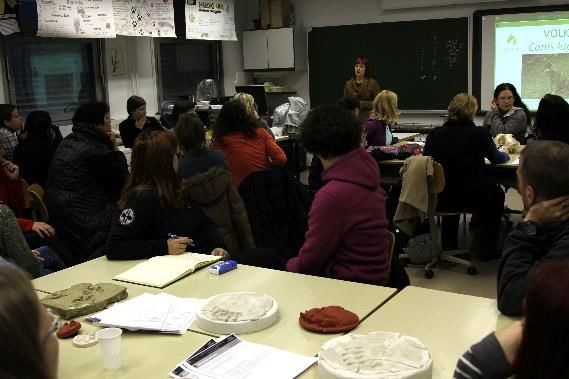
Sustainability 2019, 11, 1124                                                                         2 of 17

which are considered as behavior predictors, the “cognitive fix” should be addressed, even if it is a
long-term process [5].

1.2. Large Carnivores of Slovenia
     Slovenia is inhabited by three large carnivore species: brown bear (Ursus arctos L.), wolf
(Canis lupus L.), and Eurasian lynx (Lynx lynx L.). The most abundant and numerous species is the
brown bear, with approximately 750 individuals [6] with one of the world’s highest reproduction rates.
     Wolves are the second most abundant large carnivore species. National population monitoring [7]
showed that the population consists of approximately 75 individuals. The population status is defined
as favorable [7]. During the season of 2017/2018, 14 wolf packs were identified, four out of which are
transboundary (shared with Croatia). Wolf population in Slovenia is slowly growing, which is mainly
due to spatial distribution, pack number increases and greater abundance within single, vital packs [7].
Wolves are known for their ability to quickly adapt to live in human-dominated areas [3]. For that
reason, human-wolf interactions are inevitable. Regarding the constant dynamics of such interactions,
interventions supporting coexistence are therefore indispensable [8–10].
     The rarest and most threatened large carnivore species in Slovenia is the Eurasian lynx. The
population of approximately 15 individuals [11] is locally nearly extinct, mainly due to inbreeding [12,13].
In order to save this species from local extinction, non-related individuals from a viable Carpathian
population will be translocated to Slovenia within the LIFE Lynx project (https://www.lifelynx.eu/).

1.3. Teaching about Animals in Schools
      The majority of studies focused on assessing knowledge, attitudes, and acceptance of wolves
in an adult population and concerning different stakeholder groups [14–17]. There are only a few
studies where authors assessed a younger adolescent population [18–21]. One previous study [21] of
attitudes and knowledge of vocational upper secondary school students (agricultural, veterinary, and
environmental technician programs) revealed general positive attitudes to, but limited knowledge
about wolves. Agricultural technicians’ attitudes showed a more utilitarian view and their knowledge
was the most deficient. The authors therefore emphasized the importance of renewed study programs
focusing on current socio-scientific issues, especially good practices supporting human-wolf coexistence.
To increase educational efficiency in regards to conservation, the study programs should focus on
developing attitudes and knowledge through direct experiences [2]. Besides gaining theoretical
knowledge of the species, direct experiences are believed to positively affect attitude formation [22].
In the case of large carnivores, this approach is more complex. Observation of free-ranging large
carnivores is very difficult because of their natural wariness and consequential avoidance of people.
Some human dimensions studies, [14,15,23,24] showed that living in a wolf area or near their territories,
in potential direct contact with wolves, are related to more negative attitudes. A general public survey in
Sweden [25] also reported that direct experiences with wolves and brown bears lead to lower acceptance
of those species. In many cases, those direct experiences may cause the development of more negative
attitudes because of economic loss and emotional pain (e.g., livestock depredation). On the other hand,
direct experiences of large carnivores in zoos (e.g., observing the animals in enclosures) can be effective
in positive attitude formation [26]. Besides observing animals in zoo settings, direct experiences could
also be gained within outdoor learning activities, which allow students to experience large carnivore
habitat and see the signs of their presence (e.g., footprints, hairs, scats). The students can achieve
higher affective learning in the presence of living animals [27] since their presence greatly affects the
students’ emotions and motivation [28]. Similarly, teaching by using living animals can positively
influence the students’ attitudes and knowledge [22,29,30]. In the case of large carnivores, preserved
specimens can represent a good replacement of the presence of a living animal. Sherwood Jr. et al. [27]
used preserved specimens as a teaching object and reported that students can achieve both, short-
and long-term knowledge through indirect experiences as well. With the exception of the affective
dimension of learning, no differences in learning outcomes were identified when using either living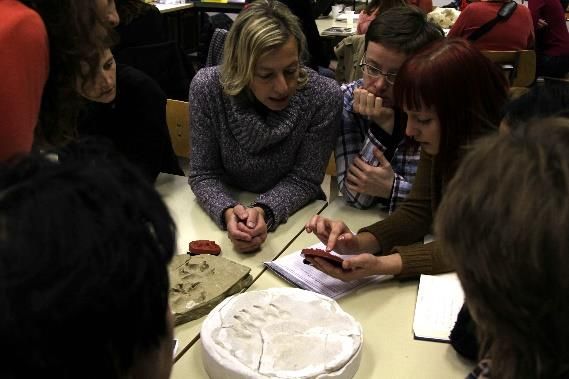
Sustainability 2019, 11, 1124                                                                          3 of 17

animals or preserved specimens. The results of similar studies were summarized by Hummel and
Randler [28] in their meta-analysis. They reported that teaching with substitutes of living animals
can also be very productive. In the case of wolves, it is not possible to bring living animals into the
classroom so a substitution with other, original materials should be the best option.

1.4. Integrating Large Carnivore Education into Slovenian School Context
      In lower secondary school, biology-related topics are covered within two subjects: Science
(for sixth and seventh graders) and Biology (for eighth and ninth graders). Only the seventh graders
learn about animals (Science) while the ninth graders learn about ecology and habitats in general
(Biology). For those two groups, topics on large carnivores can be aligned directly with the present
curricula. In the upper secondary school biology curricula, the teaching about wolves (large carnivores)
can be incorporated into the topics of cell biology (such as cells, genes, and inheritance), structure
and function of organisms, evolution, ecology, biodiversity, ethology, human and natural sources, and
biology as a science. So far, the topics about large carnivores, especially practices regarding co-existence,
have been under-represented.

1.5. The Present Study
       One of the main goals of conservation biology is to raise general public awareness about
local species and the loss of biodiversity [2]. Although, conservation biology projects funding’s are
frequently assigned to educational actions, like the one in the present study, such actions are scarcely
evaluated. Moreover, in a case of large carnivores (mammals), there is a need to promote a sustainable
coexistence [31]. Large carnivore species (wolf, brown bear, and Eurasian lynx) in Slovenia live in
human-dominated landscapes leading occasionally to negative interactions, [32].
       To raise awareness and gain more knowledge regarding those issues among adolescents,
teaching materials and general information about wolves were developed within the project SloWolf
(Conservation and surveillance of the conservation status of the wolf (Canis lupus) population in
Slovenia) [33]. These teaching materials were aligned with the upper secondary school biology curricula.
In order to determine whether the teaching materials are appropriate for teachers’ use, we assessed
their effect on the students’ attitudes to and knowledge about wolves in different learning contexts,
i.e., the traditional teaching, teaching with hands-on experiences in school and teaching with hands-on
experiences at the university.
       A before/after-control/intervention group design with an intervention and a control group was
implemented to study the effectiveness of learning and attitude change about wolves. Three conditions
were compared: conventional lecture-based teaching at school (School condition—teacher-centered);
practical teaching using the developed teaching materials at the respective school (School condition—
practical); and a teaching sequence using teaching materials in an out-of-school setting (University
condition). The latter two teaching approaches were identical in content and form of teaching except
for the location (for a detailed description see the Materials and Methods section). The unique aspect
of the present study is that the same teaching intervention was used in school and out-of-school to
determine which teaching condition performs better, while retaining a quasi-control group taught
by the conventional method (teacher-centered teaching). It should be noted that the latter teaching
method is still prevailing in Slovenian schools.
       The present study aimed to: (1) assess the general upper secondary school (Gimnazija) and
vocational (veterinary) students’ attitudes and knowledge regarding wolves and (2) verify whether
their attitudes and knowledge change as a consequence of attending practical workshops regarding
wolves. Several independent variables were included in the data analysis, such as students’ gender,
type of school, students’ place of residence (within constant, occasional, or no wolf presence area),
having a hunter in the family, breeding sheep/goats, and encountering a live wolf in nature. These
variables were assessed within pre-test analysis.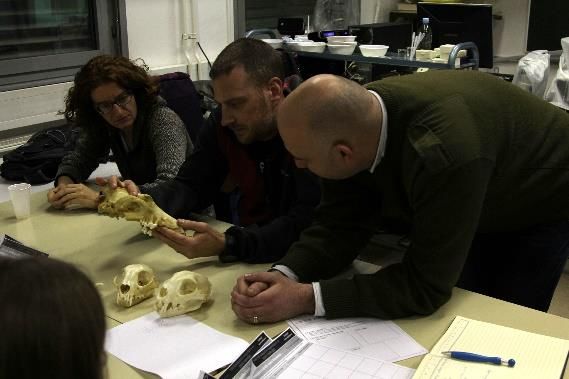
Sustainability 2019, 11, 1124                                                                                  4 of 17

Hypothesis 1. Students’ learning achievement regarding wolves is higher after treatment. This applies to all
studied conditions (1a), although the highest effect is expected within a university setting (1b).

Hypothesis 2. Students’ attitudes are more positive after treatment (2a). This applies to all studied conditions,
although the highest effect is expected within a university setting (2b).

Hypothesis 3. Differential variables account for variance in the post-test scores, for example, the amount of
knowledge, gender, study program, having a hunter in the family, breeding sheep/goats at home, and encountering
a live wolf in nature will affect students’ attitude ratings before any teaching will take place (3a). We predict that
considerable differences in the students’ attitude ratings will be found for the following variables: amount of
knowledge and the study program.

Hypothesis 4. The study program will produce the greatest differences in the amount of knowledge as the
students from veterinary profession learn about dogs either within their study program, or possess more
knowledge than their counterparts due to their interest in animal biology.

2. Materials and Methods

2.1. Sample
     The initial sample consisted of 331 students from two schools. Only the students who participated
in the pre- and post-testing and during teaching were included in the final sample (N = 302). Students
were evenly distributed across two schools. The sample was composed of 187 (61.9%) students from
general upper secondary school (Gimnazija - GUP) and 115 (38.1%) students from vocational upper
secondary school (VUP) (Age: MGUP = 16.33, SD = 0.94; MVUP = 16.16, SD = 0.77). It included 43.4% of
male and 56.6% of female students. The majority of the students lived outside the wolf occurrence
(70.9%), 19.5% within occasional wolf occurrence and only 7.3% within constant wolf occurrence.
     Prior to the study, the teachers were informed about the teaching material that was especially
developed for this purpose. The teachers were invited to attend the workshop, where the teaching
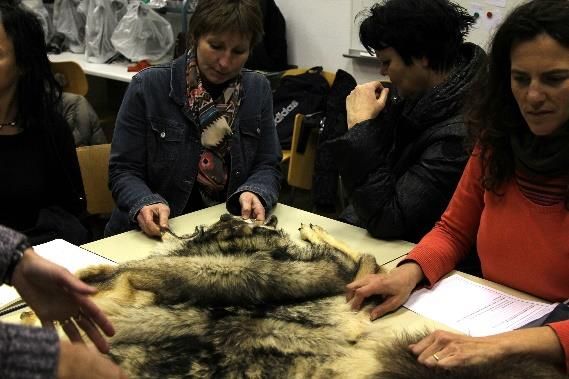
materials were presented (Figure 1). The two schools and their biology teachers were then informed
about the need for a student sample for testing the materials in practice. The testing took place from
the middle to the end of the year 2013. The students’ participation was voluntary and the results did
not affect their grades. Since the testing was anonymous and the study was of educational nature, the
ethical approval in Slovenia was not needed. The inclusion criteria required that the students were not
given any other lessons about large carnivores prior to or during the intervention.

2.2. SloWolf Project and Preparation of Teaching Materials
     The goal of the SloWolf project was the long-term conservation of the wolf population, its main
prey and habitats in Slovenia, and improvement of their coexistence with humans [34]. The project
included also the preparation of the teaching manual [35]. As the original version is in the Slovenian
language, the content of teaching materials is presented in brief.

•     The lecture about wolves (biology of wolves, systematics, characteristics of wolves, wolf habitat,
      (social) behavior of wolves, status of wolves in Slovenia, howling, winter tracking, telemetry,
      CMR—capture mark recapture method, molecular genetics (STR—short tandem repeats analysis),
      wolf conservation, ecological importance of wolves and misconceptions about wolves.
•     Practical work using realia (skulls, fur and footprints-casts) for learning about large carnivore
      anatomy and feeding.
•     Non-invasive genetic sampling-using molecular genetics techniques for DNA fingerprinting in
      order to estimate wolf population size and to study genetic relationships within and between
      wolf packs (STR analysis worksheet).
•     Estimating the wolf population size using CMR method (not included in the study).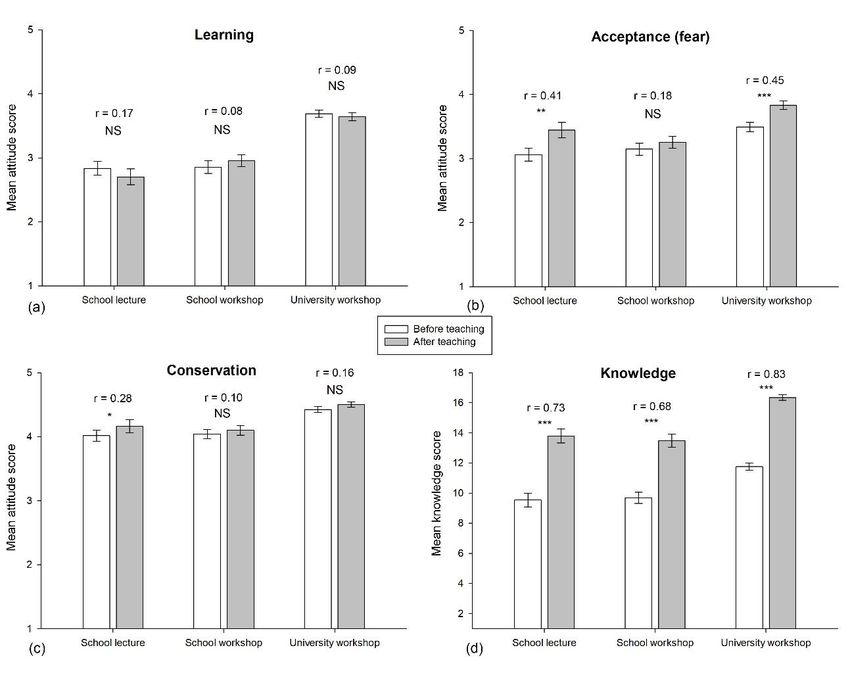
Sustainability 2019, 11, 1124                                                                                 5 of 17

     •       Forming attitudes toward wolves through role-playing (i.e., environmentalist/conservation biologist,
             sheep breeder, hunter, politician) (just briefly covered in the discussion section of each lecture).

            The development and preparation of teaching materials was financed through the SloWolf project.
      The evaluation of the teaching materials was conducted as part of the research activities at the
      Department of biology, Biotechnical faculty, University of Ljubljana.
Sustainability 2019, 11 FOR PEER REVIEW                                                                                      5

         a                                                      b

         c                                                     d
           Figure
      Figure      1. Presenting
              1. Presenting     teaching
                             teaching    materialstototeachers:
                                       materials       teachers: (a)
                                                                  (a) A
                                                                      A lecture
                                                                         lectureabout
                                                                                 aboutwolves; (b–d)
                                                                                         wolves;    Working
                                                                                                 (b–d)      at the
                                                                                                       Working   at the
           individual workstation  (footprints and casts, skulls, and  fur; respectively).
      individual workstation (footprints and casts, skulls, and fur; respectively).
     2.3. Study Design
     The development and preparation of teaching materials was financed through the SloWolf
          The study encompassed a pre-test, the teaching intervention and a post-test (Figure 2). As the
project. The evaluation of the teaching materials was conducted as part of the research activities at
     purpose of the study was also to test which of the conditions, teacher-centered instruction, working
the Department of biology, Biotechnical faculty, University of Ljubljana.
      at workstations or an out-of-school setting contributes most to the students’ knowledge about and
      attitude towards wolves, the sample was divided into three groups, [36,37]. The teacher-centered
2.3. Study   Design
      School condition and the workshop School condition groups were from the general upper secondary
      school  (School
      The study        1). The University
                    encompassed              condition
                                      a pre-test,        group of students
                                                   the teaching     interventionwas aandmixed   group of vocational
                                                                                             a post-test  (Figure 2).and As the
      general  upper   secondary   school  students   (School   2), who   came   to the   university
purpose of the study was also to test which of the conditions, teacher-centered instruction, working as separate    groups.
      In order to avoid the teacher effect [38], all the students were taught by the same person, a pre-service
at workstations      or an out-of-school setting contributes most to the students’ knowledge about and
      teacher, experienced in conducting similar workshops and teaching in schools. The teacher-centered
attitude towards wolves, the sample was divided into three groups, [36,37]. The teacher-centered
      instruction was performed as a lecture about the wolf topics mentioned above, with the addition of a
School   condition and the workshop School condition groups were from the general upper secondary
     worksheet about non-invasive genetic sampling that the students had to complete. In a workstation
school   (School
      setting      1). The
              at school  andUniversity    condition
                              at the university,        group of
                                                 the students       students
                                                                 were            was a mixed
                                                                        first instructed          group
                                                                                           about the  tasksofatvocational
                                                                                                                individual and
general   upper    secondary    school   students    (School   2),  who    came   to  the  university
     workstation and then worked independently in groups, using worksheets. A different topic was       as  separate    groups.
In order   to avoid
     presented        the teacher
                  at each           effect the
                          station. When    [38], all the students
                                               allocated              wereended,
                                                           time (15 min)      taught   bycorrectness
                                                                                     the   the same person,       a pre-service
                                                                                                       of students’   notes
teacher,
      and experienced
           findings were in   conducting
                           discussed        similar
                                       with the        workshops
                                                pre-service   teacher.and   teaching
                                                                        Similarly        in teacher-centered
                                                                                    to the  schools. The teacher-centered
                                                                                                               instruction,
instruction was performed as a lecture about the wolf topics mentioned above, with the A
     worksheets     about  non-invasive    genetic  sampling    were   distributed    to students  to complete.       short of
                                                                                                                    addition
      lecture followed
a worksheet             on the topics not
                about non-invasive         covered
                                        genetic      at the workstations.
                                                  sampling                   All the school
                                                               that the students       had toteaching   was In
                                                                                                complete.    incorporated
                                                                                                                a workstation
      into regular  biology  classes. Workshops     at the  university   were   implemented     as part of
setting at school and at the university, the students were first instructed about the tasks at individual  a  Science  Day.
workstation and then worked independently in groups, using worksheets. A different topic was
presented at each station. When the allocated time (15 min) ended, the correctness of students’ notes
and findings were discussed with the pre-service teacher. Similarly to the teacher-centered
instruction, worksheets about non-invasive genetic sampling were distributed to students to
complete. A short lecture followed on the topics not covered at the workstations. All the school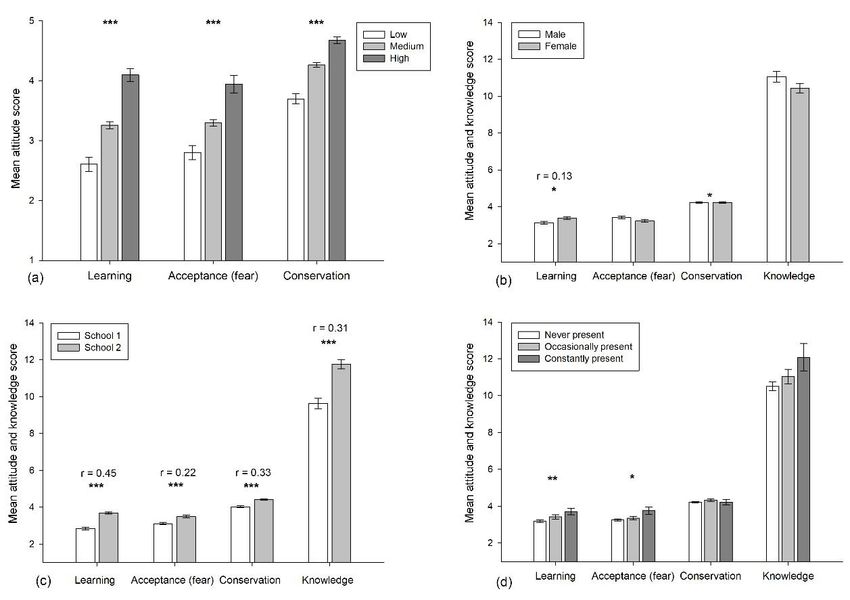
Sustainability 2019, 11, 1124 6 of 17
Sustainability 2019, 11 FOR PEER REVIEW 6
Figure 2.
Figure 2. Study
Study design.
design.
2.4.
2.4. Measures
AA questionnaire
questionnaire was was developed
developed to to assess
assess the the students’
students’ attitudes
attitudes towards
towards and and knowledge
knowledge about about
wolves.
wolves. The Thefirst partpart
first of theofquestionnaire
the questionnaireconsisted of questions
consisted about the student’s
of questions about the socio-demographics.
student’s socio-
Attitudinal
demographics. itemsAttitudinal
that were selected for the
items that werepresent analysis
selected for inquired
the presentaboutanalysis
the students’ (1) willingness
inquired about the
to learn about
students’ (1) wolves,
willingness(2) acceptance
to learn about(fear) of wolves(2)
wolves, andacceptance
(3) views regarding
(fear) of wolves’
wolves conservation
and (3) views in
Slovenia.
regardingThe termsconservation
wolves’ are similar tointhose frequently
Slovenia. usedare
The terms alsosimilar
for different
to those animals or animal
frequently used groups,
also for
i.e., [19,39–43].
different animals There were 12groups,
or animal attitudinal items included.
i.e. [19,39–43]. There were 12 attitudinal items included.
First,
First, the
the principal
principal component
component analyses
analyses (PCA) with oblimin oblimin rotation
rotation were
were conducted
conducted in in order
order to
to
assess whether the selected items would fit into different attitudinal
assess whether the selected items would fit into different attitudinal dimension (principal dimension (principal component).
Eigen values Eigen
component). >1 were used>1for
values a final
were usedsolution.
for a finalPCA analysis
solution. PCA was conducted
analysis for pre- and
was conducted for post-test
pre- and
questionnaire delivery. Since
post-test questionnaire the item
delivery. Since A12the(“Wolves
item A12 should not be should
(“Wolves near human
not besettlements.”)
near human failed to load
settlements.”)
on
failed to load on any dimension in one of the initial PCA analyses, it was excluded from the final
any dimension in one of the initial PCA analyses, it was excluded from the final analyses. The final
PCAs
analyses.wereTheconducted
final PCAs on the
were remaining
conducted11 items.
on the Kaiser–Meyer–Olkin
remaining 11 items. (KMO) measure of the sampling
Kaiser–Meyer–Olkin (KMO)
adequacy
measure of testthe
andsampling
Bartlett’s adequacy
test for sphericity
test andwere used totest
Bartlett’s assess
for the appropriateness
sphericity were used of using PCAthe
to assess on
this dataset. Critical KMO value of > 0.70 [44] and minimum loading
appropriateness of using PCA on this dataset. Critical KMO value of > 0.70 [44] and minimum loadingof at least 0.40 were used [45].
of at In addition
least 0.40 wereto exploratory
used [45]. analysis, a confirmatory factor analysis was also applied in both, pre-
and post-test using AMOS
In addition to exploratory 25 (SPSS, IBM aGermany,
analysis, confirmatoryEhningen).
factor In the first
analysis wasround,
also we fittedinthe
applied pre-test
both, pre-
data and thenusing
and post-test checked AMOS the same model
25 (SPSS, IBM with the post-test
Germany, data. The
Ehningen). In themodel fit was we
first round, based on the
fitted several
pre-
recommended
test data and then criteria [46], the
checked the same
comparative
model with fit index (CFI > 0.90),
the post-test data.theThe Tucker–Lewis
model fit wasindex based (TLI > 0.90),
on several
the root mean square error of approximation (RMSEA < 0.06 was acceptable,
recommended criteria [46], the comparative fit index (CFI > 0.90), the Tucker–Lewis index (TLI > 0.90), between 0.08 and 0.10
was mediocre,
the root and >0.10
mean square errorwas a poor fit) and (RMSEA
of approximation the CMIN/df < 0.06(minimum
was acceptable,discrepancy
betweendivided
0.08 and by0.10
its
degrees of freedom;
was mediocre, and which
>0.10 wasshould be close
a poor to 2, the
fit) and but CMIN/df
below 5). (minimum discrepancy divided by its
degreesTheof students’
freedom; knowledge
which should of wolves
be close was toassessed
2, but belowby the5).third part of the questionnaire, using 12
true/false statements
The students’ and nine multiple
knowledge of wolveschoice questionsbyrelated
was assessed to wolf
the third partbiology and wolf conservation.
of the questionnaire, using 12
true/false statements and nine multiple choice questions related to wolf biology and wolf
conservation. For each question, a “Don’t know” option was added. Thus the students’ possibility of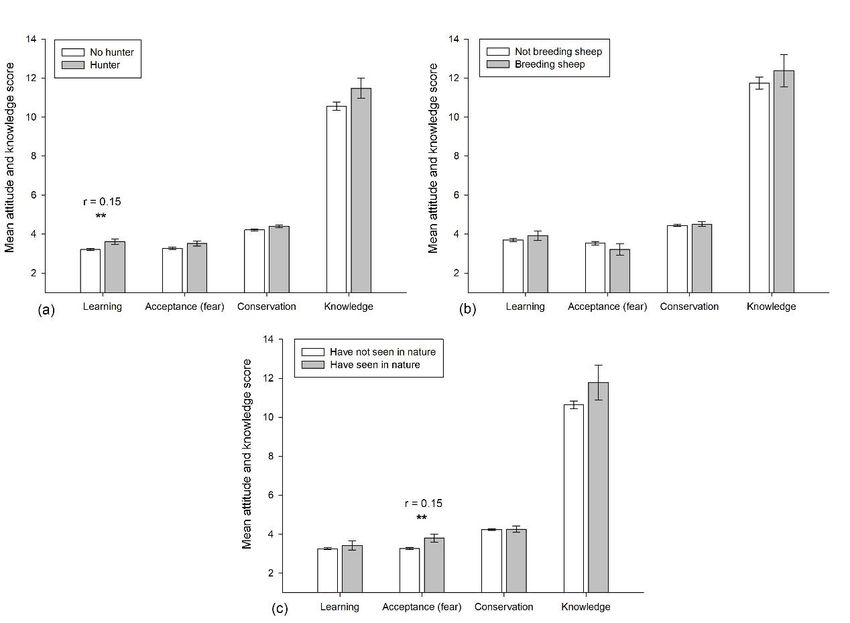
Sustainability 2019, 11, 1124                                                                          7 of 17

For each question, a “Don’t know” option was added. Thus the students’ possibility of guessing
was minimized. The summed score of correct answers (maximum = 21 points) was used either as a
dependent or independent variable. The list of knowledge items can be found in [21].

2.5. Data Analysis
     Raw data from the questionnaires were retyped into the computer program Microsoft Office
Excel and later transferred to the program SPSS (SPSS, IBM Germany, Ehningen). First, the principal
component analysis (PCA) and confirmatory factor analyses (CFA) were applied in order to reduce
the number of attitudinal dependent variables, to extract meaningful principal components (PCs) and
confirm the suitability of the factor structure.
     Extracted PCs from attitude part of the questionnaire and summed knowledge scores were used
as dependent variables, which were analyzed according to selected independent variables: gender,
school, students’ place of residence (within constant, occasional, or no wolf presence area), having a
hunter in the family, sheep/goat breeding, and encountering a live wolf in nature. Gender, school,
and students’ place of residence were treated as fixed factors in General Linear Model (GLM) analysis,
while knowledge was treated as a covariate. Due to the small number of students that reported having
a hunter in the family, breeding sheep/goats and encountering a live wolf in nature, those variables
were not included in GLM analysis. Summed knowledge score was also used to categorize students to
low, middle, and high achievers (low achievers summed score < M – 1SD; middle achievers summed
score within M ± 1SD and high achievers summed score > M + 1SD) and those categories were used
to compare the students’ attitude scores according to their achievement. All statistical procedures were
conducted using SPSS 20.0 software and AMOS 25 (SPSS, IBM Germany, Ehningen).

3. Results
     The results are presented in three parts. In the first part, the results of Exploratory and Confirmatory
Factor Analyses are displayed. They are followed by the results of the analyses of the students’ attitudes
and knowledge on pre-test according to the selected independent variables. The third part of the results
reveals the effect of different teaching conditions on students’ attitudes and knowledge.

3.1. Results of Exploratory and Confirmatory Factor Analyses Regarding Attitudes
     The results of both PCA analyses are presented in Table 1. Both pre- and post-test Kaiser–Meyer–
Olkin measure of the sampling adequacy test and Bartlett’s test for sphericity show the appropriateness
of using PCA on this dataset. The KMO values exceeded the critical value of 0.70 and item loadings
> 0.40 were found. PC I was named “Learning”, PC II “Acceptance (fear)”, and PC III “Conservation”.
Cronbach αs for the total scale were 0.85, both for pre and post-testing. Also, Cronbach αs were
satisfactory for the first two PCs (both above 0.69). Cronbach α for PC III was low, ranging from 0.60
to 0.66. Its eigenvalue on a pre-test according to parallel analysis was lower than the corresponding
random eigenvalue (1.15), however, its eigenvalue on post-test was above the corresponding random
eigenvalue. Lower scores on the “Acceptance (fear)”–dimension present more negative attitude due to
the reversed negative wording items.
     The posited three-factor structure of the model did not have an acceptable fit (Figure 3).
Modification indices suggested to allow covariances between the error terms e1 and e2 and e9 and
e10. Both were loading onto the same latent construct. After allowing these covariances in the pre-test,
the model received acceptable fit values. CMIN/df was 2.697, TLI 0.922, CFI 0.945, and RMSEA was
0.075 (with 0.058 as lower and 0.093 as upper confidence limits). The post-test data already produced
acceptable fits (CMIN/df = 3.299, TLI = 0.899, CFI = 0.924, and RMSEA = 0.087 (CI from 0.071 to
0.104)), but indices improved when the same structure was applied as in the pre-test (CMIN/df = 3.044,
TLI = 0.910, CFI = 0.936, and RMSEA = 0.082 (95% CI from 0.066 to 0.100).
Sustainability 2019, 11, 1124 8 of 17
Table 1. Principal component analysis with an oblimin rotation of items to the individual attitudinal dimension.
Pre-Test PCs Post-Test PCs
Item
I II III I II III
Interest to learn
I would like to know how wolves evolved. (A02) 0.851 0.868
I would like to learn about different habitats of wolves. (A01) 0.829 0.769
I like to read about wolves. (A03) 0.778 0.819
I like to watch popular science broadcasts about wolves. (A04) 0.758 0.745
Harm – Acceptance
I would be afraid walking through the forest, if I knew that wolves lived there.* (A06) 0.905 0.831
I would camp only where there are no wolves.* (A07) 0.788 0.818
I am afraid of wolves.* (A05) 0.705 0.815
I would accept the wolf presence in forests near my neighborhood. (A08) 0.596 0.575
Conservation
There is no need to preserve wolves in Slovenia because they live elsewhere in Europe.* (A09) 0.801 0.718
In Slovenia, wolves should be preserved for future generations. (A10) 0.737 0.767
In Slovenia, wolves’ abundance should increase. (A11) 0.441 0.731
Kaiser–Meyer–Olkin (KMO) 0.844 0.843
χ2 = 1202.74, df = 55, χ2 = 1257.57, df = 55,
Bartlett’s test for sphericity
p < 0.001 p < 0.001
Cronbach’s α (for included 11 items on pre-test and post-test was 0.85) 0.84 0.79 0.60 0.84 0.81 0.66
Eigenvalues 4.39 1.65 1.11 4.49 1.51 1.22
Explained variance 39.95 14.96 10.10 40.84 13.71 11.07
Mean 3.27 3.30 4.23 3.25 3.58 4.31
Standard deviation 0.92 0.89 0.64 0.94 0.92 0.69
Note: * - reversed items; Principal component loadings over 0.40 are presented.Sustainability 2019, 11, 1124 9 of 17
Sustainability 2019, 11 FOR PEER REVIEW 9
Figure
Figure 3. 3.
TheThe resultsofofConfirmatory
results Confirmatoryfactor
factor analyses.
analyses. Left
Leftvalues
valueson
onthe
thearrows
arrowsshow pre-test
show and
pre-test and
right values post-test results of confirmatory factor analyses (CFA).
right values post-test results of confirmatory factor analyses (CFA).
3.2.3.2.
Students’ Attitudes
Students’ Attitudesand
andKnowledge
Knowledgeon
onaaPre-Test
Pre-Test
3.2.1. Results
3.2.1. ofof
Results GLM
GLMMultivariate
MultivariateAnalysis
Analysis
Variables
Variablesthat
thatwere
wereincluded
includedininGLM
GLM(multivariate) statistics:Knowledge
(multivariate) statistics: Knowledgeasascovariate,
covariate, and
and as as
fixed
fixed factors:
factors: gender,
gender, school,
school, andand wolf
wolf presence
presence (Table
(Table 2).2). Gender
Gender andand wolf
wolf presencevariables
presence variablesdid
didnot
not produce
produce any significant
any significant effect oneffect on students’
students’ attitude attitude ratings.
ratings. The effectThe
waseffect was for
observed observed for
Knowledge
and School variables only. There were no interactions found between independent variables.variables.
Table 2. General Linear Model (GLM) analysis of independent variables effect on students' attitude
ratings.
Sustainability 2019, 11, 1124 10 of 17
Hypothesis Error
Effect Wilks' Λ F p Partial η2
df df
Table 2. General Linear Model (GLM) analysis of independent variables effect on students’ attitude ratings.
Intercept 0.294 224.056 3 280.0 < 0.001 0.706
Effect Wilks’ Λ F Hypothesis df Error df p Partial η2
Knowledge 0.698 40.448 3 280.0 < 0.001 0.302
Intercept 0.294 224.056 3 280.0 < 0.001 0.706
Gender
Knowledge 0.988
0.698 40.4481.164 3 3 280.0
280.0 0.324
< 0.001 0.012
0.302
Gender 0.988 1.164 3 280.0 0.324 0.012
School
School 0.963
0.963 3.6293.629 3 3 280.0
280.0 0.013
0.013 0.037
0.037
Wolf presence (home town) 0.976 1.121 6 560.0 0.349 0.012
Wolf presence (home town) 0.976 1.121 6 560.0 0.349 0.012
3.2.2. Differential Effects of Knowledge, Gender, School, and Wolf Presence
3.2.2. Differential Effects of Knowledge, Gender, School, and Wolf Presence
The results show that Knowledge had the greatest effect on students’ attitude ratings (Kruskal–
The
Wallis; all results show
p < 0.001; that4a).
Figure Knowledge hadhad
School also theagreatest effect on
great influence onstudents’
students’attitude
knowledgeratingsand(Kruskal–
attitudes
Wallis; all p < 0.001; Figure 4a). School also had a great influence on students’
(Mann–Whitney; all p < 0.001; Figure 4c). Gender and wolf presence did not affect the knowledge and students’
attitudes
(Mann–Whitney; all p < 0.001; Figure 4c). Gender and wolf presence did not affect
achievement (Figure 4b, d). However, ratings related to gender affected students’ attitude ratings the students’
achievement
regarding (Figure 4b,
“Learning” d). animals,
about However, ratings
where related
female to gender
students were affected students’inattitude
more interested learningratings
about
regarding “Learning” about animals, where female students were more
wolves than male students (Mann–Whitney: Z = 2.18, p = 0.029; Figure 4b). Statisticallyinterested in learning about
significant
wolves thaninmale
differences students
students’ (Mann–Whitney:
attitude Z = to
ratings related 2.18, p =presence
wolf 0.029; Figure
were4b).
foundStatistically significant
in two attitudinal
differences in students’ attitude ratings related to wolf presence were found
dimensions, “Learning” about animals and “Acceptance (fear)” of animals (Figure 4d). Thus, the in two attitudinal
students
who live within persistent/permanent wolf home ranges displayed the most positive attitudesThus,
dimensions, “Learning” about animals and “Acceptance (fear)” of animals (Figure 4d). the
(Kruskal
students
Wallis: χ2 who
= 9.12,live
df =within persistent/permanent
2, p = 0.010 and χ2 = 6.45, df =wolf
2, p =home
0.040,ranges displayed the most positive
respectively).
attitudes (Kruskal Wallis: 2 = 9.12, df = 2, p = 0.010 and 2 = 6.45, df = 2, p = 0.040, respectively).
Figure 4. The
Figure 4. The effect
effect of: (a) students’
of: (a) students’ knowledge
knowledge (achievement)
(achievement) on their attitude
on their attitude ratings;
ratings; (b) gender, (c)
(b) gender, (c)
school, and (d) wolf presence on students’ knowledge and attitude ratings.
school, and (d) wolf presence on students’ knowledge and attitude ratings.
3.2.3. Differential Effects of Having a Hunter in the Family, Breeding Sheep, and Experiencing Live
Wolves in Nature
Variables that were excluded from the GLM analysis due to the small sample size were: “Do you
have a hunter in your family?”, “Are you breeding sheep/goats at home?”, and “Have you ever seen a wolf
in nature?”. Only 44 (14.6%) students reported having a hunter in the family, 13 (4.3%) reported that
they are breeding sheep at home and 18 (6.0%) reported seeing a wolf in nature. Only the students3.2.3. Differential Effects of Having a Hunter in the Family, Breeding Sheep, and Experiencing Live
Wolves in Nature
Variables that were excluded from the GLM analysis due to the small sample size were: “Do you
have a hunter in your family?”, “Are you breeding sheep/goats at home?”, and “Have you ever seen a wolf in
Sustainability
nature?”. 2019, 11, 1124
Only 11 of 17 that
44 (14.6%) students reported having a hunter in the family, 13 (4.3%) reported
they are breeding sheep at home and 18 (6.0%) reported seeing a wolf in nature. Only the students
enrolled in the veterinary study program (n = 115) reported that they are sheep breeders at home (n
enrolled in the veterinary study program (n = 115) reported that they are sheep breeders at home
= 13). For the latter variable, the achievement and attitude ratings only within this group was
(n = 13). For the latter variable, the achievement and attitude ratings only within this group was
calculated. The students who confirmed the presence of a hunter in the family and seeing a wolf in
calculated. The students who confirmed the presence of a hunter in the family and seeing a wolf in
nature were equally distributed among the general and vocational school sample and the statistics
nature were equally distributed among the general and vocational school sample and the statistics
were calculated for the whole sample. Figure 5 shows students’ attitude ratings and knowledge
were calculated for the whole sample. Figure 5 shows students’ attitude ratings and knowledge scores
scores for these variables. None of these variables affected the students’ achievement. There were
for these variables. None of these variables affected the students’ achievement. There were only two
only two statistically significant differences with the small effect size found in the students’ attitude
statistically significant differences with the small effect size found in the students’ attitude ratings: in
ratings: in the students’ interest to learn about animals related to having a hunter in the family
the students’ interest to learn about animals related to having a hunter in the family (Mann–Whitney:
(Mann–Whitney: Z = 2.65, p = 0.008; Figure 5a) and the acceptance of wolves related to experiencing
Z = 2.65, p = 0.008; Figure 5a) and the acceptance of wolves related to experiencing a live animal in
a live animal in nature (Mann–Whitney: Z = 2.59, p = 0.010; Figure 5c). Having a hunter in the family
nature (Mann–Whitney: Z = 2.59, p = 0.010; Figure 5c). Having a hunter in the family and experiencing
and experiencing a live wolf in nature positively affected students’ ratings.
a live wolf in nature positively affected students’ ratings.
Figure 5. The
Figure 5. effect of: (a)
The effect of:having a hunter
(a) having in theinfamily,
a hunter (b) breeding
the family, sheep/goats
(b) breeding at home,
sheep/goats and and
at home, (c) (c)
having seen seen
having a livea wolf in nature
live wolf on students’
in nature knowledge
on students’ and attitudes.
knowledge and attitudes.
3.3. Students’ Attitudes and Knowledge as a Result of Teaching
3.3. Students’ Attitudes and Knowledge as a Result of Teaching
The results of different treatments/teaching situations had influenced the students’ attitudes and
The results of different treatments/teaching situations had influenced the students’ attitudes and
achievement (Figure 6). Students from the University group (School 2) displayed the most positive
achievement (Figure 6). Students from the University group (School 2) displayed the most positive
attitudes and the highest knowledge already at the pre-test. Similarly, the School lecture and the School
attitudes and the highest knowledge already at the pre-test. Similarly, the School lecture and the
workshop groups did not differ significantly in attitudes and knowledge neither in the pre- nor in
School workshop groups did not differ significantly in attitudes and knowledge neither in the pre-
the post-testing (Mann–Whitney; all p > 0.05). The differences were found between School lecture vs.
nor in the post-testing (Mann–Whitney; all p > 0.05). The differences were found between School
University workshop groups and School workshop vs. University workshop groups (Mann–Whitney;
lecture vs. University workshop groups and School workshop vs. University workshop groups
all p < 0.01). The only variable that did not differ between pre- and post-testing within the same groups
(Mann–Whitney; all p < 0.01). The only variable that did not differ between pre- and post-testing
was the students’ willingness to learn about wolves. Their attitudes regarding the latter remained
the same in all treatments (Figure 6a). On “Acceptance (fear)” attitudinal dimension, students of the
School lecture and University workshop groups displayed more positive attitudes after the instruction
(Figure 6b). Only the students of the School lecture group displayed more positive attitudes towards
conservation of wolves in Slovenia (Figure 6c). Nevertheless, the students of all three groups displayedSustainability 2019, 11 FOR PEER REVIEW 12
within the same groups was the students’ willingness to learn about wolves. Their attitudes regarding
the latter remained the same in all treatments (Figure 6a). On “Acceptance (fear)” attitudinal dimension,
students of the School lecture and University workshop groups displayed more positive attitudes
Sustainability 2019, 11, 1124 12 of 17
after the instruction (Figure 6b). Only the students of the School lecture group displayed more
positive attitudes towards conservation of wolves in Slovenia (Figure 6c). Nevertheless, the students
of all three groups
significantly higherdisplayed significantly higher
learning achievement learning
after the achievement
instruction afterThe
(Figure 6d). the highest
instruction (Figure
effect was
6d). The highest
recorded within theeffect was recorded
University within
workshop the University
group of students.workshop group of students.
Figure 6. The effect of different learning conditions on students’ attitudes and knowledge.
Figure 6. The effect of different learning conditions on students’ attitudes and knowledge.
4. Discussion
4. Discussion
Attitudes and Knowledge before Treatment
Attitudes and Knowledge before Treatment
In contrast to previous research [19,47–49], the present study showed no significant effect of
gender In on students’
contrast attitudes research
to previous in general. However,the
[19,47–49], thepresent
relationstudy
between gender
showed noand attitudeeffect
significant ratingsof
was found
gender on only in regards
students’ to willingness
attitudes to learn. Female
in general. However, students
the relation were gender
between slightlyandmore interested
attitude to
ratings
learn about only
was found wolvesin than males,
regards which is consistent
to willingness to learn. with
Femaleprevious
studentsresearch [21,50]. more interested to
were slightly
learnInabout
contrast
wolvesto than
the males,
generalwhich
beliefis that wolf with
consistent presence arouses
previous more
research negative attitudes in
[21,50].
humans [14,15,23,24,51],
In contrast the present
to the general beliefstudy showed
that wolf no relationship
presence arouses more between living
negative in a wolfinarea
attitudes and
humans
general negative attitudes. Living in a wolf area positively affected students’ attitude
[14,15,23,24,51], the present study showed no relationship between living in a wolf area and general ratings regarding
willingness to learn and
negative attitudes. Livingacceptance
in a wolf of area
wolves. The attitudes
positively affectedofstudents’
the students who live
attitude in areas
ratings with
regarding
constant wolf presence were the most positive. General beliefs or negative attitudes
willingness to learn and acceptance of wolves. The attitudes of the students who live in areas with from wolf areas can
be linked to negative direct experiences with wolves, such as damages to human
constant wolf presence were the most positive. General beliefs or negative attitudes from wolf areas property. However,
Consorte-McCrea et al. [51]direct
can be linked to negative argued that direct with
experiences experience
wolves,with suchanimals, in their
as damages to case
human maned wolf
property.
(Chrysocyon brachyurus), in zoo settings (observing the animal) can influence attitudes
However, Consorte-McCrea et al. [51] argued that direct experience with animals, in their case maned positively even if
the
wolfperson’s previous
(Chrysocyon direct experiences
brachyurus), were negative.
in zoo settings (observing In the
spite of the fact
animal) can that wolf presence
influence attitudeswas linked
positively
to only
even if two attitudinal
the person’s dimensions,
previous direct the findings of
experiences thenegative.
were present research
In spite suggest great
of the fact thatopportunity
wolf presenceto
work with younger generations in rural areas to enhance coexistence and
was linked to only two attitudinal dimensions, the findings of the present research suggest greatwolf conservation for the
future. Neither gender nor wolf presence influenced the students’ knowledge about wolves. It would
be informative to evaluate other areas in Europe with wolf presence in this respect.
Results of the present research indicate that knowledge influences attitudes to a greater extent,
which is consistent with previous research [21,48]. Students with the highest amount of knowledgeSustainability 2019, 11, 1124 13 of 17
expressed significantly more positive attitudes than their counterparts. Kellert [52] already proposed
that education is one the most influencing factors regarding the formation of pro-environmental
attitudes. When using knowledge as a prerequisite to more positive attitude formation, education
activities should be planned carefully. Some authors [53] pointed out the importance of science
knowledge. According to their findings, factual knowledge may lead to more public support for
science and technology topics. On the contrary, subjective knowledge may influence support negatively.
Nevertheless, both knowledge dimensions in their study influenced attention to the media reports
positively. The impact of subjective dimension was even more significant. Not just the attention to
the media reports, also attention to the learning topics may be influenced by different knowledge
dimensions. Topics of wolves, as charismatic and also predator species, can quickly capture the
students’ attention. Nevertheless, the support of wolves and their conservation can be influenced
either positively or negatively by the students’ previous subjective knowledge. Røskaft et al. [54]
argued that insufficient knowledge regarding wolf ecology end ethology can influence attitudes
negatively. Along with the previously mentioned learning topics, learning about proper human
behavior [55] and practices regarding wolf damage prevention [56] should be considered.
Besides knowledge, the students’ attitudes were significantly influenced by the school type as
well. The type of school had an impact not only on attitudes but also on the amount of knowledge.
The students from School 2 came from veterinary and general upper secondary study programs and
did not differ in knowledge and attitudes. It can be concluded that the latter students might have
been influenced by the other (veterinary) school programs from the same school. Both groups of
students were taught by the same teachers and met regularly, which could have led to knowledge
transfer. The fact may be explained by the interests of students who decide to study in this type of
school (Biotechnical center). The results show that students from School 2 possessed more knowledge
than their counterparts from School 1. The findings of the previous research [21] highlighted extensive
knowledge and support of students enrolled in such program regarding wolves. Correlation between
educational background, knowledge, and attitudes was also corroborated by other research [48].
Other differential factors, such as having a hunter in the family, breeding sheep, and experiencing
live wolf in nature, had no effect on the respondents’ learning achievement and had only lesser influence
on attitudes. The students who reported having a hunter in the family, expressed more interest to learn
about wolves. Research of hunters’ attitudes towards wolves can be contradictory. Some findings [23],
present hunters’ attitudes as more positive than those of general public. Similar results were produced
by the present research. The hunters in the respondents’ families can only encourage the students’
interest to learn if their attitudes regarding learning about wolves were also favorable.
Previous research [21] pointed out that having a hunter in the family results in participants’ lower
fear of wolves. In the present research, this finding was not confirmed. The results indicate that
seeing a wolf in nature raises more support for wolves. These findings coincide with favorable impact
of direct experience on attitude formation [22]. However, further research should be undertaken to
substantiate the statement that education is most effective when it is based on direct experience [2].
Future studies are also required to determine the effect of sheep breeding in the family, and seeing
a live wolf in nature. The present research established no relationship between breeding sheep at
home and the respondents’ attitudes, which is contrary to the widespread general belief. Probably
it may be due to the fact that the decision to breed sheep is made by the parents rather than by the
adolescents themselves.
Attitudes and Knowledge after Treatment
The results indicate that the university workshop treatment was most effective, even if it was
performed by the same teacher and the instructions were identical for the school setting. According
to Williams and Williams [57], students’ motivation can also be improved by the change of learning
environment, see also [35,36]. The difference may also be explained by the fact that the university group
consisted mainly of veterinary technician school students, who expressed the most positive attitudesSustainability 2019, 11, 1124 14 of 17
and the highest knowledge scores already before teaching. University workshop also significantly
influenced the students’ acceptance of wolves as their fear after the treatment was reduced, which is
consistent with the model of Cognitive vulnerability [58]. The school lectures and teacher-centered
treatment also influenced the students’ attitudes regarding acceptance of wolves, but the effects were not
as significant as the ones of the university workshop. It needs to be pointed out that only school lecture
treatment influenced the students’ attitudes regarding wolf conservation and changed them into slightly
more positive. Students from this group expressed the most favorable attitudes regarding conservation
already in the pre-test. The result may be the consequence of the ceiling effect [45]. Nevertheless, all the
treatments influenced the students’ knowledge. All of them demonstrated significantly more knowledge
regarding wolves in the post-test. Surprisingly, none of the treatments influenced attitudes regarding
interest to learn. No more willingness to learn about wolves was detected among respondents after
the different type of treatment. If the observation of living wolves were included in the instructions
(i.e., zoo visit), we could have expected a shift in interest to learn about the species, since the presence
of living animals arouses emotions and consequently higher motivation [27,28]. The present research
indicates that living in an area with constant wolf presence positively correlates with interest to learn
and acceptance of wolves. In addition, the relationship between seeing a wolf in nature and less fear
and consequently more acceptance was noted. Both findings regarding wolf presence are contrary to
the general beliefs i.e., [14,15,23–25,52,59]. Findings of the present study can serve as the orientation for
educational programs’ planning. In order to make students more willing to learn, direct experience of
wolves and their natural habitats should be considered.
5. Conclusions
The findings of the present research showed that knowledge regarding wolves was higher after the
treatment. As predicted, the highest achievement was observed among the University groups (aligning
with Hypothesis 1) due to the novel learning environment or students’ educational background.
Contrary to our expectations, the students’ attitudes were not more positive in all dimensions after
treatment. This finding can be explained by different instruction design (treatment). Instructions
in the future should encompass direct experiences of wolves to arouse the students’ interest to
learn. The highest attitude change after the treatment was recorded for the University workshop, as
predicted in Hypothesis 2. The results indicate that knowledge and the study program are the strongest
influencing factors regarding attitudes (aligning with Hypothesis 3). Other factors, i.e., gender, having
a hunter in the family, breeding livestock, and direct experiences with wolf in nature, have no such
strong effect on students’ attitudes. Gender and having a hunter in the family generate more interest
to learn. Observing a wolf in nature was linked with less fear and consequently better acceptance of
the species. Breeding livestock was the only factor with no effect on the students’ attitudes, but it must
be noted that these results are based only on part of the sample. In future research, a larger sample to
explore the effect of this factor is needed. As predicted (Hypothesis 4), the study program produced
the highest differences regarding the knowledge of wolves. The students from veterinary technician
study program were more knowledgeable than their counterparts from the general upper secondary
school program. However, it is not certain whether this is a result of learning in different schools or
that of students’ knowledge and their interests for enrolment in vocational or general schools.
The present study highlights the importance of the students’ knowledge and their educational
background in regards to wolf conservation issues. In contrast to the general belief, the study results
indicate that female students were more willing to learn about wolves. Other factors that should
also be considered in educational programs include hunters’ influence on students’ motivation to
learn and observing wolves to mitigate the students’ fear. The authors urge that future research also
focuses on students’ attitudes regarding livestock breeding family background. Finally, the present
study foregrounds the effectiveness of the student-centered instruction regarding wolf conservation
issues and should be considered when planning teaching interventions in species conservation andYou can also read


