Calendar Events 2021 of - Tourism Council of Bhutan
←
→
Page content transcription
If your browser does not render page correctly, please read the page content below
Calendar
 of Events
     2021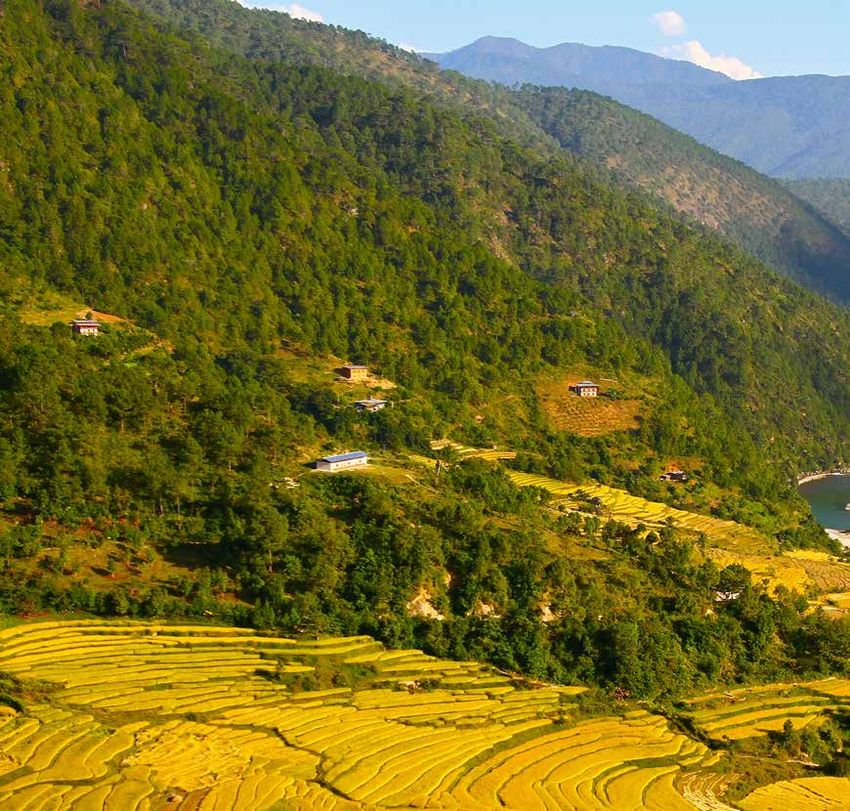
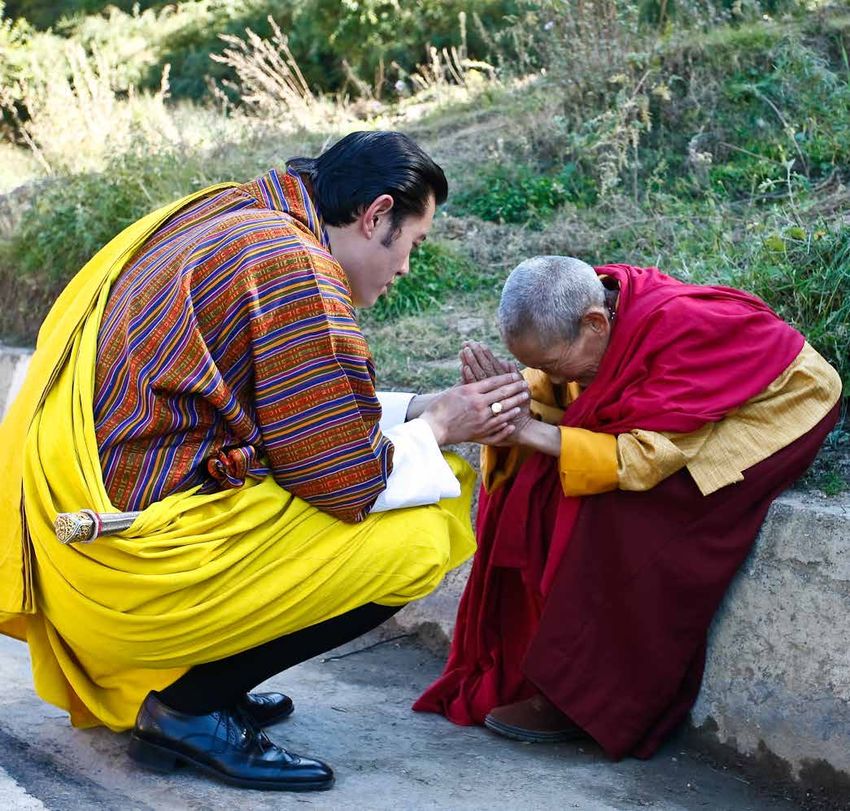
Culture
    Bhutan has a profound cultural diversity.
    With more than 80 percent of the country
    being Buddhists, the ways of the Buddhist
    practice has had a huge impact on the
    Bhutanese culture. The influence of Buddhism
    is very visible in the everyday life of the
    Bhutanese people.

    The country boasts of thousands of
    monasteries and the landscape is dotted with
    stupas, prayer wheels, prayer flags and many
    other insignias celebrating the Buddhist
    religion.

    The preservation of culture has always been
    accorded the highest of priorities and it was
    outlined as one of the four main pillars of the
    country’s unique development philosophy of
    Gross National Happiness.

2
3

    © Ricardo Viana
Tshechu
                     is a religious festival that begins on the 10th day of the
                     Bhutanese calendar.
       During the festival, monks and laymen    dances, folk dances, receive blessings and
       perform mask dances over a stretch       socialize. Besides the religious dances and
       of three to five days in a temple or     songs, atsaras are a major attraction during the
       monastery. The mask dances are           tshechu. Atsaras usually don hilarious looking
       performed to commemorate the life of     masks with large protruding noses and often
       Guru Padmasambhava and other great       with a phallus dangling from the head. They
       Buddhist masters.                        signify enlightened wisdom and their acts
                                                are intended to cleanse the collective sin of
       Tshechus customarily conclude with       the people gathered to witness the religious
       the unfurling of a Thongdrel (large      dances.
       scroll painting) of Lord Buddha, Guru
       Rinpoche, Zhabdrung and other            The festival is also an occasion for people to
       enlightened beings. Tshechus are grand   wear their best finery, socialize and make
       events where entire communities come     merry. More importantly, people attend
       together to witness religious mask       tshechus to gain merit.
4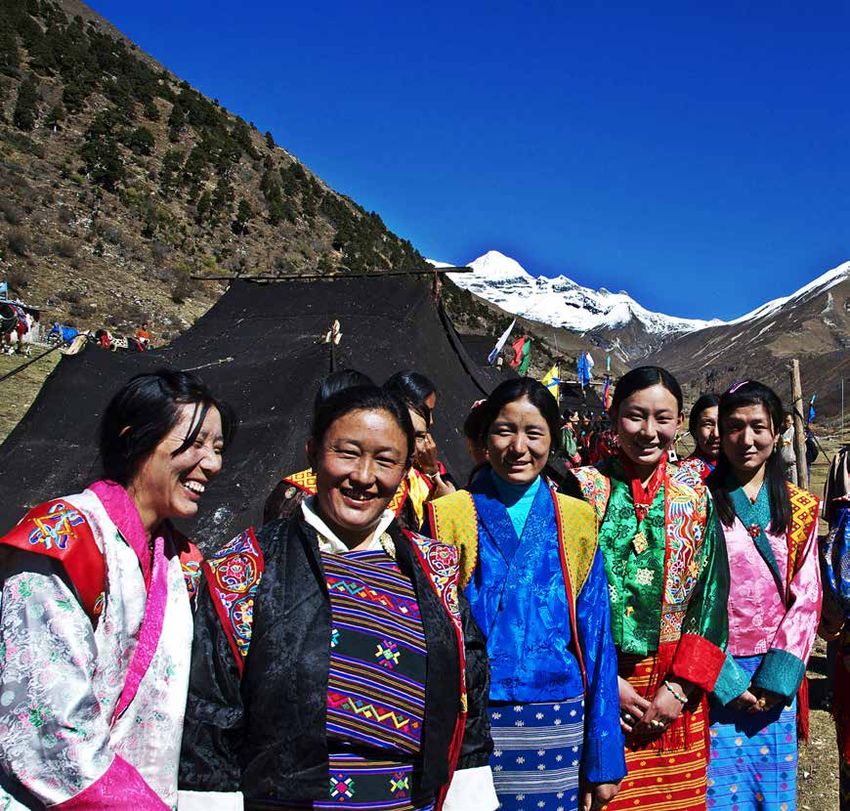
Dzongs
Dzongs or fortresses are castle-like structures
that were built as defensive forts against
external invasions. Built on strategic locations,
dzongs are symbolic of Bhutan’s rich history
and are valued as national heritage.

Dzongs showcase the brilliance of Bhutan’s
unique architectural designs. Today, the
dzongs serve as the office of local civil
administration and also house the monastic
community.

                                               5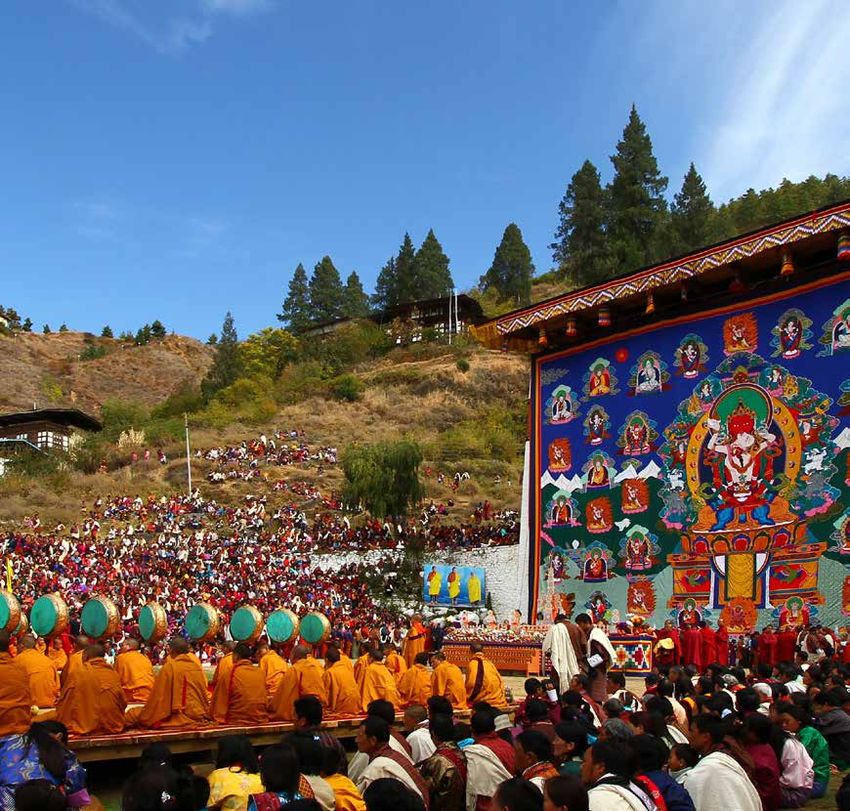
Adventure
    Bhutan’s mountainous geography and rugged topography provide exciting opportunities for
    adventure activities of all kinds. From hiking, trekking and kayaking to river rafting, mountain
    biking and fishing, the choice is abundant. Bhutan truly offers one-of-a-kind experience for
    travelers seeking adventure in an unspoiled and unexplored environment.

6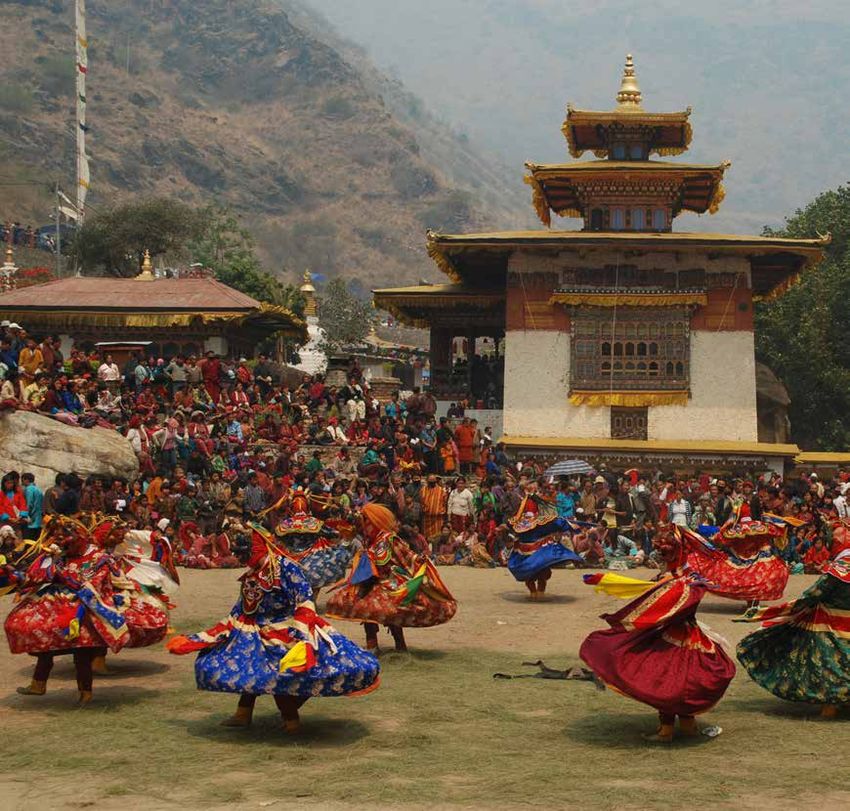
Mountain biking/Cycling                     Kayaking and Rafting                       Trekking
The rugged, mountainous terrain of          The glacier fed rivers of Bhutan           Bhutan’s rich natural environment
Bhutan provides an ideal landscape for      originating in the eastern Himalayas       makes it a trekker’s paradise. It is
mountain biking. It offers both on-road     and gushing down to the southern           a bountiful destination for nature
and off-road trails with breathtaking       foothills provide an ideal challenge for   lovers with virgin mountain lakes,
scenery. The sport is gaining popularity    water sports like kayaking and rafting.    imposing glaciers, rich Himalayan
among both visitors and Bhutanese           The pristine natural setting and the       ecosystem which is home to many
alike.                                      sheer variety of the rivers’ courses       endangered birds and animals. Most
                                            provide a unique opportunity to            trekking routes are in the northern
There are a variety of biking routes        explore Bhutan’s beautiful wilderness.     parts of the country taking you
available ranging from smooth                                                          teasingly close to the snowlines
journeys on paved roads to challenging      Adventurous travelers will not be          and letting you experience amazing
off-road dirt trails that wind through      disappointed by the rugged, untamed        natural landscape.
rough terrain. The sport offers a certain   waterways of Bhutan. The rivers are
intimacy with the environment that is       plentiful with strong currents varying     From a short two to three day trek
seldom experienced in vehicles.             between slow, gentle flows in some         to a grueling trek of more than
                                            places and powerful, raging torrents       31 days called the Snowman trek
There are numerous opportunities for        that can be found throughout the           – considered to be the toughest
optional hikes with a bit of climbing       country. Although adventure sports         trek in the world – Bhutan offers
thrown in - with one in particular          and tourism are relatively recent          all kinds of trekking experience.
that is more than seven hours. You          introductions to Bhutan, they are          Most trekking routes also offer a
peddle the pads over two miles (3,400       rapidly gaining popularity.                wonderful opportunity for wildlife
meters) above sea level. Your effort is                                                enthusiasts and photographers.
rewarded with a breathtaking view and       The river courses available in Bhutan
an unforgettable experience. Riders         offer something for all visitors,
should have an adequate level of fitness    regardless of experience: There are
and stamina and be experienced              easy routes for beginners and hair-
enough in the art of mountain biking.       raising runs for the veterans. Besides
Tours are fully supported by a van          the rafts and the kayaks, Bhutanese
following riders. The van allows riders     agents also organize walking and
to rest should they require it. Many        trekking expeditions along the scenic
of the biking trails lead through small     riverbanks. The best time for rafting
villages and temples which can provide      and kayaking is from March to April
interesting and informative diversions      and November to December.
should you wish to take a break.
                                                                                                                         7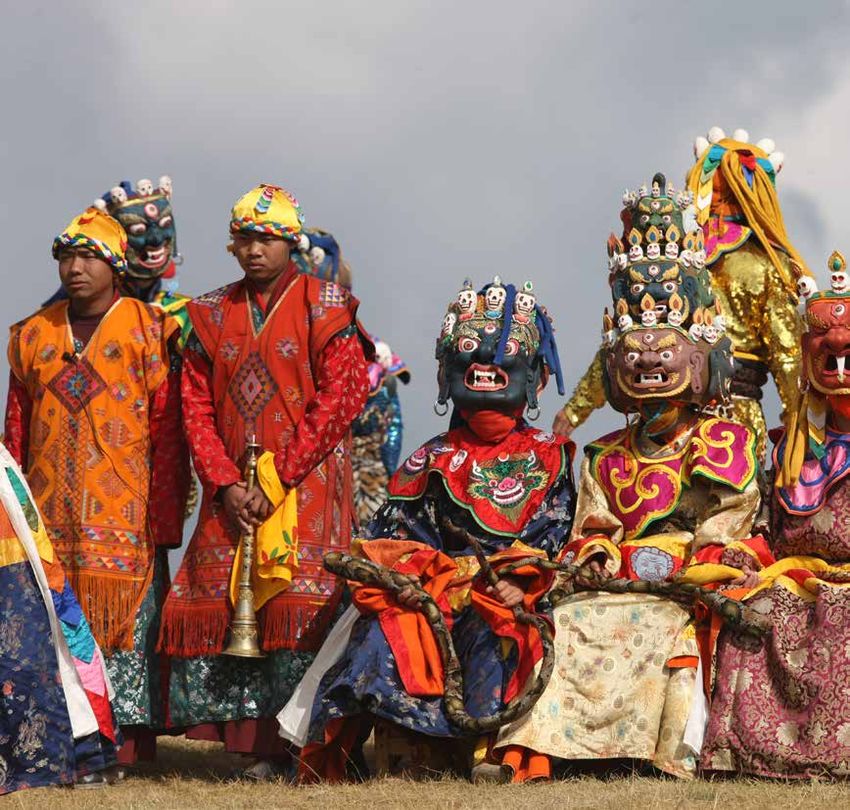
8

Entertainment
Each and every festival in Bhutan is the most sought after
form of entertainment. The Royal Academy of Performing
Arts (RAPA) in Thimphu works to preserve the unique folk
dancing heritage in the country and its dancers are expert in
all forms of this unique art.

The national sport of the country, archery, is also a celebrated
sport and every game of archery attracts huge crowd of
onlookers. Shooters shoot two arrows in one round and the
target is located at a distance of 120 meters. Women dancers
entertain the crowds and each team has its own dancers who
cheer for their team and try to distract every archer of the
opposing team. Every game of archery is an event where
Bhutanese culture is at display in its glory. Similarly, there are
other sports like Khuru (dart) traditionally played by men but
also getting popular with women. After a busy day, taking a
refreshing hot bath in a traditional hot stone bath is also very
popular among tourists.

Urban towns also have a good number of cozy restaurants and
bars where you can have your dinner and while away time at
your own pace. Singing enthusiasts have karaoke joints to go
to and for the more energetic - nightlife in cities like Thimphu
can be fun at various discotheques where people dance to the
tunes of the latest best selling music numbers.

                                                                     9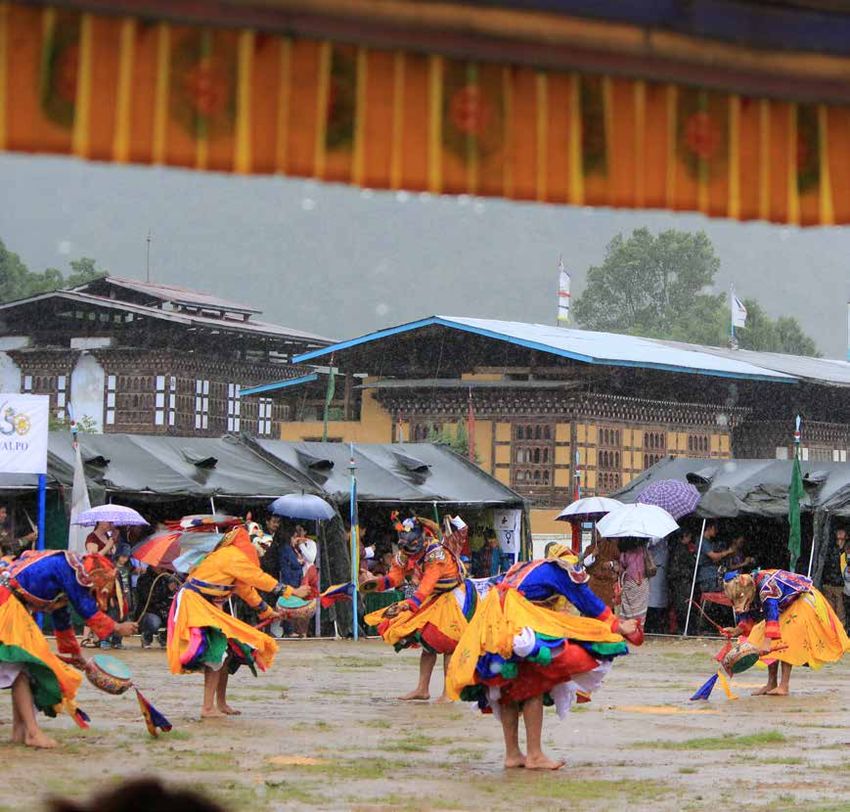
Theme       Besides the numerous religious events,
                 Bhutan also hosts a variety of theme based
                 festivals, celebrating the country’s rich
     based       culture and arcane lifestyle.

     festivals   Festivals like the Nomad Festival, Matsutake
                 Festival, Jumolhari Mountain Festival,
                 to name a few, offer a glimpse into the
                 unsullied culture of ethnic communities and
                 their unique traditions. These festivals are a
                 big draw among locals and tourists alike.
10
Birdwatching
Bhutan is increasingly being described as the birding capital of the
world. Bhutan boasts of about 800-900 species of birds (experts
believe that there are many yet to be spotted) which is almost equal
to the 925 species found in the US and Canada combined. About
50 species of the known birds are winter migrants. These include
ducks, waders, birds of prey, thrushes, finches and buntings. The
country harbors more than 16 species of vulnerable birds.
Bhutan is home to many species of birds that are in danger of
extinction, including the Imperial Heron, which is one of the
fifty rarest birds in the world and the rare Black-Necked crane,
which breeds in Tibet and then migrates over the Himalayas to
Bhutan during the winter months. The cranes can be spotted in
Phobjikha valley in cestern Bhutan, Bumthang in central Bhutan
and in Bomdeling in eastern Bhutan. They migrate to these winter
roosting sites in the months of September and October and fly back
to Tibet between February and March.
11JANUARY........................................14 JULY......................................................42
Nyilo | Traditional Day of Offering Haa Summer Festival | Lhamoi Doey-Phang | First Sermon of
Lord Buddha
FEBRUARY....................................16
Birth Anniversary of His Majesty the King AUGUST............................................44
Punakha Drubchen | Losar | Pelden Lhamoi
Hungla Chokhor | A-Hoi Bonchoed | Matsutake Mushroom
Event Content
Drupchen | Phurba Dubchen | Trashiyangtse Tshechu
Festival (Genekha & Thimphu) | Dongdorla Duechoed
Khengzor Tshechu | Lichibi Tshechu | Punakha
Takila Chham | Kesibi Chaa | Chukor
Tshechu | Naktshang Tshechu | Nganglam Tshechu
Tangsibi Mani | Tharpaling Thongdrol | Chenga Kora
Chuzangang Tshechu SEPTEMBER.....................................48
Tour of the Dragon | Chha | Thimphu Drubchen | Bum Tashi
MARCH............................................22
Festival | Dromche | Goenpung Tshechu | Kothakpa Tshechu
Zhuri Duechoed | Gayden Choedpa | Namgang Haa Tshechu | Wangdue Tshechu | Terchen Drupchen
Kora | Gasa Tshechu | Kharphug Lhasel | Zhemgang Geling Goenpa Tshechu | Dorjitse Kuchoed | Shaksing
Tshechu | Tsirang Tshechu | Gomkora Tshechu Goenpa Tshechu | Thimphu Tshechu | Jangchubling Wang
Talo Tsechu | Prewchoed | Dzongdra Tshechu | Paro Ney, Jang and Gangzur Chha | Tamshing Phala Choedpa
Tshechu Chhenmo | Khomshar Tshechu Dungsingma Tshechu | Nangkor Tshechu | Gangtey Tshechu
Thangbi Mewa | Kadam Tshechu | Phuentsholing Tshechu
APRIL...................................................28 Khomshar Kharphu | Dankala Mani Tshechu
Rhododendron Festival | Zhabdrung Kuchoe
Dungkhar Tshechu | Rawabi Tshechu | Tashicholing
Tshechu | Dungmed Tshechu | Dolay Drupchen
OCTOBER...........................................58
Domkhar Tshechu | Ura Yakchoed | Neyphu Mani Jomolhari Mountain Festival | Shingkhar Rabney | Bho-Yak
Royal Highlander Festival | Jakar Tshechu | Chhukha Tshechu
MAY......................................................34 Dashain | The Snowman Race | Lanyiri Tshechu
Birth Anniversary of the 3rd King | Dumati Tshechu Ugyencholing Kangsel | Tshebar Tshechu | Goenkar Tshechu
Prew Khowchung | Prew Bonchoed | Zobel Tshechu Dechenphu Tshechu | Dungmed Tshechu | Pemagatshel
Lord Buddha’s Parinirvana Tshechu | Tshepami Throngdrel | Jambay Lhakang Singye
Cham | Jambay Lhakang Drup | Prakar Duechoed | Panbang
JUNE......................................................38 Tshechu | Serzhong Tshechu | Descending day of lord Buddha
Sumthrang Kangsel
Birth Anniversary of Guru Rinpochhe | Der-Choed
Dechenling Tshechu | Nimalung Tshechu
Dungsingma Tshechu | Kurjey Tshechu | Khamdang
Tendra Tshechu | Tendra Tshechu | Ha Festival
12Travel Tips
NOVEMBER.......................................68 Visa & Permit
Coronation Day of His Majesty Jigme Khesar Tourists from Bangladesh, India and Maldives require permit to
Namgyel Wangchuck | Birth Anniversary of His enter Bhutan and tourists from other nationals require visa. Visa
Majesty Jigme Singye Wangchuck | Black-Necked and permit are processed with a help of a licensed Bhutanese tour
Crane Festival | Bird Festival | Khomshar Katag operator. In other words, visa and permit applications for tourists
Yeshey Goenpoi Drupchen/ Festival of Mahakala must be submitted by the Bhutanese tour operators. The processing
Monggar Tshechu | Tang Namkhar Rabney time of 5 working days is required. One-time visa fee is US$ 40 per
Dechenling Tshechu | Menchu Pemaphuendey person.
Pema Yoeselcholing Goenpa Tshechu | Geokar
Lhakhang Tshechu | Chha Festival | Doedel ATM & Currency
Pemacholing Tshechu | Goshing Tshechu Bhutan’s currency is called ‘Ngultrum’ (Nu). It is at par with the
Phumithang Tshechu | Gamung Tshechu | Gongphu
Indian Rupee. One US dollar is approximately Nu. 72.
Tshechu | Buli Tshechu | Khangma Tshechu
There are also ATM facilities located in most places where you can
Bjoka Tshechu | Chojam Rabney | Ladrong Rabney
withdraw your money. ATM and banks accept Visa International,
Bonchoed | Kharphu Bonchoed | Nangla Tshechu
JCB card and Master Card. Now American Express card is also
Mamung Tshechu | Tashibi Tshechu | Bonchoed
accepted by Bank of Bhutan.
Langdurbi Bonchoed | Thrisa Tshechu | Nga
Lhakhang Zhi | Bardo Kharphu | Shingkhar Tshechu Accommodation
Wamling Tshechu | Pangkhar Choedpa
A wide variety of accommodation is available ranging from
luxurious 5-star hotels to cozy village homestays in traditional
DECEMBER.........................................80
Bhutanese homes and settings. Visitors can be assured of their
Druk Wangyel Tshechu | Lomba | Dungkar Tshechu warmth and comfort. Similarly, the ambience and hospitality offered
Lhuentse Tshechu | Trongsa Tshechu | Dekidling by the hotels are incredible.
Tshechu | Samdrup Jongkhar Tshechu | National Day
of Bhutan | Kidlung Choedpa | Dagana Tshechu Shopping
Shopping has become a popular activity for tourist as Bhutan offers
a variety of souvenir items. However, please remember that buying
and selling of antiques is strictly forbidden in Bhutan.
Sim card and Internet
Bhutan is well connected and almost every town has good
telecommunication services. Most of the hotels and cafe’s have wifi
connection. Sim cards are available at the airport and in most 13
shops.January 14
Nyilo

          2 January | Observed nationally

It is also known as Winter Solstice, which literally
means the return of the sun. It is a national holiday
and it is to celebrate the returning of winter sun and
is traditionally the new year of the people of Sha and
Wang in western Bhutan. The celebration includes
children going from household to household chanting
songs of ‘Loh Ley’, wishing the households good fortune
in the coming year. In return, the households offer
children with food or money.

      Traditional Day of offering

          14 January | Observed nationally

Traditional Day of Offering is a national holiday and
celebrated on the first day of the twelfth month of the
Bhutanese lunar calendar. It is also known as Chunipa
Losar which is widely celebrated by the people in
eastern part of Bhutan as their new year. On this day
families gather together in their homes or go outside
for entertainment and picnic to enjoy delicious family
meal.

                                                          15
February 16
Birth Anniversary of His Majesty                                                    Losar
  Jigme Khesar Namgyel Wangchuck
                                                                    12 - 13 February | Observed nationally
     21 - 23 February | Venue: Changlimithang
             		                Ground, Thimphu               The festival literally means new year. ‘Lo’ means ‘year’
                                                             and ‘Sar’ means ‘new’. This day is the start of new
His Majesty the 5th King of Bhutan was born on 21st          Bhutanese calendar year. On this day people gather
February, 1980 and to mark this important day, people        together to enjoy family meals and play traditional
in every dzongkhag observes the day with various             games. This is the beginning of the lunar Bhutanese
cultural programs.                                           calendar.

Contact Person:   Tourism Council of Bhutan: 02-323251

              Punakha Drubchen                                                 Phurba Dubchen

 16 - 20 February | Venue: Punakha Dzong,                      18 - 27 February | Venue: Doedel Pemacholing
		                         Punakha                                    Lhakhang, Ramjar, Trashiyangtse

A brief history on the construction of Punakha Dzong         This festival is observed in Trashiyangtse, located in
is showcased to the general public. The internal conflict    the far eastern part of Bhutan. “Drubchen” means
and external invasion during the construction of the         “great accomplishment” in Tibetan and is one of the
fortress by the Zhabdrung Ngawang Namgyel in 1637,           most elaborate forms of Vajrayana Buddhist practice.
and sacred mask dances and folk dances are performed         Apart from watching the mask dances and cultural
by the Central Monastic Body, as well as the public of       programmes, sincere participation in a drubchen is said
Punakha district. The drubchen is organised by the           to generate merit and potential realisation equal to one
Culture Section under the Dzongkhag Administration
                                                             year of retreat.
of Punakha.
                                                             Contact person:   Cultural Officer: +975-17806008
Contact Person:   District Cultural Officer: +975-17714979

                                                                                                                        17
Pelden Lhamoi Drupchen
17 - 19 February | Venue: Trongsa Dzong, Trongsa
The Pelden Lhamoi Drupchen is a festival dedicated to
the dominant female protective deity of Bhutan, Pelden
Lhamo (Mahakali). The festival was first introduced in
Thimphu Dzong in 1710 by Kuenga Gyeltshen, who is
recognised as the reincarnation of Jampel Dorji, son of
Zhabdrung Nawang Namgyel. According to legend,
Pelden Lhamo appeared in Kuenga Gyeltshen’s dream
and showed him some tantric teachings through dances.
In 1988, the festival was introduced in Trongsa Dzong Khengzor Tshechu
by His Majesty the 4th King Jigme Singye Wangchuck
and the 68th Je Khenpo His Holiness Tenzin Dendup. 21 - 23 February | Venue: Khengzor Lhakhang,
Different dances are performed during the festival, Khar, Pemagatshel
including a Nangcham (secret performance) that
is performed exclusively in the shrine with dancers This is yet another important and sacred festival in
circumabulating the mandala. Other dances are Pemagatshel. It takes place in the Khengzor lhakhang in
showcased to the public. Khar, Pemagatshel.
Contact Person: Cultural Officer: +975-17646483
Contact person: Cultural Officer: +975-17296116
Trashiyangtse Annual Tshechu Lichibi Tshechu
20 - 22 February | Venue: Tokaphu Lhakhang, 22 February | Venue: Li Chi Bi, Goshing,
Tongzhang, Trashiyangtse Zhemgang
Tokaphu Lhakhang Annual Tshechu in Tongzhang, During this festival, mask dances are performed and
Trashiyangtse is happening this September. Various mask prayers recited during the day, while cultural dances and
dances and local cultural programs will be displayed to songs are performed towards the evening.
the public.
Contact person: Cultural Officer: +975-17767781
Contact person: Cultural Officer: +975-17806008
18Punakha Tshechu
22 - 24 February | Venue: Punakha Dzong,
Punakha
The Punakha Tshechu is one of the most popular
tshechus in the country. It is held right after the popular
Punakha Drubchen. The unfurling of the thongdrol (a
large tapestry) of Guru Rinpoche on the last day is the
main attraction of the festival. It is believed that a mere
sight of the thongdrol liberates an onlooker and cleanses
him of his sins.
Contact person: District Cultural Officer: +975-17714979
Naktshang Tshechu
22 - 26 February | Venue: Nyalamdung
Naktshang, Khoma, Lhuentse
Naktshang is believed to be the seat of Guru Chowang.
A five-day festival is celebrated in Naktshang, where
local mask dancers perform.
Contact person: Cultural Officer: +975-17484473
19Nganglam Tshechu
25 - 27 February | Venue: Nganglam Lhakhang,
Zobel, Pemagatshel
Nganglam Tshechu is held in Nganglam Lhakhang in
Zobel, Pemagatshel. Several sacred mask dances are
displayed to the public. The local folk dances are also
showcased to the public.
Contact person: Cultural Officer: +975-17296116
Tangsibi Mani
26 Feb - 2 March | Venue: Tangsibi Lhakhang, Ura,
Bumthang
Tangsibi Mani is a religious ritual celebrated in Ura
Gewog under Bumthang Dzongkhag. The chams/
dances include all the terchams composed by the great
saint Terton Pema Lingpa and other dances as well.
Contact person: Cultural Officer: +975-17773529
20Tharpaling Thongdrol
27 February | Venue: Tharpaling Lhakhang,
Chumey,Bumthang
Tharpaling Thongdrol is a one-day festival and is mainly
a display of a giant thangka or thongdrol (applique
silk work with Buddhist images) of Jowo Jampa and
Kuenkhen Longchen Rabjam, and is preceeded by
prayers and. No chams (dances) are performed during
the entire festival.
Contact person: Cultural Officer: +975-17773529
Chenga Kora CHUZANGANG TSHECHU
27 February | Venue: Chorten Kora, Trashiyangtse 27 Feb - 1 March | Venue: Chuzangang Lhakhang,
Serzhong, Sarpang
This festival is very popular in Bhutan. It is held at
Chorten Kora in Trashiyangtse. It is also known as The Tshechu is just like any other Tshechus performed
the Tse-Chenga Kora, and is a celebration on the 15th in all the 20 Dzongkhags but here the dances/chams are
day of the first month of the Bhutanese calendar. This performed by the villagers of the community instead of
festival is so significant that the devotees from Tawang monks.
in the Indian state of Arunachal Pradesh join the local
Bhutanese in this grand event. Contact Person: Cultural Officer: 06-365146 / 06-365261
Contact person: Cultural Officer: +975-17806008
21March 22
ZHURI DUECHOED

        8 - 9 March | Venue: Zhuri Lhakhang, Chumey,
                           Bumthang

Zhuri Duechoed is observed in Zhuri Lhakhang in Chumey,
Bumthang. Bumthang is considered as country’s most sacred place
being blessed by numerous great saints in olden days.

Contact person:   Cultural Officer: +975-17773529

                        GAYDEN CHOEDPA

        11 - 12 March | Venue: Gayden Lhakhang, Ura,
                             Bumthang

This festival takes place in the sacred Gayden Lhakhang in Ura,
Bumthang. It is a small festival for the temple.

Contact person:   Cultural Officer: +975-17773529

                                                                  23
NAMGANG KORA GASA TShECHU
13 March | Venue: Chorten Kora, Trashiyangtse 20 - 23 March | Venue: Gasa Dzong, Gasa
Namgang Kora is one of oldest religious festivals The Gasa Tshechu is the biggest festival in the small
of eastern Bhutan, which is held annually at the district of Gasa in northwest Bhutan, which is home
Chorten Kora, Trashiyangtse. This festival involves to highlander communities. Many mask dances are
circumambulating the famous Chorten Kora on the performed and the local folk dances are very unique and
last day of the auspicious first month of the Bhutanese distinct, adding to the festive mood of the celebration.
calendar. It is preceded by Chenga Kora. Local devotees
and devotees from Tawang, Arunachal Pradesh state of Contact person: DT Secretary-+975-17450700
India, come together annually during this festival.
Contact person: Cultural Officer: +975-17806008
ZHEMGANG Tshechu
Kharphug Lhasel
20 - 23 March | Venue: Zhemgang Dzong,
16 March | Venue: Bjoka/Trong, Zhemgang Zhemgang
Known as Kharphu, it is celebrated to thank and pray for Different mask dances are performed for three days with
continued peace and wellbeing, good health of animal the unfurling of a huge thongdrel (large tapestry) of
and people, good harvest & timely rainfall. Guru Rinpoche on the fourth day.
Contact person: Cultural Officer: +975-17767781 Contact person: Cultural Officer: +975-17767781
24TSIRANG TSHECHU GOMKORA TSHECHU
21 - 23 March | Venue: Ragbey Dratshang, Tsirang 23 March | Venue: Gomphu Kora, Trashiyangtse
The annual tshechu is the biggest festival in the southern Gomphu Kora lies in the heart of the agrarian belt of
town of Tsirang. The festival attracts people from all eastern Bhutan. It is 23km from Trashigang Dzong, the
over the region. Several different kinds of mask dances headquarters of Bhutan’s most populous district in the
are performed. Local and traditional dances and music eastern Bhutan. Gomphu means “Meditation Cave” and
add colour to the festive mood. The thongdrol (large Kora means “Circumambulation”. The name is derived
tapestry) of Guru Rimpoche is unfurled on the last day from a cave formed out of a rock-face next to a temple
of the tshechu. that has been built as a tribute to this sacred site. The
biggest attraction of Gomphu Kora is the circumam-
Contact person: Cultural Officer: +975-17160926 bulation. “Go around Gomphu Kora today for tomor-
row may be too late”, advises a local song that entices
devotees to visit Gomphu Kora. The place comes alive
once every year when people all over eastern Bhutan
Talo Tshechu descend upon the narrow valley, dressed in their finery,
to partake in the festivity, to worship and to reaffirm
21 - 23 March | Venue: Talo Monastry, Punakha their connection with the past. The sanctity of the three-
day religious festival even draws the Dakpa tribe from
It was started by Zhabdrung Rinpoche with the unique neighboring Arunachael Pradesh (India). They endure
mask dances and the Talop’s folk dances by the people of days of travel on foot through rugged environs with
Talo to pay homage to Zhabdrung. entire families in tow.
Contact person: District Cultural Officer: +975-17714979 Contact person: Cultural Officer: +975-17806008
25PREWCHOED
23 March | Venue: Buli, Zhemgang
No mask dances are performed and the public is offered
only with potatoes during this event.
Contact person: Cultural Officer: +975-17767781
DZONGDRA TSHECHU
23 - 29 March | Venue: Dzongdrakha Lhakhang,
Luni, Paro
It is believed that the Paro Tshechu Chhenmo started
from Dzongdrakha and ends at Dzongdrakha.
Contact person: Cultural Officer: +975-17707815
26PARO TSHECHU CHHENMO
24 - 28 March | Venue: Ringpung Deyangkha, Paro
Paro Tshechu is one of the biggest festivals in the
country and is held over five days. On the first day, all
mask dances are held inside the courtyard of the dzong.
On the subsequent days, the festival will then be held
at the courtyard outside the dzong. A thongdrol (large
tapestry) will be unfurled on the last day of the festival.
Contact person: Cultural Officer: +975-17707815
KHOMSHAR TShECHU
28 - 30 March | Venue: Khomshar, Zhemgang
During the tshechu, different forms of mask dances and
cultural items are performed with unfurling of thongdrel
(large tapestry) to the public on last day.
Contact person: Cultural Officer: +975-17767781
27April 28
RHODODENDRON FESTIVAL

 17 - 19 April | Venue: Lamperi Botanical Garden,
                        Dochula, Thimphu

The festival celebrates the rhododendron flower,
which blossoms abundantly in Bhutan. It features the
rhododendron garden walk and exhibition, local culture
and cuisines, arts and crafts, traditional games, cultural
programmes, guided walks and activities. The festival
displays different species that are in full bloom in their
natural habitat.

Contact person:   Cultural Officer: 02-323783 / +975-17666589

              Zhabdrung Kuchoe

            22 April | Observed nationally

Zhabdrung Kuchoe is observed on the tenth day of the
third Bhutanese month. Zhabdrung Nawang Namgyel
entered into meditation when he was 58 years of age for
12 years at the Puna Dewai Chenpoi Phodrang Dzong
(Punakha Dzong) in 1651.

On this day, hundreds of devotees offer prayers
and butter lamps to mark the death anniversary of
Zhabdrung Ngawang Namgyel.

                                                                29
DUNGKHAR TSHECHU
20 - 23 April | Venue: Dungkhar Lhakhang, Khar,
Pemagatshel
The three–day festival showcases sacred dances such as
the Black Hat Dance, the three Ging, and the drummers
of Drametse. A small thongdrol ((large tapestry),
representing the future Buddha Maitreya (Jampa), is
unfurled for the public to receive blessings and it is
the highlight of the festival. A distinction of Dungkhar
Tshechu is that people are given the blessings of the
lake. During this festival, the local deity of Khar village,
Nalu Thoepa, is propitiated and offerings are made to
him. It is believed that the local deity would not protect
the community if he is not given his due reverence and
that natural calamities like heavy rainfall and storms
would bring havoc to the community.
Contact person: Cultural Officer: +975-17296116
RAWABI TSHECHU
20 - 22 April | Venue: Rawabi Goenpa, Maenbi,
Lhuentse
Rawabi Tshechu is celebrated with mask dance
performances, with a display of Guru Tshengay on the
last day.
Contact person: Cultural Officer: +975-17484473
30Tashicholing Tshechu
20 - 22 April | Venue: Tashicholing Lhakhang,
Yurung, Pemagatshel
It is celebrated in Tashicholing Lhakhang in Yurung,
Pemagatshel. While visitors can enjoy the tshechu, this
place is also noted for the famous bura (textile) known
as the Yurung bura.
Contact person: Cultural Officer: +975-17296116
DUNGMED TSHECHU
20 - 22 April | Venue: Dungmed Lhakhang,
Dungmin, Pemagatshel
Dungmed Tshechu takes place in Dungmed Lhakhang
in Dungmin, Pemagatshel. Local people gather at the
Lhakhang to enjoy the festival.
Contact person: Cultural Officer: +975-17296116
31DOLAY DRUPCHEN
12 - 22 April | Venue: Neyphu Goenpa, Shaba, Paro
This festival is held every year. Monks from Nephu
Monastery participate in the festival as mask dance
performers.
Contact person: Cultural Officer: +975-17707815
DOMKHAR TSHECHU
22 - 24 April | Venue: Domkhar Lhakhang,
Chumey, Bumthang
Domkhar Lhakhang was built by Serkhong Truelku
during the 18th century and it is said that the lhakhang
is the residence for the Trulku. Domkhar Tshechu is a
three-day festival, which includes chams and dances
that are performed by the local people of Domkhar
village. The chams include mainly the Peling Chams
(composition of Terton Pema Lingpa). On the last day
of the festival, the lhakhang displays large thongdrels
(large tapestries) to bless the people of Domkhar village.
Contact person: Cultural Officer: +975-17773529
32URA YAKCHOED
24 - 28 April | Venue: Ura Lhakhang, Bumthang
Ura Lhakhang is situated in the middle of Ura village
in Bumthang, and the temple is about the size of the
National Library at Kawajangsa, Thimphu. It was built
in the 1980s. Inside the temple is a huge statue of Guru
Rinpoche and beautiful paintings. The main statue in
the temple is that of Guru Nangsay Zilnoen. Highlight
of the event is invoking and escorting of the deity
Yidam Chhana Dorjee from Gaythen to Ura.
Contact person: Cultural Officer: +975-17773529
NEYPHU MANI
22 April | Venue: Neyphu Goenpa, Shaba, Paro
This festival is held every year. Monks from Nephu
Monastery participate in the festival as mask dance
performers.
Contact person: Cultural Officer: +975-17707815
33
33May 34
Birth Anniversary of the Third King

             2 May | Observed nationally

It is a national holiday in Bhutan. It is also celebrated
as Teachers’ Day because it was the Third Druk Gyalpo
who began the modernization of the country and
established the modern education system.

                  DUMATI TShECHU

    6 May | Venue: Dumati, Lichibi, Zhemgang

People gather to witness different types of mask dances
and cultural items. It is also a time for people to come
together to meet each other.

Contact person:   Cultural Officer: +975-17767781

                                                       35
BONCHOED
19 May | Venue: Trong/Dangkhar, Zhemgang
People from the community offer offerings (Tshog)
to the god and pray for wellbeing and happiness for
another year. Religious dances and local folk songs are
also performed during the event.
Contact person: Cultural Officer: +975-17767781
PREW KHOWCHUNG
22 May | Venue: Gangzur, Lhuentse
Khowchung in Gangzur, Lhuentse is the residence of
the famous terton (treasure revealer) Pema Lingpa. The
stone bathtub and a footprint of the horse that used
to belong to him can still be found here. The festival
held here at Khowchung is when the public can receive
blessings from relics.
Contact person: Cultural Officer: +975-17484473
PREW
22 - 24 May | Venue: Jasabi, Kurtoe, Lhuentse
Prew is celebrated yearly to offer prayers to Guru
Rinpoche to protect from any misfortune and to have
bountiful production in the year. Some say Prew is to
observe the birth anniversary of Guru Rinpoche.
Contact person: Cultural Officer: +975-17484473
36ZOBEL TSHECHU
24 - 26 May | Venue: Zobel Lhakhang, Zobel,
Pemagatshel
Zobel gewog under Pemagatshel Dzongkhag is known
for its many sacred religious monuments: it has about
13 temples and 50 chortens. The popular Zobel Tshechu
is held in the Zobel Lhakhang in Zobel gewog under
Pemagatshel Dzongkhag.
Contact person: Cultural Officer: +975-17296116
Lord Buddha’s Parinirvana
26 May | Observed nationally
Lord Buddha’s Parinirvana or Duechen Nga Zom
is observed on the 15th day of the fourth month
of Bhutanese lunar calendar. On this day, Buddha
was conceived, born, and subdued evil, gained
enlightenment and attained Nirvana. It is considered
as one of the most auspicious days for all Buddhists.
It is a national holiday in Bhutan and people visit
temples, offer butter lamps and carry out religious acts
to accumulate good karma.
37June 38
Birth Anniversary of Guru
                Rinpochhe

            20 June | Observed nationally

Guru Rinpochhe introduced Buddhism to Bhutan. He
is also commonly known as the second Buddha. On this
day people offers prayers, and visit religious sites. Guru
Rinpochhe is still believed to be living in different part
of the world subduing demons.

The world’s largest statue of Guru Padmasambhava, with
the total height of 173 feet, can be seen on the Takila
mountain slope, which is one of the most beautiful
scenic spots in Lhuentse District, eastern Bhutan.

                   DER-CHOED
   17 - 20 June | Venue: Bjoka Trong, Zhemgang

Different types of mask dances are performed on this
day to entertain and bless the locals.

Contact person:   Cultural Officer: +975-17767781

                                                       39
DECHENLING TSHECHU KURJEY TSHECHU
18 - 20 June | Venue: Dechenling Lhakhang, 20 June | Venue: Kurjey Lhakhang, Choekhor,
Dechenling, Pemagatshel Bumthang
This festival is held in the lhakhang of Dechenling Kurjey Tshechu is celebrated in the popular Kurjey
gewog under Pemagatshel Dzongkhag. Mask dances, Lakhang in Bumthang. People of Jakar and Kurjey
along with different varieties of cultural items, make up villages attend the tshechu to pay obeisance to Guru
the main highlights and entertainment of the festival. Rinpoche who brought Buddhism to Bhutan. It is a
There is another Dechenling Tshechu taking place in one-day festival and the chams/dances include the Guru
Decemeber, so if you miss this one, it’s still possible to Tshengye and Shinjay cham performed by the monks of
attend it later in the year. Kurjey Lhakhang. The festival closes with the unfurling
of a giant Buddha/Guru thangka painting known as
Contact person: Cultural Officer: +975-17296116 thongdrol. The festival is fully supported and funded by
the government of Bhutan.
Contact person: Cultural Officer: +975-17773529
NIMALUNG TSHECHU
18 - 20 June | Venue: Nimalung Dratshang,
Bumthang
KHAMDANG TENDRA TSHECHU
Nimalung Tshechu is a three-day festival. It starts
with the usual chams and dances performed in other 20 June | Venue: Shaksinggoenpa, Khamdang,
dzongkhags but on the final day, people are blessed with Trashiyangtse
the display of Guru Tshengye thongdrel (large tapestry)
in the morning. On the final day of the festival, the The annual tshechu is performed on the 10th day of the
Guru Tshengye cham and Drametse Nga cham are second month as per the Bhutanese calendar which is
performed by the monks of Nimalung Dratshang. considered a female month for the year.
Contact person: Cultural Officer: +975-17773529 Contact person: Cultural Officer: +975-17806008
40DUNGSINGMA TSHECHU
20 June | Venue: Dungsingma, Yurung,
Pemagatshel
Dungsingma Tshechu is a festival held in Dungsingma
village in Yurung, Pemagatshel. People gather during the
festival to witness mask dances and receive blessings.
Contact person: Cultural Officer: +975-17296116
TENDRA TSHECHU
20 June | Venue: Geokar Lhakhang, Yalang,
Trashiyangtse
The Geokar Teldha Tshechu is held in Geokar Lhakhang
in Yalang, Trashiyangtse.
Contact person: Cultural Officer: +975-17806008
HA FESTIVAL
19 - 23 June | Venue: All Chiwogs in Jarey, Lhuentse
Ha festival is part of the Bon tradition, which has unique
and special characteristics. All villages under Jarey
Gewog take part in the Ha festival.
Contact person: Cultural Officer: +975-17484473
41July 42
THE HAA SUMMER FESTIVAL                                          LHAMOI DOEY-PHANG

2nd weekend of July | Venue: Dzongkhag Ground,                      18 July | Venue: Ringpung Dzong, Paro
			                          Upper market, Haa
                                                             Lhamoi Doey-Phang is performed annually by the
The Haa Summer Festival is a lively and uplifting            Ringpung Rabdey monks as rituals to their local deity
celebration of traditional living-culture, nomadic           and protector.
lifestyles, unique Bhutanese cuisine, traditional sports
and religious performances. It provides unparalleled         Contact person:   Cultural Officer: +975-17707815
insight into the lives and traditions of Bhutan’s nomadic
herders. It showcases a lively traditional living culture,
nomadic lifestyles, and demonstration of local cuisines,
brewing of local ara, traditional sports, religious
                                                                   First Sermon of Lord Buddha
performances, dances, songs, artifacts and natural
alpine flowers. Tourists can also experience the night                   14 June | Observed nationally
at one of the many village home stays and enjoy the
hospitality of the local people of Haa Valley.               Every fourth day of the sixth month in the Bhutanese
                                                             lunar calendar is observed as the First Sermon of Lord
Contact person:   Cultural Officer: 08-375391                Buddha, formally known as Drukpa Tshe Zhi. Buddha
                                                             in his First Sermon at Deer Park, taught the Four Noble
                                                             Truths: the existence of suffering, the cause of suffering,
                                                             that the cause of suffering can end, and the path to the
                                                             end of suffering.

                                                             It is a national holiday in Bhutan to observe this holy
                                                             occasion. On this day people visit temples, offer butter
                                                             lamps and carry out religious acts to accumulate good
                                                             karma.

                                                                                                                        43
August 44
HUNGLA CHOKHOR

  6 - 8 August | Venue: Tokaphu Lhakhang,
 		               Tongzhang, Trashiyangtse

 Hungla Chokhor festival takes place in Tokaphu
 Lhakhang in Tongzhang, Trashiyangtse.

 Contact person:    Cultural Officer: +975-17806008

                  A-HOI BONCHOED

   11 August | Venue: Bjoka Trong, Zhemgang

This is an ancient Bon tradition, which is observed to
appease the god, in order to ensure good health and
wealth in the coming year.

Contact person:    Cultural Officer: +975-17767781

                                                         45
MATSUTAKE MUSHROOM FESTIVAL DONGDORLA DUECHOED
12 - 13 August | Venue: Genekha, Thimphu 15 - 18 August | Venue: Bjoka Trong, Zhemgang
During the festival, the native mushroom and other This is a popular festival observed in Bjoka gewog in
local products, mushroom hunting, and cultural Zhemgang.
programmes by the school and local community will
be showcased. The objective of the festival is to create Contact person: Cultural Officer: +975-17767781
awareness on the sustainable harvesting of the local
mushroom and enjoy the organic natural flavors of
nature.
Contact person: Cultural Officer: 02-323783 / +975-17666589
46TAKILA CHHAM KESIBI CHAA
20 - 22 August | Venue: Takila Lhakhang, 24 - 26 August | Venue: Kesibi Lhakhang,
Lhuentse Maenbi, Lhuentse
Takila is one of the most sacred historical and The main event of the festival is the mask dance and
religious places in Lhuentse. Many important festivals offerings.
of nearby communities take place at Takila. This is
where the country’s largest statue of Guru Rimpoche Contact person: Cultural Officer: +975-17484473
is located. The popular festival of Kurtoe region called
“Chha” also takes place here.
Contact person: Cultural Officer: +975-17484473
CHUKOR
27 Aug - 7 September | Venue: Shaksinggoenpa,
Khamdang, Trashiyangtse
Chukor festival is most popular in eastern
dzongkhags. Trashiyangtse, which is located in the
far-eastern part of Bhutan, is particularly famous for
this festival. Visitors will have a nice time attending
this festival and interacting with the local people of
Trashiyangtse.
Contact person: Cultural Officer: +975-17806008
47
47September 48
TOUR OF THE DRAGON
                   (Mountain Bike Race)

     7 September | Venue: Bumthang to Thimphu

  Tour of the Dragon is not a road bike race or a classic
  mountain bike race, nor is it a gravel grinder, because
  it doesn’t fit into any of the categories defined by the
  UCI. Since the distance of the race is 200+ km, we
  would categorise it as an ultra-marathon mountain
  bike race on roads that happen to be extremely
  challenging. Tour of the Dragon starts in Bumthang
  and travels 268km over four mountain passes before
  finishing in Thimphu. It’s one of the toughest one-day
  mountain bike races in the world.

  Contact person:      Bhutan Olympic Committee: 02-338064
  		+975-17374116

                             CHHA

     8 - 10 September | Venue: Kurtoe, Lhuentse

Chha is celebrated to welcome Byul Lha and to protect
any misfortune from happening in the year.

Contact person:     Cultural Officer: +975-17484473

                                                             49
THIMPHU Drubchen
11 - 13 September | Venue: Tashichho Dzong,
Thimphu
Thimphu Drubchen precedes the popular three-day
Thimphu Tshechu. The Drubchen showcases the sacred
dances dedicated to the protecting deity of Bhutan,
Palden Lhamo.
Contact person: Cultural Officer: 02-323783 / +975-17666589
BUM TASHI FESTIVAL
13 September | Venue: Gasa Dzong, Gasa
The Bum Tashi Festival of Gasa has been named after
the region’s protecting deity Tashi Thongoen. It basically
involves making offerings and prayers to this protecting
deity.
Contact person: DT Secretary: +975-17450700
50DROMCHE
13 September | Venue: Rinpung Dzong, Paro
Sacred mask dances are performed during the dromche.
During this one-day event, all regional offices, private
sectors, and government institutions are closed for the
public to witness the dromche.
Contact person: Cultural Officer: +975-17707815
Goenpung Tshechu
14 - 16 September | Venue: Shumar/Goenpun,
Pemagatshel
This festival is observed in Shumar, Goenpung under
Pemagatshel Dzongkhag. The festival is taking place in
this September.
Contact person: Cultural Officer: +975-17296116
KOTHAKPA TSHECHU
14 - 16 September | Venue: Shumar/Kothakpa,
Pemagatshel
Kothakpa Tshechu takes place in Shumar, Khothakpa, in
Pemagatshel. This is where the country’s largest gypsum
mine is located.
Contact person: Cultural Officer: +975-17296116
51HAA TShECHU
14 - 16 September | Venue: Lhakhang karpo, Haa
The Haa Tshechu was introduced in 1990 and performed
at the Lhakhang Karpo. The annual Haa Tshechu, which
is held to honour Guru Rinpoche, is the biggest festival
in the district and attracts people from all over western
Bhutan. The three-day Haa Tshechu concludes with the
unfurling of the Guru thongdrel (large tapestry) on the
last day.
Contact person: Cultural Officer: 08-375391
WANGDUE TSHECHU
14 - 16 September | Venue: Tencholing Army Ground,
Wangdue Phodrang
The festival is held in Wangdue Phodrang and is
observed for three days in the autumn season. The
tshechu is well known for the Raksha Mangcham or the
Dance of the Ox. Many different kinds of mask dances
are performed during the festival. It concludes with
the unfurling of the Guru Tshengye Thongdrel (large
tapestry).
Contact person: Cultural Officer: +975-17658174
52TERCHEN DRUPCHEN
14 - 26 September | Venue: Kichu lhakhang, Paro
The annual Terchen Drupchen is performed under the
patronage of Her Majesty the Queen Mother Ashi Kezang
Choden Wangchuck.
Contact person: Cultural Officer: +975-17707815
GELING GOENPA TSHECHU
15 - 16 September | Venue: Geyling Goenpa, Chhukha
It was said that during the olden days, the tshechu
was performed to subdue the demons obstructing the
construction of the Goempa. All the chams/dances are
the usual ones performed in other dzongkhags and the
festival is celebrated annually.
Contact person: Cultural Officer: +975-17120570
DORJITSE KUCHOED
15 - 17 September | Venue: Dorji Gompa, Tang,
Bumthang
Dorjitse Kuchoed takes place in Dorji Goenpa in Tang,
Bumthang.
Contact person: Cultural Officer: +975-17773529
53SHAKSING GOENPA TSHECHU
15 - 17 September | Venue: Shaksinggoenpa,
Khamdang, Trashiyangtse
Shakshing goenpa is located in Khamdang,
Trashityangtse. You will also go through this monastery
if you happen to trek to the popular Omba Ney, which is
dubbed as the Taktshang of the East.
Contact person: Cultural Officer: +975-17806008
JANGCHUBLING WANG
16 September | Venue: Gangzur, Lhuentse
This occasion marks the discovery of a treasure or terton,
Tsepamey (Buddha Amitayus) and has been held every
THIMPHU TSHECHU year since. During this event, one can see relics, such as
the nabza (dress), leather boots and cap from the 16th
15 - 17 September | Venue: Tashichho Dzong,
Thimphu Karmapa, a cup and rosary of the former Situ Rinpoche,
among others. One can also see the lama Ngawang
One of the biggest festivals in the country is the Thimphu Samten’s holy water.
Tshechu. This festival is held in the capital city for three
Contact person: Cultural Officer: +975-17484473
days. The Tshechu is witnessed by thousands of people,
both local and tourists. The actual Tshechu is preceded
by days and nights of prayer and rituals to invoke the
gods. Mask dances like the Guru Tshengye (Eight
Manifestations of Guru Rinpoche), Shaw Shachi (Dance
of the Stags) and many more are performed.
Contact person: Cultural Officer: 02-323783 / +975-17666589
54TAMSHING PHALA CHOEDPA
15 - 17 September | Venue: Tamshing Lhakhang,
Choekhor, Bumthang
The festival of Tamzhing Lhakhang is held for three
days. People from different parts of Bumthang and also
from other parts of Bhutan gather to witness the dances
of terton (treasure revealer) Pema Lingpa (Peling Sung
Cham), which are performed by the monks of Tamzhing
Monastery. The chams (dances) include the Phagchham
(pig dance), which is performed on the first night and
was composed by the great saint Mewang. The festival is
NEY, JANG AND GANGZUR CHHA concluded by Pholay Molay cham.
17- 18 September | Venue: Gangzur, Lhuentse Contact person: Cultural Officer: +975-17773529
Offerings are made to local deities on this day to
prevent disasters and calamity from befalling onto the
locals.
Contact person: Cultural Officer: +975-17484473
DUNGSINGMA TSHECHU
18- 20 September | Venue: Dungsingma, Yurung
Pemagatshel
Dungsingma Tshechu is observed in Dungsingma
village in Yurung gewog under Pemagatshel Dzongkhag.
Different mask dances and traditional folk dances are
showcased to the public.
Contact person: Cultural Officer: +975-17296116
55NANGKOR TSHECHU
18 - 20 September | Venue: Shumar, Pemagatshel
This festival takes place in Shumar, Pemagatshel. The
people from nearby communities gather to witness mask
dances and enjoy the festival.
Contact person: Cultural Officer: +975-17296116
Gangtey Tshechu
18 - 20 September | Venue: Gangtey, Phobjikha THANGBI MEWA
The festival is held at Gangtey Goenpa in Phobjikha 18 - 21 September | Venue: Thangbi Lhakhang,
Choekor, Bumthang
valley – the winter roosting ground of the migratory and
rare black-necked cranes. Different kinds of mask dances
The four-day festival is a display of the rich tradition
are performed during the festival. The festival concludes
and celebrates the cultural heritage of the ancient
with the Nguedup Langwa (receiving of spiritual
Thangbi Lhakhang. The main highlight of the festival
wisdom/ power) which is a special blessing ritual for the
is the Mewang ceremony. Mewang ceremony (Fire
people.
Blessing) is performed in an open ground. The
Gomchens performs purification rituals, while all
Contact person: District Culture Officer: 02-481907
Gangtey Shedra: 02-442253 the people and guests jump over the flames to get
themselves purified from their sins and evil deeds. It
is believed that if one is able to jump over the flame
three times, he or she is protected from ill luck and
misfortunes are removed for that entire year. That
is why people from all walks of life attempt to jump
across the flame three times to be blessed for the
whole year. Then, mask dances and folk dances are
performed as scheduled in the enclosed courtyard of
the temple.
Contact person: Cultural Officer: +975-17773529
56KHOMSHAR KHARPHU
20 September | Venue: Khomshar, Zhemgang
People gather to offer cash and kind or wine to their bon
priest to receive blessings. It is believed that the Bonpo
presides over the event.
Contact person: Cultural Officer: +975-17767781
DANKALA MANI (MANTRA) TSHECHU
KADAM TSHECHU
19 - 21 September | Venue: Kadam Lhakhang, 20 September | Venue: Dankala lhakhang,
Khar, Pemagatshel Shaba, Paro
Kadam Tshechu takes place in Kadam Lhakhang in Khar Dankala Mani Tshechu is performed every year with
gewog of Pemagatshel. Shingjay yabyum cham and followed by the display of
some culture items.
Contact person: Cultural Officer: +975-17296116
Contact person: Cultural Officer: +975-17707815
PHUENTSHOLING TShECHU
20 September | Venue: Pelden Tashichoelling Shedra,
Phuentsholing
The three-day tshechu is performed at Pelden
Tashichoelling Shedra, Phuentsholing. Badza Guru
Dungdup recitation is one of the major events apart from
the mask dance performances.
Contact person: Culture Officer: 08-478817 / +975-17120570
Dzongda: 08-478251 / +975-17984024
57October 58
JOMOLHARI MOUNTAIN FESTIVAL

 14 - 15 October | Venue: Dangochang,
			                        Thimphu

Jomolhari Mountain Festival is an exquisitely themed
two-day event celebrated at the base of Mt. Jomolhari
by communities located along one of the most scenic
trekking routes in Bhutan. The festival celebrates the
culture of the communities living together with the
natural wonders that surround them: one in particular is
the elusive, yet elegant, snow leopard! This endangered
cat thrives in the region; several camera trap photos and
definite signs have established the region as one of the
best snow leopard habitats in Bhutan.

Contact person:   Cultural Officer: +975-17129809

                  SHINGKHAR RABNEY

11 - 15 October | Venue: Shingkhar Lhakhang, Ura,
                         Bumthang

The Shingkhar Rabney is held at the historic temple,
Shingkhar Dechenling Lhakhang, in Ura valley in
Bumthang. Several mask dances are performed during
the festival. The highlight of the festival is the role of
an old man, locally called Chath Dorji, who wears a
brown wrinkled mask and blesses women with a wooden
phallus.

Contact person:   Cultural Officer: +975-17773529

                                                       59
BHO-YAK JAKAR TSHECHU
12 October | Venue: Janka-kha, Upper valley, Haa 12 – 16 October | Venue: Jakar Dzong, Bumthang
Bho-Yak is also popularly celebrated as ‘Ap Chundu’s’ The Jakar Dzong or “the Dzong of the White Bird” is
birthday. The festival begins at Lhakhang Karpo, the perched on the hillock overlooking Chamkhar town
residence of the local deity. As early as 2.30am, the and places surrounding it. The interesting thing about
monastic body recites prayers to appease Ap Chundu the Dzong is that there is a water tower four stairs down
until 5.30am. After that, Ap Chundu’s ride, a well- behind the Dzong, leading to a water reservoir used for
decorated horse, is brought to the lhakhang from drawing water during battle times in olden days. The
the new dzong area and a cleansing ceremony is three-day festival displays several sacred mask dances.
performed. Led in a traditional ‘Chipdrel’ procession The festival also hosts different types of folk songs and
with sounds of drums, bells and singing of melodious dances. People visit the festival dressed in their finest
traditional songs of praises and well-wishes for all
clothes and the festival is also popular among tourists.
sentient beings, Ap Chundu is then ushered to Janka-
kha, the place where the actual event for the day is Contact person: Cultural Officer: +975-17773529
held. As the Chipdrel proceeds, it is compulsory that
they stop at the old Haa dzong for the marchang
ceremony. Stopping at around six different places on
the way for traditional ‘Marchang Ceremony’ (wine-
offering ceremony), the procession takes around four
hours and covers around 10km, making it the longest
Chipdrel processions in the country. The procession is
then greeted by a cheerful crowd dressed in their best
colourful attire at Jankakha. LANYIRI TSHECHU
Contact person: Cultural Officer: 08-375391
13 – 15 October | Venue: Lanyiri Lhakhang,
Dungmin, Pemagatshel
The Lanyiri Tshechu takes place in Lanyiri Lhakhang in
Dungmin, Pemagatshel. People gather to witness mask
dances and cultural programs.
Contact person: Cultural Officer: +975-17296116
60UGYENCHOLING KANGSEL
13 – 15 October | Venue: Ugyencholing Dzong,
Tang, Bumthang
Ugyencholing Kangsel is held in Ugyencholing Dzong in
Tang gewog under Bumthang Dzongkhag. The popular
Ugyencholing Dzong has played a vital role as a religious
centre in the history of Bhutan. Today, it houses one of
the most interesting museums of the country. It is a must-
visit site for tourists.
Contact person: Cultural Officer: +975-17773529
Dashain
CHhUKHA TSHECHU 15 October | Observed nationally
13 – 15 October | Venue: Chhukha Ngedrubtse It’s a public holiday in Bhutan. Dashain is the most
Dzong, Chhukha
important of Hindu festivals celebrated in Bhutan. It is a
The tshechu is performed annually as an offering to time for families to gather and receive tikka and blessings
Guru Rinpoche. Different mask dances are performed from elders.
during the festival, as well as traditional folk songs and
dances. The highlight of the festival is the unfurling of the According to legend, the righteous King Rama offered
thongdrol (large tapestry) of Guru Rinpoche. prayers to the Goddess Durga for nine days and with her
blessings, defeated the demon Ravana in battle on the
Contact person: Cultural Officer: +975-17120570 tenth day, which is observed as Dashain. The festival thus
serves as a celebration of good.
61The Snowman Race
13 – 17 October | Venue: Gasa – Bumthang
Bhutan will host the most challenging, ultra-marathon on 13th October 2021, called the Snowman Race. The Race is
emanated from His Majesty the King’s visits to the highlands, and it is initiated with the Royal vision to protect our
natural environment and preserve the unique age-old culture and traditions of the highland communities, adversely
affected by climate change.
Through this Race, it aims to highlight the adverse impacts of global warming on our fragile mountain ecosystem and
the vulnerability of the unique culture and tradition of our highlanders living along the race trail. So, this initiative will
not only create more awareness about climate change but will also propel further Bhutan’s image as a forerunner in
climate action and Sustainable Development Goals (SDG) initiative.
A total of top 30 ultra-runners will take on this unique and most inspiring challenge, joining a nation’s call to bring the
attention of the world to the melting glaciers of the Himalayas caused by a warming planet.
Contact person: Snowman Secretariat: +975-17469186 / 17638807
62DECHENPHU TSHECHU
15 October | Venue: Dechenphu Lhakhang,
Thimphu
This tshechu is dedicated to Gay Ngyen Jakpa Melen, a
powerful guardian deity of Bhutan. Some of the sacred
dances performed during the festival include the Zhana-
nga Cham, Genyen Kunchaam, Shazam Cham, and Nga
Cham. Many traditional and classical dances are also
performed.
Contact person: Cultural Officer: 02-323783 / +975-17666589
DUNGMED TSHECHU
GOENKAR TShECHU
18 – 20 October | Venue: Dungmed Lhakhang,
14 – 16 October | Venue: Goenkar, Khoma, Dungmin, Pemagatshel
Lhuentse
Dungmed Tshechu takes place in Dungmed Lhakhang
This three-day festival is celebrated annually. Lama Choni in Dungmin, Pemagatshel. Local people gather at the
Rangdol is the founder of this place. Local lay monks Lhakhang to enjoy the festival.
perform the dances.
Contact person: Cultural Officer: +975-17296116
Contact person: Cultural Officer: +975-17484473
PEMAGATSHEL TSHECHU
TSHEBAR TSHECHU
18 – 20 October | Venue: Pemagatshel Dzong,
14 – 16 October | Venue: Tshebar Lhakhang, Khar, Pemagatshel
Pemagatshel
People from all over the district come to the district
Tshebar Tshechu is held in the Tshebar Lhakhang in Khar Dzong where the festival is held and all public offices
under Pemagatshel Dzongkhag. Different mask dances remain closed for three days when the festival is in
and cultural programmes are performed during the process. Different kinds of mask dances are performed
festival. together with many traditional and classical dances.
Contact person: Cultural Officer: +975-17296116 Contact person: Cultural Officer: +975-17296116
63TSHEPAMI THRONGDREL JAMBAY LHAKANG DRUP
20 October | Venue: Ringpung Deyangkha, Paro 20 - 23 October | Venue: Jambay Lhakhang,
Choekhor, Bumthang
The Tshepamey- Throngdrel (Life Long Throngdrel) is
unfurled every year to the public. The 7th century Tibetan king Songsten Gampo is said to
have built 108 temples in one day and Jambay Lhakhang
Contact person: Cultural Officer: +975-17707815 in Bumthang is believed to be one of them. The Jambay
Lhakhang Drup is one of the most interesting events
held there. During this festival, the chams (dances)
include Terchham (Naked Dance), which was formerly
JAMBAY LHAKANG SINGYE CHAM initiated by Terton Dorje Lingpa, Mewang, Macham,
Ging Tsholing, Dramtse Ngacham, Zhana Cham etc,. The
20 - 23 October | Venue: Jambay Lhakhang,
dances are performed by the local villagers of Norgang,
Choekhor, Bumthang
Changwa and Nangsiphel. The festival is a five-day
programme.
The Singye Cham (lion dance) is held at the Jambay
Lhakhang in Bumthang. The Jambay Lhakhang Singye
Contact person: Cultural Officer: +975-17773529
Cham is performed once a year.
Contact person: Cultural Officer: +975-17773529
64You can also read


