2016 2021 Strategic Plan - Prepared by: Karleen Belmont & Marty Penhallegon
←
→
Page content transcription
If your browser does not render page correctly, please read the page content below
2016 – 2021 Strategic Plan

                             Prepared by:
     Karleen Belmont & Marty Penhallegon
TABLE OF CONTENTS

Mission/Vision/Purpose/Core Values     2

Executive Summary                      3

Organization Structure                 4

By-Laws                                5 – 11

Finance                                12 – 13

Facilities/Operations Report           14 – 17

2011 – 2015 Capital Improvement Plan   18 – 20

ACTION Goals                           21 – 23

                                       Newly Constructed
                                       Medical & Surgical
                                       Facility

1|Page
PURPOSE
Vision:
‘Provide a second chance to abandoned, injured, sick and abused animals; become the best example for animal
care’
Mission
Center Valley Animal Rescue is committed to providing safe harbor and rehabilitation for unwanted domesticated
animals, thereby decreasing the number of unnecessary euthanasia’s. We believe all creatures have inherent
value, a right to life, and are entitled to have their basic needs met in a kind and caring manner. Center Valley
Animal Rescue is dedicated to finding loving homes for all adoptable animals in our care and offering permanent
sanctuary to the domestic animals that cannot be adopted and the rehab and release of wild animals.
Intent:
Provide a safe haven for unwanted creatures until they can find a permanent home.
Create and maintain a rewarding environment for our volunteers.
Educate and give back to the communities that support us.
Rehabilitation and release of injured and/or sick wildlife.
Core Values:
Committed to rehabilitate unwanted domestic animals and injured/sick wildlife.
Appreciate our volunteers who give so generously of their time and resources.
No euthanasia of unwanted animals.
A Safe Haven for Unwanted | Injured Animals
2|Page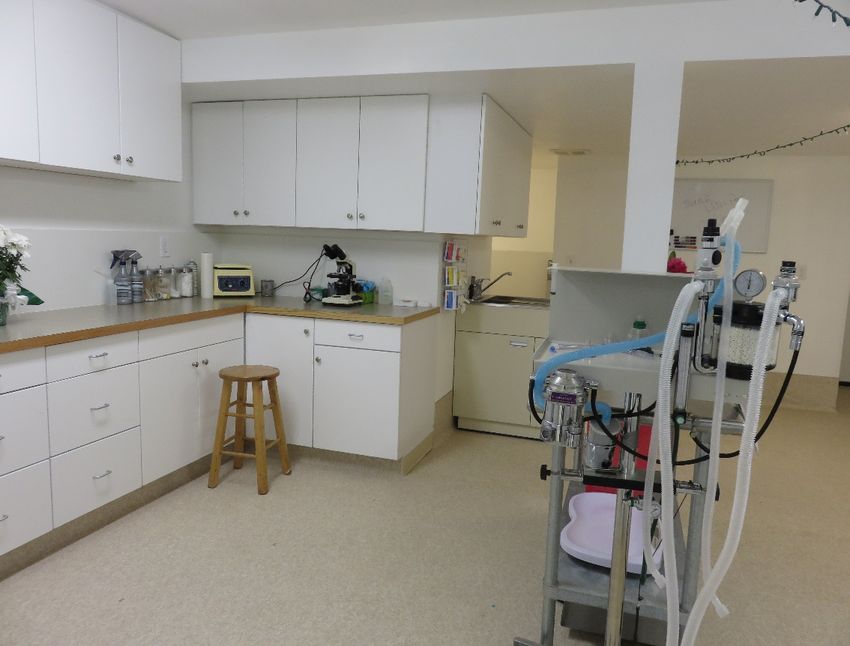
EXECUTIVE SUMMARY

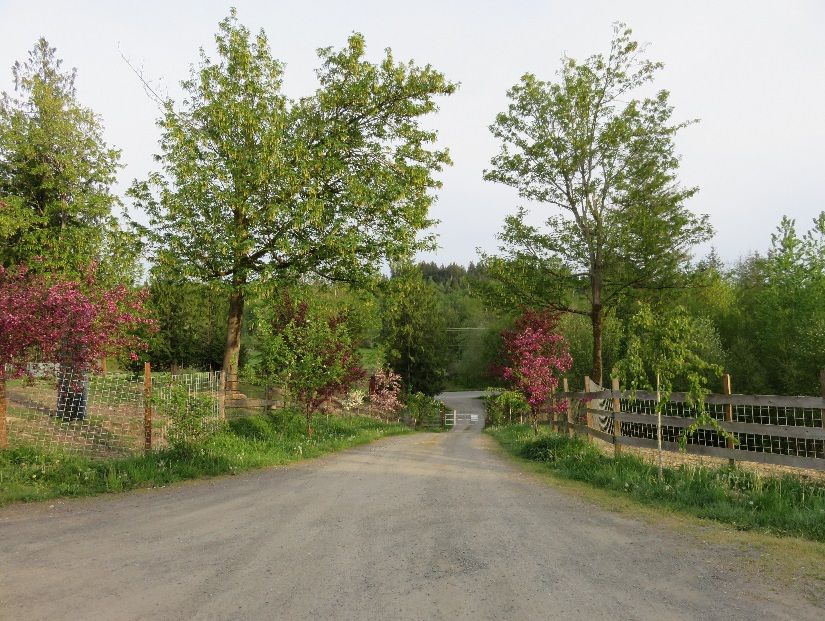
The Olympic Mountains provide the backdrop to Center Valley Animal Rescue (CVAR), a ranch with 32-acres of
pastures, ponds, barns and shelters for large animals. The central building is home to small animals, an office, a
medical room and storage. This animal rescue is the vision of Sara Penhallegon who in 2002, formed a 501(3) C
Charitable Organization on the Washington State Peninsula. Sara and a handful of friends created a network
of carefully screened foster care families to temporarily care for animals that were being signed over due to
abuse or neglect or by people who simply could no longer care for them. With the help of her family, the land
was purchased in 2004. The property, which had been logged, was in need of restoration. Many hands helped
to clean and clear the land and create the wetlands and buffers for wildlife. Thanks to the work of many volun-
teers and paid craftspeople the once rugged acreage has been transformed to a place of welcome for all
breeds of domestic animals in need. Daily, volunteers are there to care for the animals and facilities and to
greet visitors.

The love and care of abused and abandoned animals is the soul of this organization. It operates on grants, do-
nations, in-kind donations, and pro-bono professional services. The ensuing goal is the ability to hire staff to as-
sist in the daily operations of the facility allowing volunteers to care for and nurture the animals.

Adoptions need to become a primary focus as the organization matures. Once the animals are healthy the goal
is to find a forever home with an adopted family. Too few adoptions create limited capacity and depletion of
finances and resources. The goal is to make adoption a priority into the future.

A comprehensive Capital Improvement Plan (CIP) was put into place in 2011 and is updated in this current plan
assuring a planned and organized approach to continued growth of the facility. It is critical to the health and
welfare of the animals, staff and volunteers that there are areas where incoming animals can be quarantined
and evaluated before being placed in the general population of the facility. These types of issues have been
addressed within the CIP to provide for emergency care of abandoned and abused animals.

Sara’s vision has become a legacy of love, compassion, and the right for helpless creatures to have a ‘second-chance’
at life filled with love and reward.

3|Page
ORGANIZATION STRUCTURE

The following organization chart exhibits management of the organization.

      Organization Chart
                                                              Director
                                                          Sara Penhallegon

                                                                                                         At-Large
                       Administration        At-Large        At-Large         At-Large     At-Large
           Staff                                                                                       Jan Richards,
                         Pat Todd         Joanne Mackey     Heidi Ruegg      Jean Holtz   Mary Olson
                                                                                                           DVM

                          Treasurer
         Volunteers
                        Connie Graham

                          Secretary
                       Cheryl Halverson

4|Page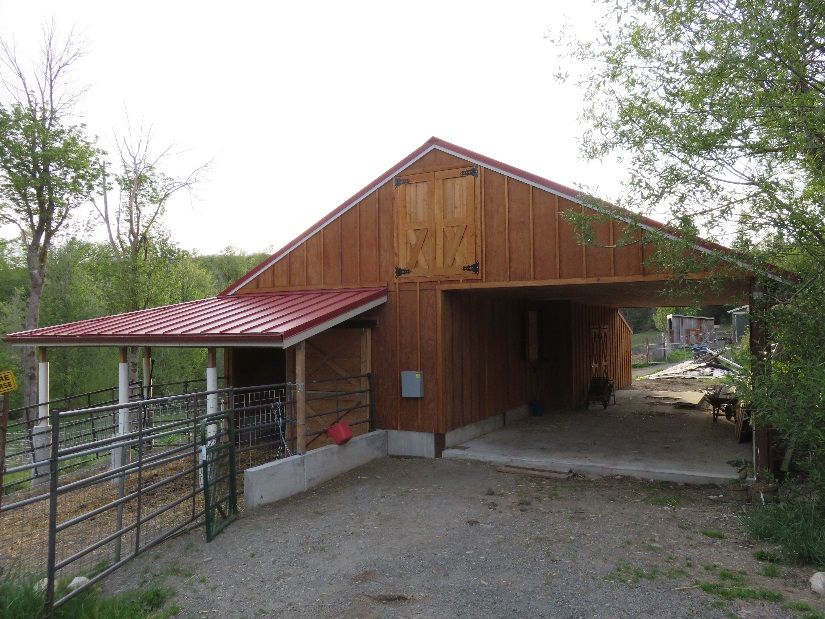
BY-LAWS

                               CENTER VALLEY ANIMAL RESCUE

                                  CONSTITUTION AND BYLAWS

                                                  ARTICLE I

                                                     Name

       Section 1. The name of this organization shall be Center Valley Animal Rescue incorporated under the
laws of the state of Washington; this name shall be used as the name of the organization for all corporate mat-
ters.

                                                 ARTICLE II

                                                    Offices

      Section 1. Principal Place of Business. The principal place of business of the Corporation in the State
of Washington shall be located in Jefferson County.

        Section 2. Registered Office and Registered Agent. The registered office of the Corporation shall be
located in the State of Washington at such place as may be fixed from time to time by the Board of Directors
upon filing such notices and annual reports as may be required by law. The registered agent shall have a busi-
ness office identical with such registered office.

                                                 ARTICLE III

                                                    Mission

        We at Center Valley Animal Rescue are committed to providing safe harbor and rehabilitation for un-
wanted, injured or abandoned domesticated and wild animals, thereby decreasing the number of unnecessary
euthanasia’s performed. We believe all creatures have inherent value, a right to life, and are entitled to have
their basic needs met in a kind and caring manner. Center Valley Animal Rescue is dedicated to finding loving
homes for all adoptable animals in our care and offering permanent sanctuary to the domestic animals that can-
not be adopted and the rehab and release of wild animals.

                                                 ARTICLE IV
5|Page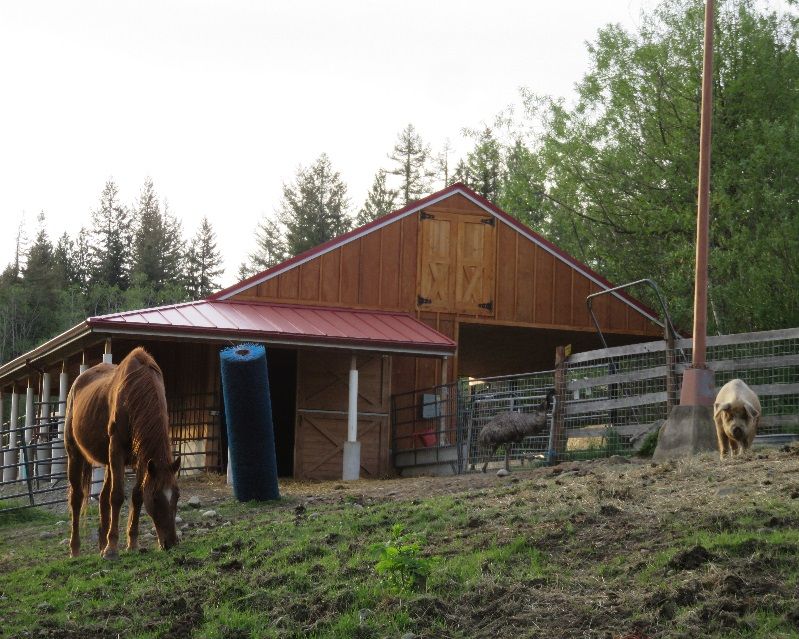
Objective

        Section 1. The primary objective of Center Valley Animal Rescue is to build a “no-kill” animal shelter
in order to provide safe harbor for abandoned and unwanted domesticated animals, to provide treatment in a
kind and caring manner for animals placed in our protection, to seek suitable homes for animals eligible for
adoption, to provide a permanent sanctuary to animals in need and the rehab and release of wildlife.

       Section 2. To meet the objectives of this organization it shall:

       (a) Raise money for its operation through private and government grants, adoption and program fees,
           fundraising events and private donations;

       (b) Offer education to the public with regard to animal issues;

       (c) Promote spaying and neutering;

       (d) Spay and neuter all dogs and cats and other appropriate animals in our care before being placed in
           suitable permanent homes;

       (e) Increase the quality of life for stray, unwanted and homeless animals by caring for them and seeking
           permanent homes;

       (f) Provide shelter for animals until suitable permanent homes can be found;

       (g) Create public interest in a “no-kill” shelter;

       (h) Rehab and release wild mammals.

       (i) Provide a permanent sanctuary for those animals ineligible for adoption;

       (j) Perform any euthanasia only after deemed necessary to end an animal’s suffering, or if life is
           deemed unsatisfactory.
       (k) Assist law enforcement with animal neglect or abuse cases.

Section 3. This organization shall not conduct or operate for profit and no part of and profits or remainder of
residue from donations to the corporation shall inure to the benefit of any members or individuals. The board
members receive no compensation other than reasonable expenses.

                                                       ARTICLE V

                                                     Order of Business

Section 1. Annual Meeting-Order of Business. The annual meeting of the directors for the transaction of such
business as may properly come before the meeting shall be held once each year at a time set at the preceding
board meeting or given by written notice in accordance with these Bylaws. At the annual meeting of directors,
the order of business shall be as follows:

6|Page
(a) Calling the meeting to order

                              (b) Proof of notice of meeting (or filing of waiver)

                              (c) Reading of minutes of last annual meeting

                              (d) Reports of officers

                              (e) Reports of committees

                              (f) Miscellaneous business

Section 2. Meetings. The Board shall meet at least four times per year at a time and place agreed upon by
board members.

Section 3. Board Elections. Election of new directors or election of current directors to a second term will oc-
cur as the first item of business at the annual meeting of the corporation. Directors will be elected by a majority
vote of the current directors.

Section 4. Terms. There is no limit on time served by Board members, but members will be re-elected every
two years.

Section 5. Quorum. A quorum must be attended by at least 80% of Board members before business can be
transacted or motions made or passed.

Section 6. Voting. A simple majority decides the outcome of motions unless exception in Bylaws.

Section 7. Notice. An official Board meeting requires that each Board member receive written and/or oral no-
tice two weeks in advance or all members agree to meeting on shorter notice.

Section 8. Board Members. The Board of Directors of Center Valley Animal Rescue will consist of five to
eight members.

Section 9. Officers and Duties. There shall be three officers of the Board consisting of a President/Director,
Secretary and Treasurer. Their duties are as follows:

       The President/Director shall preside over all meetings of the organization.

        The Secretary shall be responsible for keeping records of Board actions, including overseeing the taking
of minutes at all board meetings, distributing copies of minutes and the agenda to each Board member, and as-
suring that corporate records are maintained.

        The Treasurer shall be responsible for receiving and depositing in a bank designated by the Board, all
monies and securities, to disburse funds in accordance with the budget approved by the Board of Trustees, and
to submit to the Board and to the budget meeting of the organization an annual report of the income and ex-
penditures of the organization for the preceding quarter, and of liabilities and assets. The Board of Trustees will
consist of the President/Director and Treasurer. Upon approval of a majority of the Board members, any mem-
ber or professional other than the Treasurer, shall be authorized to assist the Treasurer in these duties. The
Treasurer shall establish a bank account or accounts as necessary, to include a checking account for the dis-

7|Page
bursement and payment of items as authorized by the Board. Each check will require a dual signature consist-
ing of any two of the three Officers, i.e., President/Director, Secretary, Treasurer. As the organization grows,
the required signatures will become the Director and staff members. The Board shall have full authority to add
or delete any authorized signature.

Section 10. Vacancies. When a vacancy on the Board exists, nominations for new members may be received
from present Board members by the Secretary two weeks in advance of a Board meeting. These nominations
shall be sent out to Board members with the regular Board meeting announcement, to be voted upon at the next
Board meeting. These vacancies will be filled only to the end of the particular Board member’s term. A new
Board member will be required to fill out an application and be subject to a six-month probation period.

Section 11. Resignation, Termination and Absences. Resignation from the Board must be in writing and re-
ceived by the Secretary. A Board member shall be dropped for excess absences from the Board if s/he has two
unexcused absences from Board meetings in a year. A Board member may be removed for other reasons by a
three-fourths vote of the remaining directors.

Section 12. The Board shall establish a schedule for the holding of board meetings, as it deems appropriate
other than for the purpose of elections. The Secretary will provide advance notice of all meetings at least ten
days in advance of the date set for the meeting.
Section 13. Special Meetings. Special meetings of the Board shall be called upon the request of the Presi-
dent/Director or one-third of the Board. Board members must be notified two weeks in advance, unless the
Board shall designate otherwise.

                                                          ARTICLE VI

                                                       Board of Directors

Section 1. The current members of the Board of Directors are as follows:

DIRECTOR
Sara Ruth Penhallegon
360-765-0598
sara@centervalleyanimalrescue.org

TREASURER
Connie Graham
541-350-7600 (H)
connie@accmeals.com

SECRETARY
Cheryl Halverson
360-732-5074 (H)
tarboochi@msn.com

BOARD MEMBER
Joanne Mackey
360-620-5731
joanneavon@hotmail.com

8|Page
ADMINISTRATION
Pat Todd
360-271-5961 (Cell)
patnken@olypen.com

BOARD MEMBER
Jan Richards, DVM
360-301-0726
drjan@olypen.com

BOARD MEMBER
Mary Olson
360-301-0805 (Cell)
harveyandmarylou@yahoo.com

BOARD MEMBER
Jean Holtz
360-437-5184 (H)
360-301-0159
camperjh@aol.com

BOARD MEMBER
Heidi Ruegg
360-301-6398
moosemeadow@olympus.net

Section 2. Officers. The current officers of Center Valley Animal Rescue are as follows:

President/Director – Sara Ruth Penhallegon
Treasurer – Connie Graham
Secretary – Cheryl Halverson

                                          ARTICLE VII

                                             Employees

Section 1. Hiring. Employees will be hired by a committee appointed by the Board of Directors.

Section 2. Employee Salaries. Salaries and compensation for employees will be determined by board mem-
bers.

9|Page
ARTICLE VIII
Miscellaneous
Section 1. All general meetings of the organization, meetings of the Board and committees shall be conducted
pursuant to Robert’s Rules of Order, as set forth in the last published revision thereof, however no inadvertent
violation of those rules, not raised, shall cause any action to be held invalid.
Section 2. The fiscal year of Center Valley Animal Rescue Jefferson County shall commence on January 1st of
each year and shall end on December 31st of each year.
ARTICLE IX
Committees
Section 1. The Board may create committees as needed, such as fundraising, housing, etc. The Board Presi-
dent/Director appoints all committee chairs.
Section 2. The three officers serve as the members of the Executive Committee. Except for the power to
amend the Articles of Incorporation and Bylaws, the Executive Committee shall have all of the powers and au-
thority of the Board of Directors in the intervals between meetings of the Board of Directors, subject to the di-
rection and control of the Board of Directors.
Section 3. Finance Committee. The Treasurer is chair of the Finance Committee, which includes one or two
other Board members. The Finance Committee is responsible for developing and reviewing fiscal procedures, a
fundraising plan, and annual budget with staff and other Board members. The Board must approve the budget,
and all expenditures must be within the budget. The Board of the Executive Committee must approve any ma-
jor change in the budget. The fiscal year shall be the calendar year. Annual reports are required to be submitted
to the Board showing income, expenditures and pending income. The financial records of the organization are
public information and shall be made available to the Board members and the public.
Section 4. Compensation or Loans. Directors shall receive no compensation for their services and loans shall
not be made by the Corporation to a Director or officer.
Section 5. Compensation or Loans. Officers shall receive no compensation for their services as Officers and no
loan shall be made by the Corporation to any Officer. Any compensation for employees or agents of the Corpo-
ration shall be subject to the approval of the Board of Directors.
ARTICLE X
Indemnification of Officers, Directors, Employees, Agents
Section 1. The Corporation shall indemnify its Officers, Directors, employees and agents to the greatest extent
permitted by law. No Director of the Corporation shall be personally liable to the Corporation or its Directors
for monetary damages for his or her conduct as a Director except for (1) acts or omissions that involve inten-
tional misconduct or a knowing violation of the law by the Director or (2) any transaction from which the Di-
rector will personally receive a benefit in money, property or services to which the Director is not legally enti-
tled. The Corporation shall have the power to purchase and maintain insurance on any person who is or was an
10 | P a g eOfficer, Director, employee or agent of the Corporation or who is or was serving at the behest of the Corpora-
tion as an officer, employee or agent of another corporation, partnership, joint venture, trust, other enterprise or
employee benefit plan against liability asserted against such person and incurred by such person in any such ca-
pacity or arising out of any status as such, whether or not the Corporation would have the power to indemnify
the person against such liability under the provision of this article.
ARTICLE XI
Amendments
Section 1. These Bylaws may be amended when reviewed by a 100% of the Board members with a minimum
80% majority vote of the Board of Directors. Proposed amendments must be submitted to the Secretary to be
sent out with regular Board announcements.
Section 2. The Board may from time-to-time establish standing rules applicable to the details of the administra-
tion of the organization, provided that such standing rules do not violate any bylaw, constitution, provision, cor-
poration objective, law, or objective set forth in the Mission Statement of Center Valley Animal Rescue.
ARTICLE XII
Dissolution of Corporation
Section 1. Center Valley Animal Rescue Jefferson County may be dissolved at any time by a vote of the Board,
requiring 80% approval. In the event of dissolution, whether voluntary or by the operation of the law, the prop-
erty, proceeds thereof, assets of the corporation, shall not be distributed to any members of the organization but
after payment of debts, all property and assets shall be donated to a similar charitable organization
for the benefit of animals selected by the Board members. Appropriate legal actions shall be required to com-
plete the dissolution of the corporation, as may be required by any government agency and/or statutory require-
ment.
These Bylaws were approved at a meeting of the Board of Directors on February 27, 2016.
11 | P a g eFINANCES
Operating budget:
2016 2017 2018 2019 2020
$156,500.00 $167,360 $180,371 $194,485 $209,944
Revenue
Income Source 2014 2015 2016 2017 2018 2019 2020 Assumptions
Categories Actuals Estimated
Adoption Fee $ 4,754 $ 6,550 $ 7,000 $ 7,700 $ 8,470 $ 9,317 $ 10,249 10% per year increase
Animal Support- 1 time or monthly $ 1,320 $ 1,045 $ 1,000 $ 1,500 $ 2,250 $ 3,375 $ 5,063 5% per year increase
Donations-general (includes donation jar, Pay Pal) $ 67,428 $ 61,297 $ 62,000 $ 66,650 $ 71,649 $ 77,022 $ 82,799 7.5% per year increase
Donations- Newsletter $ 39,320 $ 22,182 $ 32,000 $ 33,600 $ 35,280 $ 37,044 $ 38,896 5% per year increase
Donations-monthly $ 15,944 $ 11,078 $ 13,000 $ 13,650 $ 14,333 $ 15,049 $ 15,802 5% per year increase
Donations - corporate matching $ 2,883 $ 2,500 $ 1,500 $ 1,500 $ 1,500 $ 1,500 $ 1,500 No change
Fundraising - Committee $ 17,447 $ 18,667 $ 15,000 $ 15,150 $ 16,665 $ 18,332 $ 20,165 10% increase per year
Fundraising - Other groups $ 5,794 $ 6,795 $ 5,000 $ 5,000 $ 5,000 $ 5,000 $ 5,000 No change
Donations - Wildlife $ 1,801 $ 560 $ 1,000 $ 1,010 $ 1,020 $ 1,030 $ 1,041 10% increase per year
Interest $ 56 $ 26 $ - $ - $ - $ - $ -
Misc. Revenue (grass hay sale, etc) $ - $ 1,831 $ - $ - $ - $ - $ -
Sale of assets $ 10,482 $ 300 $ 5,000 $ 5,500 $ 6,000 $ 6,500 $ 7,000 $500/year increase
Goods sold (T-shirts, mugs, bags, magnets) $ 1,452 $ 1,845 $ 2,000 $ 2,100 $ 2,205 $ 2,315 $ 2,431 5% per year increase
Grants $ 1,000 $ 13,900 $ 12,000 $ 14,000 $ 16,000 $ 18,000 $ 20,000 $2,000/year increase
Large private donations $ - $ 120,000 $ - $ - $ - $ - $ -
TOTAL $ 169,681 $ 268,576 $ 156,500 $ 167,360 $ 180,371 $ 194,485 $ 209,944
BUDGET OVERAGE/SHORTFALL (Includes CIP projects $ - $ - $ (40,965) $ (69,199) $ (59,614) $ (38,038) $ (40,228)
12 | P a g eCenter Valley Animal Rescue
Expenses
Line Item 2014 2015 2016 2017 2018 2019 2020
Business Expenses Actuals Estimated
Advertising $ 137 $ 546 $ 400 $ 410 $ 420 $ 431 $ 442
Business Registration $ 40 $ 40 $ 100 $ 103 $ 105 $ 108 $ 110
Electronic Services/truck Auto $ 119 $ 175 $ - $ - $ - $ - $ -
Fundraising Material $ 3,596 $ - $ 1,200 $ 1,230 $ 1,261 $ 1,292 $ 1,325
Gas $ 1,801 $ 1,289 $ 2,000 $ 2,050 $ 2,101 $ 2,154 $ 2,208
Shirts/Sweatshirts $ 84 $ - $ 3,100 $ 3,178 $ 3,257 $ 3,338 $ 3,422
Office Supplies $ 244 $ 122 $ 200 $ 205 $ 210 $ 215 $ 221
Postage/Mailing $ 442 $ 648 $ 650 $ 666 $ 683 $ 700 $ 717
Printing/Copying $ - $ - $ - $ - $ - $ - $ -
Bank fees, etc. $ 130 $ 121 $ 150 $ 154 $ 158 $ 162 $ 166
Telephone $ 2,439 $ 2,209 $ 2,500 $ 2,563 $ 2,627 $ 2,692 $ 2,760
Memberships $ 335 $ 225 $ 225 $ 231 $ 236 $ 242 $ 248
Subtotal $ 9,367 $ 5,374 $ 10,525 $ 10,558 $ 10,821 $ 11,092 $ 11,369
Professional Fees
Accounting Fees $ 700 $ 669 $ 700 $ 718 $ 735 $ 754 $ 773
Contract Services $ 9,505 $ 930 $ 5,000 $ 5,125 $ 5,253 $ 5,384 $ 5,519
Subtotal $ 10,205 $ 1,599 $ 5,700 $ 5,843 $ 5,989 $ 6,138 $ 6,292
Facilities & Equipment
Cleaning Supplies $ - $ - $ - $ - $ - $ - $ -
Equipment Rental & Maintenance $ 1,159 $ 1,033 $ 1,500 $ 1,538 $ 1,576 $ 1,615 $ 1,656
Garbage Collection $ 1,414 $ 1,532 $ 1,600 $ 1,640 $ 1,681 $ 1,723 $ 1,766
Hardware $ 369 $ 198 $ - $ - $ - $ - $ -
Rent $ 5,400 $ 5,400 $ 5,400 $ 5,535 $ 5,673 $ 5,815 $ 5,961
Utilities $ 5,793 $ 5,475 $ 6,000 $ 6,150 $ 6,304 $ 6,461 $ 6,623
Facilities & Equip. $ 200 $ 806 $ 1,000 $ 1,025 1 $ 1,051 2 $ 1,077 $ 1,104
Subtotal $ 14,336 $ 14,444 $ 15,500 $ 15,888 1 $ 16,285 2 $ 16,692 $ 17,109
Operations
Animal Food $ 29,649 $ 38,906 $ 40,000 $ 41,000 $ 42,025 $ 43,076 $ 44,153
Animal Health Supply $ 16,677 $ 22,421 $ 23,000 $ 23,575 $ 24,164 $ 24,768 $ 25,388
Animal Lab Work $ 3,482 $ 3,435 $ 3,500 $ 3,588 $ 3,677 $ 3,769 $ 3,863
Animal Supplies $ 7,490 $ 2,461 $ 4,000 $ 4,100 $ 4,203 $ 4,308 $ 4,415
Fencing Materials $ 2,014 $ 4,350 $ 3,000 $ 3,075 $ 3,152 $ 3,231 $ 3,311
Printing/Copying $ 4,573 $ 3,274 $ 5,500 $ 5,638 $ 5,778 $ 5,923 $ 6,071
Vet Services $ 9,945 $ 6,885 $ 12,000 $ 12,300 $ 12,608 $ 12,923 $ 13,246
Wildlife $ 2,506 $ 1,943 $ 2,500 $ 2,563 $ 2,627 $ 2,692 $ 2,760
Subtotal $ 76,335 $ 83,675 $ 93,500 $ 93,275 $ 95,607 $ 97,997 $ 100,447
Other Expenses
Gifts $ 235 $ 1,582 $ - $ - $ - $ - $ -
Insurance $ 2,657 $ 4,275 $ 3,000 $ 3,075 $ 3,152 $ 3,231 $ 3,311
Licensesing Fees - tabs $ 387 $ 284 $ 300 $ 308 $ 315 $ 323 $ 331
Other costs $ 447 $ 215 $ 300 $ 308 $ 315 $ 323 $ 331
Taxes $ 7,108 $ 7,182 $ - $ - $ - $ - $ -
Travel & Meetings $ 190 $ 43 $ 200 $ 205 $ 210 $ 215 $ 221
Payroll $ 14,758 $ 19,489 $ 46,440 $ 47,601 $ 48,791 $ 50,011 $ 51,261
Subtotal $ 25,782 $ 33,070 $ 50,240 $ 51,496 $ 52,783 $ 54,103 $ 55,456
Capital Improvements $ 113,530 # $ 22,000 2 $ 59,500 3 $ 58,500 4 $ 46,500 5 $ 59,500 6 $ 246,000
TOTALS $ 136,024 $ 251,691 $ 197,465 $ 236,559 $ 239,985 $ 232,522 $ 250,173
Footnotes
1 Includes $93,530 for third barn & $20,000 for surgery room
2 Includes $2,500 for source study, $7,500 for animal shelter, $12,000 for enclosed and insulated storage area, for total of $22,000
3 Includes $5,000 for catchment system, $10,000 for North Pasture fencing, $7,500 for animal shelter, $3,000 fortwo small outside animal yards, $15,000 for new
for main building, $4,000 for medical room entrance, $15,000 for caretaker lodging, for total of $59,500
4 Includes $5,000 for catchment system, $10,000 for North Pasture fencing, $7,500 for animal shelter, $26,000 for pasture improvements, $10,000 expanded work space
for indoor animal workers, for a total of $58,500
5 Includes $5,000 for catchment system, $7,500 for animal shelter, $6,000 for inside dog kennel, $8,000 for second wildlife building, $20,000 fpr paving the site drive
and parking, for a total of $46,500
6 Includes $10,000 for added fencing of South Pasture, $7,500 for animal shelter, $40,000 for a new hay barn, $2,000 for park/trail for vistor picnics, for a total of $59500
Please Note: Actual Schedule for all capital expenditures are dependent upon obtaining funding for the purchase.
13 | P a g eFACILITIES Facilities Report The site consists of approximately a 30-plus acre parcel of land that contains rolling hills, several streams, seven ponds, and six-acres of wetlands, wetland buffers, central stream and stream buffer, ten-acres of fenced pas- ture land, a 4000 square foot central building, several barns and various other buildings and structures. The site was originally developed around 1980 as a facility to assay minerals from Eastern Washington and was aban- doned by the mid-1980’s. The site then became a State of Washington Department of Ecology (DOE) Toxic Cleanup Site as some of the chemical stored on site had disappeared. On March 27, 2002 DOE issued a deter- mination that the site no longer posed a threat to human health or the environment. After DOE signed-off on the site, it became available for purchase. Due to financial issues by the prior owner, the site was logged-off prior to going thru Chapter 11. As a result of this, the property was acquired through the Nevada court system where the bankruptcy occurred. During the due diligence process it was discovered that the property had many issues that needed to be re- solved including damage to wetland and stream buffers, a six-year forest practice restriction, lack of adequate water, damaged septic system, a building in total disrepair, etc. The property was acquired by Marty and Linda Penhallegon at a very reasonable price for the purpose of developing the property into Second Chance Ranch Animal Shelter, which Sara had incorporated several years earlier. The logging that occurred on the site left the wetland, stream, ponds and their buffers badly damaged and the property in shambles. In fact, several of the ponds were not discovered until removal of debris and site cleanup to convert the open areas into pastures for the animals. The central building had developed many leaks, por- tions of the building were rotted and one portion of the building was in a state of collapse and needed to be propped up until the building was restored. In order to convert the site into the animal shelter many permits and approvals had to be secured. It took many hours of donated time by many volunteers in conjunction with con- tracted workers to establish the facility into a working and successful facility that is now serving the Olympic Pen- insula area. The following provides a general history and overview of the many items needed to be accomplished in order to convert the property into the current facility. The first issue after acquiring the site was to obtain the various approvals and permits required to open the res- cue facility. This involved working with various agencies including various departments within Jefferson County with jurisdiction over the property. Some of the initial permitting issues included removing the 6-year forest practice permit status, applying and obtaining a conditional use permit, addressing the Environmental Sensitive Areas (ESA), completing a State Environmental Protection Act (SEPA), obtaining a Master Land Use Permit, along with other approvals. This process required establishing both wetland and stream buffers for the stream and associated wetland that dissect the property from west to east. Approximately 6-acres of the property are set aside for these purposes and the area was staked, signed and fenced. A wetland biologist identified the needed wetland and stream area and buffers. This area had to be completely restored due to the damage from the logging activity. Ap- proximately 2000 wetland plants and trees were planted in the designated wetland. A fence was installed along the entire north side of this area along with a perimeter road to provide access on the outside of the fence providing access for fence maintenance. Pasture land abuts the entire area on the north side. The south side of the protected area was staked and signed. A fence has been constructed along the south edge of the sensitive area which completes the required fencing between the pasture land and buffer area. 14 | P a g e
An access road was constructed across the stream at its narrowest point and a culvert was installed for the
stream. This necessitated a Hydraulic Project Approval permit approval by the Washington State Fish & Wild-
life Department. On the south side of the protected area lies about 15-acres which are partially developed into
pasture land for the large animals that are rescued and reside at the shelter. The land has been cleared,
seeded, and fenced. Fencing continues with volunteer help as it is funded. Over several years the pasture land
has been cleared and seeded with pasture grasses. This necessitated the approval of a Stormwater Manage-
ment Plan. Due to the state the property was in after the logging operation, this became a major effort and was
accomplished with large equipment and the stumps and debris was burnt by obtaining burning permits thru the
State and local fire authority. Currently about 10 acres has been turned into pasture land on the north side of
the Donovan Creek tributary running thru the property. This creek is a small seasonal creek that feeds two small
wetlands on site. Both the creek and wetland buffers have been completely replanted by volunteers. This buffer
area provides a central attraction to the native birds and wildlife.

CVAR headquarters is housed within the rehabilitated 4000 square foot metal building that existed on site when
the property was purchased. Because of the state of disrepair of the structure, it had to be completely disassem-
bled with much of the wood studs removed and replaced. A Commercial Building Permit was required for the
conversion and restoration of the metal building. This required not only structural review and approval but also
energy code compliance and approval. Much of the facility was upgraded to 2 x 6 inch studs instead of the 2 x
4’s that were in the original structure. The roof was replaced and the building is partitioned to create the
needed rooms to house the operations, animals, kennels, office, main meeting/public room, etc. The two bath-
rooms were upgraded and contain a handicap accessible facility. The facility is completely handicap accessible.
Also the building includes a 10-foot wide breezeway along the entire North side and extends along portions of
the East side of the building. This has provided an ideal area for storage, and created covered kennel areas for
animals. A sloping roof extends along portions of the South (front) and East of the building providing outside
covered areas for the animals. The building is heated by a heat-pump specifically sized for the building needs.
Additionally, several of the rooms have individual Cadet Heaters. The heat pump also provides some cooling
during the hot summer days. Currently the building contains four (4) cat rooms, three isolated animal rooms that
are used for dogs and other small animals, (these room all have access to outside cover runs), an office, and
exam room/clinic, and exotic room (specifically heated for tropical animals), a quarantine room, two restrooms
and various closets for storage and a laundry room.

An animal waste management plan was required and has been developed and approved for the facility. In or-
der to permit this facility, various building permits were secured for the building restoration and current build out.
Eleven parking stalls were required and have been provided for the staff and public along with landscaping
and screening. The building is connected to power, telephone, and internet access. The site parking area in-
cludes two 25-foot tall area lights that operate on photo cells and are old historical fixtures from City of Seattle.

A 36 by 48 foot pole barn exists just south and west of the main building and is used for hay storage and six (6)
stalls for horses or injured animals that need to be confined while rehabilitation occurs and to quarantine animals.
Doors have been constructed along the sides of the barn allowing access to each of the 6 internal stalls from the
outside to the south and west of the barn. Constructed fenced and gated pens now exist outside the stalls to con-
tain the animals. At this time the barn accesses into one of the fenced pastures. Additionally, two other newer
barns have recently been constructed. One just east of the main building houses smaller animals including rab-
bits, goats, llamas, birds, etc. This barn opens to the pastures and fenced areas to the east of the structure. The
site approvals allow for a caretaker’s residence/trailer. The original trailer for this purpose has been aban-
doned and the intent is to use the upper floor of this structure as a caretaker’s residence as a replacement for
the trailer. A third barn has recently been completed to house large ranch animals, provide for a workshop, ve-
hicle under cover storage, and hay storage. It opens onto pastures to the south.

Several other small structures exist on site to store supplies for the animals and provide limited shelter to pasture
animals. Additionally an enclosed chicken coop with access to a covered and fenced yard exists. This provides
a secure area for the chickens from the wild animals. Likewise a fenced and partially covered area also exists
for the rabbits.
15 | P a g e
Currently there are 10 separate fenced areas for animals that are kept at the ranch. Most of the fenced areas
include a pond for watering the animals. The fencing includes both electric and non-electric fencing. Maintaining
the fencing in good working order is a constant effort due to tree damage in wind storms and animal damage.
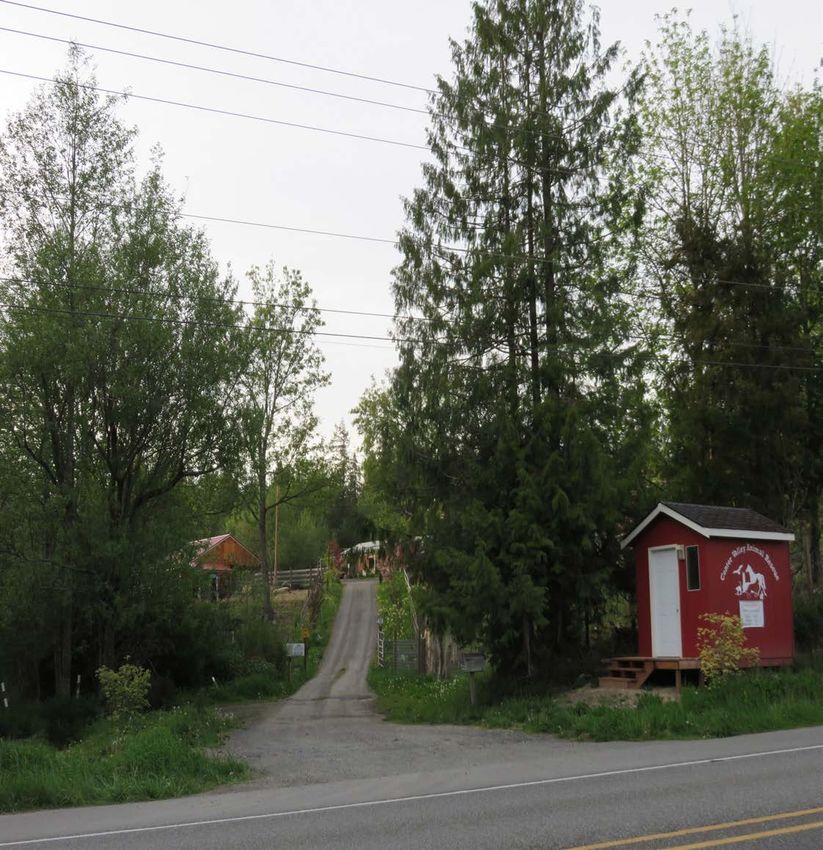
The facility is accessed off Center Road and has a keypad operated gate that is normally closed except during
operating hours. This gate also acts as a secondary containment gate in the event horses get out of their pasture
areas.

The facility is served by an onsite public water system. The system is categorized as a “Class B” water system.
As such it operates under the approval and permit issued on January 9, 2007 by the State of Washington De-
partment of Health (DOH). The system ID is AA780D. The water system consists of two wells that currently pump
at between 1 and 11/2 gallons per minute. It produces very high quality water. The wells are about 70 feet
deep and have a 6-inch diameter casing. They have bentonite seal to protect against contamination. Testing of
the water has shown that all contaminants fall well below the MCL’s (maximum contaminant level) for drinking
water. Occasionally iron bacterial has caused a problem but monthly chlorination of the well has resolved any
issues in this regard. The wells pump to two (2) 3,000 gallon above ground reservoirs recently constructed. A
variable pressure pump is installed in one of the reservoirs and pressurizes the system. The pressure can be ad-
justed and the control is located in the SW bathroom within the main building. Normal pressures are set for
about 60 psi in the main building and the system can provide upwards of 35 GPM at these pressures. The sys-
tem is approved for supplying the main building, a caretaker facility and the on-site resident house located on
site.

The site has two septic systems. The original septic facility was damaged during the logging that went on onsite.
Permits were secured to repair the system and the system is sized and approved for an on-site caretaker’s facil-
ity and the main building. The septic tank and piping was damaged and repaired with required County approv-
als. The original drain field is used for these facilities. No issues have ever been detected with this system and
the system can be easily monitored as access ports exist that can monitor the septic and discharge to the drain
field. A second new system was constructed for the on-site residence house that was recently constructed. It con-
sists of a pressurized system with 180 feet of 1-inch diameter laterals for dispersal and a 1000 gallon septic
tank and separate pump vault. It was approved under permit # SEP06-00184 by the local County Health De-
partment.

A residence house exists for the full-time resident. This house is approximately 1200 square feet with loft. It in-
cludes a large attached garage. This house sits above the ranch facility where the entire site can be monitored.

In 2015, a small triangular parcel was purchased. This allowed for the 30 plus acre facility to be located on
two (2) legal parcels by modifying the boundary lines. Currently the entire developed area of CVAR and all
major buildings and structures are located on one (1) seven plus acre parcel and the residence house and pas-
ture are on a 23 plus acre parcel. The ultimate goal is for CVAR to own the parcel that houses all of their facili-
ties. The residence is to remain private with a “Use Agreement” to allow for continual use of the entire 30 plus
acres of land. It is hoped the property can be expanded as the need arises by acquiring additional adjacent
land.

CVAR’s goal is to increase capacity to provide for needs as a primary provider within the Olympic Peninsula and
Western Washington and provide a temporary backup facility to other animal rescue facilities.

16 | P a g e
The following are the capacity goals:

               Type of Animal             Current Capacity      Increased Capacity       Year of Increase
 Medium sized animals (goats, sheep,
 llamas, etc.)                                    15                     20                   2021
 Dogs (2 dog rooms)                               3                      4                    2017
 Reptiles                                      9 cages                15 cages              2017-2021
 Birds (small)                                 20 – 25                   0                     N/A
 Birds (large)                                  3–4                      0                     N/A
 Small animals                                 8 cages                10 cages              2017-2021
 Horses                                           10                     15                2017 - 2021
 Pigs                                             3                      0                     N/A
 Cats                                             47                     0                     N/A

Employees: Two part-time positions (20 hours/week) to assist the shelter is the goal going into 2021.

17 | P a g e
2016 – 2021 CAPITAL IMPROVEMENT PLAN
The following described projects are those required to attain future CVAR goals. They include both physical im-
provements to the ranch and equipment that would be needed to achieve the long range goals and continue to
provide a place where abandoned and/or mistreated animals can come and be rehabilitated in a safe and nur-
turing environment. The projects are briefly described below along with estimated costs to accomplish or imple-
ment the identified project or item.
1) Improved Water Source – In the past 5 year CIP major improvements were made to increase reliability of the do-
mestic water system. A second well was added and 6000 gallons of storage plus new a new system pump with
expanded capabilities of providing upwards of 35 Gallons Per Minute (GPM) at system pressure of 60 Pounds Per
Square Inch (PSI) or greater. All improvements were approved through Washington State Department of Health.
However, for the past two years late in the summer months, the aquifer has had declining yields to the point that
the ranch has run short of water. Therefore, it would be highly desirable to develop a plan to increase source sup-
ply of water or alternatively develop a plan for an alternative water supply for non-potable uses. There have
been numerous wells developed on the CVAR site over the years and the only area where high quality water has
been encountered is where the current two wells exit. All other attempts to find source water throughout the prop-
erty have resulted in dry holes or water with very high chlorides and minerals. The aquifer that is producing the
high quality water is very small and produces less than a gallon per minute of water during the dry periods of the
year although the production is more than 5 GPM at other times. At a gallon per minute the source of water to the
reservoirs exceeds 1400 gallons per day which is 7 times the normal amount needed for a typical residence.
Therefore, considering locating a third well if a site can be located or creating increased non-potable source by
catchment or utilizing the existing ponds, other approaches should be considered. The cost of a third well is about
$10,000 but there is no certainty of achieving added high quality water.
Monitor existing well production and ground water levels in the months of July, August, September and
October.
Monitor uses for the water that are not potable water requirements.
Monitor water surface elevations in the various ponds and natural water sources on site.
Monitor the amount of water in the one new water/roof catchment system for these months. (ie. assess the
amount of rainfall during these months that can be expected to replenish the catchment system which con-
sists of 3000 gallons.)
Develop a plan that will be effective to increase the water supply in the late summer months.
Cost of the study – $2500 and schedule should be 2016/17.
2) Catchment Systems – An alternative to adding additional wells as described above, would be to reduce the do-
mestic water use by augmenting water needs for animals with water that runs of the roofs for the various buildings
and is stored for certain uses. One catchment system is already installed at Tucker’s Barn. Additional systems could
be installed on buildings with the metal roofs (Stephanie’s Barn, Timmy’s Barn and main building, which has a 4000
square foot roof) Estimated cost would be roughly $5,000+ for each system depending on size which includes the
pump system. This project would be done in coordination with project 1 above and the described study. For
budget purposes, it is assumed one system could be added each year.
3) Additional Fencing for South Pasture – Approximately 15 acres of potential grass pasture exists on the property
lying south of the tributary to Donavan Creek and the associated buffer. Fencing has started for this pasture area
but funding has not been available to complete this project. Portions of the fencing and fence posts have been pur-
chased and volunteer help has dug post holes for part of the fencing. It is estimated the cost to complete this pro-
ject is about $10,000. Completing this project would increase the ability to have a larger number of large animals,
such as horses, that the ranch can accept. This would reduce the cost of providing hay in the winter months, which is
one of the largest costs of maintaining the large animals. Completion scheduled for 2020.
18 | P a g e4) North pastures – Replace fencing for about 11 acres in the north pasture as the current fencing is non-functional
due to animals damaging it. It will require the use posts 8’ apart, 16 foot long heavy duty panels, and hot wire.
Estimated cost is approximately $20,000. Completion scheduled for 2016-2019.
5) Added Animal Shelters in pastures - Each pasture should have its own shelter for the animals to get out of the
weather. Several of the fields currently have shelter areas but several others need structures built. It is assumed 6
more structures are needed. It is anticipated one shelter to be constructed each year starting in 2016. Amend-
ments to the prior plans include constructing them similar to two currently in use but, they need to have more con-
crete and stronger construction so horses don’t destroy them. Size of shelter based on pasture size. Smaller shelters
will be 12 x 24 feet (2 small shelters), larger shelters 12 x 36 feet (4 larger shelters). Cost $5,000 - $10,000
each. It is assumed one would be constructed each year.
6) Pasture Improvements - In addition to rock removal and re-seeding, terracing is planned for three of the horse pas-
tures. The large concrete blocks can be used for terrace walls (same blocks that are used for composting hay &
manure); drainage will be incorporated into the terracing. The Conservation District representatives were at the
ranch to evaluate needs and will be issuing a report and recommendations. Work done on pastures will incorpo-
rate their plans. Cost for all 3 pastures for the terracing and drainage approximately $26,000. This project is
scheduled for 2018.
7) Covered, enclosed and insulated storage area - This will contain all the equipment and supplies for attending or
hosting events plus other occasionally used items not needed for daily care and feeding of animals. This improve-
ment is to be located on the north side of the main building in the current covered open area. A new roof would
be needed as part of this project. A budget for this work is $12,000. This project is scheduled for 2016.
8) Outside yard for small animals and one for iguanas - These will consist of concrete patios currently in place outside
each room. Small animal rooms already have doors from the room to the patio. The yard areas need to be en-
closed, covered and safe for each species that will utilize it. Two additional outside yards are needed at an ap-
proximate cost of $1500 for each yard. This project is scheduled for 2017.
9) A larger, more efficient work space for indoor animal workers – When CVAR was started at its current site in
2004 there were fewer rooms and fewer animals. There was plenty of room for daily cleaning for 1 or 2 volun-
teers. However, as CVAR’s capacity for more rooms has grown, the number of animals taken in increased as did
the need for more daily volunteers. The current work area with its small counter and single sink now accommodates
4 to 5 volunteers needing to wash and dry animal dishes, get water for water bowls, have access to cleaning sup-
plies, etc. As a result it becomes a juggling act of people and their work. In addition the medical cupboard with
the daily meds is located in the same area. A plan needs to be designed and a budget finalized to increase the
wash area. This improvement can be housed by reconfiguring the current handicap restroom/storage area. Re-
ducing the size of the bathroom and incorporating the storage rooms into this wash area should provide the
needed space to make this improvement. The estimated budget for this item is $10,000. This project is scheduled
for 2018.
10) New metal roof for the 4,000 square feet main building - This has been a need for the past few years as multiple
repairs to the roof have been accomplished. Alternatives need to be assessed and a budget of $15,000 is estab-
lished. This project is scheduled for 2017.
11) Hay barn - A separate storage facility is needed for hay storage. The Global Federation of Animal Shelters has
included this strong suggestion for any of the shelters that it accredits. Hay stored in a barn that also houses ani-
mals could pose a significant risk to the animals should a fire break out. Size for a hay barn is approximately 36 x
36; with a budget estimate of approximately $40,000. This project is scheduled is for 2020.
12) Park/trail for visitor picnics - An area exists in the stream buffer that would make an ideal picnic area and viewing
area for the preserved wetland. It would be an added attraction to the ranch. Cost to develop this area could be
$2,000 or more. This might be a good Boy Scout project. Project is scheduled for 2020.
19 | P a g e13) Medical Room entrance - The medical room construction is complete but the outside entrance area needs a major
facelift to make it more inviting since it is a major public entrance. A design is needed to define the scope of the
project but an initial budget of $4,000 is estimated. Project is scheduled for 2017.
14) Apartment in upper level of Stephanie’s barn (currently used for hay storage) - Needed to house interns or a care-
taker. This will require modifying the 20 X 24 square foot room into a residence. A kitchen area, bath, sleeping
and living area would need to be designed and constructed with water, sewer, and other amenities being added
to make the space suitable for living. Estimated budget is $15,000. Project is scheduled for 2017.
15) Increase land for large animals - There were three options that were considered; two were different parcels of
Pope & Talbot land on the west side of the property. Both had significant rises or slopes, one of which culminated
in a flat area at the top. This would result in additional costs for terracing. The other option was to further discuss
with Dutch across the road the possibility of acquiring his property when he is ready to sell. Sara did talk with him
once already letting him know of CVAR’s interest should he decide to sell. His land is already quite flat, in pastures
and has several buildings and outbuildings. We do have an attorney who is a good friend of CVAR and has said
she would help people write wills or draw up other legal documents especially if it benefits CVAR. Any fee paid to
her she will also donate to CVAR. Sara will talk with her and perhaps the two of them will meet with Dutch to see if
there is a possibility of drawing up an agreement for right of purchase should he ever sell or move.
16) South facing roof lines seem ideal for solar panels - A feasibility study would be needed to assess the cost effec-
tiveness of installing, and maintaining solar panels that could possibly be used to reduce/cover some of the cost for
power at CVAR.
17) Wildlife pens - As the need grows so does the need for additional wildlife pens. This will require annual monitoring
and assessment. Budget and schedule is to be determined as the need requires.
18) Second wildlife small building for small animals/raccoons – Based on the number of small animals like raccoons
that are being processed through the rehab program at this time added space is needed. It is estimated the cost
of an added small building to meet this goal is approximately $8,000 and is estimated to be needed by 2019.
(Note: this will would be a good project for grant funding.)
19) Inside dog kennels – Added capacity for dogs is needed for isolation (1 room) and 2 for medical room. These
rooms would be located inside the main buildings. Estimated budget is $6,000. Project is scheduled for 2018.
20) Asphalt drive and parking – The current entry drive into the administrative building and parking lot is gravel sur-
faced. Due to the large number of vehicles using the drive and parking it gets rutted and muddy. To eliminate the
ongoing maintenance of this area it should be paved with a 2-inch lift of AC (class B modified) or similar surfacing.
Because the area is already hard surfaced with gravel and the area drains to open pasture land with ponds in the
low areas no special drainage should be needed to accomplish this. A rough estimate of the surface area is about
10,000 to 12,000 square feet. An estimated budget for this project is $20,000. Project is scheduled for 2018.
20 | P a g eGOALS
Goal Tactic Responsible Due Date Status
Person
Water conservation Form a subcommit- Marty – Lead 1st Report – Not started
study. tee to research Committee: Sara, November 1, 2016
ways to conserve Robert, Jeanne
and cost savings.
Perform water au-
dit.
Identify areas of
highest use.
Identify wasteful
usage.
Post conservation
tips near water
sources.
Evaluate shelters Current Inventory Sara – Lead November 1, 2016 Not started
list. Jan
Projected inventory
list.
Mark current & pro-
jected shelters on
master site map.
Obtain additional Meet with neighbor Sara - Lead November 31, 2016 Not completed
property for future to see if he’s inter-
growth ested in selling his
property.
Show our volun- Create ways to Sara – Lead May 2, 2016 In progress; on-go-
teers how much show appreciation Pat and Joanne ing
they are appreci- both formally and
ated informally.
Volunteer certifi-
cates of apprecia-
tion.
Highlight a volun-
teer for each news-
letter publication.
Modify lease agree- Have the ability to Marty – Lead July 1, 2016 Completed
ment to include take care of in- Will work with the
wildlife rehab cen- jured/sick wildlife. attorney.
ter. Insure that volun-
teers and visitors
are safe from wild-
life.
21 | P a g eGoal Tactic Responsible Due Date Status
Person
Establish an animal Place less adopta- Sara – Lead October 1, 2016 Not started
foster program. ble animals into Connie, Heidi, Jo-
homes for one-on- anne
one attention.
Make the program
part of the CVAR
charter.
Hire maintenance Allow for volunteers Sara – Lead January 1, 2017 Not started
person. to work more with Robert
the animals and
visitors.
Lighten the load for
Sara and Robert.
Obtain additional Meet with neighbor Sara - Lead November 31, 2016 Not completed
property for future to see if he’s inter-
growth ested in selling his
property.
Develop a succes- Assure that CVAR Sara – Lead June 2016 BOD Pending BOD vote.
sion plan. Needs will continue when meeting
to be put on the current ED retires
BOD meeting or cannot fulfill du-
agenda for discus- ties.
sion. Allow for the growth
of BOD if desired.
Maintain records on Make it possible for Sara – Lead December 31, 2016 Not completed
each animal so that Sara to take an ex- Jan
whoever is in tended vacation.
charge can give Shift turnover for
medical care and volunteers so that
provide adoption in- they know info on
formation if some- each animal.
one wants to adopt Create a robust
an animal treatment data-
base.
22 | P a g eGoal Tactic Responsible Due Date Status
Person
Procedure for Procedure will be Jan – Lead December 31, 2016 Not completed
emergency medical published and
care for large ani- posted for all staff
mals. and volunteers
Visible signage on Visitors can visit for Pat – Lead December 31, 2016 In progress
highway with adop- adoptions. Board of Directors
tion times and
hours of operation.
Pursue live-in care- Have someone that Sara – Lead May 1, 2020 Not started
taker. is available to help Pat and Joanne
with the care of ani-
mals and facilities
maintenance
The Goal of Adoption is a Priority
23 | P a g eYou can also read


