2019 PROSPECTUS - GET IT QUALIFIED - GET IN DEMAND! - Computer Power Plus
←
→
Page content transcription
If your browser does not render page correctly, please read the page content below

2019 PROSPECTUS

GET IT QUALIFIED – GET IN DEMAND!
2 | COMPUTER POWER PLUS

   “It’s your aptitude, not just your attitude that determines your ultimate altitude.”
                                                           Zig Ziglar, Author & Motivational Speaker

    “Success is not the key to happiness. Happiness is the key to success.
                If you love what you are doing, you will be successful.”
    Mark Caine                                            Albert Schweitzer, Theologian
SPECIALISTS IN IT TRAINING | 3

Contents
04 Upgrade to an IT career

06 About Computer Power Plus

06 IT career and programme options

08 The Computer Power Plus difference

10   Our unique learning approach

10   Professional development

11   2019 programmes and fees

12   Study fees free in 2019

14   NZ Certificate in Information Technology (L5)

16   NZ Diploma in Web Development and Design (L5)

18   NZ Diploma in IT Technical Support (L5)

20 NZ Diploma in Networking (L6)

22 NZ Diploma in Systems Administration (L6)

24 NZ Diploma in Software Development (L6)

26 Graduate job placement support

28 General information

30 Campus facilities and locations

4 | COMPUTER POWER PLUS

     Upgrade to an IT career
     With so many exciting career options available in the Information and Communications
     Technology (ICT) industry, an IT qualification can literally be your ticket to living and working
     anywhere in the world.
     IT skills and services are needed increasingly in all industries.
     From finance to healthcare, retail to tourism or business services,
     an IT qualification will diversify your career options. An IT
     qualification from Computer Power Plus will transform you into
     an internationally respected IT professional with the skills to
     obtain your dream career anywhere.

     Be in demand by employers
      • IT professionals are in high demand and earn a higher than
         average salary. The median salary (full & part-time incomes)
                                     1
         in New Zealand is $48,800 while the median IT salary is
                   2
         $90,000 . High IT salaries are fueled by the chronic shortage
         of skilled IT workers in New Zealand and many companies are
         forced to hire from overseas to fill their vacancies.
      • IT qualifications provide greater job security.
      • IT career pathways can lead to rapid career progression.

        “Tech professionals in New Zealand are some of the happiest in the world, with 85% believing their
        current workplace is a good place to be and 91% considering their work / life balance to be either
        average or above.”                              Source: Job Seeker Insight Report February 2015 – www.absoluteit.co.nz

     1. New Zealand Income Survey June 2016 Quarter – www.stats.govt.nz.   2. Absolute IT Renumeration Report January 2018 – www.absoluteit.co.nz

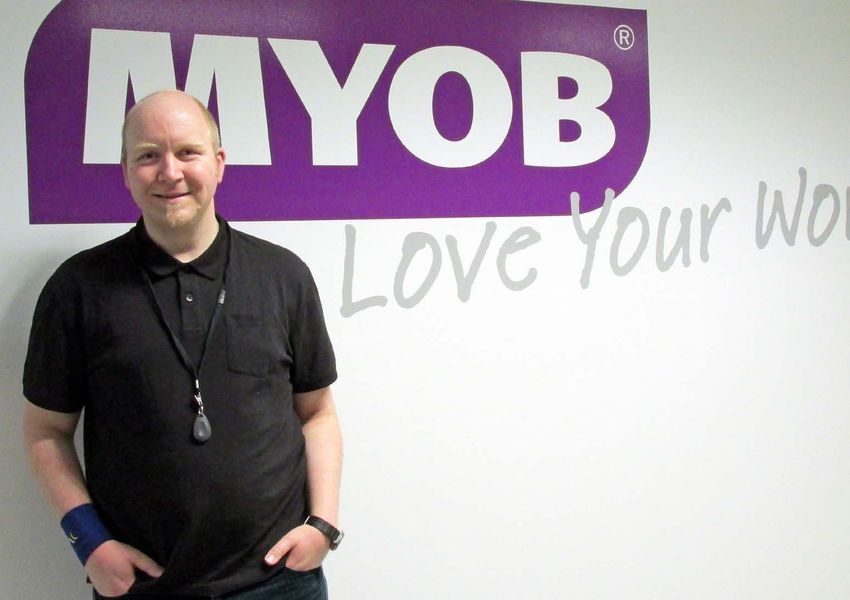
                                                             “After many years in retail and realising that for my
                                                             financial aspirations I needed to educate myself in an
                                                             area of interest – IT was the key. At Computer Power
                                                             Plus I enjoyed being able to learn at my own pace with
                                                             their self-paced learning model.
                                                             Working at MYOB I find that many of the things I
                                                             learnt at CPP are highly relevant. I would definitely
                                                             recommend CPP to others wanting to get into IT.”
                                                             Neil Metcalfe - Client Services, MYOB
                                                             Certificate in IT Client Support Graduate
SPECIALISTS IN IT TRAINING | 5

Full-time Median Pay by Industry

     Construction & Roading              $60,000
 Banking, Finance & Insurance            $65,000
                   Education             $55,000
                 Engineering             $70,000
                 Health Care             $55,000
        Hospitality & Tourism            $40,000
    Information Technology               $95,000
 Marketing Media and Comms               $65,000
                    Property             $75,000
                        Retail           $40,000
       Science & Technology              $55,000
          Trades and Services            $55,000
                                     0              $25,000             $50,000              $75,000              $100,000

                                         Source: Trademe Jobs Salary Guide: Between June and December 2017 – www.trademe.co.nz

IT Industry Jobs Full-time Median Pay

                  Architects             $135,000
 Business & Systems Analysts             $95,000
                   Database              $95,000
               Management                $125,000
      Networking & Storage               $95,000
Programming & Development                $95,000
       Project Management                $125,000
           Sales and Presales            $75,000
                    Security             $115,000
               Service Desk              $55,000
          System Engineers               $85,000
                     Testing             $95,000
                Web Design               $85,000
                                 0                    $35,000                  $70,000                 $105,000              $140,000

                                         Source: Trademe Jobs Salary Guide: Between June and December 2017– www.trademe.co.nz
6 | COMPUTER POWER PLUS

     About Computer Power Plus
     Computer Power Plus (CPP) is a specialist IT training institute that provides a wide range of
     NZQA approved IT programmes from Certificate to Diploma level.
     Computer Power Plus was originally established in New Zealand                    IT careers start here
     in 1996 and was recently purchased in mid-2018 by Asia Pacific
     Education Group. It now operates under the Whitecliffe brand,
                                                                                        • Thousands of our graduates are now working in rewarding
                                                                                           IT careers here and abroad since 1996
     alongside the highly acclaimed Whitecliffe College of Arts and
     Design and NZ Fashion Tech.                                                        • Three CBD campuses in Auckland, Wellington & Christchurch
                                                                                        • Purpose-built facilities
     With the acquisition of CPP, Whitecliffe is positioned to
     contribute a solution to the rapidly-growing deficit in IT                         • Our IT programmes are developed in close consultation
     specialists. Skills across the digital spectrum are required in                       with the IT Industry ensuring our qualifications are relevant to
     increasing volume by all industries if they intend to operate                         today’s changing IT workplace
     effectively in the 21st Century.                                                   • Over 300 current students
     The Whitecliffe vision and strategy is to be receptive to these                    • 92% overall student statisfaction with Computer Power Plus1
     demands and to provide an innovative, future-proof education                       • 91% of our students would recommend CPP to others1
     for all its students. CPP programmes which include web                             • Our friendly team of tutors are highly regarded by our
     development and design, software development, systems                                 students for their dedication, experience, and one-on-one
     administration, IT technical support and network engineering                          support when it’s needed
     are aligned not only to the changing needs of industry but also
     to positive employment outcomes for graduates.

     IT career and programme options

                                                                                 > New Zealand Diploma in Web Development & Design (L5)
       Website Admin / Developer                                                 > New Zealand Diploma in Software Development (L6)

       Database Administrator                                                    > New Zealand Diploma in Software Development (L6)

       Network /
       Systems Administration                                                    > New Zealand Diploma in IT Technical Support (L5)
                                                                                 > New Zealand Diploma in Networking (L6)
       Hardware Technician /                                                     > New Zealand Diploma in Systems Administration (L6)
       Computer Engineer

                                                                                 > New Zealand Diploma in IT Technical Support (L5)
      Help Desk / Technical Support                                              > New Zealand Diploma in Networking (L6)
                                                                                 > New Zealand Diploma in Systems Administration (L6)

       Programmer

       Software Tester                                                           > New Zealand Diploma in Software Development (L6)

       Systems Analyst

     1. Ratings are based on Computer Power Plus Student Exit Surveys conducted between January 2015 and November 2015
SPECIALISTS IN IT TRAINING | 7

“The topics covered in my diploma
were very diverse and gave me a
great understanding of the way
things work in the IT industry. I had
a lot of hands-on experience with a
variety of systems and tools. This is
why CPP graduates are sought after
in the IT industry and one of the
main reasons why I got the first job
I applied for.”
Dylan Clark
Senior Security Operations Analyst,
Workday

                                        Auckland campus learning environment
8 | COMPUTER POWER PLUS

       The Computer Power Plus difference
       Computer Power Plus is one of New Zealand’s leading and respected IT training providers.
       When you study with us you will get to benefit from:

        • The choice of six NZQA approved IT programmes.                   What our graduates say:
        • Four intake dates in 2019. No need to wait until next
           semester.                                                                      “I chose CPP, because I liked the idea of flexible
        • Our unique, flexible and blended-learning environment.                          study shifts. I could still work during the day and
                                                                                          look after my daughter at the same time, she
        • The flexibility to study full-time and work part-time or                        was only two when I started my studies.“
           study part-time and work full-time.                                            Chantel Mitchener – IT Support Analyst
        • Training towards internationally recognised IT vendor
           certifications.
                                                                                          “I had such a positive experience at CPP that I
        • Training in the interpersonal and intrapersonal skills that                     recommended it to my mates who now have
          IT employers are looking for.                                                   jobs in a range of IT companies such as Datacom,
        • A professional study environment with supportive and                            Vodafone and SMSS.”
           experienced tutors.                                                            Tim Cashman – Service Desk Manager
        • Programmes that can be credited towards a university
           qualification.                                                                 “I found CPP a great place to study with friendly
                                                                            Diploma in Software
                                                                                         tutors and a relaxed environment. I would
        • Job placement assistance upon graduation.                         Development Graduate
                                                                                          recommend CPP as a great starting point if you
        • The availability of Saturday morning study shifts so you                        want to get into the IT Industry.”
           catch-up on your studies if needed.                                            Chris Wood – IT Asset Manager
        • The flexibility to change from full-time study to part-time if
           your life circumstances change and vice versa.                                 “I had job opportunities waiting for me three
        • Frequently organised social events for staff and students.                      months before I finished my diploma with CPP,
           Events include ten-pin bowling, movie nights, BBQs, 		                         which highlights the demand for graduates in
           laser strike and more.                                                         the IT industry. ”
                                                                                          Mandeep Kaur – Software Developer

                                                       “Computer Power Plus provides a high
                                                       quality IT education in an environment
                                                       that reflects the workplace.
                                                       The self-paced study, flexible training
                                                       times and highly qualified tutors are
                                                       helping me to achieve my study goals.”
                                                       Dharmesh Patel
                                                       Network Engineering Graduate

Wellington campus learning environment
SPECIALISTS IN IT TRAINING | 9

At Jade Software, we have employed a number of
Computer Power Plus graduates over the last two
years, who are working as Systems Administrators
and Implementation Consultants.
We have found the CPP graduates to be well
rounded, have good practical skills and technical
knowledge, and are well suited to industry needs.
From our experience we would recommend hiring
a CPP Graduate to potential employers looking for
a valuable addition to their team.
Helen Clarke
Frontline Support and Compliance Manager
10 | COMPUTER POWER PLUS

     Our unique learning approach
     Computer Power Plus delivers a unique ‘student-centred’ learning model which is used
     at all three campuses.
     The self-paced* and blended-learning environment offered by                  The programme structure and learning process
     Computer Power Plus allows you to take control of your own                   Each of our programmes are made up of a series of courses.
     learning. All the resources you require are supplied to you on               In each course there are many learning activities (or lessons) and
     campus. These have been created by our own team of qualified                 assessments. Learning activities may include:
     curriculum developers.
                                                                                    •   working at the computer          •   role plays
     Unlike a traditional school, you will not be learning in a classroom           •   studying texts                   •   practice tests
     with one teacher, taking you through a topic at a time. Instead                •   watching eLearning videos        •   tutor-led workshops
     you will be working in an open learning environment at your                    •   practical demonstrations         •   researching
     own work station, and be supported by our experienced tutors
                                                                                    Assessments may include (these are compulsory):
     when you need them.
                                                                                    • exam-based assessments              • doing progress check tests
     Our course material is provided online, so you can work through                • project based assessments           • presentations
     this at your own pace – both on campus and anywhere else that
                                                                                    • competencies / checkpoints
     you can get Internet access. This flexibility allows you to make
     sure that you have completed all of the learning objectives that             You will be studying only one course at a time. When you finish each
     you need to cover before any workshops or group activities that              course there is normally an assessment. In some courses, there are
     you may need to attend.                                                      assessments that you complete as you go through the course.
                                                                                  When you complete a course, you will move on to the next, building
     Studying full-time within our business environment simulates a
                                                                                  towards your nationally recognised New Zealand qualification.
     normal working day on the job. This is based on campus study
     of 20 hours per week plus an extra 15 hours spent studying
     either at home or in the library each day.
     Computer Power Plus’s blended learning strategy provides for
     both theory and hands-on practical experience. This includes
     frequent tutor-led workshops that covers some course topics
     in detail.
     We provide:
      • On campus eLearning and practical exercises with personal
        tuition from our qualified and experienced tutors.
      • Microsoft Imagine Academy - free access to Microsoft
        E-learning and Dreamspark Premium.
      • A new and modern online delivery platform
      • Opportunities for self-assessment – Computer Power
        Plus tests and assessments.
      • Opportunities to gain internships and industry work
        experience.
      • Training towards internationally recognised IT vendor
        certifications.

     Professional development
     To assist you in obtaining your ideal job upon graduation, we have included professional practice
     training in all of our programmes, and job placement support dedicated to your job success.
     Computer Power Plus has the experience and knowledge                         Our professional development programme includes:
     of the ICT industry to support students in becoming the IT                     • Building on your self-management skills.
     professionals employers demand. With dedication, students                      • Learning essential interpersonal skills including communication
     graduate from Computer Power Plus technically proficient and                     and teamwork.
     able to work as a dynamic team member.
                                                                                    • Writing powerful resumes for maximum impact.
     At Computer Power Plus, our graduate job placement                             • Becoming familiar with interview skills and techniques.
     support team has already helped thousands of our graduates                     • Accessing the hidden job market.
     find IT employment. See page 30 for more information.                          • Benefiting from our individual mentoring and support services.

     * Note: Students can study at their own pace, but will be required to attend group activities at scheduled times and any final assessments are held
       in the fifth week of each course.
SPECIALISTS IN IT TRAINING | 11
2019 Programmes and fees
Study Options Enrolment Fee Programme Fee Training towards Industry Certifications
New Zealand Diploma in Software Development (Level 6)
1
Full Time 80 weeks or nil Year 1: $6,733
Part Time for 37 months Year 2: $6,962
New Zealand Diploma in Networking (Level 6)
Full Time for 40 weeks or nil $6,978 CCNA Wireless, CCNA Collaboration
Part Time for 80 weeks CCNA Security, CCNA Routing & Switching
CompTIA Project+
New Zealand Diploma in Systems Administration (Level 6)
Full Time for 40 weeks or nil $7,070 MCSA: Server 2016
Part Time for 80 weeks CompTIA Project+
New Zealand Diploma in Web Development and Design (Level 5)
Full Time for 40 weeks or nil $6,797
Part Time for 80 weeks
New Zealand Diploma in Information Technology Technical Support (Level 5)
Full Time for 40 weeks or nil $6,797 CompTIA A+,
Part Time for 80 weeks CompTIA Network+
New Zealand Certificate in Information Technology (Level 5)
Full Time for 20 Weeks or nil $3,306
Part Time for 40 Weeks
• Durations above include holidays/study breaks.
See programme pages for specific durations.
• Full-time study is based on 20 hours on campus per week
(Monday to Thursday) plus 15 hours per week home study.
• Part-time study is based on 10 hours per week on campus
(Monday to Thursday) plus 7.5 hours per week home study.
• Programme fees are inclusive of GST and include all
institute based learning guides, texts and access to
resources.
• Programme fees do not include vendor certification exams.
• Fees must be paid prior to programme commencement
Computer Power Plus reserves the right to alter programme
content or fees as outlined in this prospectus at any time.12 | COMPUTER POWER PLUS
Study fees free in 2019
To be eligible for fees-free study at Computer Power Plus you Q. Can I get fees-free support if I study part-time?
must be one of the following: If you’re eligible for fees-free you can study either part-time
1. a New Zealand citizen, or or full-time.
2. ordinarily resident in New Zealand and: Q. What sorts of fees will be covered by fees-free?
Fees-free
a. have been living in New Zealand for at least three years The fees-free policy for tertiary education will pay:
while holding a residence class visa, or - tuition fees
b. a refugee or protected person, or - compulsory course costs, and
quick guide
c. sponsored into New Zealand by someone in your family - compulsory student services fees.
who, at the time of sponsorship, was a refugee or Fees-free support does not cover other optional and
protected person. occasional fees such as students’ association and club
3. You must have not undertaken more than half a year of memberships, some course materials, and late fees.
equivalent full-time tertiary education (0.5 equivalent
full-time student (EFTS) or 60 credits) at level 3 or above on Q. Do I need to apply to StudyLink to access fees-
the New Zealand Qualifications Framework (NZQF), free support?
including tertiary education at an equivalent level
undertaken in any country. Learners startin
No. If you’re eligible for fees-free and doing eligible study
or training your compulsory course fees will be paid directly
to your tertiary education organisation by the Tertiary
study or training
a. This doesn’t include any tertiary education undertaken
Education Commission.
while enrolled in school prior to 1 January 2019.
b. This doesn’t include any tertiary courses undertaken If you’re doing provider-based study and you want to apply
in 2019
as part of your school learning programme or for a Student Allowance or Student Loan for living costs
secondary-tertiary programme on or after 1 January and course-related costs, then you still need to apply to
2019. StudyLink.
c. This doesn’t include any credits achieved as part of any If your fees exceed $12,000 (including GST) you will need
industry training programme that consists of fewer than to apply to StudyLink if you need a Student Loan to cover
120 credits that are reported after 1 January 2018. these costs.
Q. If I did less than $12,000 worth of study in 2018,
can I carry the rest over to another year?
Frequently Asked Questions: It depends on what study or training you’ve done so far. If
Q. How much study or training can I get fees-free? you haven’t used 120 credits (1 EFTS) or $12,000 in 2018
You can get the equivalent of one year’s full-time study (up to you may have some fees-free support to carry forward.
the value of $12,000) fees-free. You can carry forward your remaining fees-free support (in
Q. I did some tertiary study while I was still at school. EFTS and dollars) into 2019 or future years. Your fees-free
support will stop when you use up your remaining EFTS or
Does this count as prior study?
remaining dollars – whichever you use up first.
Tertiary study done as part of a school programme, such as
through the Student Tertiary Alignment Resource (STAR), is You must have used less than 120 credits (1 EFTS) and less
not counted as prior study. However, if you do tertiary study than $12,000 of fees-free support in 2018 to be able to
separate to a school programme in 2019 you will start using carry forward to another year.
your fees-free support as a part-time tertiary student.
Q. If I studied at another tertiary provider in 2018,
Q. I did National Certificate of Educational can I get fees-free study at Computer Power Plus in
Achievement (NCEA) level 3 courses at school. Do 2019?
they count as prior study? Yes, as long as you have some fees-free support remaining
No. Courses done at secondary school for NCEA level 3, or and you enrol in eligible courses.
similar qualifications such as International Baccalaureate, do
not count as prior study. What do I have to do next?
Check your National Student Number (NSN) to see if you’re
Q. How much are credits worth in terms of the eligible! You can do this on the feesfree.govt.nz homepage.
equivalent full-time student (EFTS)?
For more information visit: https://www.feesfree.govt.nz/
Usually, 0.125 EFTS is equivalent to 15 credits or points, and so
0.5 EFTS would be equivalent to half a year of full-time study
for most students and one EFTS would usually be equivalent
to one year’s full-time study. You can find out more about EFTS
on StudyLink’s website: www.studylink.govt.nzSPECIALISTS IN IT TRAINING | 13
After leaving school early and getting a job
to help support her family, Alicia was tired of
being a waitress. Inspired by her husband, she
decided to get into IT and enrolled with CPP.
Alicia had to juggle two children under the age
of two when she began her studies, but was
helped by CPP’s flexible study timetable.
“CPP really did help me. They understood me
with my family. They were very supportive
and gave me opportunities that I didn’t see
coming.”
Within two months of graduating, Alicia got a
job on the helpdesk with Enable Networks - a
fibre broadband specialist - before progressing
to her current role as the Training Support
Specialist.
She pointed to her time studying with CPP as
the major turning point in her career and said
the team helped put her on the right path.
“The CPP staff are very friendly and welcoming,
and made me feel like you had a second home.
If you need a bridge to IT, CPP is the best place
to start.”
“They understand your wants, needs and
where you want to go with your life”
Alicia Esera - Training Support Specialist
Diploma in Advanced Network Engineering (L7)
Auckland Campus student cafe14 | COMPUTER POWER PLUS
New Zealand Certificate in Information Technology (L5)
• Apply professional, legal, and ethical principles and
Programme Code NZ2595
practices in a socially responsible manner as an emerging
Duration Full-Time 17 weeks + 3 weeks study break. IT professional.
20 hours on campus/week + • Apply the principles of software development to create
15 hours/week home study simple working applications.
Duration Part-Time 34 weeks + 6 weeks study break. • Apply communication, personal and interpersonal skills to
10 hours on campus/week + enhance effectiveness in an IT role.
7.5 hours/week home study
2019 Fees $3,306 Further Study Options
Upon successful completion of the Level 5 Certificate you
can further enhance your IT career opportunities with the
This programme will primarily equip you for further IT related following programmes at Computer Power Plus (this certificate
study, and prepare you for employment in an entry level IT will also contribute 60 credits towards the completion of these
role. You will gain the essential IT and professional skills that programmes).
are needed in today’s IT industry with training in IT systems, • New Zealand Diploma in Web Development and
programming principles, professional practice, data handling Design (Level 5)
and web concepts. • New Zealand Diploma in Information Technology
Technical Support (Level 5)
Entry requirements • New Zealand Diploma in Software Development (Level 6)
A minimum of 42 credits at NCEA Level 3, including 14 credits
in Digital Technologies or Computing AND a minimum of 10 2019 start dates
credits in Maths AND 10 credits in English at Level 2 or above, • 28 January
OR equivalent knowledge, skills and experience. • 4 March
If you do not have the above NCEA Level 3 credits or equivalent • 17 June
computing-related qualification, you can take our online Skills • 26 August
and Knowledge Assessment. Contact us at info@cpp.ac.nz
New delivery platform
Major qualification goals All level 5 and 6 programmes are now delivered on our new
• Apply the fundamentals of information systems concepts and modern online learning platform. This has been optimised
and practice to support and enhance organisational for delivery on desktop computers, tablets and smart phones,
processes and systems. so you can continue your studies anywhere, or anytime.
• Apply the fundamentals of IT technical support concepts
The platform allows students to carry on their studies exactly
and practice to manage hardware and software resources
where they left off each time they login. Students can also
to meet organisational requirements.
create searchable study notes next to their course materials
• Apply the fundamentals of interaction design concepts and
and share comments with other students. The platform also
practice to enhance interface design.
supports rich media content such as video and interactive
• Use problem-solving and decision-making techniques quizzes.
to provide innovative and timely Information Technology
outcomes.SPECIALISTS IN IT TRAINING | 15
Programme structure PROFESSIONAL PRACTICE
The NZ Certificate in Information Technology (Level 5) is a 60 • Legal and regulatory considerations relevant to IT
credit programme, consisting of four x 15 credit courses. These • Ethical decision-making
courses start every five weeks. The first 20 working days are the • Professional conduct and codes of practice
study days on the course. The last five days include a day each • Personal effectiveness
for revision and the final assessment, and days for study break. • Information presentation techniques
• Business context of IT, information systems, initiation and
Course Content management of IT projects.
PROGRAMMING PRINCIPLES
IT SYSTEMS
• Creating procedural and object oriented programs using
• Hardware concepts and components
Python
• Storage devices
• Mathematical and logical concepts underpinning
• Operating system concepts
programming
• IT support concepts
• Systems security
DATA HANDLING AND WEB CONCEPTS
• Structured Query Language (SQL), to give students the
skill and knowledge to use the basics of Microsoft SQL
Server.
• Designing websites which gives an understanding of
website design using HTML5 and CSS.
“CPP’s learning environment is so much
better than at school or polytech. If
I need help with my studies I can just
email the tutors from my computer and
they will come and assist you on the
computer floor. I also like that getting
help is discreet and that I don’t have to
put up my hand. I really liked studying
at CPP that once I graduated with the
Certificate I decided to enrol in the
Diploma programme.”
Sarah Booth (pictured left)16 | COMPUTER POWER PLUS
New Zealand Diploma in
Web Development and Design (L5)
• Apply the fundamentals of IT technical support concepts
Programme Code NZ2598
and practice to manage hardware and software resources
Duration Full-Time 34 weeks + 6 weeks study break. to meet organisational requirements.
20 hours on campus/week + • Apply the fundamentals of interaction design concepts and
15 hours/week home study
practice to enhance interface design.
Duration Part-Time 68 weeks + 12 weeks study break. • Apply the principles of software development to create
10 hours on campus/week + simple working applications.
7.5 hours/week home study
• Use problem-solving and decision-making techniques
2019 Fees $6,797 to provide innovative and timely Information Technology
outcomes.
• Determine client requirements, prepare and present
This programme provides a pathway to becoming an IT solution(s) which meet client requirements.
professional who can design and develop websites in all sectors
• Write scripts appropriate to implement and customise a
of the economy and society.
solution package using frameworks and libraries.
On the completion of this programme, you will be able to build a • Design and implement interfaces to enhance user
complete web application following the entire web development experience and functionality.
process from end to end, using a content management system. • Select, install and configure appropriate plug-in modules
In addition, you will have a broad set of IT skills that are to supplement functionality to meet organisational
internationally relevant. You will also be capable of operating requirements.
within applicable professional standards and practice, both • Test functionality and usability to meet client requirements.
independently and collaboratively as part of a team. • Implement, configure, and publish tested web solution to
meet client requirements.
Entry requirements • Apply professional, legal, and ethical principles and
practices in a socially responsible manner as an emerging
A minimum of 42 credits at NCEA Level 3, including 14 credits
IT professional.
in Digital Technologies or Computing AND a minimum of 10
credits in Maths AND 10 credits in English at Level 2 or above, • Apply communication, personal and interpersonal skills to
OR equivalent knowledge, skills and experience. enhance effectiveness in an IT role.
If you do not have the above NCEA Level 3 credits or equivalent
computing-related qualification, you can take our online Skills Career opportunities
and Knowledge Assessment. Contact us at info@cpp.ac.nz • Front-end Web Developer
• Web Content Editor
Major qualification goals
Future Career Possibilities
Upon completion of this qualification, you will be able to:
• Full Stack Web Developer
• Apply the fundamentals of information systems concepts
• Website Administrator
and practice to support and enhance organisational
• Website Project Manager
processes and systems.
• UI/UX Architect
• Database AdministratorSPECIALISTS IN IT TRAINING | 17
2019 start dates BUSINESS ANALYSIS AND SOLUTION DESIGN
• 28 January • Business process modelling
• 4 March • Elicitation techniques
• 17 June • Stakeholder interaction
• 26 August • Requirements analysis
• Solution design
Programme structure • User interface design
This diploma is a 120 credit programme, consisting of eight x 15 CLIENT-SIDE DEVELOPMENT
credit courses. These courses start every five weeks. The first
• Responsive design including user interface, HCI principles
20 working days are the study days on the course. The last five
and universal accessibility
days include a day each for revision and the final assessment,
• Design principles
and days for study break.
• Client side scripting
• Multimedia content development
Course Content • Use of frameworks or libraries
IT SYSTEMS
TESTING AND DEPLOYMENT OF A WEB APPLICATION
• Hardware concepts and components
• Software components and configuration • Functional testing
• Operating system concepts and configuration • Usability testing
• IT support concepts • Standards compliance testing
• Systems security concepts and tools • Migration from development to live platform
• Testing on multiple platforms (devices and browsers)
DATA HANDLING AND WEB CONCEPTS • Client acceptance
• Data Modelling • End-user/technical documentation and user training
• Structured Query Language (SQL)
WEB APPLICATION PROJECT
• Website design using HTML5 and CSS
• Systems development lifecycle
• Analysis, design, implementation, testing of a web application
PROFESSIONAL PRACTICE
solution.
• Legal and regulatory considerations relevant to IT
• Ethical decision-making
• Professional conduct and codes of practice Further Study Options
• Personal effectiveness Upon successful completion of this diploma, students can
• Information presentation techniques further enhance their IT career opportunities with the New
• Business context of IT, information systems, initiation and Zealand Diploma in Software Development (Level 6).
management of IT projects
Note: The New Zealand Diploma in Web Development and
PROGRAMMING PRINCIPLES Design (L5) contributes 90 credits towards the completion of the
New Zealand Diploma in Software Development (L6)
• Creating procedural and object oriented programs using
Python
• Mathematical and logical concepts underpinning
programming18 | COMPUTER POWER PLUS
New Zealand Diploma in Information Technology
Technical Support (L5)
• Apply the fundamentals of interaction design concepts and
Programme Code NZ2596
practice to enhance interface design.
Duration Full-Time 34 weeks + 6 weeks study break. • Use problem-solving and decision-making techniques
20 hours on campus/week + to provide innovative and timely Information Technology
15 hours/week home study
outcomes.
Duration Part-Time 68 weeks + 12 weeks study break. • Select, install and configure IT hardware and systems
10 hours on campus/week + software to meet organisational requirements.
7.5 hours/week home study
• Apply a broad operational knowledge of networking,
2019 Fees $6,797 and associated services and technologies to meet typical
organisational requirements.
• Configure and administer systems and applications to
This programme prepares you to work in a range of entry
meet typical organisational IT support requirements.
level support roles in an organisation, which may include
employment in roles such as computer technician, service desk • Apply a broad operational knowledge of database
or technical support or provide a pathway to further IT related administration to meet typical organisational data storage
study. and retrieval requirements.
• Troubleshoot and resolve a range of common system
Upon graduating you will have an awareness of the IT problems using appropriate tools and procedures.
environment, appreciate the needs of users, and be able to
• Identify common issues related to IT security and apply a
provide IT technical support. You will also be able to operate
range of solutions.
within professional IT standards and practice, as part of a team,
• Demonstrate an operational knowledge and
or independently with a broad level of supervision.
understanding of IT service management to meet typical
organisational customer service requirements.
Entry requirements • Apply professional, legal, and ethical principles and
A minimum of 42 credits at NCEA Level 3, including 14 credits practices in a socially responsible manner as an emerging
in Digital Technologies or Computing AND a minimum of 10 IT professional.
credits in Maths AND 10 credits in English at Level 2 or above, • Apply the principles of software development to create
OR equivalent knowledge, skills and experience. simple working applications.
If you do not have the above NCEA Level 3 credits or equivalent
• Apply communication, personal and interpersonal skills to
computing-related qualification, you can take our online Skills
enhance effectiveness in an IT role.
and Knowledge Assessment. Contact us at info@cpp.ac.nz
Career opportunities
Major qualification goals
• Network Administrator • Customer Service Engineer
Upon completion of this qualification, you will be able to: • Hardware Support
• Technical Support
• Apply the fundamentals of information systems concepts • Systems Support • PC Support
and practice to support and enhance organisational • Service Administration • Help Desk
processes and systems.
• Apply the fundamentals of IT technical support concepts
and practice to manage hardware and software resources
to meet organisational requirements.SPECIALISTS IN IT TRAINING | 19
Future Career Possibilities OPERATING SYSTEMS
• Network Manager • Network Engineer • Windows operating systems
• Service Manager • Workshop Manager • Other operating systems (OS X, Linux, Mobile operating systems)
• Technical Manager • Self Employed • Managing and configuring network security
• Help Desk Manager • Network operating systems / Configuring the network
• Installing Windows Server
2019 start dates • Managing active directory
• 28 January • Disk and resource management
• 4 March • Troubleshooting using appropriate tools and procedures
• 17 June • Managing LAN operations
• 26 August • Preparation towards CompTIA A+ external exam
Industry certifications NETWORKING
• Networking Foundations
This qualification offers training towards the globally recognised
• Network Communication: Ethernet Technologies, IP addressing,
vendor certification:
IP Routing
• CompTIA A+ (220-901 / 220-902) • Extending the LAN
• CompTIA Network+ N10-006 • Managing the Network
• Troubleshooting using networking tools and procedures
Programme structure • Protecting the Network, Network Security
This diploma is a 120 credit programme, consisting of eight x 15 • Preparation towards CompTIA Network+ external exam
credit courses. These courses start every five weeks. The first
20 working days are the study days on the course. The last five SYSTEMS ADMINISTRATION AND MANAGEMENT
days include a day each for revision and the final assessment, • Database management and administration
and days for study break. • Cloud virtualisation concepts
• IT service management
Course Content
IT SYSTEMS Further study Options
• Hardware concepts and components Upon successful completion of this diploma, students can
• Software components and configuration further enhance their IT career opportunities with the following
• Operating system concepts and configuration qualifications:
• IT support concepts • New Zealand Diploma in Systems Administration (Level 6)
• Systems security concepts and tools • New Zealand Diploma in Networking (Level 6)
DATA HANDLING AND WEB CONCEPTS Note: The New Zealand Diploma in Information Technology
• Data Modelling Technical Support (L5) contributes 15 credits towards the
• Structured Query Language (SQL) completion of either of the above level 6 qualifications.
• Web site design using HTML5 and CSS
PROFESSIONAL PRACTICE
• Legal and regulatory considerations relevant to IT
• Ethical decision-making
• Professional conduct and codes of practice
• Personal effectiveness
• Information presentation techniques
• Business context of IT, information systems, initiation and
management of IT projects
PROGRAMMING PRINCIPLES
• Creating procedural and object oriented programs using
Python
• Mathematical and logical concepts underpinning
programming
COMPUTER SERVICING SKILLS
• Installing, assembling and configuring systems and software
• Operational knowledge of networking
• Understanding Operating Systems
• Video Technologies
• Mobile Computing, Mini Computers and Server Hardware
• Internet of Things
• Troubleshooting using appropriate tools and procedures
• Preparation towards CompTIA A+ external exam
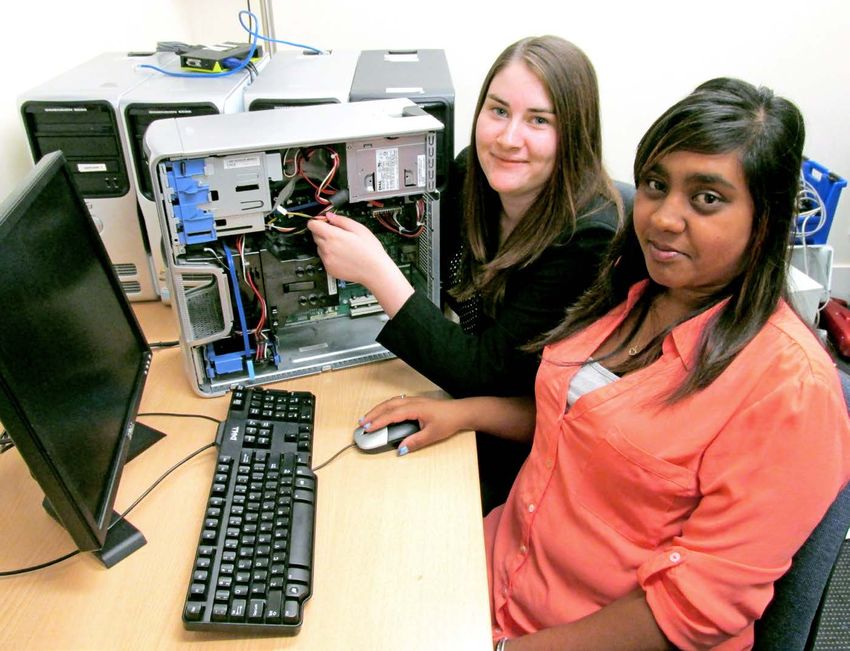
Sarah and Evelyn20 | COMPUTER POWER PLUS
New Zealand Diploma in Networking (L6)
• Apply specialised knowledge of networking protocols and
Programme Code NZ2600
technologies to configure, maintain and monitor networks.
Duration Full-Time 34 weeks + 6 weeks study break. • Analyse and implement advanced network security to
20 hours on campus/week + protect and secure assets and to meet best practice and
15 hours/week home study organisational requirements.
Duration Part-Time 68 weeks + 12 weeks study break. • Analyse networking performance scenarios and
10 hours on campus/week + recommend remedial actions to maintain acceptable
7.5 hours/week home study organisation service levels.
2019 Fees $6,978
• Analyse and document requirements for routing, switching
and server infrastructure to support IT infrastructure
planning.
The aim of this new programme is to provide you with the • Apply IT service management and change management
opportunity to achieve a qualification in IT networking which processes and procedures to comply with organisational
meets industry needs for appropriately qualified information requirements.
technology (IT) employees. The programme also provides
you with the opportunity to gain a number of external Cisco CORE SKILLS
certifications. • Behave with integrity as a responsible Information
Technology professional, to contribute positively to society.
Career opportunities • Apply communication, information design, personal, and
interpersonal skills, clearly and professionally to enhance
Upon graduating you will have the skills and knowledge to gain
working effectiveness, efficiency, and quality outcomes in
employment in roles such as IT technician, service desk, desktop
an organisational environment.
support, or entry level network administrator, network engineer,
or network support roles. You will also have the background to • Apply project management tools and techniques to an IT
related project, to analyse and solve problems.
progress into more advanced roles including network engineer,
manager or analyst.
Industry certifications
Entry requirements For graduates pursuing industry certifications the programme
New Zealand Diploma in Information Technology Technical offers training towards the following:
Support (Level 5) or equivalent skills and knowledge. • CCNA Routing and Switching is covered in the courses
Routing and Switching, Connecting Networks and
Major qualification goals Network Management
Upon completion of this qualification, you will be able to: • CCNA Wireless is part covered in the course Wireless
Networking
• Apply advanced wireless and switching configuration and
• CCNA Collaboration is part covered in the course Unified
troubleshooting techniques to resolve switching and
Communications
routing issues for organisational networks.
• CCNA Security is part covered in the course Network
• Apply routing configurations and troubleshooting
Security
techniques to implement and maintain networks.
• CompTIA Project+ is covered in the course IT Management
• Analyse the impact of convergence on network
infrastructure and implement unified communications to
maintain acceptable organisation service levels.SPECIALISTS IN IT TRAINING | 21
2019 start dates • Securing access to devices
• Device and network management
• 28 January
• Quality of Service (QoS) concepts
• 4 March
• Cloud computing and SDN technologies
• 17 June
• Networking project
• 26 August
WIRELESS NETWORKING
Programme structure • Investigate and research radio frequency signals and
This diploma is a 120 credit programme, consisting of eight x 15 standards
credit courses. These courses start every five weeks. The first • Wireless antenna hardware
20 working days are the study days on the course. The last five • 802.11 frames
days will usually include a day each for revision and the final • Wireless coverage and interference
assessment, and days for study break. • Wireless architectures
• Wireless LAN controller-based deployments
Course Content • Wireless client roaming
• Wireless LAN radio management
PROFESSIONAL PRACTICE
• Wireless security
• Legal and regulatory considerations relevant to IT
• Wireless LAN problems and solutions
• Ethical decision-making
• Professional conduct and codes of practice UNIFIED COMMUNICATIONS
• Personal effectiveness • Unified voice communications concepts
• Information presentation techniques • Unified voice communications management
• Business context of IT, information systems, initiation and • Endpoints and users
management of IT projects • Telephony features
• Messaging and telepresence
ROUTING AND SWITCHING • Voice network management and troubleshooting
• Basic Ethernet LANs technologies
• VLAN concepts and protocols NETWORK SECURITY
• Spanning Tree Protocol and switching issues • Research and investigate security concepts and threats
• IPv4 Addressing and subnetting • AAA implementation
• IPv4 Addressing and routing concepts • 802.1X authentication
• IPv4 routing protocols • VPNs and IPsec implementation
• Networking Project • Network traffic and devices monitoring
• Secure routing protocols
CONNECTING NETWORKS • Mitigation technology for threats
• Automatic IP addressing using DHCP • Firewall implementation
• External routing using BGP • IPS basics
• IPv6 addressing and subnetting
• IPv6 addressing and routing IT MANAGEMENT
• IPv6 routing protocols • PMI project management concepts and framework
• WANs technologies • Research and investigate PRINCE2
• Investigate and research fault tolerant routing using HSRP • IT service management framework
• Ethernet LANs, IP addressing, routing, and routing protocols • IT service management plan
• Project plan
NETWORK MANAGEMENT
• Filtering traffic with access control lists
• Securing networks using NAT22 | COMPUTER POWER PLUS
New Zealand Diploma in Systems Administration (L6)
• Analyse a range of options and implement a solution to
Programme Code NZ2601
meet organisations data storage requirements.
Duration Full-Time 34 weeks + 6 weeks study break. • Implement a server-based virtualisation infrastructure to
20 hours on campus/week + support organisational requirements.
15 hours/week home study
• Analyse organisational requirements, implement a
Duration Part-Time 68 weeks + 12 weeks study break. solution, and administer infrastructure for remote network
10 hours on campus/week + access.
7.5 hours/week home study
• Manage and administer a messaging and collaboration
2019 Fees $7,070 service to meet organisational requirements.
• Write scripts to automate standard system procedures.
The aim of this new programme is to provide you with • Apply IT service management and change management
the opportunity to achieve a qualification in IT systems processes and procedures to comply with organisational
administration which meets industry needs for appropriately requirements.
qualified information technology (IT) employees. The CORE SKILLS
programme also provides students with the opportunity to gain
• Behave with integrity as a responsible Information
a number of external Microsoft certifications. Technology professional, to contribute positively to
society.
Career opportunities • Apply communication, information design, personal, and
Upon graduating you will have the skills and knowledge to gain interpersonal skills, clearly and professionally to enhance
employment in entry level roles such as IT technician, help desk, working effectiveness, efficiency, and quality outcomes in
Tier 1 and 2 desktop support, systems administration, or in an organisational environment.
applications support. • Apply project management tools and techniques to an IT
You will also have the background to progress into more related project, to analyse and solve problems.
advanced roles such as senior system administrator or
application support analyst roles. Entry requirements
New Zealand Diploma in Information Technology Technical
Major qualification goals Support (Level 5) or equivalent skills and knowledge.
Upon completion of this qualification, you will be able to:
• Implement a range of technologies for systems and
Industry certifications
network services to meet organisational requirements. For graduates pursuing industry certifications the programme
offers training towards the following:
• Plan and implement automated system and application
software deployment to support efficient organisational • MCSA: Server 2016 is covered in the courses Directory
operations. Services, Network Services, Infrastructure Services and
• Plan, implement, and manage a directory service to meet Systems Deployment.
organisational requirements. • CompTIA Project+ is covered in the course IT ManagementSPECIALISTS IN IT TRAINING | 23
2019 start dates INFRASTRUCTURE SERVICES
• Storage solution technologies
• 28 January
• High availability management
• 4 March
• DFS implementation and management
• 17 June
• Remote access solutions
• 26 August
• System administration project
Programme structure SYSTEMS DEPLOYMENT
This diploma is a 120 credit programme, consisting of eight x 15 • Network server installation
credit courses. These courses start every five weeks. The first • Client operating system deployment
20 working days are the study days on the course. The last five • Applications deployment
days will usually include a day each for revision and the final • Administer cloud applications
assessment, and days for study break. • Research and investigate cloud-based system management
Course Content MESSAGING AND COLLABORATION
PROFESSIONAL PRACTICE • Messaging and collaboration system management
• Legal and regulatory considerations relevant to IT • Recipients management
• Ethical decision-making • Client connectivity
• Professional conduct and codes of practice • High availability and disaster recovery
• Personal effectiveness • Message transport and security
• Information presentation techniques • Cloud-based messaging and collaboration system
• Business context of IT, information systems, initiation and management
management of IT projects
CLOUD INFRASTRUCTURE
DIRECTORY SERVICES • Server-based virtualisation implementation
• Directory services concepts and installation • Containers
• Directory services implementation • Virtual machines
• Configuration management concepts and implementation • Research and investigate cloud-based application services
• Inter-organisational identity federation • Cloud-based storage
• Information rights management • Cloud-based directory services
• System administration project • Virtual networks
NETWORK SERVICES IT MANAGEMENT
• Public key infrastructure implementation • PMI project management concepts and framework
• DNS implementation • Research and investigate PRINCE2
• DHCP and IP address management • IT service management framework
• IPv4 and IPv6 addressing • IT service management plan
• Servers and networks • Project plan
• Investigate and research network load balancing
• Network connectivity
• Advanced network infrastructure24 | COMPUTER POWER PLUS
New Zealand Diploma in Software Development (L6)
• Choose, justify and apply architecture, technologies, and
Programme Code NZ2604
tools, to implement the software solution.
Duration Full-Time 68 weeks + 12 weeks study break. • Apply IT technical support concepts and practice to
20 hours on campus/week + manage hardware and software resources to meet
15 hours/week home study organisational requirements in a software development
Duration Part-Time 32 months + 24 weeks study break. context.
10 hours on campus/week + • Behave with integrity as a responsible Information
7.5 hours/week home study Technology professional, to contribute positively to society.
Year 1: $6,733 • Apply communication, information design, personal, and
2019 Fees
Year 2: $6,962 interpersonal skills, clearly and professionally to enhance
working effectiveness, efficiency, and quality outcomes in
The aim of this new programme is to provide students with the an organisational environment.
opportunity to achieve a qualification in software development • Apply project management tools and techniques to an
which meets industry needs for appropriately qualified IT related project, to analyse and solve problems.
information technology (IT) employees.
Entry requirements
Career opportunities A minimum of 42 credits at NCEA level 3, including 14 credits in
Upon graduating you will be able to enter employment in Digital Technologies or Computing and a minimum of 10 credits
development or testing roles, in a range of organisational in Mathematics and 10 credits in English at Level 2
contexts. These roles may require fundamental coding, or New Zealand Cert. in Information Technology Essentials (L4)
scripting, and testing skills, and are less likely to require or New Zealand Certificate in Information Technology (L5)
significant architecture and design skills. or New Zealand Diploma in Web Development and Design (L5)
or Equivalent skills and knowledge. If you do not have the above
You may also be employed in other roles that use programming
IT qualifications or equivalent you can take our online Skills
skills, such as teaching, small business projects; or be self-
and Knowledge Assessment. Contact us at info@cpp.ac.nz
employed.
Major qualification goals Programme structure
This diploma is a 240 credit programme, consisting of 14 x 15
Upon completion of this qualification, you will be able to:
credit courses and one x 30 credit project. These courses start
• Analyse requirements, design and document software every five weeks. The first 20 working days are the study days
solutions for a range of problems in an organisational on the course. The last five days will usually include a day each
context.
for revision and the final assessment, and days for study break.
• Write and maintain programs using design patterns,
data structures and algorithms to meet specifications. Course Content
• Apply a range of software quality assurance techniques to
verify correctness of systems. IT SYSTEMS
• Apply data management and storage technologies to • Hardware concepts and components
support the software application and the development • Software components and configuration
process. • Operating system concepts and configuration
• IT support concepts
• Establish application security by integrating security
principles throughout software development to ensure • Systems security concepts and tools
system integrity.
Start dates are the same as our other NZ Diploma programmesSPECIALISTS IN IT TRAINING | 25
DATA HANDLING AND WEB CONCEPTS • Human computer interaction (HCI) design
• Data Modelling • User experience (UX) design
• Structured Query Language (SQL) • Technology research and evaluation
• Web site design using HTML5 and CSS
WEB SERVICES
PROFESSIONAL PRACTICE • Solution design
• Legal and regulatory considerations relevant to IT • Architecture, tools and framework selection
• Ethical decision-making • Software architectural patterns e.g. Microservices, API
• Professional conduct and codes of practice Gateway, MVC, MVP, Layered architecture
• Personal effectiveness • Service-oriented architectures
• Information presentation techniques • Synchronous and asynchronous messaging
• Business context of IT, information systems, initiation • Web services (e.g. using SOAP& XML)
and management of IT projects • Application programming interfaces (API) using REST &
JSON
PROGRAMMING PRINCIPLES • API management
• Creating procedural and object oriented programs • API security, including authentication, authorisation and
using Python threat protection
• Mathematical and logical concepts underpinning • Cloud computing concepts such as IaaS, PaaS, SaaS
• Technology research and evaluation
programming
BUSINESS ANALYSIS AND SOLUTION DESIGN MOBILE DEVELOPMENT
• Business process modelling • Principles of mobile computing
• Elicitation techniques • Mobile application development architecture and design
• Stakeholder interaction patterns
• Requirements analysis • Common mobile application development languages and
• Solution design technologies
• User interface design • Mobile testing considerations and techniques
• Technology research and evaluation
CLIENT-SIDE DEVELOPMENT
• Responsive design including user interface, HCI principles SOFTWARE TESTING & MAINTENANCE
and universal accessibility • Agile testing techniques
• Design principles • Unit testing, integration testing, system testing
• Client side scripting • Testing techniques such as white box, black box,
• Multimedia content development boundary-value testing
• Use of frameworks or libraries • Test planning and management
• Test design and execution
DATA STRUCTURES & ALGORITHMS • Test automation
• Version control
• Programming strategies (OO, functional programming,
• Continuous integration
recursion, iteration, software design patterns, etc.)
• Defect reporting, tracking and fixing
• Abstract Data Types (e.g. trees, graphs, stack, queue)
• Debugging
data structures (e.g. arrays, linked lists)
• Maintenance techniques
• Algorithms and their complexities (searching, sorting, graph
• Technical and user documentation
traversal, etc.)
• Technology research and evaluation
• Critical evaluation of appropriate structures, algorithms and
patterns. AGILE PROJECT MANAGEMENT
GAME DEVELOPMENT • Project planning, management and control, including cost,
• Principles of game design and development risk, quality, stakeholder, change, configuration, contracts,
• Common game development tools and technologies and maintenance
• Game testing considerations and techniques • Agile project management, Scrum, Kanban
• Technology research and evaluation • Agile software development approaches, e.g. user stories,
acceptance criteria, product backlog, sprints
APPLICATION SECURITY AND SERVER-SIDE • Software estimation methods, e.g. story points
DEVELOPMENT • Documentation and reflection
• Application security principles including secure data access • Concepts of innovation and enterprise, personal leadership
and protecting data and system integrity and customer service
• Server-side scripting (or using web framework)
• Technology research and evaluation SOFTWARE PROJECT
• Project initiation and management
DATA ACCESS & MANAGEMENT • Requirements elicitation, feasibility study, solution proposal
• Data access and storage technologies, data management • System analysis, design, coding and testing
• Digital asset management • Deployment, maintenance and evaluation
• NoSQL databases • Technology research and evaluationYou can also read


