2020 EDUCATIONAL PROGRAM SERIES - PROGRAM - IN PROGRESS Virtual, Live, Interactive, Flexible
←
→
Page content transcription
If your browser does not render page correctly, please read the page content below

2020 EDUCATIONAL
 PROGRAM SERIES
Virtual, Live, Interactive, Flexible

    PROGRAM – IN PROGRESS

      June – October, 2020
2020 EDUCATION
                PROGRAM SERIES

    Table Contents
    Welcome..................................................................................................................... 4

    Registration................................................................................................................. 5

    Program-at-a-Glance..................................................................................................... 6

              June................................................................................................................................... 8

              July.................................................................................................................................... 8

              August..............................................................................................................................10

              September........................................................................................................................12

              October............................................................................................................................13

2
[Freezerworks ID: 100032]

                    [STUDY NAME: MH303]

                      [ALIQUOT STATUS: Checked Out]

                       [ CREATION
                         04/16/2020
                                   DATE:
                                         ]
                       [ALIQUOT NUMBER: 5]

                 [TEST RESULTS]
                 WBC 4.5    10^3uL   3.0 - 12.1
                 RBC 4.05   10^6uL   4.10 - 5.80
                 Hgb 15.9   g/dL     12.7 - 17.1
                 MCV 79     fL       78.1 - 99.2
                 MCH 28.9   pg       25.7 - 33.8
                 MCHC 32    g/dL     32.0 - 35.3
                 RDW 12.2   %        11.8 - 15.3

Sample the Difference                       Click
2020 EDUCATION
               PROGRAM SERIES

    Welcome
    Dear biobanking community,

    On behalf of ISBER’s Board of Directors, we welcome you to the ISBER 2020 Educational Program Series.

    Biobanks create the promise for unlocking biological processes, creating knowledge and promoting a better
    tomorrow. As research is dependent on biospecimens, biobanks have become the bedrock to accelerating
    scientific discoveries through robust and standardized tissue handling specialties. Stemming from the success
    stories is a blueprint that places the biobank community at the forefront of research infrastructure for many
    generations to come.

    Global leaders were set to converge in Anaheim, California during the month of April, 2020 at the largest
    international biobank conference, the ISBER 2020 Annual Meeting & Exhibits, to address the impact of
    biobanks on science and how the related discoveries are establishing a roadmap to extend our knowledge
    network. Unfortunately, the ISBER 2020 Annual Meeting & Exhibits was cancelled as a result of the SARS-COV-2
    (COVID-19) pandemic.

    As a result of the cancelation of the Annual meeting, ISBER has developed the ISBER 2020 Educational Program
    Series which will be presented throughout the summer and Fall of 2020. The goal of this series is to provide
    much of the educational content from the ISBER 2020 Annual Meeting virtually to our members. We are excited
    that this series incorporates a large proportion of the invited speakers and abstract presenters scheduled to
    present in Anaheim, though it does not include every scheduled speaker and session.

    Furthermore, please note that the schedule is continuing to develop. We will continue to add speakers and
    firm up session dates. It is very important to us that we remain flexible and cognizant to the needs of both
    our speakers and our attendees during this time of uncertainty and ever changing priorities. We thank you for
    joining us for the ISBER 2020 Educational Program Series. If you are unable to attend a live session, please know
    that the recordings will be available to you post-event.

    If you have any questions, please reach out to us at info@isber.org.

    Best regards,

    Debra Garcia                                            Dan Catchpoole
    ISBER President 2019-2020                               ISBER President 2020-2021

4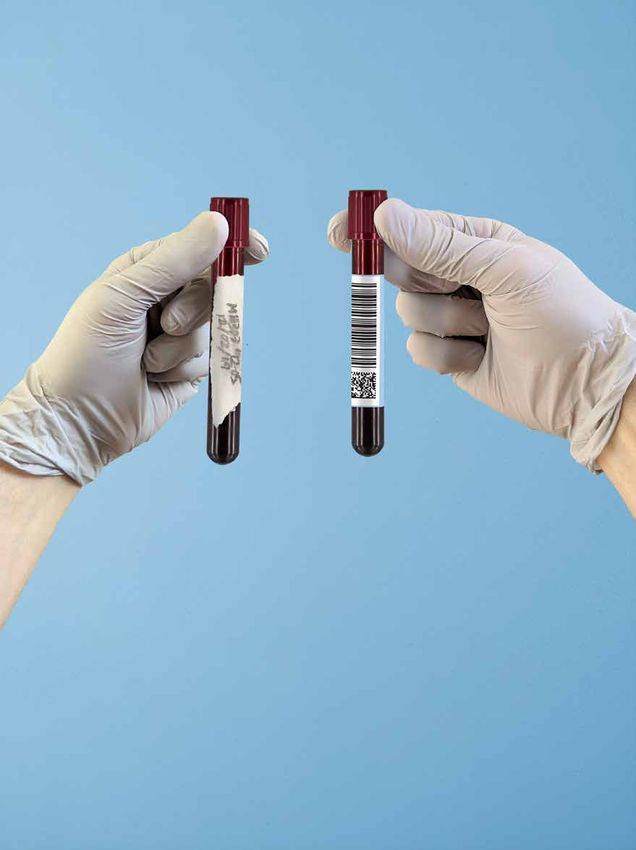
2020 EDUCATION
               PROGRAM SERIES

    Registration
      Registration                                                 ISBER Member                     Non-Member

      Full Educational Series*                                           $200                             $350

      Full Educational Series* – Student/                                $120                             $210
      Technician

      Single Webinar                                                      $50                              $75

      Corporate Session                                                   Free                             Free

      Workshops, Contributed Paper                           Only accessible to individuals registered for the full
      Sessions, and Round Table Discussions                                 educational series.

    *Purchase of the full educational series gives you access to all live events (including webinars, workshops,
    contributed paper sessions, and round table discussions) as well as recordings of all events.

                                                     REGISTER NOW

                                     Prefer to register for individual sessions?
                                     Click on the links in the program-at-a-glance.

    Low and Middle Income Countries (LMICs):
    Delegates in countries identified by the World Bank as Low and Lower-Middle Income are eligible for a 50%
    discount on meeting registration. Delegates in countries identified as Upper-Middle Income are eligible for a
    25% discount on meeting registration. If you are eligible to receive a discount please contact info@isber.org.

    To confirm the income classification for your country, please click here.

    Please note that if you are also a technician or student, you will receive only the LMIC discount or the technician/
    student discount, whichever is higher.

5
2020 EDUCATION
PROGRAM SERIES
Program-at-a-Glance
CHECK YOUR TIME ZONE
Times listed in this program: Pacific Time (PT) • Eastern Time (ET) • Central European Time (CET) • China Standard Time (CST)
Click on the session title to be taken to the session details.
June, 2020
SPONSORED: MONITORING NUCLEIC ACID INTEGRITY DURING LONG-TERM
June 24 STORAGE WITH AUTOMATED ELECTROPHORESIS
7am PT/10am ET/ This session is hosted by Agilent Technologies
4pm CET/10pm CST
Presented by: Elisa Viering (Agilent Technologies, Germany) and Monique Albert (Ontario
Biobank, Canada)
July, 2020
July 8 WORKSHOP: NEGLECTED ETHICS IN BIOBANKING: ADDRESSING ISSUES OF SUSTAINABILITY,
9am PT/ UTILIZATION, AND STEWARDSHIP*
12pm ET/
6pm CET/ Presented by: Aaron J. Goldenberg (Case Western University, USA), Kyle Brothers (University of Louisville, USA), Jean
12am next day Cadigan (University of North Carolina, USA)
CST
July 16 BIOSPECIMENS FOR ACCELERATING BIOMARKER DISCOVERY TO ADVANCE DIAGNOSIS AND
10am PT/ THERAPEUTICS
1pm ET/7pm CET/ Presented by: Ida Biunno (ISENET Biobanking, Italy), Stephen Lin (California Institute for Regenerative Medicine, USA),
1am next day CST
Lauren Leiman (BloodPAC, USA), Jerry Lee (University of Southern California, USA), Meri Firpo (Memphis Meats, USA)
SPONSORED: A PATH TOWARDS SUSTAINABILITY - ISO 20387
July 22
ACCREDITATION OF A CORNELL BIOBANK
9am PT/
12pm ET/ This session is hosted by Brooks Life Sciences
6pm CET/
12am next day CST
Presented by: Lara Mouttham (Cornell University, USA), Susan J. Garrison (Cornell
University, USA), and David Lewandowski (Brooks Life Sciences, USA)
August, 2020
August 5
CONTRIBUTED PAPER SESSION*
5pm PT/ Accessible to full
8pm ET/ Presented by: Chad Borges (Arizona State University, USA), Amanda Rush (University of Sydney, Australia), Charles W. series registrants
2am CET NEXT DAY/ Wang (Shanghai Xinhua Hospital, China), Carmen Quinn (University of New South Wales, Australia)
8am CST NEXT DAY
August 12 GLOBAL BIOBANK EXPERIENCES: NAVIGATING YOUR BIOREPOSITORY OPERATIONS
6am PT/9am ET/ Presented by: Yunice Shao (China National GeneBank, China), Iman Farahat (Egyptian National Cancer Institute, Egypt)
3pm CET/9pm CST
6 *Workshops and Contributed Paper Sessions are only available to individuals registered for the full series.2020 EDUCATION
PROGRAM SERIES
Program-at-a-Glance
CHECK YOUR TIME ZONE
Times listed in this program: Pacific Time (PT) • Eastern Time (ET) • Central European Time (CET) • China Standard Time (CST)
Click on the session title to be taken to the session details.
August, 2020
August 19 PRACTICAL APPLICATIONS FOR BIOREPOSITORY PROCESSES
8am PT/11am ET/ Presented by: Umesh Bhanot (Memorial Sloan Kettering Cancer Center, USA), Steven Haynes (Sheffield University
5pm CET/
11pm CST Medical School, UK)
August 26 SPONSORED: 5,000 DAYS OF BIOBANK EXPERIENCE - WHAT HAVE WE
7am PT/
LEARNED AND HOW DO WE PREPARE FOR THE NEXT DECADE?
10am ET/ This session is hosted by Thermo Fisher
4pm CET/10pm CST
Presented by: Erik Steinfelder (Thermo Fisher Scientific, The Netherlands)
September, 2020
September 9 SPONSORED: THE IMPORTANCE OF SAMPLE MANAGEMENT IN PRECISION
9am PT/ MEDICINE: A HIGH-THROUGHPUT BIOBANKING WORKFLOW SOLUTION
12pm ET/
6pm CET/ This webinar is hosted by PerkinElmer
12am next day CST Presented by: Andrew Brooks (RUCDR, Brooks Life Sciences, USA)
September 23 HOW BIOBANKS ARE PAVING A PATH TO A BETTER TOMORROW
9am PT/
12pm ET/ Presented by: Kyle Van Houtan (Monterey Bay Aquarium, USA), Lester Russell (National Health Service, UK), Dawn
6pm CET/ Barry (LunaPBC, USA)
12am next day CST
October, 2020
October 7 CONTRIBUTED PAPER SESSION 2*
11am PT/2pm ET/ Presented by: Oliver Karch, Christine Connolly (Merck KGaA, Germany), Anthoula Lazaris (Research Institute of the Accessible to full
8pm CET/ series registrants
McGill University Health Centre, Canada), Brenna Simons-Petrusa (Centers for Disease Control and Prevention, USA),
2am next day CST Sunil Kurian (Scripps Center for Organ Transplantation, USA), Therese Bocklage (University of Kentucky, USA)
October 14 MOVING SCIENCE FORWARD - RESULTS DRIVE VALUE/REPUTATION OF BIOBANKS AND ENHANCE
12pm PT/ SUSTAINABILITY
3pm ET/ REGISTER
9pm CET/ Presented by: Christopher Loffredo (Georgetown University Medical Center, USA), Anderson Mayfield (NOAA/
3am next day CST University of Miami, USA), Antonio Hugo Campos (Rede D’Or Network Hospitals, Brazil)
October 19 FROM HUMAN TUMOR BIOBANKING TO HUMAN TUMOR 3D-BIOPRINTING: INNOVATING FOR
11am PT/ PERSONALIZED MEDICINE IN ONCOLOGY
2pm ET/ REGISTER
8pm CET/ Presented by: Clément Milet (CTIBiotech, France)
2am next day CST
October 29 CONTRIBUTED PAPER SESSION 3*
9am PT/12pm ET/ Presented by: Suzanne Vercauteren (BC Children’s Hospital, Canada), Judita Kinkorova (University Hospital in Pilsen, Accessible to full
6pm CET/ series registrants
Czechia), William Mathieson (Integrated Biobank of Luxembourg, Luxembourg), Esmeralda Casas-Silva (National
12am next day CST
Cancer Institute, USA), Jennifer Kemp (University of Colorado Denver, USA)
*Workshops and Contributed Paper Sessions are only available to individuals registered for the full series.
7 Additional sessions will be added to the schedule as they are confirmed.2020 EDUCATION
PROGRAM SERIES
JUNE JULY
SPONSORED: MONITORING NUCLEIC WORKSHOP: NEGLECTED ETHICS IN
ACID INTEGRITY DURING LONG- BIOBANKING: ADDRESSING ISSUES OF
TERM STORAGE WITH AUTOMATED SUSTAINABILITY, UTILIZATION, AND
ELECTROPHORESIS STEWARDSHIP
June 24 at 7am PT/10am ET/4pm CEST (Europe)/ July 8 at 9am PT/12pm ET/6pm CET (Europe)/
10pm CST (China)/11pm JST 12am next day CST (China)/1am next day JST
This session is hosted by Agilent Technologies
Aaron J. Goldenberg, Case Western University, USA, Kyle Brothers,
University of Louisville, USA, Jean Cadigan, University of North
Carolina, USA
The promotion of precision medicine has led to increased inter-
est in larger collections of biospecimens that are more represen-
The DNA and RNA samples that you store in your biobank will tative of genetic variation across and within populations. There
be used for important research later. Our webinar will show is now a robust literature identifying and addressing the ethical,
you how to improve confidence in your sample quality, before legal, and social implications of biobanking. Nevertheless, the
and after samples go into storage using different automated recent evolution of biobank networks has revealed a number of
electrophoresis platforms. In the webinar, we will have two retro- unanswered and understudied questions regarding stewardship
spective analysis of sample storage conditions. Agilent’s nucleic and utilization of biospecimens and data, including:
acid QC portfolio streamlines the analysis of both DNA and RNA,
1. The discrepancy between limited funding and the assumption
including high-molecular weight genomic DNA through 165 kb.
that the biobank will last “permanently;”
Each of Agilent’s automated electrophoresis instruments supply
digital data with objective quality metrics that allows for easy data 2. The lack of planning for what will happen to the specimens
archiving and comparisons. Through the routine use of quality and data if the bank terminates; and
control, biobanks can evaluate past and current procedures for 3. Underutilization of specimens and data. Since that time, the
continuous improvement while also providing biobank users a biobanking industry has grown more complex, with increasing
detailed understanding of sample quality. numbers of biobanks forming networks.
This session will include the following talks: In theory, these networks should facilitate increased stability of
operations and utilization. This presentation will review the re-
sults from a study that investigated to what extent, if any, current
OBJECTIVE ANALYSIS OF DNA AND RNA SAMPLES WITH U.S. networked biobanks seem to be achieving increased sta-
QUALITY METRICS bility and utilization. In 2018-19, we conducted interviews with
37 representatives from networked biobanks. Questions elicited
Elisa Viering, MSc, Agilent Technologies, Germany
descriptions of the genesis of the network, the challenges and
benefits of networking, the utilization process of specimens and
RNA AND DNA INTEGRITY REMAIN STABLE AFTER LONG data, and the funding sources. We analyzed transcripts to ascer-
TERM CRYOGENIC STORAGE tain how the three concerns highlighted in our prior research
on biobanks play out in the context of networked biobanks.
Monique Albert PhD, Ontario Biobank, Canada Preliminary results reveal that biobank networks have a range
of ways of addressing sustainability and utilization with mixed
results. Although networking of biobanks ought to increase
the stability and utilization of biobank resources, networks still
struggle with these goals. We will use our results to offer recom-
mendations to consider. We will also discuss the implications of
our findings as they relate to ensuring public trust in networked
biobanking. Finally, we will give ISBER members the opportunity
to reflect on the creation of models of stewardship that honor
82020 EDUCATION
PROGRAM SERIES
donor’s desire to see their samples and data used for health 1,000 programs and 60 clinical trials in cell and gene medicine.
research at a time when many biobanks struggle with underutili- In support of its mission, CIRM has established several resources
zation by researchers. for research and translational development. CIRM created an in-
duced pluripotent stem cell (iPSC) repository maintained by the
FUJIFILM Cellular Dynamics that is currently the largest publicly
BIOSPECIMENS FOR ACCELERATING
accessible pluripotent stem cell bank in the world with 2774 lines
BIOMARKER DISCOVERY TO ADVANCE created. The iPSC Repository is a product of CIRM’s Human iPSC
DIAGNOSIS AND THERAPEUTICS Initiative, a coordinated multi-year effort launched in 2013 to
collect tissue samples, create iPSC lines, and build infrastructure
July 16 at 10am PT/1pm ET/7pm CEST (Europe)/ to bank and distribute those lines. The tissue collection initiative
1am next day CST (China)/2am next day JST consisted of 13 programs covering over 8 disease classes and
20 diagnoses, with diagnosis matched control samples for each
Advancing personalised medicine will require new and effective of the disorders. All donor consent forms followed guidelines
biomarkers that will aid in early and better diagnosis and the set by CIRM and approved by Institutional Review Boards (IRBs).
development of efficient new therapies. The hallmark of such Demographic information plus clinical histories and diagnoses
advances lies in successful translational research which utilizes were reported by donors and clinics through questionnaires
human biospecimens. Breakthrough discoveries will therefore created for each disease collection. All tissue samples were
require quality biospecimens for the identification, development sent to one iPSC derivation site in California operated by FCDI
and validation of new research findings. in order to produce a uniform iPSC collection using a single
This session represents a review of biobanking of novel human reprogramming methodology (using episomal vectors) and
cell systems for a new generation of cellular therapies and per- consistent validation assays. iPSC cell banks for distribution were
sonalised diagnostic testing. Speakers will address the new chal- generated at passage 10 for the vast majority of the collection.
lenges that these systems bring for biobanks in terms of ethics, All distribution lines passed quality control standards for identity,
data management, preservation technology, quality control and pluripotency, karyotype, and sterility. Commercial license terms
characterisation. They will also present potential new technolo- were negotiated at the onset of the banking initiative, allowing
gies and thinking that will be needed to meet these challenges. repository lines to be used by both non-profit and for-profit enti-
ties for both academic and commercial use. The CIRM Repository
has been utilized by many groups worldwide for a wide variety of
BIOSPECIMENS TO PROFILE HUMAN DISEASES both research and drug discovery purposes. CIRM and FCDI are
committed to continually improve the collection as a resource for
Ida Biunno, ISENET Biobanking, Italy the scientific community.
A disease reflects perturbations in the cellular components work-
ing within complex intracellular and intercellular networks. To
BLOOD PROFILING ATLAS IN CANCER (BLOODPAC)
better dissect the human interactome more accurate biomarkers
CONSORTIUM: RAISING THE BAR FOR LBX DATA IN
are required in addition to more sophisticated tools to monitor
the functional integrity of the network perturbed by disease. PUBLIC DATABASES
High resolution “omics“ screenings of populations enrolled in Lauren Leiman, BloodPAC, USA, Jerry Lee, University of Southern
large scale observational and clinical trials, in addition to novel California, USA
and more performing technological platforms, (e.g. RNA seq,
The Blood Profiling Atlas in Cancer (BloodPAC) is a consortium
and single cell analysis, stem cells and organdies) can monitor
of over 35 stakeholders in the liquid biopsy field representing
more accurately the molecular relationship between different
government (e.g. U.S. Food and Drug Administration, National
patho-biological processes.
Cancer Institute, Veterans Health Administration), professional
societies and non-profits (e.g. American Association for Cancer
CREATION OF THE CIRM IPSC COLLECTION FOR Research, College of American Pathologists), academic, and for
DISEASE MODELING AND DRUG SCREENING profit (biotechnology, diagnostic and pharmaceutical compa-
nies) collaborating to accelerate the development and validation
Stephen Lin, California Institute for Regenerative Medicine, USA of liquid biopsy assays to improve the outcomes of patients with
The mission of the California Institute for Regenerative Medicine cancer. This presentation will cover a brief history of BloodPAC
(CIRM) is to accelerate stem cell treatments to patients with unmet and describe ongoing efforts to develop standards and best
medical needs. Starting with $3 billion, CIRM has funded over practices to collect preanalytical variables within the BloodPAC
92020 EDUCATION
PROGRAM SERIES
Data Commons to facilitate cross analysis and improve the
usability and reliability of the data for liquid biopsy research. AUGUST
THE INTERNATIONAL STEM CELL BANKING INITIATIVE:
CONTRIBUTED PAPER SESSION 1
BUILDING CONSENSUS August 5 at 5pm PT/8pm ET/2am CET Next Day/
8am CST Next Day/10am AEST Next Day
Meri Firpo, Memphis Meats, USA
Description coming soon.
BIOCHEMICALLY TRACKED VARIABILITY OF BLOOD
SPONSORED: A PATH TOWARDS PLASMA THAWED-STATE EXPOSURE TIMES IN A
MULTISITE COLLECTION STUDY
SUSTAINABILITY – ISO 20387
ACCREDITATION OF A CORNELL BIOBANK Presenter: Chad R Borges, Arizona State University, United States
Category: Biospecimen Research and Science
July 22 at 9am PT/12pm ET/6pm CEST/
12am next day CST/1am JST AN ECONOMIC ANALYSIS OF CANCER BIOBANKS IN
This session is hosted by Brooks Life Sciences NEW SOUTH WALES
Presented by: Lara Mouttham (Cornell University, USA), Presenter: Amanda Rush, University of Sydney, Australia
Susan J. Garrison (Cornell University, USA), and David Lewandowski
(Brooks Life Sciences, USA) Category: Repository Management
ANALYSIS OF SAMPLE INTEGRITY FOR DEVELOPING A
“VALUE STATEMENT” OF SAMPLES AND BIOBANK IN
CHINA
Biobanks play an integral role in research and precision medicine
by collecting, processing, storing, and distributing high-quality Presenter: Charles W. Wang, Shanghai Xinhua Hospital, China
biological material and associated data. With large commit- Category: Hot Topics
ments from the institutions that support biobanks – the NCI
has reported spending over 50 million dollars per year on its MOVING WITH THE TIMES: THE HEALTH SCIENCE
biobank infrastructure - and advancements in precision medicine ALLIANCE BIOBANK PATHWAY TO SUSTAINABILITY
resulting directly from these resources, stakeholders (donors,
funders, and users) are more likely to request a value and impact Presenter: Carmen Quinn, University of New South Wales, Australia
measure for the biobanks they support, along with a long-term Category: Biobanking Profiles
sustainability plan that can assure the continuous running of such
operations beyond the immediate future.
GLOBAL BIOBANK EXPERIENCES:
In January 2019, the American Association of Laboratory NAVIGATING YOUR BIOREPOSITORY
Accreditation (A2LA) introduced the ISO 20387 Biobank
Accreditation Program. This third party accreditation offered an
OPERATIONS
independent review of an organization’s compliance with ISO August 12 at 6am PT/9am ET/3pm CEST/
20387 - General Requirements for Biobanking, the first standard 9pm CST (China)/10pm JST
released by the International Organization for Standardization
(ISO) exclusively for biobanks. In this workshop we will explore Successful repository operations with a solid base in the imple-
how accreditation to ISO 20387 can improve biobank sustain- mentation of best practices are universal and can be scaled for
ability, by using the case example of the first biobank in the world implementation in any size operation. This session will highlight
to receive accreditation to this standard - the Cornell Veterinary proven, successful repository operations across the globe.
Biobank. Presentations will demonstrate how repositories stayed relevant
and developed coordinated activities to tackle challenges and
the changing demands of the scientific communities they serve.
102020 EDUCATION
PROGRAM SERIES
CNGB’S APPROACH TO SUPPORT SHARING OF PRACTICAL APPLICATIONS FOR
SAMPLE DATA
BIOREPOSITORY PROCESSES
Yunice Shao, China National GeneBank, China
August 19 at 8am PT/11am ET/5pm CEST (Europe)/
The China National GeneBank (CNGB) is a national gene bank 11pm CST (China)/12am next day JST
integrating a large-scale biorepository, an omics database, a
sequencing platform and a gene synthesis platform. CNGB has Biobanks have been portrayed as having the promise to
opened its public service platform to government, research unlock biological processes and promote a better tomorrow.
institutions, universities, hospitals, and biotechnology compa- Following the advent of the human genome project, biobanks
nies, to facilitate life science research projects based on its ability have become the bedrock to accelerating scientific discoveries.
to store, read, and write massive biological resources. Stemming from the success stories is a blueprint that places the
biobank community at the forefront of research infrastructure for
Its data platform, the China National GeneBank DataBase many generations to come. Discussions will include utilization
(CNGBdb), is built for biological data sharing and application. of the methods and technology that support acquisition, data
Based on big data and cloud computing technologies, the platform annotation, processing, quality control, cryopreservation, and
provides data services such as archive, search, analysis, data man- cold-chain logistics.
agement and scientific databases to researchers around the world.
Covering various research fields, the massive scientific data system
supports different data types and multi-dimensional analysis. DIGITAL PATHOLOGY TOOLS: ENHANCING
COLLECTION, QA AND RESEARCH
The presentation will highlight how the integrated infrastructure
has been used to facilitate multiple high-impact collaborations Umesh Bhanot, Memorial Sloan Kettering Cancer Center, USA
and CNGB’s approach to support sharing and use of sample data.
RESOLVING TECHNICAL AND DATA MANAGEMENT
EVIDENCE-BASED BIOBANKING IN THE INTERFACE CHALLENGES WITH DISPARATE HISTORIC SAMPLE
BETWEEN TRANSLATIONAL CANCER RESEARCH AND COLLECTIONS
DIAGNOSTICS: EXPERIENCE FROM EGYPTIAN CANCER
Steven Haynes, Sheffield University Medical School, UK
INSTITUTE
The University of Sheffield Biorepository has been fully op-
Iman Farahat, Egyptian National Cancer Institute, Egypt erational since 2010, fulfilling a remit established to provide
Value-based personalised cancer care focus on molecular pro- well-characterised, human tissue for research projects stored
file-based treatment decisions. Biobanks facilitate clinical trials under Human Tissue regulations (HTA). The focus of the biore-
research on biomarker-integrated approach for cancer treat- pository is storage and retrieval of human tissues for research into
ment. The Egyptian National Cancer Institute (ENCI) biobank human metabolism, cardiovascular disease and neurological
was established in 2016 to promote standardized collection of disorders. Specimens are arranged into either current active
cancer tissue exceeding the requirement of cancer diagnosis research projects or those committed into discreet biobanks;
for the conduction of translational research. Biobanks offer the primarily, the Sheffield Brain Bank, Cardiovascular Bank and the
advantage of beforehand collection of tissue and as much com- Musculoskeletal Bone Bank. Historic collections extend back
plete relevant clinical data. Biobanking practice helped reduce 20 years prior to establishment of the biorepository. Current
the quality gap between routine collection of specimens and samples are collected both through primary investigators at the
biospecimen collection for precision medicine. Preanalytical Medical School and groups of external researchers possessing
variables are monitored for the isolation of intracellular parti- validated ethics. Human Tissue Authority compliant storage
cles such as DNA, RNA and proteins. The implementation of is complex and labour intensive. Over a hundred research
evidence-based international standards in the operation of projects have utilised our biorepository service during the past
biobanks, including the use of standard operating procedures decade; in excess of 600,000 samples have been stored. A high
for biospecimen handling, promotes biospecimens quality proportion of these are frozen samples (75%) with the remainder
to meet the requirements of precision medicine. Supporting kept at room temperature, or under liquid nitrogen. We discuss
infrastructure in cancer biobanks and integrated pathology assembling these discrete collections using robust data manage-
services including biobanking staff working alongside molecular ment and improved governance processes to combat technical
pathology teams represent a suitable interface between cancer challenges.
research and diagnostics.
112020 EDUCATION
PROGRAM SERIES
SPONSORED: 5,000 DAYS OF BIOBANK
EXPERIENCE – WHAT HAVE WE LEARNED
SEPTEMBER
AND HOW DO WE PREPARE FOR THE SPONSORED: THE IMPORTANCE OF
NEXT DECADE? SAMPLE MANAGEMENT IN PRECISION
MEDICINE: A HIGH-THROUGHPUT
August 26 at 7am PT/10am ET/4pm CET (Europe)/
10pm CST (China)/11pm JST BIOBANKING WORKFLOW SOLUTION
This session is hosted by Thermo Fisher Scientific September 9 at 9am PT/12pm ET/6pm CEST/
12am next day CST/1am JST
This webinar is hosted by PerkinElmer
Erik Steinfelder, Thermo Fisher Scientific, The Netherlands
Last year, a study performed by the German Biobank Node
(GBN) proved again that researchers are in need of high-quality
Andrew Brooks, RUCDR, Brooks Life Sciences, USA
samples that have been processed and stored under reliable
conditions. While this might seem obvious, it is easier said than The increased acceptance and implementation of precision
done for many biobankers. What is the best way to prepare medicine, direct to consumer genomics and applications such
and store samples if you are focusing on specific molecular as regenerative medicine have driven the need and adoption
mechanisms of diseases versus investigation of target expression for the storage of primary samples and the isolation and storage
in large patient cohorts when designing a clinical trial? Before of high quality, high molecular weight nucleic acid. One reason
samples are actually stored, it is good to have a clear under- for primary sample and nucleic acid storage is the value of the
standing of their potential use i.e. which analytical technologies information held within the sample.
will be used. In those cases where the analytical end goal is
not clear, consensus should be there on which general storage The application of sequencing technologies to research and clin-
conditions must apply. In the last decade, hundreds of biobanks ical settings has increased dramatically, generating vast amounts
around the globe were supported by our cold storage solutions, of data about variations in our genomes that could explain some
pre-analytical workflows and -omics technologies. What did we differences in disease susceptibility, progression and how pa-
see, learn, develop and improve that could help you achieve tients react to drugs. The move towards precision medicine and
the requirements of researchers that are desperately looking immune modulation therapy development both requiring se-
for samples and associated clinical data? Join us for an industry quencing in the treatment workflow drive the demand for faster
perspective presented in an interactive manner that could help processing, storage and data sample management techniques.
you to optimize your approach and processes. Efficient and effective storage ensuring sample integrity is of the
utmost importance; retention of sample information with the as-
sociated phenotypic insight can provide a wealth of genetic and
environmental information that can be unlocked in an attempt
to better understand disease and health. In this workshop we
explore industry collaborations to provide a solution to the in-
creased need for efficient sample management and nucleic acid
extraction that meet todays increased requirement for higher
throughput full workflow solutions.
HOW BIOBANKS ARE PAVING A PATH TO
A BETTER TOMORROW
September 23 at 9am PT/12pm ET/6pm CEST/
12am next day CST/1am JST
Research technologies are transforming our biological knowl-
edge-base in ways that have never been possible. As the
stewards of quality biospecimens and associated big data,
122020 EDUCATION
PROGRAM SERIES
biobanks are providing pathways to diagnostics and discovery USING DATA PRIVACY TO EMPOWER HEALTH RESEARCH
that permeate across the globe with the goal of improvement in
prevention, wellness, and healthcare applications. The opening Dawn Barry, LunaPBC, USA
plenary of ISBER 2020 aims to provide high-impact scientific nar- Data security breaches and the misuse of consumer data by
ratives in which biobanks have paved the road towards a better technology companies continues to raise public and legislative
tomorrow. Accomplishments in biomarker discovery, community concerns around data privacy, ownership, usage, and the insti-
engagement, and advancements in artificial intelligence will be tutional sharing of data. Historical disregard for people’s data
some of the storylines highlighted by speakers who have utilized privacy, control, transparency in data usage, and value imbalance
biobanks for their research. have long hindered discovery, and seem to only be getting worse.
The General Data Protection Regulation (GDPR), harmonizing
data privacy regulations across European Union member states,
BIODIVERSITY ARCHIVES AS DATABANKS OF
has emerged as the de facto global standard for consumer data.
ECOSYSTEMS PAST
On January 1, 2020, the strictest data privacy law in the U.S., the
Kyle Van Houtan, Monterey Bay Aquarium, USA California Consumer Privacy Act, took effect strengthening consum-
er data privacy rights in the country’s most populous state. This talk
Our ability to monitor the status and trends of the ocean is driven will explore LunaDNA’s perspective on how increasing consumer
by a vast observation network of satellites, buoys, and other privacy can improve medical discovery by giving people a role in
sensors and platforms. Though these technologies are rapidly discovery, improving representation and diversity in research, and
expanding, many robust and decades-long instrument records opening up solutions and interventions that go beyond drugs.
exist for several key ocean variables. However, for marine
systems in particular, longer records are needed to build more
informed baselines of ecosystem health as well as to inform
effective management decisions. Where can we find such
OCTOBER
valuable information? In this seminar, I will demonstrate how
natural history repositories and museum collections may provide CONTRIBUTED PAPER SESSION 2
hopeful answers. I will describe how the tissues of most organ-
isms contain a memory of their ecosystem experience and will October 7 at 11am PT/2pm ET/8pm CET/
discuss the methods used to extract and generate environmental 2am next day CST
and population data.
BIOBANKS SUPPORTING CLINICAL STUDY
MAKING SCIENCE MATTER: LESSONS FROM THE SUBMISSION - CLINICAL DATA INTERCHANGE
FRONTLINE STANDARDS CONSORTIUM (CDISC) STANDARDS FOR
BIOSPECIMENS
Lester Russell, National Health Service, United Kingdom
We have a global crisis - we seem to be hearing that more and Presenters: Oliver Karch, Christine Connolly, Merck KGaA, Germany
more often these days. But there really is a pressing crisis in the Category: Repository Management
affordability of spending on health. We are accumulating an ever
broader range of ever more expensive therapies to treat an ever INTEGRATION OF BIOBANKS INTO PRECISION
wider audience of patients. The rise is exponential. MEDICINE - A REAL LIFE EXAMPLE
If we are to have a sustainable and high-quality health system, we Presenter: Anthoula Lazaris, Research Institute of the McGill
need to be able to bring effective therapies to patients more cost University Health Centre, Canada
effectively and more quickly. And to do so requires that we make Category: Hot Topics
the best use of the best science at the bedside and in the home.
Drawing on his work for over 35 years in clinical medicine and
POLICY INNOVATION AND TRIBAL-FEDERAL
with experience of national programmes in the UK and beyond, PARTNERSHIP: THE ALASKA AREA SPECIMEN BANK
Lester will use examples from his tenure with three major global Presenter: Brenna Simons-Petrusa, Centers for Disease Control and
IT suppliers to indicate a way forward for health and life sciences Prevention, USA
in the age of AI, mixed reality and quantum computing. Category: Ethical, Legal, and Social Issues
132020 EDUCATION
PROGRAM SERIES
FEASIBILITY AND COMPARISON STUDY OF FECAL been donating biospecimens to the RHTR: >1,100 exposed
SAMPLE COLLECTION METHODS IN KIDNEY workers at the Mayak nuclear production facilities, and matched
TRANSPLANT RECIPIENTS USING 16S RRNA AND city residents of Ozersk (controls) who were never occupa-
METAGENOMICS APPROACHES tionally exposed to ionizing radiation. RHTR personnel collect
tissues, blood, and other biomaterials, which are annotated with
Presenter: Sunil Kurian, Scripps Center for Organ Transplantation, USA demographic, occupational, dosimetry, and medical history
Category: Biospecimen Research and Science information. These high-quality biological materials and data are
available to interested scientists worldwide, via the RHTR web
FEASIBIILITY OF ASSESSING FRESH TUMOR QUALITY BY site that enables users to browse a real-time catalog of speci-
REAL-TIME REMOTE DIGITAL VIEWING VIA IPHONES: A mens and data elements. Examples will be described to illustrate
STUDY OF 195 CASES the role of RHTR in facilitating state-of-the-art radiobiological
research.
Presenter: Therese Bocklage, University of Kentucky, USA
Category: Biospecimen Research and Science
BIOPRESERVATION OF REEF CORALS
Anderson Mayfield, NOAA/University of Miami, USA
MOVING SCIENCE FORWARD – RESULTS
Coral reefs the world over are threatened by our changing
DRIVE VALUE/REPUTATION OF BIOBANKS
global climate, as well as more localized anthropogenic impacts.
AND ENHANCE SUSTAINABILITY Barring the radical changing of human behavior with respect to
curbing carbon emissions, the future of highly thermo-sensitive
October 14 at 12pm PT/3pm ET/9pm CET/
coral reefs would appear bleak indeed. For marine biologists,
3am next day CST
this crisis poses a dilemma; do we actively intervene and embark
Biobanks have become key assets to research and clinical care. on mitigation and/or restoration efforts without the necessary
Biobanks require financial and operational support from organi- data in hand to do so with utmost scientific rigor, or do we wait
zations, key stakeholders and the community to be sustained. until we have acquired all such information, in which case it may
This plenary symposium will highlight scientific success stories be too late? I pose that the coral reef field is now large enough
that have resulted from the use of fit for purpose biospecimens in terms of human power to achieve both acts simultaneously,
and data from biobanks to power their findings and translation with some scientists continuing their conservation-driven coral
into practice. Scientific success feeds back to increase the biology research and others actively preserving reef corals. I will
stature and reputation of biobanks as an important infrastructure discuss both the state-of-the-art in coral biology research, with
in discovery research. Lessons learned from this plenary will be a particular emphasis on coral diagnostics (i.e., how we know
specific examples of how scientific success can be leveraged whether a coral is healthy/resilient or sick). I will then shift gears
to increase the value/reputation and financial, operational and towards focusing on a non-exhaustive series of mitigation efforts
social sustainability of biobanks. currently at our disposal. These are not limited to 1) moving
corals from a compromised environment to a less marginalized
one, 2) transplanting corals out of the ocean and into aquaria/
THE RUSSIAN RADIOBIOLOGICAL HUMAN TISSUE husbandry facilities, 3) treating corals with drugs in situ or in
REPOSITORY OF THE SOUTHERN URALS BIOPHYSICS aquaria, 4) genetically engineering corals or breeding more en-
INSTITUTE (SUBI) vironmentally tolerant corals (and later outplanting these “super
corals” as part of restoration efforts), 5) modifying reef habitats
Christopher Loffredo, Georgetown University Medical Center, USA directly, or simply admitting defeat and cryopreserving coral ge-
The Russian Radiobiological Human Tissue Repository (RHTR) netic material such that reefs may be reseeded at a (theoretical)
at the Southern Urals Biophysics Institute in Ozyorsk, Russia, is point in time in which our oceans stabilize.
focused on biobanking human biological specimens to support
research on cancer and other long-term health consequences of BIOBANKING IN LATIN AMERICA: ACHIEVEMENTS,
chronic low dose ionizing radiation exposures. As such, it is one CHALLENGES AND PERSPECTIVES
of the most unique biorepositories in the world. In this talk, Dr.
Christopher Loffredo, a cancer epidemiologist and PI of a long- Antonio Hugo Campos, Rede D’Or Network Hospitals, Brazil
standing US-Russian cooperative agreement on biorepository
Latin America has seen a development in biobanking over the
science, will describe how two major groups of subjects have
142020 EDUCATION
PROGRAM SERIES
past 15 years. This development has not been uniform, with CONTRIBUTED PAPER SESSION 3
varying degrees of success in terms of maturity and sustainability.
This presentation aims to provide an overview of the biobanking October 29 at 9am PT/12pm ET/6pm CET/
sector in Latin America, addressing examples of success and the 12am next day CST
main challenges for sustainable development.
ELECTRONIC CONSENT FOR PEDIATRIC BIOBANKING:
FROM HUMAN TUMOR BIOBANKING
DO KIDS AND PARENTS UNDERSTAND WHAT THEY
TO HUMAN TUMOR 3D-BIOPRINTING: CONSENT TO?
INNOVATING FOR PERSONALIZED
Presenter: Suzanne Vercauteren, BC Children’s Hospital, Canada
MEDICINE IN ONCOLOGY
Category: Ethical, Legal, and Social Issues
October 19 at 11am PT/2pm ET/8pm CET/
2am next day CST NEW BIOBANKS REQUIRE NEW GENERATION OF
BIOBANKERS: EXPERIENCE FROM THE CZECH REPUBLIC
Clément Milet (CTIBiotech, France)
Presenter: Judita Kinkorova, University Hospital in Pilsen, Czechia
CTIBiotech is a founding member of the IMODI (Innovative
Category: Repository Management
Models against cancer, www.imodi-cancer.org) French cancer
research consortium which federates public hospitals, academic
groups, biotechs and private pharmaceutical companies with CAN GENOMIC SCREENTAPES BE USED TO ASSESS
the financial support of the French government. IMODI devel- INTEGRITY AND CONCENTRATION OF DNA EXTRACTED
ops predictive preclinical models for 10 cancer indications with a FROM FORMALIN-FIXED, PARAFFIN-EMBEDDED (FFPE)
high level of characterization to detect as early as possible in the TISSUE?
development process, the most effective and the most appropri-
ated anti-cancer therapies for targeted patient populations. Presenter: William Mathieson, Integrated Biobank of Luxembourg,
Luxembourg
Since 2013, CTIBiotech operates the unified biobank, with over Category: Biospecimen Research and Science
50 000 biological samples. Tumors are collected from consent-
ing patients and dissociated to isolate each cell types within a RETURNING VALUE TO PARTICIPANTS IN BIOBANKING
given tumor. After sorting, each cell type is amplified prior to AND RESEARCH: THE CANCER MOONSHOT(SM)
constructing a 3D tissue model called a micro-tumor. This 3D BIOBANK PATIENT AND PROVIDER ENGAGEMENT
model mimics the tumor physiologically and morphologically PORTAL
providing a realistic environment for drug testing. In 2015,
CTIBiotech research team introduced a technology breach and Presenter: Esmeralda Casas-Silva, National Cancer Institute, USA
initiated a transition towards automation with full 3D bioprinting Category: Ethical, Legal, and Social Issues
technologies to make them scalable, competitive and replicable.
Using the latest tools in bioengineering, CTIBiotech researchers THE WOMEN FIRST CLINICAL TRIAL BIOBANK:
are now printing cancer tissues in 3D called microtumors. The PARTICIPANTS IN VULNERABLE AND UNDERSERVED
resulting models can be used for highly significant pre-clinical POPULATIONS
testing. These microtumors accurately reproduce, in vitro, the
interactions between human cancer cells and all other types of Presenter: Jennifer Kemp, University of Colorado Denver, USA
cells that form the tumor microenvironment. These models can Category: Underserved and Vulnerable Communities
eventually be used to determine the most effective therapy for
each patient in a personalized medicine approach.
15ISBER and the ASCP BOC are pleased
to announce a new Qualification in
Biorepository Science (QBRS)!
ISBER and ASCP BOC have combined forces
to create a qualification exam for biobankers.
Upon meeting specific educational and experience requirements for the qualification, candidates will
be eligible to complete an online examination and, if successful, gain recognition for their knowledge,
skills, and competencies as biobankers in the international community. This new qualification will
further advance the field of biorepository science! Biobanks are vital to research and development as
well as clinical fields, and require qualified professionals to obtain high quality results that will be useful
in advancing biomedicine.
Eligibility requirements are now available! For more information on requirements,
topic outline, reading list, and more, visit: www.isber.org/qualification
Application for this qualification is available online now!
®
VISIT WWW.ISBER.ORG
FOR MORE INFORMATION
#QBRSSave the
DATE
WE HOPE
TO SEE YOU
THERE
www.isber.orgYou can also read


