2021 Guide to Automated External Defibrillator (AED) Cabinets - Northern Ireland Ambulance Service
←
→
Page content transcription
If your browser does not render page correctly, please read the page content below
2021
   Guide to Automated External
    Defibrillator (AED) Cabinets

AED Cabinet.FINAL.Aug 2021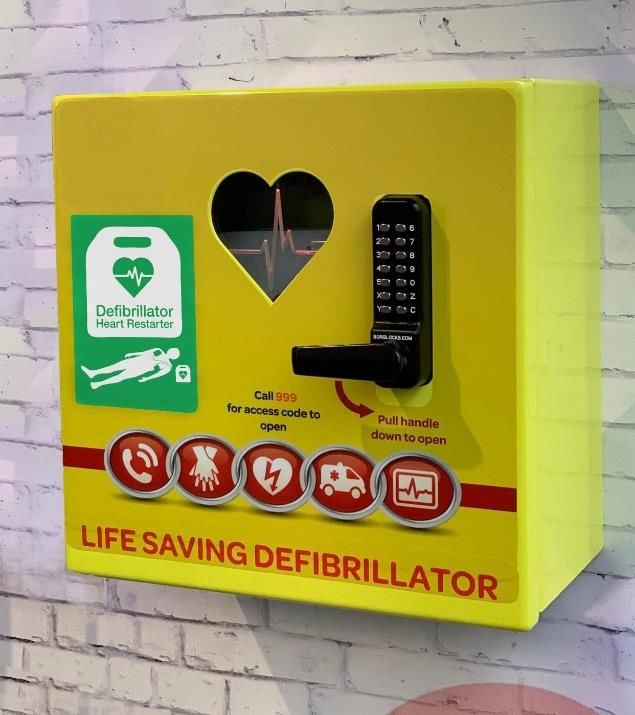
As the Guardian of an Automated External Cabinets Unlocked or Locked?
Defibrillator (AED), you may wish to consider
having your AED available to the public 24 hrs a The Resuscitation Council UK recommend that all
day. In order to do this you will require an AED cabinets should be unlocked and easily accessible.
cabinet to keep your AED safe and protected from
the environment around it.
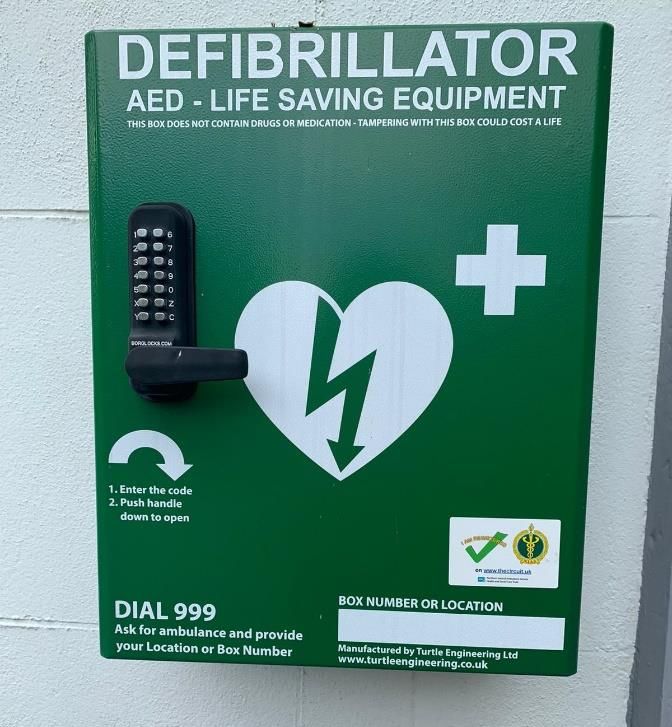
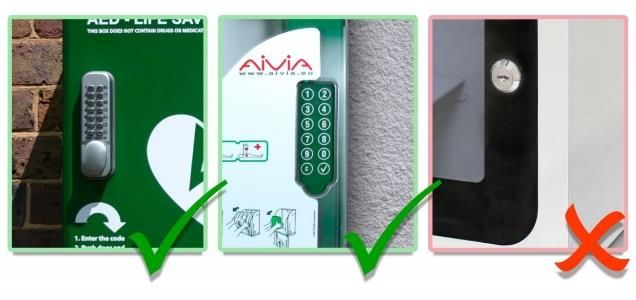
Some locked cabinets need a numerical code to
unlock the door such as the ones below. However,
This leaflet has been designed to:
if yours requires a key to open it please consider
help you with key information to enable
purchasing a new cabinet as this is NOT easily
you to make an informed choice about
accessed in an emergency.
purchasing an AED cabinet.
set out your responsibility as an AED
Guardian in the preservation and
maintenance of your AED cabinet.
The main purpose of purchasing an AED cabinet is
to protect your AED from the environmental
elements. In cool or cold conditions, the AED
battery can drain, therefore it is important to keep
the AED in a cabinet where the internal
temperature is controlled to prevent this from
happening.
Outside or Inside Cabinet?
Remember a new AED cabinet may have a factory
If your AED is going to be placed outside then it is set access code. If you wish to have a specific
important that a suitable cabinet is chosen to code then speak to the AED cabinet distributor
ensure the AED is protected from environmental who may be able to request this for you,
conditions, tampering or theft and that it is depending on the brand.
connected to an electricity source.
When choosing an outdoor AED cabinet, you
Things to consider regarding location
should check that it is temperature controlled to
keep the AED at the correct operating Can the cabinet be connected to an
temperature, preserving battery life and condition accessible electricity source nearby?
of your AED. Is the lighting adequate around where
you wish to site the cabinet?
Outdoor cabinets must have a heater and some Is there a CCTV present to deter/prevent
may also have a fan linked to a temperature theft or vandalism?
sensor so if the weather is too cold the heater Can or is your AED fitted with a tracking
turns on automatically and in hot weather, a fan device such as GPS? Most are not but it
system helps to extract excess heat. With this in may be something you wish to consider.
mind, the cabinet needs to have an electricity
supply. How do I get the code to open the
cabinet in an emergency?
Please bear in mind this will maintain the life span
of your AED’s battery pack ensuring it is If an AED is Emergency Ready then the Ambulance
emergency ready and saving you money on Service will give you the code when you ring 999
replacement batteries. or 112 to confirm a cardiac arrest has occurred.
Indoor cabinets must NEVER be used outdoors as
Alarm system – choosing a cabinet that has an
they are not suitable and you may invalidate the
alarm can be useful as this helps deter tampering
warranty of your AED.
and theft. The alarm also helps alert others to the
emergency that is taking place.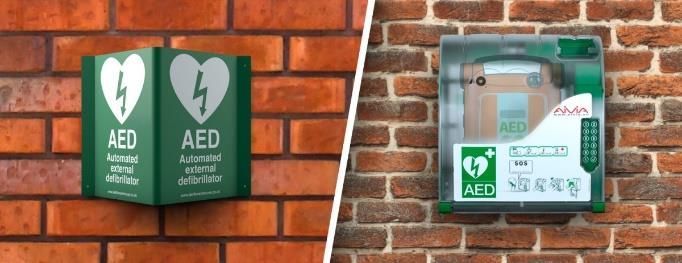
Lighting – most outdoor AED cabinets are can happen more quickly if the powder
supplied complete with lighting so the AED can be coating/paint finish becomes scratched or
visible in dark conditions. Some AED cabinets only damaged.
have lighting to the inside of the cabinet once
opened so we recommend that any outdoor Mild steel is not recommended near coastal areas
defibrillator cabinet is situated in a position that as corrosion will become a problem.
has external lighting to ensure the cabinet is
always visible in an emergency. Aluminium is typically lighter and will be strong
and durable providing it is a thick gauge. The
IP rating – the IP rating stands for ingress downside is that aluminium can suffer corrosion.
protection rating and shows how dust and
waterproof the cabinet is. Some cabinets may Plastic cabinets are usually lighter than metal and
have a ‘breather drain’ which reduces providing they are made of durable plastics such as
condensation build up inside the cabinet which in polycarbonate and ABS will be strong, durable and
turn reduces the chances of internal corrosion don’t suffer from corrosion like some metal
inside the cabinet. cabinets can, however they may be flammable and
in direct UV light may become brittle.
The higher the IP rating the more weatherproof
the cabinet is. Please note that the cabinet rating Warranty – check the warranty period and if this
will change if holes are drilled for wall mounting or includes moving parts such as locking mechanisms
for wires to be passed through so please check and heaters etc. Does the manufacturer offer full
with the manufacturer if it is pre drilled and if not support in the event of a warranty claim? In most
will this affect the rating and or warranty? cases the AED cabinet shell will have a long
warranty but heaters and locks usually have a
It is very important that the electrician fitting the shorter warranty.
cabinet ensure screws are correctly fitted and
sealed to prevent water ingress. If the screws are Spare parts – are replacement parts readily
not sealed properly water can get into the cabinet available for an AED cabinet? Parts such as LED
causing condensation and possible damage to the lighting, heaters and fanning systems in most cases
AED over time. will not last as long as the cabinet so ensure that
replacements parts are available otherwise you
The benefits of a high IP rating are less may need a new cabinet in the event of a
chance of water or dust ingress. component failure.
The down side to a high IP rating is that
the cabinet can suffer from condensation Checks and serviceability – your AED cabinet
issues if they do not have a ventilation
will need to be checked regularly to ensure it is in
system.
good general condition and to ensure that moving
parts are working such as the door hinges and
Colour of cabinet – typically AED cabinets are a locking mechanism where applicable. Ask the
high visibility yellow, but there are also green, red, manufacturer if spare parts are readily available in
or white with a red cross. The important factor is the event of failure of a component. If for example
that it is easily visible in an emergency. the lock mechanism stops working or the front of
the cabinet was vandalised can spare parts be
Construction and materials used fitted rather than needing to replace the whole
unit? Thoroughly read the cabinet instructions as
not adhering to them could invalidate the
Stainless steel is typically the most expensive
warranty.
product for constructing an outdoor AED cabinet
with, but will be strong, durable and probably
outlast most of its internal components. Marine Status indicator visible – can your AED status
grade stainless steel is preferable for any site near symbol be easily viewed through the front of the
the sea where salt water or salty air is present. cabinet? This can be useful as at a glance you will
be able to ensure that the AED is present and see
Mild steel is generally cheaper but will be strong & the status of the AED. All modern AED’s carry out
durable providing it is a thick gauge steel. The their own periodic self-tests and have a status
downside to mild steel is that it will rust and this indicator that is typically GREEN if the AED is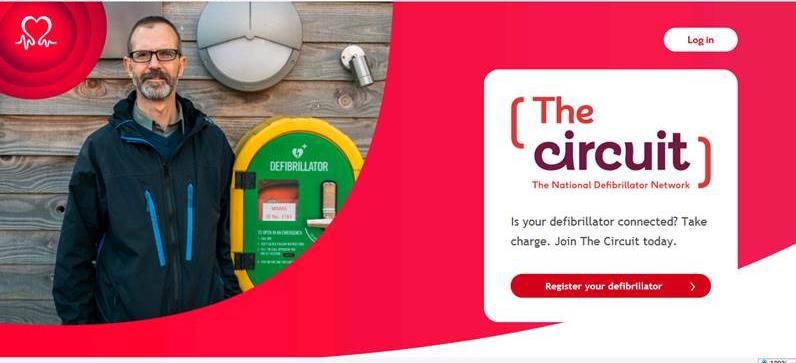
emergency ready and RED if the AED needs
attention or there is a fault. Please note that you
should still check that the cabinet opens correctly
Registering your AED on The Circuit
on a frequent basis.
It is essential that the Northern Ireland Ambulance
In some locations an AED cabinet will be chosen
Service is given full details of the location of your
with a solid front door with no viewing window. If
AED and any code or specific details which would
this is the case the AED cabinet will need to be
be required to access the device in an emergency.
opened on a regular basis to inspect that the AED
is present and in working order.
You can register your AED on The Circuit where all
the details are uploaded immediately to the NIAS
Ambulance control system.
When we receive a 999/112 call, we have the AED
details on our system should we need to direct a
bystander to it in an emergency.
Signage – It is important that your AED location is
clearly signed.
Firstly, your AED cabinet should have
written instructions or an infographic for
bystanders to follow in an emergency, the
letters AED or defibrillator and the
universal heart symbol as below.
Secondly if space is available a sign should
be placed above the AED cabinet in an In summary the main things to consider when
elevated position (this helps if a vehicle choosing your AED cabinet are;
parks in front of the AED location
obscuring the view). Is the cabinet needed for inside or outside
Thirdly signage can be added to local use? If it is outside then:
businesses etc describing the nearest AED What is the IP rating so it can be
location to raise awareness of its determined how much protection the
existence. AED cabinet will have against the
weather?
Does it need to be locked or unlocked?
Is there ventilation for the AED so
condensation build-up is prevented?
Is it accessible when needed?
Is it labelled and easily identifiable?
Is the AED registered on The Circuit and
available to NIAS in the event of an
emergency.
Size – check if all items fit in the cabinet such as
the AED with carry case and rescue ready* kit?
There are some AEDs which are larger and may not
fit correctly in some AED cabinets so check before
you buy.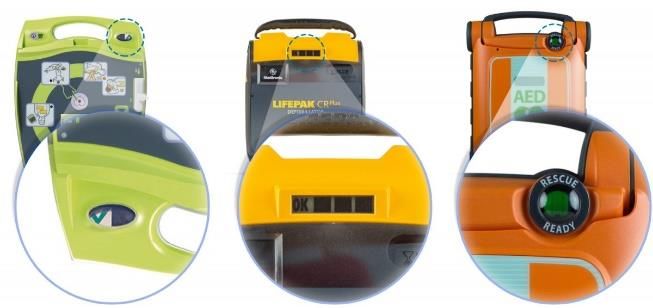
In the event of an Out of Hospital Cardiac Arrest,
the priority is to start CPR, get an AED and apply
the pads to the persons’ chest with minimum
delay. Unlocked cabinets allow immediate access
to an AED in a situation where seconds count.

Where conditions allow, AEDs should be placed in
openly accessible (unlocked) cabinets that allow
immediate access in an emergency.

A decision to place a public-access defibrillator in a
locked cabinet should be made only on the basis of
careful risk assessment in that specific location.

  The Northern Ireland Ambulance Service would
     like to thank you for helping us create a
              Community of Lifesavers.

       For more information, contact us on:

                www.nias.hscni.net

                         or

        email resus.admin@nias.hscni.net


You can also read


