26TEN in 2020 How far we've come as a state towards better adult literacy and numeracy in Tasmania, and what we've learned
←
→
Page content transcription
If your browser does not render page correctly, please read the page content below
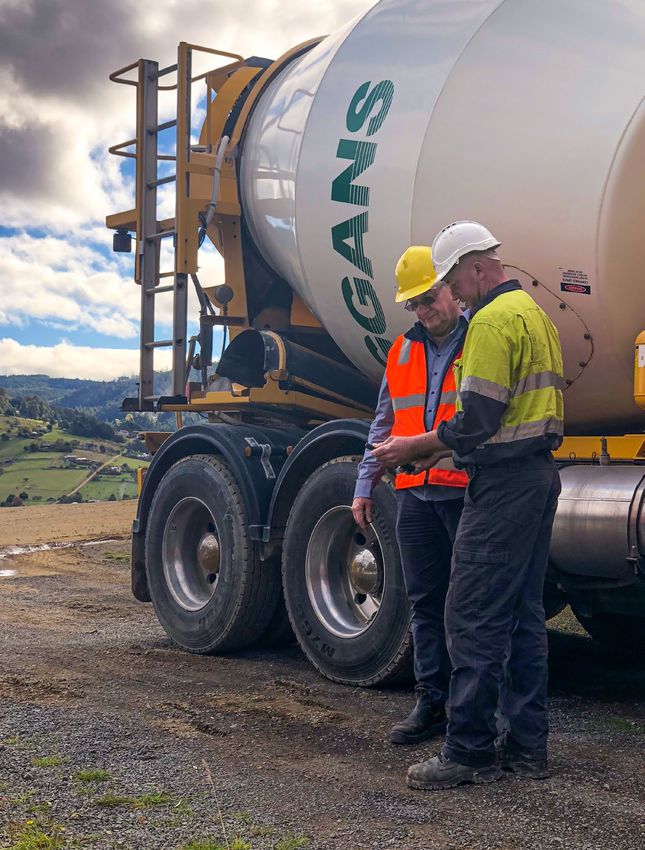
26TEN in 2020
How far we’ve come as a state
towards better adult literacy
and numeracy in Tasmania,
and what we’ve learned

Contents
Contents 		                                       2
Foreword		                                        3
Executive summary                                 4
Recommendations                                   7
Introduction		                                    8
The 26TEN Network                                11
Goal 1 – Everyone knows about
adult literacy and numeracy                      14
Goal 2 – Everyone is supported
to improve their skills and to help others       23
Goal 3 – Everyone communicates clearly           31
Tasmanian success stories                        34
Conclusion 		                                    37
Recommendations – The next five years            38
26TEN documents                                  39
Appendix A: Tasmanian and Australian literacy
             benchmarks 2011-12                  40
Appendix B: The impact of low literacy          43
Appendix C: The socio-economic impact of 26TEN 47
Appendix D: 26TEN Network data                   49
Appendix E: Literacy issues in
            Tasmanian agriculture                54
Appendix F: Network members’ commitment
             to plain English                    55

2                                                     26TEN Tasmania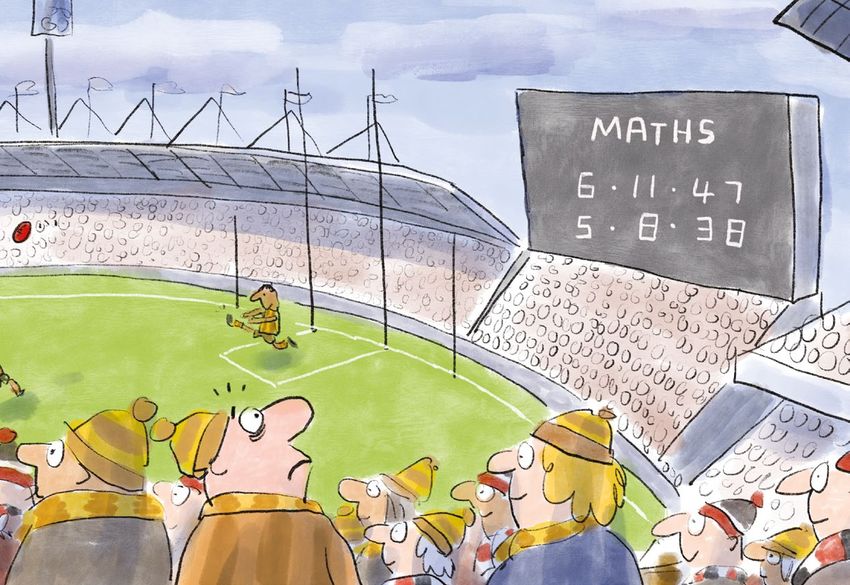
Foreword
Literacy is the key to our wellbeing and prosperity. It
affects our quality of life and the ability to take part in
work and in our communities. That’s why improving
literacy skills in adults in Tasmania is key to our future.
All Tasmanians deserve the ability to take advantage
of the choices and opportunities offered in our state.
For many, this means having the education and skills
to fully participate in everyday life and work. Literacy
enables people to read to their children, understand
safety instructions at work, read maps and apply for
jobs online.
                                                              This five-year progress report has allowed us to
In all Australian states and territories, a significant       review the 26TEN Strategy. While there is much
number of adults lack the literacy and numeracy skills        good progress, components of work still need to be
they need to do these things.                                 undertaken. Some aspects of our program require
What sets Tasmania apart is that we have responded            further investment and implementation based on
with a unique, comprehensive and collaborative                learnings from our work to date. This review provides
approach that began in 2010 with the Tasmanian                that advice.
Adult Literacy Action Plan, 2010-2015. The                    Our thanks go to all who have helped along the way
Plan invested in people and programs to raise                 thus far … to individuals, businesses, community
understanding of adult literacy. It provided support          organisations, industry groups, and all tiers of
and programs for people to improve adult literacy in          government in Tasmania.
their workplace and in their community.
                                                              Of greatest importance are the adults who have taken
This led to the introduction of 26TEN in 2012.                on the 26TEN challenge to improve their skills. You’ve
Then, building on what we had learned, in 2015 we             been brave, hardworking and an inspiration to us all.
launched the next phase, the 26TEN Strategy (2016-            We hope you tell your story to encourage others to
2025). All sides of politics supported the Strategy and       follow in your footsteps.
recognised the importance of taking a long-term and           Improving literacy in Tasmania is the most important
collective approach if we were to make a difference.          thing we can do for our future – socially and
Through the 26TEN Strategy, individuals, business,            economically – and our efforts must continue for
community groups and all levels of government work            many years to come.
together to find solutions and build skills. And we are
making a difference.
                                                              Siobhan Gaskell,
The Tasmanian Government has provided the                     Convenor of the 26TEN Coalition
resources to coordinate this statewide strategy.
However, everyone involved has a critical role in both
changing community attitudes and increasing literacy
in adults.

26TEN in 2020                                                                                                        3
Executive summary
In October 2015, the 26TEN Tasmania:                     Tackling an entrenched problem
Tasmania’s strategy for literacy and                     with a collective impact approach
numeracy 2016-2025 (the 26TEN Strategy)                  The 26TEN Strategy sets a framework for action
was released. The 26TEN Strategy is a                    by the whole state, including business, community
unique, long-term plan aimed at lifting adult            groups, government, education and training providers,
literacy and numeracy across the state.                  and individuals. It takes a collective impact approach,
                                                         recognising that entrenched problems cannot be solved
This 26TEN in 2020 report highlights key                 by one person, organisation or sector, or by government
achievements made through the collective effort of       alone. The state’s approach through 26TEN recognises
business, community, government and individuals          that real change happens when solutions are place-
across Tasmania. It outlines what has been learned       based, locally designed and collaborative.
along the way, and discusses what needs to be
                                                         By addressing adult literacy through a long-term,
implemented in the next five years of the Strategy.
                                                         whole-of-state strategy, Tasmania is unique in
This report shows that good progress has been made       Australia, leading the nation in providing adult literacy
towards achieving the vision that all adult Tasmanians   and numeracy support.
have the literacy and numeracy skills they need for
                                                         This approach has brought results. It has allowed all
work and life, and to meeting the three 26TEN goals.
                                                         organisational and individual members of the rapidly
These are:
                                                         growing 26TEN Network to contribute to 26TEN
1. Everyone knows about adult literacy                   goals in their own way, making the contribution they
   and numeracy.                                         are best placed to make. 26TEN communities have
2. Everyone is supported to improve their skills         become an important part of this. Supporting a more
   and to help others.                                   long-term and local approach of place-based action
                                                         will see this continue to develop in future.
3. Everyone communicates clearly.

                                                         Benefits to the state from
                                                         investment in 26TEN
                                                         In 2018-19, independent research into the return
                                                         on investment (ROI) of 26TEN was conducted by
                                                         the Institute of Project Management. The Socio-
                                                         Economic Impact of Tasmania’s Investment in Adult
                                                         Literacy and Numeracy report was the result. It used
                                                         a sampling approach, looking at a fixed time period
                                                         (2018-19) and two discrete elements of the broader
                                                         26TEN member efforts (the Libraries Tasmania adult
                                                         literacy service and the contribution made by Network
                                                         members through the 26TEN grants program).
                                                         The ROI report demonstrated that in 2018-19:
                                                         •   For every dollar spent on 26TEN adult literacy, at
                                                             least $5.20 of benefit was generated.
                                                         •   The value created by the 26TEN Strategy was
                                                             worth at least $27.2 million.

4                                                                                                 26TEN Tasmania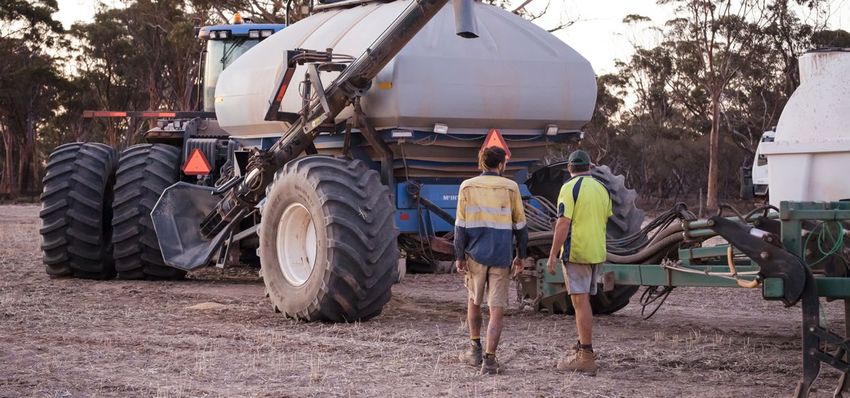
•   Ninety per cent of adult learners surveyed reported   •   Positive support for adults to improve literacy
    that accessing support helped improve their               through 55 employers and communities receiving
    opportunities for employment and education.               over $2.3 million in 26TEN grants. As a result:
•   Over 90 per cent of adult learners surveyed said          •   Eighty per cent of learners reported positive
    that their home life had improved and that they               benefits in their life as well as work.
    were more active in their communities.                    •   Businesses reported positive outcomes,
Evidence from this research shows that 26TEN is                   such as increased compliance with safety
highly regarded in the community. It is an effective              regulations, fewer errors in paperwork and
campaign using a collective impact approach to                    forms, and a more positive attitude among staff.
improve individual and community wellbeing and help       •   Easier conversations about literacy in the
the state grow and prosper.                                   community as a result of the development of
Since the launch of the 26TEN Strategy in 2015,               the 26TEN Chat tool , a step-by-step guide for
Tasmania has achieved:                                        Tasmanians to help them encourage those with low
•   A substantial growth in membership of 26TEN               literacy to seek help. This tool is an Australian first.
    across government, community, business                •   Eighty-six member organisations committed to
    organisations, and passionate individuals, reaching       plain English, and 172 workshops were delivered
    95 per cent of its 10-year target in five years.          to build the skills of 1,984 participants.
•   Better awareness of adult literacy, 26TEN and

                                                              949
    where to get help. A total of 2,484 people have           Increased 26TEN Network to
    taken part in 167 literacy awareness workshops.
    Between 2015 and 2020 there was:
    •   A 7 percentage point increase in people
        knowing about 26TEN (see Figure 1).
                                                              members &
    •   A 15 percentage point increase in Tasmanians
        knowing to get help from a library or 26TEN
                                                              supporters
        (see Figure 3).                                       (95 per cent of 2025 target of 1,000 achieved)

                                                                                 Number ofmember

    80%
                                                                                       organisations

                                                                                                       86
                                                                                        committed to plain English
                                                                                        increased to

    of learners reported positive

       2.3
    benefits in their life.                                                              (43 per cent of 2025 target

      $
                                                                                         of 200 achieved)

       million
                              awarded through 55 employer
                              and community grants

26TEN in 2020                                                                                                       5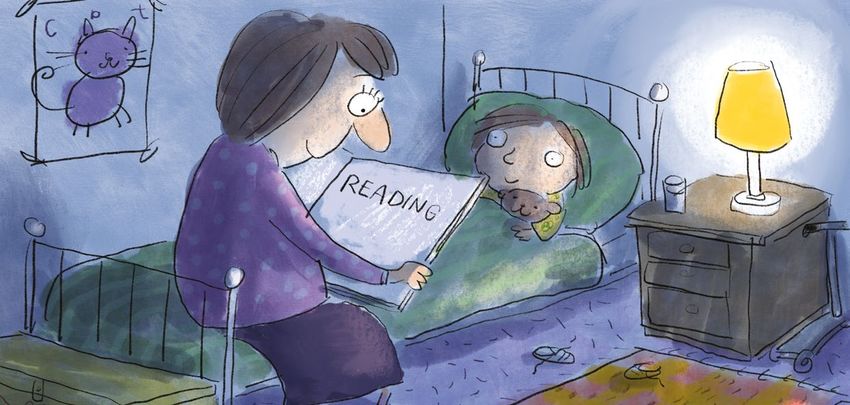
Building on what we have learned
    The 26TEN team and the 26TEN Coalition constantly
    evaluate feedback from the broader 26TEN Network
    and results from 26TEN programs. They also monitor
    local and international research to ensure we continue
    to improve.
    Our aspirational target over 10 years is a 10-point
    increase in the percentage of adult Tasmanians who
    have literacy and numeracy skills at or above OECD
    Level 3. To achieve this we need to:
    •   Continue to reduce the stigma around low literacy.
        Recent consultation with the agricultural sector
        demonstrated that stigma remains high and that
        people continue to equate low literacy skills with
        a lack of intelligence. By challenging this myth
        and reducing the shame felt by those with low
        literacy, we will increase the number of people
        seeking help.
    •   Extend the length of time and investment of
        26TEN community grants. We know a longer-term,
        place-based approach will provide the opportunity
        to build trusting relationships in local communities
        and encourage more community members to
        help. This is where adult literacy and numeracy
        learners can learn best.
    •   Improve coordination and sharing of information
        between all organisations that are supporting
        learners. This will help us better assess progress
        towards the population-wide target.
    •   Continue to build Tasmania’s adult literacy
        workforce, both paid and unpaid. Without
        those willing to help, we will not achieve our
        aspirational goal.
    •   Do further economic and social research. More
        detailed information about the impact of 26TEN
        programs on clients’ lives will be useful, particularly
        in different sectors. It will help develop new delivery
        approaches that are specific to industry sectors
        and groups of learners.

6                                             26TEN Tasmania
Recommendations
The 26TEN Network                                      Goal 2 – Everyone is supported
1. Continue with the collective impact approach to
                                                       to improve their skills and to
   the Network, and aim to double the number of        help others
   member organisations by 2025.                       7. Enable 26TEN communities to achieve sustainable
2. Implement an ambassadors program, which                change through long-term funding, moving to a
   draws on high-profile influential people and           local place-based approach over a greater number
   former learners.                                       of years.

3. Improve support to the 26TEN Network at the         8. As part of this approach, build and encourage a
   state and community level.                             greater adult literacy and numeracy workforce by:

4. Investigate ways to help individual supporters to         a. Continuing to support the Tasmanian
   support local initiatives in literacy.                       Council for Adult Literacy workforce
                                                                development planning.
Goal 1 – Everyone knows about                                b. Continuing to offer periodic professional
literacy and numeracy                                           development opportunities to the literacy
                                                                workforce.
5. Develop a marketing campaign based on:
   knowledge of effective national and international         c. Promoting the newly released TasTAFE
   stigma-reduction campaigns; feedback from                    online tutor training, which is available to
   current and past learners on what induced them               anyone in the state.
   to act; and feedback and ideas from Network               d. Identifying ways to recruit and retain more
   members.                                                     literacy practitioners and volunteer tutors in
6. Continue a strong public communication                       regional and remote areas.
   campaign that promotes learner stories to give      9. Continue and build on the 26TEN employer
   a human face to quantitative indicators and that       grants program.
   targets key sectors and demographic groups.
                                                       10.Investigate how service providers can contribute to
                                                          26TEN reporting on literacy for the state.
                                                       11.The Coalition determine research priorities for
                                                          improving evaluation of 26TEN’s effectiveness,
                                                          starting with but not limited to the suggestions for
                                                          further work from the ROI.

                                                       Goal 3 – Everyone
                                                       communicates clearly
                                                       12.Strengthen support for 26TEN by encouraging
                                                          all organisations and levels of government to
                                                          nominate a plain English/literacy officer to drive
                                                          cultural change.
                                                       13.Continue to promote the use of plain English and
                                                          clear communication.

26TEN in 2020                                                                                                    7
Introduction                                              About the 26TEN in 2020
                                                          progress report
26TEN’s name comes from the 26 letters
                                                          26TEN in 2020 assesses the progress made by
of the alphabet and the ten digits we use                 Tasmania in tackling low adult literacy and numeracy
for counting. It grew out of the first plan to            midway through its 10-year Strategy. Over the past
address adult literacy needs in Tasmania,                 12 months, the 26TEN Coalition, the 26TEN team
the Tasmanian Adult Literacy Action Plan,                 and independent researchers contracted by 26TEN
2010-2015. Since its creation in 2012, and                did this assessment. The report offers an overview
with the support of all three major political             of what Tasmania has achieved through 26TEN and
                                                          looks at how we can achieve greater impact in the
parties, 26TEN began building a network. Its
                                                          coming five years.
approach recognises that no single person,
                                                          26TEN in 2020 is based on qualitative and quantitative
group or organisation can resolve the
                                                          research. It includes information collected from:
entrenched problem of low adult literacy.
                                                          •   26TEN’s own statistics and stories.
Launched in October 2015 by the Minister for
                                                          •   Client usage data from Libraries Tasmania, a
Education and Training, the Hon Jeremy Rockliff,
                                                              26TEN member.
26TEN Tasmania: Tasmania’s Strategy for adult
literacy and numeracy 2016-2025 supported a new           •   Commissioned independent research by the
long-term campaign for all of Tasmania. This new              Institute of Project Management, Inspire Ag and
26TEN Strategy, and our action plans that underpin            EMRS (26TEN: The Socio-Economic Impact
it, continues a framework for action to achieve the           of Tasmania’s Investment in Adult Literacy and
vision that all Tasmanians will have the literacy and         Numeracy (the ROI); the Agricultural Language,
numeracy skills they need for work and life.                  Literacy and Numeracy in Tasmania Discussion
                                                              Paper; 26TEN Community Research Report 2019).
26TEN is necessarily long term, as improvements,
for individuals and for society, take time to show.       •   Feedback from key grant recipients.
In recognition of this, the first four years of annual    •   Academic articles.
reporting on progress under the Strategy shows            An enquiry process was used to look in more
priority given to engagement and awareness raising.       detail at how we are progressing and to inform
                                                          recommendations for the future. In February 2019, the
Definition                                                26TEN Coalition began by scanning and assessing
The definition of ‘literacy’ has changed over time. In    existing activity and outcomes. It considered the
the 26TEN Strategy and for the purposes of this           governance framework, targets and indicators, and
report, we use this definition:                           actions against the 26TEN Strategy’s three goals. This
                                                          process showed what was working well, what needed
    Literacy and numeracy are widely accepted
                                                          general business improvement and which areas of the
    to be more than being able to read, write
                                                          Strategy required further evaluation.
    and do maths. Having good literacy and
    numeracy means being able to apply these              26TEN’s goals are interrelated, and some actions
    skills, often in a digital context, along with oral   make a contribution to more than one goal. In
    communication and creative thinking, to the           particular, the grants program raises awareness, lifts
    demands of the modern world.                          skills and promotes plain English. However, to keep
                                                          this report simple, we have limited cross referencing.
                                                          For the same reason, this is not an exhaustive
                                                          account of all activities since 2015 and should be
                                                          read in conjunction with our annual reports.

8                                                                                                   26TEN Tasmania
Adult literacy and numeracy –                                           A vision for Tasmania where we all
a worldwide problem                                                     have the skills we need
Almost one in two Tasmanians (48.8 per cent) do not                     26TEN’s vision is that all adult Tasmanians have the
have the reading, writing and maths skills they need for                literacy and numeracy skills they need for work and life.
daily life and work in the modern world. Low literacy is                The vision is underpinned by three goals:
also an issue for adults in the rest of Australia and other
countries that belong to the Organisation for Economic                  1. Everyone knows about adult literacy and numeracy.
Co-operation and Development (OECD).1 The most                          2. Everyone is supported to improve their skills and
recent results from the 2011-12 Programme for the                          to help others.
International Assessment of Adult Competencies
                                                                        3. Everyone communicates clearly.
(PIAAC) survey, run by the OECD, show this clearly.
Nationally, 44.4 per cent of Australians lack adequate
skills. (Survey results are in Appendix A.)                             Measuring progress
                                                                        Success is measured through statistics and stories,
The benefits of lifting adult literacy                                  quantitative and qualitative data.
and numeracy                                                            26TEN’s qualitative measure of success is the stories
Good literacy and numeracy skills improve a person’s                    of personal change published on the 26TEN website
quality of life. They make it more likely for someone                   and social media. The stories are about adult learners,
to have a job, earn a good income, be in good health                    volunteers, employers, businesses, trainers and
and be involved in the community. The children                          literacy coordinators. These stories give a face to the
of parents who have the skills and confidence to                        statistics, to the people who doubted their ability to
read to them and help them learn will do better in                      learn, but who have accepted help. They have gained
school. Communities with higher literacy levels are                     the confidence and skills to be promoted at work, read
more resilient and have higher per capita income.                       to their children and take the right dose of medicine.
Businesses with more literate workforces are safer                      And businesses have learned through experience
and more productive. (For further information on the                    the benefits that can come from increased literacy in
benefits of improving adult literacy, see Appendix B.)                  their workforce, or from a better understanding of the
                                                                        literacy challenge faced by their clients.

Tasmania’s Strategy to lift adult                                       The stories show, in a way that numbers alone never
literacy and numeracy skills                                            can, how improving literacy transforms lives, families,
                                                                        workplaces and communities. A selection of stories is
The 26TEN Strategy sets Tasmania apart from the rest                    presented on page 34.
of Australia. It is the only state to have a long-term
                                                                        Our three quantitative measures are:
plan, supported by all sides of politics, to engage the
whole state in direct action to address the challenge.                  •   The increase in number of 26TEN members
This includes communities, businesses, all levels                           and supporters.
of government, and individuals. We are all working                      •   The increase in percentage of adult Tasmanians
together to shift attitudes and change behaviours, so                       with literacy and numeracy skills at or above
that all Tasmanians develop the literacy skills they                        OECD Level 3.
need for life and work.
                                                                        •   The increase in number of organisations
                                                                            committed to plain English.

1   Other OECD countries surveyed were Austria, Belgium (Flanders), Canada, Chile, Croatia, Czech Republic, Denmark, Estonia, Finland,
    France, Germany, Hungary, Ireland, Israel, Italy, Japan, Korea, Latvia, Lithuania, Netherlands, New Zealand, Norway, Poland, Portugal,
    Russian Federation, Singapore, Slovak Republic, Spain, Sweden, Switzerland, United Kingdom (England), and United States.

26TEN in 2020                                                                                                                                9
The targets set for 26TEN are ambitious, aspirational    As part of this in-depth look at how far we have
targets, which cannot be reached through action by       come as a state, 26TEN commissioned the Institute
government alone, or by any one contributor to the       for Project Management to undertake independent
collective effort.                                       research on the economic and social impact of
Movement towards the crucial target of a population-     26TEN in the state. This is the first research of this
wide increase in adult literacy and numeracy levels      kind done in Tasmania on the economic value of
is expected to be slow, as it takes time for learners    literacy programs to the broader community.
to improve their skills. The literature on evaluating    The economic and social ROI report used a sampling
outcomes from social programs acknowledges that          approach. It looked at a fixed time period (2018-19)
measuring progress can be challenging because:           and two discrete elements of the broader 26TEN
•    Time frames for individual change are often long    efforts (the Libraries Tasmania adult literacy service
     and do not match funding cycle accountability       and the 26TEN grants program). It provides clear
     (usually short).                                    evidence of 26TEN’s positive impact. It is worth
                                                         noting that, as this is the first report of its kind for
•    Many organisations do not have the time or skills
                                                         the state, further research is required to build on
     to engage in social programs and see them as
                                                         these initial positive findings of the impact of 26TEN
     taking away from their ‘real job’.
                                                         in Tasmania.
                                                         For further discussion on this report, refer
                                                         to Appendix C.

10                                                                                                26TEN Tasmania
The 26TEN Network
With support from all sides of politics, 26TEN began
building a network in 2012, taking the approach that
Building a network no single person or organisation could resolve the
Why: Because widespread social problems entrenched problem of low adult literacy skills.
can only be solved when many groups Subsequently, as 26TEN established its network, it
and organisations start to take action and recognised significant similarities between it and
change cultures. the ‘collective impact model’ described by Stanford
How far we’ve come: As at March 2020, University in 2012.
26TEN has 949 members and supporters. Collective impact is a model that addresses
There are 173 organisations working to deeply entrenched problems in a multi-sectoral
improve literacy in Tasmania as members and cooperative way. It acknowledges that certain
of 26TEN. Eight 26TEN communities have challenges affect people’s lives in so many ways
implemented community literacy plans. At that a single, planned solution is rarely effective. Low
least 776 individuals have signed up as 26TEN literacy is one of these.
supporters to demonstrate their commitment
The collective impact approach is to work across a
to being part of the solution.
number of fronts, with employers, community groups,
What we’ve learned: Building a collective educational providers, and industry sectors. 26TEN
approach takes time and works best when has been effective in applying this approach to build
there is engagement at all levels, from the the momentum of change to improve adult literacy
ground up. There is a high level of willingness and numeracy.
among people across the state to participate.
26TEN has been delivered through a network of
Our main constraint is the resources needed to
organisational members and individual supporters,
support active participation.
supported by the 26TEN Coalition and the 26TEN
team. The common agenda of the 26TEN Network is
to support those Tasmanians (the 1 in 2) in getting the
literacy and numeracy support they need.
26TEN in 2020 11The 26TEN Coalition is a group of influential 26TEN communities are mainly geographical but
Tasmanians who give their time pro bono to sometimes interest-based groups of people and
encourage people and organisations to understand organisations who have committed to supporting
the challenge of low literacy and to take action. adults in the community to improve their literacy
Members each represent a sector: health, state and skills. They are a local version of the broader
local government, law, media, industry, education and collective network.
training, or community services. They provide high- The grants program has been integral to building
level direction and advocacy, and support the Minister. the 26TEN Network and has helped members to
The 26TEN team is a small group of four staff take action, such as upskilling their staff and making
located within Libraries Tasmania in the Department it easier for customers to access their services.
of Education, which services the statewide 26TEN The engagement of 26TEN communities taking
Network of members and supporters and the 26TEN grassroots action spreads the load of tackling the low
Coalition. It supports the implementation of the action literacy challenge and ensures the problem is tackled
plans that underpin the Strategy and its goals. in many different ways.
26TEN members are organisations that have Our flexible approach has allowed organisations
committed to one or more actions, such as to respond to opportunities as they emerge. An
raising awareness of literacy, building skills of example is work done to engage the agricultural
their employees or people in their community, and sector. This was not planned but took advantage of
improving the clarity of communication. Members an opportunity that arose.
include community groups, neighbourhood houses,
non-government organisations, local councils,
businesses, peak industry bodies, and a number
of state government departments. A list of
T I ON & S E
organisational members is at Appendix D. N COA L I C TO
2 6TE RS
ment
26TEN supporters are individuals who Hea
rn lth
join the Network to learn more about
ve
W
ity
o
ide
literacy, show their support and G
un
es Men
ess tor
help in a range of ways. sin s
rc
mm
Bu MED
IATE SUPPO
RT
IM
omm
ity
rt
Wi de r co
ppo
Edu
su asTAFE H
Fam ous
s
cy ia, T oviders
Jo
Commun
ily e
up
n
a p r &
& othe s Tas era
c
bN
ng
ho regiv
Cultural gro
r tr m
Librarie up lit
uni ty
lds ers
cation
a
i
ain
,
etworks
Gro
1 in 2
I MM E D I A
PORT
se a nia
2 6 T m pl
SUP
ce
&e
TE
E N oy
sm
r vi
Nei
om
E
Ta
AT
fo a c y
SU
c
er mu es
a ri
I
n it 1
:1
PP
Libr acy
ED
gr
an y
gh
O
rce
r
RT
M
ts
rk liter
IM li t e
bo
ho
y
u
ur
lt
Ad wo
Me
s tr
od
s 2
a 6TEN
member
s
du
di
In
Network
& supporters
Law
26TEN TEAM
Wid
e r c o m m u nity
12 26TEN TasmaniaWhat we have The next five years
learned Building the collective further
Research for this report has It is important to continue to encourage this breadth of engagement
shown that 26TEN’s collective and to support organisations to help in different ways. As the level of
model is building momentum. involvement has exceeded our expectations, it would be reasonable for
Through the Coalition members’ 26TEN to raise the target for organisational membership for the rest of the
leadership in their sectors, and Strategy to 2025.
the activism of members and
supporters who spread the Developing new sectors
word, new members have One of the strengths of the Coalition is the diversity of its sectors. Adding
been encouraged to join the new sectors will increase the Coalition’s reach. Tasmanian industries
Network. They in turn have experiencing growth or large workforces are most likely to become new
applied for grants and taken sectors in the future, for example the agricultural sector and the aged
action. Organisations have care sector. 26TEN has made initial steps with both of these.
embedded the skills needed to
improve literacy and to transform Ambassadors
their culture into one that Most of 26TEN’s emphasis to date has been on building the Network and
supports adult learning for staff supporting organisations to work with their staff and customers. There is
and customers. scope in the next phase to encourage the individual supporters to take
26TEN supports a business, greater action by helping them to advocate more effectively for literacy
community organisation or development in their local communities or as plain English advocates.
group of organisations to make They may become informal ambassadors for the value of literacy to social
the changes that they identify and economic growth and communicating clearly.
as most critical. This flexibility A more formal 26TEN ambassador program, with strong and charismatic
recognises diversity of needs and ambassadors, would also help encourage more people and organisations
allows everyone to work towards to join the Network by normalising the issue and increasing the focus on it.
the common goal of improving
literacy in a way that works Supporting the Network
best for them. Over time these The increasing size of the 26TEN Network means there has not always
changes are cumulative, leading been the capacity in the 26TEN team to service and support the action
to a collective impact. plans of the member organisations to the fullest extent. It will be important
The collective impact model for the next phase to consider carefully the best way to ensure that
has been successful, resulting organisations and supporters remain active as the Network continues
in contributions from a diverse to grow.
and enthusiastic group of
organisations and individuals.
Building local capacity
We have learned through our 26TEN communities that a localised
approach has better results. We have also learned that communities can
be at very different states of understanding about literacy and readiness
to tackle it. 26TEN wants to meet communities where they are, and
offer them the individualised support they need to increase their capacity
to develop locally appropriate responses, rooted in local networks and
supportive relationships. With this, communities begin to take action on
their own behalf.
26TEN in 2020 13Goal 1 – Everyone knows about adult literacy
and numeracy
This is the 26TEN goal against which Tasmania has
Why: When everyone understands there are made the most progress. Our statistics and stories
many reasons why a person’s reading, writing show us that more people in Tasmania understand
and maths skills might not be as good as they the significant challenge of low adult literacy and
like, it will be easier for people to ask for and numeracy and are taking action to improve their own
find help. skills or to help others. 26TEN far exceeded its target
of reporting one story per month because of the
Target: Increase the number of 26TEN
abundance of good news stories made available as a
members and supporters from 110 in 2015 to
result of its impact across Tasmania.
1,000 in 2025.
By using 26TEN as a vehicle to talk about adult
How far we’ve come: As at March 2020,
literacy, we are breaking down the barriers to people
26TEN has 949 members and supporters. This
coming forward to ask for support and for people
represents 95 per cent of the target. Take-up
to encourage others to seek support. This involves
and engagement have been stronger than
significant cultural change that takes time but has
expected.
considerable long-term benefits.
What we’ve learned: Stigma takes a
long time to break down. We need to keep
communicating in effective, broad-reaching
ways so that everyone knows about adult
literacy and numeracy.
167 literacy awareness
workshops delivered
to
2,484
95%
people
membership
225
of
target achieved
stories published
14 26TEN TasmaniaThe 26TEN Network continues to grow
The growing 26TEN Network of organisational and individual members (Appendix D) is the clearest evidence of
growing knowledge and engagement on adult literacy. Fostered by the Coalition and supported by the 26TEN
team, the Network has grown from 110 in October 2015 to 949 in March 2020 and is diverse.
Each member of the Network is contributing to the collective effort in their own way. Organisational members
have developed action plans setting out how they will contribute to 26TEN goals. Individual supporters have
increased their awareness, acted as advocates, taken on the challenge of talking to people about how they can
improve their skills, and contributed as volunteers.
Community awareness of 26TEN is increasing
EMRS (Enterprise Marketing and Research Services) conducts a regular survey of community awareness about
adult literacy on behalf of 26TEN. Surveys in the first three years showed little progress, but the 2019 and 2020
surveys show awareness of 26TEN in the community trending upwards (Figure 1).
Figure 1: Seen, read or heard about 26TEN in the community (percentage of all respondents)
100
82%
79% 79%
80
72%
69%
60
40
31%
28%
21% 21%
18%
20
0
March '15 April '16 March '17 March '19 March '20
(n=1,000) (n=1,000) (n=1,000) (n=1,000) (n=1,000)
Yes No/unsure
Source: EMRS Survey, 2020
26TEN in 2020 15The increase can be attributed to the successful Kudelka cartoon advertising on television and social media (see
above), and the launch of the 26TEN Chat tool . The advertising grew out of market research and more effective
communications planning by the 26TEN team. The Chat tool was a response to members seeking guidance on
how to talk to people about the possibility of needing literacy support.
The 2020 survey also demonstrated consistent community views about the challenge represented by adult
literacy and numeracy since 2015. Three-quarters of those surveyed thought literacy a problem for Tasmania
and this figure has remained fairly constant since 26TEN’s inception (Figure 2).
Figure 2: Perception of adult literacy and numeracy as a problem in Tasmania
(percentage of all respondents)*
60
50%
50 47% 48%
46%
45%
40
29%29% 29%
30 25%
23%
20% 19%
19%
20 15%
17%
8%7%7%
10 6%5%
2% 1%
0% 1%1%
0
Major Moderate Small No problem Unsure
problem problem problem at all
March '15 (n=1,000) April '16 (n=1,000) March '17 (n=1,000)
March '19 (n=1,000) March '20 (n=1,000)
A significant increase in awareness by Tasmanians of getting help from a library or 26TEN was also recorded,
increasing by 15 percentage points in 2020.
16 26TEN TasmaniaFigure 3: Who to go to for help with literacy and numeracy difficulties
(percentage of all respondents)*
21%
19%
Library or 26TEN staff/ members/ supporters 11%
16%
6%
16%
17%
Family/ friends 18%
18%
17%
12%
12%
Teacher 14%
15%
20%
7%
7%
Do some research/ Google/ phonebook 5%
5%
6%
6%
Doctor/ GP 5%
7%
6%
6%
3%
Reading and writing hotline 3%
2%
2%
0 5 10 15 20 25
March '15 (n=1,000) April '16 (n=1,000) March '17 (n=1,000)
March '19 (n=1,000) March '20 (n=1,000)
Coordinated communication
The strengthened network and increased community awareness are the result of a vigorous communication
effort over the life of 26TEN. We have used workshops, events, paid advertising, media coverage and
promotions as well as regular engagement with social media.
Regular literacy awareness workshops have been delivered consistently throughout the life of the Strategy.
Over 2,400 people have participated in167 workshops since October 2015. We have used a train the trainer
model: the 26TEN team has trained staff of organisational members, who have then run workshops in their
own workplaces and communities. Libraries Tasmania’s literacy workforce and many workers in the community
sector have also delivered workshops around the state.
26TEN commissioned market research in 2016 into the best ways to reach its target groups. It identified specific
groups – such as young men, small business owners, and mothers with young children – and analysed their
media habits across television, radio, print media, online and social media. This research informed several new
approaches, including an animation about adult literacy produced by Tasmanian cartoonist Jon Kudelka. The
animation was first broadcast to over 150,000 people during the Royal Wedding in May 2018. It has been seen
regularly since on YouTube and television in community service announcements, and in communications about
the 26TEN Chat tool. The Kudelka animation has been effective and well received by broad audiences.
26TEN in 2020 1726TEN Week
Each year, around 26 October, we have run a ‘26TEN The 26TEN team has supported many of its members
Week’ to raise awareness and celebrate learner to organise local events, workshops, displays or
achievements. Themes have been maths in action morning teas to promote the value of adult literacy
(2015), digital literacy (2016), family literacy (2017), life in the community and to reach new people. These
changers (2018) and oral communication (2019). events have helped encourage others to take action
Events supporting the 26TEN week theme have been and promote literacy across the community, and
useful opportunities to generate discussion, raise helped to reduce stigma.
awareness and build new connections and Some 26TEN members have used their core
partnerships. For example, in 2017, 26TEN focused business activities to contribute to 26TEN goals
on family literacy, encouraging parents to raise their during the week. For example, since 2017, Metro
skills so they can support their children’s development. Tasmania has displayed a 26TEN poster in its buses.
26TEN and Network member Libraries Tasmania In 2019, counter staff at Service Tasmania distributed
collaborated to arrange a visit from the Children’s over 20,000 26TEN Chat cards to customers.
Laureate, Leigh Hobbs. He visited young readers and The Governor of Tasmania, Her Excellency Professor
their families at libraries around the state and the Honourable Kate Warner AC, has been a
participated in a panel discussion titled ‘Why is family strong and consistent supporter of 26TEN’s goals,
literacy critical to raising literacy levels in Tasmania?’, building on the support offered by her predecessor,
hosted by the ABC’s Virginia Trioli. Both the tour and Peter Underwood AC. The Governor has hosted
the panel session attracted significant media coverage, a celebration of 26TEN Week at a reception at
further stimulating awareness of literacy. Government House each year since 2016. These
celebrations have been used to congratulate literacy
clients, tutors, 26TEN Network members, businesses
and community members for their support of 26TEN
throughout the year. This event is highly valued
by invitees and many travel a significant distance
to attend.
The Children’s Laureate Leigh Hobbs (left), Bill Jarvis, Principal of
Gagebrook Primary School, Sue Howard, then Manager 26TEN,
Lesley Mackey, General Manager of the Smith Family, and Virginia
Trioli, then co-host of ABC News Breakfast.
18 26TEN TasmaniaAwareness activities within sectors While this focused on 26TEN’s goal to encourage use
of plain English, it was an effective way to engage with
The 26TEN Coalition has been effective in raising a broad cross-section of the legal community and
awareness in specific sectors. This work has been provide them with an awareness of the challenge of
embedded in sectoral action plans of individual low adult literacy.
Coalition members, supported by the 26TEN team
which has worked with a range of organisations to
plan events.
Media
In the media sector, journalists across the state have
engaged with 26TEN, providing opportunities to build
greater understanding of the literacy challenge. This
has led to increasingly accurate and compassionate
coverage on local radio, television and in print media.
The University of Tasmania (UTAS) has engaged in the
26TEN effort to promote literacy awareness in future
journalists. For the past three years, the School of
Creative Arts and Media at UTAS has staged a mock
media event. After the event, students have written
a news article highlighting the difficulties faced by
Tasmanians with low literacy and numeracy. The prize-
winning article has received coverage on the ABC or
in the Mercury. Students completing this assessment
have said that, in the future, they are more likely to
cover literacy stories with a deeper understanding,
helping to generate further awareness.
Legal
26TEN Manager, Sue Costello, presenting a literacy awareness
In the legal sector, 26TEN engagement led workshop at Burnie Courthouse. Workshops such as this are part
partnerships with a range of key legal organisations. of the legal sector’s ongoing active engagement in 26TEN.
Staff at the Magistrates Court have done literacy
awareness training and sought to simplify some of its
forms. Inmates in the prison system have been helped
to improve their reading, writing and maths skills by
literacy coordinators from 26TEN member Libraries
Tasmania. Staff at the UTAS School of Law have
completed 26TEN plain English training, incorporating
literacy awareness, and copies of Communicate
Clearly: A Guide to Plain English have been given to
first year law students each year. This encourages
them to think about the impact of low literacy in those
parts of the community that come into contact with the
justice sector. In 2017, 26TEN hosted a ‘plain English
and the law’ event with the Hon Michael Kirby as
The Hon Michael Kirby addressing a 26TEN function on the use of
keynote speaker. plain English in the legal profession.
26TEN in 2020 19Health Education
Health is the largest sector of the Network. Members Awareness of adult literacy in the education sector
include various state government health providers, as has grown steadily over the past four years through
well as local pharmacies, major non-government 26TEN action. This has been supported by targeted
organisations like the Cancer Council, and the peak 26TEN communication, for example an information
body for GPs. A health literacy network has been letter, literacy awareness brochures and posters sent
established within 26TEN, sharing 26TEN’s Facebook to 155 government and independent schools in 2018.
page and collaborating on events. The 26TEN Chat The Tasmanian Principals Association, Independent
launch in February 2019 included cross-promotion of Schools Tasmania and Catholic Education Tasmania
HeLLOTas!, TasCOSS’s toolkit for health literacy. This are now 26TEN member organisations, greatly
is a quality improvement process assisting increasing the reach in this sector. 26TEN has been
organisations to respond to community members by present at Education Department conferences,
providing easily understandable information about and also had an information table at the national
treatment and where to get health care. conference of the Australian Association of
Government School Administrators in 2018.
26TEN has been active in promoting a family
literacy perspective. During 26TEN week in 2017,
the focus was on family literacy. Forty events were
hosted across the state by 26TEN Network member
organisations to promote family literacy. For example,
at ptunarra Child and Family Centre in New Norfolk,
about 50 children and their families from six schools
read a story and then enjoyed activities focused on
The health literacy network’s logo. numeracy, such as measuring water with cups and
spoons. Family literacy messaging has included
The Department of Health is a key 26TEN member a strong emphasis on the fact that, while adults
and recently released its Health Literacy Action can always improve their skills and 26TEN is there
Plan 2019-2024. It describes health literacy as a to help, less literate adults can still help children’s
combination of individual skill and capacity to find and development. Simply telling them stories using picture
understand information, combined with the effort of books and talking about what’s going on around
health service providers to ensure that information them on a daily basis helps children learn.
is provided in plain English and can be easily found.
It was launched at the Health Literacy Forum in
Launceston on 29 October 2019. The plan sets out
actions to improve health literacy in the population,
within the health workforce and organisations, and to
increase the number of collaborative ventures.
UTAS engagement with 26TEN has also been strong
in the health area. UTAS’ School of Medicine has
embedded literacy awareness as part of the first year
medical curriculum, with awareness workshops given
by members of the 26TEN team.
20 26TEN TasmaniaAgriculture National advocacy
Over the life of 26TEN, it has become increasingly Importantly, 26TEN has raised national awareness
noticeable that significant literacy challenges exist in of the importance of adult literacy and numeracy,
the agricultural sector. This is an important part of contributing to a broader discussion on lifting
the Tasmanian economy and is expected to grow. education and skill levels in Australia. The 26TEN
Considering its potential as a new sector in the 26TEN Strategy is a highly regarded approach that others
Coalition, in 2019, 26TEN commissioned research by seek to emulate, and it helps to inform national policy.
InspireAg to explore the impact of low adult literacy
Since 2015, Tasmania’s significant contribution to this
rates in the sector. The research confirmed that
area has gained national and state recognition. Some
adult literacy is an issue in agriculture, but stigma
examples are:
surrounding it is still strong. Group discussions
planned as part of the research failed, as so few • 26TEN team and Libraries Tasmania staff have
people were prepared to discuss the subject in public. presented on the Strategy at national and
26TEN experienced similar stigma issues when international conferences, including the Australian
working with the building and construction sector. Council for Adult Literacy and National and State
Libraries Australia.
InspireAg instead held one-on-one discussions,
which revealed that many farmers had poor • The Warlpiri Youth Development Aboriginal
experiences at school. Previously, agriculture was Corporation at Yuendumu in the Northern Territory
considered an appropriate industry to steer non- based its federally supported whole-of-community
academic children towards ‘because you don’t need adult literacy program on 26TEN. They named the
to read or write to be a farmer’. (See Appendix E for program Yuendumu 26TEN.
more detail.) The report will guide 26TEN engagement • A story about Huon Valley construction company
in the agricultural sector in coming years. Duggans was featured on ABC Radio’s current
affairs program, AM. Duggans used a 26TEN
grant to train employees to fill in forms and
checklists online and to report in real time from
the field. The training improved safety, productivity
and engagement. The story formed part of a
national push to highlight the importance of
workplace literacy.
• 26TEN has represented Tasmania on the national
Reading Writing Hotline Steering Committee.
Through this forum, 26TEN has participated on
key national issues, such as Australia’s inclusion in
the next OECD PIAAC survey and providing advice
to the Australian Government on the 2018-19
Budget Skills Package, Delivering Skills for Today
and Tomorrow.
• Tasmania was showcased nationally as having
an effective literacy program on the SBS Insight
television program about the everyday challenges
faced by Australians who have low literacy
and numeracy.
26TEN in 2020 21The next five years
Targeting stigma
This in-depth look at progress has shown that stigma
remains a significant barrier preventing people from
asking for help. Stigma is not the only barrier to adults
taking action. Other factors include lack of confidence,
and economic and social barriers, like being unable
to afford childcare to attend a program or having
trouble with transport. However, continued emphasis
on reducing stigma will attract more learners to the
services that can help them and aligns with 26TEN
goals and targets.
During this review, people have contributed many
ideas and suggestions about how best to reduce
stigma. Varieties of ambassador programs, using
either high-profile people who may appeal to certain
groups, or former learners, have been suggested as
possibilities. Undertaking new projects with existing
or new partners, like key industry growth areas and
arts organisations, may also work. The 26TEN report
into literacy in the agriculture sector found there was
substantial scope to promote the experiences of
Tasmanian grant recipients, such as Houston’s Farm,
as a way of increasing awareness and breaking down
stigma. If the sector is to meet the growth targets
set by the government, reducing the stigma around
asking for help will be essential.
Further research on current, effective stigma-
reduction campaigns will help 26TEN gain a better
understanding of why existing learners have chosen
to face their fears. Those already taking steps to
improve their skills are the best source of information
about what has worked in the past, and we can use
their knowledge to design future programs. This is an
opportunity to seek out innovative ways to engage
with people who know they need help but so far have
not taken action.
Keep communicating
In addition to this new work, it will be important
for 26TEN to continue its strong communications
campaign to encourage action in specific groups
and demographics.
22 26TEN TasmaniaGoal 2 – Everyone is supported to improve their
skills and to help others
Measuring learner outcomes
Why: To reap the many benefits of a literate 26TEN is a network made up of members who
society, we need to support Tasmanians to promote literacy in their own ways. This means that
build their skills. We also need to ensure that while people are being helped, it is hard to obtain
we have a skilled paid and volunteer workforce statewide data. However, some 26TEN members
to provide literacy and numeracy support. have data which demonstrates that, when Tasmanian
Literacy target: The percentage of adults adults access literacy support, their literacy
with literacy skills at/above OECD Level 3 rises skills improve.
from 49.8 per cent (2011) to 60 per cent by
2025, a 10 percentage point increase. Libraries Tasmania
Numeracy target: The percentage of adults Libraries Tasmania, a key 26TEN member, maps
with numeracy skills at/above OECD Level 3 learner progress against the Australian Core
rises from 40.4 per cent (2011) to 50 per cent Skills Framework (ACSF). Since 2009, Libraries
by 2025. Tasmania has helped 8,434 people to improve their
How far we’ve come: Evidence through our literacy – 3,949 of these during the life of the current
statistics and stories shows that many individuals Strategy. Of these, nearly 15 per cent (580) have
have improved their skills and confidence. progressed one level higher on the ACSF, with many
What we’ve learned: It takes time for more making good progress within a level. This is
individuals to build their skills. We need to clear evidence that the activities for learners are
increase the opportunities for engagement so effective, contributing to the aspirational goal of a 10
that more people can help others. percentage point improvement across the population.
In addition, many learners have experienced different
benefits, such as moving onto further study, gaining
In 2011, the OECD found that 181,500 Tasmanian employment, beginning to volunteer and, most
adults were below Level 3 in reading, and that importantly, increased confidence.
216,500 were below Level 3 in numeracy. This has been achieved through the Libraries
Changing these statistics across the population of our Tasmania network of volunteer literacy tutors, who
state will take time. This is the principal reason the provide individual learners with free tailored instruction
26TEN Strategy is long term and forward looking. in support of their goals.
When the OECD repeats its survey in 2021-22, we
will have access to updated statistics that may give
For every
us further information on the state’s progress. $1 invested by
90%
the Tasmanian
Government,
businesses,
$
5.20
communities
and individuals,
of adult learners
say they have at least
improved their is returned to Tasmania
quality of life
26TEN in 2020 23Table 1: People accessing individual literacy The coordinators trialled different ways of measuring
support services through Libraries Tasmania progress. One included self-reported measures of
(Source: Client engagement yearly reports) increased confidence. This showed that 95 per cent
of former learners considered themselves more
FINANCIAL ONE ACSF LEVEL
YEAR
NUMBER
ACHIEVED confident and positive as a result of their participation.
A second project developed ways to measure
2009-10 262 Not measured
progress within one level of the ACSF. This project
2010-11 760 Not measured involved literacy providers across the state, not only
2011-12 500 140 Libraries Tasmania, and was supported through
26TEN by experts involved in the development of the
2012-13 988 193
ACSF. In its first year of use in Libraries Tasmania in
2013-14 982 1581 2015-16, the finer-grained assessment tool showed
2014-15 993 177 that more learners made gains within a level (223)
than were reported as gaining a whole level. This
2015-16 1,037 173
remained the case for all subsequent years. For
2016-17 1,183 150 2015-16, 739 learners made some degree of
2017-18 1,119 147 progress, or about three-quarters of the total number.
2018-19 610 2
110 When subsidiary indicators are also considered, the
Total 8,434 1,248 majority of learners have made a personally significant
gain through either:
Notes
• Gaining a whole level on the ACSF
1. 2013-14 dip attributed to a large number of new learners who
• Gaining a part level on the ACSF
were below Level 1. At that low level, progress is much slower.
2. change of counting, with clients in short-course group • Moving on to further study
programs no longer included in these figures.
• Gaining employment
The collection of data in the early years of the literacy • Starting to volunteer
service alerted coordinators to the fact learners • Feeling more confident
beginning at a very low base take considerable time Libraries Tasmania’s approach clearly contributes
(often years) and support to make gains. Gaining to the creation of social and economic capital
a whole level in one year (and therefore showing in Tasmania. The independent research on the
progress towards the high-level goal in that period) economic and social impact of 26TEN in the state
would be unusual. found that adults gained broader benefits from
Secondly, gaining a whole level is the most complex improving their literacy. The study reported that, in
level of achievement. Sole reliance on this indicator to 2018-19, over 90 per cent of adults surveyed who
measure progress disguised other positive outcomes accessed literacy support through Libraries Tasmania
gained from participation in the program. For stated that:
example in 2014-15, 301 clients went on to formal • Their opportunities for employment and further
studies and another 64 gained paid employment. education had improved as their level of
Therefore, including the 177 learners who gained a literacy improved.
level, a total of 542 learners (more than half) made
• Their quality of life had improved as a result of
significant progress on their journey to better literacy
improved functional literacy.
and numeracy.
24 26TEN Tasmania26TEN tools to support learners 26TEN grants program
26TEN has made significant steps towards making it A grants program has been an essential part of
easier for people who want to improve their skills to 26TEN from the beginning, with funding available
find out where to get help through the: to employers, communities and community
• 1300 00 2610 hotline organisations. The employer and community grants
have been crucial in increasing the number of places
• 26TEN Chat tool
where literacy support is available, and the number
• 26TEN employer and community grants of ways it can be delivered (e.g. through workplaces
The 26TEN phone number for people who seek help and community houses). This is important because
or who are referred has received on average over every adult learner needs to learn in a context that
200 calls a year since 2016. The initial partnership is meaningful to them. Over the past five years, 47
with Service Tasmania for taking these calls failed employers and eight community grants have been
to provide the best possible service to clients, as awarded, totalling over $2.3 million.
operators did not have a deep understanding of adult As 26TEN has progressed, we have learned from the
literacy. Since 2018, 26TEN has partnered with the outcomes of projects, and changes have been made
Reading Writing Hotline where calls are answered by to the grants programs. One important lesson in both
trained literacy teachers. The significant benefit is that programs has been that it takes time to make changes,
the teachers are knowledgeable about literacy issues in both attitudes and skill levels. As a result of a formal
and can refer callers to the most suitable of the 35 review of the grants in 2017, an organisation can
registered providers. now apply for up to three years’ funding, subject to
In 2019, the 26TEN Chat e-resource was launched conditions. Generally, projects now run for two years.
to provide a step-by-step guide to help Tasmanians 26TEN maintains a register of Adult Literacy Support
begin a conversation with someone they have noticed Officers who are available to assist with grant projects.
struggling with reading, writing or maths and refer An internal audit of the grants program carried out in
them to help. The Chat was developed in response 2018 identified some procedural improvements, which
to feedback from members and supporters that have been implemented.
guidance on how to tactfully raise the issue of low
$
2.3
literacy with those in need would be helpful.
The Chat and supporting resources on the 26TEN
website are being used in a number of organisations.
For example, Centrelink has included it in their
million
professional development training for all its service
officers. Chigwell Child and Family Centre has also
trained all its staff, and the Salvation Army intends
to roll it out among its staff. Service Tasmania and awarded to
47
Libraries Tasmania have included the 26TEN Chat in
their induction for new staff.
employers
8 community
grants
26TEN in 2020 25You can also read


