A case study of Toyota in India to build An industry ready Technician
←
→
Page content transcription
If your browser does not render page correctly, please read the page content below
A case study of Toyota in India
                  to build
       An industry ready Technician

        T.Somanath, Principal, Tel: 9740900172

A series of slides present here is an attempt to explain
why vocational training is important for any country and
how we can develop an industry ready technician through
an unique training methodology: A case study of Toyota
Technical Training Institute, Bangalore, India.

                                                           1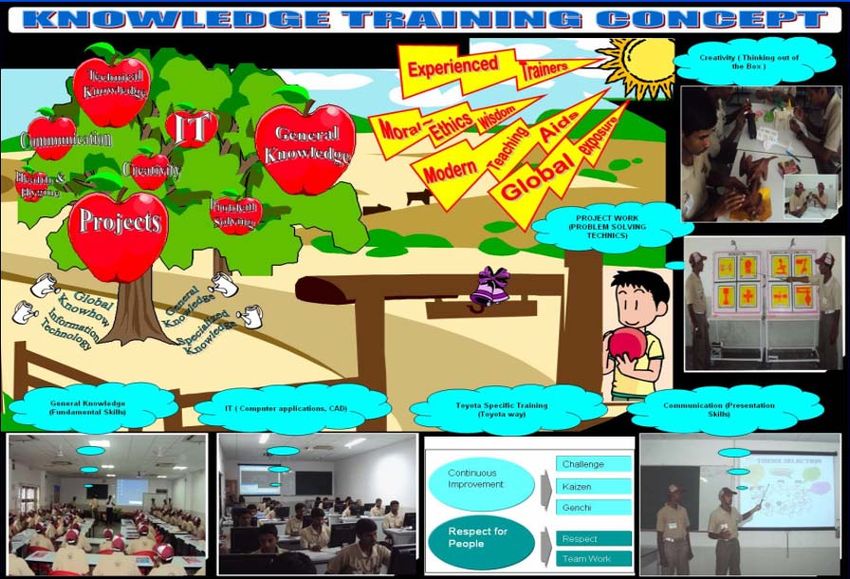
Who we are?

              2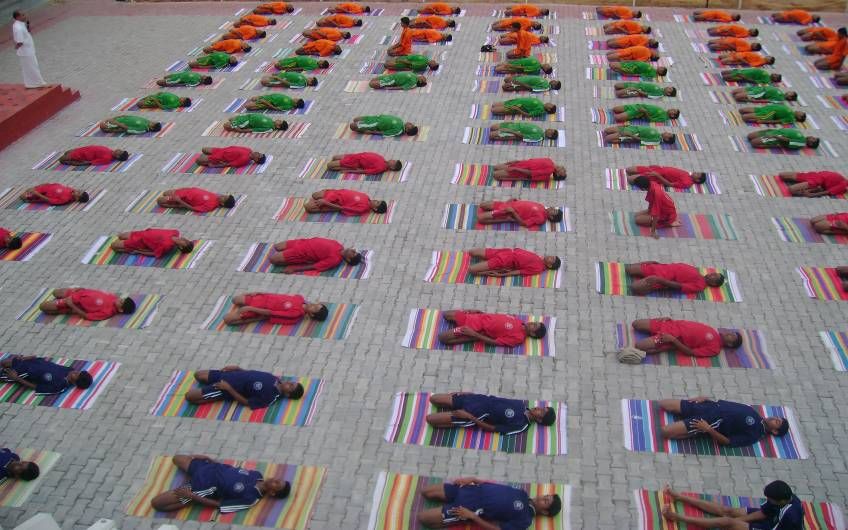
Kirloskar Group of India
     Toyota Motor Corporation of Japan
                                           Established on Oct. 6, 1997

                                         An initial investment of Rs. 900 crore

Toyota Kirloskar Motor ( TKM) Pvt Ltd is a subsidiary of
Toyota Motor Corporation( TMC) Japan. TKM was
established in the year 1997.

    Overview of Toyota Kirloskar Motor Private, Ltd.

                                   October 1997 (start of production:
    Established
                                   December 1999)
                                   Bidadi -Suburb of Bangalore,
    Location
                                   Karnataka, India
    Equity
                                   TMC: 89%, Kirloskar Group: 11%
    participation
    Initial
                                   INR 7 billion
    Investment
    Number of
                                   Approx. 7000
    employees

                                                                                                             3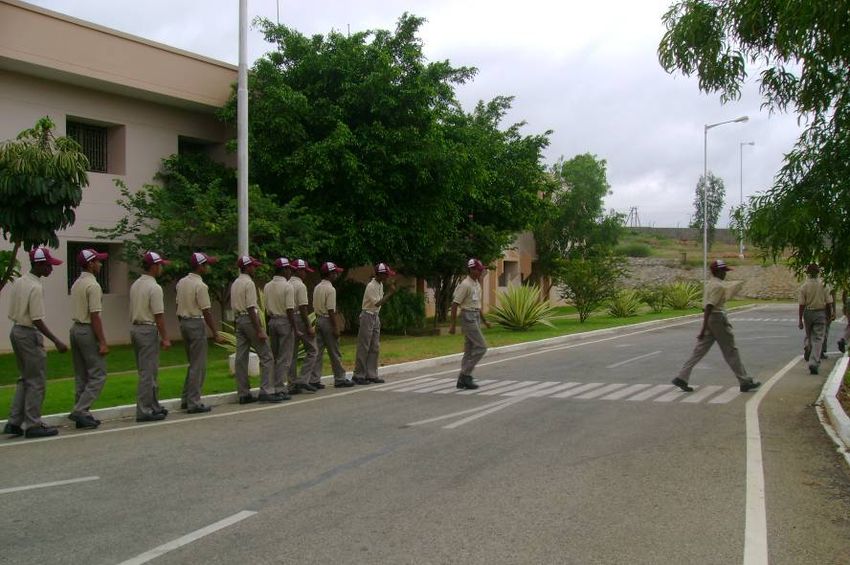
Located in the heart of Bidadi Industrial Area
Land Area: 432 Acres
Production Capacity plant 1:
90,000/Yr
Production Capacity plant 2:
1,20000/Yr
No. of Employees: 5000
( 97% are from Karnataka)
Plant 1, was established in 1997 and plant 2 , in 2010
.
TKM Production Structure
First half of
Jul-11 2013
2012
First Plant Annual production
80,000 90,000 100,000
capacity
Second Plant Annual production
80,000 120,000 210,000
capacity
Production total 160,000 210,000 310,000
Rs 898
Investment Aproximate Rs 275 crores
crores
4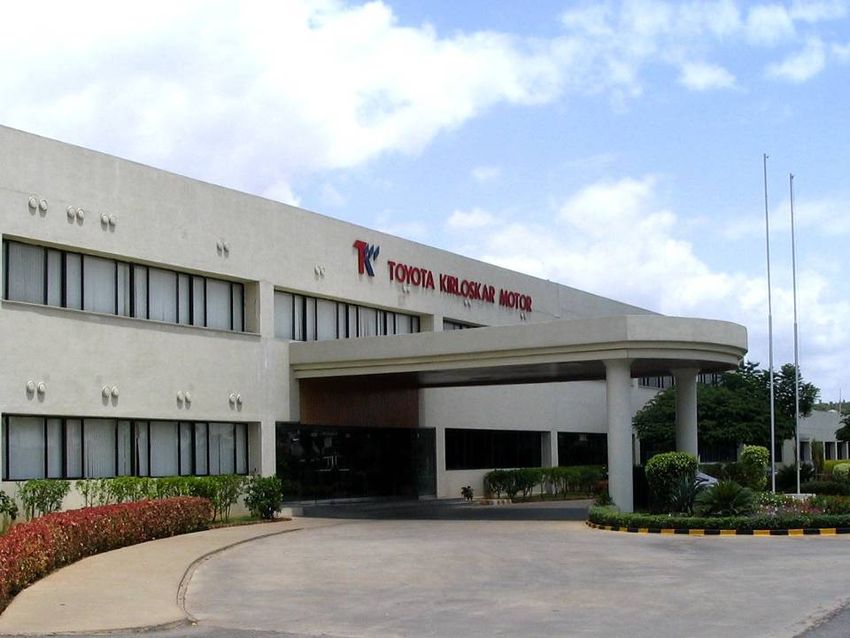
Toyota Motor Corporation of Japan   Kirloskar Group of India

            INNOVA                     COROLLA ALTIS

           FORTUNER                         SMALL CAR

At present we manufacture the above types of cars.

                                                                                           5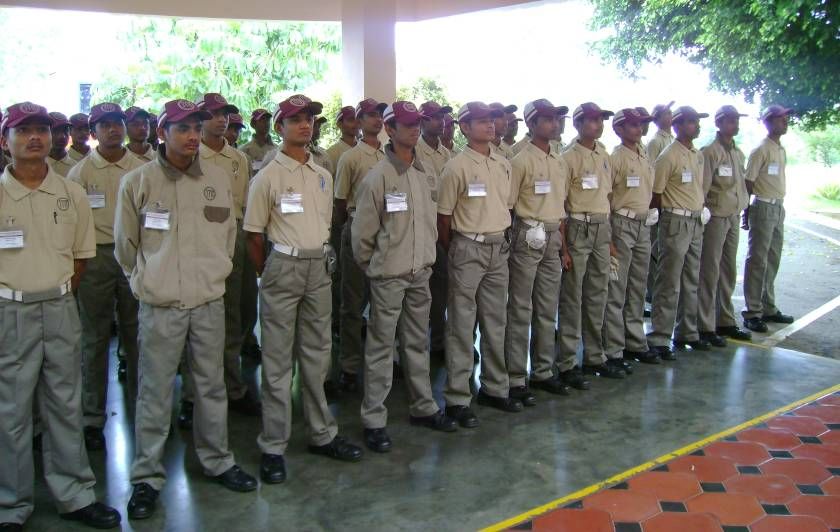
We Contribute to the local community via:

                                            Education
                                            1. TTEP ( in ITI s) : Technician Edu.
        Toyota Motor Corporation of Japan   2. TSEP (in Schools): Safety Edu        Kirloskar Group of India
                                            3. Environment
                                            Other Activities
                                            • Renovation of School Building
                                            • Renovation of Police Station
                                            • Construction of Water Tank

In addition to manufacturing cars, we also contribute to local
community via a) TTEP( Toyota Technical Training Education)
programee where in we identify good Industrial Training Institutes (
ITI s) in the country and upgrade their MMV ( Motor Mechanic
Vehicle) trade with training material, cut models, training of
trainers so that such training Institutes can improve the training
capability and also improve employability of students seeking job
in Industry. b) TSEP ( Toyota Safety Education Programme) where
school children are given awareness training on Traffic safety
through games.
c) Environmental awareness amongst employees & school children
by organising environmental day and painting competition. So far
1,25,000 saplings have been planted in the company premises and
by 2014, 5 lakhs saplings will be planted.
d) Other activities in a small way includes renovation of rural
school building, Police Station and construction of water tank.
In 2009 TKM bagged CII-ITC sustainability award for commitment to
environment & social contribution.
Note:
Toyota Kirloskar Motor Pvt Ltd , has recived CII-ITC Sustainability Awards
2009 :   Commendation for Significant Achievement Award 2) IIPM & The
Sunday Indian STATE EXCELLENCE AWARDS 2009 for Corporate Social
Responsibility                                                                                                 6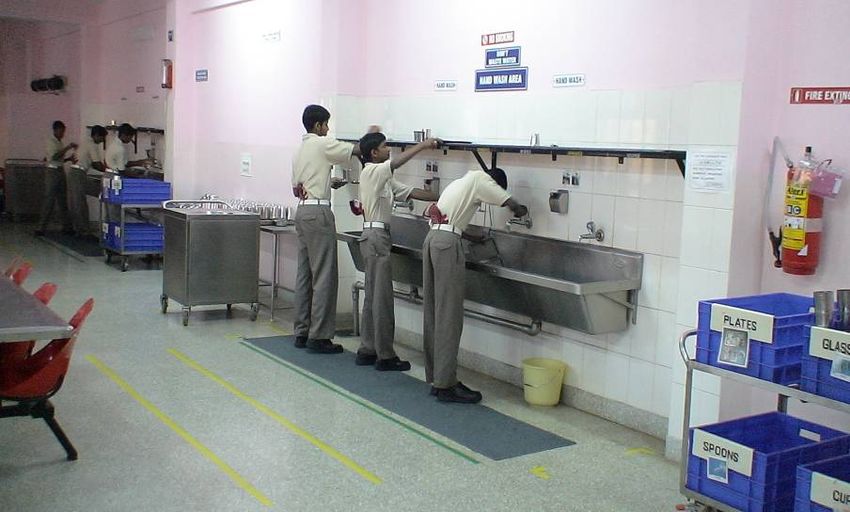
BACK GROUND FOR
ESTABLISHING TOYOTA
TECHNICAL TRAINING
INSTITUTE

                      7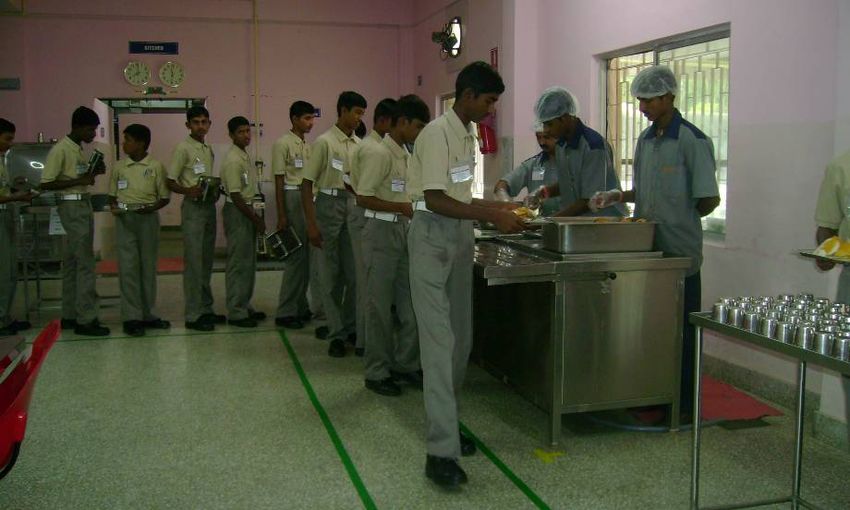
Why vocational training is necessary for
any country?
 • Imparting right Skill, Knowledge & Attitude are
   the driving force of economic growth & Social
   development for any country
 • Right skill inculcate dignity of labour, create
   greater awareness towards environment, safety
   and health concern
 • Right skill improves employability, productivity &
   living standard
 • Right Skill Strengthens competitiveness of the
   country

                                                        8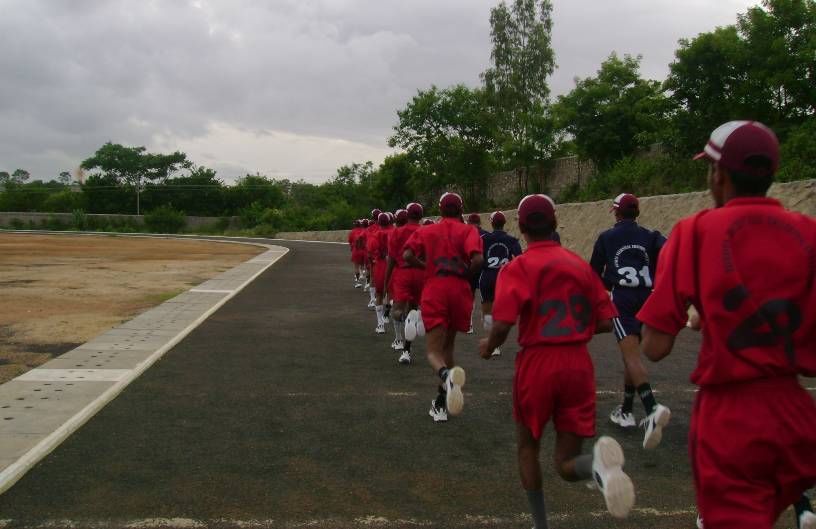
Why Human Development is important

                            RESOURCES
       Similar Technologies
                                       Only
       Similar Equipments
       Similar Processes
                                     difference
       Common Suppliers              is People

        “Only people can make a difference”

To day only difference between companies are its people
& their work culture. Other things like technology ,
equipment, manufacturing processes and component
supplier are almost same for all companies.
It is only people who can make a difference in producing
quality products at an affordable cost .

                                                           9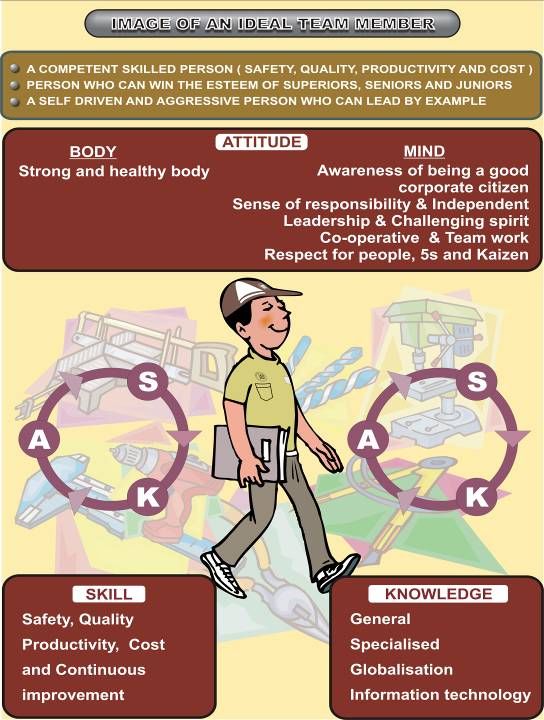
Indian Automobile Market ( Passenger car)
               3.5

               3.0
               2.5
     Million

               2.0
               1.5

                1.0

                0.5

                     0
                     80

                                      90

                                                                 05
                             85

                                               95

                                                        00

                                                                         10

                                                                                  14
                  19

                                   19

                                                              20
                          19

                                            19

                                                     20

                                                                      20

                                                                               20
               Employment potential in Auto & Auto Components: 25-30 million

Indian automobile market is growing rapidly. As per
industry estimate, this sector alone may provide
employment to about 25 million people by 2015. Hence
there is a huge demand for skilled technicians in the
country.

                                                                                       10
Whom you call a “Skilled Technician”
SAFETY
CONTINUOUS
QUALITY IMPROVEMENT COST
PRODUCTIVITY
A skilled technician is one, who can achieve
Safety, Quality, Cost, Productivity in his work. In
addition , he should also be a strong believer of
continual improvement .
11Problems with the Present formal Vocational Education System
Requirements Out put from formal Industry
education Expectations
Skill+ Safety
Skill Quality
Productivity
50%- 70%
Cost reduction
Continual Improvement
1.General Knowledge
Knowledge 2.Applied Knowledge
50%-70% 3.IT (Office Tools, CAD)
4. Simple economics
1.Stamina for long work
Attitude
Left to Individual family 2. Sense of responsibility,
(Body& Mind) 3. Team work,
background
4. Focused mind
5..Respect for seniors
This slide talks about the skill , knowledge and attitude
gap that exists between industry requirements and what
we normally get from formal education systems like
Industrial Training Institutes ( ITI), Polytechnic etc.
Hence, on one side there is a huge employment
opportunity in the country and on the other side there is
also huge unemployment. From the above slide it is clear
that students coming out of formal education system lack
knowledge and skill that is required to achieve Safety ,
Quality , Cost and Productivity (SQPC).
In addition , right attitude for work is missing amongst
employable students.
Keeping the above background in view we decided to
establish a model training institute with industry relevant
curriculum which can deliver industry ready technicians
from day 1. .
12Survey of High School Education in Karnataka( 2005-06)
10 std 50% Pass 75% Pre-Univ.
300,000 only 50%
800,000 400,000 pass
50% Fail 11% Diploma
44,000 only 40% pass
400,000
5% ITI
20,000 only 10% pass
Large number of students
can’t challenge 10% Work etc
higher education... ………. 40,000
Before deciding what target group of students our
Institute should admit , we conducted a survey to
find out where students go after passing their 10th
standard. ( i.e High School) We did this survey in
2005.
1.We found that about 10 % of High School Passed
students in Karnataka i.e about 40,000 can not take
up further education due to family circumstances
and financial constraints
2.Hence as a part of CSR activity of TKM, we
decided to admit only this category of students in
our Institute and make them employable with world
class skill training
3. The survey also found that most of the students
who drop out after 10th Std . comes from rural areas
of Karnataka
13PROJECT OBJECTIVE
14Objectives for establishing TTTI
• To provide free training & education to intelligent but
financially poor students from rural area & make them
employable
• To provide opportunity to acquire specialised automobile
manufacturing Skill as per industry requirement
• To develop leadership attributes through Toyota Way
discipline who can contribute to Indian industry
.
15COURSE OUTLINE,
CURRICULUM OUTLINE
TRAINING OUTCOME
16TTTI Course Outline
Training offered 1.Automobile Weld
2.Automobile Assembly
3.Automobile Paint
4.Plant Maintenance (Mechatronics)
Total Annual Intake 64 ( every year in July)
1. 10th Standard Pass in first attempt with
Entry Qualification minimum 50% in Maths, Science and
overall and < 18 years of age.
2. Should have studied from rural school in
Karnataka ( admission only for Karnataka
students)
3. Parents are economically poor and can
not afford further education
Training Period 3 Years ( 6 semester) offered free of cost,
with stipend & fellowship
This is the course outline of Training being offered by this
institute.
17Curriculum outline
Work Shop
Body & Mind General Training Shop Floor Training
3rd Year Discipline & Industrial (Off Job (On job Training)
Team Work Knowledge Trg) ( 20 weeks)
( 8 weeks)
Work Shop
Body & Mind General Shop Floor Training
2nd Year Training
Discipline & Industrial (On job Trg in Factory)
(Off Job Trg) ( 20 weeks)
Team Work Knowledge
( 8 weeks)
Workshop Training
Body & Mind General (Off Job Trg)
1st Year Discipline & Industrial ( 9 weeks)
Team Work Knowledge
B&M 33 %; Knowledge 26% ; Skill 41 %
This is the Industry Relevant curriculum adopted by TTTI.
It may be seen that 33% of the curriculum is devoted
towards Attitude Development ( Body & Mind
Development). This is one of the uniqueness of this
institute,
The break up of 3 years Knowledge , skill and Attitude
training is as under:
Knowledge 1680 hours
Skill 2560
Attitude 2096
--------------------------------------
Total 6336 hours
18TRAINING
OUT COME
At the end of 3 years training, the students should
become an ideal team member in the production line with
the above attributes. These are our expected training out
come
19TRAINING CONCEPT FOR
IMPLEMETING THE PROJECT
20This is a concept sheet for implementing Body & Mind
(Attitude building) Training.
We believe that the out come of good Body & Mind
Training should develop following attributes:
a) Team Spirit b) Sense of responsibility c) Challenging
mind d) Ready for tough job e) Respect for seniors and
peers f) Good corporate citizen ship.
The above objective shall achieved through:
a) Daily Yoga & Meditation b) Planned sports and extra
curricular activities c) regular physical fitness exercise
d) undertaking Social services to help the needy etc.
21This slide explains about the concept of developing right
knowledge amongst students.
We believe, in addition to imparting subject knowledge, it
is necessary to provide opportunity for students to
acquire general knowledge, use of IT tools, enhancement
of communication skill through seminars , mini project etc
22This slide is about the concept of imparting skill training.
We believe , skill training is incomplete without the
knowledge of Safety, Quality, Cost and Productivity.
Hence the training on aspects like Quality Circle, Work
place improvement / good house keeping called as 5 S,
Danger Prediction through critical eye, Time management
, Cost management , creative suggestion etc should
become a part of the skill training/
23Release to Industry as Ideal TM
1. A competent skilled person who can work with SQPC mind
2. A person who can win the hearts of Superiors, Seniors and Juniors
3. A self driven person who lead by Example
Healthy Body & Mind
•Ready for Tough Job
•Focused
Healthy
•Sense of Responsibility
Body & Mind
•Team Work Spirit ( Co operative)
•Initiativeness & Challenging Mind
• Taking earnest effort in all
matters INDUSTRY
Good Thinking
Knowledge Good Product
• General , Industrial & IT
• Awareness about Global
High Skill Broad & in-depth Economic Scenario
Knowledge
Skill
• Work place skill with Safety, Quality,
Cost & improvement
We believe after 3 years of rigorous training on Knowledge, Skill
and Attitude as per our implementation strategy/concept, the
student will become an ideal team member in the production line
with the above attributes.
24PROJECT DETAILS:
INFRASTRUCTURE
INVESTMENT
STUDENT SELECTION
PROCEDURE,
25T - TOYOTA
T - TECHNICAL
T - TRAINING
I - INSTITUTE
FIRST TECHNICAL INSTITUTE OF TOYOTA
ESTABLISHED OUTSIDE JAPAN
A Brief about TTTI:
TTTI was established in the year 2007. This is the only
technical institute of Toyota established outside Japan.
26TTTI INFRASTRUCTURE
1. Training Center : 2900 Sqm
4 Workshop cum Class room
1 Auditorium
8 independent class rooms
1 Library
1 Computer Room
2. Sports Ground : 25000 Sqm
400 M Track
Foot Ball
Basket Ball
Cricket
Sports
3. Dormitory : 2700 Sqm
140 room ( 280 Students),
4 Guest Room
Indoor Game
Dormitory
Gym
This slide is about TTTI Infrastructure. Total area allocated
to TTTI is 35000 SQ Meter.
27TTTI INVESTMENT
SL NO. INFRASTRUCTURE RS MILLION TOTAL
TRAINING CENTER 040
1 HOSTEL 055
SPORTS GROUND 015 110
2 EQUIPMENT 166 166
AVERAGE ANNUAL
3 RUNNING 024 024
EXPENDITURE
TOTAL 300
This slide is about TTTI investment as on July 2011.
28Student Selection
• Entrance Examination (in Maths, Science, English,Aptitude)
• Physical Test + Skill test + Interview
• Medical Check
Physical Test Skill Test Interview
Since we get large number of application ( 2000+ for 64
seats, ) Students are selected based on Entrance
Examination followed by Physical test ( which checks
students endurance) and Skill Test ( which checks
students hand and eye co ordination capability)
We also hold interview with the parents to asses their
financial status.
Selected students have to undergo medical check up
before being admitted to the institute.
29Training fee, Stipend etc
• Training fee: Nil
• * Stipend :Rs 1800/PM In First Year
Rs 2000/PM In Second Year
Rs 2200/PM InThird Year
* Deduct Rs 1500/PM towards boarding, lodging, uniform, Training material
+
• Fellowship : Rs 7000/Annum for securing > 70% in
Examination + Good Attitude
: Rs 9000 if >80% in Examination
+ Good Attitude
As part of CSR activity, we do not charge any training fee
to the students.
We pay monthly stipend as mentioned about.
In order to develop challenging ability amongst students,
we also award fellowship as per details given above . It
may be noted that fellowship is linked to display of good
attitude.
30ACTION PLAN FOR IMPLEMENTING
BODY & MIND TRAINING
( 3 years-120 weeks 2096 hours)
31A typical Day Activity of a trainee
6AM-9AM
9AM-4PM
4PM-10PM
A typical day activity of trainee will be as per details
given above.
1. 6-9 AM Morning activities
2. 9-4 PM Regular academic Training
3. 4-6 PM Sports and one day in a week Gardening
4. 8-10 PM Home work and study hours.
32Dormitory Room: An innovative approach
Get up at 5.45 A.M Make up the room Proceed for morning activity
Perfect room condition to be maintained 24x7 and 365
days. Here students are taught how to spread bed sheet,
how to fold mosquito curtain, how to keep their clothes
and books in spic & span.
Senior students should teach juniors and also undertake
audit of rooms at regular intervals. ( this develops sense
of responsibility amongst seniors). Each room is
occupied by one senior and one junior student
33Health Run ( 15 mins) from 6.0-6.15 AM
Every day 15 minutes health run is a must for all
students. This is a photograph of daily health run activity.
34Yoga ( 45 mins)- 6.15 to 7 AM
A senior student by turn will train others in various yoga
postures and meditation technique.
35Canteen ( break fast 8 A.M)
Line discipline to be maintained be it in canteen or work
place. Here seniors take part in serving others
36Plate Washing Area
Every students including staff , teachers should wash
their plates. spoon, tumbler and have to be segregated
and kept in the respective bins. Staff should lead by
example. A concept of good house keeping is
implemented through this activity.
37Ready to move for Training ( 8.40 AM)
Before a students leaves dormitory and proceed to
training session, they have to do certain activities like:
a) Attendance check
b) Health condition check
c) Uniform check
d) Finger Check
e) Receive any special instruction from the dormitory
staff
38Uniform
& Self Check
8.40 A.M
Checking of uniform and other items before proceeding to
training session. This ensures good time management
and sense of responsibility.
39Cultivating the habit of always walking in Safety path.
Once this becomes a habit, the boys will implement even
outside the campus/village/cities.
40Finger check at Junction
Cross the road through finger check to ensure nothing is
coming from left or right. This habit is required inside the
plant, to avoid accidents with the moving vehicles.
41Morning Assembly( 8.40 A.M to 9 A.M)
1. Human Relation Principle 2.Technical Term 3.Thought for the day
4. Word for the day 5. Experience sharing 6.News Reading
Morning assembly includes 3 minutes of stretching
exercise followed by:
a) Reading of Human Relation Principles b) Explaining
one technical term c) reading one difficult word and
making sentences) experience sharing by senior students
and News reading.
The objectives of these activities are a) Improving
communication skills of each students b) Sharing of
Knowledge c) Developing self confidence of students.
Every student of the institute gets at least 3 chances
/semester to come on the dais and speak.
425 S ACTIVITY( Every day 3.45 to 4 P.M at TTTI
6.45 to 7 P.M at Dormitory):
Developing critical eye for abnormalities
Here the concept of 5 S is implemented. This is a simple
Japanese tool for good house keeping through which a
student can understand abnormalities, danger condition
etc. This is a part of safety, quality, cost and productivity
improvement training. Once adopted as a habit , this
becomes tool for disciplined way of living in personal life
too. We expect the students to continue this habit
throughout his life time and also teach his
brothers/sisters and friends in their home town.
43Waste Segregation
Waste segregation training is an important activity from
environmental management point of view.
44Sports activities ( 4.30 PM to 6.30 PM)
Every day sports teaches them the concept of team work
and never give up attitude and builds stamina.
45TTTI STUDENTS PHYSICAL FITNESS TEST EVENTS
STANDING BROAD JUMP
PUSH UPS FOR CRUNCHES FOR BEEP TEST FOR GRIP TEST FOR BACK STRENGTH TEST
FOR EXPLOSIVE
SHOULDER STRENDTH ABDOMEN STRENDTH ENDURANCE GRIP STRENGTH FOR BACK STRENGTH
STRENGTH
PURPOSE PURPOSE PURPOSE PURPOSE PURPOSE PURPOSE
DEVELOP SHOULDER DEVELOP ABDOMEN DEVELOP OVERALL BODY WORK FOR LONGER TO DEVELOP BACK
TO KNOW GRIP STRENGTH
STRENGTH STRENGTH EXPLOSIVE STRENGTH DURATION WITHOUT FATIQUE STRENGTH
DEVELOP GRIP STRENGTH
HANDLE TOOLS WITHOUT DEVELOP OVERALL BODY IMPROVE CARDIOVASCULAR TO PREVENT BACK
AVOID OBESITY TO HANDLE THE TOOLS
FATIQUE REACTION ABILITY EFFICIENCY PROBLEM
WITHOUT FATIQUE
TARGET TARGET TARGET TARGET TARGET TARGET
1st YEAR 40 to 50 Push ups 1st YEAR 40 to 50 Abdomen 1st YEAR 1.75 to 2.00 meters 1st YEAR 9.5 to 10 Stages 1st YEAR 45 to 50 Kgs 1st YEAR 135 to 140 Kgs
2nd YEAR 50 to 60 Push ups 2nd YEAR50 to 60 Abdomen 2nd YEAR 2.01 to 2.25 meters 2nd YEAR 10 to 10.5 Stages 2nd YEAR 51 to 55 Kgs 2nd YEAR 141 to 145 Kgs
3rd YEAR 60 and Above 3rd YEAR60 and Above 3rd YEAR 2.50 meters and
3rd YEAR 10.5 and Above 3rd YEAR 56 and above 3rd YEAR 146 and above
Push ups Abdomen Above
This physical fitness test is conducted once in 2 months
to check students shoulder strength, abdomen strength,
explosive strength, endurance, grip and back strength.
This would help them to develop right stamina to stand
and work for 8 hours everyday in production line without
developing any back or leg pain.
46BODY & MIND TRAINING EVALUATION PARAMETERS
WHERE HOW
Attributes Health & Class room
Evaluation points
Sports Yoga /Dormitory
a) Does not frequently visit clinic
b) Does not frequently report accidents
a) Health & Physical fitness o o c) Maintains required physical fitness
d) Bright & Smiling face
a) Completes the assigned work on time ( assignment , Skill
activities etc)
W b) Does not loose items which are issued to him
b) Sense of Responsibility o o o c) Does not frequently absent for Morning or evening
H activities including attending classes
d) Has good control of senses ( Behaves properly as per
A TPO, Control on food, sleep, TV viewing)
a) Respect Seniors & Give thoughtfull consideration for
T juniors (Good Communication)
b)Value team work and mutual trust
c) Co operativeness o o o c)No rigid mind in carrying out assigned work
d) Not argumentative
e) Good in 4 S activities
a) Develops good Oral & Written Communication skill to
convince superiors & Sub ordinates
d) Leadership & Self
b)Propose action based on facts
Initiative challenging o o o c)Judge his own problem & Improve
mind
d)Work earnestlt to the best of his abilities
e) Can act according to Time ,Place & Occasion
SEMESTER SYSTEM How Much
1st Sem 406 Hrs ABSENTISIM RATING
ASSESMENT RATINGS
W 396 Hrs 1. >6 DAYS IN A SEM
2nd Sem 1. Undestand and appreciate the purpose of B&M Activities
H
3rd Sem 326 Hrs 2. Between 4 to 6 days
2. Can demonstrate with the support of instructors advise
E
4th Sem 326 Hrs 3. Between 2to 3 days
3. Can demonstrate on his own
N
5th Sem 326 Hrs 4. Maximun 1 day
4.Not only demostrate but also can help his collegues to
achieve it (Becomes a role model for others)
6th Sem 316 hrs
Dormitory staff and
WHO Trainers
respective class teachers
This is our evaluation sheet to evaluate students attitude. This is
evaluated on a monthly basis.
47ACTION PLAN FOR IMPLEMENTINGN
KNOWLEDGE TRAINING
( 3 years- 56 Weeks 1680 Hours)
48Class Room ( Knowledge Training) : 9AM - 3.45 PM
• English
• Japanese
• Science
• Mathematics
• Home Science
• Social Studies
• Engineering
Drawing
• CAD
• Work shop Cal.
• Trade Theory &
Practical
• Production Tech.
• Machine Design
• Automobile
• Elect &
Electronics
List of subjects being taught over a period of 3 years ( 56
weeks = 1680 Hours) are given above. Apart from basic
English, science mathematics and engineering subjects,
we teach Home management as subject so that they
should know the importance of family, social life, respect
for seniors, money management etc.
49TOYOTA SPECIFIC KNOWLEDGE TRAINING
1. TOYOTA VALUES
Toyota Way ( Continuous improvement and Respect for people)
Toyota Business Practice ( Problem solving technique)
2. SAFETY & ENVIRONMENT
Developing Critical Eye for abnormalities
Finger Cross ( Green Path, Finger Cross at Junction)
K Y T ( Danger Prediction)
Hiyarihato ( Near Miss)
Annual Safety Slogan / Quiz
Waste Segregation & Disposal & ISO 14001
6 S (Sorting, Systematic arrangement, Spic & Span, Standardise, Self Discipline, Kindness)
3. QUALITY
Creative Suggestion Scheme
Quality Circle
4. COST
Concept of 6 R ( Reduce, Reuse, Recycle, Refine, Reform, Repair)
5. PRODUCTIVITY
Standard Work
Toyota Production System
This is a Toyota specific Knowledge training on safety,
quality, Cost and productivity (SQPC). Each student will
undergo about 110 hours of training over a period of 3
years.
50Care for Safety & Health: An innovative approach
Sr No What happened Who Where When How
(Concern/Problem) (Location) (Time/Date)
Sr No Temp Measures By When Responsible Final By When
Person Measures
This ppt shows safety calendar and health card report.
Green colour indicates zero accident on that day. Red
colour indicates some accident took place on that day.
Down below is a format to be written by student in-
charge, whenever any accident happens. Here they
develop habit of problem solving by analyzing what
happened, how it happened and what temporary and
permanent measures to be taken so that such accidents
does not repeat.
51Giving training on
how to monitor and save
Scare resources like water,
Electricity in the training
Center. This is a training
on cost management.
The chart shown here
is on monthly consumption
of water and electricity in the
Dormitory.
Any excess
Consumption against target
Is analysed by students
And counter measures taken
52Training on
Creative
suggestion
Every student has to submit two suggestions per month.
This would help students to develop creative thinking
ability. Suggestions could be in the areas of workability
improvement, quality enhancement. cost reduction,
productivity improvement.
As part of motivation, Students are given cash award and
certificate for giving high value suggestion.
53DANGER
PREDICTION CUM
NEAR MISS
ACCIDENT
REPORT
With this training students develop critical eye for any
abnormalities and solve safety problems, be it in class
room, workshop, play ground or dormitory. All students
should submit at least one report per month.
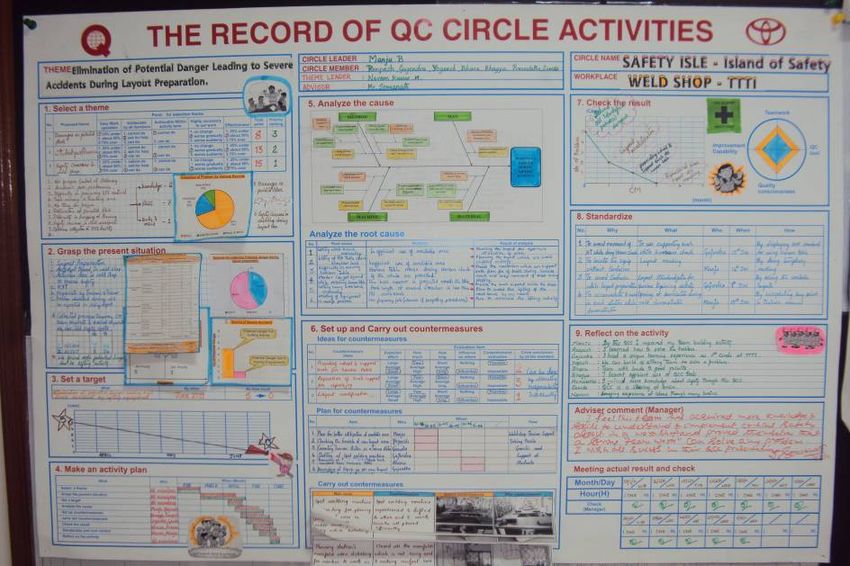
54This is a sample QC Circle activity done done by 3rd year
students.
55ACTION PLAN FOR IMPLEMENTING
SKILL TRAINING
( 3 years- 24 weeks 960 Hours)
56Fitting Workshop ( 1 week= 40 Hrs)
1.Car Model
2.Limit Switch
Safety wears
4s of area
THIS GIVES A VIEW OF ONE of THE WORK SHOP FACILITY
57Automobile Assembly ( 24 weeks)
1. Engine Disassembly
& Assembly
2. Drive Train
3. Steering System
4. Alignment &
Balancing
Fundamental Skill:
Safety
Bolt Tightening
Nut Tightening
Screw Tightening
Screw Grommet
Plug hole Grommet
Connector connection
Hose Connection
Flare nut tightening
58Automobile Paint ( 24 weeks)
1.Sealer Applications
2. Sanding
3.Spray Paint
4.Surface defects
a) Production Defects
b) Market Defects
Fundamental Skills:
Safety,
gun angle, Distance,
Speed, Posture
59Mechatronics ( Plant Maintenance)24 weeks
Basic Wiring
Motor Fundamentals
Sequencing
Machine Structure ( gears mechanism)
Hydraulics
Pneumatics
PLC
Sensors
Robot
Electronics,
Fundamental skills:
Safety,
Colour Code, Earthing, soldering,
welding, plate making
60Automobile weld ( 24 weeks )
1. Shielded metal ARC
2. Gas( co2)
3. Metal Inert Gas ,
4. Tungsten Inert Gas
5. Brazing
6. Resistance (spot)
Fundamental skill:
Safety,
Arc gap, Angle, speed
61EVALUATION STANDARD FOR SKILL ATTAINMENT
Updated On: / /
Issued On: / /
PURPOSE To Confirm the Student Target Achievement 100 Scoring std 10 20 30 40 50
1 Use for feed back for further improvements 80 above 4 10 19 above 28 above 37 above 46 above
2 Material for student Management 70~79 3 9 17~18 25~27 33~36 41~45
3 For Scholarship judgement 60~69 2 8 14~16 21~24 27~32 34~40
No error and missing word
improvement to
improve life. Always ensure 4's and Not Only consumes material
Kaizen to improve by Self but applies Kaizens
Finds KY with support
Good Time Management and close and follow
rules Can give some Suggestion
Never deviates and use time for >Layout is good
and follow all rules.
Standard Work improvement after
request Maintain Good Health
reactive to improvement Good Control in all the
3 ( Good Communication >Layout is good
activities cannot find self
Can Do GOOD 70 ~ 79% 81 ~ 90% with other Students and
improvement points but can
Individual) Trainers
implement
>Important points are
Always handle as per Punctual at all times Always ensure 4's and Consumes material emphasized well.
instruction reactive for Utilization implement others Kaizen appropriately .
>Brief Clear and Easy.
Follows all rules.
Follow Standard Work Follows Safety rules
Good Time Management
2 ( at most of time with follow up Adequate Communication
Good Control in all the > All important points are
Can do with AVERAGE 60 ~ 69% 66 ~ 80% with other Students and
Handle as per activitities with support. mentioned.
trainer) Maintain Good Health Trainers
Instructions with Punctual at all the Times Consumes Material
support. Always Does 4's appropriately with follow up
Finds difficult to Safety rules miss
Understand deviation Exceeds Time by 10% to Frequently violate the rules.
> There is lack of content.
in following and not 20% Few Occasion not
1 follows Healthy Finds difficult to
(Still POOR 50 ~ 59% 51 ~ 65% Difficult to Control activities Communicate and putting
learning) forward ideas
Handles equipment Not Punctual at Most of Not Consistent in Careless in consuming
> There is no point in report
carelesslly. Times practicing 4's materials.
This is the evaluation sheet during skill training. Students
are evaluated on the following aspects:
1) Working Method
2) Time management
3) Quality of work
4) Safety management
5) Team work
6) Communication
7) Cost management
8) Knowledge test
62AN INNOVATIVE APPROACH
S
A
M
P
L
E
W
O
R
K
S
H
O
P
R
E
P
O
R
T
S
This is a sample daily report, written by each student after
undergoing skill training. All students should write their
report only in Engineering Script and also should explain
using free hand drawing
63W
O
R
K
S
H
O
P
M
O
D
E
L
S
2nd Sem
These are sample sheet metal models done by the
students.
64ON THE JOB TRAINING AT
PLANT
( 2 years- 40 Weeks @ 10 weeks/semester
1600 Hours)
Students are deputed to plant training from 2nd year
starting from 3rd Semester. This will be 40 weeks training
@10 weeks/semester.
The basic thinking way of skill training is that each
student should knowledge training followed by basic
practical training in the training center before going to the
plant training.
6540 weeks( 1600 Hrs)
@10 weeks/semester
SKILL: Shop Floor ( On the Job Training)
Weld
Paint
Assembly Maintenance
This ppt shows students undergoing plant training in
their respective trade area.
66TTTI STUDENTS - ON JOB TRAINING EVALUATION
Evaluation Method Self Evaluation ( Student ) - indicate level of understanding by circle ( o ) Appraiser - Indicate the level achived by tick mark ( )
SEMESTER TRADE BATCH
Weeks 1 2 3 4 5 6 7 8 9 10
Training period
Process/Area
Student Details
Skill Content
Group Leader
Trainer
Attendance 1 2 3 4 1 2 3 4 1 2 3 4 1 2 3 4 1 2 3 4 1 2 3 4 1 2 3 4 1 2 3 4 1 2 3 4 1 2 3 4
A
T Discipline 1 2 3 4 1 2 3 4 1 2 3 4 1 2 3 4 1 2 3 4 1 2 3 4 1 2 3 4 1 2 3 4 1 2 3 4 1 2 3 4
T
I
Adaptability 1 2 3 4 1 2 3 4 1 2 3 4 1 2 3 4 1 2 3 4 1 2 3 4 1 2 3 4 1 2 3 4 1 2 3 4 1 2 3 4
T
U
D Team work 1 2 3 4 1 2 3 4 1 2 3 4 1 2 3 4 1 2 3 4 1 2 3 4 1 2 3 4 1 2 3 4 1 2 3 4 1 2 3 4
E
Health 1 2 3 4 1 2 3 4 1 2 3 4 1 2 3 4 1 2 3 4 1 2 3 4 1 2 3 4 1 2 3 4 1 2 3 4 1 2 3 4
Overall ( Avg )
PHOTO
Suggestion 1 2 3 4 1 2 3 4 1 2 3 4 1 2 3 4 1 2 3 4 1 2 3 4 1 2 3 4 1 2 3 4 1 2 3 4 1 2 3 4
K Safety 1 2 3 4 1 2 3 4 1 2 3 4 1 2 3 4 1 2 3 4 1 2 3 4 1 2 3 4 1 2 3 4 1 2 3 4 1 2 3 4
S
N
K
O
I Quality 1 2 3 4 1 2 3 4 1 2 3 4 1 2 3 4 1 2 3 4 1 2 3 4 1 2 3 4 1 2 3 4 1 2 3 4 1 2 3 4
W
L
L Productivity 1 2 3 4 1 2 3 4 1 2 3 4 1 2 3 4 1 2 3 4 1 2 3 4 1 2 3 4 1 2 3 4 1 2 3 4 1 2 3 4
&
Cost 1 2 3 4 1 2 3 4 1 2 3 4 1 2 3 4 1 2 3 4 1 2 3 4 1 2 3 4 1 2 3 4 1 2 3 4 1 2 3 4
Overall ( Avg )
NAME Comments
Sign ( STU )
STU NO
Sign ( GL )
While students are “on the job training “ in the plant, the
trainer in the plant will make a weekly report of student
performance. They should score minimum 3 to be
declared as passed from that process training.
The students evaluation is done on quarterly basis:
1. Attendance
2. Punctuality
3. Skill Attainment
4. Discipline
5. Adoptability
6. Team Work ( SQPC)
7. Stamina
8. Kaizen mind
67Conclusion:
In this way, a student completes
his 3 years ( 6333 hours) training
and becomes an industry ready
technician from day 1..
68INDUSTRY FEED BACK ON
PERFORMANCE OF FIRST
BATCH i.e 2010 PASSED
STUDENT
In order to asses the quality of performance of TTTI
passed students in industry, we asked the concerned
supervisor in the industry to rate our students
performance vis-à-vis an equally qualified student from
other institute ( Industrial Training Institute-ITI).
The ratings used are
Poor 1
Average 2
Good 3
Excellent 4
69This is feed back form taken from
industry where our students are
working for the past 1 year. The
concerned supervisor was asked to
rate TTTI alumni performance with
non TTTI ( i.e from other
educational institution like Industrial
Training Institute-ITI) alumni
working in the same grade and
period.
Ratings: 1 poor, 2 Average, 3 Good
4 Excellent
From the evaluation sheet it is clear
that TTTI students are performing as
per TTTI training outcome
expectations.
70THANK YOU
71You can also read


