A new generation of multi-functional cancer immunotherapies - March 2019 - PDS Biotechnology
←
→
Page content transcription
If your browser does not render page correctly, please read the page content below
A new generation of multi-functional
cancer immunotherapies

March 2019

Forward-Looking Statements
This presentation contains forward-looking statements about Edge Therapeutics, Inc. (“Edge”) and PDS
Biotechnology Corporation (“PDSB”), and their respective businesses, business prospects, strategies and
plans, including but not limited to statements regarding anticipated preclinical and clinical drug
development activities and timelines and market opportunities. All statements other than statements of
historical facts included in this presentation are forward-looking statements. The words “anticipates,”
“may,” “can,” “plans,” “believes,” “estimates,” “expects,” “projects,” “intends,” “likely,” “will,” “should,” “to
be,” and any similar expressions or other words of similar meaning are intended to identify those
assertions as forward-looking statements. These forward-looking statements involve substantial risks and
uncertainties that could cause actual results to differ materially from those anticipated.
Factors that may cause actual results to differ materially from such forward-looking statements include
those identified under the caption “Risk Factors” in the documents filed by Edge with the Securities and
Exchange Commission from time to time, including its Annual Reports on Form 10-K, Quarterly Reports
on Form 10-Q and Current Reports on Form 8-K. You are cautioned not to place undue reliance on these
forward-looking statements, which speak only as of the date of this presentation. Except to the extent
required by applicable law or regulation, neither Edge nor PDS undertakes any obligation to update the
forward-looking statements included in this presentation to reflect subsequent events or circumstances.

                                                                                                                    2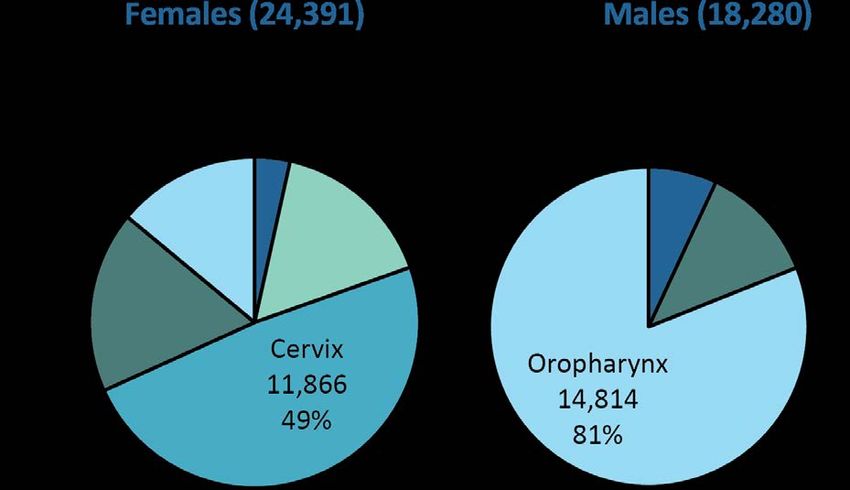
Other Important Information
In connection with a proposed strategic merger, Edge has filed relevant materials with the Securities and Exchange
Commission (SEC), including a registration statement on Form S-4 that contains a proxy statement and prospectus. Investors
may obtain the proxy statement/prospectus, as well as other filings containing information about Edge, free of charge, from
the SEC's Web site (www.sec.gov). In addition, investors and securityholders may obtain free copies of the documents filed
with the SEC by Edge by directing a written request to: Edge Therapeutics, Inc. 300 Connell Drive #4000, Berkeley Heights,
NJ 07922, Attention: Corporate Secretary or delivered via e-mail to investors@edgetherapeutics.com. Investors and
securityholders are urged to read the proxy statement, prospectus and the other relevant materials before making any voting
or investment decision with respect to the merger.
This communication shall not constitute an offer to sell or the solicitation of an offer to sell or the solicitation of an offer to buy
any securities, nor shall there be any sale of securities in any jurisdiction in which such offer, solicitation or sale would be
unlawful prior to registration or qualification under the securities laws of any such jurisdiction. No offering of securities shall be
made except by means of a prospectus meeting the requirements of Section 10 of the Securities Act of 1933, as amended.
Participants in the Solicitation
Edge and PDSB and their respective directors and executive officers and certain of their other members of management and
employees may be deemed to be participants in the solicitation of proxies from the stockholders of Edge in connection with
the proposed transaction. Information regarding the special interests of these directors and executive officers in the merger is
included in the proxy statement/prospectus referred to above. Additional information regarding the directors and executive
officers of Edge is also included in the Edge Annual Report on Form 10-K for the year ended December 31, 2018, filed with
the SEC on February 21, 2019. These documents are available free of charge from the sources indicated above.

                                                                                                                                          3
PDS Biotechnology Corporation (PDSB)

• PDS Biotechnology Corporation (Princeton, NJ; Private) and Edge Therapeutics, Inc.
  (Berkeley Heights, NJ; Nasdaq: EDGE) have agreed upon a merger, subject to Edge
  stockholder approval and the satisfaction of certain other conditions precedent
• The combined company will be based in NJ, and will operate as PDS Biotechnology
  Corporation (Nasdaq: expected symbol PDSB)
   ‒ Merger close expected mid-late March 2019
   ‒ Focus on developing Versamune®-based immuno-oncology products
   ‒ PDS has operated as a private company since 2007
• Following the merger, PDSB’s profile will be:
   • Clinical-stage company with upcoming potential registration & Phase 2 studies
   • 10 full-time employees based in NJ

                                                                                       4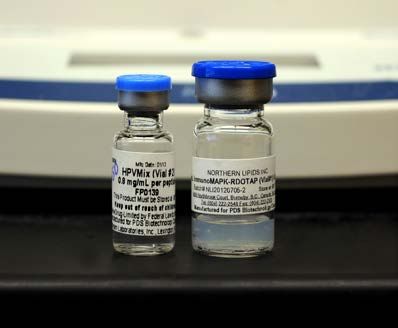
Investment Highlights

     PDS                      •    Clinical stage biotechnology company developing pipeline of novel cancer
                                   immunotherapies based on proprietary Versamune® platform
Biotechnology
                              •    Versatile T-cell-activating platform developed to treat early- & late-stage cancers
  Versamune®                  •    Early clinical data and preclinical studies suggest potential for best-in-class
    Platform                       combination of efficacy, potency, and safety
                              •    Well-tolerated subcutaneous administration using off-the-shelf product

                              •    Powerful CD8+ and CD4+ T-cell responses confirmed in Phase 1/2a clinical study
                              •    Targeting multiple indications in >$6 billion HPV cancer market*
  Lead Asset                  •    PDS0101 clinical studies projected to start Q4 2019:
   PDS0101                          ‒ Potential registration CIN 2/3 monotherapy study
                                    ‒ Phase 2 combination with Keytruda® in first-line head and neck cancer
                              •    Multiple additional Phase 2 monotherapy and combinations studies planned

     Funding                  •    ~$25 million in projected cash, as of expected merger close in March 2019
* Cervical cancer treatment market size, Share & Trends Analysis Report, Dec. 2018, Grand View Research
* Head and neck cancer market size, March 2018, Grand View Research

                                                                                                                         5
Projected 2019 Key Milestones
1Q 2019: Completion of PDS Biotechnology – Edge Therapeutics merger
✓
1Q 2019: Submission of publication on Versamune® mechanism of action
2Q 2019: Submission of publication on results of PDS0101 Phase 1 clinical study
4Q 2019: Initiation of CIN2/3 registration study
4Q 2019: Initiation of partnered (Keytruda®) Phase 2 head and neck cancer study
4Q 2019: Initiation of 2nd partnered Phase 2 study in advanced HPV cancers
6Post-Combination Management Team
Frank Bedu-Addo, Andrew Saik Lauren V. Wood, Gregory Conn, Brad Middlekauff
PhD MD PhD
Chief Executive Officer Chief Financial Officer Chief Medical Officer Chief Science Officer Chief Legal Officer
Medarex
Cooley
• Strategy & managed • >20 years of • >30 years of • Co-founder • >20 years of
execution at both large experience in translational clinical • >35 years of drug experience in biotech
pharma & biotechs pharma & drug research experience development • In-depth experience
• Notable drug development • Former Clinical experience with corporate
development: • In-depth experience Director of the Vaccine • In-depth experience governance, business
Abelcet®
(Liposome with M&A Branch within the with biotech drug development and
Company/ Elan) transactions, capital Center for Cancer discovery, product intellectual property
markets, and Research, National development and strategies
PEG-Intron® (Schering- investor relations Cancer Institute
Plough/ Merck) manufacturing
7PDSB Board of Directors
Board of Directors Affiliation
Robert Spiegel, MD, FACP
Former CMO
Chairman
Sir Richard Sykes, PhD Former CEO & Chairman
De Lyle Bloomquist Former Global President
Gregory Freitag General Counsel, SVP BD, BoD
James J. Loughlin Former Partner
Frank Bedu-Addo, PhD CEO
Andrew Saik CFO
Sol J. Barer, PhD
Former CEO & Chairman
Advisor to the Board*
* Dr. Barer is expected to serve as an advisor to the board of directors
8Developing Broad Product Pipeline with Leaders in I-O
Product Indication Partner Combination Status
Cervical pre-cancer Start Potential Registration
Monotherapy
CIN 2/3 Study 4Q 2019*
Head & neck cancer
First line treatment Keytruda® Start Phase 2 4Q 2019*
Recurrent/metastatic
PDS0101
(HPV) Novel checkpoint
Advanced HPV cancers Confidential
inhibitor
Start Phase 2 4Q 2019*
Cervical cancer
Stage IIb-IVa
Chemotherapy Phase 2 ready
Anal pre-cancer
AIN 2/3
Monotherapy Phase 2 ready
PDS0102 Prostate and breast
(TARP) cancers
Checkpoint inhibitor Preclinical
PDS0103 Ovarian, colorectal,
(MUC-1) lung, breast cancers
Checkpoint inhibitor Preclinical
PDS0104
(Melanoma)
Melanoma Checkpoint inhibitor Preclinical
* These clinical studies are expected to be initiated with funding currently available to the combined company
9Clinical Strategy: Establish PDS0101 Market Leadership
and Validate Versamune® Platform
• Potential for market-leading potency, efficacy, and safety
CIN 2/3 • Phase 1/2a study demonstrated in-vivo induction of HPV-specific killer T-
Precancer cells (CD8+)
‒ Potentially overcomes limitation of currently available immunotherapies
to generate clinically relevant levels of CD8+ cells in humans
First Line
Recurrent/Metastatic • Combination with Keytruda® (approved as monotherapy for HNC)
Head & Neck Cancer • Potential for HNC leadership position
(HNC)
• Combination study with chemotherapy standard of care (cervical cancer)
Other Potential • Combination with Phase 2 next-generation checkpoint inhibitor that
Studies in Advanced
demonstrated superior early-stage human efficacy data
HPV Cancers
‒ Preclinical combination data demonstrated superior anti-tumor activity
‒ Potential best-in-class I-O therapy across multiple cancer indications
10Projected Clinical Milestones
2019 2020 2021 2022 2023
Q4 Q1 Q2 Q3 Q4 Q1 Q2 Q3 Q4 Q1 Q2 Q3 Q4 Q1
CIN 2/3 Registration - Monotherapy
Precancer 150 Subjects
First Line
Recurrent/Metastatic Phase 2 - Combination
Head & Neck Cancer 85 Subjects
(Partner: Merck & Co.)
Advanced HPV Cancers Phase 2 - Combination
(Partners: NCI &
Confidential) 56 Subjects
Interim analyses will be included in the CIN2/3 and head and neck cancer studies, with sample size and timing to be determined
11Differentiated Versamune® Platform Activates Key I-O Pathways
Mechanism of Action Overcomes Critical Limitations of Current Immunotherapies
To Induce Sufficient Levels of Active Tumor-Targeting Killer T-cells In Vivo
Effectively Stimulates Makes Induces
trains killer T- and tumors more memory
cells to attack multiplies vulnerable to immune
cancer killer T-cells T-cell attack response
• Positively charged nano- • Activates powerful & • Significantly increases • Memory T-cells allow
particles designed to targeted T-cell ratio of CD8+ T-cells to the body to generate
overcome known I-O response via localized immune-suppressive tumor attacking T-cells
inability to access critical stimulation of type I regulatory T-cells for an extended time
MHC Class I pathway interferon (IFN) genes (Treg) period after treatment
Attributes of Current Immuno-Oncology Technologies
• Versamune® • Versamune® • Versamune® • Versamune®
• CAR-T (ex vivo only) • STING activators • Checkpoint inhibitors • Vaccines (limited)
• Vaccines (limited) • CAR-T
12Versamune® Potential: Best-in-Class In Vivo
Induction & Activation of Tumor-Targeting CD8+ T-Cells
Destabilizes cell endosomes Broad range of possible
• Allows antigens to access MHC Class I Pathway applications in oncology by
• MHC Class 1 access necessary to activate CD8+ activating targeted immune
killer T-cells responses with a wide range
Induces localized upregulation of type I interferons of tumor antigens
within lymph nodes (not in blood)
• Results in potent activation of CD8+ T-cells –
without risk of cytokine storm / systemic toxicity
Increasing ratio of CD8+ to immune suppressive cells
breaks tumor immune tolerance (tumor’s ability to Monotherapy: potent efficacy
suppress attack)
Combinations: strong synergy
Confirmed induction of memory T-cells with checkpoint inhibitors
Manuscript on mechanism of action submitted to Journal of Immunology by PDS in early 2019
13Lead Phase 2 Clinical Product: PDS0101
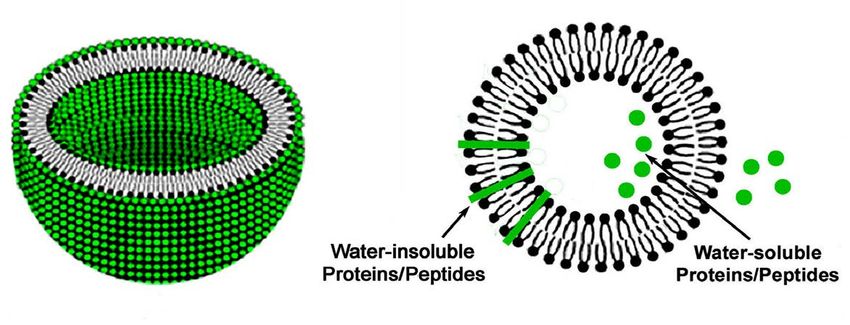
• PDS0101 is comprised of two separate component vials, mixed at bedside: one of
Versamune®, and another containing a proprietary mixture of six HPV proteins
– Subcutaneous injection, using off-the-shelf product
• Efficacy is expected to be independent of patient genetic make up
– Patient T-cell responses in preceding Phase 1/2a clinical study were independent
of genetic sub-type (HLA)
• Results of Phase 1/2a clinical study in 12 subjects infected with high risk strains of
HPV and Cervical Intraepithelial Neoplasia (CIN):
– Induced high levels of circulating & active HPV-specific killer T-cells
– Strong killer (CD8+) and helper (CD4+) T-cell responses
– Confirmed induction of memory T-cells
– Excellent safety profile
14Unique PDS0101 Formulation Presents Advantages in
Efficacy, Manufacturing, and Administration
Vial of Vial of
HPV Peptides Versamune®
Vials PDS0101 Formulation
By Electron Microscopy
Mixed Bedside
Proprietary HPV
Versamune® Peptide Antigens
15Superior PDS0101 Preclinical Activity Vs.
Published I-O Data in HPV Pre-cancers
All Companies Have Reported Strong Human Clinical Data
Inovio* ISA** Genexine*** PDS
Antigen Technology DNA Peptides DNA Peptides
Method of administration Electroporation Subcutaneous Electroporation Subcutaneous
Preclinical regression of Partial Complete
No** No***
advanced/large TC-1 tumors (3 doses)* (Single dose)
Preclinical CD8+ T-cellsRationale for Development of PDS0101
Potent Ability to Eliminate HPV-Positive Tumors in Preclinical Studies as a Result of
Excellent In-Vivo Induction of CD8+ (Killer) & CD4+ (Helper) T-cells & Infiltration into Tumors
1500
N a iv e
PD S0101
• PDS0101 (Versamune® + HPV16)
T u m o r v o lu m e ( m m )
1250
uniquely induces complete
3
H PV16+G M C SF
H PV16+Suc
regression of HPV-positive TC-1
1000
tumors vs. clinical adjuvant GM-CSF
750 • PDS0101 induces potent memory T-
cell induction, thus preventing
500
Single treatment
establishment of new tumors when
Vacdose
c in a tio n
challenged by additional tumor cells
250 on Day 50
0
0 5 10 15 20 25 30 35 40 45
D a y s P o s t T u m o r Im p la n t
17Rationale for Combination of Versamune®
with Checkpoint Inhibitors (aPD1/L1)
Excellent In-Vivo Induction of CD8+ (Killer) T-cells Leads to Strong Synergy with anti PD-1
Antibody in Melanoma Preclinical Studies - Resulting in Significantly Prolonged Survival
4000
N a iv e **
3500 α PD 1m Ab • PDS0104 (Versamune® + melanoma
T u m o r v o lu m e (m m )
3
3000 V e rs a m u n e ® - M e la n o m a antigen) induces strong in-vivo
V e rs a m u n e ® - M e la n o m a + α P D 1 m A b
2500
CD8+ T-cell response and ability to
** inhibit progression of highly
2000 immuno-suppressive B16 tumors
1500
• PDS0104 in combination with αPD1
1000 leads to further enhanced tumor
Treatment started
500
inhibition and survival
0
0 5 10 15 20
D a y s P o s t T u m o r Im p la n t
18PDS0101 Phase 1/2a Dose Escalating Study
Over 20-Fold Increase in HPV-Specific CD8+ T-Cell Responses
Versus Pre-Treatment Levels at Recommended Clinical Doses
10mg Killer T-Cells (CD8+) 18x Clinical Study Design
Total T-Cells 26x • Open-label study
Dosage
• Cervical Intraepithelial Neo-
3mg 21x plasia (CIN) & high-risk HPV
24x • 3 cohorts, each 3-6 subjects
• Evaluated safety, tolerability
1mg 3x & pharmacodynamics
14x
0 5 10 15 20 25
Days
• Strong & Measurable In-Vivo Induction of HPV-Specific Killer T-cells 14-19 Days Post-Treatment
• Defined dose for Phase 2 and Registration Studies
19Worldwide Burden of Cancer Attributable to HPV
Based on Data Collected in 2012*
Incidence in Vulvar/
Thousands Anal Cervical Head & Neck Penile Vaginal
Asia 17.1 278.0 12.0 5.9 6.3
Europe 6.9 58.0 13.8 2.7 5.1
Latin America 2.9 69.0 1.3 2.0 2.5
N. America 4.5 14.0 8.9 1.1 3.3
World 35.0 530.0 37.5 13.0 20.0
• Incidence of HPV-related head and neck cancer increased by >200% over last two decades;
projected to continue to rise**
• Anal cancer incidence increasing by ~2.2% annually; >50% of anal cancers HPV16 positive***
* de Martel et al, Int. J. Cancer: 141, 664–670 (2017) – figures in thousands
** Hoffman-Ruddy, et al., J Women’s Health Care 2015, 4:2; National Cancer Society (2014) Oral and Oropharyngeal Cancer
***Grulich et al, Sexual Health 9(6) · September 2012
20HPV Market – United States*
HPV Experts Project Current HPV Preventive Vaccines to have Little Impact
on HPV-related Cancer Incidences for Several Decades**
Annual Incidence Annual Incidence
Female Male
• Incidence
– ~43,000 HPV-associated cancers
– ~300,000 CIN2/3 annually
• Cervical cancer
– Most common HPV-cancer in women
– Incidence steady
• Oropharyngeal cancers
– Most common in men
100% = 24,391 100% = 18,280
* CDC Data Brief, August 2018 – based on data collected 2011-2015
** 2016 Report by Dr. Laurie Markowitz, Epidemiologist, U.S. Centers for Disease Control and Prevention
21Key Takeaways From PDS0101 Phase 1/2a Clinical Study
• Strong correlation between preclinical animal
data and human data
– Strong and measurable in-vivo induction of Proceed into
HPV-specific killer T-cells 14-19 days after multiple PDS0101
treatment Phase 2
– Induction of a memory immune response monotherapy and
combination studies
• Defined dose for registration study
• Favorable safety profile
22PDSB Intellectual Property (Versamune®-Related Products)
PDSB IP Strategy Provides Multiple Layers of Technology and Product Protection
• Versamune® and associated patents 100% owned by PDS
• Four issued US patents, valid from 2025 – 2033
• Five issued international patents (including Europe & Japan)
• 10 total patent families – provides possible protection of products through 2038
• Patents cover compositions/formulations and methods of use
23Post-Combination Operational/Financial Overview
• PDSB will continue operations in NJ with approximately 10 employees
• Approximately $25M of net cash* projected as of expected merger closing
• Cash on hand expected to be sufficient to fund operations into Q4 2020
• Additional funds required to pursue further clinical milestones in 2021-2022
* Net of merger transaction expenses, employee severance, and certain other near-term payables
24Summary: Differentiating Versamune® Technology
Presents Potential to Address Key I-O Limitations
Checkpoint Cancer
Inhibitors CAR T-cells Vaccines Versamune®
Induction of CD8+ ✓ X ✓
X
(killer) T-cells Ex-vivo Limited In-vivo
Overcome tumor
immune suppressive ✓ X X ✓
mechanisms
✓
✓
Induction of
X X Predominantly
memory T-cells
CD4+
Systemic Low to
Medium High Low*
toxicity risk Medium
* Based on preclinical toxicology and efficacy studies and Phase 1/2a clinical data
25What Makes Versamune®
The Next Generation Cancer Immunotherapy?
• Potential best-in-class activation of tumor-targeted CD8+ T-cells
– Stimulating a successful immunologic anti-tumor response requires the following:
Ability to present variety of antigens via MHC Class I Pathway
Ability to prime the right phenotype of T-cells, tumor-specific killer T-cells (CD8+)
Induction of right phenotype of highly active multi-cytokine-inducing CD8+ T-cells -
including memory cells
– Current approaches, such as cancer vaccines, have failed to achieve this goal due to
poor simultaneous performance on each of the above critical functions
– Safety profile ideal for early- and late-stage cancers, in monotherapy or combination
• Potential best-in-class ability to break tumor immune tolerance
– The key to inducing successful therapeutic anti-tumor immune responses is an ability
to alter the tumor’s immuno-suppressive micro-environment to facilitate its killing
26Differentiated Platform & Data Strongly Support
Progression of PDS Phase 2 Clinical Programs
• Versatile T-cell-activating platform developed to treat early & late-stage cancers
Versamune® • Early clinical data and preclinical studies suggest potential for best-in-class
Platform combination of efficacy, potency, and safety
• Well-tolerated subcutaneous administration using off-the-shelf product
• Powerful CD8+ & CD4+ T-cell responses confirmed in Phase 1/2a clinical study
Lead Clinical • Targeting multiple indications in >$6 billion HPV cancer market
Program: • PDS0101 clinical studies projected to start Q4 2019:
PDS0101 ‒ Potential registration CIN 2/3 monotherapy study
‒ Phase 2 combination with Keytruda® in first-line head and neck cancer
• Multiple additional Phase 2 monotherapy and combinations studies planned
27PDSB Wrap-up
1 Powerful and safe T-cell-activating immunotherapy platform
2 Potential to transform treatment of early- and late-stage HPV-cancers
Validation: Superior preclinical and clinical data
3 Clinical Partnerships with Big Pharma and National Cancer Institute
Upcoming Phase 2 clinical studies
4
Both in monotherapy & combinations with checkpoint inhibitors
28A new generation of multi-functional cancer immunotherapies March 2019
You can also read


