A YEAR OF CHILDREN'S FOOD - A PROGRESS REVIEW OF POLICY ON CHILDREN'S FOOD AND NUTRITION ACROSS THE FOUR UK NATIONS 2019-2020
←
→
Page content transcription
If your browser does not render page correctly, please read the page content below

A Year of
Children’s Food
A progress review of policy on children’s food and
nutrition across the four UK nations 2019-2020

3

Introduction
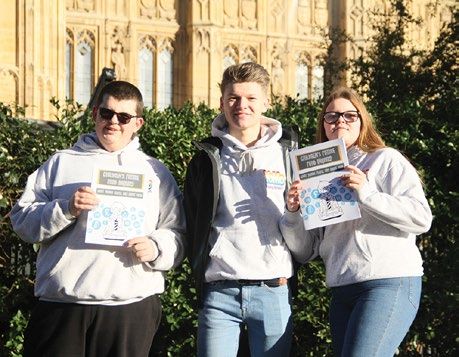
                                                                    In April 2019, we published the final report from the
                                                                    Children’s Future Food Inquiry – a year-long investigation
                                                                    into children’s food across the UK. The process involved
                                                                    many children and young people who helped us to develop
                                                                    a Children’s Right2Food Charter. This captured the key
                                                                    recommendations from the Inquiry on how government
                                                                    policies and programmes can better support children to
                                                                    eat well in pre-school settings, at school and at home. The
                                                                    Inquiry report was discussed extensively in parliament as
                                                                    well as in the media, and we presented it to policy makers
                                                                    in all four UK nations. Just over one year later, we return to
                                                                    our recommendations to ask what has changed.

                                                                    In this report we take each element of the Children’s
                                                                    Right2Food Charter and investigate what the governments
                                                                    of England, Wales, Scotland and Northern Ireland have done
                                                                    to implement its recommendations. We capture our results
                                                                    in a traffic light rating that shines a light on each nation’s
                                                                    progress (or lack thereof) in regard to children’s food policy.

                                                                    Overall, we have seen some important steps being taken,
                                                                    but progress is patchy. The findings reaffirm the need for
                                                                    an approach to children’s food which comprehensively
                                                                    addresses policy gaps and implementation failures.

                                                                    In March 2020, the UK went into lockdown as a result of the
                                                                    Covid-19 pandemic. This unprecedented event has plunged
                                                                    millions of children, many of whom were already struggling
                                                                    to secure a decent diet, further into food insecurity. Given
                                                                    the scale of the challenge and the importance of children's
                                                                    health and diet, the provisions set out in the Children’s
                                                                    Right2Food Charter – updated to reflect recent events – are
                                                                    now more important than ever.

               A YEAR OF CHILDREN'S FOOD: REVIEW OF THE PAST YEAR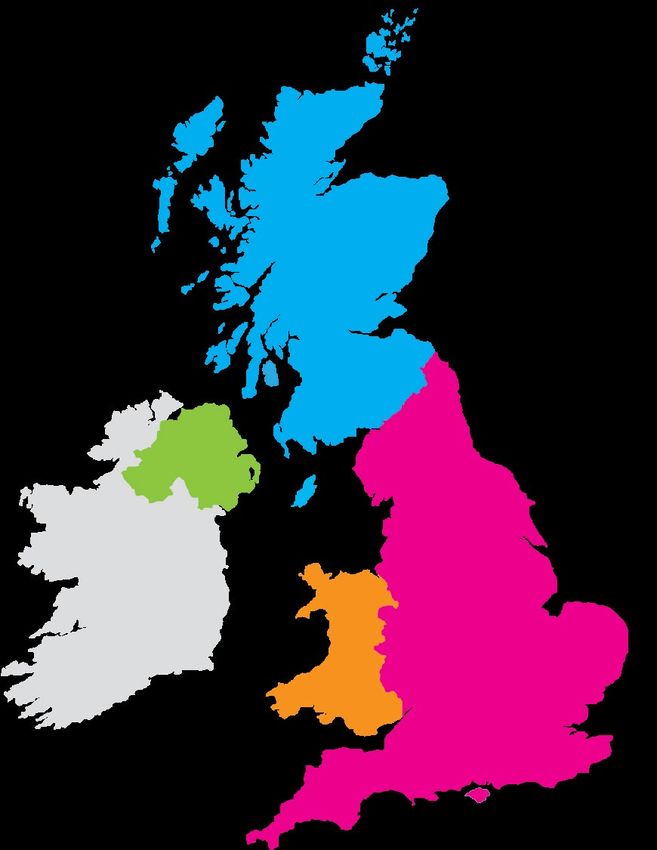
4

WHY DO WE NEED THE
                                                       60%
                                                 of secondary school
                                                                     s         These problems can have lifelong                   is no monitoring of compliance with mandatory school food
CHILDREN’S RIGHT2FOOD                             are non- comp liant          consequences for these children, not to            standards (other than in Scotland), and therefore no way of
CHARTER?                                            with School Food           mention the long-term impacts on our health        knowing if children have access to sufficiently nutritious food
Before the Covid-19 crisis hit, 4.2 million            Standards             and social care system. The Covid-19 virus           at school. The Soil Association’s Food for Life programme
children were living in poverty in the UK                                  has highlighted the danger that obesity and            estimated that at least 60% of secondary schools are non-
(CPAG, 2019). Our data show that 3.7 million                             poor nutrition pose for public health, with obese        compliant with the School Food Standards (Soil Association
children were living in households that would have                 individuals showing increased risk of severe medical           Food for Life, 2018).
to spend more than 40% of their income (after housing)          complications from the virus (Public Health England, 2020).
on food to afford the government's recommended Eatwell                                                                            The Inquiry report also drew attention to a lack of sufficient
Guide (Food Foundation, 2018). Before the pandemic,             Implementing the Children's Right2Food Charter should be a        holiday provision for children dependent on FSM and an
childhood obesity rates were also worryingly high, with the     critical priority for UK governments: young people's nutrition    absence of mandatory policies on nursery food standards.
poorest children disproportionally affected. Among children     has never been more important.                                    Inconsistencies in policies to protect children from food
from disadvantaged backgrounds, obesity levels are rising,                                                                        insecurity across the four nations were also revealed, even
while they fall amongst the wealthiest children (NHS Digital,   RECAP: CHILDREN’S FUTURE FOOD                                     though, of course, children’s nutritional needs remain the
2019). No devolved government to date has succeeded in          INQUIRY FINDINGS                                                  same across the UK. Further details can be seen in the
tackling these health inequalities which have risen every       In the 2019 Inquiry, we found that existing government policies   Children’s Future Food Inquiry report.
single year of the past decade (UK Government, 2020b).          were often patchy and insufficient, leaving large numbers of
Although food insecurity among children is not measured by      children unable to access the food provision they
the UK government, other estimates suggest between 2.5          needed. Other policies, while seeming adequate on                     YOUNG FOOD AMBASSADORS
and 4 million children pre-Covid were affected by moderate      paper, were badly implemented in practice.                            The Children’s Right2Food Campaign is led by our
or severe food insecurity (Food Foundation, 2020b). Data                                                                              dedicated team of Young Food Ambassadors. Over
gathered by the Food Foundation on food insecurity levels       For example, less than 50% of children (in England,                   the past year, they’ve undertaken a huge range of
during the UK Covid-19 lockdown showed that, among              Wales and Northern Ireland) living in poverty were                    impactful activity, including:
households with children, the prevalence of food insecurity     entitled to support from the Healthy Start scheme                     • Completing work experience with the Children
has doubled since the crisis hit (Food Foundation, 2020c).      (see glossary), and only 33% actually received it due to                 and Young People's Commissioner Scotland
                                                                implementation problems (Food Foundation, 2019). Of                   • Speaking on a panel with the Children and Young
The Inquiry reported on the many aspects of children’s lives    secondary school children living in poverty (in England,                 People's Commissioner Scotland in Westminster
that are impacted by the experience of food insecurity, as      Wales and Scotland), less than 60% were eligible for free             • Winning community awards
told by young people. Lack of food can create stressful         school meals (FSM). This is as low as 42% in England                  • Giving interviews in the news and on the radio
home environments for children, while at school children        compared to 100% in Northern Ireland (Food Foundation,                • Making posters and giving school assemblies
experiencing food insecurity have lower attainment and          2019). We found that 23% of secondary school children                 • Speaking at a food insecurity summit at City
worse education outcomes than food secure children (Food        who did not qualify for FSM had gone without lunch                       Hall in London
Foundation, 2019). In addition to the negative impact of        because they couldn’t afford it (Food Foundation, 2019).              • Meeting with local MPs, signing petitions and
food insecurity on mental and social wellbeing, children in                                                                              writing letters
food insecure households are also more likely to have poor      Another critical policy failure identified was that, despite          • Joining youth boards for other food campaigns
physical health (Marmot, 2020).                                 governments' major investment in school meals, there                  • Creating short films and recording podcasts

                                                                                      Children's Right2Food
5

policy progress                                              Following on from the Inquiry, we reviewed the progress made by each of the four

review summary                                               nations in relation to the Charter recommendations from the Charter's launch
                                                             (April 2019) to the current date (July 2020).
                                                                                                                                                                                           NORTHERN
                                                                                                                                                                                  WALES               SCOTAND   ENGLAND
                                                                                                                                                                                            IRELAND
● NO POLICY IN PLACE                    ● PILOT OR A COMMITMENT                 ● SOME POLICY IN PLACE              ● FULLY ACHIEVED
                                                                                                                                                                                 2019 2020 2019 2020 2019 2020 2019 2020
                    Providing free nursery meals to children who are entitled to free childcare                                                                                  ●    ●    ●    ●     ●   ●     ●   ●
                    Increasing the offer of free school meals to a wider group of children throughout age bands
                                                                                                                                                                    Breakfast    ●    ●    ●    ●     ●   ●     ●   ●
  Lunch Guarantee

                                                                                                                                                                        Lunch    ●    ●    ●    ●     ●   ●     ●   ●
     1 Healthy

                    Expanding the School Fruit and Vegetable Scheme so all school children can benefit (primary and secondary)                                                   ●    ●    ●    ●     ●   ●     ●   ●
                    Including migrant and undocumented children without recourse to public funds in free school meals                                                            ●    ●    ●    ●     ●   ●     ●   ●
                    Introducing mandatory food standards in all nurseries                                                                                                        ●    ●    ●    ●     ●   ●     ●   ●
                    Expanding holiday provision programmes that are educational, fun and provide access to healthy food as a right to all young people                           ●    ●    ●    ●     ●   ●     ●   ●
                    Introducing Universal Infant Free School meals.                                                                                                              ●    ●    ●    ●     ●   ●     ●   ●
                    Expanding the Healthy Start voucher scheme by increasing the voucher value and increasing the number of children who benefit                                 ●    ●    ●    ●     ●   ●     ●   ●
2 Healthy

Minimum
   Food

                    Introducing financial holiday allowances for school holiday periods for lower income families                                                                ●    ●    ●    ●     ●   ●     ●   ●
                    When considering changes to support or wages for families, make laws that account for food costs, and unlock the constraints of poverty on our diets.        ●    ●    ●    ●     ●   ●     ●   ●
                    Monitoring and inspection of school and nursery meals                                                                                                        ●    ●    ●    ●     ●   ●     ●   ●
3 Children's

 Watchdog

                    Development of guidance for schools education including learning about UK food poverty, how it can be solved and the right to food in our curriculum         ●    ●    ●    ●     ●   ●     ●   ●
    Food

                    Development of a national menu and best eating environments for secondary school students designed by young people that meets school food standards          ●    ●    ●    ●     ●   ●     ●   ●
                    Stimulating learning on the best approaches to improving children’s food across all four nations.                                                            ●    ●    ●    ●     ●   ●     ●   ●
                    Stopping marketing aimed at children on packaging. Ending promotions of unhealthy foods and replacing these with health warnings                             ●    ●    ●    ●     ●   ●     ●   ●
4 Health
 Before
 Profits

                    Tackling marketing of junk food on TV, near schools, online and on social media                                                                              ●    ●    ●    ●     ●   ●     ●   ●
                    Increasing business rates for fast food shops near schools and using the funding to support food education and extended school day projects.                 ●    ●    ●    ●     ●   ●     ●   ●
                    Renaming free school meals as the “school meal allowance”                                                                                                    ●    ●    ●    ●     ●   ●     ●   ●
  5 Stop the

                                                                                                                                                                                 ●    ●    ●    ●     ●   ●     ●   ●
    Stigma

                    Increasing the meal allowance for secondary school to a minimum of £4 per day, and allowing it to be used at any time of day and carried over between days

                    Banning water being sold in schools and making it freely available for everyone throughout the school day                                                    ●    ●    ●    ●     ●   ●     ●   ●
                    “Poverty proofing” our schools to ensure that no one is left out of activities like cookery and ensuring those on free school meals are kept anonymous.      ●    ●    ●    ●     ●   ●     ●   ●
                                                                                             A YEAR OF CHILDREN'S FOOD: REVIEW OF THE PAST YEAR
6

Policy Progress
    Review

                  Children's Right2Food
7

                                                           ● NO POLICY               ● PILOT OR A              ● SOME POLICY          ● FULLY               ● NON-GOVERNMENT
                                                             IN PLACE                  COMMITMENT                IN PLACE               ACHIEVED              RESPONSE

from 2019
 charter                 1                             Wales       TWO STEPS FORWARD, ONE STEP BACK                        Northern Ireland               NO DEVELOPMENTS

       THE HEALTHY
                                                       ●    Wales committed to fully embed government food
                                                            and nutrition guidance in childcare settings such as
                                                            nurseries (Welsh Government, 2019a).                           Scotland         PLANS DELAYED BY COVID-19
     LUNCH GUARANTEE                                   ●    For school-aged children, Wales decided against
                                                                                                                           ●   Scotland’s plans to provide free nursery food to all children
                                                                                                                               in funded early learning care, and to introduce the new
                                                            mirroring Northern Ireland in their eligibility criteria for       Scottish Milk and Healthy Snack scheme, have been
    All children need a healthy lunch to grow and           FSM. The parliamentary Equality, Local Government                  delayed due to Covid-19 (Scottish Government, 2019a).
  thrive, whether in nursery or school, term time or        and Communities Committee recommended
 holidays and especially if times are tough at home.        government undertake a feasibility study into                  ●   There has been a continuation of funding for holiday
                                                            increasing the income threshold for FSM from the                   provision:
            THIS CAN BE ACHIEVED BY:                        current £7,400 to £14,000 (National Assembly for                   ● The Scottish government has part-funded charities
                                                            Wales: Equality Local Government and Communities                       and councils to provide nutritious food to children
 •   Providing free nursery meals to children who           Committee, 2019). The response from government was                     in the summer holidays, with the Fair Food Fund
     are entitled to free childcare – as promised in        that this threshold had previously been considered and                 reaching 60,000 young people in 2019 (Scottish
     Scotland                                               been decided against, so they would not be looking into                Government, 2019c).
 •   Increasing the offer of free school meals to a         it again until 2023 (Welsh Government, 2019b).                     ● The government also announced the new Access
     wider group of children throughout age bands                                                                                  to Childcare Fund planned to run for two years
     (as in Northern Ireland)                          ●    Wales further expanded its commitments on holiday                      beginning in April 2020 which would have partly
 •   Expanding the School Fruit and Vegetable               provision. Holiday provision was piloted for the summer                contributed to holiday clubs and addressing food
     Scheme so all school children can benefit              and the October half-term break in 2019 and £1m was                    insecurity (Scottish Government, 2019b), but it
     (primary and secondary)                                allocated for 2020. A further £2.7m was allocated to the               is not clear how this is has been affected by the
 •   Including migrant and undocumented children            School Holiday Enrichment Programme (SHEP) (which                      current pandemic.
     without recourse to public funds in free school        provides two nutritious meals per day
     meals                                                  over the summer holidays) for 2020-21,
 •   Introducing mandatory food standards in all
     nurseries as in Northern Ireland
                                                            which would potentially reach 7,600
                                                            children (Welsh Government, 2020c).
                                                                                                               All children need a healthy lunch
 •   Expanding holiday provision programmes that            Expanding holiday provision is also a                to grow and thrive, whether in
     are educational, fun and provide access to             commitment in the Healthy Weight:
     healthy food as a right to all young people            Healthy Wales (HWHW) strategy (Welsh                nursery or school, term time or
 •   Introducing Universal Infant Free School Meals
     in Wales and Northern Ireland.
                                                            Government, 2019a) (see page 12 for
                                                            further information on this strategy).
                                                                                                                  holidays and especially if times
                                                                                                                        are tough at home.

                                                               A YEAR OF CHILDREN'S FOOD: REVIEW OF THE PAST YEAR
8

England
                                                             Commentary
              SOME POLICY IN PLACE
● There has been a continuation of funding for               Nursery food: Nutritious meals in childcare settings, driven by standards which are monitored and enforced, is
  breakfast clubs and an expansion of holiday provision      a recommendation in the Children’s Right2Food Charter. Making these meals free for children in poverty is also
  programmes since 2018, but both remain at levels far       included. Northern Ireland leads the way, with both elements in place. Wales took an important step on standards
  below what’s needed:                                       in the past year and committed to fully embed them in early years settings. It’s not clear if the standards will be
  ● Government committed £11.8m towards the                  mandatory. Scotland made commitments on free provision, but these have not yet materialised. England has made
      National School Breakfast Programme in 2019,           no progress.
      supporting 650 new schools (UK Government,
      2020a).                                                School food: Expanding the eligibility criteria for FSM to allow more children living in poverty to benefit as well as
  ● Backed by £9.1m funding, the Holiday Activities          increasing the FSM allowance for secondary school children are both recommended in the Children’s Right2Food
      and Food scheme (HAF) was expanded, reaching           Charter. Northern Ireland includes almost all children living in poverty on its FSM scheme. Wales almost took a step
      around 50,000 children in 2019. The Government         in this direction in the past year but this was delayed for a further three years.
      has committed to continuing the scheme in 2020
      with a further £9m (UK Government, 2020a) but          Universal free school meal provision remains a critically important commitment for all infants in Scotland and
      funding will only extend to 10 projects in 17 local    England. As yet, there is no sign that Wales or Northern Ireland will follow suit.
      authorities in certain regions of the country.
                                                             School breakfast schemes have seen continued investment in Wales and England. Wales is the only country with a
●   Adding to the momentum in the Children’s Right2Food      national, universal scheme for free breakfast, though in practice this only reached 60,000 children in 2019 (Welsh
    Charter:                                                 Government, 2019c), while 28% of children (approximately 148,000 school-aged children) in Wales are living in
    ● The Chief Medical Officer’s report, Time to Solve      poverty (Food Foundation, 2019). In England, the government committed funding to support 650 new schools to
       Childhood Obesity, recommended that government        start breakfast provision.
       should review FSM to identify ways to improve
       uptake and delivery of healthy affordable meals       Children with no recourse to public funds (NRPF) continue to miss out on FSM unless they are universally provided
       (Professor Dame Sally Davies, 2019).                  to infants. When schools closed during the Covid-19 lockdown, FSM were temporarily extended to some children
    ● The National Audit Office conducted an inquiry         from NRPF households, following a legal challenge against their exclusion, although with much more stringent
       to trace where funding committed to FSM, but          eligibility criteria. This inclusion is expected to be temporary and to last only the duration of the Covid-19 crisis.
       which is not spent by vulnerable children, ends up,
       following a request from Frank Field MP (Defeyter     Holiday provision: Ensuring all children entitled to FSM have access to a healthy lunch during school holidays is a
       & Stretesky, 2019).                                   provision in the Children’s Right2Food Charter. Wales, Scotland and England all have some form of national holiday
                                                             provision programme in place but they do not reach all children at risk of holiday food insecurity. In England, for
                                                             example, the £9m committed by government for Holiday Activity and Food (HAF) provision in 2020 will reach just
                                                             50,000 children – a fraction of the country's vulnerable children – and only in pockets of the country. Northern
                                                             Ireland has no national programme. All nations have committed temporary funding for holiday provision during the
                                                             Covid-19 pandemic (see page 22 for details).

                                                                        Children's Right2Food
9

                                 Wales               Northern Ireland                 Scotland                      England
Number of children      66,012 (Welsh Government,   75,889 (Northern Ireland   84,491 (Scottish            1,000,933 (UK
known to be claiming    2020b)                      Statistics and Research    Government, 2019d)          Government, 2019a)
FSM on census day                                   Agency, 2019)

Number of pupils        90,662 (Welsh               94,703 (Northern Ireland   123,637 (Scottish           1,270,941 (UK
eligible for FSM        Government, 2020b)          Statistics and Research    Government, 2019d)          Government, 2019a)
                                                    Agency, 2019)

Children committed      7,600 (Welsh Government,    Unknown                    60,000 (Scottish            50,000 (UK Government,
to reach through        2020c)                                                 Government, 2019c)          2020a)
2020 summer holiday
provision (before the
Covid-19 response)
Funding committed       £1m (in existing            £12m committed for the     £350,000 (planned for       £9m (planned for
to summer holiday       playwork settings)          summer food scheme         2020, but £27.6m added      2020, but £120m
provision 2020          £2.7m to SHEP               (as part of the Covid-19   as part of the Covid-19     added as part of the
                        An estimated £10m           response) (Department of   response) (Scottish         Covid-19 response) (UK
                        committed as part of        Education, 2020b)          Government, 2019c)          Government, 2020a)
                        Covid-19 response.
                        (Welsh Government, 2020c)

                                                                                       A YEAR OF CHILDREN’S FOOD
10

                                                               ● NO POLICY           ● PILOT OR A             ● SOME POLICY           ● FULLY             ● NON-GOVERNMENT

                           2
                                                                 IN PLACE              COMMITMENT               IN PLACE                ACHIEVED            RESPONSE

from 2019
 charter
                                                           Wales
          THE HEALTHY                                      ●
                                                                      TINY STEPS ON HEALTHY START
                                                               The Welsh Government will review the Healthy Start scheme in the next two years to see how to strengthen delivery
                                                               and increase uptake, including through digitisation as part of the HWHW Strategy (Welsh Government, 2020c).
         FOOD MINIMUM
                                                           Northern Ireland              NO DEVELOPMENTS
       It’s right that our parents and carers are
      supported to put healthy food on the table.
                                                           Scotland        A NEW SCHEME SUPPORTING EARLY YEARS NUTRITION
             THIS CAN BE ACHIEVED BY:                      ●   The Best Start Foods scheme (the replacement for Healthy Start) was fully rolled out in Scotland in August 2019
                                                               (Scottish Government, 2020a).
 •    Expanding the Healthy Start voucher scheme
      by increasing the voucher value and increasing       England          TINY STEPS ON HEALTHY START
      the number of children who benefit. This should      ●   England introduced some improvements to the Healthy Start scheme including no longer needing a healthcare
      build on Scotland’s creation of ‘Best Start Foods’       professional’s signature to apply (NHS, 2020a). Work is also underway to try and digitise the scheme. These
 •    Introducing financial holiday allowances for             improvements will also apply in Northern Ireland and Wales.
      school holiday periods for lower income families     ●   In line with the Charter, the Chief Medical Officer’s report recommended considering uptake and effectiveness, and
 •    When considering changes to support or wages             accelerating progress of the digitisation of the scheme (Professor Dame Sally Davies, 2019).
      for families, make laws that take food costs into
      account, and unlock the constraints of poverty
      on what we can eat.

     The Best Start Foods Scheme, a new scheme
     supporting early years nutrition, was fully
     rolled out in Scotland in August 2019.

                                                                              Children's Right2Food
11
Healthy Start is a statutory scheme
Commentary providing healthy food vouchers
Healthy Start is a statutory scheme providing healthy food vouchers for very low-income households with young
for very low-income households
children. It has been plagued by implementation difficulties, low uptake (currently 53% of those eligible are with young children. It has been
accessing the scheme in England (NHS, 2020b)) and a very low voucher value which has not increased since
2009 and is not index-linked. The government promised a consultation on the scheme in 2018 which has never plagued by implementation
materialised (Department of Health and Social Care, 2018). Instead, they have been working on the digitisation
of the scheme and are planning to roll-out pre-paid cards in October 2020. Retailers will no longer be required to
difficulties, low uptake, and a very
register for the scheme. These changes will be applied in England, Wales and Northern Ireland. low voucher value.
In Wales, the HWHW strategy sets out plans to use Healthy Start to enhance financial support for parents on
lower incomes to promote good nutrition choices for their children (Welsh Government, 2020c).
In Scotland, the scheme was recently devolved (although not in Wales and Northern Ireland), and the
Scottish government has improved and renamed the scheme "Best Start Foods". The key elements of
the scheme are:
• Mothers receive £4.25 per week (compared to just £3.10 in other nations).
• The allowable foods have been expanded to include not only fresh/frozen fruit and
vegetables, cow’s milk and first infant formula milk, but also tinned fruit and vegetables,
fresh/frozen/dried/tinned pulses (including lentils, peas, barley and beans) and eggs to
provide greater choice.
• It is preloaded on to a payment card rather than having to use paper vouchers to make it
easier to use and to avoid stigma.
• Best Start Foods and the new Scottish Child Payment will all be available through a
single application (Scottish Government, 2019a).
While 22,000 low-income families are now benefiting from the scheme (Scottish Government,
2020a) a third of applications are still being refused (Scottish Parliament, 2020a). We look
forward to the evaluation report on the roll-out of the scheme as a useful resource for other
nations to learn from.
The remaining two provisions of the Charter on providing financial assistance for food during
school holidays for children living in poverty and incorporating the cost of a healthy diet into
government laws on social security and wages have seen no progress.
A YEAR OF CHILDREN'S FOOD: REVIEW OF THE PAST YEAR12
● NO POLICY ● PILOT OR A ● SOME POLICY ● FULLY ● NON-GOVERNMENT
3
IN PLACE COMMITMENT IN PLACE ACHIEVED RESPONSE
from 2019
charter
Wales COMMITMENTS MADE Scotland NEW SCHOOL FOOD REGULATIONS DUE
THE CHILDREN’S ● The Healthy Weight: Healthy Wales (HWHW) strategy
commits to revising school food regulations (Welsh
TO BE DELIVERED
● Following a 2018 consultation on food and drink in
Government, 2019a). Work on revising the regulations schools (Scottish Government, 2019c), the following
FOOD WATCHDOG and incorporating the latest government dietary
recommendations into school food provisions is set to
changes in school food will be delivered in April 2021:
● a minimum of two full portions of vegetables and
It’s right that we have a say in what we eat. commence by 2022 (Welsh Government, 2020c). a full portion of fruit offered at school lunch, with
We think there needs to be a new, independent fruit and/or vegetables also available in other food
children's food watchdog, with young ● In the HWHW Strategy, improvements in school dining settings such as tuck shops
people involved in the leadership, to environments and efforts to involve pupils in decision- ● a maximum limit for red and processed red meat
monitor and improve our food. making about food and drink choices are planned by 2030 (such as bacon, ham and pepperoni) in school
(Welsh Government, 2019a) but not made a priority in lunches
THIS CAN BE ACHIEVED BY: the 2020-2022 delivery plan. ● removal of fruit juice and smoothies from primary
and secondary schools.
• Monitoring and inspection of school and nursery ● The HWHW delivery plan commits to monitor the
meals impact of the Food and Nutrition for childcare settings -
• Development of guidance for schools for food best practice guidance (Welsh Government, 2020c). England LITTLE MEANINGFUL PROGRESS
education including learning about UK food ● A voluntary Healthy Schools Rating Scheme was
poverty, how it can be solved and the right to introduced in July 2019 which includes five criteria on
food in our curriculum Northern Ireland NEW PROPOSALS MADE food education and school food standards (Department
• Development of a national menu and best eating ON MONITORING for Education, 2019a).
environments for secondary school students ● The Department of Education is consulting on proposals
designed by young people that meets school to update nutritional standards for school food. As part ● In line with the Charter, a report by the Chief
food standards of the consultation, there is a proposal to introduce Medical Officer recommended a robust independent
• Stimulating learning on the best approaches to independent monitoring and evaluation of school food monitoring system to ensure current food standards
improving children’s food across all four nations. to ensure updated nutritional standards are properly are implemented in all nurseries and school settings
implemented in grant-aided schools (Department of (Professor Dame Sally Davies, 2019).
Education, 2020a). The consultation proposes an
increase to two portions of vegetables and one portion
of fruit at all school lunch services (compared to one
portion of each in the current standards).
Children's Right2Food13
Commentary De
v,
Yo
The existence of Scotland’s independent school food monitoring system has set an example
un
of good practice for other UK nations to follow. In the last year, Scotland went further and
gF
oo
introduced improvements to existing food standards demonstrating further commitment
dA
to protecting children’s health. Given that monitoring already exists in Scotland, we
mb
as s
expect such improvements to be implemented and upheld effectively. Meanwhile,
ado
Northern Ireland’s consultation on monitoring and evaluation of school food shows
r, En
progress but no meaningful policy change has yet taken place.
gl an
d
In England, the government is no closer to tracking whether the money spent on
school food is delivering meals that fulfil its own set of school food standards.
Although additions made in 2019 to the Ofsted Inspection Framework
now require inspectors to consider whether schools are developing pupils’
understanding of healthy eating (Department for Education, 2019b), they
miss the mark on any truly comprehensive school food inspection. The long-
delayed introduction of the Healthy School Rating Scheme (pledged in the
Government's 2016 Childhood Obesity Plan and finally introduced in July 2019)
again pays lip service to school food monitoring. The voluntary scheme rates
primary and secondary schools on their compliance with school food standards
based on self-assessed criteria – a far cry from the mandatory, externally
monitored mechanism that was called for in the Charter.
Wales’ HWHW strategy commits to inspectors being more informed and having a
greater focus on the whole school approach to health and well-being but falls short of
including the monitoring of school food standards as part of the strategy. It also commits
to monitor the implementation of early years food guidance. We
welcome Wales’ commitment to involving children in decisions about
their food environment as well as its plans to develop a new curriculum
on cooking, food, nutrition and hydration in the next two years (Welsh
Government, 2019a, 2020c). However, to align with provisions in the Education on food poverty shouldn't be
Charter, education on food poverty shouldn't be left off the national
curriculum.
left off the national curriculum.
A YEAR OF CHILDREN'S FOOD: REVIEW OF THE PAST YEAR14
● NO POLICY ● PILOT OR A ● SOME POLICY ● FULLY ● NON-GOVERNMENT
4
IN PLACE COMMITMENT IN PLACE ACHIEVED RESPONSE
from 2019
charter
Wales PLANS IN THE PIPELINE
HEALTH ● The HWHW 2020-2022 Delivery Plan commits to consult on a package of legislation to shift the balance in the food
environment towards healthier options including:
• A consultation on rebalancing price promotions and discounting practices by Summer 2020 (delayed due to
BEFORE PROFITS •
Covid-19)
Working with key stakeholders to restrict advertising of HFSS and redressing the imbalance in advertising of
It’s right that children’s health come healthier and less healthy foods (the strategy commits to a ban on advertising, sponsorship and promotion of foods
high in saturated fat, sugar and salt in public spaces by 2030)
before the profits of big business.
• Working with the UK government to further restrict advertising in broadcast and online settings (non-devolved
policy areas)
•
THIS CAN BE ACHIEVED BY:
Stopping marketing aimed at children on
• Considering limiting hot food takeaways and advertising in after-school street environments. Commitment is made
to a consultation by summer 2021 on the role of planning and licensing in the creation of healthier environments
packaging. Ending promotions of unhealthy (Welsh Government, 2020c).
foods and replacing these with health warnings
similar to those featured on cigarette packets Northern Ireland NO DEVELOPMENTS
• Tackling marketing of junk food on TV, near
schools, online and on social media
• Increasing business rates for fast food shops near Scotland ONE STEP FORWARD, TWO STEPS BACK
schools and using the funding to support food ● Government had committed to bringing forward a bill to restrict unhealthy food promotion – the Restricting Food
education and extended school day projects. Promotions Bill - in next year’s Legislative Programme following a consultation published in September 2019 (Scottish
Government, 2019b). An announcement made in June 2020 confirmed this is now paused due to Covid-19 (Scottish
Parliament, 2020b).
England ACTION OVERDUE
The Chief Medical Officer’s ● We await government responses to consultations held in 2019 on:
● restricting promotions of high fat, salt and/or sugar (HFSS) foods (such as buy one get one free offers) and
2019 Report highlighted restricting the placement of HFSS foods and drinks at checkouts and store entrances (UK Government, 2019b)
that children should ● introducing a 9pm watershed on TV advertising and restrictions to online advertising (including social media) of
HFSS foods and drink (UK Government, 2019a).
be allowed to grow up ● The Chief Medical Officer’s 2019 report highlighted that children should be allowed to grow up free from marketing and
free from marketing and incentives to consume unhealthy food (Professor Dame Sally Davies, 2019).
incentives to consume
unhealthy food.
Children's Right2Food15
Commentary
As promised in Chapter Two of the Child Obesity Plan (Department of Health and Social Care, 2018), in
2019 the government in England consulted on restrictions around advertising and promotion of HFSS
foods. Two years after announcing these consultations, and one year after the consultations closed,
there has been no response from government.
The Scottish government initially seemed to be making progress with a promise to bring forward
its Restricting Food Promotions Bill that would include measures to ban multi-buy offers and
remove unhealthy food displays at supermarket checkouts. The bill was in step with both our
Charter recommendations and the government's target to cut child obesity in Scotland by
half by 2030 (Scottish Government, 2018). However, in June, ministers announced that the
bill would be paused in light of the Covid-19 pandemic. At time of print, there was no firm
timetable from the Scottish government on when this much-needed legislation would be
resurrected.
Wales has recognised the merit in promoting healthy options, not merely limiting promotions
of unhealthy options. However, we’re yet to see any concrete government action to limit
advertising and promotions of unhealthy foods (Welsh Government, 2019a, 2020c). The
consultation on rebalancing price promotions and discounting practices due in Summer 2020
has been delayed due to Covid-19. We wait to see whether the rest of the commitments laid out
in the HWHW 2020-2022 Delivery Plan will be fulfilled on time.
“I am determined along with my peers to achieve our Charter goals, and to make
a positive change to our Country. Food inequality is a complex issue with many
contributing factors but it is nothing we cannot overcome, with the appropriate
resources and time. Food poverty is an issue that a highly developed country like
the UK should not have to face, but we do. I am certain we can make a change.”
Beth, Young Food Ambassador, Wales
A YEAR OF CHILDREN'S FOOD: REVIEW OF THE PAST YEAR16
● NO POLICY ● PILOT OR A ● SOME POLICY ● FULLY ● NON-GOVERNMENT
IN PLACE COMMITMENT IN PLACE ACHIEVED RESPONSE
from 2019
charter
5
Wales COMMITMENT MADE
STOP THE STIGMA ● Wales committed to increasing the allowance for pupils entitled to FSM in Year 7 from September 2020 (Welsh
Government, 2020c).
We shouldn't be made to feel ashamed.
In a decent society no-one should be Northern Ireland NO DEVELOPMENTS Scotland NO DEVELOPMENTS
struggling to put decent food on the table.
England RECOMMENDATIONS MEET NO ACTION
THIS CAN BE ACHIEVED BY:
● The Chief Medical Officer’s 2019 report recommended:
• Renaming free school meals as the “school meal ● Increasing the value of the FSM allowance so that it covers the cost of a healthy meal
allowance” ● Making free drinking water readily available in schools (Professor Dame Sally Davies, 2019).
• Increasing the meal allowance for secondary
school to a minimum of £4 per day, and allowing
it to be used at any time of day and carried over
between days
• Banning water being sold in schools and making
it freely available for everyone throughout the
school day
• “Poverty proofing” our schools to ensure that
no one is left out of activities like cookery and
ensuring those on free school meals are kept
anonymous.
Children's Right2Food17
“Many parents are
Commentary ashamed that they
In our 2019 Inquiry, we heard how children experienced shame due to lack of poverty proofing in schools and the stigma can’t always feed
inherent in the FSM system. Since then, across all four nations, there has been a worrying lack of attention given to tackling
the deep-rooted stigma felt by children experiencing food insecurity. their children”
Shane, Young Food Ambassador,
Wales' HWHW Delivery Plan acknowledges that children have to spend their FSM Northern Ireland
allowance to buy breakfast and so aims to increase the allowance for children in
Year 7.
In England, the Chief Medical Officer’s recommendation (Professor
Dame Sally Davies, 2019) to increase the FSM allowance has
not been addressed by government, nor the issue she raised
concerning a lack of freely available drinking water in
schools. In our Inquiry, children reported having to
spend part of their FSM allowance on bottled water
due to drinking fountains not being available. Other
provisions of the Charter, such as changing the name
of FSM, have not been actioned.
The current Covid-19 pandemic could worsen
stigma, as financial and health inequalities
widen, and more families depend on food aid
and government parcels. Months of school
closure has meant vulnerable children are
further cut off from equal learning and social
opportunities. As more children become
beneficiaries of the FSM scheme, it is
paramount that the government reprioritise
its efforts to protect these pupils from
suffering from both hunger and the stigma
attached to it.
A YEAR OF CHILDREN'S FOOD: REVIEW OF THE PAST YEAR18
A broader scope: making
children’s rights reality
Children's While no UK nation has fully incorporated the United Nations Convention on the
Rights of the Child (UNCRC) into domestic law, the following steps have been taken:
Wales PROMISED PROGRESS DELAYED undertaken to deliver the Good Food Nation ambition
Rights • The Rights of Children and Young Persons (Wales)
Measure 2011 which places duties on Welsh ministers to
have due regard for the UNCRC has been reviewed by
the Children, Young People and Education Committee.
Publication of this report has been delayed due to
in Scotland. Due to Covid-19, this Bill has been delayed
and will not be introduced within the parliamentary
session (Together Scotland, 2020).
Covid-19 (Welsh government, no date).
England NO DEVELOPMENTS
• The Welsh government recently consulted on
‘commencing the socio-economic duty’ which requires
public bodies to consider how their decisions might help
to reduce inequalities (Welsh government, 2020a). The
legislative process has been delayed due to Covid-19.
Northern Ireland NO DEVELOPMENTS
Scotland PROMISED PROGRESS DELAYED
• A UNCRC Bill is due to be laid before parliament later
in 2020 which will see Scotland incorporate the UNCRC
into law (Scottish government, 2019a).
• A first draft of the Good Food Nation Bill was due to
be published in early 2020 to underpin the work being
Children's Right2Food19
Commentary
CHILDREN’S RIGHTS ENSHRINED IN LAW Although not specific to children’s rights, Northern Ireland's MINISTER LETTER TO SCHOOLS
Children’s rights are enshrined in Welsh law through the Children’s Services Co-operation Act 2015 places a duty In response to the release of the Inquiry, Nadhim Zahawi
Rights of Children and Young Persons (Wales) Measure 2011. on government to have a strategy to improve well-being of (Minister for DfE at the time) wrote a letter to all schools
This requires ministers to take children’s rights into account children through cooperation between Departments and in England drawing attention to the Inquiry’s findings
when making decisions on new or existing legislation or Agencies (Department of Education, no date). and the need for affordable healthy options, avoiding
policies and supply evidence that they have complied with stigma, and access to free drinking water for children at
this duty in a report published every five years. However, NEW SCOTTISH CHILD PAYMENT school. He also reiterated that school meal standards are
the last report published in 2018 does not cover children’s The Scottish government’s announcement of a child mandatory (Nadhim Zahawi MP Parliamentary; Under-
right to food – a key component of the UNCRC. The Scottish payment top-up worth £10 per week was planned to be Secretary of State for Children and Families, 2019). While
government has consulted on incorporating the UNCRC rolled out by 2022 but faces delays in the wake of Covid-19. this response by a government minister demonstrates an
into domestic law, as exists in Wales, with a bill due to be The increase was projected to lift 30,000 children out of understanding of the actions needed to improve children’s
introduced in 2021. poverty by 2023/24 and reduce the relative child poverty food, no significant legislative action on the Charter
rate by an estimated three percentage points (Scottish recommendations in this area has been fulfilled.
The introduction of Scotland’s Good Food Nation Bill could Government, 2019e). In the context of the pandemic, the
also be a promising step. It aims to provide a statutory need to boost family income is more urgent than ever. The
framework which places responsibilities on Scottish Scottish Government have made assurances that the policy
ministers and selected public bodies with regard to food. remains a priority and is aiming to accept applications
Due to Covid-19, the bill will no longer be introduced within by the end of 2020 (Scottish Government, 2020b).
the current parliamentary session (Together Scotland, 2020) RIGHTS OF THE CHILD
but remains an important opportunity for the future. PROTECTION FROM INEQUALITY The United Nations Convention on the Rights of
A priority for the Welsh government is the safeguarding the Child (UNCRC) is a Convention that covers
One of the Scottish Food Coalition’s key recommendations of equality and human rights. A consultation closed all aspects of a child’s life and sets out the civil,
for the Good Food National Bill has been a new food earlier in 2020 on “commencing the socio-economic political, economic, social and cultural rights that all
commission. An alliance between the existing Scottish duty” as part of the Equality Act 2010 (Welsh children everywhere are entitled to. The UK ratified
Children’s Commissioner and Scottish Human Rights Government, 2020a). This would require public bodies the UNCRC in 1991 and is obligated to uphold the
Commission presents a potentially strong foundation for (such a local authorities, ministers, NHS trusts) to Convention, which clearly states:
a statutory body to protect children’s right to food. In consider how their decisions might help to reduce • that government must act in the best interests
2019, Scotland also established a Poverty and Inequality inequalities. The recognition by government of its duty to of the child and this should be a primary
Commission, as a non-departmental advisory body providing protect citizens from inequalities is a positive step. Going consideration in all decisions (Article 3)
independent advice and scrutiny to Scottish ministers on forward, a demonstration of this commitment would be to • that children have the right to the best possible
poverty and inequality. ensure the cost of the government’s dietary guidelines is health and that governments must ensure
considered in legislation and government programmes (e.g. provision of adequate nutritious food (Article 24).
when setting benefit levels, minimum wage levels).
A YEAR OF CHILDREN'S FOOD: REVIEW OF THE PAST YEAR20
covid-19
Children's Right2Food21
Government response to children's food
insecurity during the Covid-19 pandemic
Our 2019 Inquiry showed food insecurity among children no monitoring of how the money provided by government Two months into the launch of the voucher scheme nearly
was already a substantial problem before Covid-19, but the was being spent. Two weeks into lockdown only two thirds one in four children were still not being offered a substitute
intensity of the problem has substantially escalated. More of children eligible for FSM were being offered a substitute (Food Foundation, 2020b).
than twice as many people are food insecure now compared (Food Foundation, 2020a).
to before the crisis. Huge numbers of adults and children Northern Ireland put in place direct payments to families on FSM
have had to go without food and reduce the quality of Later, England attempted to implement a voucher scheme (Department of Finance NI, 2020) which had the advantage of
their diets. Many have been forced to turn to food banks which was heavily criticised due to technological issues not having to coordinate the preparation of food, or the delivery
for support. There was clear indication that government with the voucher supplier, meaning thousands of children or collection of food while maintaining social distancing, but
support was needed to protect children from food insecurity went without for weeks while they attempted to resolve the struggled to reach families without a bank account.
during the pandemic. This section provides an overview of problems.
how government responded to this challenge. Wales considered a voucher scheme but on learning from the
mishaps in England, let local authorities continue to decide how
they wanted to provide FSM. A month into lockdown, 60,000 of
FREE SCHOOL MEALS SUBSTITUTE “Millions of young people in the 90,000 eligible children were receiving some provision (Welsh
When schools closed across the UK on March 20th 2020
due to the Covid-19 pandemic, the four governments
the UK have been affected Government, 2020b). In Scotland, FSM were similarly also handled
at local authority level with either direct payments, vouchers, food
were faced with the issue of how to support the 1.6 by food insecurity and poor to collect or food deliveries (Scottish Government, 2020c).
million children who would usually receive FSM. Given There have been mixed reports of some children receiving
the importance of this scheme in supporting so many food quality in the Covid-19 excellent provision and others missing out entirely.
vulnerable children, the need for a swift strategy to
provide a substitute during the school closures was
crisis and will continue to A positive outcome of the FSM substitute programmes has
recognised. However, there have been many issues with be. The government needs been the extension, in England, to include some children
the implementation of replacement provisions, initially, in in NRPF households (who were previously ineligible) – a
part, due to the time pressures in setting these up. to ensure young people – decision made by the Department for Education following
At the outset, England’s Department for Education
especially those with lived a threat of legal action (Matthew Gold & Co. Ltd. Solicitors,
2020). However, the government has made it clear that
delegated responsibility for organising the provision experience – are involved in this is only a temporary measure during the crisis (UK
to headteachers and local authorities. This resulted in Government, 2020c). Wales has permitted local authorities
a postcode lottery whereby some children received a finding long-term solutions to “exercise their discretion” to allow children with NRPF
nutritious meal and others received a pitiful provision with
no fruit or vegetables, and some did not receive anything
to these problems.” to benefit from FSM during the school closures (Welsh
Government, 2020d). These extensions must be made
at all. There was no central coordination, no apparent Dev, Young Food Ambassador, England permanent to ensure every child in the UK has the right
nutritional guidance on how the money should be used, and to food.
A YEAR OF CHILDREN'S FOOD: COVID-19 AND NEXT STEPS22
The value of FSM was increased to £3 per day in England The announcements came after a period of intense among schools, parents and local authorities, leading many
during this period, as the existing value (£2.70) was campaigning from a coalition of civil society children to miss out on much-needed meals.
recognised to be insufficient (UK Government, 2020d). campaigners, with support for the cause by the
When schools return, it should remain at least at this value, Conservative Chair of the Education Select Committee While the debate over holiday provision gave rise to a
if not be raised further. The lack of consistency between the and the Shadow Education Secretary. A key catalyst for favourable short-term solution, government has warned
four nations has also been demonstrated with provision in change was when 22-year-old England footballer Marcus this level of funding is temporary, as a response to the
Northern Ireland being worth £2.70 (Department of Finance Rashford joined the campaign. His open letter to MPs, unique circumstances of the pandemic. This overlooks the
NI, 2020), but £3.90 in Wales where the funding covers and the ensuing media storm it provoked, secured a fact that children’s food insecurity has long been a serious
breakfast as well (Welsh Government, 2020d). welcome U-turn from government who had previously problem in the UK, only exacerbated by Covid-19.
argued against awarding funding for FSM over the
HOLIDAY PROVISION summer period. This mounting issue will not go away without an effective
In June 2020, the government announced a £120 million long-term response and a coherent strategy from
Covid Summer Holiday Fund to support children on free This policy change mirrored two previous U-turns from government. Furthermore, FSM are only available to a
school meals in England with a £90 voucher to cover the government on holiday provision since the start of the fraction of children living in poverty. If we are to prevent
six-week summer holiday period (UK Government, 2020e). pandemic. A last-minute announcement was made millions of young people suffering in future, we must make
On the same day, the Scottish government confirmed an on extending funding to cover the Easter holidays in every child’s right to food an ongoing priority.
additional £27.6 million for children on FSM in Scotland England, after Scotland, Wales and Northern Ireland had
(Scottish Government, 2020d). Later that week, Northern committed to do so. Even then, a third of eligible children EARLY YEARS
Ireland also announced it would be extending its direct did not receive a substitute through the Easter holidays The Healthy Start scheme, that functioned inefficiently
payment scheme to children over the summer, and in early (Food Foundation 2020a). Although Government had before Covid-19, has been even less effective during the
July committed £12 million to the summer food scheme. The refused funding during May half-term, it backtracked pandemic, with reports of vouchers being refused at stores
Welsh government had previously committed to a children’s halfway through half-term following mounting pressure that would only accept contactless forms of payment,
holiday food scheme until September, worth £19.50 per week from campaigners. The late notice and mixed messages and people being unable to print application forms due to
for food for eligible children (Welsh Government, 2020d). of both announcements resulted in widespread confusion libraries being closed.
Free school meals are only
available to a fraction of
children living in poverty. If
we are to prevent millions
of young people suffering in
future, we must make every
child’s right to food an
ongoing priority.
Children's Right2Food23
THE COVID-19 CRISIS HAS CREATED SIX NEW IMPERATIVES
FOR THE CHILDREN’S RIGHT2FOOD CHARTER
1 The chaos over FSM replacements has revealed the absence of
national leadership and standard setting on children’s food. This
provides more grounds for a statutory watchdog for children's food.
4 School closures have revealed the bogus logic of only providing
a healthy lunch to vulnerable children during term time. Securing
FSM provision for children over the summer holidays during the Covid-19
pandemic is an welcome step forward but a short-term measure. Holiday
2 The nutritional deterioration for the millions of children who have
missed out on a hot school lunch during school closures is likely
to be significant. This has not been helped by the School Fruit and
provision is now in urgent need of a long-term fix so that all vulnerable
children across all nations have access to it all year round.
Vegetable Scheme being suspended due to operational difficulties in
delivering it during lockdown. The Department for Education is yet to
announce plans to reinstate it for the autumn school term time (UK
5 Supermarket chains have substantially increased their market
share during the crisis and have played an important role in
securing delivery capability for the vulnerable. If the Healthy Start
Parliament, 2020). One study showed that half of children receiving free scheme could be modernised and expanded, retailers could also play
school meal vouchers had been eating a lot less fruit and vegetables an important role in supporting families to use their vouchers well,
and consuming many more sugary drinks and snacks (Northumbria and help them go further through in-store promotions and deals.
University, 20202). Getting school and nursery food to be top-notch The government needs to grab this opportunity while it lasts.
nutritionally when children return to school and supporting children to
get access to fruit and veg before then is more important than ever.
6 Covid-19 has shone a light on the severe inequalities that
exist in our society, with people in deprived areas being twice
3 Many more children have become eligible for FSM and Healthy
Start as a result of the crisis, making demand for these schemes
and their role in children’s diets even greater. They need to be of the
as likely to die from the virus (National Records of Scotland, 2020;
Office for National Statistics, 2020). Dietary inequalities are likely
to be a contributing factor. Increasing evidence demonstrates that
highest standard possible to offer these vulnerable children all the obesity, diet-related conditions and nutritional deficiencies make
support they need. Many more children will find themselves in need of people more vulnerable to severe medical reactions to the virus.
the schemes but will not quite meet the eligibility criteria. We need to Given that obesity and diet-related disease have a higher prevalence
establish a watchdog for children's food to review the evidence on need in deprived groups, urgent action is needed to reduce these dietary
and eligibility and advise governments accordingly (see page 25 on the inequalities so these groups are not disproportionately affected by
Children's Right to Food Commission for further detail). health problems.
A YEAR OF CHILDREN'S FOOD: COVID-19 AND NEXT STEPSWhat needs to
happen next
24
Children's Right2Food25
Children’s Right to Food Commission
The Children’s Right2Food Charter calls for an independent, statutory watchdog for children’s food – co-led
by children and young people – which we are now calling the ‘Children’s Right to Food Commission’.
WHY DO WE NEED THE COMMISSION? HOW WOULD THE COMMISSION WORK?
A Children’s Right to Food Commission must provide The Children’s Right to Food Commission would be appointed by government with a statutory role. It would include devolved
energetic and committed leadership to deliver quick elements in Northern Ireland, Scotland and Wales, and an independent board reporting to parliaments across the four nations.
results on simultaneously tackling child food insecurity and The Commission would play a critical role in bringing young people directly into the policy development process by involving
inequalities in childhood obesity. the Young Food Ambassadors who helped lead the Inquiry in its leadership, along with other children and young people.
The Commission would address four major gaps: It would hold relevant government departments accountable for delivery against the Charter, and empower them to do more to
1. There is currently no mechanism for young people ensure that we have the right mix of policies and programmes in place which protect children from nutritional and social harm,
to have a say on food policy which affects them, promote their well-being and reflect their lived experience, especially those children who are most disadvantaged.
and yet we know that if the food culture operating
among young people is to change, they must be at the It would deliver improvements in the quality of policy implementation by joining up policy across departments and the devolved
forefront of leading the change. nations. It would not take any responsibilities away from departments, but rather it would hold them accountable for their
2. There are critical policy failures such as major responsibilities. The board would report issues, successes and annual progress on children’s right to food to parliament, and
investment in school meals but no monitoring of keep the Children’s Commissioners in all four nations informed of progress.
compliance to school food standards (except in
Scotland); a statutory Healthy Start scheme but dismal
uptake due to implementation problems.
3. There are critical policy gaps such as on holiday
provision for children
dependent on FSM; or
mandatory policy on
nursery food standards.
“It’s difficult to see some families
4. There are no minimum struggle and not get the food they
standards on children’s
food and the protection need, and the food they do get isn’t
of food during childhood –
each of the four UK nations
as nutritious as it is needed to be
has different standards, but for their children”
nutritional needs are the
same wherever a child lives. Shane, Young Food Ambassador, Northern Ireland
A YEAR OF CHILDREN'S FOOD: COVID-19 AND NEXT STEPSYou can also read


