Aboriginal - South Australian Native ...
←
→
Page content transcription
If your browser does not render page correctly, please read the page content below
Issue 78, Autumn 2020
                                               boriginal Way
                                              Aboriginal          A publication of South Australian Native Title Services
                                                                                                                              www.nativetitlesa.org

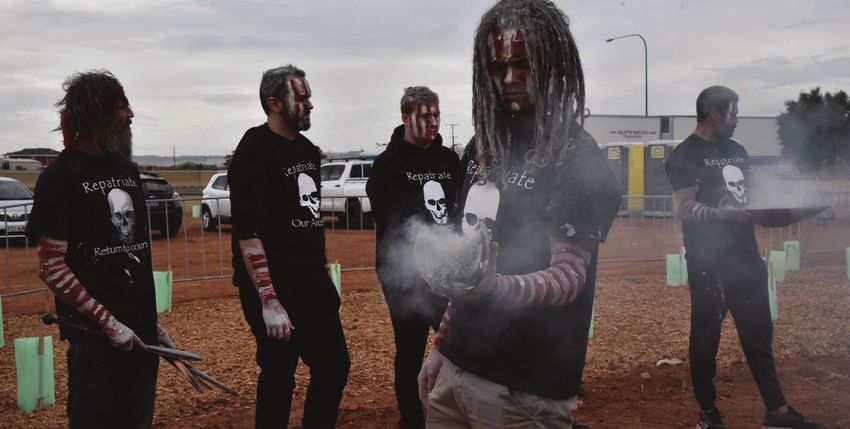
   Above: Kaurna reburial of ancestors disturbed by Northern Connector project. Read full article on page 6.

Communities lock out coronavirus
Across South Australia, Aboriginal            The closures mean that even residents of       The communities’ decisions to shut           strict new rules for entry into their
communities have braced themselves            the communities cannot re-enter if they        their doors came after concern for the       community on 5 March.
against the deadly coronavirus                are sick, have travelled overseas recently     welfare of Aboriginal people, particularly
                                                                                                                                          The APY Art Centre Collective worked
(COVID-19), which has swept the               or have had contact with someone with          people in remote areas grew following
                                                                                                                                          for some time to evacuate Elders from
world, by closing their doors to              the virus. Even if community members are       the announcement of the pandemic by
                                                                                                                                          the lands, planning for older artists that
outside visitors.                             cleared to return, they need to self-isolate   the World Health Organisation.
                                                                                                                                          wished to do so to relocate to a boarding
The Premier of South Australia announced      for 14 days before going back to the           According to the Federal Government,         house in Adelaide.
in March that movement into certain           community and to their home.                   Aboriginal and Torres Strait Islander
                                                                                             peoples and people living in remote          The collective, which represents artists
remote areas across South Australia           Davenport Community Council explained
                                                                                             communities are at greater risk              from seven communities across the
was restricted. Arrangements for the          that they took the action to protect their
                                                                                             from COVID-19.                               APY Lands, had warned that it would
shutdowns were supported and managed          community members from the coronavirus.                                                     be “impossible to slow the spread of
by the Federal Government, with the                                                          This is because “there are higher
                                              “We acknowledge this is tough for                                                           the virus on the APY Lands” according
decision to close doors made by the                                                          rates of other health issues in these
                                              all of us and it means huge changes                                                         to the ABC.
communities themselves.                                                                      communities, it can be harder to access
                                              to our lives.                                  health care, people in the community         However, the requests were denied
The Aboriginal communities of Anangu
                                                                                             are very mobile and travel often and         by SA Health, with the South Australian
Pitjantjatjara Yankunytjatjara (APY) Lands,   “This decision was not taken lightly by the
                                                                                             people often rely more on outreach           Government saying it believes it is
Davenport, Dunjiba Gerard, Point Pearce,      council however we believe we have given
                                                                                             services in remote places”.                  safer for Aboriginal people to remain
Yalata and Yarilena have closed their         our community the best chance to protect
                                                                                                                                          in their communities.
townships to visitors, except for approved    us all and our loved ones” the Council said    APY Lands’ Board acted early to close
people providing essential services.          in a statement on Facebook.                    down access to their lands, introducing                              Continued on page 7

   Inside:                         Regional landscape boards invite members                                                                                                       3
                                   Anniversary of the 2008 Apology                                                                                                                4
                                   Portrait of Uncle Mickey                                                                                                                       8
                                   The Daly River comes to Adelaide                                                                                                               9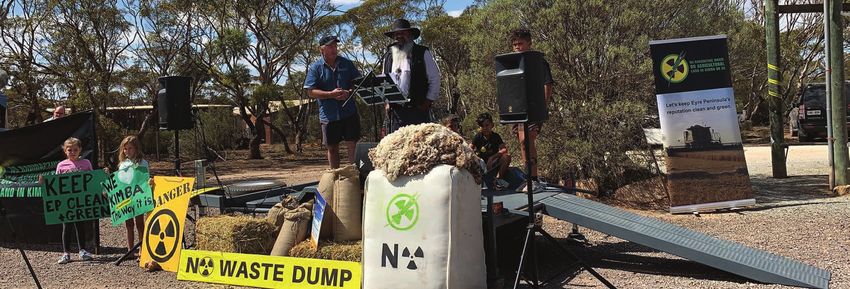
Kimba site for nuclear waste despite protest
The Federal Government has chosen a                     Traditional owners who do not live in the                 The Full Federal Court however ruled         A bill to allow for the placement of the
site near Kimba in South Australia to                   Kimba community were not given special                    “It is not correct to say that BDAC’s        site at Napandee was introduced to
locate a national radioactive waste site.               consideration despite their native title                  members were excluded from the ballot.”      Federal Parliament shortly after the
                                                        interests, representatives of Barngarla
On 1 February, then Resources Minister                                                                            The community ballot returned                Minister’s announcement.
                                                        people argued.
Matt Canavan announced that he was                                                                                62 percent support for the site by those
selecting Napandee near Kimba as                                                                                                                               However, a cross-party parliamentary
                                                        Lawyer Daniel O’Gorman SC, representing                   local property owners and residents who
the preferred site and the government                   Barngarla, had argued that native title                                                                committee has found ‘significant risk’
                                                                                                                  voted. Barngarla conducted their own
intended to move ahead with legislation                 holders should have been allowed to                       ballot which returned 100% of native title   that traditional owners were not consulted
to enable the establishment of the site.                participate regardless of whether they                                                                 about the facility to a standard required
                                                                                                                  holders who voted opposing the facility.
“I am satisfied a facility at Napandee will             lived in the Kimba area.                                                                               under international law.
                                                                                                                  The day after the announcement
safely and securely manage radioactive                  “This was a ballot of the community, the                  by the Minister, hundreds of people          A report by the Joint Committee on
waste and that the local community has                  Kimba community. They are the native                      including Barngarla and Adnyamathanha        Human Rights stated that given Barngarla
shown broad community support for                       title holders of the land surrounding the                 traditional owners gathered in Kimba         traditional owners unanimously opposed
the project and economic benefits                       sites in question” he said.
it will bring” Minister Canavan said.                                                                             to rally against the facility.               the proposed facility, the Federal
                                                        “Therefore, we submit, they clearly had                   According to the Eyre Tribune, speakers      Government’s decision to move ahead
The announcement came following the                     an interest in the ballot, they clearly had
dismissal of an appeal by the Barngarla                                                                           at the rally included farmers and            risked breaching their rights to culture
                                                        an interest in the dump and whether it
Determination Aboriginal Corporation                                                                              politicians, with each speaker “sharing      and self-determination.
                                                        goes ahead or not.
(BDAC) against a decision of the Federal                                                                          the sentiment that allowing a single
Court that ruled that native title holders              “Their mere standing as native title                      landowner to volunteer a site before         The bill remains before Federal parliament
were not unfairly excluded from a                       holders, warranted them being included                    community consultation had been an           and will likely be delayed due to the
community ballot on the matter.                         as part of the community” he said.                        inherently divisive and painful process”.    coronavirus disruptions.

Kimba community members protesting against the possible construction of a radioactive waste site in their area.

   2       Aboriginal Way, Autumn 2020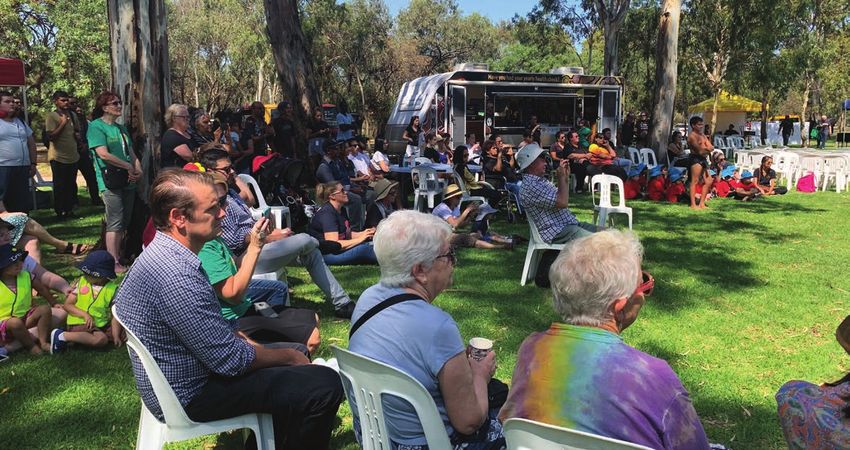
Regional landscape
boards invite members
South Australia’s new system                 The first elections were delayed to align
of landscape management has                  with the next planned local government
commenced and expressions of                 elections. Until then board members
interest have been sought for people         are being appointed by the Minister
to become members of new boards              for Environment and Water.
for several regions in the state.
                                             From 2022, in regions where elections are
Nominations for this first round of          to be held, communities and landholders
new board members have now closed,           will be able to take part in an election
with the Department and Minister             process to elect three of the seven new
considering placements.                      members to the regional landscape
                                             boards. The Minister will appoint four
With the restructuring of the state’s        of the seven new members.
natural resource management system,
South Australia now has a range of           Some ongoing appointments have
regional landscape boards.                   already been made, with presiding

                                                                                                                                                                   Image courtesy of NACCHO.
                                             member appointments for each of the
The new Landscape South Australia Act        landscape boards being announced
2019 will replace the Natural Resources      in February 2020.
Management Act 2004 as the key
framework for managing the state’s           Members of existing the Alinytjara Wilurara
land, water, pest plants and animals,        (AW) NRM Board remain in their roles
and biodiversity across the state.           in the new structure, they have been
                                             appointed as members of the new AW
Eight new regional landscape boards          Landscape Board.
will administer the new Act. A new
entity, Green Adelaide, will bring an        There will be no elections in the board to
integrated approach to managing              manage resource management in the metro-
Adelaide’s urban environment.                politan area, Green Adelaide. Instead, a
                                             process has begun to appoint the remaining
Presiding members have been appointed        board members with all appointments
to lead each of the new regional landscape   expected to be finalised by April 2020.
boards by the Minister for Environment
                                             Reforms within the state’s landscape
and Water. They will also be responsible
                                             management system will continue
for administering the NRM Act and current
                                             and any person interested in this
regional services until 1 July 2020.
                                             area can stay up to date by checking
From 2022, communities and landholders       the Landscapes SA and Your Say
will be given the power to elect some of     community consultation websites.
the new members to each of the regional      www.landscape.sa.gov.au
landscape boards.                            www.yoursay.sa.gov.au

                                                                                           NAIDOC Week 2020
                                                                                           NAIDOC Week 2020 has been postponed with the National NAIDOC
                                                                                           Committee saying the decision was made “in the interest of safety
                                                                                             for our communities” amid the developing Coronavirus crisis.

                                                                                                     Stay strong,
                                                                                                     stay at home
                                                                                                The Aboriginal Health Council of South Australia (AHCSA)
                                                                                             is keen to ensure people receive and understand information
                                                                                                   about how to best avoid contracting Coronavirus.

                                                                                                      The AHCSA has developed resources about the
                                                                                                       virus including a video message that outlines:
                                                                                                                   What is the coronavirus
                                                                                                                     How does it spread
                                                                                                            What can you do to protect yourself
                                                                                                                   What are the symptoms
                                                                                                            What do I do if I think I have the virus
                                                                                                                  What is social distancing
                                                                                                                      How to self-isolate

                                                                                           You can find the video and other information on coronavirus here:
                                                                                                      https://ahcsa.org.au/coronavirus-covid-19/

                                                                                                            Aboriginal Way, Autumn 2020                        3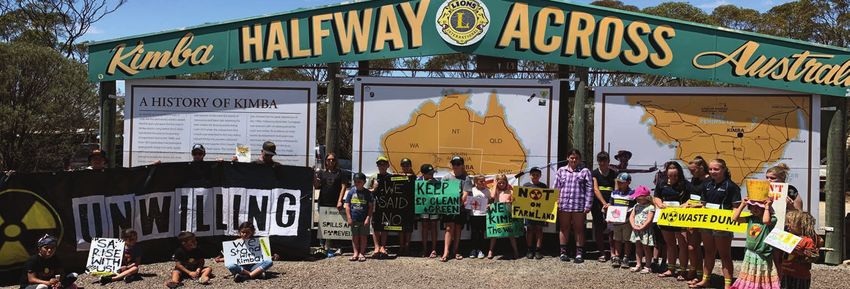
Anniversary of the 2008 Apology remains
a significant day for reflection and healing
2020 marks the 12th anniversary                 Reconciliation SA held their annual             and understanding because that is what         “For me, when I come to this event here,
of the National Apology to the                  breakfast at the Convention Centre in           reconciliation is about” said Ms Reid.         I tend to think about what the mothers
Stolen Generations.                             Adelaide with 1,800 attendees, keynote                                                         and fathers went through not seeing their
                                                                                                Peramangk and Kaurna Elder, Ivan-Tiwu
                                                speakers, musicians, and a featured                                                            children ever again.
In 2008, Australians across the country                                                         Copley, speaking at the Veale Gardens
watched as Prime Minister Kevin Rudd said       artist to commemorate the survival of                                                          “People need to understand the enormity
                                                                                                community event on the anniversary said
sorry for the pain and suffering inflicted on   the stolen generations and their children.                                                     of the removal” said Mr Copley.
                                                                                                the day is about not forgetting the past.
Aboriginal Peoples by government policy         Shona Reid, Reconciliation SA Executive
                                                                                                “It’s about honouring stolen generations       In 2008, Mr Rudd closed the apology
to remove children from their families.         Director said coming together as a
                                                                                                and keeping a pathway open to say that         with a hope for an inclusive future for
In his national address, the Prime              community each year is a significant part                                                      all Australians.
                                                                                                we haven’t forgotten. Aboriginal and
Minister acknowledged the generational          of the healing and reconciliation process.
                                                                                                non-Aboriginal people, to say we haven’t       “A future based on mutual respect, mutual
trauma felt by Aboriginal families.
                                                “It is important that there is an opportunity   forgotten. We know there’s still healing       resolve and mutual responsibility.
“For the pain, suffering and hurt of these      for the wider community to engage in an         going on. That’s part of it. And a major
                                                                                                                                               “A future where all Australians, whatever
stolen generations, their descendants and       event like this and to come together to         part of it is giving a platform for those
                                                                                                                                               their origins, are truly equal partners, with
for their families left behind, we say sorry.   respectfully acknowledge a very true            people to come together, to meet and
                                                                                                                                               equal opportunities and with an equal
                                                part of Australia’s history.                    show support.”
“To the mothers and the fathers, the brothers                                                                                                  stake in shaping the next chapter in the
and the sisters, for the breaking up of         “The breakfast provides a way for people        Mr Copley said it is important for people to   history of this great country, Australia”
families and communities, we say sorry.         to participate and learn from stolen            understand the impact of forced removal        the Prime Minister said.

“And for the indignity and degradation thus     generation survivors. It is a way for people    of children from their families.               For Ivan-Tiwu Copley the anniversary is
inflicted on a proud people and a proud         to experience the emotion and to join in                                                       about acknowledging Australia’s history
                                                                                                “There are massive numbers of people
culture, we say sorry” said Mr Rudd.            the commemoration.                                                                             and shaping our future.
                                                                                                affected by the removal. It’s so important
Twelve years on and the anniversary             It is also important for stolen generation      for that acknowledgement and the learning      “It’s our history. We’ve got to acknowledge
of the apology continues to be a                survivors to know that they have the            of the effects of those policies throughout    our history as Australians. Aboriginal and
significant date for Aboriginal and non-        wider community behind them and for             the population. We’re talking third now        non-Aboriginal people, it’s our history. It’s
Aboriginal people to reflect on past            Aboriginal and non-Aboriginal people to         fourth generations that are affected by it.    been written. We can’t change it, but we
wrongs and share in the healing.                come together for healing and growth            People don’t realise how much it is.           sure can write the future” he said.

   4      Aboriginal Way, Autumn 2020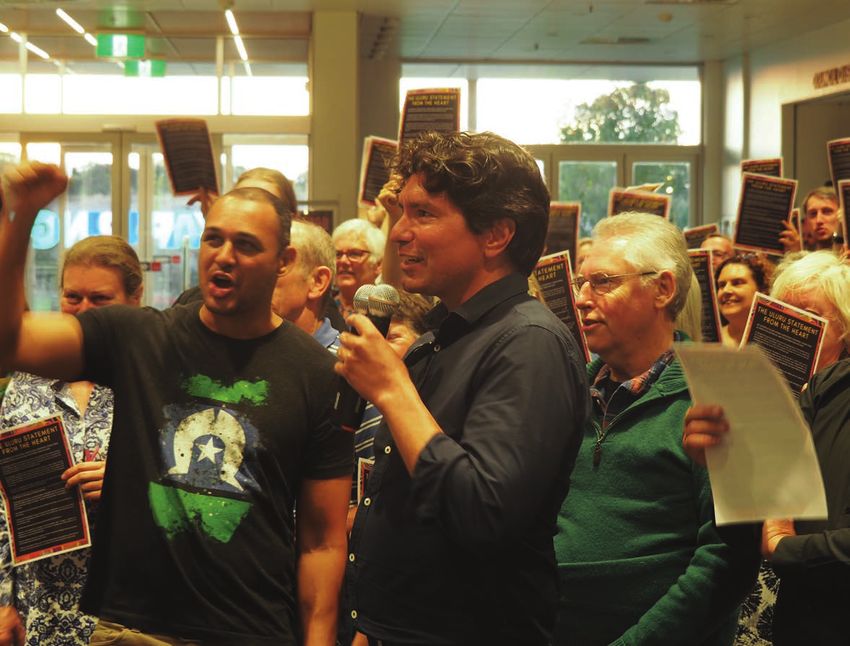
Aboriginal Way, Autumn 2020 5
Kaurna reburies
ancestors
Many South Australians would                     camp out on country, we put a fire on
have heard that a major new road                 the ground and we’d start to talk about
project, the Northern Connector                  the process together.
was completed recently.
                                                 “This is a process we’ve never had to
Many may not be aware that construction          do. It’s new to us and so it’s important
on that project uncovered the remains            for us as Kaurna people to sit around
of several Kaurna people buried on their         the fire, talk about the protocols and
country before colonisation.                     the processes and how we do it so that
                                                 we’re all in agreeance together and we
One morning in March, Kaurna community
                                                 support each other in doing that.”
members respectfully reburied the
remains of these ancestors disturbed             While Kaurna community members are
during the construction of the Northern          striving to support each other through
Connector as well as other construction          the process, it’s a challenging time,
projects in the region.                          said Mr Sumner.
Kaurna Ngarrindjeri Yankunytjatjara              “For many years, a lot of information
man Allan Sumner was a part of that              has been lost, particularly around our
very careful and moving reburial                 traditional ways of living here on the
ceremony. He says that the challenges            Kaurna Plains. Our landscape has changed
of appropriately returning ancestors like        phenomenally with the introduction of
this whose remains have been disturbed,          buildings and the development of Adelaide
as well as caring for the remains of             has had a rippling effect on our culture.
old people who are being returned by             We went through an assimilation process.
institutions around the world is a large but     We went through a White Australia policy.
crucial challenge for Kaurna people and          We’ve been through colonialism. We’ve
other South Australian Aboriginal nations.       survived on this country, but we’ve lost
Mr Sumner is a multi-skilled artist, designer,   a lot of knowledge in doing so.”
business operator and leader and he              Kaurna people are reclaiming that
told Aboriginal Way about the Northern           knowledge, Mr Sumner said.
Connector repatriation at his studio in
Aldinga shortly after the ceremony.              “So we’ve reading through the eyes
                                                 of colonists back in those times who
“We were told about our old people               reported how our people were living on
that were dug up. They came from three           the country. The SA Museum holds a lot         “Obviously, when we find our old people,      “What we need as Kaurna people is
different areas of the suburbs. Out of the       of documents through Tindale’s records         it’s upsetting for our community, for the     a keeping place for ourselves.
13 old people that were disturbed, only          and so we’re trying to piece together our      Kaurna community and, since the turn of
parts of thier remains were actually                                                                                                          “So as we are made aware of our old
                                                 cultural knowledges. As Kaurna people          the century, a lot of the remains of our
taken from the earth.                            on this country we’re working out what                                                       peoples remains being disturbed, we
                                                                                                people have been dug up or disturbed
                                                 knowledges people have so that we              from their natural state.                     don’t have to put them in the care of the
“They come from different areas on
Kaurna country, our reburial was prepared        can piece all together, and look at the                                                      South Australian Museum. We’ll have our
                                                 reclamation of our language and our            “This country will still be developed,        own keeping place where we have total
to distunguish southern, western and
                                                 cultural knowledges.                           the city of Adelaide will continue to be      control of where they go including all the
northern. Out of the 13 old peoples
                                                                                                developed, what we are trying to do as        information, the maps, the locations for
remains we had a mixture of gender,              “Who does that is probably the biggest         Kaurna people is to be able to work with
male and female. As part of the collection                                                                                                    us as Kaurna people.
                                                 issue because we’ve lost that much, there      developers and to, obviously, maintain
we had young people, a baby and a group          is an onus on leaders and others that          our rights as Aboriginal people in terms      “That just makes the process a lot easier
of older men” he said.                           are coming through as cultural bearers         of cultural heritage.                         for us to start making informed decisions
Great care was taken to lay the                  to maintain that knowledge, but also to
                                                                                                                                              around how we do those reburials without
old people to rest appropriately,                continue getting that knowledge wherever       “That means making sure that those
                                                                                                                                              having red tape to stop us from actually
Mr Sumner explained.                             it may come from.                              who are involved in disturbing the
                                                                                                                                              doing that” Mr Sumner said.
                                                                                                remains of our old people work with us
“The remains of our old people were split        “For those that wanting to learn more
                                                                                                to make sure that if any developments         In the end, the work going into
up into three groups and then we worked          about who they are, their identity, their
                                                                                                are happening on those parts of the           repatriation and reburial is not just for
with Lendlease to get an operator to be          culture, their language, where they come
                                                                                                land is that Kaurna people are there.         the older people but for the generations
able to dig out the reburial.                    from, their roots, there’s strength in that.
                                                 It’s not until we as Kaurna community          Kaurna people act as important                to come, said Mr Sumner.
“Aboriginal people operating the machinery
                                                 sees that there’s more to life than living     monitors for major infrastructure projects,
and guiding the process was an important                                                                                                      “The reason why we do that is because
                                                 in the status quo and saying, ‘Oh, well,       Mr Sumner explained.
part of the reburial. The set up of the                                                                                                       we have our old people represented there,
                                                 our culture is gone. It’s finished. What’s
reburial was respectful to our old people                                                       “We have our cultural heritage monitors,      but we also have our younger generation
                                                 the worth pursuing my language?’ and
as well as for the communites who                                                               we have our archeologists, the                represented there. To pass on these
                                                 things like that.
attended on the day.”                                                                           anthropologists onsite and we make sure       stories, to pass on those narratives, those
                                                 “We need to all come to the table and          that we stop work accordingly, we make        cultural knowledges to our young people is
Mr Sumner said that the whole reburial
                                                 come to terms with what’s happened on          sure that we assess the area.                 very important, particularly in this process
process took several hours as the Kaurna
                                                 our country and to admit that not every
people worked to make sure that the                                                                                                           because we know that this is going to
                                                 person knows everything about who              A dedicated keeping place for Kaurna
remains of their old people were laid out                                                       old people and to manage some of the          continue to happen. If we don’t pass
                                                 we are and where we come from, is
to rest appropriately and respectfully.                                                         many remains currently held by the SA         that on to our young people, those
                                                 that we’re learning that process today”
                                                                                                Museum and other institutions                 knowledges will be lost.
The reburial process was more than just          said Mr Sumner.
the public ceremony, Mr Sumner explained.                                                       is important, said Mr Sumner.                 “It’s a sad time for us as Kaurna people.
                                                 Uncovering remains of ancestors is a
“The process actually took two days              disturbing time but Kaurna are working         “We would like to have our own keeping        There’s an ugliness about it, the fact that
and so we had people arrive a couple of          on processes to make sure that it is           place, a private keeping place. As opposed    we were put in this position to be able to
days earlier to start setting up the camp,       managed carefully and respectfully             to, at the moment our keeping place is the    do this, but we know that it is the right
part of repatriation program is that we          as the city is developed.                      South Australian Museum.                      thing to do.”

   6      Aboriginal Way, Autumn 2020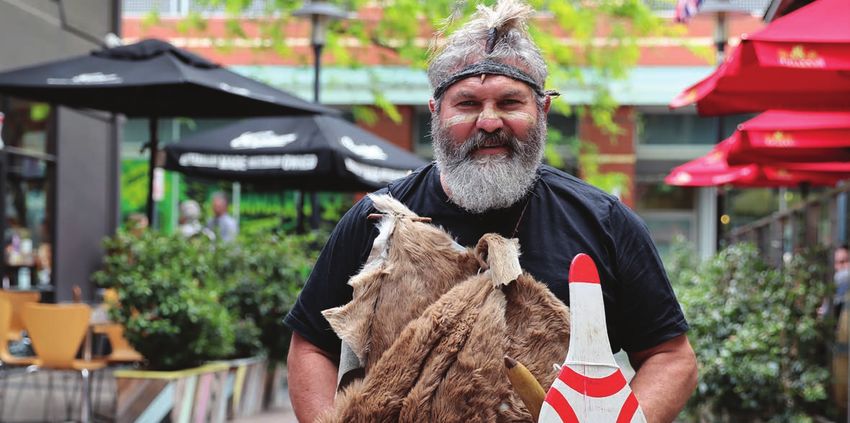
Allan Sumner (previous page top), Jack Buckskin (previous page bottom) and Jeffry Newchurch (this page, centre) address community attending reburial ceremony conducted by Kaurna men.

Communities lock out coronavirus
Continued from page 1                                 Panic buying and food security, an                     “Under COVID-19 travel restrictions
                                                      issue across the world in the wake of                  small, community-owned stores must
The availability of virus testing for people
                                                      the coronavirus pandemic, was another                  suddenly meet 100% of people’s
in remote communities was a topic of
                                                      key challenge for remote and closed                    needs across a much greater range
concern, as this provides a crucial tool
to manage the spread of the illness.                  communities during these times.                        of products. Some stores have had
                                                                                                             to triple their usual orders.”
Following criticism about delays, the                 In the Northern Territory, a coalition of
Federal Government announced improved                 13 Aboriginal organisations called for the             In South Australia, community managers
testing facilties with Federal government             national cabinet to support and guarantee              worked to make arrangements for delivery
funding for 83 new mobile testing sites.              the supply of affordable food and other                and collection of food to residents in
                                                      basics in for these communities.                       closed communities, assisting them to
Some remote areas have been waiting
                                                                                                             register for priority distance shopping.
up to 10 days for results but the new                 Remote stores were struggling to supply
project aims to cut waiting times to                  basic goods, John Paterson, the CEO of                 Communities also facilitated health
45 minutes according to a Federal                     the Aboriginal Medical Services Alliance               services and provision of medicine
Government announcement.                              of the NT said.                                        for residents.

                                                                                                                                             Aboriginal Way, Autumn 2020                 7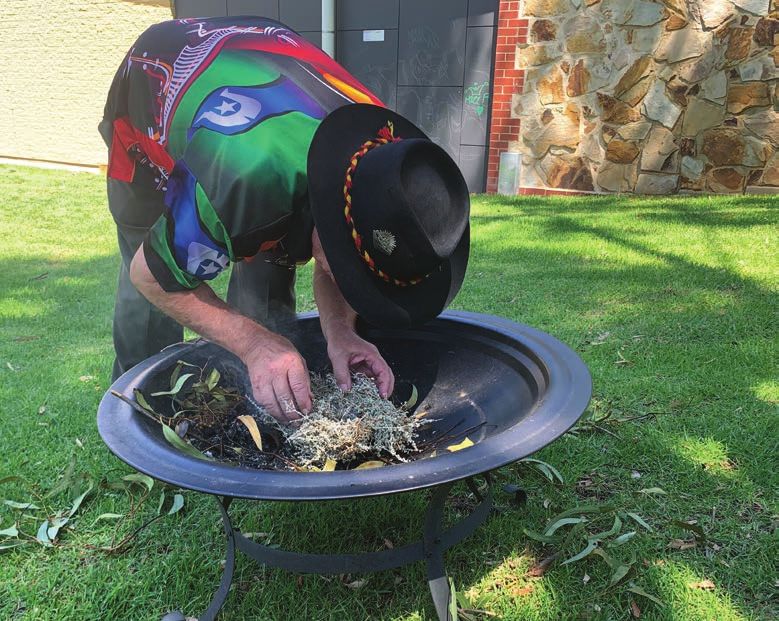
Portrait of Uncle Mickey
Kaurna knowledge and perspectives
have links in our landscape today,
Uncle Mickey said.
“We can go back to really those early days
of Colonel Light who, was a great surveyor
and mapped out the City of Adelaide.
“You know, he mapped out Adelaide, not
just in the system of a grid system of a
North, South, East, West, but also putting
in the greenbelts.
“Mullawirraburka, one of the last of the full
blood Kaurna people worked with Colonel
Light and told him the spirit of the land
itself and told him about the fact that it’s
important to have greenbelts because it
gives you safety in fires. It also enables
people to have spaces to go.”
There are further Kaurna influences
and echoes in the shape of the city of
The community is embracing stories Uncle Mickey is ‘the impatient’ son of “I mean, what’s fascinating about our Adelaide, Uncle Mickey said.
about Aboriginal culture and that’s respected Kaurna Elder Lewis O’Brien. language I think, our people were visual,
“What some people don’t even recognise
providing important opportunities for oral, and what you would say, ‘doing’
Uncle Lewis has long been acknowledged is that Colonel Light actually shaped
rediscovering and redefining identity people. And it even is in our words.
for the ways he uses stories to powerfully Adelaide in a kangaroo.
says one Kaurna Narungga leader.
blend Aboriginal and Western ways of “Adelaide itself is known as Tarntanyangga,
Michael Kumatpi Marrutya O’Brien, or being the dreaming place with the big “So, there are the ears of the kangaroo,
knowing. Uncle Mickey is proud of his
Uncle Mickey, is is a passionate and active red kangaroo. Well, it’s telling you that the tail, the hind leg, the chest, and the
father’s contributions.
advocate for the recognition of Aboriginal the kangaroo was embedded into this paw of the kangaroo. And if people
culture, language and history. “I think what’s really important first is landscape and the spirit of this place. take the outline of the city of Adelaide,
that you know, Dad is certainly – when they’ll see that kangaroo embedded
Speaking to Dr Christina Hagger on the you consider that he was a child that “Like when you look at Torrens River, in the landscape.”
Adelaide City Council’s Adelaide Living ended up in state care and was born on an it’s known as a Karrawirra Pari, which
podcast recently, Uncle Mickey said that means that it’s the red gum forest river. The presence and value of Aboriginal
Aboriginal mission – and, really had those
the non-Aboriginal community is showing culture is sadly invisible to many
struggles of disconnection of his culture “So it’s telling you, you can get wood,
a growing interest in Aboriginal heritage. contemporary South Australians,
and particularly his family. you can get water, you can get shelter Uncle Mickey said.
“It’s giving opportunities for Aboriginal and therefore you can have all the things
“He, before he went into state care at
people to not only share that knowledge necessary to live along that river. “We’ve got the oldest living culture
the age of 12, was looking after six of
but be a part of those journeys that people on our doorstep. Many of us will travel
his siblings, because his mother was The most important Kaurna stories
are wanting to explore. to many places around the world to see
poorly ill and sadly died. are embedded in the landscape,
these cultural icons, or knowledges,
“I think, you know, that’s what gives Uncle Mickey said.
“So, you know, Dad has always been on yet when it comes to the Aboriginal
us all purpose, gives us all identity and
this journey and continues to be on that “One of the most important stories of people and their knowledges… we ignore
really in some ways, a face to really be
journey, even at the age of 89 now, that our landscape is the Tjilbruke story. them. We see them as primitive. We don’t
connected to and proud of a culture
that sits in our backyard” he said. he’s not only helped bring culture back to That story itself starts from Mudlangga see them in the aspect that they were
himself, but he’s helped bring culture back being the top of the peninsula being the philosophers, they were politicians, they
Uncle Mickey shared his knowledge about to all of us: whether it be in the language, nose – Mudlangga being the nose of the were scientists, they were people that
the spiritual connection of the Kaurna people whether it be in the sharing of our peninsula, which is around Outer Harbour. had great knowledge of plants and the
with Adelaide, how the landscape of philosophies and the cultural stories and landscape and how to maintain it and, and
Adelaide tells the stories and history of the “That story goes all the way along that
knowledge and the wisdom of our people medicines. And many of our medicines
land and his hopes for greater recognition coast right down to Cape Jervis. And
across this land” he said. have the elements and knowledges of
of Aboriginal people with Dr Haggar. so it talks about the story of how, the
water springs that are found along there Aboriginal peoples wisdom and we’re
Uncle Mickey has absorbed and now shares
Uncle Mickey is known to many people were formed, because sadly, when he using them in many modern medicines.”
the philosophies that his father taught him.
across Adelaide for his Welcomes to was hunting emu, his nephew broke the But that is changing due to work by writers
Country, which he says is at the heart “One of his, I think, great philosophies is law, and, though he gave his nephew and researchers like Bruce Pascoe, said
of sharing Kaurna culture with the he talks about this word muka-muka being the opportunity to be forgiven sadly, Uncle Mickey.
wider community. two halves, being the brain. Which really his nephew’s brothers punished him
is about reciprocity and mutual benefit, by enforcing the law, not knowing that Being willing to share culture is key,
“When we welcome people to our
which is about two-ness, which is about Tjilbruke had that conversation. Uncle Mickey said.
country, it’s valuing the people that
giving and receiving.
you welcome. And so therefore you’re “And so, wherever he cried, the water “Our people believe that, you know, when
doing it with them, and not at them. “Aboriginal people have worked on springs arose. So therefore, we know that you walk the land, you connect with the
And, that’s really important. that philosophy of understanding, that there’s water along the coast along there. land and no one person holds all the
“We say Niina Marni, which is a hello everything is in balance and in harmony. But also, it talks about how the landscape knowledge and wisdom – it’s shared.
and how are you and, Ngai nari Kumatpi And, so we look after things because we itself was formed. It also talks about how And so therefore, if people take that time
Marrutya… ngai wangkanthi marni naa know that when our time comes, that to hunt emus because when you go to to want to learn, we as Aboriginal people
pudni Kaurna Yartaana… tarntanyangga we leave our body we travel to the spirit Mudlangga, he used to force the emus are happy to share that information and
so welcome! world and therefore we return back to, into the nose of the peninsula because we can learn from each other. And more
this world, whether it be, not in the human they had nowhere to run because the importantly, we can have what is really
“That’s welcome to the lands of the form, but it may be in the landscape, it water would surround them. a place that embraces both the cultural
Kaurna people and my Aboriginal name
may be in the animals, or in the skies. world and the western world.”
is Kumatpi Marrutya, which means I’m the “He was so saddened by the loss of his
sixth born male of my family and as an Uncle Lewis was also an advocate for the great nephew, he decided to not be a part You can listen to this discussion in full
ambassador of the Kaurna people, and – revival of Kaurna language and that language of this earth again. And so, he took the on the Adelaide Living podcast here
as my Aboriginal name says – I’m known is key to understanding culture and people, feathers of another bird and he ended https://living.cityofadelaide.com.au/
as ‘the impatient one’.” Uncle Mickey told Adelaide Living. up turning himself into the glossy ibis.” uncle-mickey-podcast/
8 Aboriginal Way, Autumn 2020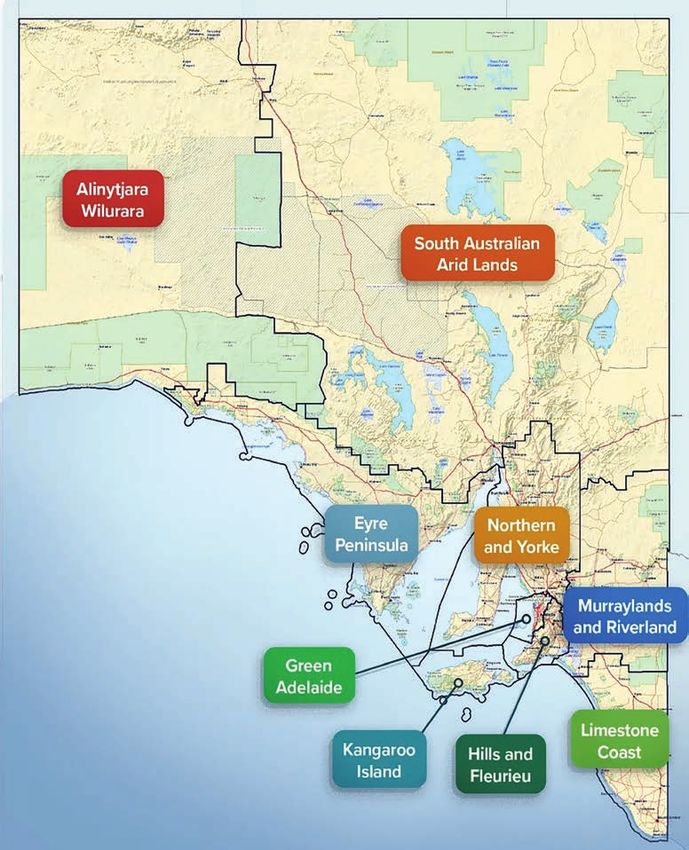
Tandanya a hub for First Nations arts
culture and highlight culture to the wider just be a part of our culture” Mr Stokes acclaimed one-woman show, ‘a swirl
community and so they created an said ahead of the event. of monologue, movement and song
organisation to be able to perform and show- which relives the abuse she and her
This year’s unique Fringe program was
case Aboriginal and Torres Strait Islander family endured’.
completely dedicated to First Nations
culture to Australia” Mr Stokes said.
artists and creatives, with Tandanya The Daly River Girl depicts writer/actor
That makes the First Nations Hub a presenting a line-up of high-calibre Tessa Rose’s journey growing up with
perfect event for Tandanya according productions, including something for foster families, away from her natural
to Mr Stokes. everyone across the genres of theatre, mother, family and country. Read more
dance, cabaret, music, film, comedy about Tessa Rose’s life and work below.
“Look, it’s the only institute of its kind and visual arts.
in Australia. It’s a First Nations institute. Each Saturday night of the Fringe, Blacklist
It is what we should be doing, and it’s In 2020, Tandanya partnered with
Cabaret hosted a cabaret line-up of
what we want to do, it’s the place that Adelaide Fringe to host their signature
A-list First Nations artists of colour from
we should be doing these sorts of things. event, Yabarra: Dreaming in Light.
across the festival, hosted and curated by
We’ve got the facilities here, let’s utilise In 2019, Yabarra lit up the banks of the
2020 Adelaide Fringe Ambassador – the
that and let’s bring in the community. River Torrens drawing huge crowds.
formidable Fez Faanana.
To celebrate 30 years of operation, The Fringe program celebrated the In 2020, and for all 31 days and nights
Tandanya’s First Nations Hub also
Tandanya National Aboriginal Cultural relaunch the Tandanya café space as a of the Fringe, audiences were invited to
Institute hosted the inaugural experience Yabarra as a unique indoor included a line-up of comedians, the 2019
home where artists from local, national Adelaide Fringe Best Emerging Artist
‘First Nations Hub’ during the cultural experience at Tandanya.
and global communities felt welcome
Adelaide Fringe Festival in February. award winner Spirit performed by Yellaka,
to gather together. At the heart of the First Nations Hub live music by artists including Melbourne
The new event fit perfectly with the original experience were short runs of the based electronic dance duo The Merindas
“We’ve ultilised that café to make it
concept for Tandanya, CEO Dennis Stokes theatrical productions I Don’t Wanna Play
a place that all the artists, whether they’re and Adelaide’s very own Nathan May,
told Aboriginal Way. House and The Daly River Girl.
performing at Tandanya or not, can come, an Indigenous contemporary dance
“Tandanya was formed in 1989 by a First Nations people can come and just all I Don’t Wanna Play House is Pakana masterclass, free film screenings and a
group of people who wanted to maintain be together, and mingle and network, and woman Tammy Anderson’s critically- weekly free cultural workshop series.
The Daly River comes to Adelaide
people that live in the long grass or just she has found that challenging to deal And then without me even realising it
Indigenous people in general who come with in later life. as I went on to drafts, a lot of the anger
in from the communities and visit family subsided” she reflected.
“There’s… the Seventh Day Adventist
that are staying in town. The racism is
upbringing, which was extremely strict. Working with an experienced playwright
just rampant.
and putting some distance between herself
“It took so long to get over the guilt.
“I just wanted to say to those people, and her own character in her play was a
‘That’s the devil’s music. Don’t dress
if you just stopped and maybe asked a breakthrough moment said Ms Rose.
like that. You don’t do this.’ and what not,
few questions and listened, you might get and just constantly. It was just feeling “I was lucky enough to have Alana
an understanding of the plight of others, so guilty and terrible within yourself Valentine, who’s a brilliant playwright as
what their experience has been.” as a person, as a human being. my dramaturge. And that was when I was
Ms Rose felt she was in a position to share “To realise that no, you’re not a horrible still very early stages of writing and I was
her own story to promote that empathy. person, but just having that really strict finding it really difficult, and then she just
“I wasn’t from stolen generation, but Christianity took many years to get past said to me one day, ‘Give her a name’. And
I was a ward of the state and went and realise that we all have different so once I did that, then I was writing about
through numerous foster families and it’s beliefs and we’re all individuals and it a character and it became so much easier
The powerful story of one Indigenous doesn’t make you a bad person” she said. for me to write.”
traumatic. It takes many, many years to
child growing up in non-Aboriginal get past that and through that. So I just Ms Rose said that the transition from acting Ms Rose is not planning on making a
foster families has been explored in thought by sharing my story, people, to writing was not a natural one for her. permanent transition from actor to writer
a play presented at Tandanya during audiences may be able to go away with despite completing this work, she said.
“This is my first play that I’ve written. A
the Adelaide Fringe Festival. a conversation or it might bring up a
fellow actor suggested to me, ‘You should “I’m not in a hurry to write another one.
conversation, start a debate and talk
Actor Tessa Rose wanted to speak about write your story,’ and I’m going, ‘Don’t be It’s very lonely because you’ve got a blank
about it” she said.
her personal experience growing up in ridiculous. I’ve never written anything in my page, you’re choosing what topics to write
foster homes and so she created her Ms Rose was not subject to abuse as a child, life.’ He said ‘No, you must! Write, write,
about or what to speak about. And you’re
one-woman play, The Daly River Girl. a sad reality for many displaced children, write, write, write!’”
just there for hours just alone writing.
however she still felt loss and pain.
Ms Rose has regularly appeared on TV, Ms Rose eventually took on the challenge,
While the play explores personal and
film and theatre across Australia. She’s “Being a 4-year-old girl to a 12-year-old, but found the process of writing such
sometimes painful stories, it is an
I wanted to tell it in my own words in how personal material for the stage difficult.
had roles in Top End Wedding, Redfern entertaining and hopeful production
Now and also with Bangarra Dance Theatre. I felt with growing up with different foster “It took four years to get to the first according to Ms Rose
families, because it was traumatic. You’re production, it took that long because I had
She wanted to tell her story to audiences going from one foster family and then, “When I first got into the rehearsal room
to step away for sometimes three to six
around Australia to promote understanding you’re with them for a certain amount of with Alex Galeazzi, my director, I was just
months at a time because it was bringing
for Aboriginal people and their experiences time so you fall in love with them and what determined to have no happy ending.
up all the pain and stuff that was all safely
in the wider community. not. And then, you’re just disregarded and tucked away there somewhere” she said. “He just said, ‘No, you can’t just have all
“It’s my personal story about growing then, you’ve got to go to another foster
Despite the difficulty, Ms Rose found doom and gloom – for yourself and also,
family. It’s very painful. It’s very painful.
up with non-Indigenous foster families, that writing the work did become easier for the audience. We need to have some
a long, long way from my community “I just wanted to say, ‘This is how it made as it progressed. light and some shade and some laughter.’”
and from my home. me feel.’” she said.
“It got a lot easier, I must admit, when The Daly River Girl by Tessa Rose was
“Coming from Darwin where I live, there’s The families that Ms Rose was placed I was looking at earlier drafts, it was performed at Tandanya in February and
daily, you see people’s reactions of seeing with held strong Christian beliefs and just all my writing was just really angry. early March 2020.
Aboriginal Way, Autumn 2020 9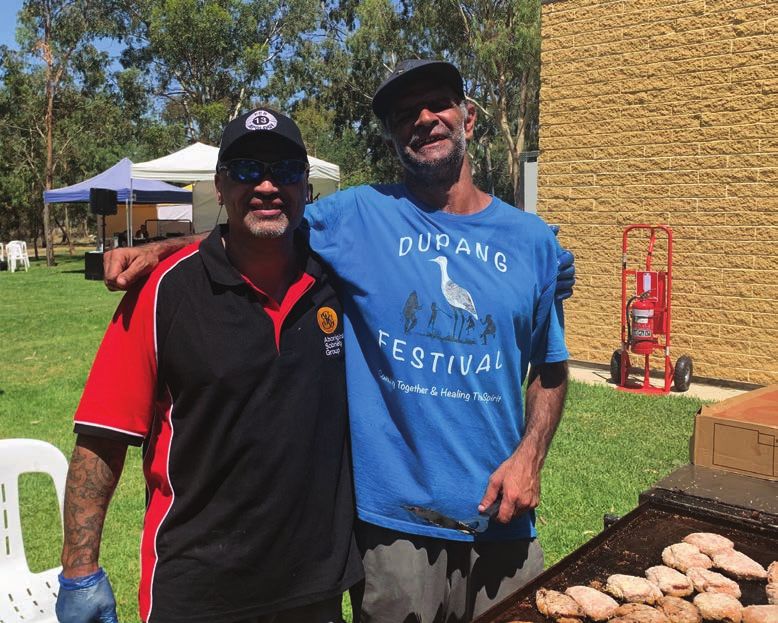
Our column in review features reviews and stories on Aboriginal writers, artists and musicians. We welcome your feedback and
   suggestions. So if you know of a new work about to published or an artist or musician please contact us on (08) 8110 2800.

Uluru Statement explored in Aldinga
Southern metropolitan community
members have had an opportunity
to learn more about the Uluru
Statement from the Heart from
prominent advocate for the reform
Thomas Mayor.

On Friday 28 February, Torres Strait
Islander man and signatory to the Uluru
Statement Thomas Mayor visited Aldinga
Library to speak about his new book,
Finding the Heart of the Nation.

The book explains the evolution of the
Statement, and the artwork on which it is
presented. It also narrates the progress of
the Statement in Aboriginal communities

                                              nationally and how it reflects and engages                 and roadblocks to the implementation                       walk hand-in-hand to a better Australia”
                                              with individual communities and their                      of the statement.                                          said one attendee.
                                              needs, story and aspirations.
                                                                                                         “He has not given up on the Uluru                          All members of the audience received a
                                              Thomas Mayor was in conversation at the                    Statement, despite its dismissal by                        printed copy of the Uluru Statement From
                                              library with fellow statement signatory                    Prime Minister Malcom Turnbull in 2017”                    the Heart. At the end of the event, all
                                              Elijah Bravington who works at Neporendi                   she said.                                                  attendees stood together with Mr Thomas
                                                                                                                                                                    to demand “Voice, Treaty, Truth”.
                                              Aboriginal Forum Inc.                                      “He wants to educate the Australian public,
                                                                                                         who the Statement is addressed to, about                   Ms Gregory said that the local
                                              The two discussed their own journeys
                                                                                                         the ways it will support Aboriginal and                    community and library were inspired
                                              towards the Uluru Statement, which
                                                                                                         Torres Strait Islander peoples to have a                   to continue in their learning about
                                              calls for a First Nations Voice enshrined
                                                                                                         voice in government decisions that affect                  Aboriginal peoples’ perspectives.
                                              in the Australian Constitution, and the
                                              establishment of a Makarrata Commission                    their communities.”                                        “The vibe of the evening was one of
                                              to manage a process of agreement-                                                                                     positivity, motivation, and passion. Aldinga
                                                                                                         Around one hundred and forty people
                                              making with Australian governments.                                                                                   Library has had continuing success with
                                                                                                         attended to participate in that education,
                                                                                                                                                                    events that focus on Aboriginal culture,
                                                                                                         with many offering positive feedback.
                                              Aldinga Library Librarian Eve Gregory                                                                                 stories and issues, and I’m so excited to
                                              said that Mr Mayor’s main message on                       “What an inspiration, so wonderful to                      keep exploring and educating in my role
                                              the night was one of hope, despite delays                  be here and share the passion. May we                      as a librarian and community member.”

                                              Above: Finding the Heart of the Nation book cover; Left to right: Librarian Sarah Roberts, Librarian Eve Gregory, Thomas Mayor, Librarian Susan Barratt and Elijah Bravington;
                                              Thomas Mayor and Elijah Bravington lead the call for “Voice, Treaty, Truth”.

 10 Aboriginal Way, Autumn 2020
More kinship care for Aboriginal children
A two-year pilot program was “More than half of Aboriginal children in and young people in their care;
announced earlier in the year to care live with kinship carers, who play a • facilitating training, including on how
support new kinship carers to keep critical role in developing and maintaining to maintain cultural connections;
Aboriginal children and young people this connection. • advocating on behalf of the carers to
connected to culture and community,
“This is about children knowing who they resolve issues or access services; and
leading to better long-term outcomes.
are and where they come from, which • providing advice and helping carers
The pilot was originally scheduled to begin helps them to form a strong identity and to understand and navigate the child
in mid-2020 before the disruptions due to maintain critical lifelong connections.” protection system.
the coronavirus were known. It is planned
to be provided by one or more Aboriginal Aboriginal community-controlled The pilot is based on a strong body of
community controlled organisations. organisations will provide support evidence following similar programs in
to regional and remote carers of the Northern Territory and Victoria.
Currently all kinship carer support is Aboriginal children.
SOUTH AUSTRALIAN
provided through an internal Department “This pilot will help us to further embed NATIVE TITLE SERVICES
for Child Protection program. The support offered will depend on the the Aboriginal Child Placement Principle
individual kinship carer’s needs, and into our work and can have flow-on
Department for Child Protection Deputy may include:
Chief Executive Fiona Ward said keeping effects for the broader Aboriginal Level 4
• using the organisation’s existing
children connected with culture not only business sector” Ms Ward said. 345 King William Street
networks and knowledge to connect
benefits them individually, but also helps
carers with Aboriginal community “That is why we are committing to ADELAIDE SA 5000
to break inter-generational contact with
and culture; this pilot being delivered by Aboriginal
the child protection system.
• connecting carers to practical support, community-controlled organisations.
“It is a fundamental right of Aboriginal services and networks, such as trauma
The pilot program will be made available
Editor
children and young people in care to be specialists, education and health;
connected to family, community and • assisting carers to manage the impacts to new kinship carers of Aboriginal Keith Thomas
culture” Ms Ward said. of inter-generational trauma for children children and young people.
Communications Officers
Native Title Conference postponed Lucy Kingston
Kaliah Tsakalidis
The Australian Institute of Aboriginal
and Torres Strait Islander Studies
(AIATSIS) and NTSCORP have post- Designer
poned the 2020 National Native Title Alison Fort
Conference as a result of the changing
and widespread impacts of COVID-19.
The national event is currently scheduled Advertising Enquiries
for 18–21 October 2020. The conference (08) 8110 2800
will remain on Minjungbal Bundjalung
Country in Tweed Heads with the ongoing
support of the traditional owners.
Circulation
NEW DATE: 18–21 October, 2020. 10,000
If you have any stories
of interest to our readers,
please address any
correspondence to:
editor@nativetitlesa.org
Aboriginal Way
South Australian
SANTS services for your organisation Native Title Services
Level 4
SANTS is an independent Aboriginal organisation with proven experience and expertise 345 King William Street
in providing a wide range of professional services to South Australian Aboriginal Nations. ADELAIDE SA 5000
We are responsive to the needs and priorities of Aboriginal Corporations
and can bring a unique understanding of and respect for culture and Ph: 8110 2800
communities in our provision of services. Fax: 8110 2811
FREECALL: 1800 010 360
We offer services in
• Corporate Governance
• Corporate Administration
• Community Development The Editor has the final
• Native Title Legal Services decision on all stories and
SANTS offers a very competitive fee structure to Aboriginal Corporations advertising that appear in
to suit their financial circumstances. this publication.
Contact our Manager of Corporate and Community Development for a confidential discussion and
further information: P (08) 8110 2800 • E info@nativetitlesa.org • W www.nativetitlesa.org www.nativetitlesa.org
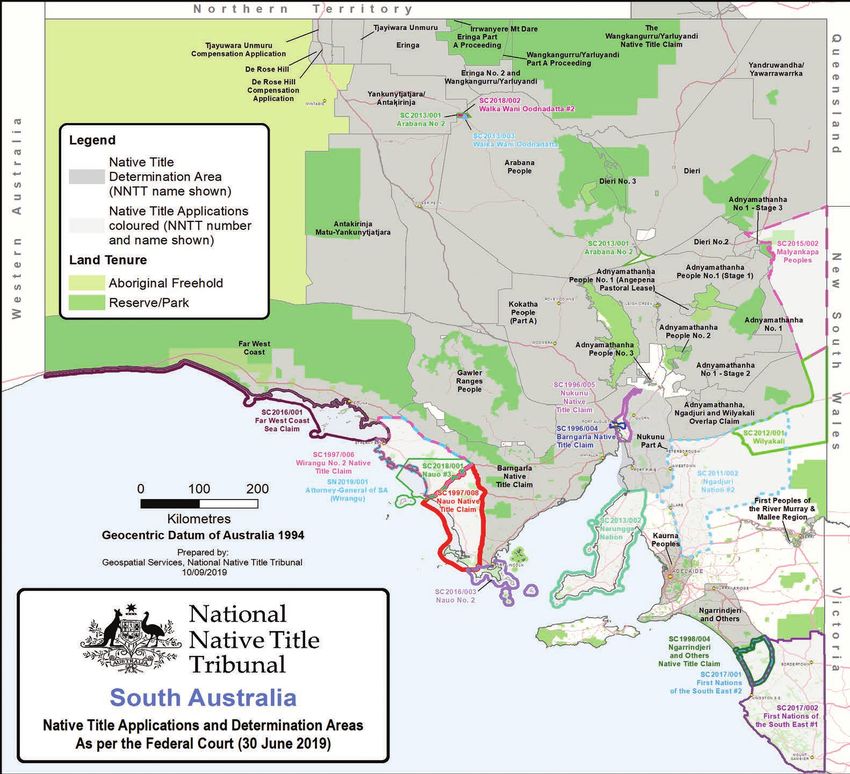
Aboriginal Way, Autumn 2020 11Native Title Areas in South Australia
Get Aboriginal Way
ISSUE 78
Individuals or organisations can request free copies of this publication.
Complete the form below and mail to 4/345 King William Street,
Adelaide 5000 or email details to editor@nativetitlesa.org
Name:_____________________________________________________
Address:___________________________________________________
_________________________________ Postcode:________________
Aboriginal Way
Phone:_____________________________________________________
Email: _____________________________________________________
No. of copies:_______________________________________________ radio program
…airs weekly on Indigenous and community radio.
If you have an interesting story or event that you would like to share
on radio, please contact Lucy Kingston on (08) 8110 2800
www.nativetitlesa.org or email editor@nativetitlesa.org
Listen online at https://www.nativetitlesa.org/aboriginal-way
12 Aboriginal Way, Autumn 2020You can also read


