NSW POLICE FORCE STRATEGY ON SEXUALITY, GENDER DIVERSITY AND INTERSEX 2016 2020
←
→
Page content transcription
If your browser does not render page correctly, please read the page content below
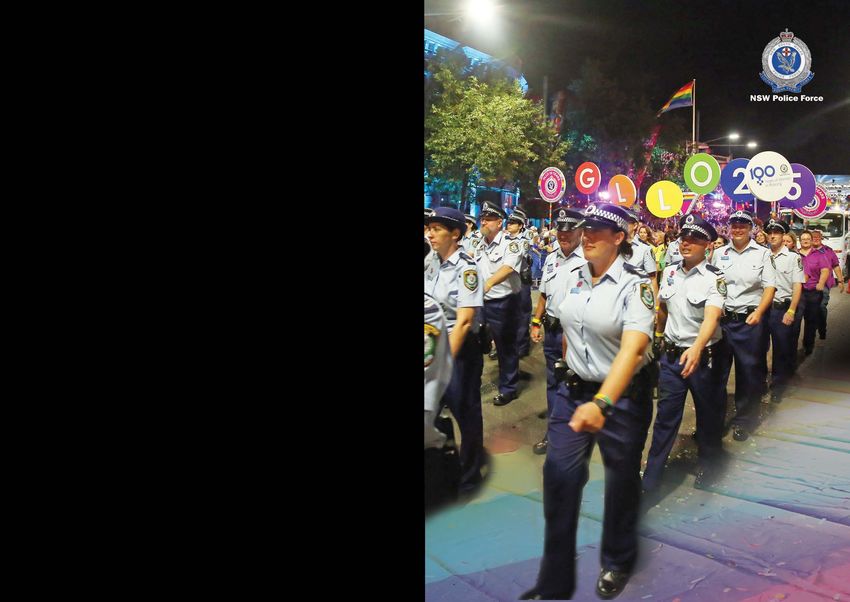
NSW POLICE FORCE STRATEGY ON
SEXUALITY, GENDER DIVERSITY
AND INTERSEX 2016 - 2020
________________________
1 Resilient Individuals: Sexual Orientation, Gender Identity and Intersex Rights – National Consultation Report 2015
2 This term literally suggests an extreme psychological and sometimes physical condition. However, in the literature on homophobic
violence, it generally refers to a range of behaviours varying significantly from incidents such as verbal abuse to a fatal and brutal
physical assault. Further, hate and fear based harassment, abuse or violence directed at transgender people is sometimes referred to
as ‘transphobic’ indicating that the prejudice is gender based rather than sexuality based.
3 www.police.nsw.gov.au/about_us/policies__and__procedures/policies/code_of_conduct_and_ethics
4 Currently under development due for completion by December 2015
5 https://www.beyondblue.org.au/media/media-releases/media-releases/major-campaign-aims-to-stamp-out-discrimination-against-
lgbti-people Beyond Blue 2015.
6 http://tavp.org.au/TAVP_Report.pdf Transgender Anti-Violence Project 2012.
7 NSW: Making it Happen is available on www.nsw.gov.au.
8 http://intranet.police.nsw.gov.au/organisational_units/corporate_services/performance_improvement_and_planning/planning_
team/results/corporate_plan.
9 www.police.nsw.gov.au/services/our_customer_service_program_and_charter ww.police.nsw.gov.au/community_issues/domestic__
and__family_violence/victims_rights.
10 http://intranet.police.nsw.gov.au/organisational_units/operations_command/policy__and__programs/bias_crimes
11 http://intranet.police.nsw.gov.au/organisational_units/corporate_services/human_resource_services/awards_policies_and_
procedures/equity_and_diversity
12 http://intranet.police.nsw.gov.au/organisational_units/corporate_services/human_resource_services/equity_and_diversity/
harassment_discrimination_and_bullying
13 For example, more than ¾ victims surveyed in a 2013 UK study on homophobic hate crime did not report to police; 2/3 did not report
to anyone http://www.stonewall.org.uk/what_we_do/research_and_policy/9286.asp
14 Unpublished draft Health Outcome Strategy on Homophobic and Transphobic Violence
15 Private Lives 2: http://www.glhv.org.au/files/PrivateLives2Report.pdf GLHV Vict (2012) , Writing Themselves in 3: http://www.glhv.org.
au/files/wti3_web_sml.pdf GLHV Vict (2010), Unpublished data into Lesbian, Gay, Bisexual, Transgender, Gender Diverse, Intersex and
Queer Experiences of Domestic and Family Violence 2014; Fair’s Fair A Snapshot of Violence and Abuse in Sydney LGBT Relationships,
2006, Same Sex Domestic Violence Interagency Working Group
16 http://intranet.police.nsw.gov.au/policy_and_procedures/operational_policies/police_handbook/chapter_s/sex_in_public_places
17 Reporting Transphobia in Australia 2013, The Gender Centre: http://tavp.org.au/TAVP_Report.pdf
18 Glossary of Terms Used in This Document page 6 - 8
19 Private Lives 2: http://www.glhv.org.au/files/PrivateLives2Report.pdf GLHV Vict (2012) , Writing Themselves in 3: http://www.glhv.org.
au/files/wti3_web_sml.pdf GLHV Vict (2010),
20 A youth-led non profit organisation supporting ‘rainbow’ young people and conducting annual awareness raising ‘days’ in schools,
workplaces and the general community: http://wearitpurple.org/
21 Unpublished data into Lesbian, Gay, Bisexual, Transgender, Gender Diverse, Intersex and Queer Experiences of Domestic and Family
Violence 2014; Fair’s Fair A Snapshot of Violence and Abuse in Sydney LGBT Relationships, 2006, Same Sex Domestic Violence
Interagency Working Group
22 Statement of Values Section 7 Police Act 1990
23 Code of Conduct and Ethics available at www.police.nsw.gov.au
24 http://intranet.police.nsw.gov.au/organisational_units/corporate_services/performance_improvement_and_planning/planning_
team/state_plan.
25 www.lawlink.nsw.gov.au/lawlink/adb
26 http://intranet.police.nsw.gov.au/strategy_and_knowledge_maps/victims_of_crime/voc_legislation
27 http://intranet.police.nsw.gov.au/strategy_and_knowledge_maps/victims_of_crime/voc_policies
28 http://intranet.police.nsw.gov.au/organisational_units/specialist_operations/customer_service/policy_and_guidelines
ISBN: 978-1-921309-06-9 29 http://intranet.police.nsw.gov.au/__data/assets/pdf_file/0004/113782/CoCE_uploaded_27_aug_08.pdf
Title: New South Wales Police Force Strategy on Sexuality, Gender Diversity 30 http://intranet.police.nsw.gov.au/strategy_and_knowledge_maps/cultural_diversity/ethnic_affairs_priorities_statement_eaps
and Intersex 2016 - 2020.
31 http://intranet.police.nsw.gov.au/strategy_and_knowledge_maps/aboriginal_issues/aboriginal_strategic_direction_booklet_and_
Subject: Lesbian, Gay, Bisexual, Transgender and Intersex Issues brochures
Command Responsible: Operational Programs 32 http://intranet.police.nsw.gov.au/organisational_units/operations_command/policy_and_programs/disability/related_knowledge_maps
Publication date: June 2016 33 http://intranet.police.nsw.gov.au/__data/assets/file/0020/533252/D_and_FV_Strategic_Plan_2014-2018_March_2014.pdf
34 http://intranet.police.nsw.gov.au/__data/assets/file/0004/273082/DFV_Code_of_Practice_FINAL.pdf
Version number: 1.0
35 http://intranet.police.nsw.gov.au/organisational_units/corporate_services/human_resource_services/workforce_relations_and_
Review date: June 2020
strategy/workplace_equity_unit/harassment,_discrimination_and_bullying
36 http://intranet.police.nsw.gov.au/organisational_units/corporate_services/human_resource_services/workforce_relations_and_
Caveat: strategy/workplace_equity_unit/harassment,_discrimination_and_bullying
© 2016. Crown Copyright belonging to the Crown in right of the State of New South Wales 37 http://intranet.police.nsw.gov.au/policy_and_procedures/operational_policies/code_of_practice_for_crime
(through NSW Police Force) is hereby reserved.
Website address: www.police.nsw.gov.au/community_issues
NSW Police Force Strategy on Sexuality, Gender Diversity and Intersex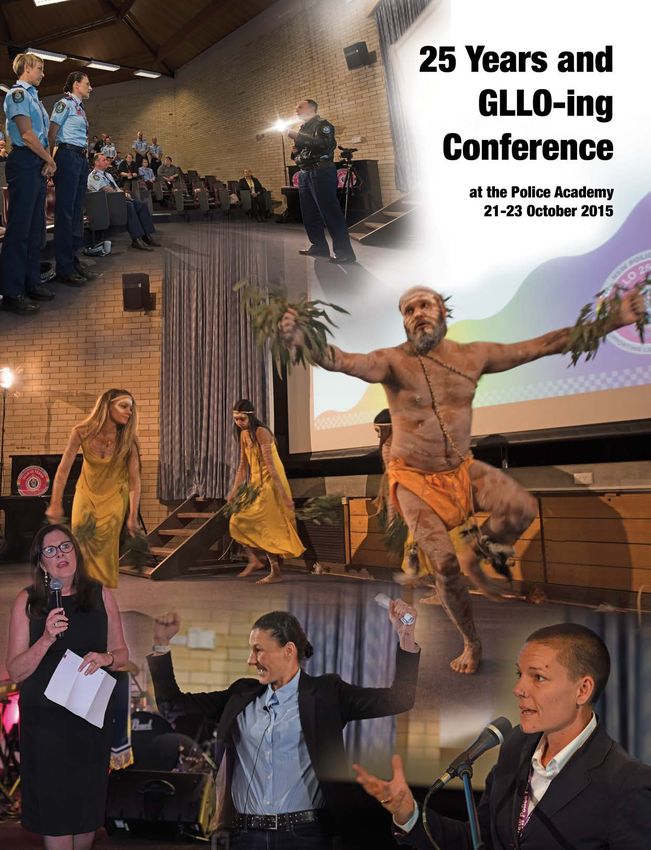
C   CONTENTS

    Commissioner’s Message.................................................... 3

    Corporate Sponsor’s Introduction ..................................... 4

    Glossary of terms used in this document ......................... 6
    1.    Purpose......................................................................... 12
    2.    Who is affected by this strategy? ............................... 14
    3.    Building respect, trust and cooperation between
          the NSW Police Force and lesbian, gay, bisexual,
          transgender and intersex people ................................ 16
          - Strategy context ................................................................... 16
      - Customer Service and responding to victims
    		 of violence and crime .......................................................... 20
          - The Gay and Lesbian Liaison Officer Program .................... 24
      - Sexuality, Gender Diversity and Intersex
    		 Region sponsors................................................................... 26
      - School Liaison Police, Youth Liaison Officers and
    		 PCYC Case Managers .......................................................... 26
          - Domestic Violence Liaison Officers ..................................... 27
          - Other Liaison and specialist contact officers ..................... 27
          - Community safety ................................................................ 28
    4.    Values ........................................................................... 30
    5.    Objectives .................................................................... 32
    6.    Strategy into action ..................................................... 34
    7.    Reporting ...................................................................... 36

                                  NSW POLICE FORCE STRATEGY ON SEXUALITY,
                                  GENDER DIVERSITY AND INTERSEX 2016-2020                             1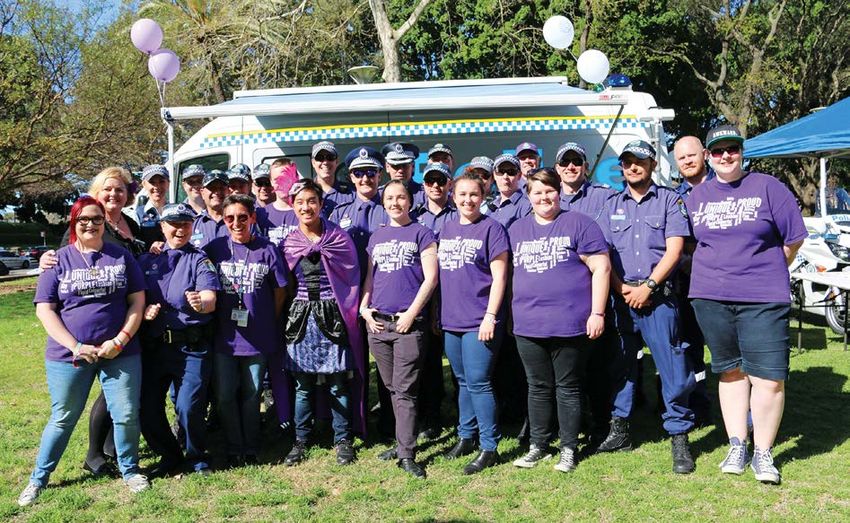
NSW POLICE FORCE STRATEGY ON SEXUALITY,
2   GENDER DIVERSITY AND INTERSEX 2016-2020
COMMISSIONER’S MESSAGE

Our purpose is to work with the community to reduce violence, crime and fear. The environment
today is very complex and diverse, making it more important than ever for police officers to
actively build and maintain a professional and collaborative relationship with sexuality and
gender diverse communities.

This strategy is our fourth – the first policy was issued in 1997, the second in 2003 and again in
2011. These policies illustrate an ongoing commitment to improving the way we manage lesbian,
gay, bisexual, transgender and intersex issues in a policing context, and provide our officers with
a clear direction for the future.

Our current strategy builds on the inclusive nature of our last policy, particularly in recognising
the rich diversity within sexuality and gender diverse communities. In addition to our external
focus on engaging communities and ensuring all people we come into contact with are treated
with respect, courtesy and fairness, we intend to focus more internally to support inclusive and
respectful workplaces.

This strategy, like our previous statements, embodies our core values of excellence, trust, honour,
impartiality, commitment, accountability and leadership. It reflects the NSW Government’s
State Prorities, with realistic and achievable policing objectives. Most importantly, it reflects our
commitment to increasing trust and confidence in the NSW Police Force amongst members of
the lesbian, gay, bisexual, transgender and intersex communities in NSW and a collaborative
approach to preventing crime and supporting all those affected by crime. It also reinforces our
commitment to creating inclusive and supportive workplaces of choice for members of these
diverse communities.

Andrew Scipione AO APM
Commissioner of Police

                                               NSW POLICE FORCE STRATEGY ON SEXUALITY,
                                               GENDER DIVERSITY AND INTERSEX 2016-2020                  3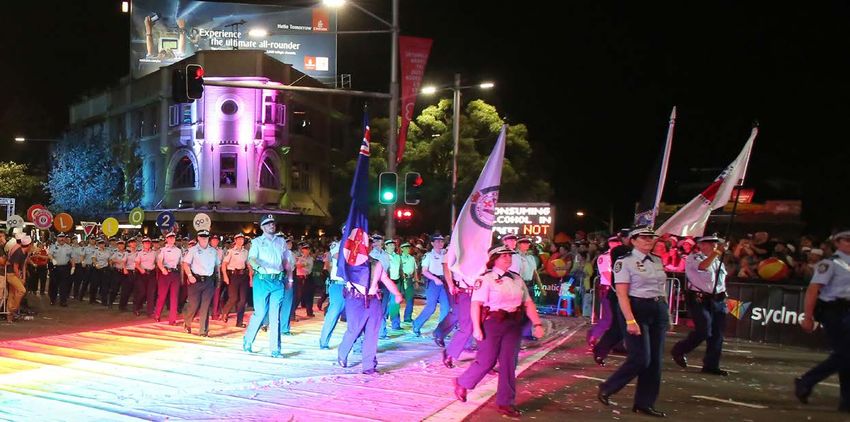
CORPORATE SPONSOR’S
    INTRODUCTION

    The NSW Police Force Strategy on Sexuality, Gender Diversity and Intersex 2016-2020 – aims to
    create a culture of inclusion within the NSW Police Force. It encourages all NSW police employees
    to improve their understanding and appreciation of diverse identities within these communities.
    This can only be achieved by a range of strategies including the well established GLLO (formerly
    Gay and Lesbian Liaison Officer – now LGBTI Liaison Officer) program, effective community
    engagement, comprehensive education and training; accurate and timely recording of crimes
    against community members; and the provision of appropriate support to victims of crime.

    In 2015 we commemorated a quarter of a century of the GLLO Program. A small group of
    GLLOs were stationed at inner city police stations in 1990. Today, there are 200 GLLOs located
    in metropolitan and regional locations across the state. The GLLO program, over the last 25
    years, has always promoted the best interests of lesbian, gay, bisexual, transgender and intersex
    (LGBTI) communities. To continue moving forward, the interaction of other programs and
    disciplines within the NSW Police Force is required. School and Youth Liaison Officers, PCYC
    Case Managers, Crime Prevention Officers, Domestic Violence Liaison Officers, Multicultural and
    Aboriginal Community Liaison Officers and general duties police officers, all have responsibilities
    to provide LGBTI people with the best possible customer service. To achieve this, officers must
    understand and appreciate diverse cultures, religions, ethnicities, abilities as well as Sexuality,
    Gender Diversity and Intersex.

    It is increasingly apparent that young people are amongst the most vulnerable within the
    community. Sexuality and gender diverse young people, and those questioning their orientation
    or identity are no exception. Evidence suggests they are even more at risk due to negative
    attitudes and discrimination they face on a daily basis. The vital roles that School and Youth
    Liaison Officers will play, working in partnership with our GLLOs, are highlighted in this new
    strategy.

    NSW POLICE FORCE STRATEGY ON SEXUALITY,
4   GENDER DIVERSITY AND INTERSEX 2016-2020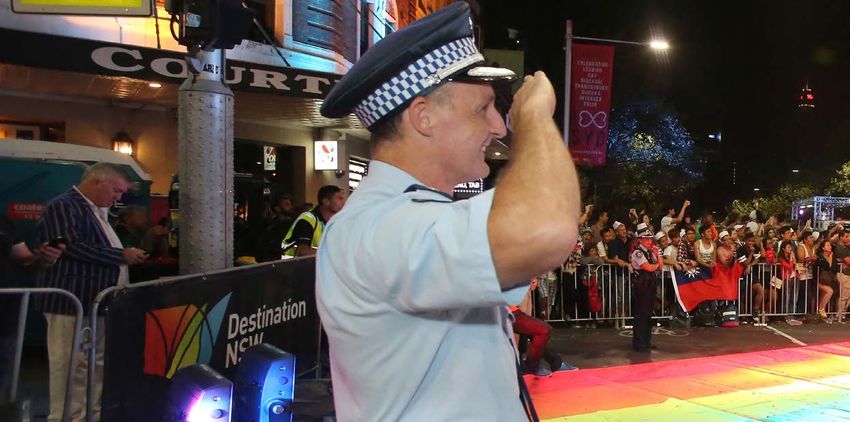
The primary focus of our Local Area Command GLLOs is two-fold: facilitating positive relationships
between police and members of LGBTI communities, and secondly, improving the overall capacity
of officers within commands to work effectively with members of these communities, whether
they are a victim of crime or have concerns for their safety and well-being. Both of these roles
will be greatly facilitated by improving our own workplace culture and implementing inclusive
policies and practice. Our work with Pride in Diversity over the next few years will be of particular
value in this regard.

I encourage all NSW Police Force employees to read this document and consider how they
can improve their own practice in relation to working with LGBTI people in the pursuit of crime
prevention, detections, addressing the fear of crime and ensuring an appropriate and sensitive
response to victims and witnesses of crime.

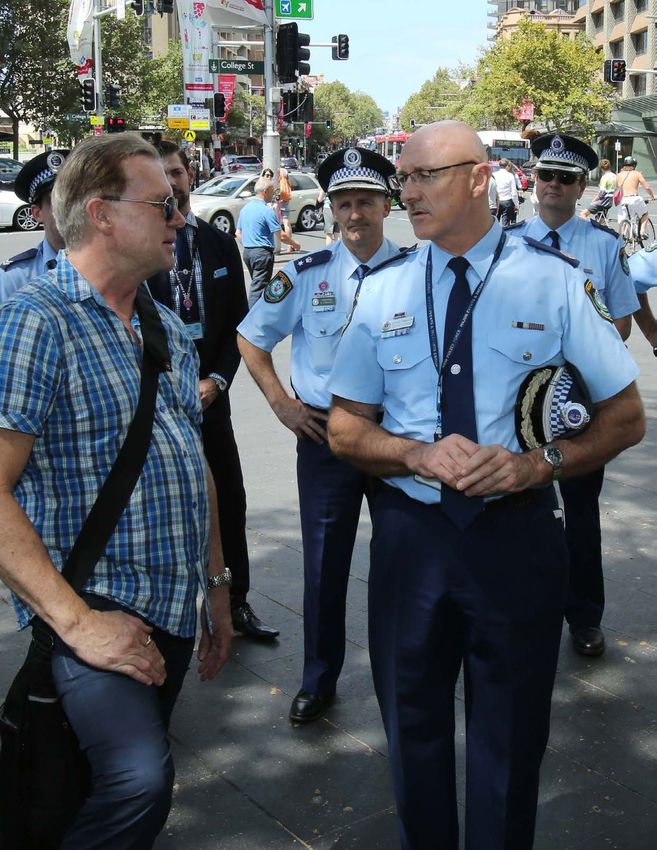
Superintendent Tony Crandell
Corporate Sponsor, Sexuality, Gender Diversity and Intersex

                                               NSW POLICE FORCE STRATEGY ON SEXUALITY,
                                               GENDER DIVERSITY AND INTERSEX 2016-2020                  5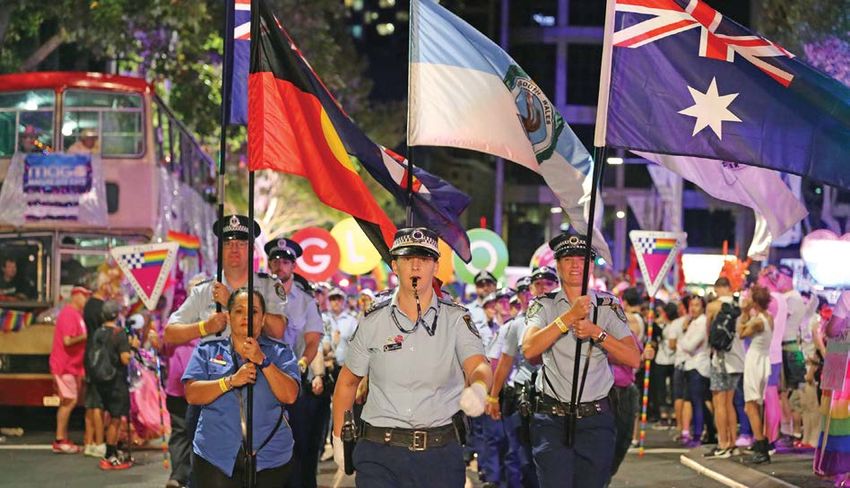
GLOSSARY OF TERMS USED IN THIS DOCUMENT

    The NSW Police Force recognises that respect for individuality impacts on a person’s self-worth
    and inherent dignity. The use of inclusive terminology respects individuality and enables visibility
    of important issues. The right of people to identify their sexual orientation, gender identity or
    intersex status as they choose is also supported. It is recognised that terminology in this area
    is strongly contested, particularly terms used to describe gender identity. Recent consultation
    conducted by the Australian Human Rights Commission1 revealed there is no clear consensus
    on the most appropriate terminology. The terms below have been selected and defined for the
    purpose of this strategy.

    ‘Sexuality, Gender Diversity and Intersex’ is used in this document to include the broad
    range of identities individuals may have including lesbian, gay, bisexual, transgender, intersex,
    queer and questioning. It also includes people who may have a more ‘fluid’ identity or approach
    to their gender or sexuality.

     ‘Sexuality’ - The NSW Police Force recognises the diverse range of sexualities in the community.
    Sexuality is an umbrella term used in this document that incorporates the meanings and
    behaviours defined by one’s sexual identity: how someone perceives themselves and how they
    present to the world, sexual orientation: the direction of one’s emotional and physical attraction
    to others, and sexual behaviour: how a person expresses themselves sexually.

    NSW POLICE FORCE STRATEGY ON SEXUALITY,
6   GENDER DIVERSITY AND INTERSEX 2016-2020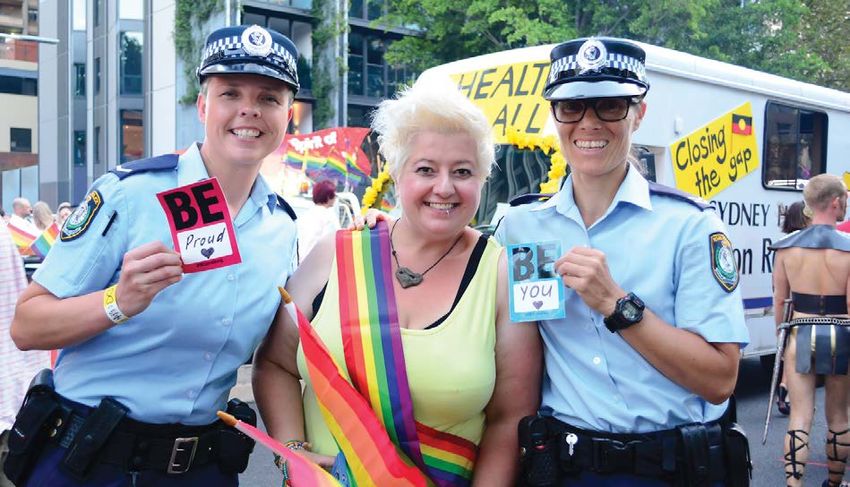
‘Lesbian, gay, bisexual, transgender, intersex (LGBTI) people or community/
communities’ is also an umbrella term used in this document to refer to the ‘lesbian and gay’
community, ‘bisexual’ people, the ‘transgender’ or ‘gender diverse’ community and ‘intersex’
people. The term is inclusive of people who are same sex attracted, irrespective of the form or
level of that attraction, the level of self identification or the identifier used by them (ie lesbian,
gay, bisexual, queer etc), the public status of their sexuality (ie ‘out’ or ‘closeted’), or the level of
connectedness to lesbian, gay, bisexual or other organisations or social groups. It is also inclusive
of people questioning their gender or with other gender issues.

LGBTIQ – ‘Q’ is sometimes used to refer to ‘queer’ and/or ‘questioning’ to cover identities held
by some people. ‘Queer’ is a term that has been reclaimed by some, particularly younger people,
who have a more fluid identity. For the purpose of this strategy, ‘Queer’ is not intended as a
derogatory term.

‘Lesbian and gay’ refers to any sexuality that involves some form or level of same sex attraction.
The terms ‘lesbian and gay’ or ‘gay and lesbian’ are used for ease of reference only and is not
intended to exclude any ‘same sex attracted’ sexuality that does not use the identifier ‘lesbian’
or ‘gay’. Positioning ‘lesbian’ before ‘gay’ in this document is a form of supporting the visibility of
lesbians within the community.

‘Heterosexual’ refers to any sexuality that involves some form or level of attraction to the
opposite sex.

                                                 NSW POLICE FORCE STRATEGY ON SEXUALITY,
                                                 GENDER DIVERSITY AND INTERSEX 2016-2020                    7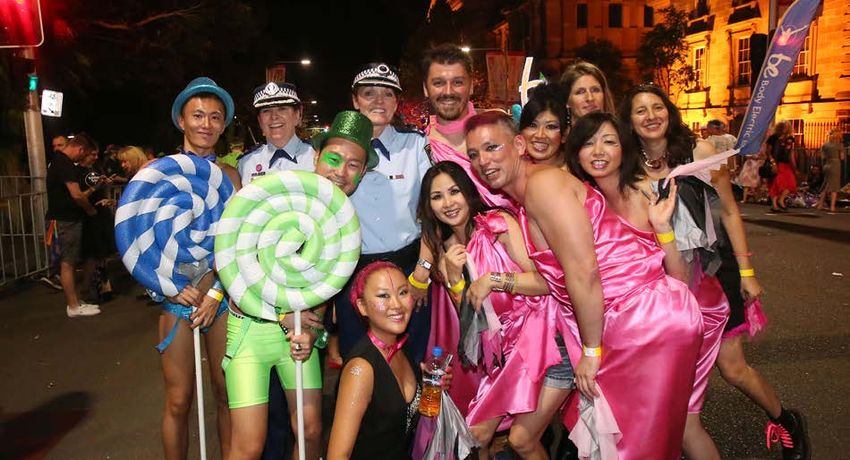
The terms ‘transgender’ and ‘gender diverse’ are used interchangeably in this document
    and refer to any person who feels their assigned gender does not completely or adequately
    reflect their internal gender (how they feel). Transgender people may or may not take steps to
    live as a different gender.

    Transsexual is a term sometimes used to refer to people undergoing or who have undergone
    a gender transition. A person from a gender diverse background may express any sexuality –
    heterosexual, homosexual or bisexual.

    ‘Intersex’ refers to people born with genetic, hormonal or physical sex characteristics that are
    not typically ‘male’ or ‘female’. Like everyone else, intersex people have a diversity of bodies and
    identities.

         Note: Violence perpetrated against intersex people might be based on physical
         characteristics, including sex characteristics. Sometimes it may be motivated by
         assumptions about sexuality or gender diversity.

    ‘Bisexual’ is a term used by some people to describe themselves as physically, emotionally and
    sexually attracted to both women and men. This strategy is inclusive of bisexual people who
    experience homophobic violence, domestic violence in a same sex relationship or any form of
    discrimination or prejudice based on their actual or perceived ‘homosexuality’.

    ‘Homophobic’ violence or crime refers to hate and fear based harassment, abuse or
    violence directed at someone because they are, or are perceived to be, lesbian, gay, bisexual
    or transgender. It includes physical and non-physical forms of abuse and the fear of violence.
    A victim of homophobic violence may or may not be homosexual. Some people confronted by
    a transgender or intersex person may experience ‘homophobia’2 because they perceive that
    person to be lesbian or gay.

    ‘Transphobic’ violence or crime specifically refers to hate and fear based harassment, abuse
    or violence directed at transgender people based on the expression of their internal gender
    identity, not their perceived or actual sexuality.

    ‘Discrimination’. The legal definitions of unlawful discrimination across the Federal and State
    jurisdictions are complex. Below is an attempt to best summarise the definitions for the purpose
    of this strategy.

    ‘Direct discrimination’ occurs when a person treats another person less favourably in certain
    areas (including employment, goods and services) because they have a certain ground or
    attribute (including homosexuality and transgender).

    NSW POLICE FORCE STRATEGY ON SEXUALITY,
8   GENDER DIVERSITY AND INTERSEX 2016-2020
‘Indirect discrimination’ occurs when a person requires another person with a certain ground
or attribute to comply with a requirement or condition in certain areas (including employment,
goods and services) and because of the ground or attribute the person is unable to comply and
is disadvantaged.
‘Unlawful victimisation’ occurs when a person subjects or threatens to subject another person
to a detriment because they have lodged a complaint of unlawful discrimination.
Note: Although discrimination is referred to in this strategy, it should be noted that
police officers cannot respond to incidents that are not offences. Police will, however,
direct people to services such as the NSW Anti-Discrimination Board and the Australian
Human Rights Commission, where appropriate.
‘Vilification’, according to the law, is any public act that could incite others to hate, have serious
contempt for, or have severe ridicule of a person or group based on their actual or perceived
race (including colour, nationality, descent and ethnic, ethno-religious or national origin),
homosexuality (lesbian or gay), HIV or AIDS status or transgender status.
‘Beat’ refers to a public location such as a park, beach or public toilet where men meet to
negotiate and/or engage in social or sexual contact with other men. Men using beats do not
necessarily identify as homosexual. Available evidence suggest that many beat users identify as
bisexual or heterosexual despite the homosexual nature of their activities.
NSW POLICE FORCE STRATEGY ON SEXUALITY,
GENDER DIVERSITY AND INTERSEX 2016-2020 9NSW POLICE FORCE STRATEGY ON SEXUALITY, 10 GENDER DIVERSITY AND INTERSEX 2016-2020
PFLAG SUPPORT DOCUMENT                        ‘gay and lesbian’ issues, which are often
                                              politicised in the media. We need to stress
PFLAG (Parents, Families & Friends of         that they are people with similar problems
Lesbians & Gays) NSW promotes the             and challenges to all of us, but they also
health and well-being of lesbian, gay,        have a few more.
bisexual and transgendered persons,
their families and friends, through:          We appreciate that times are changing and
                                              many gay people are ‘out’ and confident.
•   Support, to cope with adversity in
                                              However, many parents who attend our
    society;
                                              meetings have shared harrowing stories
•   Education and the promotion               about the discrimination and abuse
    of understanding in the general           their children have endured and their
    community; and                            reluctance to come forward to seek help
•   Advocacy, to end discrimination and       or report matters to the police. There is still
    to gain equal rights.                     a real need for Gay and Lesbian Liaison
                                              Officers, who are immediately recognised
We feel our objectives are similar to that    as gay friendly police you can talk to and
of the police, in that we are all there to    trust.
offer support and help make you feel safe
and included to enable you to reach your      PFLAG congratulates the NSW Police
full potential.                               Force for the 25 successful years of the
                                              GLLO program and we welcome this
PFLAG appreciates being invited to            continued policy commitment.
participate in police training and events,
as we feel that by sharing our experiences
as parents, we can try to ensure that the
interactions police have with gay men         Judy Brown
and lesbian women will be positive. We        President
feel it is important to put a human face on   PFLAG NSW Inc.

                                          NSW POLICE FORCE STRATEGY ON SEXUALITY,
                                          GENDER DIVERSITY AND INTERSEX 2016-2020               11
1 PURPOSE
The NSW Police Force Strategy on Sexuality, Gender Diversity and Intersex 2016-2020 – aims to
provide overall direction to NSW Police Force employees in relation to sexuality, gender diversity
and intersex issues within the community – our external focus – and within the organisation –
our internal focus. It is a strong public commitment to working in partnership with LGBTI people
and communities to prevent and reduce crime, and the fear of crime. It is also a commitment
to NSW Police Force employees to be inclusive of diverse sexuality, gender and intersex status,
thereby creating a more harmonious workplace.
All NSW Police Force employees are bound by the Code of Conduct and Ethics3 that requires the
treatment of all people with respect, courtesy and fairness. Where individuals present to police
as offenders, specific legislation, policy and guidelines exist to direct police interactions. This
strategy is more concerned with the general interactions between police and members of the
LGBTI communities within the context of customer service, including specific police responses
to victims of crime.
This strategy is supported by the NSW Police Force Sexuality, Gender Diversity and Intersex
Strategic Plan 2016-2020.4
NSW POLICE FORCE STRATEGY ON SEXUALITY,
12 GENDER DIVERSITY AND INTERSEX 2016-2020CEO TWENTY 10
BRETT PARADISE
One of the most satisfying areas of work
for Twenty 10 is participating in the training
and awareness raising activities of NSW
police. Our trips down to the Academy
in Goulburn have been extremely
beneficial, both to the police participants
in training, whether they are brand new
recruits or more experienced officers
becoming GLLOs, and to us. The more we
appreciate the nature of police work, the
easier it is for us to support our clients
in their interactions with the police. It is
so important to break down any barriers
there may be and to encourage young home. This renewed policy commitment
people to trust the police. The GLLO could not have come at a better time in
program sends a very clear message the light of recent research by Beyond
to sexuality and gender diverse young Blue pointing to very negative attitudes
people of acknowledgment and support, still prevalent amongst young men.
particularly at community events such as
Wear it Purple or International Day Against
Homophobia and Transphobia, and Mardi
Gras. Our clients very much look forward
to their police escort after the Mardi Brett Paradise
Gras parade to ensure their safe travel CEO - Twenty 10
NSW POLICE FORCE STRATEGY ON SEXUALITY,
GENDER DIVERSITY AND INTERSEX 2016-2020 132 WHO IS AFFECTED BY THIS STRATEGY?
This is a document for all NSW Police Force employees – both sworn and unsworn. It applies to
police interactions with individuals and communities who are same sex attracted and/or intersex
or transgender, irrespective of the public status of their sexuality and gender or their level of self-
identification. Further, it applies to individuals incorrectly perceived to be same sex attracted
and/or gender diverse and may become victims of bias motivated violence.
This strategy recognises the specific role and expertise offered by GLLOs - LGBTI Liaison Officers.
However, regardless of role or training, every NSW Police Force employee is responsible for
respectful, fair and equitable interactions with each other and when engaging with individuals
and communities in the course of their duties. This includes police recognising an individual’s
specific needs around identity, culture, ability and experience, in accordance with NSW Police
Force values.
To the extent that the NSW Police Force recognises that it has a role to educate the community
about bias motivated violence and crime as part of crime prevention and reduction, this strategy
also applies to the general community. In addition to specific information and education initiatives
delivered to external government and non-government organisations, including schools and
other educational settings, the NSW Police Force recognises that community education can best
be achieved through modelling its interaction with members of LGBTI communities, participating
in a range of interagency forums and through recognising and supporting the significant
contribution its LGBTI employees make to the organisation and the wider community.
A note on bias crime:
It is not within the scope of this document to detail the complexity of bias motivated crime
perpetrated against LGBTI people and communities. However, it should be noted that the
experience of bias motivated violence and harassment can be very different if based on gender
related characteristics rather than sexuality. The NSW Police Force currently defines bias crime
as:
… criminal offences committed against people, property or society that are motivated
by the offender’s bias against race, religion, ethnic or national origin, sex/gender,
gender identity, sexual orientation, age, disability status or homelessness status.
Whether individuals present as victims of crime, witnesses or concerned community members,
interactions with the police should be positive and productive. This is important where an
individual has been a victim of violence, whether bias motivated or not. NSW police officers
will investigate these matters with integrity and sensitivity, providing victims with referrals to
appropriate support and other services.
NSW POLICE FORCE STRATEGY ON SEXUALITY,
14 GENDER DIVERSITY AND INTERSEX 2016-2020ACON
ACON relies heavily on a solid and positive
working partnership with the NSW Police
Force. We have supported the GLLO
program since its early days during the
1990s when Sydney was plagued with a
number of disappearances and suspicious
homicides of gay men, allegedly linked to
homophobic motivations. Whilst today,
in 2016, there is much more trust and
confidence in reporting to the police
amongst gay men and lesbians, we
know from anecdotal evidence that
young people, transgender and intersex
communities may feel fear and reluctance
to report to ‘regular’ police yet will be more through membership and participation in
likely to talk to a GLLO. ACON welcomes our Pride in Diversity program.
a renewed New South Wales Police
Force policy commitment to working in
partnership with LGBTI communities and
acknowledges the internal focus to create Nic Parkhill
a more supportive and inclusive workplace CEO ACON
NSW POLICE FORCE STRATEGY ON SEXUALITY,
GENDER DIVERSITY AND INTERSEX 2016-2020 15BUILDING RESPECT, TRUST AND
3 COOPERATION BETWEEN THE NSW POLICE
FORCE AND LESBIAN, GAY, BISEXUAL,
TRANSGENDER AND INTERSEX PEOPLE
STRATEGY CONTEXT
The social and political environment in NSW has changed dramatically since the first NSW
Police Force policy on gay and lesbian issues was introduced in 1997. Societal attitudes have
improved significantly in recent years. There are now numerous positive media representations
of Sexuality, Gender Diversity and Intersex and public figures who have ‘come out’ as lesbian,
gay or transgender.
However, there remains a concerning level of intolerance directed at people who are seen
to transgress what are considered to be ‘expected’ norms and boundaries of behaviour. This
intolerance seems particularly true amongst young men5 and directed against transgender
people.6
At a state level, NSW: Making it Happen7 provides the over-riding government framework for
NSW Police Force programs and activities. The NSW Charter of Victim’s Rights clearly articulates
the rights of victims of crime and applies to all government agencies.
There are a number of relevant organisation-wide NSW Police Force policies impacting on
relationships between police and LGBTI communities.
• The NSW Police Force Corporate Plan vision is creating a safe and secure NSW for all its
residents and visitors. Key service delivery priorities include preventing and reducing crime;
enhancing public safety; and promoting community and stakeholder partnerships.8
• Our Customer Service Charter and program area includes training, community engagement
and a range of highly innovative programs to assist in building alliances with community
members. The Customer Service Charter states in clear and simple terms our commitment
to our officers as well as to the diverse communities served by the NSW Police Force.9
• Bias Crime guidance seeks to challenge bias motivated violence and crime and encourages
victims of such crime to report incidents to the police. The corporate definition and related
guidance seeks to assist officers in the supervision of investigations and verification of
events in recognition of this highly complex and sensitive area of work.10
NSW POLICE FORCE STRATEGY ON SEXUALITY,
16 GENDER DIVERSITY AND INTERSEX 2016-2020NSW POLICE FORCE STRATEGY ON SEXUALITY, GENDER DIVERSITY AND INTERSEX 2016-2020 17
The strategy context also includes a range of other NSW Police Force policies and portfolios
     that support other types of diversity. LGBTI people are not only defined by their intersex status,
     gender or sexuality - they also have ethnicity, culture, religion, age and ability. Crucial to effective
     policing is an understanding and appreciation of the different practices, beliefs and environments
     that influence interactions between police and LGBTI people. Cultural Diversity, Aboriginal Issues,
     Youth, Disability, Mental Health, Homelessness and Older People for example are all important
     portfolios within the NSW Police Force impacting on the implementation of this strategy.

     The NSW Police Force also recognises the emerging profile of transgender, gender diverse and
     intersex communities and organisations within NSW and seeks to establish partnerships with
     these groups and communities to improve its understanding of their issues with respect to
     policing. The formal inclusion of bisexual, transgender and intersex people was achieved in the
     2011-2014 policy and is present in the current strategy. The development of improved NSW Police
     Force guidelines on information, search and custody of transgender and intersex people will also
     assist police to respond competently to a range of complex issues faced by these populations.

     Finally, the internal context consists of the range of policies on equity and diversity,11 harassment,
     discrimination and bullying12 - all influencing LGBTI inclusive workplace practice. Membership
     of Pride in Diversity – the non-profit employer support organisation working to assist the NSW
     Police Force to become a more supportive and inclusive employer of LGBTI people – and the
     participation in the Australian Workplace Equality Index, will support the achievement of relevant,
     internally focused objectives of this strategy.

     NSW POLICE FORCE STRATEGY ON SEXUALITY,
18   GENDER DIVERSITY AND INTERSEX 2016-2020
THE GENDER CENTRE
The Gender Centre’s relationship with the
police has improved dramatically in recent
years. The inclusion of transgender and
intersex people in the 2011 policy and the
launch of the Transgender Anti Violence
Project in the same year, demonstrated the
degree of support now provided by the NSW
Police Force. The Police have been active
partners in the TAVP from the beginning,
working closely with us to encourage
victims of harassment and abuse to report
to the police. GLLOs regularly visit the
centre and address our groups, explaining
the GLLO role and helping to build trust and
positive relationships. Most importantly,
this ongoing policy commitment reflects
a working partnership,
advocacy and support
and continued efforts
to raise awareness and
understanding amongst
the police and the
community.
Phinn Borg
TRANSGENDER
T RANSGENDER is an umbrella term covering many G ENDER is what you become socially and Gender
diverse identities and expressions of gender Identity is a highly personal and subjective sense of
including anyone who lives, has lived or wants to who you are in terms of being a woman, a man or
Executive Director - live as a member of a different gender and
Transphobia describes the fear or hatred some
someone who doesn’t completely identify as a
woman or man – it begins very early, some say in
people feel towards transgender people based on utero or first year of life – and stabilises by age 4
The Gender Centre their expression of gender and can sometimes form
a motive for harassment, abuse and violence E DUCATE those around you about the common
directed at transgender individuals myths and stereotypes – transgender people are not
R
sexual deviants, mentally ill or challenged, have lower
EPORTING TO POLICE is extremely challenging IQs or really gay or lesbian attempting to reconcile
for many transgender people especially if they have their sexuality. We all have a role to play in supporting
had negative experiences in the past, or they may transgender people to feel included and safe
N
not want to ‘come out’ to police, may feel they will
not be believed or that there will be no support EVER underestimate the experience of
available to them harassment and violence for a transgender person –
A
it is often an everyday experience, especially verbal
DDRESSING TRANSGENDER PEOPLE – use their abuse, harassment, threats making many people
preferred name and pronoun. Avoid using words highly tolerant of inappropriate behaviours
D
that have a gender value eg mate, buddy, guys, pal.
Even if you use these terms regularly and do not ISCRIMINATION and abuse may be experienced
intend to offend, they are likely to offend a differently by young people who are identifying as
transgender woman transgender much earlier than in the past, claiming
N
their human right to freely express who they are. They
EVER underestimate the importance of can experience a reaction to this increased visibility in
language – it is one of the simplest ways to show abuse and violence, sometimes perpetrated by those
respect, understanding and support for a in positions and roles of supporters and protectors
E
transgender person. Use relevant pronouns to
address the individual’s identified gender (not their LDERLY people are particularly vulnerable to
biologically assigned sex). If you are not sure, ask multiple forms of abuse from their own families as
the person to identify their gender (not sex) or ask well as external care-givers and strangers
R
them how they would like to be addressed. If you
make a mistake, correct it promptly and continue EFER people to appropriate support services:
with the task at hand. Do not make it worse by The Gender Centre: www.gendercentre.org,au,
further embarrassing the person by making a big (02) 9569 2366 or 1800 069 115 & The TAVP –
drama out of your mistake Transgender Anti-Violence Project: www.tavp.org.au,
S
Twenty10 (youth): www.twenty10.org.au, (02) 8594
EX is what you are biologically. Not everyone’s 9550 or 1800 65 2010, Qlife (all ages phone support &
biological sex and gender identity line up in a way web chat): 1800 184 527, Safe Relationships Project:
that is socially acceptable www.iclc.org.au/srp, (02) 9332 1966 or 1800 244 481
NSW POLICE FORCE STRATEGY ON SEXUALITY,
GENDER DIVERSITY AND INTERSEX 2016-2020 19CUSTOMER SERVICE AND RESPONDING TO
VICTIMS OF VIOLENCE AND CRIME
Research on bias motivated crime suggests considerable under-reporting of crime.13 In this
context, for an effective police response, it is critical that there is a focus on increasing the level
of reporting. The NSW Police Force regularly engages in collaborative, interagency projects and
activities aimed at encouraging community members to report all crime and violence to the
police, but despite the efforts of reporting campaigns over the last two decades, reporting rates
for bias crimes have not increased. The data available suggest they are, in fact, lower now than
they have ever been.
It is unclear whether this reflects a decrease in the incidence of bias crimes against LGBTI
people, under-reporting of such crime and/or difficulties in identifying and recording bias crime.
Data from community based agencies such as ACON show a decrease in reports of street-
based physical violence and points to neighbour harassment and verbal abuse as increasing
problem areas.14 Other evidence suggests that bullying/harassment in schools and domestic
and family violence are of particular concern.15 The changing presentation of violence and crime
experienced by LGBTI people guides NSW Police Force responses to enable effective targeting
of reporting campaigns and education.
NSW POLICE FORCE STRATEGY ON SEXUALITY,
20 GENDER DIVERSITY AND INTERSEX 2016-2020The NSW Police Force response includes appropriate referrals to community and government
agencies to support victims of crime, violence, discrimination and vilification. Training, guidelines
and related activities support police to direct people appropriately to the range of services
available for LGBTI people in NSW. Collaboration and partnership will ensure the best use of
limited resources for maximum impact.
Integral to the NSW Police Force response to victims of crime and violence is the accurate
recording of incidents and crimes in the computerised operational policing system (COPS)
database. The introduction of ‘bias motivation (suspected)’ as an associated factor on COPS,
replacing the former prejudice associated factors, should lead to improvements in police
records of bias crime. The Bias Crime Coordinator, who has specific expertise in this area, is
responsible for determining whether bias was a motivating factor of the crime. In addition,
specialist officer training, such as the GLLO training program, provides information and guidance
in the identification and recording of bias motivation.
Where LGBTI people are the victims of crime and violence, empathy, support and understanding
are important. An appreciation of the following issues will help to ensure responsive policing:
• The experience of homophobic or transphobic crime and violence or discrimination within
the community, whether current or historical, may impact on victims’ comfort and confidence
NSW POLICE FORCE STRATEGY ON SEXUALITY,
GENDER DIVERSITY AND INTERSEX 2016-2020 21in reporting to police. Whilst the core business of police is crime prevention, responding to
crime and fear of crime, understanding the nature of the particular challenges experienced
by LGBTI victims will assist police to respond in a sensitive and appropriate manner.
• A critical factor in under-reporting is the difficulty of reporting crimes where sexuality, sex or
gender, or a person’s physical appearance is a factor. This includes the fear and reluctance
to disclose one’s sexuality, intersex or gender status to attending officers. It may also
include disclosing the circumstances in which the incident occurred, for example, domestic
violence in same sex relationships or violence experienced while attending a beat.16
• The anticipation of how police will handle a matter is a particular concern for some LGBTI
people. This is based on perceived or actual systemic bias and/or the perceived or actual
prejudices of individual police officers. For transgender and intersex people this includes the
fear of deliberate and inappropriate sex and gender references. Victim concerns regarding
the public exposure of their perceived or actual sexuality, intersex or gender status, may
also impact on reporting and relationships with police.
Treating a victim with respect and dignity will often help to overcome the issues outlined above.
Adhering to the NSW Police Force Customer Service Charter is critical. Acknowledging the
experiences of a victim in a sensitive manner will assist victims to feel more comfortable when
talking with police. It may also encourage the future reporting of similar incidents and assistance
in other non-related investigations by members of LGBTI communities. These are all integral to
maintaining and enhancing the reputation of the NSW Police Force. It is well known in LGBTI
communities that it only takes one negative interaction to significantly damage the reputation of
police, especially in the context of a history of negative police relations.
This is particularly important to building confidence and trust in policing services amongst
members of the transgender community. Despite some recent examples of good practice,
reports indicate that many transgender people have had negative experiences with police in the
past and many police officers lack confidence in this area.17
This strategy encourages police to build their understanding and capacity to deal more effectively
with complex situations, to ensure appropriate and effective police responses. Intersex people,
particularly those whose physical attributes are visibly apparent, have also had difficult
experiences with police. Frequently, these people are erroneously perceived to be transgender.
Considerate and careful questioning will assist in clarifying the nature of each situation and will
support individuals to maintain their dignity. It is important that officers understand the differences
between transgender and intersex people, as set out in this strategy.18 The GLLO network across
the state is a very useful resource for officers unsure of terminology or approaches.
NSW POLICE FORCE STRATEGY ON SEXUALITY,
22 GENDER DIVERSITY AND INTERSEX 2016-2020INNER CITY LEGAL CENTRE
DIRECTOR VICKI HARDING
As a statewide legal information and
support service for the LGBTI communities
we work closely with individuals
experiencing discrimination, harassment
and sometimes violence and other forms
of abuse, all of significant concern to the
police. In particular, our Safe Relationships
Project encourages and advocates for our
clients to seek help and report family and
domestic violence matters to the police.
We are regularly involved in running
!
training sessions and presentations for the
GLLOs, DVLOs and other police working
with our client groups. The working renewed policy commitment to LGBTI
relationship between the police and ICLC issues and a continued strong partnership
has grown in recent years, seen in the very with the NSW Police Force.
successful Fair Play initiative during the
Mardi Gras season. Working side by side
we can ensure that LGBTI people receive
the best possible legal information, on site,
whilst enabling the police to do their job in
a calm and respectful manner. Community Vicki Harding
legal centres like the ICLC welcome this ICLC - Director
NSW POLICE FORCE STRATEGY ON SEXUALITY,
GENDER DIVERSITY AND INTERSEX 2016-2020 23THE GLLO (LGBTI LIAISON OFFICER) PROGRAM
The role of a GLLO – LGBTI Liaison Officers
Internal External
Capacity building – inform and educate Maintain contact with key LGBTI
police and staff in Commands organisations, groups and services,
including local contacts
Champions LGBTI inclusion in the Provide follow up support to victims of
workplace. Easily identifiable as a crime, working in conjunction with the
source of support investigating officer
Role models for other officers Promote the GLLO role within the local
demonstrating supportive and inclusive community, encourage contact and
practice interaction as an easily identifiable
source of support
The NSW Police Force Gay and Lesbian Liaison Officer (GLLO) program was formally established
in 1990 with the first group of police GLLOs stationed in inner city police stations. During the early
years the GLLO program focused on reducing homophobic crime and violence and encouraging
access to the NSW Police Force, including improving reporting rates.
GLLOs have always been contact points for the gay and lesbian community and, more recently,
have taken on the responsibility for liaising with the broader sexuality, gender diverse and
intersex communities. The GLLO acronym will be maintained because the brand is well known
and respected in NSW and in many other state/territory police services and the Australian Federal
Police as well as amongst LGBTI communities. However the role has grown and it is important to
acknowledge this within and outside the organisation. Equally important is the need to ensure
GLLOs understand the needs and concerns of ‘BTI’ and not just ‘LG’ people.
The GLLO program’s main purpose today remains the same: to help build a bridge between
the local LGBTI communities and police. The aim is to foster confidence and trust amongst
community members to facilitate reporting of incidents to police, prevent crime and assist in
creating a safe and secure community.
A key internal strategy to achieve this aim is to assist commands to build their overall capacity
to respond to LGBTI issues. The GLLO programs should support all police employees in their
interactions with members of these diverse communities. To this end GLLOs should be proactive
NSW POLICE FORCE STRATEGY ON SEXUALITY,
24 GENDER DIVERSITY AND INTERSEX 2016-2020in promoting their role within their commands as well as the community. They are a key contact
for the LGBTI communities, however the GLLO is not available at all times and in an emergency
it is critical to report to police immediately by calling Triple Zero (000.) Safety is the priority and
LGBTI community members must be encouraged to contact local police as soon as possible to
report a crime, or if they feel unsafe.
In many ways, the NSW GLLO program has pioneered police and LGBTI liaison within Australia
and has provided a model for many international police and justice jurisdictions. The historical
significance of the GLLO program for many LGBTI people marks the beginnings of positive
relationships with police, symbolised by the annual participation of the GLLO contingent in Mardi
Gras events. This strategy recognises that the GLLO role has evolved and will continue to change
according to community need.
NSW Police Force participation in the Australian Workplace Equality Index and membership
with Pride in Diversity will see GLLOs become workplace diversity ‘champions’ along with other
leaders within the NSW Police Force. The Pride in Diversity membership reinforces the internal
focus of the GLLO program. For many years GLLOs have helped to support LGBTI officers and
staff deal with workplace issues. Many have also been role models for others in the workplace,
able to influence attitudes in a positive way.
NSW POLICE FORCE STRATEGY ON SEXUALITY,
GENDER DIVERSITY AND INTERSEX 2016-2020 25SEXUALITY, GENDER DIVERSITY AND INTERSEX REGION SPONSORS
This strategy introduces a new structure within the NSW Police Force that will encourage regional
coordination and networking of GLLOs across the state. Six Region Sponsors have been appointed,
each championing and leading the work of the Sexuality, Gender Diversity and Intersex portfolio
within their region. These officers are Inspectors and Commanders, carrying significant rank and
authority to represent the NSW Police Force at high level meetings and to the media.
The Region Sponsors for Sexuality, Gender Diversity and Intersex report to the Corporate Sponsor,
who has overall responsibility for the portfolio, including the implementation of the Sexuality,
Gender Diversity and Intersex Strategic Plan state-wide.
Region Sponsors are responsible for:
• maintaining contact with GLLOs, providing leadership, support and direction by allocating
resources for campaigns and events, and attending community events and key meetings in
their regions
• maintaining up to date data on GLLOs in their region, including number, location, training
needs, activities and outcomes of GLLO projects. This information is summarised in quarterly
reports for the Corporate Sponsor
• reporting bi-annually in COMPASS, at the region level, against Strategic Plan targets.
This Region Sponsor structure will enable the organisation to gain a more comprehensive and
accurate picture of GLLO activities across the state and to measure results more accurately.
A current list of Region Sponsors is available on www.police.nsw.gov.au.
SCHOOL LIAISON POLICE, YOUTH LIAISON OFFICERS AND PCYC
CASE MANAGERS
Whilst the implementation of this strategy is the responsibility of all officers within the NSW Police
Force, GLLOs and a range of other liaison and contact officers will have specific obligations.
This strategy will provide a focus for School Liaison Police, Youth Liaison Officers and PCYC Case
Managers working with young people. Research evidence suggests that young people are at
greater risk of being victimised by homophobic and transphobic abuse and violence, as well as
more likely to perpetrate acts of abuse and violence19.
NSW POLICE FORCE STRATEGY ON SEXUALITY,
26 GENDER DIVERSITY AND INTERSEX 2016-2020To facilitate an effective police response to homophobic and transphobic bullying and abuse in
educational settings, School and Youth Liaison police officers, as well as PCYC Case Managers,
should participate in LGBTI community events, access relevant professional development
activities and develop collaborative policing approaches with GLLOs.
The highly successful and comprehensive response to Wear it Purple Day events across NSW20
is a clear example of NSW police officers from a range of portfolios such as youth and crime
prevention, working in partnership with GLLOs and community organisations.
DOMESTIC VIOLENCE LIAISON OFFICERS
Research conducted recently shows that domestic and family violence is as significant for LGBTI
relationships as any other type of relationship.21 However, there are additional barriers for LGBTI
people in seeking help and reporting domestic abuse. These include the fear of not being treated
fairly or taken seriously, and concern that the officer might respond negatively or discriminate
against the victim. Once an LGBTI victim does report, it is critical that the NSW Police Force
delivers high quality services in supporting the victim and prosecuting offenders.
In the interests of achieving the best possible outcomes for victims of domestic and family
violence in same sex relationships, and those involving transgender or intersex people, police
investigating incidents and those supporting victims will work closely with GLLOs and other
relevant NSW Police Force staff, as well as relevant external agencies. Training and related support
offered to Domestic Violence Liaison Officers will focus on current research and appropriate
referral options for LGBTI people experiencing domestic and family violence.
The NSW Police Force will continue to be actively involved in the LGBTIQ Domestic Violence
Interagency, working alongside key non-government and government agencies to provide a
collaborative response to domestic and family violence in LGBTIQ communities.
OTHER LIAISON AND SPECIALIST CONTACT OFFICERS
Similarly, other specialist officers such as Aboriginal Community Liaison Officers, Multicultural
Community Liaison Officers and Mental Health Contact Officers, will play an active role
implementing this strategy. LGBTI people come from diverse ethnic, cultural and religious
backgrounds, and some may present with mental health issues. Police will be required to respond
to complex situations involving the intersection of many factors. The role of the GLLO is to build
the capacity of all fellow officers to deliver appropriate services in such complex situations.
NSW POLICE FORCE STRATEGY ON SEXUALITY,
GENDER DIVERSITY AND INTERSEX 2016-2020 27COMMUNITY SAFETY
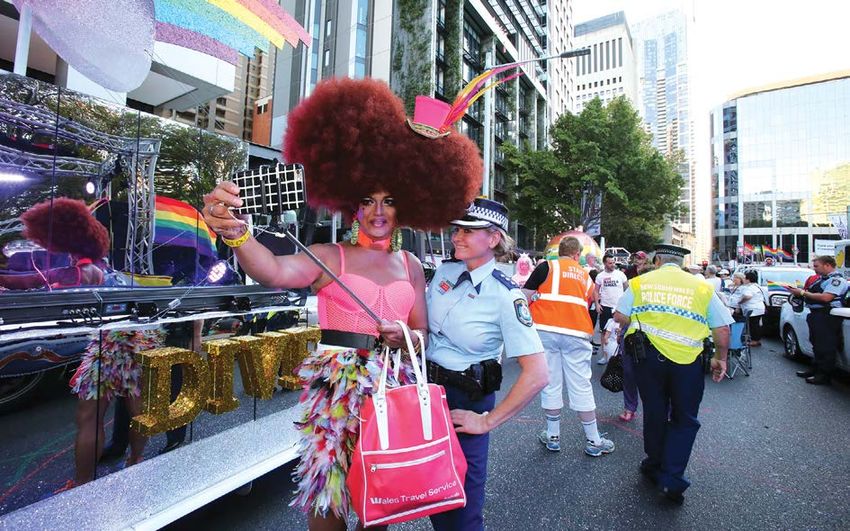
Members of the NSW Police Force also come into contact with LGBTI communities in the
course of policing high profile community events. In providing policing services officers will
work with organisers and LGBTI groups with the aim of conducting safe, successful, trouble
free events. Policing services in this instance include proactive police patrols, crowd control
and traffic management. Through active engagement with all relevant stakeholders, the NSW
Police Force aims to prevent and reduce crime and violence directed against members of these
diverse communities. This can be achieved by strategically considering all aspects of policing
community events, including the conduct of specific operations, crowd control, safety and
security strategies, traffic management, with the overall aim of reducing crime and violence and
improving relationships between police and the community at these events.
Given the history of policing gay men and lesbians at the first Mardi Gras in 1978, which ended
in a violent confrontation with police and 53 arrests, policing LGBTI community events should
be sensitive to community perceptions and expectations. Every police officer involved, whether
they are participants, for example in the Mardi Gras parade, or on crowd control duties, must
be adequately briefed and prepared to police the event sensitively and professionally. Part of
this briefing should include the historical context of policing LGBTI community events and the
importance of ‘culturally’ appropriate policing of events.
The Mardi Gras Accord was signed in 2014 and updated in 2015 following significant community
criticism of policing practice at Mardi Gras 2013, including allegations of excessive force. This
agreement between the police and Mardi Gras ensures collaborative planning and a consistent
approach to policing Mardi Gras events, appropriate to the scale, risk, cultural sensitivities and
visitation outcomes. Since the Accord was signed Mardi Gras festivals have proceeded without
incident and similar approaches to policing other LGBTI community events have been equally
successful.
NSW POLICE FORCE STRATEGY ON SEXUALITY,
28 GENDER DIVERSITY AND INTERSEX 2016-2020You can also read


