Commissioning
Strategy for General
Practice
2016-2021
←
→
Page content transcription
If your browser does not render page correctly, please read the page content below
Commissioning Strategy for General Practice 2016-2021

NHS Sunderland CCG Commissioning Strategy for General Practice

Section                         Contents                         Page

              Foreword                                            3

     1        Executive Summary                                   4

     2        Introduction                                        7

     3        Setting the scene                                   10

     4        The case for change                                 23

     5        Developing our strategy                             25

     6        Our strategy: to sustain and                        33
              transform general practice

     7        Taking the strategic direction                      43
              forward

     8        Appendix 1: Glossary                                44

                                    Page 2 of 44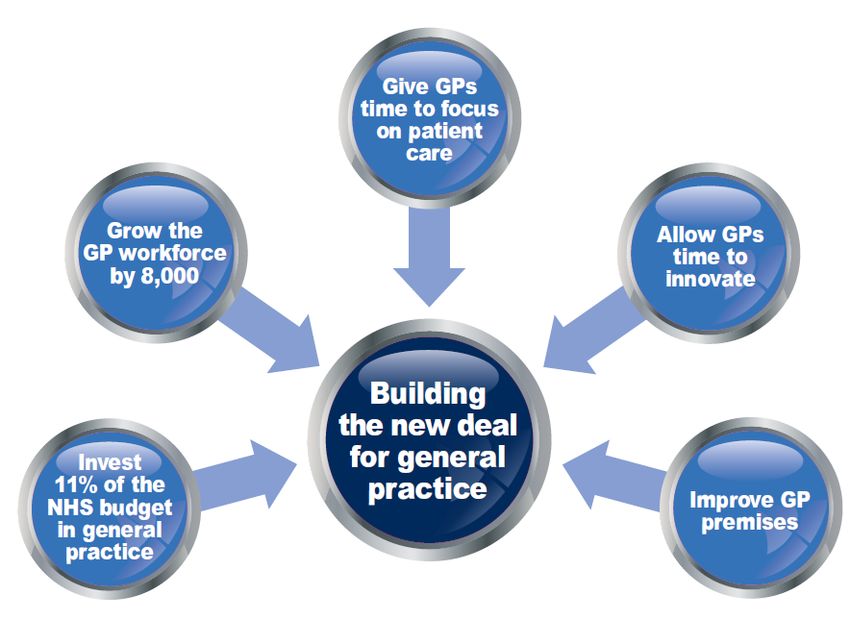
NHS Sunderland CCG Commissioning Strategy for General Practice

Foreword
NHS Sunderland Clinical Commissioning Group aims to ensure Better Health for
Sunderland, and that the local NHS improves health and wellbeing in the city, supports us
to keep mentally and physically well, to get better when we are ill and, when we cannot fully
recover, to stay as well as we can to the end of our lives.1

General practice is often described as the cornerstone of the NHS with roughly a million
people visiting their general practice every day.

However, as a clinically led commissioning organisation, we know from our 51 member
practices across Sunderland, that they are facing significant challenges (changes in
workforce; workload; ageing population with complex medical needs; expectations to deliver
more out of hospital care) in the delivery of core primary medical care to patients.

This strategy aims to ensure the sustainability of general practice in Sunderland in light of
the challenges, building on existing strengths and ensuring safe, effective and high quality
care. Our new responsibility for commissioning general practice services gives us an
opportunity to integrate general practice into the wider health and social care system in
Sunderland to give greater flexibility and influence at a local level over the way in which
services are delivered to patients.

Delivery of this five year strategy will contribute to our strategic objective to transform the
way care is delivered out of hospital in Sunderland.

Dr Ian Pattison                                                                David Gallagher
Clinical Chair                                                                 Chief Officer

1
    The NHS Constitution, July 2015
                                           Page 3 of 44
NHS Sunderland CCG Commissioning Strategy for General Practice

Section 1 Executive summary of the general
practice strategy for Sunderland
This section sets out the overarching aim of our strategy for General Practice and five important changes to
ensure delivery. Further detail is provided in section 6.

We aim       to sustain and transform general practice to ensure the
provision of high quality primary medical care delivering improved
health outcomes for local people, now and in the future.

This strategy supports our Vision of Better                 Health for Sunderland and the delivery
of our strategic objectives: transforming out of hospital care; transforming in hospital care;
and enabling self-care and sustainability.

To realise our aim for general practice, we believe that five changes need to happen.

Objective 1           Supporting general practice to increase capacity and build the
                      workforce

Objective 2           Improving patient access

Objective 3           Ensuring the central, co-ordinating role of general practice in
                      delivering out of hospital care

Objective 4           Supporting better health through prevention and increasing
                      patients’ capacity for self-care

Objective 5           Encouraging new working arrangements between practices

We have identified a number of priorities within each objective for the first two years of the
five year strategy, acknowledging however that some initiatives are already in progress.
Despite being aligned to one of the five objectives, a number of the priorities will contribute
to the delivery of more than one objective. The order in which priorities will be implemented
will be influenced by our organisational Operational Plan and the transformational change
programmes within this for 2016/17 onward.

                                                    Page 4 of 44
NHS Sunderland CCG Commissioning Strategy for General Practice
STRATEGIC OBJECTIVES PRIORITIES FOR 2016/17 – 2017/18
1 Supporting general practice to Review all enhanced services, in conjunction with a review of QoF, to develop
increase capacity and build the and implement a local outcome based Quality Premium
workforce Implement the outcome of the APMS review
Alongside the existing GMS/PMS/APMS contract and funding model, develop
a quality and assurance framework for general practice
Review existing roles and skill mix to address capacity, including practice
based pharmacy
Evaluate the time limited Career Start and Healthcare Assistant schemes to
inform longer term plans
Develop a city wide training and development programme for all staff, with
supporting budget
2 Improving patient access Implement the outcomes of the extended access locality pilots in line with
developing an Urgent Care Strategy
Implement any recommendations from the Strategic Estates Plan in respect of
general practice estate
3 Ensuring the central, co-ordinating Continue to improve the Recovery at Home and Community Integrated Teams
role of general practice in developments
delivering out of hospital care Design a model of enhanced primary care (primary care ‘plus’) for people with
long term conditions
Develop and implement a multi-agency informatics strategy for a single patient
record accessible by all relevant partners
4 Supporting better health through Support practices to provide a structured self-care programme
prevention and increasing Promote healthy living through the five localities working with their
patients’ capacity for self-care communities and Public Health
5 Encouraging new working Agree a two year plan with GP federations
arrangements between practices Review and revise the plan after year 1 in light of learning
Page 5 of 44NHS Sunderland CCG Commissioning Strategy for General Practice
Expected benefits
We recognise the five objectives are interdependent and the priorities collectively have the
potential to deliver the following benefits:
Increased capacity (by increasing the capabilities of general practice teams to
support GPs, Practice Nurses and Nurse Practitioners in their clinical work);
Improved patient access to routine and urgent GP appointments. (Patients can be
seen by other healthcare professionals and supported by multi-disciplinary teams);
Patients are engaged in making decisions about their health and are confident to
care for themselves;
Longer consultation time (to support a holistic and pro-active approach to care);
Increased GP and nurse workforce in Sunderland;
Increased retention and continuous improvement in the quality of care (through
structured training);
More focus on clinical care through reduced administrative burden on GPs and
nurses to enable them to focus on clinical care; and
Shared information (across all main services to support the provision of high quality
care).
To understand whether the strategy is delivering the anticipated benefits a number of metrics
will be used as indicators of success, which will be refined and revised through
implementation as well as taking any national metrics into account that are being developed.
Outcome Measure
1 Improved access National GP patient survey
Routine and urgent appointments available in general
practices within localities every day with a range of
health care professionals
% of appointments of longer duration
% reduction in A&E attendances for primary care
problems
2 Increased workforce No. of Career Start GPs/Nurses/Health Care
Assistants
All GP ( HC & FTE) in Sunderland – compared to
baseline
Population per GP - compared to baseline
All Nurse (HC & FTE) in Sunderland - compared to
baseline
Population per nurse - compared to baseline
3 Increased capacity Initiatives to upskill workforce and take up
4 Better Health Reduced emergency admissions
Life expectancy at 75
Under 75 mortality rate from cancer
Under 75 mortality rate from cardiovascular disease
Under 75 mortality rate from liver disease
Under 75 mortality rate from respiratory disease
Page 6 of 44NHS Sunderland CCG Commissioning Strategy for General Practice
Section 2 Introduction
This section sets this commissioning strategy in context and gives an overview of how the strategy has been
developed.
2.1 General Practice under pressure
General Practice, both nationally and locally, is under pressure due to rising demand for GP
appointments, growing complexity of need, changing patients’ expectations, high
expectations of policy makers and politicians and constrained financial resources.
When asked to rank the top factors that negatively impact on their personal commitment to a
career in general practice, the answers selected most frequently by 15,560 respondents to
the British Medical Association2 (BMA) national survey of GPs in 2015 were:
North of
England
England
(overall)
Factors
Workload 71% 71%
Inappropriate and unresourced transfer of work into general practice 52% 52%
Insufficient time with each patient 41% 42%
Table 1
At the same time the GP workforce is changing; experienced GPs are nearing retirement
and there are difficulties with recruitment. A third (34%) of GPs indicated in the BMA survey
that they hope to retire from general practice. Unsurprisingly, this figure is significantly higher
amongst those who have been GPs for more than 20 years where nearly two thirds (63%)
say they hope to retire in the next five years. 17 per cent of GPs hope to move to part-time
working.
Historically, GP practices in Sunderland have had difficulty in attracting and recruiting to
vacancies. More than half the GPs who responded to a recent survey, undertaken by
Sunderland Local Medical Committee (LMC) in 2014, have considered retiring early citing
excessive workload as the main factor influencing this decision.
2
British Medical Association (2015), National Survey of GPs, The future of General Practice 2015, Second
extract of findings (December – February 2015)
Page 7 of 44NHS Sunderland CCG Commissioning Strategy for General Practice
2.2 Primary care co-commissioning
The opportunity for Clinical Commissioning Groups to co-commission primary care was
introduced in 2014, although the scope is limited to general practice services in 2015/16. Co-
commissioning is seen as an enabler in developing seamless, integrated out of hospital
services based around the diverse needs of local populations.
We welcomed the offer from NHS England to take on an increased role and in April 2015 we
assumed full responsibility for the commissioning of general practice services in Sunderland.
We believe that co-commissioning provides an opportunity to further develop an integrated
health and social care system in Sunderland by enabling greater local influence over a wider
range of services for the benefit of the people of Sunderland. This also brings the potential
for greater flexibility with finances and resources and greater determination, at a local level,
on how these could be used
We believe co-commissioning will help not only to deliver our overall Vision of Better Health
for Sunderland and our three key strategic objectives (section 3.2.1) but also ensure the
sustainability and transformation of General Practice.
2.3. Improving the quality of care in general practice
Clinical Commissioning Groups (CCGs) have responsibility to ensure continual improvement
in the quality of NHS services for everyone, now and in the future. Quality is at the centre of
our Vision and values and we are committed to ensuring that the services that we
commission on behalf of the residents of Sunderland are of the highest quality.
As clinical commissioners, our 51 practices are also responsible for ensuring primary
medical services are safe and of the quality required for good patient care, as set out in the
General Medical Council guidance. Our Quality, Safety and Risk Committee (QSRC)
ensures processes are in place to commission, monitor and ensure the delivery of high
quality safe patient care in commissioned services and will now be accountable, as part of
co-commissioning responsibilities to support, facilitate, monitor and ensure quality
improvement in general medical practice.
Quality in general practice is currently measured through a number of indicators (Quality and
Outcomes Framework; GP survey; GP practice Friends and Family test; and latterly
outcome and ratings from CQC inspections). We now need to develop and agree the key
Page 8 of 44NHS Sunderland CCG Commissioning Strategy for General Practice
measures that we will use to monitor quality in primary care and ensure they are robust,
relevant and, where possible, evidence based.
2.4 Strategy development
The approach to develop this strategy has been top down and bottom up. Top down
recognises that the strategy has been influenced by Sunderland Clinical Commissioning
Group (SCCG) as the commissioner of general practice services and as system leader. The
bottom up element is the programme of work we have undertaken to develop this strategy.
We have adopted an integrated approach of co-production, engaging with our 51 practices,
patients, the general public, GP practice representatives, partners and providers (section 5).
Page 9 of 44NHS Sunderland CCG Commissioning Strategy for General Practice
Section 3 Setting the Scene
This section describes the national and local context within which this strategy has been developed. It outlines
that fundamental change is needed.
It is important to be aware of the external context against which our strategy has been
developed.
3. 1 National context
3.1. 1 NHS England’s Five Year Forward View
Published in October 2014, NHS England has set out a ‘Five Year Forward View’ (FYFV) for
the NHS. This plan highlights the need to develop primary care, with a particular focus on
general practice.
The FYFV puts general practice at the heart of out of hospital care and whilst new care
models will be developed and supported, it states that the foundation of NHS care will
remain list-based primary care. The FYFV acknowledges the severe strain on general
practice and promises to “stabilise core funding for general practice nationally over the next
two years” and offers a ‘new deal’ for general practice including addressing workload
pressures.
The FYFV outlines the following expectations of primary care:
Proactive and personalised care for the most complex patients
Extended hours/7 days
Integrated primary care (with secondary care providers) to enable more community
based care
Reduced variation in quality and cost of primary care;
Investment in the workforce;
Alignment of IT systems across primary and secondary care;
Consideration of pooling / federating of GP practice resources;
Contractual obligations e.g. named and accountable GP for all patients.
Our strategy for general practice will lay the foundations to strengthen general practice
services in Sunderland taking account of national policy and the advice of the Royal College
of General Practitioners (RCGP).
Page 10 of 44NHS Sunderland CCG Commissioning Strategy for General Practice
Source: ‘A blueprint for building the new deal for general practice in England’
The RCGP outlines five actions that need to be taken by government in order to deliver
better patient care – all of which will support the vision set out in the FYFV and strengthen
the NHS for the future.
3.1.2 Primary care co-commissioning
CCGs were invited in 2014 to take on increased responsibility for the commissioning of
primary medical care services. The intention was to enable CCGs to improve primary care
services locally and create a joined up, clinically-led commissioning system. Some of the
potential benefits of co-commissioning to CCGs include:
Make commissioning of primary medical care more locally sensitive;
Support integration of care across pathways;
Support improvement in quality;
Support the alignment of primary care commissioning with the health and social
integration agenda; and
Reduce inequalities in health provision across localities.
There are three co-commissioning models CCGs could take forward:
1. Greater involvement in primary care decision making
2. Joint commissioning arrangements
3. Delegated commissioning arrangements
We took on delegated commissioning which means that NHS England (NHSE) have
delegated responsibility to the CCG for contractual GP performance and budget
management. However it is important to make clear that this excludes individual GP
Page 11 of 44NHS Sunderland CCG Commissioning Strategy for General Practice
performance management and nationally determined elements of contracts as set out in
respective regulations and directives.
3.1.3 System Resilience – 8 High Impact Interventions
The planning guidance for 2015/16 was clear that CCGs needed to include year round
resilience planning, with a specific focus on winter, as part of CCGs’ operational plans. The
national tripartite - NHSE, Monitor and the Trust Development Authority (TDA) - wrote to
CCG Clinical Leaders, CCG Accountable Officers and System Resilience Group (SRG)
chairs in April 2015 to advise of the requirement to address ‘8 high impact interventions’
within the operational resilience elements of 15/16 Operational Plans. The first high impact
intervention relates to access to general practices services when patients have an urgent
need:
‘No patient should have to attend A&E as a walk in because they have been unable to
secure an urgent appointment with a GP. This means having robust services from GP
surgeries in hours, in conjunction with comprehensive out of hours services’.
3.2 Local context
This strategy has been developed taking account of our overall five year Strategic Plan.
3.2.1 Our Vision and strategic objectives
Our Vision is to achieve Better Health for Sunderland. We aim to deliver this through:
Transforming out of hospital care (through integration and 7 day working)
Transforming in hospital care, specifically urgent and emergency care
(including 7 day working)
Enabling self-care and sustainability
Our model for transforming out of hospital care
In March 2015, SCCG was chosen as one of 11 first wave Vanguard sites to take the lead
on the development of the new ‘multi-speciality community provider’ care model and act as a
blueprint for the NHS moving forward. We will test this care model through our programme
to transform out of hospital care. There are 3 key work streams:
1. Enhanced primary care
2. Integrated community teams
3. Recovery at home
Page 12 of 44NHS Sunderland CCG Commissioning Strategy for General Practice
The 3 work streams are at different stages of development with work stream 2 and 3
delivered in 2015/16 with a focus on the top 3% of patients most at risk and spending 50% of
our health and social care resources. The enhanced primary care work stream is in the early
stages and will need to be designed later this year for implementation over 16/17 to 17/18.
The GP strategy will support the delivery of all of the out of hospital transformation,
recognising the key role of general practice in the community.
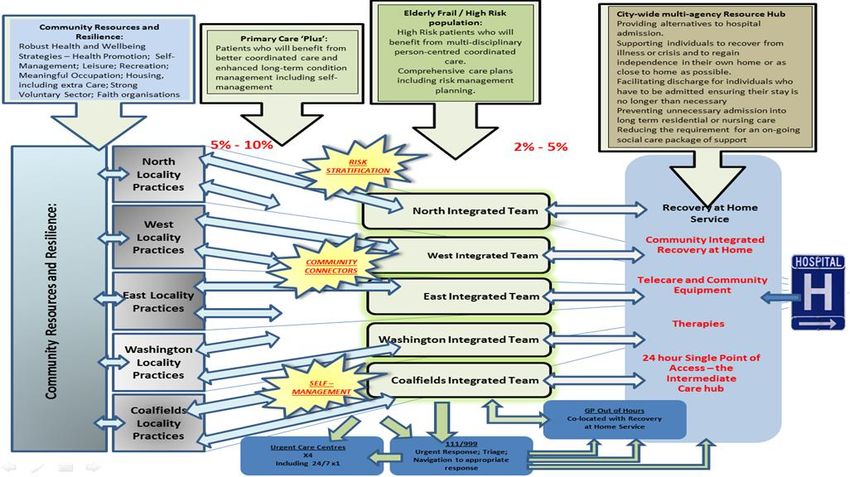
Diagram 1 outlines the desired future state for out of hospital care in Sunderland. Patients
who will benefit from ‘Primary Care Plus’ (enhanced primary care) are those with a long term
condition and who can self-care most of the time but would benefit from prevention and care
interventions as required in the community. The aim is to reduce the likelihood of these
patients becoming high risk of frequent, but avoidable, emergency admissions. This group
represent 12% of our population.
Developing and implementing a general practice strategy across the city is one of the
transformation changes for 2015/16 required to deliver our Vision and the strategic
objectives.
Diagram 1
Page 13 of 44NHS Sunderland CCG Commissioning Strategy for General Practice
In hospital care
With the national drive for seven day services and in the face of increasing A&E
attendances, timeliness in how and when general practice services are accessed is
becoming crucial in managing demand for urgent and emergency care.
Access is an area where there is variation across practices. We commission practices to
extend opening hours however sign up is voluntary which means that some patients benefit
and others don’t. In addition there is no consistent approach to how these additional hours
are utilised, i.e. for urgent or routine appointments.
However, we have also commissioned extended access pilots across three localities in
Sunderland (North, East and West). The models implemented in the localities differ but we
are evaluating these pilots to inform the next steps in seeking to increase access to general
practice services to support system wide resilience.
The urgent care system in Sunderland has seen some major transformation over the last 2
years, for example a new GP Out of Hours Service and 4 GP led Urgent Care Centres. The
outcomes of the pilot evaluation will need to inform the Urgent Care Strategy for the next few
years.
3.2.2 Our Quality Strategy 2014-2017
Our Vision for quality is that our patients should:
receive clinically effective care and treatments that deliver the best outcomes for
them;
have a positive experience of their treatment and care which meets their
expectations; and
be safe and the most vulnerable protected.
We recognise that to be successful in delivering the aims of our quality strategy and effective
in improving the quality of care, we must take a whole system approach to quality. Delegated
responsibility for general practice services enables us to do this and lead improvement in
quality in primary medical care in Sunderland in partnership with our practices.
3.2.3 Meeting the needs of local people – big challenges for Sunderland
This strategy needs to be understood in the context of the challenges facing the NHS in
Sunderland and the role and contribution of general practice in addressing these. These
Page 14 of 44NHS Sunderland CCG Commissioning Strategy for General Practice
challenges are described in detail in our current five year strategic plan, 2014 – 2019 and
our operational plan, 2014 – 2016. A summary is set out below:
A growing population of elderly people with increased care needs and
increasing prevalence of disease, who need to be supported to live
independently;
Health is generally worse than the rest of England;
Average life expectancy in Sunderland is consistently poorer than the
national average;
Excess deaths particularly from cancer, respiratory and circulatory
disease;
Over-reliance on hospital care.
3.2.4 General Practice in Sunderland
There are currently 51 practices in Sunderland. Up until March 2015, 34 practices held PMS
(personal medical services) contracts which are locally agreed contracts. 14 held GMS
contracts (nationally negotiated general medical services contracts) and 3 have APMS
contracts (alternative provider medical services).
The total actual list size in Sunderland is 283,434 and the total weighted list size is 315,210.
Generally, list sizes for each practice across the city range from 1,909 to 14,008 with over
half less than 5,000 patients. Smaller practices may lack resources and capacity to flex their
workforce in the same way as larger ones and therefore may be less able to take on
additional services.
As a result of the review of PMS contracts initiated by NHSE, all 34 practices opted to revert
to GMS equivalent funding with a 7 year pace of change (funding deducted over 5 years
commencing April 2016). The level of individual practice income will be impacted and we
campaigned along with the LMC for the current funding allocated to practices in total to
remain within Sunderland. The funding that is released will be reinvested across general
practice across Sunderland in line with the aim and objectives of this Strategy.
Page 15 of 44NHS Sunderland CCG Commissioning Strategy for General Practice
Alternative provider medical services (APMS) review
The first major commissioning task for the CCG, having assumed delegated responsibility in
April 2015, was a review of three APMS contracts which are due to come to an end on the
30 September 2016 after a number of contract extensions.
After careful consideration, we propose to procure a single APMS contract (providing the
same primary medical services as any other practice in the city), instead of the current three
contracts, to cover a minimum of five years. This contractual change is likely to make the
tender more attractive to bidders and therefore ensure the services are more sustainable for
patients in the future. As with PMS, there is a national steer to ensure equitable funding
amongst practices. All practices, irrespective of the contract that they hold, are to receive the
same fee per patient for providing the same core service. This procurement will deliver this
requirement and will release financial resources that will be reinvested back into general
practice in Sunderland.
Enhanced services
We commission a range of enhanced services across general practice in Sunderland.
Delivery of enhanced services is voluntary; practices can opt to provide any of the 20
national enhanced services and any of the 9 local enhanced services. The difficulty involved
in commissioning an array of services across 51 practices means that often contract
management focuses on activity rather than outcomes.
3.2.5 National GP survey
The GP Patient Survey is an independent survey, run by Ipsos MORI on behalf of NHS
England. The survey measures patients’ experiences across a range of areas, including
making appointments; waiting times; perception of care; practice opening hours; and out-of-
hours services.
Our GP practices collectively were above the national results on all questions answered by
the 5,588 respondents in Sunderland (response rate of 31%). That said, there has been a
slight deterioration in scores comparing July 2015 to July 2014.
Overall experience
Diagram 2 below shows the results in relation to the overall experience of GP Surgery. In
July 2015, 88% of people in Sunderland would describe their experience of their GP surgery
as good, in comparison to 89% the previous year. This is compared with 85% nationally.
Page 16 of 44NHS Sunderland CCG Commissioning Strategy for General Practice
Diagram 2
Perceptions of care
In terms of quality of care, 94% of people did have confidence and trust in the GP they saw
or spoke to and 90% had confidence and trust in the nurse (see diagrams 3 and 4 below):
Diagram 3
Page 17 of 44NHS Sunderland CCG Commissioning Strategy for General Practice
Diagram 4
Making an appointment and waiting times
Diagrams 5 and 6 summarise patients’ views on ease of getting an appointment and how
long they have to wait.
Diagram 5
Diagram 6
Page 18 of 44NHS Sunderland CCG Commissioning Strategy for General Practice
3.2.6 General Practice Workforce
Tables 2 to 5, based on the September 2014 census and population at that time, (available
on the Health and Social Care Information website3) illustrate the issues facing general
practice services in Sunderland:
Shrinking GP workforce in the face of a growing and ageing population with
increasingly complex health needs and a government ambition to increase access to
general practice services 7 days a week.
Workforce demography – almost 27% of our GP workforce are aged over 55. We
also know from the local LMC survey that 19% of the respondents (forecast to be
approximately 35 GPs) have set a retirement date within the next 3 years. As well as
putting plans in place to proactively recruit new GPs, we need to seek to retain these
experienced GPs.
There seems to be less of an issue in terms of the numbers of nurses in general
practice compared to other areas.
19.2% of our practices (n=10 out of 51) are single handed.
GPs
Staff In Post Population Population per GP
GPs (All) GPs (excluding GPs (All) GPs (excluding
registrars and registrars and
retainers) retainers)
4 5
HC FTE HC FTE HC FTE HC FTE
England 40,584 36,920 35,819 32,628 56,469,999 1,391.44 1,529.52 1,576.53 1,727.86
CNTW 1,644 1,559 1,463 1,398 1,997,605 1,215.08 1,281 1,365.41 1,429
NHS 190 186 172 170 283,081 1,489.9 1,521.94 1,645.81 1,665
Sunderland
NHS 186 180 164 160 205,822 1,106.56 1,143.45 1,2550 1,286.38
Gateshead
NHS South 120 119 110 110 154,941 1291.18 1302.03 1,408.55 1,408.55
Tyneside
Table 2
3
http://www.hscic.gov.uk/workforce
4
Headcount is the simple count of actual people/staff working within a practice regardless of the hours they
may work
5
Full time equivalent (FTE) is a standardised measure of the workload of an employed person.
Page 19 of 44NHS Sunderland CCG Commissioning Strategy for General Practice
Area All patients Patients per GP* All GPs* headcount
per 100,000
population
England 56,469,999 1,577 66.5
CNTW 1,997,605 1,365 75.7
NHS Sunderland 283,081 1,646 62.3
NHS Gateshead 205,822 1,255 82.0
NHS South 154,941 1,409 74.1
Tyneside
* excluding retainers and registrars Table 3
Table 2
Area All GPs * % under 30 % under 35 % 55 and over
England 32,628 1.3 13.3 22.0
CNTW 1,398 2.2 13.1 18.5
NHS Sunderland 170 1.2 9.5 26.7
NHS Gateshead 160 2.5 18.1 15.8
NHS South 110 5.5 19.1 21.1
Tyneside
* excluding retainers and registrars Table 4
Table 2
Nurses
Advanced Nurse Practice Nurse All nurses Average
No.
patients
HC FTE HC FTE HC FTE Per HC
Nurse
England 4,734 3,507 14,423 8,592 23,832 15,062 2,370
CNTW 173 104 542 353 847 578 2,358
NHS 13 10 48 33 77 55 2,673
Gateshead
NHS South 11 10 47 31 60 43 2.582
Tyneside
NHS 27 23 72 51 113 84 2,505
Sunderland
Table 5
Table 2
Prior to the development of this strategy, work had already started on the development of the
general practice workforce in Sunderland as we recognised its importance to the
development of a strong future model for general practice. A Workforce Steering Group has
been established to focus attention on workforce planning for Sunderland, specifically
recruitment and retention and succession planning in light of pending retirement for some
GPs.
Page 20 of 44NHS Sunderland CCG Commissioning Strategy for General Practice
Investment of £1.8m has been made into a GP Career Start Programme over 2 years which
has resulted in the recruitment of an additional 8 GPs. £278,000 has been invested in a
Nursing Assistant Career Start Programme resulting in the recruitment of 9 apprentice Nurse
Assistants placed in GP practices in Sunderland. We have also committed to match funding
pilot practice based pharmacy bids to the national pilot and are awaiting the outcome.
A Career Start scheme to improve the recruitment and retention of Practice Nursing staff is
also in development in partnership with Sunderland University. A support service provided
through Northumberland, Tyne and Wear NHS Foundation Trust for GPs with significant
mental health and addiction problems is also now in place. A range of support services are
also in development including:
a childcare co-ordinator service for GPs - 42% (n 84 out of the 190) of Sunderland
GPs (including retainers and registrars) are female6
a step down/retirement support programme to help retain clinical skills within the GP
workforce and allow for succession planning.
financial support to maintain and increase the number of training practices
3.2.6 Financial Context
We are currently deemed to be 12% over funded compared to the fair share of the total NHS
allocation which we should receive i.e. we receive £46m per annum in excess of our fair
share of the NHS funding in England. NHS England has expressed a clear intention to move
CCGs that are more than 5% over funded closer to their fair share of the total NHS allocation
at a fast pace of change. It is anticipated this pace of change will be no longer than five
years.
Historically we, and the Primary Care Trust before us, have benefited from this ‘over funded’
position, in terms of providing opportunities for additional recurrent and non-recurrent
investment into services in Sunderland. The Pace of Change Policy adopted by NHS
England will present challenges in terms of identifying additional transformation programmes
to release efficiencies and limitations on the availability of resources.
We have identified that in order to successfully manage the Pace of Change Policy there will
be a need to identify and implement efficiencies across services in order to live within our
means. Hence any additional investments will need, in effect, to be at least self-funding.
6
based on the September 2014 census available on the HSIC website
Page 21 of 44NHS Sunderland CCG Commissioning Strategy for General Practice
There is also a separate allocation process, which is currently being developed by NHS
England, for general practice services which will inform future growth funding on delegated
budgets. In 2015/16 we approved £7.7m of additional investments into out of hospital care
(primary and community services) in Sunderland mainly into Community Integrated Teams
and Recovery at Home Services including £1.1m for GP input into the services. An
additional £500k has also been identified to support the extended access pilots.
Table 6 below shows the primary care delegated budget for NHS Sunderland CCG and the
spend per 100,000 population compared regionally and with two local CCGs.
Table 6
Page 22 of 44NHS Sunderland CCG Commissioning Strategy for General Practice
Section 4 The case for change
A key objective of this section is to set out the drivers for change and explains why we need to take a different
approach in the future to address the challenges.
4.1 Why does general practice need to change?
To meet the changing needs of our population, improve health outcomes
and tackle inequalities
The big challenges for Sunderland are summarised in section 3.2.3.
To meet increasing demand and patients’ expectations
Out of hospital care needs to be a larger part of what the NHS does and this has been an
ambition for almost 10 years, with the publication of the Government’s White Paper for
health in 2006. However, investment in primary care has fallen behind investment in
hospitals, despite increasing expectations of the work that should be done in primary care.
Demand is increasing particularly for people with multiple complex problems. Workload
projections suggest that older people with multiple long term conditions, including people
with frailty, will be a major source of increasing work for general practice in coming years.
However, section 3.2.5 shows that workforce trends do not support this shift. Workload was
ranked top of the list of factors that negatively impact the commitment of seven in ten GPs
(71%)7. in the North of England on their career. We will aim to address these issues through
our strategy.
To secure the future of general practice in Sunderland
The FYFV recommends that the number of GPs in training should be expanded and NHSE,
Health Education England (HEE), the Royal College of General Practitioners (RCGP) and
the BMA have agreed to a ‘ten-point plan’ to address the shortage nationally.
Section 3.2.5 presents the local picture in Sunderland compared to England, Cumbria,
Northumberland, Tyne and Wear and 2 local CCGs in respect of workforce. When
benchmarked nationally, regionally and to other local CCGs, we are under-doctored and
need to succession plan due to the demographic structure of the workforce. We have started
7
National Survey of GPs: The future of General Practice 2015, BMA
Page 23 of 44NHS Sunderland CCG Commissioning Strategy for General Practice
to address these issues but we acknowledge that there is much more work to do in
collaboration with our partners and practices.
To support the achievement of our Vision
If general practice is to support the delivery of our Vision and the three strategic objectives
discussed in section 3.2.1 it needs to transform and this strategy focuses on how to facilitate
change and improvement.
Page 24 of 44NHS Sunderland CCG Commissioning Strategy for General Practice
Section 5 Developing our strategy
This section describes the programme of engagement that we have undertaken to inform and develop the
strategy. It describes our top down and bottom up approach to determining the strategic direction for general
practice.
5.1 Engagement: Listening and Feedback
Extensive engagement has been undertaken to inform the content of this strategy and there
will be continuous engagement through the implementation.
5.1.1 SCCG Governing Body
Our Governing Body has had a lead role in the development of this commissioning strategy
for general practice. During a development session in April 2015 about developing a
general practice strategy, the Governing Body identified 6 key components to help define the
strategy:
Sustainable;
Appropriate skill mix;
Appropriate access;
Consistent high quality;
Self-care; and
Whole system.
Following this initial session the group identified the next step to be to engage with our
member practices, as it was recognised the practices needed to influence and own the
strategy and its implementation moving forward. It was agreed that the Time In Time Out
(TITO) event in June, attended by all Practices, would be the key method to engage with
practices.
A second session was held with the Governing Body on 06 October following the
engagement with practices, the general public, patients, partners and practice representative
groups. The focus was to share the insights from the engagement and test the proposed aim
and strategic objectives, developed through the programme of engagement, against the 6
key components.
The aim and 5 strategic objectives in the Executive Summary in section 1 represent the
outcomes from this further challenge session.
Page 25 of 44NHS Sunderland CCG Commissioning Strategy for General Practice
4.2.2 Response from our member practices
Ensuring the involvement of member practices in shaping our strategy has been
fundamental to ensure the successful implementation of our strategy moving forward.
The table below outlines the key themes identified from our engagement with practices:
Key Themes Feedback
Lack of capacity is a barrier to change;
Workforce Recruitment and retention of staff is key;
A review of existing roles within general practice is needed
including the standardisation of pay, skill mix etc.
Maintaining individual practice identity is important;
Continuity of care is important;
The majority of practices recognise that status quo is not an
option and are willing to change;
Longer consultation times are needed in order for general
practice to have a proactive and holistic approach;
Most would be happy to consider the sharing of back office
functions;
Most prefer ‘joint working’ rather than ‘merging’;
Ways of Working There is very little understanding of what ‘primary care at
scale’ means;
Improved integration with community and secondary care is
needed;
Improved integration / closer working with pharmacy /
pharmacists is needed;
Immediate access to diagnostic services in the community is
needed;
A review of existing secondary care services to identify those
which could be delivered in general practice should be
undertaken.
IT Infrastructure One IT system, to hold patient information, which all services
can access is needed.
Prevention & Self Lifestyle and self-care education across Sunderland is
Care needed.
A review of existing premises considering future ways of
Premises working is needed.
Contractual / Consideration of a local QoF would be welcomed;
Financial A review of existing enhanced services would be welcomed;
Too much of ‘tick box exercises’ which takes away from
arrangements caring.
Page 26 of 44NHS Sunderland CCG Commissioning Strategy for General Practice
Caught on the treadmill trying to meet current pressures (rising patient expectations; rising
prevalence of chronic disease; workforce pressures; constrained growth) practices are
aware that more of the same is not the answer but they don’t have the time to reflect on how
the future could be different for the delivery of care as well as for the working lives of practice
teams.
A recurrent theme was the lack of professional development opportunities for practice staff
with the effect of staff feeling de-skilled, demotivated and lacking a clear sense of career
development. The terms and conditions of staff working in general practice was also
highlighted as an issue.
Another theme was the limited investment in general practice in contrast to other parts of the
system, e.g. secondary care.
Recruitment and retention were also highlighted as issues and a number of suggestions
were put forward to recruit to Sunderland as well as make general practice a more appealing
career choice for medical students.
The following list of potential initiatives was identified from the feedback, grouped
thematically under 6 work streams:
Work stream Key Elements
Workforce Standardisation of roles
Standardisation of pay
Staff Development including succession
planning
Development of city wide training
programme for all staff
Review of capacity in primary care
Review of existing roles including GP,
Nurse Practitioners
Ways of Working Shared back office functions including
HR, IT, Business Planning, Payroll,
Payments etc.
Explore options for joint working ensuring
Practices maintain their identity
Consider options to improve access
Improve consultation times to enable a
holistic and pro-active approach
Page 27 of 44NHS Sunderland CCG Commissioning Strategy for General Practice
Undertake review of secondary care
services which could be delivered in
primary care
Improve integration with community
services and secondary care – seamless
Direct access to diagnostics
Explore options to work closer with
pharmacy
IT Infrastructure One system
Shared records across all main services
One Sunderland website rather than 51
individual practices intranet and internet
– All health information in one place
Explore alternative methods of
communication with both patients and
partners i.e.: video conferencing, Skype,
email.
Premises Undertake review of existing premises
considering future ways of working
Prevention and Self Care Work with public health to review existing
lifestyle services
Review with public health existing
disease prevention services
Development of a Self-Care awareness
programme including the education of
school children
Contractual / Financial Consider implementing a local QoF
Review of all enhanced services
Review core contract – consider
increased funding rather than existing
additional funding options
Consider activity based rather than list
based contracts
Consider inclusion of budgets for staff
development
The above long list was prioritised by the General Practice Group (GPG), under the
Vanguard programme; the GPG comprises a GP, Practice Nurse and Practice Manager from
each of the five localities. They evaluated each on how do-able the initiative is and its
impact. The table below shows the outcome of this prioritisation process. The 16 initiatives
in the white boxes below were identified as the priorities through the process and these were
shared with practices for comment.
Page 28 of 44NHS Sunderland CCG Commissioning Strategy for General Practice
Summary of Prioritised Initiatives Do-ability Impact
Consider inclusion of budgets for staff
development 9 36
Review of all enhanced services 6 33
Staff Development including succession planning
7 31
Development of city wide training programme for
all staff 6 31
Improve consultation times to enable a holistic
and pro-active approach 6 31
Improve integration with community services and
secondary care – seamless 6 30
Consider implementing a local QoF 5 30
Explore options to work closer with pharmacy 7 29
Review of capacity in primary care 7 29
Undertake review of secondary care services
which could be delivered in primary care 5 29
Consider options to improve access 5 28
Review of existing roles including GP, Nurse
Practitioners 7 27
Shared records across all main services 8 26
Development of a Self-Care awareness
programme including the education of school
children 6 26
Direct access to diagnostics 6 25
Work with public health to review existing lifestyle
services 6 25
Review with public health existing disease
prevention services 5 25
One system 7 24
Review core contract – consider increased
funding rather than existing additional funding
options 6 24
Explore options for joint working ensuring
Practices maintain their identity 6 23
Standardisation of roles 4 32
Explore alternative methods of communication
with both patients and partners i.e.: video
conferencing, Skype, email. 4 23
Undertake review of existing premises
considering future ways of working 4 22
Consider activity based rather than list based
contracts 7 20
Page 29 of 44NHS Sunderland CCG Commissioning Strategy for General Practice
One Sunderland website rather than 51 individual
practices intranet and internet – All health
information in one place 7 18
Shared back office functions including HR, IT,
Business Planning, Payroll, Payments etc. 7 12
Standardisation of pay 3 10
At a second TITO event in September 2015 practices were asked to consider the 16
priorities in light of feedback from patients, the general public, partners and general practice
representatives and come to a view as to whether there were any changes needed or
anything missing. 2 of the 16 were rejected: direct access to diagnostics and undertake
review of secondary care services which could be delivered in primary care
4.2.3 Response from patients and the general public
We undertook a piece of market research to build on the national, regional and local data
available to inform and develop the general practice strategy.
The methodology used to engage with residents living in Sunderland, included:
On-street survey with 401 members of the general public; quota sampling was used
to map the participant profile to that of Sunderland to ensure the sample is
statistically representative of the population of Sunderland.
An online survey with 32 members of Patient Participation Groups (PPGs).
Focus groups to provide an opportunity to ask very specific questions and explore
responses in much more detail.
Discussion with patients at Sunderland Health Forum.
Drawing on past and current perceptions of General Practice services, Sunderland
residents were asked specifically how they feel about the following areas in General
Practice:
Access and waiting times:
How and where improvements can be made
Perceived issues
shortage of doctors and nurses and other healthcare staff;
high turnover of GPs;
high use of locums;
difficulty in making appointments at the GP practice, e.g. unable to book in advance
or getting through on the phone;
Page 30 of 44NHS Sunderland CCG Commissioning Strategy for General Practice
waiting times for urgent and non-urgent appointments are too long; and
the limited opening hours of practice (i.e. the lack of appointments available outside
of normal working hours).
Perception of GP practices over the last 5 years
A much greater proportion of participants from PPGs perceived that their GP practice had
improved over the last five years compared to the general public (63% and 19%
respectively). Most common suggestions for service improvements were:
Longer opening hours.
Reduce the length of time patients have to wait for an appointment.
Greater availability of appointments.
More GP practices/doctors to cope with demand.
Less reliance on locum doctors.
Greater consistency of care.
Improved attitude of GPs and reception staff.
Most important for the future
In terms of future GP services, being able to see a doctor emerged as the most important
factor in terms of accessing services (91% of the general public & 89% of members of
Patient Participant Groups).
4.2.4 Response from practice representatives
Whilst engaging directly with our member practices we have also engaged with practice
representative groups including the Local Medical Committee (LMC), Washington
Community Health Care, a collaboration of local primary care practices, and the Sunderland
GP Alliance. The feedback generally fell into the following themes:
Key Themes Feedback
Workforce The single most important thing for general practice is to
stabilise the current core function.
Development of 5 locality groups would be the preferred
approach.
A local approach would reflect local differences in patient
types, flows and practical issues such as premises, whilst
Ways of Working providing a scalable focus for clinicians and others in primary
and community care.
GPs need to federate and work collaboratively as advocates
for their community.
Primary Care at Home model is a preferred model
Development of locality based commissioning
Page 31 of 44NHS Sunderland CCG Commissioning Strategy for General Practice
Contracting / The development of a local QoF will cause significant
Financial concern.
arrangements
4.2.5 Partners
We asked our partners to consider what General Practice could do to contribute to Better
Health for Sunderland over the next five years and how they could support General
Practice moving forward as well as how general practice could support them. The feedback
generally fell into the following four themes:
Key Themes Feedback
Capacity issues in general practice cannot be ignored
We need to be clear on the skill mix of the workforce required
Workforce to achieve our five year vision in order that we can start work
on developing training now.
Promote benefits of working in Sunderland
Sharing back office systems would simplify the general
practice system
The whole health and care system, not just general practice,
needs to be seven days a week
Other services working closely with general practice i.e.:
mental health supporting GPs to ensure a clear shared care
Ways of Working arrangements.
Organisational boundaries – acute staff may not be acute
focused in the future which will ensure continuity of care and
reduce handoffs.
Each organization needs to commit to change to wrap
services around general practice
Closer working with pharmacists
There is a need to transform to a health and care single data
set / shared system – everyone needs to have the same
IT Infrastructure information in order to be responsive
Shared information systems for mental health and physical
health
General practice needs to ensure a focus on prevention and
early intervention
GP Champion of public health and early intervention who
Prevention & Self can support national policy changes
Care
Focus on maximising every health contact
Build on the principles of Live Life Well and address holistic
needs
Page 32 of 44NHS Sunderland CCG Commissioning Strategy for General Practice
Section 6: Our strategy: to sustain and
transform general practice
This section describes what we will do to ensure the future of general practice in Sunderland including any key
design principle which will influence what is commissioned.
To realise our aim, to sustain and transform general practice to ensure the
provision of high quality primary medical care delivering improved health
outcomes for local people, now and in the future, we believe that five changes need
to happen.
OBJECTIVE 1: Supporting general practice to increase capacity and build the
workforce
We recognise that to sustain general practice we need sufficient staff with appropriate skills
and access to training to do the work needed. Practices will need to see their workforce
evolve to embrace a wider skill mix out of necessity.
Although we have a number of initiatives in place already, as workforce is a significant issue
for Sunderland, we will continue to work with the LMC, federations, HENE and Sunderland
University to support the recruitment and retention of the clinical and management workforce
in Sunderland. Although making general practice a more appealing career of choice for
medical students and student nurses is beyond our scope, we will continue to work with
partners to address this longer term goal within the context of the RCGP, BMA, NHSE and
HEE ‘Ten Point Plan’ to build the general practice workforce – ‘New Deal for General
Practice’. In addition, we believe that a stronger focus is also needed on primary care
nursing and better support is needed for the professional development of the existing nurses
working in general practice including extending their clinical, leadership and management
skills.
We will give priority to structured training and professional development for staff in general
practice both in terms of continuous professional development and supporting them to
develop new roles in order to ensure continuous improvement in the quality of care, support
staff retention and address workload and capacity.
We understand that the current combination of national and local enhanced services, and
incentive schemes overwhelm GPs in their day to day job as well as limiting their ability to
Page 33 of 44NHS Sunderland CCG Commissioning Strategy for General Practice
engage to achieve sustainable, transformational change. Delegated co-commissioning
provides the opportunity to reduce bureaucracy and duplication for practices involved in the
provision of enhanced services. We will review the enhanced services and learn from
national examples of CCGs developing and designing local schemes as an alternative to
both the Quality and Outcomes Framework and Directed (and local) Enhanced Services.
This would allow a focus on a smaller number of key outcomes rather than practices have to
deliver lots of detailed outputs, whilst giving Practices more flexibility to decide how to
achieve the outcomes, often needing to work with other practices in a locality.
There is also the opportunity for pharmacists to increase their contribution to general
practice services especially if training is provided to enable them to extend their role as part
of the general practice team.
Design Principles
The General Practice – 1st point of contact for patients
Whole practice, not just the GP, supporting Better Health
What does this mean for patients?
Patients will be seen by the right professional, with the skills related to their need,
whilst recognising for some patients continuity of care is crucial.
Other primary care professionals (e.g. Practice Nurse; Pharmacist) are involved in
the delivery of care where appropriate
What does this mean for general practice?
Continuous professional development and opportunities to up-skill
New roles developed in general practices.
Reduced administrative burden and duplication
More time spent with those patients that have complex and continuing needs
How will we measure success?
No. of Career Start GPs/Nurses/HCAs appointed and retained
GP workforce stabilised
Survey of general practice staff in respect of career intentions, workload
Number and range of skill based training and leadership courses available and
accessed
Page 34 of 44NHS Sunderland CCG Commissioning Strategy for General Practice
OBJECTIVE 2: Improving patient access
Access is important for patients and is an area currently where there is variation across
practices. Waiting times to access general practice services is important to patients and it is
becoming increasingly important when managing system wide resilience. In addition, time is
important when engaging with people in managing their care given complexity of needs.
Longer face to face consultations are included in access. Greater use of technology could
also be part of the solution to improved access.
We will evaluate the outcomes of the extended access locality pilots to inform how we best
commission extended general practice outside of core hours as part of an Urgent Care
strategy for the whole system.
As outlined under objective 1, delegated co-commissioning will help us to support
improvement in this area, e.g. by adapting traditional funding and contracting approaches to
support the development of a local solution.
Design Principles:
Urgent and non-urgent access
Agreed standards in relation to access
Patient education regarding accessing NHS services
Shared records/information
What does this mean for patients?
Patients can book routine appointments in advance as well on the same day if they
have an urgent clinical need
Patients will be able to access general practice services within a locality
Patients will understand how, when and who to access in primary care
Patients will be confident that professionals who have access to their relevant
information will comply with Information Governance statutory guidance
What does this mean for general practice?
Clinicians and healthcare professionals may contribute to the provision of extended
general practice within localities and/or as part of an urgent care system within
Sunderland
Medical records will be shared within a defined governance arrangement so that
Page 35 of 44You can also read


