Driving a Revolution in Rail Services for West Midlanders - A 30-year Rail Investment Strategy 2018-2047
←
→
Page content transcription
If your browser does not render page correctly, please read the page content below
Driving a Revolution in Rail Services for West Midlanders | December 2018

Driving a Revolution
in Rail Services for
West Midlanders
West Midlands Rail Executive

A 30-year Rail
Investment Strategy
2018-2047

December 2018
West Midlands Rail Executive
 is a movement for change,
  driving a revolution in rail
services for West Midlanders
Driving a Revolution in Rail Services for West Midlanders | December 2018

Contents

Foreword 							1

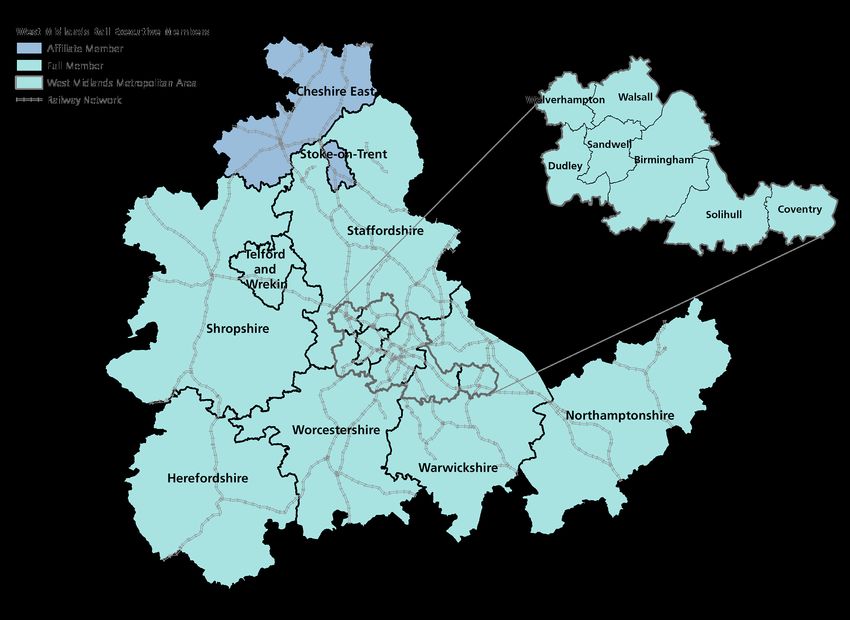
West Midlands Rail Map 				                                                 2

1. Executive Summary 					3

2. Glossary 							6

3. Rail for a Dynamic Region				                                            7
3.1 West Midlands Rail Executive - Who we are 			                           8

3.2 Rail – supporting a vibrant, growing region			                          8

3.3 An evidenced strategy for investment in the
    West Midlands Rail Network 2018-2047				                                9

4. How we have developed our Strategy                                       10
4.1 How we have developed our strategy				                                  11

4.2 Inputs to our strategy						                                            11

4.3 The timeline for our strategy					                                      12

5. Our Key Investment Priorities 			                                        13

6. Delivering the Strategy 				                                             23

Appendix – Our Corridor Priorities 		                                       25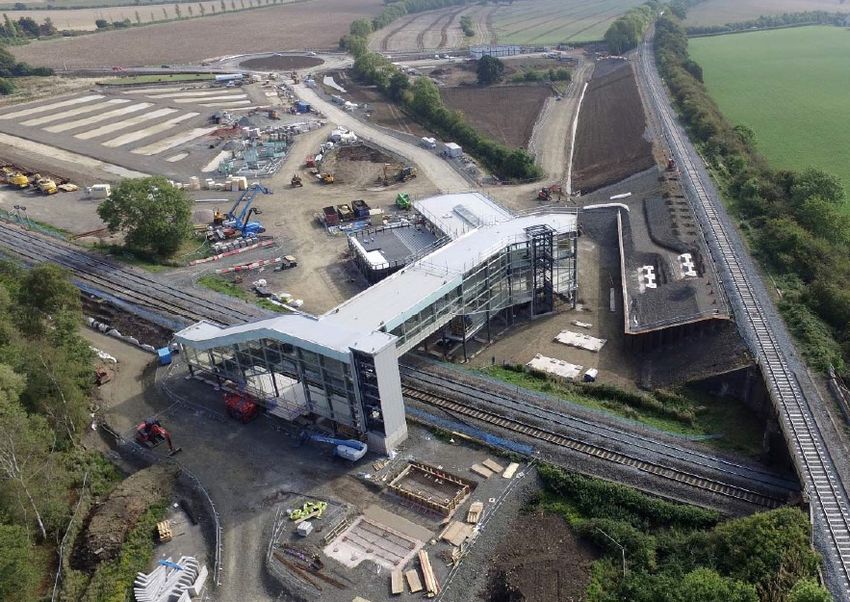
Driving a Revolution in Rail Services for West Midlanders | December 2018

Foreword by
Councillor Roger Lawrence

                                 Rail is vital to the West Midlands. West Midlands Rail
                                 Executive is pleased to outline our Rail Investment Strategy
                                 for delivering better rail services across the whole region over
                                 the next 30 years and will support the exciting regeneration
                                 and growth plans that exist across all our partner authorities,
                                 recognising the role rail can play in connecting people,
                                 communities, economies and businesses.
                                 In 2018 West Midlands rail services are more frequent, carrying more passengers and taking
                                 more journeys off the road than ever before. Trains and stations are busier and rail capacity used
                                 intensively. We will need to continuously evolve the network to meet the challenges of growth.
                                 Many substantial committed service, train and station improvements will be delivered by the
                                 West Midlands rail franchise between now and 2025. In this strategy we set out our ambitions and
                                 priorities for developing rail connectivity in the medium and long-term towards 2047, supported by
                                 clear economic evidence. We wish to build on the opportunities generated by High Speed 2 and
                                 Midlands Connect’s ‘Midlands Rail Hub’, support their full and timely delivery, and strike a mutually
                                 beneficial balance between expanding passenger services and rail-freight growth.
                                 Our focus in this investment strategy is upon on the rail connectivity required to support the needs of
                                 the region, testing the value of a wide range of train service options and choices to help us determine
                                 our overall strategic objectives. These options are not fixed, and will evolve as we develop the
                                 strategy in more detail, informing the infrastructure and rolling stock projects that will be needed to
                                 make them happen.
                                 As well as better train services we know that passengers want to see a wide range of
                                 improvements when using the network. We are developing our approach to these modern
                                 passenger expectations within our Single Network Vision*. We will drive a transformation in
                                 reliability, punctuality, ticketing, value-for-money fares, customer care, information, stations and
                                 on-train facilities. We will work closely with our partners to better integrate our rail network with
                                 buses, trams, cycle and pedestrian facilities.
                                 Taken together the Single Network Vision and this Rail Investment Strategy will be formed into
                                 a ‘Prospectus for Rail’, which we will publish in 2019, setting out our overall ambitions for the
                                 revolution in rail services West Midlanders need.
                                 We have consulted our partners and stakeholders on the key elements and direction of this 30
                                 year investment strategy and we very much appreciate the time and effort that consultees put into
                                 developing their responses. We are pleased that our approach has received wide and strong support,
                                 even though we may not be able to reflect everybody’s priorities within this document.
                                 Roger Lawrence
                                 Chair - West Midlands Rail Executive
                                 December 2018
                                 *http://www.westmidlandsrail.com/media/2851/single-network-vision-final-approved-version-170630.pdf

                                                                                                                             1
Rugeley Town
Penkridge
Cannock
Lichfield TV
Driving a Revolution in Rail Services for West Midlanders | December 2018
Telford
Walsall
West Midlands
Central
Sutton Tamworth
Shrewsbury Darlaston Coldfield
Wolverhampton Tame Bridge
Willenhall Parkway
Rail Map Dudley Port
Sandwell & Dudley
Smethwick
Perry Barr
Snow Hill
Curzon Street
Nuneaton Leicester
GB
Interchange
New St Stechford
Moor St
Rowley
University
Regis
Birmingham Rugby
International Parkway
Cradley Moseley Coventry
Hazelwell
Heath
Stourbridge Town Tile Rugby
Stourbridge Jn
Kings Heath Solihull Hill North
Kings Norton
Dorridge
Whitlocks End Kenilworth
Crewe Kidderminster Longbridge
Warwick Warwick Leamington
Bromsgrove Parkway Spa
Droitwich Spa
Stoke-on-Trent Henley-in-Arden
Worcester Foregate St
Worcester Worcestershire
Shrub Hill Parkway Redditch
Great
Malvern Stratford-upon-Avon Parkway
Hereford Stratford-upon-Avon
Stafford
Burton-on-Trent
Rugeley TV
Rugeley Town
Penkridge
Cannock
Lichfield TV
Local Passenger Route
Telford
Walsall
Route without local passenger service
Central
Sutton Tamworth HS2
Shrewsbury Darlaston Coldfield
Tame Bridge
Wolverhampton
Willenhall Parkway Disused former freight route
Perry Barr Nuneaton
Former freight route being used for Metro
Dudley Port Leicester
Sandwell & Dudley Snow Hill People mover link
Smethwick Curzon Street
GB Station
Interchange
New St Stechford
Rowley
Moor St New station under active development and
University
Regis
Birmingham Rugby in funding programme
International Parkway
Cradley
Heath
Hazelwell Moseley Coventry
Principal Freight terminal
Stourbridge Town Tile Rugby
Stourbridge Jn
Kings Heath Solihull Hill Northampton
Kings Norton
Dorridge
Whitlocks End Kenilworth
Kidderminster Longbridge
Warwick Warwick Leamington
Bromsgrove Parkway Spa
Droitwich Spa
Worcester Foregate St Henley-in-Arden
Worcester Worcestershire
Shrub Hill Parkway Redditch
Great
Malvern Stratford-upon-Avon Parkway
Hereford Stratford-upon-Avon
Figure 1 - West Midlands Rail Map
2
Driving a Revolution in Rail Services for West Midlanders | December 2018

                          1.
                          Executive
                          Summary

                                                                            3
West Midlands
Driving a Revolution in Rail Services for West Midlanders | December 2018
Rail Investment Strategy 2018-2047
1. Executive Summary - December 2018
West Midlands Rail Executive (WMRE) is a partnership of 16 local authorities leading a
1 2 3
Deliver WMR Implement
movement for change and driving a revolution in rail services for West Midlanders. Support
Franchise 6-4-2 tph
Midlands
Quick Wins frequency
With a population of 6.47 million, an economy worth £128 billion each year, 3.2 million Rail Hub 2032
jobs and a key UK international airport, the West Midlands is thriving, vital to Britain’s 2018 - 2047
prosperity, and growing. By 2032 there will be 900,000 more people and 450,000 new
jobs. Further major growth is anticipated in the 2030s and 2040s.
4 Develop 5 6 7
Delivery of our ambitions for faster, more frequent, better-connecting and higher Consider Integrate
capacity rail services will be essential to accommodate and build upon this scale of WMRE High
Growth Support radical WMCA
growth. By 2032 transformed West Midlands rail services will themselves add £325m
Corridors HS2 change freight
each year to the economy, rising to £540m by 2047, and a further 6,600 new jobs.
up to 2032 2033 - 2047 strategy
Figure 2 - Seven Principal Components
Our rail services make a major contribution today • ONE - West Midlands rail franchise and other • FOUR - Our high growth rail corridors: • SEVEN – Supporting rail-freight
to the economy, businesses and communities franchises ‘quick wins’: 2018 to 2026 2018 to 2032 development and growth
of the West Midlands with, for example, rail Delivery of the ambitions and commitments Developing rail services and connectivity in high- Supporting Transport for West Midlands
becoming the leading means of peak travel into of the West Midlands rail franchise, which growth corridors seeing the greatest economic (TfWM) and other WMRE-partner freight
Birmingham in 2017. However the region’s rail we co-manage with the Department for and population growth to 2032, including the strategies, maximising shared benefits for
network has significant existing challenges, Transport. These include enhanced cross- Wolverhampton-Coventry, Cannock-Walsall- passenger and freight services of capacity
is operating close to capacity, and needs Birmingham connectivity, better Sunday Birmingham, Tamworth-Nuneaton-Birmingham, released by High Speed 2. We will seek to
transformative investment to be fit for current and and evening services, new Camp Hill, Birmingham South-Worcester-Hereford corridors integrate passenger service aspirations with
future purpose. Leamington-Nuneaton and and Walsall- and the Snow Hill Lines. growing freight flows and employment at new
Wolverhampton services, new stations, more freight interchanges, and gain shared benefit
The new High Speed 2 rail line (HS2) will • FIVE - High Speed 2: 2026/7 and 2033
train and car park capacity, improved reliability from infrastructure investment.
unlock capacity and connectivity on the existing Supporting delivery of both phases of High Speed
and easier access to stations.
network. Midlands Connect’s ‘Midlands Rail Hub’ 2 (HS2) in 2026/7 and 2033. We wish to maximise Our work with our industry partners begins today
will enable more frequent services to operate • TWO - High frequency ‘6-4-2’ rail services the benefits generated by capacity released on to scope, develop, cost and fund the schemes we
across the Midlands by 2032. Further development matching our growing, vibrant economy the existing rail network by HS2, and access via need to unlock this major value essential to the
will be needed as the region’s dynamic growth Setting minimum frequency standards of 6, 4 or Interchange to international connectivity from future prosperity of the West Midlands.
continues beyond completion of both of these 2 trains per hour (tph) at West Midlands stations, Birmingham Airport.
major schemes. matched to the region’s evolving economy,
• SIX - Radical change towards 2047 West Midlands Rail Executive
population and travel markets, with earlier, later
This Rail Investment Strategy sets out West Starting work now to identify radical December 2018
and overnight services and 24 hour access to
Midlands Rail Executive’s ambitious plans to infrastructure change beyond High Speed 2 and
Birmingham Airport. These will build on high
expand our local rail services and stations in Midlands Rail Hub. We will consider further new
frequency services such as those already in
partnership with Midlands Connect, Transport rail services and connectivity needed to support
place on the Snow Hill and Cross City lines.
for West Midlands (TfWM) and the rail industry, ongoing economic growth, the impact of major
and to maximise the benefit of High Speed 2 to • THREE - Midlands Rail Hub: 2026 to 2032 development proposals such UK Central Hub, and
the region. Making the case now for the Midlands Rail Hub how to relieve strategic rail capacity constraints
scheme, offering up to 10 extra train paths every on key routes such as the Wolverhampton-
Our Strategy has 7 principal components, driven by
hour across Birmingham and the West Midlands. Coventry Corridor.
their value to the West Midlands economy.
In partnership with Midlands Connect, TfWM
and the rail industry we will drive delivery of this
new connectivity and capacity between 2026
and 2032.
4
Driving a Revolution in Rail Services for West Midlanders | December 2018
West Midlands Rail Investment Strategy 2018-2047: Overview
A New Era for West Midlands Rail Travel
to New Services
Camp Hill
New & Better stations
Camp Hill Stations
Willenhall Darlaston
£59m
NEW
2025 GVA pa
Leamington Nuneaton Birmingham Snow Hill
Franchise to 2025 Walsall Wolverhampton University Perry Barr
£274m
Phase 1 + 2a Released Capacity 1 Higher Frequency
2026/7 London Birmingham
West Coast Main Line
West East Midlands
Higher local frequencies
6 4 2 Working towards standard
train frequencies each hour
GVA pa
2026 to 2047
Crewe
£325m
Extra Trains Growth Corridors
Coventry - Wolverhampton
2032
Up to 10 more
Walsall
GVA pa
each hour
Worcester Hereford
through Birmingham
Midlands Rail Hub Tamworth Nuneaton
£488m
Phase 2B Released Capacity 2 Continuing Expansion
2033
Cross City Burton-on-Trent
Maximised Network Coventry Leicester
Birmingham Leeds
Manchester
with Midlands Rail Hub
Passenger & Freight
South West
Thames Valley
GVA pa
to
Coming Next?
£540m
Radical Change
Population & Jobs Birmingham Underground
UK Central Hub Major new capacity
2047 30 Year Ambitions
Spatial Change
Life/work-style change
New Corridors
New Metro and Rapid Transit Routes
GVA pa
Figure 3 – West Midlands Rail Invesment Strategy 2018-2047
5
Driving a Revolution in Rail Services for West Midlanders | December 2018

2. Glossary

                                               • WEST MIDLANDS RAIL EXECUTIVE The partnership of 16 West                                       • WEST MIDLANDS TRAINS LIMITED West Midlands Trains Ltd is a joint
                                                 Midlands Local Authorities co-managing the West Midlands Railway                                venture of Abellio (the international passenger transport subsidiary of
                                                 franchise with the Department for Transport, and planning the strategic                         the Dutch national railway company), Japan East Railway Company, and
                                                 future of the West Midlands rail network.                                                       Mitsui & Co Ltd that operates the West Midlands rail franchise.

                                               • FULL MEMBER AUTHORITIES Birmingham, Coventry, Dudley,                                         • MIDLANDS CONNECT The Partnership of 23 West and East Midlands
                                                 Herefordshire, Northamptonshire, Sandwell, Shropshire, Solihull,                                local authorities, 9 Local Enterprise Partnerships, Department for
                                                 Staffordshire, Telford and Wrekin, Walsall, Warwickshire,                                       Transport, Highways England, Network Rail, High Speed 2, Birmingham
                                                 Wolverhampton and Worcestershire.                                                               Airport, East Midlands Airport and Chambers of Commerce planning the
                                                                                                                                                 strategic future of West and East Midlands regional rail connectivity.
                                               • AFFILIATE MEMBERS Cheshire East and Stoke-on-Trent.
                                                                                                                                               • MIDLANDS RAIL HUB A programme led by Midlands Connect of rail
                                               • WEST MIDLANDS FRANCHISE The West Midlands rail franchise covers                    MIDLANDS     upgrades in and around central Birmingham to provide up to 10 additional
                                                 services across the West Midlands, as well as trains from London Euston                         trains per hour in and out of the city by 2032 and boost rail links across
                                                 to Crewe and from Liverpool to Birmingham. The franchise covering                  RAIL HUB     the wider Midlands and to the East Midlands economic centres of Derby,
                                                 local services within the West Midlands is specified and co-managed by                          Leicester and Nottingham.
                                                 the Department for Transport and West Midlands Rail Executive, and is
                                                 branded as ‘West Midlands Railway’. Regional services between London                          • DEPARTMENT FOR TRANSPORT (DfT) The Government department
                                                 Euston, Birmingham, Crewe and Liverpool are branded as ‘London                                  responsible for UK rail network development in England, franchise
                                                 Northwestern Railway’. The franchise runs from 10th December 2017                               procurement and co-management of the West Midlands Railway
                                                 until March 2026, and is operated by West Midlands Trains Limited.                              franchise with the West Midlands Rail Executive

                                               • WEST MIDLANDS COMBINED AUTHORITY (WMCA) A local                                               • HIGH SPEED 2 (HS2)
                                                 government partnership defined in statute consisting of the 7 West
                                                 Midlands metropolitan district authorities and 10 non-constituent local                            • Phase 1 London Euston-Interchange and
                                                 authorities, 3 Local Enterprise Partnerships and a number of observer                                Curzon Street opening 2026
                                                 organisations. WMCA has the statutory powers of both a Passenger
                                                 Transport Executive and Integrated Transport Authority and as such is                              • Phase 2A West Midlands-Crewe opening 2027
                                                 the Local Transport Authority for the West Midlands metropolitan area.
                                                 Leadership of the WMCA comes from the Mayor of the West Midlands                                   • Phase 2B Crewe Manchester and West Midlands-Leeds
                                                 and the leaders of the 7 constituent metropolitan district authorities.                              opening 2033.

                                               • TRANSPORT FOR WEST MIDLANDS (TfWM) The transport arm of                                       • GROSS VALUE ADDED (GVA) – the value of goods and services produced
                                                 the West Midlands Combined Authority (WMCA) set up to co-ordinate
                                                 and deliver investment to improve transport infrastructure in the WMCA
                                                                                                                                      GVA        in an area, industry or sector of an economy.
                                                 area and create a fully integrated, safe and secure network. It is also
                                                 responsible for assessing and planning the WMCA’s future transport
                                                 needs so the network can meet the demands of businesses and a growing
                                                 population. As well as a key partner in rail development and delivery in the
                                                 WMCA’s area, TfWM is also behind plans to expand a metropolitan rapid
                                                 transit network - including new West Midlands Metro, Sprint (bus rapid
                                                 transit), and Very Light Rail. TfWM’s broader transport investment in the
                                                 WMCA area will be critical for rail access and interchange, and providing
                                                 alternatives to short rail journeys in the future.

                                                                                                                                6
Driving a Revolution in Rail Services for West Midlanders | December 2018

                          3.
                          Rail for a
                          Dynamic
                          Region

                                                                            7
Driving a Revolution in Rail Services for West Midlanders | December 2018
West Midlands Rail Executive leads a With a population of 6.47 million, an economy
3.1 movement for change – driving a revolution 3.2 worth £128 billion every year, and 3.2 million
West in rail services for West Midlanders. Rail – supporting jobs, the West Midlands is vital to the United
Midlands Rail a vibrant, Kingdom’s economy and prosperity.
As a working partnership of the 16 local
Executive growing,
authorities co-managing the West Midlands
Who We Are sustainable The region’s economy is set to grow by 14% by 2032, with 900,000 more
rail franchise with the Department for people and over 450,000 new jobs anticipated in committed Local Plans.
region
Transport, West Midlands Rail Executive is Population and employment growth is extensively distributed across the
determined that the region’s transport network region as a whole, but with a significant focus on the West Coast Main
Line corridor between Northamptonshire, Coventry, Birmingham, the Black
will gain the major investment it needs. Country and Staffordshire.
After 2030 aspirational development proposals are under consideration by
multiple third-party promoters. Examples include UK Central Hub in Solihull
and a new West Midlands Freight Interchange in Staffordshire. Taken
together these 2 uncommitted schemes would alone add a further 86,000
jobs to the region.
Post-2030 Local Plans are also likely to require substantial additional
growth in housing and employment beyond such headline schemes.
Rail is already a major player in moving people around the West Midlands.
For the first time in 2017 rail became the largest mode for peak travel into
central Birmingham, with over 38% of people using the train in the morning
peak. It has potential to play a much greater role in enhancing social
inclusion and community development. It is key to logistics and distribution
across the UK, with intermodal rail-freight growing by 9% in 2016-17. It is
essential in supporting sustainable development and the quality of the
West Midlands environment.
This increasing role for the rail network is set within the context of the
challenges in managing congestion on the region’s highway network. 50%
of road traffic is carried on 7% of the key route network, with an average
weekday peak time road traffic speed of only 17.7 mph. By 2030, based
on current travel habits, the West Midlands highway network will need to
accommodate an additional 1.2million trips every weekday.
However the scale of committed and potential growth in housing and
employment volume and distribution, as well as freight growth, will directly
challenge the capability of the region’s rail infrastructure given its regional
role and location at the heart of the UK rail network.
By 2033 the two phases of High Speed 2 (HS2) will have delivered major
new UK-wide rail capacity, and released capacity on the existing West
Midlands network. HS2 will further cement the region’s role at the heart of
both the UK economy and its transport network. The West Midlands will be
a yet greater place to live and work.
The capacity opportunity that HS2 offers is one the West Midlands must
take. But as this Rail Investment Strategy illustrates, growth will quickly use
this up.
Figure 4 – West Midlands Rail Executive Members
8Driving a Revolution in Rail Services for West Midlanders | December 2018
3.3 This Rail Investment Strategy sets out the Key Facts
rationale for ongoing transformation of West AVERAGE ANNUAL
12,250
An evidenced
strategy for
Midlands rail services and connectivity to meet £ £
SALARY IN WMR REGION
£27,134
the region’s forecast growth over the next 30 BUSINESSES
investment in
years to 2047. EXPORT FROM THE
TOTAL VALUE ADDED TO UK ECONOMY
the WEST MIDLANDS
The strategy evidences how better rail services and connectivity will serve £128 BILLION
West Midlands and encourage growth in the region’s economy and sustain its environment
£11
MODAL SHARE
and communities.
Rail Network FOR RAIL
2018-2047 In recognising continuously improving rail connectivity as a means to these BILLION
391,000
objectives, the strategy tests the incremental value of a comprehensive range TOTAL VALUE OF NEW HOMES
EXPORTS FROM PROPOSED IN THE WMR REGION
of more frequent, faster and new train services at a set of key points of change WEST MIDLANDS POPULATION BETWEEN NOW AND 2033
between 2018 and 2047. This is expressed in terms of Gross Value Added (GVA) to
the economy and new jobs.
6.47 HOUSE AN 900,000
BIRMINGHAM POTENTIAL FOR MILLION EXTRA PEOPLE
It sets out and prioritises West Midlands Rail Executive’s (WMRE) ‘Aspirational Outputs’ for improved train services AM PEAK 454,000
and for the infrastructure, stations and trains that will be required to make them happen. In turn these outputs have
38%
IF ALL IDENTIFIED
OVER
NEW JOBS PEOPLE IN EMPLOYMENT
DEVELOPMENT ACCESSING RAIL
been sense-checked against deliverability, the magnitude of change and likely cost required, political context and LAND IS TAKEN UP
STATIONS IN
volumes and concentrations of population and employment growth. THE WMR REGION
WORKING AGE POPULATION IN EMPLOYMENT 200,000
75.42%
This strategy does not stand alone but forms 1 of 5 components of WMRE’s overarching strategy to transform our PEOPLE
region’s rail services which will be published in 2019 as our integrated ‘Prospectus for Rail’ The other 4 are: -
3.2 MILLION DAILY
• The Single Network Vision - our ambitions for excellence in customer service and experience, and ease of access Figure 5 – The West Midlands – Key Facts
for all to rail across all train services and operators in the WMRE area
• The West Midlands Stations Alliance - our innovative partnership with Network Rail and the wider rail industry to
transform the quality of existing stations and deliver new ones
• The West Midlands Rail Programme - our active investment programme in stations and services
• Rail Franchising - our partnership with the Department for Transport (DfT) in managing the West Midlands rail
franchise and supporting development of other franchises serving the West Midlands
Single
Network Vision
West Midlands
Rail Investment Strategy
Prospectus for Rail West
West Midlands Rail
2019 Rail
Midlands
Franchising
Stations
Programme & Partnerships
Alliance
Our Rail Investment Strategy takes direct account of key rail industry and stakeholder strategies, and incorporates
tests of the economic value of their specific train service commitments and aspirations. These include Transport for
West Midlands’ ‘Movement for Growth’ (Local Transport Plan) and freight strategy, other transport authorities’ Local
Transport Plans and rail strategies, Network Rail’s Route Studies, Midlands Connect’s ‘Powering the Midlands Engine’
studies and plans, the Strategic Economic Plans of the region’s Local Enterprise Partnerships, and planning authorities’
Local Plans.
9Driving a Revolution in Rail Services for West Midlanders | December 2018
4.
How
we have
developed
our strategy
10Driving a Revolution in Rail Services for West Midlanders | December 2018
Railway services are a means to economic growth The tests we have undertaken have specifically
4.1 and environmental and social sustainability rather 4.2 taken account of the strategic and detailed rail
How we have than an end in themselves. To enable us to evidence Inputs to our service aspirations of individual and combined
and prioritise future investment in the West partner authorities, the rail industry and the
developed our strategy
Midlands rail network between now and 2047 region’s Local Enterprise Partnerships.
strategy
we have tested the economic value of a
comprehensive range of options for more frequent,
• Transport for West Midlands Local Transport Plan ‘Movement for Growth’ and ‘Delivery Plan for
faster and new train services which can transform Transport’ (September 2017)
connectivity for people and businesses across and
to and from the region. TfWM’s statutory Local Transport Plan setting the overarching agenda for all transport modes
across the TfWM area, with specific objectives to maximise regional access to High Speed 2 (HS2),
Testing economic value of rail connectivity and services develop rail services along high growth corridors, and deliver to a 10 year investment plan.
• Transport for West Midlands Congestion Management Plan (September 2018).
Our tests measure the impact of enhanced train services upon ‘agglomeration’ between economies, namely
the benefits of closer proximity of businesses and labour markets to each other, and presents these as new TfWM’s 10-point plan sets out its plans to introduce wide-ranging, coordinated measures to
Gross Value Added (GVA) to the economy as well as new jobs. manage highways congestion.
The GVA and jobs values derived are relative to train services and connectivity as at 2018, or a ‘do-nothing’ • Transport Authority Local Transport Plans
scenario. These are tested at 5 key points between 2018 and 2047, reflecting completion of the current
West Midlands rail franchise, both phases of High Speed 2 (HS2) and Midlands Rail Hub (MRH). The statutory plans of the other constituent local authorities of the West Midlands Rail Executive,
together with individual authorities’ rail and freight strategies and aspirations for train services, rail
In representing the specific and particular value of rail connectivity these are additional to the forecast
facilities, re-opened routes and new stations.
growth in regional GVA and jobs generated by population and employment growth within planning
authorities’ Local Plans. • West Midlands Combined Authority (WMCA) ‘Freight Strategy’ (December 2016)
WMCA’s ambitions to establish the West Midlands as a beacon of freight best practice, logistics
West Midlands Rail Executive (WMRE) efficiency and reduced environmental impact, including best use of rail capacity released by HS2
Investment Strategy Modelling Process WMRE RAIL-SPECIFIC and rail corridor development for rail-freight growth.
INCREMENTAL
GVA and Jobs forecasts at • Network Rail Route Studies – West Midlands and Chiltern (August 2017); East Midlands (March
2025 2027 2032 2034 2047 2016); Western (August 2015); Freight Network Study (February 2017)
WMRE Train Service specifications Network Rail’s ‘Indicative Train Service Specifications’ (ITSS), which look forward to 2043, together
at
with ‘choices for funders’.
2025 2027 2032 2034 2047
2018 HS2-1 MRH HS2-2 • Midlands Connect – ‘Powering the Midlands Engine’ (March 2017) and ‘Our Routes to Growth’
Train Service
(July 2018)
Base
WMRE Midland Connect’s faster regional service aspirations on its 6 ‘Intensive Growth Corridors’.
RAIL GVA and JOBS
Local Plan growth MODEL • Strategic Economic Plans
Population and
jobs The plans of the West Midlands Combined Authority and the 6 Local Enterprise Partnerships
2030 covering the WMRE area setting out their economic, population and employment growth ambitions.
Local Plan Population and
Employment forecasts at
2025 2027 2032 2034 2047 • Planning Authority Local Plans
The common data on committed housing and employment growth and spatial distribution to 2030
GVA and Jobs forecasts as supplied to central government by local planning authorities (within a database known
WITHOUT as ‘Tempro’)
RAILWAY SERVICE CHANGE
Figure 6 - WMRE Investment Strategy Modelling Process
11Driving a Revolution in Rail Services for West Midlanders | December 2018
In determining the timeline for our economic tests
4.3 before and after committed Local Plans running to
The timeline for 2030 we have considered the major changes that
will take place to rail services via the West Midlands
our strategy
rail franchise and other current and new franchises,
High Speed 2 (HS2) Phase 1 (2026), Phase 2a (2027)
and Phase 2b (2033), Midlands Rail Hub and West
Midlands Rail Executive’s specific ambitions.
The economic value of new connectivity was thus calculated at 5 key points at which these key service
changes are assumed to be complete: -
• 2025 - West Midlands franchise and other franchise commitments and aspirations.
• 2027 - HS2 Phase 1and 2a and re-use of capacity on the existing network.
• 2032 - Midland Rail Hub’s 10 new train paths per hour through Birmingham.
• 2034 - HS2 Phase 2b and further re-use of capacity on the existing network.
• 2047 - All other current West Midlands Rail Executive’s ambitions.
The train service test options are illustrated in summary for 2018 and 2034 at the Appendix and set out in
detail against each of these 5 key points in the full Rail Investment Strategy technical report.
A local as well as strategic model
The model used to test the economic value of train services has 2 variants which are integrated and
consistent with each other: -
• Local Model – Covering the West Midlands’ 16 authorities and station catchment areas at the highest
level of detail – ‘Local Super Output Areas’ – capable of fully assessing the impact both of local
service frequency and re-opened routes and new stations.
• Strategic Model – Extending to London, Reading, Plymouth, Cardiff, Cambridge, north-west and
north-east England, Glasgow and Edinburgh, valuing strategic connectivity to and from 17 key West
Midlands economic centres – capable of assessing the value of HS2 and released national and
regional connectivity and capacity on the existing rail network.
This Rail Investment Strategy presents its key recommendations against the level of committed housing,
population and employment development across West Midlands Rail’s 16 authorities to 2030. Potential
growth after 2030, currently uncommitted, is addressed as a sensitivity test, and discussed in detail in the
full Rail Investment Strategy technical report.
12Driving a Revolution in Rail Services for West Midlanders | December 2018
5.
Our Key
Investment
Priorities
Worcestershire Parkway -
Under Construction (Opening 2019)
13Driving a Revolution in Rail Services for West Midlanders | December 2018
35.00
Our rail connectivity option tests show 30.00
25.00
5. benefits to the economy as a whole over the 20.00
Our key life of this Rail Investment Strategy, bringing 15.00
investment together values for both local/regional 10.00
priorities services and High Speed 2, and informing 5.00
0.00
our aspirational outputs for the key corridors -5.00
within the West Midlands rail network. -10.00
-15.00
Benefits to the economy Wolverhampton Cannock and B’ham East B’ham South Snow Hill Trent Lichfield
to Coventry Walsall to Bham Tamworth - Worcester and Lines Valley to
Nuneaton Hereford Corridor B’ham
2018-2032
Figure 8 – £m GVA p.a. 2032 by Corridor – Local Model Incremental Benefits [Total £86m]
West Midlands Rail Executive’s ambitions for high frequency rail services, new connectivity across the region
and Midlands Rail Hub, with committed population and employment growth to 2030, can add £151 million Gross Delivery at 2047 of the full package of train service connectivity we have tested, directly accounting for population
Value Added (GVA) to the economy each year by 2032. and employment growth to 2030, indicates the highest economic value of local investment in services in priority
order as shown below and at Figure 8:
This is in addition to the £171 million p.a. of economic benefits provided by High Speed 2 (HS2) Phase 1 (London
to the West Midlands) and Phase 2a (West Midlands to Crewe) and the resulting wider strategic availability • ONE - Wolverhampton-Coventry £63.2m GVA p.a.
of capacity on the existing rail network, making a combined total rail investment impact of £323 million p.a.,
• TWO - Cannock-Walsall-Birmingham £28.9m GVA p.a.
supporting the creation of 3,700 new jobs.
• THREE - Birmingham East-Tamworth-Nuneaton £28.9m GVA p.a.
2033-2047 • FOUR - Birmingham South-Worcester-Hereford £20.9m GVA p.a.
Delivery of Midlands Connect’s regional aspirations and full implementation of our ‘6-4-2’ trains per hour • FIVE – Snow Hill Lines £19.0m GVA p.a.
aspirations after 2032 would increase the benefit further, to £195 million GVA to the economy each year by 2047.
70.00
Completion of Phase 2 of HS2 (West Midlands to Manchester, Sheffield and Leeds), coupled with use of further
rail network capacity released by the new rail line, adds an additional £344 million p.a. and resulting combined 60.00
economic benefits of £540 million p.a. by 2047, supporting the creation of 6,600 new jobs. 50.00
ECONOMIC BENEFITS - WEST MIDLANDS RAIL NETWORK AND HIGH SPEED 2 - 2025-2047 40.00
Gross Value Added (GVA) - £ millions per annum
30.00
2025 2027 2032 2034 2047 20.00
WEST MIDLANDS 59.4 103.4 151.2 144.0 195.8 10.00
HIGH SPEED 2 0.0 170.8 171.8 344.3 344.3
0.00
-10.00
TOTAL 59.4 274.2 323.0 488.2 540.1 Wolverhampton Cannock and B’ham East B’ham South Snow Hill Trent Lichfield
to Coventry Walsall to Bham Tamworth - Worcester and Lines Valley to
Nuneaton Hereford Corridor B’ham
Figure 7 - Economic Benefits
Figure 9 – £m GVA p.a. 2047 by Corridor – Local Model Incremental Benefits [Total £158m]
Aspirational outputs – geographical corridors
The reduction in GVA value of the Lichfield-Birmingham Corridor - totalling £4.65m GVA p.a. at 2047 - is relative,
reflecting both the existing high service frequency operating today and the significant changes in catchment areas
Delivery of new economic value at 2032 via the West Midlands franchise, local network capacity released for its stations that arise from our proposed enhanced and new services and stations on adjacent and parallel
by High Speed 2 Phases 1 and 2A, and by Midlands Rail Hub, indicates the highest economic value of local Cannock-Walsall-Birmingham and Birmingham East-Tamworth-Nuneaton corridors.
investment in services in priority order as shown below and at Figure 7.
Overall the transformative approach of our proposed enhancements to the north, north-east and east of the West
• ONE - Wolverhampton-Coventry £29.2m GVA p.a. Midlands conurbation brings significant net benefit in economic value of £53.2m GVA p.a. with demand and value
distributed in a balanced way across these 3 corridors together. The improvements on adjacent corridors release
• TWO - Cannock-Walsall-Birmingham £20.7m GVA p.a. on-train capacity on the intensively used Lichfield-Birmingham corridor which would otherwise become saturated,
• THREE - Birmingham East-Tamworth-Nuneaton £20.6m GVA p.a. and initiatives to enhance service frequencies further and extend the Lichfield service to Burton-on-Trent themselves
generate additional incremental GVA.
• FOUR - Birmingham South-Worcester-Hereford £11.4m GVA p.a.
This similarly but separately impacts routes such as the Birmingham East-Tamworth-Nuneaton Corridor itself where
• FIVE – Snow Hill Lines £10.3m GVA p.a.
after 2033, HS2 Phase 2 significantly changes catchment areas for stations for strategic travel.
14Aspirational outputs – our key messages
1 2 Implement
3
Deliver WMR Support
Franchise 6-4-2 tph
Midlands
Quick Wins frequency
Rail Hub 2032
2018 - 2047
4 Develop 5 6 7
Consider Integrate
WMRE High
Growth Support radical WMCA
Corridors HS2 change freight
up to 2032 2033 - 2047 strategy
15Driving a Revolution in Rail Services for West Midlanders | December 2018
ONE: Quick wins in the West Midlands rail franchise and other franchises
The West Midlands rail franchise, co-managed by West Midlands Rail
Executive and the Department for Transport, offers early and major
economic benefits of £59m GVA p.a. by 2025, before HS2 Phases
1 and 2(a). West Midlands Rail Executive will work proactively and
enthusiastically with West Midlands Trains and industry stakeholders
to deliver the commitments and opportunities of this
and other franchises by 2025, including (but not limited to):-
• WCML Cross-Birmingham Services: by linking services on the Stafford, Walsall and Rugeley corridors with
those on the Coventry corridor, we will provide a step change in connectivity across the Midlands.
• A new Walsall-Wolverhampton Service: reinstating a service that formerly linked these two major centres of
population, with new stations at Willenhall and Darlaston.
• New Services on the Camp Hill Corridor: serving our proposed new stations at Moseley,
Kings Heath and Hazelwell.
• A Direct Leamington Spa-Coventry-Nuneaton service: providing new strategic links
across Warwickshire.
• Better Chase Line And Shrewsbury Line service frequencies: providing two trains every
hour to Rugeley and Shrewsbury in the off-peak on weekdays and Saturdays.
• Regenerating Stations: schemes to upgrade University and Birmingham Snow Hill stations, and enhance
Perry Barr station to to support the Commonwealth Games.
• Transforming Sunday Services: providing weekday frequency services on Sundays on most routes.
• More Train Capacity: significant uplift in capacity for passengers and investment in new trains.
• Accessibility: developing innovative Station Travel Plans, improving car park capacity, cycle storage and
facilities accessible to all across the region's stations.
WM Rail Franchise – Key Benefits to the West Midlands
New stations and
Higher frequencies New direct
car park capacity to
on both the local and connectivity between
expand accessibility
regional networks different corridors
to the railway
16Driving a Revolution in Rail Services for West Midlanders | December 2018
TWO: ‘6-4-2’ Trains per hour frequency
6-4-2 – Key Benefits to the West Midlands
West Midlands Rail Executive has an ambition to develop the concept
of a standard set of train service frequencies across the region that will A level of service
A consistent, easy-to-
A level of service that that allows people
maximise the rail network’s contribution to commuting, business and use level of service
adds significant GVA to to access jobs in
across the
leisure travel, and both support and encourage sustainable growth and WMRE area
the economy our key centres and
growth areas
development across the West Midlands between now and 2047.
This builds upon development by the rail industry and West Midlands Rail Executive’s predecessors, of high
frequency, regular-interval ‘clock-face’ service patterns on routes such as the Snow Hill and Cross-City Lines. Both
offer 3, 4 or 6 trains per hour patterns for route sections or groups of stations. Such service levels have contributed to 6 Station within West Midlands urban area
rail becoming the biggest mode for peak travel into central Birmingham in 2017, with over 38% of people using
6-4-2 Concept map Crewe 4 2 Alsager with a turn-up-and-go 6 trains per hour
(10 minute) frequency
2 Kidsgrove
the train.
4 Stoke on Trent
Principal station serving major town or
4 park and ride site with at least a 4 trains
In recognising the economic and environmental benefits of rail, and the ease of passenger-use which frequent, 2 Stone
per hour (15 minute) frequency
regular interval train service timetables offer, an overarching purpose of our strategy is to progressively move Stafford 4
towards a minimum standard of 6, 4 or 2 trains per hour service from West Midlands stations, closely matched to the
Local station with at least a 2 trains per
economy, population, demand, geography and growth. . 2 hour (30 minute) frequency.
2 Rugeley Trent Valley
This ‘6-4-2’ concept suggests aspirational minimum daytime train frequencies per hour in 3 broad categories: -: 4 Burton-on-Trent
Rugeley Town 2
Penkridge 2 Hednesford 2 Lichfield
Telford Central
Trent Valley
• 6 trains per hour for stations within the West Midlands Urban Area with a turn-up-and-go 10 minute frequency Cannock 4 4
Landywood 2 Lichfield City
4
Oakengates
Shenstone 2
Wellington
Albrighton
Bloxwich North 2
• 4 trains per hour for principal stations serving major towns or park and ride sites with a 15 minute frequency
Bilbrook
Cosford
Blake Street 6
Codsall
Shifnal
Bloxwich 2 6 Butlers Lane
• 2 trains per hour for local stations with a 30 minute frequency 4 4 2 4 2 2 2 2 2 Walsall
6 Four Oaks
4 Tamworth
6 Sutton Coldfield
Shrewsbury Darlaston 6
6 Wylde Green
In addition to this minimum daytime frequency concept, our aspirations include earlier, later, overnight and expanded Wolverhampton 6 6 6 6 6 Chester Road 2 Polesworth
Coseley 6 Willenhall 6
Hawthorns
weekend services meeting the needs of the region’s evolving economy, geography and population, supporting the 6 Erdington Wilnecote 2
Jewellery
2 Atherstone
Quarter
Tipton 6 6 6 6
growing night-time economy of our cities and towns, and providing 24 hour access to Birmingham Airport and the Dudley Port 6
6 Gravelly Hill
Coleshill Pky Nuneaton Narborough Leicester
The
Aston 6 2 4 4 2 2 2 4
international connectivity it provides to the West Midlands. Sandwell & Dudley 6 6 6 Duddeston 6 Water Orton Hinckley South
Smethwick Galton Bridge 6 Wigston
Birmingham Bermuda Park 2
6 6 6 Stechford
We have tested the progressive implementation of this 6-4-2 concept over the 30 years of this strategy Langley Green 6 Smethwick Adderley Park
2 Bedworth
between 2018 and 2047. Full delivery of this specification would add up to £195 million of new GVA per annum Rowley Regis 6 Rolfe St 6 Five Ways 6 Lea Hall
University 6 6 Small Heath 6 Marston Green
to the region’s economy. Old Hill 6
6 Tyseley
Selly Oak 6 Moseley 6 6 Birmingham Int
CradleyHeath 6 6 Acocks Green 2 Coventry Arena
Bournville Spring Road 6 2 Hampton-i-A Rugby
Lye 6 6 Kings Heath 6 6 Olton Coventry
Hall Green 6
The 6-4-2 concept represents an aspirational, long-term target for minimum off-peak daytime frequencies from a 6 Solihull 2 4 2 6 4 2 Long Buckby
Stourbridge Town 6 6 Stourbridge Jn 6 Yardley Wood 6
Berkswell
station to either central Birmingham or other appropriate major centre. The frequency can be provided by either
Canley
Tile Hill
6 Widney Manor
Kings Norton 6 Hazelwell Shirley 6 4 Northampton
Hagley 2 6 Dorridge
local, regional or long-distance services. In some instances the frequency is already met or exceeded, while at other Whitlocks End 6
2 Kenilworth
6 Northfield
stations it may never prove possible to generate a business case that can justify the aspirational frequency (for Blakedown 2 Wythall 2 2 Lapworth
Earlswood 2 Hatton
example if demand is exceptionally low or it can only be delivered with a major infrastructure intervention). Kidderminster 4 6 Longbridge The Lakes 2 Claverdon 2 2 4 4 4 Leamington Spa
Where a station is served by a mix of services or routes then the frequency shown on the map represents the Hartlebury 2
2 Barnt Green
Wood End 2
Danzey 2
Warwick Warwick
Bromsgrove Parkway
frequency into Birmingham. Droitwich Spa 4 Henley- in-Arden 2 2 Bearley
4 2 Alvechurch Wootton Wawen 2
Worcester Foregate St Wilmcote 2
The map in Figure 10 illustrates what the 6-4-2 concept might mean for individual stations on the network. It is Malvern Link 2 4 4 4
4
Great Malvern 4 Worcester Worcestershire 4 Stratford-upon-Avon Parkway
Redditch
important to note that this does not represent any form of commitment, but is designed to show the principle of the Colwall 2 Shrub Hill Parkway
4
concept. Where stations already exceed the proposed frequency (for example at Barnt Green, Hagley or Coventry) Ledbury 2 Stratford-upon-Avon
there is no intention to seek to reduce train services. When planning the actual timetables to support this concept, Hereford 4
many factors will need to be considered, such as the actual capability of the infrastructure, and this could lead to
different service frequencies being delivered in practice. Some of these factors are considered in more detail in NOTES
the individual route plans. Connectivity to locations other than Birmingham city centre is also important and this
Reinstatement of rail services at Barlaston and/or Wedgwood currently under review.
map is not able to illustrate these effectively, although we seek to give more details in the individual route plans in If reinstated then would have 2 trains per hour aspirational frequency.
the appendix.
Figure 10 – Aspirational Daytime Train Frequencies Per Hour
17WEST MIDLANDS RAIL EXECUTIVE - RAIL INVESTMENT STRATEGY 2018-2047
THREE: Strong support for Midlands Rail Hub
Midlands Connect, working alongside industry partners and Network
Rail, is progressing feasibility work for the Midlands Rail Hub which
aims to provide capacity for a further 10 trains per hour across central
Birmingham, offering real potential for:
• Wholly new local services on the Birmingham East-Tamworth-Nuneaton Corridor, together with enhanced
services to Nottingham, Leicester and Burton on Trent.
• Enhanced frequencies on the Snow Hill Lines
• Expansion of Camp Hill services, with enhanced Birmingham-Worcester-Hereford frequencies and new regional
services on the Birmingham-Worcester-Bristol corridor
• Improved connectivity to the South West and South Wales
Schemes under consideration to support Midlands Rail Hub include:-
• The Bordesley Chords, facilitating new access to Birmingham Moor Street from the Birmingham
South, Worcester and Hereford Corridor and the Camp Hill Lines as well as the Birmingham East
Tamworth/Nuneaton Corridor
• Remodelling of the route between Kings Norton and Barnt Green
• Remodelling of the Water Orton section of the Birmingham East Tamworth/Nuneaton Corridor.
• West Midlands Rail Executive is already working with Midlands Connect and Network Rail to determine whether
earlier delivery is possible of schemes such as re-instatement of Platform 4 at Birmingham Snow Hill
Whilst Midlands Rail Hub is uncommitted as at December 2018, West Midlands Rail Executive will work closely with
Midlands Connect to scope and plan the scheme which offers more than £47m of new GVA p.a. by 2032.
We will continue our engagement with Midlands Connect, TfWM, Network Rail and the Department for Transport in
making the case for Midland Rail Hub’s proposed additional train paths across Birmingham and West Midlands, and
for their earliest delivery before the 2032 date assumed within this strategy.
Midlands Rail Hub – Key Benefits to the West Midlands
Higher frequencies Further capacity for
Scope for new
on both the local and travel into our cities,
stations to be served
regional networks including access to HS2
18Driving a Revolution in Rail Services for West Midlanders | December 2018
Crewe Alsager
Kidsgrove
Stoke on Trent
FOUR – Our high growth corridor priorities up to 2032 Barlaston/Wedgwood*
Stone
Crewe Alsager
Stafford
We will develop rail services and connectivity in our corridors seeing Kidsgrove
Stoke on Trent
the greatest economic and population growth up to 2032, maximising Barlaston/Wedgwood*
Stone
Rugeley Trent Valley
the benefits to be taken from capacity released from High Speed 2
Burton-on-Trent
Rugeley Town
Lichfield Penkridge Stafford
Hednesford
and provided via Midlands Rail Hub.
Trent Valley
Telford Central
Cannock
Lichfield City
Landywood
Oakengates
Shenstone
Rugeley Trent Valley
Wellington
Albrighton
Bloxwich North
Blake Street
Cosford
Bilbrook
Codsall
Shifnal
Bloxwich
The highest priority relates to the Wolverhampton-Coventry West Coast Main Line corridor, which connects Butlers Lane Burton-on-Trent
Walsall Rugeley Town Four Oaks
Staffordshire, Stoke-on-Trent and the Black Country with Coventry, Warwickshire and Northamptonshire via Shrewsbury
Penkridge
Hednesford Lichfield
Sutton Coldfield
Tamworth
Trent Valley
Telford Central
Birmingham and the Black Country. It forms a vital transport artery through our area and links many of our Wolverhampton
Cannock
Darlaston
Lichfield City
Wylde Green
Polesworth
Landywood Chester Road
constituent authorities. Even with HS2 being introduced, the corridor will play an increasingly vital role in Willenhall
Oakengates
Coseley Shenstone
Wellington
Hawthorns
Erdington Wilnecote
Albrighton
Jewellery
Bloxwich North Atherstone
Quarter
Tipton Blake Street
facilitating improved local, regional and long-distance travel.
Cosford
Bilbrook
Codsall
Shifnal
Gravelly Hill Coleshill Pky Nuneaton Narborough Leicester
Dudley Port Bloxwich Butlers Lane
The
Aston
Sandwell & Dudley Walsall Duddeston
Four Oaks Water Orton Hinckley South
Smethwick Galton Bridge Tamworth Wigston
Sutton Coldfield
Given the GVA and wider benefits associated with corridors in our region, looking to both understand and address Shrewsbury
Darlaston Wylde Green
Bermuda Park
Wolverhampton Langley Green Smethwick Polesworth
the known constraints of the current infrastructure, we will focus our efforts on the following corridors in this Rail Coseley
Willenhall Rolfe St Chester Road Stechford
Lea Hall Bedworth
Hawthorns
Rowley Regis Birmingham AdderleyWilnecote
Erdington Park
Jewellery
Atherstone
Investment Strategy:-
Quarter
Tipton University Small Heath Marston Green
Old Hill Five Ways Gravelly Hill Nuneaton Narborough Leicester
Dudley Port Tyseley Coleshill Pky
Birmingham Int
The
CradleyHeath Selly Oak Aston Acocks Green Coventry Arena Rugby
Sandwell & Dudley Moseley Duddeston Hampton-i-A Hinckley South
Spring Road OltonWater Orton Parkway
• ONE – Wolverhampton-Coventry Lye
Smethwick Galton Bournville
Bridge
Kings Heath Hall Green Solihull Bermuda Park
Coventry Wigston Long Buckby
Stourbridge Town Rugby
Canley
Berkswell
Yardley Wood
Tile Hill
• TWO – Cannock-Walsall-Birmingham Hagley
Stourbridge
Langley Green Jn
Smethwick Hazelwell Shirley
Widney Manor
Stechford
Dorridge Northampton
Kings Norton
Rolfe St
Rowley Regis Birmingham Whitlocks End Park
Adderley Lea Hall Bedworth
• THREE – Birmingham East-Tamworth-Nuneaton Blakedown University Northfield Wythall
Small Heath
Lapworth
Marston Green
Kenilworth
Old Hill Five Ways Tyseley
Earlswood Birmingham Int
• FOUR – Birmingham South-Worcester-Hereford Kidderminster
CradleyHeath Selly Oak Longbridge The LakesAcocks Green
Hatton
Hampton-i-A Coventry Arena Rugby
Leamington Spa
Moseley Parkway
Lye Bournville Spring Road Wood End Olton Warwick Coventry
Warwick
• FIVE – Snow Hill Lines Hartlebury
Bromsgrove
Barnt Green
Kings Heath Hall Green Danzey Solihull
Claverdon
Parkway Long Buckby
Stourbridge Town Droitwich Spa Rugby
Canley
Berkswell
Alvechurch YardleyHenley-in-Arden
Wood
Tile Hill
Stourbridge Jn Widney Manor
Hazelwell Shirley Wawen Bearley Northampton
Worcester Foregate
Hagley St Kings Norton Wootton Dorridge
These priorities do not exclude development of other corridors in the region. The Lichfield-Birmingham and Malvern Link Whitlocks EndWilmcote Lapworth Kenilworth
Blakedown
Great Malvern Worcester Worcestershire
Northfield Wythall
Stourbridge-Birmingham corridors, for example, are already effective examples of the benefits of high frequency Colwall Shrub Hill Parkway
Redditch
Earlswood
Stratford-upon-Avon Parkway
Hatton
train services. Our corridor priorities reflect application of our '6-4-2' principles as already successfully applied on LedburyKidderminster Longbridge The LakesStratford-upon-Avon Leamington Spa
Hartlebury Wood End Warwick Warwick
Hereford Barnt Green Claverdon
such lines across the wider West Midlands network as a whole. Bromsgrove Danzey Parkway
Droitwich Spa
Alvechurch Henley-in-Arden
Worcester Foregate St Wootton Wawen Bearley
They also reflect the social inclusion, community development and sustainability principles intrinsic to the Malvern Link Wilmcote
Great Malvern Worcester Worcestershire
region’s Local Plans and Strategic Economic Plans. Our corridors are illustrated in Figure 11 to the right and are Colwall Shrub Hill Parkway
Redditch Stratford-upon-Avon Parkway
detailed priorities are shown in the appendix to this Rail Investment Strategy. Ledbury Stratford-upon-Avon
Hereford
Wolverhampton to Coventry Corridor
Birmingham East Tamworth / Nuneaton Corridor
Snow Hill Lines
Wolverhampton to Coventry Corridor
Birmingham South Worcester and Hereford Corridor
Birmingham East
Cannock Tamworth
- Walsall / Nuneaton
to Birmingham Corridor
Corridor
SnowLichfield
Hill Lines
to Birmingham Corridor
Birmingham South
Trent Valley Worcester and Hereford Corridor
Corridor
Cannock - Walsall to
Reinstatement ofBirmingham
rail services Corridor
at Barlaston
*
and/or Wedgwood currently under review
Lichfield to Birmingham Corridor
Figure 11 - Rail Investment Strategy Corridors
Trent Valley Corridor
* Reinstatement of rail services at Barlaston
and/or Wedgwood currently under review
19Driving a Revolution in Rail Services for West Midlanders | December 2018
FIVE: Support for HS2 For the West Midlands there are several such potential opportunities, a number of which have been assessed within
the sets of train service specifications developed and tested in this strategy. Illustrative examples include: -
HS2’s 2 phases in 2026/7 and 2033 are radically transformative for • Midlands Rail Hub – some of the 10 extra train paths each hour to be provided across Birmingham
the West Midlands, offering economic benefits of £344m GVA per • Coventry-Wolverhampton Corridor – diversion of the Reading-Newcastle Cross Country service from
annum by 2047. HS2 not only provides wholly new capacity for travel the Solihull route to travel via Coventry and Birmingham International, together with higher frequency local
services between Coventry and Birmingham, Birmingham International and Birmingham New Street, across
across Britain, but facilitates many of the aspirations West Midlands Birmingham New Street, together with Birmingham-Wolverhampton-Shrewsbury/Stafford
Rail Executive has for re-use of the released passenger capacity on our • West Coast Main Line (South) – more frequent fast services connecting the West Midlands, particularly
existing regional and local rail network up to 2034, as well as partner Birmingham, Solihull/UK Central and Coventry to major growth locations such as Milton Keynes, and to the
‘Oxford-Cambridge Arc’ as this is opened up by delivery of East-West Rail
authorities' ambitions for growth in rail-freight.
• West Coast Main Line (Trent Valley) – higher frequency regional services to and from London from Trent
HS2 Phase 1 to Birmingham is due for completion in 2026 and Phase 2a to Crewe in 2027 and Phase 2b to Valley stations with enhanced interchange at Rugeley, Lichfield, Tamworth and Nuneaton, together with new
Manchester and Leeds in 2033, both offering HS2-compatible services beyond these locations. Trent Valley connectivity to Coventry
HS2 will change the way passengers make long-distance journeys across Britain. Many of those travelling today • Snow Hill Lines (South) – opportunities for higher frequency services at local stations between Dorridge
between the West Midlands, the north of England and London on the West Coast, Midland and East Coast Main and Leamington Spa via diversion of the Reading-Newcastle Cross Country service
Lines will, by 2033, will use HS2. These routes’ services to and from Euston, St. Pancras International and King’s
Cross will also change. HS2 will create opportunities for new services providing more regional connectivity
between the major towns and cities on these 3 main lines, more local services tailored to the developing needs of To ensure that the region benefits to the HS2 Confirmed Routes
growing populations and employment locations, and well as more paths for freight services. maximum extent from HS2 it is important HS2 line (Phase One – Completed 2026)
HS2 line (Phase 2a – Completed 2027)
that the stations are fully integrated into
HS2 line (Phase 2b – Completed 2033)
the wider transport network. In central HS2 services on existing network
Birmingham in particular it is critical that
HS2 – Key Benefits to the West Midlands good interchange exists between Curzon
Phase 2 Strategic Interfaces
Glasgtow Crew Hub
Street, Moor Street and New Street stations Edinburgh
Northern Powerhouse Rail (NPR)
and West Midlands Rail Executive will be Midlands Connect
South Yorkshire Parkway
actively working with its partners to ensure Carstairs
Released capacity
W
Journey time that a “One Station” project is developed to
E
Destinations served by HS2
£344m GVA allowing us to use
S
T
reductions to make the interchange between these
C
Lockerbie
uplift by 2047 our network more
O
Based on future indicative train service specification.
central hub stations as seamless as possible.
A
key centres
S
Carlisle Newcastle
T
effectively
M A I N
Durham
West Midlands Rail Executive strongly Penrith Darlington
support timely delivery of HS2. Both
L I N E
EA
ST
phases 1 and 2 are essential to growth
CO
AS
Oxenholme
T
and sustainability of our region’s
M
A I N LINE
communities, economy and environment. Lancaster
York
We will prepare now for those further Leeds
‘quick wins’ that immediately follow Preston
Wigan
Manchester
Piccadilly
HS2 Phases 1 and 2a. Liverpool
Manchester
Airport
South
Yorkshire
Parkway
Warrington Sheffield
Macclesfield
Chesterfield
West Midlands Rail Executive will work Crewe Hub
Stoke
with HS2 Ltd to deliver the best outcomes East Midlands Hub
for the West Midlands, including Stafford
East Midlands
Airport
maximising the number of long-distance Leicester
calls at Interchange towards north east Birmingham
Interchange
and north England, and delivering fast Curzon Street
Birmingham
journey times between Curzon Street Airport
and London Euston.
Old Oak Common
Heathrow London
Airport Euston
© HS2 Ltd
20You can also read


