Voices from the pandemic - The National Lottery Community ...
←
→
Page content transcription
If your browser does not render page correctly, please read the page content below
Voices
Volume 1, April 2021        from the pandemic

6 project stories
on resilience, adaptation
and continuation for
UK communities

Contents
  Introduction
   . . . . . . . . . . . . . . . . . . . . . . . . . . . . . . . . . . . . . . . . .3

  Shantona Women’s and Family Centre
  Shantona supports those suffering domestic abuse  .  .  .  .  .  .  .  .  .  .  .  .  5

  Shifting the Dial
  First Class Foundation helps develop mental resilience in young men .  .             9

  Friends at the End
  Helps people to put their end of life documentation in place  .  .  .  .  .  .  13

  Home-Start Wandsworth
  Using creativity to boost mood and confidence during lockdown .  .  .  .  17

  Action in Caerau and Ely
  Working to improve and regenerate communities  .  .  .  .  .  .  .  .  .  .  .  .  21

  The Right Key
  Recovery Café welcomes people recovering from addiction .  .  .  .  .  .  .  25

  Final thoughts
   . . . . . . . . . . . . . . . . . . . . . . . . . . . . . . . . . . . . . . . . 30

  Editors
  Zoë Anderson, Julia Parnaby, Anne-Mari Hall, Jo Woodall

Contents                                     2                    Voices from the pandemic

Introduction
  We started the Voices from                     ACE – Action in Caerau and Ely offered a
                                                 joined up service of wellbeing as well as
  the Pandemic series in the
                                                 practical support, filling gaps in provision.
  summer of 2020, because                        And when Shifting the Dial saw issues
  we wanted to share the                         that the community needed to share,
                                                 they put together a 3,000-strong Zoom
  experiences of our grantholders                conference in a single day.
  at an unprecedented time. This                 As well as the day to day work of
  publication tells just some of                 supporting their communities, our
                                                 interviewees share the visions that
  the stories from the 19,660
                                                 underpin their work. We’ve heard how
  projects who received funding                  much it matters for charities to keep
  over the last year, sharing hands              their core purpose in mind – not just
                                                 chasing new funding opportunities,
  on experience and learning from                but focusing on what beneficiaries
  the crisis.                                    really need.

  A year on from the start of the first          They’ve also shown why simple, even
  lockdown, it’s an opportunity to reflect       understated interventions like the
  on their work and their learning. As the       power of creativity have had such an
  largest funder of community activity in        important role in people’s wellbeing
  the UK, we’ve seen charities finding new       and sense of connection. The Right Key
  ways to bring support and connection           used music to support people recovering
  to the people they serve. Shantona             from addiction, bringing its community
  Women’s and Family Centre combined its         “clean and sober” through the harsh
  food delivery programme with checking          demands of lockdown. And Home-Start
  in on those vulnerable to domestic             Wandsworth’s activity packs meant
  abuse. Friends at the End rethought            isolated families felt cared for, with crafts
  their approach to networking, and saw          helping parents as well as children to
  enquiries triple.                              connect and tell their own stories.

  Throughout 2020, The National Lottery          Across the UK, across different
  Community Fund distributed emergency           communities and challenges, our
  funding where it was needed. As                grantholders have found solutions,
  the crisis continued, we’ve seen the           connections and ways forward. This first
  importance of being alert and nimble           instalment of Voices from the Pandemic
  enough to address what people are going        shares how they’ve done it.
  through right now.

Introduction                                 3                       Voices from the pandemic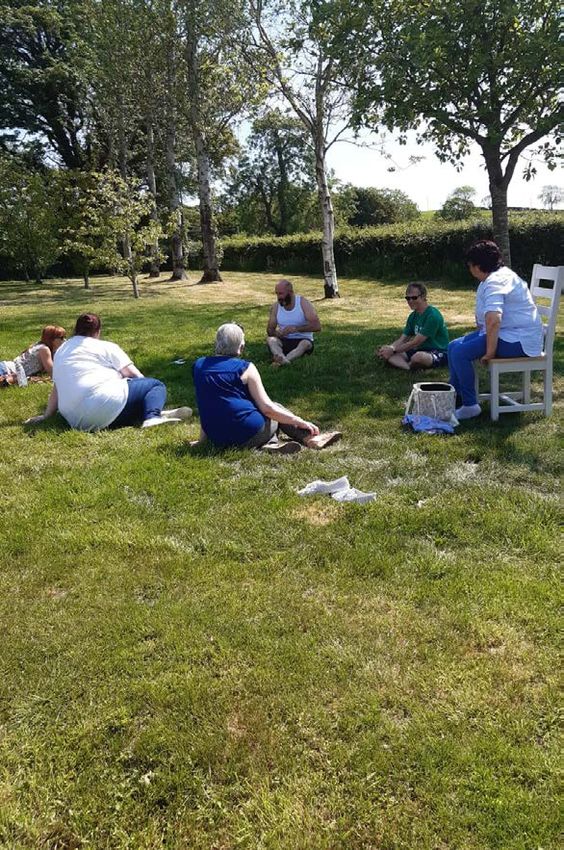
“We’ve managed to support
                           our community. We are
                          standing next to them.”
                                               Nahid Rasool

  Shantona Women’s and Family Centre

Introduction                           4   Voices from the pandemic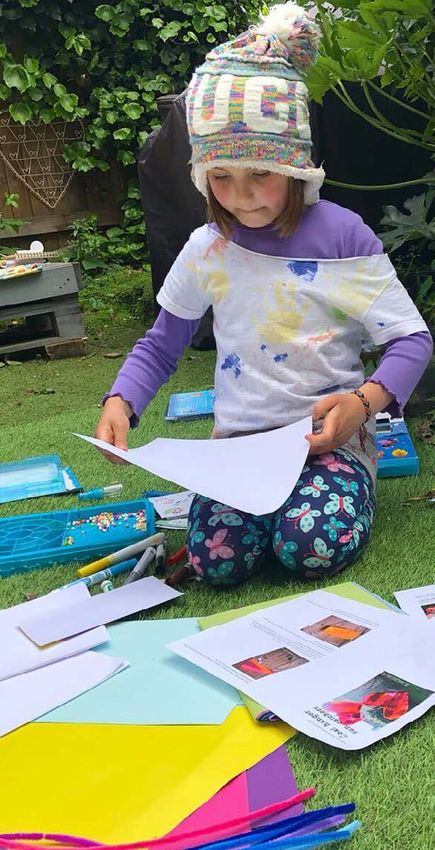
Shantona
  Women’s and Family Centre

                                             A conversation with Nahid Rasool

  Domestic abuse: recognising              “When we started, people said there
                                           was no domestic violence happening
  the problem                              in the community,” Nahid says. Only
                                           4% of referrals to Safer Leeds were
  Shantona is based in the
                                           from BAME communities and referrals
  Harehills area of Leeds, one of          from the South Asian community were
  the city’s most ethnically diverse       non‑existent.

  communities. The centre is a             “Some of our community don’t
                                           understand domestic violence. They
  BAME (Black, Asian and minority          don’t understand financial abuse,
  ethnic)-led organisation. In 2019,       emotional, economic, mental. We started
  it supported 1,700 people on             talking about it, engaging with various
                                           religious perspective and discussing why
  issues including domestic abuse,         it’s not okay […] Women’s roles are seen
  child sexual exploitation, health        as limited to cleaning, doing household
                                           work and looking after children. To tackle
  and inequality, and community
                                           this we raise awareness and work to
  cohesion.                                empower women.”

Shantona Women’s and Family Centre     5                      Voices from the pandemic
Shantona now works with schools and
  community groups, and runs healthy
  relationship programmes. The centre’s
  Community Messenger model trains
  volunteers to spread awareness in their
  own social circles and share information
  on six key messages:

        • What is domestic
          violence and abuse?

          • How does domestic
            violence affect children
            and family members?

        • How does it affect an
          individual (identity,
          low self-esteem,
          psychological impact)?

          • Where to go for help
            and support.

        • Dispelling myths
          (around social services,
          not suffering in silence).

          • Involving family
            members in support.

  The model is deliberately simple,               “We started talking about
  focusing on the essentials and making
  them easy to share. “Give that                   it, engaging with various
  information to your friends, your family,
                                                   religious perspectives
  your social gatherings. You don’t need to
  do it professionally, you just go and do         and discussing why
  it! Then report back how many people
  you’ve supported. That way, we’ve                it’s not okay.”
  created a knowledge base within the
  community.” It’s led to a huge increase
  in reporting.

Shantona Women’s and Family Centre            6               Voices from the pandemic
Supporting vulnerable                            They turned to social media to reach
                                                   more people. But they recognised that
  families during Covid-19                         some wouldn’t be familiar or confident
  It took about two weeks to adapt to              with connecting online. “We produced a
  remote working. Shantona’s computers             lot of cookery programmes: sending the
  and server were already due for                  parcel to them, and saying, ‘Can you ask
  upgrades: “We didn’t have many laptops,          a person in the family to show you how
  because the work was office-based, or            to use WhatsApp?’”
  delivering services.” Many staff used            The “Cooking with Zaynah” YouTube
  basic mobiles rather than smartphones:           series has been a hit, with the four-
  “We couldn’t do WhatsApp meetings or             year-old presenter and her mum sharing
  anything with those phones.”                     how to cook simple, nutritious recipes.
  Staff borrowed computers, and good               They’ve also produced Tai Chi videos,
  IT support helped them to access                 sent through WhatsApp. The recipes
  their folders on the charity’s server.           and exercise routines encourage people
  The National Lottery Community Fund              to build connections and practise their
  agreed to the purchase of new phones,            computer skills.
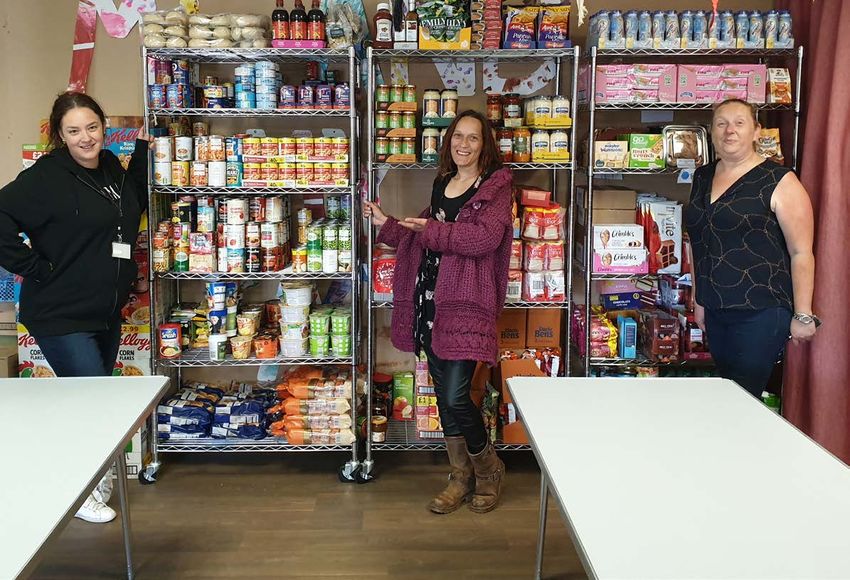
  while Leeds City Council helped to buy           In more formal support, Shantona
  new laptops.                                     helped families to access food or other
                                                   help from one of the city’s hubs. They
    “We are the first contact                     helped people to complete the necessary
     point… From that, we                          paperwork and worked with volunteers
                                                   and Leeds City Council to make sure
     raise awareness, provide                      that halal and vegetarian food options
     them with support to go                       were available.
                                                   Now Nahid’s immediate priority is
     to other agencies.”                           support for older people, particularly
                                                   older women who have been isolated
  Before the pandemic, most of Shantona’s          by lockdown. They’re using feedback
  services were face-to-face. “We are the          collected during deliveries
  first contact point… From that, we raise         to develop befriending
  awareness, provide them with support to          and wellbeing activities
  go to other agencies.”                           and help with basic
  During lockdown, they had to find                technology skills.
  ways to stay in touch. “They’re not on
  anyone’s radar,” Nahid explains, “so they
  will be struggling more. Often, they are
  living with the perpetrator: either their
  in-laws or their husband.” By distributing
  food for families and activity packs for
  children, Shantona were able to check in
  with the most vulnerable people three
  times a week.

Shantona Women’s and Family Centre             7
Voices from the pandemic

  Looking to the future                          Nahid Rasool is chief
  Shantona has fed into the pandemic             executive officer of Shantona
  response across Leeds and beyond. “I’m         Women’s and Family Centre
  getting a lot of requests for information,
  including the Home Office, the health          in Leeds. She was interviewed
  services – everybody wants reports             on 5 June 2020.
  from us about how it’s going, how it’s
  impacting, how we are coping.”                 We’ve supported Shantona
                                                 Women’s and Family Centre
    “I focused on the                           since 2004, most recently
      community, what                            with a £487,282 grant through
      was required.”                             the Reaching Communities
                                                 England programme.
  Nahid is pushing to remove barriers
  around language and technology, for            The story continues
  more translations and digital support.
  More broadly, she’s looking at health
  inequalities, recognising that, “It’s not
  just health: everything around you affects
  your health. I want to create leadership.
  We want to do it for ourselves.”
  Nahid is concerned about the long term,
  when so many people in the community
  have lost their jobs. “It’s fine that you’re
  doing food parcels, trying to provide
  halal food – but we don’t know how
  long this situation will continue. How
  are you going to support these people?         shantona.co.uk
  So we’re planning strategically, rather
  than rushing for any money we see. A
  huge amount of funding was released
  during Covid-19. People applied left,
  right, centre. I’ve seen people applying
  for funding for so many things, creating
  things they need money for. I didn’t
  apply for money until I was sure – I
  focused on the community, what
  was required.”                                 “I always question the impact
                                                  we’re bringing – at this
                                                  moment, the impact is huge,
                                                  and it shows.”

Shantona Women’s and Family Centre          8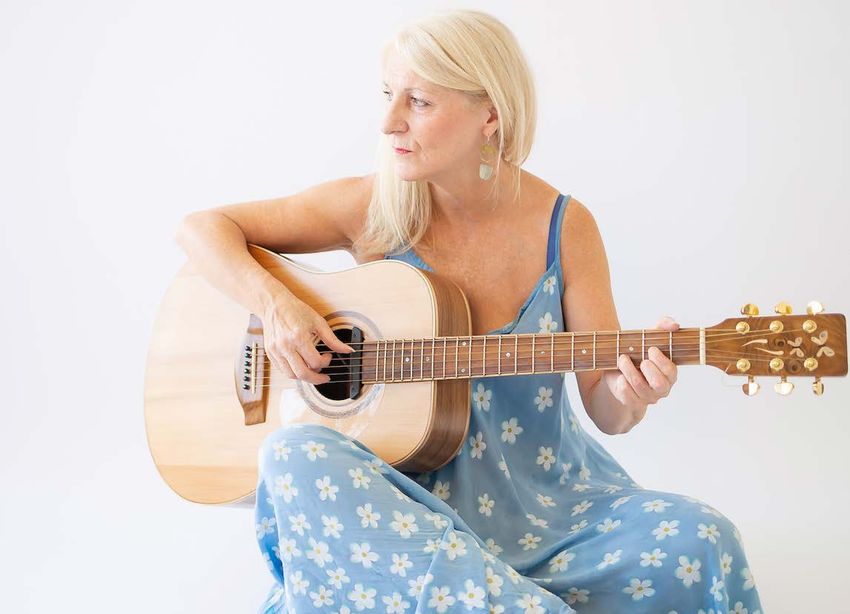
Shifting the Dial
                                            A conversation with Nathan Dennis

   Breaking the ice: before the             Sessions were designed to be relaxed and
                                            welcoming. They’d start with icebreaker
   pandemic                                 games, such as asking people to choose
                                            a song that matched their feelings.
   Before coronavirus, Shifting the
                                            Each young man was asked to sing his
   Dial ran monthly group forums            song – or, if that’s too uncomfortable,
   with young African Caribbean             to play it on his phone. “It becomes a
                                            bit of a moment – if people know the
   men aged 16 to 25. Under the             song, they’ll sing along. It creates an
   title #DearYoungers, these face          atmosphere.”
   to face events offered facilitated       Venues were set up like living rooms,
   conversations about wellbeing.           with sofas and rugs. “The space we use,
                                            it feels like a home from home. When
   To find participants, they went          you have [Caribbean] food in the space,
   to places young people go, to            it just becomes richer. Over a number of
                                            sessions, you find there’s a bit of team,
   fast food restaurants as well as
                                            peer support, family bonding happening.”
   youth clubs.

Shifting the Dial                       9                     Voices from the pandemic
“In the early days, there were a lot of
                                                  conspiracy theories on social media –
                                                  stuff like 5G,” which wrongly blamed new
                                                  technology for the outbreak. So they
                                                  invited Dr Justin Varney, head of public
                                                  health for Birmingham City Council, to
                                                  have a conversation with the young men:
                                                  “We got the guys to share, and ask him
                                                  questions.”
                                                  One of the biggest successes was an
                                                  event about serious youth violence – put
                                                  together in a single day. “There was an
                                                  incident in our community. Because it
                                                  had been captured and was being shared
                                                  on social media, I was concerned about
   Sessions would end with a question:
                                                  the retraumatising of young people. I felt
   ‘Do you know what your purpose is?’
                                                  we needed to have a conversation.”
   or ‘What does manhood mean?’ They
   explored these themes in larger-scale          Nathan got the idea for the conference
   events, such as a 70-strong conference         at 8am. By 1pm, he had confirmed his
   on “The Making of a Man”, which                speakers and announced the event. “The
   looked at what it means to be a man            conference started at 5pm – so I had
   – particularly a Black man – in the            about four hours to promote it. It was
   21st century.                                  crazy, because it was the first time we
                                                  livestreamed a Zoom. We had over 3,000
                                                  viewers.” That fast timing was key.
   Keep your finger on the
   pulse
   At the start of Covid-19, the project              “There was an incident in
   made a smooth transition to online                   our community. Because
   work. “We just said, let’s go online, let’s
   use Zoom.” They promoted the forums                  it was being shared
   on a new Instagram channel, alongside                on social media, I was
   Facebook, Twitter and WhatsApp.
                                                        concerned about the
   The first online session had nine young
   men and enthusiastic feedback. Since                 retraumatising of young
   then, Nathan has scheduled weekly
                                                        people. I felt we needed
   forums and larger one-off events to
   address major issues of the pandemic.                to have a conversation.”

Shifting the Dial                                10                  Voices from the pandemic
Quick reaction is essential, as in their Resilience and growth
response to the death of George Floyd.
Teaching resilience is “fundamental”:
“We’ve had to change some of the
“You have to be resilient during
weekly forums, let them be about Black
Covid-19.” They’ve shared practical
Lives Matter, just to give people that
strategies, including journaling, action
space to breathe. Imagine if [the forum]
planning and ways to be productive
wasn’t there – all that anger, not being
under lockdown. Sessions with relatable
able to articulate yourself. Many people
role models are popular, particularly
started to relive times they experienced
when there’s an economic angle:
racial discrimination.”
young men who have started their own
businesses.
“Sometimes people come
Demand is strong. “Consistently, we do
in saying, ‘I’m feeling weekly forums, and the guys still come
out. It’s changing people’s lives, helping
low.’ Then you hear them
them to stay alive. It’s that real, because
say ‘I feel so much better, people will share with you in the forums
about the struggle.
thank you so much, man,
“Sometimes people come in saying, ‘I’m
keep doing this.’” feeling low.’ Then you hear them say ‘I
feel so much better, thank you so much,
It’s about addressing participants’ man, keep doing this.’ So you know that
concerns, as they happen. As worries it’s having a massive impact in ways that
rose about unemployment, Nathan sometimes it’s hard to articulate.”
invited the West Midlands Combined These positive results are validated by
Authority to showcase job opportunities polls run at the beginning and end of
in the area. “There’s a lot of doom and each session. Developed with the Centre
gloom in the news, but supermarket for Mental Health, they track shifts in
chains were employing; construction, attitudes, mindset and behaviour.
HS2 were recruiting.”
“The space we use,
it feels like a home
from home.”
Shifting the Dial 11 Voices from the pandemicVoices from the pandemic
The power of partnership Nathan Dennis is a trustee
For the charity sector, Covid-19 has of First Class Foundation. A
brought new funding and potential trainer and consultant, he
opportunities but, for Nathan, some
frustration too. “There’s been a lot works with young people to
of what I call ‘magic money’ that’s build mental health resilience
appeared. As a smaller organisation, we
and help them find their
haven’t been able to take advantage.
I don’t have a fundraising team, or purpose. He was interviewed
someone who’s sitting there to smack on 17 June 2020.
out bids. That’s a challenge, not having
the capacity to take those opportunities.” Shifting the Dial received a
So he’d like to see more capacity grant of £746,112 through the
building and development programmes
attached to grants and more connections Partnerships programme in
between charities of different sizes and England.
specialisms.
“That’s a tension with many grassroots The story continues
organisations. You get caught up in
delivery, responding all the time. You
never get time to do strategy. That’s why
I love the partnership.” By co-delivering
this project, First Class Foundation can
draw on the skills of its partners, from
evaluation to public relations. With that
support, the organisation has space to
plan and grow.
“We challenge each other, we’re
accountable to each other, we’ve Making of a Man
got good governance structure. We
strengthen each other.”
He recommends chasing purpose, not
money. “Fundamental principle, as an
first class nation.com
individual or as an organisation: make
sure you know what your ‘why’ is. When
the going gets tough, go back to why I
want to do this. I want to help, I want to
bring transformations to people’s lives. If
you know what your why is, it gives you “I’m grateful that, in a time
that strength to go on.” like this, we could be a
lighthouse for many in our
community.”
Shifting the Dial 12Friends at the End
A conversation with Amanda Ward
Choice and control at the As well as wills, this includes Powers of
Attorney, a legal document that names
end of life someone else to help make decisions
with you or on your behalf; Advance
“A lot of work that we do is
Directives, which record any medical
trying to give people control treatments you don’t want to be given,
back,” Amanda explains, “to give and Advance Statements, which set
down your preferences regarding future
them choices and opportunities.” health or social care.
Before the pandemic, the
charity held workshops to help
“A lot of work that we
people to put their end of life
do is trying to give
documentation in place.
people control back to
give them choices and
opportunities.”
Friends at the End 13 Voices from the pandemicTo reach beyond the membership, they
“People say, ‘Now’s the turned to local and social media and
other voluntary groups. They also did
time. I’m being faced
their own scoping exercise: “Is there
with mortality like never anyone doing similar work to us in our
area? We found that there wasn’t.” They
before, I want to stop
wrote to 32 local authorities throughout
putting off things, like Scotland, and to voluntary associations
operating within those authorities. “We
my will.’”
said, this is who we are, this is what
we do. We know that there’s a real
need for this, especially as people are
They also hosted ‘death cafés’ where becoming unwell.”
people got together over coffee and As a result, Friends at the End has been
cake to talk about the loss of their added to more befriending networks, and
loved one. “It’s an outlet for people to is receiving many more referrals. “People
talk and share and to feel supported,” say, ‘Now’s the time. I’m being faced
Amanda says. with mortality like never before, I want
The benefits of these groups go beyond to stop putting off things, like my will.’”
practical advice. Often, friendships grew There has been a threefold increase
naturally. “That’s something that’s been in enquiries: between April and June
really nice: to see people who have 2020, Friends at the End gave advice
maybe been experiencing loneliness, to hundreds of callers, and assisted
coming along to one of our events, 15 people through the end of life
meeting people in their area, and keeping planning process.
in touch […] now they’ve got their own
wee friendship groups.”
Powers of Attorney
Making connections in
lockdown
Advance Directives
All this work was done face-to-face, so
the first lockdown brought huge changes.
The first task was to contact the charity’s
existing membership. “We wrote to
Advance Statements
them, we phoned the people who
weren’t on email, and asked: ‘We’re not
Some changes have been unexpected.
able to run our local groups, but how can
“A lot of networking opportunities
we still support you?’”
have moved online, which has been
really useful for us. We definitely feel
we’re part of networks we weren’t part
of before – we’re a small charity, [it’s
just myself and one part-time member
of staff].”
Friends at the End 14 Voices from the pandemic“Ordinarily we do this work face-to-face: you can give
someone a hug, or hold their hand. That’s been one of the
hardest things, not being able to do what feels human.”
Facing mortality as part Compassion and kindness
of life For Amanda, “being as kind and
compassionate to people as you possibly
Covid-19 has made people readier to
can,” has always been essential. “It’s
talk about mortality. “It’s something that
important to have the qualifications”
we certainly bury our heads in the sand
– she is an academic and lawyer, with
about. Whereas - watching the news
a background in healthcare law ethics
every day, having reports of deaths every
– “but it’s more than just getting your
day - that’s just a starkness we’ve never
documents in order. It’s about pulling
had to face before.” The charity hopes
out from that, what are this person’s
to harness that new awareness to help
circumstances? Do they need support in
people see death as part of life.
other ways?”
End of life plans are time consuming –
That compassion makes its own
particularly since they’re now being done
demands. “We’re working from home,
one-to-one, rather than in workshop
with all the issues that go with that
settings. Amanda hopes to put some of
– schools are closed, childcare. The
the questionnaires online, followed by
conversations take a long time, making
“a more nuanced conversation” once the
sure that we’re doing everything
details have been filled in. This would
absolutely right with these documents.
also allow people to pace themselves
over what can be an intense process, “Then we go into all the scenarios –
giving people a chance to, “Do a bit, take would you want to go into a hospice?
some time away, start again.” Who can care for you, would you want to
go into a care home? We ask, consider if
To keep going, she prioritises. “There’s
you couldn’t communicate, how would
always more to do than there is time
you want to be cared for?
and people to do it.” She also thinks
strategically, staying focussed on the “People can find it really overwhelming,
“people that we’re here to help.” I can sense that on the phone, but we
aren’t able to offer physical comfort.
That’s been one of the hardest things,
not being able to do what feels human.”
Friends at the End 15 Voices from the pandemicVoices from the pandemic
Yet it’s inspiring, too. Amanda is most Alison Ward is chief executive
proud of the times when families get in
of Friends at the End. She was
touch. She remembers an older woman,
who needed acute care at the end of her interviewed on 29 June 2020.
life. “She was so unwell that she couldn’t
express her own wishes – but she had Friends at the End received
her end of life pack with her, and it spoke £9,993 through Awards for All
for her. One of the family members
said that it was like a shield against Scotland, which is a quick way
aggressive treatment or overtreatment.” to apply for funding between
For the family, this was a ‘good death’, £300 and £10,000.
one where her wishes were respected
and cared for. “The feedback from
families, thank you cards coming to the
The story continues
office - it feels really worthwhile. It’s a lot
of effort, but when we know it’s worked,
for us that’s the greatest achievement.”
fate.scot/news/coronavirus-
covid-19
“It allows you to get on with
actually living your life,
knowing that you don’t have
to be scared or afraid, because
you’ve done everything in your
power to make the end of life
a good one.”
Friends at the End 16Home-Start
Wandsworth
A conversation with Carey Davies, Sarah Maher and Lisa Quarrey
Volunteers and peers Home-Start Wandsworth offers group
activities, befriending, and a ‘Bump to
Home-Start is a UK-wide Baby’ home visiting service. It matches
network of over 200 groups families with volunteers who offer a mix
of practical and emotional support.
that support families who are
Volunteers – almost all parents
facing challenges like isolation, themselves – receive nine days’ training,
bereavement and postnatal including mental health awareness
and safeguarding. “We don’t take over,
depression.
and say, I’ll be the babysitter,’” Family
Hubs Coordinator Carey explains. “It’s
“I love the fact my more about working alongside families,
suggesting things that might make them
volunteer didn’t judge and the baby happier.”
me, I felt I could say
anything to her.”
Home-Start Wandsworth 17 Voices from the pandemic“There were lots of things to
sort out… trips to council
offices, to the hospital, to the
Citizen’s Advice Bureau.”
“Listening is so important”, says Bump to ‘Zooming’ through lockdown
Baby Coordinator Sarah. “How often do
Lockdown meant switching from face-to-
we have someone who’s prepared to just
face to remote support. Carey took her
sit and listen, let us chat?” It’s something
weekly groups onto Zoom: “the creative
the families really value: “they’ll often
group, a general hub group that anyone
say, ‘I love the fact my volunteer didn’t
can join, and a bump to baby one. [At
judge me, I felt I could say anything
first] there was almost more attendance
to her.’”
than in real life! Whether because
Volunteer Lisa was matched with a new they don’t have to get there on public
mum who had left her abusive partner. transport, maybe it’s easier just to come
“She’d recently been homeless and in on your Zoom?”
in temporary accommodation. There
Carey believes the group’s shared history
were lots of things to sort out… trips
is a big part of its success. “That group is
to council offices, to the hospital, to the
very comfortable with each other. We’ve
Citizen’s Advice Bureau. I think she felt
talked about everything – Black Lives
overwhelmed with the list of things she
Matter, not being able to sleep, anxiety
had to do, with a newborn baby, whilst
about Covid, pelvic floor, everything!”
moving into new accommodation.”
The move online brought new
Having support meant time and space to
opportunities. Sarah suggested several
focus. “You want to be able to deal with
parents might be interested in a Zoom
the problem in front of you, and that can
baby group run by a postnatal depression
be difficult when you’re also looking after
counsellor. One mum became upset
a baby,” Lisa explains.
during the session, but afterwards she
explained, “‘I’d just had that lightbulb
moment.’” Listening to the counsellor,
she felt that “‘Everything she said just
was as I’d been feeling.’”
Volunteers like Lisa have continued one-
to-one support through regular video
calls. Families knew that support was still
there: “they can ring or text pretty well
any time,” explains Sarah.
Home-Start Wandsworth 18 Voices from the pandemicSarah acknowledges that practical They’ve responded with tangible,
support has been more of a challenge. practical advice. They signpost to
“Some of our referrals come from mums foodbanks, health professionals and local
who are struggling with their mental agencies, and to organisations such as
health, so that’s something we’ve been Little Village, another National Lottery-
able to maintain. But we have some with funded charity which supplies donated
twins, they want another pair of hands – baby clothes, toys and equipment.
that’s been harder.” For Sarah, making food or Little Village
deliveries was a good way to catch up
with families, particularly those who
hadn’t joined the Zoom meetings. “You
can get a lot out of seeing someone,
maybe if their child’s with them on the
doorstep. Some people like speaking on
the phone, maybe they can open up a bit
more that way. But if someone’s feeling
low, you can probably assess that more
when you’re seeing them.”
Families have experienced lockdown
in different ways. For some parents,
“particularly if they’ve had their partner
working from home, they’ve felt they’ve
had more family time. They’ve liked not
worrying about what’s on social media
and feeling inadequate, a few have
said that.”
For others, it has been very hard,
especially where partners have lost work.
“There’s been a lot of stresses building
up within the family. It’s hard for them
to know who to talk to, in that situation.
If they’re talking from home, the partner
might be aware, so it’s been hard
sometimes to have that confidentiality.”
“We made these creative Many have been fearful. The mum Lisa
kits,” Carey explains. supports didn’t leave the house during
lockdown: “She was too anxious to go
“with print-outs saying out - and if she’d been ill, she’s the only
‘you can make this with person to look after the baby, so she
really was cautious.” “A few of our mums
the equipment we’ve have been too frightened even to go on
given you.’” the daily walk,” Sarah confirms.
Home-Start Wandsworth 19 Voices from the pandemicVoices from the pandemic
Connecting through crayons, Carey Davies and Sarah Maher
sellotape and stickers are coordinators at Home-Start
Activity packs have also been hugely Wandsworth. Lisa Quarrey is
welcome. “We made these creative kits,” a volunteer with the charity in
Carey explains. “with print-outs saying
‘you can make this with the equipment
south London. Interviewed on
we’ve given you’. Adult colouring, for 6, 8 and 31 July 2020.
mindfulness, and children’s reading
books.” They included all the necessary We’ve supported Home-
equipment: not just colouring books, but
Start Wandsworth since
pens too.
2011. It received £198,777
People said the kits made them feel cared
for, “part of a family”, perhaps because through through Reaching
“it was all personally done – it wasn’t Communities England, which
like we bought a pack, we put individual
things in.” In response, “they’ve all sent
offers funding over £10,000 for
pictures of things their kids made, it was projects working for positive
so lovely.” change in their community.
Sarah wants to build on the success of Its Stay Connected project
the creative kits. “It’s really emphasised
what a lot of mums get out of that, received £69,129 through
whether they have any experience of arts the Coronavirus Community
and crafts. Most people are receptive to
Support Fund.
having a go, and are surprised at what
they get out of it.” “Some people will say,
‘Oh no, I don’t do anything creative,’” The story continues
says Carey, but afterwards they’re proud,
“they’ll say, ‘I made that!’”
This can be a powerful way to build
connections. “One girl has done this
embroidery on her postnatal depression.
It’s absolutely stunning – we’ve shared it
on our Instagram. She opened up, said,
‘This what I’ve been through, and I’ve
embroidered it all.’ Another mum then
said, ‘I’ve had the same experience’.
Just through embroidery! I’m really home start wandsworth.org.uk
proud of that, how it’s brought those
conversations.”
“Listening is so important. How
often do we have someone who’s
prepared to just sit and listen?”
Home-Start Wandsworth 20ACE
Action in Caerau and Ely
A conversation with Sam Froud Powell
Building on the community’s One project is their community food
shop, part of the Your Local Pantry
strengths scheme. It’s based at The Dusty Forge,
a former pub which is now ACE’s much-
Action in Caerau and Ely (ACE) is
loved main venue. For a weekly fee of £5,
owned and run by the residents scheme members can choose about £20-
of two council estates in western £25 of shopping. The food comes from
FareShare, a National Lottery-funded
Cardiff. From crisis support to charity that redistributes supermarket
community arts and crafts, its surpluses, and other sources.
projects help regenerate these Sam Froud Powell, ACE’s Community
communities. Support Coordinator, explains that,
“we wanted to provide something
Caerau and Ely are the second and third really affordable that had the dignity of
most deprived communities in Cardiff, choice.” The pantry avoids the potential
according to the Welsh Index of Multiple stigma of going to a foodbank, and
Deprivation. ACE works with local people was immediately popular. Starting
to change the narrative of the area, to deliberately small, membership
celebrate its heritage and its strengths. has grown from 30 in June 2019, to
nearly 200.
Action in Caerau and Ely 21 Voices from the pandemic“We wanted to provide The pantry had to work with reduced
numbers. “We were careful not to
something really overcommit. If we’d tried to keep
providing food to everybody, staff
affordable that had the would have burned out, and we’d have
dignity of choice.” disappointed people by failing to deliver.”
From the start of lockdown in March until
the end of June (2020), ACE made 650
pantry deliveries, and sent out 300 free
“It brought a lot of new people into the emergency parcels. They coordinated
building,” Sam says. “What was really nice with Cardiff Council to avoid duplication
was that they felt positive about being and fill gaps in existing services.
part of the project, and gave us feedback
ACE explained to members that they
about the new things they’d cooked.”
would prioritise those most in need, to
Those conversations showed the depth of
reduce the risk of disappointment. “It
knowledge in the community, a resource
wasn’t hard and fast criteria, but we tried
to celebrate and share. “People on low
to focus support on those who weren’t
incomes get castigated for being terrible
receiving help from elsewhere.”
at managing – but this showed how
much experience they have in managing Some families didn’t qualify for free
budgets. We’re trying to help people with school meals, but still found it difficult
information, but the knowledge and input financially. People who were shielding
of the members are key.” were another priority, and those whose
anxiety or mental health issues made it
difficult to shop. “We know families and
Covid-19: realistic choices pantry members who haven’t left the
Lockdown meant choosing which work house over the course of the pandemic.
to continue, and how. Where possible, We’re trying to be sensitive to those
projects were delivered by staff and situations. If someone’s a single parent
volunteers working from home, often with three or four children, it’s just not
with real ingenuity: the Hidden Hill Fort a nice experience to go to a socially
community archaeology project ran a distanced supermarket. Even though
“Big Dig” in residents’ gardens. Drop- they’re not shielding, we recognise that
in advice sessions became a telephone it’s harder for them.”
service. The Dusty Forge closed to the
People on the delivery list continued to
public, but ACE continued to run core
pay £5. “We felt it was important to keep
services from the building.
that element, that it’s not charity you’re
“We focused on making best use of our asking for.”
resources. The Dusty Forge became a
food distribution hub, serving pantry
members and providing emergency
food parcels.” With donations from
local churches and individuals as well
as FareShare supplies, more food was
coming in than ever before.
Action in Caerau and Ely 22 Voices from the pandemicSupport by phone
ACE’s advice line set up a new rota,
with calls transferred to staff’s home
mobiles, and requests logged in a central
spreadsheet. They’d received 500 calls by
the end of June.
Though most asked for help with food,
prescriptions or money and benefits,
some callers simply felt isolated and “People want to do more,
wanted someone to talk to. So ACE but we don’t want them
trained volunteers to make regular
wellbeing calls. “The support line burning the candle at
isn’t really set up for people to have both ends.”
a 20-minute chat, so we’ll offer a
friendly follow-up call.” It’s popular
with volunteers as well as service users, Taking care of your team
mobilising those who can’t take part in Like many charities, ACE faced rising
the practical activities. demand and falling volunteer numbers
Sam, who coordinates the practical side, at the start of the pandemic. “A lot of our
feels lucky to work alongside a dedicated volunteers couldn’t be involved because
health and wellbeing team. “We’re trying of shielding and childcare. We saw a big
to provide things in a joined-up way.” dip, but then we started getting offers
from new volunteers. We weren’t able
One example is the new “back home
to say yes to everybody straight away,
box”, a care package for people
because of social distancing.” Numbers at
discharged from hospital. It includes
The Dusty Forge are strictly limited.
essential foods, information about
services offered by ACE and its partners, Sam is proud of the team. “People have
and “nice things: toiletries, skin cream”. stepped up, shown flexibility and huge
As well as a caring gesture at what can compassion, wanted to make things
be a vulnerable time, the box can be the better. It’s been a lovely environment to
start of a relationship with ACE, letting work in.” But they’ve had to be careful
people know how to get involved. about burnout. “People want to do more,
but we don’t want them burning the
candle at both ends.”
“We know families and
Openness has been essential, starting
pantry members who with discussions about capacity. “We
haven’t left the house took a step back from some activities,
those we felt were impossible. It’s
over the course of about flexibility. People who were on
the pandemic. We’re our training project now help with food
distribution. There was a lot of that,
trying to be sensitive to repurposing capacity. As long as that was
those situations.” managed well, it worked fine.”
Action in Caerau and Ely 23 Voices from the pandemicVoices from the pandemic
“What was really nice was Sam Froud Powell is
that they felt positive community support
about being part of the coordinator at ACE. He was
interviewed on 23 July 2020.
project, and gave us
feedback about the new We’ve funded ACE since 2012,
things they’d cooked.” most recently £498,343
through the Helping Working
Families programme, which
Funders have an important role in
avoiding burnout. Sam praises the funds projects that bring
flexibility that allowed ACE to make about positive change for
its own decisions. “Accountability to
working families who are
management and to funders can be a big
source of staff stress. We felt trusted to affected by poverty and
make decisions, to do what we need to supporting a child.
do. That really helped staff wellbeing and
morale.”
The story continues
It’s the people who make The Dusty
Forge what it is – and they’re eager to
return. “We’ve had good feedback over
Covid, but it would be a disaster if we
have to work like this forever. We’re
a community organisation, not a food
distribution centre. People do value the
telephone, they do value the food - but
that’s not what it’s all about. They want
to have that community space again,
where people come together and are
energised by each other. I think they’re
feeling the lack of that – socially, but
also because they want to be involved in
making a difference.”
aceplace.org
“They want to have that
community space again, where
people come together and are
energised by each other.”
Action in Caerau and Ely 24The Right Key
A conversation with Sheila Smyth
Since the start of the pandemic, who had experienced bereavement
and sadness and brokenness - and they
“We’ve lost no one,” says Sheila
stayed clean and sober.”
Smyth from The Right Key. They
run a Recovery Café, in County Music and creativity for
Down in Northern Ireland, healing
which is open to everyone in the The Right Key uses music and crafts to
community, but gives a particular support people in recovery, alongside
traditional methods like counselling.
welcome to people recovering Sheila is a musician and composer
from addiction. whose work began with a series of music
workshops in a rehabilitation centre.
“We were able to keep people together, At the end of the 12-week residential
and keep people sane and sober. People programme, participants turned to her
have come out of lockdown with massive because they wanted to stay together, to
alcohol dependencies that they didn’t keep singing. “That’s how we formed the
have before. And yet we had a group recovery café.”
of recovering alcoholics, drug addicts,
people in mental health recovery and
The right key 25 Voices from the pandemicThe group has worked in prisons and But for Sheila, “the golden thread that
clinics, but the recovery café is the heart runs through all of that is people’s
of the work. Starting in a small building stories. We wrap it all in music, then take
in Dromore, they moved in 2019 to a the music out, harnessing that recovery.”
former schoolhouse in Loughbrickland.
“The beauty of it is that it has a rural feel Adapting during lockdown
to it. It means that you can come out of
your situation, whatever the drama is, to Before the pandemic, The Right Key had
a safe, peaceful place by a lake.” been renovating its premises. “We were
going to launch our building on 27 June!”
Other activities include woodworking Instead, they had to lock down.
– making musical instruments as well
as toys and gifts – and guitar and “There was such a sadness, because
piano tuition. Before the pandemic, Loughbrickland means so much to so
they offered some rooms for crisis many people. We’d hoped we’d be able
housing, and performed concerts in the to stay open, but addiction didn’t come
community. “That brings about a lot of under a necessary service. We needed
social change: imparting knowledge, to sustain all of our people, we didn’t
challenging stigma.” want any of them taking backward steps
in recovery.”
The right key 26 Voices from the pandemicThey applied to the Fund for support. “Maybe half of them are using their
“Thank Goodness for the Lottery, for writing to heal. It’s become a cathartic
just being able to ring and speak to thing: they write about things that were
our funding officer. We didn’t furlough maybe painful in the past. In some
any staff, the need was so great – we sessions, people have broken when
worked incredibly hard all through they’ve read the story out. We just stay
lockdown. We were still paying rent and with that moment, because it’s a healing
wages.” They lost income from their café moment. They write it out, they read it
and craft shop, and from the outside out, and then they move through it.”
contracts they were developing. The
Fund responded with flexible support: Keeping the ship steady
a new one-off grant of £20,000 and a
permission to reallocate existing funds. Online meetings were a way to support
staff as well as service users. “Once
Technical support was also vital. a week, we had a big session with
“Everyone got connected, even people everyone on it, where I would encourage
that are not familiar with laptops. When them and chat to them. We also had
we saw each other again on Teams, for our peer mentors’ and leaders’ meeting
the first time – all the wee squares and online, which encouraged them as well.”
all the faces – it was like throwing a
lifeline. The laughter!” “As an organisation, we had to keep the
ship steady, keep walking and not be
Along with counselling and peer support, overwhelmed by what was happening.”
they kept working through music. “It was
different, because everybody’s WiFi goes That meant paying active attention to
at a different speed! We work very hard morale. “Making sure that, as leaders,
towards concerts, in teaching people, we led the others through, kept them
layering those harmonies. motivated, kept them strong. To be
honest, we just dug deep. There wasn’t
“But it was a lot of fun. There was a lot any other way of doing that. As leaders,
of laughter, because when people were as a board, as peer mentors, we met
a couple of bars behind, and the others often on Teams, just talked it through
were hearing that in a different speed. and offloaded.”
With what everyone’s been through, it
was a complete tonic.”
A new creative writing programme was
particularly successful. “That was just
liquid gold! We started off on Teams
with people who had never written. They
absolutely rose to it.” It’s become a major
new strand for the organisation, with
14 to 16 people in the weekly creative
writing class.
The right key 27 Voices from the pandemicThese students made huge progress
during lockdown. “They really applied
themselves, really committed. It’s not
just the lesson, it’s the fact that they can
access the piano, and practice. They say
it has literally kept them sane.”
Supporting people out of
lockdown
The Right Key returned to the Old
Schoolhouse from the first of June 2020,
preparing their building to reopen with
new social distancing measures.
“We’ll sing, but we’ll “We’ll sing, but we’ll be out in the
garden, two metres apart - which is
be out in the garden, okay when it’s not raining!” On wet
two metres apart - days, they’ll break into smaller groups,
spaced out in the different rooms of the
which is okay when building. “It takes tighter organisation,
but it’s workable for us, which we’re very
it’s not raining!” thankful for – because for a lot of people
it hasn’t been workable.”
They’ve found that some need to take
it slowly. “We almost need to release
Working with a prison and people from lockdown… We’ve been
meeting up with them, having a coffee,
secure unit
unlocking them almost. These are people
During lockdown, the project had to halt who have been active and capable,
its visits to prisons – but Nathan, the but with underlying health conditions.
project’s music tutor, took his classes Because they’ve shielded, they’re now
online for the first time. afraid to come out.”
They found ways to keep working with Others want to stay for a weekend:
female prisoners and young offenders “We’re offering that, free of charge, to
at Hydebank Wood prison. “They had people who need that retreat.” They’re
limited activities and few visitors. We also working with other recovery groups,
were able to do the same at Shannon who can take over the whole building,
Clinic, a hospital for people who have taking part in singing workshops without
mental health problems.” having to leave their own bubbles.
The right key 28 Voices from the pandemicVoices from the pandemic
For some, this has been a chance to start Sheila Smyth is development
again, to take their skills and start new
manager of The Right Key. A
businesses: “Micro enterprises, starting
up under The Right Key social enterprise. musician and composer, she
They’re taking their courage, and saying, uses music and creativity to
‘I’m going to try this.’ It’s changed the
way people thought.” support recovery, particularly
One has now started her own for those recovering from
hairdressing business. “She’s Covid-19 addiction. She was interviewed
approved, she has a certificate – she’s
on 23 July 2020.
taken one of our little rooms. She’s had
the courage to do that, because of the
We’ve supported The Right
safety net of Loughbrickland - she had
about ten customers with us.” Another Key since 2013. The project
has completed his counselling degree, currently receives £219,136
and is now on a placement running a
men’s mental health project.
through People and
Communities in Northern
Focusing on the positive Ireland, which offers funding
As an organisation, The Right Key have between £10,001 and
made a conscious decision to focus on
£500,000 for projects working
the positive. “We’ve got to strengthen
what remains and start building again, in with your community. In
what is now the new normal.” 2020, it received £9,600 for
Sheila’s proud that that staff and service its Covid-19 counselling
users have changed their mindset:
“They’re now extremely positive.
programme, funded through
They’ve accepted the pandemic, they’ve Awards for All Northern
transitioned, to now be thinking, ‘We’ve Ireland.
come through this, how can we help
others?’ How can we continue to offer,
not just the support that we were the right key.org
offering, but to include the new recovery
that’s needed?”
“We’ve got to strengthen what
remains and start building
again, in what is now the
new normal.”
The right key 29Final thoughts
The Voices from the Pandemic We never imagined that, a year later,
we’d be living with the same challenges
series started as a way to capture
– and with a new and very different
our grantholders’ work in the idea of what “normal” might be.
moment. We saw charities While responding to immediate and
ongoing demand, groups are seizing
adapting at intense pace. Their the opportunity to think about what a
work helped to hold people new future means. How should charities
recalibrate how they work? What does
and communities together, in
the wider sector need to do differently?
the midst of what felt like an Collectively, how have we responded to
existential crisis. the challenges and issues the crisis has
laid bare? In our next volume, we ask
We wanted to shine a light on that speed grantholders what happens next.
and resilience. We also knew it was
important for them to bear witness, to
share what they had done and learned,
and to have their contribution recognised
and celebrated.
If you have a great idea that will support your community, we’re
here for you. Find out more about how to apply for funding at:
t n l community fund.org.uk/funding/thinking-of-applying-for-funding
Final thoughts 30 Voices from the pandemicThis publication tells personal stories This publication is licensed under the of grantholders and shares examples of terms of the Open Government Licence what has worked well for others. Any v3.0 except where otherwise stated. views, thoughts or opinions expressed To view this licence, visit by grantholders and staff do not national archives.gov.uk/doc/ necessarily represent the views, thoughts open‑government-licence/version/3 or opinions of The National Lottery Where we have identified any third party Community Fund (“the Fund”). The Fund copyright information you will need to does not endorse or recommend any obtain permission from the copyright organisation mentioned, nor does it holders concerned. This publication is endorse any external content linked to in available at this report. gov.uk/government/publications The content of this report should not Any enquiries regarding this publication be taken as an instruction, guidance should be sent to us at The National or advice and you should not rely on Lottery Community Fund, 1 Plough Place, the information in this report as an London, EC4A 1DE, or you can email us at alternative to professional advice. knowledge@t n l community fund.org.uk To the fullest extent permitted by law, the Fund accepts no responsibility and disclaims all liability to any third party who purports to use or rely for any reason whatsoever on the report, its contents, conclusions, any extract, reinterpretation amendment and/ or modification by any third party is entirely at their own risk. We make no representations, warranties or guarantees, whether express or implied, that the content of this report is accurate, complete or up to date. © Crown copyright 2021 KL21-02
You can also read


