Absa Africa Financial Markets Index 2021 - Potential lives here - OMFIF
←
→
Page content transcription
If your browser does not render page correctly, please read the page content below

Absa Africa Financial
                                             Markets Index 2021
                                                      Potential lives here

Pictured: Grand Bai (Pereybere) Mauritius
The Absa Africa Financial Markets              Absa Group Limited (‘Absa Group’) is listed on the
Index was produced by OMFIF in                 Johannesburg Stock Exchange and is one of Africa’s
association with Absa Group Limited.           largest diversified financial services groups.
The scores on p.7 and elsewhere
                                               Absa Group offers an integrated set of products and
record the total result (max = 100) of
                                               services across personal and business banking, corporate
assessments across Pillars 1-6. For
                                               and investment banking, wealth and investment
methodology, see individual Pillar
                                               management and insurance.
assessments and p.42-43.
                                               Absa Group has a presence in 12 countries in Africa, with
OMFIF conducted extensive
                                               approximately 42,000 employees.
quantitative research and data
analysis. Qualitative survey data were         The Group’s registered head office is in Johannesburg,
collected and analysed by OMFIF.               South Africa, and it owns majority stakes in banks
                                               in Botswana, Ghana, Kenya, Mauritius, Mozambique,
© 2021 The Absa Group Limited and
                                               Seychelles, South Africa, Tanzania (Absa Bank Tanzania
OMFIF Ltd. All Rights Reserved.
                                               and National Bank of Commerce), Uganda and Zambia.
                                               The Group also has representative offices in Namibia and
                                               Nigeria, as well as insurance operations in Botswana,
                                               Kenya, Mozambique, South Africa, Tanzania and Zambia.
Absa Project Team
                                               For further information about Absa Group Limited, please
Fiona Kigen, Vice-President:                   visit www.absa.africa
Marketing, Investment Banking,
Erica Bopape, Head of Marketing,
Investment Banking, Andile                     The Official Monetary and Financial Institutions Forum is
Makholwa, Vice-President:                      an independent think tank for central banking, economic
External Communications, CIB,                  policy and public investment – a non-lobbying network
Phumza Macanda, Group Head of                  for best practice in worldwide public-private sector
Media Relations, Jerome Raman,                 exchanges. At its heart are Global Public Investors –
Communications Manager, CIB,                   central banks, sovereign funds and public pension funds
Benedict Maaga, Head of Integrated             – with investable assets of $42tn, equivalent to 43% of
Communications, CIB, Varini Chetty,            world GDP. With offices in both London and Singapore,
Digital Lead, CIB, Gerald Katsenga,            OMFIF focuses on global policy and investment themes
Head of Corporate Sales, ARO                   – particularly in asset management, capital markets
Markets                                        and financial supervision/regulation – relating to central
                                               banks, sovereign funds, pension funds, regulators
                                               and treasuries. OMFIF promotes higher standards,
OMFIF Editorial, Meetings and                  invigorating exchanges between the public and private
Marketing Team                                 sectors and a better understanding of the world
                                               economy, in an atmosphere of mutual trust.
Clive Horwood, Managing Editor
and Deputy Chief Executive                     For further information about OMFIF, please visit
Officer, Simon Hadley, Director,               www.omfif.org
Production, William Coningsby-
Brown, Production Manager, Sarah
Moloney, Subeditor, Stefan Berci,
Communications Manager, James
Fitzgerald, Marketing Manager,
Ben Rands, Director of Events,
Sasha Stileman, Events Manager,
Jamie Bulgin, Relationship Director,
Economic and Monetary Policy
Institute, Emma McGarthy, Head of
Policy Analysis, Sustainability

2 | Absa Africa Financial Markets Index 2021
Contents
Forewords4-5                                                 Pillar 4:
Introduction6-7                                              Capacity of local investors

Executive summary                                   8-11     Examines the size of local
                                                              investors, assessing the level of
Contains country comparisons and highlights                   local demand against supply of
opportunities and challenges for the region’s financial       assets available in each market.
markets.

Acknowledgements10
Highlights
           12-13
                                                                                                                  30-33

  Pillar 1:
  Market depth
                                                              Pillar 5:

  Examines size, liquidity and                                Macroeconomic
  depth of markets and diversity                              opportunity
  of products in each market,
  including the availability of                               Assesses countries’ economic
  sustainable finance products.                               prospects using metrics
                                                              on growth, debt, export
                                                              competitiveness, banking sector
                                                              risk and availability of macro data.

                                                   14-21
                                                                                                                  34-37

  Pillar 2:
  Access to foreign exchange
                                                              Pillar 6: Enforceability of

  Assesses the ease with which
                                                              standard master agreements
  foreign investors can deploy and
  repatriate capital in the region.                           Tracks the commitment to
                                                              international financial master
                                                              agreements, enforcement of
                                                              netting and collateral positions
                                                              and the strength of insolvency
                                                              frameworks.
                                                   22-25

  Pillar 3:
  Market transparency, tax                                                                                        38-41
  and regulatory environment
                                                           Indicators and Methodology                           42-43
  Evaluates the tax and regulatory
  frameworks in each jurisdiction,

  including measures to support
  sustainable financial markets,
  as well as the level of financial
  stability and transparency of
  financial information.
                                                   26-29

                                                                                Absa Africa Financial Markets Index 2021 | 3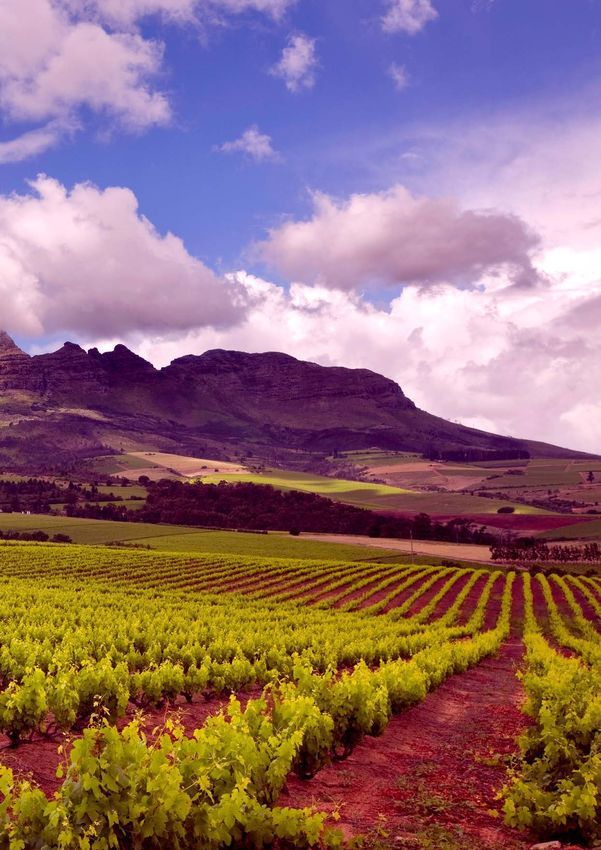
Forewords
                                                                                           Jason Quinn
                                                                                           Interim Chief
                                                                                           Executive Officer,
                                                                                           Absa Group

Aim of index                                   Benefiting people and planet
African economies are                          In today’s uncertain socioeconomic climate, one constant
undergoing a significant                       is the need globally to ensure that sustainable economic
                                               growth benefits people and the planet. Now more than
period of transition and                       ever, governments, businesses and organisations are called
                                               upon to provide leadership that actively demonstrates a
appraisal, with growing                        commitment to cultivating a healthy, thriving society.
foreign investment                             The repercussions of the Covid-19 pandemic and the slow
interest and much                              pace of the vaccination roll-out continue to be a major
                                               challenge for growth on the continent. While initiatives
examination of the                             such as the African Continental Free Trade Area are
                                               encouraging, progress needs to be faster to address many
continent’s potential for                      of the historical challenges and provide an opportunity for
mobilising local resources.                    Africa to build continental resilience.

Now in its fifth year,                         As a pan-African bank, we firmly believe that financial
                                               market development can play a vital role in increasing
the index has become                           Africa’s resilience to shocks and improve the continent’s
                                               chances of having a sustainable recovery.
a benchmark for the
                                               We are extremely proud of the annual Absa Financial
investment community                           Markets Index report, which has become a critical toolkit
and Africa generally                           for countries seeking to strengthen their financial markets
                                               infrastructure. Now in its fifth year, the index records
to gauge countries’                            countries’ openness to foreign investment and is an
performance across                             objective indicator of the attractiveness of Africa’s capital
                                               markets, intended for use by policy-makers, investors and
a host of indicators                           asset managers around the world.
important for financial                        At the core of AFMI is a push towards deeper financial
                                               markets that are open, transparent and accessible and
market development.                            facilitate the mobilisation of savings towards investment in
                                               productive assets.
                                               The introduction of sustainability-focused indicators and
                                               the improved focus on green finance will ensure that the
                                               index remains an essential resource for investor, business
                                               and governance communities to gauge the performance of
                                               financial markets in Africa.
                                               We believe in the continent’s potential for growth and our
                                               partnership with OMFIF to produce this index demonstrates
                                               our commitment to investing in Africa and shaping its
                                               growth and sustainability.

4 | Absa Africa Financial Markets Index 2021
David Marsh                                                               Vera Songwe
                                      Chairman, OMFIF                                                           UN Under-Secretary-
                                                                                                                General and Executive
                                                                                                                Secretary of the
                                                                                                                Economic Commission
                                                                                                                for Africa

Platform for resilience                                          Integration and co-operation
When OMFIF and Absa decided to create the Africa Financial       The United Nations Economic Commission for Africa
Markets Index in 2016, we had two principal purposes in          supports the long-term development of Africa’s financial
mind. The first was to develop a first-rate comparative tool     markets. A robust and competitive market environment
to measure African countries’ financial market progress. The     builds investor confidence, stimulates job creation and
second was to set benchmark objectives for improving the         creates opportunities for growth.
capability of financial markets to spur growth, investment
                                                                 The Absa Africa Financial Markets Index is a valuable tool
and prosperity.
                                                                 for measuring progress and encouraging initiatives that
The last 18 months have been difficult. The scars of 2020-       enhance investment and economic expansion. The fifth
21 show clearly in the sharp fall in average scores, although    edition of this index comes at a time when demonstrating
some of this is due to methodological changes. But the           the continent’s deep potential has become even more
need for the index has never been better illuminated. Africa     important, providing a useful overview of recent
has built a platform for resilience, displayed in constructive   advancements and innovations in countries across the
detail in this year’s findings and countries’ ability to adapt   region.
to a world in transition.
                                                                 Africa responded to the Covid-19 crisis with resilience
Covid-19 has had a bigger negative impact in Africa              and tenacity, but challenges remain. The continent lost
than elsewhere. Exacerbated social pressures, volatile           many jobs during the pandemic. Governments face fiscal
commodity prices, worries about rising US interest               difficulties and debt pressures. Countries in the region
rates and fears that Africa could be squeezed by Sino-           are vulnerable to the consequences of climate change,
US competition compound the challenges. On the other             as demonstrated by the drought in East Africa and other
hand, although individual countries have needed debt             weather-related disturbances.
restructuring, Africa has not had to weather a full-scale
                                                                 Beneath these challenges lies Africa’s inherent ability to
financial crisis.
                                                                 surmount them. During a period of uncertainty, investor
The IMF and multilateral development banks have made             optimism in the region stays firm, indicating that Africa is
exceptional efforts to help emerging and frontier markets        still seen as a desirable region for investment. The index
weather the pandemic, underlined by international                and its new focus on environmental, social and governance
consensus on a $650bn special drawing right allocation.          factors reflect the urgency of aligning markets with broader
International reserve liquidity has held up relatively well,     sustainability objectives. Capital markets will have a crucial
with the assets of African global public investors rising.       role to play in climate action and closing investment gaps in
                                                                 Africa.
Three positive factors shine out from the findings. First,
Africa is paying more attention than ever to adapting            Integration and intra-regional cooperation will continue
market standards to meet the needs of international              to be an important element of Africa’s path to recovery
investors seeking to diversify risks. Second, deepening          and prosperity. Earlier this year, trading in the African
local financial markets is now universally seen as an            Continental Free Trade Area began. The single continental
optimal means of hedging against international economic          market will expand intra-African trade and unlock industrial
fluctuations. Third, African countries are embracing             capacity. Similarly, efforts to integrate the region’s capital
sustainable finance, incorporating international investment      markets and encourage cross-border investment will boost
norms and in some cases adopting pioneering methods.             growth. Tracking these developments through the index is
Africa’s improved financial market resilience makes the          a valuable exercise, providing a meaningful assessment of
continent better equipped to forge a brighter future.            the continent’s progression.

                                                                                        Absa Africa Financial Markets Index 2021 | 5
Pictured: Sunrise over the Masai Mara, Kenya

Introduction
Future-proofing Africa’s financial markets

As the global economy struggles to recover from the         As part of its aim to encourage progress, this year’s index
worst health crisis in a century, African economies face    introduces new indicators that acknowledge the role of
the twin challenges of reinvigorating financial markets     sustainable finance in expanding capital markets and
while strengthening market infrastructure through           achieving broader socio-economic goals. The introduction
technological innovation and investment-enabling            of sustainability-focused indicators weighs down scores,
policies. The pandemic has reinforced the importance of     especially for countries at a much earlier stage of market
deepening domestic markets to hedge against foreign         development. However, as with all indicators used across
capital outflows and help the region achieve its full       the index, the new measures serve as targets for countries
potential.                                                  to work towards.
Average scores declined to 46.4 from 50.8 last year, with   In addition to a stronger, forward-looking focus on
only seven countries earning above 50. Malawi, Egypt        sustainability and green finance, the index recognises
and Uganda are among the countries that improved            the role of digital technology and innovation in future-
their ranking the most. Advancements in establishing        proofing Africa’s financial markets. The report highlights
the enforceability of global contractual frameworks         countries’ efforts to upgrade market infrastructure and
lift Malawi’s and Uganda’s scores. Reforms in Egypt         regulatory support for the development of technology-
continue to boost its macroeconomic prospects, and its      based tools. While these initiatives do not directly
management of reserves has ensured its ability to meet      impact scores, they demonstrate how countries can use
foreign currency demand.                                    innovation to boost local markets and build a broader
                                                            investor base.
While challenging market conditions affected country
scores, most drops are attributed to methodological
changes adopted to better reflect country performance
and evolving trends in financial markets. The index, now
in its fifth year, benefits from continued engagement
with policy-makers, regulators, market participants and
industry experts providing the latest information about
developments in the region.

6 | Absa Africa Financial Markets Index 2021
Rank                                         Score
                                Country                                                           Comments
  2021       2020                                 2021   2020

                                                                Consistently strong performance across pillars hampered by
    1          1                 South Africa     86     89
                                                                weak economic growth

    2          2                   Mauritius      70     79     Robust legal and market environment dampened by low liquidity

    3          3                       Nigeria    63     65     Attractive regulatory and market environment

    4          6                        Ghana     62     59     Strong contractual frameworks but relatively low pension assets per capita

    5         10                       Uganda     57     52     Large pension fund assets under management, but illiquid markets

    6          4                   Botswana       51     63     Market growth offset by weaker FX reserves position

    7          9                       Zambia     51     53     Revival in investor confidence boosted government bond market

    8          5                       Namibia    48     61     Liquid market and deep pension assets

    9         14                        Egypt     48     50     High equities turnover and strong macroeconomic performance

                                                                Adoption of Global Master Repurchase Agreement expected to boost cross-
   10         18                       Malawi     48     37
                                                                border repo

   11          7                        Kenya     47     58     Progress in sustainable finance supports market development

                                                                Market depth improved by wide range of sustainable financial products
   12          8                       Morocco    47     56
                                                                available

   13         12                   Tanzania       45     50     Export market growth improves macroeconomic outlook

   14         13                       Rwanda     43     50     Promising growth outlook and higher level of FX reserves

   15         15                       Eswatini   39     49     Growth in FX reserves strengthens position

                                                                Improving market environment and local investor capacity despite exchange
   16         11                  Seychelles      38     51
                                                                rate volatility

   17         16                  Ivory Coast     38     43     Wider range of financial products available

   18         17                 Mozambique       35     43     Improvements in adopting International Financial Reporting Standards

   19         19                       Senegal    34     37     Strong economic growth forecast but weak market environment

   20         22                       Angola     33     30     Floating exchange rate and minimal intervention aid response to shocks

   21         20                       Lesotho    30     33     High withholding tax rates weaken market environment

   22         21                   Cameroon       29     32     Merger with regional stock exchange attracts new listing

   23         23                       Ethiopia   25     27     Concrete steps to launch securities exchange

Score across all pillars, max = 100.

                                                                                                        Absa Africa Financial Markets Index 2021 | 7
Executive summary
Innovation in financial markets

The Absa Africa Financial Markets Index evaluates                        equities, contributes to the score for market depth.
financial market development in 23 countries, and                        Policies that encourage the issuance and trading of
highlights economies with the most supportive                            these products, as well as those that intend to mitigate
environment for effective markets. The aim is to                         against climate-related financial risks, form part of the
show present positions, as well as how economies                         score for regulatory environment.
can improve market frameworks to bolster investor                        OMFIF conducted extensive research using data from
access and sustainable growth. The index assesses                        central banks, securities exchanges and international
countries according to six pillars: market depth; access                 financial institutions. OMFIF surveyed over 50 policy-
to foreign exchange; market transparency, tax and                        makers, regulators and executives from financial
regulatory environment; capacity of local investors;                     institutions operating across the 23 countries, including
macroeconomic opportunity; and enforceability of                         banks, securities exchanges, central banks, regulators,
financial contracts.                                                     audit and accounting firms, and international financial
In its fifth year, the index is expanding with the                       and development.
introduction of new indicators. The availability of
sustainable finance products, such as green bonds and                    Continued on p.10 >>

       Angola (33)             Botswana (51)             Cameroon (29)         Egypt (48)            Eswatini (39)          Ethiopia (25)
 38                      55                        28                    42                     24                    11
 40                      29                        31                    79                     59                    28
 54                      61                        34                    60                     37                    28
 12                      60                        15                    18                     41                    10
 41                      76                        57                    82                     64                    62
 10                      25                        10                    10                     10                    10

       Ghana (62)              Ivory Coast (38)          Kenya (47)            Lesotho (30)          Malawi (48)            Mauritius (70)
 50                      34                        46                    11                     33                    57
 59                      55                        45                    48                     44                    55
 75                      55                        79                    50                     56                    83
 21                      11                        24                    13                     18                    68
 65                      62                        62                    52                     55                    67
 100                     10                        28                    10                     80                    90

       Morocco (47)            Mozambique (35)           Namibia (48)          Nigeria (63)          Rwanda (43)            Senegal (34)
 53                      38                        32                    62                     30                    36
 40                      44                        44                    20                     61                    46
 73                      42                        41                    86                     67                    43
 39                      18                        100                   44                     15                    11
 64                      52                        64                    69                     64                    59
 10                      18                        10                    100                    18                    10

                                                                                                                     KEY
       Seychelles (38)         South Africa (86)         Tanzania (45)         Uganda (57)           Zambia (51)
                                                                                                                      Market depth
 29                      97                        45                    45                     37                    Access to foreign exchange
                                                                                                                      Market transparency, tax
 38                      80                        59                    61                     50                    and regulatory environment
 57                      84                        66                    60                     69                    Capacity of local investors
                                                                                                                      Macroeconomic opportunity
 31                      77                        23                    16                     18
                                                                                                                      Legality and enforceability
 62                      77                        65                    70                     47                    of standard financial
                                                                                                                      markets master agreements
 10                      100                       10                    90                     85
                                                                                                                      (xx) = overall score

8 | Absa Africa Financial Markets Index 2021
Overall   Pillar 1:
          Market depth
                                  Pillar 2:
                                  Access to foreign
                                                                Pillar 3: Market
                                                                transparency, tax and

pillar                            exchange                      regulatory environment

          South Africa      97    South Africa        80        Nigeria                     86
scores    Nigeria
          Mauritius
                            62
                            57
                                  Egypt
                                  Rwanda
                                                      79
                                                      61
                                                                South Africa
                                                                Mauritius
                                                                                            84
                                                                                            83

max       Botswana
          Morocco
                            55
                            53
                                  Uganda
                                  Tanzania
                                                      61
                                                      59
                                                                Kenya
                                                                Ghana
                                                                                            79
                                                                                            75

= 100     Ghana
          Kenya
                            50
                            46
                                  Eswatini
                                  Ghana
                                                      59
                                                      59
                                                                Morocco
                                                                Zambia
                                                                                            73
                                                                                            69
          Uganda            45    Mauritius           55        Rwanda                      67
          Tanzania          45    Ivory Coast         55        Tanzania                    66
          Egypt             42    Zambia              50        Botswana                    61
          Angola            38    Lesotho             48        Uganda                      60
          Mozambique        38    Senegal             46        Egypt                       60
          Zambia            37    Kenya               45        Seychelles                  57
          Senegal           36    Mozambique          44        Malawi                      56
          Ivory Coast       34    Malawi              44        Ivory Coast                 55
          Malawi            33    Namibia             44        Angola                      54
          Namibia           32    Morocco             40        Lesotho                     50
          Rwanda            30    Angola              40        Senegal                     43
          Seychelles        29    Seychelles          38        Mozambique                  42
          Cameroon          28    Cameroon            31        Namibia                     41
          Eswatini          24    Botswana            29        Eswatini                    37
          Lesotho           11    Ethiopia            28        Cameroon                    34
          Ethiopia          11    Nigeria             20        Ethiopia                    28

          Pillar 4:               Pillar 5:                     Pillar 6: Enforceability
          Capacity of             Macroeconomic                 of standard master
          local investors         opportunity                   agreements

          Namibia           100   Egypt               82        Ghana                       100
          South Africa      77    South Africa        77        Nigeria                     100
          Mauritius         68    Botswana            76        South Africa                100
          Botswana          60    Uganda              70        Uganda                      90
          Nigeria           44    Nigeria             69        Mauritius                   90
          Eswatini          41    Mauritius           67        Zambia                      85
          Morocco           39    Tanzania            65        Malawi                      80
          Seychelles        31    Ghana               65        Kenya                       28
          Kenya             24    Morocco             64        Botswana                    25
          Tanzania          23    Rwanda              64        Rwanda                      18
          Ghana             21    Namibia             64        Mozambique                  18
          Mozambique        18    Eswatini            64        Egypt                       10
          Malawi            18    Kenya               62        Tanzania                    10
          Zambia            18    Ivory Coast         62        Morocco                     10
          Egypt             18    Seychelles          62        Namibia                     10
          Uganda            16    Ethiopia            62        Eswatini                    10
          Cameroon          15    Senegal             59        Ivory Coast                 10
          Rwanda            15    Cameroon            57        Seychelles                  10
          Lesotho           13    Malawi              55        Ethiopia                    10
          Angola            12    Mozambique          52        Senegal                     10
          Ivory Coast       11    Lesotho             52        Cameroon                    10
          Senegal           11    Zambia              47        Lesotho                     10
          Ethiopia          10    Angola              41        Angola                      10

                                                       Absa Africa Financial Markets Index 2021 | 9
Acknowledgements
We consulted more than 50 policy-makers, regulators and market
practitioners across African financial markets in writing this
report, whom we thank for their views and opinions. Although
some requested anonymity, we thank the following:
Organisations Financial Services Regulatory
Authority, Eswatini
Banco de Fomento Angola
Johannesburg Stock Exchange
Bank of Mauritius
Market Infrastructure and
Bank of Namibia
OTC Markets department of
Bank of Uganda the Financial Sector Conduct
Bank of Zambia Authority, South Africa
Bankers Association of Zambia Mauritius Commercial Bank
Bolsa de Dívida e Valores de Merj Exchange, Seychelles
Angola Ministry of Finance, Trade
Botswana Stock Exchange Investment and Economic
Capital Markets Authority, Planning, Seychelles
Kenya Nairobi Securities Exchange
Capital Markets Authority, Nigerian Exchange Group
Uganda
Reserve Bank of Malawi
Capital Markets Commission,
Angola Securities and Exchange
Commission, Ghana
Casablanca Stock Exchange,
Morocco Securities and Exchange Pictured: Eygpt
Commission, Nigeria
Central Bank of Eswatini
Securities and Exchange
Central Bank of Seychelles Commission, Zambia
Debt Management Office, Seychelles Ministry of Finance
Nigeria Stock Exchange of Mauritius The report finds that:
Eswatini Stock Exchange Uganda Securities Exchange
Individuals
South Africa, Mauritius and Nigeria maintain
Adebayo Araoye, Capital Markets and Accounting Advisory
their lead in the index, despite having lower overall
Services, PricewaterhouseCoopers Nigeria scores than last year’s. Ghana and Uganda enter
David Fernandes-Collett, Chief Operating Officer, Global the top five for the first time, both earning points
Markets - Absa Regional Operations for progress in the enforceability of standard
Jeff Gable, Head of Macro and Fixed Income Research, Absa master agreements. Seychelles had a challenging
Abeku Gyan-Quansah, Partner/Director, PricewaterhouseCoopers Ghana year, experiencing severe exchange rate volatility.
Ingrid Hagen, Vice President of Strategic Projects, Frontclear It falls five places in the index, the only country
Anthony Kirui, Director, Head of Global Markets - Absa Regional with scores falling in all six pillars.
Operations & Head of Global Markets - Absa Bank Kenya
Jacqueline Irving, Senior Sector Economist, Sector Economics
Few countries manage to score over 50 in Pillar
and Development Impact Department, International Finance 1: Market depth. Low liquidity impacted marks,
Corporation, World Bank Group with total equity turnover ratio in the index for
Vipin Mahabirsingh, Managing Director, Central Depository and the 12 months leading to June declining by five
Settlement Company, Mauritius percentage points. Market capitalisation rose in
Moremi Marwa, Chief Executive Officer, Dar es Salaam Stock Exchange almost all countries in the index, but not enough
Prosscovia Nambatya, Corporate Finance Lawyer to offset weak activity.
Birgit Reuter, Financial Officer, Global Macro and Market Research
Department, International Finance Corporation, World Bank Group
Nine countries have introduced products that
Peter Werner, Senior Counsel, International Swaps and Derivatives can be classified as green or sustainable. Green
Association bonds are the most popular instrument, available
in seven countries either in exchanges or over
Report authors
the counter. Kenya and Morocco score highest
Kat Usita, Head of Reports and Surveys in this indicator for having green or sustainable
Natalia Ospina, Head of Policy Analysis, Sustainable Policy Institute bonds, equities and mutual funds in their
Chevano Baker, Policy Analyst markets. Additionally, Kenya has issued ethical
Mausi Owolabani, Policy Analyst securities to fund socially responsible investment
With support from Brendan Kiy, Research Assistant opportunities.
10 | Absa Africa Financial Markets Index 2021
Securities exchanges across the region are innovating improve. The number of tax treaties that incentivise
their platforms to encourage greater retail participation foreign investment increased in 14 countries.
and ease listing processes. Rwanda developed eSub, a
platform enabling people to buy and sell government
Countries struggled in Pillar 4: Capacity of local
securities using their mobile devices. In Seychelles, Merj investors, averaging a score of 31. Namibia tops the
Exchange has an online listing process that does not pillar once again, earning full marks for having a deep
require the submission of physical documents. pension market relative to the size of its population and
securities market. However, 18 of the 23 countries failed
Eswatini moves up 11 places in Pillar 2: Access to to score over 50, indicating weak potential on the part of
foreign exchange. Foreign exchange reserves by grew domestic pensions markets to drive local market activity.
by 24%, strengthening its position relative to total
portfolio investment flows. Liquidity in FX markets,
Countries performed best in Pillar 5: Macroeconomic
measured through interbank figures, weakened across outlook, achieving an average score of 62. Egypt
countries and pulled down the average score by 2.8. regains the lead, propelled by gross domestic product
growth in 2020 while most other economies in the index
Nearly all countries’ scores dropped in Pillar 3: Market contracted. All countries in the index score full points
transparency, tax and regulatory, mainly due to weak for budget transparency, although there is variation in
scores in sustainability indicators. South Africa is the the level of detail that governments publish.
only country to have adopted climate risk as part of
its macroprudential stress testing framework. Nine
Ghana, Nigeria and South Africa earn full points in
countries have policies that incentivise the issuance Pillar 6: Enforceability of standard master agreements.
of sustainable financial products, including Kenya, The Bank of Ghana issued notice recognising netting
whose Green Bonds Programme is encouraging the arrangements for transactions using global standard
development of a green bond market domestically as documentation.
well as across East Africa.
Uganda, in fourth place, enacted legislation late last
Survey respondents expressed concern about the year with provisions for enforcing close-out netting and
quality of financial reporting and lack of oversight to collateral arrangements.
Absa Africa Financial Markets Index 2021 | 11Highlights 2020-21
Angola enacted The Egyptian Exchange Botswana‘s Non-Bank
its Insolvency and launched a Treasury Bonds Financial Institutions
Corporate Recovery Law Index to help investors Regulatory Authority
and amended its Private track the performance of published regulations for
Investment Law. securities traded. online securities trading.
The Ethiopian parliament enacted
the capital markets establishment
proclamation to pave the way for the
creation of a securities exchange.
South Africa is reforming
its regulatory framework
for OTC derivatives. Zambia established a
Capital Markets Tribunal to
Cameroon extended the three-year
tax breaks for companies listed on speed up dispute resolution
the Bourse des Valeurs Mobilières de and settlement within the
l’Afrique Centrale to last for as long as securities market.
they are still on the exchange.
The Stock Exchange of Mauritius
Kenya raised $740m through launched its Venture Market, a
the issuance of a 21-year platform for shareholders of unlisted
companies to trade their securities.
infrastructure bond.
The Casablanca Stock Exchange launched
the Morocco Stock Index 20 to aid
investors in monitoring performance of
the 20 most-traded listings.
The Malawi Stock Exchange launched
a Whatsapp portal to publicise
information about securities listed and
how to investment in them.
12 | Absa Africa Financial Markets Index 2021Market developments and policy changes boost growth
of financial markets across the continent
Namibia’s Financial Institutions
and Markets Act was signed into
law, updating the legal framework
regulating financial institutions.
Nigeria’s Securities and Exchange
Commission approved guidelines for Tanzania launched a new
trading derivatives on the Nigerian Stock Treasury bond with a 25-
Exchange.
year maturity, lengthening
Energicotel became the first its yield curve.
SME to list on the Rwanda
Stock Exchange.
The Bourse Régionale des Valeurs
Mobilières, which covers Cameroon and
Senegal, has been made a full member of Uganda is linking together the central
the World Federation of Stock Exchanges. securities depository of the central bank
and the stock exchange to facilitate
Sekhametsi Investment Consortium is retail trading of government securities.
preparing to become the first company to
list on Lesotho’s Maseru Stock Exchange.
Eswatini’s Financial Services Regulatory
Authority updated its regulatory
framework to create a broader capital
market product offering.
Ghana’s Securities and Exchange
Commission launched a 10-year capital
markets master plan to increase product
The Central Bank of diversity and widen its investor base.
Seychelles is working with
the government to set up Mozambique’s investment law was
a secondary market for amended to increase the minimum
government securities. value required for foreign direct
investments.
Absa Africa Financial Markets Index 2021 | 13Pillar 1: Market depth Pictured: Vineyard in Stellenbosch, South Africa 14 | Absa Africa Financial Markets Index 2021
Restoring dynamism
Survey respondents identified weaker market liquidity and new developments in regulation as the
two most significant changes in the market over the past year.
Figure 1.1: Lower turnover weighed on scores
Scores for Pillar 1 categories, max = 500; harmonised score, max = 100 (RHS)
500 100
450 90
400 80
350 70
300 60
250 50
200 40
150 30
100 20
50 10
0 0
Namibia
Zambia
Botswana
Eswatini
Malawi
South Africa
Nigeria
Mauritius
Morocco
Ghana
Kenya
Tanzania
Egypt
Angola
Mozambique
Senegal
Ivory Coast
Rwanda
Cameroon
Ethiopia
Lesotho
Uganda
Seychelles
Product diversity Size of markets
Liquidity Depth
Primary dealer system Pillar 1 harmonised score (RHS)
2020 score (RHS)
Source: AFMI survey 2021, national central banks, national stock exchanges, national capital market authorities, IMF,
World Federation of Exchanges, OMFIF analysis.
Note: Category scores (LHS) provide the average of indicator scores within each category. The harmonised score (RHS)
represents the average of all Pillar 1 indicators and is used to compile the total for Pillars 1-6.
More information on p.42-43.
Absa Africa Financial Markets Index 2021 | 15Pillar 1 evaluates the size and up) as the market incorporates of Mauritius] a more compelling
liquidity of domestic capital markets, the Covid-19 pandemic effects in capital-raising and listing platform
along with the diversity of listed securities pricing.’ for niche international issuers.’
asset classes and the existence of
Growth in Egypt’s equity market Between mid-2020 and mid-2021,
standard features that enhance
liquidity stands out when compared market capitalisation plummeted in
market depth. On average, countries’
to the average performance of the Bourse des Valeurs Mobilières
scores dropped by 1 point when
the other countries in the index. de l’Afrique Centrale, the Stock
compared to last year. Low equity
The total value of equities traded Exchange of Central Africa.
turnover played a significant role in
increased by 68% year-on-year, However, new listings could help
this deterioration.
reaching $21.7bn up from $12.9bn. the exchange pick up momentum.
The turnover ratio was 51%, 16 The BVMAC had its first initial public
Reduced activity
percentage points higher than offering since it merged with the
In total, equity market turnover as a last year. In March 2021, the Douala Stock Exchange in 2019. La
proportion of market capitalisation Central Bank of Egypt and the Régionale, a microfinance institution
fell by 5 percentage points (to Financial Regulatory Authority in Cameroon, launched an IPO in
24%) in the year to June 2021 agreed to establish a fund aimed at February 2021, raising capital in
compared with a year earlier. South increasing liquidity in the Egyptian support of its plans to become a
Africa, which remains at the top Exchange, prompting the entry universal bank. It is the first financial
of Pillar 1, experienced one of the of new investors. The number of institution listed on the BVMAC,
most considerable reductions in listed companies on the bourse which now has five listed companies.
market activity. The turnover ratio dipped slightly to 215 at the end of According to market participants,
fell seven percentage points to 2020, but this recovered to 220 by the regional stock exchange is
26% due to slow market trading September of this year. expected to continue down this path
during the second half of 2020 and of greater dynamism with various
Market capitalisation rose in almost
higher market capitalisation. Since IPOs of state-owned enterprises in
all of the countries in the index. In
February of this year, ‘These markets the pipeline.
Mauritius, which ranks third in Pillar
have normalised and exhibit ample
1 again this year, equity market
liquidity […] equities have extended Fixed income markets
value grew the most with a 47%
gains and now exceed pre-pandemic
year-on-year increase. The country’s Higher budget deficits and lower
levels,’ affirmed one South African
market capitalisation to GDP ratio tax revenues as a result of Covid-19
survey respondent.
reached 79%, up from 42% last year. continue to sway public debt and
This drop was not limited to South The Financial Services Commission impact the economy (see Pillar
Africa. Market activity across most made several changes to the capital 5). Exacerbated government
countries in the index continued market regulatory frameworks, dependency on the domestic debt
to be adversely impacted by the including narrowing down the market has increased the size of
Covid-19 pandemic. New waves definition of reporting issuers and bond markets across most countries
of the virus and consequent exempting foreign companies that in the index. In Botswana, which
containment measures, along with a fall into this category from specific maintains its fourth place in Pillar
slow vaccine roll-out, are thwarting disclosure requirements. According 1, the total value of sovereign
efforts to revamp economic activity. to one respondent, ‘These changes bonds outstanding as a percentage
‘The rate of recovery [has] an impact will definitely make Mauritius of GDP increased to 10%, up from
on turnover levels and market and the SEM [Stock Exchange 6% last year. The government of
confidence,’ stated one central Botswana doubled its domestic
banker. borrowing programme to BWP30bn
(around $2.6bn). ‘This, coupled with
Another respondent commented
the increased frequency of bond
that as vaccination rates improve
auctions, has significantly improved
and the economy reopens, there
bond market activity,’ affirmed one
will be a more stable path towards ‘Exacerbated survey participant. Despite greater
economic recovery and market
players’ interest will be revitalised. government activity, the turnover ratio was
Many countries in the region are dependency on the nearly unchanged because of the
increase in the value of outstanding
already experiencing some market domestic debt market debt.
reactivation. A participant from has increased the
Kenya described how ‘Recently, Governments across the region are
the market has realised an upturn, size of bond markets not only issuing more bonds but also
with some of the value losses being across most countries introducing longer tenors. Uganda,
recouped […] market liquidity fell in the index.’ which rises one rank to eighth
(though it has now started picking in Pillar 1, introduced a 20-year
16 | Absa Africa Financial Markets Index 2021treasury bond tenor on the auction
calendar in the last quarter of Figure 1.2: Equity market turnover falls
2020. In April of this year, Tanzania Market size and liquidity
issued its first 25-year treasury
bond. Lengthening the maturity of Market
Turnover of Total sovereign Total turnover in
domestic government securities equities, % and corporate bond market, %
Country capitalisation,
of market bonds listed on of listed bonds
is a step forward in central banks’ % of GDP
capitalisation exchanges, $bn outstanding
efforts to build robust yield curves
South Africa 427.0 26.3 258.0 246.1
that can be used as a pricing
Botswana 231.6 0.2 2.1 16.1
benchmark for other assets. Seychelles 149.0 0.2 0.2 0.0
As countries broaden their bond Mauritius 78.6 3.4 0.9 4.0
markets, they are also focusing on Morocco 62.8 7.5 0.8 3.7
guaranteeing an active and liquid Rwanda 36.6 0.6 0.8 4.8
secondary market by introducing Senegal 35.7 2.2 12.5 2.7
Malawi 28.0 2.3 1.0 0
essential players and strengthening
Kenya 25.3 5.0 26.6 30.0
existing ones. The Bank of Uganda
Namibia 18.1 33.2 3.6 5.5
reformed the primary dealership
Uganda 15.9 0.1 5.1 0
system in the last quarter of 2020, Ghana 15.6 1.1 26.9 109.9
limiting the competitive bidding Zambia 14.4 0.4 5.9 266.5
in the primary market to seven Ivory Coast 14.2 2.2 12.5 2.7
primary dealer banks, who are Egypt 11.7 51.1 116.9 20.1
obliged to make markets at all Nigeria 11.7 4.9 46.0 131.5
times during trading hours. ‘Since Tanzania 11.4 3.3 6.4 15.1
the introduction of market makers, Eswatini 7.5 1.5 0.5 0.2
there is significant improvement Mozambique 1.9 1.9 1.6 5.9
in secondary market activity noted Cameroon 0.2 0.9 1.5 0
by increased secondary market Angola 0 0 6.4 28.0
turnover,’ remarked one survey Source: AFMI survey 2021, national central banks, national stock exchanges, national capital market authorities, IMF, World
respondent. In Ghana, bond market Federation of Exchanges, OMFIF analysis.
specialists were introduced as a new
sub-category of primary dealers
that have the exclusive right to
participate in primary issuance of all Figure 1.3: Egyptian Exchange bucks
government treasury bills, notes and
bonds. downward trend
Total equities turnover, % of market capitalisation, top 10 most active exchanges
Market infrastructure and 60
regulatory developments
The development of capital markets 50
must be built on up-to-date
infrastructure. Some of the recent
amendments made to the Securities 40
Act in Mauritius pave the way for
the establishment of new clearing 30
and settlement facilities and other
securities exchanges alongside
the SEM. Kenya will soon start the 20
user-testing phase for its upgraded
central securities depository, which 10
is expected to go live in April of next
year. The revised CSD will address
0
challenges around horizontal
Tanzania
Kenya
Nigeria
Mozambique
Mauritius
Morocco
Senegal*
Ivory Coast and
Namibia
South Africa
Egypt
repurchase agreements, and it will
also allow repos of government
securities to go through a fully
automated process, contributing
July 2019-June 2020 July 2020-June 2021
significantly to deepening the
Source: National central banks, national stock exchanges, national capital market authorities, IMF, World Federation of Exchanges,
secondary market in these sovereign OMFIF analysis *Note: Ivory Coast and Senegal are among eight countries that comprise the regional stock exchange, Bourse Régionale
asset classes. Additionally, and in des Valeurs Mobilières.
Absa Africa Financial Markets Index 2021 | 17Pictured: Train tracks in Muizenberg Beach, South Africa 18 | Absa Africa Financial Markets Index 2021
‘Nine countries in the
index have introduced Figure 1.4: Nine countries actively moving
products that can be towards sustainable capital markets
classified as green or Availability of sustainable finance products on exchanges or OTC
sustainable. Green bonds
are the most popular Green
Other
sustainable
Green/
sustainable
Sustainable Sustainable
mutual
Country ETFs
instrument, being at bonds
bonds equities funds
investors’ disposal in
seven countries.’ Kenya
Morocco
Mauritius
South Africa
Ghana
line with Kenya’s efforts around Egypt
financial inclusion, the CSD
technology is being tailored to give Namibia
access to all market participants,
including retail investors.
Nigeria
Regulatory authorities in the region
have created master plans to guide Seychelles
capital market development and
orderly growth. In May, Ghana
Source: OMFIF Absa survey 2021
launched its capital market master
plan with an enhancement path
for the next 10 years. Zambia
unveiled a 10-year master plan products across the world, and Partnerships and integration
and the Securities and Exchange countries in the index are following
Commission is finalising its strategic In addition to broadening available
suit. The availability of these products, countries have developed
plan for 2022-27. products in the domestic markets various strategies to increase
Ethiopia reached an important is a new indicator forming part of participation in their domestic
milestone in efforts to establish countries’ Pillar 1 scores. capital markets. As part of its
its capital market. In June, the Nine countries in the index have internationalisation strategy, the
parliament unanimously approved introduced products that can be Botswana Stock Exchange partnered
and enacted the capital markets classified as green or sustainable. with Bloomberg to attract new
establishment proclamation. The Green bonds are the most popular issuers and investors. Bloomberg will
Ethiopian Capital Markets Authority instrument, being at investors’ include floating content about the
is expected to become operational disposal in seven countries. Kenya exchange with a direct link to the
before the end of this year, paving and Morocco score highest in relevant information on its website.
the way for the joint partnership this indicator for having green or The Ghana Stock Exchange partnered
between the government and the sustainable bonds, equities and with the London Stock Exchange
private sector to constitute the mutual funds in their markets. to support Ghana’s capital market
securities exchange. Additionally, Kenya has issued ethical development. This partnership
securities to fund socially responsible will focus on upgrading Ghana’s
Sustainability-focused products investment opportunities. In March classification from a frontier to an
Many survey respondents raised the of this year, the Banque Centrale emerging market and supporting
lack of product diversity as one of Populaire group in Morocco launched cross-listings between both
the most significant challenges to the gender bond programme, the exchanges.
capital markets in the region. A global country’s first project to finance Countries are also doubling their
focus on sustainable finance has led female entrepreneurs and self- efforts to be part of globally
to the introduction of green financial employed women. recognised indices to put their
Absa Africa Financial Markets Index 2021 | 19Digital developments in
financial markets
Increased digitalisation, fintech innovation and exploration into central
bank digital currencies are spurring on financial market transformation.
Automation and digitalisation of trading innovation by providing a testing environment
platforms and regulatory processes for pioneering products and services.
Digital technologies are reshaping financial • Zambia’s SEC launched a capital markets
markets in many countries. Beyond improving sandbox.
accessibility, digital innovations can make • Nigeria’s SEC launched FinPort, a fintech and
capital markets more efficient and competitive, innovation portal to assist fintech businesses
attracting investors and issuers. to understand the regulatory requirements for
the Nigerian capital market. The SEC will also
• The Bank of Mauritius launched the FSC be rolling out a regulatory incubator for fintech
One platform, an integrated innovative seeking to conduct capital market activities.
digital system that helps track applications’ • The central banks of Angola, Eswatini and
authorisation process. Ghana launched payments-focused sandboxes.
• The Central Bank of Rwanda developed • The Bank of Uganda issued its legal framework
eSub, a platform enabling people to buy and for a national payments systems regulatory
sell government securities using their mobile sandbox.
devices. • The Bank of Ghana established a new desk
• In Seychelles, Merj Exchange has an online called the Fintech and Innovation Office to drive
listing process that does not require the cash-lite, e-payments and digitalisation.
submission of physical documents. • Kenya’s Capital Markets Authority used
• Nigeria’s Securities and Exchange its sandbox regulatory regime to conduct
Commission licensed Chaka, the first digital innovation testing of digital platforms.
trading platform.
• The Bank of Zambia aims to develop an online Digital currencies and assets
government securities application platform. Central banks are exploring the possibility of
• The Johannesburg Stock Exchange is issuing central bank digital currencies. Several
developing a digital private placements index countries have initiated research and
platform for raising capital for infrastructure development projects. The central banks of
finance and small- and medium-sized Ghana, Kenya and Rwanda are researching
enterprises. the potential benefits of CBDC in promoting
• The Eswatini Stock Exchange is in the process payments system efficiency and stability,
of launching an automated trading system. fostering competition in the financial sector
• Kenya will soon start the user-testing phase and boosting economic growth.
for its upgraded central securities depository, CBDC projects are further advanced in
which will provide a web-based centralised Nigeria, Mauritius and South Africa. The Central
registry for sovereign securities. Bank of Nigeria announced the engagement of
• The Malawi CSD is being enhanced to include a technical partner for the introduction of its
an investor portal that enables access to digital currency, called eNaira, later this year.
accounts and portfolio investments in real South Africa recently announced the testing
time. of CBDCs for cross-border payments. In 2020,
Mauritius amended its legislation to make the
Regulatory sandboxes for fintech and CBDC a legal tender and is now developing
innovation legislation to govern virtual assets. The central
Regulatory sandboxes can serve as an evidence bank also developed a licensing structure for
base for regulation, allow new firm entry, custodians and standards for issuing security
strengthen competition and encourage market tokens.
20 | Absa Africa Financial Markets Index 2021capital markets on the radar of Some countries have already made by June 2020 of 36.8%.’
international investors. In January significant achievements in luring
On 13 November, the 30-day grace
2021, Mauritius was admitted investors back. In August, Rwanda
period that Zambia had to comply
to the Bloomberg African bond raised $620m through a 10-year
with a coupon payment on its
index. In June, Egypt was included eurobond, which was oversubscribed
$1bn eurobond, which was due
in the FTSE Frontier Emerging with orders of $1.6bn. A respondent
on 14 October, ended. After being
Markets Government Bond Index. from Uganda shared that ‘By
labelled Africa’s first bond default
It is working towards moving June 2021, non-resident holdings
in the pandemic, the country has
from JP Morgan’s watch list to its in government securities had a
made significant strides in winning
government index for emerging year-on-year increase of 140.6%
investors’ confidence back. On its
markets. compared to a year-on-year increase
latest monetary policy committee
statement, the Bank of Zambia
reported a surge in demand for
government bonds, which reached
Figure 1.5: Stock exchanges using a subscription rate of 162%, a
rise of 96 percentage points from
technology to boost retail participation the rates seen in the first quarter.
Countries with digital platforms for retail securities trading Non-resident investors represented
70% of this increased demand for
Country Mobile application Online trading
government bonds. International
Angola investors’ holdings of government
Botswana securities more than doubled,
Eswatini reaching 25% of outstanding
sovereign securities in June 2021,
Ghana
up from 13% reported in March.
Kenya According to the central bank, ‘This
Mauritius was mostly on the back of high
Morocco yield rates and improved investor
Nigeria sentiments following the credit
Rwanda rating upgrade by Fitch in April
2021.’
Seychelles
Tanzania Integration efforts in the region
are not only aimed at widening
Uganda
the investor base but also, in the
Zambia words of a survey respondent, ‘at
Source: AFMI survey 2021 unlocking Pan-African investment
flows, promoting innovations
that support diversification for
investors and addressing depth
and liquidity in the markets.’ The
Figure 1.6: African central banks considering African Exchanges Linkage Project
digital currency reached an important milestone in
July of this year when the African
Countries with CBDCs in either research or development phase
Securities Exchanges Association
Type of CBDC signed the contract to procure an
Country order-routing system, bringing
Retail Wholesale Undecided
cross-border trading one step
closer to realisation. Similarly,
Eswatini the Economic Community of West
Ghana African States is planning to link up
Kenya debt markets by the end of 2023
Mauritius to allow debt auctions from any
Morocco country to be open to investors
from the bloc. Ghana’s Securities
Nigeria
Exchange has shared that regulators
Rwanda and stock exchanges from ECOWAS
South Africa are currently developing a system to
Source: AFMI survey 2021
enable brokers to trade across the
different markets of the group.
Absa Africa Financial Markets Index 2021 | 21Pillar 2: Access to foreign exchange Pictured: Hot air balloon, Sossusvlei in Namibia 22 | Absa Africa Financial Markets Index 2021
Managing volatility
Responsive interventions, debt issuance and support from international financial institutions proved
crucial in maintaining foreign exchange liquidity in a turbulent environment.
Figure 2.1: FX liquidity challenges dampened countries’ performance
Scores for Pillar 2 indicators, max = 400; harmonised score, max = 100 (RHS)
400 100
350 90
80
300
70
250 60
200 50
40
150
30
100
20
50 10
0 0
Cameroon
Ghana
Zambia
Botswana
South Africa
Egypt
Rwanda
Tanzania
Mauritius
Ivory Coast
Lesotho
Senegal
Kenya
Mozambique
Malawi
Namibia
Morocco
Angola
Ethiopia
Nigeria
Uganda
Seychelles
Eswatini
Net portfolio investment to reserves Interbank foreign exchange turnover
Foreign exchange capital controls Official exchange rate reporting standard
Pillar 2 harmonised score (RHS) 2020 score (RHS)
Sources: International Monetary Fund, national central banks, AFMI survey 2021, OMFIF analysis.
Note: The harmonised score represents the average of all Pillar 2 indicators and is used to compile the total scores for Pillars
1 to 6. More information on p.42-43. The Central Bank of Kenya does not publish figures for interbank foreign exchange
turnover.
Absa Africa Financial Markets Index 2021 | 23Pillar 2 examines factors that impact ‘On average, country Nigeria continues to perform poorly in
markets’ accessibility to international this pillar. It imposed administrative
investors. These include the existence
scores declined by controls by expanding the number of
and severity of capital controls, 2.8 points in this pillar, goods subject to import restrictions,
exchange rate reporting standards and partly due to weaker enforcing existing export repatriation
the level of foreign exchange liquidity. reserve positions rules and restricting FX supply to
This pillar also assesses countries’ certain windows. While these measures
ability to manage volatility resulting
relative to net restricted capital outflows and helped
from openness. This is measured by portfolio flows.’ keep reserves stable, market liquidity
central banks’ readiness to meet the remained below pre-pandemic levels.
demand for currency by looking at the Due to the control measures and global
ratio of net portfolio flows to reserves. macroeconomic imbalances, foreign
portfolio investors’ appetite remained
On average, country scores declined by
subdued. The volatile FX market
2.8 points in this pillar, partly due to
and the delays in the repatriation
weaker reserve positions relative to net
changes such as the increased use of foreign currency out of Nigeria
portfolio flows. Nonetheless, budget
of forward FX auctions, and limited caused further problems. Despite a
support from international financial
central bank interventions to smooth rebound in oil prices and remittances,
institutions helped governments meet
sharp exchange rate changes to the FX shortage persists as imports
their FX liquidity needs and buffer
protect reserves. recover faster than exports. All these
reserves against the pandemic shock.
factors contributed to Nigeria’s poor
South Africa maintains its lead in this Managing foreign exchange liquidity performance in Pillar 2.
pillar. An outlier with the most active needs
interbank FX market, South Africa had Emergency funding cushioning the
The Covid-19 pandemic disrupted
annual turnover of $3.5tn. Egypt ranks impact of shocks on reserves
FX markets and global capital flows,
second place but, with annual turnover
necessitating interventions in some Credit facilities from international
of $55.2bn, the gap between the two
countries to smooth excessive market financial institutions and bond issuers
countries is significant. High interbank
volatility and restrict capital outflows. have been crucial in cushioning the
FX activity provides several benefits,
impact of the pandemic and boosting
including more accurate exchange Uganda continues to do well in Pillar
FX reserves for many index countries.
rates for domestic rates and a greater 2 but drops two places to fourth
Reserves for many countries increased.
flow of FX through the official market. this year. Amid the global financial
Morocco had the largest increase
market turbulence in 2020, the Bank
Before the pandemic hit, Egypt of 37%, resulting from quick access
of Uganda intervened in the currency
implemented measures to restore to emergency funding from donors,
market by selling around $200m in
macroeconomic balance and increased including $3bn from the International
FX, causing the shilling to appreciate.
reserves to an all-time high. Floating Monetary Fund and $460m from the
The Bank of Uganda authorised the
the exchange rate prevented currency African Development Bank. Morocco
inclusion of FX swaps in the monetary
overvaluation and FX shortages. issued a €1bn eurobond in September
policy toolkit to increase access
Following a significant decrease 2020, which also boosted reserves.
to foreign currency and moderate
in net portfolio investments and a
exchange rate volatility. Eswatini, one of the smallest
subsequent drop in reserves, the ratio
economies in the index, has the
of the two fell to 3% from 25.7%. The Following a significant shortage of
lowest level of international reserves
buffer in reserves suggests that Egypt FX resulting from a decline in tourism
among countries covered. Following
will have sufficient cover even when activities, the Bank of Mauritius
budget support inflows, Eswatini’s
net portfolio flows increase. intervened in the FX market to provide
reserves grew by 24% to $545.6m
much-needed liquidity. The country’s
Despite a decline in its interbank from $440.3m. It received emergency
total portfolio investment flows to
FX market turnover, Ghana climbs financial assistance of around
reserves decreased to 79.8% from
five positions in Pillar 2. Ghana’s $110.4m from the IMF to meet the
86.6% as net portfolio flows fell faster
performance was driven mainly by balance of payment needs. Before
than reserves. Several amendments
more frequent official exchange rate the pandemic, the current account
to the Securities Act were enacted as
reporting and wider adoption of the surplus narrowed and international
the country sought to attract more
FX Global Code. Its current account reserves were declining amid increased
foreign investors. The laws now permit
deficit widened marginally to 3.1% of portfolio investments. Notably, the
retail investors and the registration
GDP, as lower oil exports were offset increase in reserves along with a
of foreign funds whose assets are
in part by higher gold prices, robust fall in total portfolio investments
marketed to retail investors in or from
remittances and fewer imports. In reduced Eswatini’s total portfolio
Mauritius. Foreign reporting issuers
2020, the Ghanaian cedi remained investment flow to reserves ratio to
are also no longer required to be
relatively stable against the dollar 7.8% from 19.4%. This performance
registered with the Financial Services
due to reduced FX demand, structural lifts Eswatini by nine places, the
Commission.
24 | Absa Africa Financial Markets Index 2021You can also read


