ACE Schools report increase in demand - ACE Aotearoa
←
→
Page content transcription
If your browser does not render page correctly, please read the page content below
Spring
                                                                                                                           2020
       Adult &
       Community
       Education
       Newsletter

ACE Schools report increase in demand

Since the first lockdown and during the time at level 2, all the      peer support for responding to Covid; and additional courses for
schools providing ACE that we contacted, reported an increased        businesses and employment skills.”
demand for their courses.                                                Linda Melrose from Onehunga High School reported significantly
    Jo Nuttall from Waiheke Adult Education says that post the        increased class numbers during level 1, with a huge influx of new
first lockdown in Auckland they saw an uptake in courses across       learners. She said that people also expressed their appreciation for
the spectrum and adapted their programme to meet community            online courses being available during the lockdown. “Having the
needs: “Our new initiatives [prior to the second lockdown] have       ability to connect during this first lockdown was hugely valuable.
included: a collaborative community project with a range of courses   Once classes moved back to a classroom setting it was important to
in conservation skills to up-skill the community for a projected      highlight the value of blended learning within each programme and
increase in work opportunities in this sector; a workshop series      many of the tutors have taken up the challenge of using more digital
for small business owners to offer networking opportunities and       technology and equipment than ever before. Where appropriate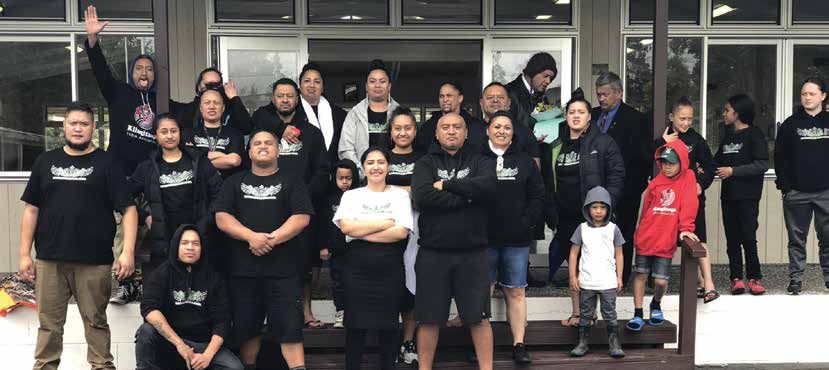
Contents

 1   ACE schools report an increase
     in demand

 3   Parenting support at Tararua
     REAP: empowerment and self-
     reliance

 5   Fānau-centre approach
     to Recognised Seasonal
     Employment Scheme

6    K’aute Pasifika: expanding ACE
     opportunities in Hamilton

8    Ngāti Tamaoho community
     education

10   Rangatahi-led Lift Youth
     Employment

11   PolyeLearning: the new PEC        We have large waiting lists for lots of classes so we are
     student portal
                                       having to open for more hours to accommodate them.
12   Kaiapoi Food forest: building
     community self-reliance           this has enabled teaching and learning to        some skills there was nothing like asking
                                       rise to the challenge of change. The most        the tutor directly for personalised tips and
13   Ara Institute’s free computing:   interesting thing was how empowering this        tricks. To compensate for all the missed
     tackling the digital divide       has been to all.”                                classes, we have opened more weekend
                                           Nigel Sutton from Wellington High            classes and will be running classes through
14   Active Citizenship:
                                       School Community Education Centre says           the holidays. We have large waiting lists
     creating positive change in
                                       that they have seen a significant increase       for lots of classes so we are having to open
     communities
                                       in demand for what they are calling home         for more hours to accommodate them. We
15   International: Covid-19 brings    and garden style courses: “Everything from       responded quickly to community needs
     it home                           cooking to sewing has surged in popularity       by introducing several new courses to give
                                       and so we are offering a wealth of courses       people advice and skills on how to find jobs
16   Festival of Adult Learning
                                       to meet this demand. We have offered             in a Post Covid workplace.”
18   Our people                        free two-hour talks on sleeplessness and             Andrea Cameron from Rutherford
                                       managing anxiety and all the spaces in           College says that once the panic and chaos
18   ACE Awards 2020
                                       these filled overnight. We are also offering a   settled, they were able to provide free PD
20   ACE News                          free one-day course on Acing the Interview.      sessions for tutors during the lockdown, so
                                       This was equally popular and also filled         they could learn how to adapt to teaching
20   Noticeboard                       overnight. We are seeing increased demand        classes online. Many courses took up the
                                       for practical and productive courses –           opportunity and were able to provide ESOL,
                                       where students learn a skill but also leave      foreign language, business and budgeting
                                       with something they have made, such as           courses online: “Once the restrictions were
                                       Create an Age-Defying Face Serum, Sewing         lifted, we saw a huge uptake in courses
                                       a Bag, or Lampshade Making. I think that in      across the spectrum. It has been one of the
                                       level 1 people were seizing the opportunity      busiest winter months that we have seen for
                  Whakataukī           to come together and learn new things.”          many years. Our courses were filled within
                                           Anne Cave from Selwyn Community              days and waiting lists were enormous.
     Manaaki whenua,                   Education writes that post the first             Where possible we have adapted our
     Manaaki tangata,                  lockdown they had a huge surge in interest       programmes to meet the community needs,
                                       in their face-to-face classes: “People were      however, in some instances we have not
     Haere whakamua.                   saying that they were sick of screen time        had the resources to meet the demand.
                                       and were so pleased to engage with other         We are also seeing more and more people
     Care for the land,
                                       learners. Our first weekend open was so full     who don’t meet the TEC funding criteria
     care for the people,              of joy! One person said she had tried to do      wanting to upskill so they can apply for new
     go forward.                       an art course online and while it gave her       jobs. Others want to attend classes for their

 2   Adult and Community Education
3
own sanity and wellbeing – but they
cannot afford to pay self-funding
fee costs. Because we believe that
lifelong learning should be available
to everyone, we have set up weekly
auto payment plans so they don’t
miss out. It is an added workload
for our limited administration
resources, but it’s well worth it
if it makes people happy and
they are given the opportunity to
participate.”
     The Risingholme Community
Centre, in Christchurch, which
delivers TEC-funded ACE courses
including at a number of schools –
                                        Parenting support

                                                                                                                                           her
also saw a huge influx of enrolments

                                                                                                                                        tc
                                                                                                                                     Bu
                                        at Tararua REAP:
in Term 3. Lynda Megson, the
                                                                                                                                     l

                                                                                                                                   ey
Director, says that during the Term                                                                                                Ha

                                        empowerment and
3 enrolment period their popular
courses were filling up much faster

                                        self-reliance
than usual: “So we had more
courses with waitlists than previous
years and many of the enrolments
have been from new learners who
have not enrolled with Risingholme      Over the last two years there have been some changes at Tararua REAP – a move to work
previously. With no places available    more holistically, the appointment of a new parent support worker, collaboration with a local
in Term 3 courses learners have         iwi and of course more recently, responding to Covid-19 and the lockdown.
opted to enrol in Term 4 to avoid           Tararua REAP is one of the smaller REAPs. Its base is in Dannevirke and it serves a largely
missing out – so some of these          rural population from Norsewood in the north to Woodville in the south.
courses are full already. Many of the       Claire Chapman, the General Manger, came to the organisation about two years ago after
enrolments have been from new           22 years working for the Primary (previously Agriculture) ITO. She was amazed at all the
learners who have not enrolled with     incredible work that the staff were doing in the community and, like many new managers,
Risingholme previously.”                started thinking about what changes she wanted to make to the organisation: “I thought
     Hagley Adult Literacy Centre       it might be good if we had a more seamless approach, so our staff could work across the
(Hagley College) uses their TEC         different silos created by the different funding contacts, such as TEC, MSD or the Ministry of
ACE funding mainly for literacy,        Education. So, we set up ways for staff to work more closely together, enabling us to provide
numeracy, ESOL and workplace            wrap around support for the individuals and whānau that we were working with. That
communication courses. They             allowed us to help them to develop some goals, ones that picked up on all the challenges
are delivered from venues across        they were facing.”
Christchurch. Joanna Fox, the               This new approach was put into place and the REAP team are working more
Manager at the Literacy Centre, says    collaboratively and more proactively.
that the lockdown highlighted the           Then one day last year Haley Butcher came to the REAP office. “She said – you need to
need for improved digital literacy      employ me!” says Claire. “She said that she was tired of seeing kids with a lack of structure in
skills, especially amongst their        their day and felt there was an urgent need for parenting support. She was right. We just had
ESOL learners. “As a result, we         a tiny contract with Whānau Ora, in a navigating role, and with MSD for Triple P and Incredible
are offering four new ESOL digital      Years, so, with the support of the Board we did employ her. She started on 20 hours, quickly
literacy courses. These have been       moved up to 30 and now she is full-time. Because she has been a Kindy teacher Haley easily
very well attended. We have also        engages with people and has an intrinsic understanding of children. She is so well known in
experienced increased interest          the community, she’s a bit of a magnet. Sometimes she works one-on-one, sometimes with a
from our workplace learners who         cluster of whānau with the same need.”
want to improve their computing             Haley’s whakapapa links back to Māori and her children continue to be educated at the
knowledge. The focus for these          local kura kaupapa Māori: “My job is whānau support. Initially when I meet families, we work
courses has been on learning about      out how I can help them but essentially I support them to help themselves. Whānau set their
on-line communication platforms         own goals at the first meeting, the goals are achievable steppingstones and acknowledge and
such as MS Teams and Zoom, as           grow their strengths which helps to set them up for success. Sometimes the hardest thing for
well as internet shopping, e-mailing,   whānau is to see and realise what strengths they have. When you are stuck it is hard to see
and basic word processing skills.”      your own strengths.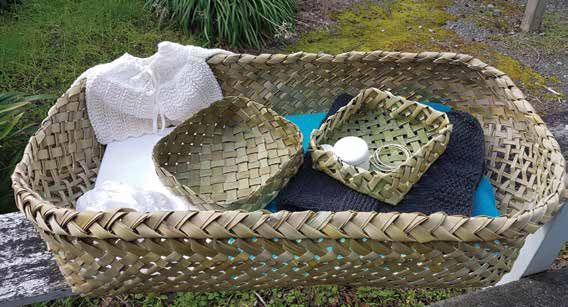
“Sometimes the hardest thing for whānau is to see and realise what strengths they
have. When you are stuck it is hard to see your own strengths.”
   “We identify any undesirable parenting behaviours, and if             what they are eating and introducing into their waters. Their babies
necessary, I can accompany them to 1-1 counselling or other              cannot choose.”
services. In our rural community there is a lot of isolation and             Haley says that during the wānanga you can see that whānau are
anxiety. What I can do is help them re-integrate into the community.     putting all their wairua into the mahi. “We can have about 50 people
Many whānau have no idea of the services that are available. There       coming and going. Aunties come along. Grandmas are there. It’s a
was one grandmother in her 70s raising her autistic grandson. She        whole whānau event, something that bonds whānau a bit more. It is
came in here for help. I have been able to fast track him full-time      lovely to watch. We also teach the whānau massage and meditation.
into a kindergarten, which means that the grandma gets daily respite,    The wahakura are left to dry and then presented to whānau, with
and I went along a few times with her to an autism support group in      blankets and donated knitted baby clothes. The babies can sleep in
Dannevirke. Now she goes on her own. She calls us her superheroes!       them until they are 6 months old.”
   “What we are providing is a wraparound approach. If I can’t               Haley has also been working with the DHB and the Brainwave
support them with parenting stuff, including all our contracted          Trust to deliver a workshop, based on a te ao Māori world view, that
parenting programmes, I find other people who can.”                      helps whānau understand the importance of the early attachment
   Tararua REAP works closely with Te Kete Hauora to run a               between mother and baby, and how this supports healthy brain
wahakura programme, teaching whānau how make wahakura so                 development. Once again, they are whānau-based workshops.
they can sleep safely with their baby.                                       Before the lockdown, Haley’s latest initiative was a pataka
   Ngareta Paewai from the iwi, says that she had been running           kai which has been set up in front of REAP. People can leave free
wahakura programmes for a number of years before Haley                   food and pick up other things they need. A course on how to grow
suggested working together: “It has been a pleasure working with         vegetables is planned. She sees it as just another part of their
her, and an exciting new collaboration. It makes sense. We have got      journey forward, fostering self-reliance and collaborating wherever
midwives jumping on board as well. We want to give mana back             they can. “I am passionate about keeping moving forward. REAP has
to our whānau, especially as we are often working with high risk         an important role for our community and more people will engage if
whānau who might be doing P or troubled by domestic violence.            we can find culturally appropriate ways of reaching people.”
   “I meet with whānau a week before and we talk about how                   During lockdown: Haley provided phone and digital support to
we will make our precious taonga pepe. The harvest is done by            all the whānau engaging with the parenting support programmes;
fathers and young boys, and I tell them where they will get the          lovely Jonathon, the administrator at Tararua REAP, checked with
harakeke from. And we talk about how it cleanses our waterways           other learners involved in ACE programmes, bringing issues back
and the healing power of the harakeke. Our tīpuna have lived with        to the wider group; and Claire organised Skype meetings with
this beautiful resource for centuries. Today it is protecting our        other social services in Tararua, including the council so their small
mokopuna. I say that we mahi for our future generations.”                community could work together.
   For the first few months of the programme a harakeke teacher runs         Clare sums up: “Whānau Support is more than working directly
lessons at the marae, so parents learn some basic weaving skills. Then   with one family. Whānau is community and at Tararua REAP
there is a three-day sleepover when they make their wahakura.            community is at the heart of what we do. Haley professionally
   Ngareta says that they learn more than how to make a wahakura:        delivers an important service where the benefits infiltrate more than
“We teach them that when we weave, we stop to take a break to            the direct family she works beside but rather extends deep into the
manage frustration. Wahakura are not that easy to make, and              heart of the Tararua community. At Tararua REAP we see daily the
babies when they come, are not always that easy to manage. We            benefits gained, on an individual and collective level, by working
teach them to listen to their body and for the mothers to think about    holistically as a team but also as a service provider.”

4   Adult and Community Education Spring 2020
5

Fānau-centre approach to Recognised
Seasonal Employment Scheme
By Dr Timote M. Vaioleti, founding and current chair of IMPAECT*

Over the last ten years and up to 2019, IMPAECT* (Indigenous Māori          IMPAECT* is a Charitable Trust based in New Zealand and Tonga
and Pacific Adult Education Charitable Trust) was engaged in a           and has working relationships throughout the Pacific, Asia and
culturally based adult learning process with a group of seasonal         Europe. It has contributed to the efforts of UNESCO and other NGOs
workers from Tonga, to make their experiences in New Zealand less        towards the achievement of the UN Millennium Development Goals
daunting and more constructive while at the same time keeping            and the UN Sustainable Development Goals. Its constitutional
their ambitions and those of their families in mind. The Government      objectives include advancing culturally appropriate development
introduced the Recognised Seasonal Employment (RSE) scheme in            for both Māori and Pacific communities to achieve outcomes that
2007, a seasonal labour strategy allowing for the temporary entry of     are authentic to them.
migrant workers in the horticulture and vinicultural industries, with       In its 10-year RSE partnership with a Māori owned business, the
a preference for workers from the Pacific nations. Workers are able      model attracted attention from political and cultural leaders in New
to remain in New Zealand for up to seven months unless they come         Zealand and Tonga.
from distant countries such as Kiribati and Tuvalu in which case,
                                                                         Culture affirmed
they can stay for nine months.
                                                                         Wakatū is an internationally recognised indigenous business of the
                                                                         land and sea with a considerable asset base. As a family business
                                                                         they value tikanga Māori. The workers are accepted as part of the
                                                                         extended family of the tribe (whanaungatanga), to engage in a
                                                                         reciprocal relationship of respect (manaakitanga), to value what
                                                                         the land produces as gifts (kaitiakitanga), to share in the many
                                                                         activities of the marae, and to uphold the reputation of the tribe
                                                                         (rangatiratanga). The terms of the relationship are set by creating
                                                                         understanding, providing information, and inviting an engagement
                                                                         based on honesty and accountability to each other (pono). A
                                                                         powhiri is held every year despite many workers being repeat
                                                                         workers. This ritual can be overwhelming; however, many workers
the pastoral care model embraced not                                     become aware of its spiritual meaning and feel privileged to have
only the workers but also their families                                 been given such a welcome.
                                                                             Tonga is a stratified society, and this is expressed in various
who remained in Tonga
                                                                         cultural practices and behaviours. Its structures are often unseen, its
    IMPAECT* recruited workers from Tonga for Kono Horticulture          language and honorific systems are complex and multiple layered.
(a subsidiary company of Wakatū Inc) based in Motueka which              These layers include royalty, nobility, the elite, the religious sector,
was the only Māori business in the RSE scheme. Drawing                   as well as age and gender. The integrity of individuals is maintained
successfully on culture, IMPAECT* established a fānau (children          by vā, a relational space that separates while holding each together
of, extended family)–centric pastoral model which was informed           to maintain their individual integrity while still being an integral
by the values of Kono Horticulture and enhanced by Tongan                part of the coherent structure. These are the anga fakatonga or the
values and understandings. The model adhered to a leadership             Tongan being or Tongan philosophy. A Tongan person understands
and management style which was traditional in nature, based              life and their role in it through these anga fakatonga lens. Anga
on kinship, reciprocity and underpinned by collectivistic notions        fakatonga is a principal concept integral to the fānau-centric
of support, a system well embedded in both Māori and Tongan              approach of our RSE programme.
cultures. From such reference points, the pastoral care model                The notion of fānau with its commonly understood rank and
embraced not only the workers but also their families who remained       loyalty embedded in anga-fakatonga was the tool to lead, order
in Tonga. In fact, families in Tonga were involved right from start as   routine, operations, relationships and shape work performances
maintaining fānau cohesion with a family member being absent             quickly. Leadership within the team was matriarchal led by the Pou
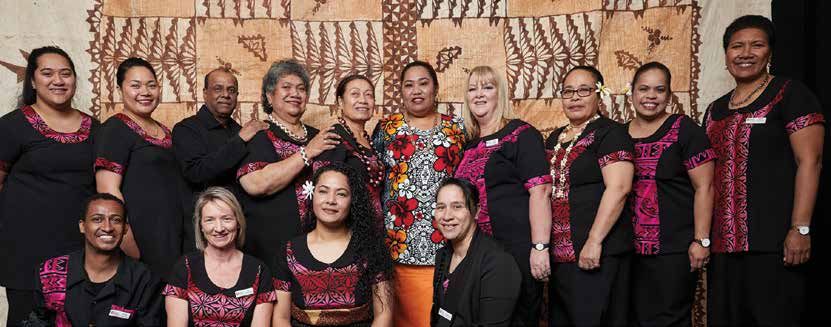
was of prime concern to IMPAECT*. The above photo shows the              Awhina who had the respect not only of the workers but also of the
Pou Awhina/fānau matriarch, Maleponi Taunaholo (front left), the         families in Tonga as well as the employer. Every evening following
RSE workers and their families in a hui for the fānau-centric pastoral   the work day, the Pou Awhina would call the workers together to
care model to seek feedback for improvement before the RSE team          share in the evening meal together. This is followed by reflection,
leaves for New Zealand.                                                  prayers, and singing, a time known as lotu faka-famili (family prayer),
K’aute Pasifika –
                                                                             expanding ACE
                                                                             opportunities in
a guided sharing which encourages the workers to reflect on their
day, their insights, new learnings, and challenges. Through ongoing          Hamilton
sharing then the group is able to strengthen, share concerns, and
find resolutions to potential problems. The photo above shows the
collective meal before the evening’s reflections and the lotu faka-famili.   At a community fono on January 2019 Hamilton’s Pasifika
    In addition, IMPAECT* drew on the work of Vaioleti (20111) on            leaders discussed priorities for health, education and
cultural indicators for success in previous Tongan projects to form          wellbeing services in the Waikato region.
a framework from which the workers were expected to fulfil, these                The fono was facilitated by the K’aute Pasifika Trust which
being:                                                                       has been providing health, education and social services in
     a. ‘ofa, love and its subgroups “mafana/warmth” which drives            Hamilton for over 20 years.
         ‘ofa to action                                                          Until recently K’aute was the lead agency in the seven-
     b. faka’apa’apa, respect                                                member Aeretai Midland Health Collective, funded by
     c. feveitokai’aki, reciprocity                                          the Ministry of Health. Funding for the collective has
     d. lototō, humility                                                     been disestablished, and while K’aute still plans to work
     e. feongoongoi, transparency and accountability                         collaboratively with Aeretai health providers across the
     f. fatongia, one’s role, duty, or obligation to family and              region, they are now strongly focused on growing strategic
         community                                                           partnerships in the Waikato and delivering the education,
     g. ako, to learn or to teach                                            employment, health and wellbeing services that the
    These values were base competencies that should lead to the              community wants.
workers have a willingness to learn fast, a level of tenacity to stay            They are also about to build the first Pan Pasifika Hub in
on task given the newness of most activities and approaches,                 the country.
willingness to be a team player, resourcefulness, loyalty to the                 In the last 18 months, K’aute has been able to take
employing host as well as to IMPAECT*’s on the ground feingainga/            advantage of government funding for two employment
mehikitanga (matriarchal) leadership.                                        services – Niu You funded by MSD and Tupu Aotearoa, funded
    Ako allowed the workers to settle into routines in the workplace         by the Ministry of Pacific Peoples.
and their recreated fānau (family). This is a vital stage and the                Tupu Aotearoa is the new name for the Pacific
point of intersection of the workers to merge to create a common             Employment Support Service which was recently extended to
and cohesive fānau and workforce for the next seven months. The              the midland region.
worker composition may have heads of families or be from different               Niu YOU is the name that K’aute has given to the MSD Job
distinctive groups of the Tongan hierarchical structures but must            seeker service. It is for people from all ethnic backgrounds.
adjust to routines expected by IMPAECT* and the business character               While the entry criteria for both differ, both provide one-
of the employer/s. Continuing contextual application of the above            to-one support for people to get into employment or further
values in the RSE group’s employment and domestic activities                 education: they are helped to set goals, have an achievable
promotes tauhi e vā (to maintain the symbolic space to provide               plan, get their driver licence, develop a cv, write letters of
balance and state of harmony) between individuals, groups, and               application, get supported work experience – and finally
with Kono Ltd the employer.                                                  move into a job or training.
    The IMPAECT* leadership within the group would apply the                     Henry Tuipe’a is the manager of both the employment
above values throughout the period of RSE work in Motueka. They              services: “We started our Niu YOU contract this year. We’ve
were regarded as vital for productivity, quality work outcomes,              given it our own title so that it feels more connected to the
and maximization of the workers income each year. With the                   people we are serving. Niu is the coconut, the source of life
above values as an umbrella, this framework became the principal             in the islands, so that is an appropriate name. During the
underpinning that held and regulated their relationships in a new            26-weeks we do a lot of pastoral care. We want people to feel
land, new values and systems. An emphasis on cooperation and                 comfortable and surrounded by family, not just a client or a
collaboration is paramount and fundamental to Tongan society as is           number. I have found that the people who have been through
the obligation to their collective kin (kāinga) whether they be based        several providers, and who have not been able to upskill and
in New Zealand or in Tonga.                                                  find work have had no connection, no engagement with the
                                                                             provider. So understanding their background and speaking
1 Vaioleti TM (2011) Talanoa, Manulua and Founga Ako: frameworks for using
                                                                             their language is important.
enduring Tongan educational ideas for education in Aotearoa/New Zealand.         “We also refer people to our strategic partners. For
Unpublished doctoral thesis, University of Waikato, Hamilton

6    Adult and Community Education Spring 2020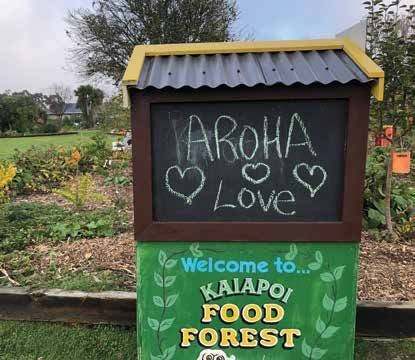
7

We want people to feel comfortable and surrounded by family, not just a client or a number.
example we can send people to Literacy Waikato and to financial           wellbeing support services, says that there are outcomes much
literacy services – and we have a partnership with the Resettlement       greater than helping the parents understand how to support their
Centre which provides driver licence training in a way that is a little   children’s ECE and school education: “One of the things they ask
different from us, so we can give people a choice based on their          for is scholarship information, and another is how do we support
learning style. We don’t want our people to fall through the cracks. If   them in their social needs as well. Some also want to know how
they don’t like being in groups, we can send them to where they can       to support their children starting their own business. So we can
learn one-to-one. We break down the barriers so that we give our          cover all that. We have had many parents who have themselves
people every opportunity to succeed.                                      become motivated to get into their own further education. Some are
    “In our team we have speakers of all the Pacific languages, so we     currently studying. Others have gone onto work. They have used this
can always bring in colleagues to help translate. We also have our        opportunity to get themselves a better life.”
own health team including our WellChild nurses and counsellors for            Silaumea is also responsible for a playgroup programme which
addiction and gambling, so when they come through, if we realise          she says has great outcomes for parents too: “It is parent-led,
they are facing other obstacles, we can give them the support they        so we develop the programme with their input. That gives them
need. We provide a wrap-around service.                                   confidence and an interest in education, as well as an understanding
    “Currently we have 24 people on our Niu YOU course. We help           of their role as a champion of their children’s education. We work
them find sustainable work. Work they are passionate about. You           on reviving culture and language and at the same time integrate the
can create more damage if you don’t find them work that they enjoy.       academic concepts as outlined in the Te Whariki Framework.”
So when we develop a plan, we start with – this is where you are at           Rachel Karalus is K’aute’s CEO: “We are leveraging our
right now – it may take some tertiary study and many years – but we       development and the development of our people through strategic
can help you get there.                                                   partnerships. For example, we don’t have the space ourselves to
    “It’s about helping people who are just drifting, connecting with     accommodate 100 people at our Talanoa Ako, but Wintec leases us
them, and giving them that spark to do better so they can support         the use of a whole floor on a Monday evening for just $1. The beauty
themselves and their families and be an inspiration to their kids.”       of that is that students or parents who have never been in that space
    The Tupu Aotearoa programme, which operates in the same way           come every week and it becomes like a second home for them. They
(except it is strictly for Pasifika) provides the same wrap-around        can see that they can fit in there.
service with strong pastoral care and refers to other local agencies          “One of the challenges in our region, is that Pasifika are still
as appropriate. If there is a requirement for study, they help find       seen as a minority population, even though they are high needs,
scholarships or grants.                                                   and increasing numbers of Pasifika people are living here. Our
    Both programmes benefit from the fact that for four days a week       partnerships help us grow more organically and make us more
K’aute has a Pasifika Work and Income manager working in their space.     visible.
    Another K’aute programme that has ACE outcomes is the 10-                 “With our Pan Pasifika Hub, we will have an iconic space that is
week Ministry of Education Talanoa Ako programme, (previously             visible and connected to other major services, such as Wintec down
called Power Up).                                                         the road and sports stadiums nearby. We will be interlinked. The
    Talanoa Ako helps parents understand NCEA, the pathways               fale, which will combine aspects of our different island architecture,
to further education and training, and the support they need to           will hold 670 people standing and 400 sitting. There will be space
provide for their children. There are six different workshops, based      for computers so we can get more of our people computer literate;
on the level of the children’s education. Because children come           there will be a culturally welcoming space for our people to up-skill
along with their parents (or aunties and uncles if the parents can’t      and get work. And it will provide endless opportunities for informal
come) there are usually about 100 people at each session. Transport       education, maintaining languages and cultural practices. We will be
can be provided if families need it.                                      able to bring together elders and young leaders to learn from each
    Silaumea Petersen who is responsible for Talanoa Ako and the          other – to encourage and inspire.”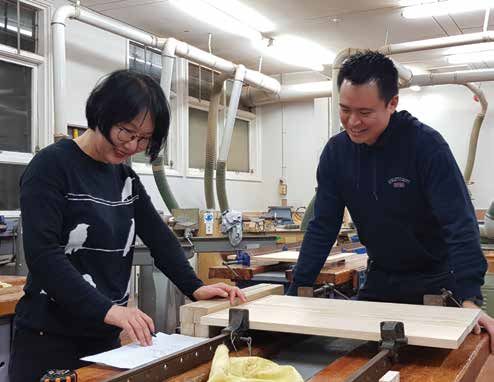
Ngāti Tamaoho
                                                                       community education
                                                                       Ngāti Tamaoho are descendants of the Tainui waka with three
                                                                       affiliated marae – Mangatangi, Whataapaka and Nga Hau E Wha.
                                                                       They are a hapu of Waikato Tainui with about 4300 registered
                                                                       beneficiaries.
                                                                           Because their numbers are small, a decision was made early
                                                                       on to work with government, existing educational providers and
                                                                       networks to build the relationships required to support Ngāti
                                                                       Tamaoho in all areas of life-long learning.
                                                                           Their first grant was from the Department of Internal Affairs,
                                                                       in 2010, for an intern to work alongside beneficiaries to identify
                                                                       key priorities for Oranga Hou, the organisations Wellbeing arm.
                                                                       After a number of hui it became clear that education was of the
                                                                       greatest importance, followed closely by health and economic
                                                                       development.
                                                                           The next step was the development of an education plan. In
                               Lilio Havea took her daughter
                                                                       2011 the hapu approached the Ministry of Education for assistance.
                                   to Talanoa Ako because she
                                                                       A generous grant supported the development of both the Ngāti
                                     was failing in her large school
                                                                       Tamaoho Education Plan and their Te Reo Strategy.
                                      class. Within weeks, working
                                                                           The identified education aspirations are: educational success by
                                      with a small group of other
                                                                       Tamaoho as Tamaoho; education where Tamaohotanga is a normal
                                      Pasifika children, she was
                                                                       way; a curricula where our reo is our identity, our culture and our
                                     improving vastly. Meanwhile,
                                                                       being; recognition of learning within whānau, hapū and community
                                   in the parents’ class, Lilio was
                                                                       by the compulsory sector; recognition throughout the education
                               listening to tutors from Wintec
                                                                       system of Ngāti Tamaoho as a mana whenua group; all key
                          and other education professionals talk
                                                                       education stakeholders in our rohe working together to promote
about study opportunities for adults:
                                                                       success for all learners; varied pathways and smooth transitions
    “They said, you are never too old to study, and my
                                                                       through life-long learning that supports achievement of personal,
daughter, she asked me, why aren’t you studying too? But I
                                                                       whānau, hapū, community and economic goals; and resourcing to
told her, I have four children and I have to work, to help pay
                                                                       ensure mātauranga Tamaoho is available and used appropriately to
the bills. Then, I changed my mind. That is when I changed
                                                                       support Ngāti Tamaoho aspirations.
my life.
                                                                           The next step was provision and in 2016 the hapū successfully
    “I was working at the K’aute play group as a volunteer and
                                                                       applied for TEC ACE funding and began to deliver community
they said to me, you should do the early childhood course.
                                                                       education programmes across their rohe. While Ngāti Tamaoho
So, I talked with my husband and I enrolled. It has been
                                                                       beneficiaries are priority, the aim is to make programmes available
hard because my second child has a health issue, so I had to
                                                                       to the wider community.
stop for a while. K’aute arranged counselling and helped get
                                                                           The programme initially focused on bringing people back to the
my son some support. Now I am back studying again. I do
                                                                       three marae – and it worked. Te reo Māori me ngā tikanga, marae
a timetable so that I know which days I have for study, and
                                                                       tikanga, karanga and toi Māori classes regularly drew around 200
which days I have time with my children. I also work one day a
                                                                       people three-quarters of whom were between 16–29 years.
week at the factory to help pay the bills.
                                                                           Lawna Kani, who is a lead for the ACE programmes explained the
    “I am doing a Bachelor of Early Childhood at Wintec. My
                                                                       philosophy of how the classes are delivered: “They are marae style,
husband is supporting me. I am doing really well. I am so
                                                                       with conversations rather than a structured process. They always
proud of myself.
                                                                       involve homework or doing research about a topic and bringing the
    “All my children have been with K’aute [health services]
                                                                       information back to the next session, so a body of knowledge starts
since they were born. And I used to take my grandparents
                                                                       building in the group. They discuss the findings and look for new
there to a group they have for older people. That was good for
                                                                       areas of learning. The result is that people become more familiar
them, because they learned to speak some English. Now my
                                                                       members within their marae, with a strong focus on tuakana-teina.
parents go.
                                                                       Three quarters of our learners are between the ages of 16 and
    “K’aute is like a second home. I can’t thank them enough
                                                                       29, with our kuia and kaumatua adding some integral flavour to
for everything they have done. They are helping our families.”
                                                                       the sharing of knowledge. As a result, the learners become more

8    Adult and Community Education Spring 2020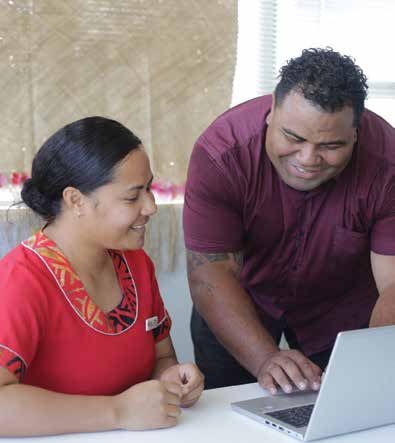
9

confident in themselves as Māori with many       and get a recognised qualification. With our      outcome is for tauira to have access to
moving into leadership roles within their        Māori students I do a lot of pastoral care. If    educational programmes that help them
whānau, communities and marae.”                  there is something that they need help with,      gain knowledge and grow confidence in
    The success of the marae-based               I try and do that.                                themselves to go on to pursue further
programmes at Mangatangi Marae is                    “After completion of a programme tauira       education and/or aspirational dreams. At
something Ngāti Tamaoho will continue,           are asked to provide an evaluation. At least 80   the moment, a few are moving forward
but with growing interest from people living     percent are happy to provide feedback which       into more formal learning, but it is a slow
in more urban areas, there are a growing         we use to guide our future programme.”            transition. The current ongoing demand is
number of courses now being offered in               The evaluation also shows that the            for kaupapa Māori programmes. I think the
Franklin, Papakura and Manukau.                  increase of people’s numeracy and                 goal of the whole community education
    In Manukau, the hapu delivers a waiata       literacy skills is evident and that once          process is getting more rangatahi into
programme for the elderly living in a rest       people attend a community education               mahi particularly in the social services and
home. “These well received programmes            programme many have the confidence                environmental sectors. They are helping
help keep their minds engaged, keeping           to continue learning. Lawna says, “They           each other more and are much more likely
them active and building their inner person      are willing to try more, and when they            to awhi others.”
which contributes to them feeling better –       see others change their behaviour, they              In 2019 Ngāti Tamaoho engaged 1282
building manaaki,” says Lawna.                   want a piece of it too. If we can instil that     learners, and despite the woes of Covid-19
    And financial literacy programmes are        learning process, they may be willing to try      they have planned to attract the same
delivered throughout the rohe. Lawna leads       more community education. Our planned             numbers this year.
the sessions bringing in other people with
specialist skills: “I get financial experts to   learners become more confident in themselves as Māori
provide certain parts of it. Once again, we      with many moving into leadership roles within their
have informal conversations about money.         whānau, communities and marae
We often start with finding out who has read
their bank statement and build off that,
finishing with budgeting. Our target group
is 16–24 year olds, but we work to get older
people engaged too.”
    Chassy Kani, is kaiako for Te Reo,
Tikanga, Kawa and Kapa Haka courses:
“We run these at marae and in various
community spaces. Currently, the Te Reo
courses are the most popular. Since the
lockdown, everyone seems to want to
learn te reo. We are running four courses
currently with about 80 percent of the
participants being tauiwi. We teach just
the basics – with some people going on to
completing NCEA levels at wānanga. My
goal is to get our people back into study –
Rangatahi led: Lift Youth Employment
Each week around 35 rangatahi decide to walk into the Lift premises        Income and know how the system works. But if the system is too
in Napier. The large majority choose to come because they have             slow or difficult, Lift staff sort things themselves.
heard from their cousin, their brother, their sister or a friend that it       Atarau Hamilton-Fuller is a Facilitator for the Bounce programme:
is a good place to go. Some hear about Lift when the organisation              “On the first morning they decide how the programme will be
is out making a pitch in their community. A few are referred. Most are     run. We give them the freedom to make those decisions. They are
Māori, most are male and most come from challenging backgrounds.           in charge of themselves – and so they feel that they are there for
School was a disaster. Drugs have often been a solution. Mental            themselves. As a facilitator I always have my whole self in the room.
health and homelessness are often a problem. They have likely been         There has to be a level of genuineness between us. I always follow
written off as young people who simply ‘don’t want to work.’               the flow. The participants are always in charge of the room.
     They walk in and meet people that they instantly recognise as             “In the second week we work a lot around pre-employment
whānau. There’s kai. There are people like them to talk with.              preparation, interview practice, cvs, cover letters, wearing the right
     Someone from the team will come up and have a chat and soon           clothes. Employers come in and talk.
their immediate problems are being addressed. They might need                  “About 60 percent graduate from the course. Some come in
shoes, and Lift partners with an organisation where they can get           thinking they want help, but they are not ready to get help. They
these and some clothes. Accommodation can be found. If they                create obstacles for themselves. But our doors are always open,
need a dentist, there is one next door and if they are under 18 it is      we maintain relationships, and many come back. Some have done
still free. If not Lift pays. Whichever member of the Lift team they       Bounce more than once. And if Bounce isn’t right for them, we can
feel comfortable with becomes their support person. Once again             work with them one-to-one straight away instead. They appreciate
it is their choice. Part of the conversation, early on, is about what      what we have to offer, we never shut the door on them. They
their dreams are in life. If they want to, they can move onto the next     appreciate that and keep in touch.”
Bounce Life Skills course – a two-week programme that is offered               For the ones that do stay the course, Atarau enjoys the moment
throughout the year. Many do.                                              when a customer (as they are called) suddenly understands how his
     Lift Social Enterprise was established in Napier about three years’   beliefs and behaviour have caused the problem. “We call them light-
ago. Jody Hamilton, who is the Director, had worked in Australia           bulb moments. You can see this little flicker in their eyes. Oh! they
with Bounce founder Maria Smith providing life skills training for         were right! I was doing it wrong!”
Aboriginal people and decided to bring the Bounce programme to                 Once the rangatahi have sorted out their goals and a plan to
New Zealand and make it a core part of the LIFT approach. Now they         achieve them they are supported to take the first step. If it involves
have a team of six, including a Kaumātua, Te Huia Bill Hamilton.           employment, Lift has 65–75 employers who welcome a visit by
     Graeme Ewart is the Business Manager. “The Bounce programme           the young person and their Lift supporter. “It is a time for a further
starts by delving down into how they have been living their lives,         conversation” says Graeme. “They can find out what’s involved,
how they see the world, their values and beliefs. Then we start            work experience can be arranged, or they can be told about further
bringing them out of that reflection and move them forward, getting        skills and study that might be required. Once they start work the
them to think about their future. We create a journey for them, so         employer can contact us if there are problems, or the rangatahi
they can see how they can achieve their dreams, even if realising          contact us. We have as many backstops as possible. They never
them is 20 years away they find the first steps. In the past they have     leave the whānau. Social media keeps them in touch.”
always been told what to do. If you give people a stick and focus on           Tyler Taurima Brown found out about Lift at a community market
their past, they will always look backwards: cause and effect. We          when she was just 16 years’ old:
give them a carrot: choice and consequence. And we do everything               “Jody approached me and asked if I knew any rangatahi who
that we can to support a young person. Whatever it takes.”                 might be interested in the programme. And that was me! I had run
     Wherever possible whānau are involved and whenever needed             away from home and wasn’t in school. My life was pretty off track.
a Lift team member walks alongside rangatahi if they need to go to         So, I went in on the next Monday and I had a chance to sit down and
court, get drug and alcohol counselling, or find accommodation.            talk about my goals and do the Bounce course.”
Most senior staff have experience working for agencies like Work and           Her first goal was to get back to school and become head girl.

10   Adult and Community Education Spring 2020
11
PolyeLearning – the new
They are in charge of
themselves – and so they
PEC student portal
feel that they are there Hon Min Aupito Su’a William Sio (Minister for Pacific
Peoples) our funder and Tuiloma Gayle Lafaiali’i
for themselves. (CEO, Pasifika Education Centre)
Lift paid for her uniform and stationary and took
her to school to meet the principal. She did become The Auckland-based Pasifika Education Centre
head girl and today she is a junior facilitator on the (PEC) is the only NZQA Registered PTE offering
Bounce course. NZQA approved training schemes for community
“I love being a facilitator. I want to help change Pasifika language courses in six languages and
these people’s lives like Lift changed mine, just across all levels. These courses are made available to
in the space of the first three days of the Bounce Pasifika Aotearoa for free, with the goal of achieving thriving Pasifika languages,
course. Finding that self-awareness, integrity and but they are also freely available to all New Zealander’s who may have an
sense of belonging. That is what I was missing out interest in Pasifika languages and cultures.
on. We talk about our tūrangawaewae, the place And now, with the exception of the Samoan Oratory class, all of the courses
where you belong. That is what connects us: the are available online.
struggle, and then being together in a place where The Minister for Pacific Peoples, Hon Aupito William Sio, launched the digital
you feel connected and empowered. Then you can platform, funded by a grant of $3.9m over 4 years, on July 16.
be the best person that you want to be. I am just The online learning platform, PolyeLearning, is powered by MOODLE.
one example of what can happen when you get Learners using PolyeLearning are able to access teaching materials, talk
what you really want.” directly with their tutor in a private and secure environment, and contribute to
While Tyler is exceptional, the outcomes generally, class talanoa via group chat. Personal videos can also be shared.
says Graeme, are huge. Many get their driver licence People wanting to learn online must enrol with the PEC then they can start
and a first aid certificate. Over the last two years the 10-week two-hour ZOOM class which runs live from 6–8pm.
LIFT has worked intensively with 139 rangatahi: 81 Between classes learners are expected to do at least 1-hour self-directed learning.
have gone into jobs and 28 into further education. The courses are based on key themes, such as salutations and greetings,
When we spoke with Atarau, the team had numbers and counting, telling the time, counting money, days of the week and
not long completed the first Bounce programme months of the year, food etc.
after the lockdown. They only had four in that PEC Chief Executive, Tuiloma Gayle Lafaiali’i, says that the pandemic has
programme instead of the usual 12–14, but three made the transition from physical classroom learning to e-learning a smooth
went onto further education (social work training, process: “Covid-19 has had an impact in how people look at doing things
land based training and forklift training), and two online such as education. A lot of people realised that actually it’s okay to join a
into employment at a local insulation company. class from the comfort of my own home using digital technology. Three weeks
The fact that the Bounce Life Skills programme prior to launching our online programmes we had over 500 people register
works is the key to Lift’s sustainability and future. to enrol, which shows demand for online programmes. Yes! We had 500 plus
They do have a contract with MBIE, but the fact that enrolments before day one.
they have the Aotearoa licence for Bounce gives “Being able to offer our services online means that we are now able to extend
them a future source of income. Already there have our reach, not only across all regions in Aotearoa, but also the wider Pacific.
been enquiries from NGOs and schools around the Aucklanders too are benefitting. There’s a phenomenon in Auckland where people
country wanting to have facilitator training. Currently prefer not to cross town particularly in peak traffic, and so if we had a course on
12 people have done the facilitator training which is a Monday, some will say they can’t come Monday, but we don’t have capacity
provided in Aotearoa by Bounce Australia. offer another day. So now they too have the option of learning online.”
Hawkes Bay has the highest NEET rate in the Since it was first established over 40 years ago, the PEC has been providing
country – around 20 percent. Lift’s vision is for 100 ACE for Pacific people – initially teaching skills to assist Pacific migrants with
percent youth employment in the region and to job and life skills such as English, job searching and cooking, and later teaching
help other regions achieve the same. Aotearoa-born Pacific people with classes in their Pacific language and culture
– skills and knowledge that actively support their general wellbeing and identity.Kaiapoi Food Forest – building community
self-reliance
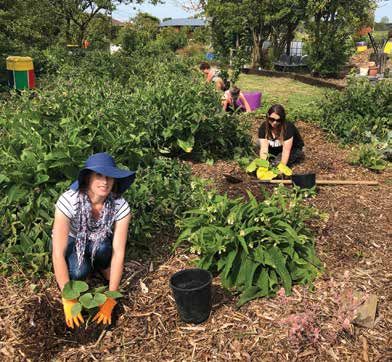
Our food forest is only 1.6 acres but last harvest we produced over 3000 kilos of food.
After the Christchurch earthquakes the Kaiapoi Food Forest was to set up a trust. sell their starter kits or products. It’s all part
people of Kaiapoi were asked by their There are seven trustees, all selected of supporting a sustainable community.
council to choose a community project that for their considerable relevant skills and Thirty to forty people turn up for each of
could be developed on red zone land. As knowledge. Corrections Department brings the free workshops which are advertised on
many supported the idea of a community a group of Community Service people along Facebook.
garden or a food forest, a local couple, every one or two weeks to do the heavy The plan is to also have Rongoā Māori
Brent and Shirley Cairns, were approached work, like moving the masses of mulch education programmes. An area of the food
by their Council to kick-start the process needed for the garden and volunteers come forest has been set aside for traditional
and establish a food forest that would bring along every Wednesday to do other work. medicinal trees and plants so those with
the community together, teach them about “The community has taken it over,” says the skills and knowledge can teach others.
sustainable gardening and home-based Brent, “people just come in and do things. Zero waste events such as a Strawberry
food production, and provide a local source It is amazing how it has grown. We are just Fair in December and a Wellbeing Festival
of food for foraging. facilitators. Other people come in to take in February brings the community together.
A food forest mimics the structure of a a walk. The garden is set up with multiple Chefs and nutritionists come and teach
natural forest so that food can be grown living rooms, making it a wonderful place people how to cook the food grown in the
very efficiently. There are seven layers, each to picnic, you can wander around and see food forest.
with its unique role, from tall fruiting trees what’s growing. It’s all about wellbeing and Children of all ages visit the food forest
or nut trees, to smaller ones, then shrubs mental health, as well as food. Anyone can to learn how to grow plants.
such as berries, ground level edible herbs, forage for something to eat.” Brent says that the Kaiapoi Food
leafy vegetables and root vegetables, as Education is very much part of the vision. forest is easily replicable: “We would like
well as vines that group up the canopy. People from all over Canterbury come to to see them throughout New Zealand.
“The beauty of this design,” says Brent, “is programmes such as how to grow food We believe that 20 percent of children in
that it utilises space really efficiently. Our sustainably, food forest design, bees and this country are food poor. We do have
food forest is only 1.6 acres but last harvest pollination, grafting, water conservation, food insecurity. If we could set up a food
we produced over 3000 kilos of food. With pruning fruit trees, propagation, worm forest in neighbourhood parks throughout
traditional gardening you would need much farms, kumara growing, edible weed the country, it would be a great way of
more land.” identification and uses and wine making communities providing their own food.
The food forest has over 2100 mainly using surplus fruit. “Since Covid19 we have seen a greater
donated different trees and plants Then there are the workshops where number of people wanting to learn how to
providing food – with no pesticides or local small businesses come along and grow food sustainably, without sprays and
herbicides needed: “We work with nature to teach people skills, such as mushroom without all of the weeding. Creating a food
grow food.” growing, making elderberry cordial, or sour forest is a great way to feed a family taking
The first step in the creation of the dough bread – and if they wish, they can up a small area with less time.”
12 Adult and Community Education Spring 202013
Ara Institute’s free computing courses
– tackling the digital divide
For nearly 20 years the Ara Institute of Canterbury has been
delivering free computing courses in the community. They started in
2001 with programmes at their first community hub in Madras street
in the central city. Since then six more hubs have been established –
four more in Christchurch, and one each in Timaru and Oamaru.
Each year up to 2000 people take advantage of a growing suite
of computer programmes, which have traditionally been designed
to broaden people’s employment opportunities, or help them move
into a formal qualification such as the New Zealand Certificate
in Computing Level 3 (also available free at the hubs) or Level 4
(available at the hubs but at a small fee).
During the lockdown tutors developed three new digital courses
designed to help people use some of the free Google applications.
Of the well-established computer courses, Digital Basics is the
most popular. This 25 hour programme gives people the skills
needed to use a computer and mobile devise for basic purposes
including, file management, email, using the Internet to find We realised that a big part of our
information – and how to make sure that they are using their
computer in an ergonomically safe way. community cannot afford to buy
The other long established courses are: Access for Beginners (30 products, and that there is a whole
hours); Access Enhanced (34 hours); Excel for Beginners (40 hours);
range of free software out there,
Excel Enhanced (32 hours); Keyboarding for Beginners (24 hours);
Power Point for Beginners (20 hours); Publisher for Beginners (40 provided by Google.
hours); Web Design for Beginners (40 hours); Word for Beginners (40 Google Apps – Tips and Tricks, gives people an opportunity to
hours); and Word Enhanced (80 hours). learn applications like Google Earth, Maps and Lens, how to watch
Towards the end of last year Peter Nock’s ACE team started and share video using YouTube, how to connect with others using
thinking about the need to provide people with free Google courses Gmail, Hangouts and Duo, ways of making notes and getting a
that, while not directly related to helping people into employment, reminder, and how to use speak, scan, type or draw to translate in
would give them increasingly vital digital skills. Peter is an Academic over 100 languages.
Manager in the Department of Enterprise and Digital Innovation: Google for the Office is a 40-hour free course that teaches people
”We realised that a big part of our community cannot afford to how to use free alternatives of Microsoft Office tools like Word,
buy products, and that there is a whole range of free software out Excel and PowerPoint. Because these Google files are web-based,
there, provided by Google. There really is a digital divide in New they can be accessed from anywhere, using any device. Learners
Zealand and we thought that helping people learn about this are taught how to set up a Google account so they can use Google
software, which can be used on any device, might help to address Drive, Docs, Sheets, Slides and Forms, including how to use Forms
the problem.” to collect and analyse data.
As Peter explained, it wasn’t until the lockdown that they got As word got out about these programmes people quickly started
started on the development process: “ACE courses are not really set to enrol.
up for online delivery. People work at their own pace, with expert Peter says they are going through a period of change post-Covid
help available. And during the lockdown many of our ACE learners, and thinking about offering new courses at the community hubs – in
the majority of whom are women aged 30–55, may not have been response to a changing employment market.
able to use the only computer in their home because their children From his point of view, the ACE funding criteria for tertiary
may have needed to use it for study. So,we organised a team of institutions can be challenging to work with when you want to
three of our tutors to use the lockdown time to develop three new deliver hands-on courses with smaller groups of learners, and
programmes.” when there is a lot for them to learn. “A more flexible funding model
Becoming a Digital Citizen is a free 40 hours course teaching would allow for different ways to offer these courses and in more
about apps, scams, smartphones, online forms, online shopping innovative ways – for example to blend in some online learning.
and helping people to understand digital identity and security so That would allow us to extend the work that we do addressing the
that they can stay safe online. digital divide.”Active citizens: creating positive change
in communities
Aotearoa New Zealand now joins 74 other countries with access to a
British Council Active Citizens programme.
The aim of the programme is to empower participants to make a
positive contribution to the development of their local communities
by supporting them to deliver social action, become more culturally
competent and helping them to deliver sustainability through social
enterprise.
So for our ACE providers using a community development approach
this low-cost or free programme may provide a valuable professional
development opportunity.
The programme in Aotearoa New Zealand is delivered through
Splice, a Northern Methodist Mission organisation, and is funded by the Part of the value of course is learning how
Office of Ethnic Communities, DIA, and Foundation North. to collaborate.
Since coming to this country 18 months ago, there have been 11
courses – 10 in Auckland and 1 in Wellington. collaborate. Setting realistic goals is important too.
Gareth Farry, who is the New Zealand Programme Manager for Active “Our approach also includes a cascade support model for social
Citizens, describes the course: action projects – so they are supported during the different stages of
“It is a three-day social leadership and intercultural dialogue course. development. For example, people from Do Good Feel Good, a Pasifika
It starts with the self, helping people reflect on their identity, culture organisation in South Auckland, was on one of our courses. We have since
and self-perception, then it covers the skills of intercultural dialogue trained the manager Chillion Sanerivi as a facilitator and run a workshop
and communication. So this part of the course can be useful for many specifically designed for their Youth Voice team participants.
people involved in social services. “And once people have been on a course they can come to our alumni
“The second part of the programme is about social action – skills meetups. In Auckland we run an annual Marketplace which provides an
for identifying networks for making positive change in communities, opportunity for alumni to gather, connect and showcase their projects
building consensus, looking at the assets in the community and and actions to other alumni, stakeholders and interested public.
deciding what success looks like. “At the moment we have eight trained facilitators, and we may train
“Before the course we ask people to provide us with information more. We have the capacity to run more programmes and we welcome
about their experience and what plans they have for making positive a partnership approach. In 2021 and onwards we are looking to expand
change in their communities or to accelerate the programmes they the course into different areas of expertise and wider than just Auckland
have already initiated. The Active Citizens Toolkit has many in-depth and Wellington.”
modules and over a hundred workshop
exercises and methods including modules on
women’s empowerment and resolving conflict
Splice
– so we are able to tailor the course to meet
the needs of the people coming. For any one Splice is part of Methodist Mission Northern.
course we are probably only using about 25 Their programmes fall into three groups:
percent of the toolkit. • Community building: including Splice
“In our programmes we like to also focus Cuppa – informal meetups, with speakers
on intergenerational learning, so we are and music; Splice BBQ; Apartment
always keen to have some school leavers and Champions providing a conduit for local
some older people or retirees. School leavers information for residents; and Splice
can use the course as a reality check, looking Tuesdays with various activities including
at the skills they need in the real world. The
walking groups, cross-cultural activities,
programme also builds communication
a community arts programme; evening
and problem solving skills and helps people
presentations and a social justice hour.
to hold assumptions lightly – that is giving
space to discover people, not operating from • Connectedness: Including Random Acts
prejudice. These are skills you don’t get at of Kindness and Active Citizens.
high school. • Advocacy and social justice: including,
“For some people who haven’t been in Social Justice for Women – a project
contact with diverse cultures before having looking at policy and process around
ex-refugees and migrants on the programme women’s justice, empowerment and
helps with the development of these skills.” thought leadership.
“Part of the value of course is learning how
to collaborate. Too often people head off and
try and respond to a certain need or issue For further information on registering for future courses, or partner enquiries, please
themselves when it may be much better to contact programme manager Gareth Farry, email: garethfa@splice.org.nz
14 Adult and Community Education Spring 2020You can also read


