Mental Health WE'RE IN IT TOGETHER - 2020 RESOURCE GUIDE - The Bateman Foundation
←
→
Page content transcription
If your browser does not render page correctly, please read the page content below

GREATER VICTORIA
WHAT YOU NEED TO KNOW
                                          2020

Mental Health                             RESOURCE
                                          GUIDE

    WE’RE IN IT TOGETHER

Understanding
Conditions
Emerging Therapies
Who’s at Risk?
How to Get Help
                 OUR COMMUNITY PARTNERS
A little boost can make
                  a big difference.

                 BoosterBuddy is a free app to help
             young people improve their mental heallth.

                           Google Play and the Google Play logo are trademarks of Google LLC.
              Apple and the Apple Logo are trademarks of Apple Inc., registered in the U.S. and other countries.

islandhealth.ca/boosterbuddy
We’re In It Together / The Facts

                                                                                           $6.6B
Mental illness affects all                                      Mental health                                                           In lost
                                                                issues account                                                productivity due
segments of Canadian society.                                   for more than                                                  to absenteeism
No one is immune.
                                                      BY THE NUMBERS:
       Statistics from Canadian Mental Health Association, Victoria Foundation, and other government agencies

84,000 500,000 17% 25%
      Children and                 Canadians, in any            Of BC residents are            Of Vancouver Island
                                                                                                                                20%
                                                                                                                                In any given year,
       youth in BC                    given week,              experiencing a mental              residents have             1 in 5 people in Canada
    have a diagnosed               are unable to work           illness or substance               mental health                  will personally
     mental disorder              due to mental illness              issue today                    challenges                experience a mental
                                                                                                                            health problem or illness

                                                                                                                                50%
                                                                            File: IPC Mental Health Ad 3,4x4,75in 100

                                                           44.5% 33%
        SUICIDE                     Mental disorders                   PTSD

 TOP 3
                                                                            Trim Size: 3.4in x 4.75in
                                 account for more of the                    Prepared by: Oculus Design
                                    global burden of                        (250-812-2431 / mp@oculusdesign.ca)
                                      disease than
                                                                                                                            Of study respondents
      Victoria was one
of three BC cities with the     ALL CANCERS                     Of first responders
                                                                     have PTSD
                                                                                                 Of hospital stays
                                                                                                 are due to mental
                                                                                                                           who feel they’ve suffered
                                                                                                                             from depression or
     highest number of
      suicides in 2016           COMBINED                                                            disorders              anxiety haven’t seen a
                                                                                                                                doctor about it

                                                                                 Life doesn’t end
           1-888-494-3888
     7 days/week         24 hours/day
                                                                                 with a prostate
                                                                                 cancer diagnosis.
                                                                                 Lean on us.
                                                                                 Rest assured – you’ve come to the right place.
                                                                                 We’re ready to support you in living to the fullest with
                                                                                 health guidance and emotional support to navigate a
                                                                                 prostate cancer diagnosis, right from the start.

                              Crisis Line, Chat, and                             Our services are always free. No referral required.
                              Text Certified Crisis                              Visit us today: islandprostatecentre.com
                                Workers provide:
                                                                                 100-1121 Yates Street | Tel: 250.388.0214 | Mon – Thurs 9 – 4:30
    Crisis Chat           • Short-Term Emotional Support
  www.vicrisis.ca                   Crisis Intervention
                                • Public Access to Mental
    Crisis Text
                                   Health Professionals
    250-800-3806                • Suicide Prevention and
                                 Safety Risk Assessment
     Both from            • Island-Wide Resource Database
    6pm to 10pm              • Respect for Confidentiality,
    7 days/week              Diversity, Cultural Sensitivity
                             and Personal Empowerment

                                                                                                             MENTAL HEALTH RESOURCE GUIDE            3
                                                                    IPC Mental Health Ad 3,4x4,75in 100.indd 1                             2020-02-18 2:24 PM
We’re In It Together / Community Sponsors

                                                                                                                                                       Don Denton photo
        From left. John Bateman, from the Bateman Foundation, Wendy Taylor, from Camosun College, and Mike Macdonnell, from United Way Greater Victoria.

‘Mental Health affects us all’
Mental health is not                                   In the words of                                       At Camosun
just in our heads.                                     legendary wildlife                                    College,
1 in 4 people on                                       artist Robert                                         our vision
Vancouver Island will                                  Bateman, “Nature                                      is inspiring
encounter mental health challenges during their        is magic.”                                            life-changing
lifetimes, whether it be depression or anxiety            The Bateman                                        learning and our mission it to build a better
disorders that compromise their lifestyles and         Foundation was established in 2012 and is a           future for our community with relevant,
their well-being.                                      national public charity that uses art to connect      innovative and applied education.
    We know that good mental health is funda-          Canadians to nature, combatting the increased         Our values are: life-long learning, positive
mental to our quality of life. But many of us strug-   levels of depression and anxiety caused by            and supportive student experiences, an
gle in silence. United Way takes a collaborative       nature deprivation and the ever-increasing            inclusive community, an environment of
approach in tackling complex #UNIGNORABLE              prevalence of screens in our lives.                   respect and safety for all, our relationships
social issues like mental health. We fund a net-          Through educational programming, like our          with one another, and indigenization.
work of agencies that provide community-based          signature Nature Sketch program, and exhibits         By living our values, we foster a campus
programs and services focused on mental health         at the Bateman Gallery of Nature in Victoria’s        environment that supports the mental health
promotion, prevention and early intervention.          Inner Harbour, we work to highlight the re-           and well-being of our students, faculty, staff
    We’ve been a cornerstone in Greater Victoria       markable healing powers of the natural world.         and community.
for 82 years, working to build a strong, healthy          We are proud to be working with Black              Our new Advanced Mental Health and
community, one where everyone gets the help            Press on this important guide: mental health          Addictions and Criminal Justice certifi-
they need. Last year, thanks to the generous           affects us all, and while we are not medical          cate program provides students with the
support of individuals and corporate donors,           professionals, we know that the beauty of             knowledge and skills to work with individuals
United Way positively changed the lives of more        nature is invaluable when practising mindful-         and groups in a variety of settings. Gradu-
than 80,000 people.                                    ness.                                                 ates of the program use the principles of
    Too often stigma gets in the way of asking for        The many stresses of modern life can be            psychosocial rehabilitation and recovery to
help. That’s why we are proud to work once again       overwhelming, and we easily forget about the          support people living with mental health and
with Black Press in sponsoring this important re-      tools we can access by simply going outside.          addiction challenges to live the life they envi-
source guide. Together, let’s bring mental health         Our goal is to shift this focus. We hope this      sion for themselves. Camosun is pleased to
issues into our everyday conversations, listen         guide will be a valuable resource that pro-           support the publication of the Mental Health
when people need help and be more aware of the         motes awareness, empathy, and understand-             Resource Guide, because when it comes
myriad services available to help.                     ing of the modern condition.                          to mental health and the well-being of our
                                                       John Bateman,                                         community, we’re all in it together.
Mike Macdonell, Chair, Board of Directors,
United Way Greater Victoria                            The Bateman Foundation                                Wendy Taylor,
                                                                                                             Incoming Chair, Criminal Justice Program

4        MENTAL HEALTH RESOURCE GUIDE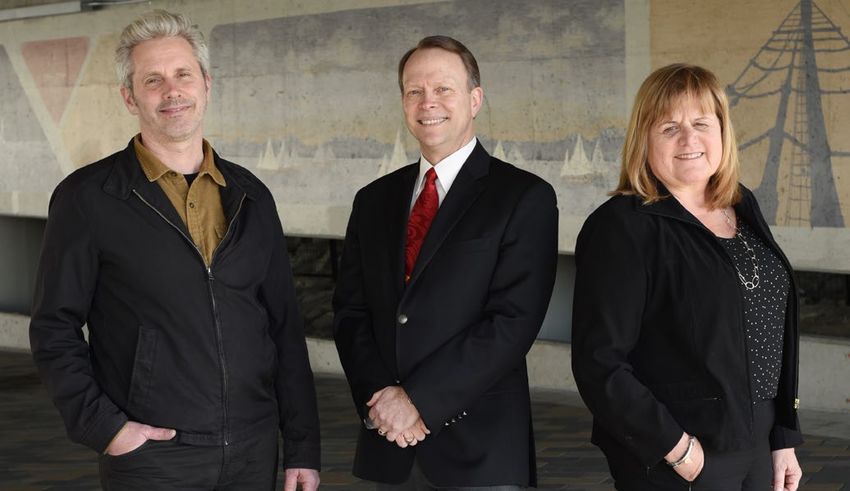
We’re In It Together / About this project
Inside this special report
                                                                                                                                           GREATER VICTORIA
                                                                                                 WHAT YOU NEED TO KNOW
                                                                                                                                           2020

                                                                                                 Mental Health                             RESOURCE
                                                                                                                                           GUIDE

                                                                                                     WE’RE IN IT TOGETHER

B
       lack Press Media’s Victoria News          In it we explore common mental
       and Monday Magazine are proud           health concerns, symptoms to watch
       to share with the community this        for, and suggestions for improving and
special report exploring mental health         supporting our mental health.
in the Capital Region.                           Throughout this guide, you’ll find
   Few issues reach quite as far as this       local resources you can turn to for
one, affecting all of us in one way or         additional information and vital
                                                                                                 Understanding
                                                                                                 Conditions
                                                                                                 Emerging Therapies

another.                                       resources.
                                                                                                 Who’s at Risk?
                                                                                                 How to Get Help

   Consider that one in four people will         With information comes awareness
                                                                                                                  OUR COMMUNITY PARTNERS

experience mental health challenges            and understanding, with the goal of
in their lifetimes. That in 2016, Victoria,    reducing the stigma that prevents
was one of three BC cities with the
highest number of suicides. That
                                               people from seeking the help they need.
                                                 Black Press Media extends its thanks
                                                                                             What’s inside
84,000 children and youth in BC have a         to our community sponsors – United            Navigating the news................ 6
diagnosed mental disorder.                     Way Greater Victoria, the Bateman             Why mental health
   We also know that mental health             Foundation, Camosun College                   matters..................................... 7
challenges aren’t limited to age or            and Island Health. When our team
                                                                                             Understanding
gender or socio-economic group.                proposed the Mental Health Guide, they
                                                                                             mental illnesses...................... 8
   We are all susceptible, as are our          completely supported the project and
family members, our friends, our co-           were involved every step of the way.          Wellness in the workplace..... 8
workers and neighbours.                          We are grateful for their support and       Anxious? You’re not alone....... 9
   The implications of that – personally,      participation, and for the many people
                                                                                             Recognizing depression.......... 9
economically and societally – are              working to make a difference in the
significant, and it’s with that in mind        mental health of our community.               Starting the conversation..... 10
that we share this guide.                        Thank you.                                  #Unignorable: Connecting
                                                                                             for mental health................... 11
                                                                                             Camosun launches multi-
                                                                                             disciplinary program............. 12
MENTAL ILLNESS GUIDE                                                                         Smart solutions for student
A special community project published by the Victoria News                                   well-being ............................. 13
and Monday Magazine. vicnews.com | mondaymag.com                                             Talking with teens
                                                                                             about mental health.............. 14
                Group Publisher                                        Editor                Signs your teen
                Penny Sakamoto                                         Jennifer Blyth        may need help....................... 15
                psakamoto@blackpress.ca                                jblyth@telus.net      The case for nature............... 16
                Publisher                                                                    Feeling the pain
                Ruby Della Siega
                                                                                             of stigma................................ 18
                ruby@mondaymag.com                                                           Beyond body image............... 20
                                                                                             Mental illness
                Creative Director                                      Videographer          and substance use................ 21
                Lily Chan                                              Arnold Lim            Depression
                Creative Design
                                                                                             in older adults ....................... 22
                Michelle Gjerde                                                              Caring for the caregiver........ 23
                                                                                             Reducing the risk
                                                                                             of suicide................................ 24
                                                                                             Navigating through
                                                                                             grief and loss......................... 25
                                          To request more copies, call 250-360-0817          Resource directory................ 26

                                                                                          MENTAL HEALTH RESOURCE GUIDE                                        5
We’re In It Together
Getting young people                                                                         When the news of
                                                                                             the day isn’t good
the mental health                                                                               Global warming, political turmoil,

supports they need
                                                                                             Coronovirus ... sometimes the news
                                                                                             isn’t just bad, it’s downright scary.
                                                                                                “Bad news” isn’t anything new, of

T
       oday, young people face                                                               course, but today’s constant stream
       significant pressures and                                                             of information can make it seem
       challenges that can contribute to                                                     overwhelming.
added stress, anxiety and depression.                                                           The Foundry shares a few ways you
That’s why our government is working                                                         can take care of yourself when negative
hard to build a wraparound system                                                            thoughts are hard to turn off:
of mental health and addiction care                                                          • Set firm time limits. If you want to
where young people, students and their                                                         see the news, set a time to stop
families can access support wherever                                                           regardless of what you’re seeing.
they are: at home, in the community or                                                       • Try to not consume news before
at school.                                                                                     bedtime. Headlines can cause worry
   As part of that plan, we created A                                                          and lost sleep. During breaking news,
Pathway to Hope, our government’s 10-                                                          it may be difficult to avoid updates,
year vision for improving mental health                                                        but it’s important you give yourself
and addictions care so that we can help                                                        space to digest the headlines and
young people address their challenges                                                          wait to digest the story until the next
before they turn into roadblocks.                                                              day. If you’ve heard upsetting news
   We’ve announced almost $12 million                                                          before bed, find another activity for
in grant funding to support school-based                                                       the evening such as reading a book
                                               primary care networks to incorporate
mental health programs focused on                                                              or connecting with family.
                                               mental health and substance use
identifyingissuesearly,preventingissues                                                      • Make an effort to find good news.
                                               services for families, to make access to
from snowballing into bigger challenges,                                                     • Set boundaries. Let others know you
                                               these vital services even easier.
and on promoting overall mental health                                                         may be uncomfortable discussing
                                                  We, along with the Ministry of
and wellness across the province.                                                              current events. If someone insists,
                                               Advanced Education, are also developing
   In the community, we’re so proud to                                                         you can say, “I choose not to look into
                                               a 24/7 mental health line for post-
be opening even more Foundry centres                                                           the news that would make me upset
                                               secondary students at all public and
– ‘one-stop-shops’ for youth to access                                                         right now. I know it’s good to stay
                                               private post-secondary institutions in
care and early interventions. There are                                                        updated, but I want to take care of
                                               B.C. This service is scheduled to launch in
currently nine Foundry centres across                                                          myself first.”
                                               spring 2020, after engaging with youth
the province, with plans to expand that        and post-secondary institutions on the        • Change up your social media feed.
model to include a total of 19 in the next     service’s design.                               Don’t be afraid to unfollow sources
two years!                                        This is just the beginning when it           or mute notifications to help limit
   We are also launching new integrated        comes to helping our young people and           what you’re seeing. Try to like or
child and youth mental health teams            teaching them to prioritize their mental        follow positive posts like inspirational
in the Maple Ridge-Pitt Meadows and            health.                                         quotes or cute animals you’re
the Comox Valley school districts. These          We’re working with school districts          interested in, to help change the
teams will connect children and youth          to make mental health a priority so that        algorithm preferences of your social
to the right care early on and streamline      youth at an early age can learn that it’s       media. You can also step away from
services so young people and families          okay to say, “I’m not okay” and get the         social media, even for a day.
don’t have to tell their stories over and      help they need. Because we know that          • Take action – volunteer, donate or
over again. In the coming year we will         resolvingsmallissuesbeforetheybecome            support causes you’re concerned
be announcing three more school                big ones avoids needless suffering and          about. Connect with others with
districts with integrated teams. As well, to   costlier solutions down the road. And           similar views.
improve substance use services for youth       because we know that giving every child       • Thank those in the community.
in Chilliwack, a new regional 20-bed           theirbestpossiblestartyieldstremendous          Sending messages of gratitude to
Youth Substance Use Treatment facility is      gains for all of us.                            service people like firefighters, police
scheduled to open in spring 2020.                                                              officers, or charity organizations can
   We are also working with the                Judy Darcy,                                     help convey positive feelings.
Ministry of Health to expanding our            Minister of Mental Health                     To learn more about a wealth of mental
                                               and Addictions                                health topics, visit foundrybc.ca

6      MENTAL HEALTH RESOURCE GUIDE
We’re In It Together
Why mental health matters
I
    n any given year, 1 in 5 people in Cana-
    da will personally experience a mental
    health problem or illness; here in
Victoria, 1 in 4 will experience challenges
in their lifetime.
   Affecting people of all ages, education,
income levels and cultures, it’s safe to
say that directly or indirectly, through
a family member, friend or colleague,
mental illness affects all Canadians at
some time, says the Canadian Mental
Health Association.
   In fact, by age 40, half the population
will have or have had a mental illness,
such as depression, anxiety, schizophre-
nia or bipolar disorder.
   What causes mental illness?
   The causes include a complex
combination of genetic, biological,
personality and environmental
factors, CMHA notes.
                                           Need help
   The implications remain sig-              now?
nificant – on a personal level          If you or someone you
for affected individuals and             know is in crisis now,
their friends and loved ones,            call 911 or your local
and for the community.                    crisis line, listed on          this remains a      support your mental health also sup-
   The Centre for Addiction and                  page 26                 serious barrier to   port your physical wellness, including
Mental Health notes that the                                          individuals seeking     good nutrition, physical activity and
economic impact of mental illness                                  treatment and com-         social connections.
in Canada is estimated at $51 billion per                     munity acceptance.                 CMHA also suggests considering
year, including health care costs, lost              While mental illnesses can be            your emotional well-being – recogniz-
productivity and reductions in health-re-         effectively treated, almost half of         ing your emotions and what influ-
lated quality of life.                            those who feel they’ve suffered from        ences them – and taking care of your
   In any given week, at least 500,000            depression or anxiety have never            spiritual well-being, in whatever way
employed Canadians are unable to work             seen a doctor about it, the Centre for      resonates with you.
due to mental health challenges.                  Addiction and Mental Health says.              Work to build healthy self-esteem,
   Consider too that people with a mental            On a positive note, respondents          build positive support networks, get
illness are twice as likely to have a             to a 2015 survey said they believe          involved in your community and build
substance use problem compared to the             attitudes about mental health issues        resiliency.
general population, the centre notes. At          have changed for the better com-               “Resiliency means coping well with
least 20 per cent of people with a mental         pared to five years previously and 81       problems,stressandotherdifficultsitua-
illness also have a substance use prob-           per cent were more aware of mental          tions. Problems and stress are a normal
lem. For those with schizophrenia, the            health issues.                              part of life. Situations like accidents or
number may be as high as 50 per cent.                (To learn more about combatting          illness, unexpected life changes and
                                                  stigma, see page 18)                        conflict happen to everyone. Resiliency
Promotion, prevention                                “Mental health is key to our             is what helps you look at the situation
& early intervention                              well-being,” notes CMHA. “We can’t          realistically, take action when you can
   However, a growing body of interna-            be truly healthy without it. It involves    make changes, let go of things you
tional evidence shows that promotion,             how we feel, think, act and interact        can’t change, and recognize the helpful
prevention and early intervention initia-         with the world around us.”                  supports in your life.”
tives show positive returns on invest-
ment.                                             Building resiliency                         For more information
   Of key importance is combatting the               How can you support your mental          Learn more at victoria.cmha.bc.ca
stigma surrounding mental illness, as             health?  Many of the same steps that        and camh.ca.

                                                                                                MENTAL HEALTH RESOURCE GUIDE               7
We’re In It Together / At Work
UNDERSTANDING
MENTAL
ILLNESSES

H
       ealth profession-
       als divide mental
       illnesses into several
different groups based on
signs or symptoms.
   The Canadian Mental
Health Association de-
scribes some common
groups of mental illnesses:

Anxiety disorders
   Anxiety disorders are
all related to anxiety. They
may include excessive
and uncontrollable worry,
strong fears around every-
day things or situations,
unwanted thoughts, panic

                                      Wellness in the Workplace
attacks, or fears around a
past scary situation.
   Anxiety disorders are
the most common mental                Given that we spend much of our lives at        • Safe and Sound – Creating a safe
illnesses, and can create             work, it’s important that employees feel           workplace goes beyond hard hats and
barriers in people’s lives.           supported in their mental health.                  ergonomics. It also means protecting
Panic disorder and phobias                                                               the psychological health and safety of
are examples of anxiety               The Victoria branch of the Canadian
                                      Mental Health Association – BC offers              your employees.
disorders.
                                      a variety of programs and workshops             • Suicide Prevention Training – Commu-
                                      designed to help.                                     nity Gatekeeper training is designed
Mood disorders                                                                                    to help make BC communities
                                      • Awareness of Mental
   Mood disorders all affect
a person’s mood – the way
                                        Health at Work – a                  How do                   safer, and help save lives, by
                                                                                                       preparing key members
they feel. This can affect
                                        workshop designed to
                                        help build comfort in
                                                                           you feel?                     of every community with
every part of a person’s life.                                        The Canadian Mental Health          skills to help people who
                                        talking about men-         Association offers 3 tests to help
   When someone expe-                                                                                      are at risk of suicide.
                                        tal health and men-             evaluate your wellness:
riences a mood disorder,
                                        tal illness, and learn                                             • Understanding Addic-
they may feel sad, hopeless,                                       • cmha.ca/mental-health-meter
                                        how to respond in                                                  tion – a unique online
tired, or numb for long peri-                                              • cmha.ca/whats-
                                        a supportive way to                                               training program for
ods of time.                                                               your-stress-index
                                        co-workers who may                                              those who work directly
   At times, some people ex-                                             • cmha.ca/work-life-
                                        be experiencing                                                or indirectly with people
perience an unusually ‘high’                                                  balance-quiz
                                        a mental illness.                                            who face challenges with
mood and feel powerful and
                                      • For My Health! Workplace                                 addiction.
energetic, but this can also
create problems.                        Screening – a fun and interactive             • Workplace Mental Health webinars
   Depression and bipolar               health promotion event integrating               – free one-hour webinars covering
disorder are examples of                physical and mental health screening             a range of workplace mental health
mood disorders.                         and education.                                   strategies, and including valuable
                                      • Mental Health Works – Talking about              insights and lessons. Each provides
Continued on page 9                     mental health at work can be challeng-           practical advice, skills and tools to be
                                        ing, but becoming more aware of signs            used to support positive change in the
                                        of mental illnesses, and learning how            workplaces.
                                        to have those difficult discussions are       For details, visit victoria.cmha.bc.ca.
                                        part of being an effective leader.

8      MENTAL HEALTH RESOURCE GUIDE
We’re In It Together
ANXIETY? You’re not alone                                                                             UNDERSTANDING
                                                                                                      MENTAL

I                                                                                                     ILLNESSES
   f you’ve experienced            various reasons, including          emotions, behaviours and
   the heart-racing, stom-         hormonal changes, care-             triggers contributing to
   ach-churning signs of a         giving stress, and greater          your anxiety, and teach you    Eating disorders
panic attack, or a mind flood-     comfort level than men in           coping skills.                   Eating disorders really
ed with worry that something       seeking help.                     • Medication – Anti-anxiety      aren’t about food. They’re
bad will happen, you’re not           Anxiety disorders most           medications can be used in     complicated illnesses that
alone.                             often appear in youth, with         combination with counsel-      are often a way to cope
   According to the organi-        phobias and OCD showing             ling to reduce your body’s     with difficult problems or
zation Here To Help, anxiety       up in early childhood and           response to anxiety.           regain a sense of control.
is the most common type of         panic disorders and social        • Support groups – Share           Eating disorders may
mental disorder, affecting 12      phobias in teen years. In fact,     your experiences and learn     include seriously restricting
per cent of BC’s population,       an estimated 6.5 per cent           from the experiences of        how much food a person
or one in eight people, in a       of BC youth have an anxiety         others.                        eats, bingeing, or purging
given year.                        disorder.                         • Self-help – Regular exer-      food. Anorexia nervosa and
   Anxiety disorders describe         Other risk factors include       cise, eating well, managing    bulimia nervosa are exam-
a group of related mental          family history, personality         stress, spending time with     ples of eating disorders.
illnesses. While anxiety and       and social factors, occupa-         friends and family, spiritu-
stress problems can have           tional factors in the case of       ality and monitoring your      Psychotic disorders
much in common, in an anx-         PTSD, and chronic illness.          use of alcohol and other          Psychosis is a health
iety disorder, symptoms are           However, anxiety disor-          drugs can help.                problem that affects how
extreme and don’t go away          ders are among the most                                            people understand what
once the stress is over.           treatable mental illnesses.
                                                                     For more information:            is real and what isn’t real.
                                                                     AnxietyBC – anxietybc.com        People may sense things
   Different types of anxiety      Treatment can include:
                                                                     or 604-525-7566.                 that aren’t real or strongly
disorders include phobias,         • Counselling – Many people
                                                                     Heretohelp.bc.ca – info, tips    believe things that can’t be
post-traumatic stress, panic          with anxiety disorders
                                                                     and self-tests.                  real.
disorder and generalized              benefit from cognitive-be-
                                                                     HealthLink BC – call 811            Schizophrenia is one
anxiety disorder.                     havioural therapy. A
                                                                     or visit healthlinkbc.ca to      example of a psychotic
   Women are twice as likely          mental health professional
                                                                     access free, non-emergency       disorder.
as men to be diagnosed                trained in CBT can help you
                                                                     health information.
with an anxiety disorder, for         work through the thoughts,                                      Personality disorders
                                                                                                         Personality disorders

Recognizing
                                                      And because men may be less comfortable         are patterns of thoughts,
                                                    seeking help, depression in men may be high-      feelings, and behaviours
                                                    lyunder-reported. Menoftenfeelemotionally         that may last for a long time

depression                                          numb or angry when depressed whereas
                                                    women usually feel more emotional.
                                                      Like anxiety, treatment for depression can
                                                                                                      and create challenges in a
                                                                                                      person’s life.
                                                                                                         People who experience
Like anxiety, depression can affect anybody –                                                         personality disorders may
                                                      Someone with depression can’t
regardless of age or gender. A mood disor-                                                            have difficulties develop-
der, depression will affect 1 in 8 Canadians at
                                                     just ‘snap out of it’ or make it go              ing healthy and satisfying
some point in their lives, often arising during        away. It’s a real illness, and                 relationships with others,
times of change, whether physical, like hor-           the leading cause of suicide                   managing their emotions
monal changes, or life changes, like leaving                                                          well, avoiding harmful be-
                                                    be very effective. Options include counselling,
for university or retirement.                                                                         haviour, and working toward
                                                    medication, light therapy, electroconvulsive
   Youth and older adults are both at higher risk                                                     important life goals.
                                                    therapy for those with severe depression or who
of depression, in addition to those with chronic                                                         Personality disorders can
                                                    can’t take medications or haven’t responded to
illness,andwithsubstanceuseproblems.Those                                                             affect the way people under-
                                                    othertreatments,andself-help–exercise,nutri-
from different cultures may also hold beliefs                                                         stand and view themselves
                                                    tion and building connections.
about depression that can affect how they deal                                                        and others, and how they
with it.                                            For more information:                             cope with problems.
   While depression is diagnosed twice as           Mood Disorders Association of BC –                   Borderline personality
much in women as men, reasons include               mdabc.net; 1-855-282-7979                         disorder is one example of a
life-cycle changes, hormonal changes, high-         CMHA-BC Division – cmha.bc.ca or call             personality disorder.
er rates of childhood abuse or relationship         1-800-555-8222
violence, and social pressures.                                                                       Continued on page 10
                                                                                              MENTAL HEALTH RESOURCE GUIDE       9
We’re In It Together / Time to Talk
UNDERSTANDING
MENTAL
ILLNESSES
Continued from page 9

Childhood disorders
   This is a large group
of mental illnesses that
start to affect people
when they’re young,
though some people
are not diagnosed until
they’re older.
   One example of a
disorder in this group is
attention-deficit/hyperac-
tivity disorder (or ADHD),
which affects a person’s
ability to focus, complete
tasks, plan or organize,
                              Starting the conversation
                                When it comes to our mental health, so         about what kind of support you’re looking for
sit still, or think through   much can start from talking about what           – do you just want to talk, are you looking for
actions.
                              we’re feeling, and what’s going on for us.       more information or to find services such as
                                No matter what you’re experiencing,            counselling? Writing down a few notes might
Dementia                      sharing can help you feel less alone, espe-      also be helpful.
  Dementia refers to a        cially when you’ve been struggling to handle
group of symptoms. It can     everything yourself.                             How do I want to communicate?
be caused by a disease                                                           There’s no right way to reach out to start
                                How to get started, though? Sometimes
that mainly affects nerve                                                      the conversation, so do what feels most
                              that’s not so easy. The Foundry offers some
cells in the brain or can                                                      comfortable for you – face-to-face, phone or
                              suggestions to get the conversation going.
be associated with many                                                        text, online chat or email.
other medical conditions.     Who do I want to talk to?
  Dementia impacts              It can be helpful to look for someone          Starting the conversation
a person’s memory,            who you’re comfortable with, someone you            Start by explaining that you need help with
language abilities,           trust, who won’t judge you or downplay           a problem – you might think of a few exam-
concentration, organi-        what you’re going through, will respect your     ples of what’s going on to help them better
zation skills, mood and       privacy, will take you seriously, and will be    understand.
behaviours. Alzheimer’s       understanding and accepting.                        If you’re unsure how the person will react,
disease is one type of          If you just want to talk, a friend may be a    you could test the waters, perhaps talking
dementia.                     great choice.                                    about a story you read in the news that’s
                                If you want to find professional help, an      similar to your challenge, and see how the
A note on suicide             adult, such as a parent, doctor or teacher,      person reacts. This will offer an idea of
   Suicide, when some-        might be a better choice.                        their views and whether they’re likely to be
one ends their life on          And if you’re not sure where to start, or      supportive.
purpose, is not a mental      prefer to talk to someone anonymously,              You could also start a conversation more
illness in itself. Not all    phone, text and online chat options are avail-   generally – talk about how you’ve not been
people who die by suicide     able. Here are some options:                     feeling great, rather than saying you’re feel-
experience a mental                                                            ing depressed/anxious/stressed/etc.
                                • Parent, or other family member
illness.                                                                          Be prepared for a range of different
                                • Partner/boyfriend/girlfriend/spouse
   However, suicide may                                                        reactions, and remember that someone’s
                                • Friend or co-worker
be linked to many differ-                                                      initial reaction isn’t always their longer term
                                • Teacher/school counsellor/coach
ent mental illnesses. It’s                                                     reaction. The person may be surprised at the
                                • Family doctor
important to take any talk                                                     information you share and it may take a little
                                • Peer support worker
or thoughts of suicide                                                         while for them to process it. Life is full of
                                • Phone or online chat
seriously and seek help.                                                       ups and downs, and sharing our experiences
   To learn more, visit       What kind of help                                with the people who care about us can help
cmha.ca.                      do I want from them?                             make things better.
                                You might find it helpful to think ahead          For more information, visit foundrybc.ca
10     MENTAL HEALTH RESOURCE GUIDE
We’re In It Together
#UNIGNORABLE: Connecting for mental health
It seems obvious: good mental others. I no longer feel like a
health and well-being help us burden on society,” he says.
enjoy our life and the people in it. Mental health is one of our
Individuals struggling with men- critical community needs.
tal health issues can experience While Island Health and first
fear, rejection and stigma that responders provide urgent
severely impacts their quality of medical responses to mental
life including social connections, health issues, United Way
housing and employment. works with funded community
Did you know that 1 in 4 people partners on initiatives focused
on Vancouver Island experience
on mental health promotion,
mental health challenges?
prevention and early interven-
For AJ, there was a time
tion.
when mental health challenges
When you give to United
controlled his life. When he was a Giving to United Way Greater Victoria helps ensure people impacted by
little boy, he was diagnosed with mental health issues, like AJ, can easily access the services they need. Way Greater Victoria you’re
obsessive compulsive disorder helping ensure that those
no one was listening to me,” he says. people impacted by mental
(OCD) that led to other diagnoses,
AJ got help through a United health issues, like AJ, can easily access
including anxiety and depression.
AJ’s illness made it difficult to get Way-funded program that reconnected the services they need when they need
along with his family; his depression him to programs and services including them. When we care for and about each
got to the point where it was so bad, it counselling, housing, peer support and other, we’re creating a strong, inclusive
manifested as suicidal thoughts. By the skill development. Now AJ volunteers community that can tackle #UNIGNOR-
time he was 18, he was homeless, with with youth as a peer support worker. ABLE issues like mental health.
no money and no education. “I felt like “It really helps me to be able to help Learn more at uwgv.ca/unignorable/
HELP MAKE
MENTAL HEALTH
#UNIGNORABLE
DONATE TODAY
UWGV.CA
MENTAL HEALTH RESOURCE GUIDE 11We’re In It Together / On Campus
Camosun launches multi-disciplinary certificate program
T
hose working with people living an integrated, collaborative approach.” and Criminal Justice program emphasiz-
with mental illness or substance The certificate will focus on skills and es the values related to and importance
use disorders know their needs strategies, taking an applied learning of: social responsibility, advocacy, com-
are rarely served in isolation. approach that embraces the expertise munity-capacity building, and interpro-
A new program starting this Septem- from mental health, social services and fessional practice.
ber from Camosun College recognizes the criminal justice system. Upon completion, students will have
this, bringing together multidisciplinary “I’m excited by how much all of us an enhanced understanding and ability to
knowledge and expertise for the Mental as instructors and students will learn provideintegratedservicesandsupports,as
Health, Addictions and Criminal Justice from each other,” says Taylor. “I have well as to advocate for change in the health
Advanced certificate. both experience working in the and justice systems that individuals with
“Working in partnership field and supporting a family mental health or substance use challenges
with our mental health The Mental member who has been experience.
program at Camosun, Health, Addictions involved in the mental Graduates will gain systemic level
we saw a need,” ex- health system for a few awareness and skills to navigate and
plains Wendy Taylor, and Criminal Justice years so I’m very pas- support individuals with mental health
incoming chair of Advanced certificate sionate about this.” and/or addiction challenges in residential
Camosun’s Criminal program launches The eight-month settings and the community. Students
Justice department. in September at program features may be currently working in or looking to
“The criminal jus- four courses delivered pursue a career with mental health, ad-
tice system today is
Camosun College. online, allowing students dictions, community and criminal justice
over-represented with working in the field to agencies. A bachelor degree, diploma or
individuals having mental accommodate their work and combination of education and experience
health and addiction challenges and program schedules. is required. For more information, please
the program focuses on ways to better Operating from a social justice per- email MHCJ@camosun.bc.ca or visit
meet their needs in the community with spective, the Mental Health, Addictions, camosun.ca/mhacj
MENTAL HEALTH, ADDICTIONS, AND CRIMINAL JUSTICE
ADVANCED CERTIFICATE • 8 MONTHS • ONLINE • ARTS & SCIENCE - HEALTH & HUMAN RESOUCES
Apply an interprofessional approach to the provision of services and supports
for individuals with mental health and substance use challenges in contact
with the mental health, social services, and the criminal justice system.
WE WILL ARE YOU PASSIONATE
HELP YOU ABOUT SOCIAL JUSTICE?
• Enhance your ability to provide The Mental Health, Addictions, and Criminal
integrated services and supports. Justice program values
• Advocate for systemic change. • social responsibility
• advocacy
• Build skills and strategies.
• community-capacity building
• interprofessional practice
EMPLOYMENT
OPPORTUNITIES
As a graduate, you will have systemic level awareness and skills to navigate and support
individuals with mental health and/or addiction challenges in residential and community.
You will enhance your existing skills to better advocate, support, and serve clients.
For more information: MHCJ@camosun.bc.ca
camosun.ca/learn/programs/mental-health-addictions-criminal-justice
camosun.ca/mhacj
12 MENTAL HEALTH RESOURCE GUIDEWe’re In It Together / On Campus
Smart solutions for student well-being
The transition from purchasing items you
high school and life with don’t need.
family and old friends to √ Locate budget food
the new post-secondary outlets and food banks,
environment can be on and off campus.
challenging for many √ Seek help under-
students; for others, it standing, applying for
can be overwhelming. and managing student
The good news? loans/grants.
There are strategies Social well-being
that can help. Here are √ Practice open,
a few suggestions from clear communication
Camosun College. in your social interac-
Well-being tions.
strategies √ Be respectful of
√ Create and follow a your own and others’
study schedule within needs; ask for what
your weekly routine. you need.
√ Practice anxiety/stress manage- tional distress and how it impacts you. √ Share feelings and
ment strategies before tests. √ Find time to validate your emo- be receptive to the emotional expres-
√ Clarify assignment expectations; tions with significant friends/partner sion of others.
seek feedback from instructors. √ Regularly practice meditation or √ Set clear boundaries; practice as-
√ Use learning support services relaxation techniques. sertive communication when required.
available at your school. √ Spend time with non-judgmental, √ Problem-solve minor conflicts to
√ Clarify program requirements and supportive friends and family. resolve differences.
course selection; clarify aca- √ Try to have a positive outlook; √ Spend time with friends and family
demic and career goals. ask for help when needed; who practice healthy communication
√ Join study groups.
√ Seek volunteer
Get make
and
time for fun, laughter
creative expression.
Environmental well-being
√ Use sustainable practices when
opportunities for ex-
periential learning.
the app! Physical well-being
√ Even small
possible.
√ Connect with the environment
√ Use campus Mindshift is a free mobile amounts of physical – walk, hike, camp, ski or practice
counselling and app for managing anxiety activity can improve mindfulness in nature.
other services as BoosterBuddy is a free and maintain well-be- √ Practice personal safety in the use
needed. mobile app to help young ing. of alcohol, substances and sex
people improve √ Maintain a regular √ Seek support from counselling,
Cognitive sleep schedule.
their mental health campus security, ombudsperson, the
well-being √ Prepare healthy sexual health centre or a community
√ Challenge perfection- meals with leftovers and nutri- service if your personal safety is at risk
ism; monitor negative self-talk; tious snacks. or has been violated.
avoid self-judgment and “shoulds.” √ Join in fitness, yoga or other active
√ Focus more on positive accom- Spiritual well-being
programs on campus √ Develop a spiritual/meditative
plishments and less on shortcomings. √ Limit alcohol, substance and
√ Take breaks from your studying practice for deeper personal reflection.
tobacco use. √ Practice self-compassion and
routine to refresh and recharge. √ Practice safe sex – look for re-
√ Monitor and limit illogical or irra- compassion for others who may hold
sources on campus. different beliefs; be open to others’
tional thinking. √ Follow your healthcare provider’s
√ Reward your mental efforts and spiritual beliefs and cultural practices.
suggestions. √ Participate in activities that en-
shift perspective with healthy, enjoy-
able activities. Financial well-being courage mind-body-spirit connection.
√ Create a realistic estimate of the √ Develop a reflective practice such
Emotional well-being financial costs of your student lifestyle as journaling or the creative arts.
√ Pay attention to your emotional and track your spending. √ Find ways to connect with a com-
experience; share your feelings. √ Rely on debit or cash rather than munity that feels spiritually fulfilling.
√ Notice when you experience emo- credit cards for purchases; avoid Find more tips at camosun.ca
MENTAL HEALTH RESOURCE GUIDE 13We’re In It Together / Teens
Resources:
Living Life to the
Full for Youth –
A fun, interactive
course providing
13- to 18-year-olds
with the inspiration
and tools to get the
most out of life.
This eight-week
community-based
course provides
simple, practical
skills for coping
with stress, problem
solving, boosting
mood, and busting
bad thoughts, and
has been shown
TALKING
to improve mood
and well-being and
reduce stress and
anxiety.
Info: bluewavebc.ca
with your teens about mental health
T
Janice Lee Blue
Wave Bursary – een years can be challenging times be there.
when it comes to mental health. Not • Ask your teen what they need. They
A post-secondary
only do youth face changing bodies, might already have a good idea of the
bursary program
hormones and school and family pressures, next steps they’d like to take.
open to BC youth • Don’t worry about having all the answers
but today’s 24/7 society and pervasive
under age 20 who social media add pressures unseen by right away. This can be an opportunity to
have experienced a previous generations. learn together.
significant mental So, if a teen comes to you • Offer alternatives. It can be
health or substance
use problem.
with mental health con-
cerns or questions, how
Did you difficult for some teens to talk
with their parents about some
Info: bluewavebc.ca should you react? know? subjects. Give additional plac-
Here are some es to seek support, such as
Talk Today – A
suggests from the Ca- 1 in 7 youth will a school counsellor, another
mental health nadian Mental Health experience a mental family member, a local men-
education program Association: tal health or youth organiza-
illness at some point.
from Canadian • Take their concerns tion, a website, or a phone line.
Mental Health – cmha.bc.ca • Talk about safe situations to
seriously. It might be
Association – BC, easy to dismiss a teen- share personal details. It’s very
developed for the ager’s concerns as ‘just hard to take information back once
BC Hockey League, hormones’ or ‘just another part of it’s posted on social media or shared
to help athletes and growing up,’ but that isn’t helpful. Even if with others, so encourage your teen to
their supporters you can’t relate to the problem, you can think about safe places to talk and seek
learn about mental still express concerns about your teen’s support.
health and to help worry or distress. • Seek outside help if you need to. Your
support players who • Take time to listen – without judgment. If family doctor is a great place to start.
you’re in the middle of something else, They may be able to assess problems
may be struggling
find a time later in the day when you can and provide treatment. They’ll also refer
or at risk of suicide.
talk and give them your full attention. your teen to specialized mental health
Info: cmha.bc.ca services, if needed. School counsellors
Don’t judge what you hear. Just listen and
14 MENTAL HEALTH RESOURCE GUIDEWe’re In It Together
can also help, offering supports at school, and referring example, if they feel anxious about a school project, the
your teen to resources in the community. feelings should go away when the project is finished.
Just listen and be there What do I say?
Many mental illnesses start during the teen years, yet The more you model these key messages yourself, the
many teens don’t receive the help they need right away. more effective they’ll be.
Working towards good mental health and seek- Mental health is an important part of everyone’s
ing help early means teens can get back on health. When you have good mental health, you
their feet quicker when problems arise. Youth can cope better with stress.
When should I talk to my teen? and family When you have poor mental health, you
Make mental health an ongoing topic resources might have a harder time feeling good
about yourself.
of conversation. To learn more about local
Mental health changes just like physi-
Be there and be interested whenever organizations providing
services for youth and cal health can, so don’t ignore problems.
your teen wants to talk, and don’t be
families, see the Even if you’re diagnosed with a mental
afraid to ask questions to get the conver-
Resource Guide, illness, mental illnesses are treatable.
sation started.
You can also bring up mental health pages 26 to 30. You don’t need to have all the answers.
when you notice your teen is going through a You just need to be open, curious and com-
stressful period or is expressing a lot of negative passionate.
thoughts about themselves or the situation. Do you need more help?
Everyone will have a bad day, or even a bad week, at Contact a community organization like the Victoria
times. It’s normal to feel low, stressed or anxious when branch of the Canadian Mental Health Association, or
experiencing conflict, disappointment, loss or other upset- the other organizations listed in the Resources section of
ting situations. this guide to learn more about support and resources in
The key is that the feelings should match the situation the local community.
and you should start to feel better as things improve. For Learn more at cmha.ca.
Signs a young person may need support
Because mental health challeng- • Has trouble concentrating or someone but there is no one
es often start as vague, subtle making decisions there*
changes, it can be difficult to tell if • Withdrawn from family and * Seek professional advice if you
something is going on. friends; spends considerable observe these last two signs.
Further complicating matters, a amount of time alone They may be indications of
young person may wrestle with • School performance has dropped emerging psychosis.
their difficulties for some time and or they’re not attending school
The signs listed above do not
not tell anyone. To others, they • Change in eating habits or preoc-
always mean that a person is
appear to be doing well, but inside, cupation with weight
struggling with a mental health
they may be distressed, confused • Feels tired all the time and has
challenge.
and scared. no energy
Mental health challenges are
• Decreased need for sleep
The Foundry shares the following typically characterized by: A
• Complains of headaches, nausea
signs that a young person may be pattern of changes; changes that
or other physical symptoms not
struggling and need support: persist or increase in severity
linked to a physical health
• Reduced interest or pleasure in over time; distress; and decline
problem
usual activities in functioning, such as school or
• Engaging in self-injuring
• Persistent low mood work, relationships with fami-
behaviours
• Worries much of the time ly and friends, or recreational
• Beginning or increasing
• Very anxious when around other activities.
substance use
people For more information, including
• Expresses odd beliefs that don’t
• Irritable and easily frustrated numerous resources, visit found-
seem to have any basis in reality*
• Expresses feelings of worthless- rybc.ca, visit in Victoria at 818
• Appears at times to be talking to
ness and uselessness Douglas St. or call 250-383-3552.
MENTAL HEALTH RESOURCE GUIDE 15We’re In It Together / Children & Youth
Eco-
anxiety
Eco-anxiety is a type of
stress caused by seeing the
negative effects of climate
change and worrying about
the future for yourself and
later generations, explains
the Foundry.
Feelings of helplessness,
loss and frustration can also
arise when we feel unable
to make a difference in
stopping climate change.
THE CASE
The Foundry offers a few
tips that may help:
• Connect with family,
FOR NATURE
friends, neighbours and
community groups about Nature Sketch is the Bateman Founda- the beauty of the natural world. Your local
your feelings toward tion’s flagship art education program. environment has many wellness tools to of-
climate change. Check out Now in its third year, it aims to inspire fer, and this program teaches how to access
youth-led events led by appreciation of the natural world, offering a them using a pencil and sketchbook.
Climate Strike Canada and cultural lens for exploring the outdoors and
Fridays for Future Canada.
Nature Sketch: Mindfulness in nature
developing mental wellness tools. The very act of sketching is a mindful one,
You can volunteer with Guided by an artist and naturalist, partic-
organizations such as BC and as participants learn to slow down and
ipants learn about the wildlife and differ- observe their surroundings, they develop a
Parks, Wildlife Rescue As-
ent ecosystems in their community using deeper appreciation for nature’s gifts.
sociation of BC or Environ-
established eco-literacy principles and The ultimate goal is to foster a mutually
mental Youth Alliance.
• Start a climate change sketching inspiration from world-renowned beneficial relationship between humans and
initiative in your own com- artist and naturalist, Robert Bateman. mother nature: as Robert Bateman says,
munity. Technology is an inherent part of modern “the more people know and fall in love with
• Spend time in green spac- life. We look at screens all day. We are on- nature, the more they will protect her.”
es. Time in nature, such as line more than ever before: more informed, Now more than ever, we need that bond.
parks, beaches and trails more aware, more overwhelmed. We see The Bateman Foundation’s mission is
can reduce stress. See the everything and yet feel helpless. aided by a number of key partners, such as
places you want to protect. The younger generations are struggling Anxiety Canada, who help us deliver Nature
• Learn what you can do. in ways we can barely comprehend: many
You’re not powerless in Sketch workshops to children with mental
spend more than six hours health difficulties at the Vancouver School
the fight against climate a day on screens, but District and at BC Children’s Hospital.
change: use reusable
bags, use energy Did you less than 30 minutes
a week in nature,
In 2019 we reached more than 3,000 chil-
wisely and eat less
red meat. know? and the constant
pressures of
dren through these partnerships, a coast-
to-coast-to-coast event across the Trans
• Talk to a coun- Young people aged 15 Canada Trail, and school programs at the
sellor or therapist. to 24 are more likely to technology and Bateman Gallery of Nature in Victoria.
They may not be experience mental illness social media have In 2020, we want to reach more!
climate experts, spiked alarming
and/or substance use With a goal of helping 10,000 children
but they understand rates of anxiety
disorders than any across Canada, we are gratefully accepting
overwhelming feel- and depression.
other age group. donations towards sending classrooms
ings and how to ap- Nature Sketch to Nature Sketch programs in their local
proach them. Consider – camh.ca was created as an areas, and hosting Nature Sketch family
reaching out if you notice antidote to this, taking
stress and worry affecting programs for low-income families and chil-
the philosophies of Robert Bateman and dren with medical challenges.
your daily life. using them to combat the effects of nature
Learn more at foundrybc.ca Plus, in honour of Robert Bateman’s
deprivation, reconnecting Canadians with
16 MENTAL HEALTH RESOURCE GUIDEWe’re In It Together
90th birthday in May, we’ll
distribute 33,000 Nature Podcast: Where You Are
Sketch journals across the
Promote your family’s mental health and
country, asking people to
wellness from Where You Are to where
step outside and sketch
you want to be.
what they see. Join the
Foundation in taking the Hosted by Char Black and Bryn Askwith,
time to be mindful. And from Mental Health Literacy, and Michelle
don’t forget to share your Horn, from Kelty Mental Health Resource
work with the hashtag #my- Centre, this podcast shares real stories,
naturesketch! expertise and practical tips, to help
To get involved families promote their mental health and
with the Bateman Listen to wellness.
Foundation, you John Bateman’s Each episode, the hosts join in
can… #OurAnxietyStories – conversation with parents and caregivers,
• Sign up for the Anxiety Canada Podcast youth and health professionals, and
a Nature to hear people from all walks The Bateman Foundation’s
Nature Sketch Program shares challenge some of the myths, stereotypes,
Sketch of life share their experiences
with anxiety: established eco-literacy principles and stigma that surround mental health.
class in and sketching inspiration from The episodes empower children, youth
anxietycanada.com/articles/
your area renowned artist and naturalist,
and families by providing reliable mental
ouranxietystories- Robert Bateman.
(there are Ju- podcast/ health and substance use information in a
nior and Adult Nature at the Steamship way that is understandable and relatable.
versions available): Terminal, 370 Belleville Street:
batemanfoundation.org/visit/
Learn more at keltymentalhealth.ca/
batemanfoundation.org/na-
• Volunteer or donate: podcast
turesketch/
• Visit the Bateman Gallery of batemanfoundation.org/support-us/
ART. NATURE. MINDFULNESS.
Since 2012, the Bateman Foundation has been connecting Canadians to
the health benefits of nature through educational programming and art
exhibits at the Gallery of Nature in Victoria BC.
Steamship Terminal - 470 Belleville Street, Victoria BC
250.940.3630 | batemanfoundation.org
MENTAL HEALTH RESOURCE GUIDE 17We’re In It Together / Reducing Stigma
7 THINGS YOU
CAN DO TO
REDUCE STIGMA
1. Know the facts. Educate
yourself about mental
illness including sub-
stance use disorders.
2. Be aware of your atti-
tudes and behaviour.
Examine your own
judgmental thinking,
reinforced by your up-
bringing and society.
3. Choose your words
carefully. The way we
speak can affect the
attitudes of others.
4. Educate others. Pass on
facts and positive atti- Mental Illness:
tudes; challenge myths
and stereotypes.
5. Focus on the positive.
Feeling the pain of stigma
Mental illness, including “How does stigma feel? It’s like wearing a letter of shame; a body-blow when people
addiction, is only part of shun you. It can crush you down and add to the pain of what you’re already dealing
anyone’s larger picture. with,” says Lisa Ridgway, a member of the Patient Voices Network.
6. Support people. Treat By Susan Evans, Editor,
everyone with digni- Island Health magazine
A
ty and respect; offer ccording to Canada’s Mental Health According to researchers, the more stig-
support and encourage- Commission, 1 in 5 Canadians expe- ma can be reduced, the better the outcomes
ment. rience a mental health problem or for people and programs promoting mental
7. Include everyone. It’s illness every year. That’s about 7 million of health.
against the law to deny us. Despite how common it is, mental illness Lisa Ridgway was diagnosed with treat-
jobs or services to any- continues to be met with widespread stigma, ment-resistant depression in late 2016; she
one with these health often from our own friends and family. found successful treatment with her psychi-
issues. Stigma is experienced when others judge atrist, Dr. Song and through Island Health’s
From the Centre for Ad- you because of a personal quality, trait, or Mental Wellness Day Program at Royal
diction and Mental Health condition. Because of stigma, others may Jubilee Hospital in Victoria. Her illness and
(CAMH), camh.ca. look down on you. According to HealthLink recovery inspired her to give back through
BC, stigma occurs when others: the Patient Voices Network.
RESOURCES: • Don’t understand the mental health prob- “I didn’t open up about my illness with
• Bell Let’s Talk: letstalk. lem or think it’s a laughing matter. colleagues; I was a lawyer for 15 years –
bell.ca/en • Don’t realize that a mental health problem although I had started to back away from my
is an illness that can be treated. practice and was no longer in court. I knew
• Island Health Men-
• Think that a mental health problem is that, for the most part, lawyers are afraid
tal Health programs
“your own fault” or that you can “get of mental illness,” says Ridgway. “I felt that
islandhealth.ca/ learn-
over it.” if I shared what was going on with me, I
about-health/men-
would be judged negatively. I really felt like I
tal-health • Are afraid they might someday have a couldn’t reach out to colleagues for help.”
• Here to Help: mental health problem themselves. Those with mental health problems may
heretohelp.bc.ca • Are nervous around you. Mental illness is feel shame or guilt – you might not want
Canadian Mental exactly that – an illness – and stigma can your employer or even your friends to know.
Health get in the way of seeking treatment. This is called “self-stigma” and it can keep
18 MENTAL HEALTH RESOURCE GUIDEYou can also read


