DUBLIN MIDLANDS HOSPITAL GROUP - Healthy Ireland Implementation Plan 2018 2020 - HSE
←
→
Page content transcription
If your browser does not render page correctly, please read the page content below
DUBLIN MIDLANDS
HOSPITAL GROUP
Healthy Ireland Implementation Plan
2018 – 2020

                                      205011-A4-Dublin Midlands Hospital_18473-HS107-A4 copy 20/10/2016 09:28 Page 1
Healthy Ireland Implementation Plan 2018 – 2020

Contents
Foreword                                                                   1

Dublin Midlands Hospital Group (DMHG)                                      6
   Overview of Dublin Midlands Hospital Group                              6
   Profile of Population served by Dublin Midlands Hospital Group          6

Overview of Healthy Ireland                                                9
   Healthy Ireland Framework                                               9
   Healthy Ireland in the Health Services                                  9

Healthy Ireland in the Dublin Midlands Hospital Group – Current Activity   15
   DMHG Healthy Ireland Current Activity – Patients                        15
   DMHG Healthy Ireland Current Activity – Staff                           26

Healthy Ireland in Dublin Midlands Hospital Group – Implementation Plan    39
   DMHG Healthy Ireland Priorities                                         39
   Governance and Monitoring of Implementation Plan                        39
   Healthy Ireland Actions in Dublin Midlands Hospital Group               42

            1. Governance, Monitoring, Leadership and Structures           42
            2. Tobacco Free Ireland                                        43
            3. Healthy Eating and Active Living                            46
            4. Alcohol                                                     49
            5. Wellbeing and Positive Mental Health                        51
            6. Healthy Childhood                                           53
            7. Positive Ageing                                             56
            8. Staff Health & Wellbeing                                    59
            9. Making Every Contact Count                                  61
            10. Self-Management Supports                                   63

Healthy Ireland Web Resources                                              66

Appendices                                                                 67

References                                                                 68
Dublin Midlands Hospital Group

    Foreword

                       Dr. Stephanie O’Keeffe                          Mr. Liam Woods
                       National Director                               National Director
                       Health & Wellbeing Division                     Acute Hospitals Division
                       Health Services Executive                       Health Services Executive

    As a country we are facing a significant challenge from the increasing incidence of chronic
    disease among our population. The treatment of chronic diseases puts an unsustainable
    pressure on the current health services in acute hospitals and primary care services and
    has many personal impacts on those suffering with chronic disease. These chronic diseases
    can be prevented through improved health and wellbeing, adopting healthy lifestyle
    behaviours and making healthy choices.

    The cross-governmental Healthy Ireland Framework underpins a movement that is bringing
    together people and organisations from across the country to address the social, economic
    and environmental factors that contribute to the development of chronic disease and to
    address health inequalities. To help achieve this commitment for the health sector, the
    HSE published its first Healthy Ireland in the Health Services National Implementation Plan in
    2015. This Plan identifies three overarching strategic priorities - Health Service Reform/
    Improvement, Reducing the Burden of Chronic Disease and Improving Staff Health and
    Wellbeing, along with a series of specific actions to help deliver on these priority areas for
    the health service and those it serves, including the development of Hospital Group and
    Community Health Organisation specific implementation plans.

    We welcome this plan from the Dublin Midlands Hospital Group, which identifies a number
    of clear and tangible actions for the Hospital Group and the population it serves which
    will over time address these three priority areas. The Plan reflects on the fact that our
    services and our healthcare teams have enormous potential to influence the health and
    wellbeing of the people for whom we provide care and support. As well as being focused
    day to day on the challenge of providing high quality safe services the Dublin Midlands
    Hospital Group through this plan is focusing on the future and the challenge we face in
    terms of unsustainable healthcare costs driven by rising levels of chronic disease. Focusing
    on prevention, on reducing admissions and length of stay in constituent hospitals and
    its intention to work collaboratively with community, academic and external partners to
    support a joined-up approach to improving the health and wellbeing of the population
    it serves, positions the Hospital Group, along with fellow Hospital Groups supporting the
    Healthy Ireland agenda, as an agent for profound change.

    We would like to acknowledge the leadership being shown by the Chief Executive Officer,
    Dr. Susan O’Reilly, and staff across all levels of the Dublin Midlands Hospital Group. In
    particular, we would like to acknowledge the excellent work of the Steering Group, which
    has worked with the Hospital Group senior management team and with each individual
    hospital’s management team within the Group as part of this development process. We
    would also like to acknowledge the work of staff in the Health and Wellbeing Division in

1
Healthy Ireland Implementation Plan 2018 – 2020

supporting the planning process and in forging positive working relationships at national
and local level thereby strengthening our capability for implementation and for sustaining
long term impact of this work.

Given the size and scale of the Hospital Group, which serves a population of over 800,000
and has a staff of approximately 10,000, and with the support of their academic partner,
Trinity College Dublin, we envisage that it will play a very significant role in the implementation
of Healthy Ireland in the Health Services. We will continue to support their efforts in this
regard nationally. The leadership, energy, vision and commitment, which is already evident
in the implementation of many of the actions in this plan already underway, demonstrates
how vision can be transformed into demonstrable change on the ground.

                                                                                                      2
Dublin Midlands Hospital Group

                    Dr. Susan O’Reilly
                    CEO
                    Dublin Midlands Hospital Group
    We are delighted to publish our first Healthy Ireland Implementation Plan.

    As you are aware, the HSE published Healthy Ireland in the Health Services Implementation
    Plan 2015 – 2017 in July 2015. Under this plan, each Hospital Group and Community
    Healthcare Organisation (CHO) has been charged with developing its own Healthy Ireland
    Implementation Plan, outlining key activities, actions and timelines that meet national
    framework goals.

    The implementation of Healthy Ireland is also a key priority for the Dublin Midlands Hospital
    Group, as set out in our recently published Operational Plan 2017.

    Last October 2016, we established a Steering Group, as per the national plan, to provide
    oversight and direction for the development of the Implementation Plan, under the
    chairmanship of Sonia Shortt, Group Director of Human Resources.

    In November 2016, we marked the Dublin Midlands Hospital Group Healthy Ireland initiative
    at a Healthy Ireland Day at Farmleigh, where colleagues from each of our seven hospitals
    shared details of the wonderful initiatives that are already being undertaken at hospital
    level. Moreover, this event was an official acknowledgement of our intention to commence
    work on the Healthy Ireland Implementation Plan for our group.

    I am happy to publish this plan as a road map for each of our hospitals to embrace the
    Healthy Ireland framework and facilitate its implementation. The actions included in this
    plan provide us with a baseline to begin a united approach to improving the health of all.
    Given the importance of this initiative for our Group, we will begin to review progress of the
    Implementation Plan through regular Performance Management Team meetings.

    Healthy Ireland is a new and exciting opportunity for the Dublin Midlands Hospital Group
    and my team and I welcome the prospect of empowering patients to become more pro-
    active in their health and wellbeing. In addition we will strive to help staff to improve their
    own health and wellbeing.

    I look forward to your continued support of this very worthwhile initiative.

3
Healthy Ireland Implementation Plan 2018 – 2020

                    Ms. Sonia Shortt
                    Healthy Ireland Executive Lead
                    Dublin Midlands Hospital Group
As the Dublin Midlands Hospital Group’s Healthy Ireland Executive Lead, I have had the
pleasure of chairing the Steering Group which has worked to produce this Implementation
Plan. I would like to thank all of those involved; the members of the Steering Group; the
representatives of the individual hospitals and the staff and management of the seven
hospitals. I would especially like to thank Helen Stokes, Project Lead, and Kirsten Doherty,
Project Manager, for their contribution and expertise. I would also like to thank Sarah
McCormack, HSE Health and Wellbeing Division, for her ongoing support during this
process.

The Implementation Plan provides an exciting challenge to reform and improve the health
and wellbeing of our patients and staff and to reduce the burden of chronic disease. It
commits us to action over the next three years and I look forward to continuing to work
with our Hospitals’ management and staff to progress Healthy Ireland.

                   Professor Michael Gill
                   Head of School of Medicine
                   Trinity College Dublin
                   Academic Partner to DMHG

Founded in 1592, Trinity is at the nexus of tradition and innovation, offering undergraduate
and postgraduate programmes across 24 schools and three faculties: arts, humanities,
and social sciences; engineering, maths and science; and health sciences. Spread across
47 acres in Dublin’s city centre, Trinity’s 17,000-strong student body comes from all 32
counties of Ireland, and 16% of students come from outside the country.

The School of Medicine, founded in 1711, is Trinity’s largest School. It is recognized as one
of the world’s top medical schools. The School operates across multiple sites, both within
the University campus and at its 18 affiliated clinical sites. It has teaching and research
buildings on several major clinical campuses including St James’s Hospital and Tallaght
Hospital, both part of the Dublin Midlands Hospital Group, delivering multidisciplinary
education across all levels of healthcare and carrying out world-class research of clinical
relevance. The School has over 1000 staff (employed/affiliated) within 22 Disciplines/
Academic Units, approximately 1400 undergraduate students from 6 courses and 500
registered postgraduate students.

                                                                                                4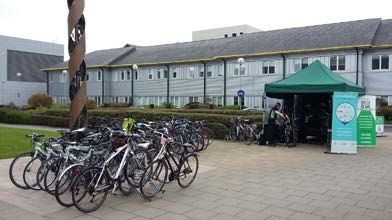
Dublin Midlands Hospital Group

    The mission of the
    School of Medicine at
    Trinity is to facilitate
    and     provide      Medical
    Education to the highest
    international standards;
    to train clinicians who are
    equipped to fulfill their
    professional roles in a
    caring, competent and
    patient centred manner;
    to produce individuals,
    who      through      critical
    thinking and outstanding
    professional and ethical
    standards, will become
    leaders in their field of practice.

    The School aims to be a leading research-intensive institution that fosters life-long learning
    in its graduates in preparation for post-graduate training. It aims to integrate its educational
    obligations with other missions for high quality patient care, research excellence and new
    knowledge generation.

    The School embraces an ethos of social responsibility, accountability, public service and
    community involvement, and is dedicated to meeting the health care needs of the wider
    community by training doctors to practice medicine with integrity, and a deep understanding
    of the impact of psycho-social influences and inequity on health and disease. It incorporates
    the disciplines of Medicine, Radiation Therapy, Occupational Therapy and Physiotherapy,
    and currently offers degree courses in these areas as well as in Human Nutrition & Dietetics
    and in Human Health and Disease.

    The school is an international leader in postgraduate education and provides a vibrant
    environment for postgraduate study. The School also offers over 20 taught MSc/ Diploma
    programmes spanning a broad spectrum of medical and scientific disciplines, and research
    students work towards the degrees of PhD, MSc, MD or MCh.

    The School of Medicine has consistently maintained a leading position in research, through
    a focused approach in biomedical sciences. Areas of particular research emphasis are
    immunology and infection, molecular medicine, neuroscience, cancer, population health,
    genetics and ageing.

    Trinity College and the School of Medicine, as Academic Partners to the Dublin Midlands
    Hospital Group, fully support the Group’s Healthy Ireland Implementation Plan. The School’s
    research programmes in Ageing, Population Health and Community Care and Health Policy
    fit well with the plan and can help to inform its ongoing development.

5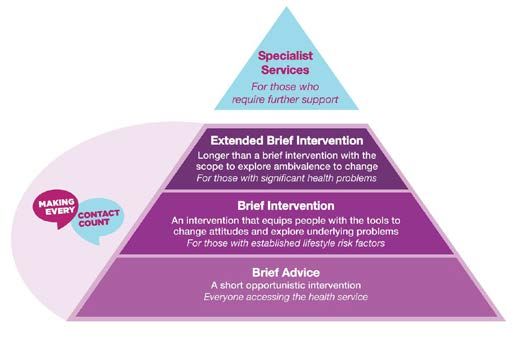
Healthy Ireland Implementation Plan 2018 – 2020

Dublin Midlands Hospital Group (DMHG)
Overview of Dublin Midlands                       development of the Coombe Women and
Hospital Group                                    Infants Hospital and the Midland Regional
                                                  Hospital Portlaoise Maternity Network. This
Dublin Midlands Hospital Group (DMHG)             new service development also focused on
comprises of 7 clinical sites:                    increased capacity at St Lukes Radiation
                                                  network.
•   St. James’s Hospital
•   Tallaght Hospital                             The Dublin Midlands Hospital Group will
•   Naas General Hospital                         continue to work with colleagues across
•   Midland Regional Hospital Portlaoise          the Group. Together with all other internal
•   Midland Regional Hospital Tullamore           and external stakeholders we will deliver
•   The Coombe Women and Infants                  optimum services for our patients within
    University Hospital                           the resources available whilst ensuring that
•   St. Luke’s Radiation Oncology Network         quality and patient safety remains a key
    (SLRON)                                       priority.

The Group serves a population of                  Profile of Population Served by
approximately 800,000 people, with over           Dublin Midlands Hospital Group
10,000 staff. The Hospital Group annual
gross spend is approximately €1bn.                Geographical Area
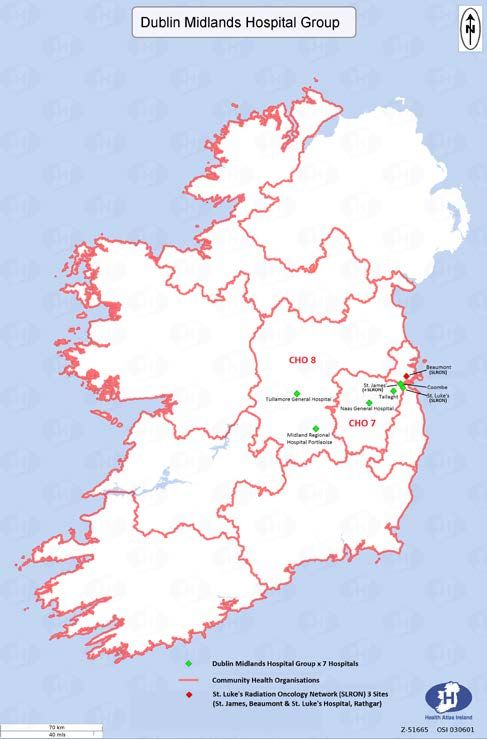
                                                  The Dublin Midlands Hospital group
In 2016, hospitals in the Dublin Midlands         (DMHG) covers a wide geographical area
Hospital Group treated around 90,000              taking in parts of the counties of Dublin,
in-patients and over 209,000 patients on          Kildare, Westmeath, Wicklow, Laois and
a day case basis. Some 199,000 patients           Offaly. DMHG also provides local and
attended Emergency Departments, of                national specialty hospital services to
which 59,000 were emergency admissions            people from both the neighbouring
to hospitals within the Group.                    counties and further afield.

The Group’s Strategic Plan focuses                DMHG overlaps with the community health
on improving clinical performance                 areas of CHO7 (Kildare/West Wicklow,
in scheduled/unscheduled care, the                Dublin West, Dublin South City, Dublin
development of clinical networks and              South West) and CHO8 (Laois/Offaly,
delivery systems to improve access to             Longford/Westmeath, Louth/Meath).
excellent care in accordance with the
HIQA National standards for Safer Better          Population
Healthcare1. This plan will be implemented        DMHG serves a population of
in alignment with the National Clinical           approximately 800,000. Provisional
Effectiveness Committee2 and the National         results from the Census 2016 show that
Cancer Control Programme Guidelines3.             population growth in the Dublin Midlands
The Group has already implemented                 Hospital Group (4.6%) is slightly above that
a new formal Clinical and Operational             nationally (3.8%).
Governance Model across the Statutory
Hospitals. The Group collaborates closely
with the Voluntary Hospitals in accordance
with their Service Level Agreements in the
planning and performance management
of their services. In 2016 new service
developments focused primarily on further

                                                                                                 6
Dublin Midlands Hospital Group

    Ethnicity                                      Age Profile
    The population of DMHG is similar              The age profile of the population within
    ethnically to the national population, with    the DMHG shows many similarities to the
    people whose nationality was other than        national population.
    white Irish in Census 2016 being 14.6%
    in DMHG and 14.3% in Ireland overall.          Two differences have been observed:
    However, there is greater representation
    of people from Poland and other countries      •   DMHG has a higher proportion of
    outside of the European Union and less             young adults aged 25 to 39 years than
    from the UK in DMHG compared to the                nationally (24.5% v 22%).
    national picture.                              •   There is a lower proportion of the
                                                       population aged 65 years and over
    Deprivation                                        (11.5% v 13.5%).
    Within the geographic area on DMHG there
    are socio – economic differences worthy of     However, analysis of demographic changes
    note from Census 2016.                         since Census 2011 shows that certain age
                                                   groups have increased at a greater rate in
    •   Unemployment rates are higher (6.2%        the DMHG area – Notably the 35-49 year
        v 5.6% nationally).                        age group and 60-74 year age group.
    •   There is a lower concentration of
        people with third level education (17.8%   This ageing population is more likely to
        v 18.5%).                                  have a variety of chronic diseases and
    •   A higher proportion of the population      will benefit from shared care with the
        are classified as disadvantaged or         community. DMHG will be supporting the
        extremely disadvantaged (24.8% v           population we serve through the Healthy
        22.2%)                                     Ireland actions outlined in this plan, which
                                                   include the areas of healthy ageing, self-
    The link between deprivation and chronic       management support of chronic diseases
    illness is well recognised. There is a two     and the development of clinical care
    to four fold greater prevalence of all         pathways with CHOs 7 and 8.
    chronic diseases between those in lower
    socioeconomic groups relative to those in
    higher socioeconomic groups.

    Self-Perceived Health
    Within the DMHG area, people’s
    perceptions of their own general health,
    based on the Census 2016, are similar to
    the national average.

7
Healthy Ireland Implementation Plan 2018 – 2020
Table 1: Demographics for DMHG Geographical Area
Health Atlas Finder - Area Profile
CSO Census 2016 (de facto, provisional) - Hospital group - local catchment - Population Total
Dublin ML
Area Area change (since Ireland Ireland change
2011) (since 2011)
Relative proportions # % # % # % # %
AGE GROUP
Total 800,387 100.0 +35,069 +4.6 4,761,865 100.0 +173,613 +3.8
85+ 9,292 1.2 +1,319 +16.5 67,555 1.4 +9,139 +15.6
80-84 11,243 1.4 +1,266 +12.7 81,037 1.7 +10,924 +15.6
75-79 16,021 2.0 +1,701 +11.9 115,467 2.4 +13,431 +13.2
70-74 23,195 2.9 +4,814 +26.2 162,272 3.4 +31,082 +23.7
65-69 32,374 4.0 +7,290 +29.1 211,236 4.4 +37,598 +21.7
60-64 37,422 4.7 +3,367 +9.9 238,856 5.0 +20,070 +9.2
55-59 42,626 5.3 +3,834 +9.9 270,102 5.7 +25,580 +10.5
50-54 47,415 5.9 +3,699 +8.5 299,935 6.3 +25,549 +9.3
45-49 53,274 6.7 +4,681 +9.6 326,110 6.8 +20,925 +6.9
40-44 61,213 7.6 +6,345 +11.6 357,460 7.5 +26,648 +8.1
35-39 70,495 8.8 +6,832 +10.7 389,421 8.2 +25,160 +6.9
30-34 68,663 8.6 -4,115 -5.7 361,975 7.6 -31,970 -8.1
25-29 56,771 7.1 -11,547 -16.9 297,435 6.2 -63,687 -17.6
20-24 47,075 5.9 -4,888 -9.4 273,636 5.7 -23,595 -7.9
15-19 49,495 6.2 +4,403 +9.8 302,816 6.4 +19,797 +7.0
10-14 53,951 6.7 +3,902 +7.8 319,476 6.7 +16,985 +5.6
5-9 61,614 7.7 +6,711 +12.2 355,561 7.5 +34,791 +10.8
0-4 58,248 7.3 -4,545 -7.2 331,515 7.0 -24,814 -7.0
DEPRIVATION LEVEL - HP INDEX
Extremely affluent 13,090 1.6 n/a n/a 77,802 1.6 n/a n/a
Very affluent 51,251 6.4 n/a n/a 310,816 6.5 n/a n/a
Affluent 132,830 16.6 n/a n/a 819,257 17.2 n/a n/a
Marginally above average 205,523 25.7 n/a n/a 1,277,631 26.8 n/a n/a
Marginally below average 198,823 24.8 n/a n/a 1,203,652 25.3 n/a n/a
Disadvantaged 127,099 15.9 n/a n/a 712,558 15.0 n/a n/a
Very disadvantaged 54,770 6.8 n/a n/a 278,059 5.8 n/a n/a
Extremely disadvantaged 17,001 2.1 n/a n/a 82,091 1.7 n/a n/a
HP INDEX DETERMINANTS
Age dependency 265,938 33.2 +22,458 +9.2 1,644,119 34.5 +129,136 +8.5
Classes - professional 58,686 7.3 +9,051 +18.2 386,648 8.1 +50,028 +14.9
Classes - semi & unskilled 113,330 14.2 +1,406 +1.3 671,494 14.1 +14,031 +2.1
Education - primary or lower 65,934 8.2 -12,140 -15.5 386,498 8.1 -70,398 -15.4
Education - 3rd level 142,227 17.8 +24,280 +20.6 881,276 18.5 +141,284 +19.1
Unemployed - aged 15+ 49,790 6.2 -21,973 -30.6 265,962 5.6 -124,715 -31.9
NATIONALITY
Irish 683,530 85.4 +34,086 +5.2 4,082,513 85.7 +155,370 +4.0
UK 11,938 1.5 -1,201 -9.1 103,113 2.2 -9,146 -8.1
Polish 23,678 3.0 -162 -0.7 122,515 2.6 -70 -0.1
Lithuanian 6,630 0.8 -65 -1.0 36,552 0.8 -131 -0.4
Elsewhere in EU 26,530 3.3 +6,331 +31.3 146,738 3.1 +31,501 +27.3
Elsewhere in world 24,981 3.1 -8,883 -26.2 126,557 2.7 -31,036 -19.7
Visitors/Not stated 23,100 2.9 +4,963 +27.4 143,877 3.0 +27,125 +23.2
HEALTH INDICATORS
Health bad/very bad 13,635 1.7 +1,095 +8.7 76,435 1.6 +6,774 +9.7
Carers 30,669 3.8 +2,115 +7.4 195,263 4.1 +8,151 +4.4
Disabled 110,134 13.8 +8,891 +8.8 643,131 13.5 +47,796 +8.0
VULNERABLE GROUPS
Travellers 5,210 0.7 -165 -3.1 30,987 0.7 +1,492 +5.1
Vulnerable migrants n/a n/a n/a n/a n/a n/a n/a n/a
Hospital group - local catchment
Dublin ML Page 1 of 1
Health Atlas Finder 15 Sep 2017 10.10.23
8Dublin Midlands Hospital Group
Overview of Healthy Ireland
Healthy Ireland Framework
Healthy Ireland, the government framework
for action to improve the health and
wellbeing of people living in Ireland was
launched in March 2013. The Healthy Ireland
Framework 2013 – 20254 sets out a wide
framework of actions that will be undertaken
by government departments, public sector
organisations, businesses, communities and
individuals to improve health and wellbeing
and reduce the risks posed to future
generations.
The vision is:
‘A Healthy Ireland, where everyone can Work
enjoy physical and mental health and
wellbeing to their full potential, where Education
wellbeing is valued and supported at Home
every level of society and is everyone’s
responsibility.’
The Framework describes four high-level
goals with 64 actions; all Government Community
Leisure time
Departments are working together to
achieve these goals:
Healthy Ireland: A Framework for Improved
Health and Wellbeing 2013 - 2025, p. 40
Healthy Ireland in the Health
Increase the
proportion of Services
Reduce health
people who are
inequalities In 2015 the Health Services
40 Healthy Ireland
healthy at all
stages of life published its first Healthy
Ireland Implementation
Plan – Healthy Ireland
in the Health Services
Create an Implementation Plan 2013
Protect the
environment – 20155. This plan identifies
public from where every
threats to health
three strategic priorities:
sector of society
and wellbeing can play its part
• Health Service Reform
• Reducing the burden of Chronic
Disease
• Improving staff health and wellbeing.
9Healthy Ireland Implementation Plan 2018 – 2020
A suite of actions is described for each of • Tobacco Free
these priorities. These are far reaching, • Healthy Eating and Active Living
incorporating systemic and organisational • Alcohol
changes as well as a range of programmes • Wellbeing and Mental Health
to address modifiable lifestyle risk factors, • Healthy Childhood
and programmes to improve staff health • Positive Ageing
and wellbeing. Of the 126 actions, 66 of
these actions are specifically identified to The actions in this plan have been
support Hospital Groups and Community developed to support the implementation
Healthcare Organisations (CHOs) to reduce of these 66 actions, focusing on the key risk
the burden of chronic disease within the factors involved in chronic disease.
population we serve.
The Dublin Midlands Hospital Group has
These actions are prioritised under the created the following diagram to illustrate
six health and wellbeing policy priority the three overarching strategic priorities.
programmes:
Reducing the Improving staff
Health Service
burden of health and
Reform
Chronic Disease wellbeing
Goals
Modifiable risk HSE Healthy
Actions
factors Workplace Policy
Measures
Structural Reform;
Hospital Groups; Making every HSE People
CHOs, Primary Care contact count Strategy
Networks
Financial Reform;
Self-management
Activity Based Consultation
of Chronic Diseases
Funding
Knowledge Supportive
Information Health literacy environment for
E-health healthy lifestyle
Policy Priority
Programmes e.g. Quality & patient Health education
tobacco, child safety campaigns
health
Health and
Research & wellbeing
Partnerships evidence champions among
staff
10Dublin Midlands Hospital Group
Reducing the Burden of Chronic Disease • Tobacco-related disease: 6 – 15% of
Chronic diseases are illnesses that affect the total health budget8
people over a long period of time and • Overweight and obesity:
cause a burden of pain, disability and approximately 2.7% of total health
premature death to those who experience expenditure9
them and to their families. They include • Physical inactivity: estimated to cost
diabetes, cancer, heart and lung diseases up to €1.5 billion per year in Ireland
and mental health problems. for direct healthcare costs and indirect
costs10
The increasing rate of chronic diseases
places significant demands on our health The Integrated Care Programmes are
service, accounting for: providing the framework for the prevention
and management of chronic disease.
• 80% of GP consultations A National Self-Management Support
• 40% of admissions Framework is also being developed to
• 76% of all bed days6 guide the integration of prevention11 and
• 55% of hospital expenditure6 intervention requirements into models of
care, starting with the four demonstrator
Chronic diseases and their risk factors are areas of Diabetes, Chronic Obstructive
the main drivers of healthcare costs, and Airways Disease (COPD), Asthma and Heart
are predicted to increase by up to 40% Failure. Alongside this, National Policy
by 20205. Much can be done to prevent Priority Programmes are in place for areas
chronic disease developing, if the incidence such as child health12, tobacco, alcohol,
of key risk factors is reduced. Almost healthy eating, active living, positive ageing,
35% of cancer-related deaths and almost and staff health and wellbeing. These
65% of cardiovascular disease deaths are programmes have identified the actions
attributable to several preventable risk which form the basis of the DMHG Healthy
factors. Ireland Implementation Plan.
These key known risk factors are:
Self Management Support is the
provision of education and supportive
• Smoking
interventions to increase the person’s
• Alcohol
knowledge, skills and confidence in
• Poor diet
managing their condition. The patient-
• Physical inactivity
health professional relationship
changes from the traditional approach
Tobacco exposure alone is responsible
to a partnership where the patient is
for 73% of Chronic Obstructive Airways
an active participant in their care 11.
Disease (COPD), while poor diet and
inactivity can lead to people being
overweight or obese, high blood pressure The Health Information and Quality
and high cholesterol – all of which are Authority’s National Standards for Safer
associated with an increased chance of Better Healthcare1 includes two standards
developing cardiovascular disease. with particular relevance to Healthy Ireland:
The economic cost to the health care • Standard 1.9 recommends supporting
system and to society, related to several service users in maintaining and
risk factors, has been calculated: improving their own health and
wellbeing;
• Alcohol-related illnesses: 10% of the
cost of hospital care7
11Healthy Ireland Implementation Plan 2018 – 2020
• Standard 4.1 recommends promoting,
protecting and improving the health
and wellbeing of service users.
These standards illustrate the importance
of the service user’s involvement in
managing their own health, and the
necessity of ensuring that the health
information we provide is clear to enable
the user to participate fully in protecting
their health. Health literacy affects the
ability of people to make decisions for their
health and is highlighted in the Healthy Making Every Contact Count15 is a
Ireland in the Health Services National strategy which will capitalise on the daily
Implementation Plan 2015 - 2017 as an area opportunities experienced by health
that requires training and audit5. care professionals to support patients in
changing behaviours which are having an
Several national strategies are associated impact on their current health, or which
with Healthy Ireland. The National Drugs may influence their health in the future. It
Strategy13 included actions on collaboration will help health professionals to use their
across health services, including hospitals, routine consultations to empower people
as well as on screening of people to make healthier choices, and will allow
presenting with early indicators of drug health professionals to move to a position
and alcohol issues, using a uniform brief where discussion of lifestyle behaviour is
intervention tool and referral where routine, non-judgemental and central to
appropriate. everyone’s role.
Prevention is the cornerstone of the The Implementation of Making Every
National Cancer Strategy 2017 – 202614 as Contact Count is a key deliverable in
it offers the most cost-effective, long-term the Healthy Ireland in the Health Services
approach for cancer control. The strategy National Implementation Plan 2015 – 20175.
states that ‘prevention measures will be The model for Making Every Contact
integrated with the overall health and Count in the Health Services is presented
wellbeing initiatives under the Healthy as a pyramid with different levels. Each
Ireland programme’ as approximately 30% level represents an intervention of
to 40% of cancer incidence is attributable increasing intensity with the low intensity
to modifiable lifestyle and environmental interventions at the bottom of the pyramid
factors, of which smoking has the biggest and the specialised services at the top.
impact. As the evidence on smoking Implementing this approach begins the
cessation for cancer survivors is not process at the basic level of brief advice
disputed, the strategy states that those and brief intervention. In practice this
who smoke should be given appropriate means that all health professional and
smoking cessation support as part of healthcare assistants will be trained to
their treatment regime. Diet, exercise a level that enables them to conduct
and alcohol are also areas addressed, a brief intervention with their patients
for prevention of cancer, reduction of when appropriate. The training modules
recurrence rates for certain cancers and to and the process for implementation,
counteract some of the long-term effects together with tools for the recording of
of cancer treatments. risk factors and the interventions delivered
are under development at national level.
12Dublin Midlands Hospital Group
The DMHG see the benefits of using the
key opportunities we have in providing
services for a population of over 800,000 to
implement Making Every Contact Count.
Staff Health and Wellbeing The HSE National Healthy Workplace
The HSE, the largest employer in the Policy together with the HSE National
State, has a great opportunity to protect Worksite Health Score Card will provide
the health and wellbeing of its workforce, a measurement tool to evaluate the
given the World Health Organisation effectiveness of the initiatives that we
(WHO) evidence that workplace health implement. To support our work underway
programmes provide benefits to both in this area and to build our capacity
employers and employees16. In addition, for the future we are supporting three
HSE staff can be positive role models in staff in this year to undertake the new
their interactions with patients and within Post Graduate Certificate in Workplace
their own communities. Wellness through the National University of
Ireland Galway (NUIG). We will continue to
A number of initiatives are underway support staff to develop their skills and be
which will support us in achieving this champions for the development of Healthy
objective. The national Healthy Workplace Workplaces and improve staff health and
Framework currently under development wellbeing.
by the Department of Health and the
Department of Enterprise, Jobs and These national initiatives will help to guide
Innovation will provide us with guidance for the implementation of the Staff Health and
the development and sustaining of healthy Wellbeing actions in the DMHG Healthy
workplaces within our Hospital Group. Ireland Plan.
13Healthy Ireland Implementation Plan 2018 – 2020
14Dublin Midlands Hospital Group
Healthy Ireland in the Dublin Midlands Hospital
Group – Current Activity
DMHG started working on the üü promotion of breast feeding and
development of this Healthy Ireland Plan maternity education programmes
in the autumn of 2016, with a launch (in the hospitals providing maternity
and allocation to all the hospitals of services)
Healthy Ireland funding for staff health üü dementia care
and wellbeing initiatives. The HSE Healthy
Ireland Lead and the DMHG Healthy Healthy Environment
Ireland Project Manager organised The HSE Tobacco Free Campus, Calorie
communication sessions in all the Posting and Healthier Vending Policies
hospitals to inform hospital staff of the have been implemented in several of
strategy. Alongside this activity, each the hospitals and the completion of this
hospital completed a questionnaire on the work will contribute to providing a healthy
infrastructure and activities which existed environment for patients, staff and visitors.
to support the rollout of Healthy Ireland. Some hospitals have used art work, music
and gardens to create areas for patients,
DMHG Healthy Ireland Current visitors and staff members to relax.
Activity – Patients
The Healthy Ireland survey of DMHG
hospitals established the level of Healthy
Ireland activity currently taking place in
the areas of prevention and management
of chronic disease. These showed
commonalities between hospitals in the
services provided, but also areas which
need building on, and where links need
to be established to community services.
DMHG will collaborate with Community Naas General Hospital ‘Whisper Sanctuary’ was funded by
Health Organisations 7 and 8 in the the ‘Friends of Naas Hospital’ Committee. Patients, family
and hospital staff members can avail of a quiet space
development of agreed clinical care
which engages the senses, provides a place of refuge
pathways. DMHG is supportive of exploring from the hustle and bustle of the hospital, and promotes
ways of extending well-evaluated initiatives healing.
throughout the hospital group.
Services for Patients
Services and referral pathways exist for the
following areas in some DMHG hospitals:
üü smoking cessation
üü obesity management
üü physical activity
üü diabetes care
üü cardiac rehabilitation Examples of Healthy Ireland Activity
üü heart failure in DMHG hospitals are outlined in the
üü respiratory disease following pages.
15Healthy Ireland Implementation Plan 2018 – 2020
St. James’s Hospital
The Creative Life Centre for successful ageing in St James’s Hospital promotes and
highlights the creativity of older people to enhance psychological and emotional
well-being. The centre focuses on enabling older people to express themselves
through art, sculpture, poetry, literature, music and drama.
The Creative Life Centre at the Mercer’s Institute for Successful Ageing hosted a
series of lunchtime talks on art in the summer of 2017 exploring a variety of art
concepts. These informal lectures were attended by patients, their families, St
James’s Hospital staff and members of the local community. This experience led to
an initiative to focus on and enhance creativity based learning, which in turn reflects
the value of the person centred model of care.
PhotoVoice is a participatory process which uses
photography and digital story telling methods to provide
an opportunity for engagement within groups as well as
advocacy and research.
The project offers a means of enabling participants to set
their own agenda in terms of articulating their illness experience and to choose their
target audience. At the same time, their photographs offer a powerful insight into
the background and foreground of illness. Participants continue this journey utilising
PhotoVoice for COPD advocacy.
Engagement in the PhotoVoice project has been an enriching experience for the
facilitators. It has created a space where patients and healthcare professionals meet
as co-learners.
16Dublin Midlands Hospital Group
Naas General Hospital
Naas General Hospital runs a six-week Memory Strategy Education Programme for
patients and carers/family which focuses on individualised strategies to compensate
for memory impairment.
The physiotherapy and dietetic departments run a ‘Health DIY Information Class’
– a one-hour talk focussing on small sustainable changes to diet and daily activity
levels to help patients manage joint pain. As well as advice, optional biometric
measures are offered, e.g. BMI, percentage body fat and metabolic age. The benefit
of offering a repeat “drop-in” re-measurement two months after the talk is also being
monitored. Parkinson’s and Pulmonary rehabilitation groups are also being run.
An innovative aspect of Cardiac
Rehabilitation is the Basic Life
Support programme for the family
and friends of patients. This is
one part of their well-developed
programme which supports
patients initially in the hospital
setting but also as they move into
Phase IV care in the community.
Speech and language therapists
and dieticians in Naas are running
a number of training sessions
for nurses and Health Care Assistants centred on nutrition. These are aimed at
improving patient care and mealtime experience with focus placed on thickening
drinks, modified diets and how to feed patients correctly.
The post of Clinical Nurse Specialist in Physical Health Monitoring was established as
a quality initiative within Kildare West Wicklow Mental Health Services in 2017. One
of the main purposes of this role is to guide and standardise the practice of physical
health monitoring throughout this mental health service with the aim of earlier
detection of physical health issues in persons with a serious mental illness. The
target patient population is both hospital and community based.
17Healthy Ireland Implementation Plan 2018 – 2020
Tallaght Hospital
New methods of using technology to assist
patients include the Tallaght Hospital
Patient Connect app. This facilitates two-way
communication between patients and their
healthcare team members to get the right
information to the patient at the right time,
while also allowing patients to provide real-time
feedback.
Social prescribing is defined as “a mechanism
for linking patients with non - medical sources
of support within the community”. This has
been widely used as an intervention to
reintegrate people who are feeling isolated
and are in need of support to re-join society. The process also offers a structured
pathway to supports in the community for patients from specialist interventions
in hospitals. Tallaght hospital is a partner in the exploration of a social prescribing
project with local community structures.
18Dublin Midlands Hospital Group
Coombe Women and Infants University Hospital
The staff of the Coombe Women and Infants University Hospital (CWIUH) are
committed to providing excellence in the care of women and infants. The National
Maternity Strategy 2016-2026 Creating a Better Future Together has prioritised
health and wellbeing during pregnancy, birth and the postnatal period as well as
the health and wellbeing of babies to ensure they get the best start in life. The
Master/CEO of the CWIUH, Dr Sharon Sheehan, a member of the Maternity Strategy
Committee joins with all the staff of the CWIUH to continuously strive to improve the
health and wellbeing of the women, infants and families who are cared for.
While exempt from
the National Patient
Experience Survey 2017,
the CWIUH were eager
to assess the satisfaction
of the women who use
the hospital’s services.
Gynaecology patients
were surveyed, and
the results have been
overwhelmingly positive in
keeping with their current
feedback from their own
‘Compliments, Complaints
and Suggestions’ service.
From a nutritional perspective, the CWIUH have been active in asking patients for
feedback and making changes to the menu to suit their needs. This has resulted in
long stay patients being reviewed by the Catering Liaison Officer to ensure they are
getting enough variety in their diet. They have included a salad and hot option every
evening for tea and reduced the number of mixed grill and fried food meals.
The staff dining room and coffee shop, accessible to service users and their families
have commenced calorie posting and the promotion of healthy options. The two
vending machines are stocked by catering staff with healthy meals and snacks.
Together, the Catering Department and the Clinical Nutrition and Dietetics
Department undertook a full review including menu analysis, patient satisfaction
surveys, and patient and staff evaluations. Inpatient meals now include appropriate
healthy options and consider calorific intake requirements. A newly-appointed
dietician will support the education and management of diabetes in pregnant
women, women with obesity and other women with specific nutritional needs.
The dietician manager continues to develop and improve patient resources
and education and in addition, participates on a national level in clinical care
programmes.
Women with the support of their partners are encouraged to use birthing aids such
as birthing balls, bean bags and mats. All midwives and support staff educate and
support women in the use of these birthing aids.
19Healthy Ireland Implementation Plan 2018 – 2020
A number of midwives have successfully completed a module in High Dependency
Care to care for women with more complex needs.
The Parent Education Department offers various antenatal class options for women
and their partners to attend in close proximity to the hospital and in the community.
Several midwives have trained in hypnobirthing and classes are provided in the
antenatal period.
The Neonatal Unit strives to practice Family Centred Developmental Care. Its staff
have participated in Foundations in Family Centred Care (FINE) Level 1 and Level
2, which provide a comprehensive evidence based introduction to family centred
developmental care for the multidisciplinary team which positively impacts on the
experience of parents and their hospitalised infant.
The CWIUH offers Perinatal Mental Health Services with a Consultant Perinatal
Mental Health Psychiatrist and Perinatal Mental Health Clinical Midwife Specialist.
The Physiotherapy Department provides antenatal education which is evaluated very
well. The importance of exercise is stressed both generally and during pregnancy
and women are encouraged to take part in appropriate exercise regimes. Most
women are aware of the benefits of regular exercise but are unsure about what kind
of exercise and they should do during pregnancy. Physiotherapy postnatal classes
provide advice on pelvic floor muscle exercises, abdominal exercises, back care,
techniques for bending, carrying and lifting and good feeding positions.
Various studies are examining ways
of improving care and services to
patients. Water for comfort in labour
has been provided since 2013 when
a pool was installed in our birthing
suite. To date, almost 350 women
have used the pool for labour
and of these over 100 have had a
water birth. The pool is offered to
healthy women with uncomplicated
pregnancies in a study which aims to
compare labour and birth outcomes
of women choosing to use the
birthing pool with women opting for conventional care.
A study looking at the effects of healthy living by pregnant women at high risk of
developing gestational diabetes compared pregnancy outcomes in women who
follow a medically-supervised exercise programme, with Facebook support, during
their pregnancy and for six weeks afterwards, against standard antenatal care. Other
studies are looking at breast milk and at smoking in pregnancy.
20Dublin Midlands Hospital Group
Midlands Regional Hospital Portlaoise
The staff at Midland Regional Hospital Portlaoise (MRHP)
are committed to providing help and support for patients
and colleagues to lead a healthy active lifestyle. The
Hospital offers a wide range of services to patients that
promote a healthy lifestyle.
MRHP is a Tobacco-free campus with six members of staff
trained in ‘Brief intervention’. Smoking cessation support
is available to all patients and this includes the prescribing
and dispensing of nicotine patches.
The Hospital recently took part in the National Patient
Experience Survey 2017. Results of the survey have been
very positive and have aided in continuing to provide the best care to patients and
their families.
The Catering Department in the hospital has achieved a Gold Healthy Heart Award
from the Irish Heart Foundation. The canteen has implemented calorie posting
for the last 12 months and provides a wide variety of balanced healthy meals to
both patients and staff. MRHP works closely with the Department of Nutrition and
Dietetics to provide specialised nutritional requirements for patients. The hospital
also has on-site vending machines stocking 60% healthy eating options available for
staff, patients and visitors, day or night.
The National Programme for
Older People (NCPOP), in
collaboration with the Quality
Improvement Division (QID) and
the Irish Hospice Foundation
(IHF), are partnering with MRHP to
pilot the roll out of ‘What Matters
to Me’. ‘What Matters to Me’ is a
person-centred approach to care
for older people. Several staff
members are involved in the pilot,
which is currently being carried
out in the A&E department as well
as the Medical Ward. Feedback
thus far has proven very positive
from both the patients and their
families.
MRHP run mandatory training in Dementia awareness for staff, in order to improve
their knowledge and help with caring for Dementia patients. The hospital also has a
cardiac rehabilitation facility available on site which has a high attendance rate.
21Healthy Ireland Implementation Plan 2018 – 2020
Within the maternity services, antenatal classes are offered to all mothers and
their birth partners. Antenatal physiotherapy classes are also offered. A weekly
breastfeeding workshop, facilitated by lactation consultants, is also available to all
expectant mothers. Extra breastfeeding classes are also available for mothers with
gestational diabetes. Each visit to the antenatal clinic provides midwives with the
opportunity to “Make Every Contact Count”. During these visits they discuss smoking
cessation, healthy eating in pregnancy, breastfeeding and remaining active in
pregnancy.
Throughout the hospital, patients are supported and encouraged to engage with the
healthcare team.
22Dublin Midlands Hospital Group
St. Luke’s Radiation Oncology Network (SLRON)
SLRON has examples of health and wellbeing initiatives available to patients in
various areas:
Relaxation Sessions using Progressive Muscular Relaxation – weekly 30
minute sessions for patients and their family members to help with sleep, pain
management, stressful emotions and an overall sense of well-being.
Bibliotherapy service – this is the use of books for therapeutic purposes. Quality
self-help books have been known to reduce emotional and psychological distress.
The service is managed by our in-house Librarian and provides a wide selection of
books from our Wellness Library which are made available to our in-patients and
out-patients. The books were all carefully selected by the Psych-Oncology team in
the St. Luke’s Radiation Centre at St. Luke’s Hospital.
Cancer Thriving and Surviving – this is derived from the Standford University Chronic
Disease Self-Management Programme. It is a 6 week programme available to
patients across the Network to assist them in developing greater self-efficacy. The
programme is based on group discussion and personalised action plans.
CLIMB programme – this is a 6 week programme available at the St. Luke’s Radiation
Oncology Centre at Beaumont Hospital. CLIMB stands for ‘Children’s Lives Include
Moments of Bravery’. The programme aims to assist children between the ages of
5-12, whose parents are undergoing Radiation Therapy treatment for cancer, to
process their emotions and improve their coping skills. Each weekly session has
a specific goal regarding a particular feeling and uses activities that are carefully
focused around each goal. The programme is run in conjunction with the support of
the Medical Social Work department in Beaumont Hospital.
Smoking cessation clinics are
held monthly for patients. The
clinics include Carbon Monoxide
monitoring which provides
an instant result and is very
beneficial in helping patients to
track their progess towards a
healthier lifestyle.
Arts & crafts – a diverse range
of art projects from acrylic and
watercolour painting to felt
making and pottery is offered. All
sessions are held in the Activity
Centre in the St. Luke’s Radiation Oncology Centre at St. Luke’s Hospital. The Activity
Centre is registered with the HSE Arts Committee. Activities are structured to appeal
to the total beginner as well as to patients with previous experience of arts and
crafts.
23Healthy Ireland Implementation Plan 2018 – 2020
Beauty therapy and
complementary therapy – this is
available across the Network and
includes free-of-charge facials,
pedicures, aromatherapy massage
and reflexology. Chiropody services
are also available.
Slí na Sláinte have been created to
promote physical activity.
Development of an interactive herb
garden at the St. Luke’s Radiation
Oncology Centre at St. Luke’s
Hospital is planned for 2018. This will be developed in conjunction with our on-site
gardeners. The aim is to encourage in-patients to spend some time outdoors with
our on-site gardeners to produce a range of aromatic herbs.
24Dublin Midlands Hospital Group
Midlands Regional Hospital Tullamore
A recent seminar held in Midlands Regional Hospital Tullamore explored how specific
art projects contribute to patient care. The seminar examined how the practice of art
in medical and healthcare environments can humanise and enhance experiences for
patients, staff and visitors.
The arts are now a part of rehabilitation in care
settings and the Anam Beo Arts, Health and Wellbeing
programme is a developed, strong and viable method
of practise in Offaly.
In an attempt to reduce the
feelings of claustrophobia
often experienced by
patients undergoing an MRI,
MRHT placed LED skylight
pictures on the ceilings
of the scanner room, the
recovery room and some
long corridors which have
no natural light. Their new
toilets are all disability-friendly and they have used colours
recommended for patients suffering from dementia.
A healing garden including a variety of plants
with healing properties such as lavender
and thyme was introduced to the facility.
The theme of statuettes included within this
environment is “Slow Release of Doves” to
symbolise the care received by the healing
hands in the hospital.
The ‘Hello My Name Is’ campaign is
to remind healthcare staff about the
importance of introductions in healthcare. It was launched in Midland Regional
Hospital Tullamore in 2016 with more than 1,000 staff signing up to the initiative.
#EndPJparalysis is a social movement which encourages patients to get up, dressed
and moving while in hospital to reduce the risk of increasing dependence and other
harms. This new initiative is commencing in October 2017.
The hospital has set up a patient focus group to gather patient experiences
regarding therapeutic diets within the hospital. This identifies trends in feedback
and utilises this information to steer service provision. To date, the members of the
focus group have identified areas where the hospital is doing well and areas for
improvement. They have also been involved in the development and approval of
patient education leaflets. One member now also sits as a patient representative on
the hospital working group looking at modified consistency diets.
25Healthy Ireland Implementation Plan 2018 – 2020
DMHG Healthy Ireland Current A large majority (86%) also felt that their
Activity – Staff role makes a difference to patients
and service users. Twenty-nine percent
Our Staff Profile agreed that the organisation is genuinely
There are over 10,000 people working interested in the wellbeing of its staff, while
in the DMHG (Tables 2 and 3). Findings 42% felt that the organisation encourages
from the Health Sector National Staff Survey a healthy lifestyle. Future surveys will allow
201617 show the high levels of motivation evaluation of aspects of the Staff Health
(70%) and enthusiasm (68%) for their work and Wellbeing actions in this plan.
that exist amongst staff.
Table 2: DMHG Whole-time Equivalent Staff Numbers, by hospital
Hospital/Group Direct WTE Aug 17
Coombe Women & Infants University Hospital 817
Midland Regional Hospital Portlaoise 676
Midland Regional Hospital Tullamore 1,046
Naas General Hospital 735
St. James’s Hospital 3,842
St. Luke’s Radiation Oncology Network 508
Tallaght Hospital 2,580
Other 12
DMHG Hospitals 10,216
Table 3: DMHG Whole-time Equivalent Staff Numbers, by staff category
Division/Staff Category Direct WTE Aug 17
Coombe Women & Infants University Hospital 1,268
Midland Regional Hospital Portlaoise 3,753
Midland Regional Hospital Tullamore 1,584
Naas General Hospital 1,565
St. James’s Hospital 1,153
St. Luke’s Radiation Oncology Network 894
DMHG Hospitals 10,216
Staff Health and Wellbeing
All the DMHG hospitals have developed Activities have included step challenges,
staff health and wellbeing initiatives, choirs and art classes. Due to the stresses
covering the areas of mental health and involved in emergency work, one hospital
wellbeing, nutrition and physical activity. is trialling a mindfulness course for
This involves creating a physical and staff in its Emergency Department, with
supportive environment where staff, Trinity College Dublin, our academic
patients and visitors can make healthier partner. Other DMHG hospitals have also
choices, as well as organising activities organised programmes relating to stress
for staff. Between 2016 and 2017 a total reduction and resilience. If successful,
of €70,000 was provided by the HSE’s DMHG, will explore the possibility of
National Health and Wellbeing Division for extending successful programmes to other
staff initiatives to be delivered in DMHG departments and hospitals.
hospitals.
26Dublin Midlands Hospital Group
Creating a healthy environment involves
putting in place facilities such as bike
parking, as well as implementing the
policies mentioned previously in the area
of healthy eating and smoking. Most of
the DMHG hospitals have implemented
the Irish Heart Foundation Active@work
indings 2016 programme and the
National Transport
data collected
28th majority
sept-28th oct 2016
Authority
have become
Smarter
...........................................................................................................................
Travel Partners, thus availing of the support
ded
empowerment these organisations
..................................
provide in promoting
Majority of staff feel they are trusted
physical activity. These initiatives benefit all
users of DMHG hospitals.
88% 69%
nds hospital group findings 2016
e
e
feelby
DMHG will build on the expertise gained
thetostaff studying
trusted
do their job
Graduate Certificate
feel able to make for
to improve the work of their
suggestions
the NUIG
in Workplace Wellness
Post-
data collected
28th sept-28th oct 2016
...................................................................................................................................................................................................................................................
on team/department
and use 4 in 5it to evaluate
what is normallycurrent activities and
my role
...................
Just over
recommendation
identify
go beyond
best practice
required
if a friendfor
in their job for the organisation to succeed
......................................... the future.
or relative needed
empowerment
..................................
Majority of staff feel they are trusted
nd work Just under 7 in 10 are happy with the
86% 53%
standard of care/service treatment/service
feel that their role makes a difference to
68% 88% 69%
patients/service users
83%
h would recommend the would be happy with the
summary of dublin midlands hospital grou
s go beyond what is normally required in their feel trusted to feel able to make suggestions
works organisation as an employer standard of care/service do their job to improve the work of their
1,774 responses
job for the(16%) organisation to succeed
ther to family or friends provided by the organisation team/department
................................................................................................................................................................................................................................................................................................................
training & development
tress, though it is managed
health
......................................................... & wellbeing
Some progress in access
..............................................
to training my role Just
...................
over 4 in 5 go beyond what is normally required
in their job for the organisation to succeed
JOB SATISFACTION enthusiasm & contentment teamwork recommendation
93%
Improvement required regarding
86%
....................................... .................................................................
health & wellbeing ......................... ......................................... if a friend o
53% 66% 47%
Just under 6 in10 are satisfied Teams share objectives and work Just under 7 in 10 are happy with the
FEEL in
THAT AT THEIR feel that their roleeffectively
makes together
a difference to standard of care/service treatm
29%
their job
WORK, THEY ALWAYS
are proud topatients/service
work for users
56%
PERSEVERE,
L
EVEN WHEN THINGS
70% 53% 6 their organisation
83% hospital group findings
S
summary of 68%
dublin midlands
DO NOT GOreceive
WELL the training that are satisfied with
r (16%) helps them do their job the opportunities go beyond what is normally required in their
AGREE THAT THE would recommend the would be
are satisfied
properly forORGANISATION
training are enthusiastic job forabout the organisation to succeed organisation as an employer standard
IS GENUINELY INTERESTED IN THE agree their team works
their job
..............................................................................................................................................................................................................................................................................................................................................
to family or friends provided by
WELLBEING OF ITS STAFF effectively together
respect
NMENT ...................
cus on bullying*and harassment stress There is evidence of stress, though
................
it is managed
health & wellbeing
..............................................
TION
.......... enthusiasm
recognition & contentment job security & pay teamwork
Majority satisfied with job security,
........................................... but.........................
................................................................. recommendation
motivation in
......................................... training & development empowerm Some pro
.........................
if a .........................................................
.............................
93%
42%
Majority feel respected in work less with pay Improvement required regarding friend or relative needed to training
...............
satisfied Many staff do not feel recognised/valued Teams share objectives and work Justcurrent
health & wellbeing
under 7 in 10 are jobhappy with the
72%
................................ treatment/service
66%31% effectively together standard of care/service
69%
summary of dublin
70% midlands
FEEL THAT AT THEIR
49%
29% 53%
WORK, THEY ALWAYS
88 are proud to work for
78% 29%
PERSEVERE,
53% 68%
70%
FEEL THAT THEIR LEVEL
their organisation
responses have (16%) AGREE THAT THEOFORGANISATION
STRESS SOMETIMES EVEN WHEN THINGS
ying/harassment 68%
ave witnessed 31% been subjected to AFFECTS THEIR WORK
ENCOURAGES A HEALTHY
DO NOT GO WELL
would recommend the receive
would be happy thethe
with training that
feel tru
ar
d past 2 years ARE SATISFIED
the
assault, verbal or physical,
feel WITH
recognised
in the past THE&RESPECT
2 years valued areLIFESTYLEare happy
enthusiastic aboutwith are happy
agree their team works
AGREE
feel THAT
motivated THE ORGANISATION
in their
organisation as an employer standard of care/service helps them do their job
do the
th
THEIR
............................................................................................................................................................................................................
ying/harassment
NDITIONS
WITH
was notby
WHICHtheir
asked organisation
THEY
within ARE TREATED
survey
their job job security with pay
effectively togetherIScurrent
GENUINELY job INTERESTED
to family
WELLBEING
or friendsIN THE provided by the
OF ITS STAFF
properly
organisation fo
BY COLLEAGUES
...........................................................................................................................
ORT ETC.
jobperceptions
security & pay of Majority dignity at work Focus3 in10
withcommunication
satisfied with job security, on bullying *and harassment
motivation in
are satisfied with communication
training
WORKING& development ENVIRONMENT ................... Some progress in access
respect my................
role Jus
stress T
78%
........................................... ......................................
but less pay
.................................... ......................................................... to training ................... in t
SATISFACTION enthusiasm & contentment teamwork
42%
ecognised/valued
leadership current job
................................ &..................................................
workload Majority feel respected in work
86%6
...................................
............................. ................................................................. .........................
53%
72%
47%
Perceptions of Senior Management
29% 30% 49%
31% 30%
31%
require improvement
der 6 in10
humanare satisfied 78% Teams share objectives and work
r local
job
resources department for more information.
66% 70% AGREE THAT THE ORGANISATION 49% effectively together F
O
83%
ARE SATISFIED WITH THE RESPECT ARE SATISFIED WITH THE haveQUALITY
...........................................................................................................................
have experienced witnessed ARE SATISFIED WITH THEto
have been subjected receive the training that are satisfied with
ENCOURAGES A HEALTHY A
are proud to work for
6%
TH WITH WHICH are
THEY HAVE
happy
ARE CONFIDENCE
with
TREATED IN bullying/harassment
areOFhappy
INTERNAL bullying/harassment
COMMUNICATION feel assault,
OPPORTUNITIES
motivated inverbal or
THAT
their physical,
EXIST helps them do their job the opportunities
valued in the past 2 years in the past 2 years in the past 2 years LIFESTYLE
jobTHE DECIsIONS MADE
security with pay ARE SATISFIED WITH THE RESPECT
26%
70%
properly for training
D
ion BY PATIENTS/SERVICE USERS
BY SENIOR
IN THE ORGANISATION current FOR UPWARD
job COMMUNICATION
* Definition provided, source of bullying/harassment was not asked within survey their organisation
ARE SATISFIED WITH THEIR
WITH WHICH THEY ARE TREATED
MANAGEMENT IN THE PHYSICAL WORKING CONDITIONS
................................................................................................................................................................................................................................................... BY COLLEAGUES
of
Fieldwork communication
ran from 3 in10 are satisfied with communication
dignity at work WORKING
Some evidence ENVIRONMENT
of discrimination* at work from
respect I.E. SPACE, LIGHT, COMFORT ETC. stress There is evidence of stress, though it isdignitymanaged
...................a
68%
ORGANISATION
.................................... ................... ................
78%
...................................... manager/team leader/other colleague
&..................................................
workload
93%
Majority feel respected in work
satisfied
......
NEXT STEPS 18% 18%
are enthusiastic about
72%
anagement
30%
how we can improve and develop action
FEEL THAT plans to go about
30%
have personally
this.
experienced
Contact your local
dIscrimination at work from
have personally experienced
human resources their
department
dIscrimination at work job
fromfor 39%
more information. 69% their team works
agree 31%
FEEL THAT A
WORK, THEY
PERSEVERE,
27%
ARE SATISFIEDBETWEEN
COMMUNICATION
WITH THESENIORQUALITY
patients/service users, their a manager/team leader or
ARE SATISFIED
relatives or WITH
otherTHE
49%
...................................................................................................................................................................................................................................................
members other colleague ARE SATISFIED
effectively together
FEEL THAT THEIR LEVEL
OF STRESS SOMETIMES
AFFECTSWITH THE RESPECT
THEIR WORK
EVEN WHEN
DO NOTexper
have GO W
ONFIDENCE IN OF INTERNALMANAGEMENT
COMMUNICATION & OPPORTUNITIES
of the publicTHAT EXIST ARE SATISFIED WITH bullying/har
STAFFHealth
IS EFFECTIVE Sector National
COMMUNICATION Staff Survey 2016satisfied: with Extracts from THEDMHGRESPECT Results
17 WITH WHICH THEY ARE TREATED
ognition job security & pay Majority jobSATISFIED
security,
motivation in
CIsIONS MADE ARE WITHWORKLOAD in the past 2
27 IN THE ORGANISATION FOR*UPWARD
Definition of Discrimination provided (Employment ARE SATISFIED WITH
Equality ActsTHEIR
1998-2015)
THEIR BY PATIENTS/SERVICE USERS
...................
IOR
GEMENT IN THE ........................................... PHYSICAL
but less
WORKING
with pay
CONDITIONS
WITH WHICH THEY ARE TREATED * Definition prov
................................................................................................................................................................................................................................................................................................................
BY COLLEAGUES
Some evidence of discrimination* at work from *
Focus on bullying and harassmenYou can also read


