ADDENDUM TO THE STRATEGIC PLAN 2020 TO 2025 & ANNUAL PERFORMANCE PLAN - South African Police Service 2020/2021 - Parliamentary ...
←
→
Page content transcription
If your browser does not render page correctly, please read the page content below
ADDENDUM TO THE
STRATEGIC PLAN
2020 TO 2025 & ANNUAL
PERFORMANCE PLAN
2020/2021
South African Police Service

                               Date of Tabling: 8 July 2020
SOUTH AFRICAN POLICE SERVICE | ADDENDUM TO THE
STRATEGIC PLAN 2020 TO 2025 AND THE ANNUAL PERFORMANCE PLAN 2020/2021

                                                                                                                                COMPILED BY:
                                                                                                        The Strategic Management Component
                                                                                                                    South African Police Service

                                                                                                                     DESIGN AND LAYOUT:
                                                                                                               SAPS Corporate Communication

                                                                                                      FURTHER INFORMATION ON THE
                                                                        ADDENDUMS TO THE STRATEGIC PLAN 2020 T0 2025 & THE 2020/2021
                                                                                                ANNUAL PERFORMANCE PLAN FOR THE
                                                                               SOUTH AFRICAN POLICE SERVICE MAY BE OBTAINED FROM:
                                                                                                         The Head: Strategic Management
                                                                                                                          Private Bag X94
                                                                                                                            Pretoria, 0001

                                                                                                                            Tel: 012 393 3082/3

                                                                                                              SAPS WEBSITE: www.saps.gov.za

                                                                                                                                                   i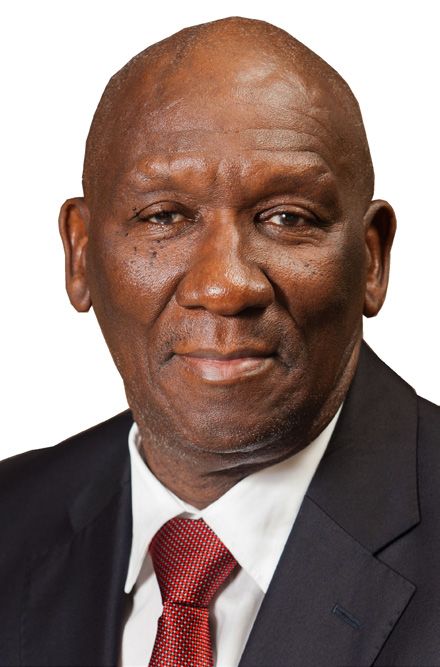
SOUTH AFRICAN POLICE SERVICE | ADDENDUM TO THE
                                                                                 STRATEGIC PLAN 2020 TO 2025 AND THE ANNUAL PERFORMANCE PLAN 2020/2021

     LIST OF ABBREVIATIONS/ACRONYMS
     AGSA       Auditor-General of South Africa                          AOP          Annual Operational Plan
     APP        Annual Performance Plan                                  AR           Annual Report
     CAS        Crime Administration System                              CJS          Criminal Justice System
     COVID-19   Corona Virus Disease, 2019                               CPF          Community Police Forum
     DOJCD      Department of Justice and Constitutional Development     DPCI         Directorate for Priority Crime Investigation
     DPME       Department of Planning, Monitoring and Evaluation        EMCS         Enhanced Movement Control System
     FSL        Forensic Science Laboratory                              GBVF         Gender-based Violence and Femicide
     GPSJS      Governance, Public Safety and Justice Survey             ICDMS        Investigation Case Docket Management System
     ICT        Information and Communication technology                 INTERPOL     International Criminal Police Organisation
     IPID       Independent Police Investigative Directorate             JCPS         Justice, Crime Prevention and Security
     MISS       Minimum Information Security Standards                   MMS          Middle Management Service
     MCS        Movement Control System                                  MTSF         Medium-term Strategic Framework
     NDPWI      National Department of Public Works and Infrastructure   NKP          National Key Point
     NPA        National Prosecuting Authority                           PDOs         Predetermined Objectives
     SAPS       South African Police Service                             SANDF        South African National Defence Force
     SMS        Senior Management Service                                SP           Strategic Plan
     STATSSA    Statistics South Africa

ii
SOUTH AFRICAN POLICE SERVICE | ADDENDUM TO THE
STRATEGIC PLAN 2020 TO 2025 AND THE ANNUAL PERFORMANCE PLAN 2020/2021

                           FOREWORD BY THE MINISTER OF POLICE
                           Pandemics have over history, had great influence in shaping human society and its politics. COVID-19 is no different. It is clear that this virus will be with us for the foreseeable
                           future and continue to negatively impact on all sectors of the South African society.

                           What started as a health crisis has spiraled into a socio-economic meltdown not only in this country but also across the globe and here at home it continues to burden each
                           citizen and their households as well as business enterprises. The public sector and various clusters and individual entities in our government have not been spared either.
                           Optimal service delivery by government departments, including the South African Police Service, has been affected.

                           It is becoming increasingly evident that these extraordinary times call for extraordinary measures. Various departments and government entities are implementing the
                           extraordinary measures to manage and contain the virus.

                           While the country battles the invisible enemy, the role of the South African Police Service within the context of the overarching Justice, Crime Prevention and Security
                           (JCPS) Cluster, to ensure the safety and security of the country as stipulated under Section 205(3) of the Constitution still remains. But as we navigate this pandemic, through
   Minister of Police      containment and management of COVID-19, it is also crucial that law and order is maintained in terms of the Regulations that are promulgated in the Disaster Management
  General BH Cele, MP      Act 2002 (Act No. 57 of 2002).

                           These two requirements are inter-related and will, therefore, be performed concurrently by the SAPS, at all levels.

                           The containment and management of the virus has not shifted the focus of the mandate of the SAPS, but rather has extended it.

                           There is no doubt the unpredictable nature of this virus creates a great deal of uncertainty for many, especially around the impact it will have on individuals, communities and
                           countries.

                           This uncertainty extends not only to the impact of the virus but also to the manner in which the virus must be responded to. COVID-19 requires an unprecedented response
                           from all affected countries, directed by governments and their agencies, which must be rapid, widespread, coordinated, structured and above all, purposeful. Staying
                           ahead of the virus also requires an informed and cooperative citizenry to be tolerant of government’s initiatives and be compliant with the extraordinary measures that are
                           implemented, primarily to contain the spread of the virus and limit its impact on the country, its people and its resources.

                           Policing within a pandemic translates to ensuring compliance in all corners of society. The objects of policing will, therefore, be guided by measures that are implemented by
                           government and be addressed by the SAPS. In this time of national crisis, the SAPS, as a key government department, has a clearly defined role in addressing COVID-19 and
                           its obligation to the people in this country. This obligation extends to every single member of this organization, irrespective of their functional role or geographical placement.

                           The men and women in blue are at the coalface of the virus and each day put their lives and that of their family members on the line in order to serve and protect. There has
                           never been a time in the history of this country in which police officers have a more important role to play and I, therefore, call on every member of this proud organisation, to
                           continue to serve with selfless patriotism and dedication, in the fight against COVID-19. History will judge us by our actions today and the difference those actions will make
                           for our future.

                           ____________________
                           General BH Cele, MP
                           Minister of Police
                           Date: 8 July 2020
                                                                                                                                                                                                             iii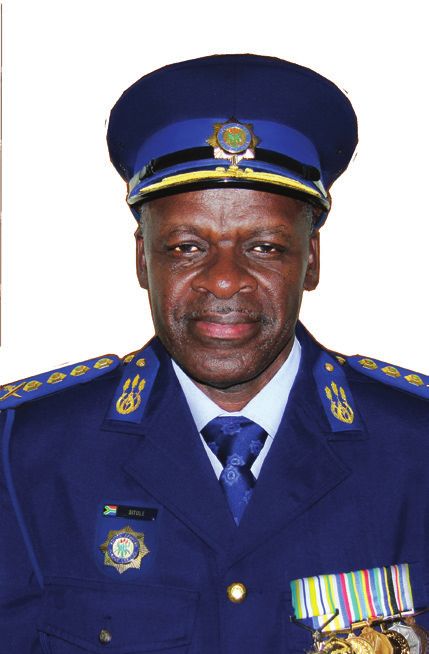
SOUTH AFRICAN POLICE SERVICE | ADDENDUM TO THE
                                                                                               STRATEGIC PLAN 2020 TO 2025 AND THE ANNUAL PERFORMANCE PLAN 2020/2021

                                STATEMENT BY THE DEPUTY MINISTER OF POLICE
                                SAPS has been battling with many pandemics ravaging the country long before COVID 19 reared its head, the most pervasive of which
                                being Gender Based Violence and Femicide, which continues to threaten the Constitutional rights of our women and children to live their
                                lives freely and without fear. The advent of the COVID 19 has undoubtedly added salt to the wounds of SAPS, not only in that it has
                                added more workload on the shoulders of SAPS, and thereby increasing service delivery demands on the Police and overstretching its
                                budget, but because it threatens the Police workforce itself as one of the frontline work forces in the fight against this pandemic.

                                The negative impact of this pandemic on the workforce of SAPS has implored the political leadership and management of SAPS to refocus
                                part of its budget and devise measures to ensure the safety of its employees and the public they serve. To this effect we had to put in
                                place structures, systems and processes in order to mitigate the spread of the COVID-19 pandemic within SAPS and ensure that the Police
                                are empowered to continue to protect and serve the South African population.

     Deuty Minister of Police   Recognising the centrality of the wellbeing of the members of SAPS, we are therefore ensuring each member’s safety by procuring
       Mr CC Mathale, MP        Personal Protective Equipment (PPE) for members, including face masks, gloves, protective eye gear, digital body thermometers, hand,
                                vehicle and room sanitizers, plastic overalls, headgears etc.

                                We are also conscious of the stressful nature of the work of our members and the impact that this may have on their mental and emotional
                                health. Hence we are ensuring that they are provided with a variety of psychological and other mental health related support to build
                                resilience and strength, including morning devotions for members on parade and roadblocks while observing social distancing, linking of
                                vulnerable members to EHW practitioners for support, guidance and care, assisting recovered members with reintegration process and
                                dealing with stigmatization, amongst other inteventions.

                                Together we will defeat this pandemic and actualise our vision of creating a safer South Africa.

                                _____________________________________________
                                Mr CC Mathale, MP
                                Deputy Minister of Police
                                Date: 8 July 2020

iv
SOUTH AFRICAN POLICE SERVICE | ADDENDUM TO THE
STRATEGIC PLAN 2020 TO 2025 AND THE ANNUAL PERFORMANCE PLAN 2020/2021

                           INTRODUCTION BY THE
                           NATIONAL COMMISSIONER
                           The South African Government has taken the initiative in the fight against COVID-19 by calling all sectors of society to arms, in order to
                           minimise the impact of the virus on the citizens of this country. The current and estimated impact of COVID-19 on the country and its
                           resources, necessitates that all enterprises in the public and private sectors reassess the plans that were developed prior to the full impact
                           of the virus materialising.

                           The Department of Planning, Monitoring and Evaluation (DPME), within the Presidency, has aptly directed the revisiting of the planning
                           process, requiring all government entities to re-assess their strategic and annual plans, which were developed, prior to the onset of the
                           2020/2021 financial year. The SAPS has undertaken a review of its Strategic Plan 2020 to 2025 and its Annual Performance Plan 2020/2021,
National Commissioner      within the context of two key variables, the first being the current and estimated future impact of COVID-19 on its strategic and annual
General KJ Sitole (SOEG)   priorities and the second variable being the Special Adjustment Budget, which was necessitated by Government’s prioritisation of the
                           COVID-19 pandemic and subsequent re-prioritisation of the estimates of national expenditure.

                           Two overriding factors were considered during the assessment of the impact of COVID-19 on the SAPS’ strategic and annual priorities.
                           The mandate of the SAPS, as per Section 205(3) of the Constitution, is focused on ensuring a safe and secure environment, which is one
                           of the key elements in Government’s high-level initiatives to address COVID-19. In addition, the impact that COVID-19 has had on the
                           world and on every affected country is unparalleled and comparisons can, therefore, not be made to any event in our past, to inform
                           changes to strategic and annual planning. The SAPS has, therefore opted to maintain the majority of its strategic and annual initiatives
                           and performance measures, as these contribute directly to the addressing of COVID-19 and the various strategic initiatives that are being
                           driven by Government, including, inter alia, the 2019 to 2024 Medium-Term Strategic Framework (MTSF).

                           The Special Adjustment Budget, which culminated in the tabling of the Special Adjustments Estimates, involved an additional budgetary
                           allocation of approximately R 3.7 Billion to the Department, thereby negating the need for the SAPS to reprioritise strategic and annual
                           priorities or performance measures, due to fiscal constraints.

                           There is no doubt that COVID-19 will take its toll on the SAPS and will impact negatively on the organisation’s performance, particularly
                           over the short-term. The SAPS is, however, committed to ensuring that the utmost is done to adhere to planned performance both over
                           the short and medium-terms, however, this will require a greater degree of collaboration with the SAPS, especially at local level where
                           police officers are simultaneously policing communities in terms of our mandate and applying the COVID-19 Regulations.

                           As the National Commissioner of the SAPS I would, therefore, appeal that all sectors of society marshal their resources in support of
                           the men and women in blue and the civilian personnel, who work tirelessly behind the scenes, in support of our functional members, to
                           maintain law and order and enhance the safety and security of all communities, despite the national crisis that has been imposed upon
                           our country.

                                                                                                                                                                            v
SOUTH AFRICAN POLICE SERVICE | ADDENDUM TO THE
STRATEGIC PLAN 2020 TO 2025 AND THE ANNUAL PERFORMANCE PLAN 2020/2021
To the SAPS members who are on the frontline fighting not only crime but also the scourge that is COVID-19, my message is simple, let’s police our communities
during with dignity, respect and empathy, without compromising the rule of law and the basic functions of policing. In so doing, let us look for innovative
opportunities to collaborate with all stakeholders in enhancing safety and security, as the future of this country will be greatly influenced by what we do as a
police service and as a nation, during the coming months.
_____________________________________________
National Commissioner: South African Police Service
General KJ Sitole (SOEG)
Date: 8 July 2020
viSOUTH AFRICAN POLICE SERVICE | ADDENDUM TO THE
STRATEGIC PLAN 2020 TO 2025 AND THE ANNUAL PERFORMANCE PLAN 2020/2021
OFFICIAL SIGN-OFF
It is hereby certified that the Addendum to the Strategic Plan 2020 to 2025 and the Annual Performance Plan 2020/2021:
●● Was developed by the Management of the SAPS, under the guidance of the Minister of Police.
●● Takes into account all the relevant policies, legislation and other mandates applicable to the SAPS.
●● Accurately reflects the strategic objectives and performance standards that the SAPS will endeavour to achieve, during the 2020/2021 financial year.
Major General L Rabie
Head: Strategic Management _____________________________________________
Date: 8 July 2020 Signature
Lieutenant General PP Dimpane
Chief Financial Officer _____________________________________________
Date: 8 July 2020 Signature
General KJ Sitole (SOEG)
Accounting Officer _____________________________________________
Date: 8 July 2020 Signature
Mr CC Mathale, MP
Deputy Minister of Police _____________________________________________
Date: 8 July 2020 Signature
General BH Cele, MP
Executive Authority _____________________________________________
Date: 8 July 2020 Signature
viiSOUTH AFRICAN POLICE SERVICE | ADDENDUM TO THE
STRATEGIC PLAN 2020 TO 2025 AND THE ANNUAL PERFORMANCE PLAN 2020/2021
TABLE OF CONTENTS
LIST OF ABBREVIATIONS/ACRONYMS ii
FOREWORD BY THE MINISTER OF POLICE iii
STATEMENT BY THE DEPUTY MINISTER OF POLICE iv
INTRODUCTION BY THE NATIONAL COMMISSIONER v
OFFICIAL SIGN-OFF vii
STRATEGIC PLAN 2020 TO 2025 1
PART B: OUR STRATEGIC FOCUS 1
1 Situational Analysis 1
1.1 External Environmental Analysis 1
1.2 Internal Environmental Analysis 2
PART C: MEASURING OUR PERFORMANCE 3
2. Institutional Performance Information 3
2.1 Measuring the Impact 3
2.2 Measuring Outcomes and Suboutcomes 3
2.3 Explanation of Planned Performance over the Five-Year Period 9
ANNUAL PERFOMANCE PLAN 2020/2021 12
PART B: MEASURING OUR PERFORMANCE 12
1. Institutional Programme Performance Information 12
1.1 Programme 1: Administration 12
1.2 Programme 2: Visible Policing 23
1.3 Programme 3: Detective Services 36
1.4 Programme 4: Crime Intelligence 48
1.5 Programme 5: Protection and Security Services 54
PART C: LINKS TO OTHER PLANS 59
2. Capital Works Programme 2020/2021 to 2022/2023 59
viiiSOUTH AFRICAN POLICE SERVICE | ADDENDUM TO THE
STRATEGIC PLAN 2020 TO 2025 AND THE ANNUAL PERFORMANCE PLAN 2020/2021
STRATEGIC PLAN 2020 TO 2025
PART B: OUR STRATEGIC FOCUS
1. SITUATIONAL ANALYSIS
1
1.1 External Environmental Analysis
The Corona Virus Disease, which was detected in 2019, hence the abbreviation COVID-19, can aptly be described as a “white swan event”, which
has impacted on the entire globe. A white swan event is one which is not completely unforeseen and which is associated with extremely negative
consequences. COVID-19 emerged as early as December 2019, was identified as having a potentially significantly negative impact on humanity and
firmly extended its footprint beyond its initial location, by March 2020. The full extent of the virus’ eventual impact was, however, not foreseen or
fully understood until it was transferred to several countries, during the period March to May 2020.
COVID-19 is not the first virus or, for that matter, the first corona virus that humankind has had to contend with. There have been numerous viral
outbreaks in the recent past, which have had an international impact, for example the Marburg, Smallpox, Ebola, HIV and SARS viruses. COVID-19
is, however, the first virus that has had an almost immediate, tangible and widespread impact on multiple countries simultaneously. This is primarily
due to its indiscriminate ease of transmission, its ability to survive for prolonged periods outside of the human body, the delayed onset of symptoms
(a period during which the carrier sheds the virus) and the fact that it has a particularly virulent impact on vulnerable sectors of society, including the
aged and those with underlying immunodeficiencies or diseases. The aforementioned characteristics have resulted in an estimated 13.8% of humans
contracting the disease, displaying severe symptoms and 4.7% displaying critical, life-threatening symptoms. The extrapolation of these percentages
to the global population and to the populations of individual countries, like South Africa, underlines the potentially catastrophic impact of the virus,
not just on population counts but also on the complex and diverse socio-economic systems that are central to human existence and development
The SAPS has two broad categories of priorities in both the 2020 to 2025 Strategic Plan (SP) and the 2020/2021 Annual Performance Plan (APP), namely
an operational category of priorities, or outward-looking priorities and an organisational, or inward-looking category. The operational outcomes and
suboutcomes in the 2020 to 2025 SP and the outputs in the 2020/2021 APP are linked directly to the SAPS’ Constitutional mandate, in support of
the Impact Statement: “A safe and secure environment that is conducive for social and economic stability, supporting a better life for all”, which is
a fundamental requirement in the containment and management of COVID-19. There is no doubt that COVID-19 will have a progressively negative
impact on the achievement of these outcomes, suboutcomes and outputs, however, the full extent of this impact is impossible to estimate, given the
fact that COVID-19 can be considered to be an unprecedented event, with no available frame of reference, to enable comparative analyses.
1 Please note that the addition to the Situational Analysis in the Addendum is applicable to both the SP and APP
1SOUTH AFRICAN POLICE SERVICE | ADDENDUM TO THE
STRATEGIC PLAN 2020 TO 2025 AND THE ANNUAL PERFORMANCE PLAN 2020/2021
The SAPS is acutely aware that COVID-19 is having on a particularly negative effect on the vulnerable sectors of society, by effectively compounding
or exacerbating circumstances that were difficult to manage in the absence of COVID-19. The SAPS’ 2020 to 2025 SP and 2020/2021 APP contain a
number of outcomes, suboutcomes and outputs that are directed specifically at the proactive and reactive addressing of gender-based violence and
femicide and the SAPS will develop additional measures, in conjunction with all sectors of society during the current medium-term strategic period.
The two key variables that are impacting on the planning of all government entities are COVID-19 and the Special Adjustment Budget that was tabled
on 24 June 2020. The aforementioned budget adjustment has not impacted negatively on the SAPS, thereby reinforcing the key role that is played
by the department in ensuring safety and security, particularly as the effects of COVID-19 on all sectors of South African society unfold. It would be
imprudent to indiscriminately change targets, related to outcome, suboutcome and output-based performance indicators, in the SAPS’ SP and the
APP, without being able to provide tangible evidence supporting these changes. In addition, it is not necessary for the SAPS to include additional
outcomes, suboutcomes or outputs in the 2020 to 2025 SP or 2020/2021 APP, as the aforementioned are directly associated with the fight against
COVID-19. It will, however be necessary for the SAPS to have a clear understanding and as a result, provide unambiguous reasons, for deviations in
targeted performance, specifically in instances where COVID-19 has impacted negatively on the SAPS’ performance.
1.2 Internal Environmental Analysis
The SAPS’ inward-looking outcomes, suboutcomes and outputs were developed in support of its operational focus, both strategic and annual and
remain relevant, despite the impact of COVID-19. The SAPS’ human resource cadre is unquestionably it’s most important and valuable asset. The
need for the protection of the organisation’s human resources, at all organisational levels and across all functional areas is critical for the policing
function to be maintained, within the broad context of the government-led fight against COVID-19. The SAPS will, therefore, continue to implement
extraordinary measures to educate and safeguard its members on and against the ravages of COVID-19. These measures include immediate non-
pharmacological interventions such as the regular organisation-wide communication of internal directives and information related to the containment
and management of COVID-19, guided by Government’s directives, in this regard, the provisioning of personal protective equipment, the proactive
sanitisation and cleaning of work spaces and the decontamination of those working environments where COVID has been detected.
Members of the SAPS will, however, invariably be required to interact with the citizens of this country in the provisioning of a policing service and
are themselves an integral part of the various communities that comprise South African society. In addition, police stations remain touch-points with
communities and must be accessible to citizens for the provisioning and accessing of the services provided by the SAPS. The SAPS has, therefore,
established comprehensive contingency planning, at all levels but with a specific focus on the core policing functions that must be performed, so as
to ensure that the objects of policing, as per the Constitution, are performed towards ensuring a safe and secure environment.
The variable that may have impacted most significantly on the SAPS’ organisational outcomes, suboutcomes and outputs would invariably have been
the Special Adjustment Budget, which has only necessitated the reprioritisation of certain medium-term projects within the capital works environment,
hence the inclusion of an updated medium-term capital works programme in the addendum to the SAPS’ 2020/2021 APP.
2SOUTH AFRICAN POLICE SERVICE | ADDENDUM TO THE
STRATEGIC PLAN 2020 TO 2025 AND THE ANNUAL PERFORMANCE PLAN 2020/2021
PART C: MEASURING OUR PERFORMANCE
2. INSTITUTIONAL PERFORMANCE INFORMATION
2.1 Measuring the Impact
Impact Statement A safe and secure environment that is conducive for social and economic stability, supporting a better life for all
2.2 Measuring Outcomes and Suboutcomes2
2.2.1 Outcomes, Performance Indicators, Baselines3 and Five-year Targets
Outcomes Performance Indicators Baseline 5-year Target
1. The law upheld and enforced, to »» Public perceptions4 of the SAPS’ New performance indicator (baseline to be Dependent on the determination of a
underpin the stamping (asserting) of effectiveness5 determined) baseline6
the authority of the State
2. Thorough and responsive investigation »» Levels of satisfaction7 with the SAPS’ New performance indicator (baseline to be Dependent on the determination of a
of crime investigation of crime8 determined) baseline9
2 The DPME has acknowledged, that departments must include outcome performance indicators in the strategic plan but that they may not be able to include baselines and 5-year targets for these performance indicators,
by date of tabling, during March 2020. This is due to the absence of a performance measurement mechanism to measure outcome performance indicators, which are perception-based performance indicators. The DPME
has indicated that departments may, therefore, follow a structured, documented approach to establishing these baselines and 5-year targets and include the aforementioned in a re-published strategic plan, during March
2021. Departments should, however, limit the number of performance indicators that are addressed, in this manner. It needs be mentioned, that this will influence the development of the TIDs for the affected KPIs.
3 The baseline for the outcome performance indicator denotes the level of performance at the start of the 5-year period.
4 The assessment of the perceptions that vulnerable groups and in particular those that women have with regard to the SAPS’ execution of its mandated functions, will feature as a distinct element of this measurement,
over the medium-term.
5 This is an external perception-based performance indicator, which will be developed during the first 6 months of 2020/2021, including the establishment of a performance measurement mechanism/capability (which does
not currently exist), baselines and 5-year targets. The Department will, however, provide performance information, in respect of the performance indicator for the first semester of 2020/2021. The public’s perceptions of
the extent to which the SAPS addresses its constitutional mandate, as per Section 205(3) of the Constitution, will be the focus of measurement over the medium-term.
6 A period of approximately 6 months of data is required for the development of an appropriate baseline, to inform the development of a target.
7 The assessment of the perceptions that vulnerable groups and in particular those that women have with regard to satisfaction with the SAPS’ investigation of crimes, will feature as a distinct element of this measurement,
over the medium-term.
8 This is an external perception-based performance indicator, which will be developed during the first 6 months of 2020/2021, including the establishment of a performance measurement mechanism/capability (which
does not currently exist), baseline and 5-year target. The Department will, however, provide performance information, in respect of the performance indicator for the first semester of 2020/2021.
9 A period of approximately 6 months of data is required for the development of an appropriate baseline, to inform the development of a target.
3SOUTH AFRICAN POLICE SERVICE | ADDENDUM TO THE
STRATEGIC PLAN 2020 TO 2025 AND THE ANNUAL PERFORMANCE PLAN 2020/2021
Outcomes Performance Indicators Baseline 5-year Target
3. Intelligence-led policing »» End-user perceptions of the value-add New performance indicator (baseline to be Dependent on the determination of a
of Crime intelligence gathered in respect determined) baseline11
of the prevention, combating and
investigation of crime 10
»» Percentage of identified severe threats 12.6%12 15%13
on the Threat Management System,
successfully neutralised
4. Collaborative and consultative »» Percentage households who felt safe 85%16 10% increase per annum17
approach to policing walking alone in their areas of residence
during the day14 (STATSSA: GPSJS15)
»» Percentage households who felt safe 35%20 10% increase per annum21
walking alone in their areas of residence
during the night18 (STATSSA - GPSJS19)
5. A professional and capable SAPS »» Public perceptions22 of the SAPS’ New performance indicator (baseline to be Dependent on the determination of a
professionalism23 determined) baseline24
»» SAPS members’ perceptions on the New performance indicator (baseline to be Dependent on the determination of a
extent to which the police live up to the determined) baseline26
SAPS’ Values25
10 This is an internal perception-based performance indicator, which will be developed during the first 6 months of 2020/2021, including the establishment of a performance measurement mechanism/capability (which does
not currently exist), baseline and 5-year target. The Department will, however, provide performance information, in respect of the performance indicator for the first semester of 2020/2021.
11 A period of approximately 6 months of data is required for the development of an appropriate baseline, to inform the development of a target.
12 The performance indicator was initiated in 2019/2020. The baseline represents actual performance at the end of the 3rd Quarter.
13 The number of severe threats may vary from one year, to the next, which necessitates that a targeted percentage per annum be provided, which may be revised during the five-year period.
14 Please note that this performance indicator has been included in the MTSF 2019 to 2024.
15 STATSSA: GPSJS indicates that the performance indicator is measured and maintained by STATSSA and reflected within the GPSJS, otherwise referred to as VOCS. It may be necessary for the SAPS to develop a similar
external perception-based outcome performance indicator, if STATSSA is not able to provide the SAPS with the data required, in support of the measurement of the performance indicator.
16 GPSJS 2018/2019, page 56.
17 The target is informed by the 2019 to 2024 MTSF.
18 Please note that this performance indicator has been included in the MTSF 2019 to 2024.
19 STATSSA: GPSJS indicates that the performance indicator is measured and maintained by STATSSA and reflected within the GPSJS, otherwise referred to as VOCS. It may be necessary for the SAPS to develop a similar
external perception-based outcome performance indicator, if STATSSA is not able to provide the SAPS with the data required, in support of the measurement of the performance indicator.
20 GPSJS 2018/2019, page 56.
21 The target is informed by the 2019 to 2024 MTSF.
22 The assessment of the perceptions that vulnerable groups and in particular those that women have with regard to the SAPS’ execution of its mandated functions, will feature as a distinct element of this measurement, over
the medium-term.
23 This is an external perception-based performance indicator, which will be developed during the first 6 months of 2020/2021, including the establishment of a performance measurement mechanism/capability (which does
not currently exist), baseline and 5-year target. The Department will, however, provide performance information, in respect of the performance indicator for the first semester of 2020/2021.
24 A period of approximately 6 months of data is required for the development of an appropriate baseline, to inform the development of a target.
25 This is an internal perception-based performance indicator, which will be developed during the first 6 months of 2020/2021, including the establishment of a performance measurement mechanism/capability (which does
not currently exist), baseline and 5-year target. The Department will, however, provide performance information, in respect of the performance indicator for the first semester of 2020/2021.
26 A period of approximately 6 months of data is required for the development of an appropriate baseline, to inform the development of a target.
4SOUTH AFRICAN POLICE SERVICE | ADDENDUM TO THE
STRATEGIC PLAN 2020 TO 2025 AND THE ANNUAL PERFORMANCE PLAN 2020/2021
2.2.2 Suboutcomes, Performance Indicators, Baselines and Five-year Targets
Outcomes Suboutcomes Performance Indicators Baseline 5-year Target
1. The law upheld and enforced, to 1.1 Increased feelings of safety in »» Percentage of identified high crime or New performance 100%
underpin the stamping (asserting) of communities hotspot areas stabilised27 28 indicator (baseline to
the authority of the State be determined)
1.2 Constitutionally grounded Internal »» Percentage of unrest crowd 100% (18 009)29 100%
Stability management incidents stabilised
1.3 Balance between trade and security at »» Percentage effectively safeguarded and 100% vehicles, 100%
ports of entry ensured secured ports of entry containers and cargo
profiled and searched
(81 009)30
1.4 Identified dignitaries and government »» Percentage of complaints related New performance 100%
interests, protected and secured to protection and security provided indicator (baseline to
responded to be determined)
2. Thorough and responsive investigation 2.1 Improved perception of serious »» Conviction rate for serious corruption in Revised performance 70%
of crime corruption in the public and private the private sector32 indicator
sectors31
»» Conviction rate for serious corruption in Revised performance 70%
the public sector33 indicator
»» Conviction rate for serious corruption in Revised performance 70%
the JCPS Cluster indicator
2.2 Increased feelings of safety in »» Conviction rate for contact crime 82.45% 85%
communities
»» Conviction rate for crimes against 85.27% 88%
women
»» Conviction rate for crimes against 82.54% 85%
children
27 The hotspots identified by the SAPS for stabilisation will include areas affected by specific national crime-related threats that may impact on certain communities or sectors, such as public disorder, drug-related crime or
crimes against women and children, crime impacting on tourists.
28 The development of a Technical Indicator Description is dependent on the confirmation of the criteria for the identification of areas to be stabilised and the criteria for the measurement of areas that have been stabilised.
These criteria will be developed in the first 6 months of 2020/2021 to inform the Technical Indicator Description.
29 Please note that the baseline includes 2015/2016 to 2018/2019, including the first 3 quarters of 2019/2020.
30 Please note that the baseline includes 2015/2016 to 2018/2019, including the first 3 quarters of 2019/2020.
31 This suboutcome is related to the outcome that has been included in the MTSF 2019 to 2024: Improvement in Corruption Perception Index Rating.
32 This performance indicator has been included in the MTSF 2019 to 2024 and must, therefore, be included in the SAPS’ SP. The performance indicator has been revised from “conviction rate for fraud and corruption” to
“conviction rate for serious corruption”.
33 This performance indicator has been included in the MTSF 2019 to 2024 and must, therefore, be included in the SAPS’ SP. The performance indicator has been revised from “conviction rate for fraud and corruption” to
“conviction rate for serious corruption”.
5SOUTH AFRICAN POLICE SERVICE | ADDENDUM TO THE
STRATEGIC PLAN 2020 TO 2025 AND THE ANNUAL PERFORMANCE PLAN 2020/2021
Outcomes Suboutcomes Performance Indicators Baseline 5-year Target
2.3 Reduced Organised Crime 34
»» Success rate for serious organised crime 72% 35
72%
project investigations successfully closed
2.4 Improved investigation of serious »» Conviction rate for serious commercial Revised performance 93%
commercial crime crime36 indicator
2.5 Comprehensive utilisation of forensic »» Percentage reduction in outstanding 6 34838 22%
investigative aids in the investigation Forensic Investigative Leads37
of crime
3. Intelligence-led policing 3.1 Crime intelligence gathered collated, »» Percentage of intelligence reports that 76%39 85%
evaluated, analysed and disseminated were operationalised
in respect of the prevention, combating
and investigation of crime
3.2 Counter-intelligence measures »» Percentage of employees in prioritised 100% (1 195)41 100%42
instituted in the SAPS positions40 that have been vetted, in
accordance with the MISS requirements
of the post
3.3 Enhanced external cooperation and »» Percentage cross-border operations 61%43 80%
innovation on police reform and and arrests of identified transnational
security matters to prevent and fight crime suspects facilitated, in relation to
crime requests received
4. Collaborative and consultative 4.1 Increased feelings of safety in »» Percentage of identified high crime or New performance 100%
approach to policing communities hotspot areas normalised44 45 indicator (baseline to
be determined)
34 This outcome has been included in the MTSF 2019 to 2024 and must, therefore, be included in the SAPS’ SP.
35 This baseline is an estimated performance for 2019/2020.
36 The performance indicator has been revised from conviction rate for serious commercial crime related charges to conviction rate for serious commercial crime.
37 Forensic Investigative Leads includes DNA investigative leads (person-to-crime and crime-to-crime), ballistic and fingerprint leads.
38 This baseline reflects outstanding forensic investigative leads, as at end February 2019.
39 Please note that this performance indicator was established fully in 2019/2020. The baseline represents the estimated performance for 2019/2020, based on the actual performance of the first three quarters and an average
of these quarters, representing the 4th Quarter.
40 Please note that the prioritised positions are determined in consultation with the National Commissioner, on an annual basis.
41 The baseline represents the average performance, per year, for the period 2017/2018 to 2019/2020.
42 Please note that the five-year target is dependent on the allocation of additional vetting capacity. The actual number will be determined on an annual basis.
43 The baseline represents the average performance, for the period 2017/2018 to 2019/2020.
44 The hotspots identified by the SAPS for normalisation will include areas affected by specific national crime-related threats that may impact on certain communities or sectors, such as public disorder, drug-related crime or
crimes against women and children, crime impacting on tourists.
45 The development of a Technical Indicator Description is dependent on the confirmation of the criteria for the identification of areas to be normalised and the criteria for the measurement of areas that have been normalised.
These criteria will be developed in the first 6 months of 2020/2021 to inform the Technical Indicator Description.
6SOUTH AFRICAN POLICE SERVICE | ADDENDUM TO THE
STRATEGIC PLAN 2020 TO 2025 AND THE ANNUAL PERFORMANCE PLAN 2020/2021
Outcomes Suboutcomes Performance Indicators Baseline 5-year Target
4.2 Citizenry actively supporting the fight »» Levels of trust 46
in the SAPS47
New performance Dependent on the
against crime indicator (baseline to determination of a
be determined) baseline48
4.3 Responsive policing of GBVF »» Percentage of GBVF-related service New performance 80%
complaints finalized within 30 working indicator (baseline to
days be determined)
5. A professional and capable SAPS 5.1 Ensure an effective and adequately »» Percentage distribution of resources New performance 100%
resourced policing capability, in in relation to the resource distribution indicator (baseline to
response to the demand criteria49 be determined)
»» Annual impact assessment on identified New performance By 31 March annually
SAPS training indicator (baseline to
be determined)
»» SAPS members’ perceptions50 on the New performance Dependent on the
extent to which the SAPS cares about indicator (baseline to determination of a
the well-being of its employees51 be determined) baseline52
»» Number of new service points New police stations New police stations
established to, improve access to - 453 - 22
policing
Mobile contact points Mobile contact points
procured - 1554 procured - 75
5.2 Ethics and Integrity institutionalised »» SAPS members’ perceptions55 of ethics New performance Dependent on the
within the SAPS and integrity within the SAPS56 indicator (baseline to determination of a
be determined) baseline57
5.3 Sound Corporate Governance »» Percentage compliance with the SAPS’ New performance 100%
Corporate Governance Framework58 indicator (baseline to
be determined)
46 The assessment of the perceptions that vulnerable groups and in particular those of women and children, have with regard to trust level in the SAPS, will feature as a distinct element of this measurement, over the medi-
um-term.
47 This is an external perception-based performance indicator, which will be developed during the first 6 months of 2020/2021, including the establishment of a performance measurement mechanism/capability (which does
not currently exist), baseline and 5-year target. The Department will, however, provide performance information, in respect of the performance indicator for the first semester of 2020/2021.
48 A period of approximately 6 months of data is required for the development of an appropriate baseline, to inform the development of a target.
49 Resources refers to the two primary categories of resources, namely: human resources and vehicles. Additional categories of resources will be added during the period 2020 to 2025.
50 The assessment of the perceptions women within the SAPS, will feature as a distinct element of this measurement, over the medium-term.
51 This is an internal perception-based performance indicator, which will be developed during the first 6 months of 2020/2021, including the establishment of a performance measurement mechanism/capability (which does
not currently exist), baseline and 5-year target. The Department will, however, provide performance information, in respect of the performance indicator for the first semester of 2020/2021.
52 A period of approximately 6 months of data is required for the development of an appropriate baseline, to inform the development of a target.
53 Please note that the baseline includes actual performance from 2015/2016 to the 3rd Quarter of 2019/2020.
54 Please note that the baseline includes 2017/2018, 2018/2019 to the 3rd Quarter of 2019/2020, as the performance indicator was introduced in 2017/2018.
55 The assessment of the perceptions women within the SAPS, will feature as a distinct element of this measurement, over the medium-term.
56 This is an internal perception-based performance indicator, which will be developed during the first 6 months of 2020/2021, including the establishment of a performance measurement mechanism/capability (which does
not currently exist), baseline and 5-year target. The Department will, however, provide performance information, in respect of the performance indicator for the first semester of 2020/2021.
57 A period of approximately 6 months of data is required for the development of an appropriate baseline, to inform the development of a target.
58 The SAPS Corporate Governance Framework is based on the King IV Principles and Recommended Practices.
7SOUTH AFRICAN POLICE SERVICE | ADDENDUM TO THE
STRATEGIC PLAN 2020 TO 2025 AND THE ANNUAL PERFORMANCE PLAN 2020/2021
Outcomes Suboutcomes Performance Indicators Baseline 5-year Target
»» Audit opinion on the SAPS’ annual The AGSA did Clean audit opinion
predetermined objectives and financial not provide a by the AGSA for
statements by the AGSA qualified opinion the Department,
on predetermined in respect of the
objectives (PDOs) in PDOs and Financial
the 2018/2019 annual Statements
report (AR) of the
Department
The AGSA expressed
a qualified opinion
on the SAPS’ financial
statements, as reflected
in the 2018/2019 AR
8SOUTH AFRICAN POLICE SERVICE | ADDENDUM TO THE
STRATEGIC PLAN 2020 TO 2025 AND THE ANNUAL PERFORMANCE PLAN 2020/2021
2.3 Explanation of Planned Performance over the Five-Year Period
The SAPS’ impact statement for 2020 to 2025, namely; “a safe and secure environment that is conducive for social and economic stability, supporting a better
life for all”, emphasises the crucial role that safety and security plays, within the overall social and economic development of the country, which is elaborated
on within the MTSF 2019 to 2024, whose ultimate goal is a better life for all in South Africa. The improvement of safety and security requires an integrated,
multisectoral response, however, the SAPS’ constitutional mandate, as per Section 205(3) of the Constitution and the organisational vision, provide a clear
indication that it has a leading role to play, in this regard. The SAPS has identified five outcomes that must be achieved, in order for the change, which is
implied within the impact statement to be realised. These outcomes are aligned with the organisation’s constitutional mandate and comprises four external
outcomes and one internal outcome.
The SAPS will ensure the upholding and enforcing of the law, as a key contribution to the asserting of the constitutionally grounded authority of government.
The democratic principles underlying the functioning of the South African State and the political dispensation of the country, are assured by the Bill of
Rights. The SAPS’ role in upholding and enforcing the law, will, therefore, be done within the context of a democratic policing approach. The incorporation
of the MTSF 2019 to 2024 outcomes, is predicated on ensuring increased feelings of safety in communities, within the context of the application of objects
of policing. The stabilisation of areas with high levels of crime or areas that have been identified as hotspots, due to the prevalence of specific crime-related
threats, thereby requiring an unconventional approach to the policing of these areas, is a key element of this outcome. The ensuring of internal stability
within the country, from a public order point-of-view, based on the rights enshrined within the Constitution, will contribute significantly to increased feelings
of safety in communities at the assurance that the State’s authority is being affirmed. This outcome will also focus on ensuring an appropriate balance
between trade and security, at the country’s ports of entry and, as per the SAPS’ mandated functions, protecting and securing identified dignitaries and
government interests. Public perceptions of the SAPS’ effectiveness in the execution of its mandated functions, will be essential in the identification of
areas where improvement, over the medium-term, is required, not only in respect of the management of perceptions but critically, in the execution of the
organisation’s mandated functions. It needs to be noted that the perceptions that vulnerable groups and in particular those that women and children have,
with regard to the SAPS’ effectiveness in the execution of its mandated functions, will feature as a distinct element of this measurement, over the medium-
term.
The objects of policing provide the SAPS with the sole mandate for the investigation of crime that is reported by people in South Africa or which is detected
and reported to the SAPS, by various entities. The focus of this high-level function, over the medium-term, will, however be on the thorough and responsive
investigation of reported crime. The country is currently grappling with crippling effects of serious corruption and fraud, which necessitated its prioritisation
in the MTSF 2019 to 2024. The public simply wants to see concrete action taken by the CJS, in response to the multitude of allegations of serious corruption
and fraud in both the public and private sectors, which have surfaced in the recent past. The MTSF 2019 to 2024 also prioritises the reduction of violent
crime and levels of violence crime against women and children, within the context of the requirement that feelings of safety and security in communities are
improved, which necessitates the thorough and responsive investigation of crimes, in this regard, reported to the SAPS. The incidence of organised crime
and commercial crime pose a threat to individual communities, as well as to the economy of the country. This outcome will, therefore also focus on achieving
reduction in the incidence of organised crime and serious commercial crime. The conviction rates for various crime categories that are utilised by the SAPS,
include a requirement that the case docket management process be effectively managed but also includes an inherent dependency on the DoJCD and the
NPA, in terms of the court and prosecutorial processes. These indicators are outcome-based in that they measure the achievement of the application of the
crime detection process by the SAPS and the aforementioned processes that are driven by the DoJCD and the NPA.
The crimes that are reported to the SAPS, cannot be thoroughly investigated without the comprehensive utilisation of forensic investigative aids, which are
provided by the SAPS’ Forensic Services capability. The degree to which the SAPS achieves the thorough and responsive investigation of crime, can only be
9SOUTH AFRICAN POLICE SERVICE | ADDENDUM TO THE
STRATEGIC PLAN 2020 TO 2025 AND THE ANNUAL PERFORMANCE PLAN 2020/2021
determined by testing the perceptions of those who have reported crimes to the organisation, for investigation, hence the inclusion of an outcomes-based
performance indicator that will assess levels of satisfaction with the SAPS’s investigation of crime, over the medium-term. The assessment of the perceptions
that vulnerable groups and, in particular those of women and children, have with regard to levels of satisfaction with the investigation of crime, will feature
as a distinct element of this measurement, over the medium-term.
The role of crime intelligence in the prevention, combating and investigation of crime, is not specified with the objects of policing but is implied as a key
success underlying the effective execution of the organisation’s mandated functions. The implication of the inclusion of intelligence-led policing, as an
outcome, is that crime intelligence will directly support the execution of all the SAPS’ mandated functions, by the provisioning of proactive or reactive
intelligence. The value added by intelligence, to any law enforcement agency or government department, is notoriously difficult to determine, as not all
of the intelligence that is provided is intended to be directly actionable. However, the appropriate test of this value-add, will be the perceptions that the
end-users have of this intelligence, within the context of the execution of their mandated functions and the extent to which intelligence reports that are
provided to end-users, are actually utilised or operationalised. In addition, the down-management of crime threats identified by the SAPS’ Crime Intelligence
capability, will contribute to the institutionalisation of an intelligence-led approach to policing. This outcome will also include the SAPS’ counter-intelligence
function, the measurement of which will be determined by assessing the percentage of SAPS employees, in prioritised positions, such as key managerial
positions or identified vulnerable areas, which have been vetted, in accordance with the MISS requirements of the post. An intelligence-led approach to
policing also requires cooperation with international intelligence agencies on police and security-related matters, which includes the conducting of targeted
cross-border operations and the arrest of identified transnational crime suspects.
The fundamental principle that underlies a democratic approach to policing, is a collaborative and consultative approach to all aspects of policing, which
implies that citizens are actively involved in their own safety and security. The degree to which citizens are prepared to get involved in policing is largely
dependent on the extent to which they trust the police. The SAPS cannot oblige individuals or communities to become actively engaged in their safety
and security, nor can it explain the efforts it has gone to, to exact this active collaboration. It simply requires that the SAPS does everything in its power to
enhance its professionalism and levels of active engagement and then enquire about the degree to which individuals and communities are prepared to
work with the police, based on trust relationships that have been established and communities’ perceptions of the level of the SAPS’ professionalism. While
the stabilisation of identified high crime areas or hotspots requires a resource-driven, unconventional approach to policing, the normalisation of identified
areas implies that the allocated policing capability, working in collaboration with all sectors of society, including local government, is capable of providing
a policing service, that is aligned with the SAPS’ mandated functions. Policing is a complex function that requires direct engagement between those
providing the policing service and those who allow the policing service to be provided to them. The complex nature of policing, which is geographically
dispersed throughout the country, combined with the fact that policing is a human resource-driven activity that is provided to diverse communities, implies
that dissatisfaction with the policing service and those who provide it, will occur, in the form of service complaints that are registered with the organisation
or other entities. The SAPS has prioritised the management of service complaints related to GBVF and as a result, has included a performance measure, in
this regard. The SAPS has also prioritised the development and implementation of an electronic complaints management system, during the period 2020 to
2025, which will be managed within the context of the Departmental AOP, with the intention of formalising the measurement of the management complaints
in the SAPS’ APPs.
The achievement of the four outward-looking outcomes, is reliant on the establishment of a professional and capable SAPS. This outcome incorporates
two important elements. A professional police service relates primarily to the manner in which the policing service is provided and the care taken by
the organisation to promote the well-being of its employees. A capable police service is one whose members have the requisite skills and attitude to
provide a policing service that is aligned with the organisation’s constitutional mandate and which, at least, meets the expectations of the beneficiaries
of the service that it provides. Policing is intrinsically labour intensive in nature, which implies that the human resource capability available for policing,
10SOUTH AFRICAN POLICE SERVICE | ADDENDUM TO THE
STRATEGIC PLAN 2020 TO 2025 AND THE ANNUAL PERFORMANCE PLAN 2020/2021
should be commensurate with the policing requirement. The human resource requirement drives the requirements associated with all other categories of
resources, including infrastructure and capital assets; physical, technological resources. Historically, the provisioning of all categories of resources has been
negatively affected by the skewed allocation of all resources, which has resulted in inherent resource imbalances and compromised service delivery to certain
communities. The assessment of the distribution of all resources, in accordance with the resource distribution criteria that is applicable to each category,
will ensure that the police are adequately resourced, in accordance with the actual demand for resources. A capable police service also requires that the
provisioning of training and refresher training that is commensurate with the skills demand as determined by members at the frontline of service delivery.
An annual impact assessment of the value added by the multitude of skills development initiatives offered by the SAPS. This impact assessment will allow
for the adjustment of the SAPS’ training portfolio, in accordance with the requirements associated with democratic policing, linked to the implementation
of the SAPS’ constitutional mandate.
The NDP requires that “police officers’ value their jobs”, which places an obligation on the organisation to provide an appropriate working environment
for its members and the families that support them. The SAPS will, therefore, prioritise the enhancement of the well-being of its employees and consult
internally, to test employees’ opinion on the extent to which the organisation tangibly improves their well-being.
The geographical placement of the SAPS’ service points has a direct impact on the accessibility to and, therefore, the quality of the services that it provides.
The increasing of the organisation’s geographical footprint cannot be done by traditional means, due to the cost involved in the construction of police
stations, as service points and the dependency that the SAPS has on the National Department of Public Works and Infrastructure (NDPWI) . The number of
new service points established to improve access to policing, will, therefore, be measured over the medium-term, as an integral part of improvement of the
capability of the SAPS to deliver its services.
Sound corporate governance is a key dimension of the establishment of a professional and capable SAPS, as it guides and regulates the internal functioning
of the Department, in addition to its commitments to and engagements with external stakeholders. The SAPS will ensure the establishment, implementation
and assessment of the extent of compliance with a corporate governance framework, based on the King IV but that is customised for application within a
service-orientated environment.
The outcomes-based measurement of levels of professionalism within the SAPS, from both an external, service beneficiary point-of-view but also an internal
perspective, will be used to gauge the extent to which the SAPS has improved its professionalism and the extent of the corrective action required to ensure
the sustained improvement of professionalism within the organisation.
The SAPS will utilise the organisational interventions specified within key strategies and high-level plans, over the medium-term, to accelerate its outcomes-
based performance as the outcomes-based performance indicators that have been included in Part C: Measuring our Performance, are supported directly by
various key strategies and high-levels plans. In addition, the establishment of sound corporate governance, which includes aspects related to performance
management and accountability, will enhance organisational performance during 2020 to 2025.
While individual performance measurements have been identified for each of the five outcomes, as elaborated on above, it is essential that they be viewed
holistically, as inter-related requirements that underly the achievement of the change that the SAPS wants to achieve, as reflected in the impact statement.
11You can also read


