Adolescent Girls GOOD PRACTICES BROCHURE: ALNAP
←
→
Page content transcription
If your browser does not render page correctly, please read the page content below
GOOD PRACTICES BROCHURE:

Adolescent Girls
Good Practices Brochure: Adolescent Girls

This Good Practices Brochure was produced by the Asia-Pacific Gender in Humanitarian Action
Working Group, co-chaired by UN Women, CARE International and the United Nations Office for the
Coordination of Humanitarian Affairs (OCHA).

Technical review: UNICEF/Gerda Binder and Emilie Minnick
Coordination: UN Women/Araya Arayawuth, OCHA/Pascal Pillokeit
Cover photo: © UN Women Asia and the Pacific
Editing: Mary Ann Perkins

2
FEBRUARY 2021

Introduction
Approximately 329 million adolescents reside in the East Asia and
the Pacific, and they constitute a quarter of the world’s adolescent
population.1 Coupled with this, South Asia is home to more
adolescents—around 340 million—than any other region.2 Never
before has the global population had such a large share of young
people, presenting an important opportunity to tap into their
enormous potential to improve humanitarian action and build back
better. Adolescents and youth are a vital positive force in emergency
preparedness and response. While they have wide-ranging capacities
they also have unique needs, and too often adolescents are lost
between programming for children and programming for older
adults.

In particular, adolescent girls are disproportionately affected by
crises. They are the group most likely to drop out of school in times
of crisis and economic hardship, leaving them at high risk of child
labour, forced recruitment and child marriage. The current COVID-19
crisis heightens their vulnerability to gender-based violence (GBV),
unwanted pregnancy, HIV infection, maternal death and disability,
rape, trafficking, sexual exploitation and abuse. Adolescent girls lack
freedom of movement and have limited access to education and
health-care services. Many girls have taken on greater responsibilities
in the household, yet they have little control over economic resources
and limited knowledge and ability to participate in decisions affecting
their lives. Therefore, compared to boys, girls are less likely to be
able to meet their basic needs.

This brochure provides practical guidance on including adolescent
girls in humanitarian programming and coordination by highlighting
four case studies that illustrate good practices and examples in
humanitarian settings in Asia and the Pacific.

1   https://www.unicef.org/eap/what-we-do/adolescent-development#:~:text=Potential%20
    for%20a%20better%20future,of%20the%20world’s%20adolescent%20population.
2   https://data.unicef.org/topic/adolescents/demographics/.

                                                                                   3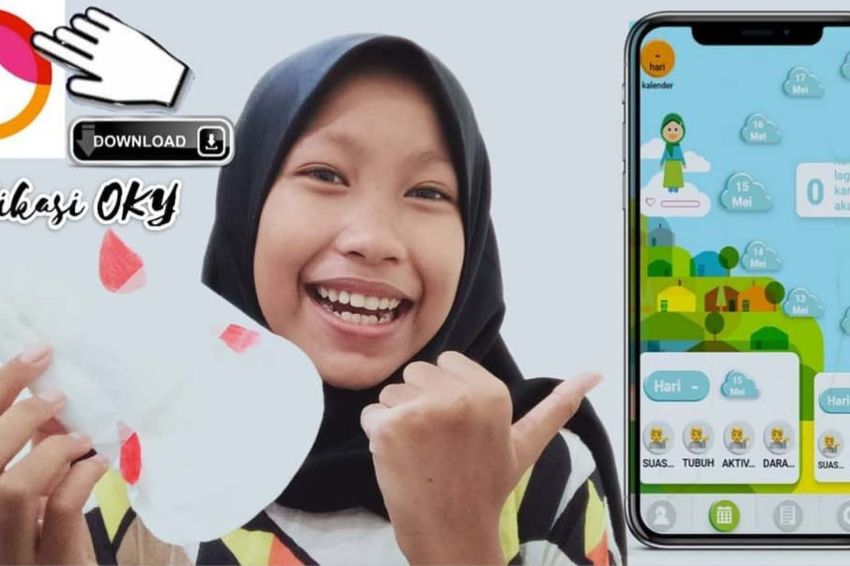
Good Practices Brochure: Adolescent Girls

Engaging adolescents and promoting girls’ self-
determination in the context of COVID-19

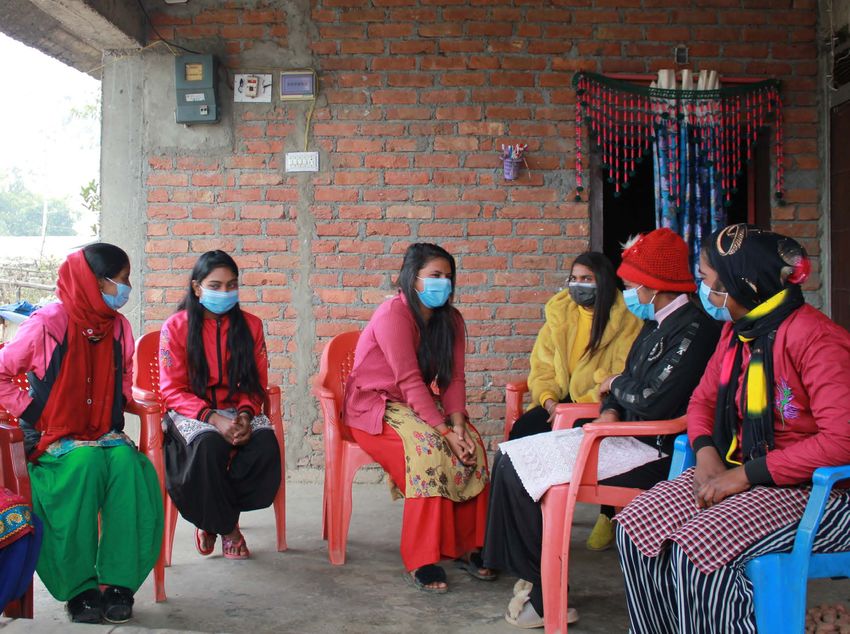
                                            CARE’s Tipping Point Initiative, currently implemented in
                                            Nepal and Bangladesh, aims to prevent child, early and forced
                                            marriage (CEFM) by promoting girls’ self-determination and
                                            activism and working to change harmful social norms. As
                                            part of this process, CARE and its partners facilitate dialogue
                                            sessions with girls, boys, parents and community leaders on
                                            key topics related to gender equality and transformation and
                                            other protection issues. Community members also participate
                                            in discussion groups around key topics pertaining to the drivers
                                            of CEFM and prevailing social norms. A central goal of this
                                            programme is to provide space for adolescent girls to identify
                                            potential solutions to the challenges girls face and advocate
                                            for needed change.

                                            As a result of COVID-19 and the mitigation measures that both
                                            countries put in place, girls participating in the project have
                                            faced significant mobility restrictions. In response to these
                                            challenges, programme staff adapted communication sessions
                                            to be done over the phone, allowing participants, including
                                            parents, to continue to connect with peers and critically
                                            engaged on girls’ rights during this period. Of the participants
                                            who could be reached by phone, the attendance rate for
                                            remote sessions with adolescents in Bangladesh was 86 per
                                            cent, and 87 per cent in Nepal, representing a significant reach.

                                            Despite the success of remote programming, its implementation
                                            required careful consideration of ethical and logistical issues in
                                            order to carry out activities while following the “do no harm”
                                            imperative. Programme staff obtained informed consent and
                                            assent from caregivers and girls prior to their involvement
                                            in remote sessions. Staff also worked to organize activities
                                            at a time that was convenient for most participants, and to
                                            ensure that they were aware of the updated schedule. Given
                                            the participatory nature of Tipping Point activities, facilitating
                                            girls’ involvement and discussion was especially crucial. Since
                                            all sessions were taking place remotely, staff revised the
                                            programme content so it could be completed in a shorter
                                            time period during remote sessions. Staff also decided not to
                                            cover topics pertaining to violence, sexuality, or other sensitive
                                            issues, as doing so without the appropriate level of in-person
                                            support and follow-up care could expose girls to potential
                                            harm.

4
FEBRUARY 2021

As findings from this model suggest, remote programming provided a valuable opportunity for girls
and other participants to foster social connections and receive support during a period that would
otherwise have been defined by relative isolation.

Reference:    https://care.org/wp-content/uploads/2020/10/CARE-USA-Adolescent-Girls-and-COVID-19-
FINAL-Report.pdf

The original case study was contributed by CARE International

                                                                                                5
Good Practices Brochure: Adolescent Girls

Empowering youth to address gender-based violence
in Myanmar

                                            The rapid escalation in violence against women and girls
                                            as COVID-19 spread across the globe has been described
                                            as a “shadow pandemic.” In Myanmar, the prevalence
                                            of gender-based violence soared by 32 per cent in the
                                            first quarter of 2020, with intimate partners being the
                                            most common perpetrators. Intimate partner violence
                                            has been reported to be particularly common among
                                            adolescents. Harmful gender norms, which support early
                                            marriage and male dominance in relationships, combined
                                            with pandemic stressors of social isolation and financial
                                            hardship are contributing to increased violence against
                                            adolescent girls.

                                            “Girls are often oppressed, as they have been told what to
                                            do and how to behave by their families from a young age.
                                            This can inhibit girls from reaching their potential.”
                                            Youth leader and mentor, Chye Ju Naw, Kachin State

                                            To address the increasing rates of violence in Myanmar,
                                            UNICEF together with Plan International and Karuna
                                            Mission Social Solidarity (in Myitkyina, Kachin State), with
                                            financial support from the Government of Canada, are
                                            collaborating with youth across the country and engaging
                                            with them. The programme aims to empower adolescents
                                            and youth and engage communities in the protection
                                            of children and young people, particularly girls, from
                                            violence, neglect, exploitation and abuse.

                                            The programme supports adolescent and youth leaders in
                                            educating their peers and communities about COVID-19,
                                            the risk of physical, sexual and emotional violence, as well
                                            as how to identify and report it in their communities. Young
                                            people are encouraged to support and protect each other,
                                            especially girls and young women, from various forms of
                                            abuse exacerbated by social isolation. Training has been
    “As a young woman, I see
                                            provided to 125 youth leaders to use the virtual platform,
    the virtual campaign as
                                            U-Talk, to moderate small community peer groups. Live,
    an opportunity for us to
                                            private web chats provide safe spaces for young people,
    acquire leadership skills
                                            particularly girls, to connect with, confide in and support
    and a first step for us to
                                            one another. While the campaign provides an opportunity
      become great leaders.”
                                            for girls and young women to speak up about abuse, it
                                            also engages young men and boys and encourages them
          Youth leader,
                                            to get involved in peer support. The campaign goes one
      Ma Ei Thandar Khaing,
                                            step further by educating peers, families and communities
            Nyaung-U,
                                            about these issues so that they are better able to support
        Mandalya region
                                            young people as needed.

6
FEBRUARY 2021

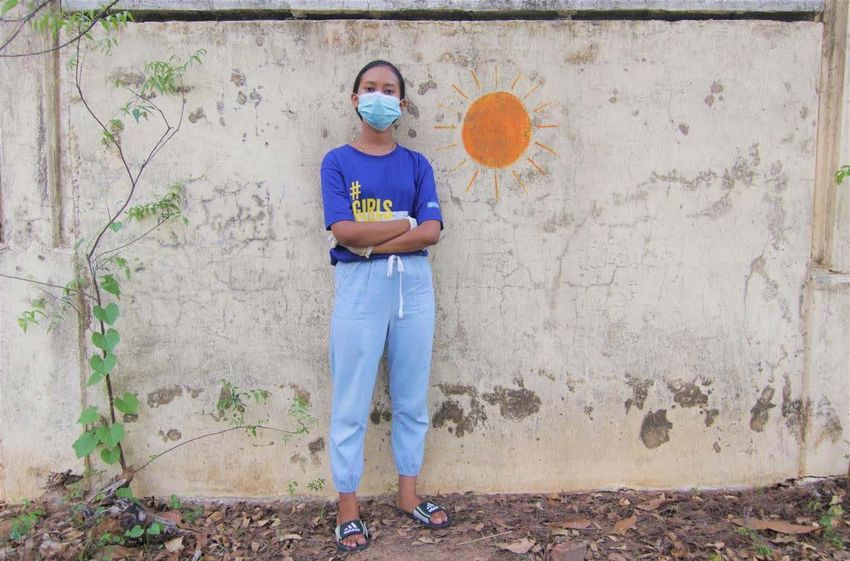
The campaign and its allies, with a sun ally symbol and    “I think there is an important
the youth-inspired motto “When they go quiet, we go        role for men and boys to play in
loud,” have reached more than 4.2 million people to        changing attitudes toward gender-
date. Adolescent and youth-friendly materials have been    based violence. More boys need to
developed in both Myanmar and Kachin languages and         join the sessions to get educated on
shared through social media and other channels. There      this challenging topic and become
has been a focus on those living in remote areas, areas          involved in peer support.”
of economic disadvantage and in communities affected
by conflict, with an interactive voice response platform        Youth leader and mentor,
allowing communities without Internet service to access         Chye Ju Naw, Kachin State
information.

Video resource: https://planinternational-my.sharepoint.
com/:v:/g/personal/conner_mcalary_plan-internation-        “I call upon fellow youth leaders to
al_org/EQ_c366kSupElMoSopn2048BzaU2cmpK1B6OB4i-            share our newly acquired knowledge
P3YVvoQ?e=1QmmJk                                           with our peers and communities so
                                                             that we can protect one another.”

                                                                      Youth leader,
                                                                       Ma Htu Mai,
                                                                      Kachin State

The original case study was contributed by UNICEF

                                                                                                  7
Good Practices Brochure: Adolescent Girls
Supporting girls’ menstrual health and hygiene in
Indonesia
Even in the best of times, inadequate water and sanitation
services, discriminatory social norms and poverty make
menstrual hygiene management difficult for many girls
around the world. During emergencies, such as the COVID-19
pandemic, these deprivations are exacerbated. Lockdowns,
fractured supply chains, financial hardship and decreased
access to services, are barriers to the facilities, supplies and
information needed to manage menstruation with dignity.
For girls, this can add to the stress and anxiety of an already
traumatic situation and further restrict their freedom,
choices and participation.
To better understand the situation for girls in Indonesia,
UNICEF conducted a U-Report poll on women’s and girls’
experiences of menstruation during the pandemic. Results
from the 5,806 respondents, half of whom were adolescent
girls, were published on Menstrual Hygiene Day (28 May).
More than one in four girls and young women (26 per cent)
reported difficulties accessing sanitary supplies during the
pandemic; 12 per cent due to mobility restrictions, 8 per cent
because pads were not available or too expensive; and 7 per
cent due to a lack of alternative information about sanitary pad
availability. Nearly a third (31 per cent) of respondents also
reported increased difficulty disposing of used pads during
the pandemic, due to lack of disposal facilities or information.
One in six girls and women (17 per cent) indicated they had
more difficulty managing their periods during the COVID-19
outbreak, with 55 per cent reporting irregular periods and
28 per cent suffering increased menstrual pain. To resolve
menstruation problems, girls were more likely to search
online for support (50 per cent), despite not being confident
in the reliability of information, rather than ask their parents
(18 per cent).
UNICEF Indonesia also launched the Oky period tracker app
on Menstrual Hygiene Day, with the theme “periods don’t
stop for pandemics”. Developed by the UNICEF Regional
Office for East Asia and the Pacific, Oky aims to empower
“Buying sanitary napkins girls and young women, reduce their stress and enable
become unaffordable, due them to manage menstruation with confidence. Girls were
to insufficient income...” at the centre of the Oky development process and directed
the app’s look and feel, functionality and features. The
18-year-old girl, Gorontalo app enables them to track and plan for their periods and
access trustworthy information about menstrual health and
hygiene and sexual and reproductive health. Evidence-based
8FEBRUARY 2021
information about topics that are normally taboo is particularly valuable during the pandemic when
girls’ social interactions and access to counsel are even more restricted than normal. Health and safety
information on COVID-19 was also included in Oky to provide young people with accurate information
and help address misinformation. Boys have also been encouraged to download the app so they can
also learn about menstruation and be more supportive of girls.
UNICEF Indonesia launched the Oky app in conjunction with a series of educational events and a social
media campaign which reached nearly 1 million accounts. Capacity-building included online menstrual
health and hygiene training for 200 adolescent health cadres, principals and teachers from 40 schools
and madrasahs, and 50 health staff from Community Health Centres. UNICEF Indonesia also hosted a
Menstrual Health and Hygiene Champions webinar and a competition for adolescents to share their
experiences using Oky. Access to sanitary supplies was boosted through the distribution of 15,000
COVID-19 hygiene kits with disposable pads to vulnerable households.
The original case study was contributed by UNICEF
9Good Practices Brochure: Adolescent Girls
Prevention of sexual and gender-based violence:
Best and promising practices from the Adolescent
Girls Resiliency Programme, Indonesia
In September 2018 a series of earthquakes in Central
Sulawesi Province, Indonesia, triggered a tsunami and
landslides, causing extensive damage and casualties. In the
hardest-hit districts, many people who survived the disaster
lost their homes and livelihoods, and an extensive disaster
relief effort is in place to respond to the wide range of
humanitarian needs and challenges. There is a risk that the
specific needs of adolescent girls will be overlooked unless
they are participants in designing the disaster response.
During and after disasters, child protection risks increase.
The risk of violence, including sexual and gender-based
violence, increases during emergencies, and adolescents
may not know their rights or how to access protection
mechanisms. Families may be unable to secure education
for their children, and children are at greater risk of child
labour and child marriage. Temporary shelters may not
be safe for girls and children, and water, sanitation and
hygiene facilities may not meet their needs.
Save the Children carried out the Central Sulawesi Response
Activity to provide girls with safe spaces to learn and play
across five evacuation sites (three in Palu City, and one
each in Donggala District and Sigi District). In all, the project
reached 639 adolescents aged 12–17 years (621 girls
and 18 boys). In each location, a girl-friendly space (GFS)
was established to improve girls’ well-being through the
provision of psychosocial support and awareness-raising
sessions on protection mechanisms and how to report
concerns.
Working with local partner, Yayasan Sayangi Tunas Cilik
(YSTC), water, sanitation and hygiene facilities were
established at the GFS locations and activities around child
nutrition and growth, parenting, and reproductive health
for adolescents were also provided to meet those needs.
In 2019, the Ministry of Women Empowerment and Child
Protection reported 3.6 million working children aged 10–
17. Child labour is more common in rural areas, with 12.5
per cent of children working in comparison to 5.9 per cent
10FEBRUARY 2021
in urban areas. These issues are exacerbated during emergency
situations. In the GFS, girls were able to further understand their
rights and express their thoughts, for example, through a play
presented to the community around child marriage and the risks of
child labour. This enabled them to highlight what was important to
them, specifically to receive an education instead of being forced to
work.
The Central Sulawesi Response Activity also strengthened the
community surrounding adolescent girls. YTSC trained 48 adults
from local villages as volunteers to deliver the resiliency programme
activities. GFS adult facilitators were trained on the key components
of child protection in emergencies, which will be useful not only
in future emergency responses, but also in carrying out other
volunteer work in their communities. Furthermore, some of the
adolescent girls were invited to engage in community discussions
of village development plans to share their views on how to make
temporary shelters safe for girls and children. The consultations
aimed to address children’s needs and include youth voices.
As Indonesia is highly prone to disasters, the resilience component of
this activity was designed to equip adolescents with positive coping
mechanisms for the future and empower them as participants in
disaster response and recovery.
The original case study was contributed by David Bricky Bloomer (Save the Children)
11Funding for this publication was provided by the Government of Japan.
You can also read


