Advanced Clean Cars (ACC) II Workshop - August 11, 2021 - California Air ...
←
→
Page content transcription
If your browser does not render page correctly, please read the page content below

Advanced Clean Cars (ACC) II
        Workshop
        August 11, 2021

                               1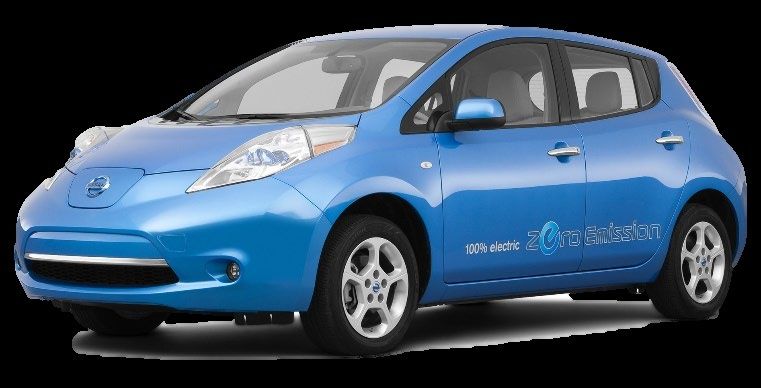
Zoom Orientation
• Attendees will remain on
  mute until called on in the
  speaking queue
   • Zoom: Mute/Unmute
     button at the bottom left
   • Phone: Dial *6 to
     mute/unmute
• Click the camera icon at
  the bottom left of your
  screen to toggle your
  video on and off

                                    2
Raise Hand
• To be added to the
  speaking queue,
  please use Raise
  Hand
  • Zoom: Click
    Participants, then
    Raise Hand
  • Phone: We’ll check
    in with the phone
    line periodically

                                      3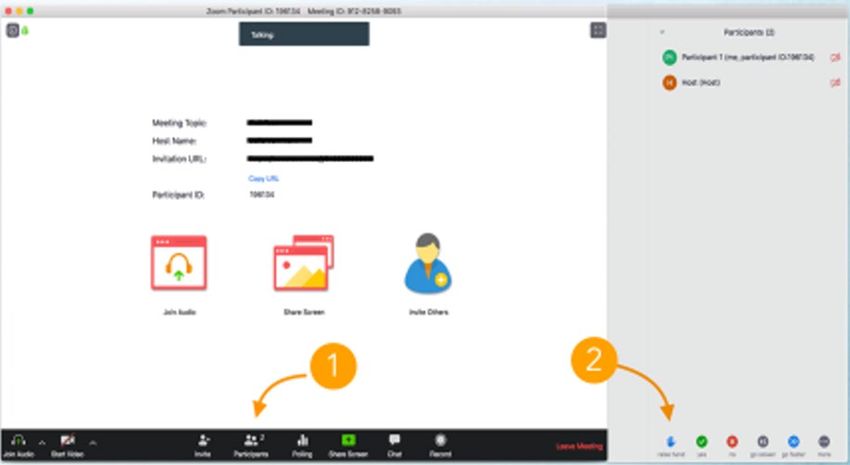
Workshop Logistics

• Today’s workshop presentation is posted
  • https://ww2.arb.ca.gov/advanced-clean-cars-ii-meetings-
    workshops
• This workshop is being recorded
  • Subscribe to the Advanced Clean Cars email list for updates

                                                                  4
Workshop Logistics

• Questions can be sent via the Zoom Q&A box
  • Follow-up questions can be sent to cleancars@arb.ca.gov
• Written comments may be submitted using the ACC II
  Workshop #3 informal comment submittal form
• Comments submitted can be viewed on the ACC II
  workshop comments log webpage

                                                              5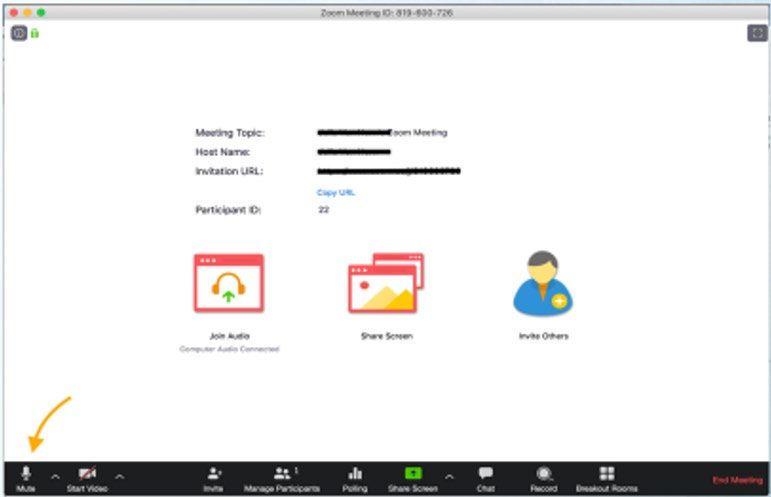
Workshop Agenda

• Environmental Justice Proposals to Increase Access to
  Zero-Emission Vehicles (ZEVs)
• ZEV Regulation Update: Minimum Requirements
• CEQA Scoping: Recap of ZEV and Low-Emission Vehicle
  (LEV) Proposals
• SRIA Alternative Request & Next Steps

                                                          6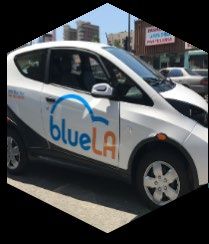
Clean Car Regulations

       1990                   1998                    2012
   Low-Emission           Low-Emission         Advanced Clean Cars
Vehicle Regulation +   Vehicle II Regulation        Program
 ZEV Requirements             + ZEV               /Regulations

                                                                     7
Zero-Emission Low-Emission
Vehicle (ZEV) Vehicle (LEV)
Regulation Passenger
GHG Regulation
– Accelerates ZEV
cars and
trucks – Reduces climate
deployment change impacts
Low-Emission
Vehicle (LEV)
Criteria Regulation
– Reduces air quality
impacts 8Governor’s
Executive
Order
N-79-20
9Advanced Clean Cars II Rulemaking
• Continue to clean up gasoline cars
• Ensure emission controls better
match driver behavior
• Add standards for heavier
passenger trucks
• Increase market share of electric
vehicles
• Improve electric vehicles for all
consumers
• Achieve environmental justice goals
10ACC II Environmental Justice Strategy
• Increase community engagement
• Strive to disproportionately benefit impacted
communities
• Increase focus on all consumers – ZEV assurance
measures; ZEV minimum technical requirements
• Explore additional provisions that can help achieve
more equitable outcomes for our underserved
communities
11What we have heard from the community
and EJ advocates
• Increase production of electric cars
• Automakers should produce electric cars with more range
• ZEV affordability is a concern
• Increase ZEV ownership of new and/or used ZEVs by
community members
• Increase ZEV mobility and access to ZEV transportation by
community members to meet their day-to-day
transportation needs
12SB 350 Barriers Report
In making vehicle purchase decisions, clean vehicles are not yet
viewed as affordable, reliable or as convenient as gas counterparts.
Residents lack awareness of clean vehicles and have anxieties and
fears of newer technologies, resulting in a reluctance to purchase
advanced technology clean vehicles.
13Assuring Consumers about ZEVs
• Protect Emission Reductions • Increase Transparency
• Assure ZEVs can fully replace • Disclosure battery health and
gasoline vehicles for a warranty coverage to build
consumer consumer confidence
• Keep All Consumers In Mind • Bring the independent repair
• Ensure ZEVs meet unique needs industry into the fold
for affordability, durability, and • Simplify charging for ease of
charging over the vehicle’s life use
14New Proposed Concept: EJ Credits
• EJ credits for manufacturers who take action to help
increase affordable access to ZEVs for our underserved
communities
• EJ credits are a distinct new category
• Credits can be used in model years 2026 through 2031
• Credits expire after model year 2031
• 5% cap on the number of EJ credits allowed to fulfill a
manufacturer’s obligation in any year
15EJ Credit Categories
Community
Used ZEV
Program
16EJ Credit Category:
Community Program
• Increase clean transportation options for priority
communities
• Concept: A new ZEV or plug-in hybrid electric vehicle
(PHEV) provided at discount for use in a community-
based clean mobility program may earn extra credit
17Minimum Percent Discount
MSRP MSRP Percent Discount Discount
• ZEVs and PHEVs Low
-
High
$20,000
Discount
5%
Value Low Value High
- $1,000
eligible for $20,001 $22,500 10% $2,000 $2,250
$22,501 $25,000 11% $2,475 $2,750
community $25,001 $27,500 12% $3,000 $3,300
program EJ credits $27,501 $30,000 13% $3,575 $3,900
$30,001 $32,500 14% $4,200 $4,550
must be offered at $32,501 $35,000 15% $4,875 $5,250
a minimum $35,001
$37,501
$37,500
$40,000
16%
17%
$5,600
$6,375
$6,000
$6,800
percent discount $40,001 $42,500 18% $7,200 $7,650
$42,501 $45,000 19% $8,075 $8,550
based on the $45,001 $47,500 20% $9,000 $9,500
vehicle MSRP $47,501 $50,000 21% $9,975 $10,500
$50,001 $52,500 22% $11,000 $11,550
$52,501 $55,000 23% $12,075 $12,650
$55,001 $57,500 24% $13,200 $13,800
$57,501 $60,000 25% $14,375 $15,000
18Community Program: Vehicle Eligibility
• PHEVs are only eligible for vehicle models with 6-seat
capacity or more
• Vehicles must be registered in California
• Vehicles must be put into service exclusively for the
purposes of operating a community-based clean mobility
program
• Vehicle titles or lease agreements must be held by an
organizational entity, not by individual drivers
19Proposed Community Program EJ Credit
Earned per Vehicle
A new ZEV or PHEV provided at discount for use in a
community program may earn EJ credit:
Type of Vehicle Model Year EJ Credit
New ZEV 2026 through 2031 0.50
New PHEV* 2026 through 2031 0.40
*PHEVs are only eligible for vehicle models with 6-seat capacity or more
20Community-Based Clean Mobility Program
• A community-based clean mobility program must meet
the eligibility criteria of one of the following:
• Clean Mobility Options Pilot Program (CMO)
• Sustainable Transportation Equity Project (STEP)
• Community transportation needs assessments or planning/ capacity
building feed into clean mobility projects
• Electric carshare
• Vanpools and carpooling
• Ride-on-demand services
• Innovative transit services
21Community Program: EO Approval
• Alternatively, the manufacturer must demonstrate to the
Executive Officer (EO) that the discounted eligible
vehicle will be used as part of a community program
• The program may include community-
identified mobility options that increase
access to clean transportation and zero-
emission mobility
22Community Program: Project Area
• The community program project area is the geographic area
where community residents live, services operate, and
infrastructure is installed
• Boundaries of the project area must be within at least one of
the following geographies:
• A low-income community
• A disadvantaged community
• Tribal lands within a low-income or disadvantaged community
• A community in which at least 75% of public-school students in the
project area are eligible to receive free or reduced-price meals
23Community Program: Implementer
• The community program must be implemented by:
• A community-based organization
• A Native American Tribe
• A public agency or nonprofit organization
• that has received a letter of support from a project-related
community-based organization or local community group
24Community Program: Verification
• Manufacturer must provide:
• Vehicle VIN, MSRP, and purchase agreement
• Community program description, objectives, location, and
contact information
• An attestation from the program implementer confirming:
• the percent discount applied off MSRP
• that the community-based clean mobility program meets the
eligibility requirements
25EJ Credit Categories
Community
Used ZEV
Program
26EJ Credit Category: Used ZEV
Percent of Used Vehicles in Clean Cars
• 70% of consumers for All by Air District
purchased used cars 100%
• ~75% of Clean Cars 4 All 90% 97%
90%
80%
grants have been awarded 70%
for used vehicles 60% 68%
50%
• Used vehicles tend to be 40% 46%
purchased at higher rates 30%
20%
by low-income consumers [1]
10%
0%
Bay Area South Coast San Joaquin Sac Metro
[1] https://cleanvehiclegrants.org/program-data/
AQMD AQMD Valley APCD AQMD
% Used Vehicles
27Used ZEVs & Leased Vehicles
• Nationwide about 1 in 4 new
vehicles are leased and not
purchased
• Clean Vehicle Rebate Project
(CVRP) survey statistics indicate
~70% of battery electric
vehicles have been leased and
not purchased [1]
Source: Car and Driver, percent of leased vehicles by state
[1] CVRP EV Consumer Survey Dashboard,
https://cleanvehiclerebate.org/eng/survey-dashboard/ev
28Proposal: EJ Credit for Used ZEVs
• To increase access to more affordable used ZEVs for
consumers in California
• Concept: A leased ZEV originally offered at or below
$40,000 (MSRP) may receive extra credit the next year it
is registered for operation (either purchased or leased) in
California beyond its three years of service as a leased
vehicle
29Used ZEV Eligibility
Eligible based
Vehicle Eligibility Vehicle Model
on MSRP Cap
BMW i3 Not eligible
• ZEV only Ford Mustang Mach-E Not eligible
• Leased 2026-2028 Volkswagen ID.4
Kia Niro Electric
Yes
Yes
vehicle Hyundai Kona Electric Yes
Chevrolet Bolt EV Yes
• MSRP cap $40,000* Honda Clarity Electric Yes
Tesla Model 3 Yes
(when vehicle was new) Kia Soul EV Yes
Volkswagen e-Golf Yes
Hyundai Ioniq Electric Yes
*MSRP cap is determined by the minimum Nissan LEAF Yes
base model price MINI Cooper SE Yes
30EJ Credit Value for Used ZEVs
Type of Vehicle Vehicle Model Year EJ Credit
Used ZEV 2026 through 2028 0.10
• Effective vehicle model years: 2026 through 2028
• EJ credit is earned in model years 2029-2031
• EJ credit cannot be earned or used after model year 2031
• EJ credit is one-time credit earned after 1 full year in
California after end of lease
31EJ Credits Summary
EJ Credit EJ Credit EJ Credit Model Year EJ
Category per PHEV* per ZEV Credits Generated
Community
0.40 0.50 2026-2031
Program
Used ZEV N/A 0.10 2029-2031
*PHEVs are only eligible for vehicle models with 6-seat capacity or more
32Proposed CA ZEV Stringency
with EJ Credits
100%
94% 100%
88%
82% 90%
% New ZEV and PHEV Sales
76% 80%
70%
60% 72%
60%
51%
43% 57% 50%
48% 40%
34%
40%
26% 30%
32% New ZEV/PHEV Sales Requirement with EJ Credits
24% 20%
Original Proposed Sales Requirement 10%
0%
2026 2027 2028 2029 2030 2031 2032 2033 2034 2035
33What Are Your Thoughts
• Do you think the concepts for EJ credit help achieve the goal of
increasing affordable access to ZEVs for our underserved
communities?
• How can we best focus the used ZEV EJ credit option to ensure we
provide more direct benefits to our underserved communities? Should
we provide additional credit for a used ZEV that is placed in a
community mobility or low-income program?
• Are the concepts for EJ credit best suited as a regulatory measure?
• What other ideas for EJ credit should we consider?
• In what ways do you think automakers can best help increase access
to electric cars?
34Workshop Agenda
• Environmental Justice Proposals to Increase Access to
Zero-Emission Vehicles (ZEVs)
• ZEV Regulation Update: Minimum Requirements
• CEQA Scoping: Recap of ZEV and Low-Emission Vehicle
(LEV) Proposals
• SRIA Alternative Request & Next Steps
35Proposed Changes to Minimum
Requirements for ZEV Credit (pure ZEVs)
Category Current (through 2025) Proposal (2026+)
Range 50 miles UDDS 200 miles 2 cycle
Level 2 J1772 (or adapter) Required Required (no change)
On Board Charger Size 3.3 kW 5.76 kW
Convenience Cord Not Required Required (120 and
240V)
DCFC Capability Not Required Required
DCFC Inlet Not Required CCS or Adapter
Neighborhood Electric Separate requirements and Not allowed to count
Vehicles treatment toward requirement
36Updating Minimum Requirements
• Stakeholder input since May workshop
• Effect on low-income consumers in the new and
used market
• ZEV Assurance Measures (i.e., durability)
• Current state of technology
• Cost implications
37Sizing for the Minimums
• 150 Label Range + Durability Standard > 100 miles
electric range
• 5.76 kW On-Board Charger
• Homes often have 30-amp dryer outlet
• Appropriate Level 2 minimum power capability for a
150-mile BEV to sufficiently charge in 8-hour
(overnight) period assuming 30-amp circuit
38Range is Increasing
Range of BEVs Offered for Sale in the United States, Model Years 2011-2022
700
California 2018 Sales
600
Weighted Average: 276.1
EPA Electric Range (Miles)
500 Median: 310
400
Maximum Range
300
Median Range
200
Average Range
100
Minimum Range
0
2011 2012 2013 2014 2015 2016 2017 2018 2019 2020 2021 2022
Model Year
39Proposed Technical Minimums for 2026 and
Subsequent Model Years for ZEV Credits
Category Proposal (2026+)
Range 200 miles 2 cycle range (~150 mile label range)
Level 2 J1772 (or adapter) J1772 Level 2 connector or adapter (No change)
On Board Charger Size At least 5.76 kW on-board charger
Convenience Cord Required to include convenience cord with
vehicle that is capable of both Level 1 and Level
2 charging (120V and 240V)
DCFC Capability & Inlet Required DCFC capability and inlet (CCS or
adapter) for BEVs
Neighborhood Electric Vehicles NEVs will not count toward requirement
40Workshop Agenda
• Environmental Justice Proposals to Increase Access to
Zero-Emission Vehicles (ZEVs)
• ZEV Regulation Update: Minimum Requirements
• CEQA Scoping: Recap of ZEV and Low-Emission
Vehicle (LEV) Proposals
• SRIA Alternative Request & Next Steps
41Environmental Analysis
• Environmental Analysis (EA) being prepared analyzing
potentially significant adverse impacts caused by reasonably
foreseeable actions
• Meets requirements of CARB’s certified program under the
California Environmental Quality Act (CEQA)
• The CEQA Environmental Checklist (CEQA Guidelines
Appendix G) is used to identify and evaluate potential
indirect impacts
• The EA will be an appendix to the Staff Report
42Environmental Analysis to be Prepared
• The EA will include:
• Description of reasonably foreseeable actions taken in response
to the proposal
• Programmatic level analysis of potential adverse impacts caused
by reasonably foreseeable actions
• Feasible mitigation measures to reduce/avoid significant impacts
• Alternatives analysis
• Input invited at this early stage on appropriate scope and
content of the EA
• Draft EA will be released for 45-day public comment period
43ZEV Proposals
44Planned ZEV Amendments
• Focus on simplifying and strengthening the
regulation toward 100% ZEV goal
• Reduce credits awarded per ZEV
• Limit post-2025 credit life
• Limit pre-2026 credit life and reduce and cap historical
balances
• Raise minimum requirements for qualifying PHEVs
and ZEVs
45ZEV Assurance Proposals: Summary
• Durability (useful life) requirements
• Minimum warranty requirements
• Service information and data requirements
• Vehicle and battery state-of health monitoring
• Standardize DC fast charge inlet
• Increase recyclability of batteries through labeling
requirement
46LEV Proposals
47LEV Amendments for Light-Duty Vehicles
1. Adjust NMOG+NOx fleet average standards
• Remove ZEVs from NMOG+NOx fleet average
• Require 0.030 g/mile fleet average for NMOG+NOx for non-ZEVs
• Changes to emission certification bins
• Eliminate dirtiest bins (LEV160 and ULEV125)
• Add intermediate bins (ULEV60, ULEV40, SULEV25)
• Add cleaner bins (SULEV10 and/or SULEV15)
2. Require all vehicles to meet stand-alone SFTP standards
• Eliminate composite SFTP emission certification option
• Tighten stand-alone US06 standards to FTP emission levels
48LEV Amendments for Light-Duty Vehicles
3. Strengthen PM standard for aggressive driving
• Phase-in to 3 mg/mile PM on US06 cycle
4. Regulate cold-start emissions for all soak durations
• FTP emission standard must be met for soaks of 3 hours or greater
• Require emission linearity between 10 min soak and 3 hour soak
5. Control cold-start emissions for early drive-away
• Set new standard based on best performing vehicles
6. New standard to regulate PHEV aggressive driving cold-start emissions
• New cold-start US06 charge-depleting emission test standard
• Exemption for PHEVs that can drive US06 fully electric
49LEV Amendments for Medium-Duty Vehicles
1. Adopt in-use test procedures and standards from the HD Low NOx
Omnibus Rulemaking for chassis certified MDVs
2. Require class 2b and class 3 to meet stand-alone standards for
US06/LA92 test cycles
3. Consider lowering NMOG+NOx fleet average for chassis certified
MDVs in class 2b and class 3
4. Take out ZEVs from the MDV fleet-average
5. Remove dirtiest FTP NMOG+NOx emission certification bins and
possibly add new lower bins
50LEV Amendments for Evaporative Emissions
1. Tighten Running Loss Standard: from 0.05 to 0.01 g/mile
• Most vehicles meeting this now but some higher emitting
• Eliminate dirtiest, ensure good designs remain the norm
2. Puff Emissions Proposal
• Unique to special sealed gasoline tanks common on PHEVs
(and some HEVs)
• Specify minimum canister size in regulation
• Emission protection without adding test burden
51ACC II A/C Concepts
• Limit GWP (>150) refrigerants in new LDV A/C systems
• Ensure continued industry low-GWP transition
• Contribute to meeting State’s HFC reduction goals
• Align with EU MAC Directive
• Update A/C Leakage Credits
• Incentivize lower-GWP refrigerants
• Incentivize lower leak rate
52Q&A
53Workshop Agenda
• Environmental Justice Proposals to Increase Access to
Zero-Emission Vehicles (ZEVs)
• ZEV Regulation Update: Minimum Requirements
• CEQA Scoping: Recap of ZEV and Low-Emission Vehicle
(LEV) Proposals
• SRIA Alternative Request & Next Steps
54Standardized Regulatory Impact
Assessment (SRIA) Request for Alternatives
• Pursuant to SB 617[1] CARB welcomes public input on alternatives
to the draft regulatory proposal discussed in this workshop
• In particular, CARB encourages public input on alternative
approaches that:
• may yield the same or greater benefits than those associated with
the proposed regulation, or
• may achieve the goals at lower cost
[1] Under SB 617:
http://dof.ca.gov/Forecasting/Economics/Major_Regulations/SB_617_Rulemaking_Documents/documents/Section%20200
0%20ISOR%201%20sb_617_bill_20111006_chaptered.pdf
See also the Department of Finance’s implementing regulations CCR Title 1, Division 3, §2000-2004
55Standardized Regulatory Impact
Assessment (SRIA) Request for Alternatives
• Please ensure the submission discusses the alternative’s ability
to fulfill the purposes of the draft regulatory proposal as CARB
has presented it
• Please submit the associated cost/benefit information and data
sources to enable comparison of economic impacts
• Please also submit a clear description of the basis for any cost
calculations
56ACC II Timeline
Workshop Workshop Workshop Workshop Board
September May August Fall Hearing
2020 2021 2021 2021 June 2022
57Opportunities for Comments
• Written comments may be submitted using the ACC II
Workshop #3 informal comment submittal form through
September 1, 2021
• Comments submitted can be viewed on the ACC II workshop
comments log webpage
• Subscribe to the Advanced Clean Cars email list for
updates on document availability and future workshops
58You can also read


