AGPT PROGRAM 2021 FINAL INTAKE - SELECTION GUIDE - RACGP
←
→
Page content transcription
If your browser does not render page correctly, please read the page content below

AGPT PROGRAM
2021 SELECTION GUIDE
FINAL INTAKE

AGPT Program 2021: Selection guide – Final intake
Disclaimer
The information set out in this publication is current at the date of first publication and is intended
for use as a guide of a general nature only and may or may not be relevant to particular patients
or circumstances. Nor is this publication exhaustive of the subject matter. Persons implementing
any recommendations contained in this publication must exercise their own independent skill or
judgement or seek appropriate professional advice relevant to their own particular circumstances
when so doing. Compliance with any recommendations cannot of itself guarantee discharge of the
duty of care owed to patients and others coming into contact with the health professional and the
premises from which the health professional operates.
Accordingly, The Royal Australian College of General Practitioners Ltd (RACGP) and its employees
and agents shall have no liability (including without limitation liability by reason of negligence) to
any users of the information contained in this publication for any loss or damage (consequential
or otherwise), cost or expense incurred or arising by reason of any person using or relying on the
information contained in this publication and whether caused by reason of any error, negligent act,
omission or misrepresentation in the information.
Recommended citation
The Royal Australian College of General Practitioners. AGPT Program 2021:
Selection guide – Final intake. East Melbourne, Vic: RACGP, 2020.
The Royal Australian College of General Practitioners Ltd
100 Wellington Parade
East Melbourne, Victoria 3002
Tel 03 8699 0414
Fax 03 8699 0400
www.racgp.org.au
ABN: 34 000 223 807
ISBN: 978-0-86906-566-2 (web)
ISBN: 978-0-86906-567-9 (print)
Published February 2020, updated March 2020; updated for final intake August 2020
© The Royal Australian College of General Practitioners 2020
This resource is provided under licence by the RACGP. Full terms are available at www.racgp.org.
au/usage/licence. In summary, you must not edit or adapt it or use it for any commercial purposes.
You must acknowledge the RACGP as the owner.
We acknowledge the Traditional Custodians of the lands and seas on which we work and live, and pay our
respects to Elders, past, present and future.

20811-2.8

AGPT PROGRAM
2021 SELECTION GUIDE
FINAL INTAKE
STAGE 1 APPLICATION AND ELIGIBILITY   31 AUGUST – 2 OCTOBER

STAGE 2 NATIONAL ASSESSMENT           19–23 OCTOBER

STAGE 3 INTERVIEW AND OFFERS          21 NOVEMBER – 11 DECEMBER

                                                              The Australian General
                                                              Practice Training
                                                              Program: An Australian
                                                              Government initiative
MESSAGE FROM THE RACGP
CENSOR-IN-CHIEF
The Australian General Practice Training (AGPT) Program with         During your training you will be exposed to different patient
The Royal Australian College of General Practitioners (RACGP) is     populations, supervisors and mentors as well as a variety of
available for anyone who wants to become a general practitioner      general practice business models.
(GP) anywhere in Australia.
                                                                     I challenge you to think deeply about what you want to achieve
Choosing general practice as a speciality means that you will        from the training, and not to limit yourself.
develop trusted, long-term relationships with patients within your
                                                                     Training in a rural or remote area is likely to be an extremely
community and improve the lives of people you see every day.
                                                                     positive experience where you will be welcomed into the
These relationships will allow you to deliver effective healthcare   community and well-supported by your training organisation.
across all stages of life and an almost infinite variety of
                                                                     This guide will help you navigate the selection process for the
presentations.
                                                                     AGPT Program and provide answers to questions about general
You will need to be able to deal with complexity and uncertainty,    practice as a speciality.
and enjoy the challenge of never quite knowing what the day will
                                                                     The RACGP is here to support all members through their general
bring. No two patients are the same and every consultation is an
                                                                     practice career. We will be with you every step of the way.
opportunity to help someone take the next step to better health.
The AGPT Program is considered the number one training program       Dr Tess van Duuren
for doctors pursuing a career as a GP – and for good reason.         Censor-in-Chief

                                                                             AGPT PROGRAM 2021: SELECTION GUIDE – FINAL INTAKE | i
AGPT IS THE LEADING
      PROGRAM FOR DOCTORS
      WISHING TO PURSUE
      THE SPECIALTY OF
      GENERAL PRACTICE

      The RACGP is widely recognised as a leader in
      the provision of general practice training, and has
      supported more than 23,000 GPs in achieving
      Fellowship since 1958.

      The RACGP is Australia’s largest professional general
      practice organisation and represents urban and rural
      GPs. We represent more than 40,000 members working
      in or towards a career in general practice.

ii | AGPT PROGRAM 2021: SELECTION GUIDE – FINAL INTAKE
CONTENTS
New Fellow profile                                         2

Become a GP                                                4

What do GPs do?                                            5

What is general practice?                                  6

Characteristics and skill set required to be a GP          7

Registrar profile                                          8

Diversity in general practice                              9

FRACGP AND FARGP                                          12

Registrar profile                                         15

General practice training                                16

Applying to specialise in general practice                17

RACGP selection process into the 2021 AGPT Program        18

RACGP membership                                         24

Frequently asked questions                               26

Registrar profile                                        28

                                                     AGPT PROGRAM 2021: SELECTION GUIDE – FINAL INTAKE | 1
NEW FELLOW PROFILE
      Dr Erin Gordon values the diversity of her working
      days, in that no two of them are the same. General
      practice gives Erin the opportunity to enjoy different
      experiences and face varied challenges every day. With
      eight years’ general practice experience under her belt, Dr
      Erin Gordon is a new Fellow who enjoys the opportunity
      of treating the whole person, not just the disease.
      As a medical student and during her second year of hospital training, Erin worked
      in the Northern Territory, where the remote area nurses and GPs had a significant
      impact on her decision to specialise in general practice.
      Now, Erin’s week includes three clinical days, including the supervision of general
      practice registrars and an adolescent evening clinic, in addition to working one day a
      week in a high school. Every six weeks she also works with the Royal Flying Doctor
      Service, performing outreach. She is currently completing a Masters of Public Health
      and Tropical Medicine.

      What was your experience like as a
      general practice registrar?
      'I had an amazing experience as a general practice registrar. I was very fortunate to have
      such a wide and varied experience with my four rotations. I have just completed a five-
      year stint working in the clinic that had taken me on for my first rotation, which is a large
      community health centre with a focus on refugee and asylum seeker health. Prior to that
      I worked in an incredibly dynamic mixed billing clinic in St Kilda, followed by an outer
      metropolitan placement in Diamond Creek, and finally finishing up and remaining for a further
      year at the Victorian Aboriginal Health Service.'

      What’s a day in your life as a GP like?
      ‘General practice is just so incredibly varied. I could find myself in the morning working
      with a refugee family or a family that’s newly arrived, in conjunction with one of our refugee
      health nurses. My next patient may be someone seeking assistance for heroin addiction.
      Followed by a young person who has come in to talk about their mental or sexual health.
      And that’s what I really love about my work from day to day, week to week.’

      What do you like most about being a GP?
      ‘Prior to commencing GP training, I had tried my hand at so many different things:
      psychiatry, paediatrics, obstetrics and gynaecology. I realised that while I loved many
      different aspects of these specialities, nothing quite satisfied that connection that I really
      wanted with people, and the passion I had for being an advocate for more-vulnerable
      groups. This is what I’ve really loved about general practice; that it ties all of these things
      together, and also has such a political focus. General practice also provides such an array
      of opportunities to spread your wings and choose roles you are passionate about.’

2 | AGPT PROGRAM 2021: SELECTION GUIDE – FINAL INTAKE
DR ERIN GORDON
    NEW FELLOW

AGPT PROGRAM 2021: SELECTION GUIDE – FINAL INTAKE | 3
BECOME A GP
      Don’t let the word ‘general’ mislead you
      – general practice is a unique discipline
      of largely relationship-based specialist
      medical care. With comprehensiveness
      and continuity of care, GPs are
      specialists in their patient’s life from
      beginning to end, which places general
      practice at the centre of an effective
      primary healthcare system.

4 | AGPT PROGRAM 2021: SELECTION GUIDE – FINAL INTAKE
WHAT DO GPs DO?
Working in general practice is different When based in a community, access to services and investigations
can be different to when based in a hospital. GPs get to know
to working in a hospital, and also what is available and how to support their patients to access
different to working in many other services. This requires knowledge of the individual patient, their
circumstances and their community.
specialties. Working in the community,
Getting to know patients and offering continuity of care across
GPs often see a patient in the early someone’s lifespan is a special privilege of general practice. Over
stages of an illness when the problem is time, GPs build up knowledge of their patients and their patients’
undifferentiated. Not knowing what lives; some GPs support the birth of a child of someone they cared
for many years before.
the next patient might present with and
Lastly, GPs have an opportunity to practise preventive medicine.
dealing with undifferentiated problems The chance to be proactive in helping patients maintain their health
is challenging – but is also one of the can be highly rewarding.
most rewarding aspects of general This guide is designed to:
practice. GPs manage an enormous • answer questions you may have about general practice
variety of problems and conditions, as a specialty
requiring a broad span of knowledge. • provide important information about what your career in
general practice will entail
• guide you through RACGP selection into the AGPT Program.
When asked ‘Why did you choose
to become a GP specialist?’, there
was an overwhelming response
nominating ‘diversity of patients
and medical presentations’ as well
as ‘hours/working conditions’.*
*Taylor R, Clarke L, Edwards D. Australian General Practice
Training Program: National report on the 2018 National
Registrar Survey. Camberwell, Vic: Australian Council for
Education Research, 2018.
AGPT PROGRAM 2021: SELECTION GUIDE – FINAL INTAKE | 5WHAT IS
GENERAL PRACTICE?
General practice offers person-centred healthcare, based on a Variety and portability
foundation of trust between patients and their chosen GP. A career
in general practice offers enrichment, reward, financial security, the A career in general practice allows you the opportunity to work in
opportunity for personal and professional development, and a truly a wide variety of community settings, including inner-city, outer-
diverse experience in practising medicine. suburban, regional towns, smaller rural communities, isolated
rural settings and overseas. These community settings provide
You will never get bored – no two days or patient presentations in possibilities to work with many different patient groups, including
general practice are the same. Aboriginal and Torres Strait Islander peoples, refugees, people
experiencing homelessness and older people.
Continuity of care
GPs have the privilege of fostering long-term relationships, mutual Work–life balance
knowledge, understanding and trust with patients. They seek In comparison to many other medical specialties, general practice
to build health, wellbeing and resilience through the continuing offers a wide variety of flexible working arrangements, including full
doctor–patient relationship, application of best available evidence in time, part time, evenings and/or weekends, or short-term locum
the unique context of each consultation, and coordination of clinical positions in different and interesting locations to suit your lifestyle.
teamwork, resources and services.
Business ownership
Specific interests
General practice offers the unique and exciting opportunity to be
A career in general practice allows you to pursue many areas of your own boss by owning a general practice, which can offer career
specific interest. If you have an interest in, for example, diabetes, diversity, upskilling and autonomy. Practice ownership can be very
paediatrics or palliative care, after attaining Fellowship of the rewarding financially, professionally and personally.
RACGP (FRACGP) you can choose to pursue your interests with
further professional development.
When asked about their overall
training experience, 90% of
registrars were satisfied with the
overall education and training.*
*Taylor R, Clarke L, Edwards D. Australian General Practice Training Program: National report on the 2018 National Registrar Survey. Camberwell, Vic:
Australian Council for Education Research, 2018.
6 | AGPT PROGRAM 2021: SELECTION GUIDE – FINAL INTAKECHARACTERISTICS
AND SKILL SET
REQUIRED TO BE A GP
As general practice is largely a A range of clinical skills and experience,
relationship-based specialist medical both diagnostic and therapeutic
discipline, GPs possess a unique GPs are skilled in managing uncertainty, undifferentiated
combination of characteristics and skills, illness and complexity. They are able to use best practice
evidence in light of individual circumstances, and engage
including the following. patients and families in understanding, planning and managing
their health according to individual capacities for a diverse
range of conditions.
An interest in people and holistic care
GPs understand that health, illness and disease are ultimately
personal experiences – the principal role of the GP is to relieve
Communication skills
personal disease in all its forms in the manner best suited to each In caring for the medical needs of the whole person, the GP
individual. Managing people in their community over time requires functions as a physician, counsellor, advocate and agent of change
an understanding of the individual and their circumstances. for individuals, families and their communities.
The ability to manage uncertainty Clinical independence
Not knowing what a patient is coming in for and managing them GPs often work with the patient and make decisions one on one in
without a definite diagnosis can be challenging. Although GPs have their clinic. However, as a GP you are not isolated; there is plenty of
support in this, you need to be able to manage the uncertainty that support in the work you do, whether that be in the middle of a large
is both a challenge and a rewarding part of general practice. city or in a remote rural area.
AGPT PROGRAM 2021: SELECTION GUIDE – FINAL INTAKE | 7DR MARCUS HAYWARD
AGPT REGISTRAR
RTO: GP SYNERGY
REGISTRAR I chose general practice because …
PROFILE
‘Diversity! Diversity of patients, diversity of medical issues and the opportunity to
develop multiple interests. Also, the flexibility of location and hours.’
My journey so far …
‘I’m enjoying working with amazing doctors and role models. I’m also enjoying
getting to know patients and being valued as someone people feel they can turn
to for help. There is also a big learning curve in medicine and the breadth of
presentations to a GP is enormous. It’s an ongoing challenge to deal with. But I find
it’s important to push myself to manage things to a high standard while also being
honest about, and mindful of, my limitations.’
8 | AGPT PROGRAM 2021: SELECTION GUIDE – FINAL INTAKEDIVERSITY IN GENERAL PRACTICE
General practice offers a wide array of options, allowing you to focus • administers the Rural Procedural Grants Program to provide
on your areas of interest or tailor your career to suit your desired financial assistance for procedural GPs in rural and remote areas
work–life balance. The following are some opportunities you may to complete education activities
choose to explore during your general practice training and possibly
• provides a range of guidelines, policies and updates to assist
expand on later in your career. Clinical practices range in size, sites
medical students, interns, registrars and GPs
and structure. Some are private, some are publicly funded; some
are in cities and some are rural. Many GPs choose to run their own • offers opportunities for networking, mentoring and
practice, but others work as employees or contractors. Some choose professional development.
to work in more than one practice and some do locum work, while
Visit www.racgp.org.au/rural for further information.
many combine clinical work with work in areas of specific interest,
such as dermatology or sports medicine. Lastly, some GPs might do
sessions in hospitals or in non-clinical areas, such as administration, The FARGP can be undertaken
teaching or research. There are many options and possibilities. concurrently with your FRACGP studies,
extending your program from three to four
RACGP Rural
years with a dual Fellowship outcome.
RACGP Rural is the RACGP’s dedicated rural and remote faculty,
and Australia’s largest representative body of rural GPs.
With more than 20,000 members, including more than 9500 GPs RACGP Aboriginal and Torres Strait
living and working in rural and remote Australia, RACGP Rural Islander Health
recognises the challenges specific to rural and remote areas and
supports rural GPs and their communities through advocacy, Improving the health of Aboriginal and Torres Strait Islander peoples
research, education and policy development. is one of Australia’s highest health priorities.
The unique characteristics of Australia’s rural areas offer diversity The RACGP is committed to raising awareness of Aboriginal and
in complex health presentations, and provide GPs with opportunities Torres Strait Islander health needs and, as a result, founded the
to expand their skills and take on a wide variety of clinical faculty of RACGP Aboriginal and Torres Strait Islander Health in
opportunities. In many rural and remote areas across Australia, February 2010 to help ‘close the gap’.
GPs with Advanced Rural Skills Training (ARST) offer the only By understanding the cultural context, RACGP Aboriginal and Torres
specialist medical services (such as emergency medicine, mental Strait Islander Health advocates for culturally appropriate health
health, anaesthesia and obstetrics) to which their communities have delivery systems that will improve health outcomes for Aboriginal
access. Clinical opportunities for rural GPs can include hospital and Torres Strait Islander communities.
and community-based work, using a range of procedural and
non-procedural skills; emergency response; after-hours services; The RACGP is committed to growing the Aboriginal and Torres Strait
outreach clinics and population health initiatives. Islander general practice workforce. It provides dedicated support
and activities for Aboriginal and Torres Strait Islander candidates
RACGP Rural: applying for and undertaking the AGPT Program, as well as for
• champions the role of the rural GP and leads the discussion to registrars working towards FRACGP. With the RACGP, Aboriginal
address the challenges of rural general practice and Torres Strait Islander doctors and registrars have access to
a workshop to assist in preparing for the RACGP’s AGPT national
• works with key stakeholders, state and national governments to assessment, GP mentors, other Aboriginal and Torres Strait Islander
enable meaningful and effective representation on key issues registrars and peers on shareGP, the fully funded Yagila Wadamba
• maintains policy leadership and a strong voice to secure a Program, the Growing Strong Award and webinars.
sustainable rural health system for the future
The RACGP further partners with key Aboriginal and Torres Strait
• delivers the Fellowship in Advanced Rural General Practice Islander organisations, including the Australian Indigenous Doctors
(FARGP) to broaden options for safe, accessible and Association, Indigenous General Practice Registrars Network and
comprehensive healthcare National Aboriginal Community Controlled Health Organisation.
• delivers education activities to develop clinical skills and support Visit www.racgp.org.au and search for ‘Aboriginal and Torres Strait
lifelong learning Islander health’ for further information.
AGPT PROGRAM 2021: SELECTION GUIDE – FINAL INTAKE | 9You can become directly involved in
research as part of your FRACGP or
FARGP training by applying for the
RACGP Academic Post Program. Working
part time in a university department
and in general practice offers significant
advantages for your career aspirations.
Indigenous Fellowship The Growing Strong Award is aimed at online meetings. All offer networking and
Experience Program supporting Aboriginal and Torres Strait learning opportunities to their members.
Islander registrars, and complements
Co-named by the Wurundjeri Council, Yagila The RACGP Specifics Interest networks
the RACGP’s existing Standing Strong
Wadamba (meaning ‘learn to heal’), is an broadly fall into clinical, vocational and
Together Award, which is open to Fellows
annual support program for Aboriginal organisational areas of general practice.
who are working to improve health
and Torres Strait Islander general practice
outcomes for Aboriginal and Torres Strait RACGP Specific Interests membership
registrars. The two-day workshop is held
Islander peoples. is a free member benefit available to all
in May every year and concentrates on
exam performance and other key areas RACGP members.
Visit www.racgp.org.au and search
of general practice training. Participants for ‘Growing Strong Award’ for Visit www.racgp.org.au and search
are able to network with their peers in further information. for ‘specific interests’ for further
a friendly and welcoming environment, information.
while taking advantage of the opportunity
to hear and learn from medical educators RACGP Specific Interests
and Aboriginal and Torres Strait Islander RACGP Specific Interests, a national Australian Defence Force
Fellows. Attendees are supported to not faculty of the RACGP, recognises the Australian Defence Force (ADF) doctors
only perform at their best in exams, additional interests and/or expertise held applying for the AGPT Program are
but to thrive throughout their general by GPs. Membership is not constrained by encouraged to speak to the Regional Training
practice training. geographical location, clinical expertise or Organisation (RTO) in their preferred region
career stage. to discuss training options. The FRACGP
Visit www.racgp.org.au and search for
‘Yagila Wadamba’ for further information. It is never too early to start exploring your program offers flexibility for ADF doctors.
interest areas. The career of a GP is one
Growing Strong Award RACGP Foundation
of lifelong learning, and your interests may
Through the generous donation of RACGP change over time. Whether this is due to RACGP Foundation was founded in the
member Dr Nathan Pinskier and Mrs Susan personal interests, clinical advancements or 1950s to help GPs and general practice
Pinskier, RACGP Aboriginal and Torres the changing requirements of your patient registrars conduct medical research into
Strait Islander Health has established the population, RACGP Specific Interests will primary healthcare and develop research
Growing Strong Award. The award was support you to engage with and learn from career pathways.
established to support Aboriginal and/ like-minded GPs. The foundation raises funds to support
or Torres Strait Islander general practice a diverse range of research grants,
GPs with subject matter expertise have
registrars during the early stages of their scholarships, Fellowships and awards that
established, and lead, the various RACGP
general practice career. The award is
Specific Interests networks. provide members with opportunities to
presented each year at the RACGP’s annual
undertake valuable research.
conference, with the recipient receiving The activities of the networks vary, with
support to attend the conference (including some involved in developing educational By participating in research, registrars can
airfares, accommodation and registration), materials, policy and clinical guidelines. help build the evidence necessary to deliver
with all residual funding going towards the Others share their research and news the highest quality care and best health
recipient’s examination fees. through member communications and outcomes for all Australians.
10 | AGPT PROGRAM 2021: SELECTION GUIDE – FINAL INTAKEApproximately 83% of all Australians visit a as part of everyday general practice. The post aims to introduce registrars who
GP each year,* and how patients are treated Involvement in research during training may otherwise not have an opportunity to
in general practice needs to be grounded can also create valuable opportunities for engage in research and teaching in the
on sound research. Much of this evidence building an academic career that can be academic environment. Registrars who
can only be acquired from research in the pursued in parallel with general practice. have had previous research experience
general practice setting. will also find the Academic Post Program
RACGP Academic Post Program a valuable experience.
Through funding and industry
collaboration, and nurturing registrars and The RACGP Academic Post Program, The Academic Post Program provides the
general practice researchers together, situated within the AGPT Fellowship opportunity to:
RACGP Foundation works to build the pathway, offers registrars a 12-month,
part-time salaried research and teaching • contribute to the evidence on which
body of evidence that can be implemented
role in an academic institution, in general practice is based
on the front line from researcher to
practitioner to patient. conjunction with part-time clinical training. • gain experience in research and teaching
The program seeks to ensure registrars
Visit www.racgp.org.au and search for have the opportunity to build their skills in • disseminate research in professional
‘grants’ or email foundation@racgp.org.au the areas of research, teaching and critical journals and at conferences
for further information. thinking. Registrars will receive mentoring • help build the foundation for a career
and support from their university’s as a general practice academic or
department of general practice. The RACGP medical educator.
General practice research will also provide registrars with an activity
Research in general practice is essential support program, which includes face-to- Visit www.racgp.org.au and search for
for improving patient health outcomes. It face workshops and attendance to at least ‘academic post’ for further information.
is essential that GPs are able to critically one national conference, with registration
appraise and interpret research evidence and travel costs funded by the RACGP.
*Australian Bureau of Statistics. Patient experiences in Australia:
Summary of findings, 2018–19. Cat. no. 4839.0. Canberra: ABS, 2019.
AGPT PROGRAM 2021: SELECTION GUIDE – FINAL INTAKE | 11FRACGP AND FARGP
The attainment of Fellowship of the RACGP (FRACGP) signifies a GP is
competent to deliver safe, specialised and high-quality general practice care
in Australia’s metropolitan, rural, remote and very remote communities.
Why choose FRACGP and FARGP?
Support Rural Flexibility
The RACGP supports nine out of With more than 20,000 rural RACGP registrars have flexible
every 10 Australian GPs, including members, RACGP rural registrars training arrangements as well as the
5500 registrars annually working benefit from an established, well- option to undertake further training
towards Fellowship. supported program that meets their for a Fellowship of Advanced Rural
specific needs. General Practice (FARGP).
Advocacy Aboriginal and Torres Strait
Islander workforce
With more than 40,000 members,
the RACGP has a powerful voice to
The RACGP provides dedicated support for
advocate for registrar members at
Aboriginal and Torres Strait Islander doctors
the highest levels of government.
applying for the AGPT Program and registrars
working towards Fellowship.
12 | AGPT PROGRAM 2021: SELECTION GUIDE – FINAL INTAKEWhy not combine FRACGP and FARGP over four years
to achieve dual Fellowship and gain additional skills?
About FRACGP Other posts will be considered on application AGPT Rural Generalist Training Policy
to the RACGP rural censor as part of an The AGPT Program provides the flexible
The attainment of FRACGP demonstrates individually designed program.
to governments, the general practice AGPT RG Policy for candidates wishing to
profession and Australian and overseas Candidates have four years to complete train towards becoming a rural generalist.
communities that a GP has met the required the requirements and achieve dual RACGP AGPT RG candidates must select to train
level of competence to practise safely and Fellowship (FRACGP, FARGP). Developing towards FRACGP combined with FARGP.
unsupervised in any Australian general your additional rural skills with the FARGP Candidates can opt in to train as a rural
practice setting – metropolitan, rural, remote helps broaden the options for safe, accessible generalist at any stage of their training.
and very remote communities. and comprehensive care in Australia’s rural, They can also opt out of rural generalist
remote and very remote communities. training if their situation changes down the
It also confers the ability to access specialist
medical registration and, consequently, A1 The FARGP pathway offers the greatest track, and continue their AGPT training with
rebate rates under Medicare legislation. benefits when completed over the full period no disruption. The AGPT RG Policy grants
of the training program, well before you start rural registrars additional time to complete
The pathway to awarding FRACGP preparing for your final FRACGP exams. training, which can include the opportunity
encompasses recognising differences in to undertake more than one extended skills
experience, formal and informal learning, Requirements include: training term and eased restrictions to
required general practice experience and • an FARGP learning plan and transfer between training regions.
assessment processes, including formative reflection activity
and summative activities and examinations. Visit www.racgp.org.au/rg for further
• 12 months in a rural general information.
It is underpinned by a comprehensive practice setting
suite of RACGP education materials, Transition to RACGP’s Rural
including the Competency profile of the • 12 months of ARST in an accredited Generalist Fellowship
Australian general practitioner at the point procedural or non-procedural training post The RACGP supports the implementation of a
of Fellowship, the Curriculum for Australian • six months of core emergency medicine national rural generalist pathway and has been
General Practice 2016 and Standards for training. working alongside key stakeholders to develop
general practice training. strategies to attract and retain rural and remote
The FARGP is completed on an interactive
doctors, including the development of its own
learning platform, accessed via gplearning.
Rural Generalist Fellowship.
About FARGP
Visit www.racgp.org.au/fargp for
GPs are an integral part of rural The FARGP is being updated to strengthen
more information.
communities, and the skills they practise our rural training options and will be replaced
depend on the context in which they work Rural Generalist Training by a four-year standalone Rural Generalist
and the specific needs of their community. Fellowship offering robust, modern curricula.
The term ‘rural generalist’ describes a rural
GP who is working to the full scope of their Key developments will start to be incorporated
The FARGP provides the opportunity to
practice with skill sets that are informed by into the FARGP from January 2021.
develop additional emergency medicine skills
the needs of the rural community they serve. Immediate improvements will include working
and procedural or non-procedural skills in
The skills encompass comprehensive general to further develop general practice registrar
areas including:
practice and emergency care, and required skills training in emergency care.
• Aboriginal and Torres Strait Islander health components of other medical specialist care
Candidates training towards FARGP in 2021
• adult internal medicine in hospital and community settings.
will be offered the opportunity to transition
• anaesthetics Rural generalist medicine is a well-established to the RACGP’s Rural Generalist Fellowship
model of care, practised by many GPs in rural when it is launched.
• child health and remote areas across Australia.
Visit www.racgp.org.au/rg for more
• emergency medicine The FARGP qualification is recognised as an information.
• mental health appropriate end-point for Rural Generalist
Training on state and territory rural generalist
• obstetrics programs and the AGPT’s Rural Generalist
• palliative care Policy (AGPT RG).
• surgery.
AGPT PROGRAM 2021: SELECTION GUIDE – FINAL INTAKE | 13The RACGP journey towards Fellowship
HOSPITAL TRAINING TIME
MEDICAL SCHOOL (FOUR TO SIX YEARS)
The minimum requirement for entry to general
practice training is one year of training in an
Australian or New Zealand hospital. If you do have
more than one year of hospital training experience
APPLYING FOR GENERAL upon entry to general practice training, you
PRACTICE TRAINING may be eligible to reduce your training time.
If you decide that a career in general practice
is the career for you, then you can submit
an application during your intern year or any FARGP REGISTRAR PATHWAY
year subsequent (ie PGY2 onwards).
Enrolling in the FARGP will enable you to complete
an additional 12 months of Advanced Rural Skills
Training (ARST), taking your training
from three years to four years.
GENERAL PRACTICE TRAINING It is recommended that the FARGP is undertaken
(THREE YEARS) during general practice training to enable you to
get the most out of your experience and fulfil the
Vocational training towards FRACGP is three years
majority of FARGP requirements before heading
full time (or part-time equivalent), comprising hospital
into the FRACGP exams. FARGP can also be
training (12 months), general practice placements
undertaken post-Fellowship (refer below).
(18 months) and extended skills (six months).
ACADEMIC POST
You can apply for an academic post term after
RACGP FELLOWSHIP EXAMINATIONS completing GPT1 – your first general practice term.
The RACGP assessment comprises three Applications may open prior to you finishing GPT1, so
segments: the Applied Knowledge Test (AKT), be aware of application dates and discuss with your
the Key Feature Problem (KFP) exam and the RTO early. Register interest and start thinking about
Objective Structured Clinical Examination (OSCE). your research project. The post is for 12 months
and is undertaken concurrently with your clinical
placement. The term can be undertaken as
the extended skills component of the training
program, as extended training time, or as an
APPLICATION FOR FELLOWSHIP FARGP ARST if approved by the rural censor.
Successful completion of RACGP
training and assessment.
FARGP PRACTISING RURAL GENERAL
PRACTITIONER PATHWAY
The FARGP is available to eligible practising GPs.
The pathway recognises the skills, experience
RACGP FELLOWSHIP and training of practising rural GPs.
CONTINUING PROFESSIONAL DEVELOPMENT
VOCATIONAL TRAINING PATHWAY ADDITIONAL OPTIONS
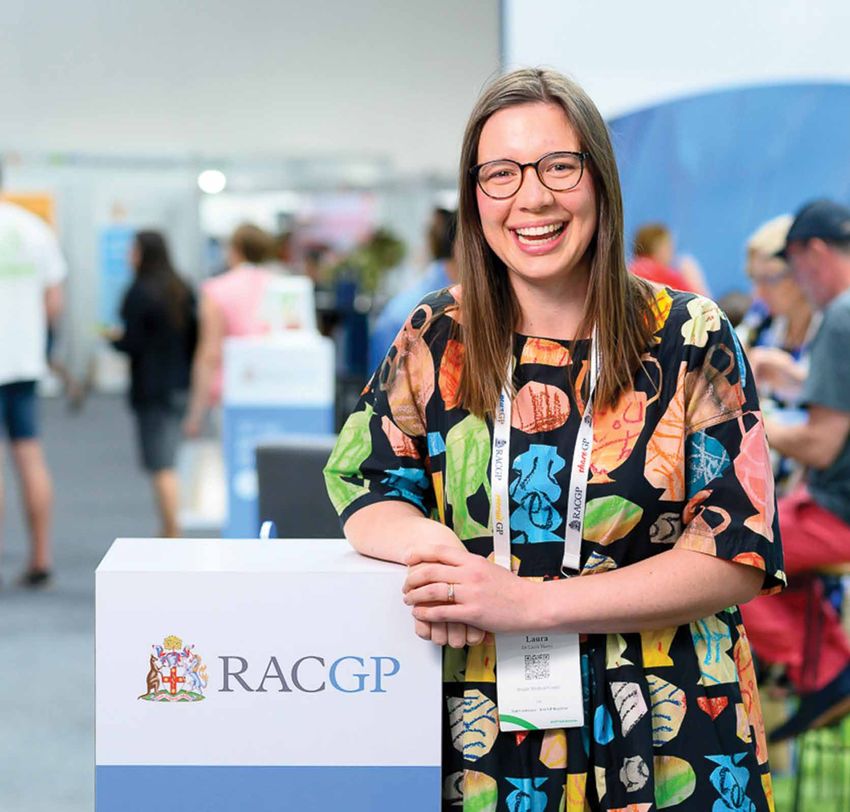
14 | AGPT PROGRAM 2021: SELECTION GUIDE – FINAL INTAKEDR LAURA HARRIS
AGPT REGISTRAR
RTO: MURRAY CITY
COUNTRY COAST (MCCC)
REGISTRAR I chose general practice because …
PROFILE
‘I’ve always found so many different areas of medicine really interesting and I liked
learning a little bit about everything. I liked that mixture of acute care as well as
continuity of care, and fundamentally I really like talking to people. I think that as a
general practitioner you’re lucky to be able to help people through all different stages of
their lives. Some of which can be tricky to help navigate but it’s a really rewarding job.’
My journey so far …
‘As a rural general practice registrar I get to do the best bits of everything. I do clinic-
based work, we have a 10-bed hospital where I work so I’m on-call and help provide
the rural urgent care service. I’m also involved in medical student teaching. I feel like
I’m [doing] what I want to do.’
AGPT PROGRAM 2021: SELECTION GUIDE – FINAL INTAKE | 15GENERAL PRACTICE TRAINING
The AGPT Program is a three-year full time (or part-time equivalent) Recognition of Prior Learning
program. An optional fourth year is available for additional skills and
qualifications in rural general practice with an FARGP. In certain circumstances, you may be eligible to apply for an
exemption from the first year of the program. This is called
There is flexibility regarding when and how the essential ‘Recognition of Prior Learning’ (RPL). There are certain
components of training can be completed, such as the ability to requirements that need to be met in order to be given RPL by the
complete the training on a part-time basis. state censor, and it is therefore important not to assume you will
be granted an exemption. You can discuss your eligibility with your
Hospital training (12 months) Regional Training Organisation.
The first year of the program is spent in hospital, and can be Visit www.racgp.org.au and search for ‘RPL’ for further information.
completed anywhere in Australia, not necessarily in your RTO’s region.
Particular hospital rotations must be completed by the end of Taking leave from general practice training
the first year of training, before commencing a general practice There are various forms of leave available to registrars in the AGPT
placement. They are general medicine, general surgery, Program. Visit www.agpt.com.au and search for ‘policies’ for
emergency and paediatrics, and a range of other rotations to further information.
provide a breadth of experience.
On provision of appropriate supporting evidence, general practice
These rotations can be completed at any time during your registrars may place their RACGP membership on hold during
hospital years and need not be completed in order to be able to periods of approved leave that are of three or more months in
apply for training; you can complete them during the first year duration. Fees while your membership is on hold are not required.
of the program. Not everyone is able to do a specific paediatric
rotation, so there are various options for completing the paediatric Visit www.racgp.org.au and search for ‘Registrar Membership
experience, such as particular emergency terms. Policy’ for further information.
Visit www.racgp.org.au and search for ‘paediatric term
requirements’ for further information. Basic and advanced life support
During training, registrars must complete further skills in basic and
General practice placements (18 months) advanced life support. You will need to have completed a basic life
support course in the 12 months prior to commencing your first
Your RTO will provide you with a list of general practice placements general practice term. All courses must meet RACGP criteria.
when you join the program. While in practice, you will receive
supervision and teaching from general practice supervisors. You will Visit www.racgp.org.au and search for ‘cardiopulmonary resuscitation
also receive support and education from your RTO. and advanced life support courses’ for further information.
General practice registrars in the general pathway need to complete
at least 12 months in outer-metropolitan, rural or Aboriginal/Torres
Strait Islander health posts during their training. Registrars in the
rural pathway must complete at least 18 months in rural practices.
Visit www.agpt.com.au and search for ‘training obligations policies’
for further information.
Extended skills (six months)
Six months of the program is spent on extended skills training. This
training provides an opportunity to extend or further develop your
general practice skills, and can be completed in a range of RACGP-
accredited settings. Many options are available for extended skills
training, including in palliative care, sports medicine, sexual health
and skin cancer medicine.
Visit www.racgp.org.au and search for ‘extended skills’ for
further information.
16 | AGPT PROGRAM 2021: SELECTION GUIDE – FINAL INTAKEAPPLYING TO
SPECIALISE IN
GENERAL PRACTICE
The AGPT Program is the leading training program for medical
graduates who wish to pursue a career as a GP in Australia.
The program, with the RACGP, takes three years, with an additional
fourth year available to complete the FARGP.
Training is a combination of self-directed and face to face,
conducted within accredited medical facilities by accredited
supervisors. AGPT with the RACGP is based on the RACGP’s
educational framework.
Training locations vary for AGPT registrars, and include teaching
hospitals and rural and urban practices. Experience in advanced
specialised training is also encouraged, as is the pursuit of other
areas of relevant interest, such as procedural general practice and
academic posts.
AGPT PROGRAM 2021: SELECTION GUIDE – FINAL INTAKE | 17RACGP STAGE 2
SELECTION National assessment
PROCESS INTO 19–23 October
THE 2021 AGPT
Eligible candidates sit the Candidate
Assessment and Applied Knowledge
Test (CAAKT), a computer-based test
PROGRAM comprising knowledge test questions and
situational judgement test questions.
The CAAKT is based on the RACGP
education framework and focuses on
knowledge, skills and attributes related to
becoming a GP.
STAGE 1
Application and eligibility
31 August – 2 October
Applications for the 2021 AGPT STAGE 3
Program, final intake open 10.00 am
Australian Eastern Daylight Time (AEDT)
31 August 2020 and close 10.00 am
Interview and offers
Australian Eastern Standard Time (AEST)
21 September 2020. 21 November – 11 December
Candidates are required to complete Candidates who achieve the minimum
an online application form available at standard in the CAAKT will progress to
www.racgp.org.au/agpt the next stage of selection and may be
allocated to an interview with an RTO in
The application process includes providing accord with their CAAKT score, cohort
supporting documentation and referee ranking, and stated training region and
details, and candidates can nominate up to pathway preference.
four preferred training regions/pathways.
Interviews will consist of five common
Applications and supporting documents questions in either multiple mini-
will be checked to establish eligibility for interview format or a single interview
the AGPT Program. with a panel. Each RTO has the
Candidates will be notified of their opportunity to ask an additional three
eligibility no later than 2 October 2020. questions specific to their region.
Candidates are notified of the interview
outcome by way of a joint RTO–RACGP
email. Candidates will be required to
respond to any placement offers in writing.
18 | AGPT PROGRAM 2021: SELECTION GUIDE – FINAL INTAKERegional Training Organisations Successful applicants to the AGPT Program will train with one RTO
on either the general or rural pathway. For detailed information, refer
An RTO is an organisation that delivers education and training within
to the website of the RTO you are interested in training with. If you
a specific geographical region. There are currently nine RTOs that
have questions regarding the region and/or pathway in which you
cover 11 training regions.
are interested, please contact the RTO directly. General practice
Funded by the Department of Health, RTOs are accredited every registrars in the AGPT Program will complete their training at one of
three years against the RACGP’s Standards for general practice the RTOs listed under ‘Getting to know your RTO’.
training through the bi-college accreditation process. For over 15
Training regions
years, RTOs have provided general practice registrars with general
practice training, ensuring an appropriate breadth of experience Please visit RTO websites, listed under ‘Getting to know your RTO’
is gained. The RTOs also have a role in workforce distribution, (next section) to view each training region.
helping the majority of Australians access properly trained GPs via
appropriate placements.
Northern
Territory
North Western Queensland
Western Australia
South
Eastern
South Australia Queensland
North
Western NSW Eastern
NSW
Lower
Eastern
Western NSW
Victoria
Eastern Victoria
Tasmania
AGPT PROGRAM 2021: SELECTION GUIDE – FINAL INTAKE | 19Getting to know your RTO Registrars have an opportunity to develop an extended scope of
practice in well-supported and educationally enriching clinical
environments. Dedicated clinical supervisors, enthusiastic medical
NEW SOUTH WALES
educators and supportive staff facilitate general practice training.
North Eastern NSW www.jcugp.edu.au
Lower Eastern NSW +61 7 5373 4413
Western NSW/ACT jcugp.selections@jcu.edu.au
GP Synergy
South Eastern Queensland
Registrars seeking a challenging, diverse and fulfilling career in general
practice in NSW or ACT can visit www.gpsynergy.com.au and download General Practice Training Queensland (GPTQ)
the GP Synergy Applicant Pack. This essential pack explains how GPTQ offers training in high-quality metro, outer-metro and rural
registrars are allocated to sub-regions within their shortlisted training
practices to cater for both general and rural pathways. It delivers
region, and how the general practice term placement process works.
a district-based education model supported by a dedicated
www.gpsynergy.com.au medical educator team. Rural and general pathway doctors
1300 477 963 or +61 2 8321 4000 applying to the Australian College of Rural and Remote Medicine
applicant@gpsynergy.com.au and the RACGP are welcomed by GPTQ, including members of
the Australian Defence Force (ADF) and the Queensland Health
Rural Generalist Program.
QUEENSLAND
www.gptq.qld.edu.au
North Western Queensland +61 7 3552 8100
applicant.enquiries@gptq.qld.edu.au
James Cook University (JCU)
Through its general practice training program, JCU delivers training
across much of Queensland, beyond the southeast corner of the NORTHERN TERRITORY
state. With support from 12 regional offices around Queensland,
registrars with JCU train in clinically diverse and rewarding training Northern Territory General Practice Education (NTGPE)
posts, with a focus on the health of Aboriginal and Torres Strait NTGPE provides training opportunities in urban, rural and
Islander communities and of rural and remote communities. very remote parts of the Northern Territory, with a focus on
20 | AGPT PROGRAM 2021: SELECTION GUIDE – FINAL INTAKEAboriginal and Torres Strait Islander health. Registrars can Western Victoria
design their training journey to become a skilled GP, with
support from an experienced team of medical educators, Murray City Country Coast GP Training (MCCC)
cultural educators and support staff. MCCC provides training for the next generation of GPs who will care
www.ntgpe.org for and support the health needs of diverse communities. It partners
+61 8 8946 7079 with general practices, universities, Primary Health Networks and
registrar@ntgpe.org hospitals to provide an innovative, high-quality training program.
Registrars are offered a broad range of opportunities in areas such
as Aboriginal health, alpine medicine and refugee health, plus other
SOUTH AUSTRALIA procedural skills and special interests posts.
GPEx www.mccc.com.au
1300 622 247
GPEx provides a pathway to becoming a GP in South Australia. It info@mccc.com.au
offers registrars a structured, self-directed online learning program,
diversity of clinical practice, a range of opportunities to extend your
skills and the opportunity of urban, rural or remote locations in which WESTERN AUSTRALIA
to train. GPEx provides the foundation for registrars to achieve their
potential, and offers a team of experienced supervisors and medical Western Australian General Practice Education Training (WAGPET)
educators, as well as one-on-one support throughout the general Registrars training with WAGPET experience a diversity of
practice training journey. patients and medical presentations to be expected from such a
www.gpex.com.au geographically vast community. Registrars are supported by a team
1300 473 972 or +61 8 8490 0400 of medical educators, supervisors and program staff. The program
selection@gpex.com.au offers registrars the opportunity to develop special interests and be
part of medical teams that are making a difference to communities
all across Western Australia.
TASMANIA
www.wagpet.com.au
General Practice Training Tasmania (GPTT) +61 8 9473 8200
gpcareers@wagpet.com.au
GPTT is the sole Tasmanian provider of the AGPT Program. It
provides a friendly, supportive and intimate learning environment for
registrars. Offering a high-quality, well-organised program, GPTT’s
training includes a suite of practical skills workshops, integrated
communication skills training, and teaching skills and research
opportunities for general practice registrars.
www.gptt.com.au
+61 3 6215 5000
enquiries@gptt.com.au
VICTORIA
Eastern Victoria
Eastern Victoria GP Training (EV)
EV offers an innovative educational program combined with
high-quality, in-practice supervision in urban and rural settings.
Registrars have opportunities to work in a variety of practices,
follow special interests and extend their skills. Registrars are well
supported and are prepared for Fellowship assessments. EV’s goal
is to train competent and confident GPs.
www.evgptraining.com.au
1300 851 753
enquiry@evgptraining.com.au
AGPT PROGRAM 2021: SELECTION GUIDE – FINAL INTAKE | 21Applying for the AGPT Program National assessment
Applying for the 2021 AGPT Program involves three main stages: Candidates will be invited to enrol in the Candidate Assessment and
Applied Knowledge Test (CAAKT), which is the RACGP’s national
1. AGPT application and assessment of eligibility assessment. This computer-based assessment focuses on current
knowledge, skills and attributes in relation to becoming a GP.
2. national assessment
The CAAKT consists of two types of questions: knowledge test
3. interview and offers.
questions and situational judgement test questions. The ‘RACGP
Visit www.racgp.org.au/agpt to be kept up to date on key stages education framework’ that follows outlines the core skills the RACGP
and dates. will assess in the CAAKT.
Enrolment for the CAAKT is completed via an online portal where
AGPT application and eligibility candidates pay the selection fee and nominate a preferred available
Applications for the 2021 AGPT Program open 10.00 am (AEST) assessment date and time.
31 August 2020 and close 10.00 am (AEST) 21 September 2020. Candidates must meet a minimum standard in the CAAKT for
Candidates are required to complete an online application form and progression to the interview stage.
upload a number of supporting documents. To access the online
application form, candidates should visit www.racgp.org.au/agpt Interview and offers
Within the application form, candidates can select up to four training Candidates may be shortlisted for interview with one of their
region preferences. Candidates are encouraged to familiarise preferred training regions.
themselves with their preferred training regions and to contact the
RTOs will hold interviews in either multiple mini-interview format or a
relevant RTO with any questions. single interview with a panel.
Information regarding eligibility to apply for the AGPT Program Candidates are advised of the outcome of their interview through a
is available in the RACGP AGPT Program 2021: Eligibility guide. joint RTO–RACGP email. Candidates will be required to respond to
Candidates are strongly encouraged to review this document before any placement offers in writing.
commencing their application.
Candidates who are not allocated to an interview, or who do not
Following submission of their application, candidates will be notified receive a training offer after completing their interview, may be able
of their eligibility and will then progress to the next stage of the to renominate for subsequent rounds and/or intakes and may be
selection process. invited to attend further interviews.
22 | AGPT PROGRAM 2021: SELECTION GUIDE – FINAL INTAKERACGP education framework Terms and conditions, incentives
Core skills Terms and conditions of employment during training
General practice registrars are paid via their relevant state or
Domain 1 – Communication and the doctor–patient relationship territory health department, according to the appropriate awards for
CS1.1 General practitioners communicate effectively and junior medical officers throughout their first year of hospital-based
appropriately to provide quality care. training within the AGPT Program.
CS1.2 Through effective health education, general practitioners After general practice registrars complete the first year of the
promote health and wellbeing to empower patients. program, they undertake community-based training and are
employed by accredited training practices. The terms and conditions
Domain 2 – Applied professional knowledge and skills of employment are contained in the National Terms and Conditions
for the Employment of Registrars (NTCER), an agreement between
CS2.1 General practitioners provide the primary contact for
General Practice Registrars Australia (GPRA) and General Practice
holistic and patient-centered care.
Supervisors Australia.
CS2.2 General practitioners diagnose and manage the full The NTCER is regularly reviewed in order to ensure relevancy
range of health conditions in a diverse range of patients regarding employment terms and conditions. Candidates applying for
across the lifespan through a therapeutic relationship. the AGPT Program are encouraged to access the document on the
CS2.3 General practitioners are informed and innovative. GPRA website.
CS2.4 General practitioners collaborate and coordinate care. Visit www.gpra.org.au and search for ‘NTCER’ for further information.
Domain 3 – Population health and the context of general practice
Incentives
CS3.1 General practitioners make rational decisions based on There are incentives to encourage general practice registrars to
the current and future health needs of the community consider careers in outer-metropolitan, rural and remote areas.
and the Australian healthcare system.
GPs considering a challenging and rewarding career in areas of
CS3.2 General practitioners effectively lead to address the workforce shortage and rural areas can often access additional
unique health needs of the community. financial incentives, such as relocation assistance, housing
allowances, a car or cash sign-on bonuses. This is further enhanced
Domain 4 – Professional and ethical role
by the General Practice Rural Incentives Program (GPRIP), through
CS4.1 General practitioners are ethical and professional. which eligible GPs can access $12,000–$60,000 per annum.
CS4.2 General practitioners are self-aware. Visit www.health.gov.au and search for ‘GPRIP’ or call the Medicare
Helpline on 1800 010 550 for further information.
CS4.3 General practitioners mentor, teach and research to
improve quality of care.
Domain 5 – Organisational and legal
CS5.1 General practitioners use quality and effective practice
management processes and systems to optimise safety.
CS5.2 General practitioners work within statutory and
regulatory requirements and guidelines.
AGPT PROGRAM 2021: SELECTION GUIDE – FINAL INTAKE | 23You can also read


