Alaska VA Healthcare System 2021-2022 - Alaska VA ...
←
→
Page content transcription
If your browser does not render page correctly, please read the page content below

1

                                 Psychology
                         Internship Program
                                   Brochure

   Alaska VA Healthcare System

2021-2022

                         Application Deadline: November 20, 2020
                            Internship Start Date: August 16, 2021
                                    APPIC Program Number: 2067
                                     NMS Match Number: 206711
2

Dear Applicant,
The Psychology Training Committee at the Alaska VA Healthcare System (AVAHS) greatly
appreciates your interest in our doctoral psychology internship program. We recognize goodness
of fit is a key factor in selection of an internship site. We hope this brochure provides a picture of
the opportunities our site provides that can aid in your decision.

Our training faculty, consisting of psychologists with a variety of training backgrounds and
clinical expertise, upholds a strong commitment to promoting a well-rounded generalist training
experience that provides an opportunity for interns to tailor their training towards their
individualized professional goals. Our program follows a scholar-practitioner model that places
emphasis on the practical application of scientific knowledge and the reflective process between
science and practice. Our interns complete three primary rotations that provide a versatile
training experience along with the option for adjunctive rotations that provide the intern an
opportunity to hone more specialized skills. The Alaska VA values the contribution interns make
during their training year and several interns have remained on staff following graduation.

Most recently, we have proven ourselves to be flexible amidst the COVID-19 crisis, quickly and
proactively ensuring the continued training needs of our interns were addressed as precautions
were put in place by the facility. In March 2020, rotations were modified, and the training faculty
worked with interns on effectively shifting most clinical care to telehealth. Interns were given the
opportunity to telework from home. It is anticipated that future intern cohorts (and the field as a
whole) will be using more telehealth and technology-based resources. We believe we are an
excellent site for quality telehealth training in addition to traditional face-to-face training.

In addition to the benefits of our training program, living in the Anchorage and Matanuska-
Susitna (Mat-Su) area offers the comfort of a metropolis, with the best of outdoor living. Situated
at the base of the beautiful Chugach Mountains and bordering the 495,000-acre Chugach State
Park, Anchorage residents can partake in a plethora of recreational activities, from downhill
skiing at the Alyeska Resort, to salmon fishing near downtown Anchorage in Ship Creek, to
hiking on the popular Flattop Mountain. Alaska also has vast entertainment and cultural
opportunities, including museums, a performing arts center, and an active brewery community.
We truly love working and living in Anchorage.

We are living in a time of uncertainty with the COVID-19 pandemic and it is difficult to
specifically predict what 2021-2022 will look like. We can assure you that our commitment to
ensuring exceptional training will remain at the forefront of our program. Please let us know if
you have any questions as you consider your internship possibilities. Best wishes as you begin
your internship journey!

Sincerely,

Juli Vierthaler, Psy.D.
Director of Training, Psychology Internship Program
Juli.Vierthaler@va.gov

3

                                              TABLE OF CONTENTS
THE ALASKA VA HEALTHCARE SYSTEM ..........................................................................5
THE TRAINING PROGRAM......................................................................................................6
  Psychology Setting .......................................................................................................................6
  Accreditation Status .....................................................................................................................6
  COVID-19 Response....................................................................................................................6
  Training Committee .....................................................................................................................7
  Aims of the Training Program .....................................................................................................7
  Expected Competencies ...............................................................................................................8
  Diversity .....................................................................................................................................10
  Administrative Policies and Procedures .....................................................................................11
  Liability ......................................................................................................................................11
THE TRAINING YEAR .............................................................................................................11
  The Training Term .....................................................................................................................11
  Training Locations .....................................................................................................................11
  Leave/Holidays...........................................................................................................................12
  Stipend ........................................................................................................................................12
  Benefits.......................................................................................................................................12
  Facility and Training Resources .................................................................................................12
  Supervision .................................................................................................................................13
  Evaluation...................................................................................................................................13
  Service Requirements .................................................................................................................14
  Requirements for Completion of Internship...............................................................................14
TRAINING EXPERIENCES ......................................................................................................15
  Long Term Psychotherapy Cases ...............................................................................................15
  Psychological Testing Cases ......................................................................................................15
  Rotations.....................................................................................................................................15
  Formal Presentations ..................................................................................................................20
  Seminars .....................................................................................................................................21
PSYCHOLOGY TRAINING FACULTY .................................................................................22
ALUMNI .......................................................................................................................................24
APPLICATION AND SELECTION PROCEDURES .............................................................25
  Eligibility Requirements ............................................................................................................26
  Application .................................................................................................................................26
  Deadlines ....................................................................................................................................27
  Interview Process .......................................................................................................................27
  Additional Information ...............................................................................................................27
INTERNSHIP ADMISSIONS, SUPPORT, AND INITIAL PLACEMENT DATA .............28
  Internship Program Admissions .................................................................................................28
  Financial and Other Benefit Support for Upcoming Training Year...........................................29
  Initial Post-Internship Positions .................................................................................................29
ALASKAN LIVING ....................................................................................................................30
  Veteran Population .....................................................................................................................31
  Climate .......................................................................................................................................33
  Recreational Activities ...............................................................................................................33
  Entertainment, Culture and the Arts ...........................................................................................35
4

Housing ......................................................................................................................................36
Transportation ............................................................................................................................36

5

               THE ALASKA VA HEALTHCARE SYSTEM

The Veteran’s Health Administration (VHA) is the nation’s largest integrated healthcare system,
providing care to more than 9 million Veterans and employing more than 300,000 full-time
healthcare professionals and support staff. The VHA is organized into 21 regional districts,
known as Veterans Integrated Service Networks (VISNs). The Alaska VA Healthcare System
(AVAHS) is part of VISN 20 (Northwest Network), which includes the states of Alaska,
Washington, Oregon, most of the state of Idaho, and one county in Montana and California. This
VISN covers 23% of the land mass of the United States. Within VISN 20, there are six medical
centers, one independent outpatient clinic, one rehabilitation center, 20 community-based
outpatient clinics, and one mobile clinic. VISN 20 provides care to 1.1 million Veterans who live
in the Pacific Northwest and Alaska. It also has the highest total Veterans served of any VISN.

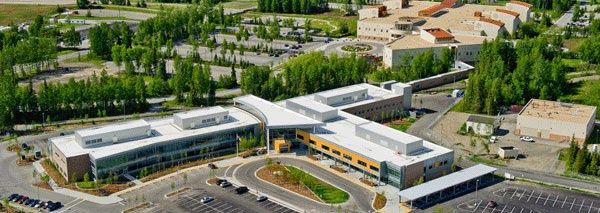
The Alaska VA provides care to Alaska’s Veterans. AVAHS offers primary, specialty, and
mental health outpatient care through its main outpatient clinic, which was newly built in 2011
and offers a beautiful view of the Chugach Mountains from the main lobby. Services are
provided through a Joint Venture with the United States Air Force on nearby Elmendorf Air
Force Base, as well as through purchased care arrangements with the community hospitals. The
facility also features a comprehensive Homeless Veteran Service, that consists of a 50-bed
Domiciliary Residential Rehabilitation Program, 22-bed Compensated Work Therapy
Transitional Residence Program, HUD/VA Supported Housing, Homeless Veterans Supported
Employment Programs, Homeless Veterans Outreach, and Veterans Justice Outreach. In addition
to our main facility in Anchorage, the AVAHS includes three Community-Based Outpatient
Clinics (CBOCs) in Fairbanks, Kenai, and the Mat-Su, and one VA Outreach Clinic in the state
capital of Juneau.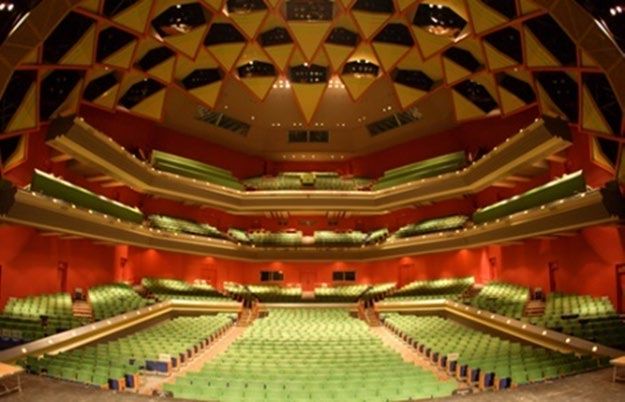
6

                           THE TRAINING PROGRAM

PSYCHOLOGY SETTING

Psychologists play a valued role in the treatment of Veterans at the Alaska VA. They frequently
hold leadership and administrative positions that assist with the overall improvement of
healthcare provided at the facility. Alaska VA psychologists provide a broad array of clinical
services in various locations throughout Alaska. Clinical services provided include, but are not
limited to, outpatient mental health, military sexual trauma, PTSD, addictions, health
psychology, primary care mental health integration, behavioral medicine, disability evaluations,
and psychosocial rehabilitation. The doctoral
internship program has been a respected
component of the psychology department since its
inception. Many of our interns have stayed at the
Alaska VA following completion of their
internship, joining the department as permanent
staff members.

ACCREDITATION STATUS

The doctoral internship program in psychology at the Alaska VA is accredited by the
Commission on Accreditation of the American Psychological Association (APA). The next site
visit will be during the academic year 2028.

Questions related to the program’s accreditation status should be directed to the Commission on
Accreditation:

Office of Program Consultation and Accreditation
American Psychological Association
750 1st Street, NE, Washington, DC 20002
Phone: (202) 336-5979 / Email: apaaccred@apa.org
Web: www.apa.org/ed/accreditation

COVID-19 RESPONSE

As information began to unfold related to the COVID-19 pandemic, the Alaska VA psychology
internship program quickly responded to ensure the safety of both the interns and the Veterans
they serve. In March 2020, the training faculty worked to shift rotations as needed, aligned with
the direction of leadership at the facility. Interns were offered the opportunity to telework from
home if desired. The training faculty worked to stay up to date with statements from all training
governing bodies.

The interns were provided immediate training in telehealth services, working with our
technology experts, tele-mental health experts in the VISN, and on-site supervisors. In the
outpatient settings, all services moved to telehealth. In MH RRTP, distancing precautions were
7

placed to ensure safety of Veterans and staff in the residential setting. Due to the number of
Veterans admitted to the MH RRTP decreasing, the rotation was supplemented with other
training opportunities such as working with our Military Sexual Trauma (MST) coordinator on
developing expertise in the area of MST. All three interns saw outpatient cases via telehealth to
supplement their clinical time. Amidst the moving pieces and increased anxiety related to a
pandemic, the interns reported feeling supported throughout the process, noticing the proactive
manner the training faculty took to keep their continued training a priority.

Under leadership’s direction to decrease physical presence on site and practice increased social
distancing, many of our supervisors moved to telework off site. In alignment with guidelines
from the training governing bodies, telesupervision became an option. Our supervisors consulted
with outside experts in the VISN who had previously provided telesupervision to ensure best
practice. As the importance of telesupervision was highlighted, the Alaska VA internship
program will be participating in a research pilot program in the 2020-2021 year, “A Multisite
Evaluation of Clinical Supervision Delivered via the Clinical Video Telehealth (CVT)
Modality.” This demonstrates our commitment to continued research in the field.

While there will be ongoing uncertainty related to the training environment for the 2021-2022
training year, be assured our commitment to quality training will persist. Interns will receive
telehealth training at the start of the year to ensure readiness if further increased telehealth is
needed, as well as address the reality the pandemic highlighted regarding the need for competent
and comprehensive mental health telehealth providers. As updates are constantly occurring
related to the pandemic, we believe on-going communication is important. If you have any
questions regarding updates at our site, please do not hesitate to contact the training director.

TRAINING COMMITTEE

The Psychology Training Committee oversees the running of the program to ensure its continued
quality and adherence to APA accreditation standards. The training committee consists of the
training director, supervising psychologists, designated education officer, chief of staff, and a
specialized program support assistant. The committee meets regularly twice a month to review
programmatic concerns and intern development. A chief intern is invited into the administrative
portion of the meetings to provide input on the training program. Each intern serves as chief
intern during their outpatient primary rotation.

AIMS OF THE TRAINING PROGRAM

Our internship program adheres to a scholar-practitioner model that focuses on training future
psychologists in the scientific practice of psychology. We work to train interns to be practitioners
and consumers of research. While we emphasize science and empirically validated treatments,
we recognize the importance of tailoring treatment to account for individual and cultural
differences. The Alaska VA psychology internship program is generalist in nature, ensuring
interns obtain a wide range of training experiences that prepare them for working in a variety of
culturally diverse urban, rural, and frontier health environments.
8

Our program works to prepare interns to transition successfully, upon graduation, to advanced
postdoctoral training programs or to secure entry level employment in psychology at the GS-11
or equivalent level.

EXPECTED COMPETENCIES

In accordance with the training program’s primary aims, the program measures intern progress
over the course of the year against the profession-wide competencies identified by the American
Psychological Association’s Standard of Accreditation in Health Service Psychology. A
professional developmental model is used to assist interns in obtaining competency over the
course of the year. Competencies are developed through clinical practice, didactic training,
mentorship, and other training opportunities.

Assessment: Interns demonstrate knowledge of DSM-5 diagnoses and provide well formulated
and coherent conceptualizations of assessment issues. They become skillful in assessing clients
who present with multiple complications and appropriately assess clients’ strengths and
psychopathologies with sensitivity to cultural and individual differences.

Examples:
   • Interns construct, administer, score, and interpret test batteries for the assessment of a
      variety of clinical presentations.
   • Interns engage in measurement-based care and risk evaluation initiatives (e.g. PHQ-9, C-
      SSRS, comprehensive suicide risk evaluation).
   • Interns can observe and conduct specialized evaluations such as pre-surgical
      psychological assessment for candidates for spinal cord stimulators, bariatric surgery,
      and/or solid organ transplant.

Consultation and Interdisciplinary Skills: Interns demonstrate knowledge and respect for the
roles of various professions. They directly collaborate with those from other disciplines. They
become comfortable in their role as professionals in mental health and be able to translate
psychological principles across disciplines.

Examples:
   • Interns provide services in multidisciplinary settings (e.g. nursing, peer support,
      pharmacy, police, psychiatry, social work).
   • Interns regularly engage in staff and treatment team meetings, as well as integrate
      additional services into treatment planning.
   • Interns frequently consult with professionals from other disciplines (e.g. nutrition,
      psychiatry, neuropsychology, occupational/vocational services).
   • Interns can co-facilitate groups with staff from other disciplines.

Ethical and Legal Standards: Interns have an advanced awareness of and adherence with the
APA Ethical Code of Conduct, state laws, and policies governing health service psychology.
They recognize ethical dilemmas as they arise and apply ethical decision-making processes to
resolve dilemmas.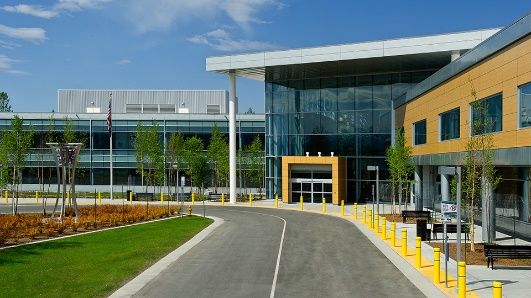
9

Examples:
   • Interns address informed consent with clients, document informed consent in client
      records, and obtain signed consent for recording sessions.
   • Interns manage ethical dilemmas that evolve in the therapeutic relationship and within a
      healthcare setting (e.g. working on interdisciplinary teams and/or committees).
   • Interns manage complex clinical situations, with increasing degrees of independence.

Individual and Cultural Diversity: Interns demonstrate the ability to work effectively with a
range of diverse individuals and groups. They critically address sensitive diversity client issues
including those related to culture, sex, gender, age, sexual orientation, socioeconomic status,
disability status, and ethnicity. They reflect on their own cultural background and how it impacts
their professional relationships.

Examples:
   • Interns engage in a diversity journal club throughout the training year.
   • Interns incorporate cultural diversity into local recovery-based approaches (e.g. Talking
      Circles group during MH RRTP rotation).
   • Interns review and discuss in individual supervision the intersection of historical trauma
      and PTSD, as it pertains to LGBT Veterans and Alaska Native Veterans.

Interpersonal and Communication Skills: Interns communicate in a manner that is organized,
informative, well integrated, and effective. They demonstrate a thorough grasp of professional
language and concepts. They demonstrate effective interpersonal skills through developing and
maintaining successful relationships with a variety of individuals.

Examples:
   • Interns frequently engage in multidisciplinary staff and treatment team meetings.
   • Interns provide psychoeducation to clients in a collaborative manner.
   • Interns communicate effectively with the computerized medical record in a timely
      fashion.

Intervention: Interns demonstrate knowledge and skill in implementing intervention, including
flexibility, individualizing care, tracking progress, and responding to crises. They effectively
implement evidence-based intervention in a variety of settings. They successfully establish and
maintain effective therapeutic relationships with their clients. They develop the ability to
function as a post-doctoral level psychotherapist.

Examples:
   • Interns implement and verbalize familiarity with a variety of cognitive behavioral therapy
      approaches (e.g. CBT for insomnia, chronic pain, substance use, posttraumatic stress
      disorder).
   • Interns gain familiarity with VA/DoD Clinical Practice Guidelines for the management of
      obesity, as well as the guidelines for treating tobacco use and dependence.
   • Interns engage in co-facilitation of group therapies (e.g. mindfulness-based stress
      reduction, CogSMART, Seeking Safety).
10

Professional Values, Attitudes, and Behaviors: Interns interact in a professional and respectful
manner in all interactions. They discuss differences in opinions or theory thoughtfully. Interns’
professional identity evolves and matures over the course of the year, building integrity,
responsibility, and sound judgment. They self-reflect and identify growth areas.

Examples:
   • Interns respond professionally within clinical situations, demonstrate self-reflection,
      engage in activities to maintain and improve performance, remain open and responsive to
      feedback, and behave in ways that reflect the values and attitudes of psychology.
   • Interns document clinical encounters in a timely manner.
   • Interns collaborate/consult with a client’s treatment team when necessary for the welfare
      of the client.
   • Intern verbalize awareness of rewards and challenges inherent in providing trauma-based
      care.

Research: Interns learn how to apply current literature, research, and theory to their intervention
and assessment activities. They demonstrate independent ability to critically evaluate and
disseminate research at a local, regional, or national level.

Examples:
   • Interns are provided with and seek relevant literature to guide treatment planning and
      critically evaluate clinical care.
   • Interns receive exposure to a wide range of evidence-based psychotherapist and VA
      Clinical Practice Guidelines.
   • Interns work with a licensed psychologist with research expertise to formally present
      research at the local level.

Supervision: Interns demonstrate knowledge of supervision models and practices. They apply
this knowledge in direct or simulated practice with other psychology interns or health
professionals. Providing supervision directly to a trainee is not a requirement for this competence
at this internship.

Examples:
   • Interns utilize individual supervision constructively at least 2 hours per week.
   • Interns engage in peer-based interaction/supervision, as well as group supervision
      throughout the training year.

DIVERSITY

The Alaska VA psychology internship program gladly embraces the emphasis on individual and
cultural diversity that contemporary psychology training requires. Interns are exposed to
numerous didactic topics that cover a range of diversity issues, a monthly Cultural Diversity
Journal Club, and a two-day immersive workshop at the Alaska Native Heritage Center.

Our dedication to the value of embracing diversity is enhanced by the diversity of Anchorage
and Alaska itself. Anchorage is a city of tremendous diversity, including the three most diverse
11
US Census tracts in the country. The Anchorage School District includes 96 different languages
among its student population, including numerous Native Alaskan languages. One of the most
surprising aspects about Anchorage to newcomers is the amazing diversity of cultures and
cultural influences in this community. This has frequently been noticed by “Lower 48” media as
you can see in the below articles.
Most Diverse Neighborhood in US Welcomes You in Alaska
Newcomers Center
Most Diverse Place in America? It's Not Where You Think
ADMINISTRATIVE POLICIES AND PROCEDURES
The internship’s policy and procedure manual is reviewed and updated by the training committee
yearly. It outlines all relevant administrative and training domains, providing clear guidance and
structure to our interns. Included in the manual is a policy that ensures due process for all interns
when needed. Grievances covered by this policy include but are not limited to challenging a
performance rating; concerns regarding clinical, teaching supervision, or other professional
behavior of faculty members; and challenging a program policy or procedure. This policy does
not deny the intern’s right to grieve directly to the Chief of Staff, Equal Employment
Opportunity, or the Human Resources Management Service.
LIABILITY
When providing professional services at a VA healthcare facility, VA-sponsored trainees acting
within the scope of their educational programs are protected from personal liability under the
Federal Employees Liability Reform and Tort Compensation Act 28, U.S.C.2679(b)-(d). Many
interns also elect to have their own liability insurance through their school’s available policy.
THE TRAINING YEAR
THE TRAINING TERM
The dates for the 2021-2022 internship training year are August 16, 2021 to August 12, 2022. As
an introduction to a sense of work-life balance, we adhere to a Monday through Friday schedule,
averaging 40-45 hours per week. There is no on-call duty, nor any scheduled work obligations on
weekends. We believe interns should have a training experience that closely parallels that of staff
psychologists. We want to enjoy where we live, and so should interns.
TRAINING LOCATIONS
The primary Outpatient Mental Health and Health Psychology rotations take place as the main
VA clinic, along with most adjunctive training rotations. The Mental Health Residential
Rehabilitation Treatment Program (MH RRTP) primary rotation takes place at the MH RRTP12 building in Midtown. The internship works to minimize travel between the two locations to better facilitate time spent in clinical training. LEAVE/HOLIDAYS Our leave policy is the same that applies to all VA psychology training programs. Interns receive 10 days of paid federal holiday, 13 vacation days, and up to 13 sick days. Limited dissertation release time is available only upon approval of the Training Committee. Leave is accrued by each two-week pay period, with interns earning 4 hours of sick leave and 4 hours of annual leave each pay period. STIPEND Interns receive a stiped in 26 biweekly installments. Stipends are adjusted by locality to reflect the relative cost in different geographic areas. Currently, the annual stipend is $29,232. BENEFITS As with all employment within the federal government, interns are eligible for health and life insurance. As trainees, they are not eligible for the Thrift Savings Plan. Please go to the FEHB Plan Comparison Tool for details on available options. FACILITY AND TRAINING RESOURCES Each intern has a dedicated office with computers and phones in their corresponding location (main VA or MH RRTP). Digital recording equipment will be available to support clinical supervision and training activities. In addition to the support from the training faculty and clinical staff, interns have administrative and program support for training and consultation on electronic medical record management, telehealth, and other clinical applications. They also receive support on with data management related to clinical workload, and program and facility performance improvement programs. Video-teleconferencing is available to support didactics, clinical case conferences, and other trainings. It is also utilized for telesupervision. The Alaska VA Healthcare System has made a considerable investment in telehealth technology which assists with effective provision of tele-mental health services. Interns also have accounts on the VA Talent Management System (TMS) that provides required and optional online training opportunities. The Alaska VA Healthcare System Medical Library offers access to all major psychology, medicine, and public health journals. Database searches of the card catalog, Medline, ERIC, CINAHL, HEALTH, New England Journal of Medicine, PsychInfo (Psychological Abstracts), and many others are available on-site and remotely. There is an excellent electronic inter-library loan system for periodicals that is available through the library. The Alaska VA also has a dedicated librarian who is available to assist as needed.
13

SUPERVISION

Formal supervision is provided for at least four hours per week in individual and/or group
formats. At least two hours are in the form of individual supervision with the intern’s primary
supervisor(s). Informal supervision is provided throughout the internship leading to the reality
that interns frequently receive more than four hours of supervision per week. Supervisors uphold
a standard of being readily available to interns to address needs as they arise.

At the beginning of each rotation, a supervision contract is negotiated that defines goals,
competencies, and expectations of the rotation.

Covid-19 Response: In March 2020, many supervisors shifted to telework off site to decrease
physical presence on site in congruence with leadership’s response to the pandemic. Training
governing bodies allowed for supervision to be provided virtually at that time. Prior to this, the
VA did not allow telesupervision of interns. Interns continued to receive their full number of
supervision hours via telesupervision.

Telesupervision: During the 2020-2021 internship year, the Alaska VA internship program will
be participating in a research pilot program entitled, “A Multisite Evaluation of Clinical
Supervision Delivered via the Clinical Video Telehealth (CVT) Modality.” As part of this
research, interns will receive approximately 50% of their supervision via telesupervision. It is the
internship program’s hope to positively contribute to the field of psychology by participating in
this research. It is unclear if the program will still be participating in the study during the 2021-
2022 internship year.

EVALUATION

At the beginning of the internship year, interns complete a self-study which is provided to their
supervisor(s). This self-study allows the intern to communicate their perception of their
competencies and outline their training goals. The self-study is the basis of the beginning of the
supervisory relationship.

Interns are formally evaluated twice during each rotational block (4-month timeframe). They are
evaluated at the midway and end points. Evaluations are completed by both primary and
adjunctive supervisors. They are shared with the training committee who provides input and
monitors intern development over the course of the year.

Interns also evaluate their supervisor’s performance at the end of each rotation. There is also an
end of the year overall evaluation of the program, as well as an evaluation of the training
director.
14

SERVICE REQUIREMENTS

Interns are given opportunities to aid in the development of the training program and the Alaska
VA Healthcare System. These opportunities include, but are not limited to, service on the
Training Committee during one rotation, participation in internship interviews and open house,
and development of orientation and training materials for future interns. Interns have also
worked with supervisors to sit in on VA committees, such as the Medical Record Review
Committee and the Disruptive Behavior Committee.

REQUIREMENTS FOR COMPLETION OF INTERNSHIP

It is expected that each intern attends all scheduled didactic presentations and actively engage in
the training rotations for the full duration of the internship unless there is prior approval for
absence.

Program completion requires 2080 hours (minus leave taken) of internship training activities
under clinical supervision.

For Interns to maintain good standing in the training program, they must:

   •   Obtain ratings of at least a “3” (Able to perform with moderate supervision for clinical
       and administrative functions) on all competency items on internship evaluation forms by
       the end of the first rotation.
   •   Obtain ratings of at least a “4” (Able to function with minimal supervision for clinical
       and administrative functions) on all competency items on internship evaluation forms by
       the end of the second rotation.
   •   Not be found to have engaged in any significant unethical, illegal, or inappropriate
       behavior.

For Interns to successfully complete the program, they must meet the following minimum levels
of achievement:

   •   Obtain ratings of at least a “5” (Able to enter the field as a postdoctoral fellow or early
       career psychologist) on all competency items on internship evaluation forms.
   •   Not be found to have engaged in any significant unethical, illegal, or inappropriate
       behavior.
15
TRAINING EXPERIENCES
The Alaska VA is a generalist internship site, aimed
at training well-rounded and skilled clinicians with
some opportunities to gain specialty experience in
various areas. The VA works from a recovery-
oriented model that often uses evidence-based
treatments (EBTs) and measurement based care.
Aligned with this, the internship places emphasis on
these throughout training experiences. Our program
recognizes clinical work is informed by well-
designed research. As part of a commitment to this
model, training in EBTs is a strong focus on our program. Our training faculty has training in a
variety of EBTs, and most are certified through the VA. The interns receive both didactic
training and in vivo experience providing these therapies as they move through their rotations.
LONG-TERM PSYCHOTHERAPY CASES
Each intern carries a caseload of approximately 2-3 general individual psychotherapy cases
outside of primary and adjunct rotations that are assigned by the Training Director. These cases
are seen via VA Video Connect (VVC). Telehealth has become an essential part of healthcare at
the VA and in other settings. This requirement provides the intern an opportunity to hone both
telehealth and long-term therapy skills. The nature of the intern’s caseload varies depending on
the identified training needs of the intern in balance with demands of the clinic.
PSYCHOLOGICAL TESTING CASES
Interns complete at least three general psychological testing batteries over the course of the year.
Three or more testing instruments are utilized to be considered a battery. An increased number of
batteries can be obtained within rotations. Testing cases come from referrals throughout different
clinics resulting in a wide range of cognitive and personality evaluation possibilities. To meet the
requirement, assessments are assigned during specific rotations or separately by the Training
Director.
ROTATIONS
The internship year is divided into three four-month rotation blocks. Primary rotations are the
same for all interns. Optional adjunctive experiences are available to interns to provide more
specialized training in a variety of areas. Adjunctive experiences typically range between 4-8
hours per week. At the beginning of the internship year, interns work with the Training Director
to rank their choices among offerings. The intern’s schedule is established collaboratively based
on training needs, intern preference, and supervisor availability.16 Please note that adjunctive rotation offerings may change from year to year, as a result of staffing changes. Due to the program being a rural-based program, sometimes there is only one psychologist in each setting. Primary Rotations Health Psychology Supervisor: Dr. Jill Duke Description: The Health Behavior/Behavioral Medicine Clinic is located within Primary Care at the main VA clinic in Anchorage. Within this rotation, interns receive assessment and intervention experience with adult Veterans referred from primary care, specialty mental health, and the Mental Health Residential Rehabilitation Treatment Program (MH RRTP). The rotation provides opportunities for individual assessment and therapy, as well as a variety of group therapies. Interns conduct and interpret pre-surgical psychological assessments (e.g., for candidates for bariatric surgery, for patients with chronic pain being considered for invasive surgical techniques such as spinal cord stimulator procedures, and for solid organ transplant candidates). Interns provide individual services as well (e.g., brief therapy for common behavioral medicine concerns including insomnia, tobacco use, weight management, chronic pain, health anxiety, chronic disease management). Cognitive Behavioral Therapy (CBT) is the primary treatment modality, but there are opportunities for training in Acceptance and Commitment Therapy (ACT). Interns also learn to incorporate motivational interviewing (MI) strategies and gain experience in utilizing Cognitive Behavioral Therapy for Insomnia (CBT-I) and Cognitive Behavioral Therapy for Chronic Pain (CBT-CP). Interns provide weight management services over telecommunications (MOVE! Telephone Coaching). Interns provide a range of group interventions (e.g., chronic pain management, tobacco cessation, and MOVE! Weight Management.) Interns travel to the MH RRTP weekly to assist with a tobacco cessation group. Interns frequently co-facilitate groups with other psychology staff, clinical pharmacists, and dietitians. Rotation Goals/Expectations: Specific training goals include increased familiarity with health psychology/behavioral medicine, incorporation of the biopsychosocial model of health and wellness into the practice of health promotion and disease prevention, and utilization of evidence-based practices such as cognitive behavioral therapy and motivational interviewing. COVID-19 Response: In response to COVID-19 in March of 2020, all services provided during the health psychology rotation were moved to telehealth. Individual services were conducted via phone or Virtual Video Connect (VVC). Groups that continued included MOVE! Weight Management and Cognitive Behavioral Therapy for Managing Chronic Pain. Interns also carried extra outpatient cases conducted via telehealth to supplement their time when health psychology cases initially decreased. However, health psychology referrals continued to be placed by various providers, leading to the supplementation with outpatient cases being unnecessary for future interns.
17

Mental Health Residential Rehabilitation Treatment Program

Supervisor(s): Drs. Cale Palmer and Kun-Yueh (Jayson) Hsieh

Description:

The Alaska VA Mental Health Residential Rehabilitation Treatment Program (MH RRTP)
consists of a 50-bed facility coupled with several transitional residences that incorporate efforts
to address housing, employment, and healthcare for Veterans within a recovery-based model.
The Alaska VA MH RRTP contains two treatment tracks, which are the Substance Abuse
Residential Rehabilitation Treatment Program (SARRTP) and Domiciliary Care for Homeless
Veterans (DCHV). Clients within the SARRTP engage in a residential level of care to address
substance use disorders, while those in the DCHV program focus on establishing housing and
community reintegration to a relatively greater extent. Veterans may transfer between these two
residential program tracks during their stay, often initially entering SARRTP and later
transitioning into the DCHV program prior to community reintegration, based on the degree of
their substance use difficulty and housing status. Veterans typically reside within the Alaska VA
MH RRTP for several months and work toward addressing unemployment, homelessness, and
mental health problems such as substance use, depression, and trauma. Accordingly, an emphasis
in this rotation is for interns to expand their clinical skills to effectively deliver empirically based
interventions for Veterans’ mental health needs. Opportunities exist for individual assessment
and therapy, a variety of group therapies, and participation in multidisciplinary treatment teams.
Assessments include psychological intake evaluations and diagnostic interviewing, brief self-
report ratings (e.g., PHQ-9), cognitive screening (e.g., SLUMS/MOCA), risk evaluation (e.g.,
PHQ-9, C-SSRS, VA’s Comprehensive Suicide Risk Evaluation), and follow-up testing as
indicated (e.g., RBANS, CAPS/PCL-5, personality testing). Interventions are typically cognitive
behavioral in nature, as well as including elements of motivational interviewing, mindfulness-
based stress reduction, and integrated efforts to address comorbid conditions. Interns co-facilitate
several groups with psychology staff, including Mindfulness-Based Stress Reduction, Talking
Circles, CogSMART, and Seeking Safety. Depending on training needs and interest, there is also
the opportunity to engage in local program development, assist with community outreach
activities, observe justice outreach activities such as Veterans Court, and develop and implement
short-term groups during the rotation.

Rotation Goals/Expectations: Specific training goals include increased familiarity within
residential care, ability to provide psychological services within a residential treatment setting,
and utilization of empirically based practices such as MI/CBT to address substance use.

COVID-19 Response: In response to COVID-19 in March 2020, individual treatment services
began being conducted via phone or Virtual Video Connect (VVC) for Veterans in the MH
RRTP program, including Veterans who reside in Transitional Residence (TR). Group
psychotherapy continued to be provided in-person utilizing social distancing precautions (sitting
at least six feet apart and wearing masks). Veterans and the intern also had the option of
attending the groups via phone. MH RRTP treatment team meetings were a mix of in-person and
phone, with staff preference being considered. Due to Veteran census at the MH RRTP
decreasing, the intern’s experience was supplemented with additional outpatient therapy cases.
18

The intern also started working with the local Military Sexual Trauma (MST) coordinator to gain
specialty skills in the area of MST.

Outpatient Mental Health – PTSD Specialization

Supervisor: Dr. Ann Hutcheson

Description:

The outpatient clinic (specialty mental health), located at the main Alaska VA clinic in
Anchorage, serves Veterans with a wide range of psychiatric disorders. The most common
diagnoses include Post Traumatic Stress Disorder (PTSD), Major Depressive Disorder, and
Anxiety Disorders. Additional mental health disorders referred to the outpatient mental health
clinic include Bipolar Disorder, Schizophrenia, Schizoaffective Disorder, and Comorbid
Disorders such as PTSD and Alcohol Use Disorder. The outpatient clinic is comprised of four
Behavioral Health Interdisciplinary Program (BHIP) teams, one of which is a telehealth BHIP
team. Although the outpatient mental health clinic receives referrals from all eras of Veterans,
the primary population seen on this rotation are Veterans with combat trauma from serving in
Operation Iraqi Freedom (OIF), Operation Enduring Freedom (OEF), and Operation New Dawn
(OND). Given the complexities of living and traveling (e.g., planes, boats, snow machines) in
Alaska, interns can provide mental health services through telemental health. Interns provide
both individual and group therapy during this rotation. Interventions for PTSD include Cognitive
Processing Therapy (CPT) and Prolonged Exposure (PE). Interventions for depression
commonly used are Interpersonal Therapy for Depression (IPT-D), Cognitive Behavioral
Therapy for Depression (CBT-D), and Acceptance and Commitment Therapy for Depression
(ACT-D). Group therapy experiences may include an orientation session for Veterans and their
families to learn more about PTSD and treatment options, PTSD symptom management which is
a CBT based group for skill development, and Problem-Solving Training which is a brief group
to help Veterans develop strategies for problem solving. Depending on training needs and
interest, there is also the opportunity for the intern to attend the Disruptive Behavioral
Committee meetings, learn about violence risk assessments, and gain experience writing
violence risk assessment intended to be used by the VA, and provide the report to the committee.

Rotation Goals/Expectations: Specific training goals include developing competencies in time-
limited therapies which includes gaining experience with at least two EBTS. Interns achieve a
solid understanding of completing biopsychosocial evaluations in the outpatient setting. Focus is
also placed on learning and implementing aspects of the shared decision-making model to help
Veterans with treatment planning.

COVID-19 Response: In response to COVID-19 in March 2020, all services moved to telehealth.
Individual therapy was conducted via phone of Virtual Video Connect (VVC). Some groups
continued via phone and VVC as well. The intern’s individual therapy caseload increased due to
group availability decreasing. The intern also conducted couples therapy using the telehealth
modalities.
19

Adjunctive Experiences

Chronic Mental Illness

The specialty mental health clinic provides a variety of services to Veterans experiencing chronic
mental illness. Clinical opportunities include individual and group therapy, as well as
psychological testing, with a focus on a psychosocial recovery model of health for individuals
with chronic psychotic, mood, and anxiety disorders in the outpatient setting. Group therapy
opportunities include Social Skills Training and Bipolar Support Group.

Couples/Family Therapy

Couples and family therapy are provided through the specialty mental health clinic. Training in
couples’ therapy is focused on the use of Emotion-Focused Therapy and Integrated Behavioral
Couples Therapy. The Alaska VA also provides treatment through multi-family group therapy
using the Reaching out to Education and Assist Caring, Healthy Families (REACH) program.
The REACH program provides group therapy for couples in which one member suffers from a
chronic mental illness.

Military Sexual Trauma (MST) Services

Interns work closely with the MST coordinator in completing administrative and clinical
responsibilities, with an emphasis on the unique needs and challenges MST survivors face
interpersonally and systemically. Experiential learning opportunities include outreach at a
facility and community level, and consultation with staff through a multidisciplinary approach.
In provided consultation to MST survivors, we aspire to engage Veterans in MST-related care,
connect them with appropriate resources, and facilitate care within the VA and community.

Psychological Testing

For additional training in the area of psychological testing, interns can be part of a testing clinic
in the specialty mental health clinic. Testing referrals come from a variety of sources. Referral
                                     questions vary but frequently have a focus on diagnostic
                                     clarification to assist with treatment planning. The Alaska VA
                                     has a wide variety of personality and cognitive testing
                                     materials available to the interns.

                                    Telehealth

                                    Due to the large number of rural Veterans served by our
                                    facility, many of our services are available via telehealth.
                                    While interns will routinely receive some telehealth training
                                    through their long-term psychotherapy cases, further
                                    telehealth training can be obtained. Services are offered via
20 phone and video sessions depending on the needs of the Veteran. FORMAL PRESENTATIONS Case Presentation Case presentations demonstrate an intern’s ability to integrate the multiple foundational competencies of being a psychologist. They demonstrate an intern’s ability to be professional, engage in self-reflection, utilize scientific knowledge, and highlight their awareness of diversity issues. They also provide the intern an opportunity to exhibit their knowledge of assessment and intervention along with use of consultation and supervision. Interns are required to present one psychotherapy/counseling case or one assessment/diagnostic case to the Psychology Training Committee and fellow interns (additional staff welcome by invitation as relevant) in order to demonstrate clinical competencies and promote professional development. Interns present the case for 45 minutes, followed by up to 15 minutes of questions by the Training Committee and other attendees. As part of each case presentation, the intern should review and discuss research literature relevant to that case, as well as relevant individual difference and diversity issues. Interns should also outline treatment approaches used or the assessment battery utilized, based on the intern’s case conceptualization. After the presentation and questions, the intern, fellow interns, and non-Training Committee staff will be dismissed while the Training Committee discusses the intern’s performance and formulates feedback for the intern. The intern will then meet with the Training Committee for direct feedback about their areas of strength, their growth areas and their scores on the evaluation form per domain as it applies to the profession-wide competencies. If staff are not unanimous in their scores, they will discuss scoring until consensus on scores is reached. A total of 90 minutes will be blocked for the intern and staff members to allow time for the presentation, questions, Training Committee discussion and intern feedback. A member of the training faculty will provide mentorship and preparation support both in group and individual formats, as needed and requested. The expectation is that on top of the formal case presentation, informal case presentations will occur often and frequently in both individual and group supervision. Research Presentation Interns develop and present a research presentation that promotes interns demonstrating their understanding of how science informs clinical practice. This presentation allows interns to practice being a critical consumer of research, as well as practicing formulating future research questions based on the current state of the literature. Finally, this presentation helps further develop the intern’s presenting skills. Interns should select a research topic of interest to present to the Training Committee, fellow interns and other appropriate staff. The topic should be approved by the Training Director and Research Mentor. The intern will then complete a 45-minute presentation, followed up 15 minutes of questions. As part of this research presentation, interns should summarize literature
21
on their current topic, facilitate a discussion of how this literature could inform clinical practice
in a number of domains (supervision, intervention, assessment, research, etc.) and end with
future areas of research and/or future application of this material to clinical or community
settings. Interns must cite relevant and current literature as it applies to their topic and provide a
complete reference list.
After the presentation and questions, the intern, fellow interns and non-Training Committee staff
will be dismissed while the Training Committee discusses the intern’s performance and
formulates feedback for the intern. The intern will then meet with the Training Committee for
direct feedback about their areas of strength, their growth areas and their scores on the evaluation
form per domain as it applies to the profession-wide competencies. If staff are not unanimous in
their scores, they will discuss scoring until consensus on scores is reached. A total of 90 minutes
will be blocked for the intern and staff members to allow time for the presentation, questions,
Training Committee discussion and intern feedback.
A member of the training faculty will be available for individual and group mentorships and
preparation support.
SEMINARS
Didactics
At the beginning of the year our academic mentor surveys the interns to obtain input regarding
their interests. The didactic schedule is creased based on supervisor feedback regarding the most
pertinent topics needed to provide a well-rounded training experience, combined with intern
interest areas. Didactics occur on a weekly basis. While our training faculty presents many of the
didactics in areas of their expertise, the program invites other staff (both psychology and other
disciplines) to present.
Here is a sample of topics presented in recent years.
Ethical Considerations and Challenges Telehealth Safety Planning and
When Practicing Telemental Health Emergency Management
Power, Privilege, and the Supervisory Cognitive Behavioral Therapy for
Relationship Substance Use Disorders
Compensation and Pension Cognitive Behavioral Therapy for
Examinations Insomnia
Prolonged Exposure Therapy Military Sexual Trauma
Intimate Partner Violence Evidence Based Psychotherapies
Mindfulness Based Stress Reduction Assessment of Adult ADHD22
Military Culture’s Effect on the Stigma about Mental Health
Family: Implications for Family and Challenges among Mental Health
Couples Therapy Providers
Psychotherapy with Alaska Natives LGBT Veterans
Kanaka Maoli: Culture and Clinical The Psychological Care at the End of
Considerations Life
Moral Reconation Therapy EPPP
Driving Capacity: Fitness to Drive in Geriatric Psychiatry
Older Adults
Professionalism in Social Media Professional Boundaries
Cultural Diversity Journal Club
Interns participate in the Cultural Diversity Journal Club which meets monthly. Interns are
expected to host one Journal Club meeting, where they select the article and facilitate a
discussion among the group members.
Off-site Training Opportunities
Interns take advantage of various off-site training opportunities. Each year interns participate in a
two-day cultural training at the Alaska Native Cultural Heritage Center, which has been a
favorite training of previous interns. Previous interns have attended the Alaska LGBT Pride Day
with members from the Transgender Support Group. Interns have also observed Veterans Court
proceedings at part of the MH RRTP rotation. Previous interns have presented poster
presentations at conferences, such as the American Psychological Association. There are also
many local behavioral health conferences and trainings available for interns (some free and
others for a specific training cost).
PSYCHOLOGY TRAINING FACULTY
(Listed in Alphabetical Order)
Jill M. Duke, Ph.D.
Degree: Clinical Psychology, 2012
School: Washington State University
Internship: VA San Diego Healthcare System for Pain Medicine (Spinal Cord Service), University of San
Diego Health System
Postdoctoral Fellowship: VA San Diego Healthcare System, UCSD Clinical Psychology (Home Based
Primary Care/Geropsychology, Primary Care Mental Health Integration)
Primary Clinical and Research Interests and Expertise: Behavioral Medicine, Geropsychology,
Motivational Interviewing, Home-based Primary Care, Psycho-oncology, Chronic Pain, Rehabilitation
psychology, Self-regulation Model of Illness.You can also read


