Alfred MAGAZINE - Alfred University
←
→
Page content transcription
If your browser does not render page correctly, please read the page content below
Alfred
   M AGA ZIN E
      OCTOBER 2019

   Maker
    CELEBR ATING OUR UNIQUE

    CU LT U R E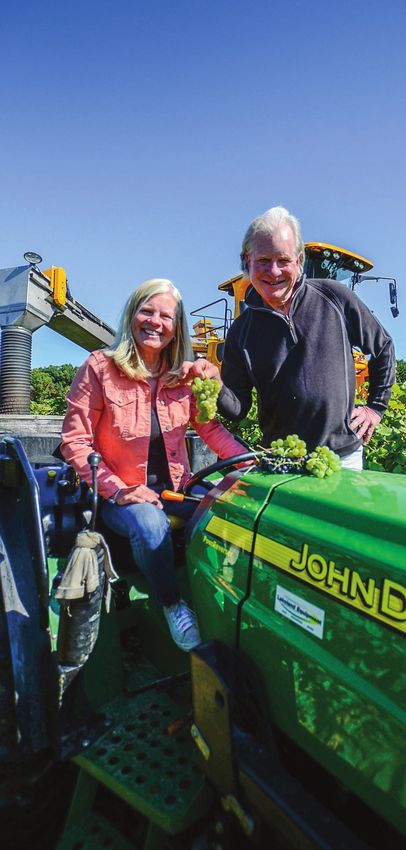
MOM EN T S

Alfred
                        Executive Editor          Photography                              Alfred University
                        Jason Amore ’97, MS ’99   Jeremy Lange, Peter Mangels,             1 Saxon Drive
                                                  Rick McLay ’89, Hannah Paduano ’19,      Alfred, NY 14802
                        Contributing Writers      Olivia Piazza ’19, Mark Whitehouse       607·871·2103
                        Mark Whitehouse
   M AGA Z I N E        Rob Price                 Alfred Magazine, copyright 2019,
                                                                                           news@alfred.edu
   OCTOBER 2019 ISSUE
                        Design                    is mailed free of charge to alumni,      We reserve the right to edit all
                                                  current parents, and friends of Alfred   letters and articles submitted for
                        Rick McLay ’89
                                                  University. Circulation: 6,473           publication in Alfred Magazine.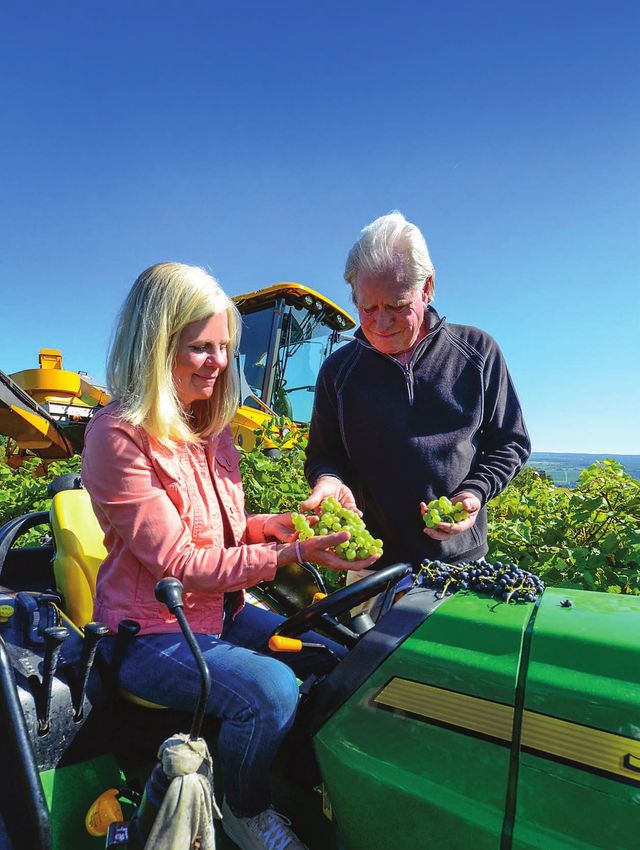
Alfred                   M AGA Z I N E
                                                        OCTOBER 2019 ISSUE

  Inside
                                        2    Celebrating our unique Maker Culture
                                             One of Alfred University’s distinctive characteristics is its maker
                                             culture, which encourages creativity, pushing students to unlock
                                             their potential and reach their goals through an immersive, hands-
                                             on learning environment. In this issue, we tell the stories of alumni
                                             who were inspired to take their maker spirit into the world and
                                             accomplish great things. Jeff Morris ’76 founded Hi-Tech Ceramics
                                             in the mid-1980s. In 1989, Jeff and his wife, Laurie Richer ’86 (page
                                             2), started Glenora Farms, producing grapes that supply numerous
                                             Finger Lakes Region wineries. Heatherlee Bailey ’90 (page 5),
                                             inspired by her parents – themselves pioneers in the feld of
                                             emergency care – co-founded the student First Responders group
                                             on the Alfred University campus and, as a physician trained in
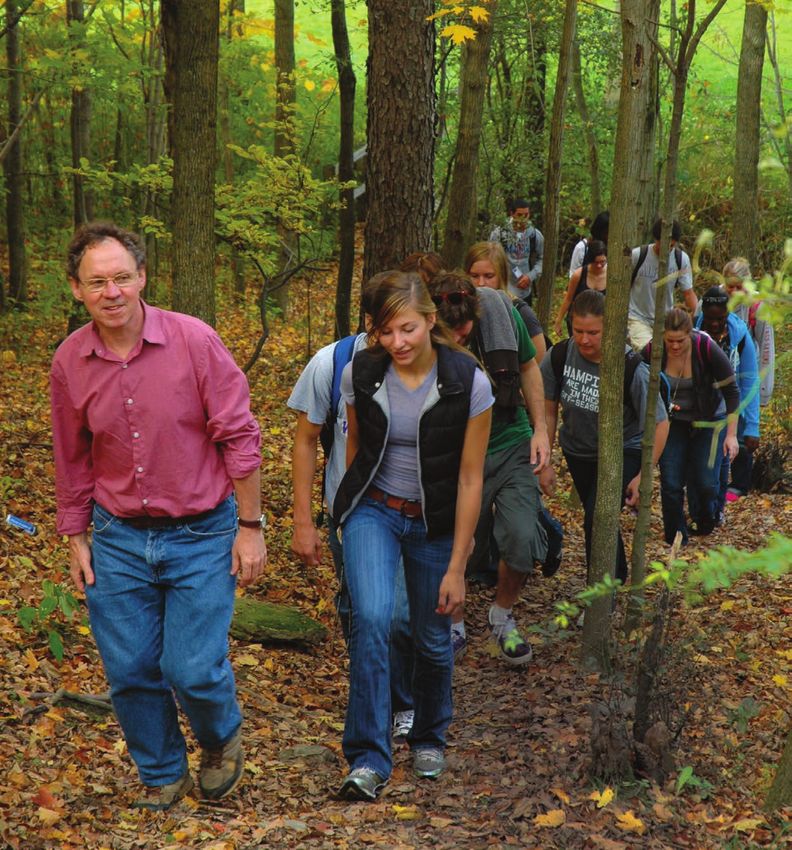
    Facing page: As part of the              emergency medicine and critical care, helped develop a program
 First Year Experience program,              to train physicians and nurses in the Indian sub-continent in the
  professor of Philosophy Emrys              care of trauma patients. Mike McCumiskey ’03 and Dave Woolever
  Westacott, far left, introduces            ’06 M.S. (page 8), grew up as friends in Hornell, NY, and parlayed
     new students to the unique              their passion for brewing beer into a popular craft beer operation
       environment surrounding               in their hometown. Fred Tracy ’87 (page 10), earned his B.F.A. from
                Alfred University.
                                             Alfred University and dreamed of a career as a potter, eventually
                                             designing a small canopy to keep shaded at craft fairs. Today, Fred
      Above: After a delightfully
warm September in Alfred, the
                                             is a worldwide leader in the tent manufacturing industry.
fall colors are at last begininng       13   Alf red Campus Digest
          to appear on campus.               Major happenings on campus.
 Cover image: Laurie Richer ’86         18   Saxon Athletics
  and Jeff Morris ’76 inspect the
  grapes during harvest time at
                                        23   Class Notes
their vineyard. See story, page 2.      37   Afterthoughts

T H E    M A G A Z I N E      F O R   A L U M N I   A N D   F R I E N D S   O F   A L F R E D   U N I V E R S I T Y   1
&

               Fine
C h a m p a g n e         w i n e

     MIGHTY                             J    eff Morris ’76 was familiar with the
                                             lay of the land when he bought a
                                        weekend cottage along the west shore
                                        of Seneca Lake in 1989. He had grown up
                                        in Irondequoit, NY, a suburban kid, but
                                        his parents had taken care of a cottage
                                        near the lakeshore. Jeff had spent his
                                        weekends learning how to farm, and he
                                        liked the physical labor. “I had a closeness
                                        to Seneca Lake,” he says.
                                             He also knew the soil was good for
                                        growing grapes.
                                             Buying the cottage also coincided
                                        with a nearly 30-year revolution in
                                        winemaking occurring in New York’s
                                        Finger Lakes region.
                                            “We had had big wineries in the Finger
                                        Lakes – Pleasant Valley, Taylor, Gold Seal
                                        – all of them making jug wines,” Jeff says.
                                        Those wines used the local grape varieties
                                        – Catawba, for instance; Niagara; Concord.
                                        Grape farmers believed the local varieties
                                        had a better chance of surviving Upstate
                                        New York winters than the European vitis
                                        vinifera variety.
                                          Local grapes, however, tended to
                                        produce a sweet wine at odds with
                                        seasoned wine drinkers’ preference
                                        for European wines, fermented from
                                        vinifera varieties. Cornell University began
                                        experimenting with hybrid grapes that
                                        combined local varieties with the vinifera,
                                        but in 1962, Konstantin Frank began
                                        producing outstanding wines solely from
                                        locally grown vinifera grapes on his farm
                                        overlooking Keuka Lake.
                                          “Now,” says Jeff, “we have about 140
                                        wineries in the Finger Lakes region,
        Jeff Morris ’76 and Laurie      most of them making wine from vinifera
                                        grapes.” Those wines have received
                                        international respect; the Finger Lakes
     Richer ’86 start a second career   now are recognized for world-class
                                        vintages of Riesling and Chardonnay.
     in grape farming, as New York        Wineries need grape juice, and to make
                                        the juice, you need to grow the grapes.

      enters the Modern Wine Age        By Rob Price
 2
Jeff and his wife, Laurie Richer ‘86, are the                                                                 he bought his
owners of Glenora Farms in Dundee,                     “We harvest anywhere from                                cottage, he
NY, one of the many vineyards                                                                                   was invited
along Seneca Lake that specialize
                                                        a few tons to 40 tons daily.                             to Alfred
in growing vinifera varieties. It’s                   Cleaning the equipment and                                 University
been a winding road from their                                                                                   to discuss
work at Alfred University,
                                                       delivering the fruit takes up                            careers
where Jeff had been trained                              the rest of the day. That’s                          in ceramic
as a ceramic engineer and
                                                          typical of grape farming                           engineering at
Laurie had graduated from                                                                                    a conference
the University’s College                               during   the    harvest     season.”                  of high school
of Business. The story                                                                                      counselors.
involves a high-tech                                              Jeff Morris ’76                          The conference
ceramic material                                                                                         was organized by
Jeff invented as a                                                                                  Laurie Richer, working
graduate student and                                                                             then in Alfred University’s
research associate for the                                                         Admissions Offce. It was the frst time
Alfred University Research                                      she had met Jeff, and they’ve been together ever since.
Foundation, a conference of high school guidance                   By then, Hi-Tech Ceramics had become, in Jeff’s own
counselors, and an old barn.                                    words, “the poster child for economic development.”
  It was a big, old barn – “Huge,” Laurie says – and it sat     The company employed about 120 individuals, some
at the top of a hill that overlooked the western shore of       of whom were ceramic engineers who had graduated
the lake. “It obviously needed a coat of paint, but it was      from Alfred University, and it exemplifed the
still solid. It was built entirely of wood, and they’re not     successful collaboration between private businesses
making barns like that anymore.”                                and academic research institutions. Alfred University
  It was part of a 113-acre parcel of farmland owned            next began a collaboration with Corning Incorporated
by Eastman Beers, a pioneer in the viticulture of the           and New York State that resulted in the construction of
Finger Lakes. Nearby was the Glenora winery, which              two business incubators in Alfred and Corning; people
Beers had helped found with Gene Pierce, who now                in the economic development business began talking
was producing award-winning wines from vinifera                 about a Ceramic Corridor across Western New York.
vines. Jeff drove past the Beers property (and the barn)           Meanwhile, Jeff was feeling the pull of the land, and
on his trips between his cottage and his offce in Alfred        of that beautiful barn. Driving back and forth between
Station, where he was president of Hi-Tech Ceramics.            Alfred and the cottage, he could imagine buying the
  Jeff had started the company in the mid-1980’s,               barn and the surrounding acreage, then leasing the
while he was pursuing his doctorate in ceramic                  land back to the original owner. “We could see the
engineering at Alfred University and working for                future of cool climate viticulture here in the Finger
the Alfred University Research Foundation. His                  Lakes,” Jeff says.
mentor was Emeritus Professor William Crandall ’42.                “I was traveling in California for Alfred University
With Crandall’s guidance and the resources of the               when Jeff called me with the news,” Laurie recalls. He’d
Foundation, Jeff developed a porous ceramic material            made the deal: The two of them were now owners of
that could be used to flter impurities out of molten            one old barn and the 113 acres of farmland that went
metals. Alfred University owned the patent on the               with it. They would call their new business Glenora
material, called reticulated ceramic; Jeff negotiated           Farms.
successfully with the University for the purchase, then            A period of intense work followed, during which
started Hi-Tech Ceramics in partnership with two other          Jeff continued running Hi-Tech Ceramics on a full-
ceramic engineers from Alfred, John Jarrabet ’80 and            time basis while he gradually became more involved
William Meinking ’76.                                           in Finger Lakes viticulture. Both he and Laurie were
  His subsequent success exemplifed the growing                 scrambling between the farm and cottage and their
career potential in ceramic manufacturing, which                obligations in Alfred. Subsequent parcels of farmland
traditionally had been viewed as a process dedicated            also came up for sale, contiguous with the original
to porcelain bathroom fxtures. In 1989, the same year
                                                                Continued on page 4

                                                                                                                          3
acreage he                                                                                                   day during the
and Laurie had                                                                                               late spring and
bought in 1991.                                                                                              throughout
They continued                                                                                               the summer.
buying property                                                                                                “It’s impor-
– “It’s part of                                                                                              tant for them
my nature to                                                                                                 to have this as
get bigger,” Jeff                                                                                            their back-
jokes.                                                                                                       ground, doing
  Eventually, he                                                                                             hard work ev-
began stepping                                                                                               ery day,” Laurie
back from Hi-                                                                                                says.
Tech Ceramics.                                                                                                 “How do
In 1995, he sold                                                                                             you teach the
the company                                                                                                  work ethic?”
                      State-of-the-art equipment is essential for a vineyard of this size, and both
to Vesuvius,          Laurie and Jeff take an active part in the harvesting process.
                                                                                                             adds Jeff. “My
staying with                                                                                                 parents and
the company as a research consultant until 1996, when               Laurie’s parents taught us. So here comes the next
he stepped away completely and became a full-time                   generation. Part of what we are trying to do is help
farmer. Laurie continued working at Alfred University               them fnd out that a huge part of personal satisfaction
until 2003, when she became Glenora Farms’ other                    comes from a job well done.”
full-time owner and employee.                                         They’ve developed a sort of unique, hybrid approach
  When Alfred Magazine recently interviewed Jeff                    to parenting teenagers. Austin and Devon have
and Laurie, they were in the middle of the annual fall              been enrolled part-time in the local school district,
harvest. Most of the work is done by machine, with Jeff             where Laurie has served as school board president.
operating the farm’s state-of-the-art mechanical grape              During the winter months, Jeff and Laurie also home-
harvester and Laurie driving a tractor and bin wagon.               school Austin and Devon during extended ski trips to
One morning in late September, they were hand-                      Colorado. The family loves to ski, and when necessary
picking grapes for sparkling wines: Chardonnay, Pinot               Jeff and Laurie can oversee from a distance the
Blanc and Pinot Noir. They had some time to sit and                 myriad of winter farming chores, which include hand
talk.                                                               trimming each vine.
  “We’re up before sunrise,” Jeff says. “We harvest                   More recently, the family bought a home in the Vail
anywhere from a few tons to 40 tons daily. Cleaning                 Valley of Colorado. They spend the academic year
the equipment and delivering the fruit takes up the                 there, where Austin and Devon are enrolled at the Vail
rest of the day. That’s typical of grape farming during             Mountain School. Jeff and Laurie return to the farm
the harvest season.”                                                for approximately six weeks for harvest. The entire
  Laurie jokes she’s the frst person in her family to               family spends late spring and summer on Seneca Lake
take up farming as a business and way of life. She had              working the farm.
grown up in Wellsville. When she graduated from                       Nearby, Glenora Wine Cellars is one of their best
Alfred University in 1986, she stepped straight into the            customers. Owner Gene Pierce’s wines continue to
Admissions Offce, where she stayed until 2003.                      receive international recognition, and Pierce owns
  “It’s a lot of work and we’re getting older,” Jeff refects.       two additional wineries: Chateau Lafayette Reneau
“How we proceed is always the interesting question                  and Knapp Vineyards Winery and Restaurant. He also
we ask ourselves at the end of the season: Do we have               serves as chairman of the Finger Lakes Economic
another year in us?”                                                Development Center. Talking with him, you get a sense
  Part of the answer involves two teenagers: their son,             of someone who has his fnger on the viticultural pulse
Austin, who is 15, and their daughter, Devon,13. Jeff and           of the county.
Laurie made sure their children grew up absorbing                     “Jeff and Laurie grow good crops of vinafera grapes,”
the farming culture, working on the farm two hours a                Pierce says. “They’re the real thing.”

4
MAKING A

Difference           IN PEOPLE’S LIVES
Heatherlee Bailey ’90 has enjoyed a career in
emergency and critical care medicine that has
spanned more than two decades. She has been
active in the Society of Critical Care Medicine and, in
February, became the Society’s frst-ever president
trained in emergency medicine and critical care.

By Mark Whitehouse
Photography by Jeremy Lange, Durham, North Carolina
                                                          5
A
          n emergency care physician                                   were Heatherlee and her younger brother,
          at the Durham Veterans                                           Richard Jr.
          Affairs (VA) Medical                                                     “I had my CPR card when I was
Center in Durham, NC,                                                             seven,” Heatherlee said. “My brother
Heatherlee’s dedication                                                             and I would teach CPR and frst aid
to her feld is evident at                                                             in high school health class. When
home and abroad. She                                                                    EMT courses started to be offered,
has served on numerous                                                                  my parents taught that as well,
committees tasked with                                                                   and we were there with them. I
improving the delivery                                                                   grew up doing this.”
of critical care, is a past                                                               Jessie, who passed away in
recipient of the American                                                               2014, became the frst female
Medical Association’s                                                                  captain of her frst aid squad,
Women’s Mentoring Award,                                                              a position she held for 13 years.
and serves as Oral Board                                                            Heatherlee’s father, now 84, made
Examiner for the American                                                         more than 5,000 ambulance calls.
Board of Emergency Medicine.                                                  Heatherlee’s dedication to her profession
She is also one of the creators of                                         – which places an emphasis on volunteerism
a course that has provided                                                    and mentoring – is no doubt rooted
training in trauma case
essentials to thousands of
                                     “I had a great time                      in her parents’ involvement as frst aid
                                                                              volunteers.
physicians and nurses in India.                                                 That sentiment was evident when
  Heatherlee has long aspired       at Alfred University                      Heatherlee matriculated at Alfred
to a career in medicine. It led                                               University in the fall of 1986, her plans
her to Alfred University, where     and wouldn’t trade a                      to pursue a career in medicine by then
she earned a bachelor’s degree                                                clearly set. She chose Alfred because
in biology, and then to the New          minute of it.”                       it checked the boxes of what she was
Jersey Medical School, where                                                  looking for in a school: an excellent
she earned her medical degree                Heatherlee Bailey ’90            academic reputation; an equestrian
in 1994. Her decision to pursue                                               program that would allow her to pursue
a career in medicine, and in particular to specialize in    her love of riding; and scholarship assistance.
emergency medicine, was infuenced in large part by            At Alfred, Heatherlee worked a few jobs. One was for
a December 1973 automobile accident near her family         then-head football coach Jim Moretti, inputting statistics,
home in Pennington, NJ, which left her parents, father      fling paperwork, and preparing letters for recruits.
Richard Sr. and mother Jessie, seriously injured.           Another was working in student security for the Offce of
  “My mother was appalled by the care they had              Public Safety.
received from pre-hospital providers,” said Heatherlee,       “In student security, every so often we’d encounter
who was just six years old at the time. “It’s not that they individuals who needed help, who were sick or hurt. We’d
didn’t care; they just lacked the proper training. All the  be on standby at events, and sometimes there were
volunteers had were basic frst aid skills.”                 injuries,” Heatherlee explained. “Some of us had a frst aid
  After they had recovered from their injuries,             background. We got together and talked about forming
Heatherlee’s parents joined the local frst aid unit and     a frst responder group on campus.”
eventually trained to become paramedics. Jessie was a         The group was outftted with radios and equipment.
member of the frst class of trained paramedics in New       Student    volunteers, initially numbering 12, provided CPR
Jersey; Richard was in the second class. Recognizing a      and basic frst aid. The group, founded in 1988 remained
need for training in frst response, Jessie and Richard      active for nearly 25 years, disbanding in 2012.
began teaching courses in frst aid and CPR. The course        Heatherlee has continued to follow in her parents’
was 12 hours long, which was prohibitive for many           footsteps, making a difference through her professional
working class adults, so they developed the abridged        work, as a volunteer, and as a mentor. After earning her
four-hour version which would later be adopted by the       medical degree, she completed her residency at the
American Heart Association.                                 Medical College of Pennsylvania in Philadelphia (now
  In the ensuing years, Heatherlee’s parents taught frst    Drexel University College of Medicine).
aid and CPR to thousands around their home in Mercer          By then, Heatherlee knew she wanted to focus on
County and throughout New Jersey. There with them           emergency     medicine and critical care. “I knew that’s

6
where I could make a difference,”
she said.
  After her residency, Heatherlee
joined the faculty at the Medical
College of Pennsylvania and, after
a faculty fellowship in critical
care, served as her department’s
director of Critical Care Education
as well as its associate residency
program director. Twelve years
later, Heatherlee was appointed
director of Critical Care Education
at Duke University before taking
her current position at the Durham
VA Medical Center. She is an
emergency medicine intensivist,
with a primary specialty in
emergency medicine and a sub-
specialty in critical care.
  What does Heatherlee fnd
most gratifying about her work?
“The fact that you have the ability
to make a difference for the
individuals you are treating and
their families,” she says. “These are
people who are having the worst
days of their lives and we have
the potential to make it better.
Saving a life: there’s nothing more
                                        Above: Heatherlee attends to a patient during one of her overnight shifts at
rewarding than that.”
                                        the Durham Veterans Affairs Medical Center in Durham, NC.
  Throughout her medical career,        Facing page: Heatherlee along with other members of Alfred University’s
Heatherlee has been a member of original student “frst responders” group in the late 1980s..
the Society of Critical Care Medicine
(SCCM), the largest non-proft medical organization                Heatherlee lives in Chapel Hill with her husband,
dedicated to promoting excellence and consistency                 Dr. Edward Cooner, whom she met during her frst
in the practice of critical care. With members in more            week of medical school. A member of the equestrian
than 100 countries, SCCM is the only organization that            team during her four years at Alfred, she maintains
represents all professional components of the critical care       her interest in riding. While she hasn’t ridden
team, from doctors and nurses to respiratory therapists           competitively for years, she owns and boards a horse,
and pharmacists. Her parents’ involvement in volunteer            Silver, riding as her schedule allows. “It’s important
work and the impact it has had on her is refected in her          to have something outside of medicine, to maintain
work with the SCCM, which stresses volunteerism and               balance. You need another area of life that brings you
mentoring.                                                        joy.”
  One of Heatherlee’s most signifcant and rewarding                 Of her time at Alfred University: “Between
endeavors is the development of the Comprehensive                 working for (Moretti), working with the student frst
Trauma Life Course for India. In 2005, in the aftermath of        responders, riding on the equestrian team, all my
the 2004 tsunami that devastated parts of coastal India,          classes, the people I met…I had a great time at Alfred
Heatherlee was instrumental in creating the program,              University and wouldn’t trade a minute of it.”
which trains physicians and nurses in the Indian sub-
continent in the care of trauma patients. She stayed active       Footnote: Heatherlee’s father, Richard Bailey Sr.,
in the program from 2005-10, making annual trips to India.        passed away unexpectedly on Aug. 20, at his home
The program remains in operation to this day.                     in Florida.

                                                                                                                           7
crafting the                     Brew
                                                                     True
                                                                                       THAT IS

                                         T
Mike McCumiskey ’03 and Dave                    hey continued their joint hobby, eventually moving from
Woolever ‘06 M.S. grew up together              beer kits to recipes for specifc kinds of beer. They used
                                                Mike’s kitchen in Rochester, where he had moved and was
in Hornell before attending Alfred
                                         working. Dave also began studying the actual chemistry involved
University. They enjoyed drinking        in the brewing process while working as a school counselor (he
beer with each other and eventually      had earned a history degree at Susquehanna University, then
extended the fun into making their       received his master’s degree in education counseling from Alfred
own homemade batches. Mike, an           University). Dave further immersed himself in the science and
undergraduate business major             craft of brewing through internships with the Rochester-based
who had been experimenting with          Rohrbach Brewing Company and CB Craft Brewers. Eventually he
                                         began working full-time for Rohrbach and dropped his original
fermenting grape juice, found the
                                         career plans to be a school counselor.
relatively short fermentation and          “I wanted to brew beer,” he says.
maturation period for beer – about         In 2014, after about two years of talking and planning, the two
a month ¬– preferable to the six-to-     friends opened their own brewery in their hometown of Hornell.
nine-month period it took to produce a   The Railhead Brewing Company is located alongside the old Erie
drinkable batch of wine                  Railroad tracks in Hornell, near the sprawling Alstom plant where
                                         Hornell continues to serve as a hub for train and locomotive
                                         manufacturing. (Hornell, both Mike and Dave note, also was the
                                         home base for several successful brewing companies in the early
By Rob Price                             twentieth century.) From the start they wanted to use the facility to

8
brew craft beers and supplement the brewing business
with a wood-fred brick oven pizza restaurant. They
purchased a ready-made brick oven and learned how
to use it, while relatives contributed construction and
carpentry skills to renovate the building.
Their frst night in business featured a low-key
opening, with just an invitation to friends on Facebook.
“We knew we were going to have a steep learning curve,
and we were nervous,” Dave says. “We wanted as soft an
opening as possible.”
The frst customers began arriving at about 3pm.
And they keep on coming.
Mike and Dave credit a lot of their success with
knowing the local market and having a realistic idea of
what kind of brewing/eating business would succeed in
Hornell.
“We knew the community,” Dave says. “If we had just
opened a brewery, we could take it only so far. The
wood-fred pizza just made sense – of course, we had to
learn how to make pizza on the fy.”
The beer is excellent (so is the pizza). As chief brewer,
Dave keeps three 93-gallon fermenting tanks in
operation in a back room, turning out a combination
of ales and lagers that are served up in pint glasses,
or in fights of four fve-ounce sampling glasses. The
brewery is open for business only three nights a week Above: Dave Woolever ’06 M.S., left, and Mike
and on an y given McCumskey ’03, in the Railhead brewery. Lower left:
Dave checks the beer quality with a hydrometer.
evening the bar
Facing page: Mike describes the different varieties to
serves about seven customers.
different kinds
of lagers and ale, range and greater quantity of brewing. The larger
plus batches of facility will allow them to open the restaurant in its
experimental current location four nights a week. They also hope
brews. Customers to begin selling their beer to other restaurants in
may also purchase western New York.
64-ounce servings, The work is collaborative with little division of
or growlers, labor between the brewing and the business end
in take-home of the operation. Mike focuses more on the details
containers, and of accounting and taxes, while Dave continues
Mike and Dave learning the science and craft of brewing. That said,
recently added a the duo believes the business is small enough, and
crimping machine new enough, for the two of them to work closely
that can seal a together in the daily operations, and in planning
32-ounce can of for the future.
beer, or growler, for transportation. “We really don’t have a fre wall between the
Business has been good enough for the partners to brewing and the business,” Dave says. Then he
begin an ambitious expansion plan, leasing a nearby laughs and adds: “But I’ve really enjoyed learning
building in which they will have more space for a wider how to brew.”
9FRED’S
GOT IT
Covered
Fred Tracy ’87
I
n the summer of 1987, right after receiving The structures were a hit with fellow vendors at
craft fairs so Fred began making the tents at a
his BFA degree from Alfred University,
garage in his native South Glens Falls and selling
Fred Tracy made a living selling his original them. “That was the start of Fred’s Studio Tents
pottery, at studios he owned in Lake George, and Canopies,” he says.
NY, and Virginia Beach, VA, and at numerous “Studio” has since been dropped from the
company name and today, Fred’s Tents and
craft fairs and shows in the Northeast.
Canopies is a multi-million dollar business,
What Fred remembers most about working employing nearly 70 people at an 87,000 square-
the summer craft fair circuit was the intense foot facility in Waterford, NY.
The business manufactures a variety of tents
heat that reddened his skin and made his
and canopies of all shapes and sizes, serving the
artwork nearly too hot for customers to sports and entertainment industries, third-party
handle. sales and rental companies, and agricultural and
“I was getting sunburned. I needed industrial entities. Fred’s Tents and Canopies
products have been used by emergency
something to shade me and keep my pottery
responders at the sites of natural disasters and by
cool,” Fred recalls. the military in overseas operations, at Super Bowls,
Fred’s solution? He designed a small tent and Presidential inaugurations.
“We have tents in every continent, in at least 15
– about 10-by-10 feet in size – consisting of a
countries, and in all 50 states,” Fred says.
steel and galvanized frame topped by a white Fred and his wife, Linda, co-own the business,
polyethylene canopy. which has evolved steadily over the years. After
graduation from Alfred University, Fred operated
pottery studios in Lake George – which he opened
By Mark Whitehouse during his senior year at South Glens Falls High
School – and Virginia Beach.
10“Our tents were in
Fred and Linda met in 1987 when 2009, introduced the still popular
Linda came into his studio in Lake Stillwater Sailcloth line. Made
George, looking to buy some pottery.
After they married, in 1991, Linda
Louisiana for 18 from a translucent material, the
Stillwater Sailcloth has been
joined the business while working as
a CPA.
months (following featured on the cover of In Tents, a
top industry publication.
Over the frst few years in
business, Fred’s Tents and Canopies
Katrina), until people In 2010, Fred’s Tents began
manufacturing its BFS (Better
manufactured and sold thousands
were able to get Fabric Structure) line. BFS is
of the small tents, moving in 1990 to essentially a much larger version of
a building in Stillwater, NY. Fred had back on their feet The Fred Shed. The latter measured
closed his studio in Virginia Beach anywhere from eight to 30 feet in
and was making pottery at his Lake again. People were width, while the BFS ranges from
George studio. He and Linda sold 30 to 100 feet wide. Industries
pottery, wicker baskets, and tents calling us ahead of that make use of BFS structures
from the Lake George facility. “One include agriculture (housing
day, Linda said to me, ‘We have Hurricane Dorian.” farming equipment or livestock)
these three businesses. Why not and transportation (storing heavy
concentrate on tents?’” Fred Tracy ’87 equipment and road maintenance
Fred agreed and, in 1992, he materials like salt and sand).
expanded the tent business, making larger structures By 2014, the facility had increased from 6,000 to
that were rented for events like graduation parties and 15,000 square feet, but the business was growing
wedding receptions. Fred’s Tents operated out of a barn at a rate that outpaced the added space. That year,
with no heat and, later, in a section of a former middle Fred moved the business to its current location,
school building in Stillwater. “We were in a 21-by-24-foot an 87,000-square-foot manufacturing and storage
room on the second foor,” facility in the former Yankee Dollar distribution
Fred recalls, “If no one was using the gym, we made center in Waterford.
tents there and carried them back upstairs.” Fred’s Tents and Canopies has become one of
In 1996, Fred moved into a new facility, a 60-by-100-foot the largest and most successful businesses in the
building in Stillwater. “Every other year, we put a new tent industry. The frm provides tents primarily to
addition on,” he said. third-party businesses, including rental companies,
The business’s product line expanded over time and manufactures tents according to customer
as well. In 1992, the company introduced “The Fred specifcations. It consists of three divisions: soft
Shed,” a structure consisting of fabric stretched over goods/fabric; metal fabrication; and printing. Fred’s
metal arched supports, which was typically used as a Tents does its own printing on tent and canopy
garage or to store equipment. In 2004, the company fabric, and has developed a process for printing on
manufactured its frst pole tent and fve years later, in the tent’s metal components.
Continued on page 12
11One of Fred’s most ambitious projects was for an the major manufacturers in the United States and the
expansive tent and canopy structure commissioned for a world…It’s pretty humbling.”
2013 Great Gatsby-themed birthday party at a residence Fred attended Alfred University on the
on Long Island, NY. The project – which took fve weeks recommendation of his art teacher in high school. At
to install and three weeks to take down – consisted the time, he knew of Alfred’s reputation as having one
of a 12-by-34 meter custom marquee entry; a 3-by-15 of the nation’s top ceramic art programs. He called his
marquee connecting a 12-by-9 meter cocktail tent with time at Alfred “a growing experience” that helped set
a 15-by-30 meter dining tent; and a 170-foot casino tent the stage for his career.
installed along the curved exterior of the home. More “During my junior year, I was able to study abroad
than 2,000 meters of fabric were used and a faux wood in Manchester, England. Alfred gave me that
fnish was printed on every aluminum element. The opportunity. I do a lot of international travel so that
project won the International Achievement Award from (experience) helped me,” says Fred, who lists Fred
the Industrial Fabric Association. Tschida (glass art professor), John and Andrea Gill
Fred’s Tents and Canopies has been a supplier for (ceramic art professors), and Fred Frederickson (kiln
contests in every major sports league. Its products have technician) among his mentors at Alfred.
been used at horse races, stock car races, festivals, and His advice to students? “Don’t give up on your
concerts. Fred is quick to point out that the tent industry passion. There are places for you. Eventually you will
serves so much more than the entertainment industry. fall into something. It was what I learned in high
“Most people think of graduation parties, wedding school and at Alfred that has allowed me to do this. I
receptions, carnivals, and festivals. But it’s a unique took all of what I learned and experienced and applied
industry. In the 30-plus years I’ve been doing this, it, ran with it and created a multi-million dollar
I’ve seen this country’s worst and best days,” he says, company.”
referring to his tents having been used at staging Fred and Linda have two children: son Fred Jr.
areas for frst responders in New York City following recently graduated from Clarkson with a graduate
the attacks on 9-11; by rescue workers in Louisiana in degree in engineering; daughter Amanda is an
the aftermath of Hurricane Katrina; and in Afghanistan, undergraduate at Delaware Valley College, studying
where they’ve provided shelter to the U.S. military. agricultural business. Despite not having a career as a
“Our tents were in Louisiana for 18 months (following potter – he hasn’t made a piece of pottery in 15 years
Katrina), until people were able to get back on their – Fred says his business is a form of art, and it allows
feet again. People were calling us ahead of Hurricane him to indulge his creative side.
Dorian,” Fred says. “Those are the bad days. But we’ve “I always thought I was going to do something” that
had our tents at PGA golf tournaments, NASCAR events, tapped into his creativity, Fred says. “I thought I was
and Super Bowls. Our products have been there for going to be a potter; I didn’t know it would be in tents.
millions to see, and we’ve done a lot of those events. I’m asked, ‘Do you still make pottery?’ I say I still do it,
There’s a huge spectrum there. To have become one of but in a different form: I do it in aluminum, canvas and
steel. I’m still fulflling my artistic need.
12campus Digest
Marlin and Ginger Miller donating ceramic art to Alfred University
Over the last half century, Marlin including the late Val Cushing, a
Miller ’54, ’89 HD, ’19 HD – with ceramic art professor who earned
his frst wife Marcianne (Mapel) a B.F.A. degree from Alfred
Miller, and second wife, Ginger University in 1952, and several
– has collected works by some others affliated with the University,
of the most renowned ceramic including: Wayne Higby, director
artists in the world. Since Marlin’s and curator of the Alfred Ceramic
frst acquisition, a lidded ceramic Art Museum; John Gill ’75 M.F.A.,
bowl created by famed artist and professor of ceramic art, and his
Alfred University alumnus Val wife, Andrea ’74 (B.F.A.), professor
Cushing ’52, the Millers’ collection of ceramic art emerita; Anne
has grown to exceed 200 pieces. Currier, professor of ceramic art
On Sept. 27, Marlin, a member emerita; late professor of ceramic
of the Board of Trustees and one art Robert Turner ’49 (M.F.A.), the
the University’s most generous late David Shaner ’59 (M.F.A.),
benefactors, announced he and the late Ken Price ’59 (M.F.A.), the
Ginger would be donating the late Ken Ferguson ’58 (M.F.A.), Ed
majority of the Miller Ceramic Art Eberle ’72 (M.F.A.), and Tony Marsh
Collection to Alfred University’s ’88 (M.F.A.). The exhibition also
Ceramic Art Museum. Marlin, contains pieces by noted Japanese
who earned a bachelor’s degree and Chinese ceramic artists.
in ceramic engineering from An exhibition, “Materiality:
Alfred University and received Marlin Miller ’54, ’89 HD, ’19 HD and Ginger Miller Masterworks from the Miller
honorary degrees from his alma Ceramic Art Collection,” opened at
mater in 1989 and 2019, made the Alfred Ceramic Art Museum
the announcement at a dinner Sept. 26 and will remain on view
following the Perkins Ceramic Art through Dec. 30. The Val Cushing
History Lecture. piece is one of approximately
Miller enrolled at Alfred 60 pieces in the exhibition; the
University in 1950 as an remainder of the collection
engineering major, but soon remains at Marlin and Ginger’s
became interested in the arts. His home. “We’re going to give
roommate was an art student, the bulk of our collection to
who introduced him to another Alfred University,” Miller said in
art student, Marcianne Mapel announcing the bequest to the
’55 (B.F.A.). After Marlin and University.
Marcianne married, Marlin’s Miller, a member of the Board
appreciation for art continued of Trustees since 1972, is a
to grow. On a trip to Cape Cod, successful businessman and noted
MA, in 1969, the Millers acquired philanthropist who has been one of
the frst piece of their collection, Alfred University’s most generous
a lidded bowl by Val Cushing for supporters. His gifts have funded
which they paid $50. construction of the Alfred Ceramic
Today, the Millers’ collection “Materiality: Masterworks from the Miller Ceramic Art Museum, as well as the Miller
contains some of the most Art Collection,” opened at the Alfred Ceramic Art Performing Arts Center and Miller
renowned names in ceramic art, Museum Sept. 26, 2019 Theater.
13Alfred University awards Helen Drutt English honorary degree
Alfred University awarded an “During the exhibition,
honorary Doctor of Fine Arts his work was acquired by
degree to Helen Drutt English, eight private collections
a pioneering educator, as well as the Smithsonian
collector, and curator in Institution’s National
the craft art industry, who Museum of American Art,”
has long been a supporter Higby said. “Today, Sun Koo
and advocate for ceramic Yuh is one of the world’s
artists affliated with Alfred renowned ceramic artists.
University. The honorary This is but a single example
degree was presented at a of Helen Drutt English’s
dinner following the Perkins commitment to young
Ceramic Art History Lecture artists.”
on Sept. 27. Over the years, Drutt
Drutt English’s involvement English has exhibited
in the feld of Modern and From left: Wayne Higby, Helen Drutt English and Mark and promoted the work
Contemporary Craft began Zupan. of numerous ceramic
in the mid-1950s, frst as a artists affliated with Alfred
collector. In 1973, she founded the Helen Drutt Gallery, University. They include Higby, whose work has been
one of the frst galleries in the United States committed shown at more than 20 exhibitions at Drutt English’s
to modern and contemporary crafts. In presenting her for galleries in Philadelphia and New York City. In 2018, she
her honorary degree, Wayne Higby, director and curator began work with the National Museum of Art in Sweden
of the Alfred Ceramic Art Museum, said, “None of the on an exhibition that includes the work of several ceramic
pioneers of the contemporary cultural marketplace has artists connected to Alfred, including Higby, John ’75
been more important to Alfred University and to the M.F.A. and Andrea Gill ’74, Linda Sikora, Robert Turner ’49
advancement of ceramic art than Helen Drutt English.” and Val Cushing ’52.
Higby related how, during a visit to Alfred University in Over her career, Drutt English has organized a number
1997, Drutt English arranged to see a Master of Fine Arts of major exhibitions in the United States and abroad.
thesis exhibition of Sun Koo Yuh ’97, a Korean American In 2014, she facilitated the gift of a collection of 74
student. A month later at the Helen Drutt Gallery in works, including ceramics, furniture, and jewelry, worth
Philadelphia, she mounted Sun Koo Yuh’s frst solo approximately $2 million, to Russia’s Hermitage Museum.
exhibition. The work of several Alfred University-affliated artists,
including Higby, is included in the collection.
SUNY affirms Gabrielle Gaustad’s appointment as vice president of Statutory Affairs
On Sept. 26, the State The vice president of Statutory Affairs/unit head is SUNY’s
University of New York (SUNY) chief administrative offcer of the New York State College of
Board of Directors affrmed Ceramics, overseeing budget requests and expenditures for
the appointment of Gabrielle the College on behalf of the SUNY Board of Trustees.
Gaustad ’04 as vice president Gaustad has been dean of the Inamori School of
of Statutory Affairs at Alfred Engineering since Jan. 1. She came to Alfred from Rochester
University. Institute of Technology (RIT), where she served as associate
In her role, Gaustad professor and director of the Master of Science program
– who is dean of Alfred in the Golisano Institute for Sustainability. At RIT, Gaustad
University’s Inamori School of conducted more than $2 million in sponsored research
Engineering – serves as unit programs, and mentored dozens of doctoral and masters
head for the New York State students.
College of Ceramics at Alfred Gaustad earned a B.S. degree in ceramic engineering from
Gabrielle Gaustad ’04 University. She succeeds W. Alfred University in 2004. She also holds a master’s degree in
Richard Stephens, who had served as acting vice president computation for design and optimization and a doctorate in
of Statutory Affairs from 2016 until June 30, 2019, when he materials science and engineering, both from Massachusetts
retired from his position as Alfred University’s provost and Institute of Technology.
vice president of Academic Affairs.
14Alumni gift to support innovation in the Inamori School of Engineering
By Mark Whitehouse aimed at attracting top student applicants; hiring new faculty;
supporting faculty teams writing large-scale research projects;
Terry Michalske ’75 credits much of his professional success
and investing in improvements to the operational effciency of
to his Alfred University education. A recent gift from Terry
the School.
and his wife, Susan (Knab) Michalske ’79 will be used to spur
“In the near term we have several exciting initiatives to
continued growth and innovation in the Inamori School of
support. One is reinvigorating our frst year engineering
Engineering and allow future generations of students to
curriculum, and the other is providing enhanced hands-on
beneft as Terry did.
capabilities in our maker spaces,” Dean Gaustad commented.
“I count myself among the many Alfred University grads
Terry pointed to recent “exciting new developments” in the
whose lives and professional careers have benefted
School of Engineering – such as the appointment of Gaustad
greatly from my Alfred
as dean; the state’s reauthorization of the Center for Advanced
University engineering
Ceramic Technology for another 10 years; and the creation, in
experience,” said Terry,
2013, of the renewable energy engineering major – on which
who earned a bachelor’s
the University can build momentum.
(1975) and doctoral
“We’re very excited about the future of Alfred University
(1979) degree in ceramic
engineering. The expansion into new directions is paying
engineering from Alfred.
dividends and the addition of Dean Gaustad is just what we
“My glass and ceramic
need to take our game to the next level,” Terry said. “There
education provided the
are great things happening in the engineering school. The
professional connections
facilities are world class. This is a great time to draw attention
and engineering skills
to that.”
that allowed my career to
Terry Michalske ’75 Terry encourages other Alfred University engineering
develop in directions that I
alumni to support the endeavor. “Our hope is that the new
couldn’t have guessed.”
Engineering Innovation Fund will provide a vehicle to give
The Michalskes recently gave $50,000 to Alfred University
back to Alfred University engineering and to provide (Gaustad)
to establish the Alfred University Engineering Innovation
and future engineering deans with the fexibility they need
Fund. It creates a permanent endowment that the dean of
to invest in the continued growth of our Inamori School of
the Inamori School can use in support of strategic priorities;
Engineering.”
rapidly respond to new opportunities; and invest in the
Alfred University trustees, including Tom Hinman ’79;
future of the School’s students, faculty and staff.
Kathleen Richardson ’82, M.S. ’88, Ph.D. ’92; Cheryl Blanchard
Terry, who is a member of the Alfred University Board of
’86; A.N. Sreeram M.S. ’90; and Christine Heckle ’92, M.S. ’95,
Trustees, retired last year from his position as laboratory
director for the U.S. Department of Energy, Savannah River
National Laboratory (SRNL) in Aiken, SC. He and Susan, “There are great things happening
who earned a bachelor’s degree in nursing from Alfred,
live in Cedar Crest, NM. Prior to joining SRNL, Terry worked
in the engineering school.
for nearly 30 years at Sandia National Laboratories in
Albuquerque, NM, and Livermore, CA.
The facilities are world class.”
Gabrielle Gaustad ’04, dean of the Inamori School of
Terry Michalske ’75
Engineering, expressed her appreciation to Terry and Susan
for their generosity, and noted the important role Terry has Ph.D. ’98 have also committed to support the Engineering
played in the advancement of the engineering program at Innovation Fund.
Alfred University. Tom, who earned a bachelor’s degree in ceramic
“Alfred University, and its School of Engineering in engineering and is retired as senior vice president at Corning
particular, are so fortunate to have Terry and Susan Incorporated, expressed his enthusiasm about the vision for
Michalske sharing their resources with us,” she said. “The the Inamori School.
investment is appreciated, and even more signifcant is the “For me, a major point of distinction for Alfred has always
tremendous time and energy that Terry has spent helping been ceramics and glass, and I personally benefted from my
us with strategic leadership and curricular innovation. bachelor’s in ceramic engineering during my 32-year career at
I have personally benefted tremendously from the Corning Incorporated,” he said. “Today, engineering at Alfred
mentoring he has provided me stemming from his years of has grown, building on the strengths of our uniqueness in
experience leading large, diverse research teams.” ceramics and glass to include mechanical engineering, as
Terry explained that as the endowment grows, the well as a number of other distinctive engineering majors. I
Engineering Innovation Fund will assist in a number of am delighted to support the Engineering Innovation Fund to
initiatives he sees as important to advancing the Inamori ensure that Alfred University’s engineering program continues
School. They include undergraduate research; fellowships
to thrive well into the future.”
15Academic Program Innovation Fund initiative creates path to new majors
The Academic Program Innovation Fund established Data analytics is the process of examining data sets in
last year by Kevin Livingston ’93, a member of the Alfred order to draw conclusions about the information they
University Board of Trustees, and his wife, Hanh, is leading to contain. Data analytics technologies and techniques
the creation of new majors in data analytics and computer are widely used in commercial industries to enable
science. organizations to make better-informed business decisions
This academic year, the University and by scientists and researchers to
began offering a minor in data verify or disprove scientifc models,
analytics. As that minor, and one in theories, and hypotheses.
computer science created in 2015-16, An increasing demand for
are being offered, the University is graduates trained in data analytics
developing new majors in both felds, makes the new academic
with an eye on implementing them in programming at Alfred University
the fall of 2020. attractive to prospective students.
Beth Ann Dobie, provost and vice “The market demand for graduates
president of Academic Affairs, said to fll data analytics needs in both the
$50,000 from the Academic Program private and public sectors is growing
Innovation Fund was split evenly to rapidly,” Lewis said. “The demand for
help develop new majors in data flling analytics positions far outstrips
analytics and computer science. the supply of graduates, and comes
Alfred University faculty groups from small and medium businesses,
are developing the new majors and government and non-proft sectors.”
designing the needed courses. Once Kevin Livingston ’93 Lewis said that Academic Program
a proposal is drafted, and resources Innovation funding may be used
required to deliver the new program are identifed, the to support initiatives – such as consulting, attendance at
University’s Curriculum and Teaching Committee will review AACSB analytics workshops, and visits to analytics Centers
and make the decision to approve the new majors. for Excellence – that will assist in the development of the
Once approved by the New York State Education new analytics majors.
Department, the University will house two data analytics Alfred University had offered a computer science
majors – data analytics and business analytics – in the major, but it was discontinued in the early 2000s.
College of Business. Only the business analytics major The minor provides students with an introduction to
would be accredited by the Association to Advance modern programming, web development, and software
Collegiate Business Schools engineering. The program can
(AACSB). The computer science supplement majors in engineering,
major will be housed in the College
Academic Program Innovation mathematics, physics, or
of Liberal Arts and Sciences. other felds where computing
The data analytics major is funding may be used to technology is an integral part of job
being developed by faculty responsibilities.
from the College of Liberal Arts support initiatives – such David Toot, dean of the
and Sciences, Inamori School College of Liberal Arts and
of Engineering, School of Art as consulting, attendance at Sciences, noted that since the
and Design and the College of discontinued Bachelor of Arts
Business. “It includes courses from
all four units, and is governed by a
AACSB analytics workshops, degree in computer science is still
registered with the State Education
committee of faculty representing Department, the University could
all four units,” explained Mark
and visits to analytics Centers simply reactivate the degree
Lewis, dean of the College of program. He said the University is
Business. for Excellence – that will assist looking into expanding the major
Business Analytics, Lewis to include specialties and will likely
said, “will be a business degree, in the development of the new submit a proposal to the state for
with students taking all of the a Bachelor of Science degree in
accounting, fnance, marketing, analytics majors. computer science.
and other courses required for all Toot said funding from the
business students. In addition Academic Program Innovation
to the core business courses, students will take analytics Fund will support faculty searches and, potentially, defray
coursework, including newly developed advanced business the cost of developing new physical space, like classrooms
analytics courses.” and labs, needed to facilitate a major in computer science.
16Dillon Smith ’19 leading program advocating for military
By Mark Whitehouse
between the Student Accounts
D illon Smith knows well the
challenges that come with being
both a member of the military and a
and Financial Aid offces, and
the military,” Dillon recalled.
Early last year, Dillon
college student. Dillon joined the Army approached Kathy Woughter
in 2011 during his junior year of high ’93 M.S., then vice president
school and has held the roles of both of Student Affairs, and Norm
college student and soldier since the Pollard, then dean of students,
time he enrolled as an undergrad at about planning his graduate
Alfred University in the spring of 2014. assistantship.
Dillon earned a bachelor’s degree “When I realized my career
in criminal justice and experimental aspirations, I was considering
psychology (minors in sociology and my focus and thought back
public law) from Alfred University on the tough times I had
in May, and in the fall began his experienced. I thought it
graduate studies at Alfred, pursuing would be a good idea to
a master’s degree in College Student analyze Alfred University’s
Development. He spent his senior year Dillon Smith ’19 strengths and weaknesses
developing his graduate assistantship, and see if there are ways we
Military Affairs Liaison, with a goal of helping members of the can better support service men and women, said Dillon, who
military – active duty and veterans alike – meet the challenges hopes that as Military Affairs Liaison, he can give that group
they may face as college students. greater attention. “I will be the person to help them if they’re
If anyone is suited for the job, it is Dillon, who has thrived struggling. I can use my experience and give guidance.”
as a member of the U.S. Army National Guard, attaining the Dillon’s goals for the two-year assistantship include:
rank of sergeant, and as an Alfred University student, honored educating various departments on the needs of those on
this spring as one of two Marlin Miller campus with connections to the military;
Outstanding Senior Award recipients. maximizing military benefts; creating a
Dillon’s career in the military began “I will be the person Veterans/Military Support Council; creating
well before he matriculated at Alfred a resource center where veterans and
University. A four-year member of to help [students] if members of the military can learn about
the Junior Reserve Offcers’ Training the services available to them; travel for
Corps (JROTC) at Washingtonville (NY)
High School, he earned the position
they’re struggling. the purpose of student recruitment;
and development of on-line academic
of battalion commander as a senior, coursework for veterans and active duty
overseeing a group of more than 150 I can use my military personnel.
cadets. As a junior in high school, Dillon His assistantship is supported by a pair of
decided he wanted to commit to military experience and give gifts to the University. One – from Board
service and, with his parents’ consent, of Trustees member Neal Miller and his
joined the Army as a 17-year-old. wife, Lynne – enhances the assistantship,
The summer before his senior year, guidance.” allowing Dillon to work 20 hours per week
he went to Fort Benning, GA, for basic instead of 10. The second – from alumnus
training. After graduating from high Dillon Smith ’19 Dr. Robert Chaikin, a Vietnam veteran
school in 2013, he traveled to Fort (U.S. Army) who graduated from Alfred
Leonard Wood in Missouri to complete in 1962 (B.A., psychology) – is dedicated to
his advanced individual training in supporting programming initiatives, such
electrical engineering. Dillon became interested in Alfred as training seminars, travel, and guest speakers.
University during his junior year in high school, learning about Dillon said he hopes that after his graduate assistantship
the University at a college fair. concludes, efforts to serve the military and veterans on
Looking back at his early years at Alfred, Dillon said there campus will continue, whether through continued advocacy
were moments of uncertainty. He was unaware of the by the Veterans/Military Support Council, or through the
fnancial aid benefts available to him as a member of the establishment of a Military Affairs Offce staffed by a full-time
military, and unsure where to turn for guidance. “When doing director.
my own research, I found out my benefts were greater than I
originally thought. It was just a matter of miscommunication
17athletics
Hall of Fame ceremony taking place in November
Five former student-athletes will be inducted into the The Baker brothers were four-year members of the Alfred
Alfred University Sports Hall of Fame during an on-campus University swimming and diving team from 2005-09, helping
ceremony in November. The University will also introduce lead the Saxons to three consecutive Upper New York State
two new honors, Collegiate Swimming Association (UNYSCSA) Championships
recognizing a pair in 2007, 2008, and 2009.
of former Saxons. Matt was a four-time NCAA All-America Honorable Mention:
The 2019 Hall of three times in the 100-yard backstroke (2007, 2008, and 2009)
Fame inductees and once in 200-yard backstroke (2009). He is a two-time
are twin brothers Empire 8 Swimmer of the Year (2007 and 2009) and 23-time
Mark Baker ‘09 Empire 8 Champion, including 13 relays and 10 individual
and Matt Baker events. Baker was named the Empire 8 Swimmer of the
‘09 (swimming Meet in 2007 while aiding the Saxons to their frst of three
and diving), consecutive UNYSCSA Championships. Over the course of his
Katie Calfee ‘08 career, he won 54 individual events and 42 relay events during
(women’s tennis), dual meets.
Tim Jaenecke He participated in the NCAA Division III National Champi-
‘84 (swimming onship meet in
and diving) and 2007, 2008, and
Paul Keeley 2009. During
‘08 (football). the 2007 meet,
Matt Baker ’09 This year, the he fnished 14th
University added in the 100-yard
two new honors to the Hall of Fame ceremonies: Golden backstroke to
Saxon inductee and the Distinguished Saxon Alumni Award. earn his frst ca-
Honorees for those awards are, respectively, John Henderson reer All-America
‘76 (football) and Dr. Kathleen Richardson ‘82, M.S., Ph.D. Honorable Men-
(volleyball). tion recognition.
The seven will be recognized at the Hall of Fame induction He fnished
ceremony Saturday, Nov. 2, at the Knight Club in Powell ninth in the 100-
Campus Center. They will be honored as well at halftime of yard backstroke
the home football game that afternoon against Utica. Other at the 2008
events honoring former and new Hall of Fame members will NCAAs. At the
be held on Friday, Nov. 1. 2009 NCAAs,
This marks the frst year a weekend will be dedicated to Hall he placed 13th
Mark Baker ’09, right
of Fame festivities: in the past, induction ceremonies were in the 100-yard
held the same weekend as Homecoming. backstroke and 16th in the 200-yard backstroke. Matt still
“What an outstanding class of inductees we will honor this holds school records in the 400-yard medley relay, the 200-
November. They represent the very best of what a Saxon student- yard medley relay, and the 100-yard backstroke.
athlete is, and across a great diversity of sports as well,” said Paul Matt graduated from Alfred cum laude with a degree in
Vecchio, athletics director. “I am also excited to welcome our frst chemistry. At the 2009 honors convocation, he was honored
Distinguished Saxon and Golden Saxon honorees, which will with the American Chemical Society College Student Award,
add greatly to our celebration and, we hope, lead to many more the American Institute of Chemists Foundation Award, and
nominations in those deserving categories in the future. I hope the ECAC Merit Medal. He was also a three-time UNYSCSA All-
to see plenty of former Hall of Famers, alumni, family, and friends Academic selection and four-time Collegiate Swim Coaches
as we usher in a new era by moving the Hall of Fame to its own Association of America Academic All-American.
weekend in early November.” Mark Baker secured 16 Empire 8 Championship titles
18You can also read


