AN ANALYSIS OF LOCAL AGRIBUSINESS TRENDS: PROMOTING OPPORTUNITIES FOR YOUNG BARBADIAN AGRIPRENEURS - Blog del IICA
←
→
Page content transcription
If your browser does not render page correctly, please read the page content below
AN ANALYSIS
     OF LOCAL
   AGRIBUSINESS
      TRENDS:
PROMOTING OPPORTUNITIES
  FOR YOUNG BARBADIAN
      AGRIPRENEURS

                                                                               Prepared by Jason Francis

  AN ANALYSIS OF LOCAL AGRIBUSINESS TRENDS: PROMOTING OPPORTUNITIES FOR YOUNG BARBADIAN AGRIPRENEURS   1
2 AN ANALYSIS OF LOCAL AGRIBUSINESS TRENDS: PROMOTING OPPORTUNITIES FOR YOUNG BARBADIAN AGRIPRENEURS
ACKNOWLEDGEMENT
The report is part of the dedicated and ongoing efforts of the Inter-American Institute for Cooperation on
Agriculture (IICA) to encourage the growth and development of young people in agriculture.

The report forms part of the Future Farmers project funded and supported by the Barbados Environmental
Conservation Trust (BECT). The report provides insight into some of the potential opportunities young people can
explore in the agribusiness sector as well as recommendations on how to support greater youth involvement.
The completion of the report was due in no small part to the willingness of a number of stakeholders in the
sector to be interviewed. These stakeholders included

Mr. Alvin Romeo (Senior Extension Officer, Ministry of Agriculture),
Ms. Chadeene Roett (Agripreneur and Agribusiness Consultant),
Mr. Jeremy Stephen (Lecturer in Economics at the University of the West Indies),
Ms. Keriah Scantlebury (Mixed Farmer and Young Agripreneur) and
Ms. Ayanna Young-Marshall (Lecturer in International Business and Facilitator of the SEED Programme,
UWI Cave Hill).

Special thanks also to
Mrs. Ena Harvey, Representative IICA Delegatgion in Barbados and
Dr. Roxanne Waithe Technical Specialist and Future Farmers Project Manager
for their tremendous guidance and support in the completion of this report. Special mention must also be made
of Mr. Brent Theophile, National Specialist for the IICA Delegation in Saint Lucia whose insight on youth and
agribusiness across the region was extremrely valuable.
LIST OF ACRONYMS
        ADF         Agricultural Development Fund
      BADMC         Barbados Agricultural Development and Marketing Corporation
       BGIS         Barbados Government Information Service
       CABA         Caribbean Agri-Business Associaton
      CARDI         Caribbean Agricultural Research and Development Institute
        CBB         Central Bank of Barbados
        CDB         Caribbean Development Bank
      CNCDs         Chronic Non-Communicable Diseases
        CTA         Technical Centre for Agricultural and Rural Cooperation
       CVQs         Caribbean Vocational Qualifications
        FAO         Food and Agriculture Organization
       FEED         Farmers Empowerment and Enfranchisement Drive
        FDI         Foreign Direct Investment
      HACCP         Hazard Analysis Critical Control Points
        IDB         Inter-American Development Bank
        IICA        Inter-American Institute for Cooperation on Agriculture
       MAFS         Ministry of Agriculture and Food Security
      MSME          Micro Small and Medium Enterprises
        NCF         National Cultural Foundatin
       NVQs         National Vocational Qualifications
       NIFCA        National Independence Festival of Creative Arts
      RCCIP         Regional Coconut Commodity Innovation Platform
       SEED         Student Entrepreneurial Empowerment Development
       SIDS         Small Island Developing States
        SJPI        Samuel Jackman Prescod Institute of Technology
        SOE         State of Emergency
       STEM         Science Technology Engineering Maths
       UNDP         United Nations Development Programme
        UWI         University of the West Indies
        YES         Youth Entrepreneurship Scheme

4   AN ANALYSIS OF LOCAL AGRIBUSINESS TRENDS: PROMOTING OPPORTUNITIES FOR YOUNG BARBADIAN AGRIPRENEURS
CONTENTS
                              6.     Introduction

                              7.     CHALLENGES AND OPPORTUNITIES
                                     IN THE BARBADIAN AGRIFOOD SECTOR:
                              7.     An Overview
                              7.     Agriculture in Barbados and the Caribbean
                              8.     Problems Faced by the Sector
                              9.     COVID and the IMPACT on AGRICULTURE
8                            12.     Agriculture an industry of Possibilites
                             16.     Methodology

                             17.     KEY PERSPECTIVES ON YOUTH
                                     ENGAGEMENT IN AGRIBUSINESS
                             17.     Barriers to Youth Involvement Agriculture
                             19.     Opportunities in the Agribusiness Sector
                             19.             COVID-19 and the Refocus on the Barbadian
                                             Agricultural Sector
18                           20.             Scaling-up Local Production
                             21.             Non- Traditional Areas
                             23.             Agroprocessing
                             24.             Pre-packaged Products
                             25.             Marketing, Ecommerce and Delivery Opportunities
                             26.             Health/Wellness and Beauty
                             28.             Agro-tourism and Agribusiness Management, Training
                             29.             Agriculture and the Culinary Arts

25
                             31.     PLACING YOUTH AT THE CENTRE OF
                                     THE AGRICULTURE SECTOR SOME
                                     RECOMMENDATIONS
                             31.     Improving Technical Competency
                             32.     Business Development and Funding
                             33.     Increased policy support
                             34.     Role Modelling and Promoting of Networking Opportunities

37
                             36.     CONCLUSION
                             37.     Works Cited
                             40.     Appendix I – Sample Interview Questions

     AN ANALYSIS OF LOCAL AGRIBUSINESS TRENDS: PROMOTING OPPORTUNITIES FOR YOUNG BARBADIAN AGRIPRENEURS   5
INTRODUCTION
Agriculture in the Caribbean has often been undervalued given the region’s focus on sectors such as tourism,
international business and oil and gas. With limited investment and low technology uptake along with the
traditional views of the sector, it has remained less attractive to young people. Youth also face other barriers
to involvement such as access to capital and acquiring physical assets such as land and machinery. Yet there
are several success stories which give hope for the pursuit of agribusiness opportunities by young people.

Young people can be a force for change as is witnessed by their transformational influence and innovativeness
across other sectors globally, in particular in technology. This report explores the opportunities available to
young people in agribusiness both in the traditional and emerging areas along the agricultural value chain. The
report highlights the barriers young people face but also provides recommendations and solutions for successful
exploitation of agribusiness opportunities. The recommendations are drawn from suggestions of well-informed
stakeholders interviewed, along with a review of existing literature produced by key institutions working for the
advancement of agriculture in Barbados and across the region.

6   AN ANALYSIS OF LOCAL AGRIBUSINESS TRENDS: PROMOTING OPPORTUNITIES FOR YOUNG BARBADIAN AGRIPRENEURS
CHALLENGES AND
 OPPORTUNITIES IN
   THE BARBADIAN
 AGRIFOOD SECTOR:
    AN OVERVEW
 This section provides an overview on key perspectives on agriculture
in Barbados and the Caribbean. It draws on a range of studies, reports,
   blogs and insights by experts in the industry. The effect is both an
overall as well as a specific perspective on the context of agribusiness
      particularly with recent global health and economic events.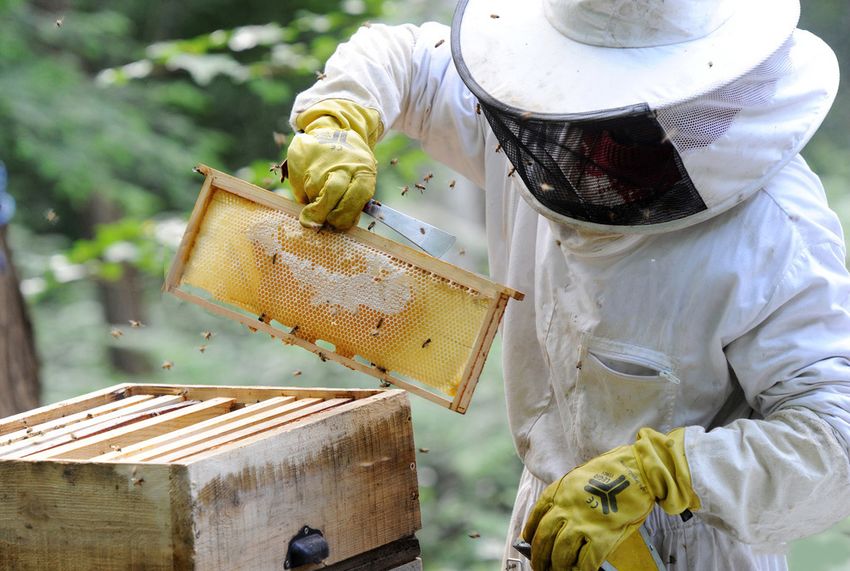
AGRICULTURE IN BARBADOS
AND THE CARIBBEAN

The agricultural sector in the Caribbean no longer enjoys the prominence it did in the early years of independence
for most states. The sector has seen a drastic decline in its contribution to regional economies with greater
attention and significant investments being made in tourism and related services.

Despite this decline Bishop (2013) notes that the agriculture sector plays a key role in maintaining community
cohesion, social stability and lessening the region’s food insecurity. Beckford and Rhiney (2019) also support
this point as they argue that the sector makes important contributions to Caribbean economies including:
generating foreign exchange, absorbing surplus labour, providing new economic opportunities through inputs
for agroprocessing and sustaining the livelihoods of thousands of people, particularly in rural areas.

As it relates to Barbados, Shik et al (2016) in an Inter-American Development Bank (IDB) commissioned report
noted that although agriculture has not been a major contributor to GDP or to employment, the sector continues
to be important for the sustainable social and eco-nomic development of Barbados. Barbados’ rural population
benefits from job opportunities the sector provides, and agriculture also serves as an important source of inputs
for the growing agro-processing industry, and for foreign exchange earnings.

8   AN ANALYSIS OF LOCAL AGRIBUSINESS TRENDS: PROMOTING OPPORTUNITIES FOR YOUNG BARBADIAN AGRIPRENEURS
PROBLEMS FACED
BY THE SECTOR
The agricultural sector in the region once dominated by sugar and bananas is currently sustained by small
farmers (Bishop 2013). Yet these farmers face significant challenges with respect to resource allocation, lack
of physical and institutional infrastructure, access to financial credit, a paucity in research and development
and inadequate marketing and distribution arrangements (Beckford and Rhiney 2019). These problems are
compounded by climate change, natural hazards and global financial shocks.

       A recent study commissioned by the IICA Delegation in Barbados on Barbadian youth
       in agriculture notes that youth face several challenges including access to land, capital,
       technical expertise and mentorship (Zazula and Mayes, 2019).

Barbados continues to face challenges in the production of food crop production to 1990s levels (Shik et al
2016). However there has been growth in the livestock sector which has grown significantly in comparison
to twenty years ago and at a rate of 4 per cent average between 2011-2016. At the same time, Barbados is
a major agri-food importer, with an agri-food import bill reaching US$351 million in 2015. It mostly imports
meat, dairy, and prepared food, but it also imports fresh fruits and vegetables. Local production is insufficient
to fulfil the demand for food items and the country’s small size also means that there are limited land resources.
Issues of water scarcity also compound this problem. Roughly ninety percent of farmers in Barbados continue
to operate holdings of 0.5 hectares or less and therefore face higher costs in the absence of economies of
scale (Shik et al 2016).

Concerns about the island’s food security and high food import bill have also been a major source of concern
for public officials. At a ceremony to launch a new government agricultural initiative titled Farmers Empowerment
and Enfranchisement Drive (FEED), the island’s Prime Minister The Hon. Mia Mottley lamented that the country
must reduce the amount of foreign exchange it spends on food imports.

    “We cannot afford to have a food import bill of $700 million odd dollars, 685 million to be precise for
    2018, of which vegetables and fruits account for just under 10 per cent, at 66 million dollars rough.
    It is simply not good enough, and Barbadians can do better if we pull together and work together.”
    (Barbados Government Information Service: 2019)

The Prime Minister further reiterated her belief that increased agricultural production could lead to reduced
foreign exchange outflows, increased jobs and new wealth creation particularly at a time where the country
continued to struggle with economic growth.

            AN ANALYSIS OF LOCAL AGRIBUSINESS TRENDS: PROMOTING OPPORTUNITIES FOR YOUNG BARBADIAN AGRIPRENEURS   9
COVID AND THE IMPACT
ON AGRICULTURE

The agricultural sector in Barbados has been thrust into the spotlight with the recent COVID-19 global pandemic.
While some might consider the sector to be fledgling there is a new appreciation for the importance of the
industry and those who work in it given the challenges posed by COVID-19 pandemic.

Given the serious challenges posed by the global health crisis, key organisations such as the Inter-American
Institute for Cooperation on Agriculture have been at the forefront of assessing and proposing solutions for
the region’s agriculture sector as countries grapple with food security concerns. In a recent forum on the topic
an IICA expert panel highlighted key issues brought to the fore by the pandemic. The experts highlighted five
key issues currently facing small island states in the Caribbean.

These include the impacts of climate change namely
1. The risk of hurricane damage and drought conditions
2. High debt levels among countries,
3. High rates of chronic non-communicable diseases,
4. Continued dependence on tourism
5. Food insecurity (IICA 2020).

In Barbados the tourism sector has been particularly hard hit due to the cancellation of international and regional
airlift as well as cruise visits to the island. The Central Bank of Barbados (2020) reported that due to the impact of
the global health crisis, the island would likely see a double-digit decline in economic activity. The decline of the
tourism industry has also had a negative spill-over effect on ancillary sectors including transportation, marketing,
entertainment and the food and beverage industries. Several concerns have also been raised about the island’s
food security as Barbados is a net importer of 80% of its food. However, a policy brief prepared by IICA on the
impact of the pandemic on the local agricultural sector, indicates that government has been making a concerted
effort to allay the fears of citizens by working with farmers to boost production in vegetables, poultry and rabbit
production (IICA 2020b). IICA has also identified areas it can assist Barbados with including: providing access to
planting material for vegetable production; access to animal feed and information on use of locally available forages;
information on water harvesting and storage and information on Climate Smart technologies for water conservation.

Barbadian food and agricultural commentator Daphne Ewing-Chow (2020) warns that the socio-economic
impacts caused by COVID could be compounded by increases in food prices, increased demand for food,

10   AN ANALYSIS OF LOCAL AGRIBUSINESS TRENDS: PROMOTING OPPORTUNITIES FOR YOUNG BARBADIAN AGRIPRENEURS
reduced production, altered supply chains, transportation issues, more restrictions and food safety issues as
well as significant fluctuations in oil prices which could impact food inflation.

With similar sentiments to those of Ewing-Chow about the impact of the pandemic on Caribbean countries,
IICA (2020) urges a revival of the regional agricultural sector and a greater focus on the contribution it can make
to national development and food security. The organization highlights opportunities available to Caribbean
countries with greater investment in agriculture including the creation of new jobs and businesses related to
food production, the improvement of products by replacing imported food with more nutritious, local products
and revitalization of the regional economies through increased production.

Similarly, the FAO (2020) calls for urgent action to be taken to boost domestic food production in the short
and medium term. It urges the provision of financial services to enable small-scale producers and small and
medium enterprises to overcome cash flow issues. It also calls for the provision of inputs for primary agricultural
production to ensure food availability in the poorest areas and the provision of digital services for agriculture
and education. The organisation also highlights potential opportunities emerging for the agricultural sector from
the COVID-19 situation for Small Island Developing States (SIDS). These opportunities include the adoption
of digital platforms, the enhancement of digital capabilities (digitization of value chain actors, e-payments) and
the strengthening of island and inter-island communication networks and trade.

Despite the issues facing the agricultural sector in Barbados and the region, strengthening of the food production
systems is key to enhancing local food security and to lessening the impacts caused by current and future
economic shocks. For the aforementioned to be achieved and sustained, the sector must have greater input
and participation of youth. According to Isaac et al (2019) effective engagement and participation of youth in
agriculture are critical especially as the sector in the Caribbean is currently dependent on an ageing population.

        In assessing the contribution of young persons in Trinidad to agriculture, the authors
        note that there is a lack of motivation and a willingness to engage in agricultural activities
        due to the negative stigma associated with those involved in agricultural activities.

To remedy this Isaac et al call for a youth-focused approach to revive youth interests, encourage entrepreneurship,
and provide viable jobs for youth in the sector.

The Caribbean Development Bank (CDB) (2019) calls for new training approaches for Caribbean youth to
be established which include introducing education at the primary and secondary school level as well as
offering more tertiary opportunities in the agricultural field. The CDB suggests that training programmes need
to be established focusing not only on agriculture in the strictest sense, but on “sustainable socio-economic
entrepreneurship”, including the development of human skills (e.g. cultural, social, technical, organizational and
economic) and the linking of agriculture to other industries and the services sector.

Similar sentiments were expressed in a recently held forum by the FAO entitled - “Private Sector Investment
in Agriculture and Fisheries: the Preparation and the Payoff”. Experts felt that the interest of young people in
agriculture had to be captured from early and that there was the need to employ new technologies to maintain
this interest. In addition the integration of agriculture in the curriculum at the primary school level as well as
integration of the subject into Science Technology Engineering and Maths (STEM) areas would ensure a better
appreciation and understanding. (Barbados July 5, Advocate 2020)

            AN ANALYSIS OF LOCAL AGRIBUSINESS TRENDS: PROMOTING OPPORTUNITIES FOR YOUNG BARBADIAN AGRIPRENEURS   11
AGRICULTURE AN INDUSTRY
OF POSSIBILITIES
Despite the difficulties faced, the Barbadian agriculture Research and Development Institute (CARDI) has been
sector provides much opportunity for youth in several at the forefront of promoting the development of the
key areas ranging from primary production to value- regional coconut industry as a priority commodity.
added products and support services. There are The organisation has been working with other donor
positive signs that more young people are taking and support partners through a mechanism titled the
advantage of these opportunities in the traditional and “Regional Coconut Commodity Innovation Platform
non-traditional areas in agriculture both in primary (RCCIP)” with the aim of harmonising key actors and
production and along the value chain. stakeholders work programmes, making better use
of scarce resources and serving as a coordinating
AGRICULTURE mechanism for the advancement of regional policy as
The Barbados Advocate (March, 12 2019) in an well an oversight for the implementation of regional
interview with President of the Barbados Apiculture coconut initiatives.
Association Mr. Damien Hinds highlighted that the
association had seen an increase in young people SEAWEED HARVESTING
interested in apiculture. The President stated that there Other opportunities are being realised in non-traditional
were several young entrants who had applied to join the areas such as the harvesting of seaweed. The University
association during the 2018-2019 period and felt that of the West Indies (UWI) and other partners have been
increased information sharing and public awareness focusing on how best to utilise frequent influxes of
about bee-keeping had been paying dividends for Sargassum seaweed which have been seen as an
the association. The entry of more young people unwanted invasion for tourism dependent Caribbean
in apiculture is backed by experts from outside the economies. While the continuous influx has caused
region who have been providing technical assistance problems the UWI has taken an inter-disciplinary
to countries like Barbados. Argentian specialist Elian approach to finding alternative uses for seaweed.
Tourn noted that Barbados is in a unique position to be Some of the major areas indentified include animal
able to develop its industry based on the production of feed, cosmetics and mulch. Additionally the seaweed
authentic natural honey and its byproducts, using hives has been identified as a potentially viable fertiliser to
that allow the bees to feed naturally throughout the year, improve soil health and increase plant growth thereby
without the use of inorganic chemical products. He helping to reduce environmental stress and reduce
also proposed that there be greater linkages between the costs of agricultural production. (University of the
the apiculture sector and tourism and called for the West Indies 2016)
marketing of local honey to tourists to support local
beekeepers thus generating income through import VALUE ADDED PRODUCTS
substitution. (IICA 2019) Young agripreneurs in the region particularly those
involved in product development can see their products
THE COCONUT WATER ECONOMY taken to the international market. This however requires
Like bee-keeping it is undeniable that youth across training and certification in food health and safety
Barbados have been finding the vending of coconut best practices and standards. A 2017 report by the
water a lucrative business opportunity. With the Technical Centre for Agricultural and Rural Cooperation
increased focus on the coconut sector and its potential (CTA) highlights that Caribbean agripreneurs have
for significant economic gains, the Caribbean Agricultural significant potential and have been known to produce
12 AN ANALYSIS OF LOCAL AGRIBUSINESS TRENDS: PROMOTING OPPORTUNITIES FOR YOUNG BARBADIAN AGRIPRENEURSseveral products in demand by international markets youth in agribusiness. Participants also discussed
including sweet potato fries, jams and jellies, cassava strategies for helping to change the public’s mindset
flour, spices such as nutmeg and a variety of sauces. about the sector and those who work in it, noting that
However the CTA notes that the ability to export such agriculture needed to be promoted in ways which
products is dependent on meeting health and safety people can relate to it such as making linkages
standards which are increasingly being demanded between agriculture and tourism, food, health and
by regional and international markets. The report the environment. Key challenges and solutions were
also notes that regional agencies such as Caribbean also tabled on matters related to access to land and
Export and networks such as the Caribbean Agri- financing for young agripreneurs. It was also felt that
Business Association (CABA) have been working youth in agribusiness continually upgrade their skills
to help companies achieve standards for export. by having access to certified short courses to build
The CTA cautions that most buyers such as hotels, their technical skills and competencies while also
restaurants and cruise ships expect suppliers to have benefitting from networking opportuniies, trade shows
Hazard Analysis and Critical Control Point (HACCP) and expos. (IICA 2017).
certification and it is therefore critically important both
to raise awareness of such standard and to provide
training opportunities and certification for Caribbean
companies. (CTA 2017)
The potential for youth to become successful in
agribusiness is enhanced by a number of organisations
across Barbados undertaking various support initatives
to youth in agribusiness. In 2017 IICA Barbados in
collaboration with the Ministry of Agriculture hosted
a forum titled Youth in Agribusiness Support Forum
where organizations and individuals discussed on
going programmes and their mandates to support
youth. The organizations provided support ranging
from Business and Entrepreneurship, Technical
Support and Capacity Building, Advocacy, Networking
and Access to Finance.
The forum concluded that there
was a need for greater coordination
among agencies providing support
to youth in agribusiness as well
as a need to link mature farmers
to youth in agribusiness so as to
effect greater knowledge transfer
and learning (IICA 2017).
The IICA agribusiness forum also discussed the
need for greater exposure and training in climate
smart agriculture for the sustainable development
of agriculture in Barbados and the sustainability of
AN ANALYSIS OF LOCAL AGRIBUSINESS TRENDS: PROMOTING OPPORTUNITIES FOR YOUNG BARBADIAN AGRIPRENEURS 13METHODOLOGY
This paper was completed utilizing a mixed approach of desk research and key informant interviews. The
interviews utilized semi-standardized questions to elicit information from five (5) individuals who were selected
for their knowledge and experience in the agriculture sector. These interviewees included an economist, two
young agripreneurs, a senior agricultural extension officer and a university lecturer/coordinator of a regional
entrepreneurship programme.
Interviewees provided insight on aspects of the agrifood industry and the state of agribusiness in Barbados
particularly among small-scale producers. The interviewees explored key questions such as:
• What are the main challenges facing the local agrifood sector?
• What is the attitude of young people towards agriculture?
• What are the emerging areas for growth in the sector?
• What is the outlook of the sector in light of the ongoing global health pandemic ?
• What recommendations can be provided to help youth maximise opportunities along the local agricultural
value chain ?
The responses to these questions, in addition to the desk research conducted provide the main content of the
report and help to provide a series of concrete recommendations to better enable the participation of youth
in the local agribusiness sector.
14 AN ANALYSIS OF LOCAL AGRIBUSINESS TRENDS: PROMOTING OPPORTUNITIES FOR YOUNG BARBADIAN AGRIPRENEURSKEY PERSPECTIVES
ON YOUTH
ENGAGEMENT IN
AGRIBUSINESS
The following section provides a synthesis of key informant interviews as well as the
desk research undertaken. The section highlights some of the challenges to youth
involvement in agriculture, existing and new opportunities in agribusiness which
can be explored and important tools for creating an enabling environment for youth
participation in the sector.
AN ANALYSIS OF LOCAL AGRIBUSINESS TRENDS: PROMOTING OPPORTUNITIES FOR YOUNG BARBADIAN AGRIPRENEURS 15BARRIERS TO YOUTH
INVOLVEMENT AGRICULTURE
Opportunities abound in the agribusiness sector for young people, however it must be acknowledged that there
are several challenges which prevent the smooth entry of youth into the sector. There was significant consensus
among interviewees that youth faced several challenges to greater involvement in the agriculture sector. The
most significant challenge identified was the socio-cultural attitude towards agriculture. The traditional view of
agriculture as a labour-intensive undertaking with limited use of new technologies and equipment, and with
few rewards persists in Barbadian society. For this reason some young people avoid the sector as it seen as
one reserved for those who are not academically inclined.
“In secondary school there was no significant interest in agriculture, although there
was Agri-Science at school there was no encouragement to take it up.” – (Keriah
Scantlebury, Mixed Farmer and Young Agripreneur)
While there is still much work to be done to overcome the negative stereotypes associated with the sector,
interviewees felt that those young people currently involved were considering careers in agriculture given
the introduction of new technology, the persistent issues of youth unemployment and a desire for financial
independence.
“As an extension officer, the young people I’ve encountered across the sector have
very positive attitudes towards agriculture even though there are challenges.” - Alvin
Romeo (Senior Extension Officer, Ministry of Agriculture and Food Security)
These positive attitudes however are constrained by the many challenges youth face in navigating the sector.
Availability of and access to land continue to be significant impediments to youth wishing to establish themselves
in the industry as Barbados’ continued focus on tourism expansion and housing has significantly limited the
arable land available for production. The issue of alternative use of scarce land compounds the current problem
16 AN ANALYSIS OF LOCAL AGRIBUSINESS TRENDS: PROMOTING OPPORTUNITIES FOR YOUNG BARBADIAN AGRIPRENEURSfaced by small scale farmers most of whom have less than 0.5 hectares available to them to farm (Shik et al
2016). In addition to land availability the difficulty in accessing credit and the absence of dedicated entrepreneurial
programmes to assist youth in exploring agricultural ventures means that the entry of would-be agripreneurs
and the expansion of the operations of those already involved is constrained.
“Some of the major challenges facing the agricultural sector include financing, availability
of land at good prices and praedial larceny.” Alvin Romeo
Insufficient exposure and awareness of jobs and opportunities available in the sector have also constrained
youth involvement. While some training opportunities exist for youth there have been challenges with quality
of available internships. Some older persons in the sector have also been averse to mentoring and sharing
knowledge for fear of competition from youth. These persons also tend to oppose innovation, the uptake of
new technologies and exploring new business ventures.
“The attitude of some older persons in the sector can be discouraging - there is strong
resistance to trying new ways and methods of farming especially when proposed by
young people.” – (Keriah Scantlebury)
Insufficient data and research on the local agribusiness sectors have also impacted youths’ entrepreneurial
drive. The paucity in information means there is no holistic view of the sector to allow young people to make
better informed decisions on the underserved areas in agriculture which they can better explore. This point
is also underscored by Beckford and Rhiney (2019) who note that a paucity in research and development is
hampering the agriculture sector in the region.
“There is a dire lack of market research and information on the agricultural sector which
can be useful for younger persons getting into the industry.” – Ayanna Young-Marshall
(UWI Lecturer and SEED Programme Coordinator)
AN ANALYSIS OF LOCAL AGRIBUSINESS TRENDS: PROMOTING OPPORTUNITIES FOR YOUNG BARBADIAN AGRIPRENEURS 17OPPORTUNITIES IN THE
AGRIBUSINESS SECTOR
Opportunities in the agricultural sector are often focused on scaling up primary production. While this is to be
expected given Barbados’ high food import bill, there is also the potential to explore value-added products
and to provide new services to the sector.
COVID-19: THE REFOCUS ON THE
BARBADIAN AGRICULTURAL SECTOR
This research has been conducted at a historically significant moment for the local agricultural sector. Interviewees
acknowledged that for several years stakeholders have called for a greater focus on the island’s food security
relative to its agricultural production, greater investment and support for the local agricultural sector and the
need to explore value-added products and services arising from the sector.
The COVID-19 global health pandemic has highlighted the challenges as well as opportunities in the agricultural
sector in Barbados. Significant discussion has been generated on the importance of increasing local production
to ensure food security. This focus has resulted from disruptions caused to global food supply chains and the
precarious position in which import dependent states like Barbados have found themselves. Consequently, and in
addition to the significant job loss related to the pandemic, there has been a resurgence in interest in agriculture
as several persons are now seeking to become registered farmers.
“Since the pandemic, applications for farmers’ licenses to the Ministry of Agriculture have grown from
two per day to approximately thirty applications a day.” – (Alvin Romeo)
18 AN ANALYSIS OF LOCAL AGRIBUSINESS TRENDS: PROMOTING OPPORTUNITIES FOR YOUNG BARBADIAN AGRIPRENEURSThe pandemic has shown the importance of Barbadians being able to grow at least some of their own food, if
not for retail at least for self-sufficiency. It is also acknowledged that while the sector has its challenges there
has been growth in the various subsectors such as poultry and livestock production (Shik et al 2016). Covid-19
has also highlighted the need to look at the policy framework in place to support farmers. As jobs have been
lost in the traditional sectors of tourism and related services, the agricultural sector has been highlighted as a
key area which can stimulate job creation and economic growth (IICA 2020a). The sector can also aid in the
long overdue diversification of the Barbadian economy which faces the stark reality of a prolonged economic
recession as noted by the Central Bank of Barbados (2020). This contribution can be reached through the
development of new agricultural products and services.
SCALING-UP LOCAL PRODUCTION
The COVID-19 crisis provides an opportunity for existing and new farmers to increase production in local fruits,
vegetables, root crops and livestock as encouraged by the Ministry of Agriculture and Food Security in their
discussions with Barbadian farmers IICA (2020b). There is also a significant opportunity to practise import
substitution by producing some of the imported vegetables which farmers have been hesitant to produce.
Vegetables such as broccoli, cauliflower and specialty lettuces can be grown locally with the right mindset and
technical know-how. While the island is largely self-sufficient in poultry and egg production there are opportunities
to scale up production with respect to beef, lamb, rabbit and mutton.
“ With tourism down, food supply issues and much uncertainty surrounding the economy, there is
a definite opportunity to invest more in agriculture particularly in value added products.” – (Jeremy
Stephen- Economist and UWI Cave Hill Lecturer)
AN ANALYSIS OF LOCAL AGRIBUSINESS TRENDS: PROMOTING OPPORTUNITIES FOR YOUNG BARBADIAN AGRIPRENEURS 19NON- TRADITIONAL AREAS
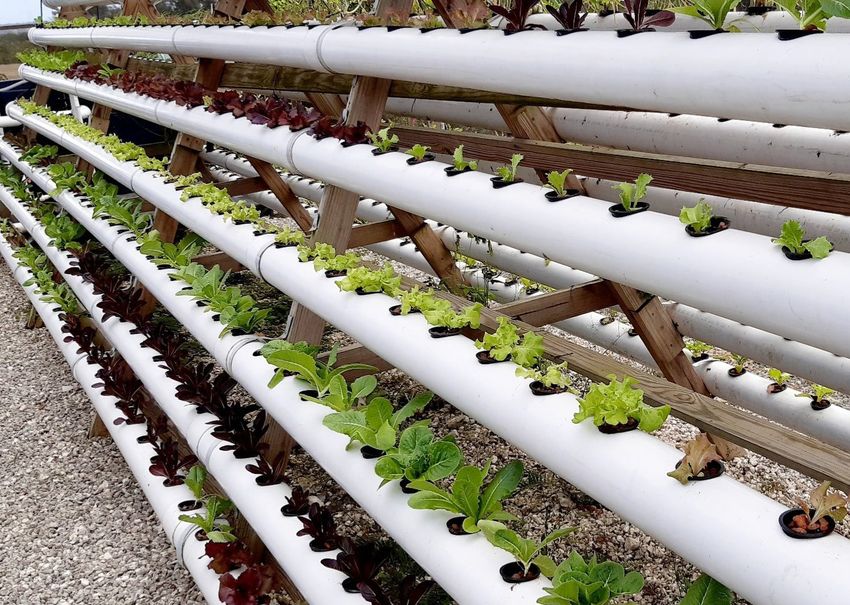
There is also room to increase production in non-traditional areas of agriculture which have not been sufficiently
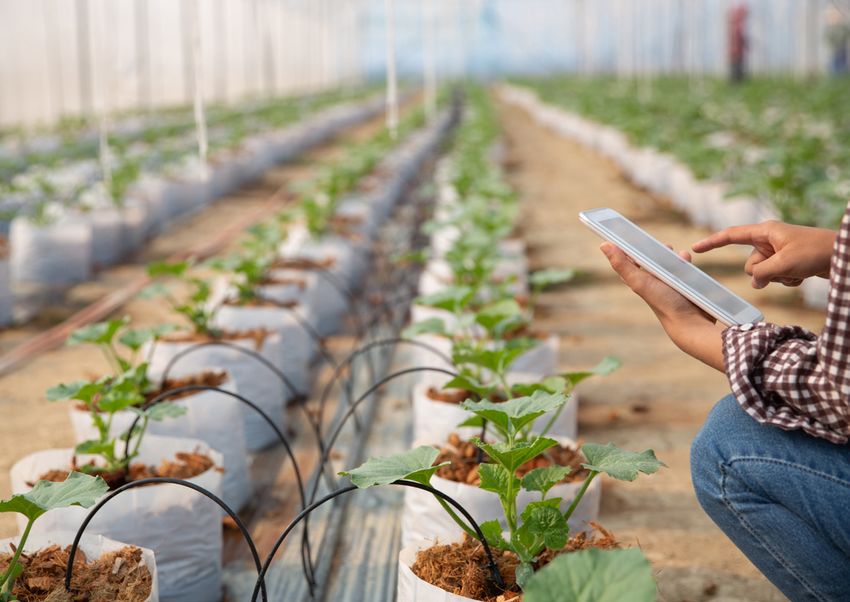
explored. Areas such as bee keeping (apiculture), aquaponics, hydroponics and protected agriculture (the
cultivation of high-value vegetables in greenhouses) present a significant opportunity for young farmers particularly
those facing issues of access to land.
“The attitude of young people towards agriculture and entrepreneurship is positive, it has definitely
changed over the last few years with young willing to explore new areas”. – (Ayanna Young- Marshall )
Young agripreneur Damian Hinkson has shown that local innovation can be achieved for youth using non-
traditional farming methods and employing new technologies. Mr. Hinkson has been using waste from tilapia
and other fish to produce crops such as eggplants, onions, okras, spinach. The agripreneur has also been
able to invest in renewable energy to save on the cost of production. Specialised batteries which store energy
from solar panels are used to power a water system for crop irrigation with the excess water being pumped
into a filter that sends it back into the fish tanks. (Nation Newsaper, June 7, 2018)
Another example of innovation in a non-tradiational area has been the increasing focus on the use of Sargassum
seaweed. Caribbean people are known for their resilience and turning obstacles into opportunities. Young
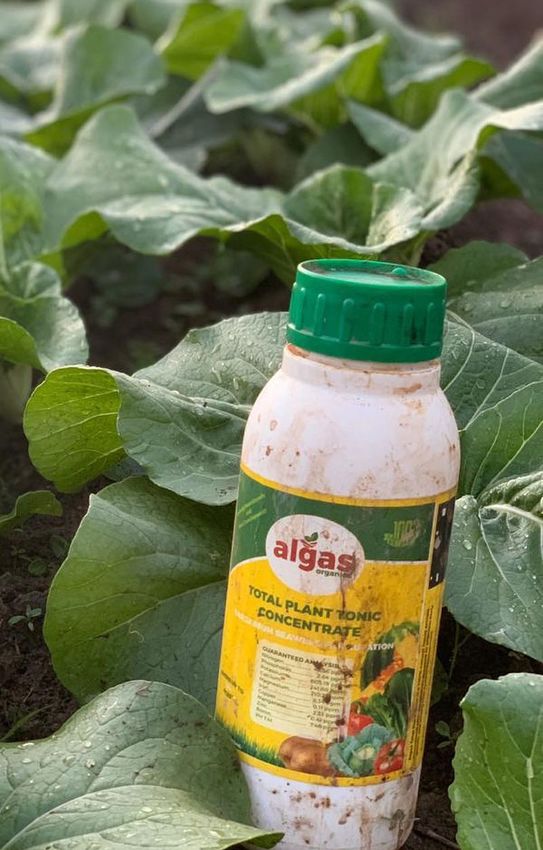
agri-preneurs have embarked on creating beauty products from the seaweed. In St.Lucia the company
Algas Organics has successfully developed the formulation for its flagship product the Total Plant Tonic. In an
20 AN ANALYSIS OF LOCAL AGRIBUSINESS TRENDS: PROMOTING OPPORTUNITIES FOR YOUNG BARBADIAN AGRIPRENEURSinterview with leading online publication Medium, young agripreneur Johanan Dujon explained that through
the use of proprietary extraction technology the company was been able to produce an all natural Total Plant
Tonic. The tonic serves as a a rich blend of growth hormones and micronutrients to plants enabling them
to better access water and nutrients present in the soil and thus improving climate resilience and yield. The
company has also offered seaweed management services to regional governments and other organizations.
Its flagship product the Total Plant Tonic is sold to local, regional and international markets. (Mathurin 2019)
The influx of Sargussum seaweed also presents an opportunity for young Barbadians in harvesting the product
and making the raw material readily available for potential manufacturers. There are also opportunities to further
identify the properties of the seaweed and its use in areas such as health and beauty and agriculture as has
been done by Algas Organics. One local company which has been doing this is Oasis Laboraties, a group
of young entrepreneurs who during their time at the University of the West Indies, Cave Hill Campus began
exploring the potential of seaweed. The Oasis team has stressed that seaweed is excellent for skin care given
its properties. These properties include anti-aging, anti-inflammatory and ultra-hydrating qualities. The group
through their scientific research have also found that seaweed has anti-bacterial properties which make it ideal
for fighting acne and is a natural exfoliant with potential for toning of the skin. The group has been producing
soap based-products from seaweed but has also been working on other seaweed-based products including
hair products, scrubs and masks, deodorants, and lip balms. (Green Antilles 2019)
AGROPROCESSING
Agroprocessing, whether through complete transformation of the agricultural product or postharvest management
and packaging to extend the shelf life can provide jobs and help to reduce the high food import bill.
“Value-added products in the sector present an opportunity for young persons to explore.” – (Alvin
Romeo)
There is a sentiment that not enough emphasis has been placed on developing new products through food
technology applications. Opportunities also exist for healthy locally processed meat products as there are
expected gluts in the local poultry and pork sectors due to reduced demand in the hotel and restaurant sector.
AN ANALYSIS OF LOCAL AGRIBUSINESS TRENDS: PROMOTING OPPORTUNITIES FOR YOUNG BARBADIAN AGRIPRENEURS 21“If we can get more young people trained and educated along the value chain then there is the possibility
of producing more value-added products especially where there is excess produce.” - (Chadeene Roett
Young Agripreneur and Agribusiness Consultant)
The growth of agroprocessing during the last decade has been led by Barbados’ state agency the Barbados
Agriculture and Development Marketing Corporation (BADMC). BADMC has displayed a high level of innovation
and has been supplying the local market with a range of products from sweet potato, breadfruit and cassava.
These products have included cassava and sweet potato flours as well as pancake and cake mixes. The
BADMC has also shown innovation with local meats including blackbelly lamb, pork and beef which are all
locally sourced from Bajan farmers. Byproducts have included burgers, sausages, meatballs and ham. Other
innovations have also included soft serve icecream and sorbets made from cassava and sweet potato. The
innovations of the BADMC are matched by such organisations as Addis Alem Co-op. Taking advantage of
training opportunities provided in agroprocessing through the IICA IM.P.A.C.T Project the recently established
farmers cooperative under its BetaHill brand has been able to produce a number of flours and sauces which
have been retailed in local supermarkets.
Increasing attention has also been paid to coconuts especially their usefulness in processed products such as
coconut oil which over the years has increased in popularity in the health food industry. The sale of coconut
water along the highways of Barbados has grown exponentially in the past decade with coconut water once
only available on Sunday now being available on a daily basis. It has provided employment for several young
Barbadian men and women from sourcing and transport of the coconunts to the sale of the water. While fresh
coconut water is available almost on a daily basis along the highways the industry holds sigficant potential
for processed products including the production of virgin coconut oil, coconut cream, coconut milk and even
coconut flour. The production of skin and personal care items such as soaps and cosmetics is also very much
a reality given the world wide craze over coconut. The sector can also provide employment in areas such as
use of the husk for mulch, use of the shells for artwork and wooden products such as cups and other utensils
and even the use of coconut leaves for craft.
PRE-PACKAGED PRODUCTS
In addition to the suggestion of newly processed products, capitalizing on the busy lifestyle of Barbadians is as
an opportunity which has not been sufficiently explored. The packaging of produce such as pre-cut vegetables
could lessen the preparation time for cooking for Barbadians. Packaged pre-cut produce is available in some
supermarket chains on a very limited scale and there is significant opportunity for expansion.
“People need the convenience when it comes to food, however the access needs to be taken to another
level through packaging and marketing of local vegetables.” – ( Chadeene Roett)
In addition to pre-packaged products, the creation of unique products such as vegetable boxes presents new
opportunities for the sale of produce in an era where social distancing is been encouraged. The introduction
of ‘veg boxes’ during the pandemic has been a novelty widely accepted by Barbadians. Yet there is room for
growth with respect to the variations and offerings not only of fresh produce but also the inclusion of other
locally produced products in these boxes such as jams, sauces and flours. Such an endeavour would call
for greater collaboration and linkages between agripreneurs who can realise the value of coming together to
promote their products and joint investment in small scale food processing facilities.
22 AN ANALYSIS OF LOCAL AGRIBUSINESS TRENDS: PROMOTING OPPORTUNITIES FOR YOUNG BARBADIAN AGRIPRENEURSMARKETING, ECOMMERCE AND DELIVERY OPPORTUNITIES
The Government of Barbados declared a Public Heath State of Emergency (SOE) from mid-March 2020
which significantly impacted consumers’ ability to purchase food supplies. The SOE highlighted the need for
improvement in the use of e-commerce platforms across the Barbadian business landscape as many food retail
businesses struggled to leverage existing digital technologies to market and sell their products. This highlighted
a significant opportunity for youth to develop software applications (apps), websites and social media pages to
assist supermarkets and even farmers to market and sell their produce to the public.
The United Nations Development Programme (UNDP) as part of its COVID-19 recovery programme for
Barbados and the OECS and with a focus on economic transformation and recovery of Micro, Small and
Medium Enterprises (MSMEs) rolled out a programme which sought to assist and sensitize MSMEs to
ditigise their operations. The programme titled the #eFUTURE initiative has seen the use of digital plaftorms
provided by young entrepreneurs for the purchasing of locally based agricultural produce notably through
the website www.farmerfinder.org; partnerships with young service providers offering delivery services via
e-platforms and training for agripreneurs in using digital solutions to promote their businesses and conduct
transactions. (UNDP 2020)
The programme highlights the opportunities available to youth to leverage digital technologies to provide solutions
to the local agricultural sector. This is especially important as concerns about contracting COVID-19 remain at
the forefront of consumers’ minds. Exploiting opportunities for the creation of dedicated delivery services for
locally grown produce and to utilise digital payment services can lessen human to human contact and further
allay fears of COVID-19 transmission.
HEALTH/WELLNESS AND BEAUTY
A thriving local health & wellness and beauty industry also provides significant opportunities for agribusiness
both on the production side as well as the processing and development side. Medicinal products including
packaged teas, salt and sugar scrubs and massage oils for spas and medicinal rubs based on local plants
are opportunities which can be explored. The number of persons involved in the health and beauty industry
primarily through soap and lotion production has grown significantly in the last decade. Potential exists in
other industry areas such as the manufacture of make-up, facial cleansers, mosquito repellents especially for
AN ANALYSIS OF LOCAL AGRIBUSINESS TRENDS: PROMOTING OPPORTUNITIES FOR YOUNG BARBADIAN AGRIPRENEURS 23babies/children, men’s hair and beard products, and treatments for and eczema and skin exfoliation. There
are also opportunities to offer services to small manufacturers to assist them in the marketing, branding
and packaging of their products for sale to consumers. This creates other services and opportunities of
employment particularly for young people.
While many persons have been getting into the soap and lotion industry due to its ease in market penetration
there is certainly greater need for training, testing and market research that may not be readily available in-
country. Local businesses such as Hello-Naturalle have been offering an extensive range of products from
mainly locally sourced materials including soaps, deodorants, hair care products, creams and more recently
hand sanitizer. Recognising the need for training of other small scale producers the company has also been
offering soap making courses as another means of revenue and improving the technical competency of young
persons seeking to enter the sector.
Other players in the industry such as Soothing Touch Spa have been using a variety of locally sourced products
in providing spa treatments such as pedicures, manicures and massages. Included in these treatments are
products made from mango, coconuts, pawpaw, guava, bananas and other agricultural produce used for
purposes of moisturising the skin and exfoliation.
On the regional level, the small scale company Ikooma - founded by a young Belizean entrepreneur – has
been using locally sourced seaweed to produce hair care products. These products are sold to Belizeans
and have also become popular with tourists making their usage international. The business has created
both backward and forward linkages as the seaweed is sourced from local seaweed farmers while the
labelling of the products is done by other small graphic businesses. Speaking during a recent IICA organised
regional seminar titled - “Rural youths building the new agriculture post covid-19”, founder of Ikooma Jolie
Pollard also underscored her efforts to create linkages with other young entrepreneurs in the health and
beauty industry by promoting co-branding and offering packages which contain locally produced products
in particular to visitors. (IICA 2020)
“Our agro-industry needs to respond to our problems such as our high rate of Chronic Non Communicable
Diseases (CNCDs). More emphasis can be placed on the production of local pharmaceuticals from
locally grown plants and the production of beauty products such as face creams and hair products.”
– (Ayanna Young-Marshall)
AGRO-TOURISM AND AGRIBUSINESS MANAGEMENT, TRAINING
While the tourism industry has been severely impacted, there are opportunities for those in agribusiness
to innovate and create greater linkages with the tourism sector. While the operations of the industry have
slowed down significantly youth can develop plans to ensure greater linkages with hotels, restaurants and
tourists attractions to promote their products when tourist arrivals recommence. Opportunities such as
eco-friendly farms have can also become an attraction for visitors to the island in particular cruise ship
passengers.
“There is a lot more that can be done with between the agriculture and tourism industries, young people
can explore these opportunities.” - (Chadeene Roett)
Young people can also seek to grow products demanded by the tourism and hospitality sector which are not
24 AN ANALYSIS OF LOCAL AGRIBUSINESS TRENDS: PROMOTING OPPORTUNITIES FOR YOUNG BARBADIAN AGRIPRENEURScurrently being produced locally. These may include specialty lettuces, herbs and micro greens, among other
products.
“Several of the imported vegetables can be grown locally with technical knowledge, the application of
technology and a willingness by farmers to try new things”. – (Keriah Scantlebury )
An area which has not been sufficiently explored is the offering of agribusiness management services. Little
attention has been paid to what can be a potentially rewarding field for young people who undergo the
necessary training and develop the skills to manage or consult with various agribusinesses. Additionally
youth with significant skills in agribusiness management, technologies such as green house production,
specialised training in agriculture health and food safety among other areas are in a unique position to offer
training to other young people. Given that short term courses are not always available, training presents
another opportunity for youth to earn income and to explore entrepreneurial opportutnies. One example of
such training which can be offered is seen in the company Safe Food Essentials a food safety training and
consultancy company based in Barbados which offers training in areas such as HACCP as well as food
safety consulting and auditing of food safety standards for businesses. The company which is co-owned
by a young female entrepreneur, provides both technical assistance and hands-on experience. It offers
both face-to-face and online training solutions.
“Agribusiness management is an area with significant potential to be explored by young people.” –
(Chadeene Roett)
AGRICULTURE AND THE CULINARY ARTS
Young people also have significant opportunities in the Culinary industry which has significant linkages to the
local agricultural sector and exposes youth to food which is grown and manufactured locally. Young people
have an opportunity to become entrepreneurs experimenting with locally grown foods and even innovating to
offer new food products for sale to local and international markets through a combination of innovation and
entrepreneurship.
Such opportunities are available through the Barbados Hospitality Institute which is a full-service hospitality
training facility offering a wide range of courses and programmes. The Institute consists of the Hotel PomMarine,
AN ANALYSIS OF LOCAL AGRIBUSINESS TRENDS: PROMOTING OPPORTUNITIES FOR YOUNG BARBADIAN AGRIPRENEURS 25the Golden Apple Cafe, the Muscovado Restaurant and a number of purpose built classrooms. The Institute plays a key role in building the human resources capacity of the tourism industry particularly those in the culinary arts and exposing youth to the use of locally grown food and local manufactured products which can be used in the hospitality industry. In recent years increased training opportunities have been presented to youth in National Vocational Qualifications (NVQs) in Food Preparation and the Caribbean Vocational Qualificaton (CVQ) offered in Commercial Food Preparation. Futhermore, Food and Nutrition Science is now offered at the advanced level across some secondary schools in Barbados. There are also opportutnities available through the Barbados/Caribbean Junior Duelling Challenge a long running programme for secondary school students initated by Barbados Chef Peter Edey. The competition has provided invaluable experience and exposure for Barbadian and even Caribbean youth aiming to pursue a career in the hospitality sector. Additionally the National Independence Festival of Creative Arts (NIFCA) Culinary Arts Exhibition and Expo provides as an opportunity for learning, growth and exposure for youth on an annual baiss. The festival has both an adult and junior segment and the National Cultural Foundation (NCF) notes that the culinary arts competition encourages innovation, the promotion of locally grown foods, the fostering of greater community participation and the use of new industry technology in the preparation of traditional foods (NCF 2019). The NCF also provides various cash incentives to encourage innovation and the use of local sourced products and ingredients with the most substantial prize being the Governor General’s Award. 26 AN ANALYSIS OF LOCAL AGRIBUSINESS TRENDS: PROMOTING OPPORTUNITIES FOR YOUNG BARBADIAN AGRIPRENEURS
PLACING YOUTH
 AT THE CENTRE OF
 THE AGRICULTURE
   SECTOR SOME
RECOMMENDATIONS
    For young people to take advantage of existing and emerging agribusiness
  opportunities an enabling environment must be created for current and future
 agripreneurs. This environment should include training, stronger policy initiatives
   and investment by governments, the private sector, civil society and regional
                             agricultural institutions.

    Access to finance and funding has always been an issue for small businesses
   but it becomes even more problematic for young people who may not have any
collateral to gain access to funding. There is also the possibility for youth to become
   frustrated with all of the requirements needed to become globally competitive.
Certifications such as HACCP are increasingly important for businesses to compete
or even export but these certifications can also be costly to obtain and maintain and
                              if the business is a small one.

 Likewise, areas such as traceability have become more pressing for governments
    particularly in light of the current global pandemic and its origins. In order to
adequately prepare youth to maximise opportunities requires cooperation, support
   and a proactive approach by youth in identifying gaps in the market and taking
advantage of these opportunities. A number of key recommendations are therefore
advanced which if acted upon can see positive results for young people involved in
                                        the sector.

   AN ANALYSIS OF LOCAL AGRIBUSINESS TRENDS: PROMOTING OPPORTUNITIES FOR YOUNG BARBADIAN AGRIPRENEURS   27
IMPROVING TECHNICAL
COMPETENCY
The provision of training for young people has been highlighted as a major force behind assisting youth in the
sector. Training initiatives such as the Youth Farm project developed by IICA provide youth with necessary
skills to thrive in the sector as well as technical and vocational certification. Other programmes such as the
Farmers’ Empowerment and Enfranchisement Drive (FEED) programme by the Ministry of Agriculture and
Food Security (MAFS) are also beneficial to young people seeking to enter the sector. Barbadian youth can
also take advantage of agricultural science training programmes offered at the Barbados Community College
(BCC) and the Samuel Jackman Prescod Institute of Technology (SJPI). The BCC offers an Associate Degree
in agriculture which covers such areas as fisheries and aquaculture, postharvest technology, food science &
technology, agricultural Marketing as well as a farm attachment. The SJPI offers a two year diploma programme
in crop production and animal husbandry. The diploma covers such topcis as animal science, small business
management, plant science, crop protection and principles of agriculture theory and practice.
It was also felt that while the Caribbean’s premier regional institution offered various degrees in agriculture at
its St.Augustine,Trinidad campus, there is a need to expand more training courses in agriculture at the other
campuses across the region. This would provide persons desirous of improving their knowledge and skills in
the sector with an opportunity to do so making greater levels of technical expertise available across Caribbean
countries. Training opportunities in agribusiness should also be explored via online platforms to reach a greater
number of youth and to spur interest in the sector.
“There is a need for greater invest in key programmes such as IICA’s Youth Farm and the 4-H foundation
as these are critical to providing awareness and encouragement for youth to get into the sector. UWI also
needs to expand its agricultural programming beyond the St. Augustine Campus.” – (Chadeene Roett)
28 AN ANALYSIS OF LOCAL AGRIBUSINESS TRENDS: PROMOTING OPPORTUNITIES FOR YOUNG BARBADIAN AGRIPRENEURSBUSINESS DEVELOPMENT
AND FUNDING
While the technical know-how is key to improving productivity, success in agribusiness ventures is equally
dependent on sound financial decision making. Financial literacy and business management are important to
the success of young agripreneurs. Training programmes such as those offered by the Youth Entrepreneurship
Scheme (YES) and the Student Entrepreneurial Empowerment Development (SEED) which expose potential
entrepreneurs to the essentials of business management should be promoted and sustained. Civil Society
organisations such as the Barbados Youth Business Trust, the Young Equipped to Achieve and the Caribbean
Centre of Excellence for Sustainable Livelihoods have also been providing business support and mentorship
to young people through various projects. Young agripreneurs also need opportunities to pitch their ideas
or business ventures to seek investment and to help with refining their ideas and to capitalize on networking
opportunities.
“Small farmers with the right business skills and business acumen will do well particularly in the current
price sensitive market.” – (Jeremy Stephen)
Funding opportunities are also available through such government enterprises as Fund Access and the Enterprise
Growth Fund Limited. The latter agency administers the Agricultural Development Fund (ADF) which provides
loan financing to farming and fishing communities in Barbados become more competitive. The ADF also provides
incentives, technical assistance and grants to this sector. Loan financing is provided between BDS$50,000 to
BDS$1 million at an interest rate of 6.5% per annum calculated on a reducing basis.
AN ANALYSIS OF LOCAL AGRIBUSINESS TRENDS: PROMOTING OPPORTUNITIES FOR YOUNG BARBADIAN AGRIPRENEURS 29You can also read


